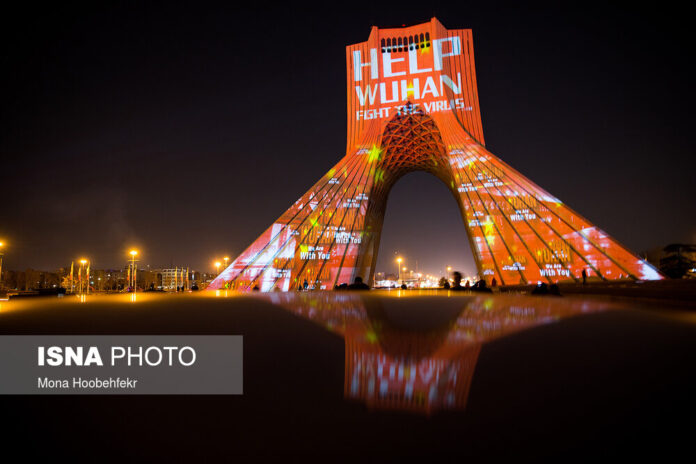
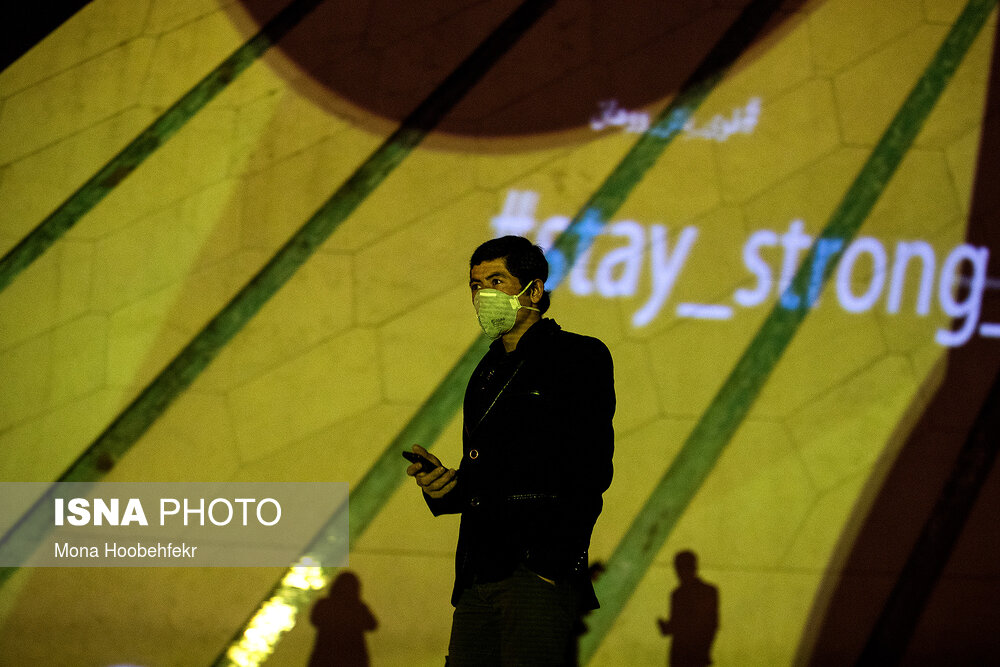
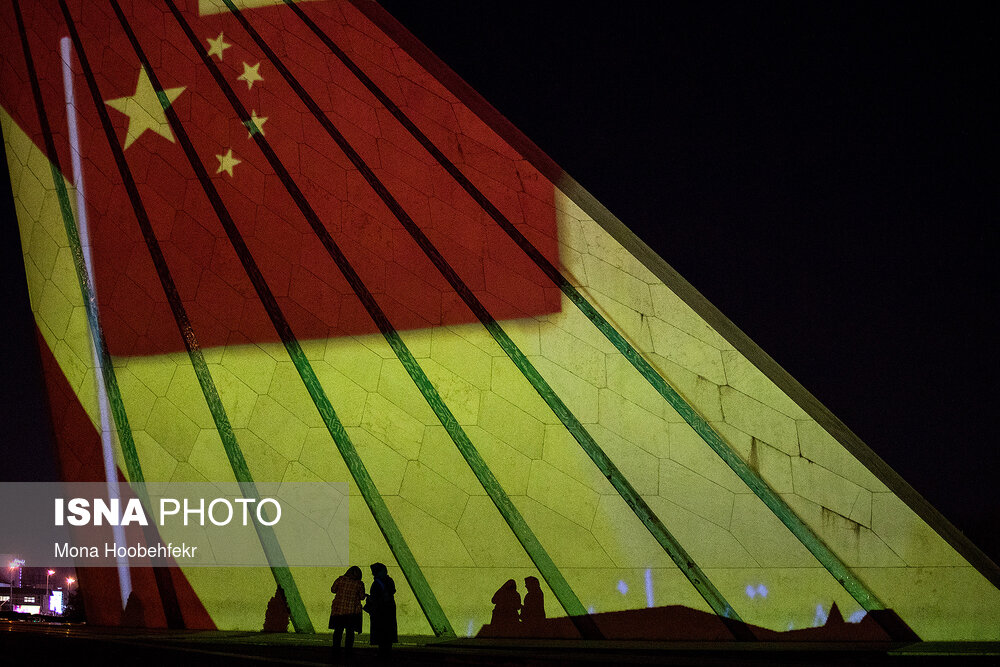
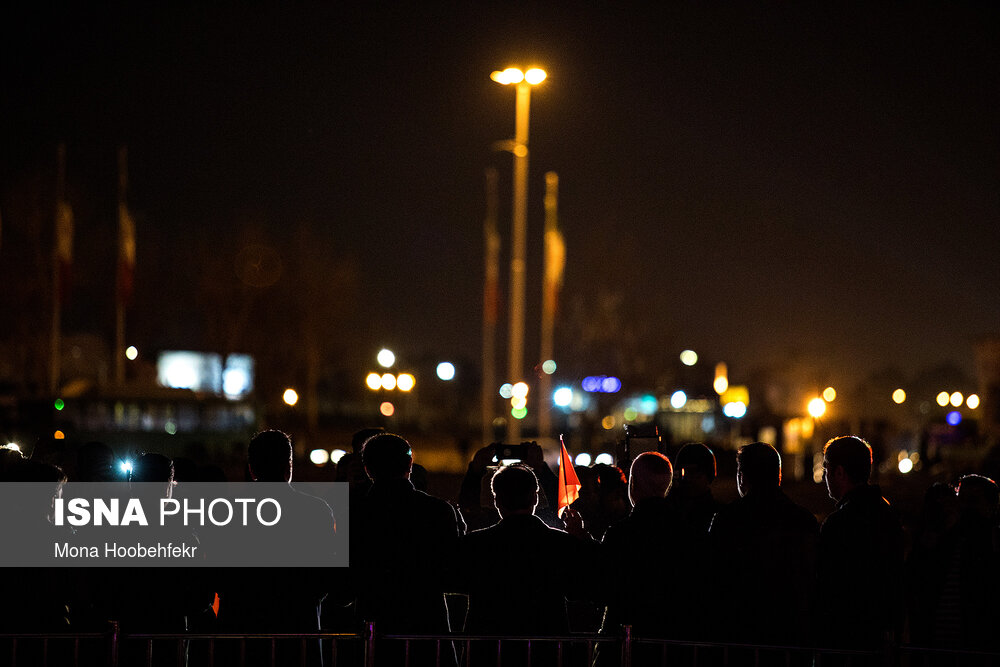
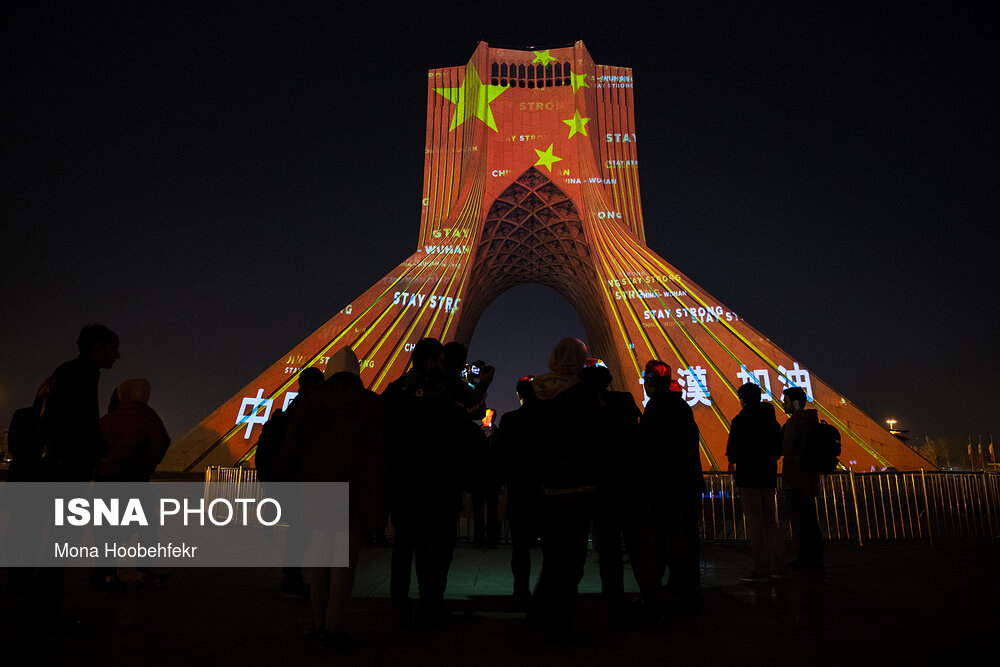
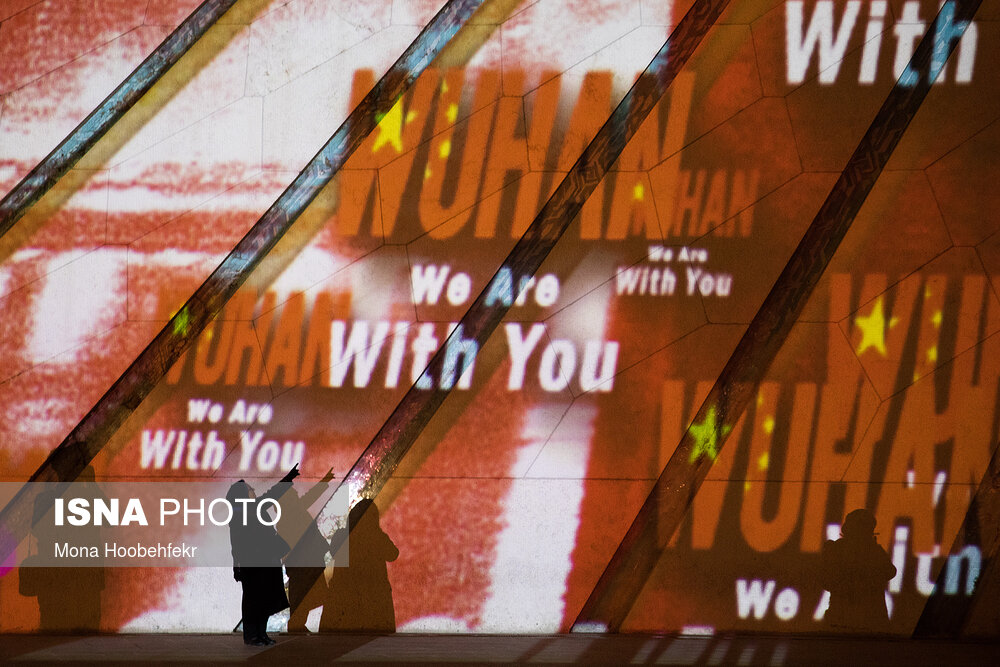
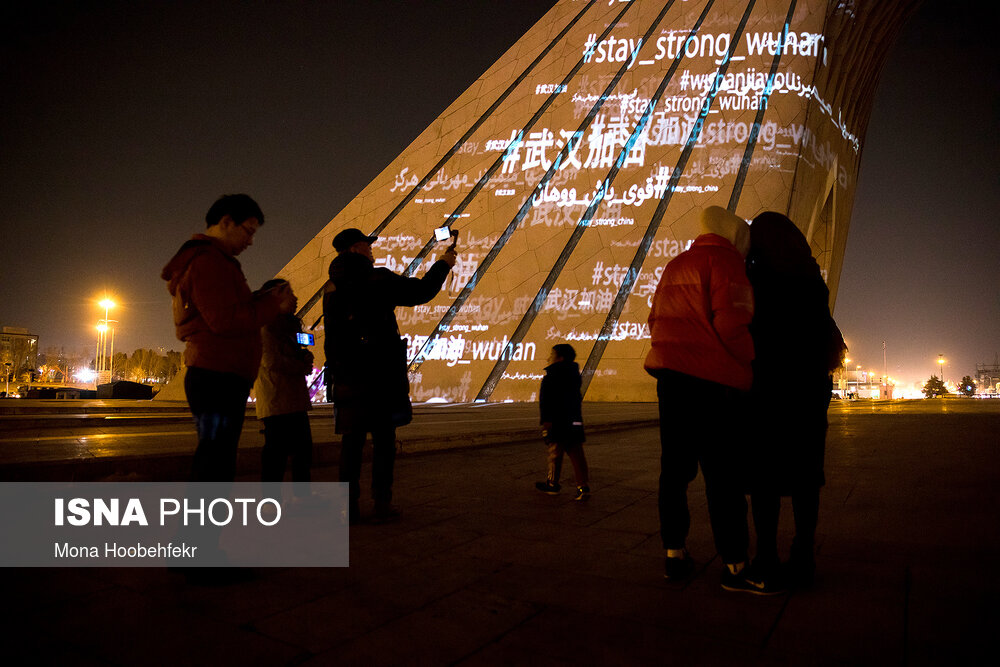
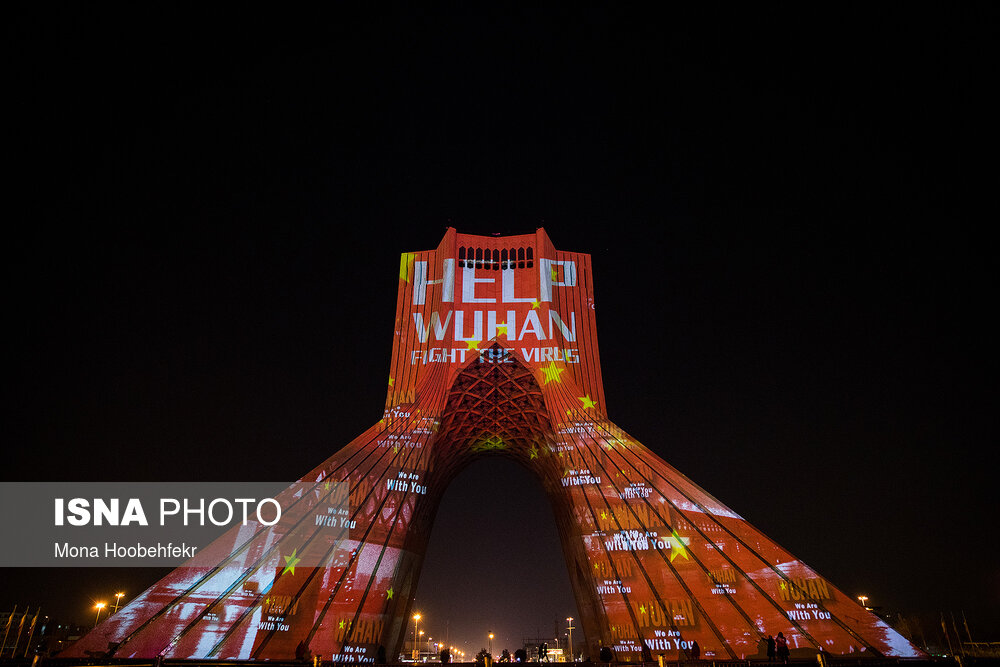
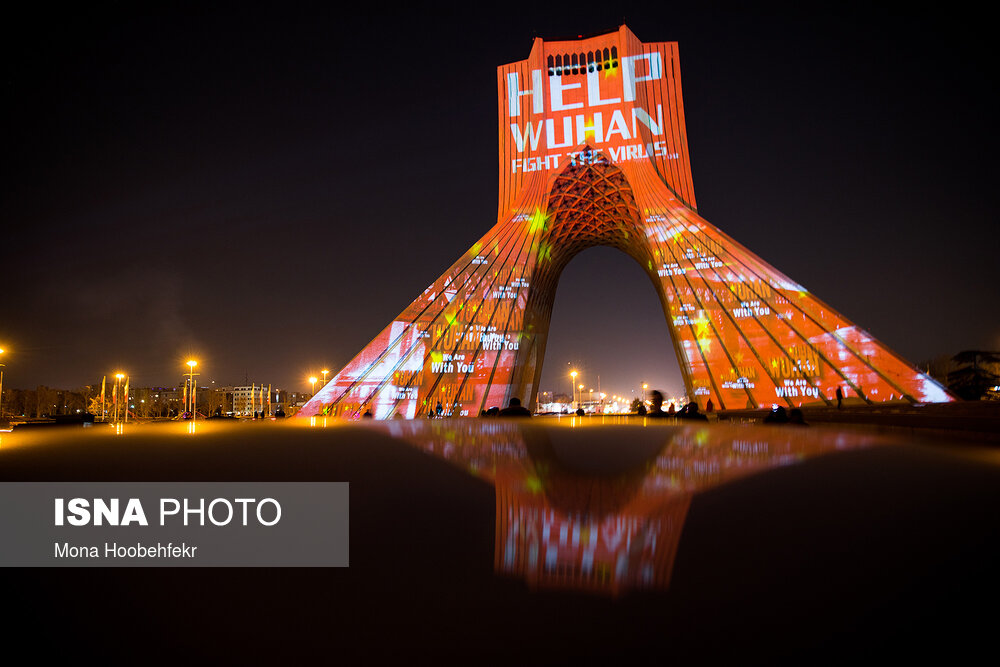
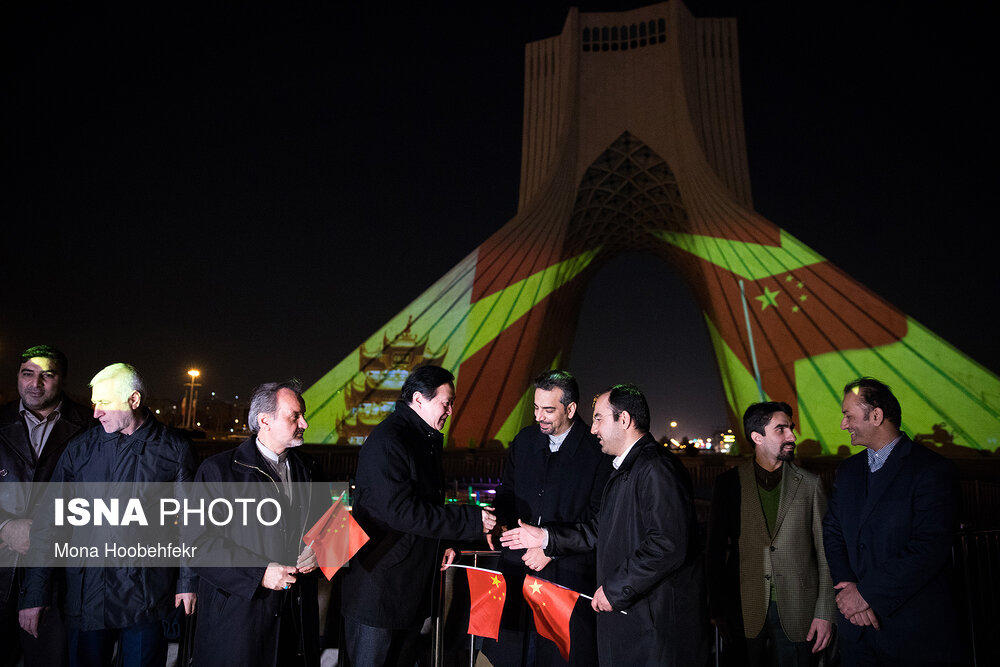
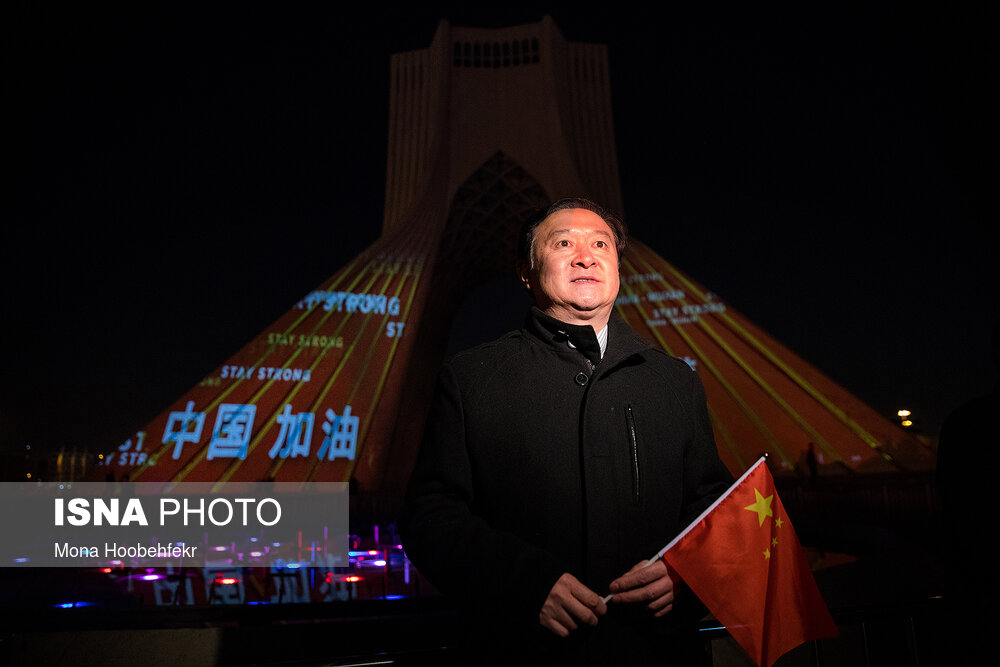
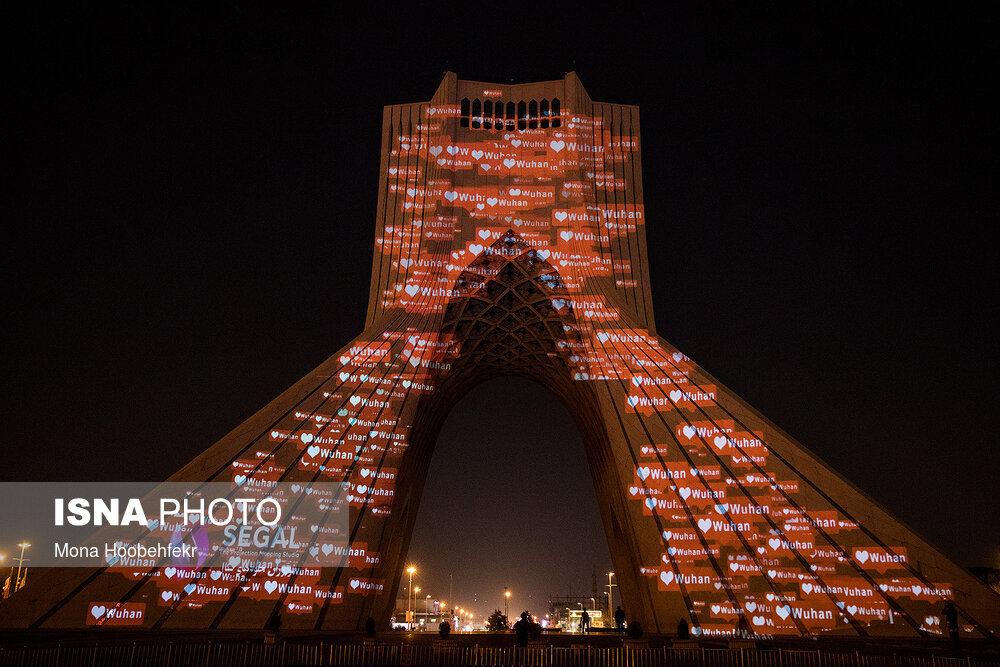
The messages include “Wuhan, We Are with You”, “Help Wuhan Fight the Virus”, “Stay Strong”, “Viruses Will Die, But Kindness Won’t”, and “#Stay_Strong_China”.
“We hope that the Chinese nation overcome the crisis in peace and health together, in solidarity with the rest of the world,” Gholam-Hossein Mohammadi, the head of the Tehran municipality’s Centre for Communication and International Affairs, said about the event in a tweet.
The Chinese ambassador to Tehran also shared a video of the images screened on Azadi Tower during the event, thanking Tehran’s Municipality and citizens in a tweet in Persian.
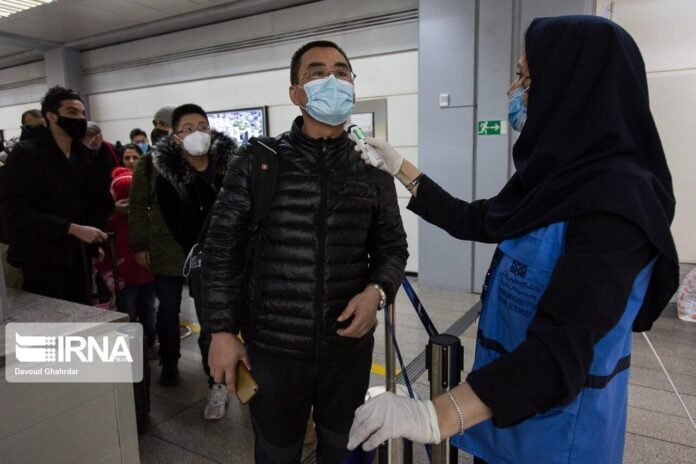
According to a Health Ministry advisor, the samples taken from the two men who died of respiratory problems showed they had the new coronavirus.
Kiyanoush Jahanpour, the head of the Health Ministry’s public relations department, had earlier said “in the past two days, some suspected cases of the new coronavirus were found” in the central city of Qom.
He said apart from the two cases who died of COVID-19, there was an unspecified number of other suspected cases as well, all of whom have been quarantined.
“Subsequent tests are in progress and the results of these tests will be released to the public, once they are finalized,” he said.
“Medical teams have been deployed in Qom and the suspected people have been quarantined,” he added.
He did not say how many people were suspected of having the virus, which causes the illness recently named COVID-19.
The new virus emerged in China in December. Since then, more than 70,000 people have been infected globally, with more than 2,000 deaths being reported, mostly in China.
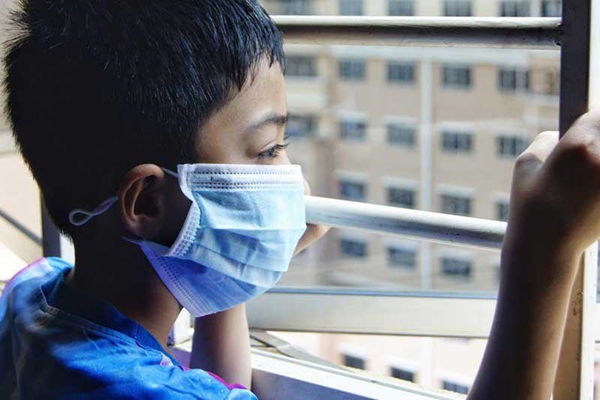
The virus comes from a large family of what are known as coronaviruses, some causing nothing worse than a cold. It causes cold- and flu-like symptoms, including cough and fever, and in more severe cases, shortness of breath. It can worsen to pneumonia, which can be fatal.
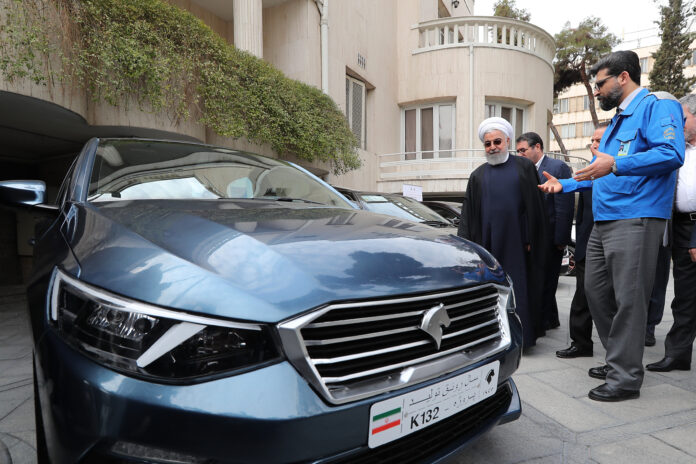
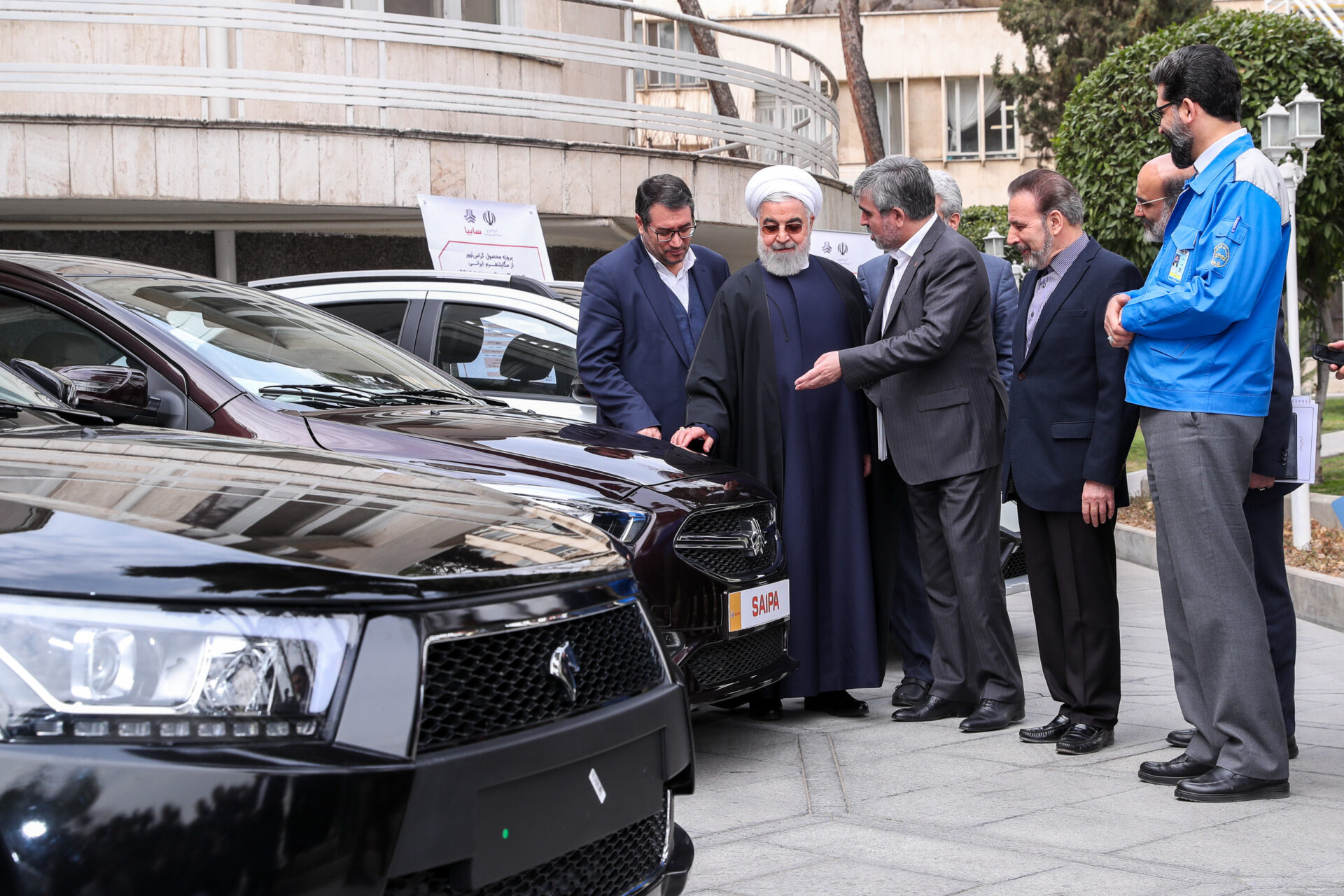
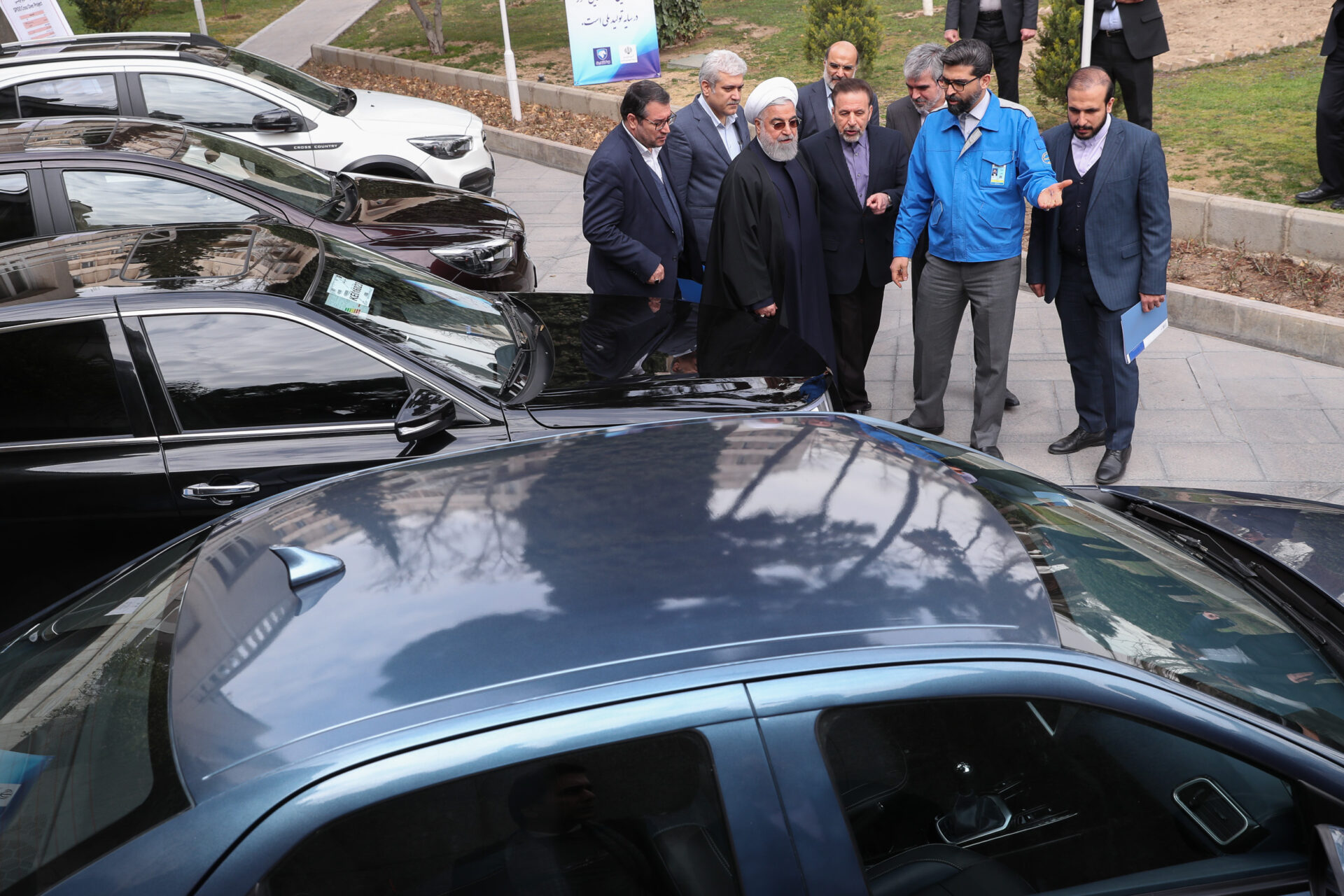
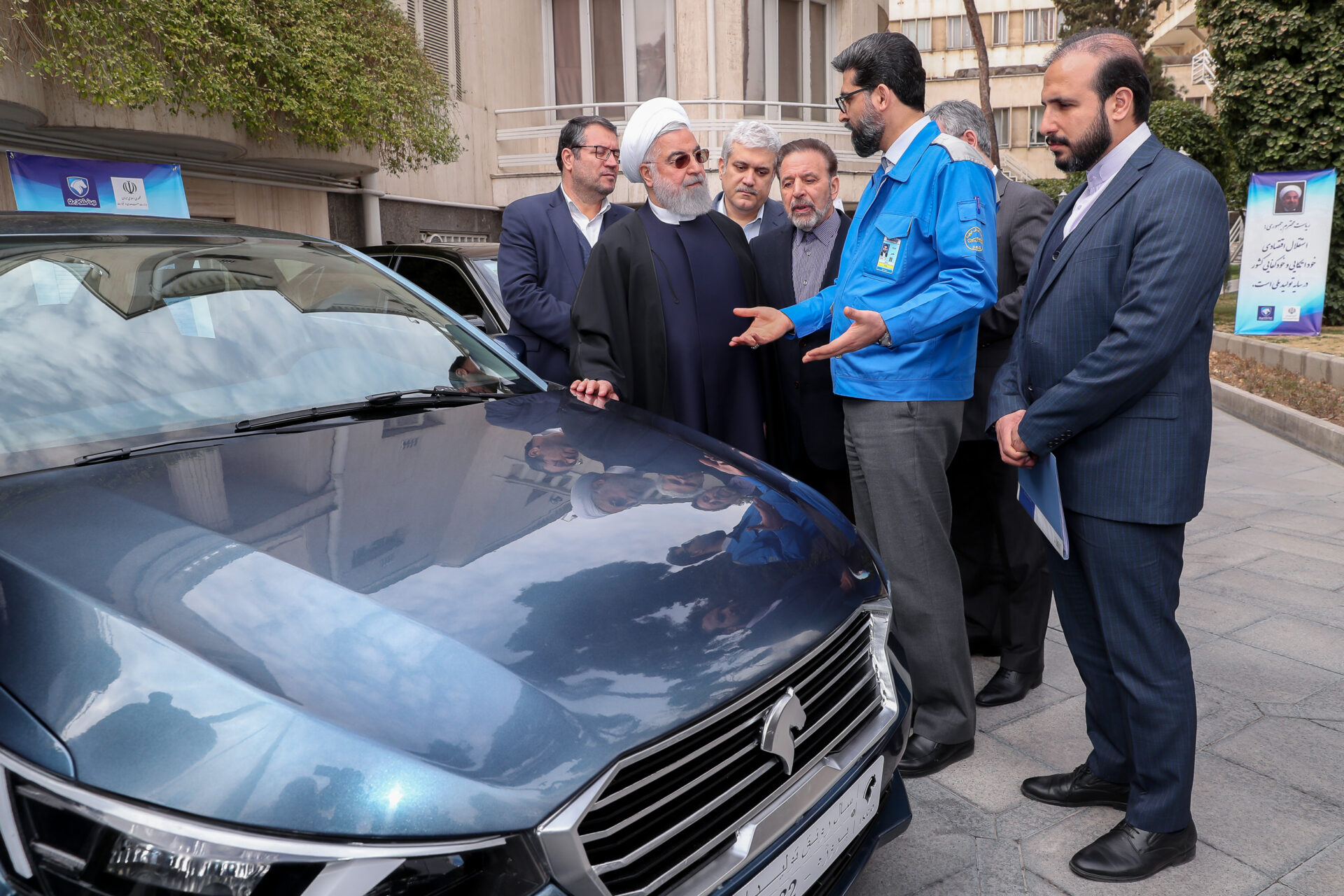
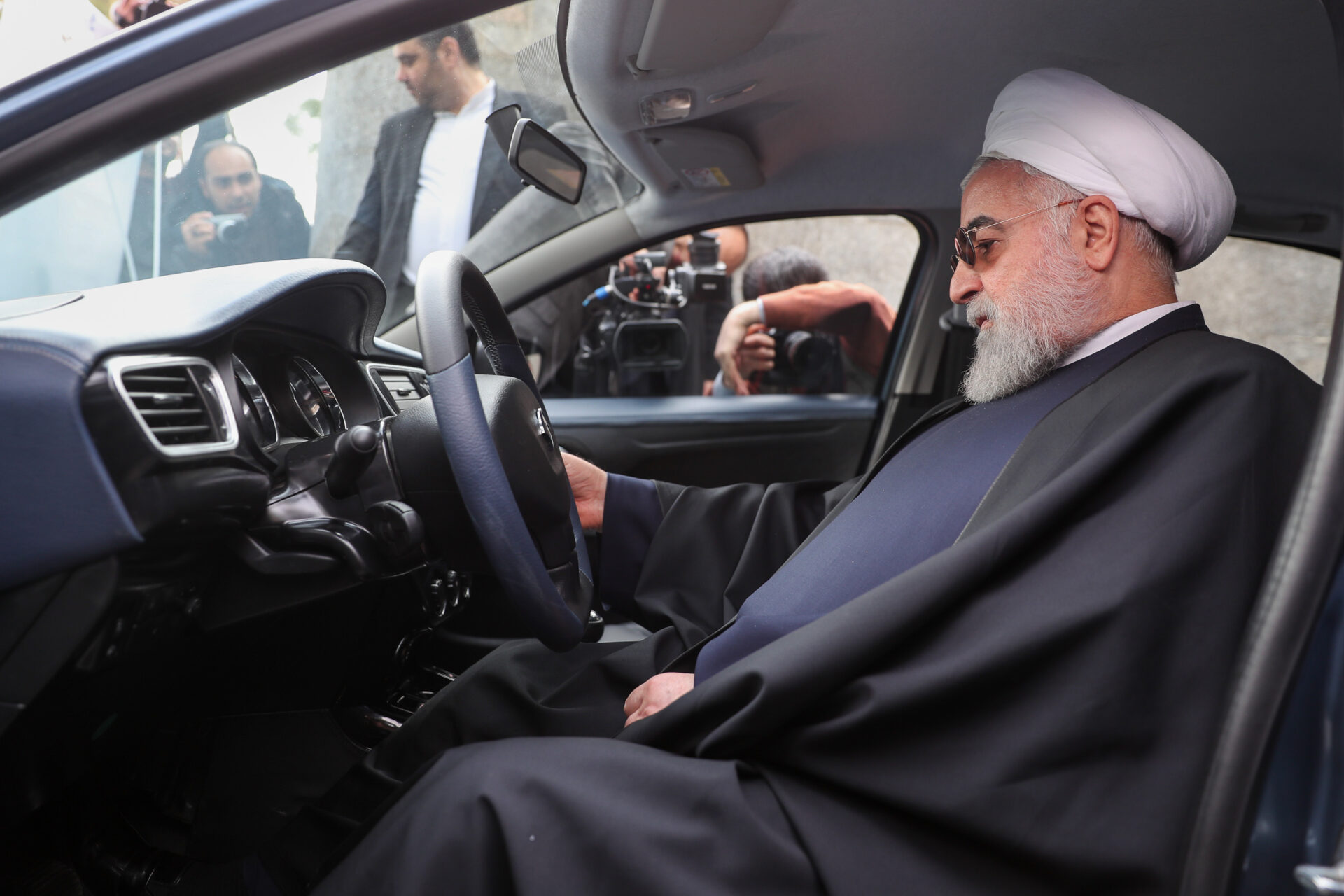
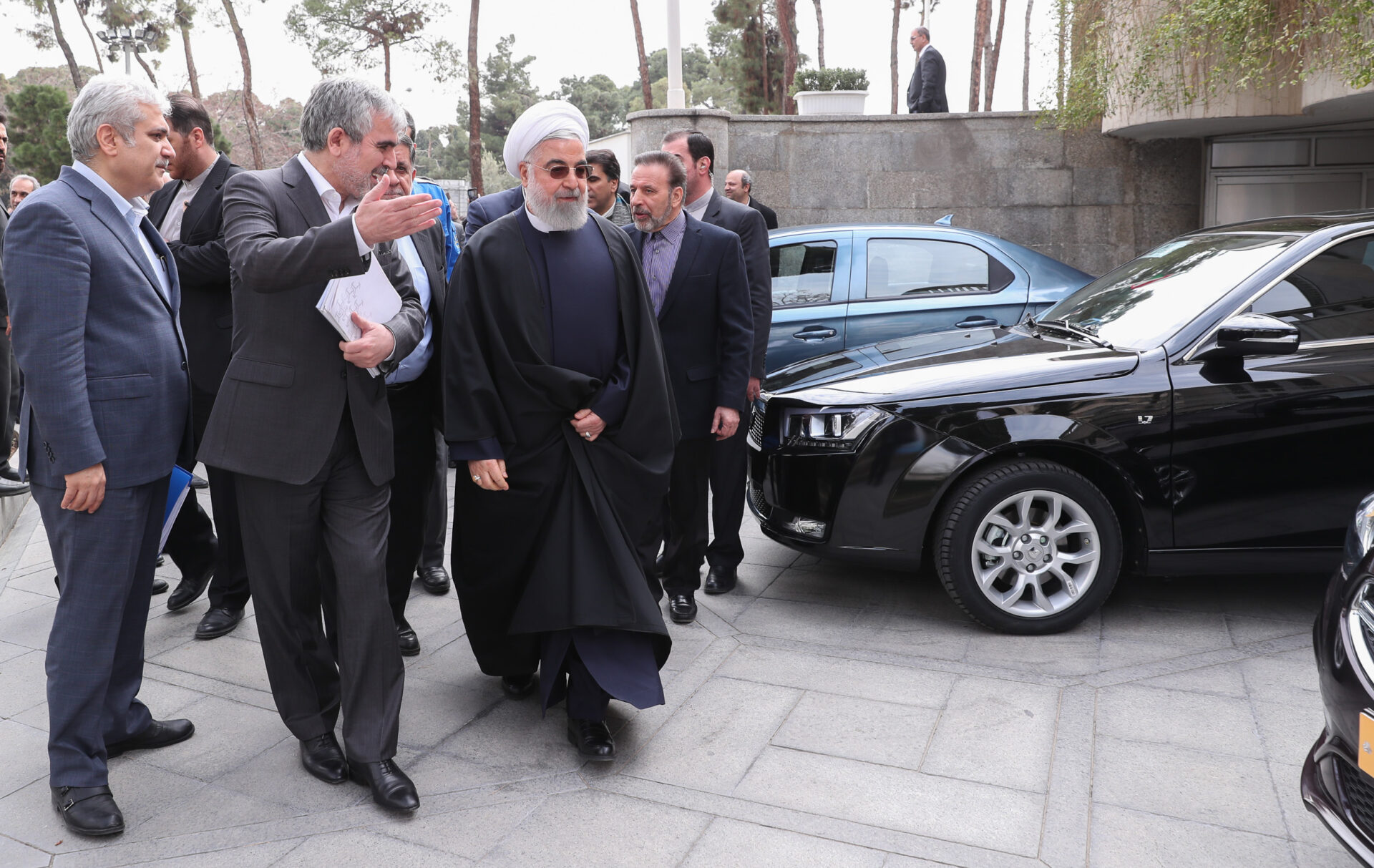
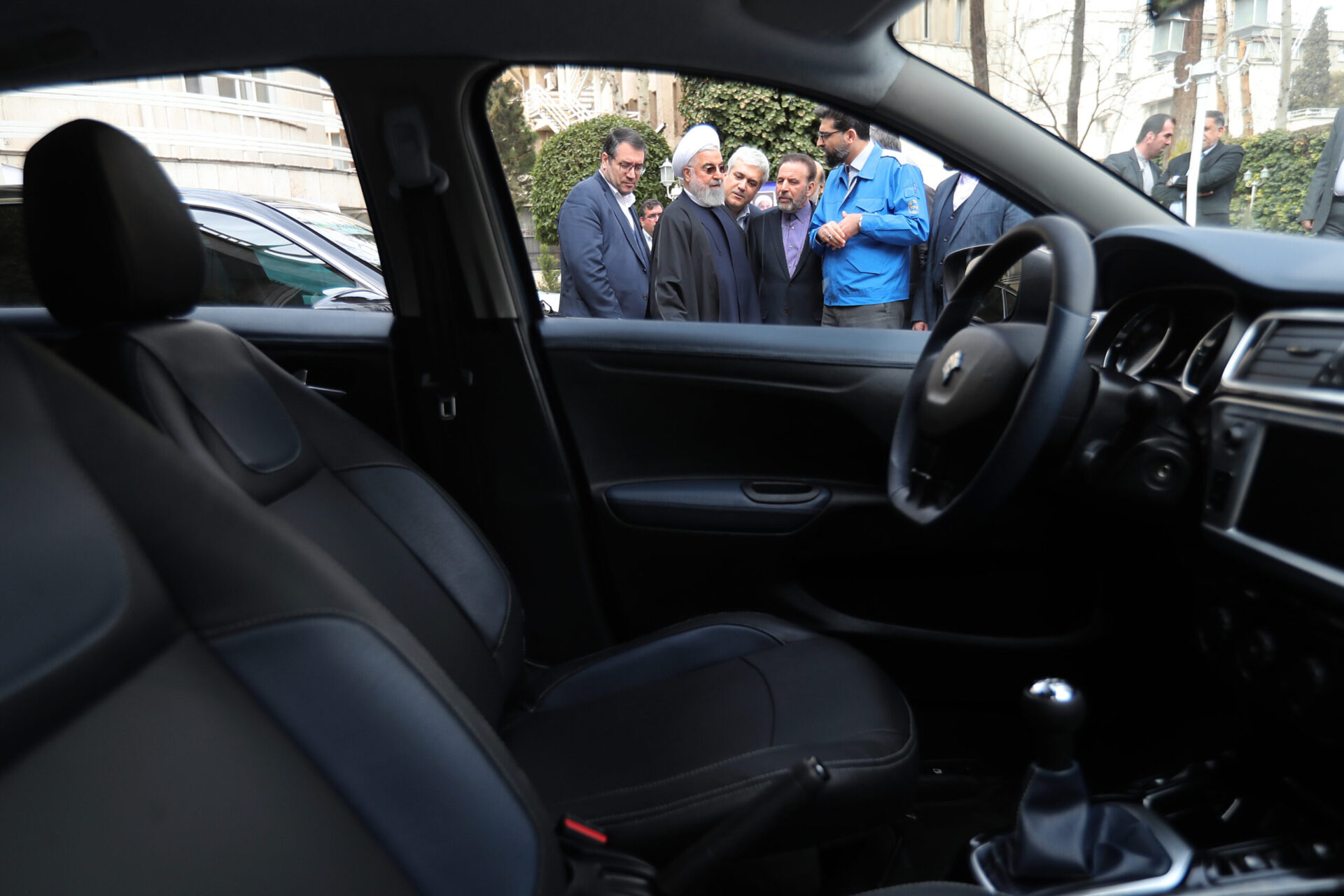
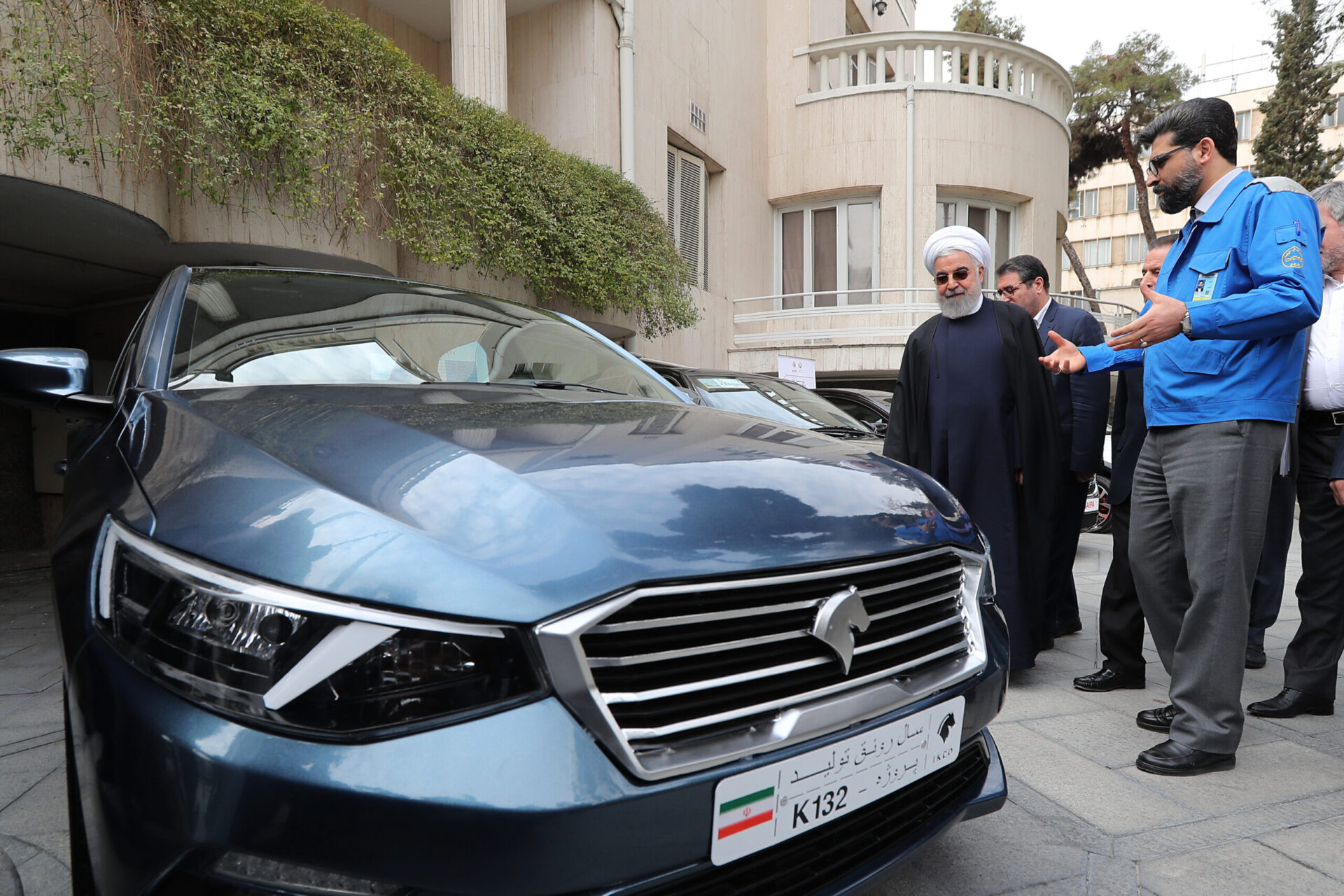
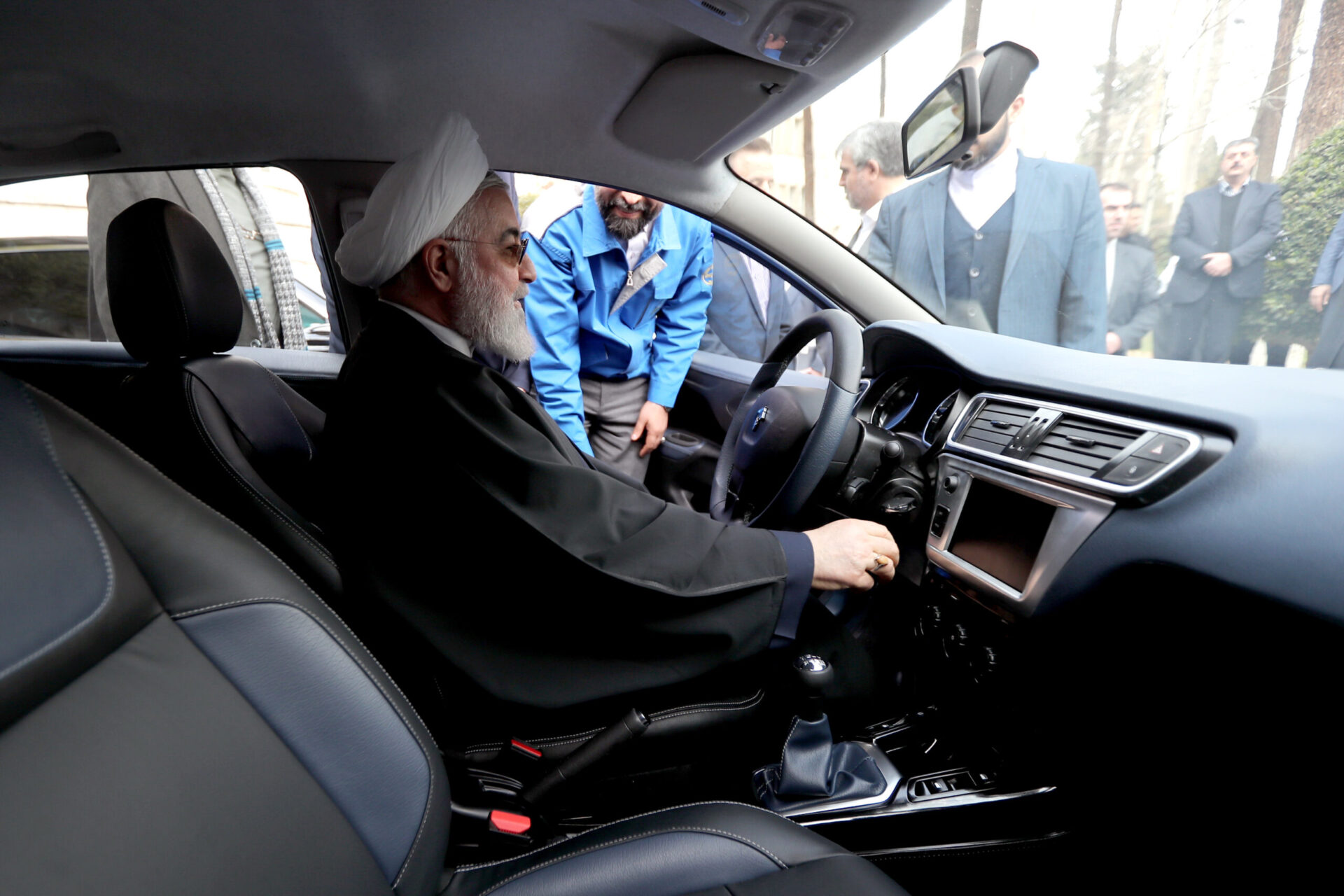
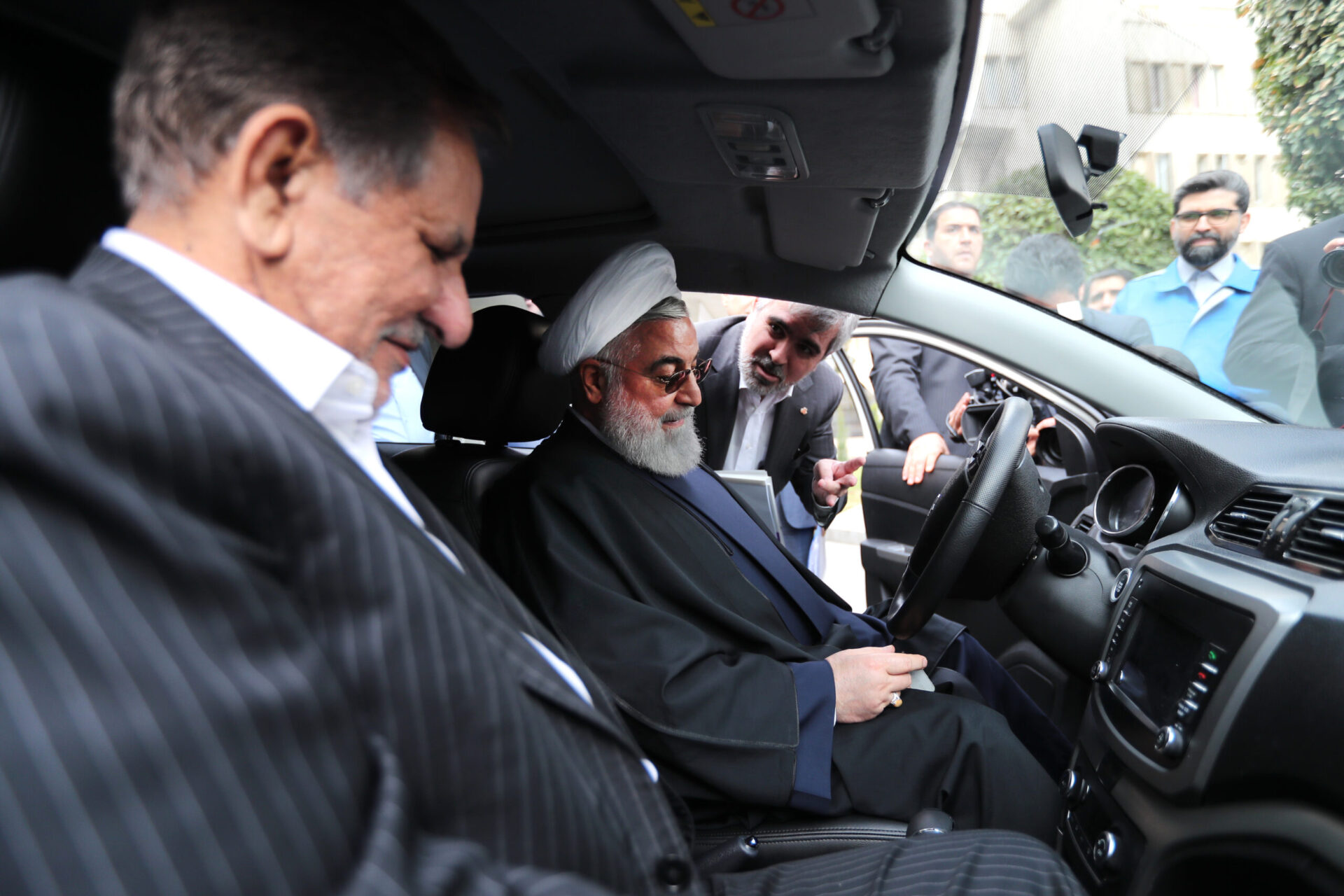
The new cars include Peugeot K132 and a turbo-automatic model of Dena Plus both developed by Iran Khodro Company, and two other models (a crossover and a sedan) produced by SAIPA.
What follows are photos of the new cars retrieved from the president‘s website:
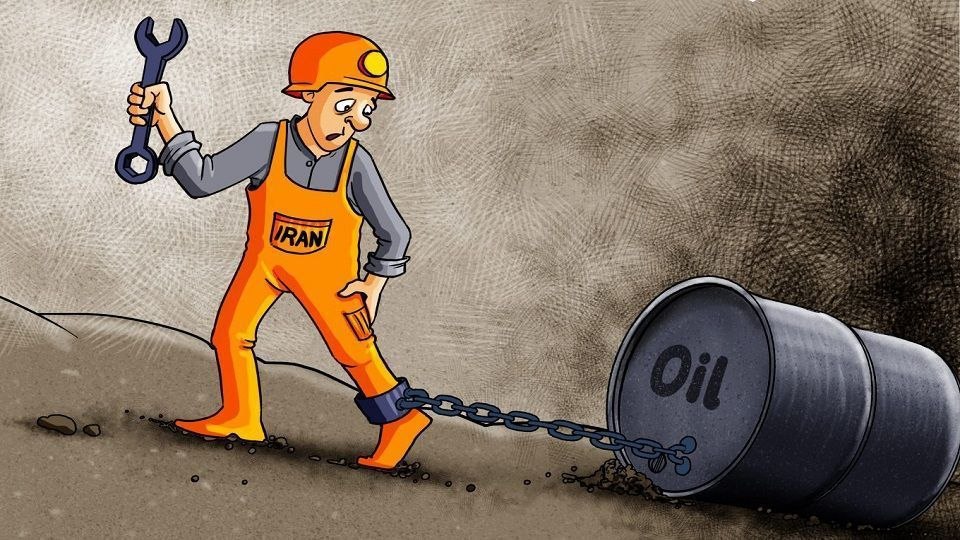
Speaking at the 93rd meeting of the Iranian administration’s council of dialogue and the private sectors, held in Tehran on Tuesday, Economy Minister Dejpasand said the policy adopted by the administration to increase tax incomes and reduce the share of petrodollars in the next year’s national budget would by no means mount pressure on the private sector businesses which are disciplined and have no outstanding debts.
Unveiling plans for a rise in the tax incomes with new regulations on tax payment, curbing tax avoidance, and introducing new tax exemption activities, the minister said, “Over the past one year, we tried to use tax as an economic policy-making instrument.”
He also explained that the export of non-oil products has been exempted from paying the tax, provided that the currency earned from the exports would return to the country to supply the necessary financial resources for the import of commodities into the country.
“We believe that repatriation of the hard currency earned from the exports to the country’s production and economy cycle could play a role in accelerating the country’s economic growth,” Dejpasand added.
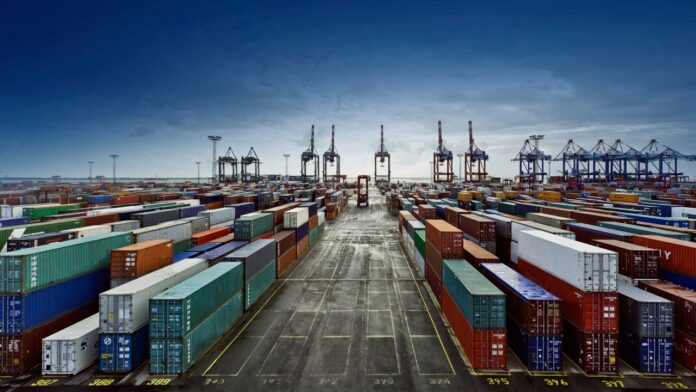
Speaking to reporters after the meeting, the Economy Minister announced later that while the enemies of Iran have been doing their utmost to block the flow of financial resources into Iran, the value of imports during the first 11 months of the current Iranian year stands at around $39.7 billion, while Tehran has also generated around $38.8 billion in the exports in the same period.
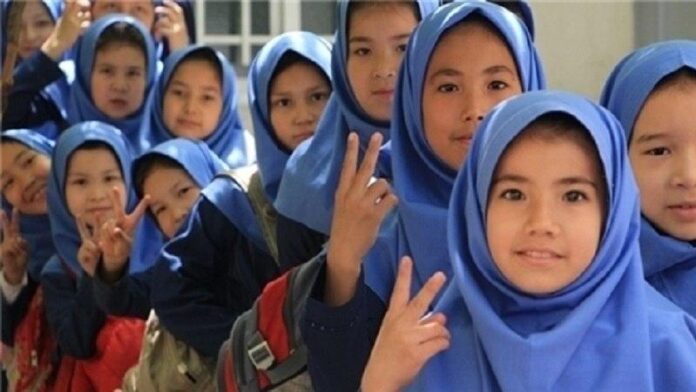
In comments at a Tuesday meeting between the Iranian Minister of Education and the director generals of the staff departments of the Ministry, Head of the Centre for Coordination, Communication and Ministerial Sphere of the Ministry of Education Ali Baqerzadeh said the Islamic Republic has set a world record in educating foreigners by providing schooling for over 540,000 foreign students.
He also noted that the Education Ministry has laid down standards to ensure that all people eligible to receive schooling could have access to schools and get high-quality education.
While the countries in the world are trying to improve access to schools and facilitate education, the Islamic Republic has succeeded to raise the level of public education and provide elementary education for 98.18 percent of the population, Baqerzadeh added.
He also noted that South Korea’s parliament ratified a bill in January to provide free high school education in the Asian nation, while the Islamic Republic of Iran’s Constitution, adopted forty years ago, provides for free public education until end of the high school.
The official finally emphasized that the promotion of the education system requires utmost care about an even distribution of learning opportunities, warning that a focus on the policy of training elites would seriously harm the education system.
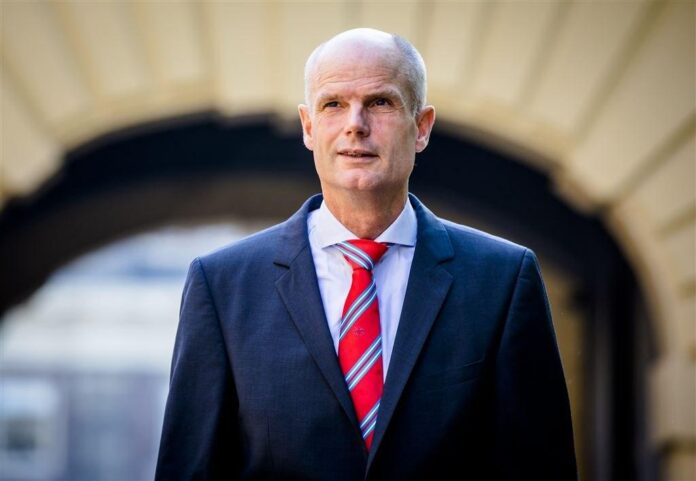
According to a statement by the Iranian Ministry of Foreign Affairs, the Dutch foreign minister will meet with President Hassan Rouhani and Foreign Minister Mohammad Javad Zarif.
The talks will be focused on bilateral, regional and international issues, according to the statement.
Relations between Tehran and Amsterdam have soured in the past few years following the European country’s expulsion of two Iranian diplomats in June 2018, and Tehran’s reciprocal measure in February 2019.
Following Iran’s expulsion of two Dutch diplomats, the Netherlands summoned its ambassador to Tehran to hold consultations, and summoned the Iranian ambassador, describing the act as “unacceptable” and “having negative consequences” for bilateral relations.
On January 8, 2019, the Netherlands’ foreign and interior ministers wrote a letter to the parliament accusing Iran of murdering Mohammad Reza Samadi Kolahi.
The Dutch foreign ministry had earlier in June expelled the two Iranian diplomats.
Kolahi was the agent behind the blast at the central building of the Islamic Republic of Iran Party on June 28, 1981. In that explosion, more than 70 senior officials of the Islamic Republic of Iran were killed.
Dutch court records show that Kolahi was killed by members of a criminal gang in 2015.
Claims of Iran’s involvement in the incident come as the Dutch prosecutor explicitly stated in the course of the trial that there was no evidence of Iran’s complicity in the murder.
Also in September 2019, Iran voiced concern about a report by Yahoo News of the Dutch intelligence agency’s possible role in a cyber-attack on Iran’s Natanz nuclear site at a meeting with a senior Dutch diplomat in Tehran.
Yahoo News had reported that the Dutch intelligence agency AIVD had recruited an inside mole at the behest of the CIA and the Mossad to get their Stuxnet virus onto computer systems inside Iran’s Natanz nuclear site.
Iran’s Judiciary Spokesman Gholam-Hossein Esmaili said on Tuesday that an appeals court has upheld the verdicts.
Two of the activists, Morad Tahbaz and Niloufar Bayani, got 10 years each and were ordered to return the money they allegedly received from the US government for their services.
Esmaili said two other activists, Houman Jokar and Taher Qadirian, each got eight-year sentences for “collaborating with the hostile government of America.”
Another three of the activists, Sam Rajabi, Sepideh Kashan-Doust and Amir-Hossein Khaleqi Hamidi, were sentenced to six years in prison each. The eighth activist, Abdolreza Kouhpayeh, got four years.
All the activists were arrested in early 2018, and have been detained since then.
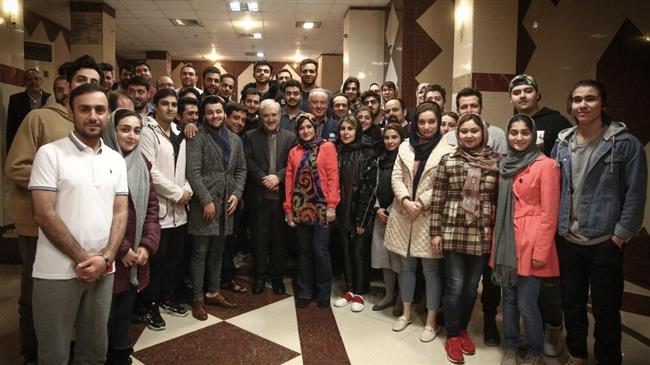
Reports on Tuesday showed that Iranian health minister Saeid Namaki personally visited a hotel located in the vicinity of Tehran where the 57 students had been quarantined to ensure they all tested negative for coronavirus.
The students had been flown to Iran in early February from Wuhan, in the Chinese province of Hubei. The evacuation came after Chinese authorities reported growing cases of coronavirus in the region that had led to hundreds of deaths.
The toll from the virus, which is currently called COVID-19, has reached over 1,800 people including fatalities in other countries. Nearly 80,000 people, mostly in Hubei, are being treated for the highly-contagious disease.
A deputy Iranian health minister said that all 57 students quarantined in the hotel in Shahriar, a city to southwest of Tehran, had undergone intensive tests and care procedures during the days in the facility.
Authorities issued certificates for the students allowing them to prove that they are in good health and would pose no threat to others.
Authorities in Shahriar said they were grateful to the local people for tolerating the situation.
That came after reports showed some residents were angered by the decision to hold the students in the city, saying the disease could spread to people living around the hotel.
Students leaving the quarantine were also pleased by Iran’s quick response to the case, saying the government had shown a great deal of support for them both in China and inside Iran.