Friday, January 2, 2026
Home Blog Page 2866

COVID-19 in Iran: Daily Death Toll Continues to Decline

COVID-19 in Iran Daily Death Toll Continues to Decline

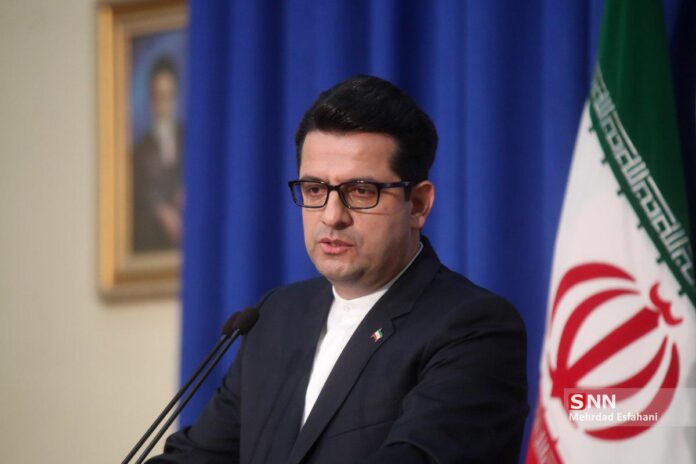
Iran’s Health Ministry Spokesman Kianoush Jahanpoor said on Saturday only 73 people died of the novel Coronavirus in the past 24 hours, increasing the death toll to 5,031, and marking the lowest number of deaths in more than a month.

In the past 24 hours, 1,374 new infections have been confirmed across the country, raising the total number of cases to 80,868.

The spokesman said at least 55,987 patients have recovered from the virus so far and have been discharged from the hospital.

Among the patients undergoing treatment in the medical centres at present, 3,513 ones have critical health conditions because of more severe infection, Jahanpoor stated.

He finally noted that 330,137 coronavirus diagnostic tests have been carried out in Iran as of Saturday.

Coronavirus online test
If you are worried that you may have contracted the Coronavirus, take this test right now.

Social Distancing Slows Pace of COVID-19 Infection in Iran: Rouhani

US Push to Use Mechanisms in Iran Nuclear Deal Ludicrous: Rouhani

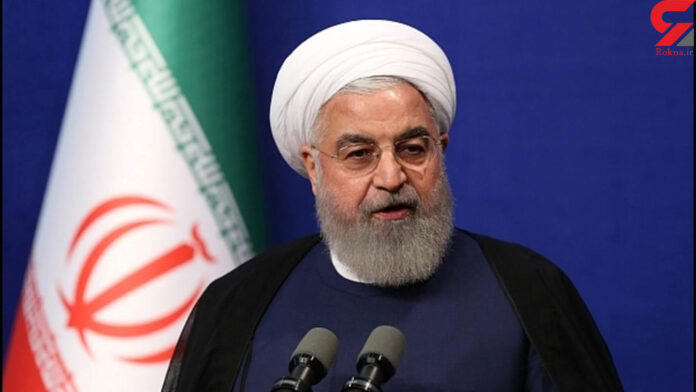
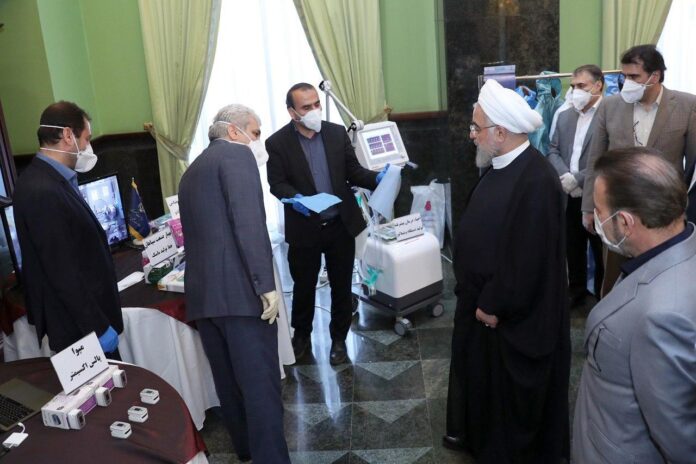
In remarks on Saturday, Hassan Rouhani thanked people for staying at home to help stem the spread of the virus.

“A considerable number of people have not only observed health directives, but also have abided by the ‘stay-at-home’ motto very well and have not left home except for necessary affairs,” the president said at a meeting with heads of expert committees of the National Coronavirus Headquarters.

President Rouhani further called on the health ministry to specify conditions for medium-risk businesses to resume work.

The president also asked local media as well as the state radio and TV to keep urging people to observe health protocols, stay at home and avoid nonessential travel.

“The Ministry of Health and Medical Education should work closely with relevant institutions to offer training to people and convince them of the necessity of abiding by the regulations and directives communicated to businesses which have resumed work,” he said.

The president further said the reopening of educational centres depends on the extent to which the spread of the coronavirus will be contained in the coming weeks.

Coronavirus online test
If you are worried that you may have contracted the Coronavirus, take this test right now.

How Will Middle East Look after Corona?

How Will Middle East Look after Corona?

Qassem Mohebali, a former Director General of the Iranian Foreign Ministry’s Middle East Department, says despite some good impacts, most of the countries in the region may face drastic problems.

What follows is the full text of his opinion piece published by Entekhab news website:

COVID-19, as a phenomenon that has affected all areas of human life, has caused countless tragedies for politicians in various countries. Meanwhile, the Middle East is one of the main centres of international politics influenced by this viral disease. Under such circumstances, it seems necessary to pay attention to a few points about the post-corona era in the Middle East:

First of all, most countries in the Middle East are living in poverty, and they are not economically able to manage the coronavirus crisis. It should be noted that the countries of the Persian Gulf, which have a small population, are in a much better situation. However, the Corona crisis will cause major problems and suffering in the Middle East. The need for oil of the economic powers and the world’s top producers has significantly decreased. This will have a profound effect on Middle Eastern oil-dependent countries and will have a detrimental effect on their economies. All in all, poverty can be the first phenomenon after the pandemic in the Middle East.

The second most significant impact of the virus in the Middle East is on tourism industry, which is extremely important for countries such as Egypt, the United Arab Emirates, Tunisia, Lebanon and Turkey. These countries have lost a large part of their revenue; the income that can be considered as the source of a large part of the budget in these countries. As a result, many labour forces working in the field of tourism in countries like Turkey will lose their jobs. This in turn will be another factor in the spread of poverty in the post-Corona Middle East.

Thirdly, as a result of increasing poverty among citizens of various countries in the Middle East affected by the spread of the COVID-19, one can predict a major crisis for governments in the region. Prior to the pandemic, countries such as Iraq and Lebanon were already involved in popular protests over the dire economic situation and corruption

In the new situation in which Corona has exacerbated the economic crisis, poverty and misery in the region, it can be expected that more poor people will take part in anti-government protests after the corona crisis. Therefore, it is already possible to see more popular protests in the post-Corona Middle East.

Fourthly, the disease can influence the region’s political conflicts. As we have seen over the past two decades, terrorism and conflict between different actors have led to confrontation, crisis and civil war in some countries, but what we have seen so far is the reduction of tensions. In fact, all governments have directed their attention to the domestic affairs of the country and the control of this disease. The involvement of all actors in the fight against COVID-19 has created an opportunity to stop the conflicts. For example, Corona’s impact on the Yemeni war and the Idlib crisis in Syria can be mentioned. Corona has greatly softened the warmongering view of both sides, and it can be expected that this trend will continue in the short run.

Coronavirus online test
If you are worried that you may have contracted the Coronavirus, take this test right now.

The fifth controversial issue surrounding the virus in the Middle East is its impact on the region’s traditional beliefs. In fact, Corona can pave the way for a kind of transition from traditional society to rational society and the spread of bureaucratic rationality in the Middle East. Many people saw how the thoughts of extremists and superstitious people failed against physicians and medical scientists. This has led to a kind of disrepute for superstitious missionaries; perhaps the post-Corona period can be seen as an intellectual renaissance.

The sixth impact is on the role of governments. On the one hand, the coronavirus, as a global crisis, weakens the independent role of states in dealing with the current situation, and we are witnessing a kind of minimalisation of states. On the other hand, the Corona showed that governments with stronger crisis management performed better. Regardless of the performance of a few limited governments that acted well, the rest of the governments performed poorly. Under these circumstances, the will of the people to strengthen good governance in the region will increase, so after the Corona, we will see an increase in the pressure and civil demands of the people on the statesmen and governments.

Iran Gov’t Selling Shares of Huge State Companies at Stock Market

Iran Gov't Selling Shares of Huge State Companies at Stock Market

President Hassan Rouhani said the process of selling the shares of large state companies in the stock market must continue and possible obstacles in this regard ought to be removed.

In a phone conversation with Finance and Economic Affairs Minister Farhad Dejpasand, Rouhani stressed that the ministry should try to introduce the stock market as a reliable and trustworthy market for making unfailing investment with the lowest risk factor in a bid to prevent the loss of people’s capital in unreliable and unproductive markets.

In this conversation on Friday, Rouhani praised all those involved in the Stock Exchange and Securities Organisation for paving the way and facilitating the selling of SHASTA shares as a huge company and economic holding belonging to the Social Security Organization.

For his part, the Minister of Economic Affairs presented a report on the latest trends in the capital market and the follow-ups carried out to facilitate the supply of shares of large firms in the stock market.

Self-Isolation: An Opportunity to Explore World’s Cultural Heritage

Self-Isolation: An Opportunity to Explore World's Cultural Heritage

In a message on the International Day for Monuments and Sites, Ali-Asghar Mounesan said the world’s historical heritage belongs to all human beings, and it must be protected by all countries.

He noted that historic buildings and sites are among the most influential parts of national and global culture and identity.

He mentioned that “Common Culture, Common Heritage and Common Responsibility” are the three themes of the slogan of the International Council on Monuments and Sites this year.

The Council, he added, has selected a strategic slogan for each year to call on societies to pay more attention to common historical heritage.

Iran’s cultural heritage minister extended congratulation on the occasion of International Day for Monuments and Sites.

He said the ICOMOS’ slogan this year, “Common Culture, Common Heritage, Common Responsibility”, is fully in line with the needs of the world and highlights the duty of all nations to preserve historical assets.

“This year, we are celebrating the International Day for Monuments and Sites while we are in a completely different situation than in previous years; a special situation that naturally prevents any event from being held in Iran’s historical buildings and sites and many other parts of the world. At the same time, it is an opportunity for the world to get a better understanding of the common heritage of humanity through the cyberspace,” reads his message.

In such situation, he noted, it would be good to take advantage of the restrictions and threats, to give citizens the chance to spend time at home on useful packages introducing historical buildings and sites in cyberspace and also by using the capacity of other media.

The Ministry of Cultural Heritage, Tourism and Handicrafts congratulates all experts, professors and researchers, managers, lovers and supporters of cultural heritage, and will try to take full advantage of this year’s slogan. The ministry will use the capacity of all sections of society, especially non-governmental organisations, cultural heritage protectors and associations as well as all stakeholders in this field, to improve the protection and preservation of monuments and historical sites, he concluded.

The International Council on Monuments and Sites (ICOMOS) has named April 18 as the International Day for Monuments and Sites.

What Do You Know about UNESCO World Heritage in Iran

[vc_toggle title=”Which UNESCO Cultural Heritage Sites are located in Iran?” style=”arrow” color=”black”]Several UNESCO Cultural Heritage Sites are located in Iran, including Bisotun, Persepolis and Golestan Palace.[/vc_toggle][vc_toggle title=”Which UNESCO Natural Heritage Sites are located in Iran?” style=”arrow” color=”black”]Several UNESCO Natural Heritage Sites are located in Iran, including Hyrcanian Forests, Desert of Lut and Arasbaran Protected Area.[/vc_toggle][vc_toggle title=”What are the UNESCO Intangible Cultural Heritage elements in Iran?” style=”arrow” color=”black”]Several UNESCO Intangible Cultural Heritage elements are registered in Iran, including Dutar musical instrument, Lavash bread and Nowruz, the Persian New Year.[/vc_toggle]

Iran Praises Artists, Media for Their Contribution to Fight against COVID-19

Iran Praises Artists, Media for Their Contribution to Fight against COVID-19

Minister of Culture and Islamic Guidance Abbas Salehi said artists and media outlets have contributed heavily in the fight against the disease.

“During the coronavirus outbreak, those working in the nation’s culture, art and media sectors adopted numerous measures to fight the virus,” he said.

“More than a thousand artists offered the public different programs both on state radio and TV and in the cyberspace to give them health tips, and we saw many good measures in areas such as music, theatre, cinema, books, etc.,” he added.

The minister also added efforts have been made to support businesses in the domains of culture, art and media affected by the economic fallout from the disease.

He said the government is also considering offering unemployment benefits to artists affected by the coronavirus outbreak.

Coronavirus online test
If you are worried that you may have contracted the Coronavirus, take this test right now.

Tehran, Doha Agree to Work Together in Energy, Investment Domains

Iran and Qatar to form joint working group for South Pars study

The agreement was made via video conference by Iranian Energy Minister Reza Ardakanian and Qatari Minister of Commerce and Industry Ali bin Ahmed Al Kuwari in a bid to take the opportunity to further enhance reciprocal ties.

It came after a meeting of the Iran-Qatar Joint Economic Cooperation Commission was put off due to the COVID-19 outbreak. The meeting was scheduled to be held in the central Iranian city of Isfahan in April, 2020.04.

In the video-conference meeting held on April 16, 2020, the two sides discussed issues of mutual interest and some decisions were adopted.

“On the Iranian side, all documents and draft papers to be discussed and approved at the [Iran-Qatar] Joint [Economic] Commission have been prepared, and they will be shared with the Qatari side, so that issues will receive final approval by both sides before a meeting of the joint commission is held,” Ardakanian told Al Kuwari, who is the Qatari head of the Iran-Qatar Joint Economic Cooperation Commission.

The Iranian and Qatari heads of the joint commission agreed to hold a meeting of the commission the first chance they get after the repercussions of the coronavirus outbreak are over, so that they can seriously follow up on the goals pursued by the commission to further boost mutual ties.

They also agreed to hold meetings via video conference in the meantime to discuss papers and documents they need to agree on to further advance issues at hand.
The Iranian minister also thanked Qatar for offering medical aid to Iran amid the coronavirus outbreak, and called for both countries to share medical experiences regarding the fight against the disease.

“Although the coronavirus has brought numerous hardships and problems for the human community, it has also had positive results, namely the strengthening of solidarity among friendly and neighbouring countries,” said the Iranian official.

Iran President Says World Armies Must Fight against Coronavirus

President Warns US of Retaliation If Iran’s Tankers Threatened

In a Friday message on the National Day of Army, President Rouhani said this is a worldwide war, but not between half of the world and the other half. “This tiny hidden virus is at war with the whole world.”

“Now, the whole world is our homeland, and we are confronting an enemy all over the world, and that is what makes this war more revered,” underlined Rouhani.

The Iranian president stressed the enemy was once visible and easier to confront. “Now the opponent cannot be seen, and the Iranian doctors and nurses are fighting against it and the army is supporting them.”

“The world will not forget this war. This is the most humanitarian war in history because all human beings and all armies fight for their comrades.”

Rouhani concluded that Iran’s army is not a symbol of war, but a symbol of the nation’s support and national interests. He continued that administrations come and go to serve the people, but the armies will remain forever.

Tehran’s Tabiat Bridge Go Red in Solidarity with Hemophiliacs

The iconic Tabiat Bridge of Tehran displayed red lights from April 14 to 17 to express solidarity with those suffering from hemophilia.