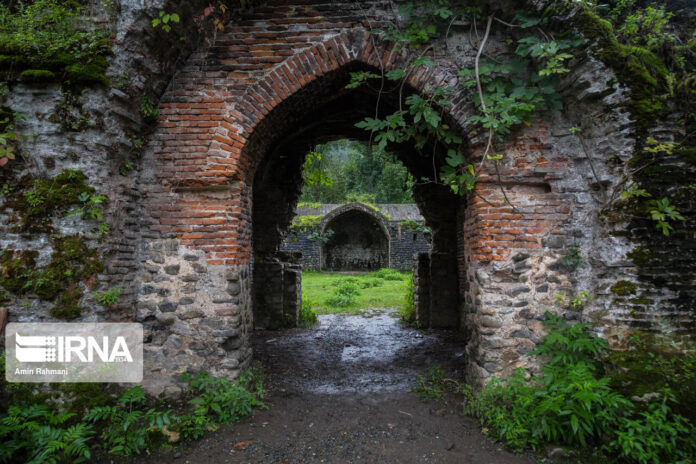
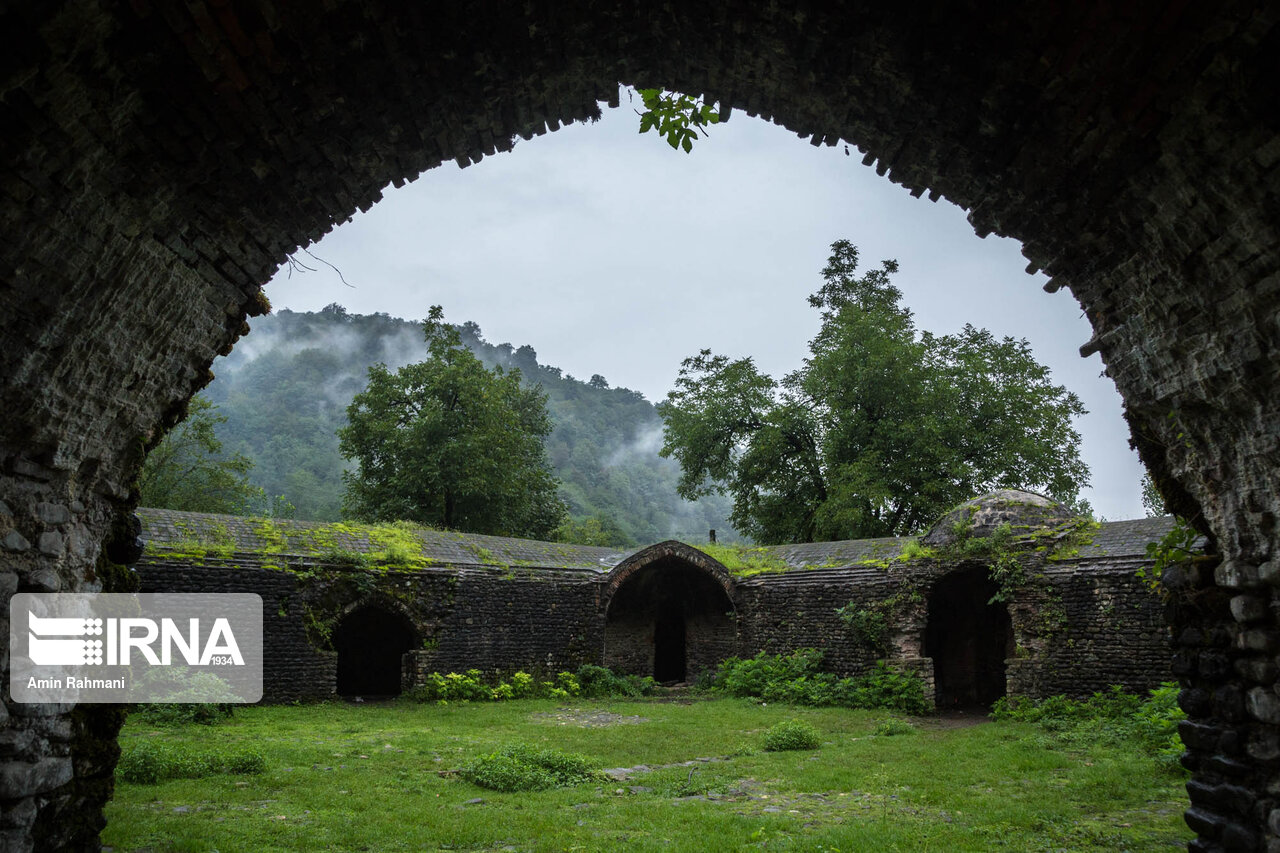
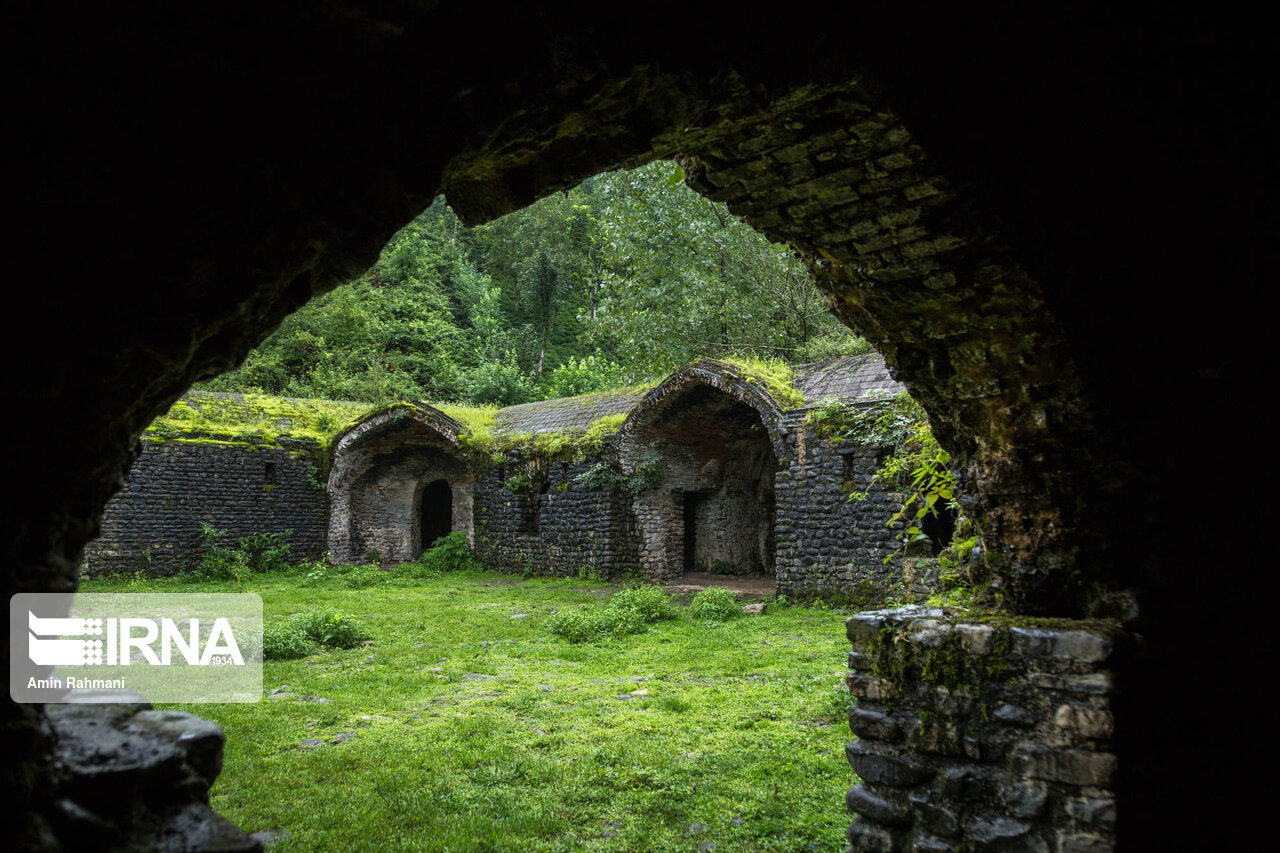
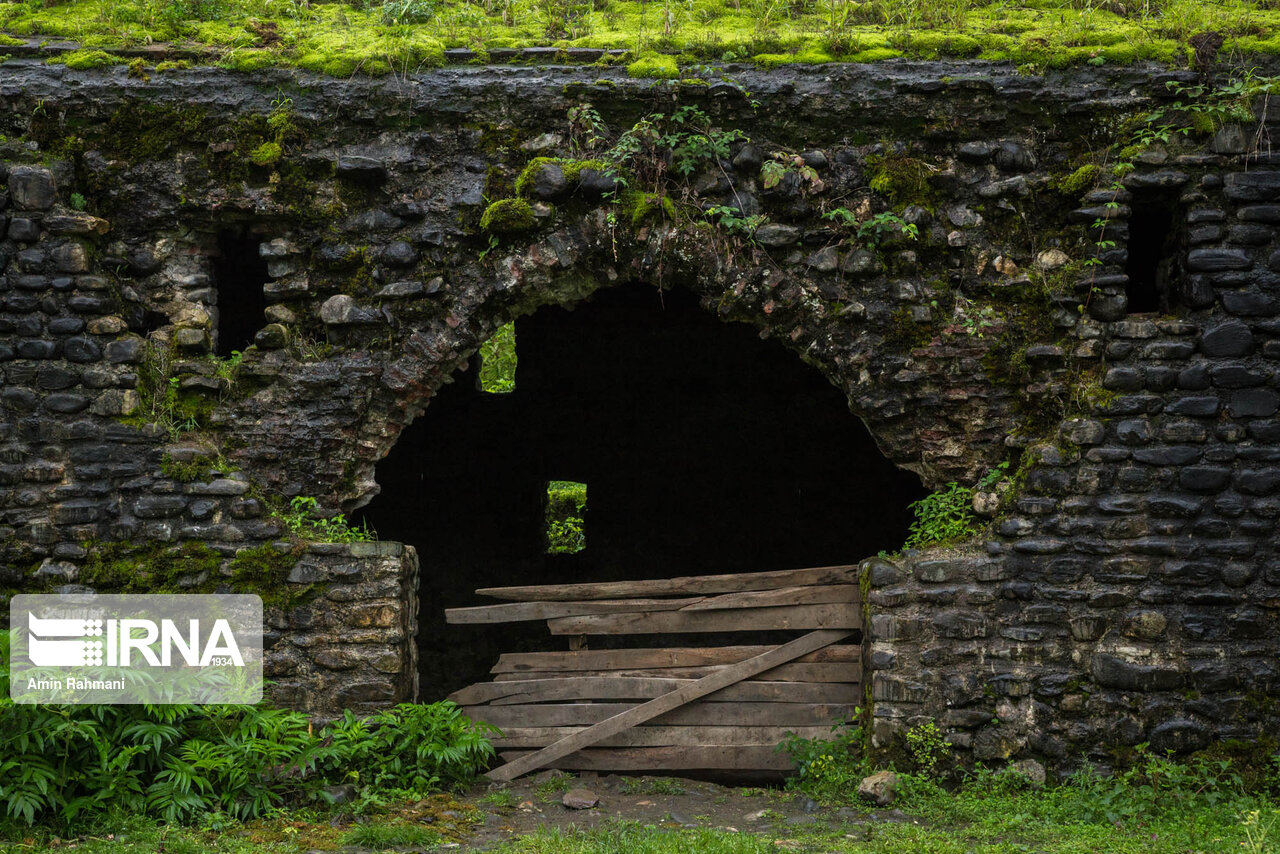
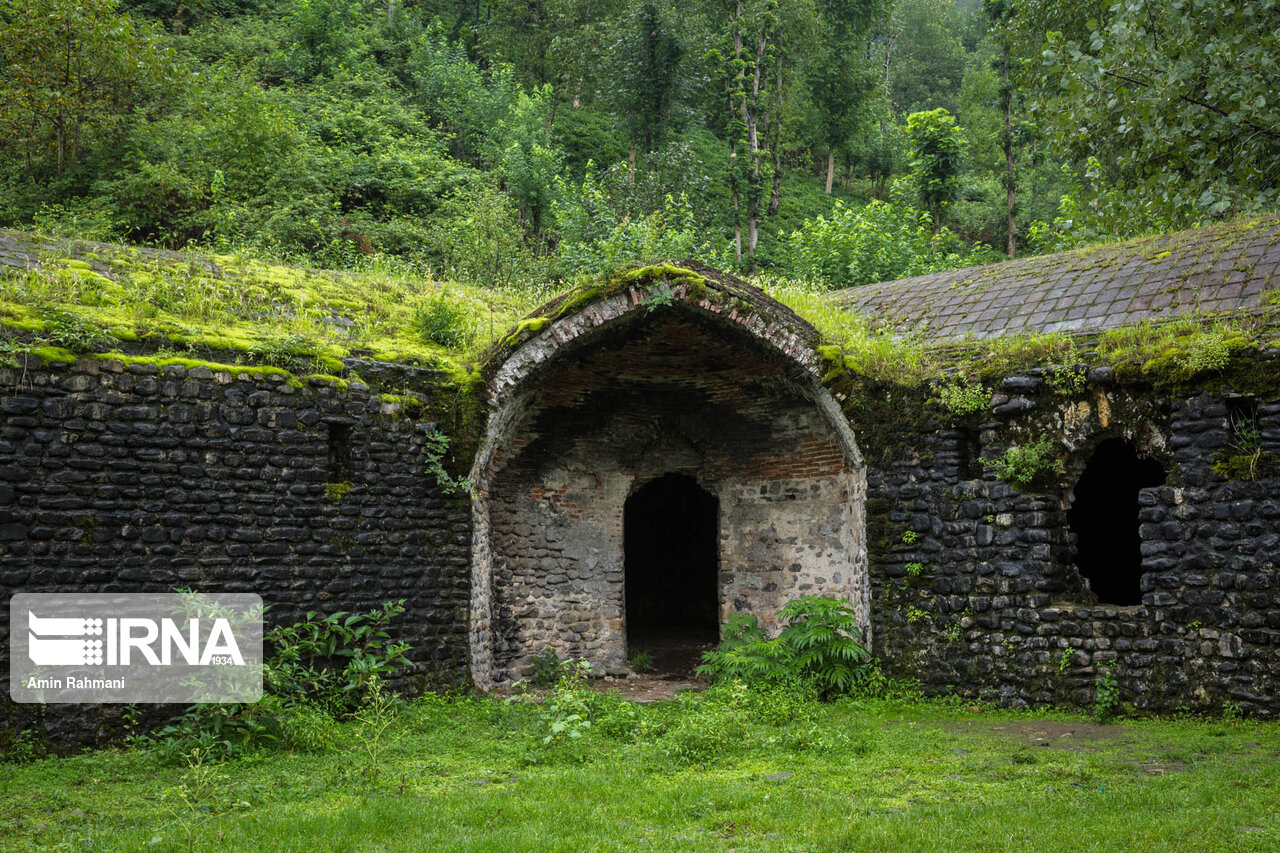
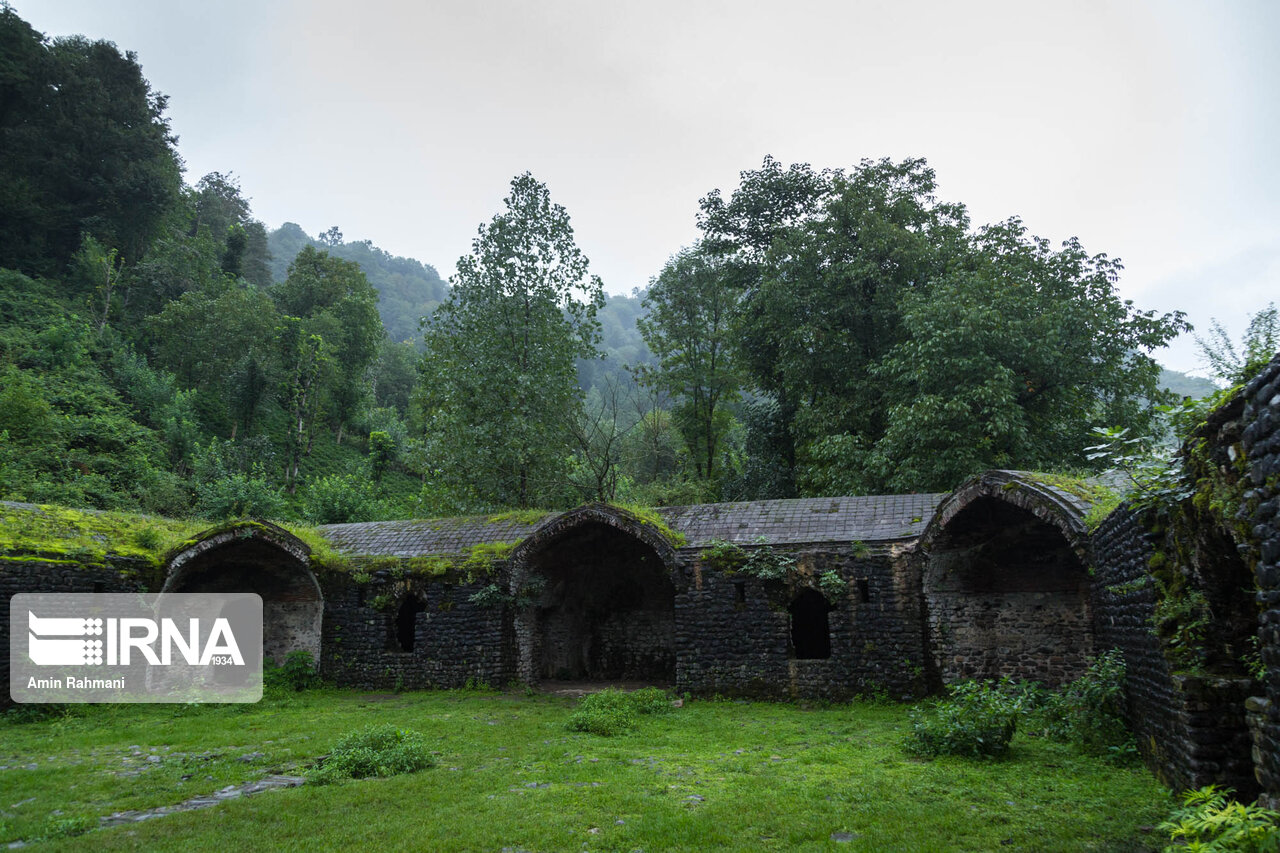
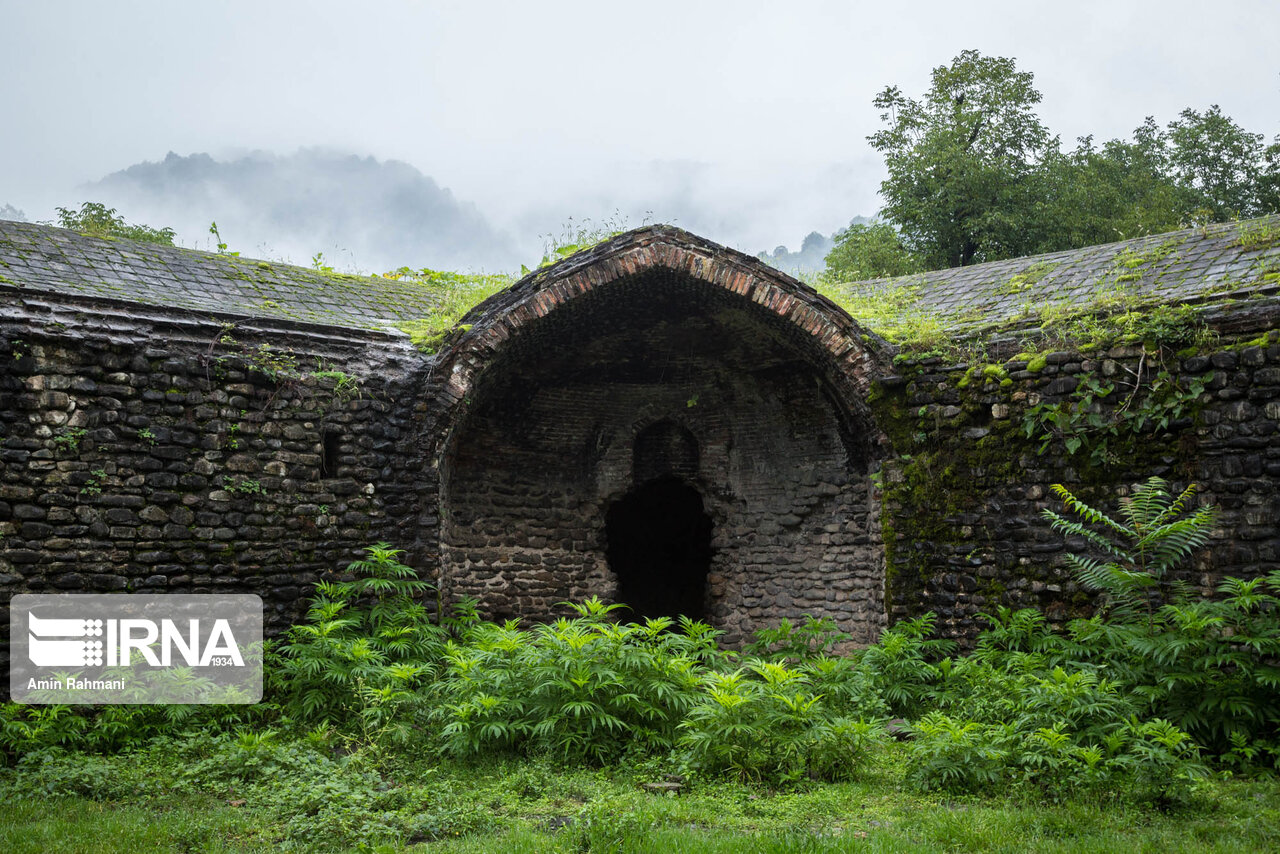
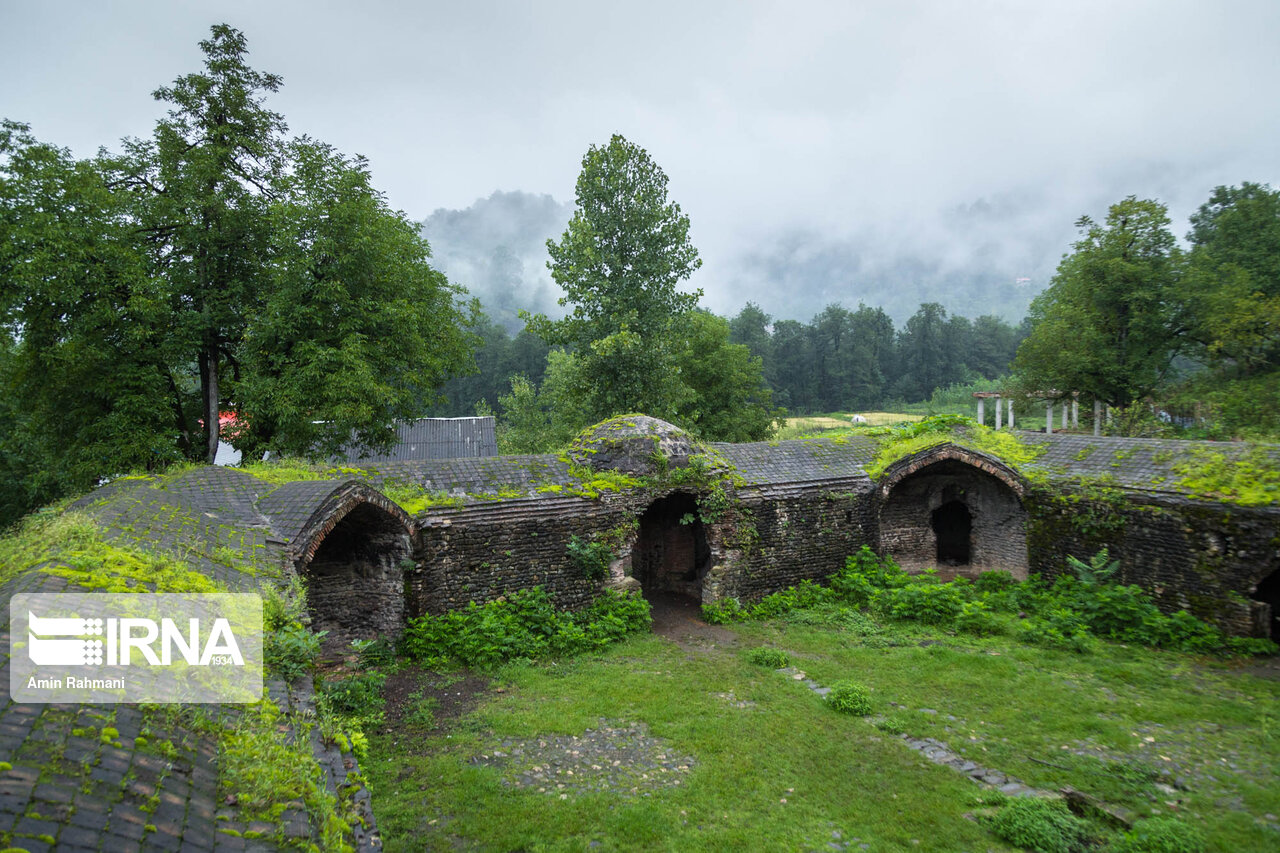
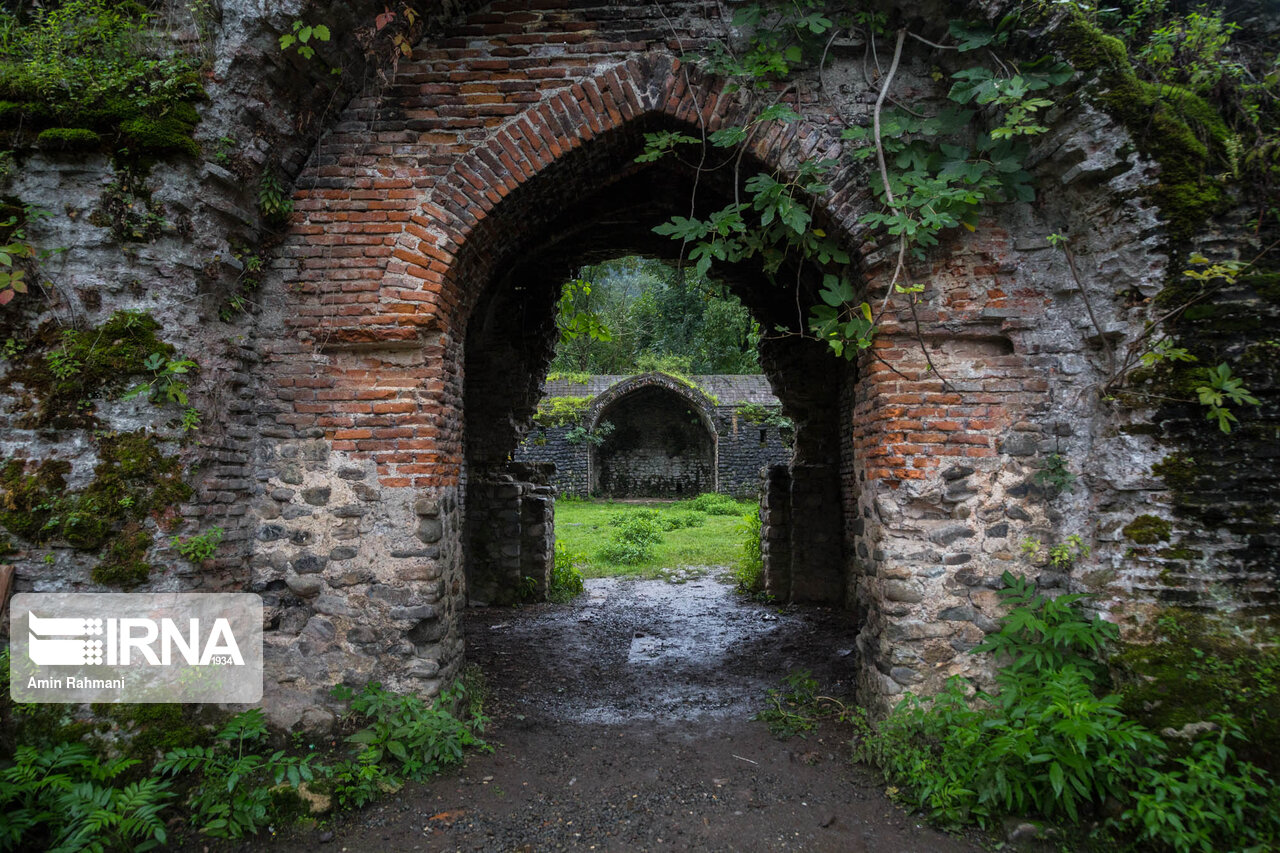
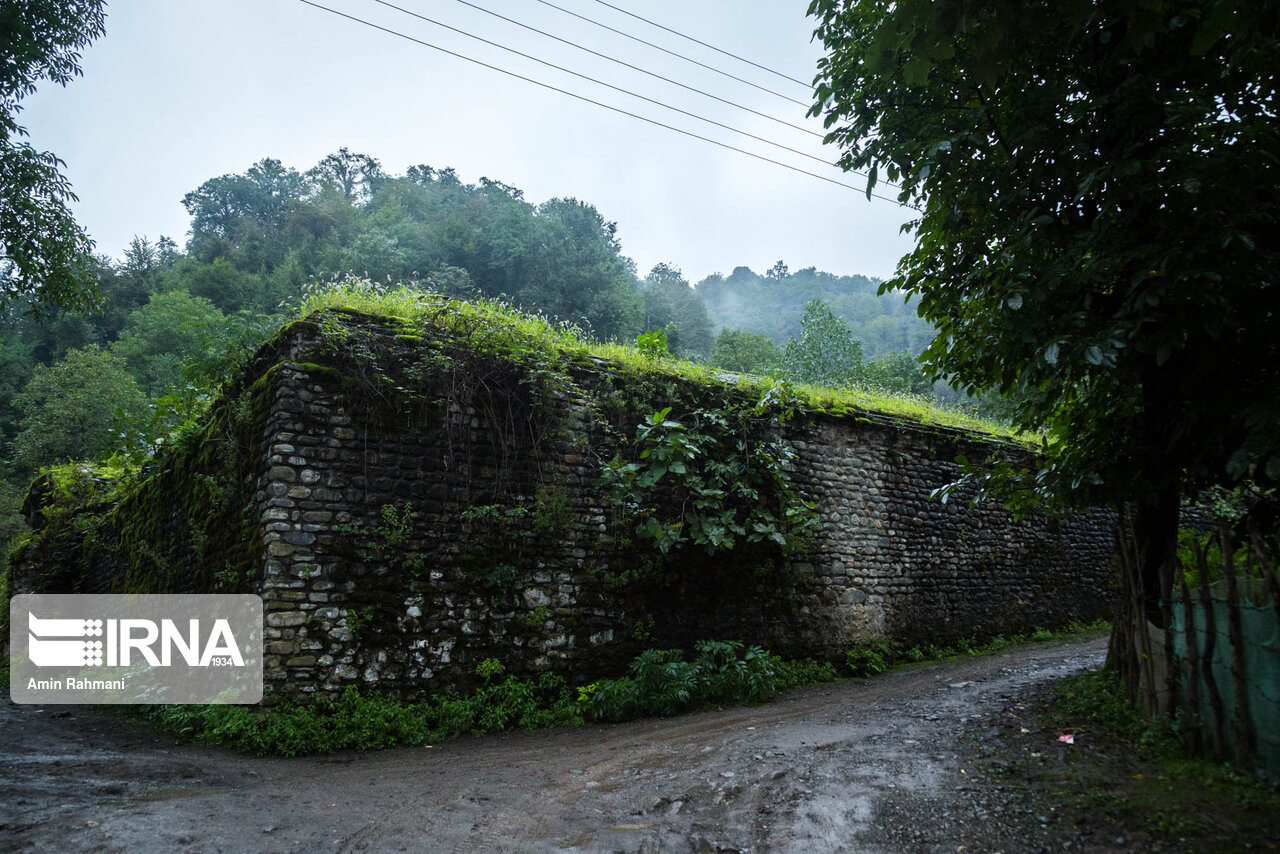
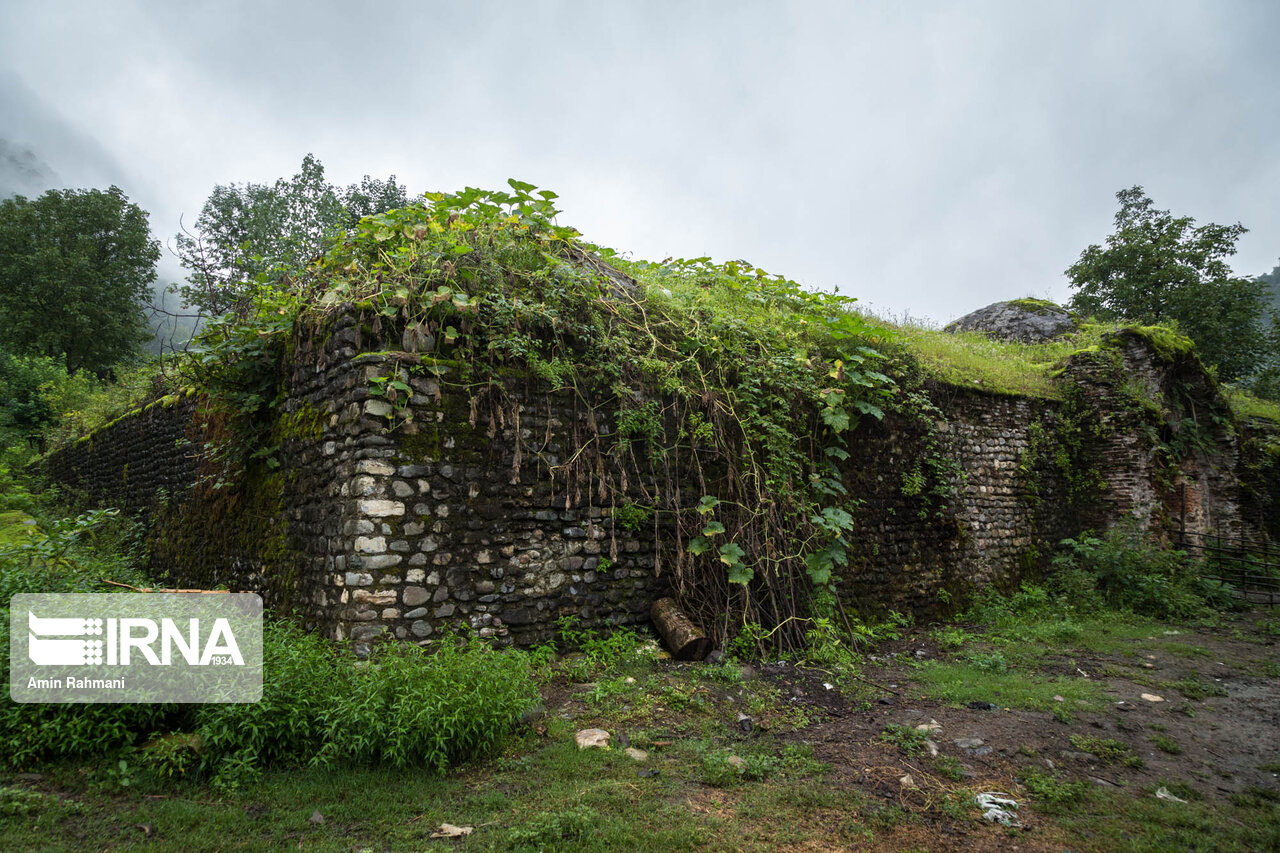
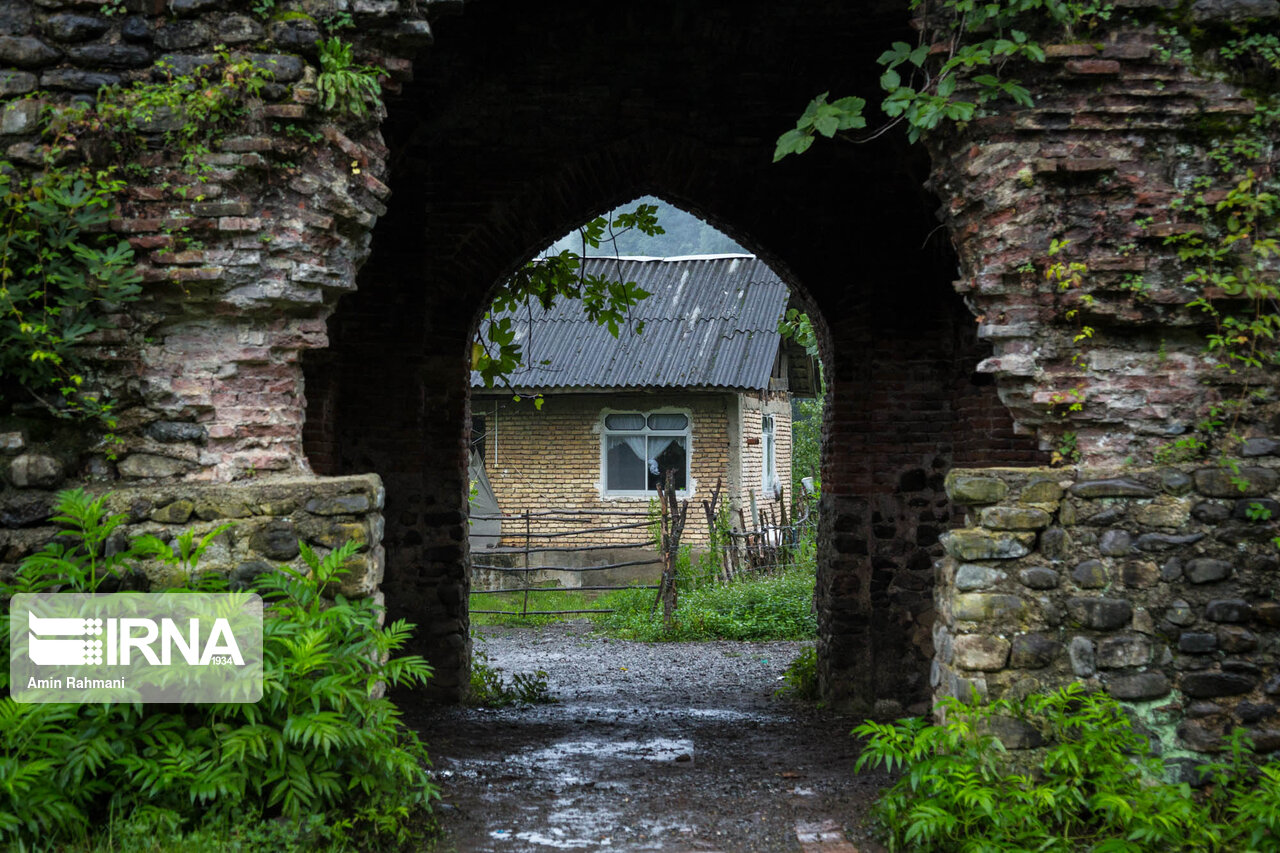
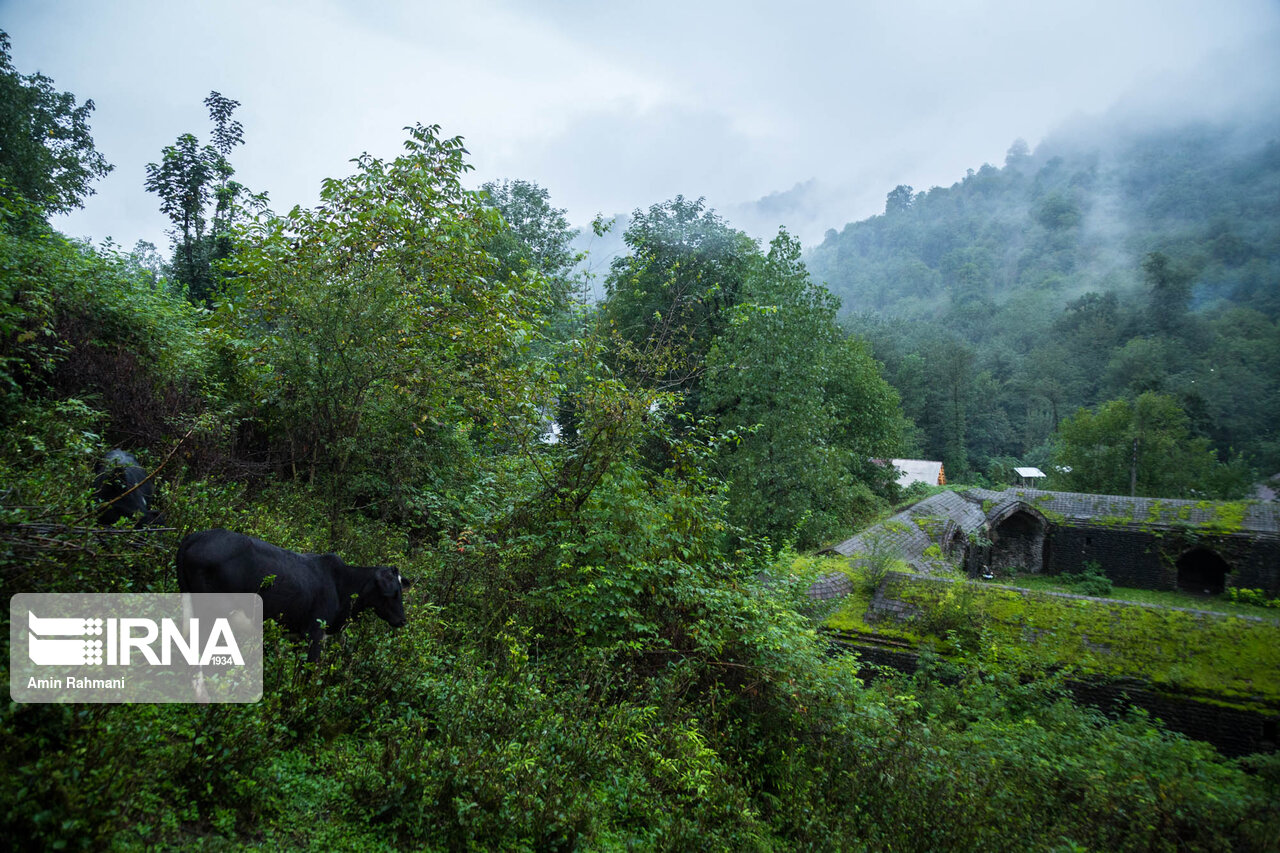
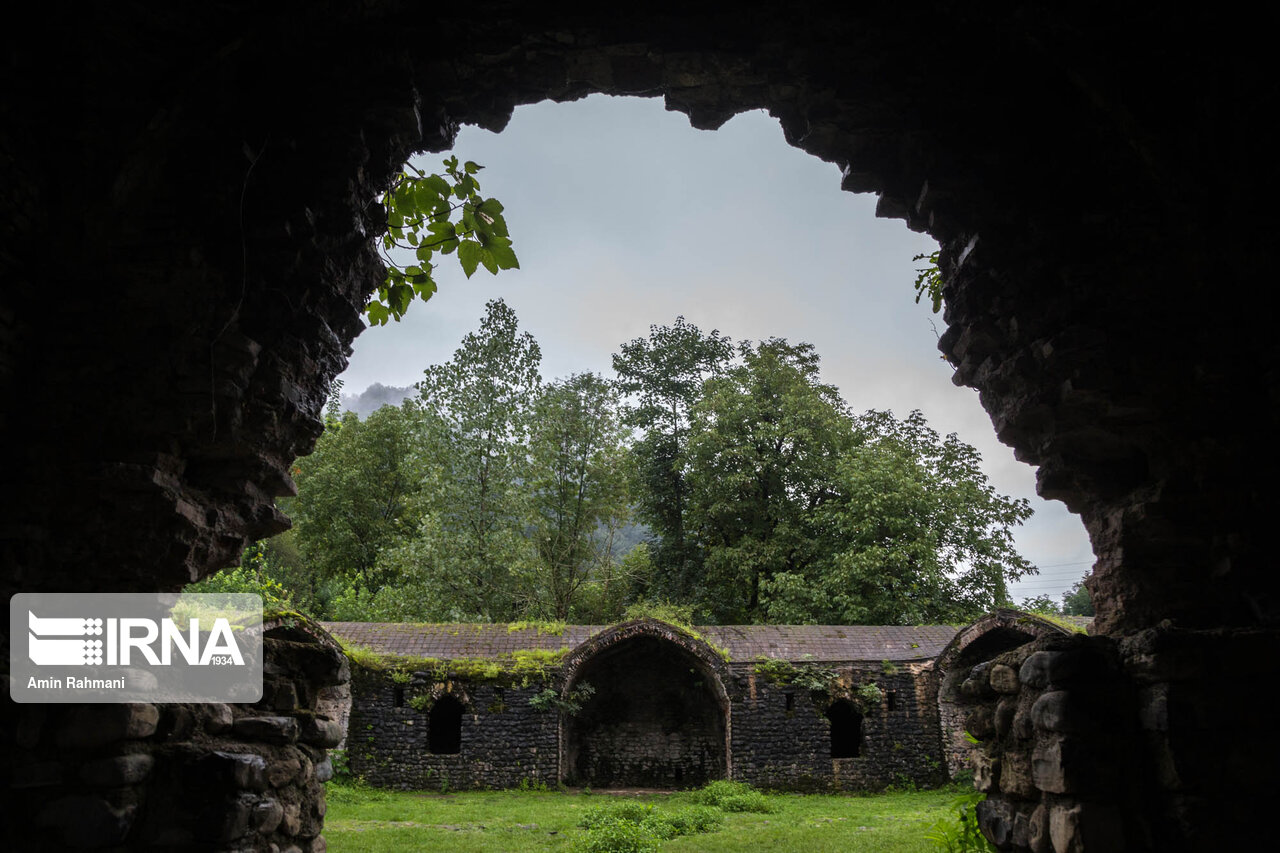
The old Titi caravanserai in Gilan dates back to the era of Safavid dynasty, one of the most significant dynasties who ruled Iran until 1736.
The Titi caravanserai, meaning ‘blossom’ in the Gilaki language, is located some eight kilometers from the city of Siahkal.
The building, used as a hotel by the caravans in the past, was of strategic significance when it was built, considering the very small number of caravanserais in northern Iran at that time.
The historical building takes its name from Titi Khanoom (Lady Titi), the aunt of one of the Safavid kings, who ordered the construction of the caravanserai. It was used to accommodate the people travelling between Siahkal, Deylaman and Taleqan.
The caravanserai was built of stone obtained from the rivers, brick, lime and mortar.
The old building was in service even until decades ago in the contemporary century, when the current roads had not been constructed.
The Titi caravanserai was frequented by travellers when people used animals as means of transportation before the invention of motor vehicles.
What follows are IRNA’s photos of the 600-year-old building:
Everywhere there is talk of medical advice, and social communication is forgotten in the context of social distancing. Sociologists say the discipline is concerned with building relationships and linking individuals, while now everyone emphasises that these bonds must be cut; however, this may lead to further isolation.
Amir Hossein Jalali, a psychiatrist, and Abbas Kazemi, a sociologist of culture, are two Iranian experts who have examined the negative impacts of reduced communication in the current situation and offered solutions.
According to a report by Shahrvand daily newspaper, Abbas Kazemi believes social sciences are facing a new discourse in the wake of the COVID-19 outbreak. The concern of this field has always been the connection of people and their relationship with each other, but suddenly they are faced with a discourse that asks people to be alone and observe social distancing. However, after the criticisms, it was announced that the term “social distancing” should be replaced by “physical distancing”.
“According to health and medical protocols, people are being asked to distance themselves from others, while sociologists and psychologists are aware of the negative consequences of loneliness and isolation,” added Kazemi.
Loneliness in English has different meanings and one of them has a negative meaning. Some say this distancing and the severance of social relations is a good thing, asserting that it forces them to think more about themselves, but this is not how sociology defines loneliness.
“In sociology, it is stressed that many of people’s personal issues are addressed in relation to the society,” says Kazemi, adding that human beings develop via communications. Under these circumstances, the capacities of online and virtual life must be used to get closer to the real space.
Dire Psychological, Social Consequences of Corona
“I read a report in the New York Times saying that we are constantly being told to disinfect, to wear masks, and so on, but there are no written protocols to tell people how to communicate with each other,” continued Kazemi.
Perhaps at the beginning of the quarantine, people even felt good and satisfied that they were not going to work and that they were clearing the backlogs of work. Most of them were happy to spend time with the family, but when it lingers on, it becomes annoying. People get bored and the normal routine of life is disrupted.
According to Kazemi, with the continuation of this process, social skills will be forgotten and people will run out of patience. After the end of the Corona pandemic, the consequences will befall us. Therefore, the communications must be redefined without compromising our health.
Jalali, a psychiatrist, says that before quarantine, the issue of people and their communication on social media was raised. It was said that this kind of relationship has made people lonelier, and now the quarantine has legitimized this issue!
According to psychologists and analytical psychiatrists, when we are faced with a problem that we cannot solve, we isolate ourselves and do not address it.
As Jalali says, in the current situation, people are officially isolating themselves. The quarantine has prevented us from confronting the conflicts we have to face, that is, mental growth and vitality. As this process continues, we become a greenhouse plant that must eventually return to the society. So we should not be so weak that if the wind blows on our stems we break apart.
He believes that our calm during the quarantine period cannot a be positive thing. People may even say why life should not be like this and always work from home. Raising this issue can be worrying. According to him, at first, the quarantine was something against the accelerating flow of life and slowed down the process of life. It was fun in the beginning. But we can’t be away from social atmosphere all through the year.
Compromise with Corona
Explaining this point, Kazemi emphasizes that quarantine can be enjoyable when it is under the control of humans. That is, the individual voluntarily distances himself from society in order to discover himself. But it can be scary when it is coupled with psychological pressure and stress. Therefore, given the current situation and the continuation of this process, we have no choice but to compromise with it.
Social Media Can’t Replace Real Socialising
The two experts went on to refer to the effectiveness of social media. Jalali believes that without virtual networks and the modern type of communication, the extent of damage during quarantine would have increased. However, it should not become a routine way of socialising.
“Physical communication is the source of communication excitement,” says Kazemi, adding that we need to look for ways to minimise the harm of being in the cyberspace and make the most of the simulation with the real world.
“Emotions are not conveyed through written communication, and body sounds, looks, and movements are eliminated. So we have to try to use verbal relationships in this space,” he maintained.
Respect for Privacy in Family
Kazemi says going out of the house often helps people’s relationships and prevents many conflicts. According to media reports, the number of disputes and tensions has increased among families in the current situation.
Jalali also refers to the polls conducted by the Tehran Municipality on this issue. According to him, based on the results of this poll, 16% of the families reported tension within the family during this period, 50 percent of which was related to the differences between the couples and the rest was regarding the differences between the parents and children.
“In the current situation, family members must respect the privacy of people at certain times of the day. This can have some of the effects of going out. Of course, couples with major problems need the help of social support services,” concludes Kazemi.
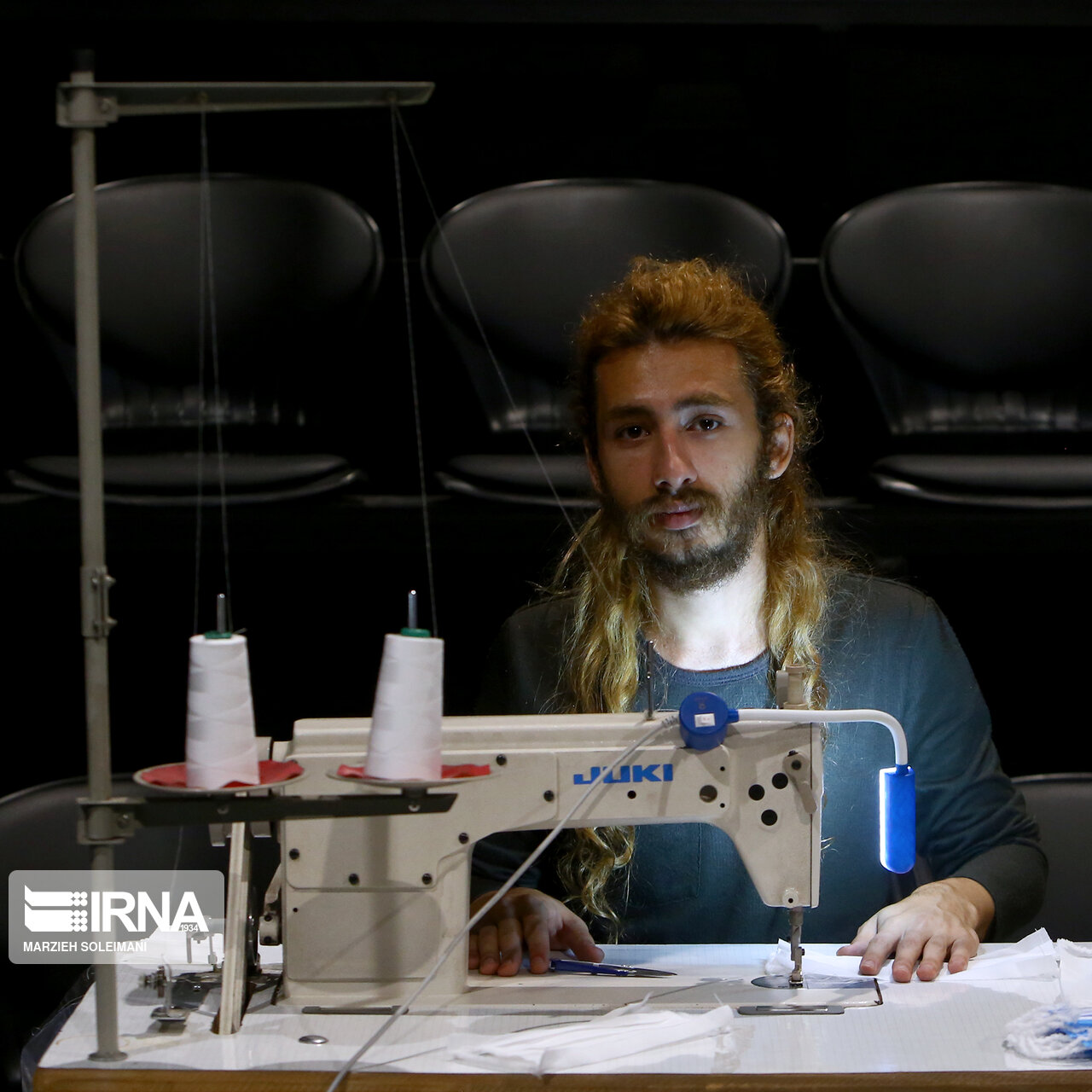
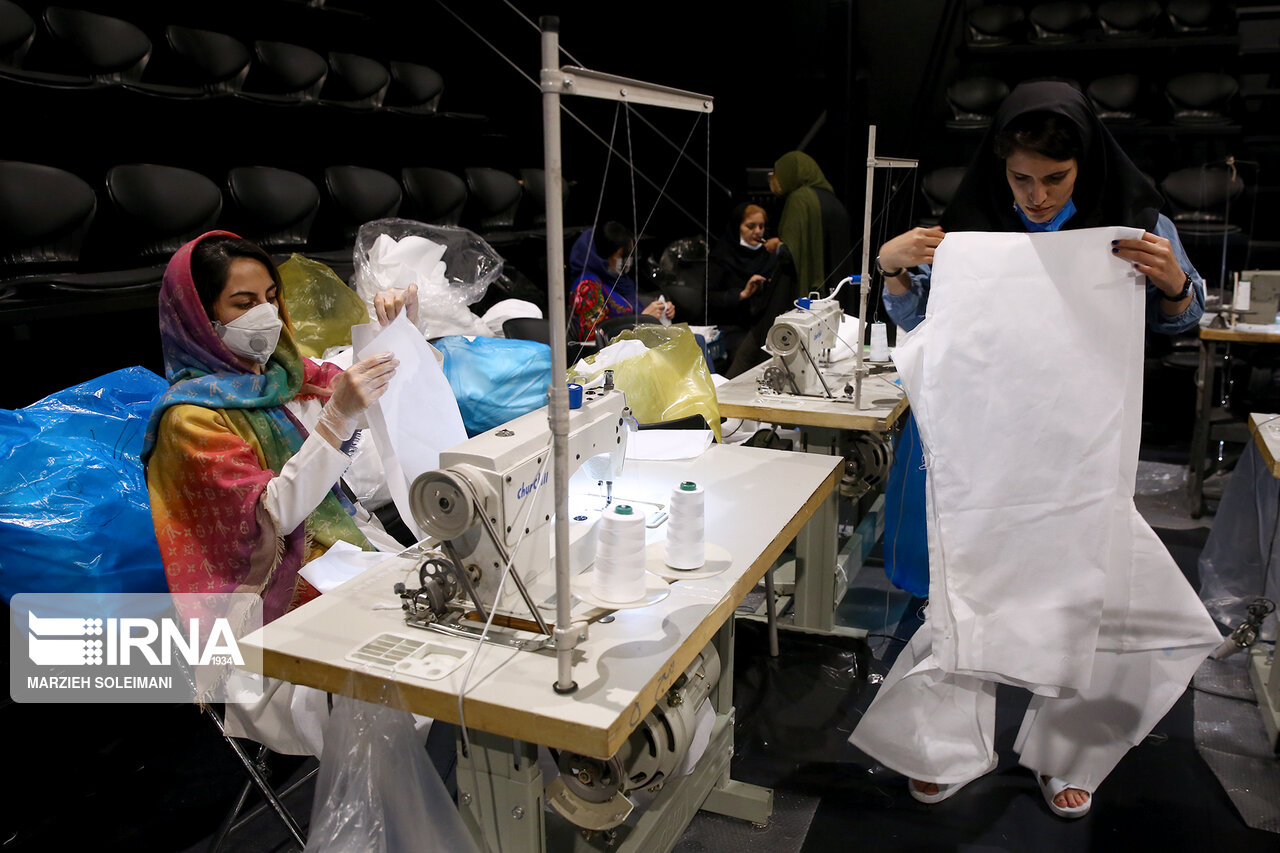
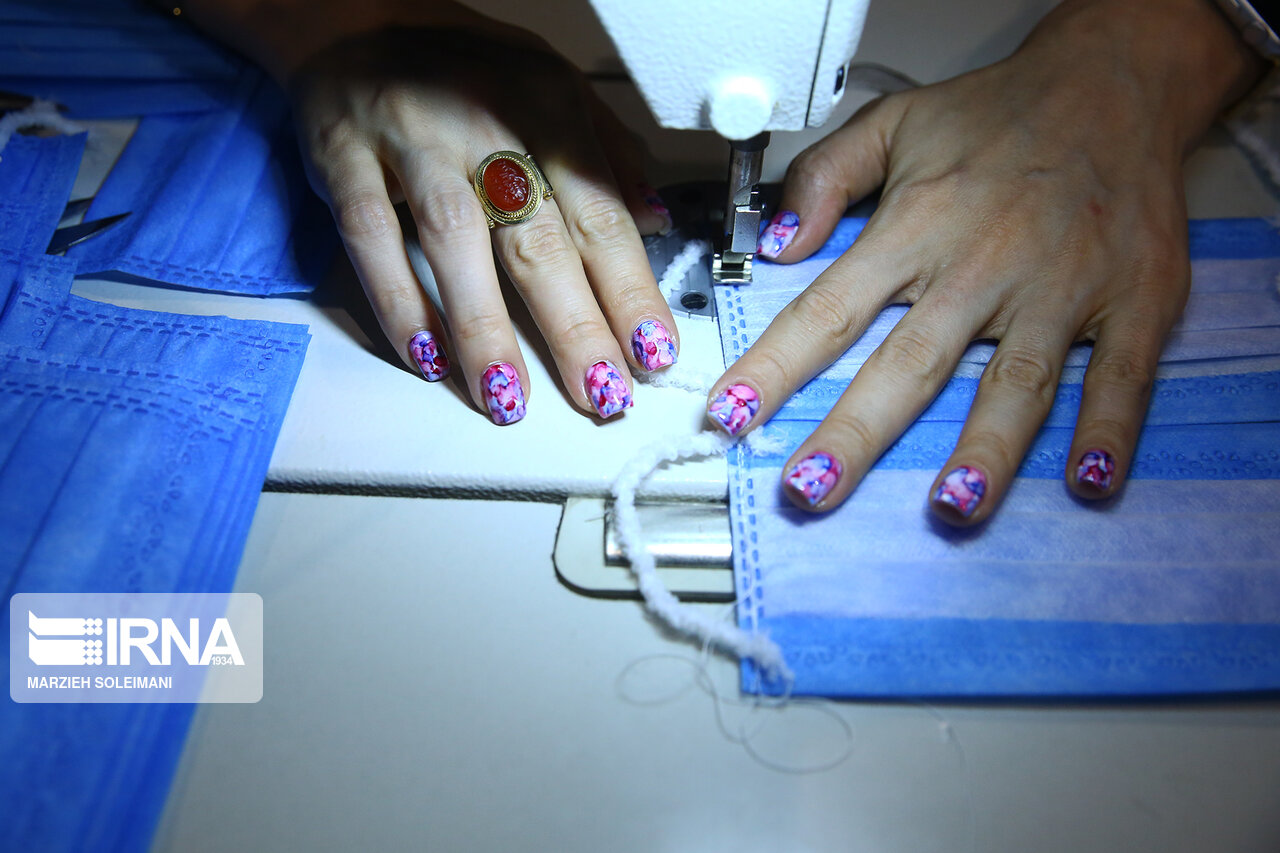
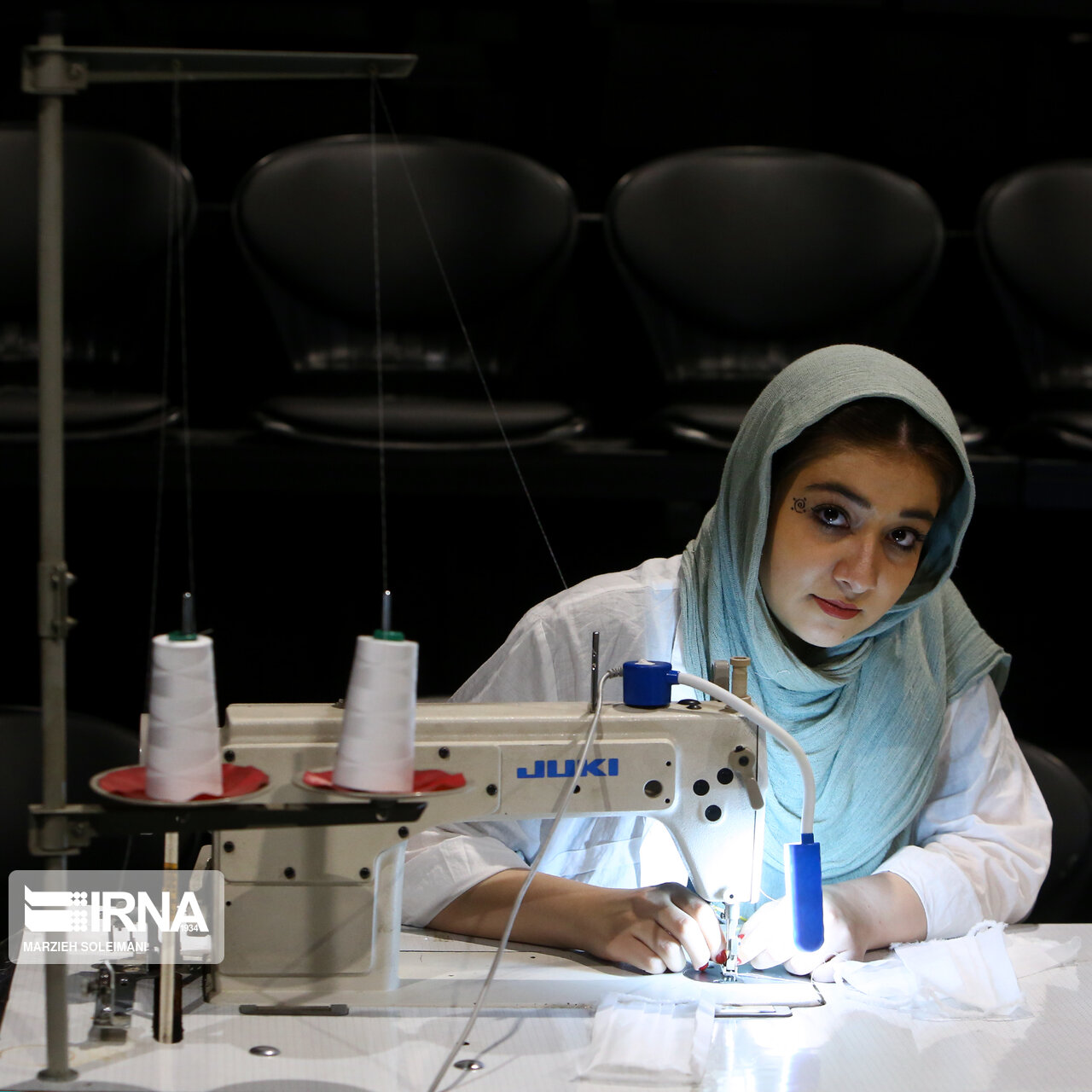
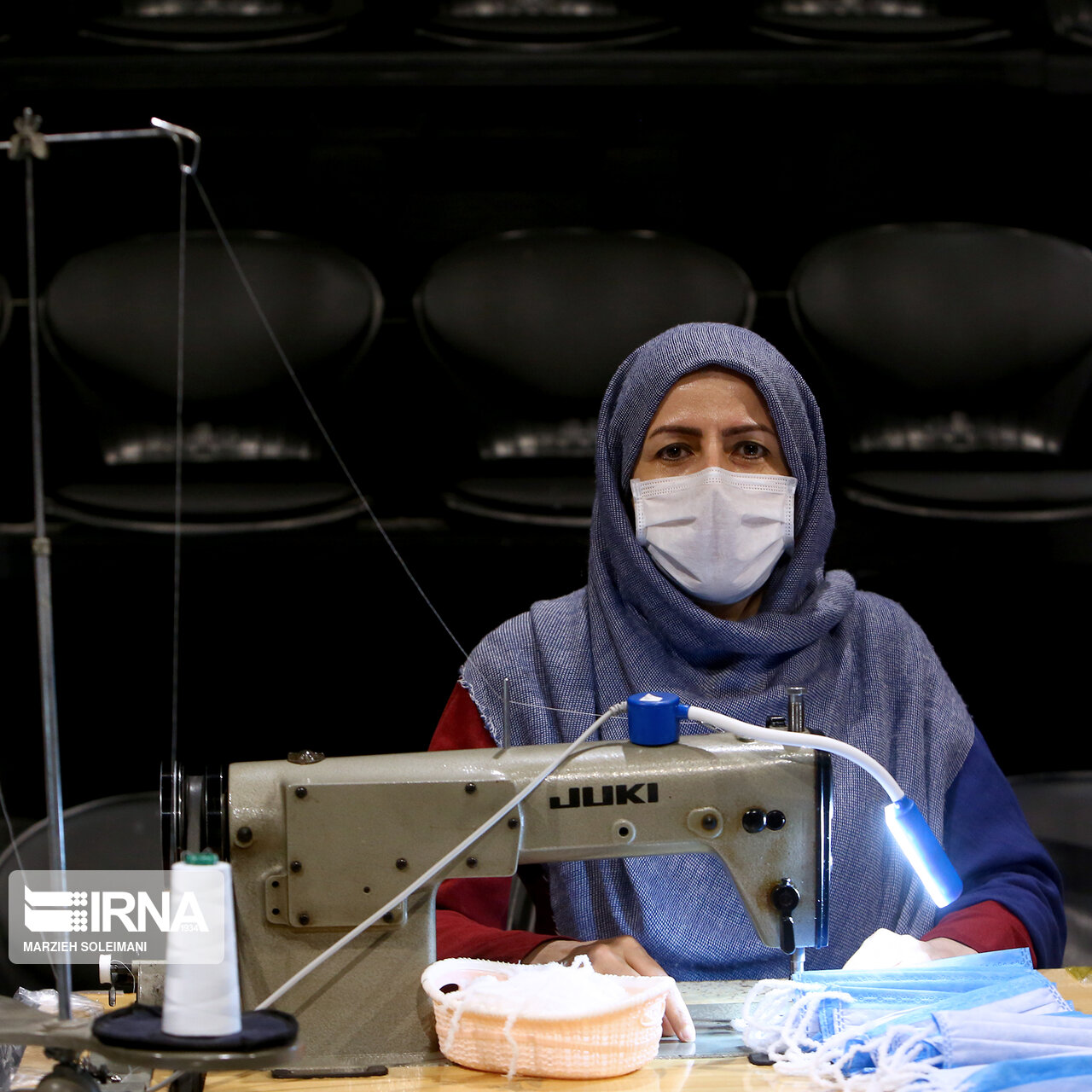
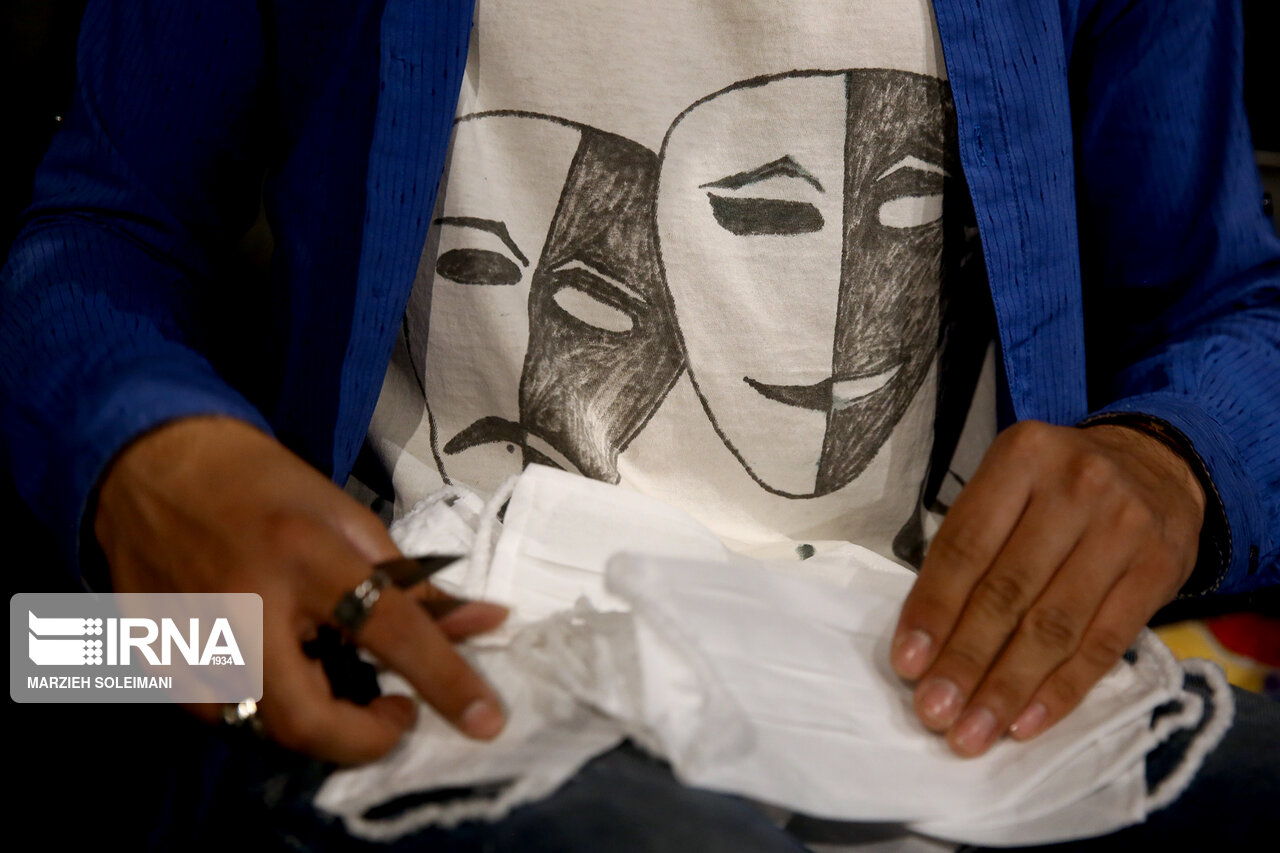
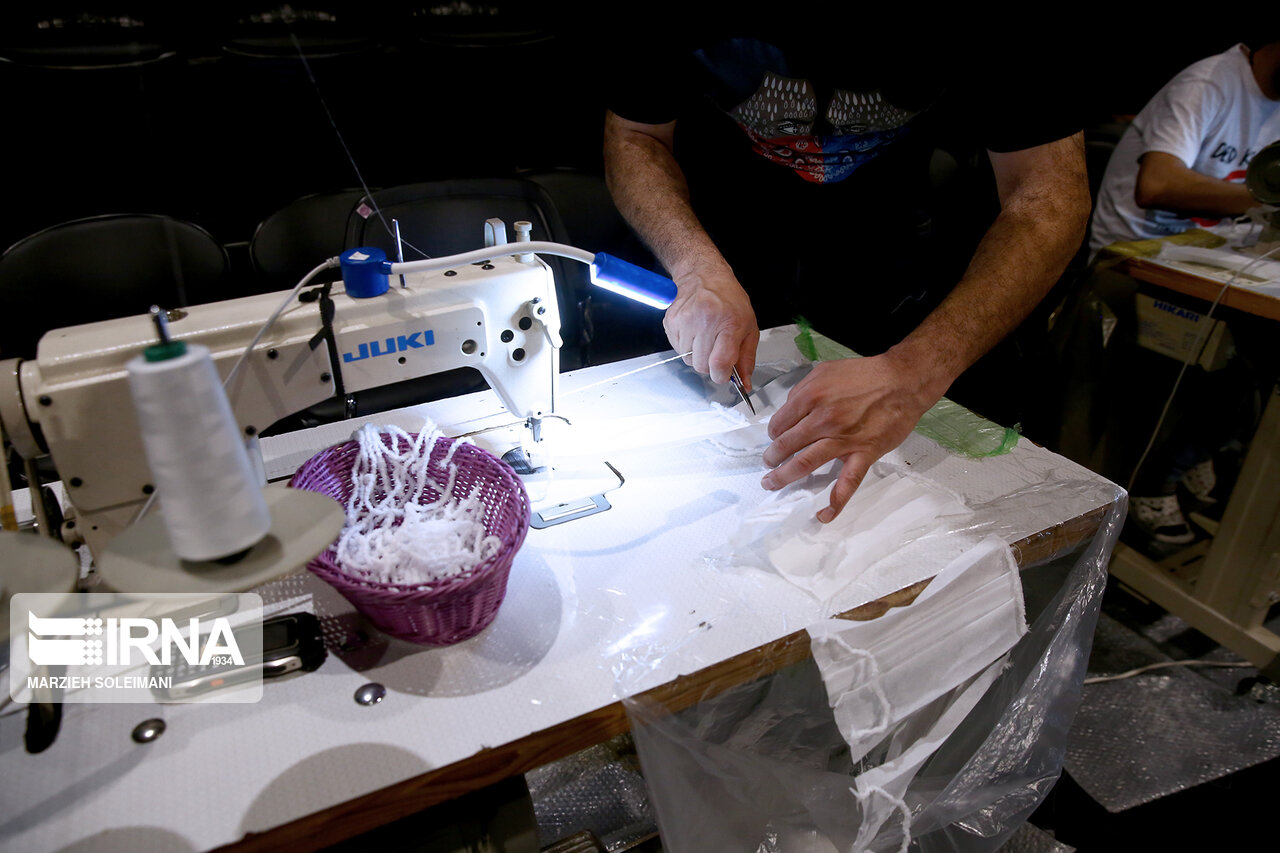
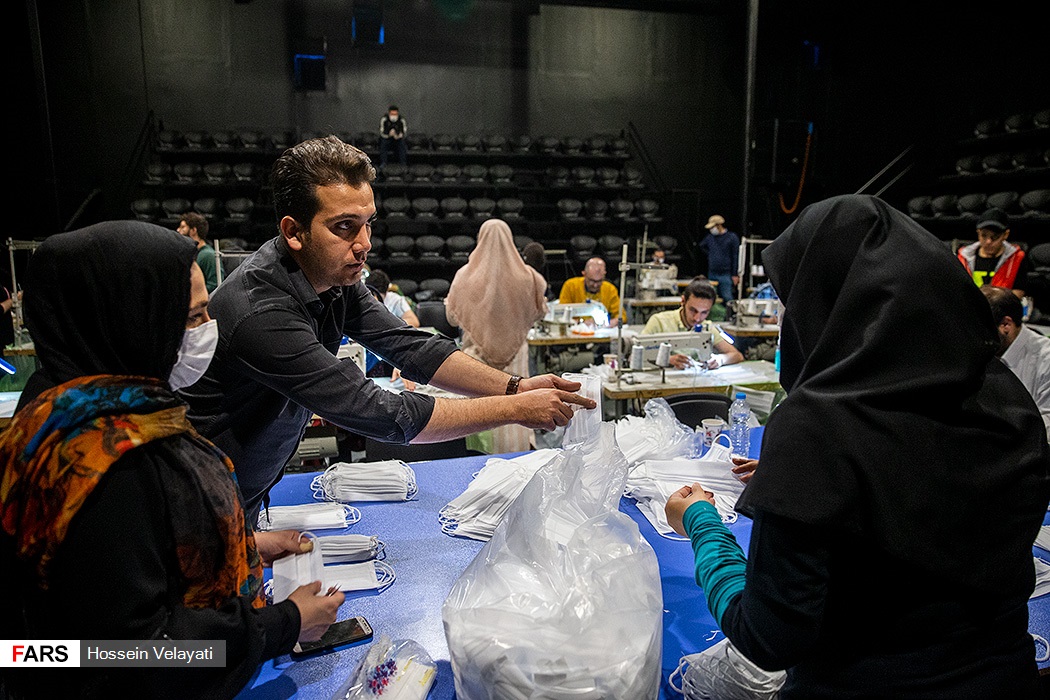
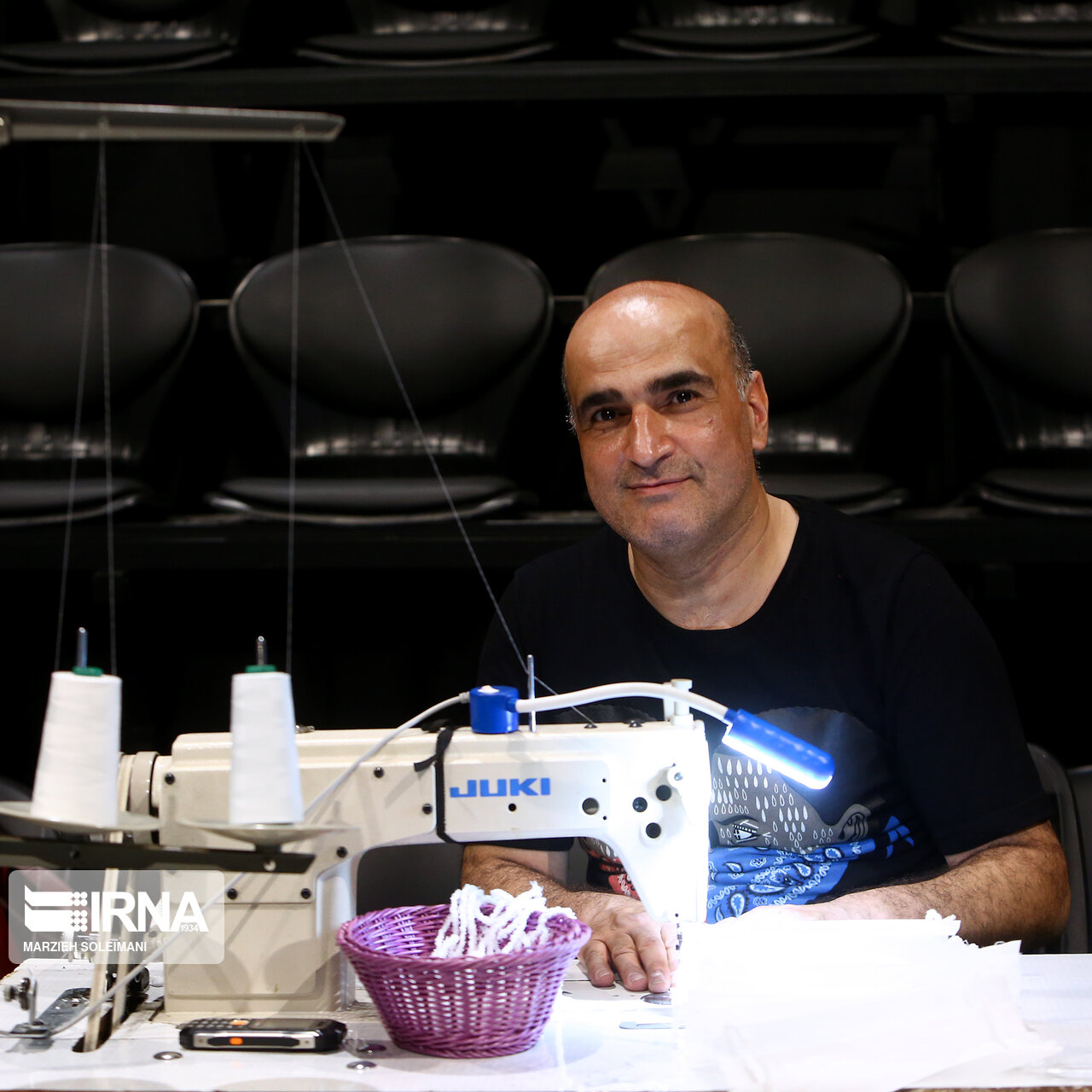
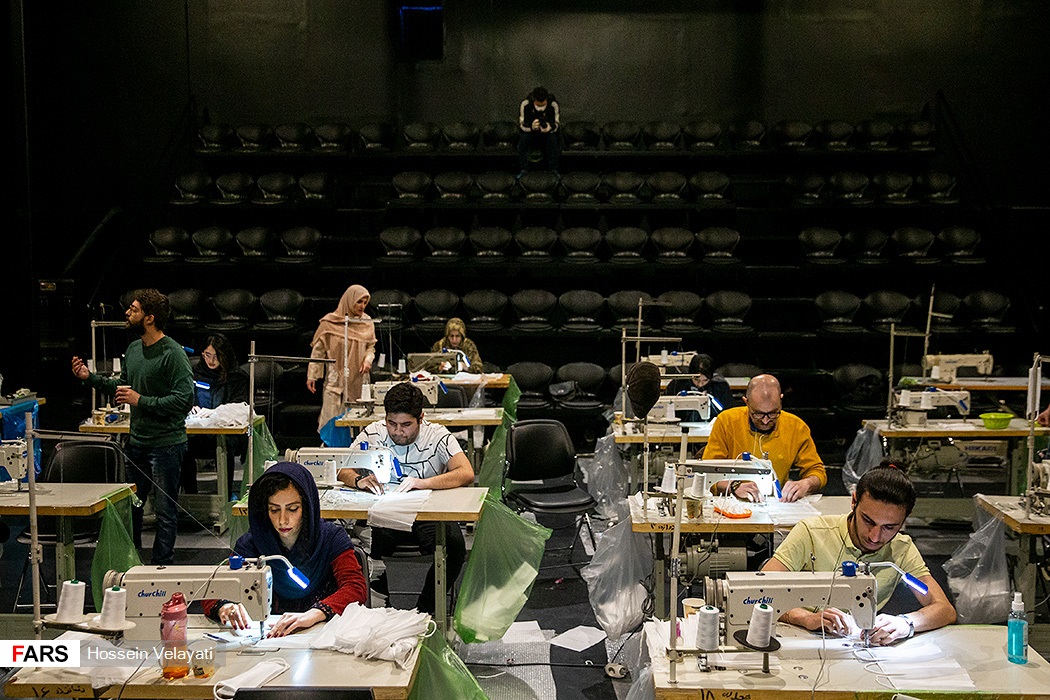
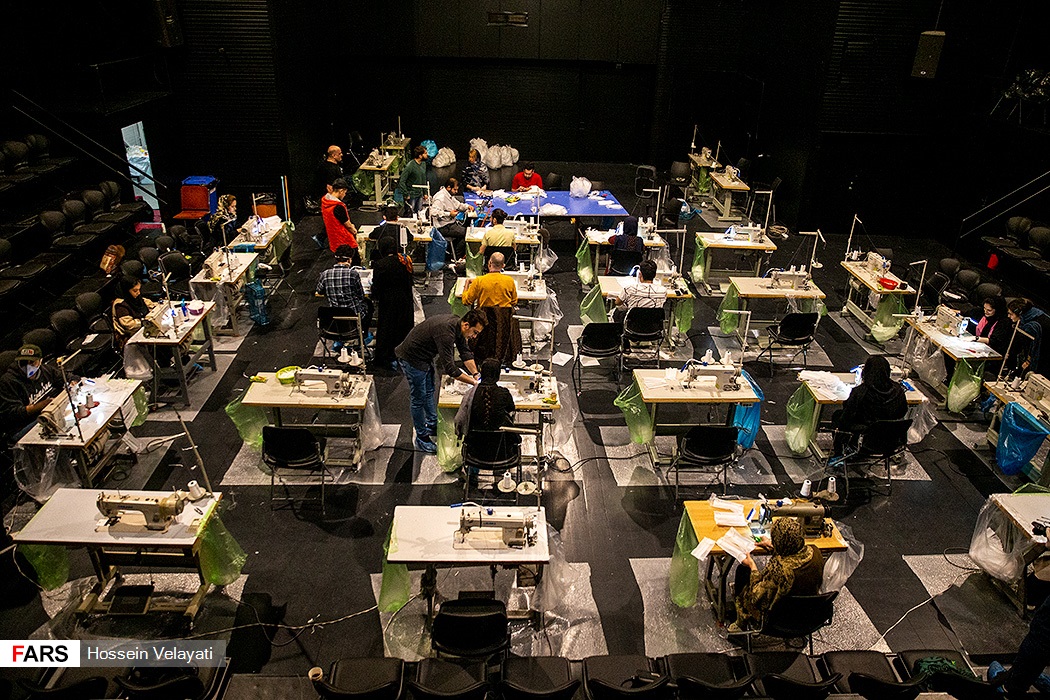
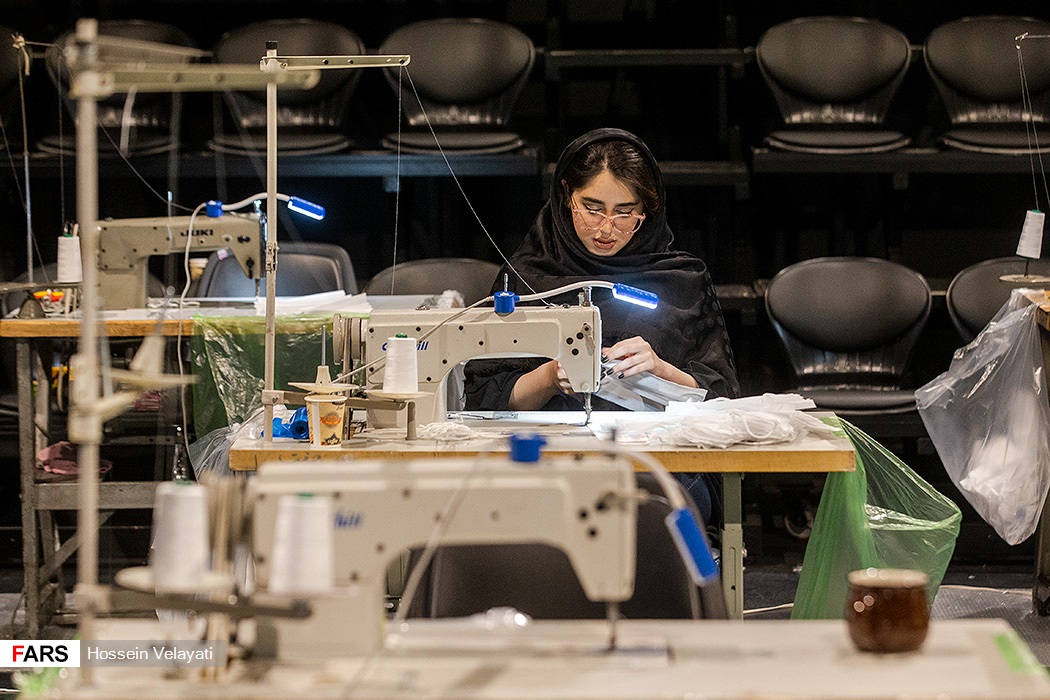
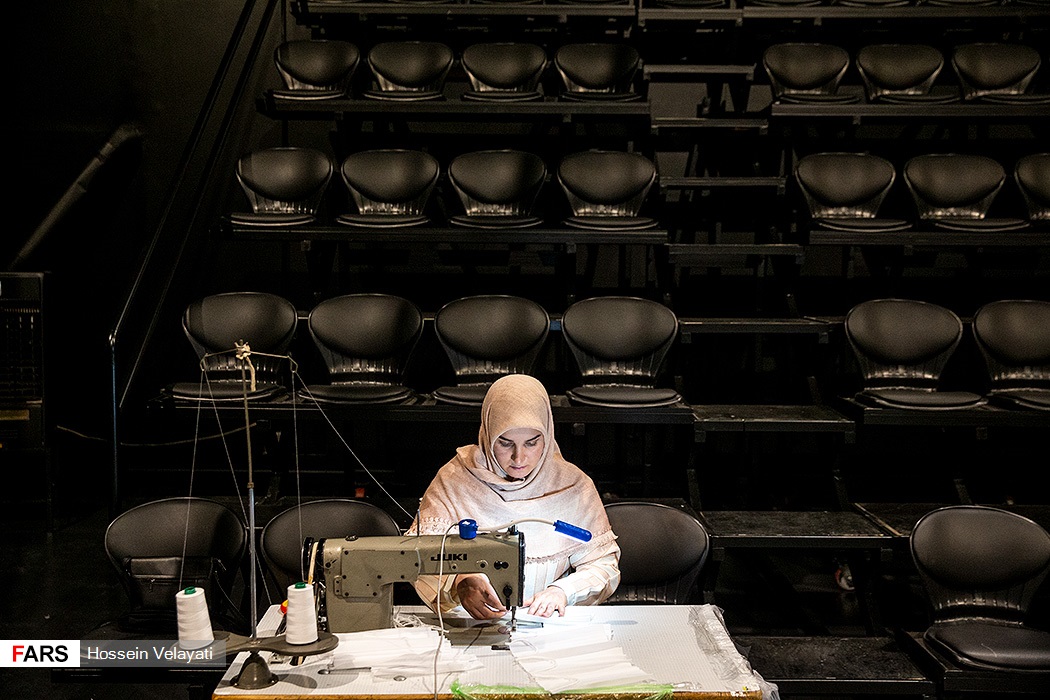
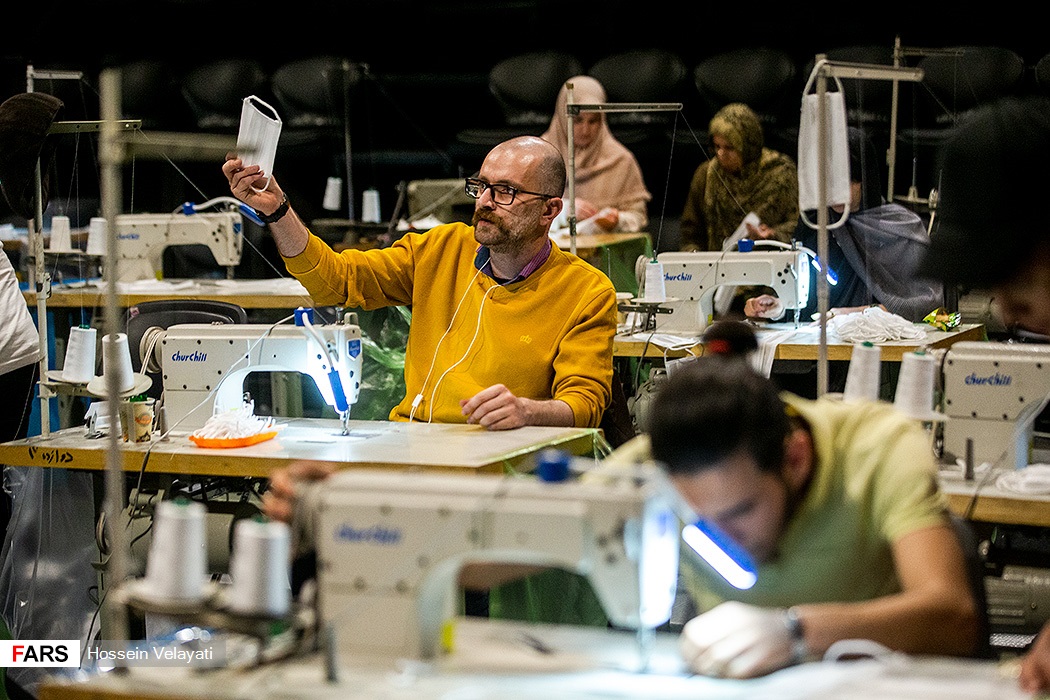
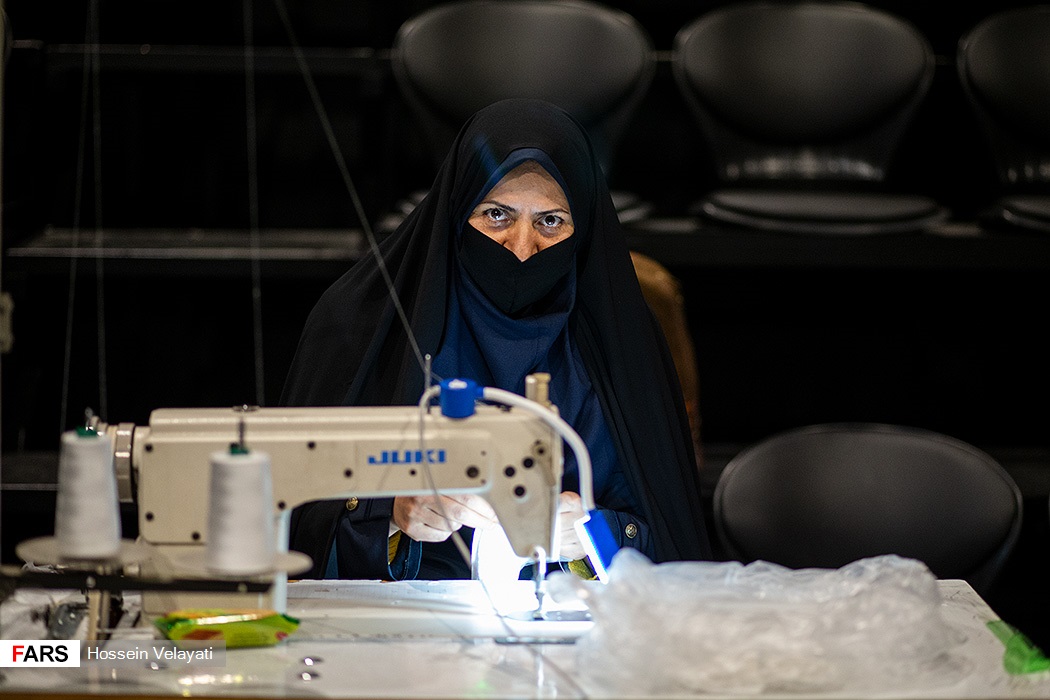
Launched with the support of Rudaki Cultural and Artistic Foundation, the charity unit is equipped with 27 sewing machines.
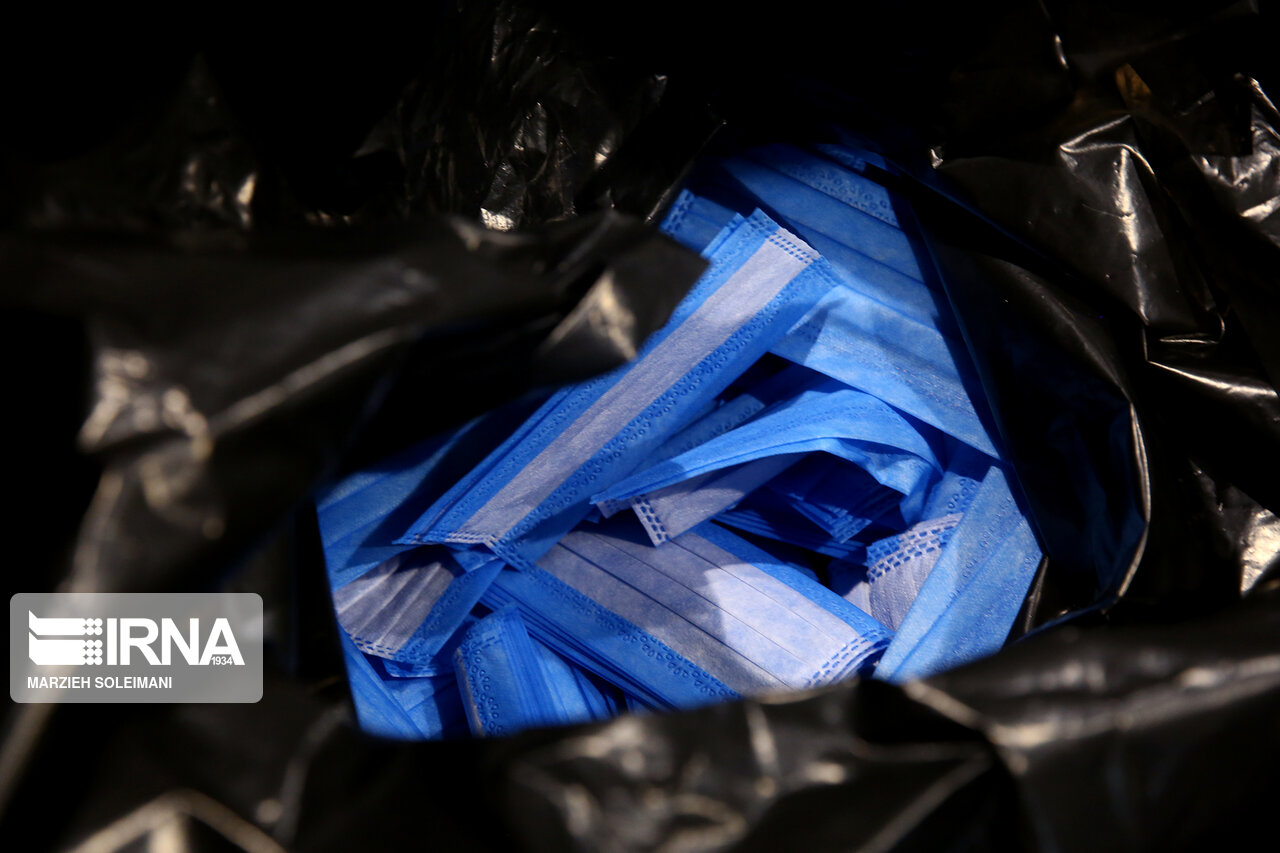
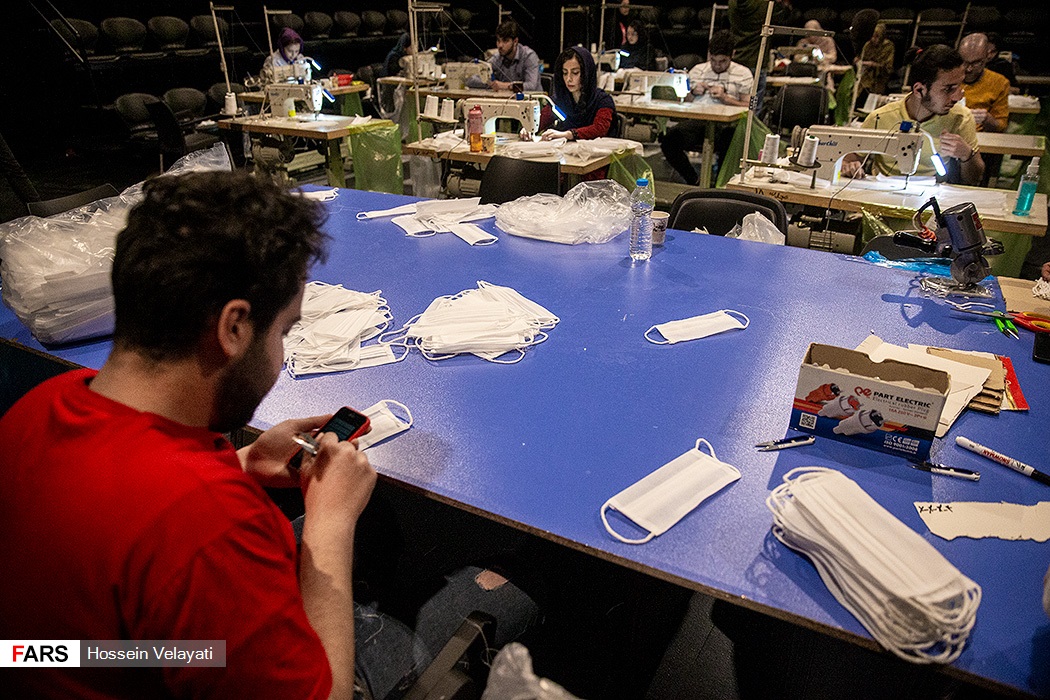
It produces 3,000 masks a day with the help of people from all walks of life who join it quite voluntarily.
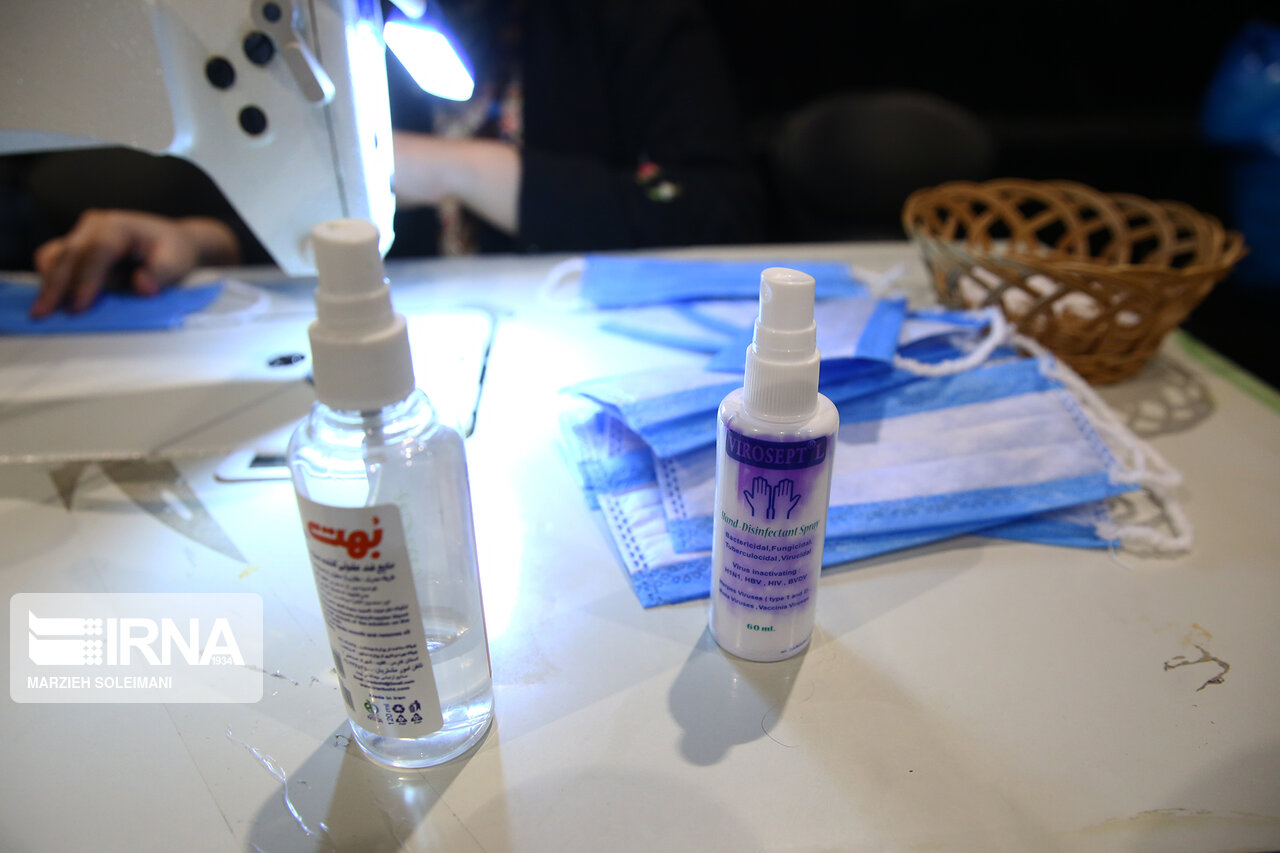
The masks produced by this charity workshop are then sterilized by the Atomic Energy Organization of Iran (AEOI) before being distributed in deprived areas.
What follows are Iranian websites’ photos of the mask production workshop in the Iranian capital’s Hafez Hall:
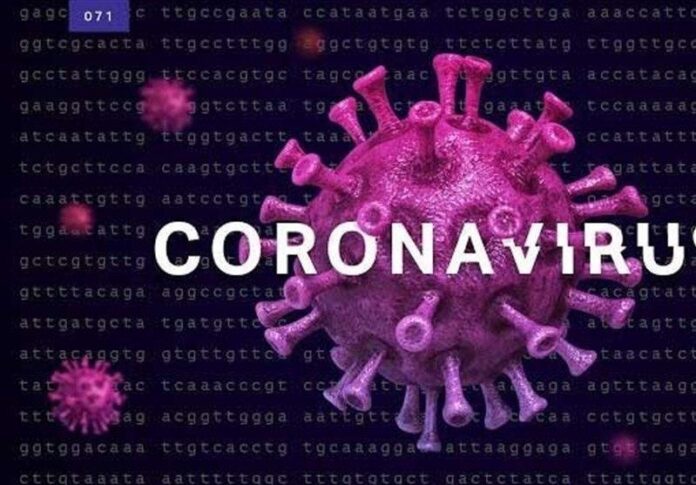
Sirous Zeinali said the coronavirus in Iran has a very limited genetic mutation; in other words, the virus is very similar in regions such as China, Iran and the United States.
All living viruses and cells have a genetic structure that ensures their survival. The novel coronavirus also has an RNA-like genetic structure, he added.
The virus multiplies as soon as it enters the human cell, producing hundreds or more of the same virus as the original one, and then each virus attacks another cell.
The virus performs its own simulation through a genetic sequence in its genetic material, its RNA, and it is important to know its genetic code for treatment, or making vaccines, and diagnostic kits, as well as controlling the virus.
“If the virus has a high mutation potential, its sequence should be very different in different places, such as the United States, Iran, China or other countries; however, studies in different countries do not confirm such a thing,” underlined Zeinali.
“After the disease entered Iran, the issue of its genetic mutation was discussed in scientific and public forums, and it was even suggested that two types of severe and mild viruses were spreading in the international community. Some even believed that the virus mutated in Iran and was constantly changing, which is not true based on the sequence of the Iranian type and other cases.”
Zeinali reminded that the sequence of coronavirus obtained from Iranian patients has been determined in this company in cooperation with the Pasteur Institute of Iran.
The determination of the sequence of the coronavirus genome revealed that if a vaccine or drug is developed for the disease, it could be used worldwide and there is no need to produce a specific vaccine for every single population or country, he went on to say.
“Some viruses, such as AIDS and influenza, are changing because it is either not possible to produce a vaccine or the vaccine is changed every year,” he underscored.
The CEO of Kowsar Biotechnology Company stated that so far, nearly 4,000 sequence determinations have been registered for this virus, the largest part of which is related to the United States.
“Iranian researchers were able to achieve this success under sanctions. The sequence of the virus is being determined in several centres of the country, the results of which will be announced in the coming weeks,” highlighted Zeinali.
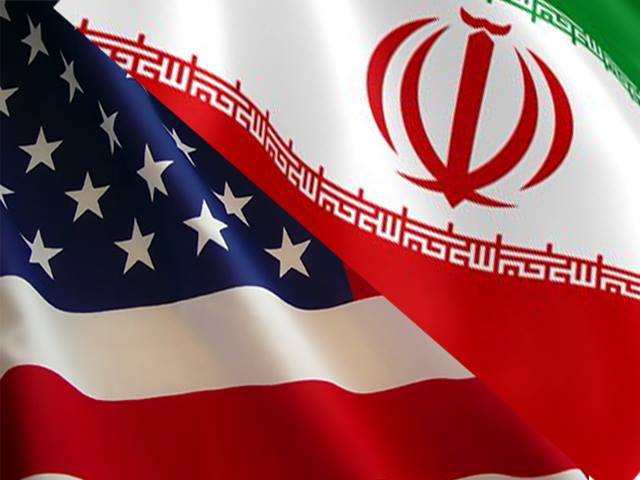
“No matter who becomes President and assumes office at the White House in the future, be it a Republican or a Democrat, we won’t hold talks with that person as long as he or she keeps threatening and bullying us, maintains sanctions and continues to commit terror,” said government spokesman Ali Rabiei on Monday.
“There will be no negotiations as long as the United States’ failed policies continue,” he added.
He urged US President Donald Trump to revisit his policies return to the right path.
“Our recommendation to the US president is that he’d better put right his wrong approach rather than trying to identify imaginary culprits. Then, winds of change may start blowing,” Rabiei noted.
He underscored that Washington can be part of talks with signatories to the 2015 Iran nuclear deal if it removes sanctions on Iran.
“As we said earlier, the US can return to the P5+1 negotiating table if it lifts its sanctions,” the spokesman added.
“Someone who resorts to terror, threats and intimidation to achieve its political objectives is, in fact, showing a sort of desperation in engaging in talks and diplomacy by making such blame-game comments,” he said.
Rabiei underlined that Iran is a peace-loving nation, but will not succumb to pressure.
“We seek peace, and we brook no bullying even amid this coronavirus crisis, and we won’t be bullied into holding talks,” he said.
Elsewhere in his remarks, Raibiei denounced Trump for playing a “blame game” to deflect attention from its own wrong policies.
“We believe Trump is playing a blame game over his lack of skill in engaging with the world and his failure to get a proper understanding of regional developments, even of the United States’ own domestic issues. He keeps levelling accusations domestically. Such remarks are a pretext to cover up the Trump administration’s failure to use constructive diplomacy,” he said.
The spokesman then urged all countries to conform to international law.
“We are announcing that our government’s position is that we abide by certain principles which are based on mutual respect, multilateralism, resistance against bullying and the fact that all of us should comply with international regulations. This is our stance,” he said.
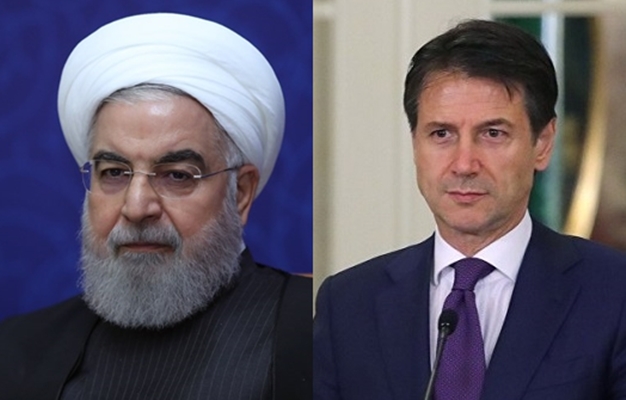
Speaking in a Monday phone call with Italian Prime Minister Giuseppe Conte, President Rouhani said protecting the lives of human beings is more important than anything else.
However, he noted, in the current difficult circumstances the US pressure on the Iranian people is more inhumane than ever.
He stated the continuation of this pressure is a brutal crime against a great nation and against all human principles and international regulations.
Stressing that countries will not be able to overcome this difficult crisis without each other’s help, he said, “By working together and sharing experiences, we can control this virus.”
Rouhani also expressed sympathy with the Italian people over the coronavirus, underscoring that Iranian knowledge-based companies have made good progress to combat the virus. “Tehran is ready to cooperate with Rome by sharing its experience in controlling the disease.”
Referring to Italy’s position on the 2015 nuclear deal and its support for the international agreement, Rouhani stressed, “We are ready to completely fulfil our commitments under the JCPOA if the other party complies with all its obligations and refrains from threatening.”
“Italy has always played an important role in our foreign policy, and I hope it will call on the European Union to fully implement the JCPOA,” the Iranian president added.
“Unfortunately, the financial mechanism designed by Europe (INSTEX) has not yet been able to take a significant and effective step and play a role.”
Pointing to the US opposition to the International Monetary Fund’s granting of a loan to Iran, Rouhani said, “Today, political issues should not be raised as in the past, and human issues and saving human lives should be given priority.”
“At this point, it is clear that the fate of the international community is completely interdependent, and I hope that Europe, and especially Italy, will be able to take an action that benefits all nations in this critical context.”
Elsewhere in his statements, Iran’s president talked about the importance of ensuring security and stability in the region, underlining that “According to the Hormuz Peace Initiative (HOPE), stability and security of the region will be achieved only through cooperation between the countries of this region.”
The intervention of foreigners, especially the US whose name is associated with crime and jeopardy, threatens the peace of the region, underpinned Rouhani.
For his part, the Italian Prime Minister expressed sympathy with the government and people of Iran over the COVID-19 outbreak, saying the Islamic Republic’s problems are well understood by Italy because the two countries are both involved in the same problem.
He also noted that Rome welcomes the exchange of joint experiences of the two countries against the coronavirus.
Conte also touched upon expanding and deepening of bilateral relations, saying “We are ready to cooperate with Iran regarding the JCPOA and the strengthening of the EU’s financial mechanism as well as the serious participation of countries in this plan.”
“We are also trying to work together with European countries and member states at the G7 and G20 to take effective actions.”
The Italian Prime Minister also stressed Iran’s constructive role in establishing peace and stability in the region and countering terrorism, reiterating that “every opportunity should be seized to resolve issues and ensure security in the region, and we will always emphasise Iran’s significant role in this matter.”
Ali Rabiei on Monday called on citizens to take great care as long as the coronavirus pandemic is not over.
“Basically, we are not expecting the situation to get back to normal for the time being. We should keep observing [health tips and personal hygiene],” he said.
“At this juncture, we have to live while abiding by social distancing measures and health protocols. We should never forget that until the day comes when our health minister announces that we have managed to greatly contain the disease and bring the virus under control, we should continue to maintain conditions in our daily lives where our health is least affected,” he added.
Elsewhere in his remarks, the spokesman touched upon measures adopted to screen people for the coronavirus.
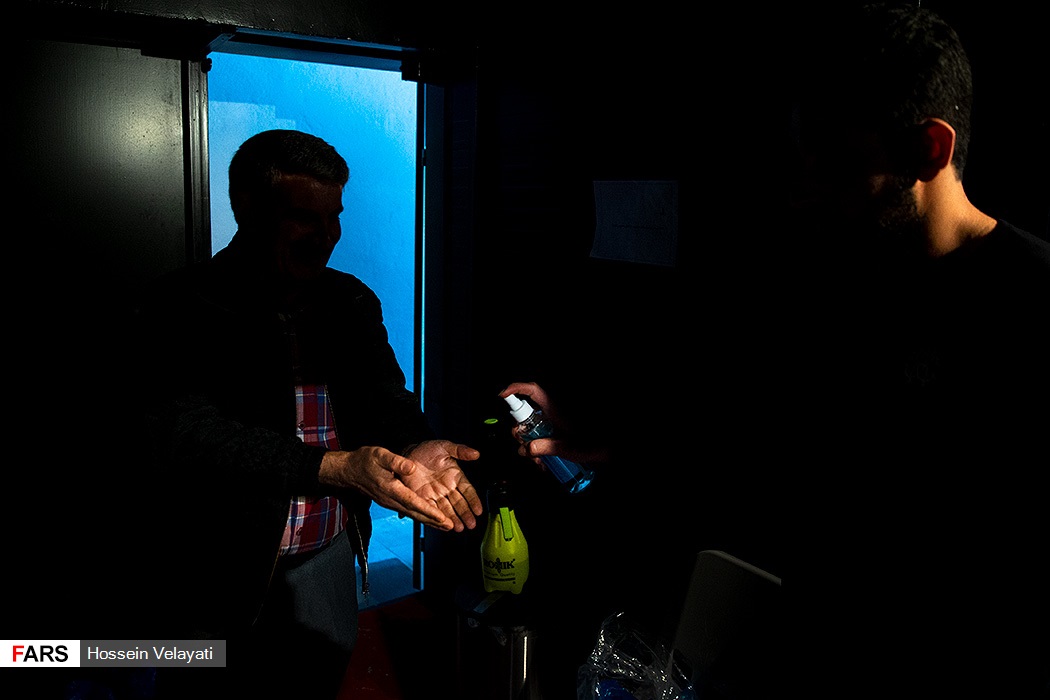
“I should announce that the number of people screened for the coronavirus has crossed the 72-million mark,” he said.
Rabiei noted the second phase of the screening program has also got underway.
“In the second phase, we are identifying people who have been in contact with infected individuals that may have been family members or have had some sort of contact with them, using technologies developed via collective efforts, especially those developed by the Ministry of Communications and Information Technology,” he said.
Elsewhere in his remarks, the spokesman said the country’s production capacity for hygienic items has considerably increased.
“When the coronavirus outbreak was announced on February 19, 2020, we were producing around 400,000 masks. Today, I would be glad to announce that our industrial production of masks has now surpassed 4 million a day, not to mention the masks produced at workshops,” he noted.
“As for the production of hygienic items and disinfectants, we can not only meet local demand, but we have reached a point where we can export our products as well,” he said.
“Today, our shops all across the nation offer all health supplies needed by people. Our knowledge-based companies have adopted very significant and very important measures in the domain of health, including the production of ventilators and COVID-19 diagnosis kits, which, after meeting local demand, can be exported, too,” he said.
He, however, underlined that the government’s priority is to meet local demand, first.
Rabiei also weighed in on the trend of both infections and death toll from the coronavirus.
“Based on the latest figures … we are seeing declining trends in the number of both infections and fatalities. Of course, the trend is sharply rising in some provinces, but on the whole, the trend of the death toll, infections and the disease becoming acute is decreasing slightly,” he said.
In a phone conversation with Azerbaijani President Ilham Alyev on Monday, Rouhani referred to the friendly ties between the two sides, saying the recent cooperation between Tehran and Baku shows that the two countries stand together during difficult days.
He further pointed to the talks between the officials of the two countries to pave the ground for the implementation of the agreements and the development of collaborations, underlining that “I hope all the agreements, including the construction of the Rasht-Astara railway, will go well and be implemented.”
In this telephone conversation, the President congratulated the government and people of Azerbaijan on the arrival of the holy month of Ramadan, and touched upon the development of ties and cooperation in all fields.
In turn, the President of Azerbaijan explained the measures taken in this country to deal with the coronavirus.
“Despite special conditions and the ban on travel and traffic aimed at preventing the spread of the virus, transportation projects are being carried out,” underscored Aliev.
He went on to say that despite the problems caused by the coronavirus, Iran and Azerbaijan Republic are reviewing the launch of the Astara-Rasht railway project through a video conference.
Talking about Iran’s success in fighting the coronavirus, the President of Azerbaijan said the Islamic Republic of Iran has a strong health system and Baku welcomes using Iran’s experience in the fight against the virus.
Ilham Aliyev also congratulated the Iranian government and people on the arrival of the holy month of Ramadan and expressed hope that relations between the two countries would develop further in all areas.
Speaking in a telephone conversation with Emir of Kuwait Sheikh Sabah al-Ahmad al-Jaber al-Sabah on Monday, President Rouhani highlighted the difficult conditions in the world due to the outbreak of the coronavirus, and stressed that there is no other way to ensure regional security except through cooperation and friendship between countries.
He stated that “we hope these difficult conditions will punish certain people so that they reconsider their mistakes and improve their performance based on human relations.”
Touching upon the cooperation of the countries of the region in fight against the coronavirus, he noted that the Islamic Republic has gained good experiences in dealing with the disease and Tehran is ready to transfer its experiences to friendly countries, including Kuwait.
Appreciating the efforts of the Emir of Kuwait for the stable conditions in the region, Rouhani said “I emphasise that there is no other way to ensure security and stability in the region except cooperation and friendship between the regional countries.”
The President said that Iran is still ready for collective cooperation to ensure security and stability in the region and the world, as well as to fight the coronavirus in today’s sensitive situation.
“We expect the friendly country of Kuwait to take a stance on regional issues as well as the wrong behaviour of the United States,” asserted Rouhani.
He described the ties between Iran and Kuwait as fraternal and friendly reiterating that Tehran is interested in friendlier relations and is ready to develop cooperation.
The President also congratulated the government and people of Kuwait on the arrival of the holy month of Ramadan.
For his part, the Emir of Kuwait said the two countries must stand together adding that “Today, we are all in a difficult situation, and to overcome this situation, we must work together and strengthen ties.”
Sheikh Sabah al-Ahmad al-Jaber al-Sabah also welcomed the plan presented by Iran to provide security in the region called Hormuz Peace Endeavour, stressing that Kuwait’s positions have always been for peace. “We hope some of our friends and brothers in the region will act wisely.”
He further hailed Iran’s behaviour and logical positions on important regional and international issues, welcomed the proposal to transfer Iran’s experience in dealing with the coronavirus to his country, and called for the development of relations in all fields.
Sheikh Sabah al-Ahmad al-Jaber al-Sabah also congratulated the government and people of Iran on the arrival of the holy month of Ramadan.