Sunday, December 21, 2025
Home Blog Page 2829

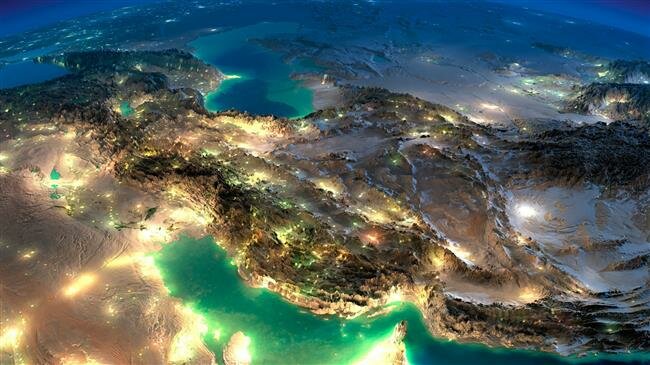
History Will Not Allow Distortion of Persian Gulf’s Name: VP

History Will Not Allow Distortion of Persian Gulf’s Name: VP

In a post on his Twitter account on Wednesday, the Iranian Vice President offered congratulations on the National Day of Persian Gulf.

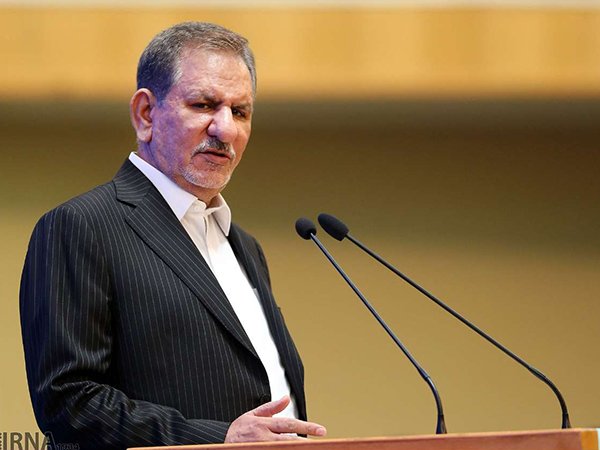
“Today is the national day of the Persian Gulf, a name that the history will not allow to be distorted and a place where regional peace and coexistence have blocked the way for interference and evil acts from the hegemons,” Jahangiri said.

“The ever-Persian Gulf is the arena for coexistence and genuine cooperation among all neighbours, as the Iranian government and nation have been always prepared for this job, and even more prepared amid such critical situation in the world,” the Iranian Vice President noted, referring to the global coronavirus pandemic.

Civilians to Inhabit Persian Gulf Islands Under Aegis of IRGC

Civilians to Inhabit Persian Gulf Islands Under Aegis of IRGC

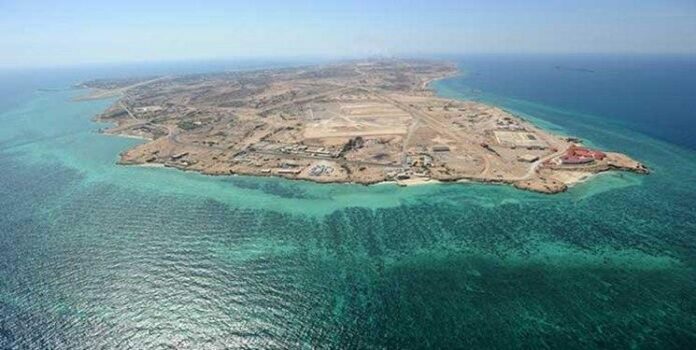
In comments at a radio interview on Wednesday, IRGC Navy Commander Rear Admiral Ali Reza Tangsiri said the strategic Iranian islands in the Persian Gulf are going to accommodate civilians.

“We have plans to promote our services to facilitate the residence of people on the Persian Gulf islands by strengthening the residential infrastructures, so that we would witness thriving jobs and activities for the youth in those regions,” the commander added, noting that Ayatollah Khamenei has called for developing such initiative.

“When the top official of the country orders us to prepare living accommodations for people there, it means that we are after security of the region,” the IRGC Navy chief stated.

He also unveiled the IRGC Navy’s plans to construct airports and seawalls on the Persian Gulf islands, saying, “We have built an international airport on Greater Tunb. An airport has been also constructed on Lesser Tunb. Moreover, the IRGC Navy has created more than 50 seawalls for people.”

The commander finally reiterated that Iran sends the message of peace and friendship to the Muslim nations, stressing that the Persian Gulf security would be ensured with convergence and cooperation among the neighbors.

“The aliens have no place in our region and must get out of this region,” Rear Admiral Tangsiri concluded.

Iranian, Russian Diplomats Discuss Yemen Crisis

Iranian, Russian Diplomats Discuss Yemen Crisis

Iranian Foreign Minister’s Senior Assistant in Special Political Affairs Ali-Asghar Khaji and Russian Deputy Foreign Minister Sergey Vasilyevich Vershinin held a telephone conversation on Wednesday as part of the constant consultations between Tehran and Moscow.

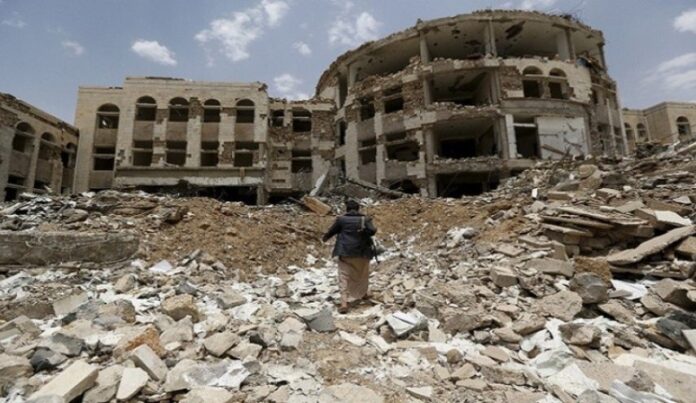
In the conversation, the two diplomats talked about the latest developments in Yemen, emphasized the need to protect the Arab country’s territorial integrity, and described a political solution as the only way to settle the crisis in Yemen.

Ramadan Traditions in Northwestern Iran

Ramadan Traditions in Northwestern Iran

Some of the most popular traditions and rituals practiced during this month are described below.

Qabakhlama Tradition

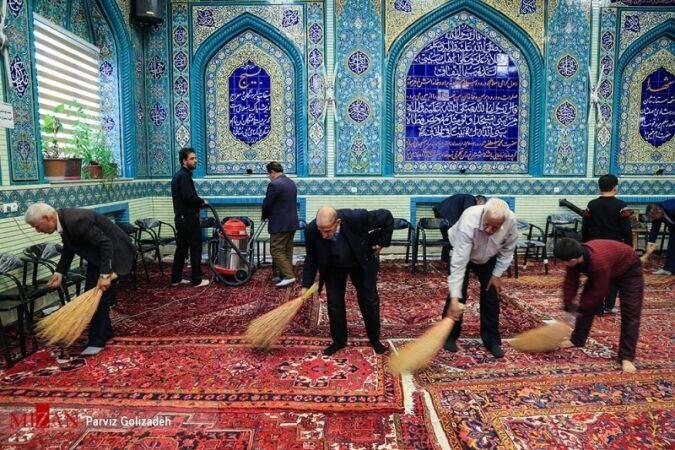
It has been hundreds of years that Azeris (people from northwestern provinces of East Azarbaijan and West Azarbaijan) begin practicing the Qabakhlama Tradition 3 to 10 days before the arrival of the month of Ramadan to honour the occasion. They do not mark Ramadan by fasting only. Rather, they clean their houses and mosques for one month of praying and worshipping. Local women, especially those in villages, attach special importance to cleaning homes because they believe a house which is not cleat as Ramadan begins will not be blessed during the holy month.

Cooking Meals with Sacrificed Meat

In some parts of East Azarbaijan province, it is customary for each family to sacrifice an animal, one that they can afford, and then use that meat to cook meals throughout the month of Ramadan. They believe doing so will bring blessings to the house. They would make meals served before dawn and at fast-breaking time at dusk with this meat. Of course, the fast-breaking table in this locality always has two items on it: dates and salt. People in East Azarbaijan believe Imam Ali would break his fats with dates and salt; hence, the same should be on their table, too.

Seeing One’s Face in Mirror

In northwestern Iran, it is a custom to look at oneself in the mirror after Ramadan begins at recite prayers for the souls of Prophet Mohammad and his Household. Still many of the elderly grab the mirror and move it round themselves and other family members at home after seeing themselves in the mirror in order to ward off evil and vice. This tradition is based on the belief that the hearts of the faithful should be clean like a mirror.

Obashdan Ritual

In most cultures, it is a custom in Ramadan to wake up neighbours and people in the neighbourhood at dawn when people have Suhoor. In northwestern Iran, a ritual called “Obashdan” is practiced whereby people wake up their neighbours at the time of Suhoor. In the past, villagers would specify the time of dawn as well as the call-to-prayers time by tracking the movements of stars. In this region, people now wake up neighbours and locals by reciting prayers at mosques as well as banging on the drums and home doors.

Tabagh Orooji Tradition

Another Ramadan tradition in northwest Iran is the “Tabagh Orooji” ritual which is performed for families whose daughter or son has just got married. In this tradition, the family of the groom puts some clothes, shawls, headscarves and different types of cookies and fruit on a tray and takes it to the newlywed couple’s home as a Ramadan gift.

Cooking Tareh-Halvasi and Yaghlifatir

Azeri women decorate tables with colourful foods in Ramadan. One of the foods cooked in Ramadan and served at fast-breaking time at dusk is the “Tareh-Halvasi” pudding.
The traditional bread known as “Yaghlifatir” is another popular food cooked in the month of Ramadan and found on the tables of most Azeri people. If someone wants to give a votive offering or a gift in Ramadan, they cook this type of bread. They believe they feel less hungry when they eat this type of bread

The Most Common Effects of Cancer on Sleep

The Most Common Effects of Cancer on Sleep

When you’re undergoing treatment for cancer, your healthcare providers will discuss all of the potential symptoms (and side effects) you may experience. That said, you can expect that you may deal with one or more of the following sleep disorders or disturbances over the course of your illness and treatment.

According to the National Cancer Institute, problems with sleep and cancer often go hand in hand. In fact, as many as half of cancer patients have some form of sleep disorder. The two most common are insomnia and sleep-wake cycle disruptions.

Insomnia

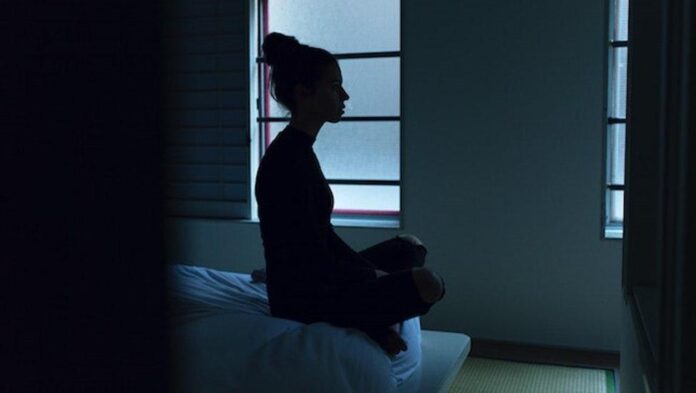
As one might expect, insomnia, or the inability to fall asleep and stay asleep, is common among cancer patients. For some people, insomnia stems from the psychological effects of the disease. Anxiety and worry keep them awake, along with the stress that comes with being ill. Insomnia can also be a physical manifestation of the cancer symptoms. Certain types of cancers with associated tumors can cause physical discomforts and symptoms that disrupt sleep. For example, patients might feel pain or discomfort from their tumors, have a fever or cough, or breathing difficulties that disrupt rest.

Often, the medications used to treat cancer contribute to insomnia. Some therapies can cause symptoms (such as gastrointestinal pain, nausea, or vomiting) that disrupt sleep. Being hospitalized also has an effect on many people. Sleeping in an unfamiliar environment in a bed that’s not their own without their own linens is uncomfortable for many people, not to mention the disruptions that being in the hospital brings. Visits from healthcare providers throughout the night, as well as the sounds and lights from the machines, can keep anyone awake.

Sleep-Wake Cycle Disruptions

Disturbances in the typical sleep-wake cycle are the second most common sleep disorder among cancer patients, but they often come with insomnia. In short, a sleep wake cycle disturbance means one is sleeping at off hours, sleeping in shorter or longer than average spurts, or otherwise sleeping on an irregular schedule. Many of the same factors that cause insomnia contribute to these disturbances. For example, certain medications cause drowsiness, and the patient needs to rest after a dose, which then keeps them awake at night.

Other Common Cancer-Related Sleep Disorders

While insomnia is the most common sleep disturbance among cancer patients, other sleep issues have been reported by those undergoing treatment.

Restless Legs Syndrome

Restless Legs Syndrome (RLS) is a common sleep disorder in which one feels an uncomfortable sensation in their legs that can only be relieved by moving them. The discomfort is generally at its worst during the evening and overnight hours, and while movement can temporarily reduce the sensation, it often returns within a short time.

Restless Legs Syndrome is common among cancer patients — anywhere from 18-23 percent of patients have the disorder. In addition to keeping them from getting a good night’s rest, RLS is also associated with patients reporting higher levels of pain, anxiety, nausea, and reduced physical and emotional well-being.

Hypersomnia

At the other end of the spectrum from insomnia is hypersomnia, or sleeping too much. Patients with hypersomnia typically sleep for more than 10 hours per day, and experience excessive sleepiness during the daytime hours that isn’t alleviated by taking a nap. Hypersomnia is marked by longer than average periods of deep sleep, which is one of the signs that the issue goes well beyond fatigue. Fatigue is a lack of energy or even exhaustion, but it can typically be remedied by rest. Hypersomnia is the inability to stay awake at all. Most common among those with brain cancers, it can also be brought on my certain medications, some forms of chemotherapy, and hormonal changes.

Nightmares

Although most everyone has vivid, frightening dreams from time to time, they are more prevalent among cancer patients. Nightmares are often brought on by emotional stress, but some medications (such as antibiotics, pain, and heart medicines) and supplements can increase the chances of bad dreams. Finding ways to manage stress can reduce nightmares, but patients should talk to their doctor if the dreams disrupt or prevent sleep regularly, or if they are causing increased anxiety.

Sleep quality is directly related to quality of life among cancer patients. Detecting, and managing, sleep disorders early on is vital to supporting the best possible outcomes and supporting cancer patients throughout the course of their treatment. Knowing what to expect, and what to look for, from the beginning, can prevent sleep problems from affecting cancer treatment.

Corona Patients May Just Show Non-Pulmonary Symptoms: Expert

Corona Patients May Just Show Non-Pulmonary Symptoms

Mitra Ranjbar, a specialist of infectious and tropical diseases, said at first it was thought the disease has only respiratory symptoms, but now the non-pulmonary symptoms are among the manifestations of the disease, and one of them is redness of the eyes.

She went on to say that the smell and taste disorder is another symptom of this disease, adding it was thought only children have these disorders, but now these symptoms are also seen in adults.

“Usually, these senses return after the corona patient’s treatment, but the time of return of the sense of smell and taste is different in various patients,” said Ranjbar, a faculty member of Iran University of Medical Sciences.

She described severe headaches as another symptom of COVID-19, underlining that coronavirus can cause inflammation of the brain, and even cerebral hemorrhage has rarely been reported in corona patients.

“The disease affects both the central and peripheral nerves of the body. Weakness of the lower limbs, gait disturbances and disturbances in the peripheral nerves can be symptoms of corona disease. It can sometimes be started by chest pain and heart problems.”

Ranjbar also mentioned abdominal pain, diarrhea and vomiting as other manifestations of the disease. She said the disease has skin manifestations, but usually these complications can be caused by the use of drugs that are used to treat the disease.

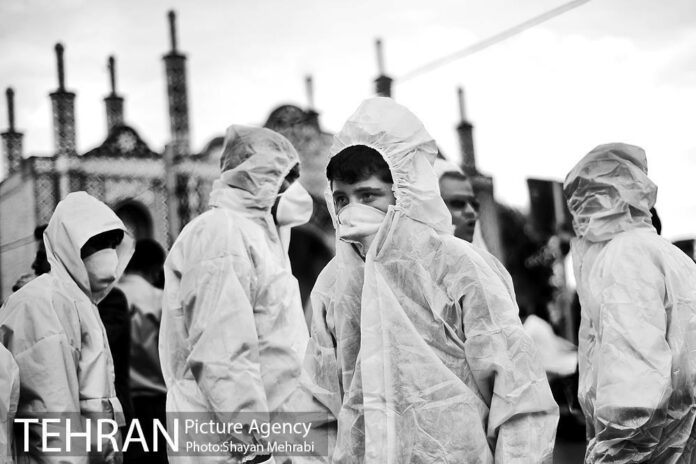
She stressed the need to observe the principles of personal hygiene, including hand washing with soap and water, saying currently the use of masks is emphasised and people must wear masks in crowded environments, including subways and buses.

Some people are asymptomatic, she said, adding these people are one of the most important sources of the virus; therefore, the use of masks is essential for all people.

Iranian Scientist Jailed in US Infected with Coronavirus: Report

Iranian Scientist Jailed in US to Be Released Soon

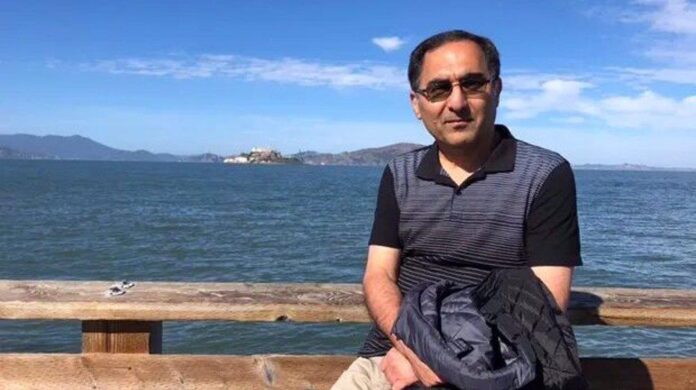
The Guardian reported the lawyers representing Sirous Asgari, a professor of material sciences at Sharif University of Technology, had confirmed his infection on Tuesday.

The Iranian scientist has repeatedly pleaded for release since March, complaining about unsanitary detention conditions and overcrowding at the Louisiana facility, where he is being kept.

Coughing violently and suffering from a fever, Asgari told the paper in a phone call that the detention center was even taking in more inmates rather than releasing some as a precaution to stop further spread of the outbreak.

He also said the US Immigration and Customs Enforcement (Ice) had refused to notify him about his positive test results, adding that he only learned about his infection from his lawyers and family members on Tuesday.

“It makes sense to send me to the hospital as soon as possible. I don’t trust them at all,” the 59-year-old said. “If something happens, they are not fast responders … I prefer to leave this dirty place.”

The detainees are responsible for all the cleaning at the detention facility,” where there is a single shower and only two toilets for all 44 of them to share,” the daily reported.

Ice, however, has told Asgari’s lawyers he would only be released to a hospital if he was struggling to breathe.

Asgari was arrested in the United States in mid-2017. Back then, the FBI alleged the scientist had shared information about a project he had conducted on a sabbatical in the US five years before with his students.

His wife, though, said in an interview in late March that the findings of the project had been published and made available on the Internet afterwards, which means there was nothing secret about the project. US legal authorities then charged him with withholding information in the process of visa application, circumventing the sanctions, and transferring technology to Iran.

Washington then delayed the holding of a trial for him several times, “all the while knowing they had no evidence to bring against him,” she said.

The Iranian scientist was cleared of the charges at a court session that was ultimately scheduled after about two and a half years. Nevertheless, US Citizenship and Immigration Services then took the matters out of the hands of the country’s legal system, once again detaining Asgari for “lacking a valid visa and illegal presence on US soil.”

Mr. Asgari has reminded US officials that they themselves had seized his passport and were, hence, responsible for his prolonged presence in America.

His spouse said Washington was intentionally prolonging Asgari’s detention so that it could eventually swap him with an American prisoner held in Iran.

COVID-19 Punishes Those Who Sanctioned Iran’s Oil: First VP

COVID-19 Punishes Those Who Sanctioned Iran’s Oil: First VP

Es’haq Jahangiri said on Wednesday these countries will understand what difficult conditions will be created for the managers when one of the most important sources of income is eliminated.

“Today, the price of Persian Gulf oil has reached $14 to $15, which makes it unreasonable to extract oil given the costs. We are affected by lower prices, but we are better prepared to deal with the crisis,” he underlined.

Speaking in a meeting with managers and top officials of the country’s health ministry, the top official said one of the economic consequences of the corona epidemic was the fall of stock market indices across the world, but the Iranian stock market did well and showed amazing growth.

As regards the spread of the coronavirus in Iran, he noted that fortunately, the performance of the government and the medical staff proved the effectiveness of the Islamic Republic and the government.

This became more apparent when, along with Iran, other countries started to handle the crisis. By comparing the situation after the outbreak of the disease, the people realised the efficiency of the medical system and the management of the Iranian government, maintained Jahangiri.

“There were negative atmosphere to underestimate the government’s performance, but due to the high rate of casualties in the United States and European countries despite their economic capacity, it was proved that Iran has performed very well in dealing with the crisis so far.”

They thought Iran would be defeated by the coronavirus due to the sanctions, but this did not happen by God’s grace and thanks to the efforts of the managers and the medical staff, as well as the cooperation of the people, continued Jahangiri.

In the end, Jahangiri emphasised the continuation of screening plan and implementation of research and scientific projects to break the chain of virus transmission, adding the method of the Islamic Republic of Iran in dealing with COVID-19 has attracted the attention of various countries at the international level.

Iran, Turkmenistan Eye Normalization of Trade Ties

President: Iran Ready to Share Experience in Coronavirus Battle with Qatar

In a telephone conversation on Wednesday, Iranian President Hassan Rouhani and his Turkmen counterpart Gurbanguly Berdimuhamedow hailed the historical and cultural commonalities between the two nations and the friendly and growing relations between the two governments in various fields, including the economic and trade ties, and called for the promotion of cooperation in all arenas in order to serve the interests of their nations.

They also congratulated each other on the beginning of the holy Muslim month of Ramadan, and agreed that the Iranian and Turkmen authorities would accelerate efforts to restore the process of economic cooperation between Tehran and Ashgabat to the previous situation and to resume the trade exchanges at the common border in full compliance with the health protocols.

The two presidents also discussed the difficulties and hardship that the outbreak of coronavirus has created for the majority of countries in the world, deemed collective efforts and rapport among the countries necessary for the battle with COVID-19, and stressed the need for mutual cooperation between Iran and Turkmenistan in the fight against the virus.

Highlighting the Islamic Republic of Iran’s great success and achievements in the battle against the novel coronavirus, President Rouhani said, “We are prepared to offer our experiences to the friendly country, Turkmenistan.”

President Berdimuhamedow, for his part, touched on Iran’s position in the economic and trade activities in the region, saying Turkmenistan gives priority to the expansion of cordial relations and cooperation, coupled with mutual respect, with the friendly countries, particularly with the Islamic Republic of Iran.

Iran Working on World’s Largest Plasma Therapy Project for COVID-19

Iran Working on World’s Largest Plasma Therapy Project for COVID-19

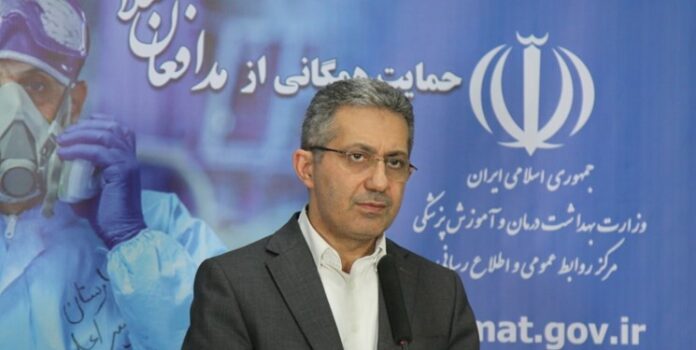
Speaking at a daily online press conference on Wednesday, Deputy Health Minister Qassem Janbabaei said the world’s largest plasma therapy project for the treatment of coronavirus patients is underway in Iran.

The greatest number of studies and clinical trials for plasma therapy has been carried in Iran, he added.

The first phase of the study has involved 60 patients, while the data on 150 other patients has been also collected, the deputy minister noted.

Janbabaei said the trial stage has yielded good results so far.

“We should wait for the complete results of the research in the provinces,” he added, noting that the project is running suitably considering that there are always a large number of blood donors in Iran.

“If plasma therapy yields results, it will be an inexpensive method of treatment,” he concluded.

Coronavirus online test
If you are worried that you may have contracted the Coronavirus, take this test right now.

In late March, Masih Daneshvari Hospital in Tehran became the first medical centre in Iran to collect plasma from recovered coronavirus patients to use as a possible treatment for the disease.

When a person has COVID-19, their immune system responds by creating antibodies, which attack the virus. Over time these build up and can be found in the plasma, the liquid portion of the blood.

In theory, these antibodies could be taken from a recovered COVID-19 patient, and infused into someone recently infected with the virus.