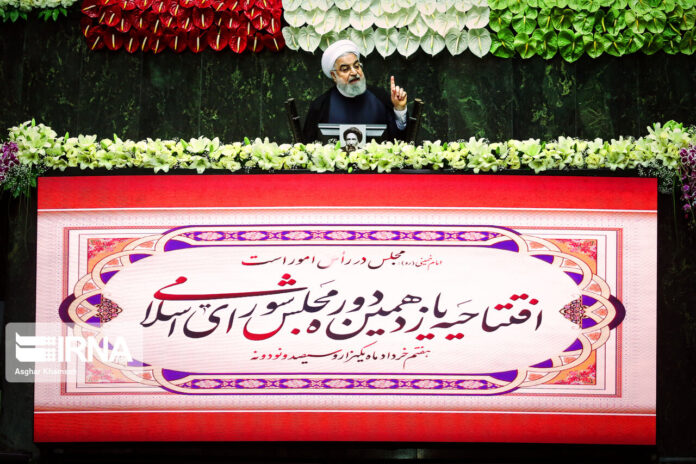
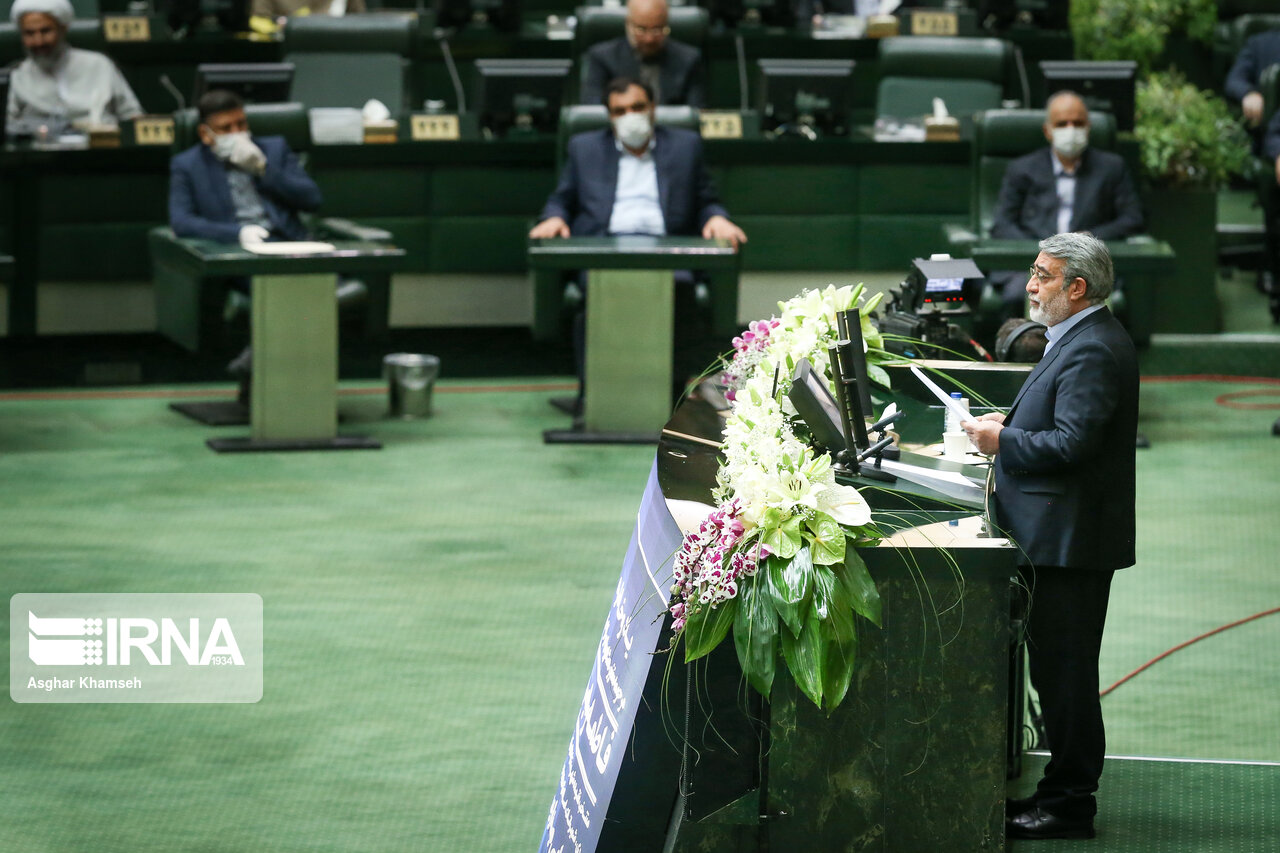
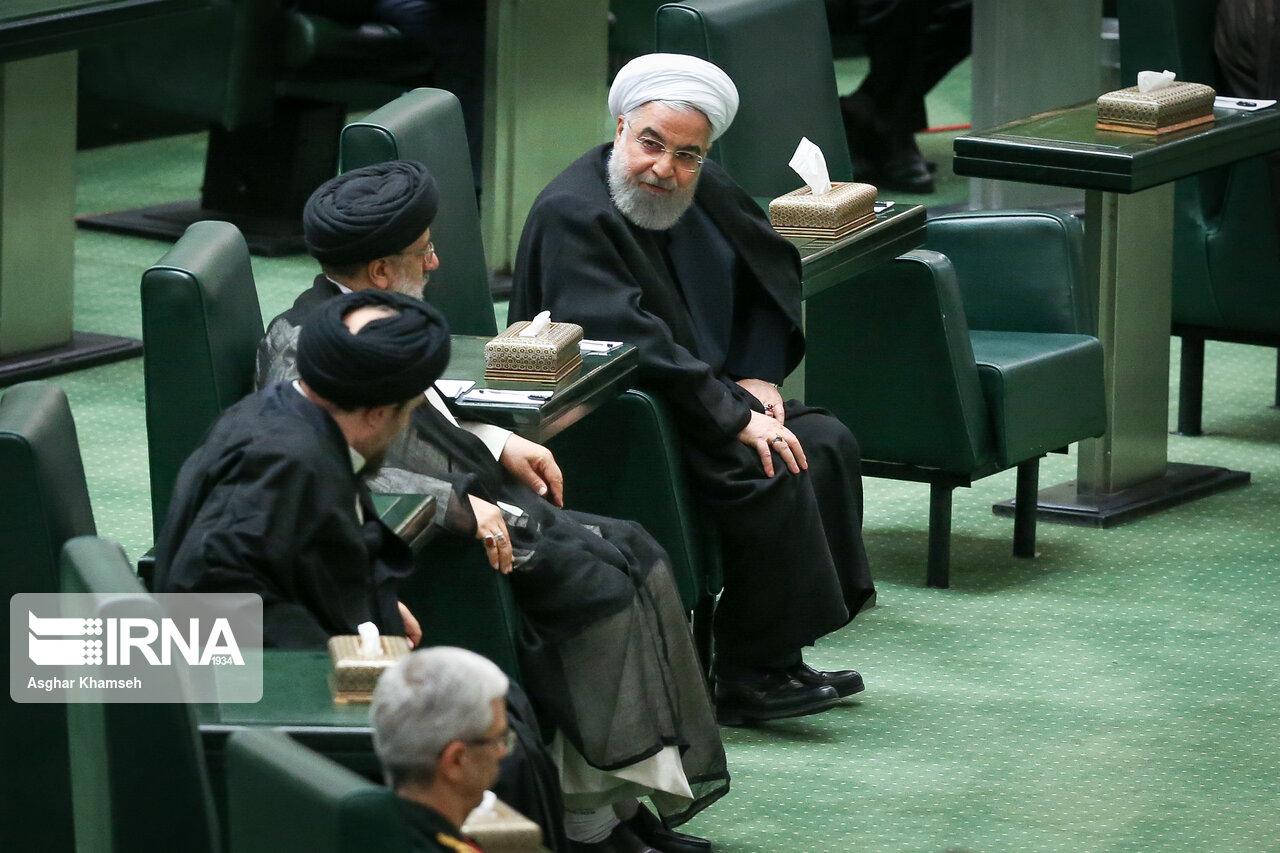
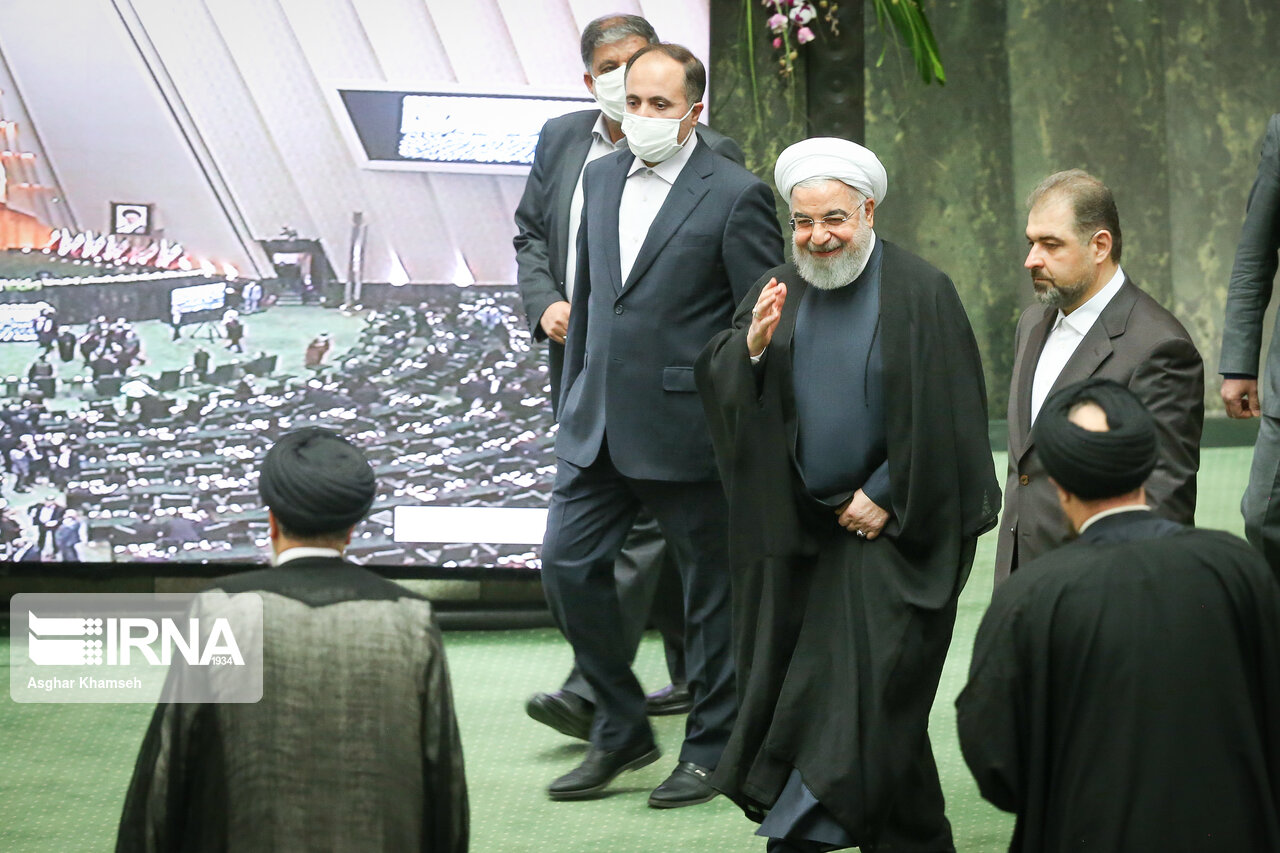
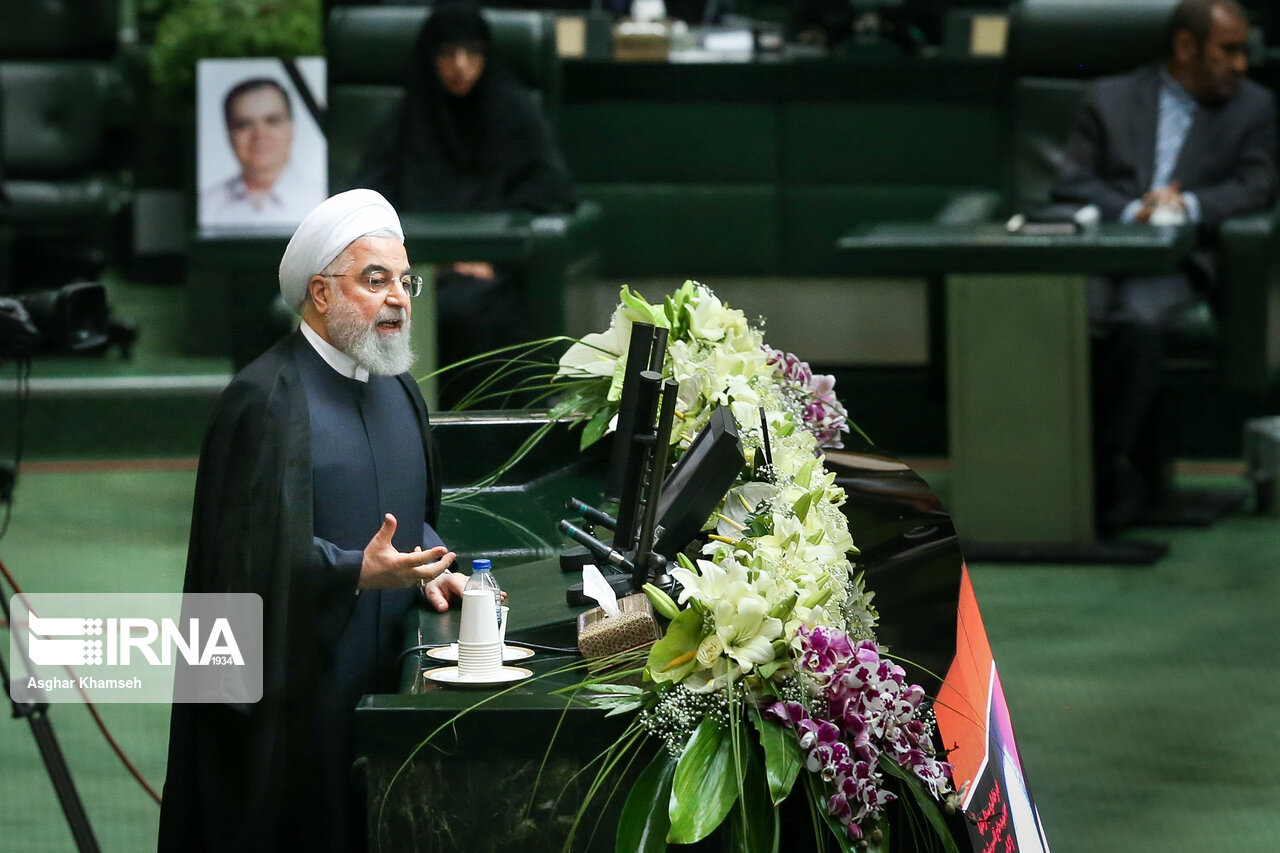
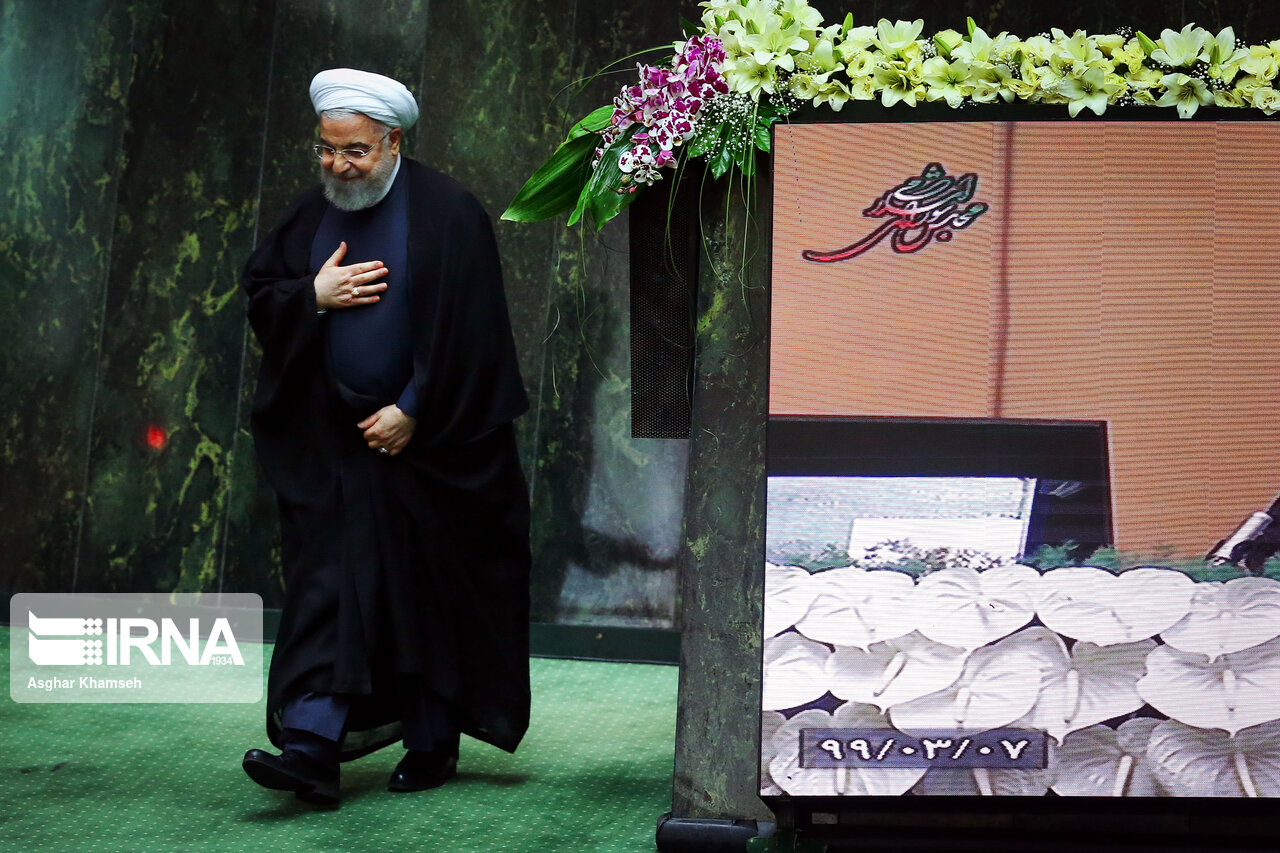
Addressing the parliament on Wednesday, President Rouhani said the government and Majlis together can counter the US sanctions and fight against coronavirus.
He noted that all must work in line with the national interest and security while the public interest must be the main priority.
The fact that Iran is on the list of successful countries in the fight against the coronavirus is because the foundations of treatment and health in the country has been strengthened by the government and parliament, added the Iranian president.
Rouhani further mentioned that the enemies wanted the Iranian establishment to be disrupted, the economy to collapse, and with all the psychological war and economic pressure wanted to overthrow the Islamic Republic before its 40th year. However, the nation stood against the enemies and they have not achieved their goals so far.
Rouhani referred to some of the achievements of his administration amid the outbreak of the coronavirus and thanked the parliament, the Leader of Islamic Revolution, and the armed forces for their cooperation in this regard.
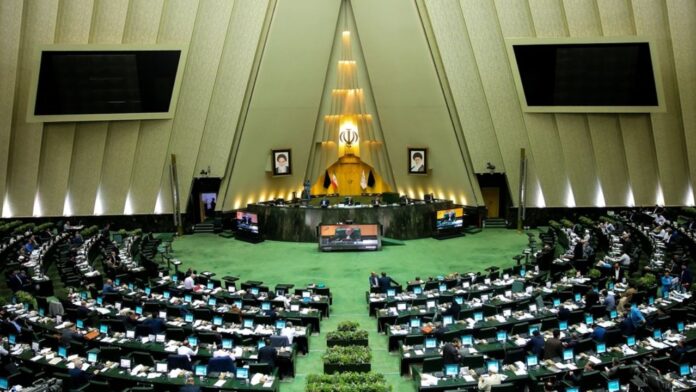
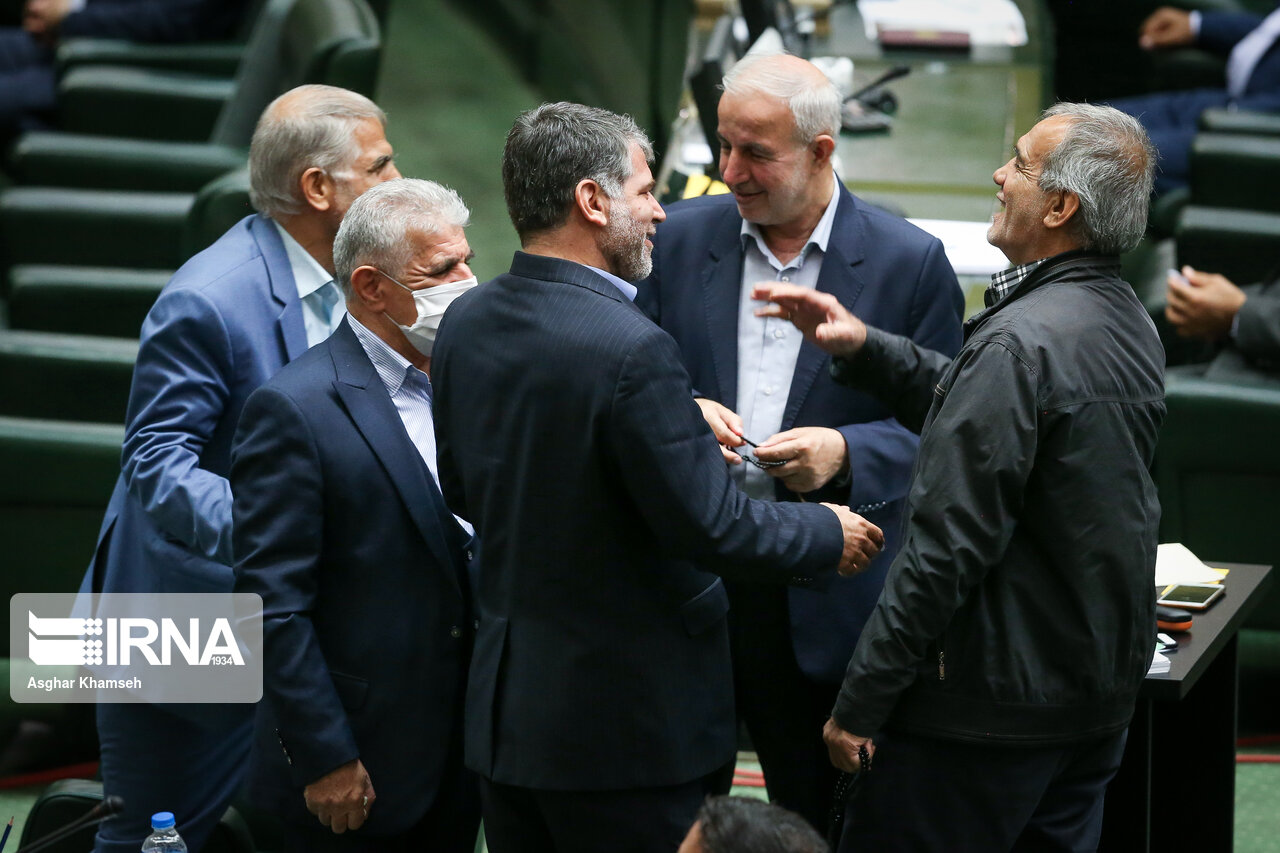
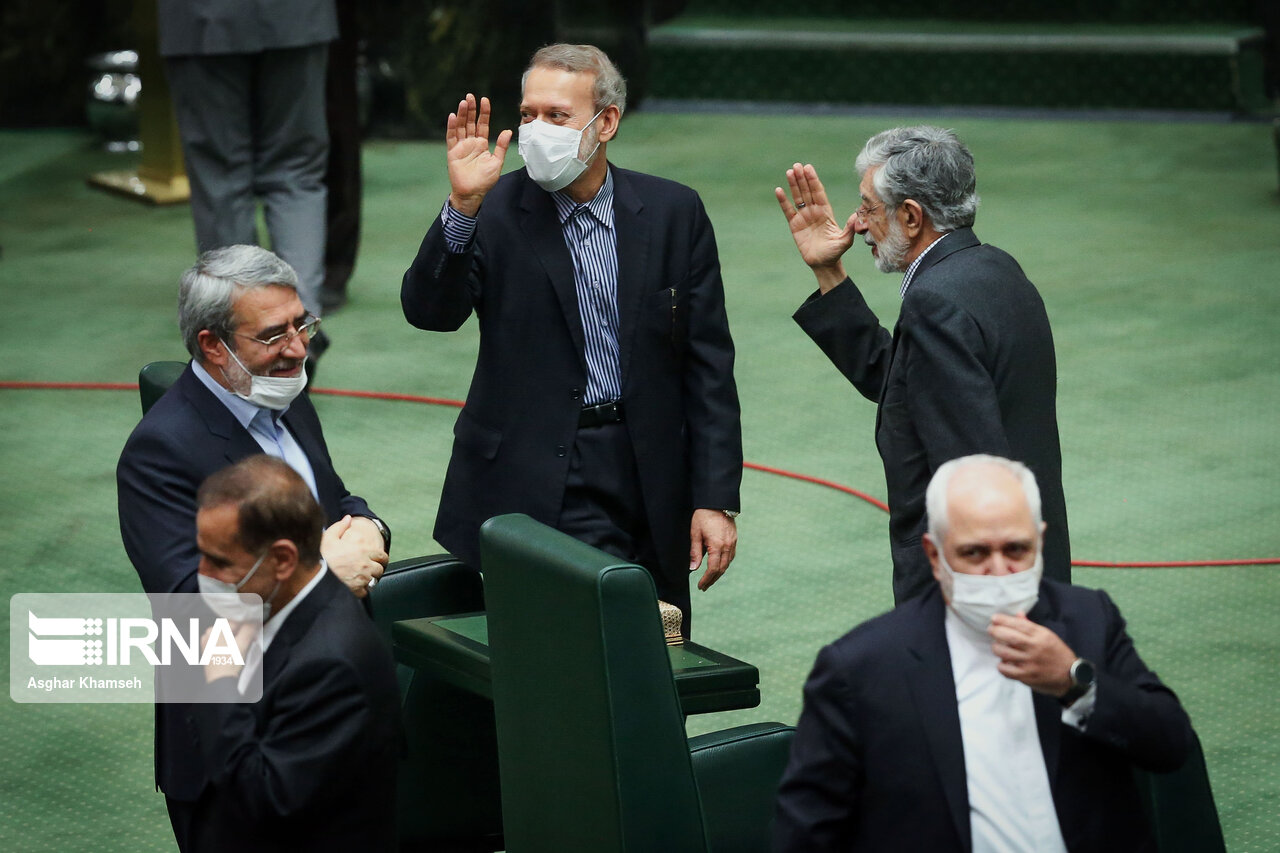
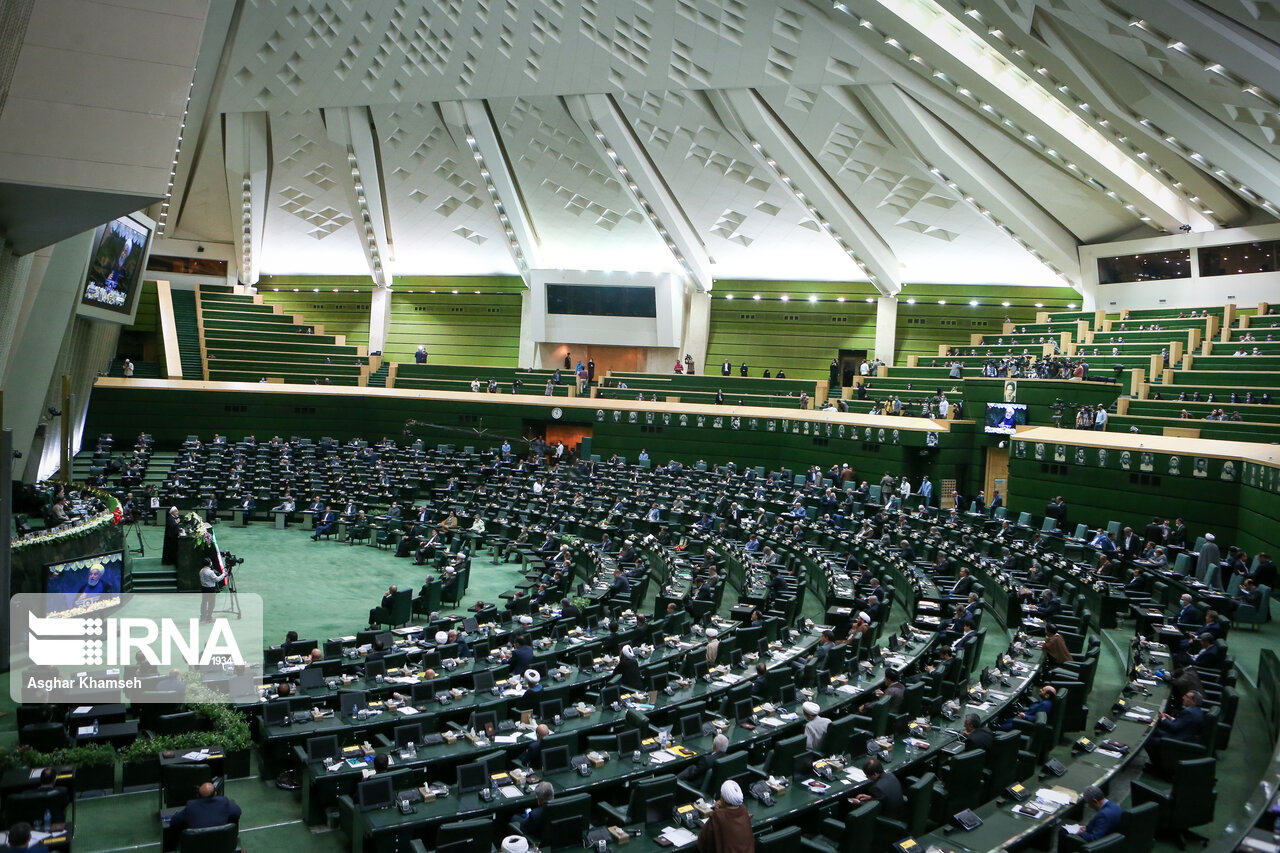
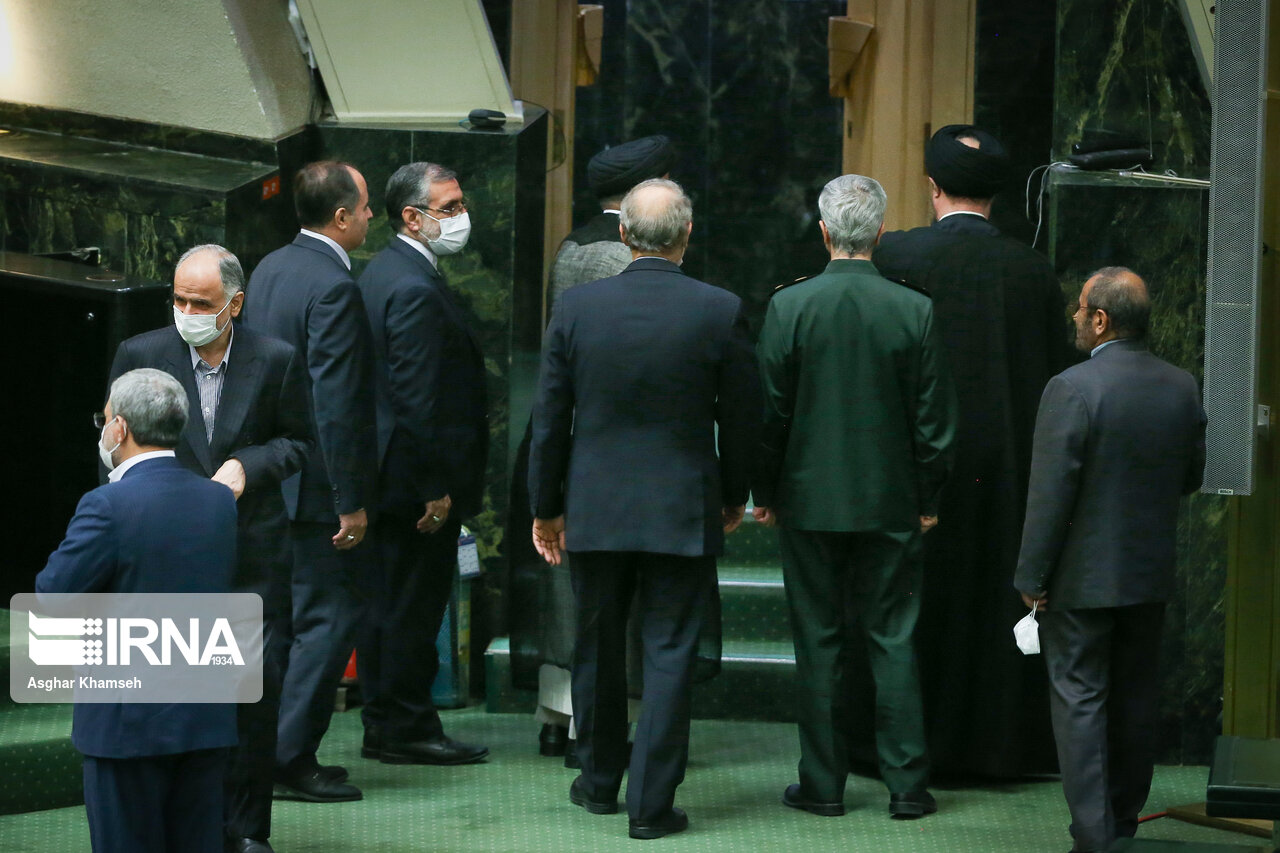
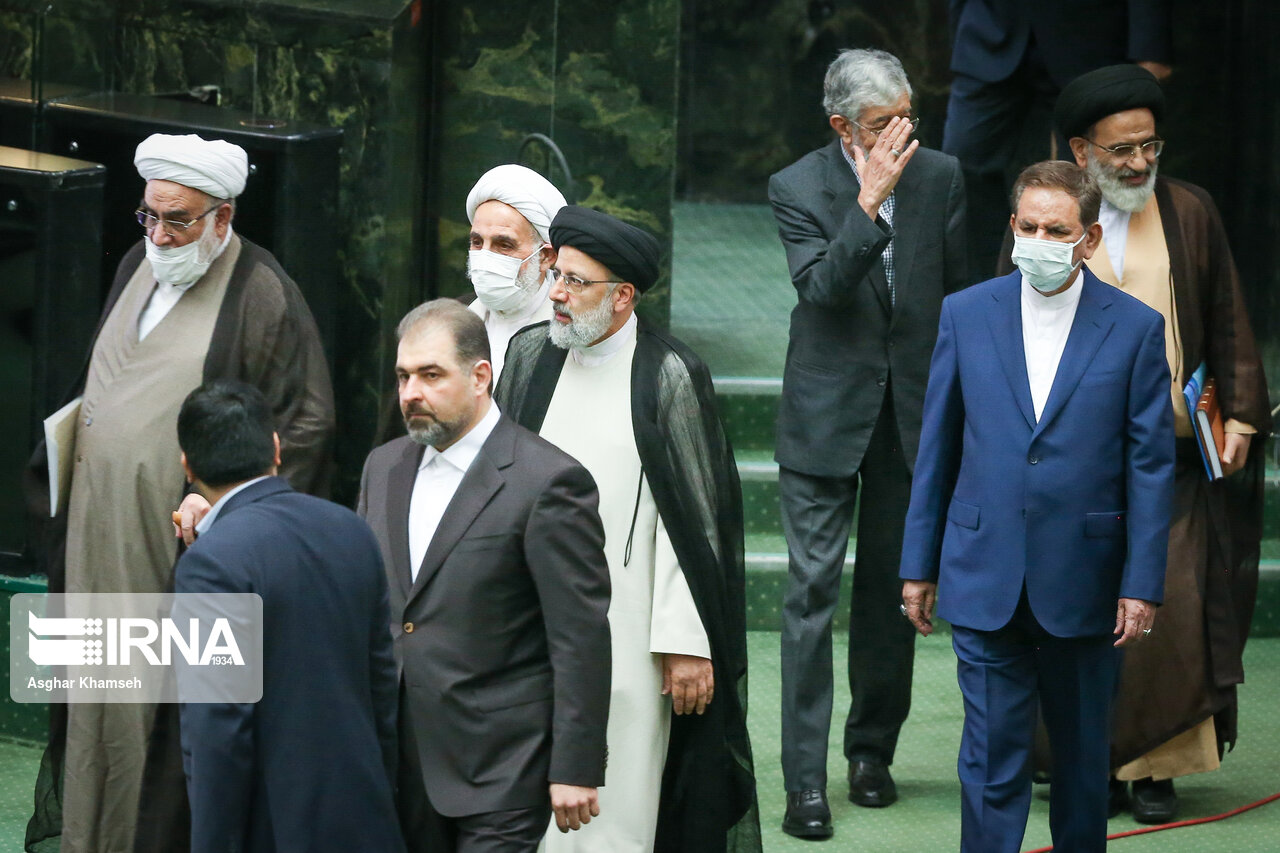
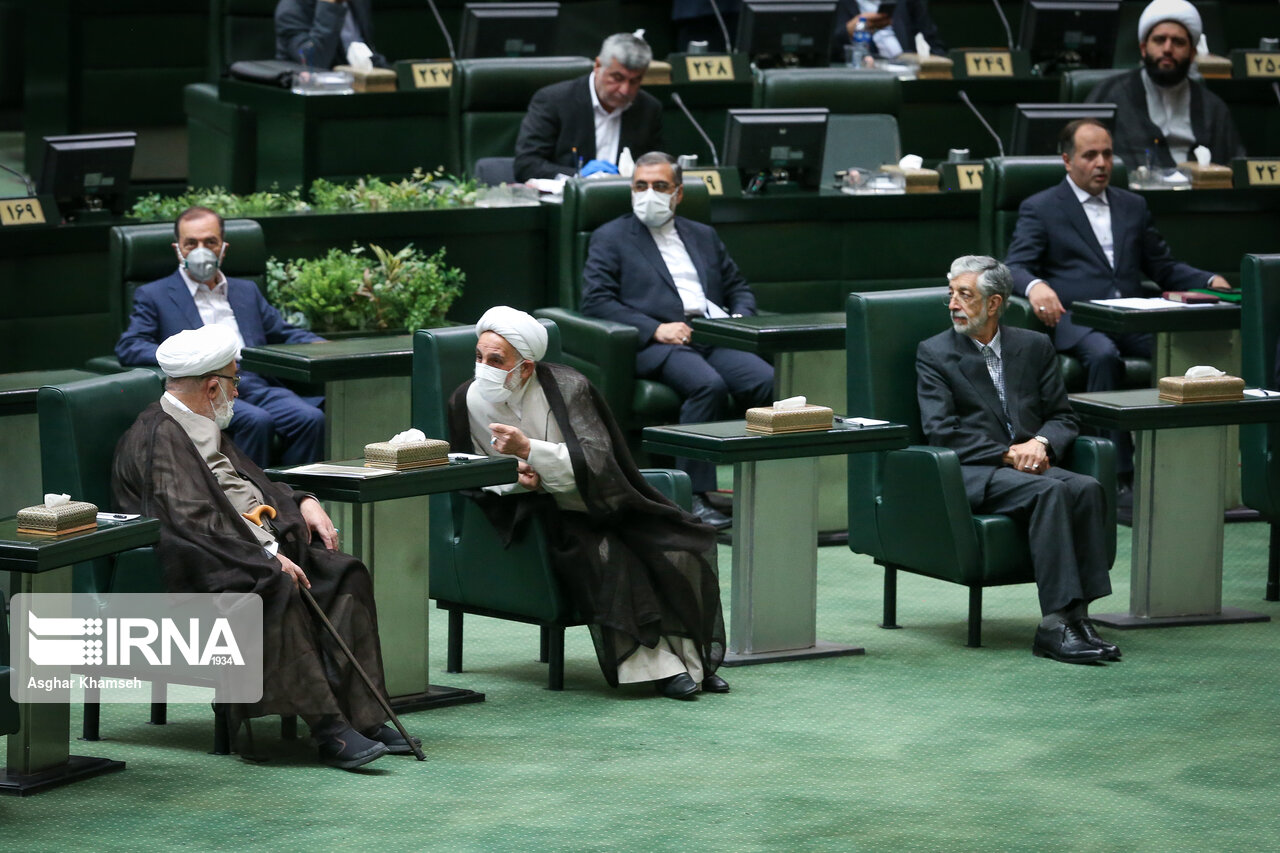
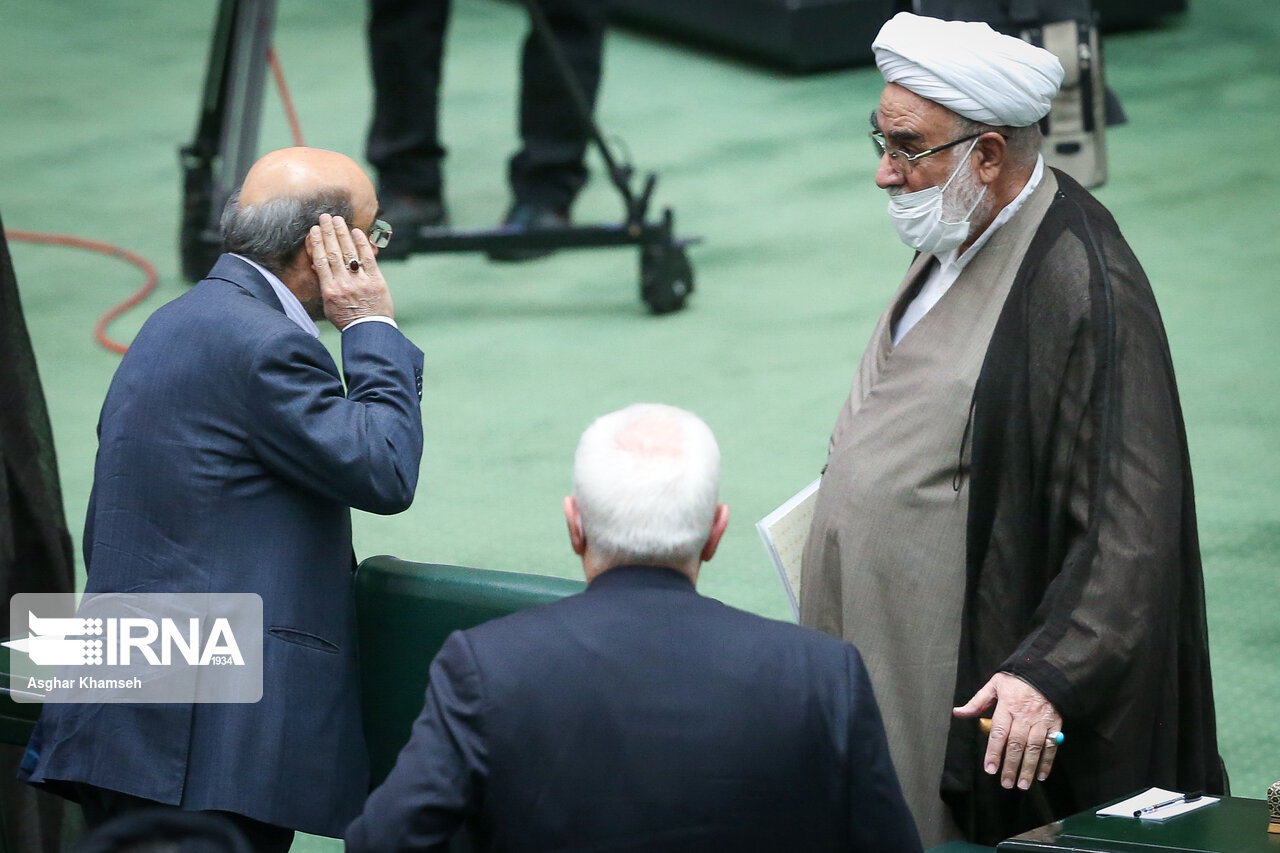
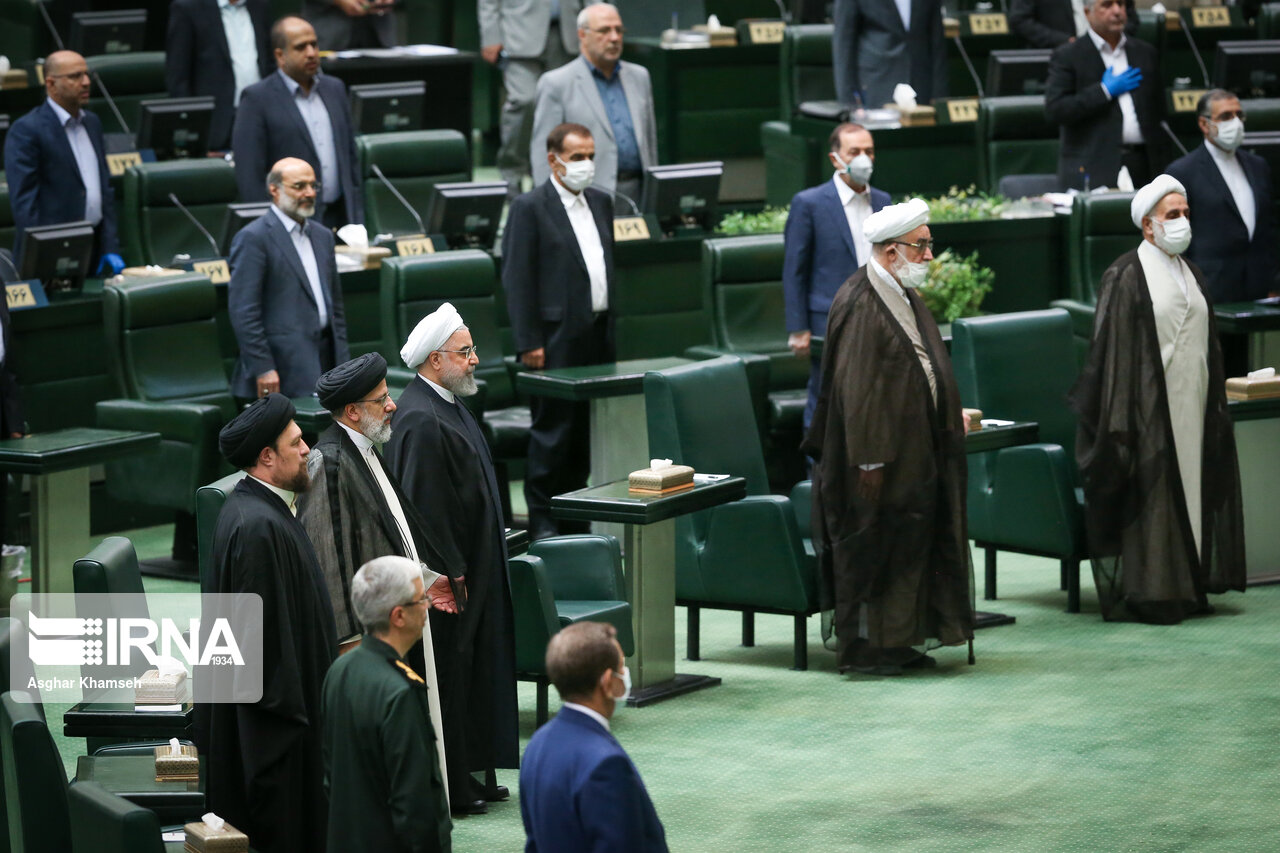
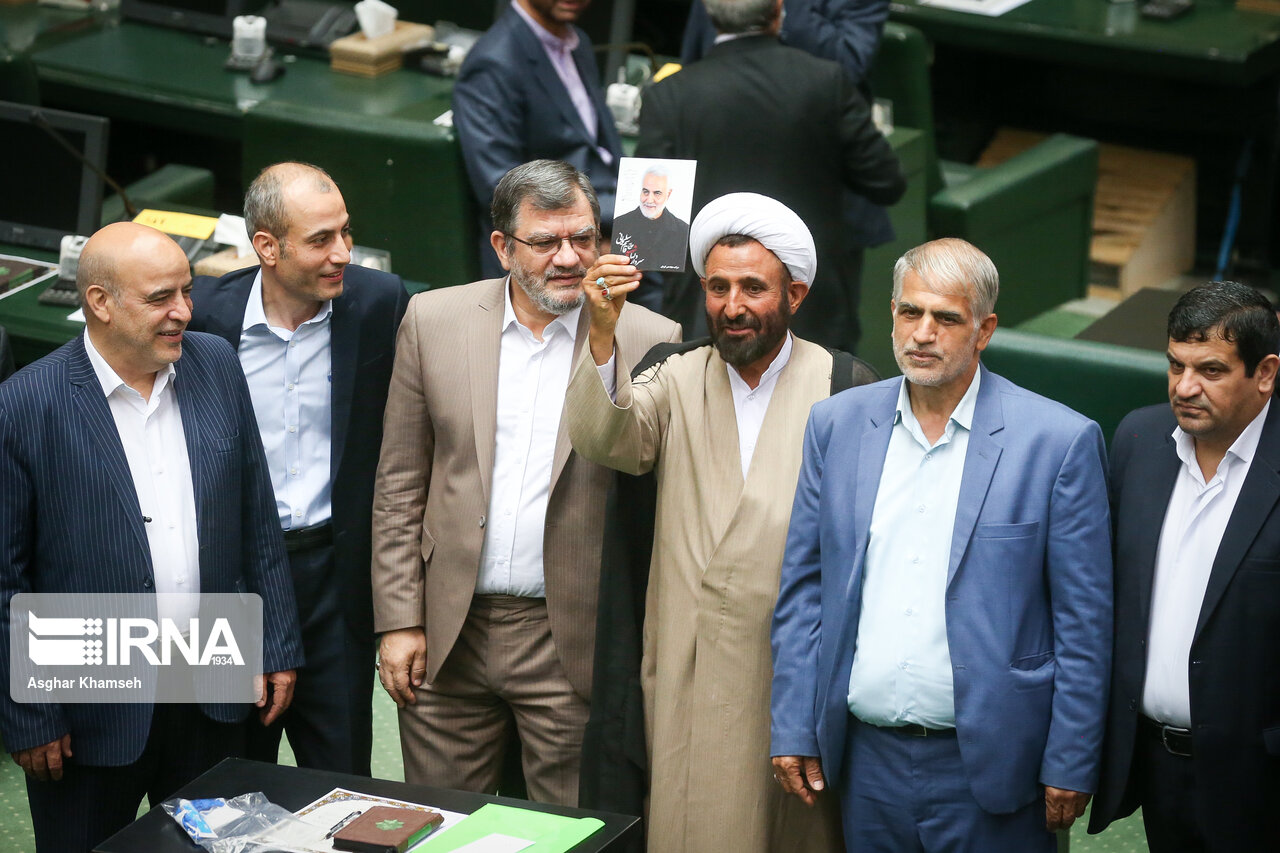
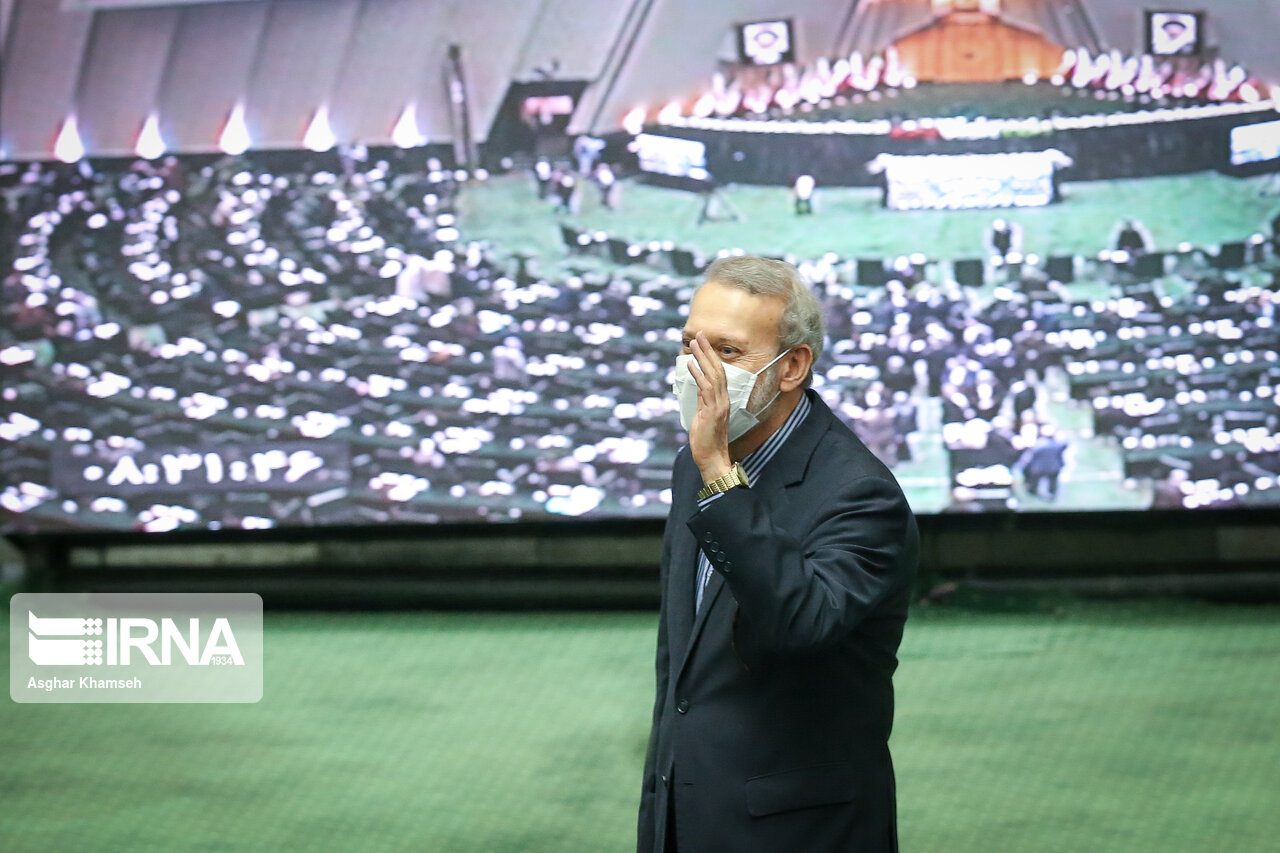
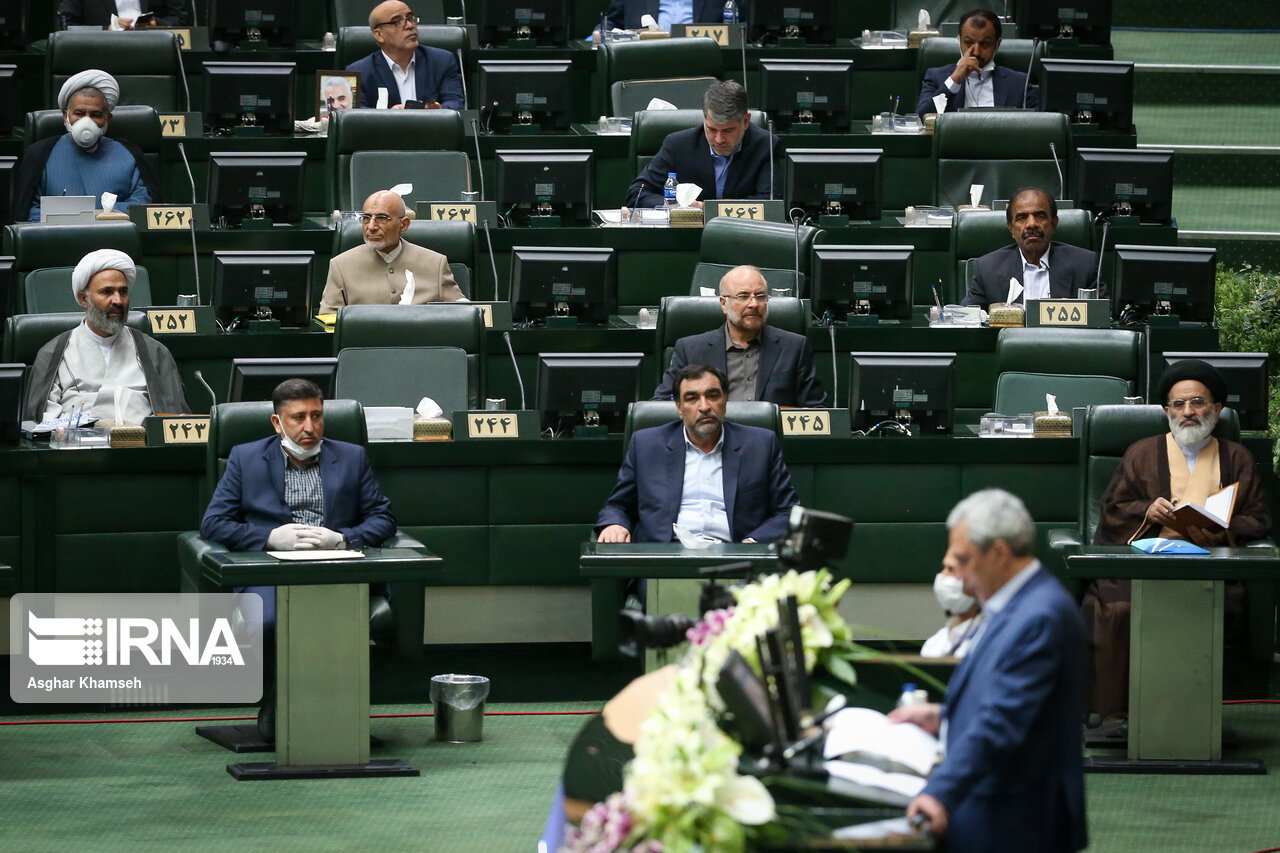
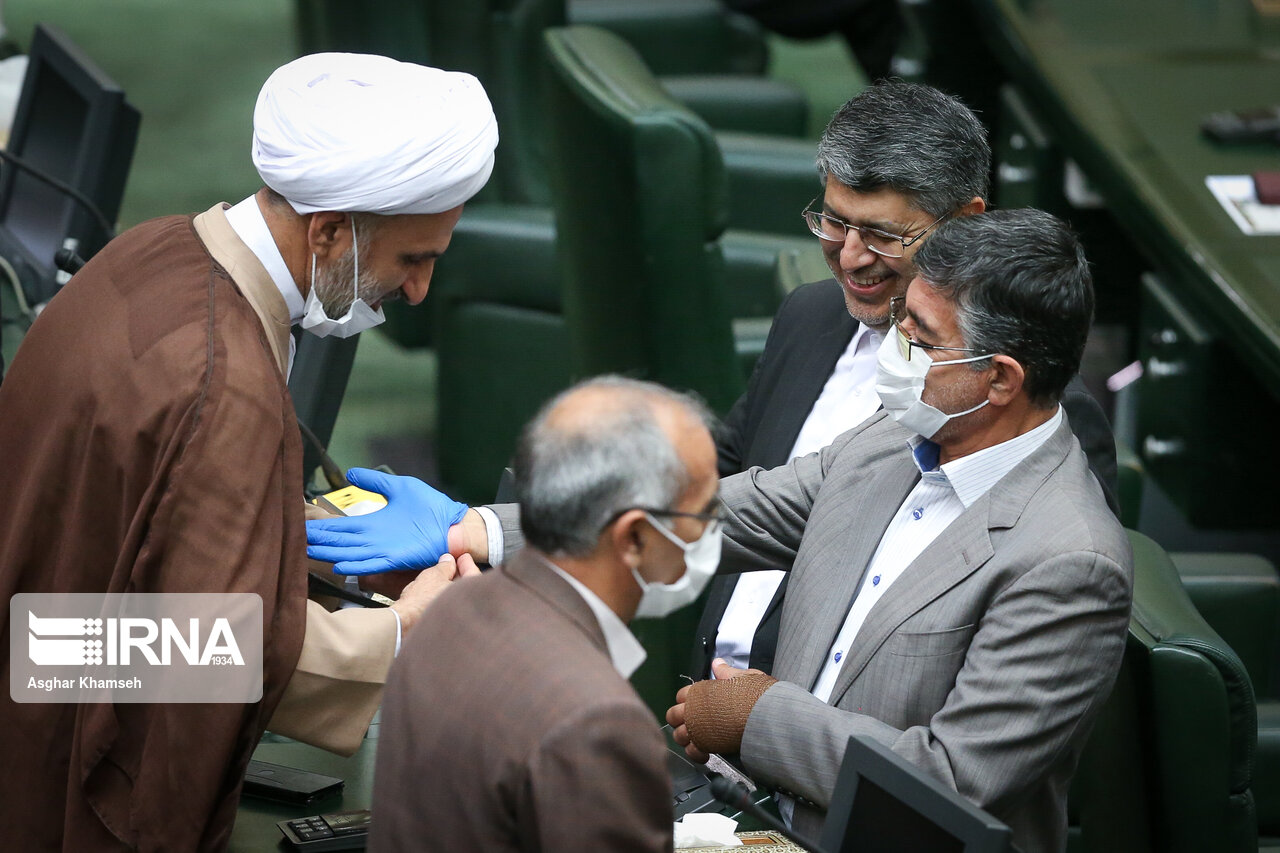
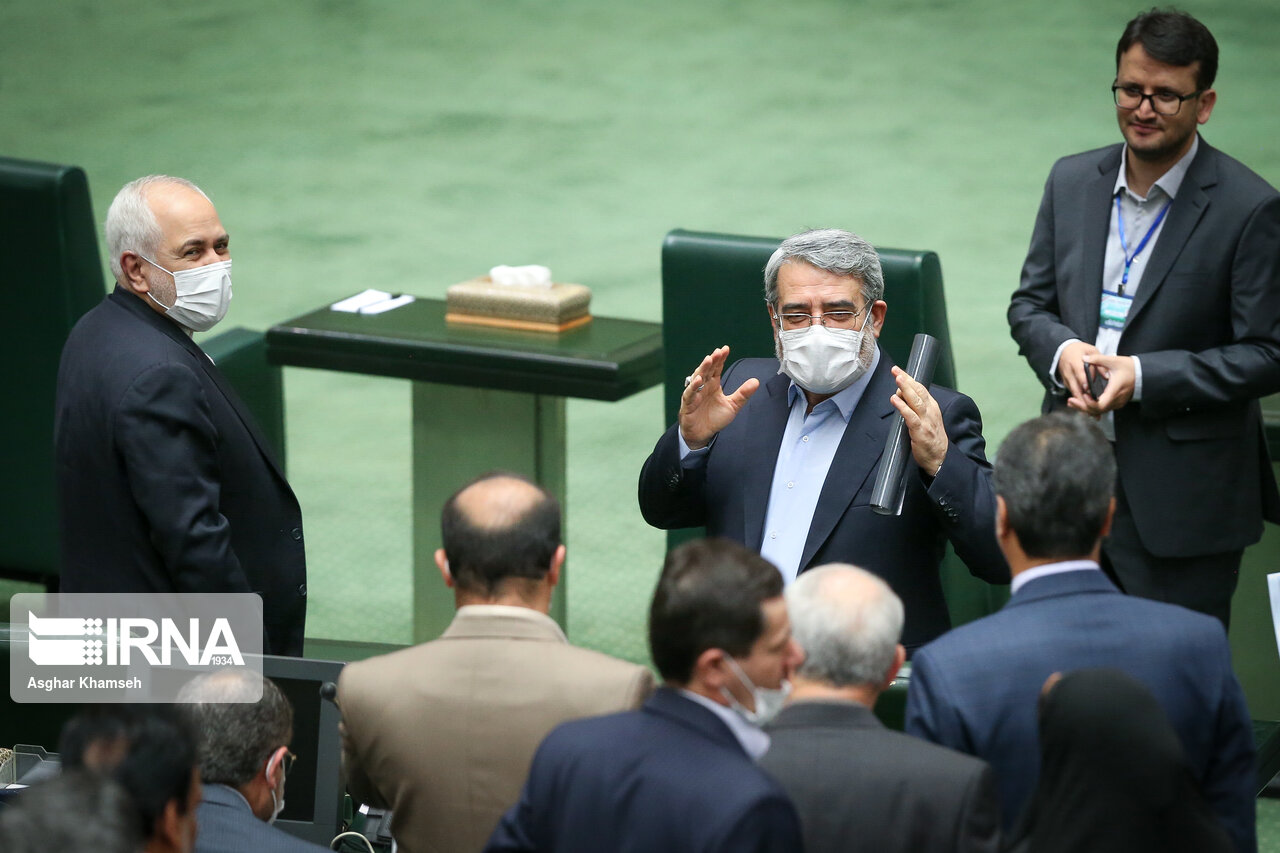
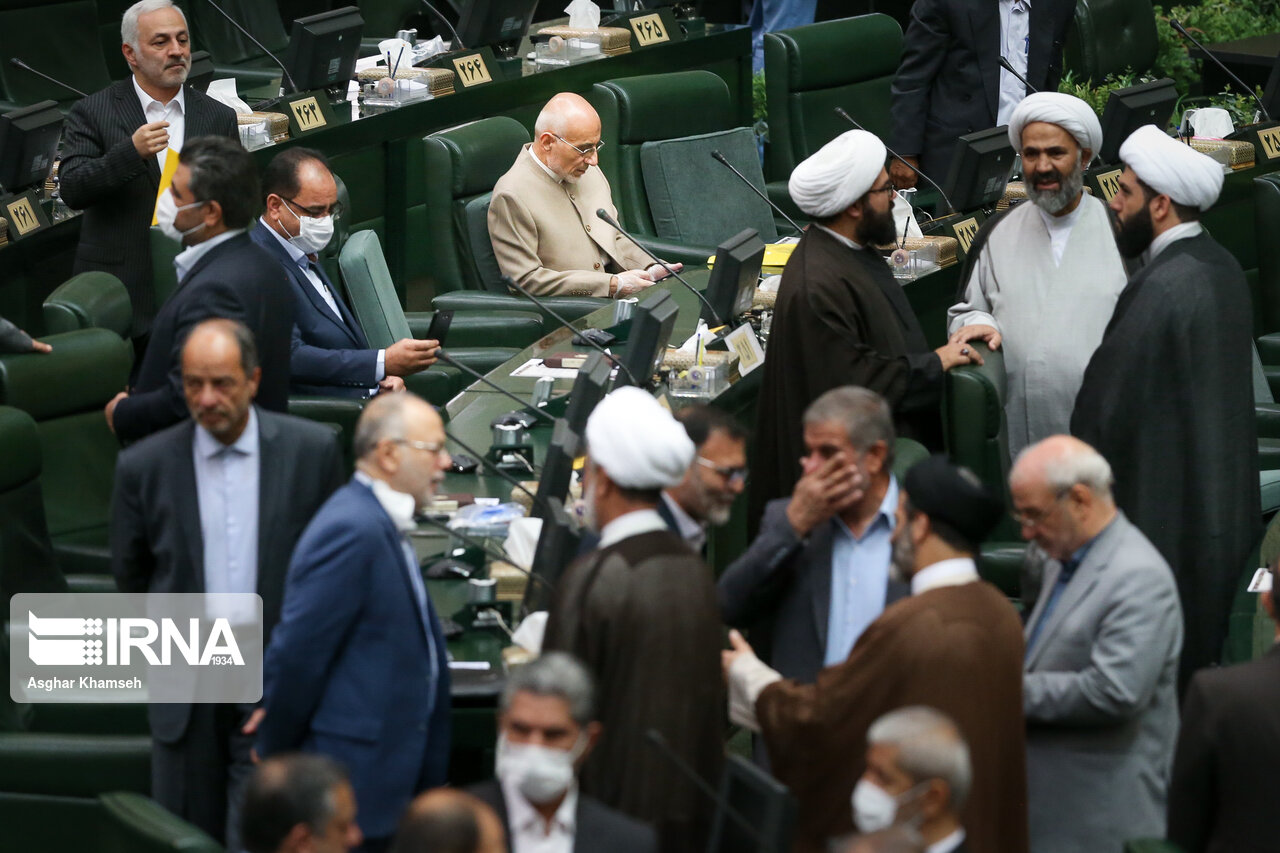
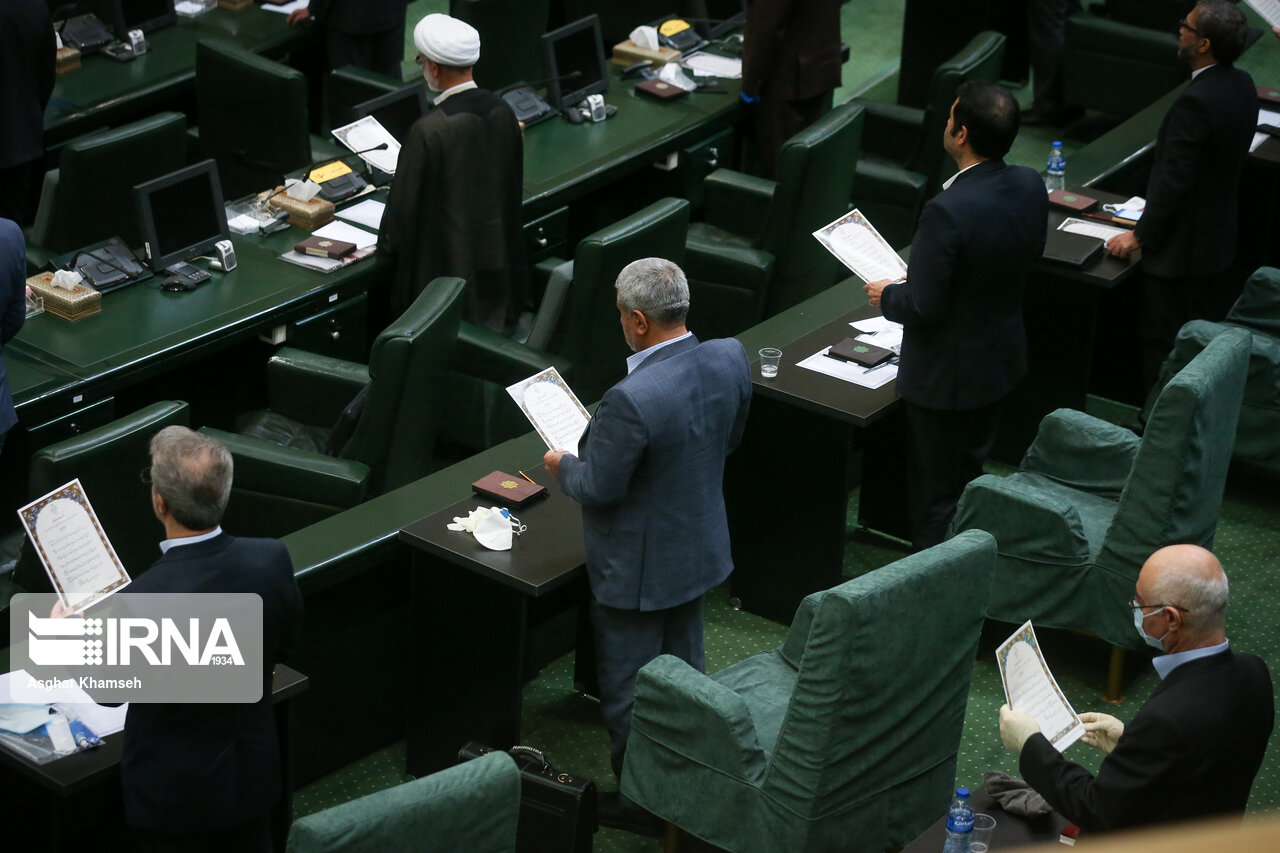
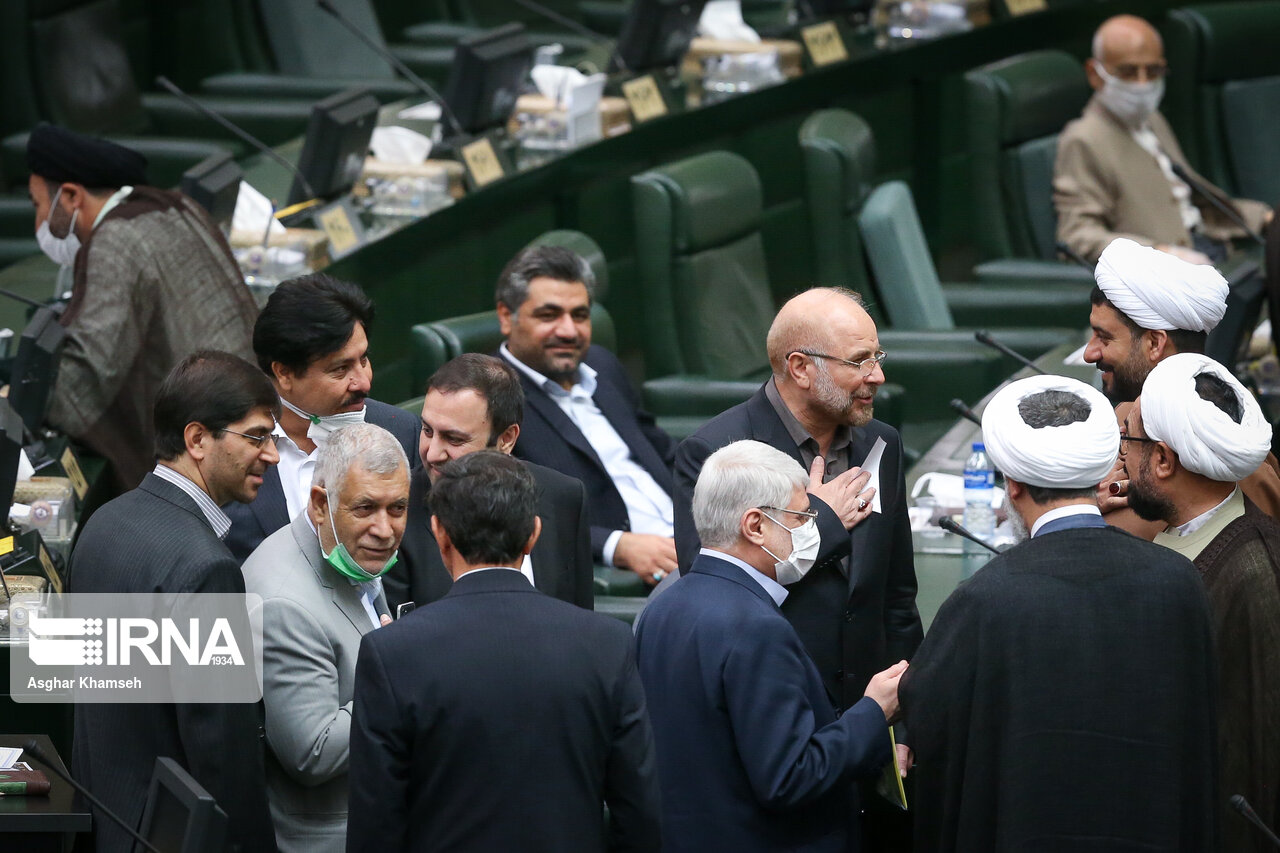
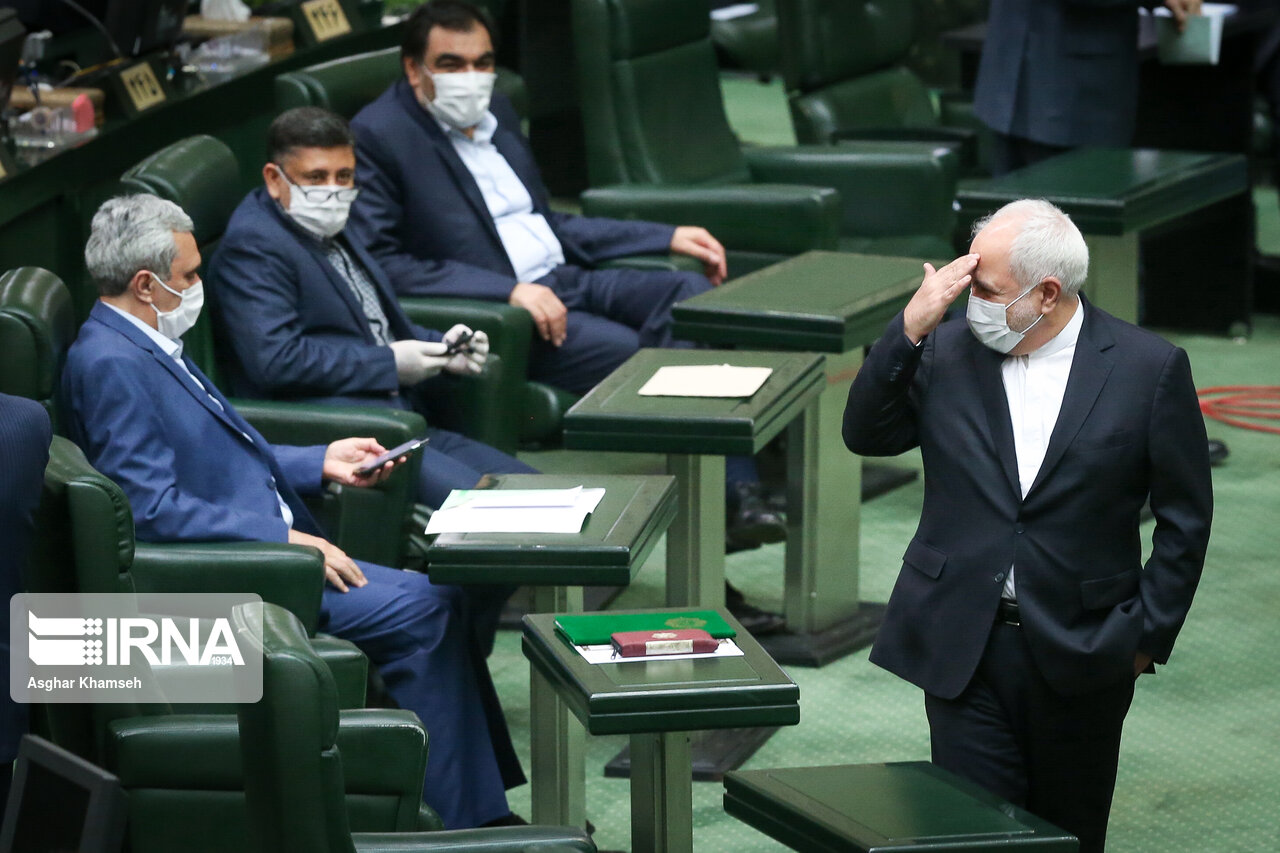
Iran’s new parliament convened on Wednesday after the February 21 elections under strict health protocols and social distancing rules.
Next week, lawmakers will choose a parliament speaker for a one-year term.
1- New Parliament and Real Change [Editorial]
2- Specifications of Iranian-Made Gasoline in Venezuela: Good Quality, Reasonable Price
Arman-e Melli Newspaper:
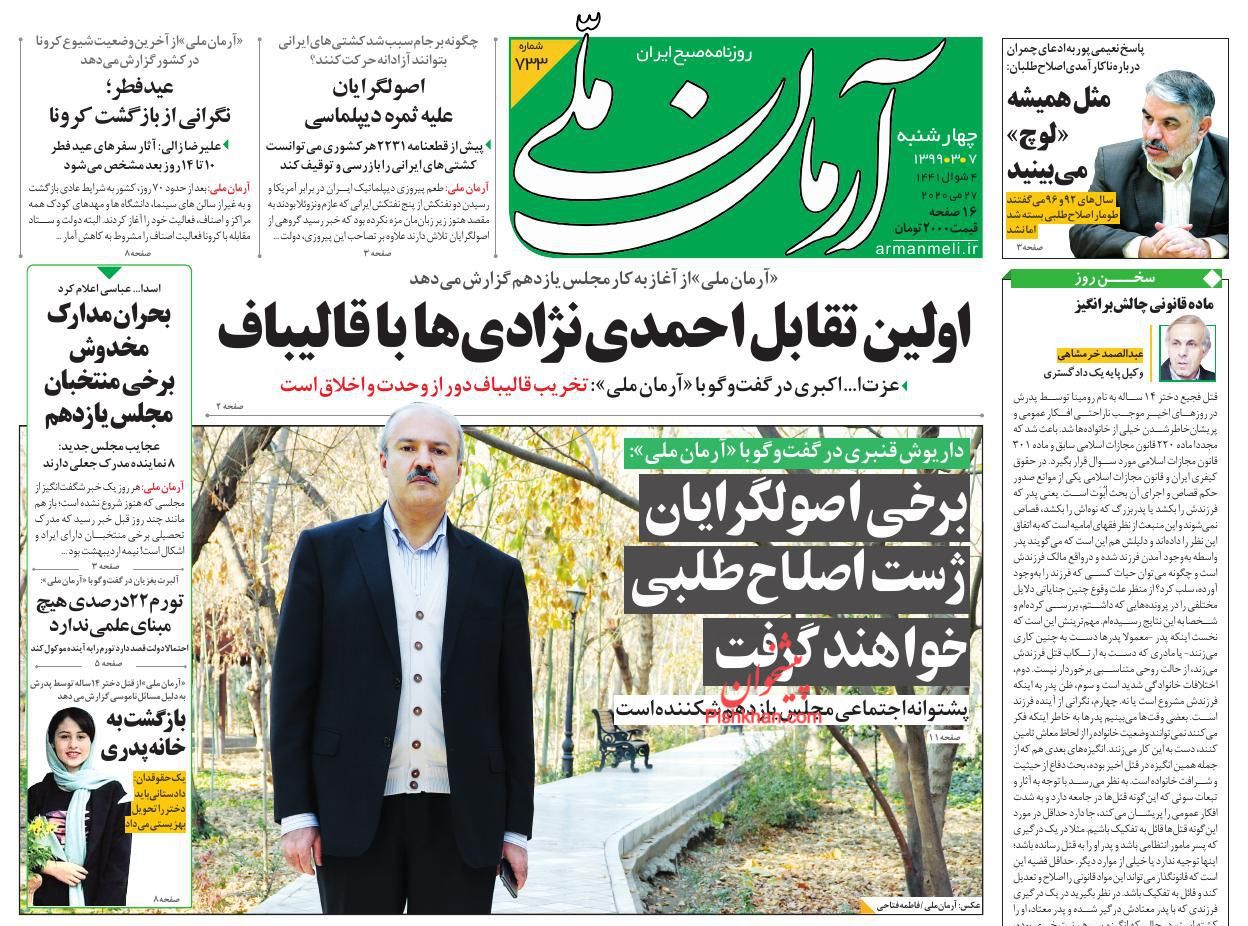
1- Eid al-Fitr: Concerns about Return of Corona
Ebtekar Newspaper:
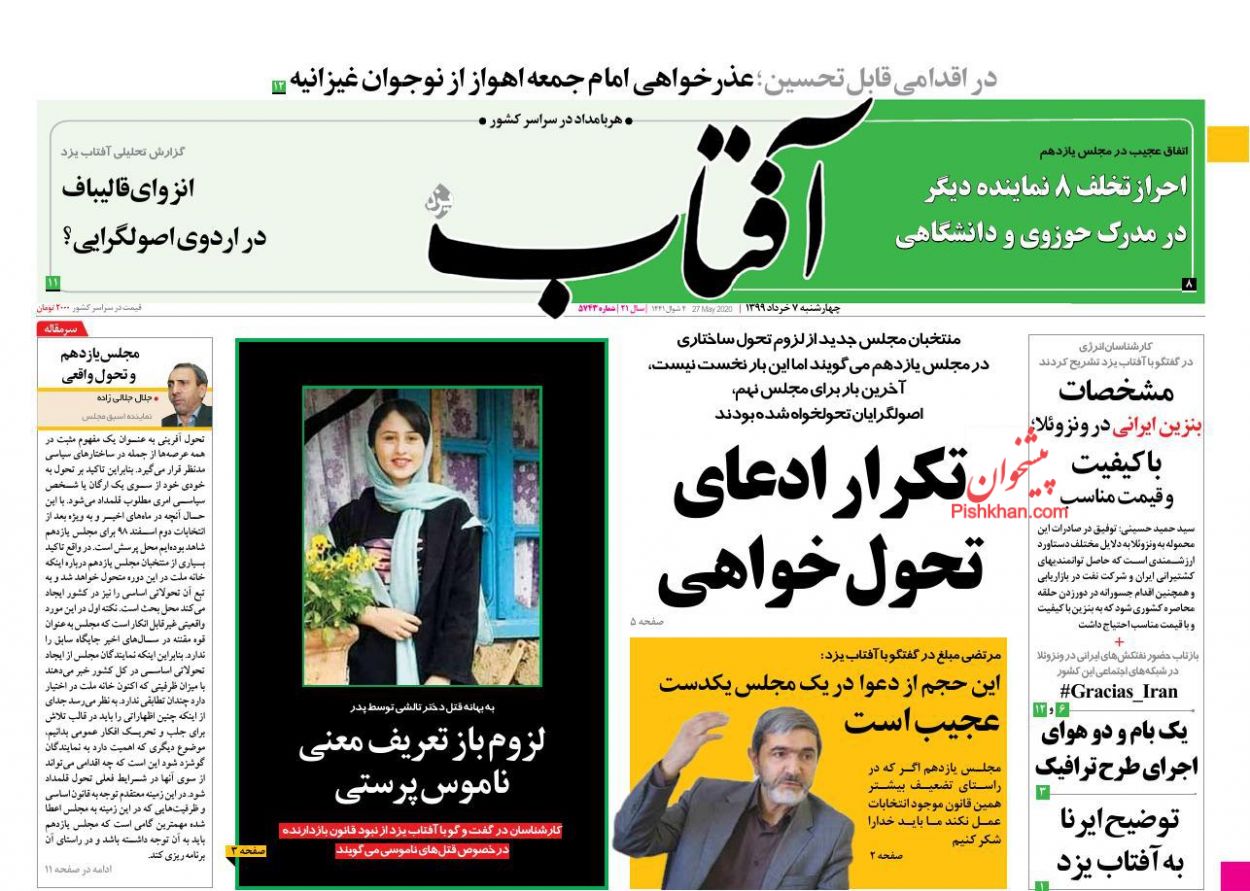
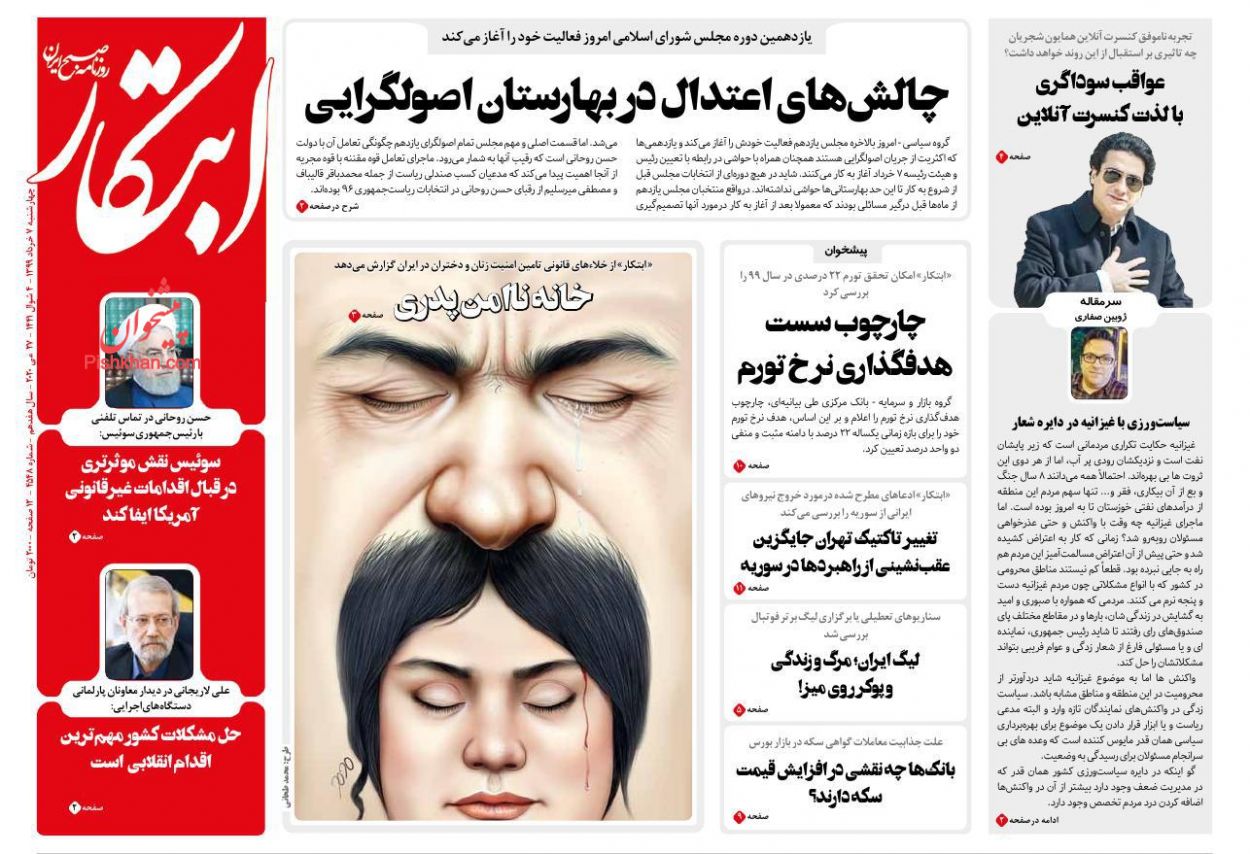
1- Unsafe Paternal House: A Report on Legal Voids to Ensure Security of Iranian Women, Girls
2- Rouhani to Swiss Counterpart: Bern Must Play More Effective Role in Countering US Illegal Moves
3- Challenges of New Conservative Parliament
4- Tehran Changes Its Tactic Instead of Altering Its Strategies in Syria
Etemad Newspaper:
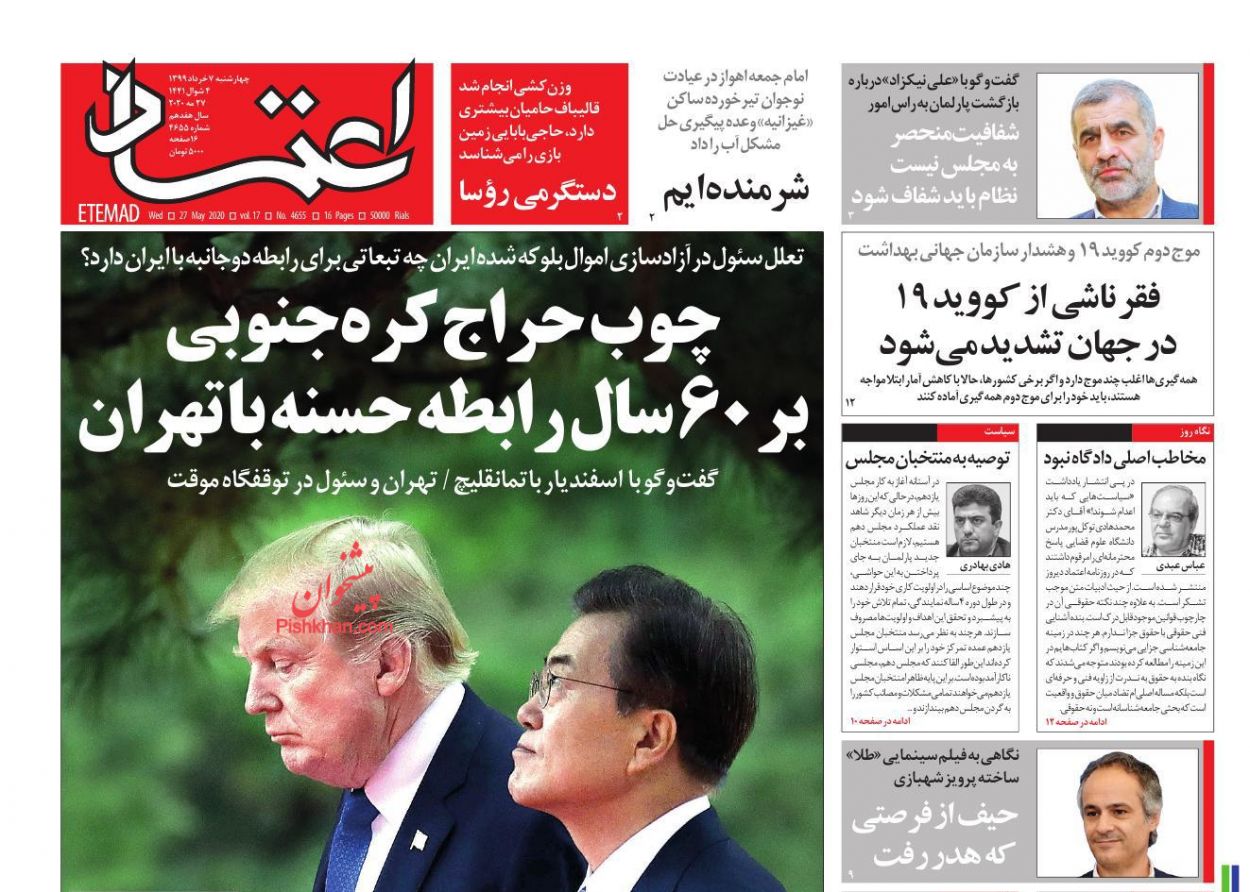
1- South Korea Ruining 60 Years of Amicable Ties with Tehran
2- COVID-19 to Increase Poverty Across the World
Ettela’at Newspaper:
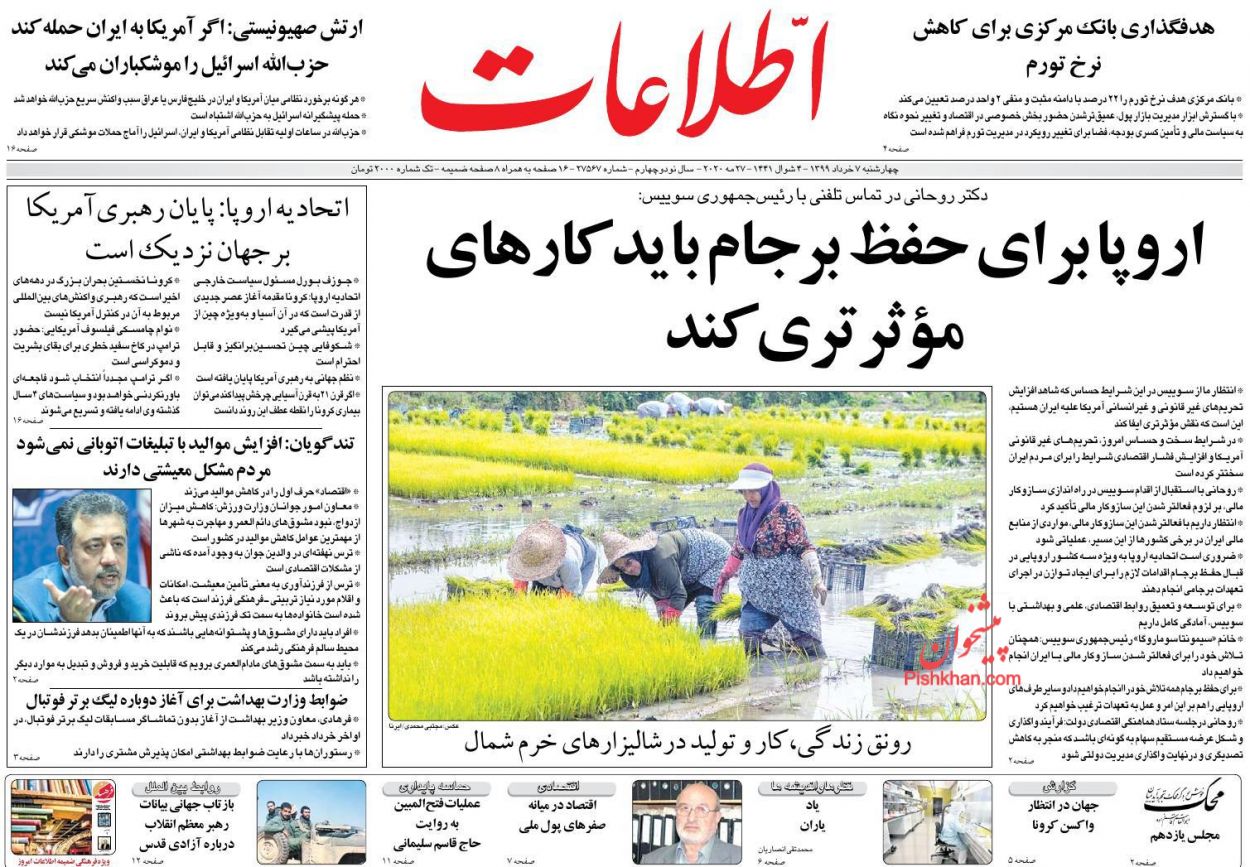
1- EU: End of US Leadership in the World Imminent
2- Tel Aviv: If US Attacks Iran, Hezbollah Will Hit Israel with Rockets
Iran Newspaper:
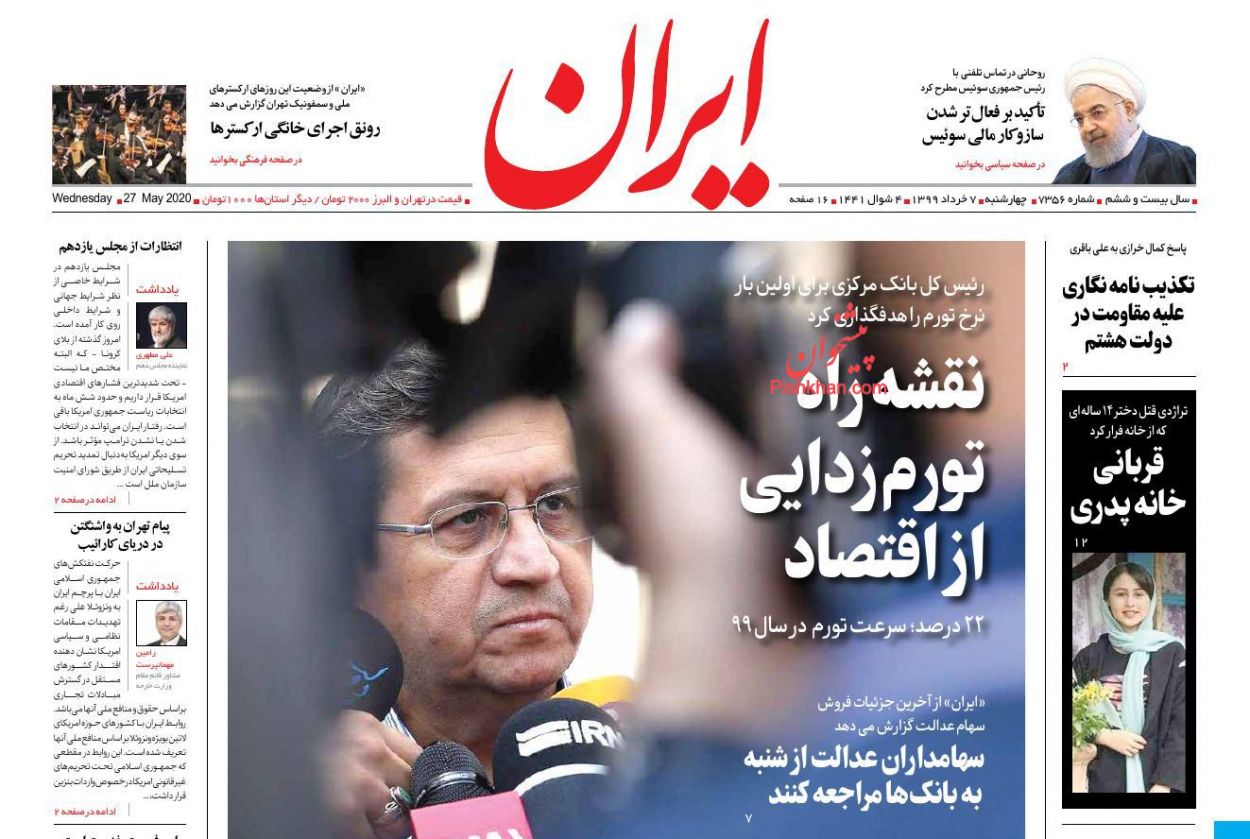
1- Victim of Paternal House
* Angry Man Beheads 14-Year-Old Daughter on Pretext of Defending His Honour
2- Tehran’s Message to Washington in Caribbean
Javan Newspaper:
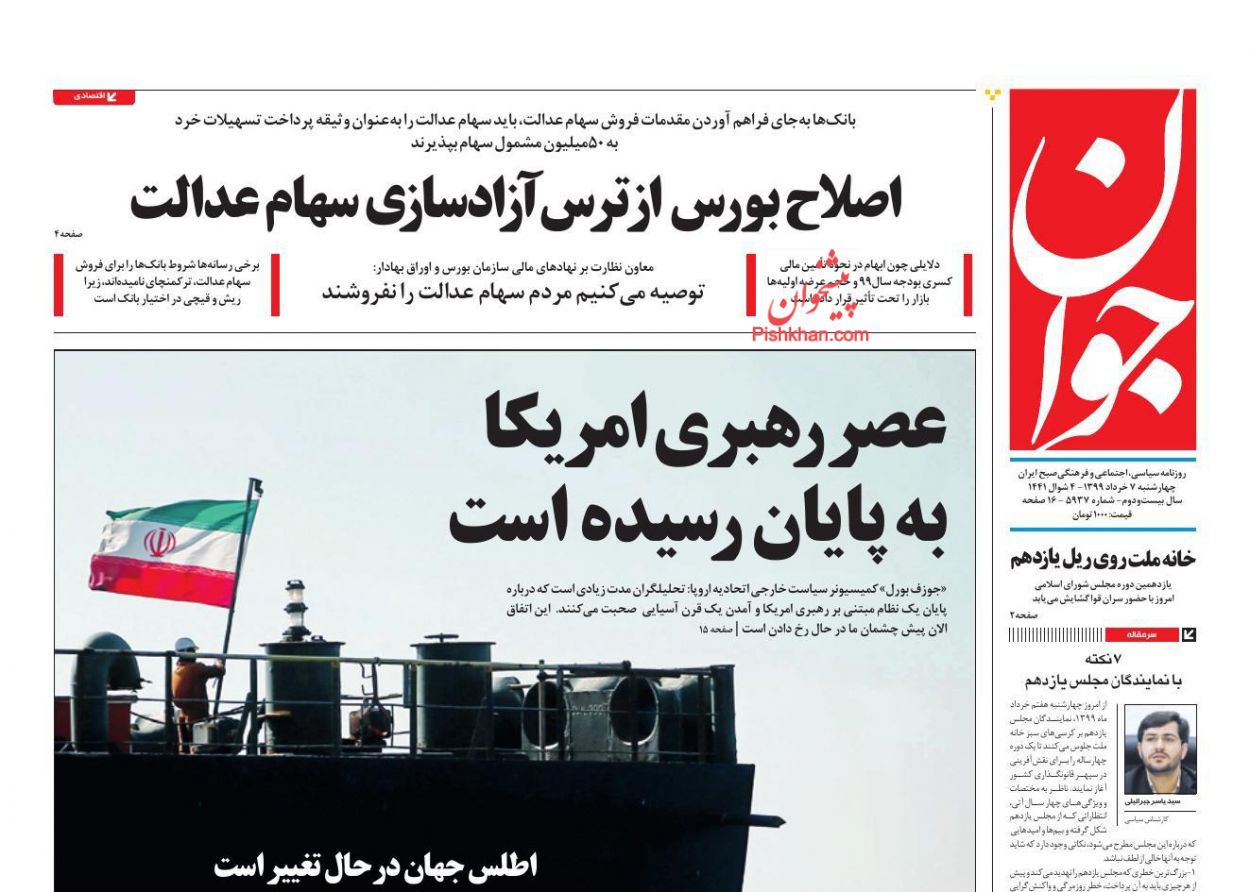
1- Era of US Leadership Over: EU’s Borrell
2- World Atlas Changing
Kayhan Newspaper:
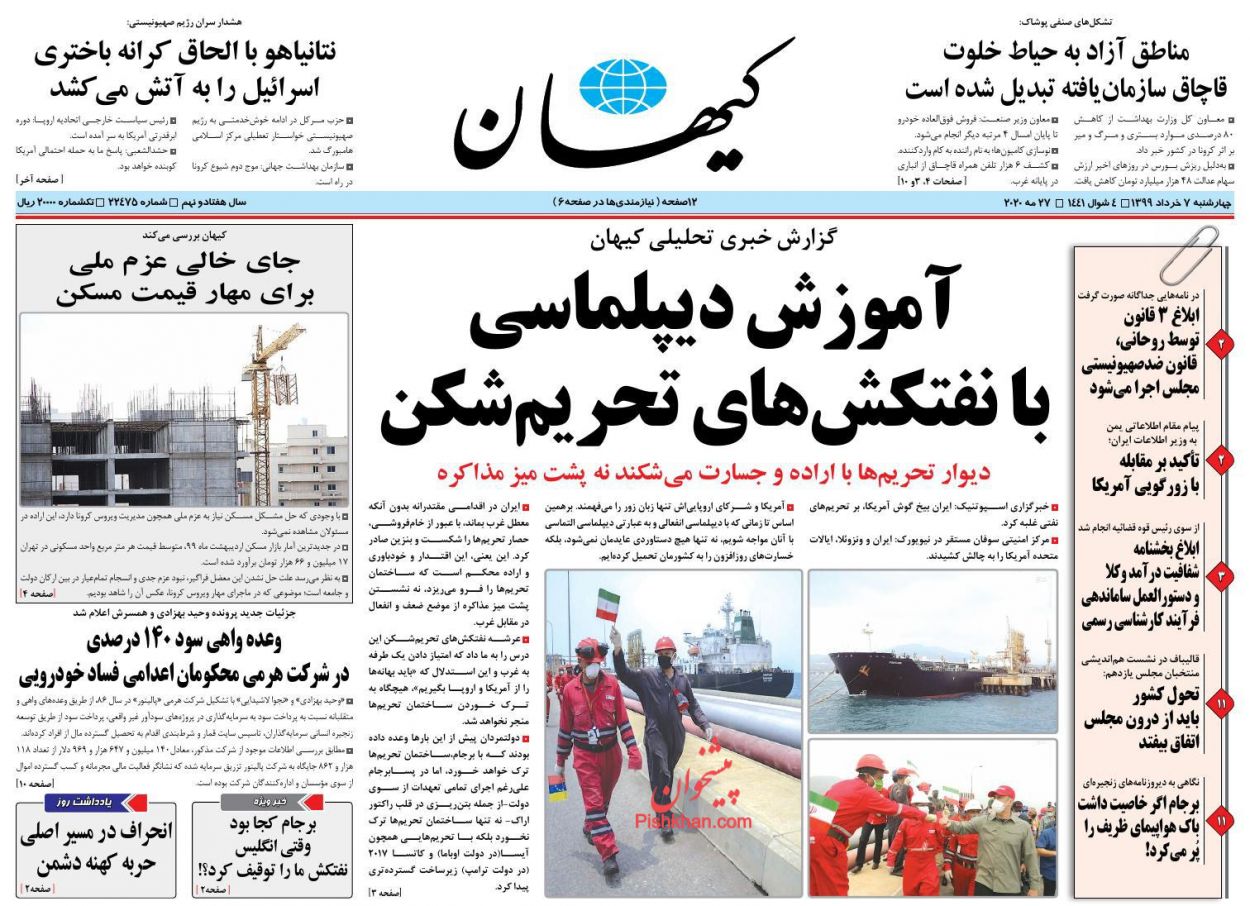
1- Teaching Diplomacy Using Sanction-Breaking Oil Tankers
2- Netanyahu to Set Israel on Fire by Annexing West Bank
3- Emphasis on Countering US’ Bullying
4- If JCPOA Was Beneficial, It Could Fuel Zarif’s Plane!
Khorasan Newspaper:
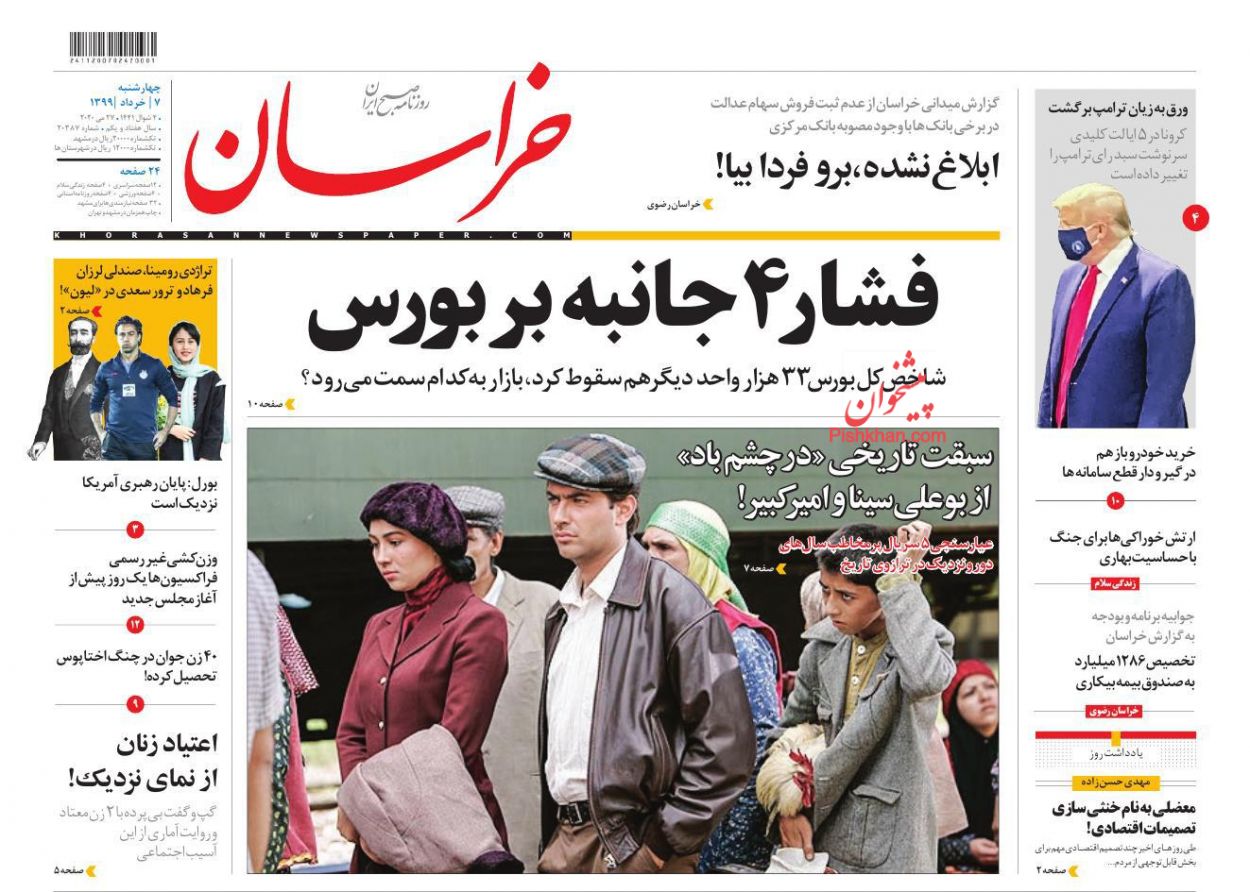
1- Coronavirus Changing Votes against Trump in Five Key States
Mardom Salari Newspaper:
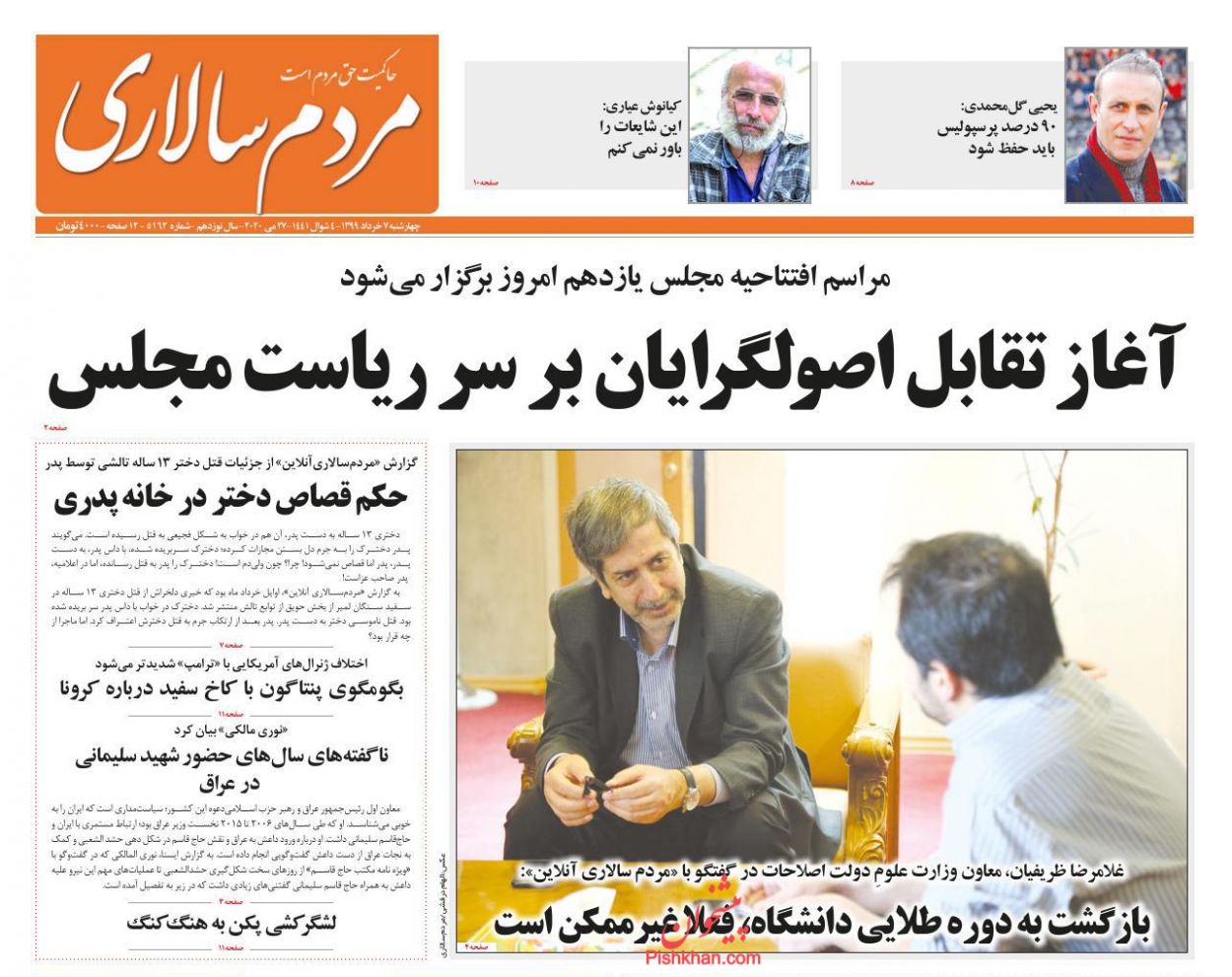
1- Pentagon’s War of Words with White House over Corona
Shahrvand Newspaper:
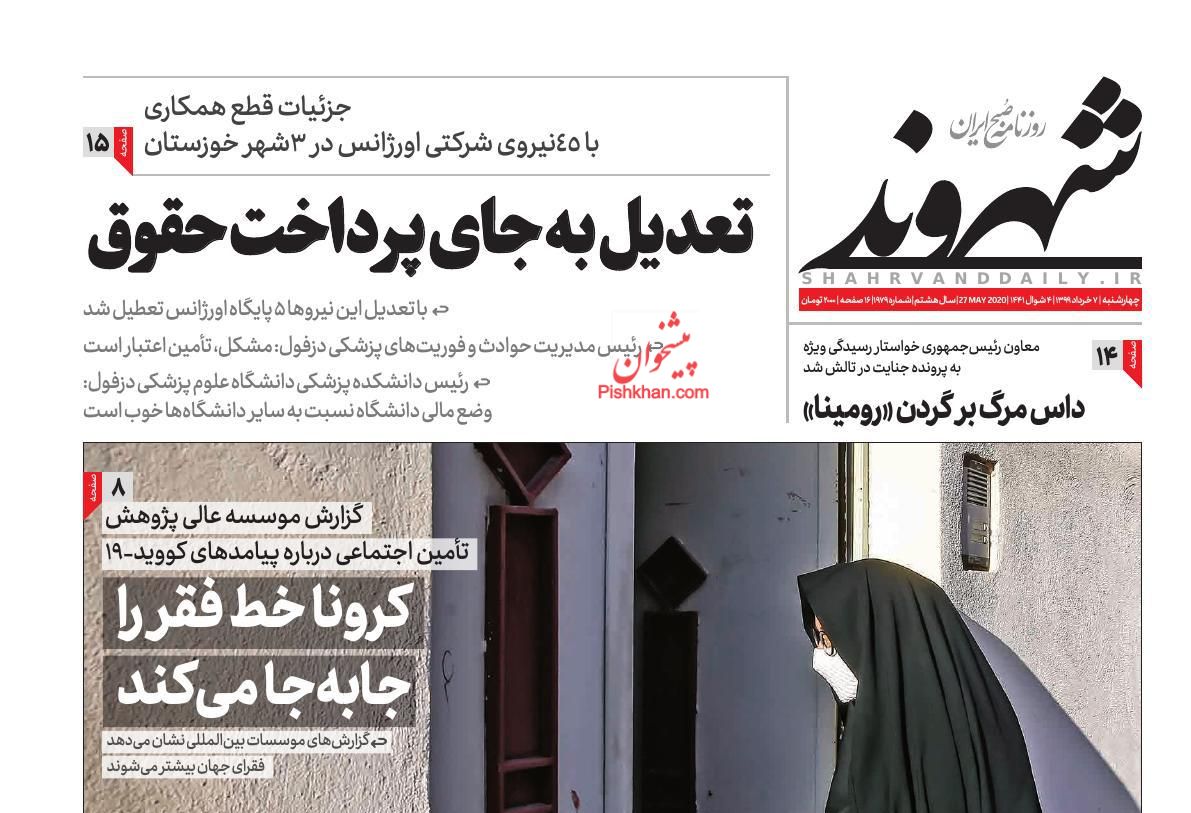
1- Coronavirus to Change Poverty Line
Shargh Newspaper:
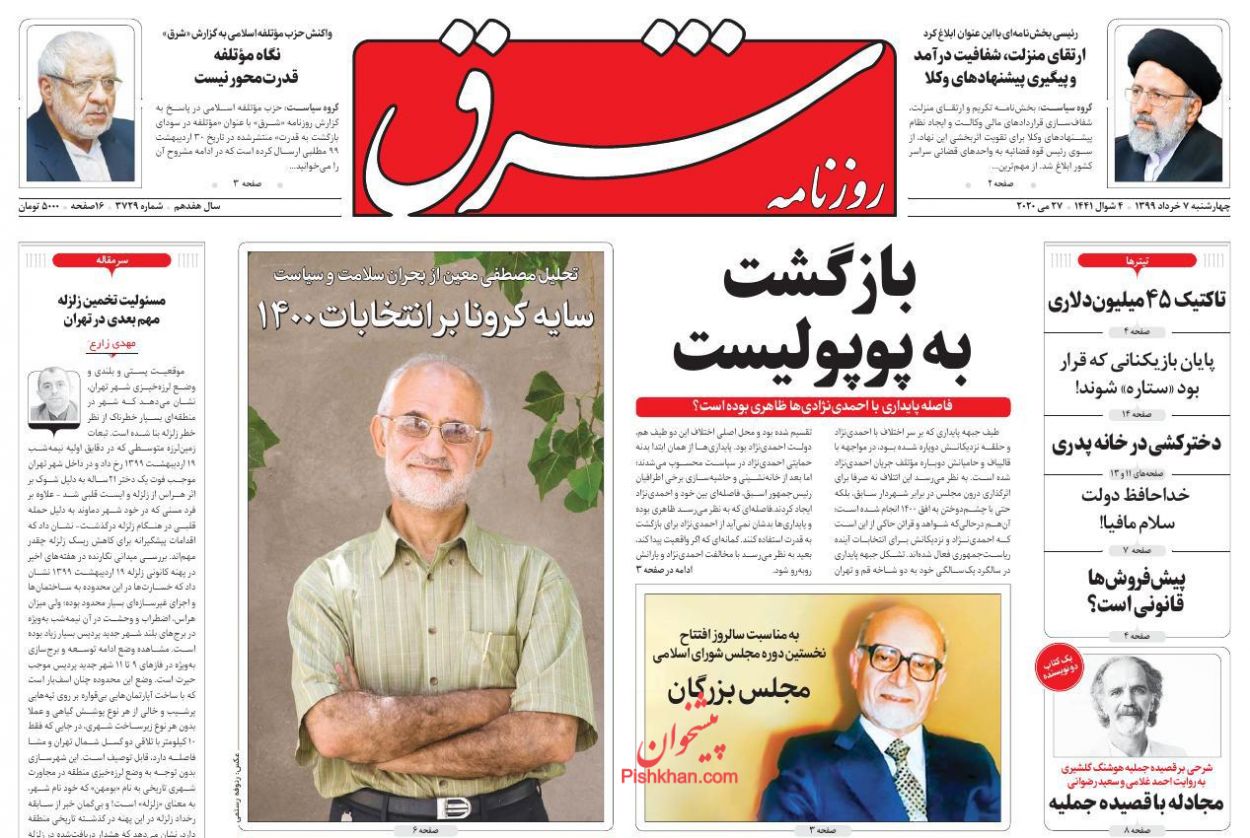
1- Coronavirus to Impact Iran’s 2021 Presidential Election
How Iran Will Cope with Health-Politics Crisis
2- Responsibility for Estimating Next Major Quake in Tehran [Editorial]
3- Shame Killing in Paternal House
While this strategy is one of the only ways to control the rampant spread of the virus, humans are social creatures. And, the impact of having to spend weeks and months not being allowed near anyone else, is resulting in negative consequences of their emotional and mental health.
American residents are reporting “significant and sustained increases in the symptoms of depression and anxiety.”
“Women, minorities, people with pre-existing conditions, and adults under the age of 34 are reporting higher rates of fear and anxiety.”
The challenge is that much of this pandemic is unscripted. No one knows what the future holds. And, it’s this fact that is causing much of the depression, fear, and anxiety in people. And, when this stress and anxiety is added to the emotional and mental health challenges as a consequence of the need for social distancing for the foreseeable future, the repercussions can be fairly severe.
At this juncture, it’s vital to note that we need to change what we can and accept what we can’t change. Therefore, we cannot change the virus’s infection rate and trajectory, but we can work at connecting with people during the seemingly unending lockdown phase.
Therefore, by way of offering a solution to the challenge of connecting with other people in the social distancing age highlighted above, let’s consider the following 3 ways to help you improve your mental health by connecting with other people:
Connect other people via an online speed dating platform
The benefits of signing up with an app that employs a random chat model are numerous. However, the most important advantage is that this app is country-independent; therefore, people can chat with many other people from all over the world. And, if there is a connection or match between two people, they can chat for as long as they would like to. On the other hand, a chat can be terminated almost instantly should one of the chatting couple decide they do not want to continue with the conversation.
Join an online discussion group
Discussion forums that cover general topics, as well as specific genres, are available on the Internet. Joining such a group is a great way to communicate and connect with people who share the same interests. A book club is a typical example of an online discussion platform. A virtual book club functions the same way as a physical club, except that members meet virtually, using a communication tool like Zoom, where everyone can join the chat simultaneously.
However, face-to-face communications are no longer possible during the COVID-19 pandemic. Thus, digital communications are a viable replacement for physical chats. Consequently, connecting with friends and family digitally forms, and will continue to form, an essential part of the post-COVID-19 era. And, these virtual relationships must be nurtured carefully so that people do not remain isolated and out of touch with other people for any length of time.
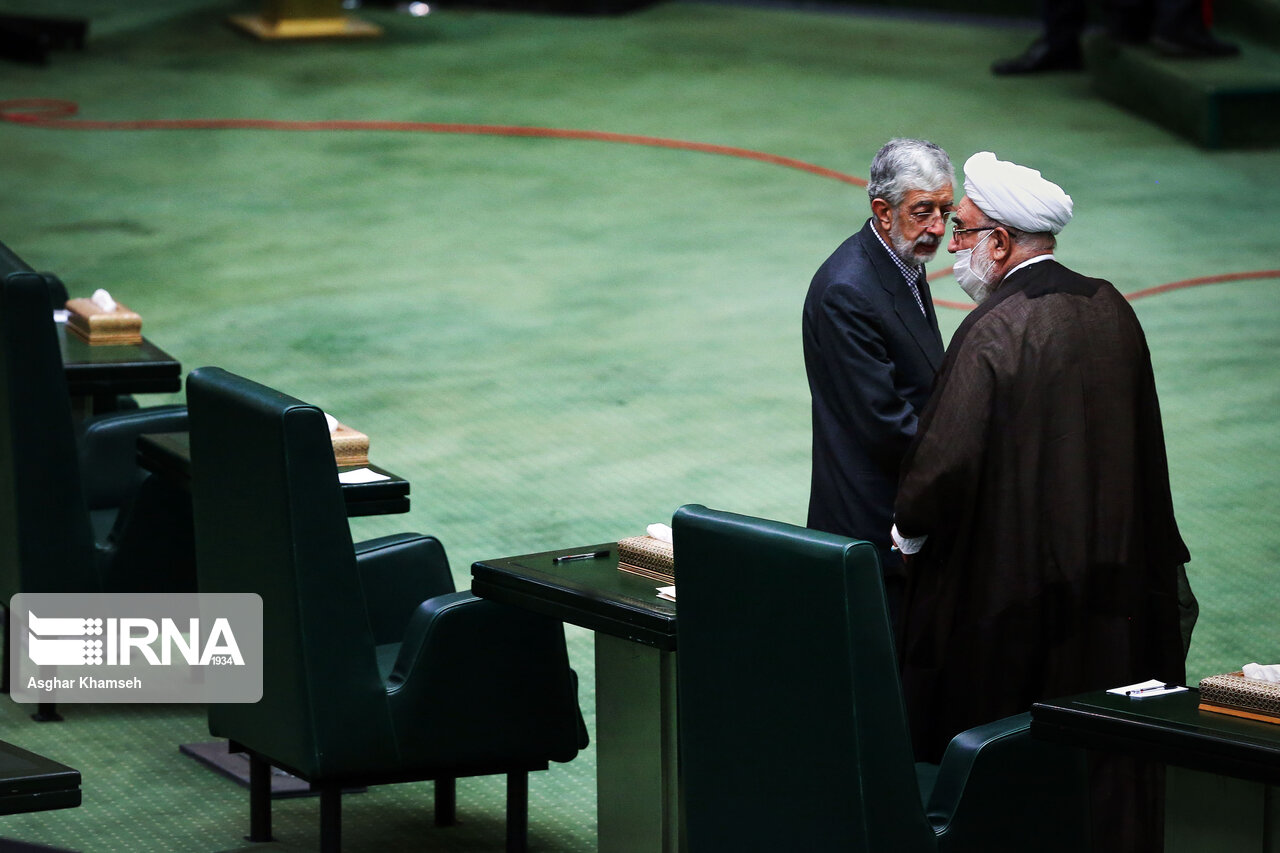
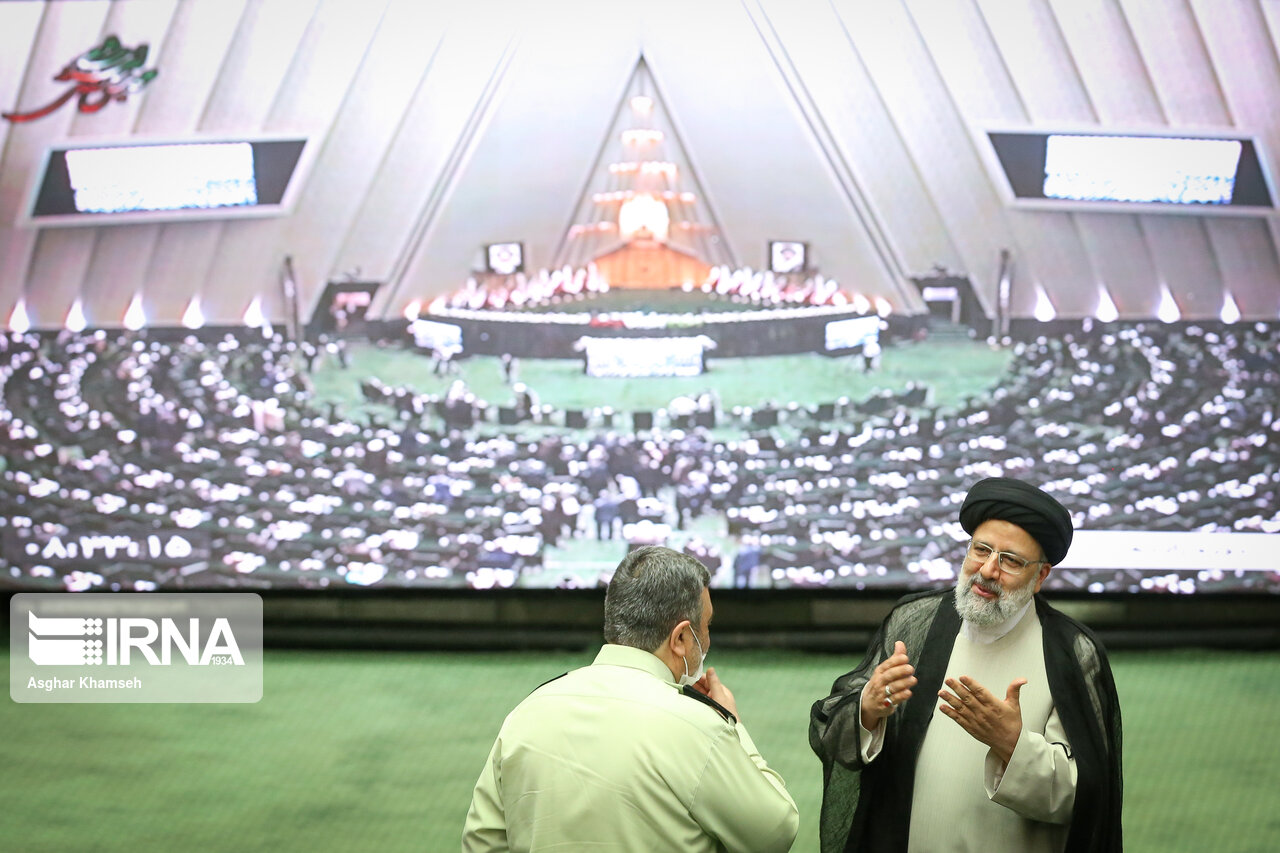
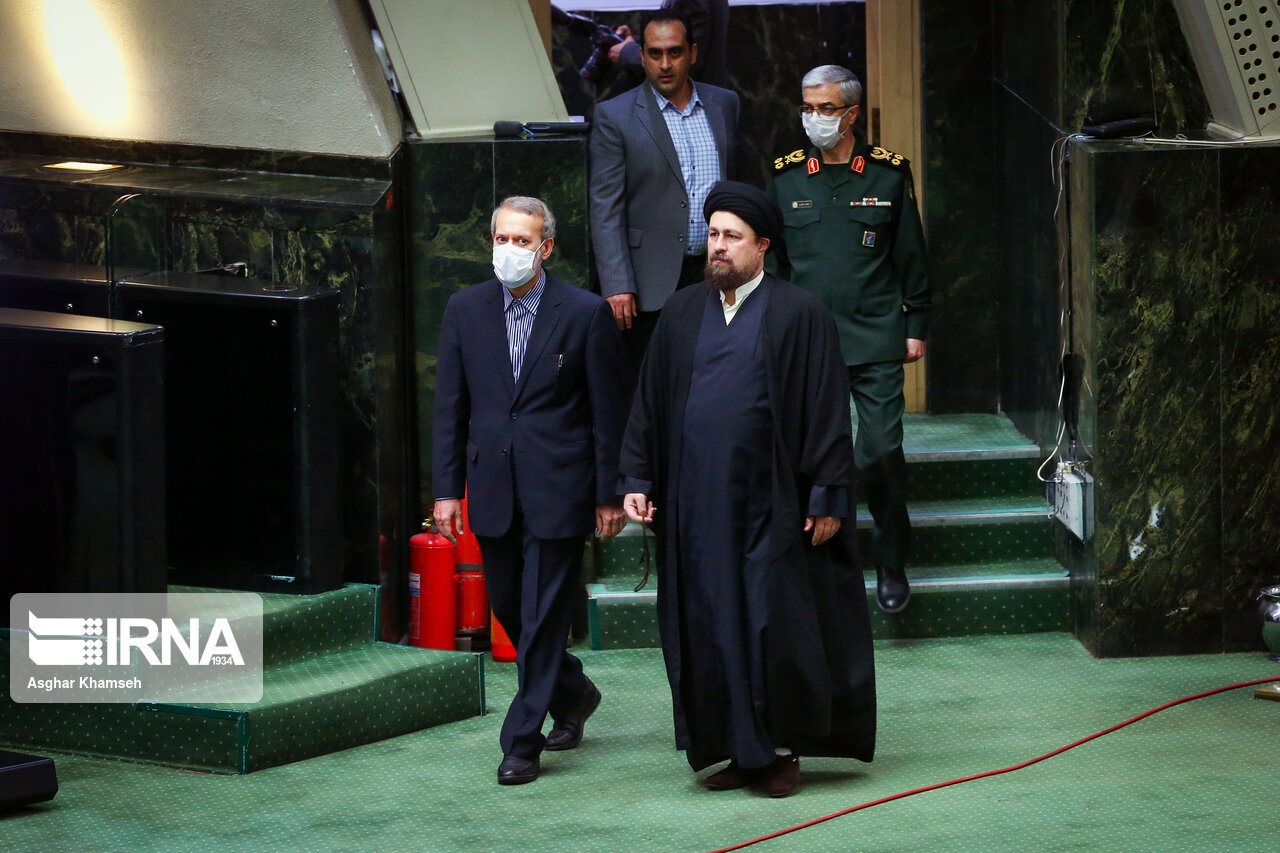
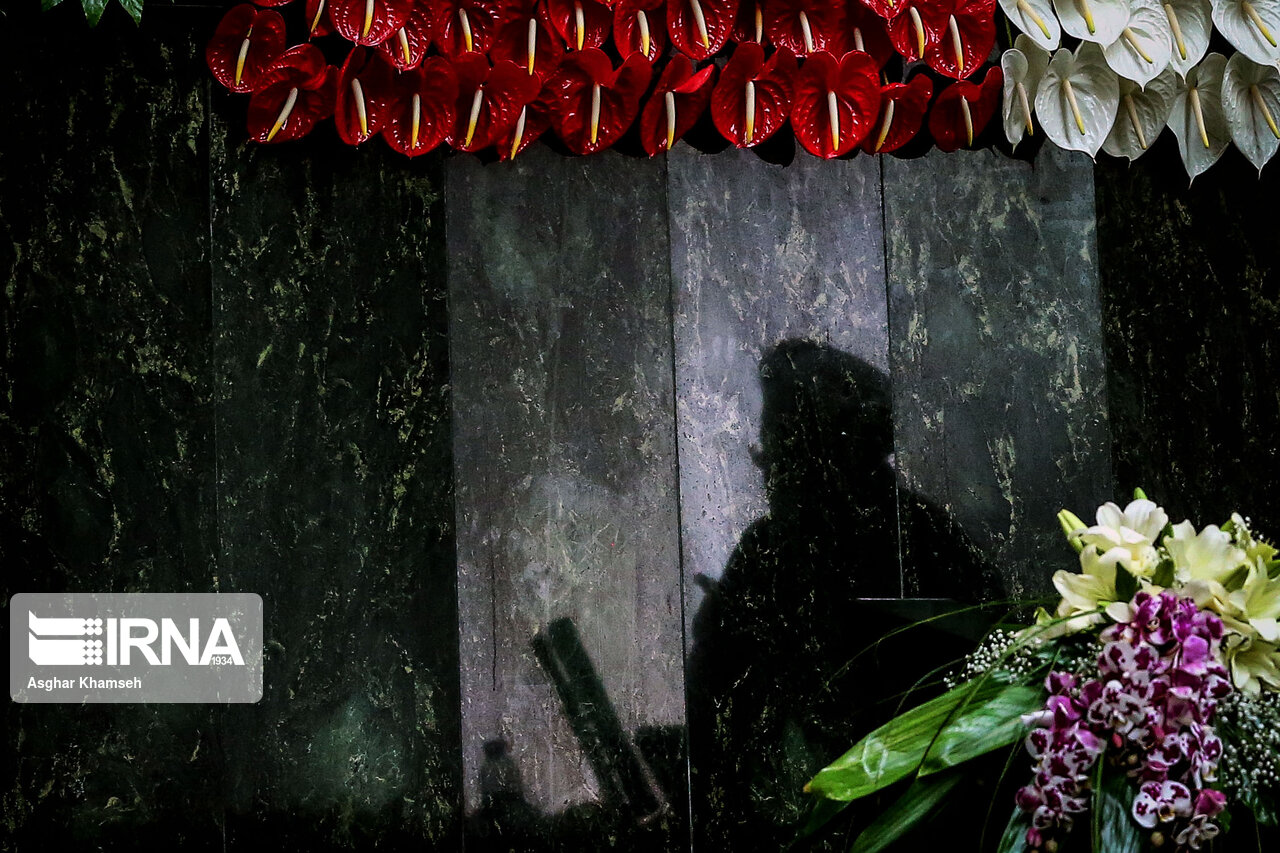
The inaugural session of the 11th Iranian Parliament after victory of the Islamic Revolution was attended by President Hassan Rouhani, Judiciary Chief Seyyed Ebrahim Raeisi, and Secretary of the Guardian Council Ayatollah Ahmad Jannati.
At the opening of the new legislature, Ayatollah Khamenei’s chief of staff took the podium to read a message from the Leader.
In the message, Ayatollah Khamenei has called on the newly-elected MPs to push for the settlement of the country’s economic problems on the basis of the Resistance Economy policies.
Describing “economy and culture” as the immediate priorities in the current circumstance, the Leader has urged the parliamentarians to formulate plans to improve the livelihood of the vulnerable groups and fulfill the economic justice goals.
“Recommendations of experts tell us that the correct path to that goal is a reform of the main lines of national economy, namely employment, production, national currency value, inflation, wastes and so on,” Ayatollah Khamenei noted in the message.
The Leader has also called on the newly-elected lawmakers to follow the Resistance Economy guidelines for lawmaking and consider a drop in crude oil incomes in the financial resources of the administration.
There are 290 seats in the Iranian Parliament. The lawmakers are elected for a 4-year term, with no limitation for the incumbent or former parliamentarians to run again.
The oldest lawmakers have formed a temporary presiding board, while the official presiding board and the next speaker of the Parliament will be elected in the next session.
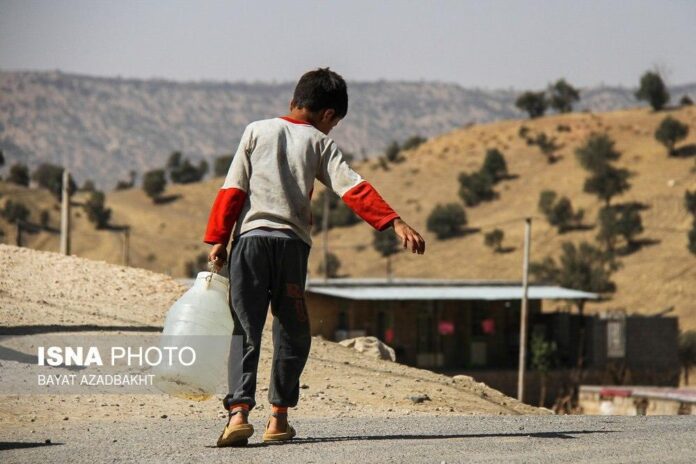
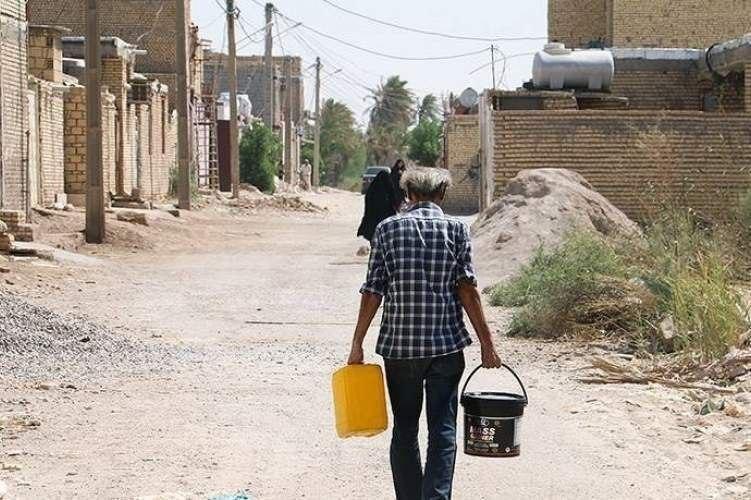
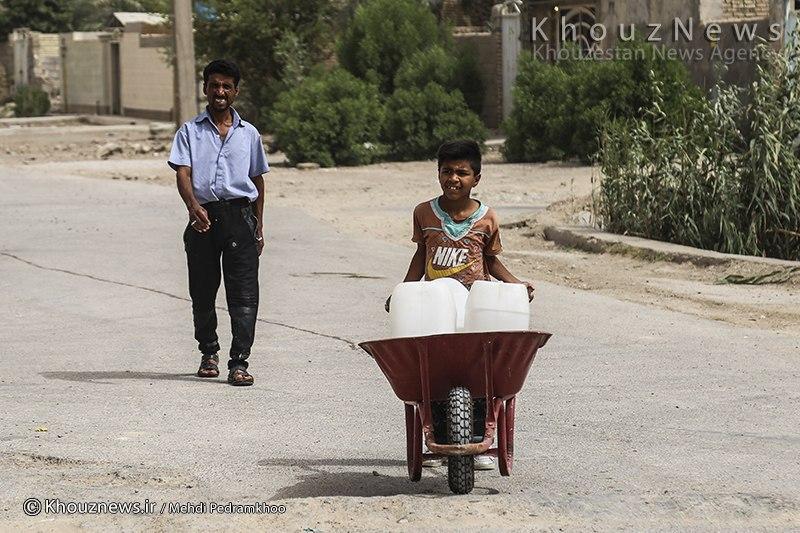
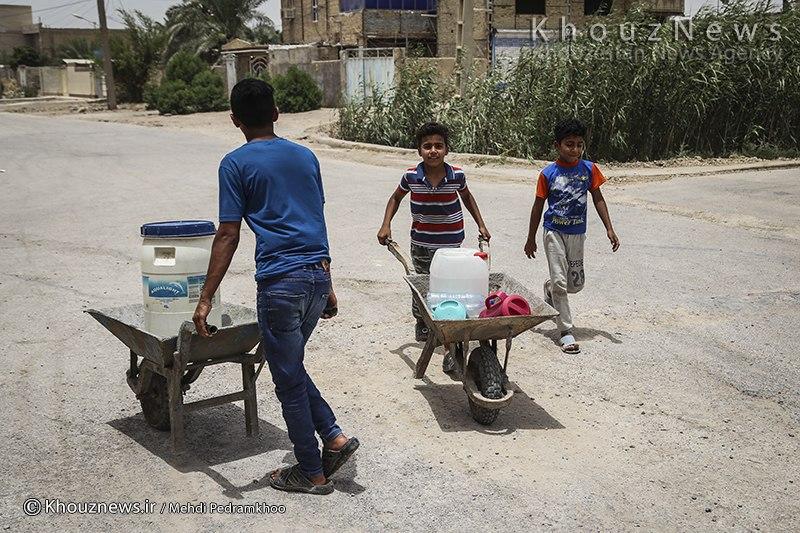
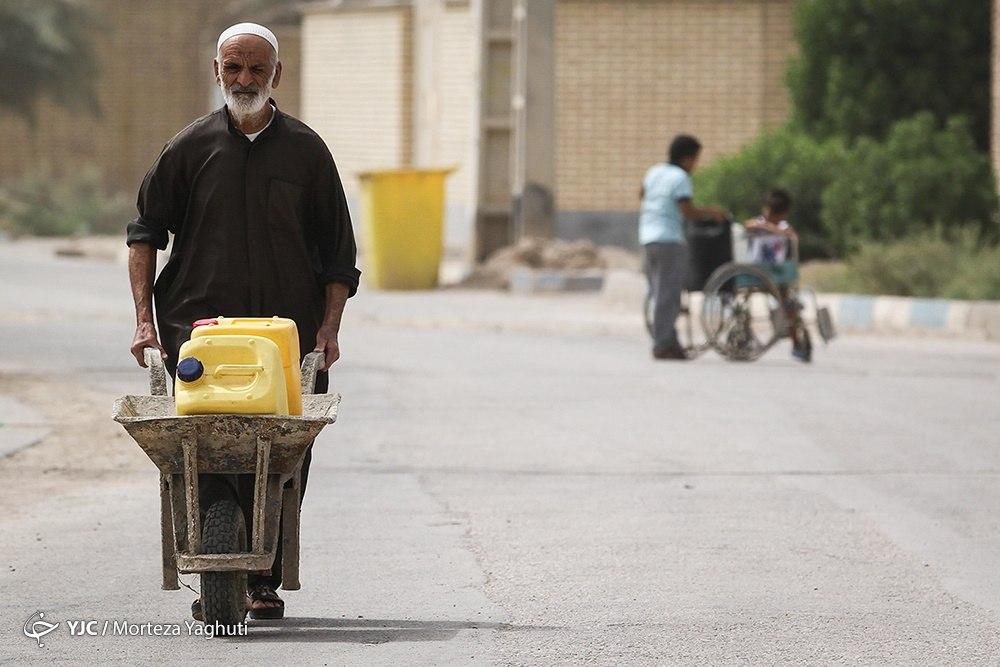
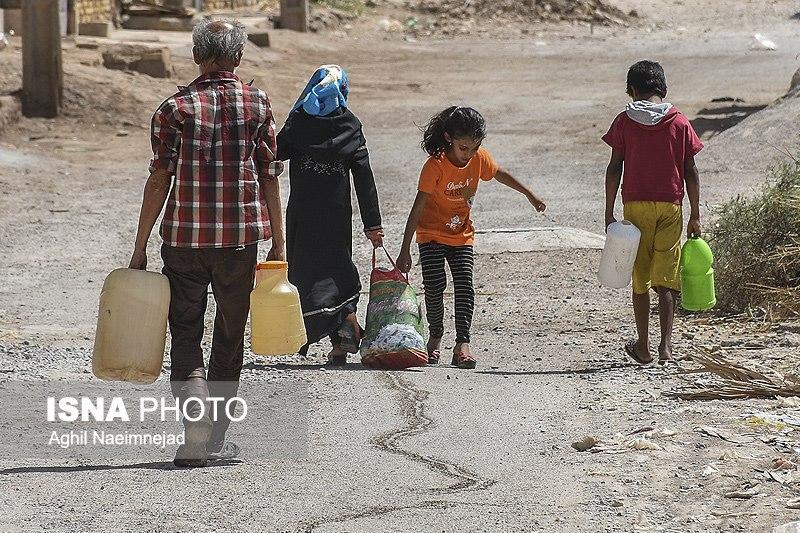
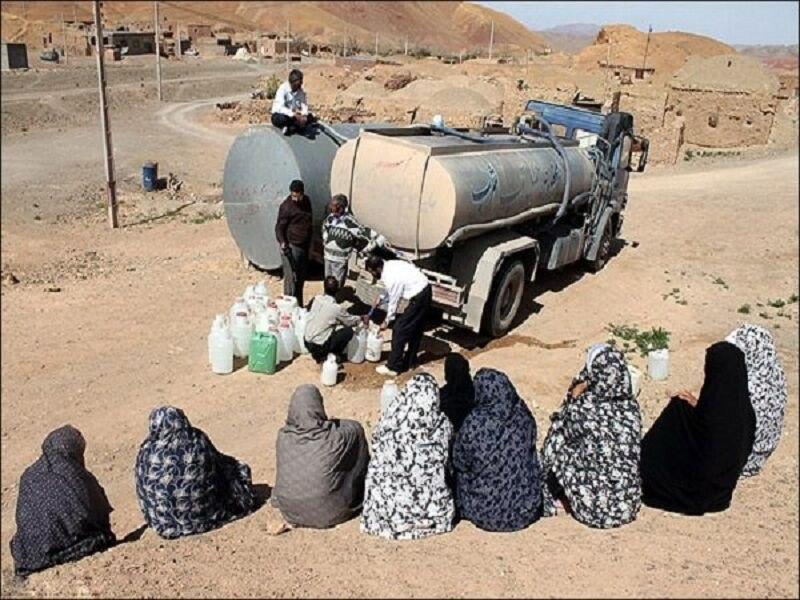
On Monday, people of Gheyzanieh village in Khuzestan were waiting to receive potable water from tankers; however, as a member of the rural council says, “Officials didn’t keep their word and water tankers were not sent to the area.” Locals would even pay several times that of the real price of water to tanker owners to be able to save their cattle.
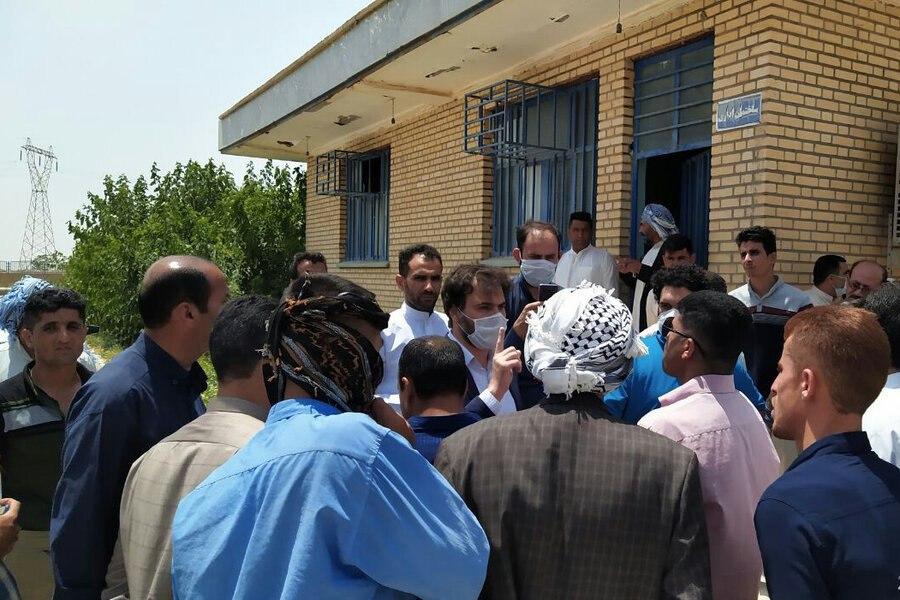
The Khuzestan governor announced more than three years ago that the problem of drinking water in the village would be solved, according to some Iranian media. However, the problem now remains. This issue prompted a rally by locals demanding authorities look into the matter.
Nevertheless, the event turned ugly as protesters blocked a road, so much so that a local police chief said two of the protesters had been wounded with rubber pellets shot by riot police.
Protesting people blocked a road
Unofficial reports even talked of live bullets being fired at protesters. “People’s protest at [officials’] failure to provide them with potable water is a legal demand, but it should take place via legal channels,” said the police chief.
The problem of drinking water is not limited to Gheyzanieh only. The whole province is gripped by the problem. People in Dehdez village have also been grappling with water rationing for 15 years now.
The representative of the provincial capital of Ahvaz in the Parliament says a third of the problem is due to a shortage of fund, and the rest is related to the provincial water and sewage company, which picks the wrong contractors through “connections” rather than “rules and regulations.”
“They gave the water to contractors and we were left without water. We and our cattle are thirsty,” say residents of Gheyzanieh.
“If there are no finances to build the water distribution network in Gheyzanieh, then where all the money has come from to construct all these luxury and garden buildings located 100 kilometres from the village,” ask users of social networks.
“Don’t people of Gheyzanieh village have any share of the 750 active oil wells in their vicinity,” they also ask.
“We don’t approve of road blockages, but during the February elections, people went to the ballot boxes with empty barrels and voted in order to get officials to hear their voices; unfortunately, that voice was not heard by authorities, either,” says a member of a local council. He says protesters support the Establishment, but they do not have access to potable water.
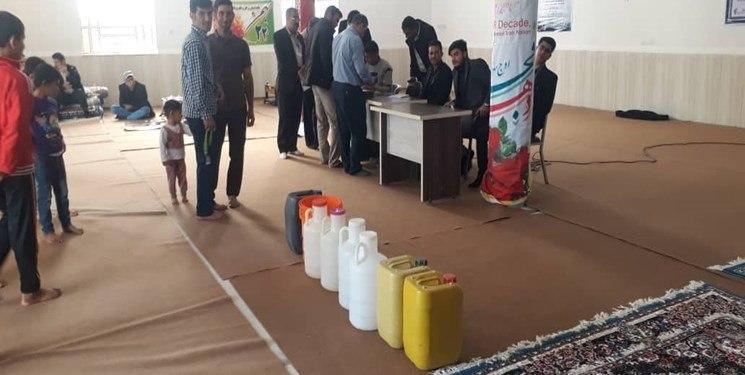
People went voting with empty barrels at hand
“Now in 2020, prices have increased and they are facing problems with [shortages of] funds yet again,” says the head of a local village council, adding that the provincial governor had promised more than three years ago that a water distribution network would be built.
Water at High Prices
The area has a population of around 30,000.
“These people live near the provincial capital and an oil region which is home to many petrochemical installations and refineries. There are 750 active wells in the region, but people are thirsty due to a lack of finances,” said a member of a local council.
“A water distribution project was implemented incompletely for the first time in 2003. The materials used in pipes were not of good quality; moreover, water was pumped through pipes for only one hour just once a week, at most,” he said.
Officials Break Word Again
Another rural councilor also weighs in on the event.
“Officials and reporters had been there since morning, but water tankers were not sent. So, they all returned,” another local councilor tells Iran newspaper.
“Then the journalists filed their reports and returned to their workplace. People, too, left without water, have been waiting outside the installations building,” the councilor adds. “We used to have a piped network, which was completely cut off,” he says.
He says the agriculture department has a legal responsibility to provide water tankers for cattle, but has long failed to fulfil its duty,” he says.
“The water pipe in the village was an old one and stopped functioning. Local oil companies must provide finances for its repair and reconstruction, but they don’t,” he says.
According to this official, pipes are corroded and leaks water. Sometimes people use the water leaked from the pipes and running on the ground, “which has resulted in a skin disease spreading among them.”
“Twenty days ago, authorities from the local water and sewage department came here and asked us to give them some funds from the village’s budget, so that they would fix the network. We gave them Rls. 150 million. They fixed the network, but still water didn’t reach the village,” says the councilor.
President Orders Move to Supply Water
President Hassan Rouhani held separate conversations with Energy Minister Reza Ardakanian and Khuzestan Governor Gholam-Reza Shairati on Monday. During the talks, they discussed some of the problems locals are facing with regard to the supply of potable water. Accordingly, the president ordered the necessary measures be taken by relevant authorities to solve the problem as soon as possible.
“The governor, provincial officials and all pertinent institutions should make the necessary planning and arrangements to prevent problems and hardship for the people of Khuzestan in summer with regards to the supply of potable water, so that they will not face such problems,” said the president.
Water to Be Supplied in Two Weeks
On Monday, the Water and Sewage Department of Khuzestan province issued a statement, explaining the water problem in the region. It said the reason behind failure to supply water was a lack of finances to provide raw materials and produce pipes as well as protestors, who included farmers and some from other government institutions. The department announced that the project resumed last year after a quite long pause, and that it is getting through the final stages of Phase 1 and will soon enter service.
The Khuzestan governor also told reporters that people were right to protest, adding water will reach Gheyzanieh in two weeks’ time.
In an interview with Al-Alam TV Network, Iranian ambassador Hojjatollah Soltani said that the reports of shipping 9 tonnes of gold from Venezuela to Iran is completely false.
He said there is no need for such a thing because there are other ways, such as bartering food, including coffee and cocoa.
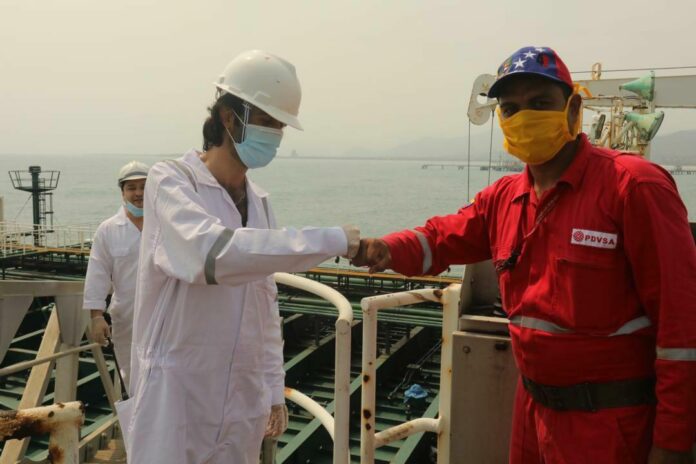
The envoy further noted that the first Iranian oil tanker “Fortune” has already unloaded its cargo in the port of El Palito and the other tankers are also moving towards their destination.
“The two tankers that have arrived in Venezuela – Fortune and Forest – were not bothered by any country,” he said.
“The dispatch of tankers carrying fuel and raw materials to equip Venezuelan refineries was based on international protocols, as the tankers are moving towards Venezuela in accordance with international navigation regulations. The international organisations have been informed about the route and destination of these oil tankers.”
Soltani underlined the arrival of Iranian oil tankers is a great and historic achievement for the two nations of Venezuela and Iran, which are under the US pressure and have independent policies. He also described it as a victory for the international community.
“The United States, as a country that violates international treaties, has clearly failed to impose restrictions on these tankers,” Soltani said.
“The United States has a long history of breaching treaties and agreements. It has withdrawn from the Paris Agreement, but claims it abides by international treaties, including the freedom of trade and seafaring. All countries, including the United States, can enjoy the benefits by respecting treaties and agreements. I believe this victory belongs to all countries.”
Soltani said the US unilateral sanctions against Venezuela, Iran and several other countries have lost their efficacy and are not as effective as before.
Further, the Iranian ambassador to Caracas noted that, for example, when the United States withdrew from the nuclear deal and imposed a unilateral embargo on Iran, even its allies opposed it and sought to bypass the sanctions in practice. The State Department also imposed unilateral sanctions on Venezuela, but some countries including Iran opposed the sanctions, and opposition voices grew.
“The United States has sought to boost its economy and put pressure on other countries using the leverage of its dollar, but countries opposed to the United States have not backed down,” concluded Soltani.
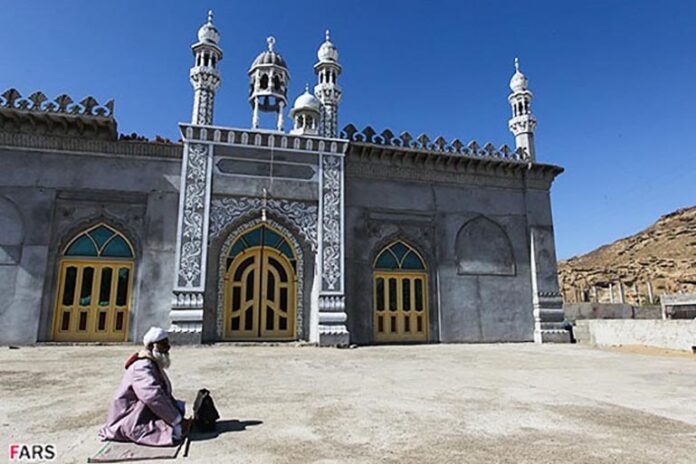
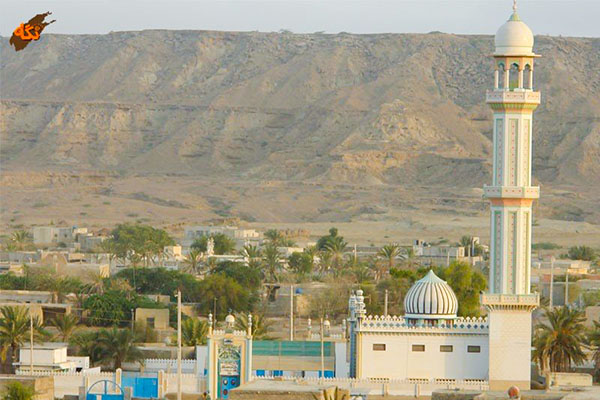
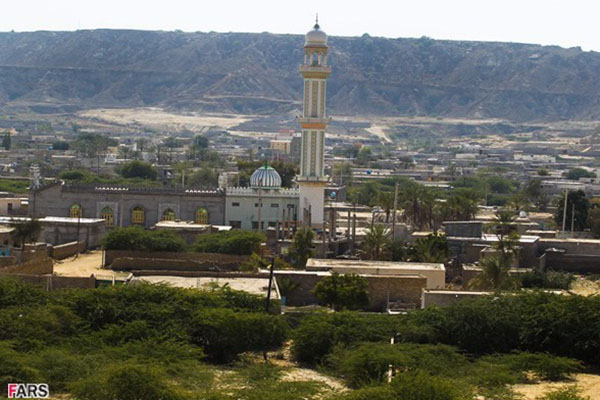
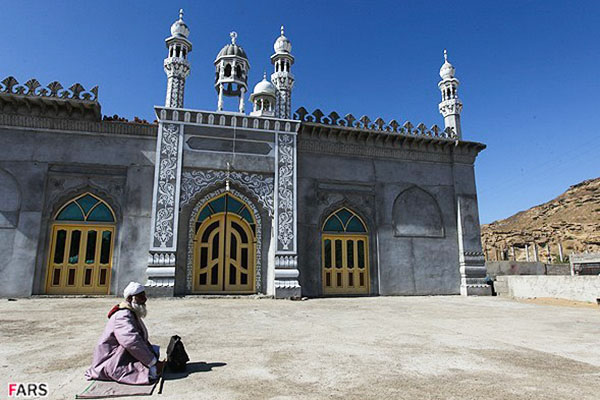
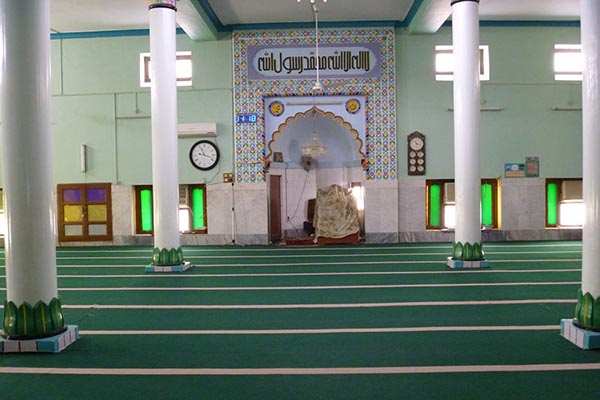
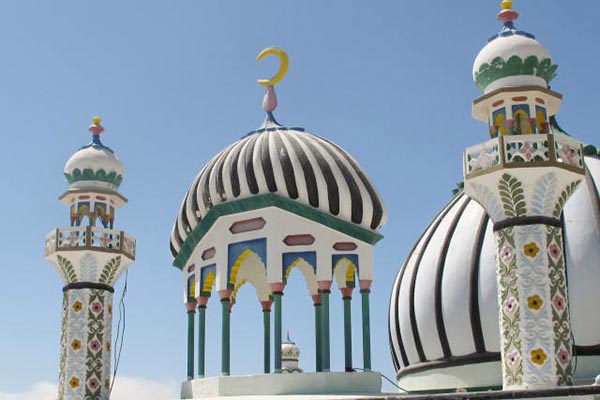
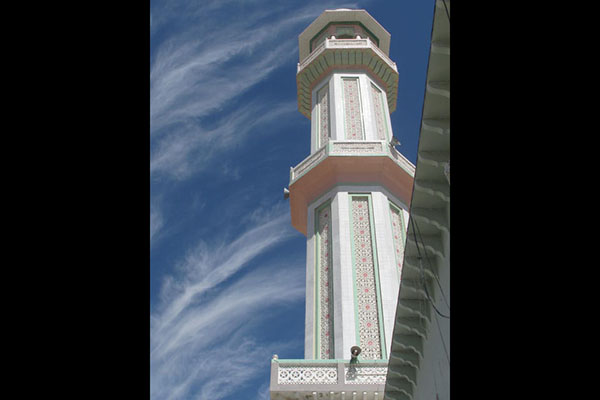
Tis Mosque is located in a beautiful namesake village, 9 km from Chabahar.
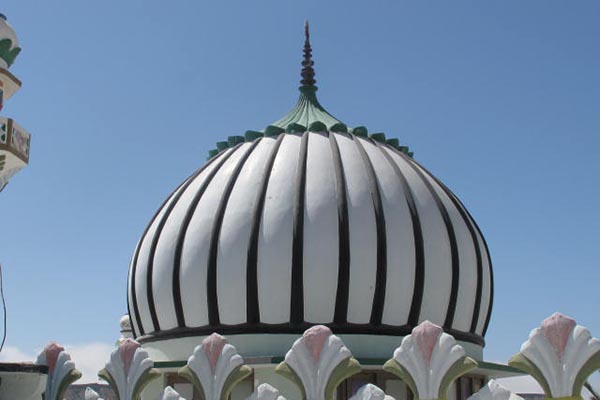
The mosque was first built 1,000 years ago. Thanks to the single-minaret mosque’s proximity to Pakistan and India, its architecture and interior design are similar to the Muslim worship places in those countries.
The following images have been released by different websites:
The meeting held on May 20, 2020 was themed “accelerating action for and delivery of the 2030 Agenda in Asia and the Pacific.”
The meeting where Iran’s statement was also read out was a preamble to the 2020 session of the UN High-level Political Forum on Sustainable Development (HLPF).
Present at the meeting was Nargess Saffar as the head of the seven-strong Iranian delegation. She is in charge of a centre tasked with handling international issues as well as conventions of the Iranian Department of the Environment.
In her speech, she touched upon emerging diseases such as the novel coronavirus and drew attention to the destruction as well as mismanagement of biodiversity. She underscored that the health of human beings and that of the earth go hand in hand.
“Given the consequences of this disease which get in the way of sustainable development as well as a change in countries’ priorities due to the economic harm they have suffered as a result of the disease, it is suggested that a strategic plan be drawn up in order to make up for the losses following the coronavirus outbreak and that efforts be made to create green jobs and also green financial and tax packages be defined,” she said.
She noted that a shortage of financial resources and a lack of required technology and knowhow will affect efforts to achieve the desired objectives. She called for reports to be drawn up and presented at the regional level.
Saffar also expounded on the measures adopted by Iran in the domains of welfare, health, education and agriculture despite economic challenges caused by sanctions. She also enumerated Iran’s environmental problems as well as unstable situation in the region has affected decision-making by the Department of the Environment.
She further referred to the problems caused by sanctions in the way of pursuing sustainable development objectives.
The Iranian official called on all countries to move toward sustainable development regardless of certain countries’ move to capitalize on their political power to put pressure on others.
Iran’s former ambassador to Azerbaijan Republic says the tactics the US will use this time will remain at verbal level to save face for the election.
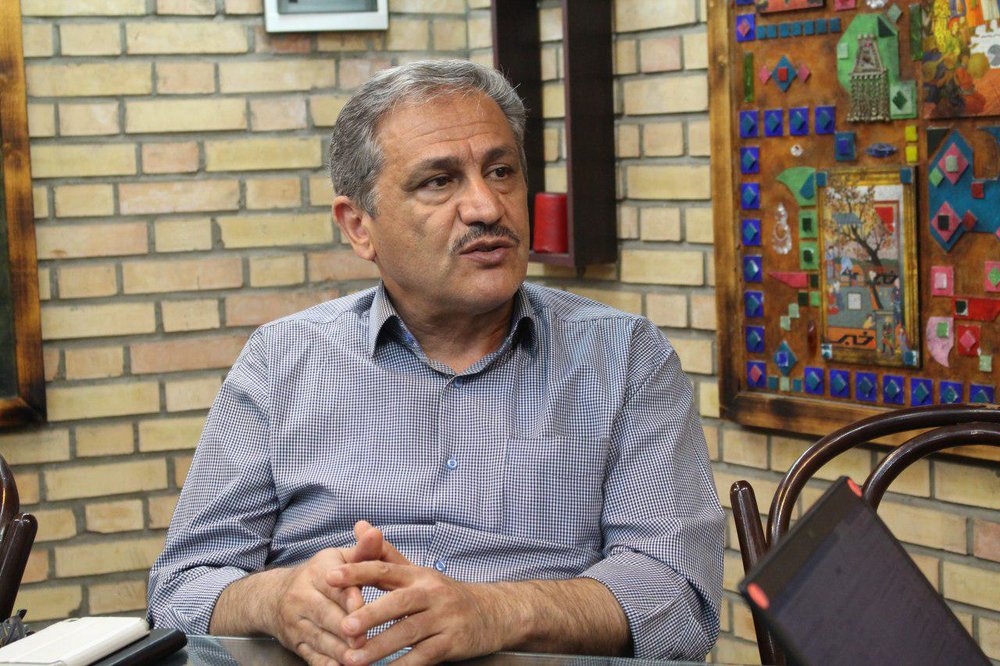
In an interview with Khabar Online, Afshar Soleimani said, however, any move against Iranian tankers by Washington will be in contradiction with international regulations.
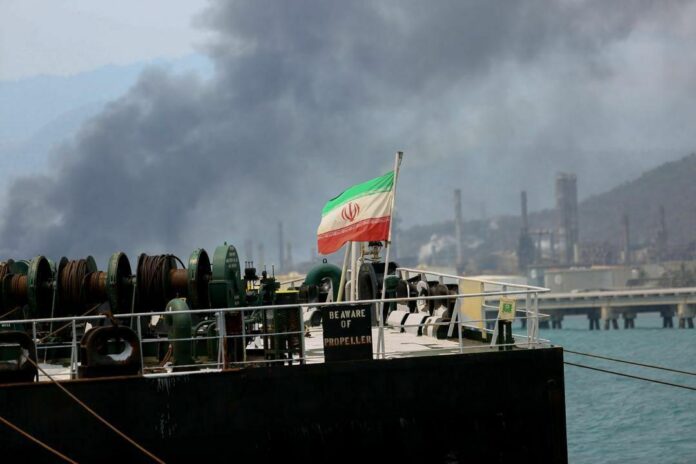
Since a few days ago, five Iranian tankers carrying gasoline have been heading to Venezuelan waters, and two of them have reached their destination so far.
This is not the first time Iran has displayed its loyalty to its allies. After helping the countries of the region, including Iraq and Syria, Iran has now taken a strategic decision and rushed to the aid of its gasoline-starved ally Venezuela regardless of ideological affairs.
The Iranian-flagged tankers cross the Atlantic Ocean and US warships to tell the world that Tehran and Caracas will continue to cooperate and trade legally, despite harsh and illegal sanctions. This is an issue that has angered American officials and posed a serious challenge to them.
What follows is Khabar Online’s interview with Afshar Soleimani:
Q: As the Islamic Republic of Iran’s oil tankers move toward Venezuelan waters, will the United States take any action?
A: There are a few things to keep in mind. First, any US action against Iranian tankers is against international law. Iran is no longer subject to UN sanctions, and the United States cannot cite the six resolutions that have been revoked. Tehran and Caracas have both been sanctioned by Washington, but international sanctions should not be taken into account. The only problem was the issue of financial exchanges, which was resolved through barters. Another important point is that these tankers are owned and flagged by the Islamic Republic of Iran, and the United States cannot do anything. One of the steps that could be expected to be taken by Washington in this regard would be to level accusations based on unfounded allegations. For example, the country recently called the Islamic Revolution Guard Corps a terrorist organisation and imposed sanctions. Therefore, it is possible they allege the members of the Quds Force were on these tankers. Of course, this will be a unilateral action by Washington. They may say that in addition to gasoline, weapons were also transported in these tankers. They may use Juan Guido, the leader of the opposition, who is a puppet, and claim that the weapons were supposed to be used to suppress the opposition.
At the same time, US warships have been moving toward Iranian tankers in the Caribbean, and the Venezuelan government has announced it will welcome and escort Iranian tankers. It goes without saying, however, that Venezuela is not powerful enough to react well in the event of a possible conflict.
Q: What are the possible consequences of any wrong action by the United States?
A: The analyses show as the US presidential election approaches, the United States will not take any ill-considered action because it is not worth it. Due to the recent developments, we have witnessed that an Iranian ship was seized in the waters of Gibraltar, and subsequently the Islamic Republic of Iran took reciprocal action and seized the British ship “Stena Impro”. The Americans do not seem to take such a risk. Events in Fujairah, the attack on Aramco, the downing of the US drone Global Hawk, the ill-considered action of the United States against General Qassem Soleimani, and Iran’s decisive response by attacking Ain al-Assad base have all made Washington be aware of the serious consequences of its possible action. Advisers and experts will certainly warn Trump, because in the event of any incident, tensions will increase, especially in the Persian Gulf. That will seriously jeopardise US bases and interests. Especially as the election is approaching and according to the latest polls, Donald Trump has fallen behind his rival, Joe Biden. As a result, any move could endanger Trump’s position, and he will block any action.
Q: Can we say not taking action against Iran is a signal or a green light by Washington to reduce tensions between the two countries?
A: Although verbal tensions between the Islamic Republic of Iran and the United States have recently escalated, the United States has only resorted to accusations and avoided practical action by examining developments such as the assassination of General Soleimani and Iran’s missile attack on Ain al-Assad. Recently, there seems to be a kind of intangible de-escalation between Iran and the United States. As for Iraq, we see the new government has come to power and the cabinet of Mustafa al-Kadhimi has received a vote of confidence from the parliament. In this regard, it seems that Tehran and Washington have had a kind of agreement. Given that some Shiite groups in Iraq opposed Kadhimi’s presence in power, it seems Tehran and Washington have had indirect contacts and cooperation to support him, which in a way reflects the understanding between the two countries.
In Afghanistan, we have recently witnessed the US representative in this country, Zalmai Khalilzad, has held a videoconference with Afghan groups and some countries in the region, to which the Iranian representative attended. This can also be considered as a new green light. Iran supports inter-Afghan talks and is in touch with the Taliban. The same is true of the United States, and there is a consensus. Of course, the issues in Iraq and Afghanistan are not that simple, and the process of solving the problems will take a long time. However, such cooperation between Iran and the United States could lead to other regional cooperation, including in Syria, Lebanon or Yemen.
Another recent development that did not appear to be related to Iran was the withdrawal of US anti-missile systems called Patriot from Saudi Arabia, which could also be seen as a positive step towards de-escalation between Tehran and Washington.
The non-fulfillment of US oil demands in Saudi Arabia was the main reason for the exit of these systems, but overall, Washington has come to the conclusion that it should not interfere so much in regional issues. Considering its position in oil production, the Persian Gulf region is not as important to the United States as it used to be, even with lower energy prices.
Q: How can the issue of tankers shipment become an opportunity to defuse tensions?
A: It can be said that behind the scenes, there is a series of indirect cooperation between Tehran and Washington, and it is likely that the United States does not take action against Iranian tankers. At the same time, the arrival of these tankers in Venezuela could provide another opportunity to continue de-escalation. Given Trump‘s declining popularity, he may defuse tensions with Iran and even give Iran concessions. On the other hand, Iran seeks to secure its own national interests, and Trump or Biden make no difference. Although Democrats and Republicans are tactically different, they are not strategically so different.
Another point to keep in mind is that Iran has sent its tankers to Venezuela in these special circumstances. The ships have traveled over 10,000 kilometres; therefore, it’s not a cost-effective. Therefore, it is more like a symbolic move. On the other hand, Iran is not supposed to supply gas or gasoline to Venezuela forever. With this move, the Islamic Republic of Iran intended to test the United States more.















 What follows is Khabar Online’s interview with Afshar Soleimani: