Monday, December 22, 2025
Home Blog Page 2815

Iran’s COVID-19 Fatalities Down to Lowest Number in 2 Months

Iran’s New COVID-19 Cases, Fatalities Down to Record-Low

Kianoush Jahanpour, the Health Ministry‘s spokesman, said on Monday the new fatalities raise the overall death toll to 6,685.

He also confirmed 1,683 new cases of infection, raising the total cases to 109,286.

The spokesman said 2,703 patients are currently in severe conditions of the disease.

He also noted that so far 601,324 COVID-19 tests have been taken.

Coronavirus online test
If you are worried that you may have contracted the Coronavirus, take this test right now.

A Look at Iranian Newspaper Front Pages on May 11

A Look at Iranian Newspaper Front Pages on November 18

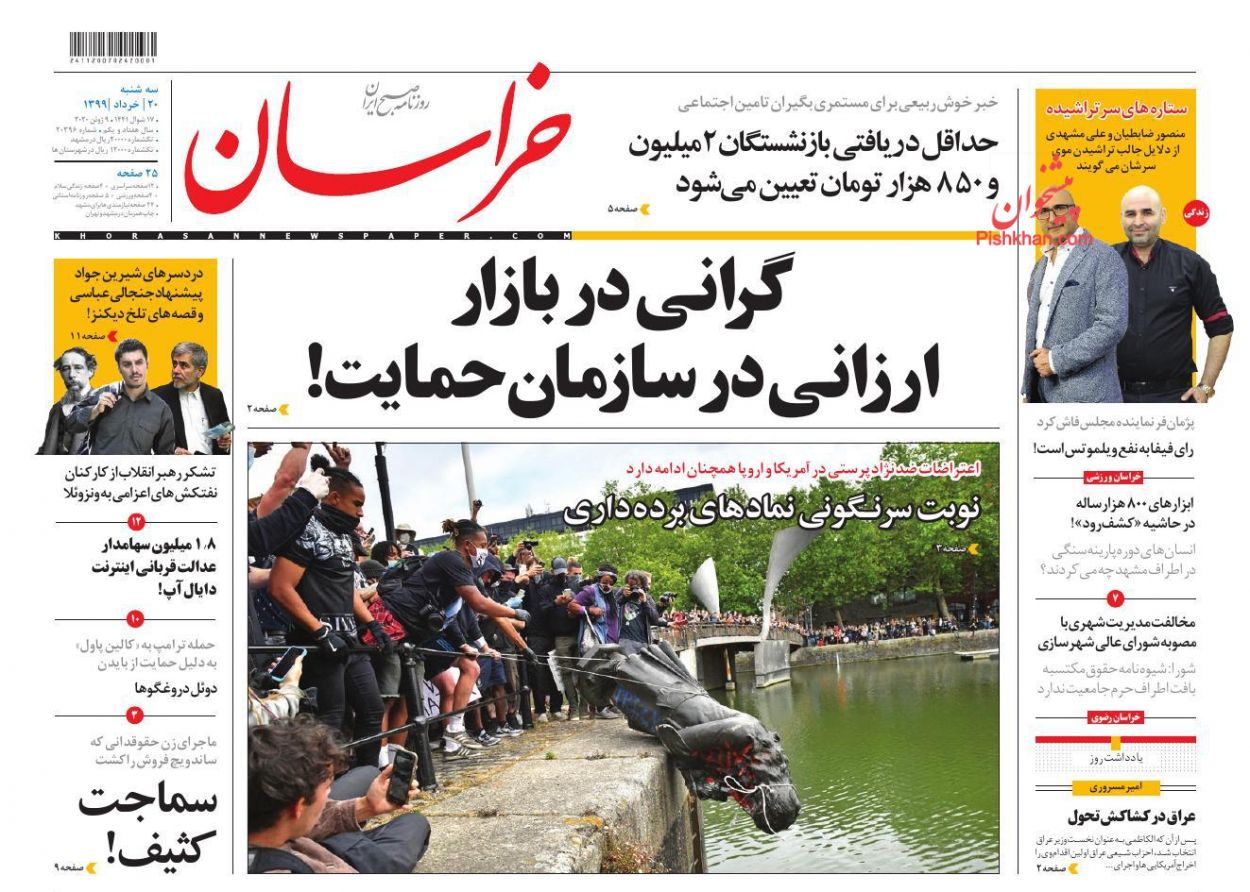
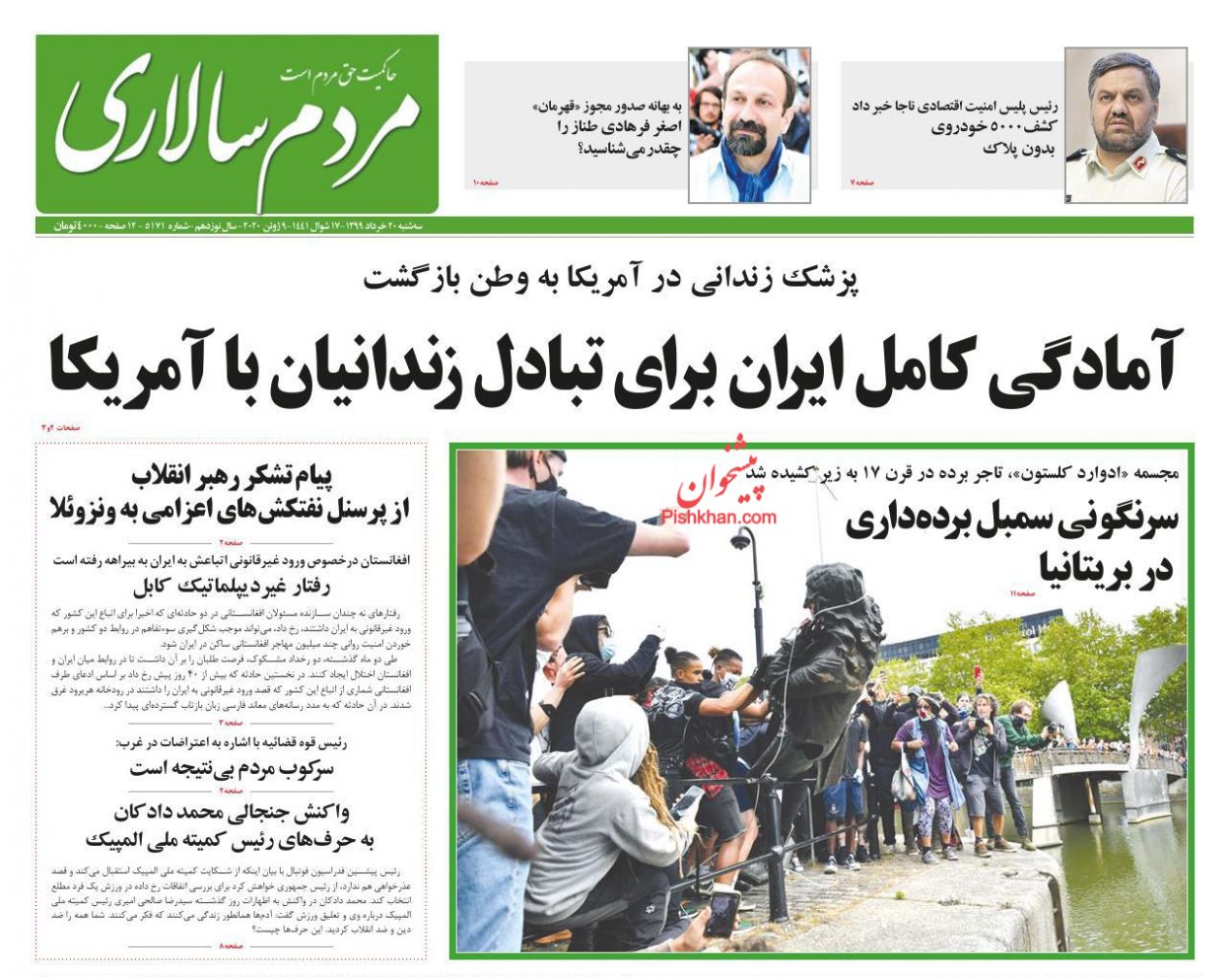
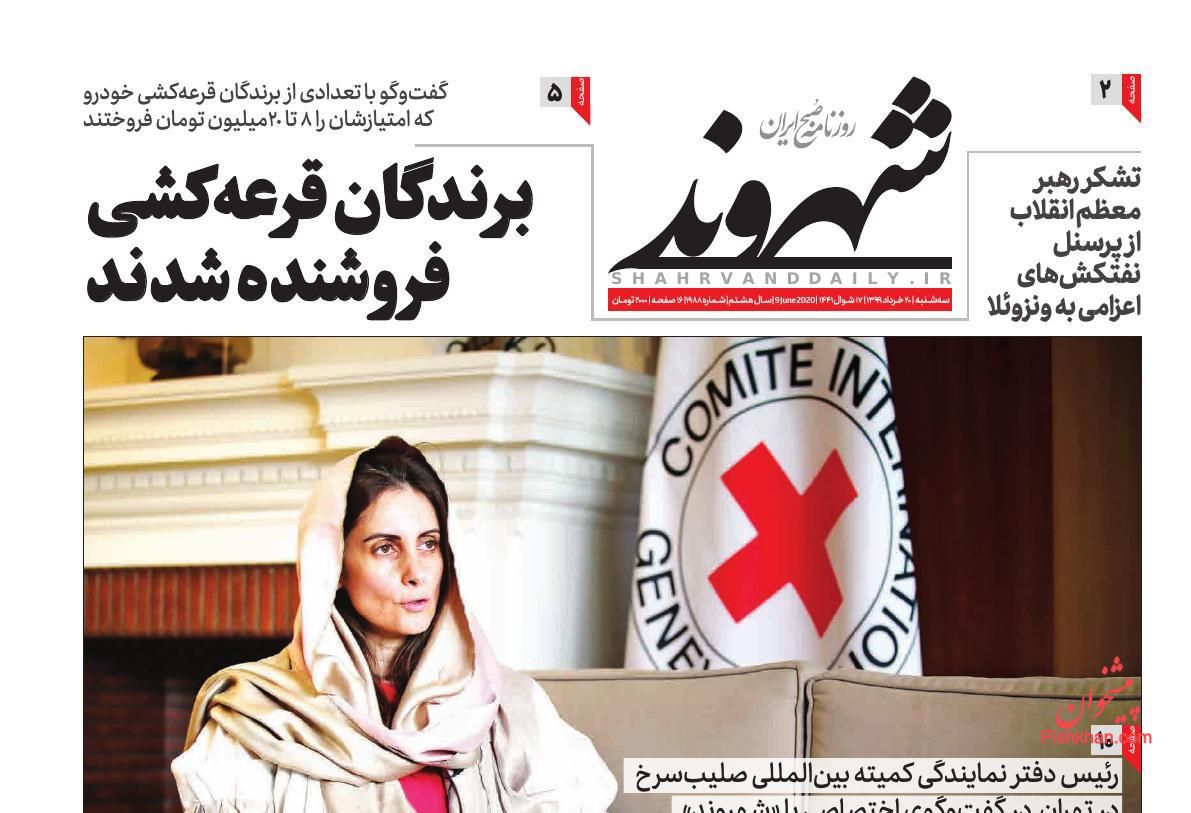
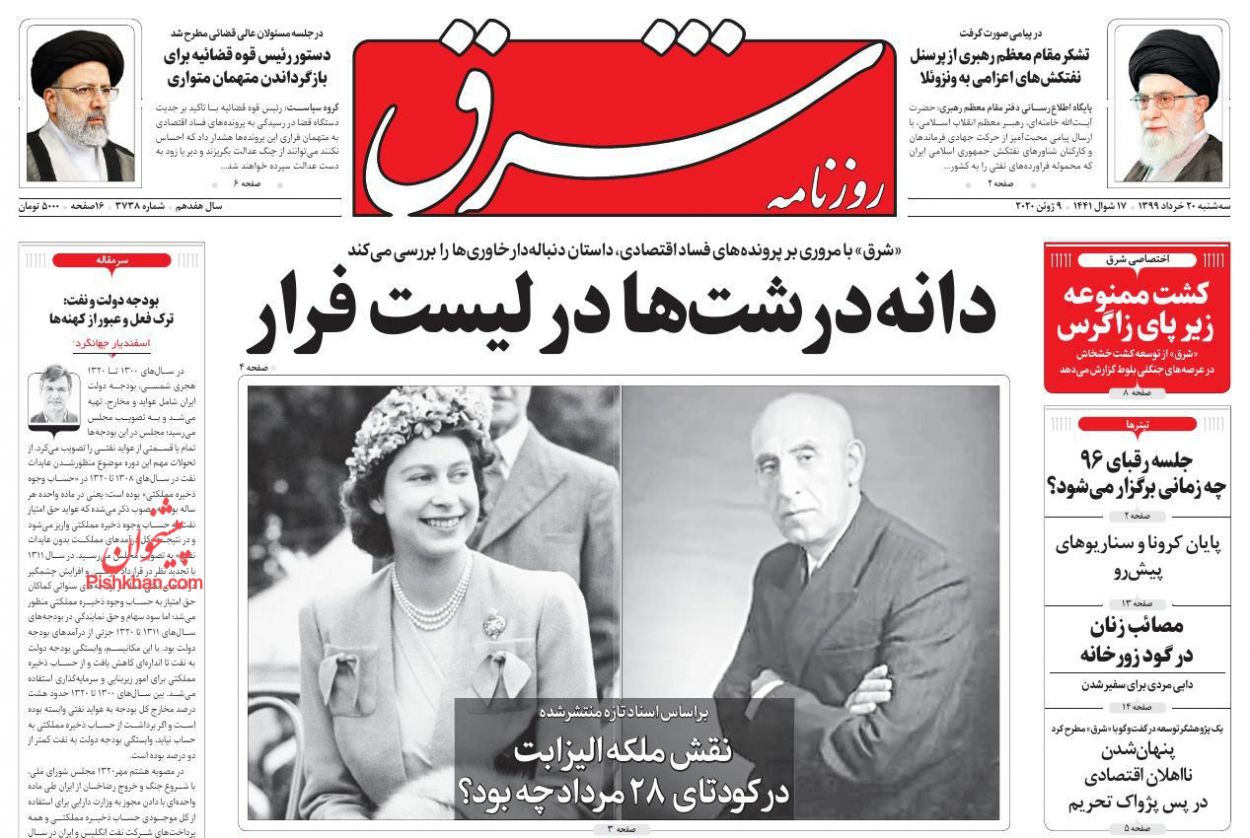
Iranian Newspapers

Afkar Newspaper:

1- Iran Leader: West Failed in Managing Coronavirus Crisis
2- Iran’s Envoy to UN: Swiss Humanitarian Channel Not Enough to Meet Iran’s Needs

A Look at Iranian Newspaper Front Pages on May 11


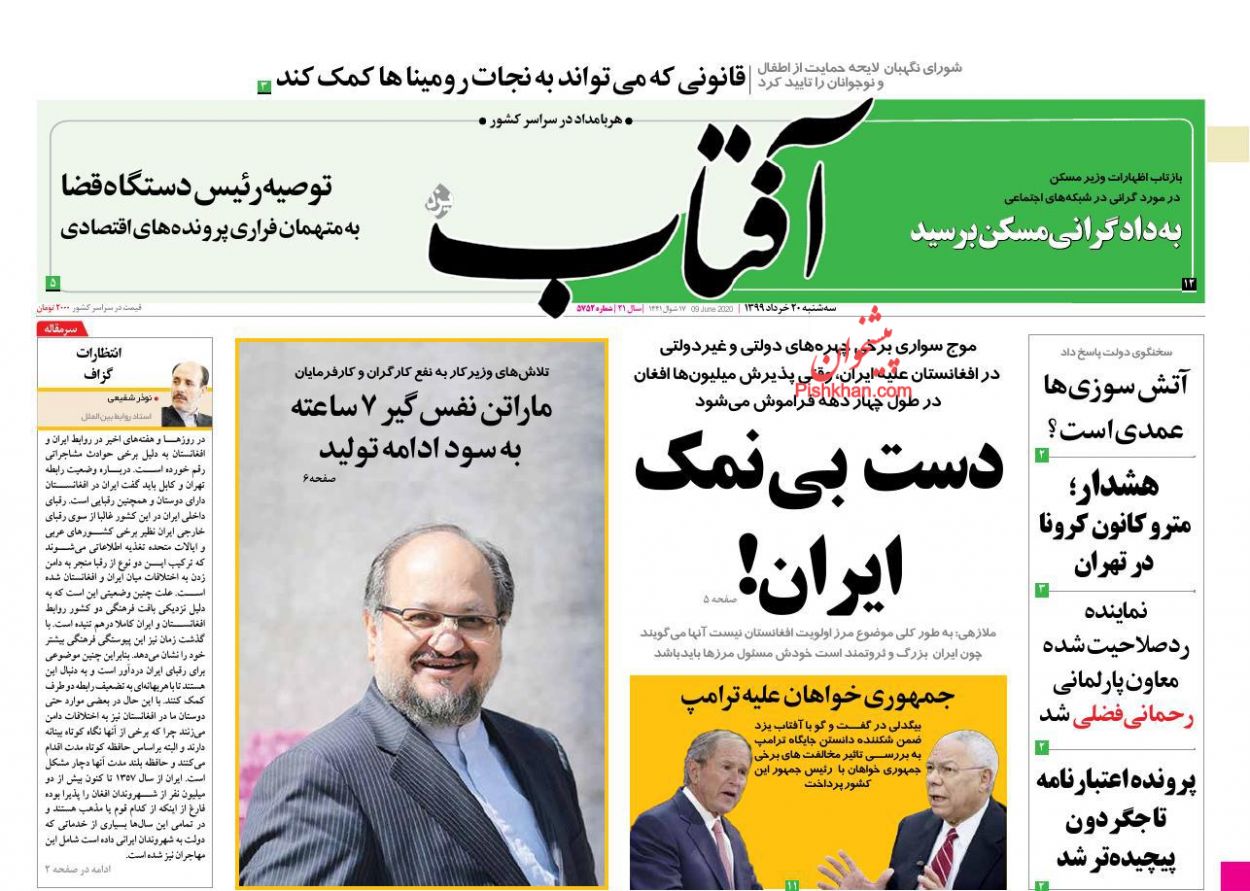
Aftab-e Yazd Newspaper:

1- Iran Leader: People, Officials’ Fight against Corona Source of Honour
2- Conditional Reopening of Schools as of Next Week
3- Gov’t Spokesman: Iran Ready for Unconditional, Unmediated Swap of Inmates with US

A Look at Iranian Newspaper Front Pages on May 11


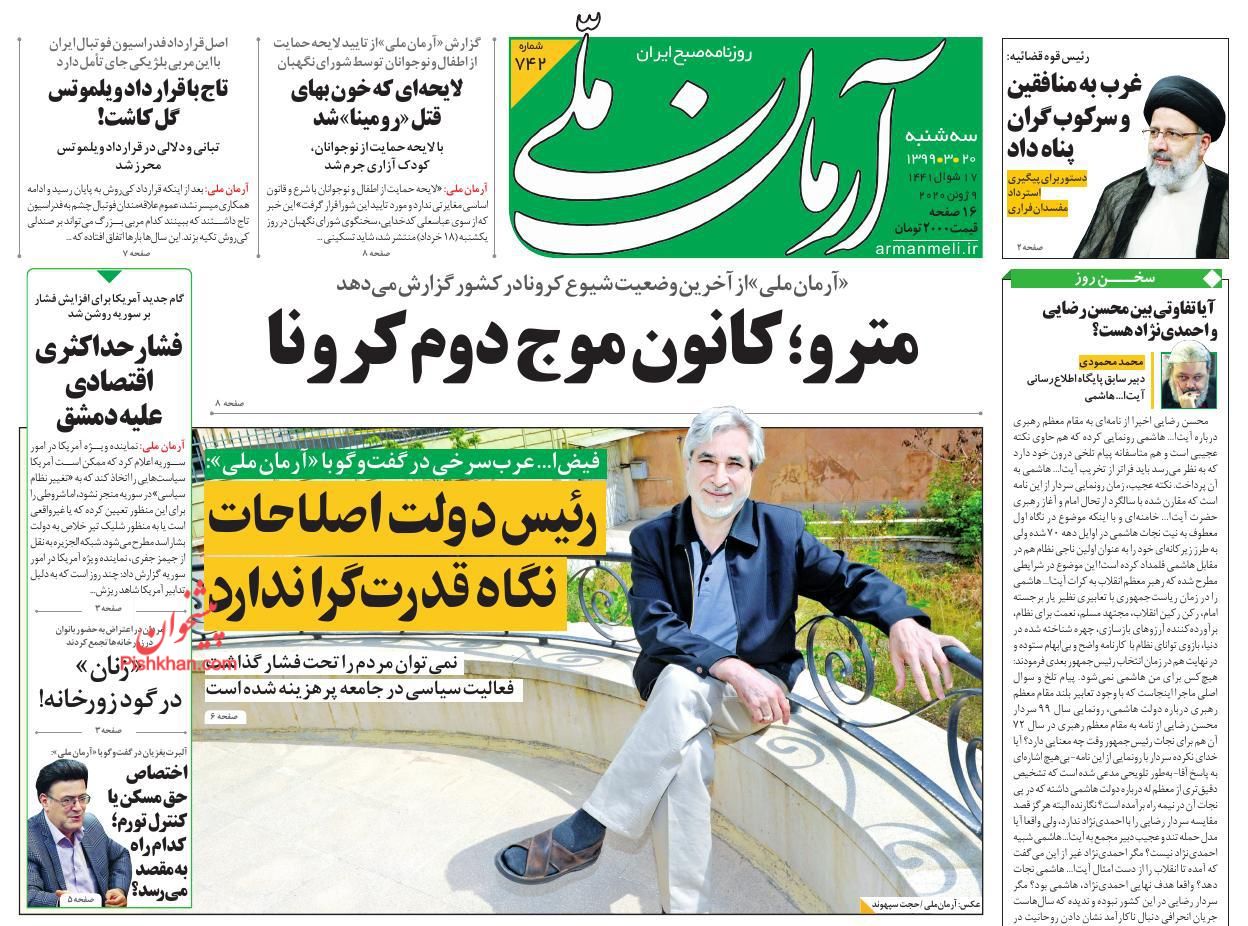
Arman-e Melli Newspaper:

1- Covert Strategy: Trump Seeking to Convince Turkey to Abandon Iran
2- Lawmakers Urge Zarif to Elaborate on Damage Iran Must Pay to UK Embassy
3- World’s Women Leaders Demand Removal of Iran Sanctions in Reply to Iran VP’s Letter

A Look at Iranian Newspaper Front Pages on May 11


Ebtekar Newspaper:

1- Diplomacy of Swap at Peak of Sanctions
* A Report on Iran-US Prisoner Swap
2- Iran Leader: People Shined in Fight against Coronavirus
3- Iran’s UN Envoy: Swiss Channel Insufficient to Meet Iran’s Needs

A Look at Iranian Newspaper Front Pages on May 11


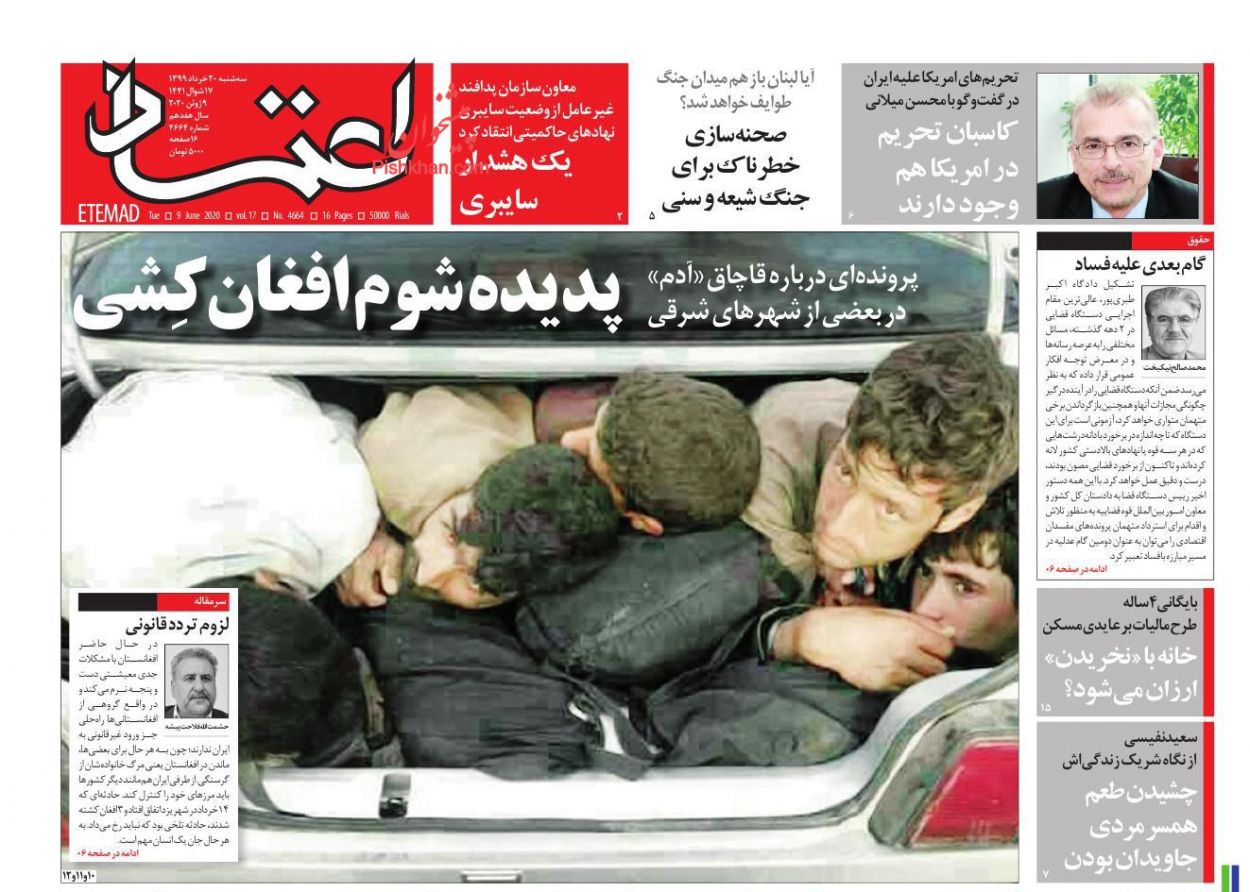
Etemad Newspaper:

1- Iran Leader: I Don’t Propose Anything; Corona HQ Has Final Say

A Look at Iranian Newspaper Front Pages on May 11


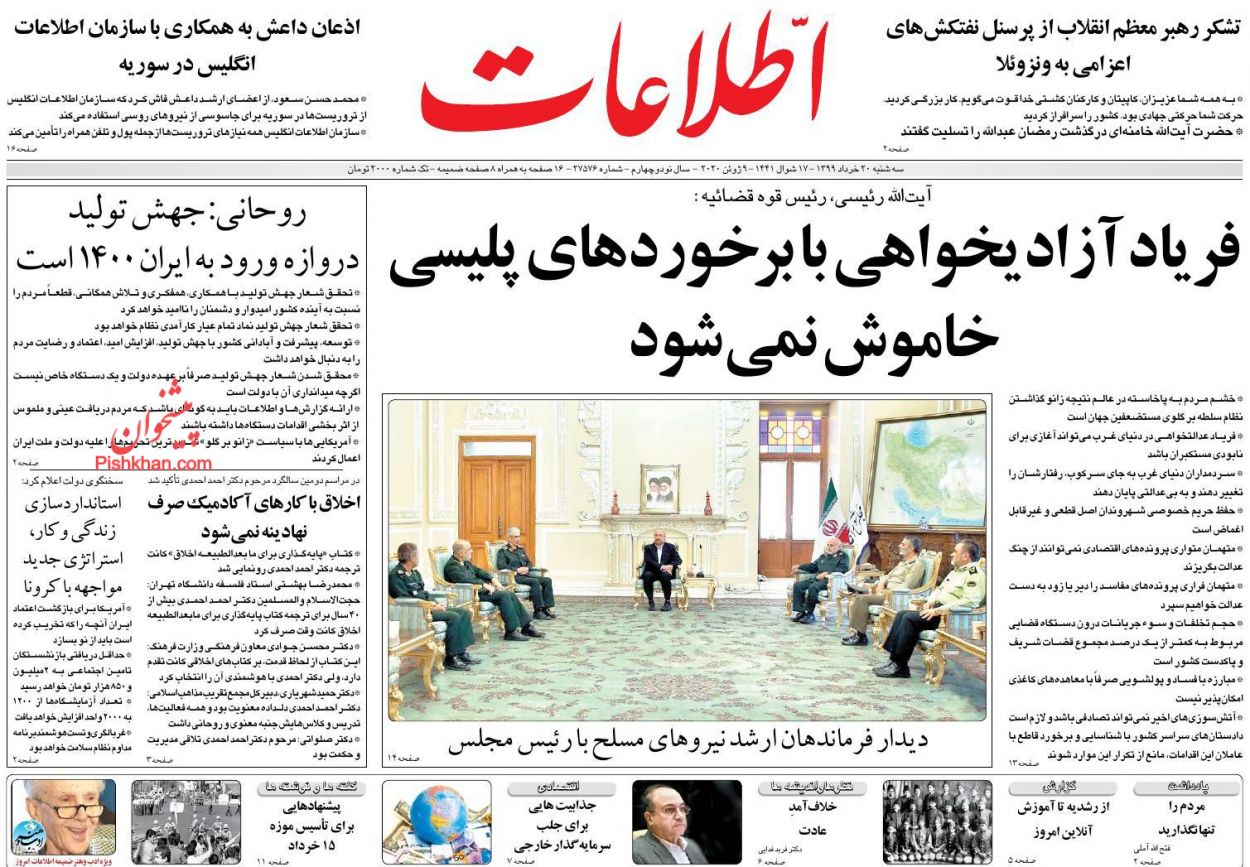
Ettela’at Newspaper:

1- Iran Leader: National Honours of Fight against COVID-19 Must Be Written in History
2- NAM Urges Removal of Int’l Sanctions amid COVID-19 Pandemic

A Look at Iranian Newspaper Front Pages on May 11


Hamshahri Newspaper:

1- Difficult Days of Those Who Recovered from COVID-19
* Social Problems Hidden Under Shadow of COVID-19 Pandemic
2- Iran Leader: National Corona HQ Has Final Say

A Look at Iranian Newspaper Front Pages on May 11


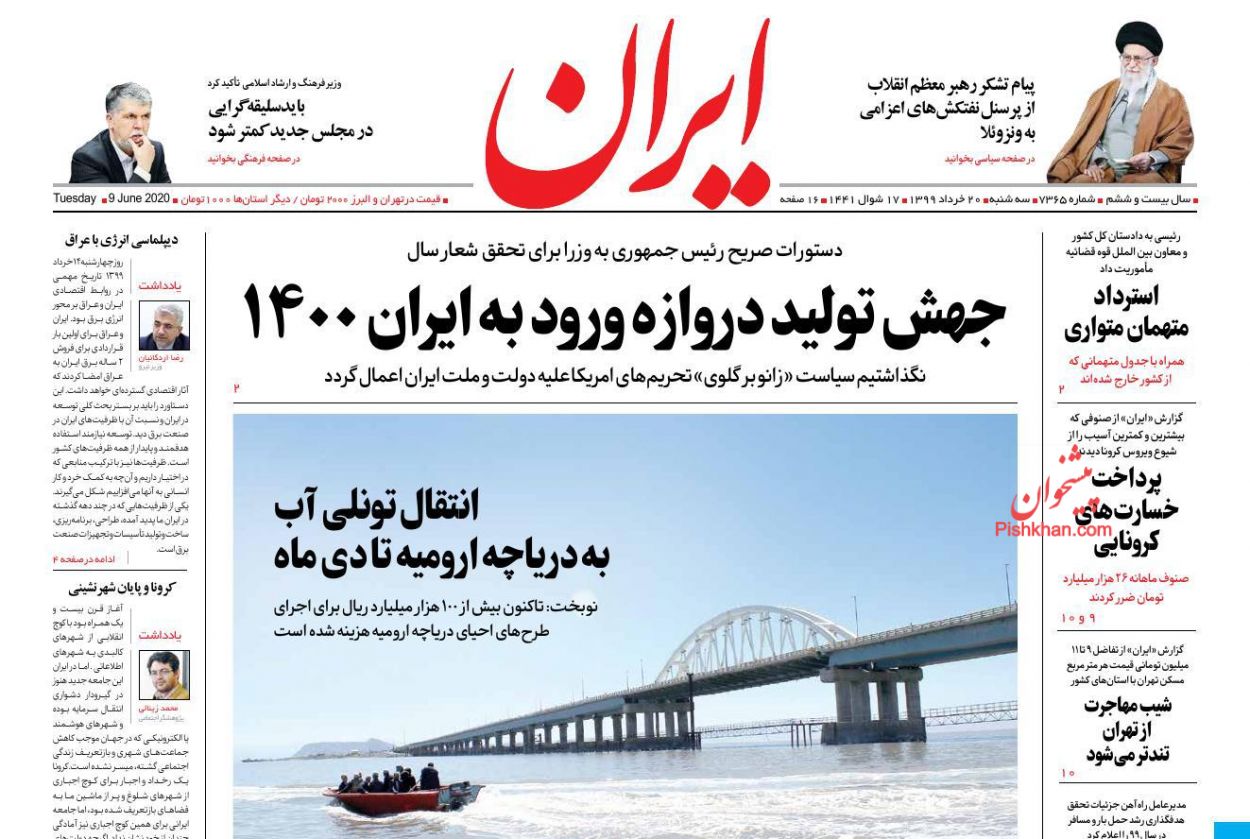
Iran Newspaper:

1- Leader Praises Efforts in Fight against Coronavirus
2- Iranian City of Abadan Back to Full Lockdown
3- Optional Reopening of Schools

A Look at Iranian Newspaper Front Pages on May 11


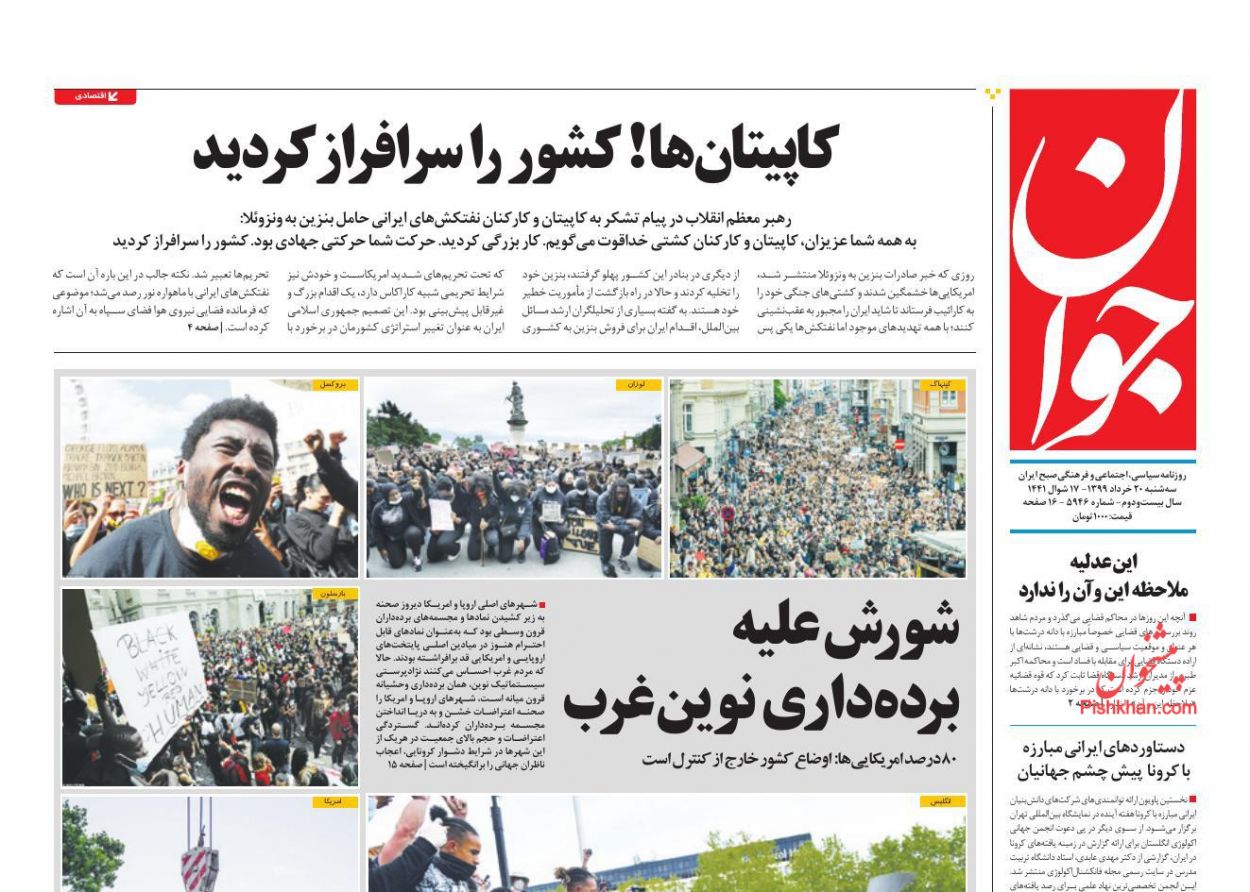
Javan Newspaper:

1- Leader to Corona HQ: You Were Hard-working, Amazing

A Look at Iranian Newspaper Front Pages on May 11


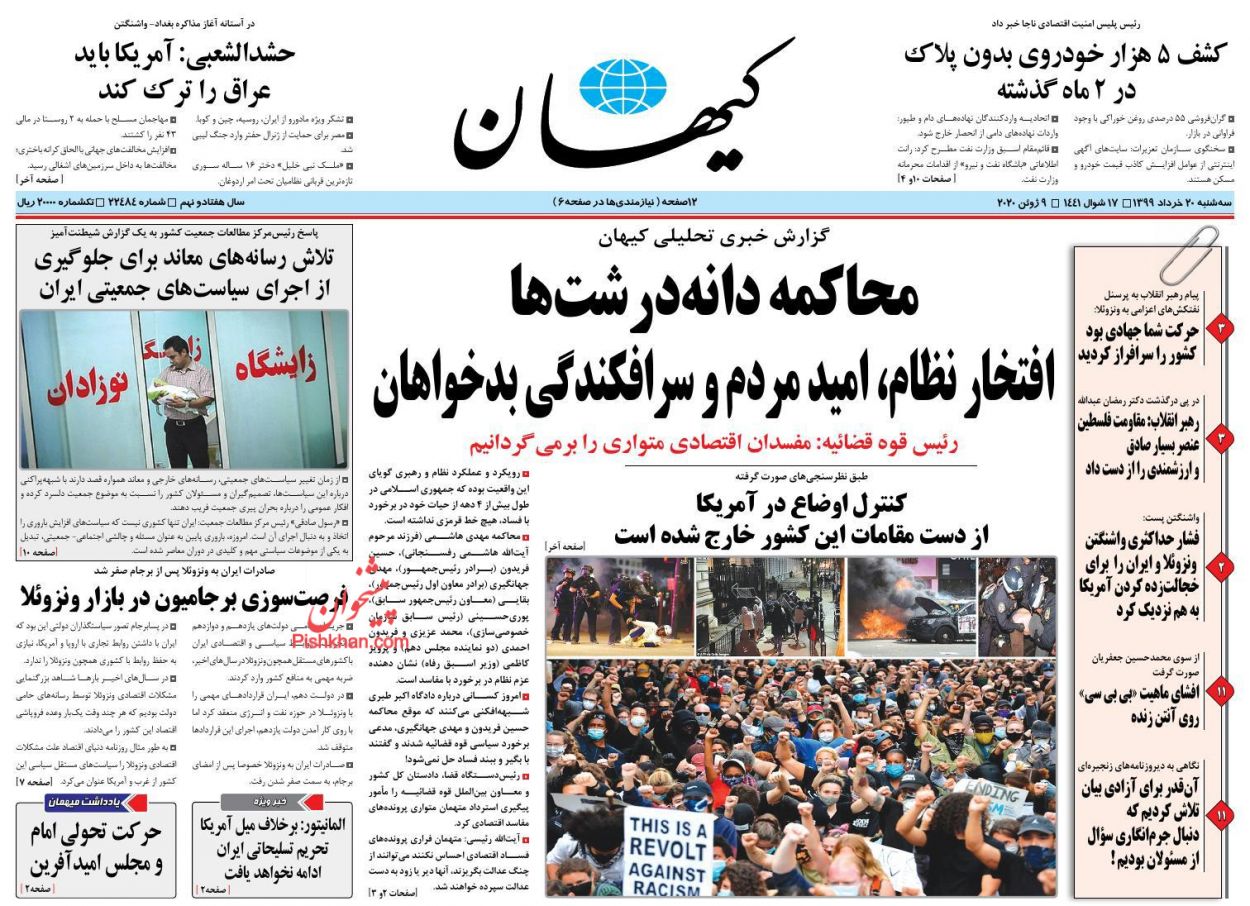
Kayhan Newspaper:

1- Leader: Westophiles Don’t Want West’s Failure in Corona Management Be Noticed
2- Rouhani: We Shouldn’t Let There Be Beggars in Streets
3- Atlantic Council: China Helps Iran, but US Interferes, Sanctions

A Look at Iranian Newspaper Front Pages on May 11


Shahrvand Newspaper:

1- Restrictions May Be Re-Imposed If COVID-19 Figures Continue to Rise

A Look at Iranian Newspaper Front Pages on May 11


Shargh Newspaper:

1- Iran Leader: West Failed in Corona Management in Three Fields
2- MP Motahari Warns about Danger of Monotony, Urges Reform in Structures
3- Guardian Council Reacts to Motahari’s Remarks

A Look at Iranian Newspaper Front Pages on May 11

Mosques to Reopen Across Iran in Conformity with Social Distancing Measures

Mosques to Reopen Across Iran in Conformity with Social Distancing Measures

The health ministry made it clear that social distancing must be observed by worshippers attending mosques.

“Qadr night rituals must be held with a limited capacity for worshippers and preferably in open spaces,” said deputy health minister Alireza Raisi on Monday.

He said each worshipper must maintain a distance of at least one metre from other people in front, at the back and on the sides.

“Those taking part in Qadr night ceremonies must wear masks and gloves, take with them their own prayer mats and copies of the holy Quran,” he added

“If the rituals are held indoors, a maximum of one-fourth of the whole space must be used,” he said.

He noted a maximum two hours has been allocated to the rituals on each night.

The announcement came one day after Leader of Iran’s Islamic Revolution Ayatollah Seyyed Ali Khamenei highlighted the importance of worshipping and attending prayer rituals in mosques for the Muslim nation of Iran. However, the Leader emphasized that it is up to the National Coronavirus Headquarters to make a decision in that regard.

In Islamic teachings, the Qadr night (Laylat al-Qadr) is the night when the holy Quran was first sent down from Heaven to the world and also the night when the first verses of the Quran were revealed to the prophet Muhammad.

Coronavirus online test
If you are worried that you may have contracted the Coronavirus, take this test right now.

According to many Muslim sources, it was one of three nights during the last ten days of the holy month of Ramadan, the ninth month of the Islamic calendar. Since that time, Muslims have regarded the last ten nights of Ramadan as being especially blessed.

Muslims believe that the Qadr night comes with blessings and mercy of God in abundance, sins are forgiven, supplications are accepted, and that the annual decree is revealed to the angels who carry it out according to God’s plan. As it is not clear which of three odd-numbered nights in the last ten days of Ramadan is actually the Qadr night, Muslims keep vigil and say prayers on all of those three nights.

Iran President Vows Unflinching Support to New Iraqi Government

Iran President Vows Unflinching Support to New Iraqi Government

In a Monday phone conversation with Prime Minister Mustafa al-Kadhimi of Iraq, Hassan Rouhani underlined the need to further enhance bilateral relations and work towards the implementation of joint agreements.

The Iranian president also warned against plots hatched against Iraq. “We should watch out for conspirators targeting Iraq’s interests,” said Rouhani.

President Rouhani reiterated that Iran, as always, offers its unflinching support to the Iraqi government for its gains in favour of the Iraqi nation.

Rouhani noted that Iran attaches great significance to the independence, political stability, national sovereignty and integrity of Iraq, expressing hope that cordial relations between Tehran and Baghdad will further expand.

The Iranian president highlighted the necessity of ensuring peace and stability in Iraq.
“As we proved that we were standing by the Iraqi nation in the fight against the ISIS, now we are saying that we will stand by the government of this country now wholeheartedly,” he added.

He further underscored the need to boost trade and economic cooperation between the two countries. President Rouhani said trade exchanges via land borders of the two countries as well as the activities of border markets between the two countries should be enhanced.

The Iranian president urged both countries to implement the agreements they have already clinched, including projects to lay an oil pipeline, connect the two countries’ rail networks and dredge the Arvand River.

He then touched upon the coronavirus pandemic in the world, urging Iran and Iraq to work together and exchange information and know-how with regards to the fight against the virus. He said Iran stands ready to offer any kind of assistance to Iraq to help it combat COVID-19.

The Iraqi premier, in turn, said the region and the whole world are at a sensitive juncture now.

He said any problem will be solved through wisdom, logic and rationality, expressing hope the two sides can work hand in hand to tackle problems.

The Iraqi PM also underlined the need to expand mutual economic and trade relations, reopen land borders and resume exchanges of commodities, saying such moves will help further consolidate economic ties between the two sides.

Iran Denies Claim that Guarantor States Deciding Syria’s Future

US Will Fail to Extend Iran’s Arms Embargo: Spokesman

Foreign Ministry Spokesman Seyyed Abbas Mousavi said on Sunday that such allegations are baseless, stressing that it is only the Syrian people who will make decision about their future, the type of government and their rulers.

“The Islamic Republic of Iran has always stood by the Syrian government and people to fight terrorism, and will continue this strategy in the future.”

Iran, Russia and Turkey, as guarantors of the Astana Process, are working to reinforce the Syrian-Syrian dialogue and let Syrians decide their future by establishing de-escalation zones, forming a constitutional committee, and following up on the dialogue process and national reconciliation, added Mousavi.

Syria has been gripped by civil war since March 2011 with various terrorist groups controlling parts of it.

Reports say the conflict has claimed the lives of over 470,000 people, wounded nearly 2 million others, and displaced nearly half of the country’s population.

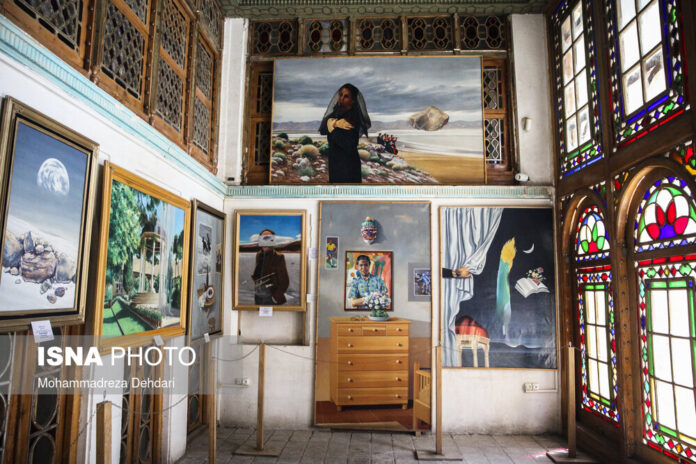
20 New Inscriptions Found in Iran’s Naqsh-e Rostam Necropolis

20 New Inscriptions Found in Iran's Naqsh-e Rostam Necropolis

Archaeologists say the inscriptions were unearthed from Kuh-Hussein walls and the tombs of Achaemenid kings.

In the historical complex of Naqsh-e-Rasam, there are several monuments, including carvings that have not yet been discovered.

Naqsh-e Rostam, the site where the inscription was found, was a necropolis and religious centre about 12 km northwest of Persepolis, the ceremonial capital of the Achaemenid Empire. However, some of the relics on the cliffs may date as far back as the pre-Iranian Elamite period.

Fazlollah Habibi, an archaeological expert of Persepolis World Heritage Site, says a large number of Sassanid reliefs have been unearthed in Naqsh-e Rostam.

“Throughout the Sassanid era, carvings on rocks, antiquities, stones, and coins continued and numerous inscriptions of Sassanid kings, priests, elders and ordinary people have remained.”

He went on to say that studies conducted since the time of Ernst Emil Herzfeld show more than 98% of the Pahlavi script inscriptions on the slopes of the city of Istakhr and Naqsh-e Rostam are tombstone carvings.

“However, recent expert visits to Kuh-Hussein and the tombs of Achaemenid kings have revealed other Pahlavi inscriptions, most of which do not include tombstones. They are private inscriptions about the construction of Naqsh-e Rostam, the shepherd community’s views as well as prayerful monographs. These releifs were discovered in the winter of 2020.”

Habibi further noted that many of these inscriptions, which include over twenty writings in Pahlavi script, not only are amazing, but also show the ignorance of the archeological community about the numerous works on Naqsh-e Rostam necropolis.

“Most of these inscriptions have been so damaged by erosion and the passage of time that they cannot be read; therefore, this has led to many problems in deciphering them.”

Habibi also pointed out that these inscriptions had been finally read by Abolhassan Atabaki and are ready to be published in scientific journals.

These inscriptions, which are written in Pahlavi script belong to the late Sassanid period and the early Islamic era.

According to experts, Naqsh-e Rostam necropolis and its surroundings will attract the attention of the archeological community in the near future, and also will create an important tourist site on the tombs of Achaemenid kings.

Iran, Afghanistan to Launch Joint Probe into Harirud Incident

Iran, Afghanistan to Launch Joint Probe into Harirud Incident

Iran’s Foreign Minister Mohammad Javad Zarif and his Afghan counterpart Mohammad Hanif Atmar have discussed the drowning of a number of Afghan migrants in the Harirud River near Iran’s northeastern borders.

In a telephone conversation on Sunday night, Zarif gave an assurance that an Iranian team will investigate the incident, adding they will soon begin their job at the scene.

For his part, Atmar said the Afghan government has deployed a delegation to Herat province to probe into the incident underlining that the team has already begun its investigations there.

Both sides also agreed that, if necessary, a joint delegation hold a joint meeting at the border, or in the cities of Mashhad and Herat, according to a statement by the Afghan Ministry of Foreign Affairs.

Afghanistan claims Iranian border guards have tortured and thrown a number of Afghans into Harirud River to prevent their entry into the Islamic Republic.

The governor of Gulran district Abdul Ghani Noori says out of 55 Afghan migrants who were forced into the river, 18 bodies have been recovered so far. He said six migrants were still missing while others survived.

Iranian officials, however, have dismissed the claims, saying the incident occurred inside Afghanistan’s territory.

Nearly three million Afghan refugees are living and working in Iran. Tens of thousands returned to Afghanistan after the coronavirus pandemic, but as restrictions ease in Iran, many are again looking for jobs in the country.

Several Killed, Injured in Naval Accident Off Southern Iranian Coast

Several Killed, Injured in Naval Accident Off Southern Iranian Coast

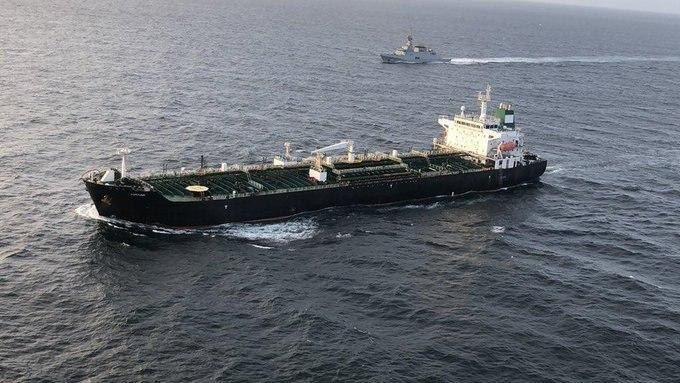
The accident happened to Konarak vessel off the port city of Jaask, according to a statement by the Iranian Army’s Navy.

It occured when a number of vessels belonging to the Iranian Navy were conducting exercises.

An investigation has been launched into the cause of the accident.

Health officials say right after the incident on Sunday evening, 10 ambulances were sent to Haft-e Tir wharf to take the injured to the hospital.

They say a total of 16 people have been taken to Imam Ali Hospital, with two people in ICU and one in surgery.

The Konarak Vessel, with body number 1403, is one of several Iranian “Hendijan” class navy vessels that are responsible for logistics and support.

These vessels were made by the Dutch Damen factory in 1988, and are known by MIG-S-4700-SC ID.

The Hendijan class vessels (including the Kunarak) are 47 metres long, and 8.5 metres wide, while their draft is 2.9 metres.

With a carrying capacity of 460 tonnes, these vessels can play the role of a light logistics boat capable of carrying more than 100 people at high speed.

Mine laying and carrying up to 40 tonnes of water and the capacity to carry cargos up to 40 tonnes only on the deck are among other capabilities of this boat.People Killed in Konarak Accident

Although these vessels, as mentioned, have the main task of supporting, but according to Tasnim News Agency, some of them (including Konarak) have been equipped with various weapons such as cruise missiles in recent years, and in addition to their main task, they can also appear as a patrol vessel.

Another weapon mounted on these vessels include a Oerlikon 20 mm cannon.

However, on some of these Hendijan-class vessels, instead of cruise missiles, UAV launchers have been installed, which will help them in reconnaissance missions.

It should be noted that the Konarak vessel joined the fleet of Iran’s Army Navy in Konarak city on October 7, 2018.
Iran Says Ready for Prisoner Swap with US without Preconditions

Iran Says Ready for Prisoner Swap with US without Preconditions

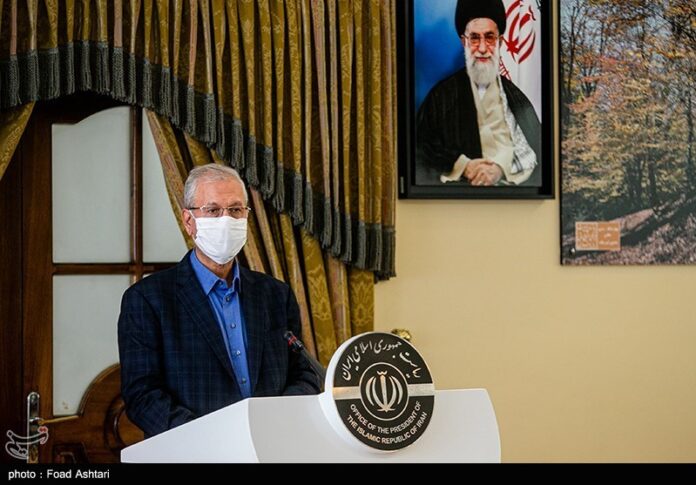
Ali Rabiei said Sunday that there is a willingness to exchange all prisoners and talk about their release without preconditions, but the US government has so far refused to respond.

“We have information that Iranian citizens in US prisons are not in good conditions and are not well cared for, and this is worrying for us,” noted Rabiei in an interview with Khabar Online.

However, he added, the United States seems more prepared than ever to end this situation. “That’s why we are not making the final judgment now. We wait for any tangible progress that is being made.”

He further noted that the US government is aware of Tehran’s readiness and there is no need for the mediation of a third country; however, if the American side agrees, the Interests Section of the Islamic Republic of Iran in the United States will deliver Tehran’s views on the details, including how and when to do the swap.

“We are ready to discuss the release of all prisoners. It is the American side that needs to comment on this, and there is evidence of a change in their views.”

He went on to say that Iran hopes in the wake of the outbreak of COVID-19, which threatens the lives of Iranian citizens in US prisons, the US government will eventually give more priority to human life rather than politics.

Earlier, The New York Times reported that Iran and the United States are negotiating an agreement that would release a United States Navy veteran held by the Iran in exchange for an Iranian-American doctor detained by the Americans.

The New York Times quoted a senior Iranian official and a spokesman for the veteran’s family as saying that a prisoner swap between the two countries was in the works.

Back in March, US Secretary of State Mike Pompeo called on the Islamic Republic to release US prisoners as a humanitarian gesture amid the coronavirus pandemic.

Last December, Tehran released US citizen Xiyue Wang, who had been held on spying charges, and the United States freed Iranian researcher Masoud Soleimani, who faced charges of violating Washington’s sanctions on the Islamic Republic.


Iran’s Leader Says West Failed to Manage Coronavirus Crisis

Iran’s Leader Says West Failed to Manage Coronavirus Crisis

Ayatollah Seyyed Ali Khamenei made the comment via videoconference at a meeting of the National Coronavirus Headquarters in Tehran on Sunday.

“The West and West-leaning entities wouldn’t like their failure [to counter the coronavirus pandemic] to be seen, but it is necessary to study and explain the different dimensions of this failure,” said the leader, adding nations should be given awareness about this failure.

He said one of the areas where the West has failed to tackle the outbreak is its inability to manage the crisis.

Coronavirus began to spread in the United States and in Europe later than in other countries, which means they had the chance to prepare themselves to counter the virus,” said the Leader.

“However, they failed to as they should, and this failure is proven by the high number of deaths and infections in the US and some European countries as well as the different problems people in those countries are facing such as unemployment,” Ayatollah Khamenei noted.

He said another area where the West has failed when it comes to the coronavirus crisis is the “West’s social philosophy.”

“The spirit and content of social philosophy in the West is based on material things and money, and that is why they disregarded the elderly, sick people, the needy and the disabled in the coronavirus issue,” said the Leader.

Still another area where the West failed in the coronavirus crisis was the domain of “public morality.”

Ayatollah Khamenei touched upon people storming shops as well as some other challenges, saying, “Despite all their claims, the Westerners have failed in this domain, too, and these realities should be explained to the public,” he said.

Elsewhere in his remarks, Ayatollah Khamenei thanked efforts by the government and people to tackle the pandemic.

“I thank officials and those involved in the fight against the coronavirus outbreak for their round-the-clock efforts,” he noted.

He also offered prayers to the souls of those who lost their lives to the disease and wished a rapid recovery for those infected.

Ayatollah Khamenei also lauded efforts to produce the medical equipment required to fight the disease.

The Leader also expressed hope that research centres and knowledge-based companies would soon develop a vaccine and medicine for the virus.

He also praised the National Coronavirus Headquarters and the health ministry for their good planning to counter the pandemic.