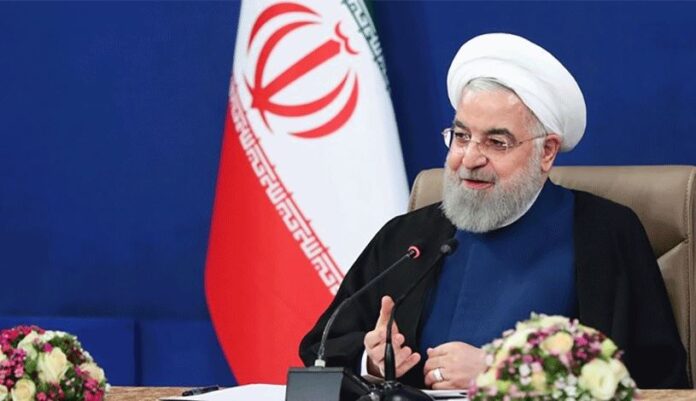
Speaking in a Saturday meeting in Tehran, President Rouhani noted that the Eid al-Fitr prayers will be held at mosques and open spaces, and not in Grand Mosques, across the country.
As per the decision of the National Coronavirus Headquarters, Rouhani said, the prayers must be held with full observance of health protocols.
said some parts of Imam Reza Holy Shrine in Mashhad will also be reopened in a limited scale for 12 hours a day after the Eid al-Fitr, which will be celebrated probably next Sunday in Iran.
The president said all Iranian universities will be reopened as of June 6, and sport activities will be resumed in empty stadiums while observing health protocols.
He also pointed to the International Quds Day rallies, the anti-Israel demonstrations annually held in Iran and several other countries on the last Friday of the holy month of Ramadan, and said this year the ceremony will be held in 218 ‘white’ and low-risk cities of the country while observing all health protocols.
Rouhani said this year it will be held as a gathering at the venue of Friday prayers, not as a rally.
In Tehran, he added, the IRGC will organize a symbolic march of cars without any gathering of people on this year’s Quds Day.
Arak is the capital of Markazi province and only a little more than two hundred years old. Despite its young age, Arak boasts many cultural and historical monuments such as the Arak Bazaar, Masroob Church, Samami School, Four-Season Museum, etc.
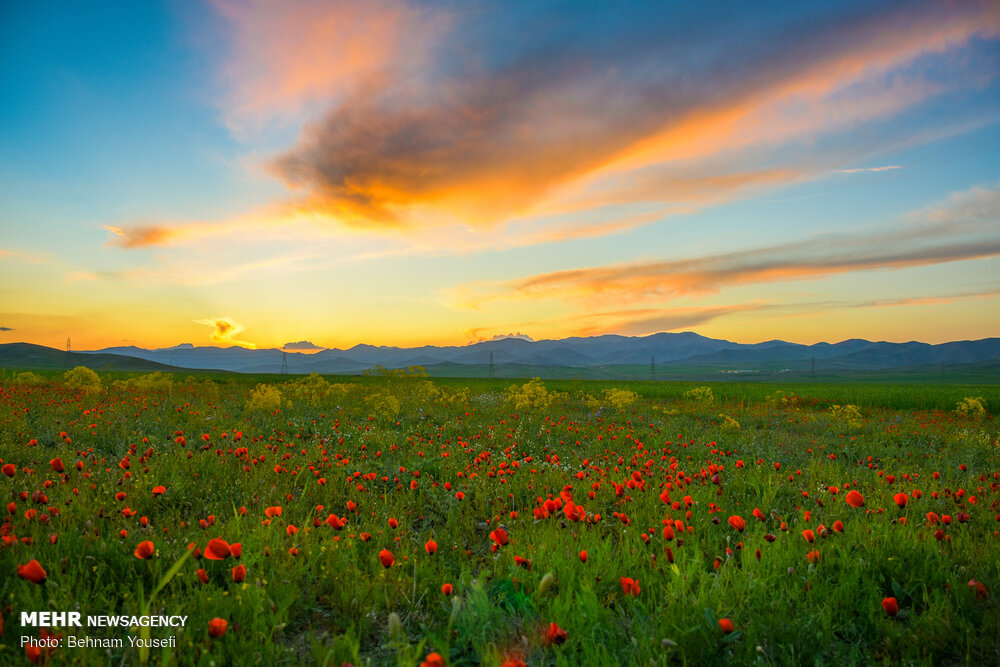
The city is also home to picturesque villages and natural attractions such as Meighan Lagoon. Moreover, the Great Tulip Festival turns the city into tourist hub.
The foods of Arak and its religious culture and customs may also appeal to many visitors.
Arak has numerous handicrafts such as copperwork, wood carving, carpet weaving, etc.
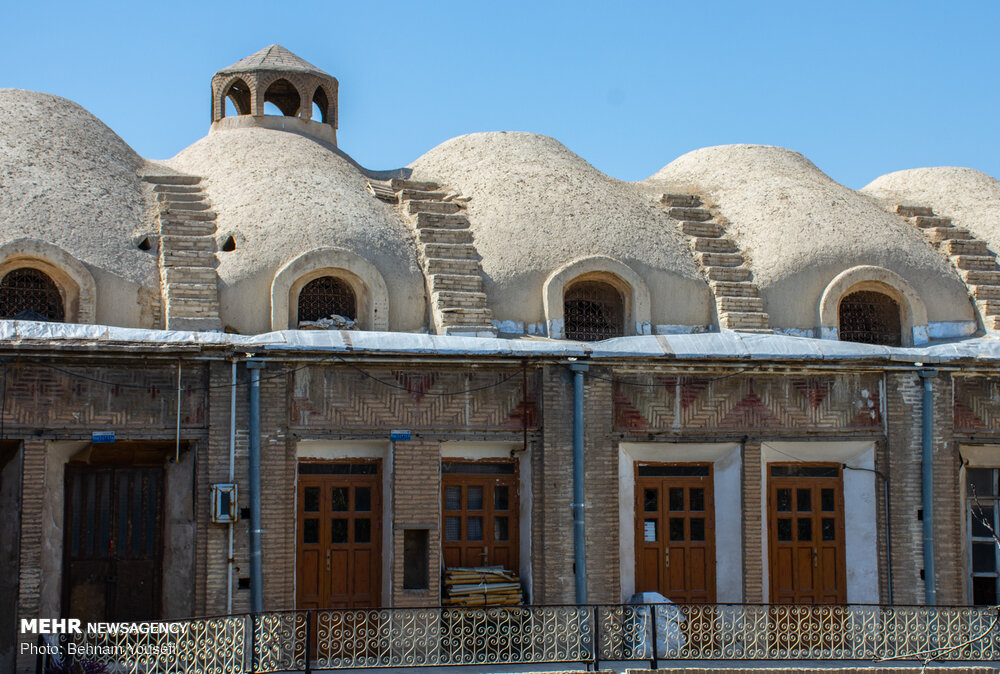
Arak Bazaar
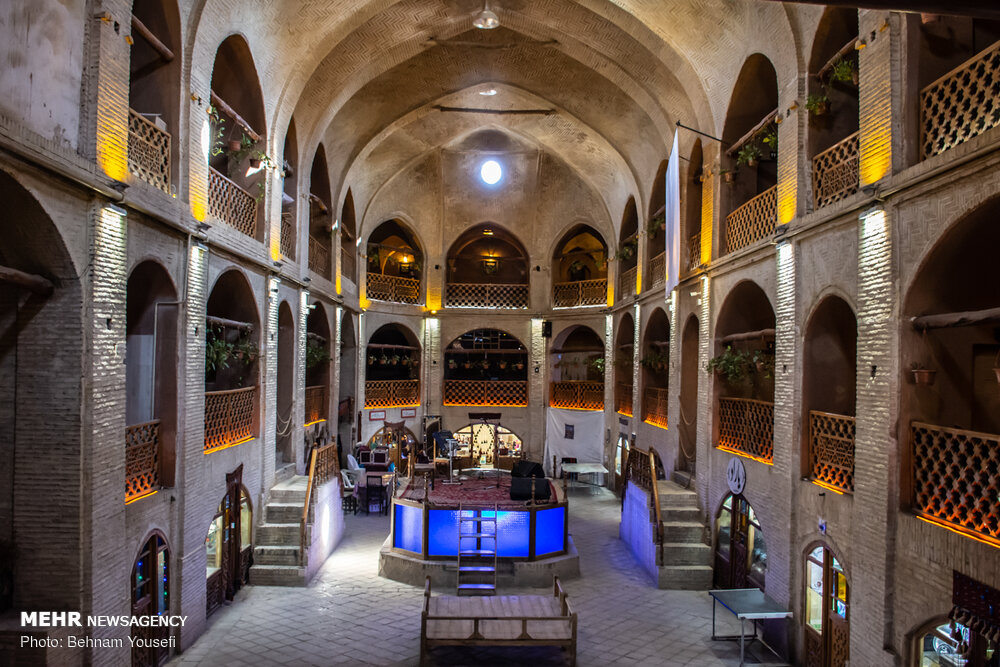
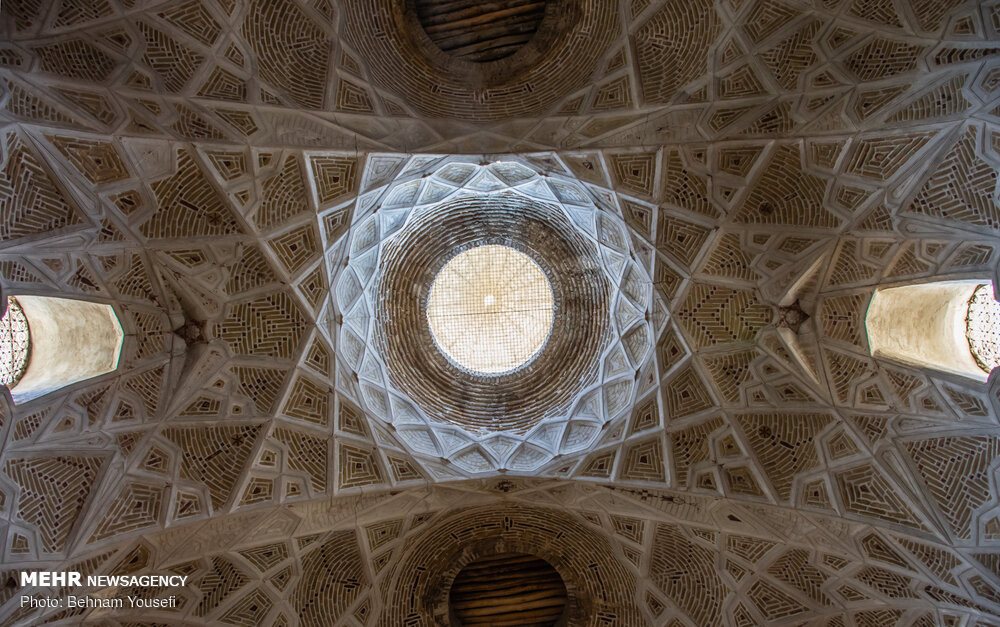
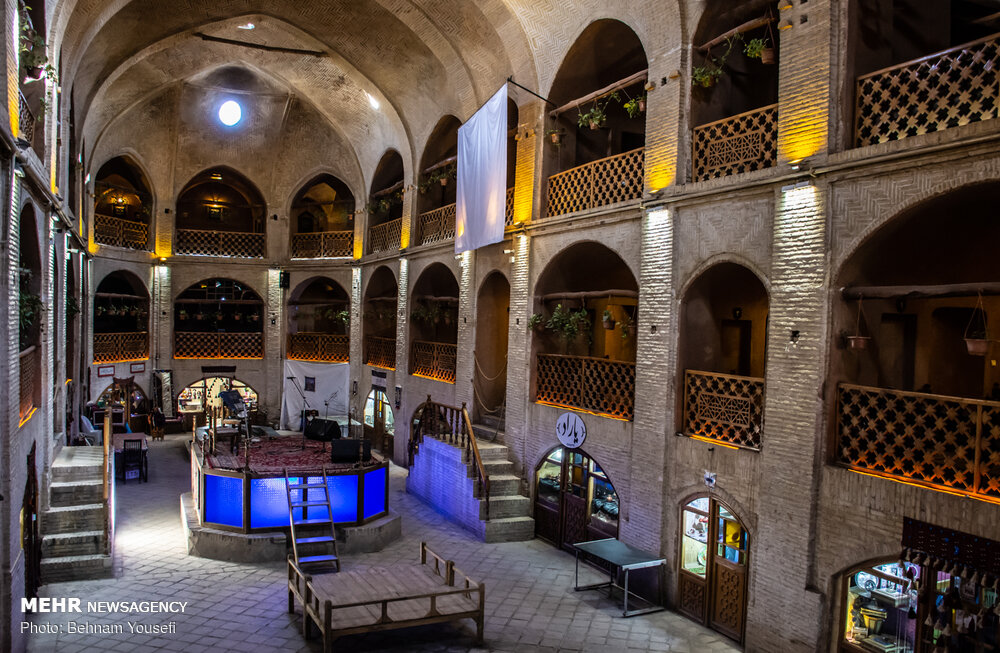
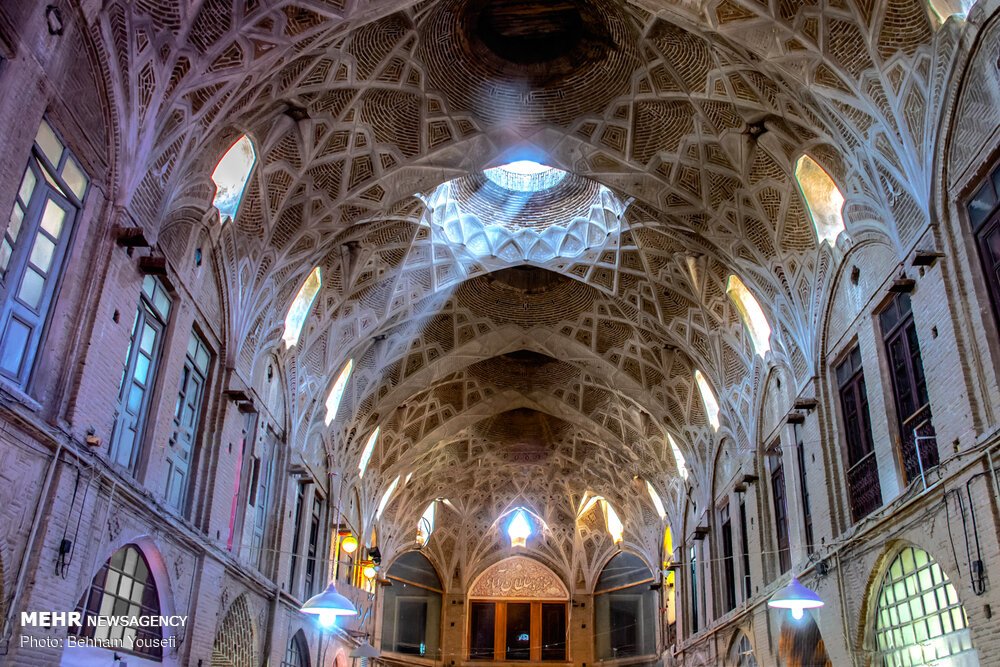
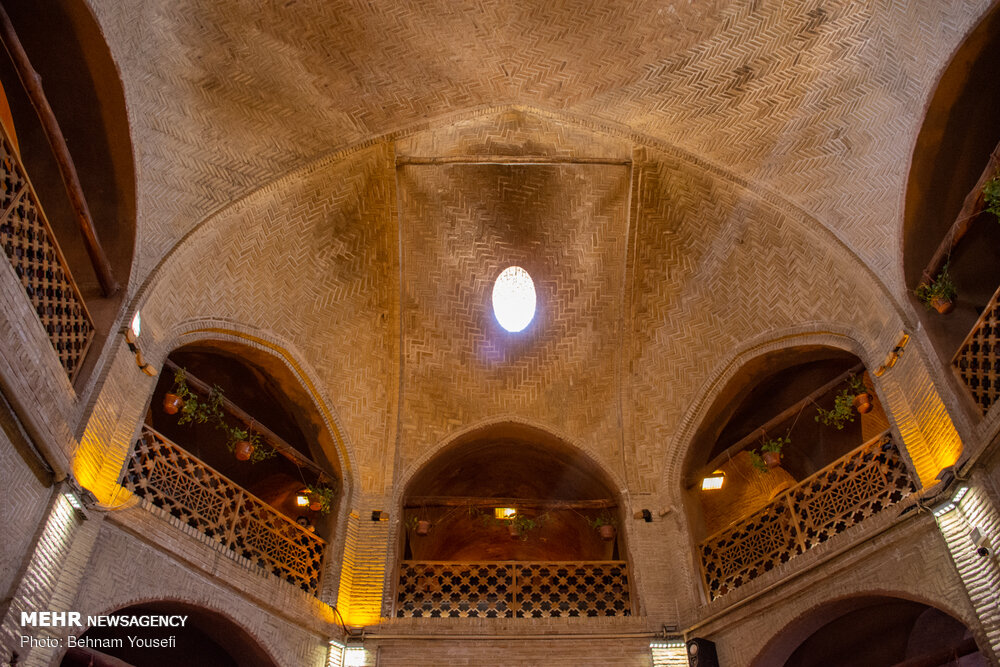
The Arak Bazaar was built in the centre of the city during the Qajar era in 1813. One of the reasons behind the construction of the bazaar was that areas surrounding Arak had a strong economy.
Arak Bazaar
1 of 9
The Mehr Plaza
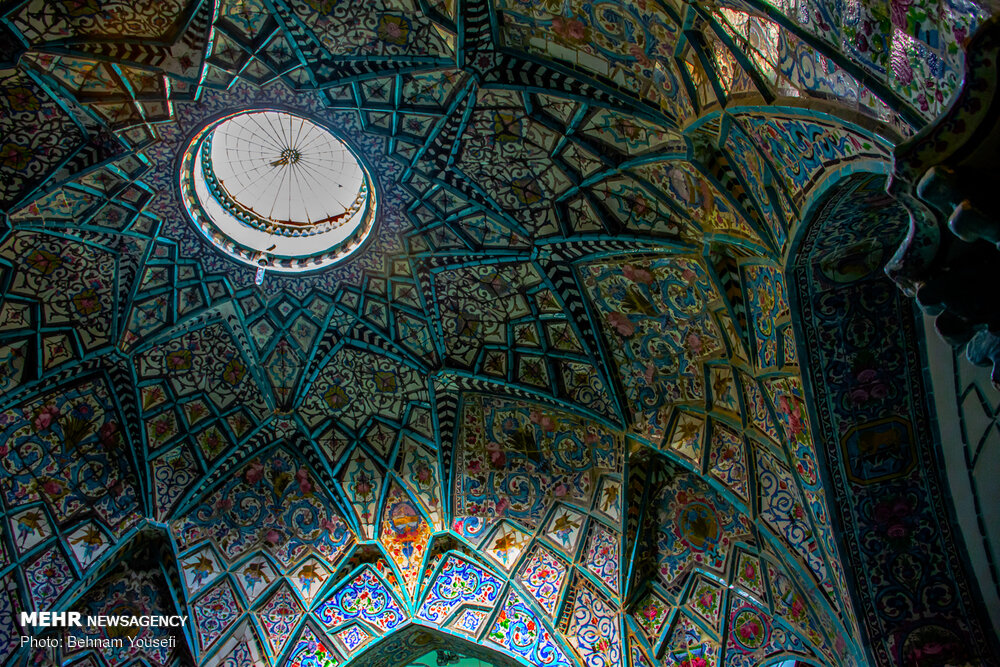
The Roof of the Kashani Plaza
The Arak Bazaar, the Carpet Sellers’ Plaza
The Bazaar, The Kashani Plaza
The Arak Bazaar, the Carpet Sellers’ Plaza
The Mehr Plaza
The Bazaar, The Kashani Plaza
The Mehr Plaza
The Mehr Plaza
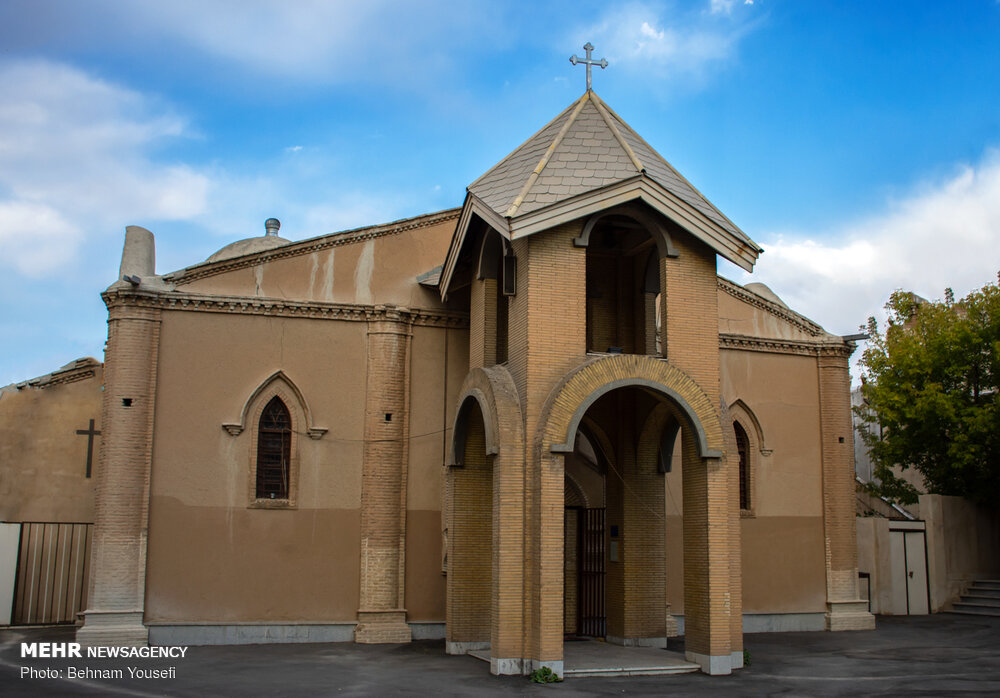
Masroob Church
The Masroob Church is one of the historical monuments dating back to the Qajar era. The church was registered on Iran’s List of National Heritage Sites in 2000. The lintel of the church is decorated with statements written in the Armenian language. The church was built in 1914 and contains four sections: the school, the priest’s home, a congregation hall and the church.
Masroob Church
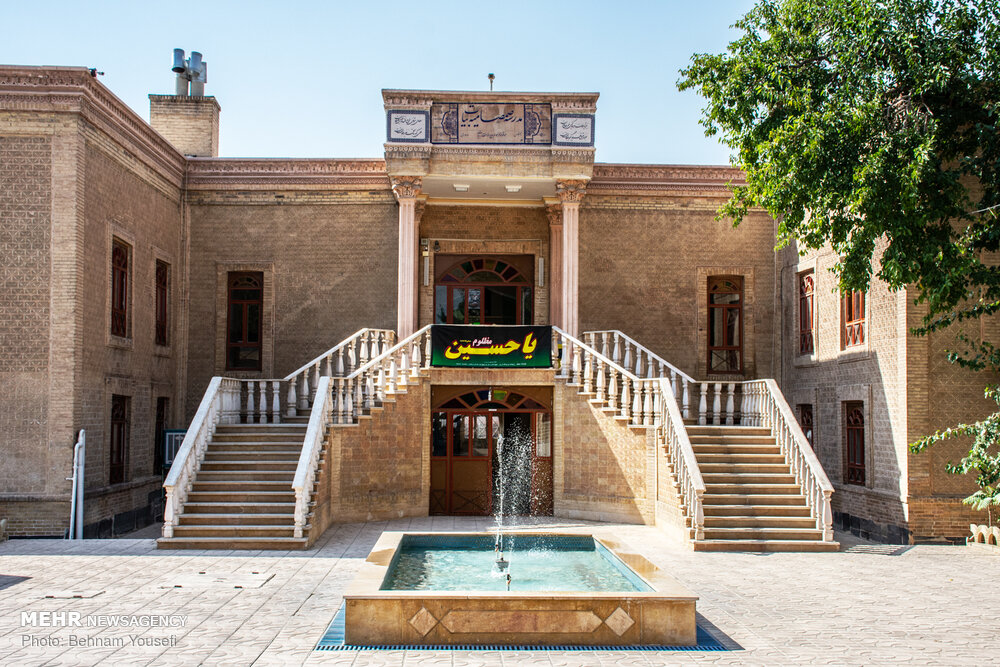
Samami School
The Samami School was constructed in 1903 by Zolfaghar Khan Bayat. Like the Darolfonoon school in Tehran and Roshdieh School in Tabriz, Samami ranks among the first modern-style schools built in Iran.
Samami School
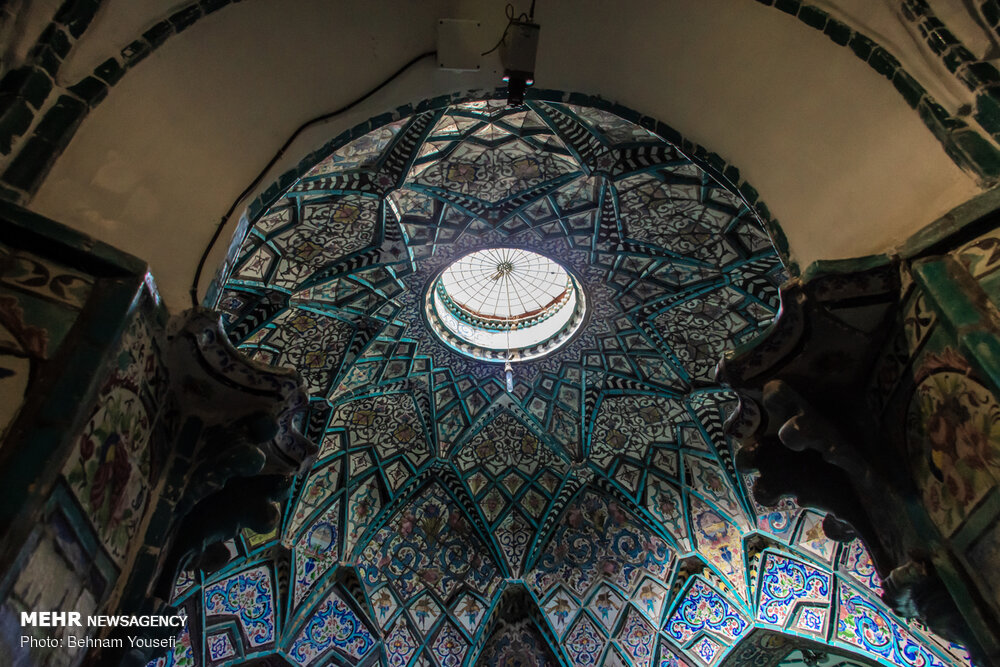
Four-Season Museum
The building was originally used as a public bath and built almost 100 years ago. It is the only bath in the country where a specific section is dedicated to religious minorities.
This invaluable monument was registered on Iran’s List of National Heritage Sites. In 1994, after its restoration and renovation work was completed, the building opened as an archaeology and anthropology museum.
Four-Season Museum
1 of 4
Ghanyarogh Village
Markazi is one of the provinces which is home to the largest number of ancient villages which boast pristine nature.
The village of Ghanyarogh lies 10 kilometres west of Arak and has a cold-moderate climate. Gardens, fields and dams are among the visitor attractions of the city. The villagers are very hospitable. There is a holy shrine on the way to the village called Imamzadeh Tahir, which is a place for relaxation.
Ghanyarogh Village
Gerdoo Valley
The Walnut Valley is an exemplary tourist site measuring an area of 100 hectares. It is located in the south of the city and enjoys a pleasant atmosphere and a virgin nature. The valley is also easy to reach. The reason why it is called the “Walnut” valley is because there are countless walnut trees there. Families and residents go to this valley to have fun and enjoy themselves, especially on Fridays and holidays.
Gerdoo Valley
1 of 2
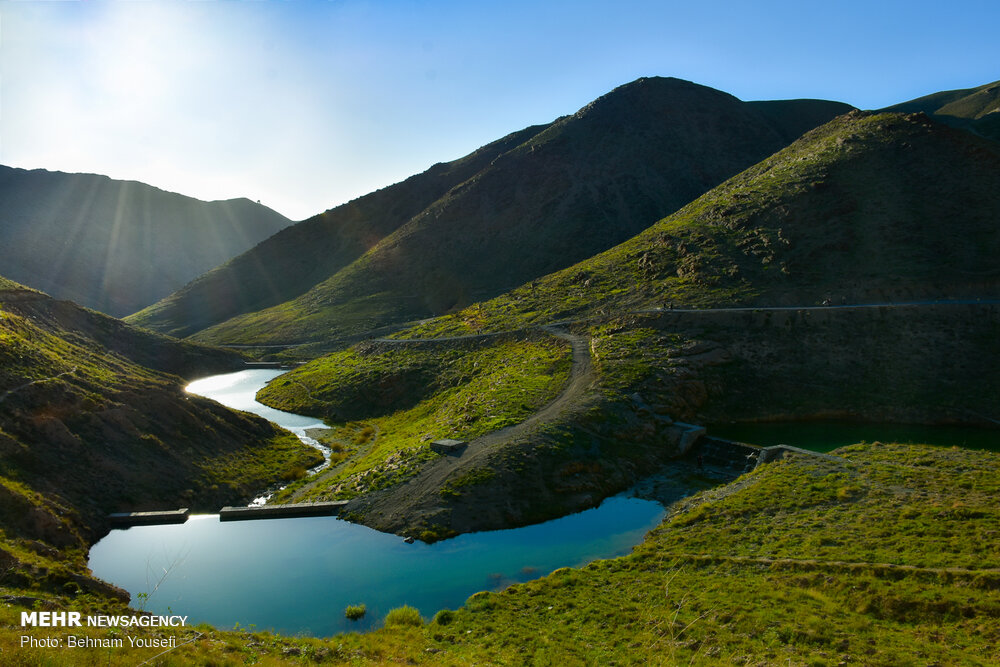
Meighan Lagoon
Meighan Lagoon lies 15 kilometres from Arak and covers an area of some 25,000 hectares, which includes the lake along with three islands in the middle as well as the desert area and nearby plains. Each year, the lagoon hosts a large number of migratory birds, including rare and protected species. November 6 is named as Crane Day because cranes amass the lake that time around. The lagoon contains the largest stocks of sodium sulfate in the country.
Meighan Lagoon
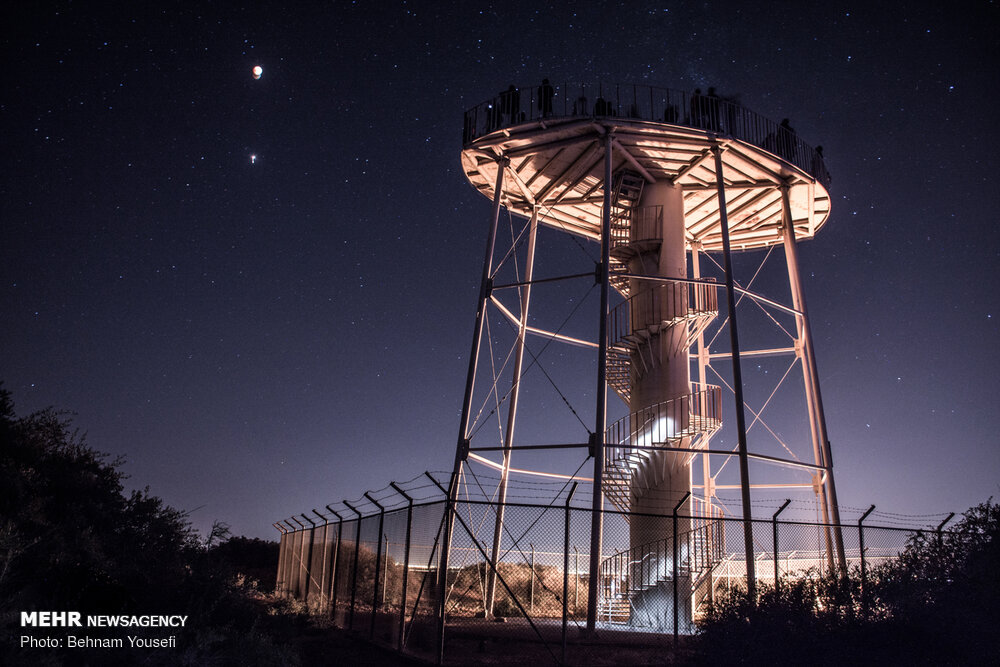
Bird-Watching Tower at Meighan Lagoon
The 12-metre-high tower contains a booth from where birds can be watched. It is fitted with special equipment used to watch birds. A CCTV is installed on top of the tower, making it possible to monitor the surrounding area as well as to show live images of birds nearby.
Bird-Watching Tower at Meighan Lagoon
Giveh Sewing
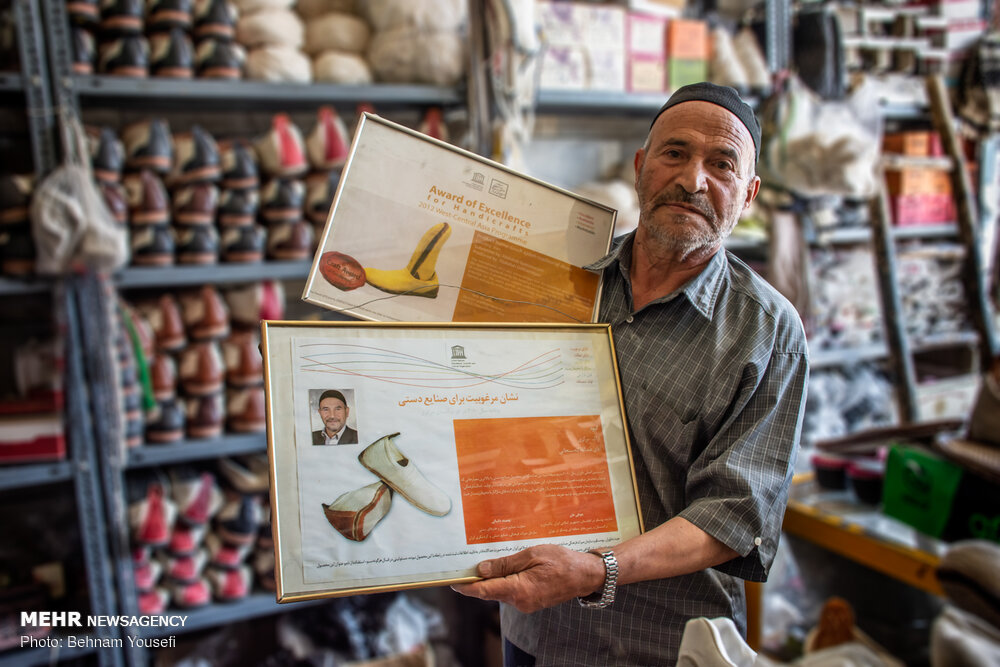
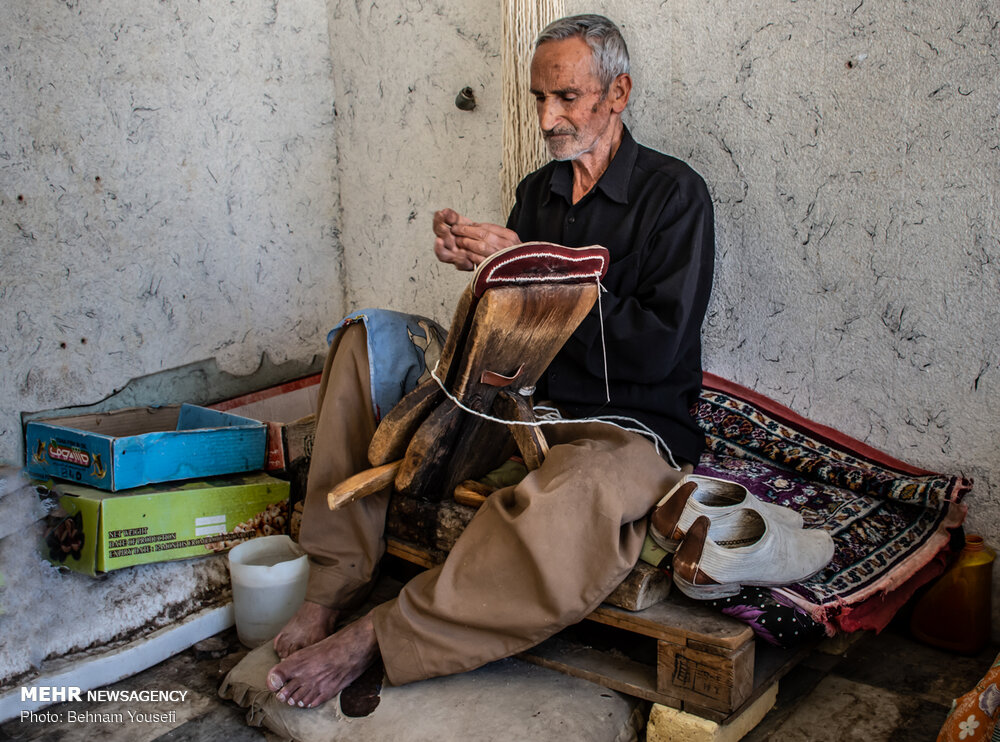
Giveh Sewing is one of the handicrafts of Sanjan village in the vicinity of Arak city. Giveh is a type of traditional footwear the upper part of which is made of cotton tissue and the lower part with leather.
Surveys show giveh sewing dates back to the Qajar era. The United Nations Educational, Scientific and Cultural Organization (UNESCO) has confirmed the originality of the giveh made in Arak.
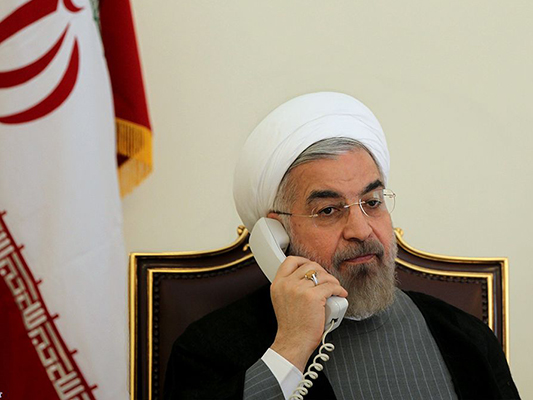
President Hassan Rouhani on Friday gave several instructions to Hossein Modarres Khiabani, saying it falls upon him to implement the directives.
“It is all the more necessary to seriously take action to control the market, support consumers, create a climate of tranquility for businesses, create transparency between producers and consumers, and meet the logical demands of people, business owners and government,” said the president in a phone conversation with the caretaker minister.
President Rouhani underlined the need to make detailed planning to manage the market in order to provide basic commodities needed by people.
“Constant monitoring of the market in order to provide fundamental commodities required by people and control supply and demand will definitely play a pivotal role in managing prices,” President Rouhani said.
“Efforts should also be made seriously to remove the concerns of producers and factory owners with regards to the procurement of raw material,” he noted.
The president also touched upon the disorder on the auto market. He said clear planning is required to eliminate the middleman and supply automobiles to people directly and at reasonable prices.
He also said attempts should be made to boost production in the country.
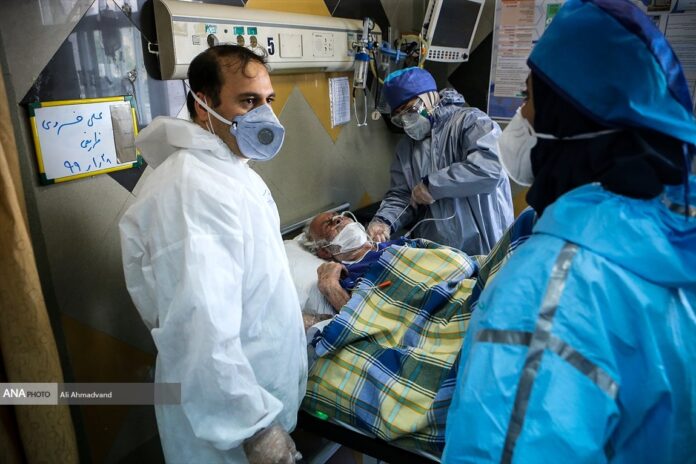
In a telephone conversation with Health Minister Saeed Namaki on Friday, President Rouhani said while the divided voices in a number of developed countries are still wrangling over the extension of restrictions or resumption of the normal activities following the outbreak of the novel coronavirus, Iran has managed to handle the situation in harmony.
Iran takes pride in the unanimity between the people and the officials which has helped the country to reopen the businesses in conformity with the health protocols, allow the performance of religious rituals during the Qadr nights with special considerations, and at the same time maintain the downward trend in the coronavirus infections, the president noted.
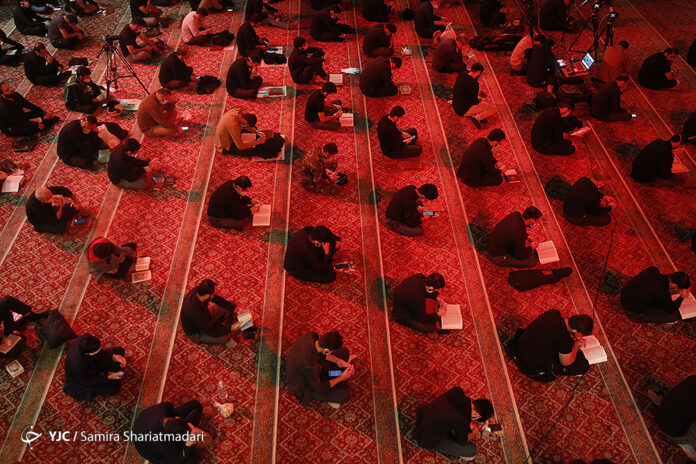
Paying tribute to the wise and noble Iranian people for strict observance of the health regulations in the religious ceremonies marking the ‘Nights of Destiny’ in the holy month of Ramadan, President Rouhani said such move was a milestone in the cooperation and harmony between the people and the authorities in the fight against coronavirus.
The president noted that such close cooperation from the people and the observance of the health instructions would make the health officials more hopeful about the next stages in controlling and containing the contagious disease in the country.
President Rouhani finally paid tribute to the clerics, religious authorities, custodians of the religious sites, and organizers of the Qadr night rituals for their wise, strict and responsible handling of the situation, expressing hope that the holy shrines and religious sites in the cities with places of pilgrimage would reopen as soon as those cities are categorized as white zones (coronavirus-free regions) in compliance with the health protocols.
The Health Minister, for his part, gave a report of the public gatherings on the Qadr nights and the instructions enforced to ensure the health of people.
Namaki also said the country is making a transition from handling of the coronavirus epidemic to controlling the contagion.
He finally expressed hope that constant compliance with the health protocols and the smart social distancing initiative will soon take Iran to the containment stage.
A couple of days ago, the Health Ministry allowed the religious sites in Iran to reopen while taking the necessary precautions amid the coronavirus pandemic.
The Muslim people of Iran hold vigils at three nights of Qadr in the month of Ramadan.
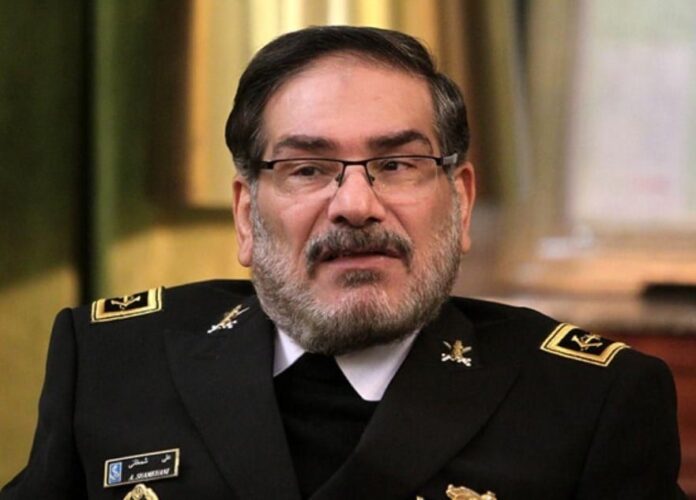
In a tweet on Friday, Secretary of Iran’s Supreme National Security Council Vice Admiral Ali Shamkhani criticized US President Donald Trump, Secretary of State Mike Pompeo and US special envoy for Iran Brian Hook for their anti-Iran comments and policies.
“The Trump-Pompeo-Hook triangle presents an image of the ruling elite in the US which its allies consider as unreliable, its rivals see as a threat and its citizens regard as inefficient,” he tweeted.
Shamkhani’s comments come as the Trump administration has adopted the policy of maximum pressure against Iran.
Recently, Hook claimed the US is still a signatory to the Iran nuclear deal known as the Joint Comprehensive Plan of Action (JCPOA). Iranian officials have reacted to his claim, saying the US unilaterally withdrew from the agreement back in 2018, and, hence, is no longer a party to the deal.
Pompeo also recently pushed for the extension of a UN arms embargo on Iran which expires in October. The UN agreed to end the embargo in October 2020 after the JCPOA was signed in 2015.
Furthermore, Trump reinstated sanctions on Iran more than a year ago.
Iran says the US sanctions are not only hitting the country’s economy, but are also preventing Tehran from importing medicine and food due to banking restrictions.
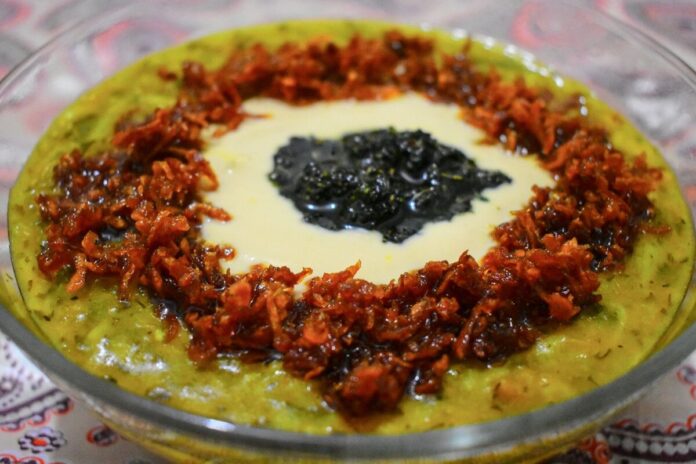
Tarkhineh is a dried food ingredient, based on a fermented mixture of grain and yoghurt or fermented milk, found in the cuisines of the Middle East. Dry tarkhineh has a texture of coarse, uneven crumbs, and it is usually made into a thick soup with water or milk.
Tarkhineh can be eaten in all seasons, but in winter, it is said to have a positive effect on the treatment of colds.
It is made of half-beaten wheat, dried mint, turmeric, salt and local vegetables that are soaked in yogurt drink for several days.
The dish is cooked slightly different in the Lor and Kurdish areas, and can even be prepared with different legumes such as mung bean, lentils and beans.
You can get Tarkhineh from apothecaries. This food ingredient is considered a semi-prepared one, but has a long shelf life and does not need to be stored even in the refrigerator.
Ingredients:
Tarkhineh (Kashkineh): 2 pieces
Onions: A large one
Salt & Pepper: As much as needed
Dried Mint: As much as needed
Black Pepper: As much as needed
Directions:
Soak Tarkhineh in water for two hours to separate the yogurt. Then separate the wheat from the yogurt and cook with two glasses of water on a low heat.
In the meantime, chop the onion and fry it. Add the yogurt that was originally separated from Tarkhineh to the soup, but first make sure the wheat is well cooked.
Add turmeric and black pepper to it. Now, add the onion to Tarkhineh and cook it for a while. Finally, add the mint and a few minutes later the soup is ready.
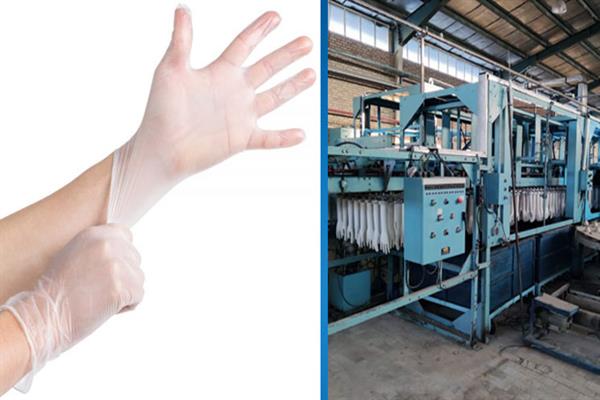
The Iranian company, Arman Exir Salamat, has gained the technical know-how to launch the production line of latex gloves during a short period of time.
CEO of the company Mohamamd Ne’mati says his enterprise updated a production line of latex gloves that had remained unused for five years, and began producing with modern technologies to meet domestic demand amid the coronavirus epidemic.
In the meantime, he added, the young experts at the company’s research and development (R&D) unit designed and launched a homegrown production line manufacturing gloves.
Pointing to the growing global demand for the latex gloves and the need to supply the raw materials for production, Ne’mati said his company has been working in cooperation with two prominent Iranian chemists and will soon produce the raw materials for latex gloves inside the country.
He also unveiled plans for the export of the Iranian latex gloves, saying the supports provided by the Vice Presidency for Science and Technology have enabled the company to develop plans for exports after meeting the domestic demand.
The company has already received a remarkable number of purchase requests from the foreign customers, the CEO noted.
The global demand for the health and medical supplies has skyrocketed after the outbreak of COVID-19 pandemic.
Meanwhile, the Iranian factories and knowledge-based companies have managed to satisfy the local demand for a host of products, such as medical face masks, ventilators, coronavirus diagnostic test kits and disinfectants.
Iran has even begun to export the coronavirus-related medical items to the other nations.
* The story was updated on May 16 to make minor changes to the headline.