Thursday, December 25, 2025
Home Blog Page 2779

No Talks with US, Whatsoever: Iran Parliament Speaker

No Talks with US, Whatsoever: Iran Parliament Speaker

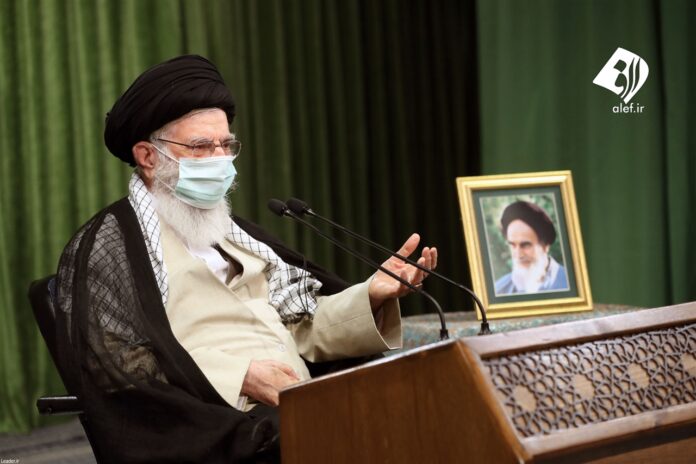
Mohammad-Baqer Qalibaf said on Sunday Tehran is not against diplomacy and talks, but believes talks with Washington would be “detrimental.”

“And negotiations with European countries should be held with maximum distrust,” he said.

“By heeding the US calls to promote the (anti-Iran) resolution on Friday, the Europeans showed that they are nothing short of the US when it comes to bearing grudge against Iran,” he added.

“The Europeans should know that the US failed to advance its bullying tactics by resorting to the knee-on-the-neck policy, and today, it is using Europe as a medium to achieve its goals,” he added.

Today, those supporting the anti-Iran resolution adopted by the International Atomic Energy Agency (IAEA) “are to blame for the tension in Iran-IAEA relations,” he said.
He noted the resolution was passed due to lobbying by Washington and Tel Aviv as well as machinations by the European countries against Iran.

He said many of the countries voting for the resolution were under heavy US pressure.
He said the Zionist circles which are behind these machinations keep dreaming that they can sow discord within the ranks of the Iranian nation and Islamic Establishment.
The speaker said they believe they can exert pressure on Iran and find a way to hold Iran to ransom by passing such resolutions.

“I’m announcing loud and clear that today, the officials of the Islamic Establishment see eye to eye on the fact that the US and Zionist regime [of Israel] are not able to achieve any of their objectives at regional and international levels, and the IAEA will not be allowed to violate legal frameworks, whatsoever,” he said.

Qalibaf underscored Iran has cooperated generously with the IAEA within the framework of international regulations and its national interests, but often received growing enmity and was held to ransom more than before.

Last Solar Eclipse of Century in Iranian Calendar

Last Solar Eclipse of Century in Iranian Calendar 2

The eclipse reached its peak around 10:20 am in most parts of the country, and began to disappear after 11:30.

The largest eclipse was seen in Chabahar, southeastern Iran, where 95% of the sun was covered.

The eclipse of the sun occurs when the moon prevents the sunlight from reaching certain parts of the earth by standing between the earth and the sun.

What follows are photos of the last solar eclipse of Persian century retrieved from various news sources in Iran:

Iran Exports $17bn Worth of Goods in 12 Months through Free Economic Zones

Iran Exports $17bn Worth of Goods in 12 Months through Free Economic Zones

Around $5 billion worth of goods produced in free and special economic zones were also sent to the mainland over the same period.

“Last year (the year ending March 2020), only $5 billion worth of commodities were imported into free and special economic zones,” added Morteza Banak, an advisor to President Hassan Rouhani and the secretary of the Supreme Council for Free and Special Economic Zones.

He said around 186 thousand jobs have been created in free and special economic zones over the past seven years.

“Implementing and inaugurating delayed projects is one of the programs for free and special zones, and we hope these projects will be put into service by year’s end,” he said.

The official said more than 300 development projects are scheduled to come on line in free and special economic zones by March 2021, which could create between 40,000 to 45,000 jobs.

“Since last year, we began to establish infrastructure for production activities which could increase output and investment, especial domestic investment,” he said.

The official underlined the private sector has made around Rls.100 billion together with $200 million of investment in free zones, adding the figure is expected to rise by 50% this year.

New Historical Sites Identified Near Pasargadae

Founded by Cyrus II the Great in 6th century BCE, it contains a great deal of Persian history—from the first phase of royal Achaemenid art, to the tombs of its rulers.

UNESCO declared it a World Heritage Site back in 2004.

In December 2019, teams of archaeologists unearthed several new historical sites. So far, experts conclude that they could potentially belong to the Middle Paleolithic, Paleolithic, Epipaleolithic, Achaemenid, Parthian, or Sassanid civilizations.

Cultural heritage experts are currently studying extensively and seeing if they can unearth other artifacts. Should enough discoveries be found among the uncovered sites, there’s potential for it to be added as another World Heritage Site.

https://ifpnews.com/achaemenid-pool-discovered-in-irans-pasargadae

Iran, a World Heritage treasure
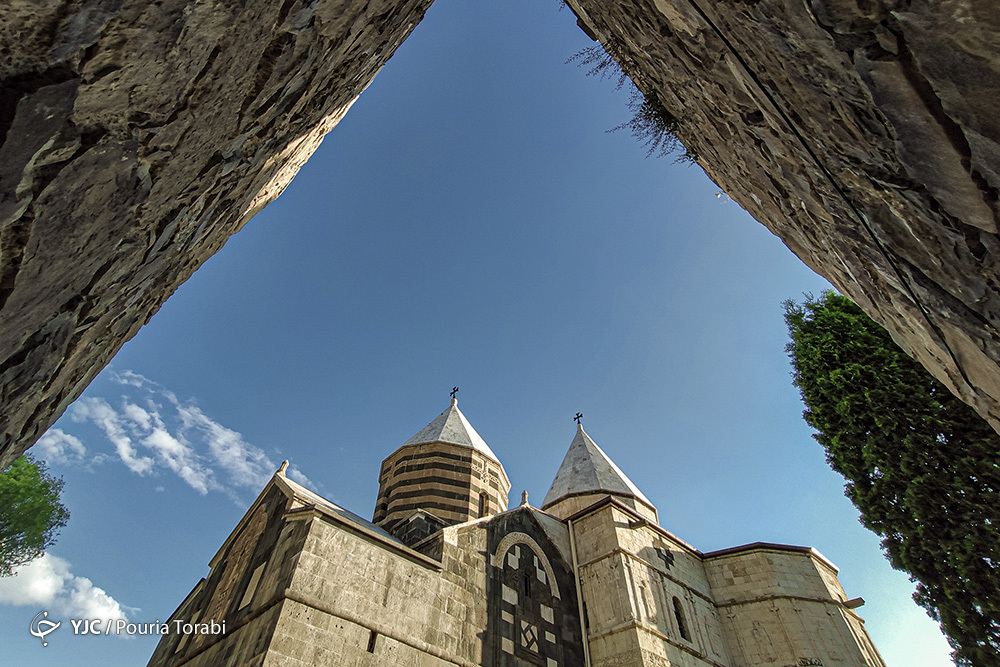
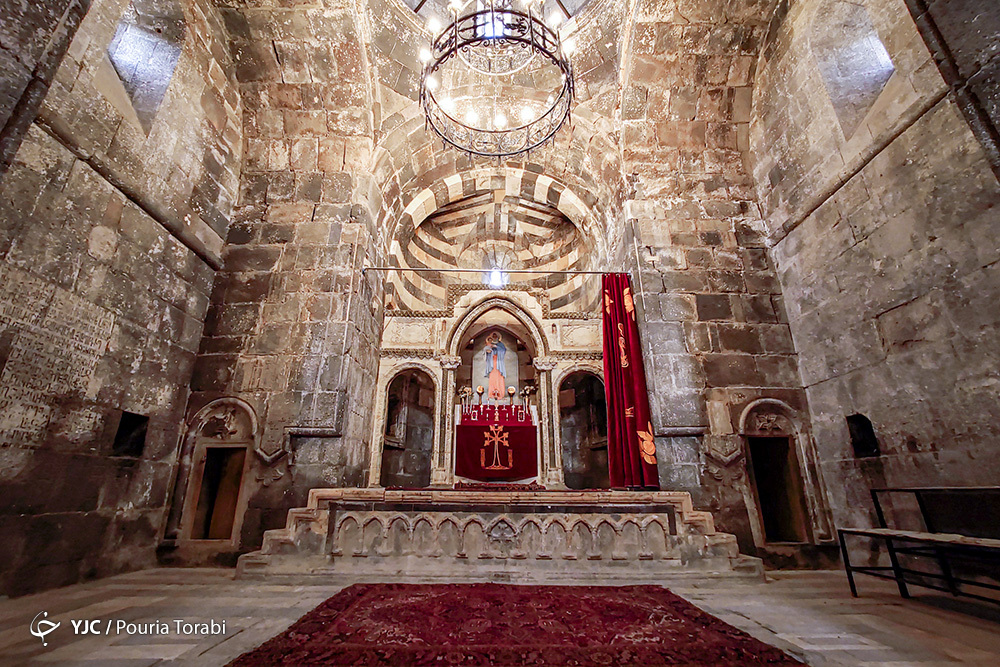
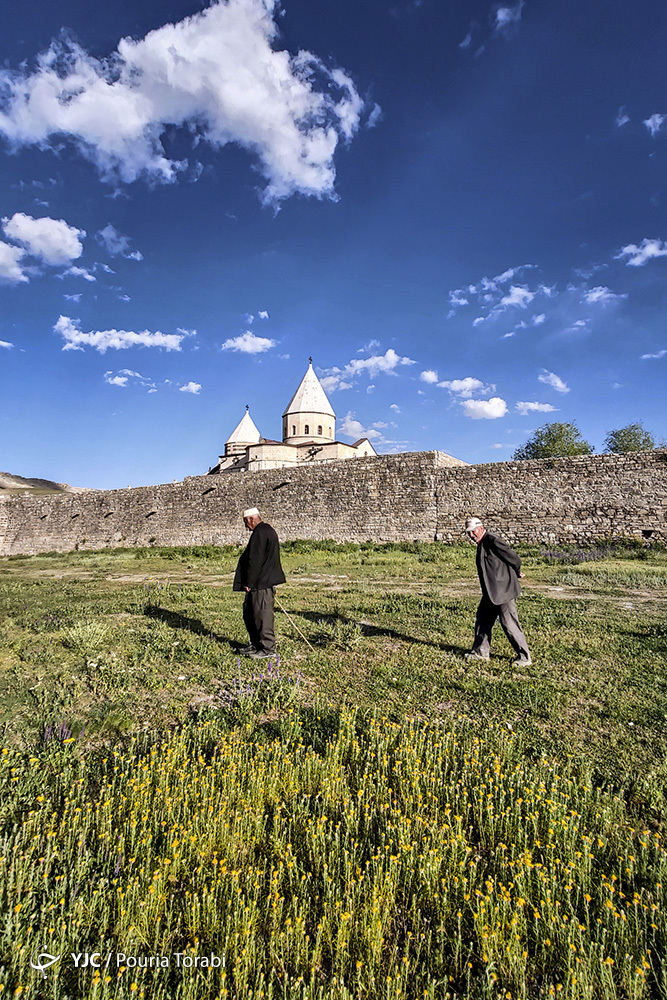
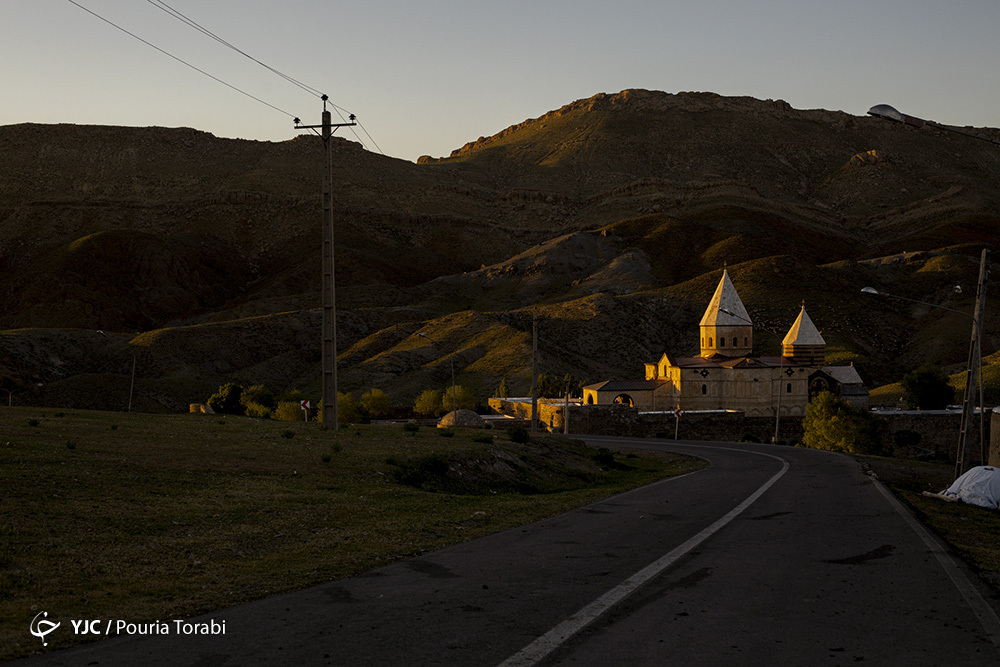
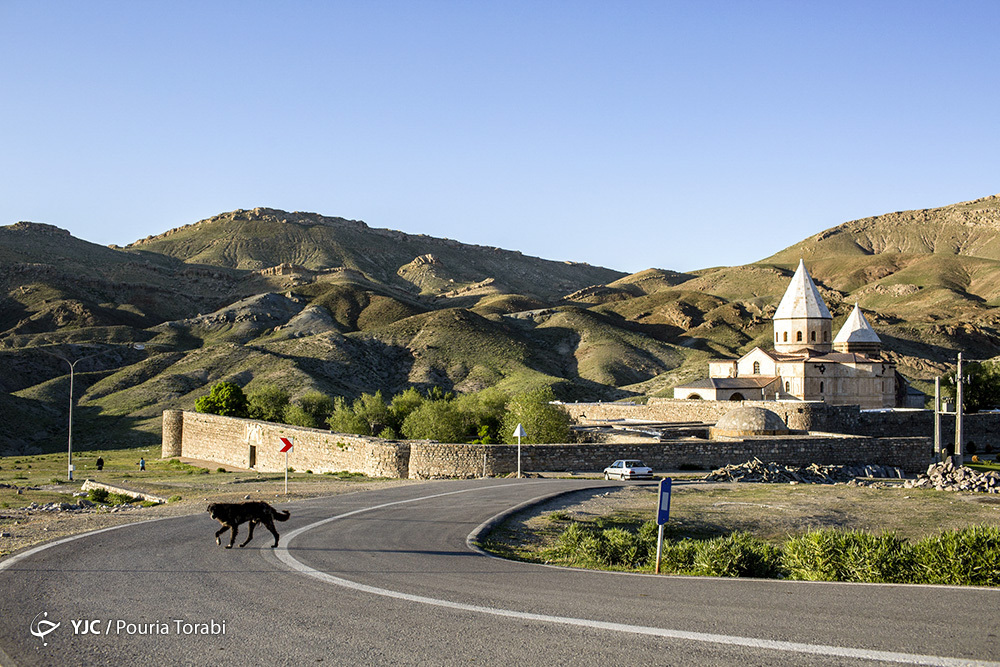
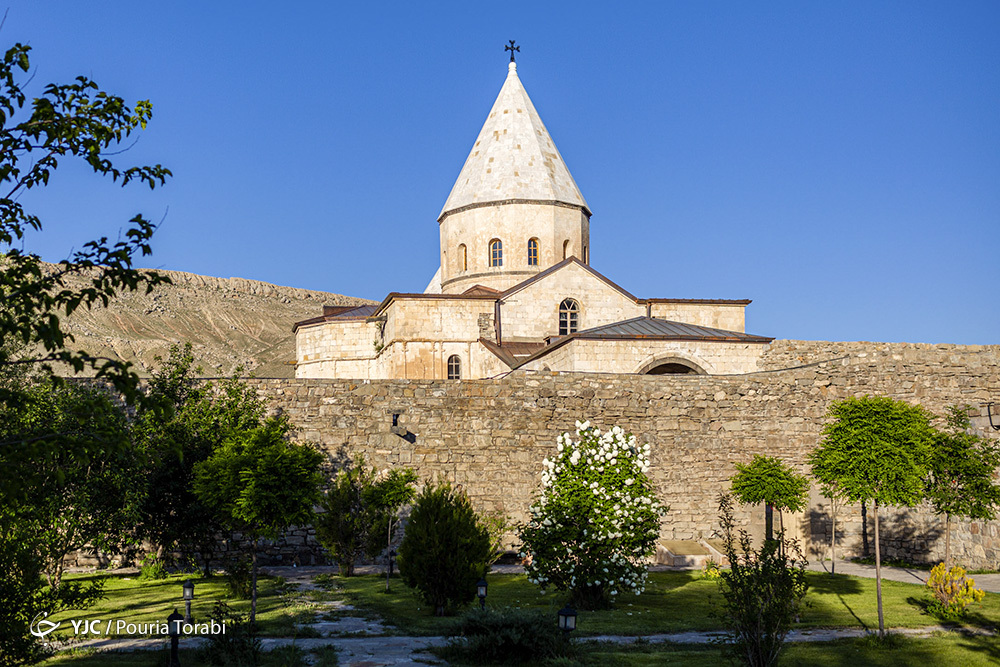
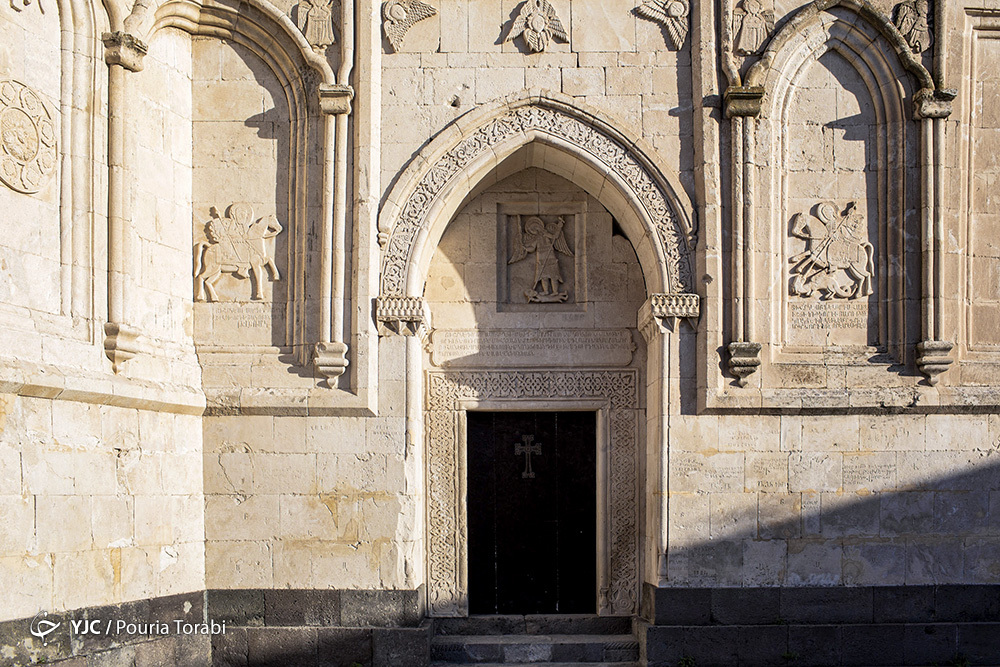
UNESCO has been discovering age-old monuments in Iran since the late ’70s. Aside from Pasargadae, a report on Iran Tourism highlights that modern-day Persia has 22 of World Cultural Heritage Sites landmarked throughout the country. For example, the West Azerbaijan Province alone contains three: St. Thaddeus, St. Stepanos, and the Chapel of Dzordzor. These churches represented the exchanges of regional cultures done by the Persians, Byzantine, and the Orthodox.

There are even entire historical cities like Soltaniyeh, the capital of the Ilkhanid dynasty. It’s famous octagonal buildings and turquoise-blue faiences represented the crowning moment of Persian architecture.
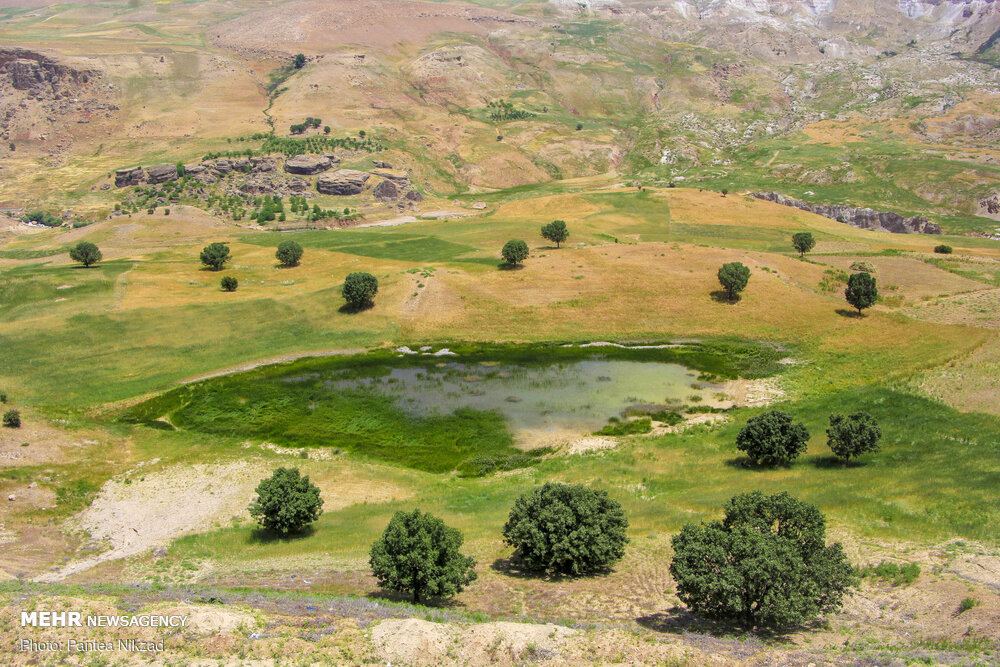
Here a couple of Iran’s notable UNESCO World Heritage Sites:

• Bisotun, the inscription on the sacred mountain
• Golestan Palace, home to the Qajar family
• Persepolis, the capital of the Achaemenid Empire
• Tchogha Zanbil, ruins of the holy city
• Masjed-e Jāmé of Isfahan, the towering mosque
• Shahr-i Sokhta, the “burnt city” of the Bronze Age

The latest one to be added to the list is The Historic City of Yazd back in 2017. Located southeast of Isfahan, it’s said to be a remnant of an ancient desert civilization.

Iran is also known as an important historical destination on the silk road, allowing the country to trade with China and the surrounding nations. Many of the famous silks were made and traded in the province of Isfahan, which is one of Iran’s top historical locations with many World Heritage Sites. Iran continues to have strong ties with China with a silk road train now connecting the two countries. This is unsurprising, as Asian gaming website ExpatBets has several articles on China that shows how the country is once again a leading country in terms of foreign trade. For archeologists, the Persian sector of the silk road has continued to reveal just how close the two countries were, and why Chinese trade is such a big part of Iran’s heritage.

The importance of World Heritage Sites

While World Heritage Sites are essential for preserving the history of the planet, they make excellent tourist attractions as well. Indeed, Iran’s tourism generated over 1,158 trillion rials back in 2019, which contributed to at least 6.5% of their national GDP. Considering that many of Iran’s landmarks are historic locations, they have become one of the largest contributors to the local economy.

As one of the highest civilizations back in the day, Iran has experienced its fair share of history. And with centuries of history, the discoveries made near Pasargadae are far from the end of them. Archeologists even unearthed an old polo field near the city of Aligudarz very recently. It’s one of three other historic polo fields dug up today.

Why Professional Athletes Are Incorporating Meditation into Their Routines

Of course, most of us are already well aware of specific benefits such as how meditation can help with depression or lead to lower blood pressure if practised on a regular basis. It is still a fact that we are really only scratching the surface in regards to how meditation can impact our lives. One example of this observation can be seen in the growing number of professional athletes who are incorporating such mindfulness into their daily routines. What benefits do these practices have to offer?

Developing Mental Focus and Control

Any professional athlete is well aware of the fact that focus can make all of the difference in the world between a successful match and a losing streak. Meditation is therefore excellent in terms of providing superior levels of attention before and after a competition. Another ancillary benefit of this practice is that it can be used to develop specific visualisations. These visualisations are then employed to reinforce certain behaviours (such as running a marathon under a certain time or connecting with the ball during a round of cricket).

Stress-Relieving Benefits

Athletes are often under a great deal of stress. This can cause a lack of focus and ultimately, their performance may suffer as a result. Such observations are particularly relevant to those who may be involved in extremely fast-paced international competitions. Meditation will help to “silence” any extraneous mental thoughts that may prove to be counterproductive. This is why martial artists have employed the very same techniques for centuries.

A Way to Clear the Mind

We spoke about clearing the mind in the previous section and this concept should be addressed in greater detail. While there are many digital methods to take a break from daily stressors (such as engaging with websites such as Cherry sports, we also need to note that distractions can sometimes abound. This might actually be counterproductive in the long run, as the mind is not provided with a window to relax. In turn, the body will remain tense. In terms of meditation, the practitioner can expect to enjoy several physical effects such as:

  • A Reduced Heart Rate
  • A means to relax tense or cramped muscles.
  • Greater overall mental clarity.
With certain practices such as Quigong, the potential to increase blood flow to certain portions of the body.
So, it only stands to reason that a growing number of professional athletes are beginning to incorporate such practices into their daily regimens. It is also interesting to note that the long-term advantages of meditation are only now coming to light. This is why even those who practice sports on a casual basis should consider such a healthy lifestyle change.

How Translation and Localization Can Help Businesses amid COVID-19 Outbreak

Many people have lost their jobs and businesses have closed amid the coronavirus outbreak. Despite these closures, there are a few bright spots on the horizons. One is adaptation of businesses to allow and encourage working from home.

Another is the increasing use of new tools and services for digital commerce and online marketing. We’ll focus on the fast-growing niche of language tools and services – specifically localization, translation and interpretation – which promise growth for businesses and employment for citizens.

Localization, Translation and Interpretation – How Do These Fields Differ?

The terms localization, translation and interpretation are often used interchangeably. All are concerned with the conversion of content from one place or language to another. Localization is the broadest term, covering all the changes required to adapt content from one location to others. Sometimes but always this involves language changes, but not always. Sometimes but not always there are changes of date and number formatting, currency and measurement units. Often cultural nuances must be taken into account and adapted to reflect local preferences.

Translation is the most substantial component of localization. Translation services involve the conversion of text from one language to another. Sometimes it is not a language but rather a dialect or version of a language that needs to be converted, such as American English to British English. There may be different reasons that translations services are needed, especially when conducting business. Translation, strictly, refers to conversions of written texts whereas interpretation refers to adaptations of the spoken word. The distinctions among these terms become important in the context of business opportunities, especially in the wake of the COVID crisis.

Localization, Translation, and Interpretation as Business Opportunities Now

Driving the increasing importance of these service sectors since the pandemic are the following factors, including the need to:

  1. Open international markets to compensate for closed domestic markets
    Localization is key to marketing, sales and support for businesses. As borders shut down and the opening of air transport slowed, companies are resorting to digital commerce. For example, Iranian businesses seeking to sell abroad must translate their products and services into foreign language since few foreigners speak Persian.


  1. Replace face to face meetings and services with remote, digital services Conferences and business meetings are few and far between. In their stead have arisen video conferences and virtual conferences. This in turn has given rise to the need for online interpreters to bridge the language gap between participants. If participants cannot speak a common language, then interpreters are being hired to bridge the gap.


  1. Provide rapid on-demand services for healthcare and public health needs
    With the increase in infectious disease and the length of hospital stays, face-to-face interpretation is increasingly difficult to provide. Instead, international translation companies are providing Video Remote Interpretation (VRI) services on demand. In poorer communities, there is the option of Over the Phone Interpretation, although studies have shown the older people and children have difficulties understanding interpretation over the phone. For example in the case of Iran, there is a need to provide Farsi interpretation services in foreign cities boasting Iranian migrants and expatriates.


Challenges and Prospects the Iranian Translation Industry

Unfortunately, the domestic translation industry remains relatively undeveloped compared to Western societies. Although translation has been practiced in Iran since prehistoric times, an academic study by three Iranian linguists, published in 2018, highlights the difficulties in the domestic translation sector. Among the key challenges cited by the authors are the local absence of:

According to almost all the interviewees in this study, the main challenge for the development of the translation profession in Iran is the lack of a representative translation guild. Similarly, Sook (2015) claims that there are currently no professional translation bodies in Korea and Malaysia. Also, Setton and Liangliang (2011) found that in Taiwan, very few professional translators are member of any local or national translator

THE TRANSLATOR

  • a representative translation guild or professional association
  • an agreed-upon translation and interpretation code of ethics
  • local translator and interpreter training or certification programs
  • low pay and low social status for local translators and interpreters


Local shortcomings can be compensated for by access to international associations and marketplaces. According to Internet World Stats, Iran at the end of 2017 had 56.7 million Internet users, some 69.1% of the population. While this percentage is generally understood to include most younger smartphone-armed Iranians, and especially those with college education, access restrictions keep many sites off-limits, including social media for interpretation and translation services.


Practical Suggestions for Using Translation and Interpretation Services

Businesses that seek to localize the marketing of their products and services have several paths from which to choose to access translation and interpretation:


Professional translation and localization companies

Typically translation companies can be contacted easily via the internet. Simply search using “translation” or “localization” including Farsi in your query. Translation agencies will usually respond within 24 hours with a free price quotation or request for additional information. Prices for translating text documents are typically measured by price by word, with the range being from $0.01 to $0.30/word depending on language and urgency. Interpretation is typically measured as a price per minute or hour. Transcription of recorded material or subtitling is typically measured by the length of the media to be transcribed. Localization services, such as translating a website from Farsi to one or more foreign languages, are usually fixed-price projects agreed in advance.


Freelance Translation and Interpretation Services

There are professional marketplaces like Upwork and Freelancer.com where you can find translators and interpreters fluent with Farsi and a foreign language. These resources can be evaluated and hired directly, usually at a fraction of the cost of translation agencies. The disadvantage is that working with freelancers involves more risk and demands more personal time. Bilingual Iranians may be able to find work here as well. Professional agencies often tap these marketplaces looking for linguists to staff their teams.


Machine Translation as a Free or Lower Cost Option

Online translation software like Google Translate and Microsoft Translator are increasingly capable and therefore increasingly used to translate to and from “Persian”. However, unlike many other languages, voice output is not yet supported. It’s advisable, however, to use such services with caution, as the software has been known to make embarrassing errors in translation and interpretation.

Why South Korea Is Well Worth Visiting

South Korea has become an increasingly popular tourist destination in recent years. International visitor numbers were up 14% in 2019, reaching a record high of just over 17.5 million.

So, what exactly is the reason for South Korea’s booming tourist industry? One reason may be the nation’s generous visa-waiver policy, get more information about South Korean visas, but there can be no denying the East Asian nation has much to offer tourists.

The booming K-pop industry may have helped to put South Korea on many people’s radar but it’s South Korea’s rich culture and stunning natural landscapes that have the greatest impact on overseas visitors.

Here are just some of the reasons why South Korea is a worthwhile tourist destination.

One of the Best Places in the World to See Cherry Blossom

Every spring South Korea turns pink with the blooming of the cherry blossoms. The blossom marks the end of a harsh winter in South Korea and welcomes warmer temperatures.

Tourists in South Korea from late March to early April are treated to one of the finest cherry blossom shows to be found anywhere in the world. This is a unique experience and deserving of a place on any traveler’s bucket list.

Whilst cherry blossom trees can be spotted throughout South Korea, some places are known for being particularly impressive including areas of Seoul, Jeju Island, and Gyeongju.

Fora truly unforgettable experience, tourists can attend one of the annual festivals dedicated to the flower: Jeju Cherry Blossom Festival is just one example where lucky visitors may even catch a glimpse of the king cherry tree which has the largest petals of all.

Of course, timing is crucial as the blossom only lasts for up to 14 days so it’s important to check the cherry blossom forecast and make all travel arrangements in time.

South Korea’s Dynamic Capital City, Seoul

Seoul is the first port of call for many overseas arrivals. Incheon International Airport is the largest airport in the country and is itself impressive boasting a traditional Korean cultural center and mini classical concerts.

Once in the center of Seoul, visitors are wowed by futuristic structures that stand in contrast to the historic buildings. From ancient royal palaces to the N Seoul Tower, the city showcases the best of opposing architectural styles.

Of the many historical sites worth visiting in Seoul, one of the highlights is Gyeongbokgung Palace, built in the late 14th century and home to the kings of the Joseon dynasty. Other cultural gems in the city center include Changdeokgung and Bukchon Hanok Village.

Seoul is a shopper’s paradise. People flock to the city for the latest Korean fashion trends and innovative, high-quality skincare products.

Vibrant  and Delicious Korean Cuisine

Korean eateries may be popping up around the globe, but there is still no better place to try the local specialties than in South Korea itself. With typical dishes largely based around rice, vegetable, and meat, South Korean cuisine is both delicious and healthy.

Kimchi, a fermented vegetable side dish, is perhaps the best-known South Korean delicacy, but there are many more foods to try such as:


  • Bibimbap: a mixture of rice, vegetables, and meat topped with an egg
  • Mul Naengmyeon: an ice-cold broth with noodles, zucchini, sesame, and egg
  • Ssiat Hotteok: a traditional dessert, this rice flour bun is filled with nuts, seed, sugar, and cinnamon

At a Korean barbecue, diners prepare their own meat, often at grills built into the table itself. A fun and sociable way to eat out.

Seek out the restaurants and bars crammed with locals for the most authentic experience. South Korea’s cuisine is reason itself to go to the country and sampling typical food is a fantastic way to get an insight into the culture and lifestyle.

Jeju Island, sandy beaches and mountain climbing

Jeju Island is South Korea’s top vacation destination and it’s easy to see why. The paradisiacal island offers unrivaled natural beauty with stunning beaches, waterfalls, and lush greenery.

South Korea’s highest mountain, Hallasan, is a dormant volcano at the center of Jeju Island. Hallasan towers 1,950 meters above sea level and attracts keen hikers from the mainland and further afield. There are several hiking routes leading to the peak to choose from. Those who make it to the top are rewarded with spectacular views across the island.

The mountain has great spiritual importance for the many local people who believe that spirits live within it.

Jeju Island is also the place to go to enjoy some of the freshest seafood around. Female divers called haenyeo collect shellfish and sea urchins without breathing equipment to be served at seafront restaurants.

Iran Voices Concern about French Ballistic Missile Test

Tehran Raps Saudi Arabia, Bahrain for Backing US Anti-Iran Stance

In a statement on Saturday, Foreign Ministry Spokesman Seyyed Abbas Mousavi said the French Navy’s launch of a new generation of intercontinental ballistic missiles capable of carrying several nuclear warheads (dubbed M51 missile) was totally in contravention of the spirit and the text of Article VI of the Treaty on the Non-Proliferation of Nuclear Weapons (NPT) and of France’s commitment to nuclear disarmament.

“The Islamic Republic of Iran’s government expresses concern about such measure, believes that the French government must not ignore its international commitments under the Article VI of the NPT and declaration of the NPT Review Conferences, and calls on Paris to fully honor its international commitments to nuclear disarmament,” Mousavi added.

He finally slammed nuclear weapons as a threat to international peace and security, noting that renovation and testing of such weapons would undermine the NPT as the cornerstone of the international nuclear disarmament and non-proliferation regime.

The French Ministry of Armed Forces announced that a nuclear-powered ballistic missile submarine (SSBN) of the French Navy has successfully launched an M51 submarine launched ballistic missile in operational conditions on June 12.

Iran Awaiting Romania’s Permission to Send Team for Probe into Judge’s Death

Iran Awaiting Romania’s Permission to Send Team for Probe into Judge’s Death

In remarks on Saturday, Commander of Iran’s Interpol Office General Hadi Shirzad said his department has requested Romania to allow the deployment of a delegation in order to investigate the death of Mansouri.

Iran’s Interpol department has sent a letter to the Interpol office in Romania, calling for the repatriation of body of the deceased and more information on the incident resulting in his death, the general added.

The Iranian Police has set up a delegation to ascertain the cause of the wanted judge’ death and investigate into the case, Shirzad noted, saying the team will be deployed to Romania as soon as the European country gives he green light.

Iran’s Foreign Ministry Spokesman Abbas Mousavi said on Friday that Tehran is awaiting an official report on the cause of the incident, and requests Romanian officials to announce the exact cause of his death.

The Iranian judge charged with bribery and corruption was arrested by the Interpol in Romania earlier this month and was planned to be handed over to the Islamic Republic once COVID-19 restrictions are lifted.

The fugitive judge was  accused of corruption and taking more than $500,000 in bribes.