Friday, December 26, 2025
Home Blog Page 2704

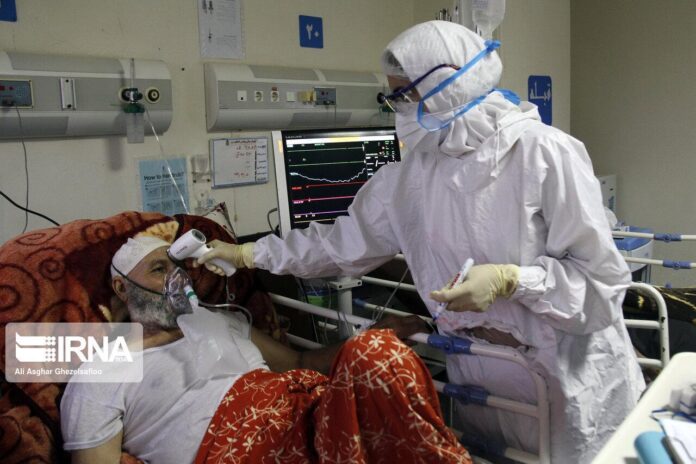
Iran Reports over 2,000 New Cases of COVID-19 Infection

Some 9,000 Iranians Contract Coronavirus in Single Day

In a press briefing on Thursday, Sima-Sadat Lari said the virus has killed 129 patients since Wednesday noon, increasing the overall death toll to 22,798.

So far, she added, 340,842 patients have recovered from the disease or been discharged from the hospital.

Lari said 3,728 patients are also in critical conditions caused by more severe infection.

The spokeswoman noted that 3,483,727 COVID-19 tests have been taken across the country so far.

She said the high-risk “red” zones include Tehran, Qom, Mazandaran, East Azarbaijan, Isfahan, Yazd, Khorasan Razavi, North Khorasan, Semnan, Gilan, Zanjan, Qazvin, and Kerman provinces.

The “orange” zones also include Lorestan, Ardabil, Golestan, Markazi, Alborz, Hormozgan, Ilam, Fars, Bushehr, West Azarbaijan, Chaharmahal and Bakhtiari, Kermanshah, South Khorasan, Kohgiluyeh and Boyer-Ahmad, and Khuzestan provinces, she added.

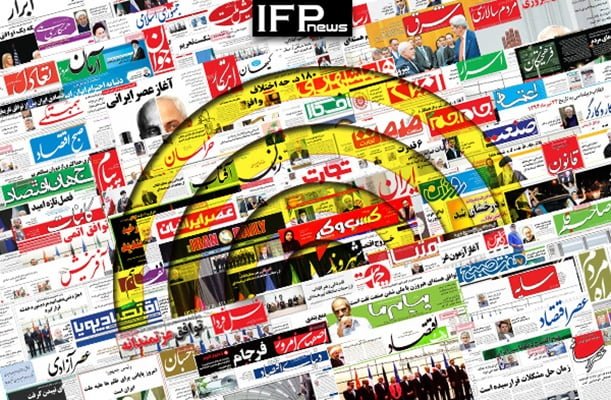
A Look at Iranian Newspaper Front Pages on September 10

Iran Newspaper Headlines

Abrar Newspaper:

1- Japanese Media: Zarif Will Soon Travel to Europe

2- Erdogan: Our Ties with Iran to Return to Previous Levels

3- Lukashenko: If Belarus Falls, Russia Will Be the Next

A Look at Iranian Newspaper Front Pages on September 10


Afkar Newspaper:

1- US Anti-Iran Efforts to Come Up against Brick Wall: Rouhani

2- Iran Building West Asia’s Biggest Ion-Therapy Hospital

A Look at Iranian Newspaper Front Pages on September 10


Arman-e Melli Newspaper:

1- Americans Will Return But with Regret: Rouhani

A Look at Iranian Newspaper Front Pages on September 10


Ebtekar Newspaper:

1- Tehran Sends Political Message to US by Holding High-Level Meeting with Turkey

2- Fateh Homegrown Submarine, Simorgh Drone to Be Unveiled at Army Drills for First Time

A Look at Iranian Newspaper Front Pages on September 10


Etemad Newspaper:

1- Towards a Clean Middle East: US Withdrawing Thousands of Its Troops from Iraq, Afghanistan Three Years after Collapse of ISIS

A Look at Iranian Newspaper Front Pages on September 10


Ettela’at Newspaper:

1- Stock Exchange Market Must Support People’s Assets: President

2- 200 Muslim Scholars Declare as ‘Haram’ Normalization of Ties with Israel

A Look at Iranian Newspaper Front Pages on September 10


Jomhouri Eslami Newspaper:

1- Normalization of Ties with Israel ‘Haram’: World Union of Muslim Scholars

2- Iran Condemns Attack on Afghan VP’s Convoy

3- UAE Pressure Oman to Normalize Ties with Israel: Report

A Look at Iranian Newspaper Front Pages on September 10


Kayhan Newspaper:

1- Million-Strong Protests in Pakistan against Charlie Hebdo’s Insult to Prophet Muhammad (PBUH)

2- Yemen’s Revolutionaries Pound Saudi’s Abha Airport for Third Consecutive Time

A Look at Iranian Newspaper Front Pages on September 10


Mardom Salari Newspaper:

1- Zarif Protests French Magazine’s Offensive Cartoon

2- JCPOA Supporters Attack US Secretary of State’ Call for Maximum Pressure against Iran

A Look at Iranian Newspaper Front Pages on September 10


Sazandegi Newspaper:

1- Third Peak of Coronavirus Outbreak: Number of Patients to Reach Highest Level, Experts Expect

A Look at Iranian Newspaper Front Pages on September 10


Shargh Newspaper:

1- Rouhani: We Shouldn’t Start Blackwashing

2- Canadians’ Lawsuit Handed Over to Iran

A Look at Iranian Newspaper Front Pages on September 10


Vatan-e Emrooz Newspaper:

1- Kerry: Putin Put Spell on Trump

* US Elections Now Struggling with Magic!

A Look at Iranian Newspaper Front Pages on September 10

Iran Calls for More Energy Cooperation with Afghanistan

Iran Calls for More Energy Cooperation with Afghanistan

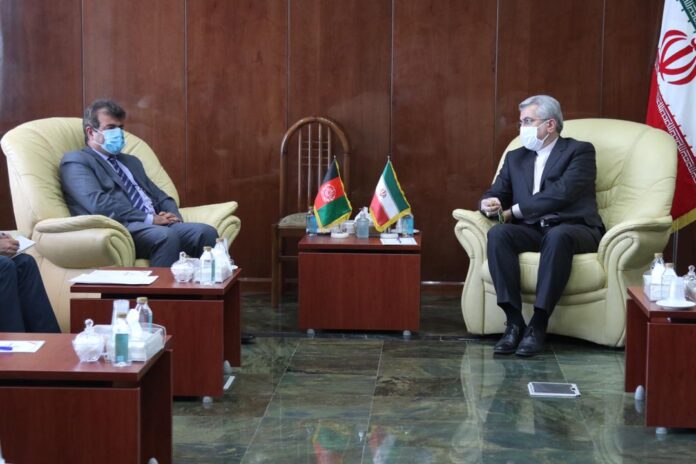
Reza Ardakanian said on Wednesday that during his 2019 visit to Afghanistan good agreements were reached to develop relations.

“During that visit, President Ashraf Ghani issued the necessary orders to launch electricity projects, including renewables, solving banking problems, etc., but unfortunately our follow-up has reached nowhere so far,” the Iranian minister said in a meeting with Afghan Ambassador to Tehran Abdulghafoor Lival.

For his part, the Afghan envoy offered to form a committee this week to implement some of the agreements between the two countries in the electricity sector.

Lival, who also chairs the Joint Cooperation Commission of the two countries, stressed the need for the two sides to take some practical steps before the sixth meeting of the Joint Cooperation Commission, which is scheduled to be held in Kabul on October 25-27.

Hailing the principled positions of the Islamic Republic of Iran on the political and security developments in Afghanistan, the ambassador said the Kabul government showed the necessary flexibility to pave the way for peace talks with the Taliban.

Large Number of ‘Anti-Iran Elements’ Killed in Massive IRGC Operations

Large Number of 'Anti-Iran Elements' Killed in Massive IRGC Operations

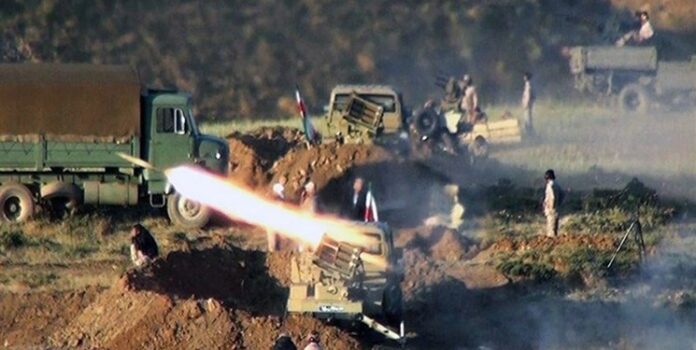
In these operations, which were carried out over the past week, the IRGC used drones, artillery and smart missiles belonging to the ground forces.

The IRGC says it has killed and injured a great number of important and prominent anti-Iran elements in these operations.

According to Fars News Agency, large quantities of weapons, ammunition and explosive traps were seized from the headquarters of these groups.

The operation, which was directly commanded by the commander of the IRGC ground forces, was one of the largest operations of the IRGC, during which heavy casualties were inflicted on “anti-Iran” elements which led to the destruction of their bases along the border.

How Travel Restrictions Are Curbing Spread of COVID-19

How Travel Restrictions Are Curbing Spread of COVID-19

For this reason, most countries have put lockdowns in place. This is an effort to try to reduce contact between people, and drastically reduce the spread of this deadly virus.

Let’s have a look at how travel restrictions both in other countries and in Iran have helped to flatten the curve.

Driving

After these restrictions were announced, further information regarding traveling between cities was shared. The Iranian Government alerted the public that it was advisable not to go to visit friends and family in a different town. At the same time, business travel across cities should be halted for a while.

These changes helped the country to reduce the number of people moving around, assisting in containing the virus in smaller areas. A Mississauga car insurance company mentions that one of the only sure things in life is change. Although people aren’t always open to it, sometimes change is necessary.

Air Travel

As a result of this global disaster across the globe, the world is going to need to learn to live in a new state of ordinary. Air travel, both for vacation and business, will be affected. Many people will choose to rather stay at home until the virus is under control.

This will apply to destinations both near and far, and individuals need to find alternate ways to relax and unwind.

Daily Commute

Some Iranians who have been able to return to work are choosing not to use public transport still. Several individuals are making alternative arrangements, some driving to work with a colleague every day.

Public transport in many countries is an essential service. Various places don’t have the infrastructure to cater for the number of cars on the road, so many destinations rely heavily on a public transport system.
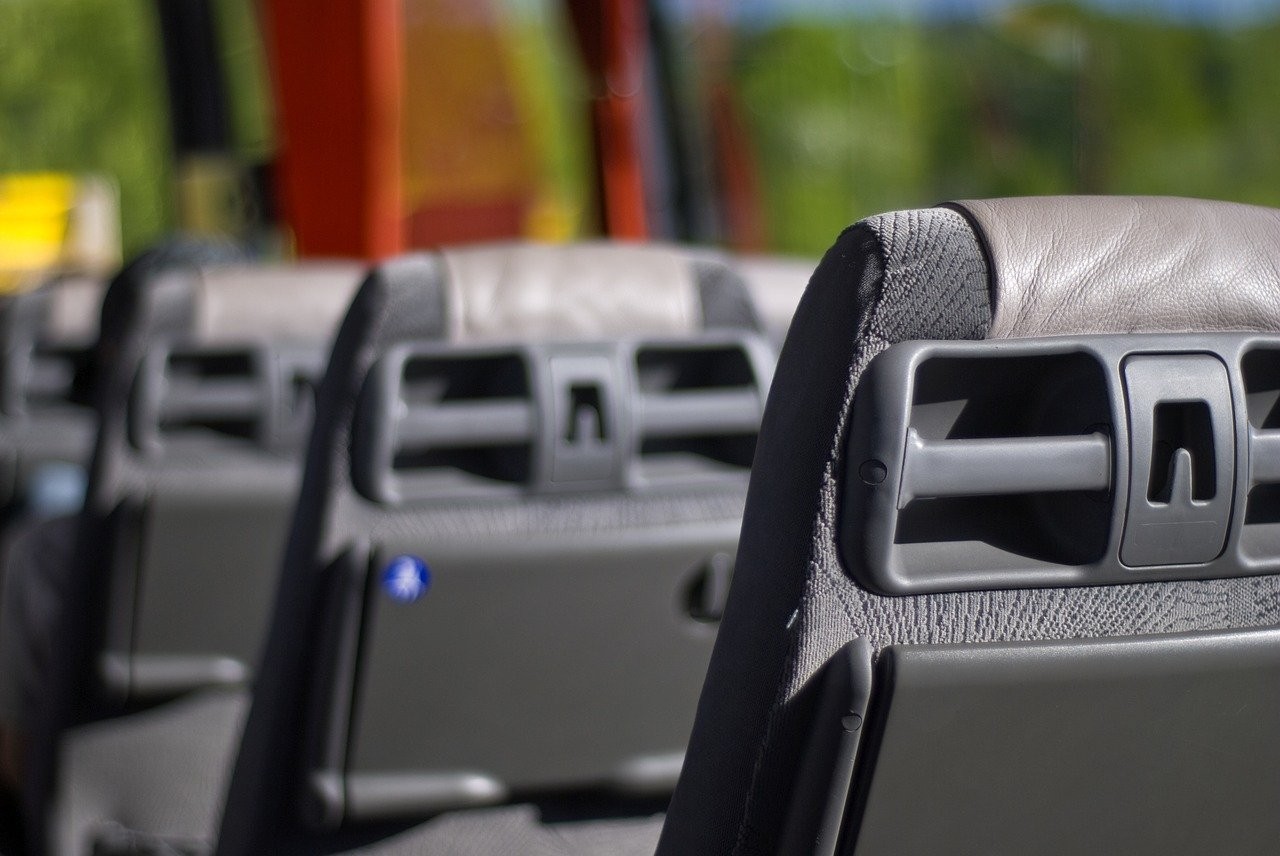
How Travel Restrictions Are Curbing Spread of COVID-19 2In densely populated countries, it becomes difficult to limit the number of people that can use the transport system at one time. Iran is one of the countries who rely on buses to transport people. One of the measures they have implemented to curb the spread of the virus is to disinfect the entire fleet of urban buses three times per day.

In a similar manner, subway trains, as well as taxis, are being treated the same way. Chlorine-based sanitizers clean these trains, buses, and vehicles to make sure that the risk of the virus spreading is reduced drastically.

Don’t Forget About the People

All of these measures are in place and being enforced, but it’s crucial not to forget that without the buy-in of the people, none of these measures can be useful. In various places throughout Iran, cities like Tehran that usually feature overcrowded subways are boasting quieter and more controlled atmospheres.

In Tehran, specifically, the number of people using the subway has decreased by as much as 70% at times.

Conclusion

It’s evident that when people and leaders work together, anything can be achieved. During uncertain times this world is facing, it brings a glimmer of hope that one day a sense of calm and normality will once again reign.

Iran Warns Americans to Leave Army Maneuver Zone

Iran Warns Americans to Leave Army Maneuver Zone

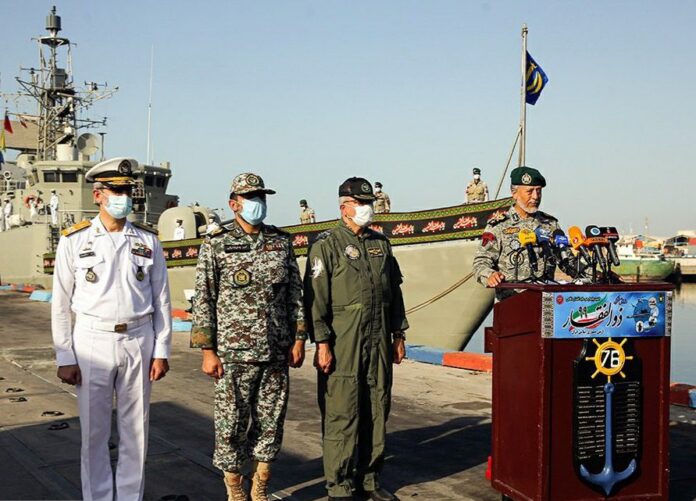
The Spokesman for the Army’s “Zulfaqar 99” Joint Exercises said on Thursday that during the wargames, the Iranian forces have witnessed different and concentrated activity of American drones to gather information from the exercise area.

“These activities were detected by the army’s signal detection systems, and the drones were warned by the air defence,” added Rear Admiral Shahram Irani.

He noted that after they understood the surveillance, reconnaissance and defence systems of the army are prepared, the Americans were forced to take their drones out of the area.
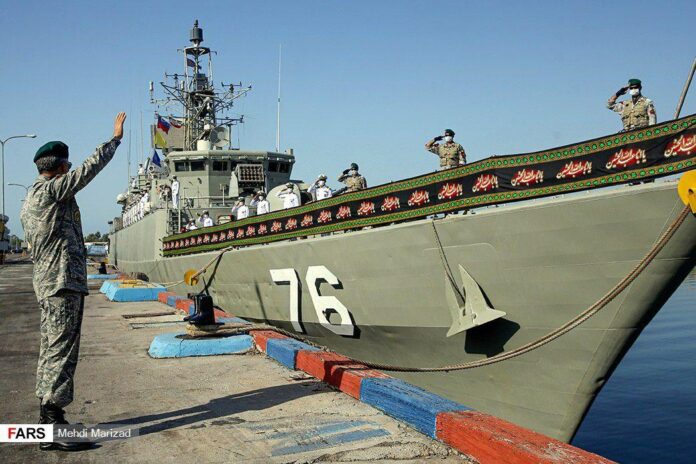
Iran’s Army is conducting a joint maneuver called “Zulfaqar” for three days in the country’s southern waters.

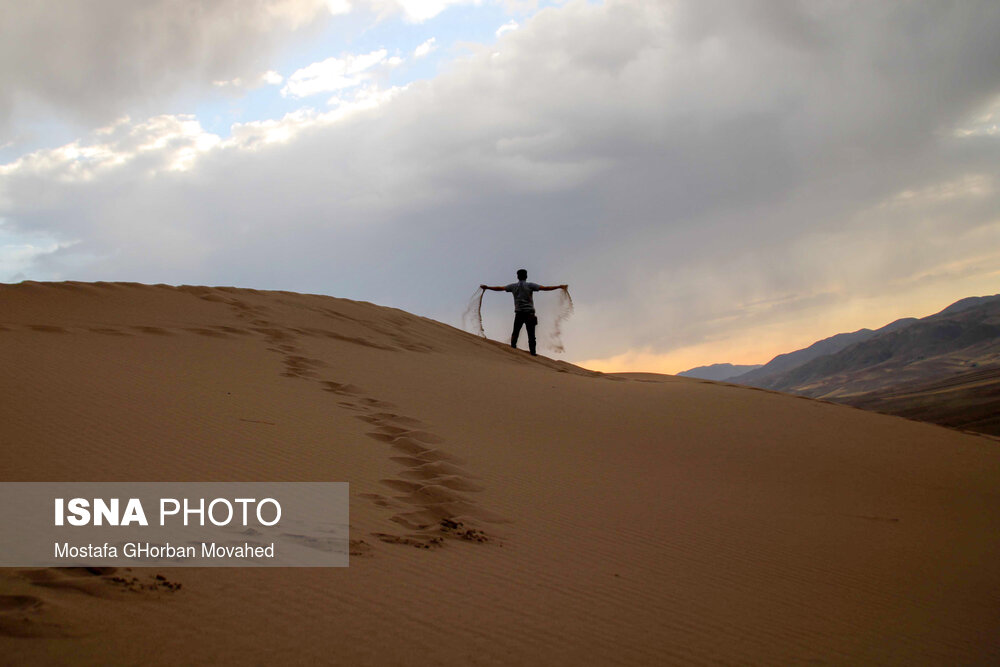
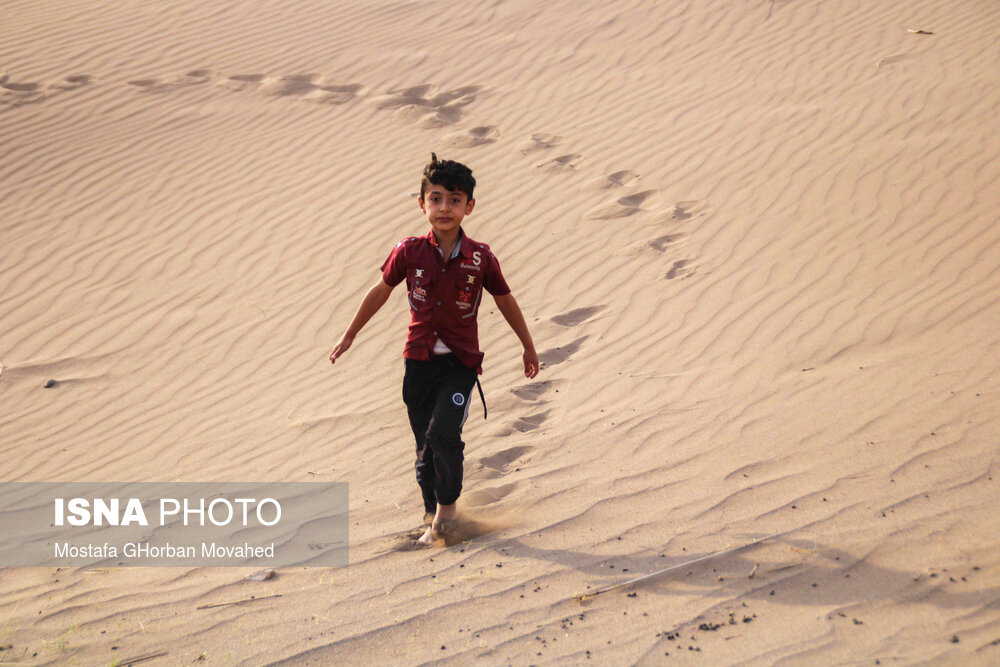
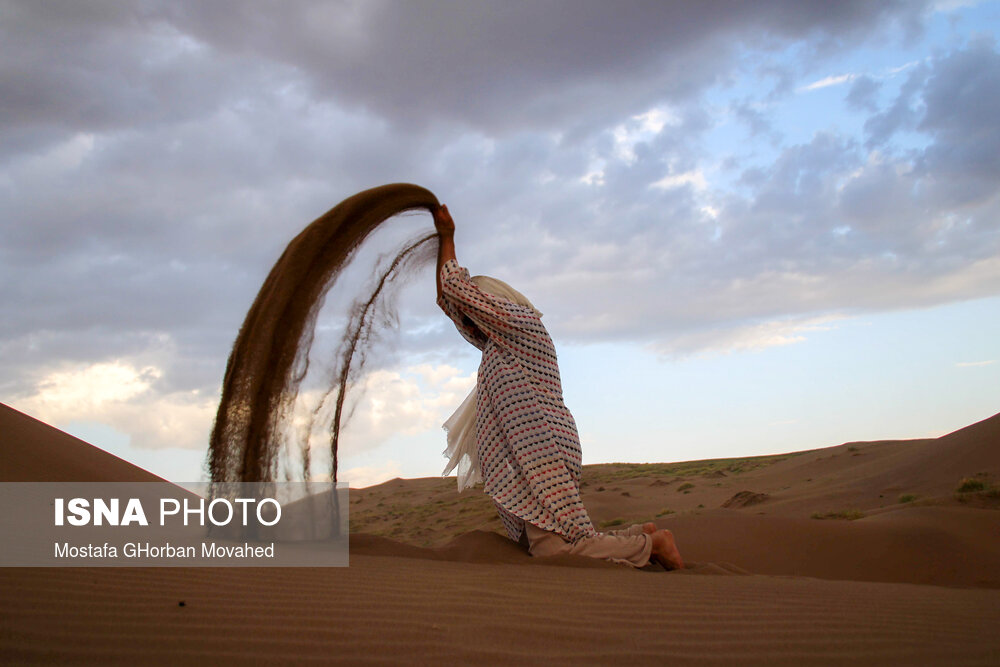
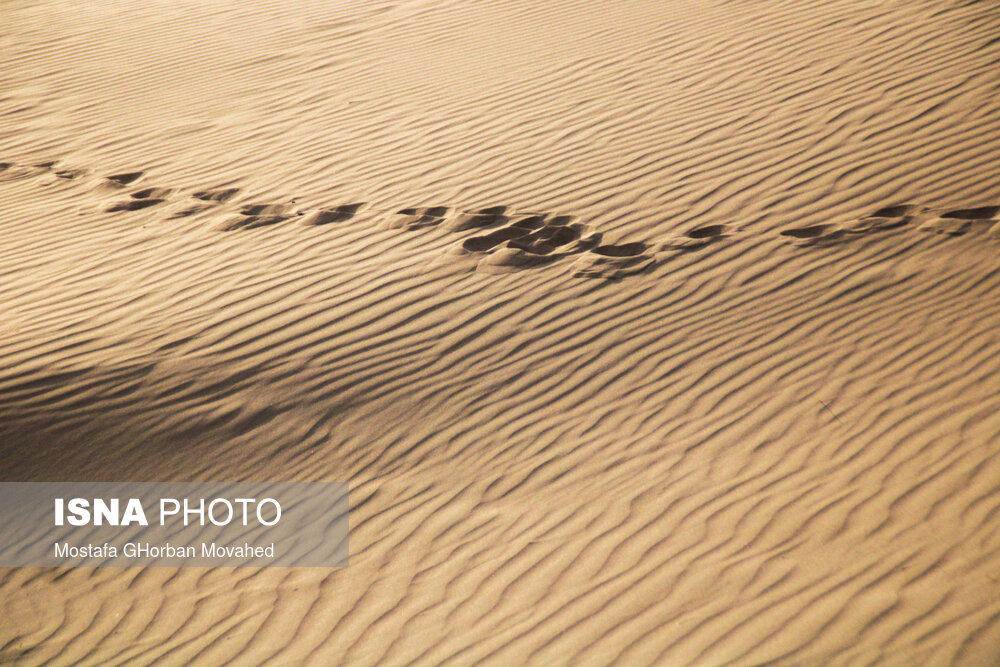
Iran’s Beauties in Photos: Lost Desert in Heart of Cold Region

Lost Desert in Heart of Cold Region 5

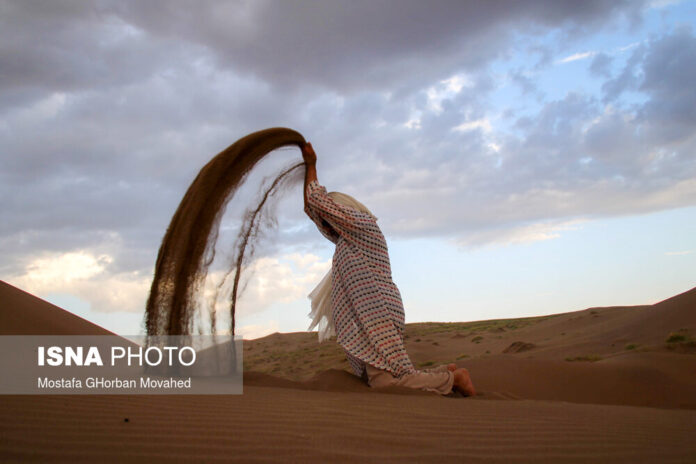
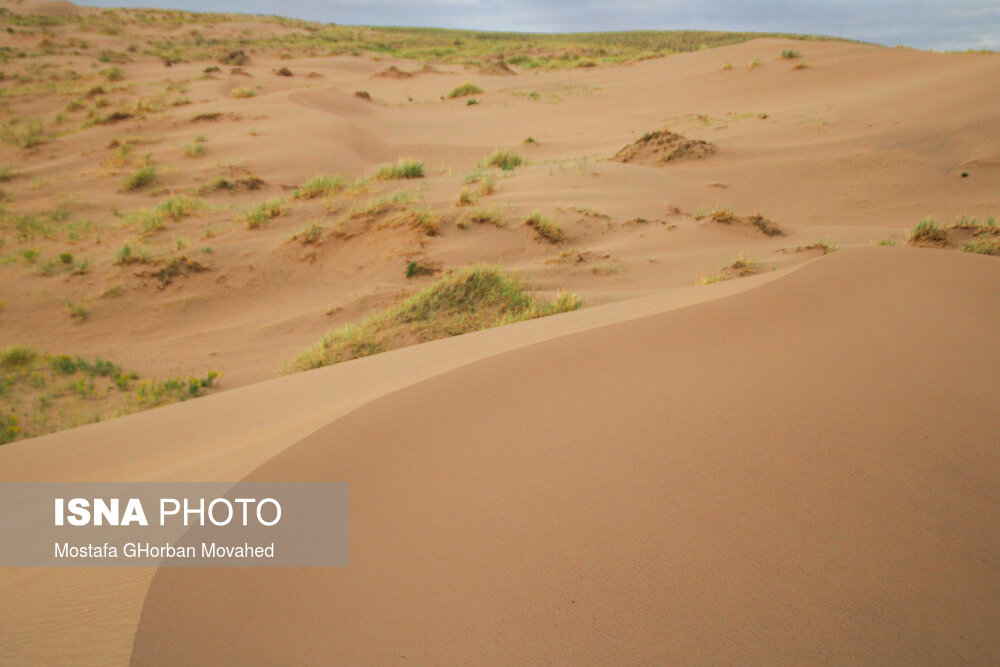
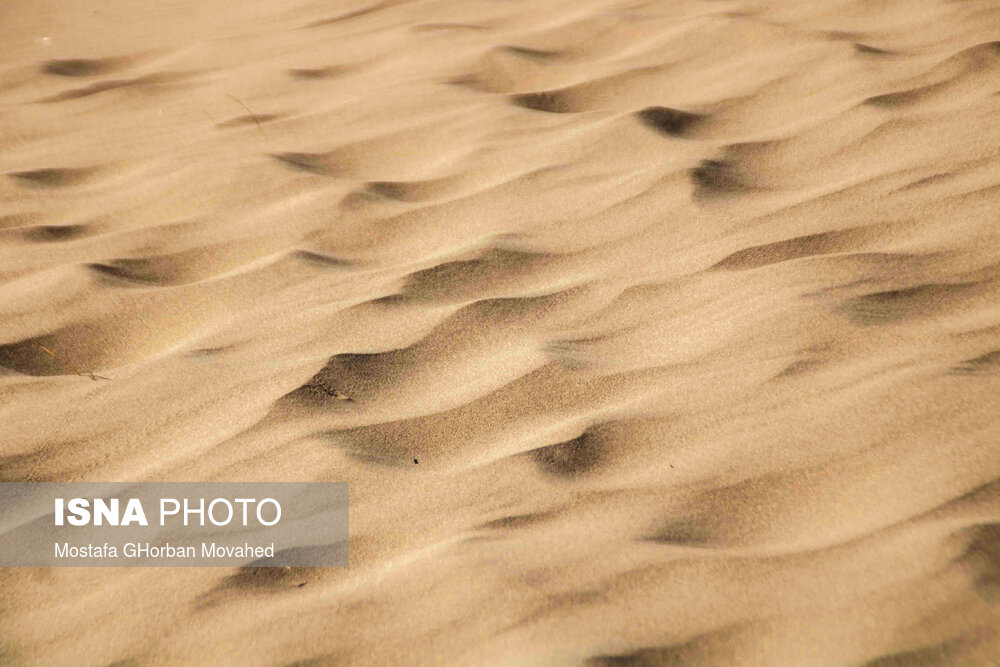
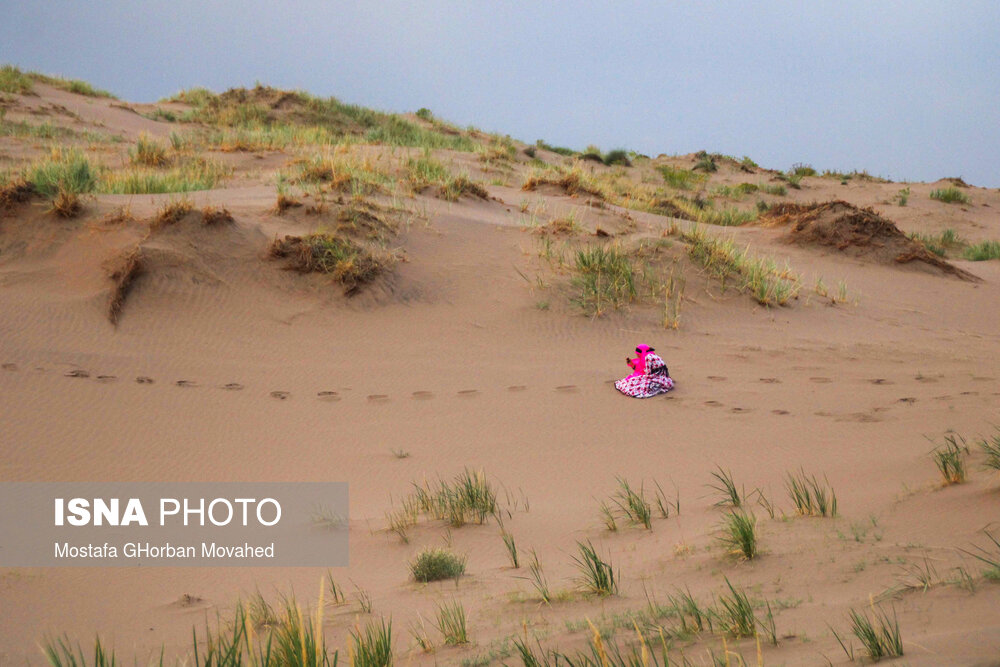
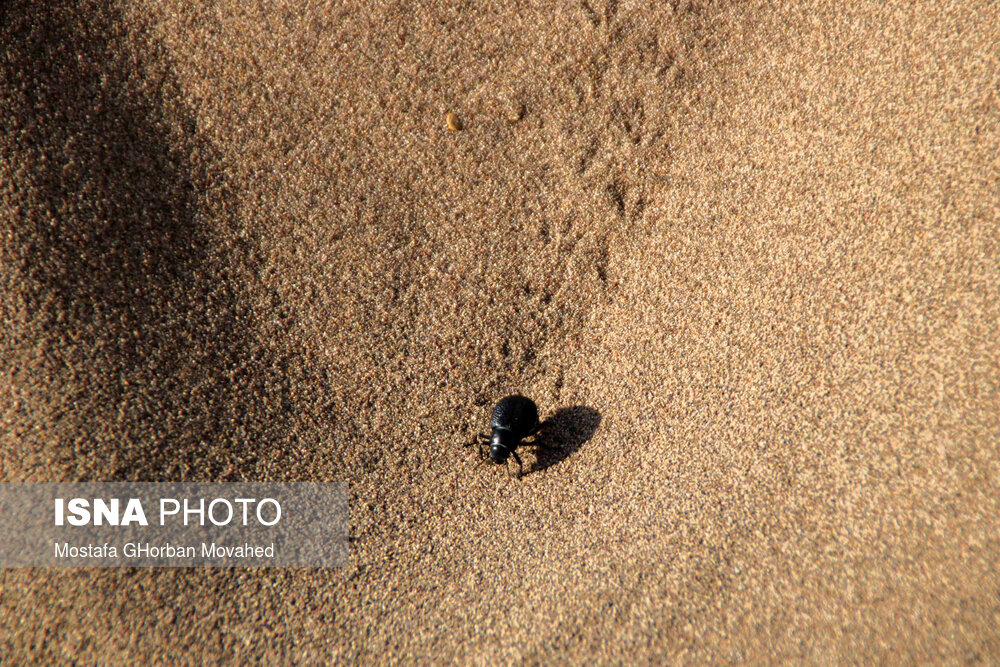
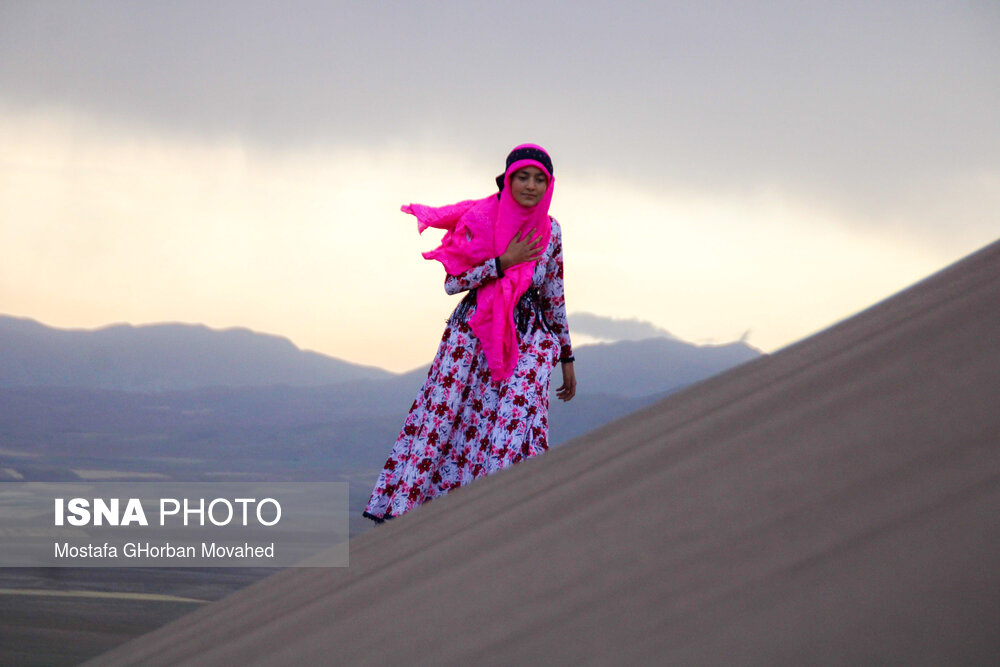
Shoush Qoum is a natural, rare geological phenomenon. With an area of more than 6 hectares, it is situated near Maghsoudloui village in the central part of Harris county; like a small desert in the heart of a beautiful, pleasant-weathered region.

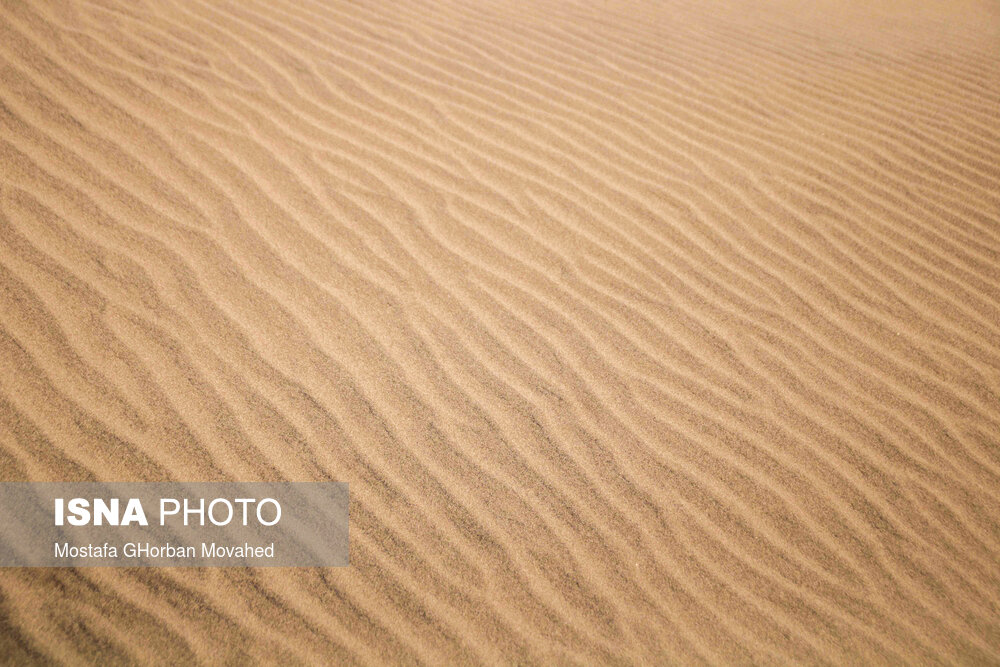
The desert is a special tourist, recreational attraction for its particular landscape; but also its soil which has healing properties. However, the area’s great potential to attract domestic and foreign visitors has been neglected due to the lack of proper presentation.
The officials are expected to develop and present Shoush Qoum as an important tourist area, while putting effort to preserve its environment and nature.

What follows are ISNA’s photos of Shoush Qoum desert in East Azarbaijan province, north-western Iran:

Iran Builds Homegrown Robot to Unclog Deep Wells

Iran Builds Homegrown Robot to Unclog Deep Wells

The development and increase of urban and industrial infrastructure has made the drilling of underground wells, even at very great depths, inevitable. Deep and intertwined underground networks, including the sewerage network and deep oil and gas pipelines, have two difficult stages: first, the construction of these networks and, more importantly, their maintenance.

However, technology and innovative solutions have been proposed to solve this problem.
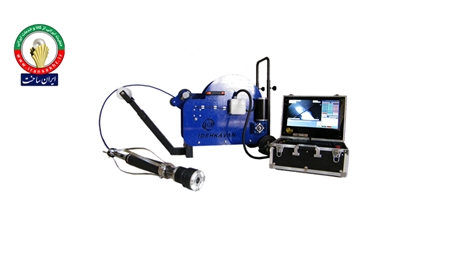
“Idea Kavan”, an Iranian knowledge-based company, has solved this by producing a videometric equipment.

The CEO of the company says this advanced robotic equipment performs operational tasks and includes visual inspection systems.

According to Abolfazl Hassani, the robots used to unclog deep wells utilize a variety of technologies. The company’s well unclogging robot has an internal hydraulic system that can perform high quality walling and repair.

“This robot can repair walls up to a depth of 500 metres with a diametre of 10 to 16 inches. The robot also has cameras designed for positioning and inspection after the operation so that the user can easily monitor the process.”

He added that one of the most common problems with imaging robots is their overturning. The robot made by this knowledge-based company is designed to be resistant to overturning. The body of this robot is made in such a way that in case of any event such as inversion, it can continue to move easily.

Rouhani Says Iranian Nation’s Resistance Will Foil US Pressure

Iran's Non-Oil Exports Doubled in 8 Years: President

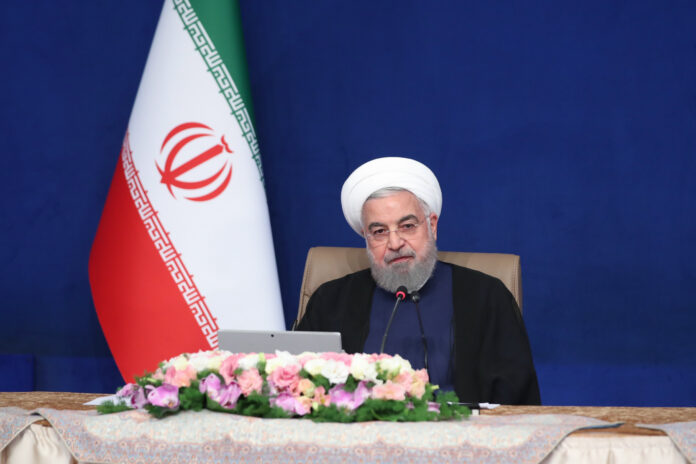
Speaking in a Wednesday cabinet session, Rouhani said the US’ strategic mistake since 2019 was that it thought it could bring the great nation of Iran to its knees through economic pressure and the imposition of sanctions, However, he said, we are now in the middle of the third year, and Iranians are resisting the pressure more than ever.

“Although they put the Iranian nation in trouble, today they have lost their reputation in the world and even among their own people. They will certainly not achieve their goals and will surely regret it,” added President Rouhani.

Despite the fact that the Islamic Republic has been facing sanctions and the coronavirus pandemic during the past seven months, fortunately the country has achieved economic growth in July and August, underlined Rouhani.

Since leaving the 2015 nuclear deal, officially known as the Joint Comprehensive Plan of Action (JCPOA) in May 2018, the administration of US President Donald Trump has dialed up efforts to kill the nuclear accord.

In August, Washington proposed a resolution to extend the UN arms embargo on Iran due to expire on October 18 under UN Security Council Resolution 2231, which endorsed the JCPOA.

However, it failed to get it passed as Russia and China voted against the resolution and the remaining 11 council members, including France, Germany and the UK, abstained.

US Secretary of State Mike Pompeo then filed an official complaint with UNSC President Dian Triansyah Djani, accusing Iran of violating the JCPOA.

He claimed that Washington was still a participant in the JCPOA and therefore retained the right to activate a 30-day countdown to a return of all UN sanctions that had been imposed on Tehran before the nuclear agreement.

But, the remaining signatories to the JCPOA maintained that since the United States had left the accord, it had no right to act under its provisions and could not trigger the so-called snapback of sanctions.

Iran’s Army to Stage Massive Exercises in Southern Waters

Iran’s Army to Stage Massive Exercises in Southern Waters

The Deputy Coordinator of the Army has announced that the main stages of the “Zulfaqar” joint exercise will continue for three days.

According to Rear Admiral Habibollah Sayyari, the main stages of the exercise are attended by units of the Navy, Air Force, and Army Ground Forces in an area of two million square kilometres in the eastern waters of the Strait of Hormuz, Makran coast, Oman Sea and North Indian Ocean.

He further pointed out that the exercise will be carried out in three stages: intelligence, tactics and demonstration of power.

“Warships, submarines, aircraft and some equipment and weapons belonging to the Army Combat Organisation will be present in this exercise.

The homegrown submarine Fateh and Simorgh drone are among the main equipment to be used in the exercise,” underscored Sayyari.