Wednesday, April 29, 2026
Home Blog Page 268

Iran says won’t negotiate with US under pressure and intimidation

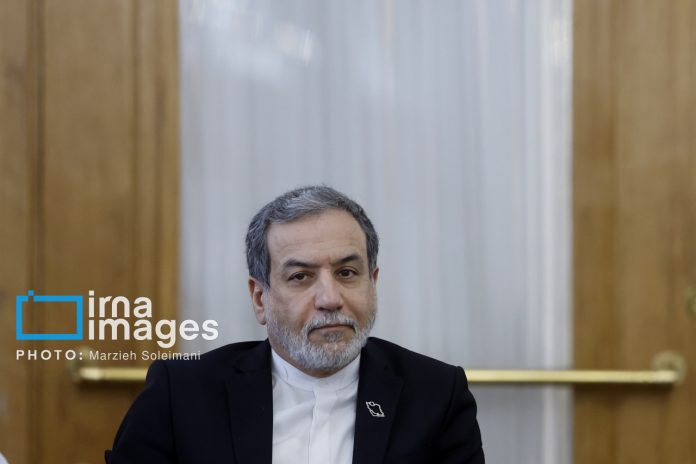
Abbas Araghchi

“Iran’s nuclear energy program has always been -and will always remain- entirely peaceful. There is fundamentally therefore no such things as its ‘potential militarization’”, the Iranian foreign minister said in a post on his X account on Monday.

“We will NOT negotiate under pressure and intimidation. We will NOT even consider it, no matter what the subject may be. Negotiation is different from bullying and issuing diktats,” he added.

“We are now consulting with the E3 -and separately with Russia and China- on equal footing and mutual respect. The aim is to explore ways to build more confidence and more transparency on our nuclear energy program in return for the lifting of unlawful sanctions,” Araqchi noted.

“In the past, the US enjoyed respect from Iran whenever it was respectful in its discourse, and it was confronted whenever it adopted a threatening posture. Every action compels a reaction,” the foreign minister said.

In an interview with Fox News, US President Donald Trump claimed that Iran can be handled either militarily or by making a deal on Tehran’s nuclear program.

On Saturday, Leader of the Islamic Revolution Ayatollah Seyyed Ali Khamenei said that the insistence of some bullying powers on holding talks with Iran does not aim to solve issues, emphasizing that Iran would never accept the expectations of bullying states.
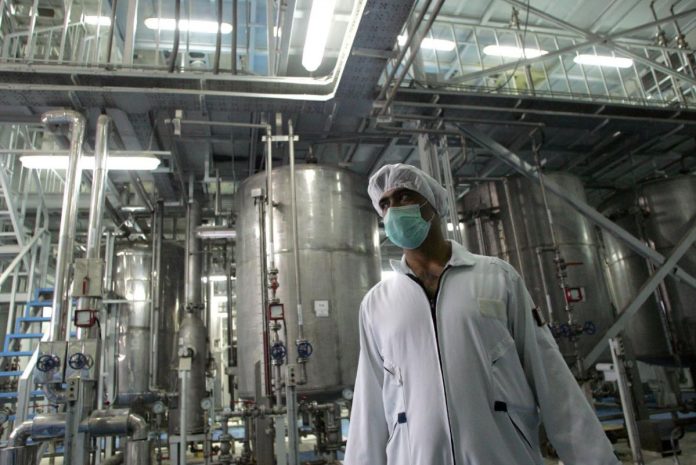
UN mission: Iran may consider talks aimed at easing nuclear ‘militarization’ concerns

Iran Nuclear Program

“If the objective of negotiations is to address concerns regarding any potential militarization of Iran’s nuclear program, such discussions may be subject to consideration,” the mission said in a statement on X on Sunday.

Weeks after signing an order restoring maximum pressure on Iran, U.S. President Donald Trump claimed on Friday that he had sent a letter to Iran, asking that negotiations be reopened.

During his first term, Trump unilaterally withdrew the United States from a multilateral nuclear deal with Iran, signed by his predecessor, Barack Obama, in 2015, and re-imposed tough economic sanctions on the country, which the accord had lifted.

“Should the aim be the dismantlement of Iran’s peaceful nuclear program to claim that what Obama failed to achieve has now been accomplished, such negotiations will never take place,” Iran’s mission to the U.N. announced in the statement.

Addressing government officials on Saturday, Leader of the Islamic Revolution Ayatollah Seyyed Ali Khamenei reiterated that Iran rejects a push by “bullying governments” to open negotiations.

The Leader added that such gestures for diplomacy were not a genuine attempt at resolving the dispute over Iran’s nuclear program, but an effort to impose their excessive demands on the country.

Tension and conflict will harm Iran, global peace: President Pezeshkian to Norway’s PM

In a telephone conversation on Sunday, Norway’s Prime Minister Jonas Gahr Stoere and the Iranian president discussed bilateral and multilateral issues.

Pezeshkian said Iran has never sought to produce nuclear weapons and affirmed the country’s principled policy on defusing tensions and fostering unity in the region.

“However, we will definitely counter any threat against our country’s security and interests with strength and power,” he added.

He noted that Iran has always had and will have cooperation with the International Atomic Energy Agency on verification of the country’s nuclear activities.

Elsewhere in the phone call, Pezeshkian pointed to good relations between Tehran and Oslo and common grounds for bilateral cooperation on regional and international fields and hailed Norway’s efforts to establish peace in the region.

Referring to the ongoing sensitive situation in the region and the world, he said Iran has always made efforts to maintain regional peace, stability and security and prevented the occurrence of any war and conflict.

“Unfortunately, the Zionist regime, as the main factor of tension and crisis in the region, is inciting war and committing crime and genocide against the oppressed people of Palestine,” Pezeshkian emphasized.

He added that the Israeli regime “is attempting to portray the peaceful nuclear activities of the Islamic Republic of Iran as a factor of insecurity through fabrication of lies.”

The Norwegian prime minister, for his part, said his country supports the peaceful settlement of issues in the region and is ready to play a role in this regard.

Stoere pointed to the commonalities between the two countries and expressed Oslo’s keenness to improve cordial relations with Tehran.

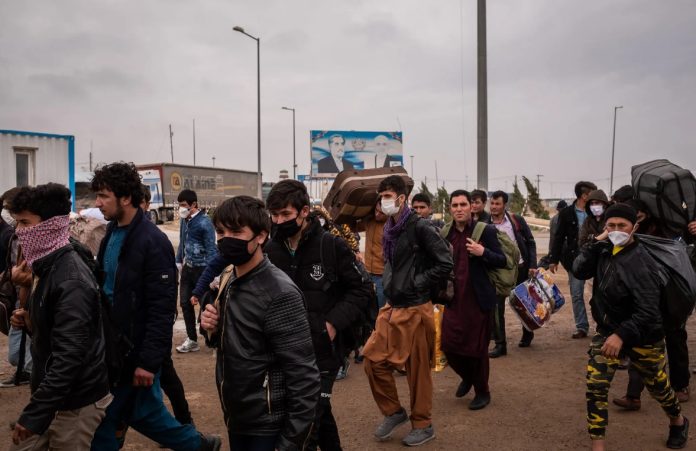
Interior ministry outlines regulations for Afghan nationals staying in Iran

Afghanistan refugees in Iran

Nader Yarahmad told ISNA that the first group includes individuals where one spouse holds a temporaey passport while the other has a census registration document.

The second category consists of families where one spouse has a temporary passport while the partner and children possess census registration documents.

The official added that the third group comprises individuals with expired passports and visas. These individuals must pay a fine to law enforcement authorities and obtain a short-term exit visa before reapplying for legal re-entry into Iran.

Yarahmad said: “The fourth category includes those who have a valid job identification card or work permit. These individuals must secure legal residency within a designated period to continue working in Iran.”

The official added that the fifth group consists of former government officials, military personnel, or civil servants from the previous Afghan administration.

He said: “The sixth category includes Afghan nationals holding census registration documents. They must leave Iran, obtain a valid passport, and return legally to regulate their stay.”

He also stressed that from April 2025, unauthorized foreign nationals will no longer be eligible for healthcare, real estate transactions, or other essential services in Iran.

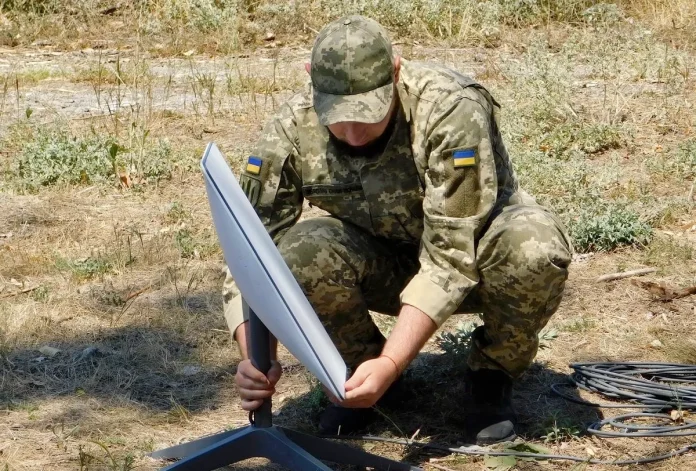
Elon Musk says Ukrainian front line ‘would collapse’ if Starlink is turned off

Starlink internet terminals have played a crucial role in securing communications in the war in Ukraine. Last year, Ukraine said that approximately 42,000 terminals were in operation across the military, hospitals, businesses, and aid organizations.

The U.S. has threatened to cut off Ukraine’s access to Starlink if Kyiv doesn’t agree to a critical minerals deal, Reuters wrote in late February, citing sources. Musk denied these reports back then.

The planned signing of the agreement was disrupted after a clash between U.S. President Donald Trump and President Volodymyr Zelensky in the Oval Office. In early March, Washington halted U.S. military aid and intelligence sharing for Ukraine in an attempt to push Kyiv to peace talks with Moscow.

In a post on X, Musk, a close ally of Trump, proposed to impose sanctions “on the top 10 Ukrainian oligarchs, especially the ones with mansions in Monaco.” This was in reaction to a post by Republican Senator Mike Lee, who called for cutting funding for Ukraine.

One social media user wrote that Musk ignores the fact that Russia is an aggressor and Ukraine is a victim in the all-out war.

“I literally challenged (Russian President Vladimir) Putin to one on one physical combat over Ukraine, and my Starlink system is the backbone of the Ukrainian army. Their entire front line would collapse if I turned it off,” Musk replied.

Musk described Russia’s full-scale war as “years of slaughter in a stalemate,” adding that Ukraine would “inevitably lose.”

“Anyone who really cares, really thinks, and really understands, wants the meat grinder to stop. Peace now!” he wrote.

As concerns about Starlink’s availability escalated, Ukrainian officials said the country was working on alternatives to the U.S. service. French satellite operator Eutelsat Communications is in talks with the European Union to possibly replace Starlink in Ukraine.

Musk, who Trump has tasked with eliminating “fraud” and “waste” from the government budget, has called for shutting down the U.S. Agency for International Development (USAID), an organization that provides vital humanitarian aid to Ukraine. He has also amplified Russian disinformation and mocked Zelensky for calling Ukraine an independent country.

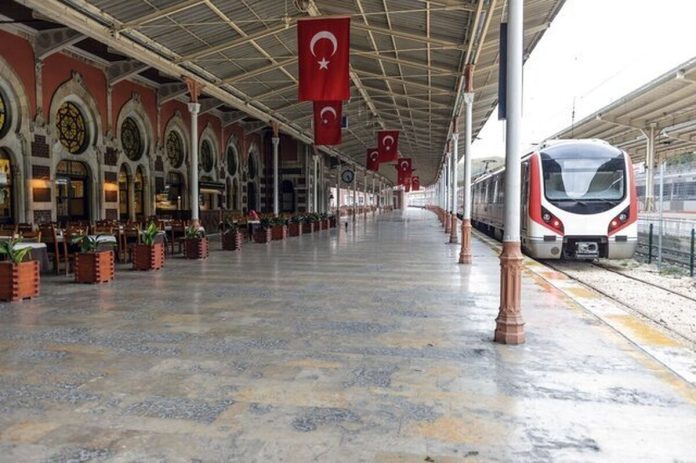
Tehran-Van passenger train resumes operation after five-year hiatus

The train, initially launched in July 2019 as part of a bilateral effort to boost regional cooperation and tourism, was halted shortly after its inauguration. Following recent agreements between Iran and Turkey, the service has now been restored, with the first train departing on Sunday.

According to Nasser Bakhtiari, CEO of Iran’s Raja Rail Transportation Company, the Tehran-Van train will operate twice a week, departing Tehran on Sundays and Wednesdays and returning from Van on Mondays and Thursdays.

The journey, which includes customs clearance at Razi (Iran) and Kapiköy (Turkey) border stations, takes approximately 22 hours each way.

The four-star “Sareer” train used for this route has a four-bed compartment system and a passenger capacity of 280 people per trip.

Bakhtiari emphasized that passengers must adhere to the regulations of both countries, which have been previously announced, to avoid any issues during their journey.

Iran’s first air taxi becomes operational

In this flight, a small Piper aircraft belonging to the Iranian airline Atlas, transported passengers from Karaj to the city of Qazvin, located 140 kilometers from Tehran.

Air taxis are considered a system of air transportation that uses small aircraft and commercial jets to move passengers on short to medium routes, especially in metropolitan areas and congested regions.

In Iran, air taxi services were operational long ago, but due to a lack of infrastructure development, they gradually faded away.

The Iranian airline Atlas offers innovative services in Iran’s aviation industry with a fleet of 10 air taxis, accommodating between 2 to 35 passengers.

US vetoes G7 proposal to establish task force on Russia’s ‘shadow fleet’: Bloomberg

The move aligns with the Donald Trump administration’s efforts to soften its stance on Russia in international institutions as well as in joint statements.

Trump, who has called on both Russia and Ukraine to make concessions to end the war, has repeated Kremlin narratives ahead of formalized peace negotiations.

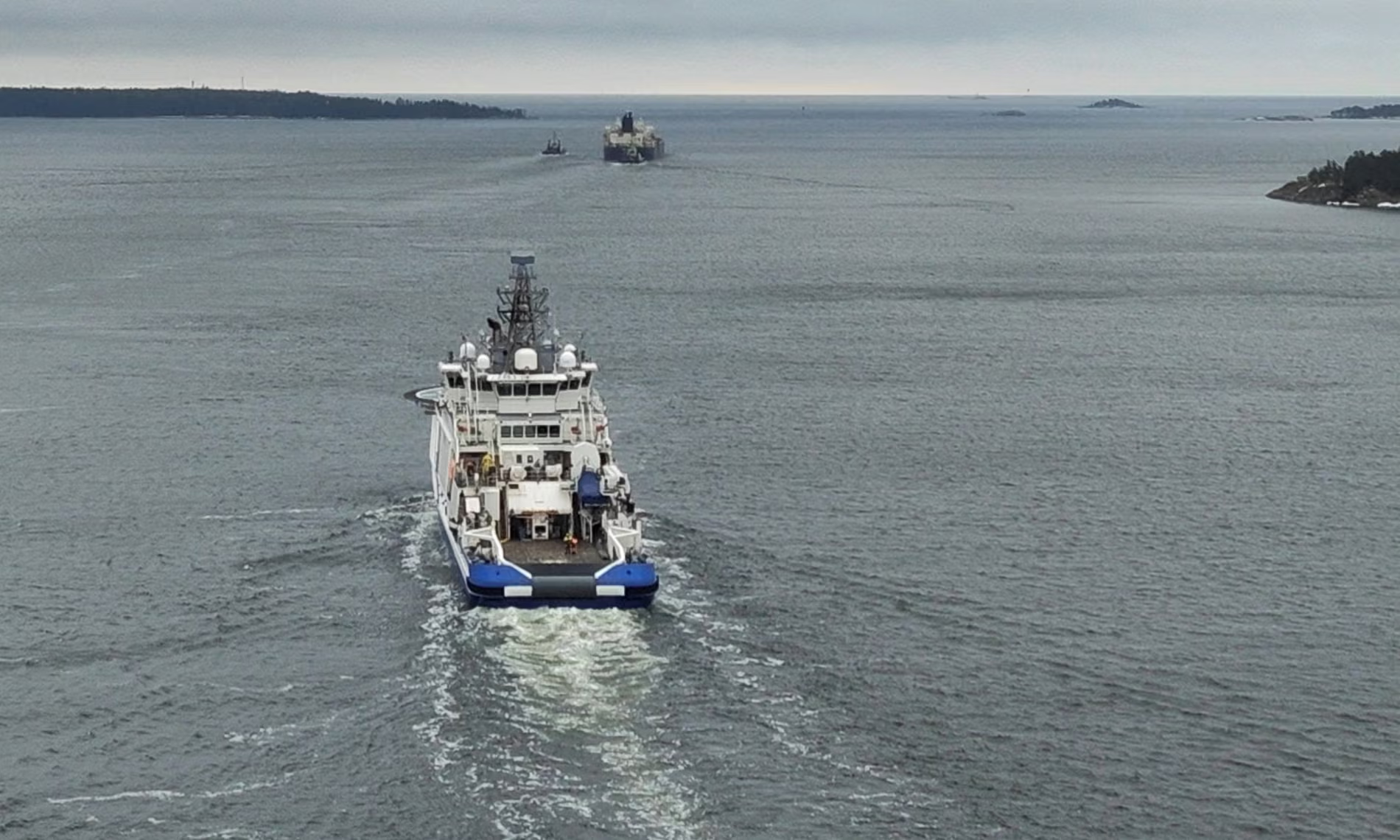
The shadow fleet refers to aging and largely uninsured oil tankers that Russia uses to transport oil above the $60 per barrel price cap that the EU, the U.S., and G7 countries imposed in December 2022 as part of the effort to cut Moscow’s fossil fuels revenue.

In recent months, shadow fleet vessels have been suspected of sabotage operations in the Baltic Sea, causing major damage to undersea cables.

In addition to vetoing the task force, the United States has sought to ease rhetoric used towards Russia, pushing, in a joint G7 draft statement, to remove the word “sanctions,” as well as citing Russia’s “ability to maintain its war” in Ukraine by replacing it with “earn revenue,” Bloomberg reported.

The final joint statement has not been finalized ahead of next week’s G7 meeting in Canada and is subject to change.

The wording in the G7 statement aligns with previous moves by the U.S. at international institutions. On Feb. 24, the day of the third anniversary of Russia’s full-scale invasion, the U.S. voted against a resolution at the UN General Assembly condemning Russia’s full-scale invasion, with 93 countries voting in favor and 18 against.

The General Assembly later passed a separate U.S. resolution marking the third anniversary of the invasion. That resolution also received 93 votes in favor but avoided directly calling Russia the aggressor.

A few days later, the United States abstained from signing a statement by members of the World Trade Organization (WTO) condemning Russian aggression on Feb. 26, breaking from its Western allies.

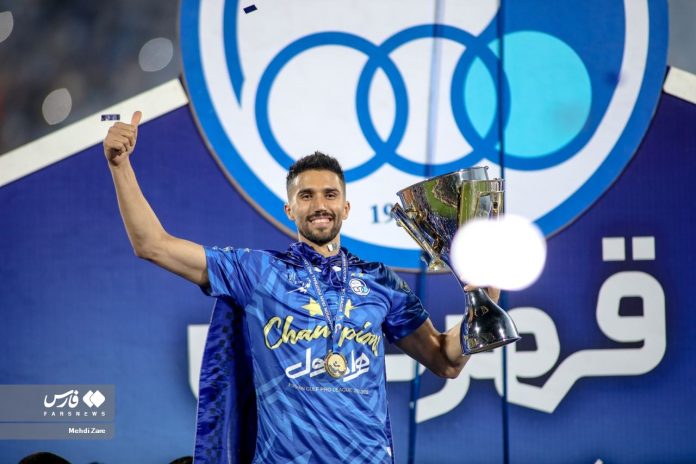
Iran’s Hosseini named in AFC Champions League Round of 16 Best XI

The announcement comes after his standout performance in a goalless draw against Saudi Arabia’s Al-Nassr last week at Tehran’s Azadi Stadium.

Hosseini played a pivotal role in securing the clean sheet, making several crucial saves to keep Esteghlal’s hopes alive ahead of the second leg.

His efforts have earned him recognition as one of the top performers in the first-leg matches of the tournament’s knockout stage.

Esteghlal will face Al-Nassr again on Monday in the second leg, aiming to advance to the quarterfinals.

The Iranian side will rely on Hosseini’s leadership and goalkeeping prowess as they seek to overcome their Saudi opponents and continue their journey in Asia’s premier club competition.

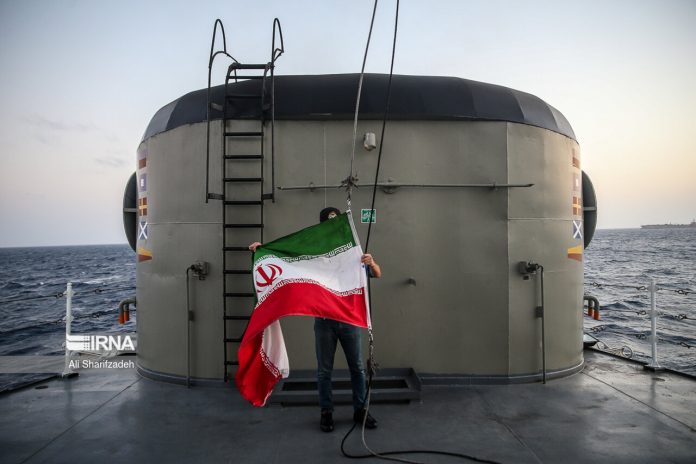
Iran, China, Russia to stage joint naval exercise soon

Iranian Navy

In the seventh joint exercise of the Maritime Security Belt 2025, naval groups from Russia and China, along with observers from Azerbaijan Republic, South Africa, Oman, Kazakhstan, Pakistan, Qatar, Iraq, the UAE, and Sri Lanka, will participate alongside vessels from the Navy of the Iranian Army and the Islamic Revolution Guard Corps in the Northern Indian Ocean.

This exercise aims to enhance security and sustainable maritime interactions in the Northern Indian Ocean and to strengthen relations between the strategic navies of the Iranian Army, the People’s Republic of China, and the Russian Federation in designing and executing joint maritime operations.

Demonstrating the authority of the Iranian Army’s Navy in international arenas, enhancing the professional capabilities of the strategic Navy, and developing Iran’s maritime diplomacy are also among the objectives of this exercise.