Wednesday, April 29, 2026
Home Blog Page 267

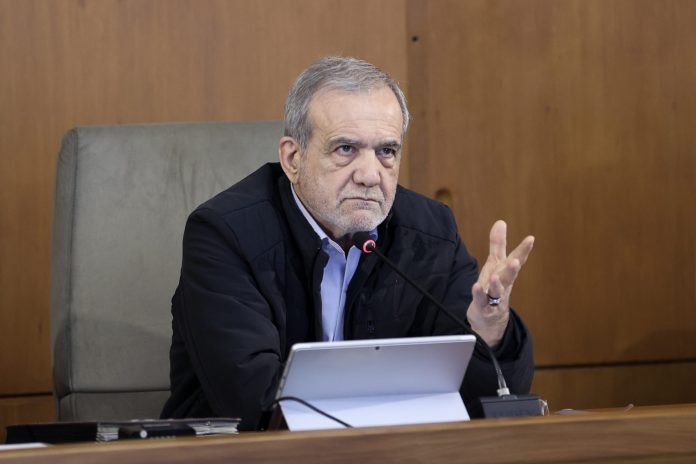
‘Do whatever the hell you want’: Iran President to Trump

Masoud Pezeshkian

“We must maintain relationships with the world. We do not want to be estranged or quarrel with anyone, but that does not mean we will bow in humiliation before anyone,” Pezeshkian stated during a meeting of the Iran Entrepreneurs Forum in Tehran on Tuesday.

“We may die with honor, but we will never live in disgrace.”

Pezeshkian rejected what he characterized as an ultimatum from Donald Trump, referencing a letter reportedly sent by the US president to Iran.

The letter demanded that Tehran halt its nuclear and missile programs and take other measures in exchange for sanctions relief.

“It is unacceptable for someone to come along and say, ‘Don’t do this, don’t do that, or else.’ I won’t come to negotiate with you. Go do whatsoever you want,” Pezeshkian stated.

He criticized Trump for disrespecting his Ukrainian counterpart, Volodymyr Zelensky, while pressuring him to agree to a deal with Russia.

The Iranian president stressed Trump’s conduct in his recent meeting with Zelensky at the White House was “truly shameful.”

“If negotiations are conducted with dignity and based on mutual respect and shared interests, we will sit down and talk,” he continued, adding, “But the language of threats and coercion is absolutely unacceptable.”

The president emphasized the importance of strengthening Iran’s private sector as a means to counteract Western sanctions.

“If we do not sanction ourselves, America or anyone else will not be able to easily sanction us.”

Tensions between Iran and the US have significantly worsened since Trump unilaterally withdrew from the nuclear deal, called the Joint Comprehensive Plan of Action (JCPOA), in 2018.

The JCPOA, reached in 2015, required Iran to implement confidence-building measures to limit its nuclear activities in exchange for sanctions relief.

Following the withdrawal, the Trump administration launched a “maximum pressure” campaign aimed at crippling Iran’s economy through severe sanctions targeting its oil exports, banking sector, and other critical industries.

US officials openly admitted that the policy was designed to weaken Iran economically and politically.

However, it also exacerbated regional tensions and strained relations with America’s European allies, who remained committed to the JCPOA.

In response, Iran gradually reduced its compliance with JCPOA commitments while maintaining that its nuclear program remains peaceful.

The upcoming JCPOA termination day in October 2025 has further heightened tensions, as it could mark a turning point for international restrictions on Iran’s nuclear activities.

Iran has repeatedly stressed its readiness for negotiations on the removal of sanctions, provided they are conducted on equal footing and in a manner that preserves national dignity and sovereignty.

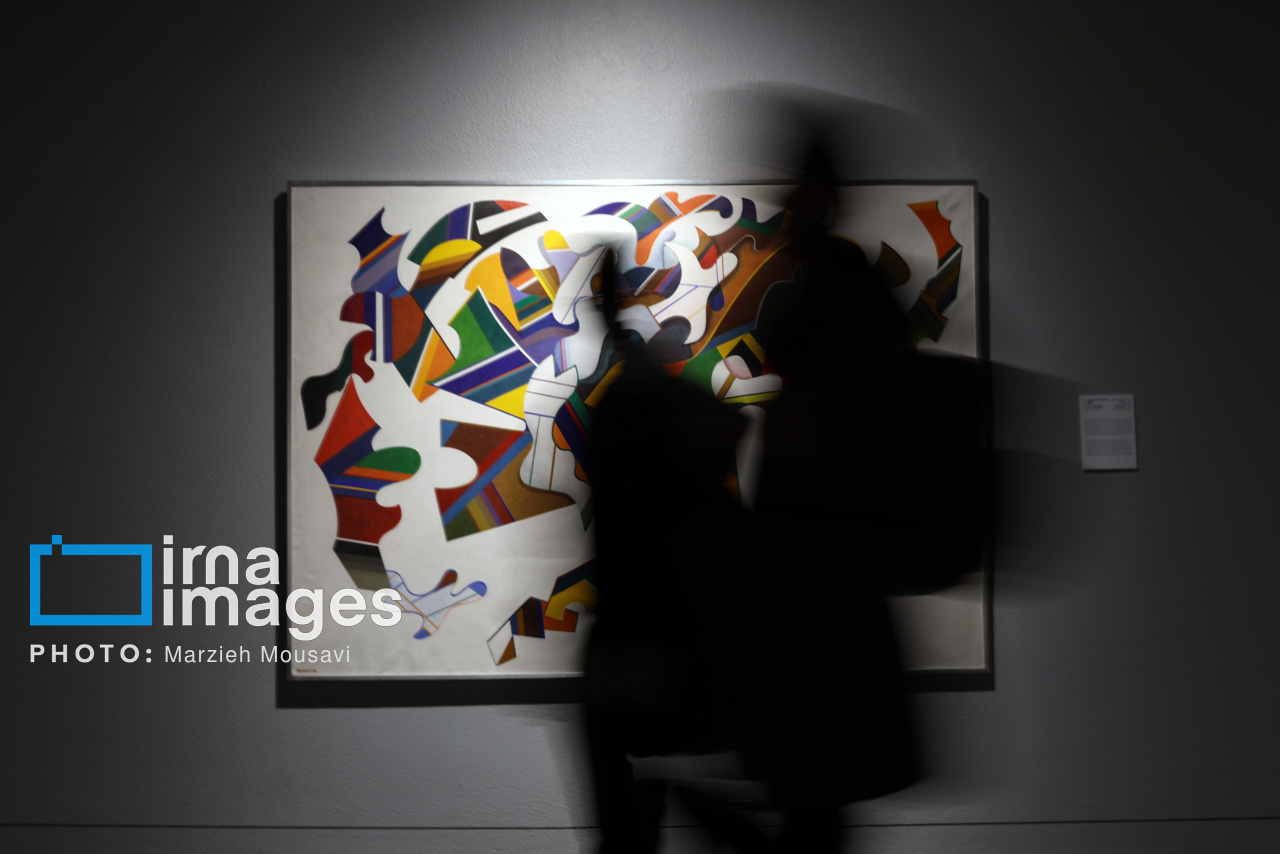
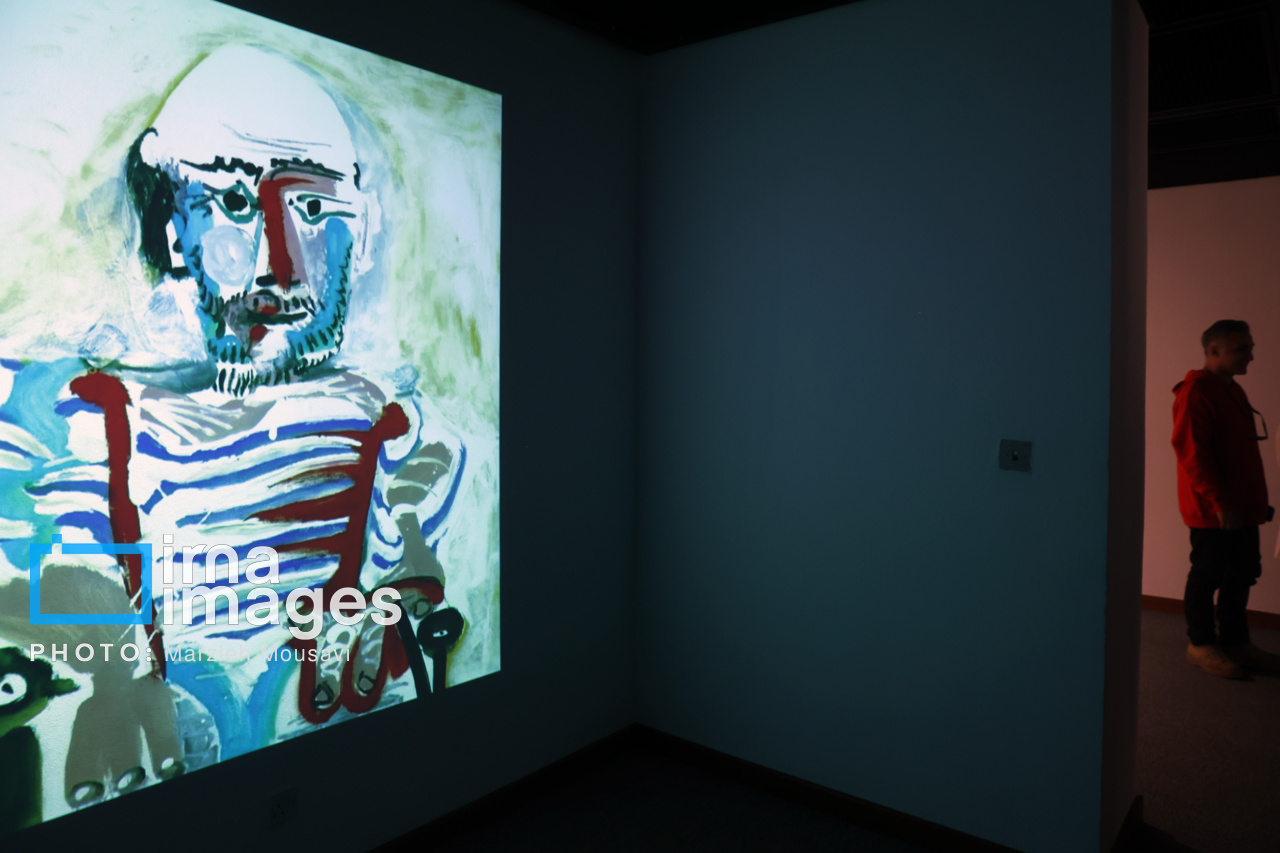
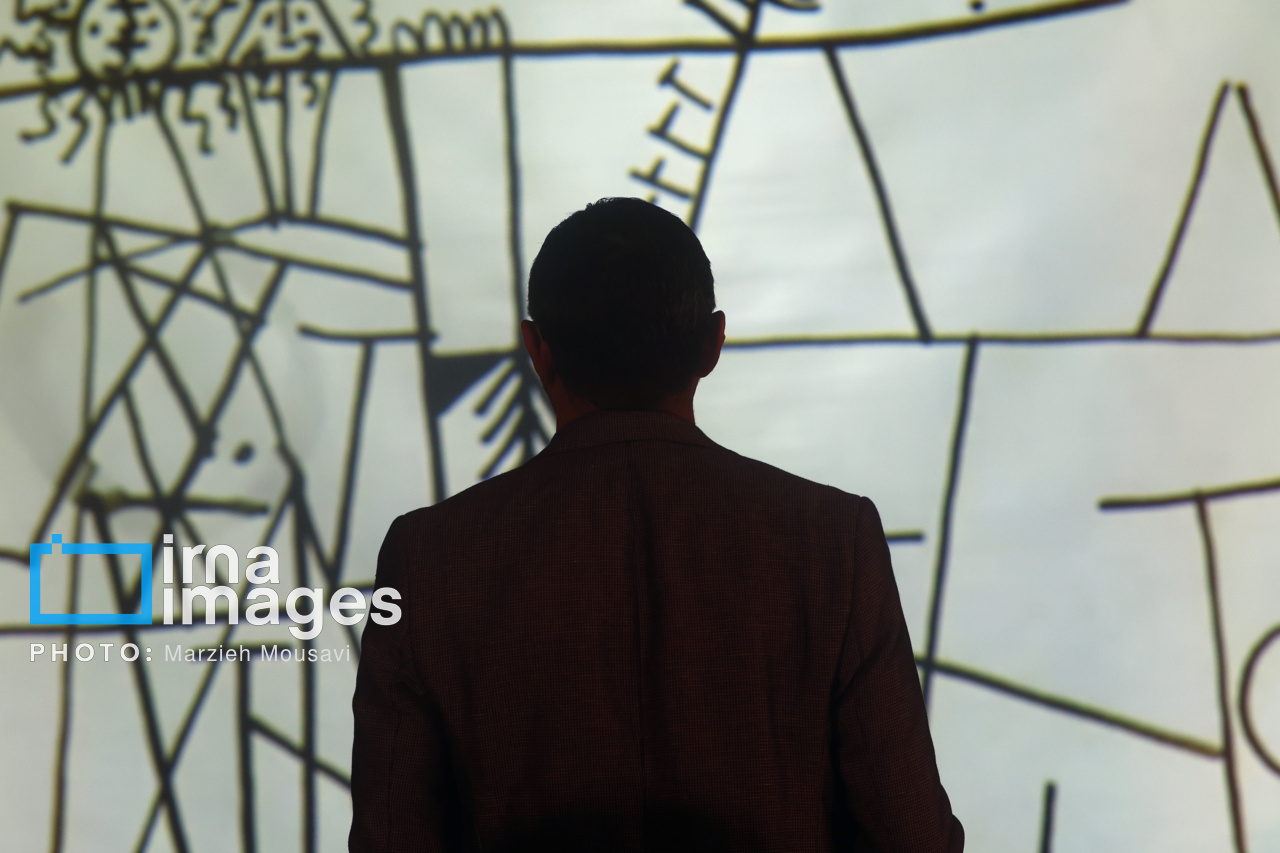
Tehran hosts major Picasso exhibition featuring rare works

The exhibition, inaugurated on Tuesdy, was attended by Antonio Sánchez-Benedito Gaspar, Spain’s Ambassador to Iran, senior cultural officials, and prominent artists.

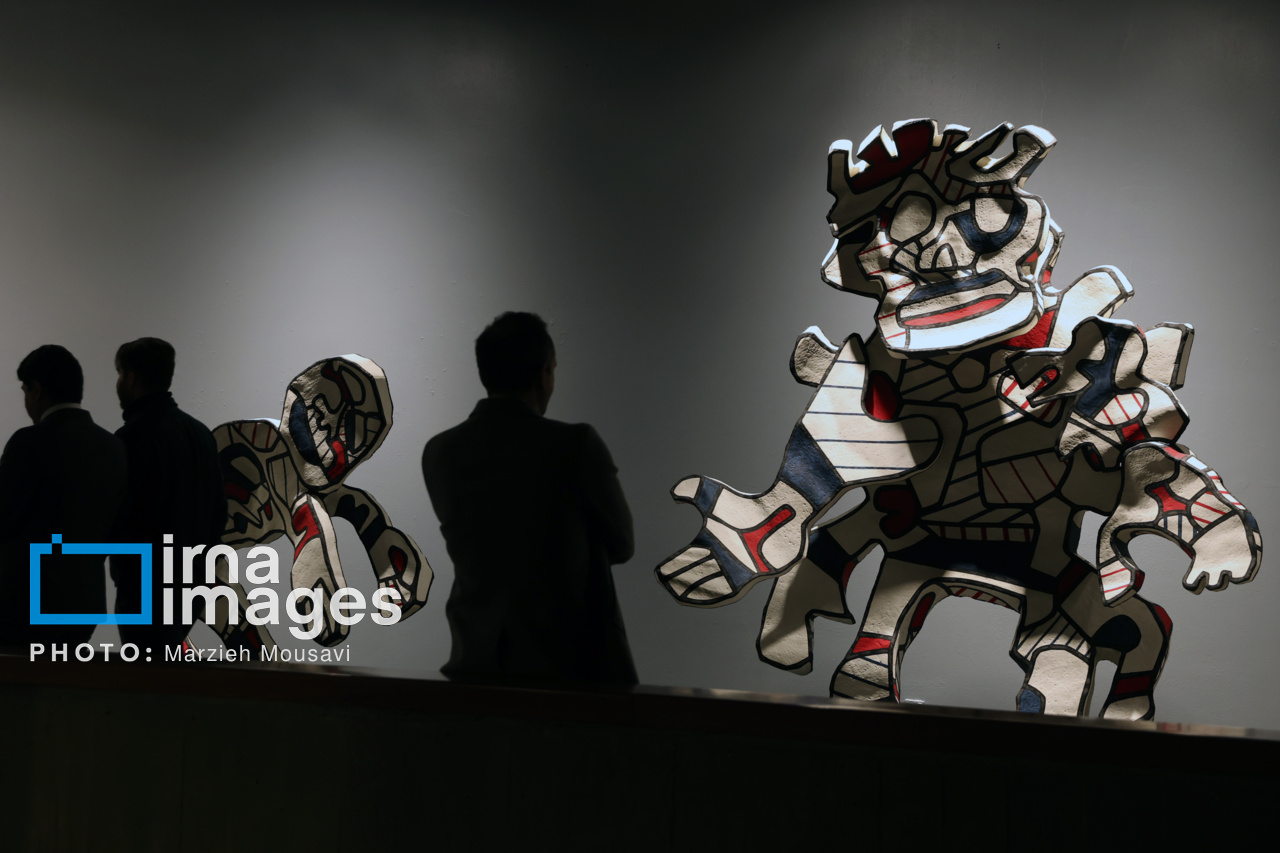
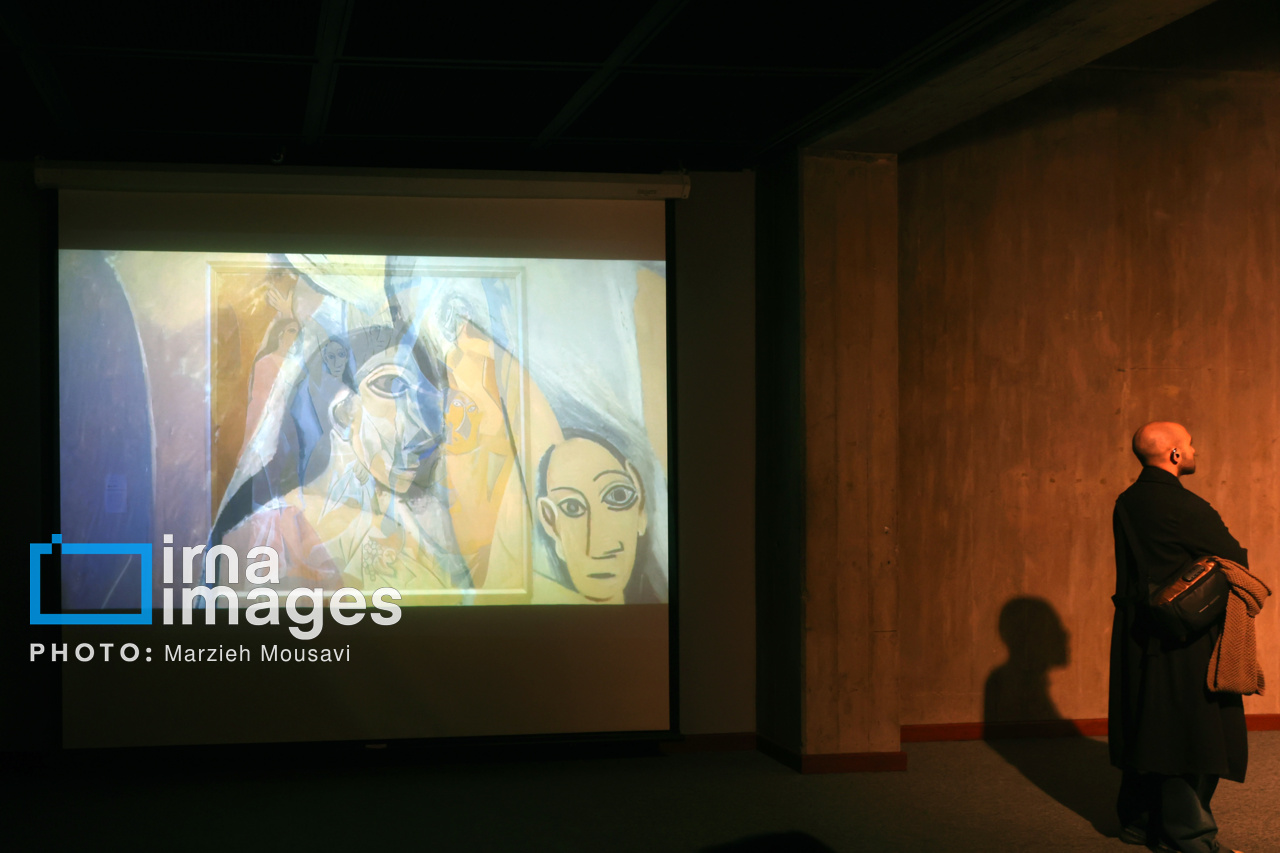
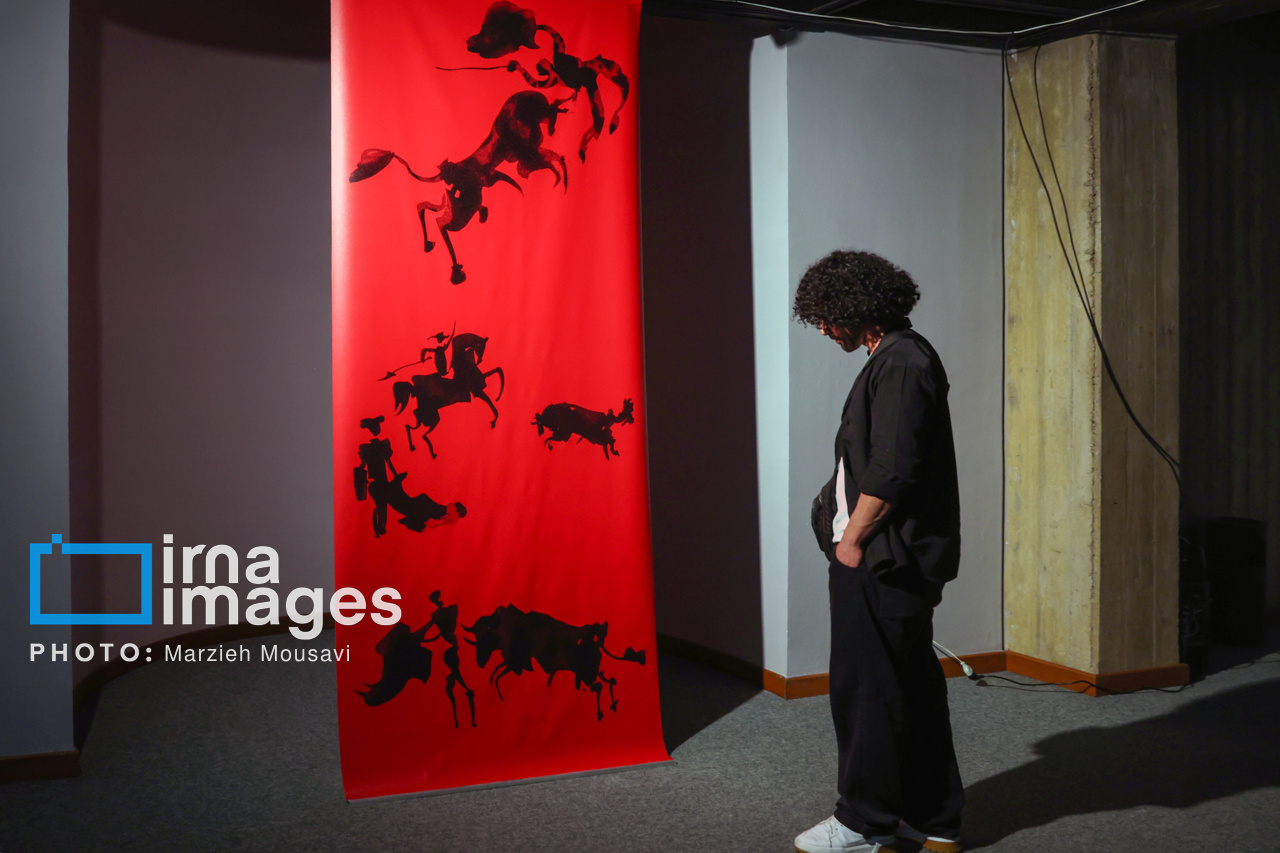
The exhibition includes pieces from various periods of Picasso’s career, featuring 12 aquatint prints from Tauromachia (The Art of Bullfighting), alongside other significant works such as Painter and His Model, An Open Window to Rue Penthièvre, Baboon and Young, and multiple versions of Weeping Woman. These works, part of the museum’s collection, are being displayed in Tehran for the first time.

The exhibition also features works by Iranian artists like Bahram Dabiri, Bahman Mohasses, and Hannibal Alkhas, as well as international figures such as Georges Braque, Robert Delaunay, and Joan Miró.

During the opening ceremony, Spain’s ambassador highlighted Picasso’s role in modern art, describing him as a pioneering figure in Cubism and a passionate advocate for peace, as reflected in his famous anti-war painting Guernica.

Nadereh Rezaei, Deputy Minister of Cullture and Islamic Guidance, emphasized the museum’s commitment to reinterpreting its collection through fresh narratives, stating that Picasso in Tehran offers a new perspective on the artist’s impact on global and Iranian art.

The exhibition runs through April 20, 2025.

Aerial target shooting carried out in Iran-China-Russia naval exercises

Iranian Navy

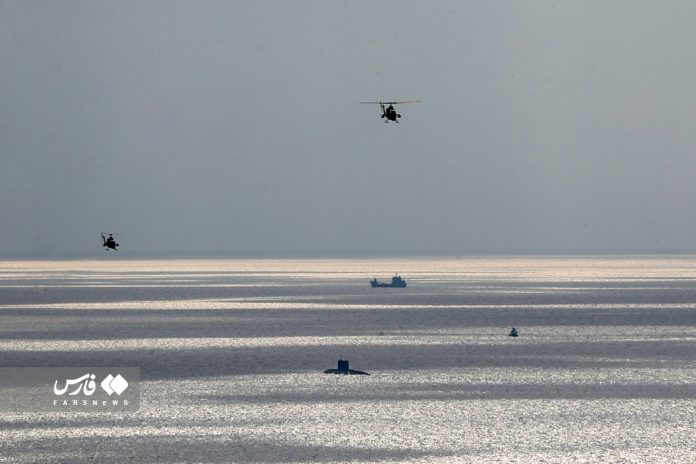
Rear Admiral Mostafa Tajeddini, deputy operations commander of Iran’s Navy, said the night shooting exercise, considered one of the most crucial naval drills, was conducted successfully by participating units. A daytime shooting operation was also carried out, he added.

“The execution of day and night aerial target shooting requires precise coordination and step-by-step orders,” Tajeddini said. He noted that the exercise was designed around a shared tactical language between Iranian naval forces—including the Islamic Republic of Iran Navy and the Islamic Revolution Guards Corps (IRGC) Navy—as well as their Chinese and Russian counterparts.

Tajeddini highlighted the key difference between the 2025 Maritime Security Belt drills and previous editions, pointing to the larger number of participating units and countries.

He also emphasized the increased involvement of aerial units, including helicopters and fixed-wing aircraft, in deeper operational areas.

The Security Belt-2025 is the fifth China-Iran-Russia joint naval exercise since 2019.

Gaza war behind record high US anti-Muslim incidents: Report

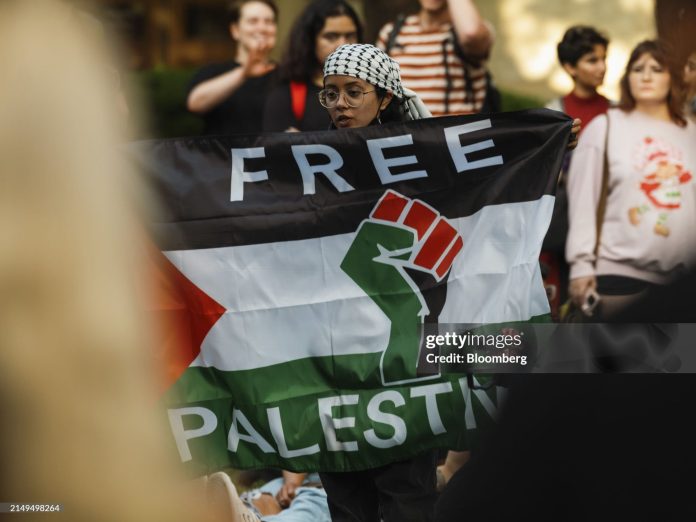
Protest US Universities

The Council on American Islamic Relations said it recorded the highest number of anti-Muslim and anti-Arab complaints – 8,658 – in 2024 since it began publishing data in 1996.

Most complaints were in the categories of employment discrimination (15.4%), immigration and asylum (14.8%), education discrimination (9.8%) and hate crimes (7.5%), according to the CAIR report.

Rights advocates have highlighted an increase in Islamophobia, anti-Arab bias and antisemitism since the start of Israel’s devastating assault on Gaza following a deadly October 2023 Hamas attack.

Demonstrators have for months demanded an end to U.S. support for Israel. At the height of college campus demonstrations in the summer of 2024, classes were canceled, some university administrators resigned, and student protesters were suspended and arrested.

Human rights and free speech advocates condemned the crackdown on protests which were called disruptive by university administrators. Notable incidents include violent arrests by police of protesters at Columbia University and a mob attack on pro-Palestinian protesters at the University of California, Los Angeles.

“For the second year in a row, the U.S.-backed Gaza genocide drove a wave of Islamophobia in the United States,” CAIR added.

The CAIR report also details police and university crackdowns on pro-Palestinian protests and encampments on college campuses.

Last month, an Illinois jury found a man guilty of hate crime in an October 2023 fatal stabbing of a 6-year-old Palestinian American boy.

Other alarming U.S. incidents since late 2023 include the attempted drowning of a 3-year-old Palestinian American girl in Texas, the stabbing of a Palestinian American man in Texas, the beating of a Muslim man in New York and a Florida shooting of two Israeli visitors whom a suspect mistook to be Palestinians.

In recent days, the U.S. government has faced criticism from rights advocates over the arrest of Mahmoud Khalil, a Palestinian graduate student who has played a prominent role in pro-Palestinian protests at Columbia University.

EU, ICAO approve Iran fuel management for intl. flights 

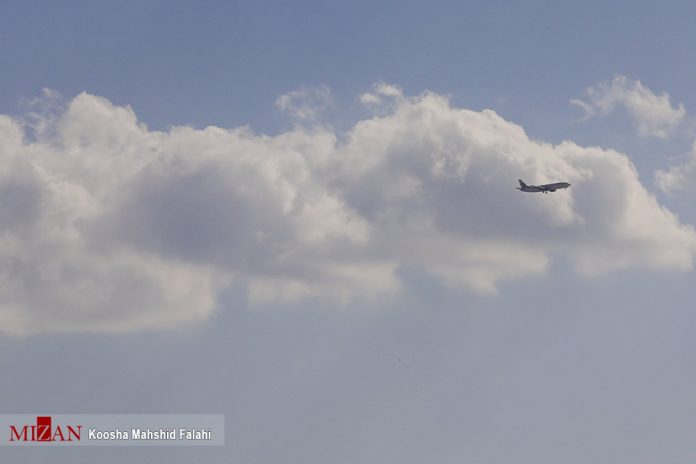
Iran Airport

The operations deputy of Homa announced that annually, the Iranian airline is audited by the EU-ETS and ICAO’s CORSIA for all international flights, regarding the emission of
greenhouse gases.

Javad Sharifi said the purpose of these audits is to monitor the method and amount of greenhouse gas emissions and to enforce international laws in order to protect the environment.

The airline’s operations deputy added that given the type of Homa’s international flights, it is obliged to comply with these requirements and is therefore evaluated annually by auditors. Sharifi noted that with Homa’s continuous efforts and follow-ups, the audits were held and verified for the Iranian flag carrier.

He underlined that as the first airline in Iran, Homa has been observing the environmental standards related to CO₂ emissions in accordance with the requirements of ICAO for more than 10 years and has had a very favorable performance in all audits. He noted that Iran’s flag carrier, as a leader in the country’s aviation industry, continues to move towards sustainable development and will maintain its commitment to international environmental requirements.

US arrests pro-Gaza student leader at Columbia University

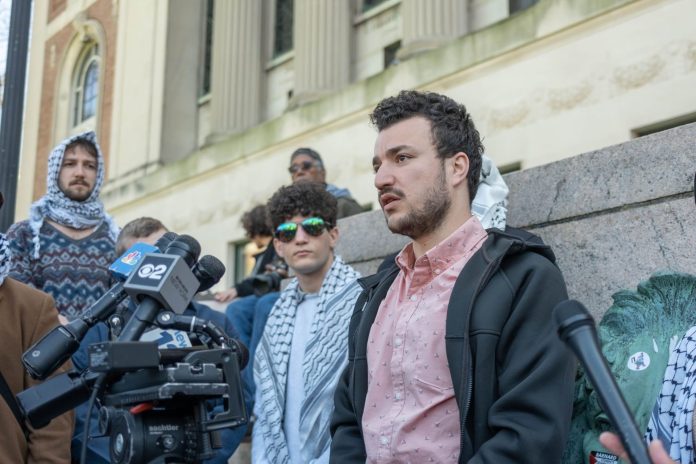
The student, Mahmoud Khalil at the university’s School of International and Public Affairs, was arrested at his university residence on Saturday, the Student Workers of Columbia union said in a statement.

Khalil’s wife is a US citizen and he has a permanent residency green card, the union said. He remained in detention on Sunday. Khalil’s wife declined to comment through one of Khalil’s fellow students.

Khalil’s lawyer, Amy Greer, told the Associated Press news agency that she spoke by phone with one of the ICE agents during the arrest, who said they were acting on State Department orders to revoke Khalil’s student visa. Informed by the lawyer that Khalil was in the country as a permanent resident with a green card, the agent said they were revoking that too, according to the lawyer.

Greer added the authorities declined to tell Khalil’s wife, who is eight months pregnant, whether he was accused of committing a crime. Khalil has since been transferred to an immigration detention facility in Elizabeth, New Jersey.

“We have not been able to get any more details about why he is being detained,” Greer told the AP.

“This is a clear escalation. The administration is following through on its threats.”

The arrest appeared to be among the first known actions under President Donald Trump’s pledge to deport international students who joined the protests against Israel’s war in Gaza that swept college campuses last year. His administration has claimed participants forfeited their rights to remain in the country by supporting Hamas, which is designated as a ‘terror’ organisation by the US.

The move has been described as an attack on First Amendment freedoms.

Khalil, an Algerian citizen of Palestinian origin, has been one of the school administrators’ lead negotiators of the pro-Palestinian student protesters, some of whom set up a tent encampment on a Columbia lawn last year and seized control of an academic building for several hours in April before police entered the campus to arrest them. Khalil was not in the group that occupied the building but was a mediator between Columbia provosts and the protesters.

The protesting students called for Columbia’s divestment from companies with ties to Israel, a ceasefire and an end to the war that killed nearly 50,000 Palestinians and turned the enclave into rubble after nonstop bombardment. The US provided the bulk of the ammunition for the war.

Columbia said last year that it would consider expediting some of the students’ demands through its investments committee.

Rights groups have accused Israel of committing genocide in Gaza – home to 2.3 million people. Despite a ceasefire in place since January 19, Israel has blocked the entry of any aid into Gaza since March 1, drawing condemnation from rights groups and aid agencies.

The October 7, 2023, Hamas attack on Israel and subsequent Israeli military offensive on Gaza led to months of pro-Palestinian protests that roiled US college campuses.

At least 1,100 people were killed in the Hamas attack and some 240 people were taken captive. Most of the captives have been released as part of truce deals. A new round of truce talks will resume in the Qatari capital, Doha, on Monday.

A spokesperson for Columbia said the school was barred by law from sharing information about individual students.

The Department of Homeland Security and the State Department, which oversees the country’s visa system, did not respond to questions from the news agencies. It was not immediately clear on what grounds ICE agents arrested Khalil. The ICE comes under the US Department of Homeland Security.

In an interview with the Reuters news agency a few hours before his arrest on Saturday about the Trump administration’s criticism of Columbia, Khalil said he was concerned that he was being targeted by the government for speaking to the media.

The Trump administration on Friday said it had cancelled government contracts and grants worth about $400m to Columbia University. The government announced the cuts and the student deportation efforts are due to “anti-Semitic” harassment at and near Columbia’s Manhattan campus.

“What more can Columbia do to appease Congress or the government now?” Khalil stated before his arrest, noting that Columbia had twice called in police to arrest protesters and had disciplined many pro-Palestinian students and staff, suspending some.

“They basically silenced anyone supporting Palestine on campus and this was not enough. Clearly, Trump is using the protesters as a scapegoat for his wider agenda [of] fighting and attacking higher education and the Ivy League education system.”

In response to the announced grant cuts on Friday, Columbia’s interim president, Katrina Armstrong, said the school was committed to combating anti-Semitism and was “working with the federal government to address their legitimate concerns”.

Protesting students have denied the charges of anti-Semitism.

Maryam Alwan, a Palestinian American senior at Columbia who has protested alongside Khalil, said the Trump administration was dehumanising Palestinians.

“I am horrified for my dear friend Mahmoud, who is a legal resident, and I am horrified that this is only the beginning,” she added.

US Secretary of State Marco Rubio said last week that international students who support Hamas, which the US has designated a “terrorist” organisation, face visa revocation and deportation.

On Thursday, Columbia issued a revised protocol for how students and school staff should handle ICE agents seeking to enter private school property.

The school announced ICE agents without a judicial arrest warrant may be allowed to enter its private property in “exigent circumstances”, which it did not specify.

“By allowing ICE on campus, Columbia is surrendering to the Trump administration’s assault on universities across the country and sacrificing international students to protect its finances,” the Student Workers of Columbia said in its statement.

Khalil lives in a university apartment building near Columbia’s main gated campus.

Iranian Forensics Org.: 78 people killed in Chaharshanbeh Suri incidents in 4 years

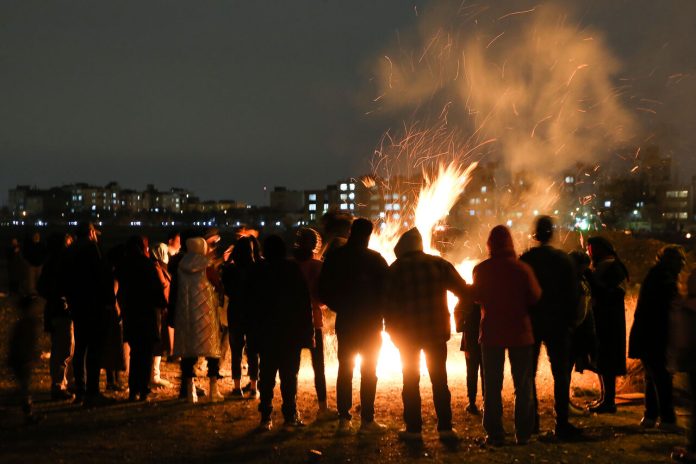
Chaharshanbe Suri

The organization said the highest number of fatalities took place in 1402, with the death toll standing at 28.

According to this report, those killed include 65 men and 13 women and most of the deaths are young people, mostly in the age group under 30 years old. While noting that national occasions should be upheld, the Iranian Forensics Organization urged all citizens to avoid dangerous acts such as use of firecrackers.
It also asked all Iranians to pay attention to safety tips and recommendations.
Chaharshanbe Suri is an ancient Persian festival marking the eve of the last Wednesday before the Persian New Year (Nowruz).

According to ancient traditions, jumping over burning bushes was a way of honoring this ritual. However, in recent years, the use of strong fireworks and explosives on this night has led to casualties.

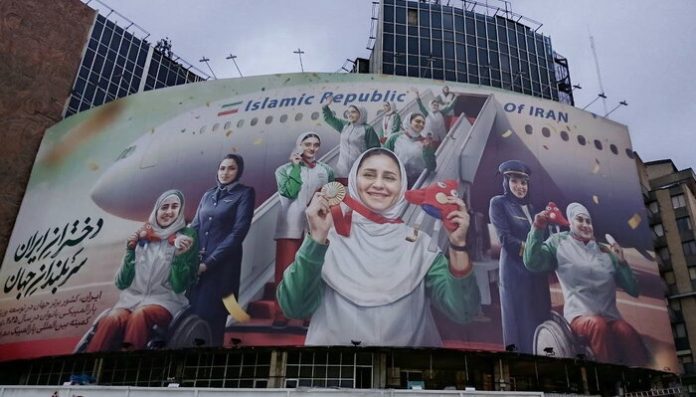
‘Iran’s Daughters, Pride of the World’

The mural, titled Iran’s Daughters, Pride of the World, celebrates the remarkable achievements of Iran’s female Paralympic athletes, highlighting their resilience and dedication.

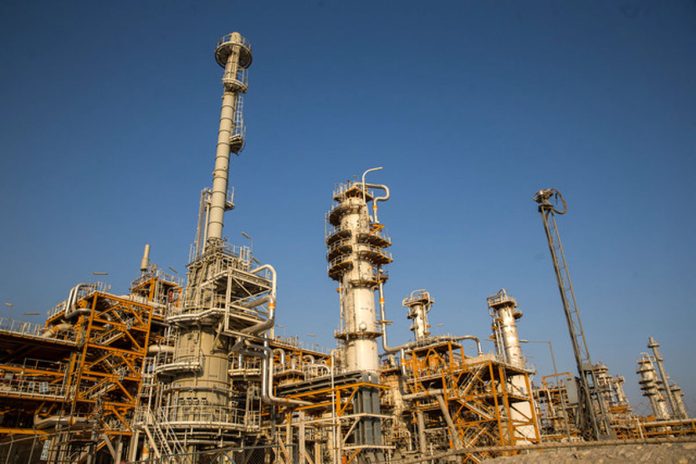
Chief supervisor: Iranian petrochemical companies fail to repatriate 30% of export revenues

petrochemical factory in the southern Iranian port city of Mahshahr

The failure to comply with legal obligations has been criticized by many experts and officials, who accuse major companies, including government-affiliated petrochemical firms, of withholding foreign currency earnings.

Petrochemical companies claim that out of $11.5 billion in exports this year, they have repatriated and supplied $9 billion, with the remaining $2.5 billion used to purchase essential goods for the industry.

However, the Central Bank auditor, Alireza Abedini, disputes the claim, stating that last year, 88% of the export revenue was repatriated, and this year, the figure has dropped to 70%.

Abedini emphasized that all export revenues must be returned to Iran’s economic cycle under anti-smuggling laws. Non-compliance has led to legal actions, with cases referred to the Court of Audit’s prosecutor’s office.

The issue of unreturned export revenues has been a significant challenge for Iran’s economy, especially since the US withdrawal from the JCPOA nuclear deal and subsequent currency crises.

The Central Bank plans to impose banking restrictions on violators and has issued new guidelines to manage foreign exchange resources and regulate the return of export revenues.

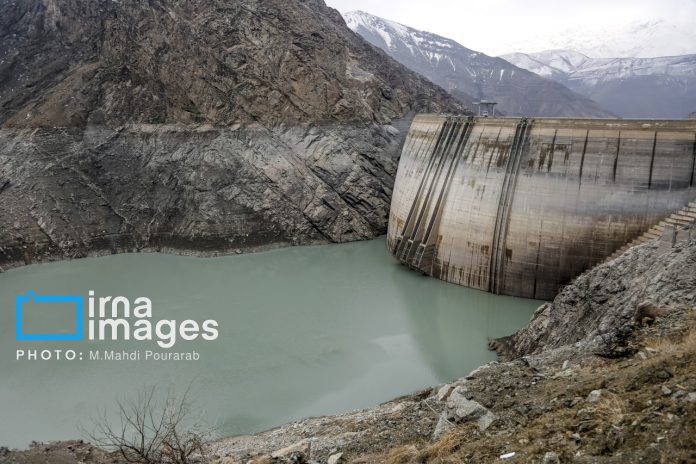
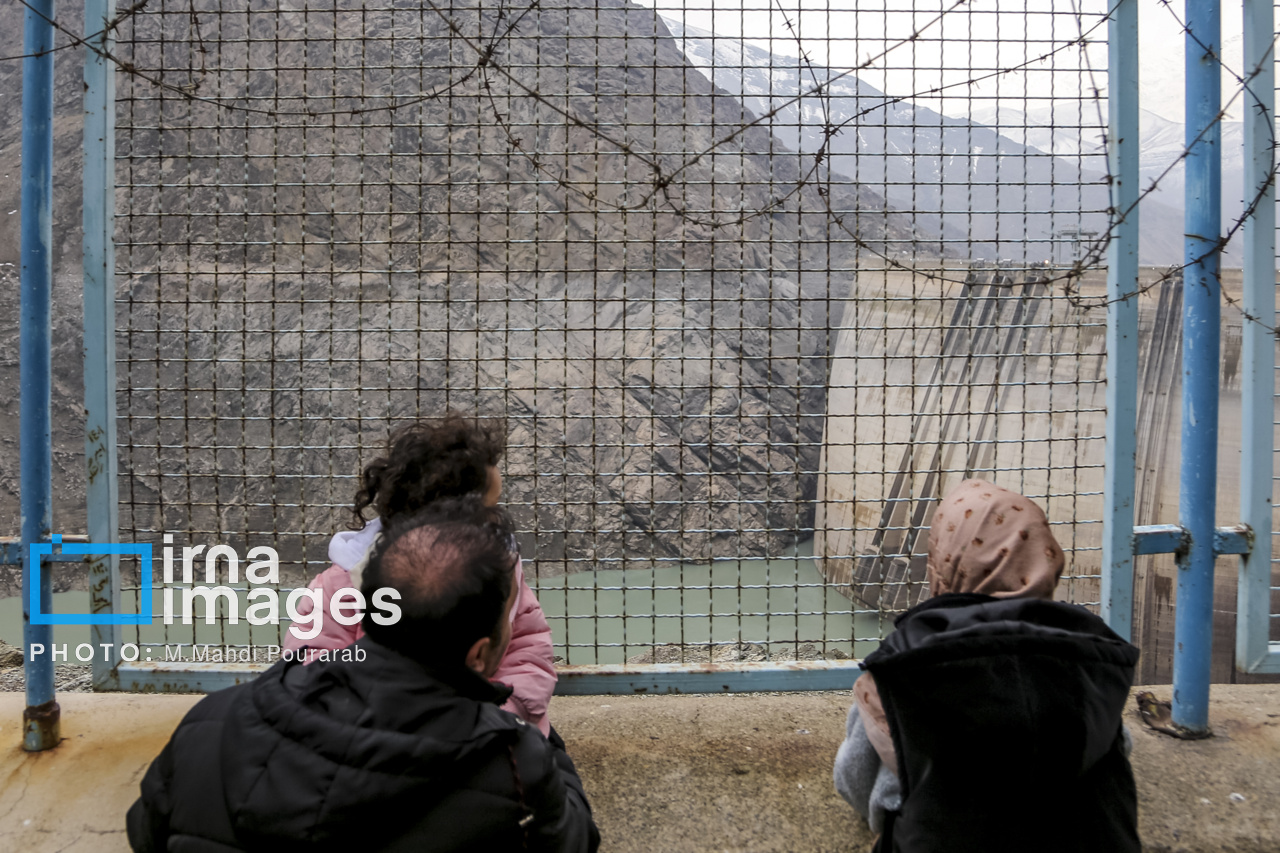
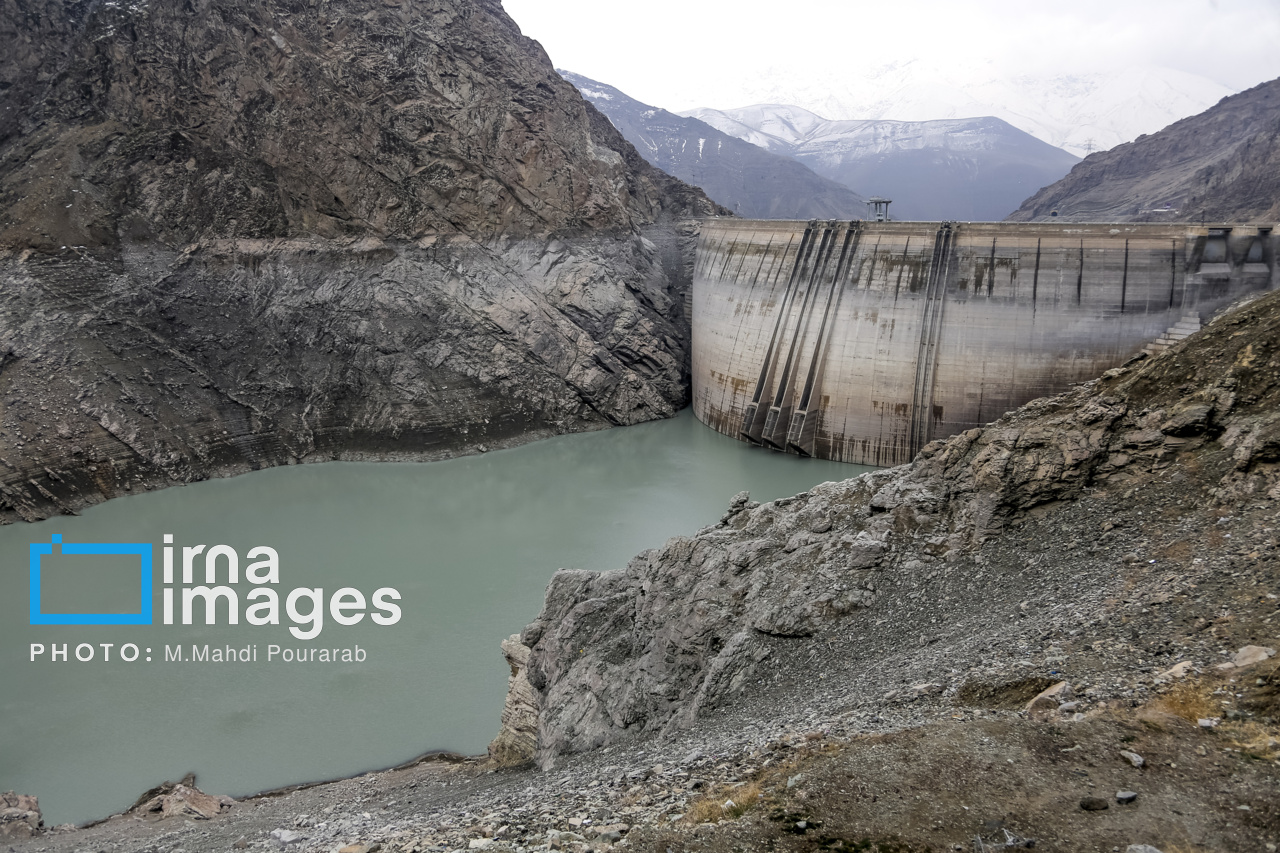
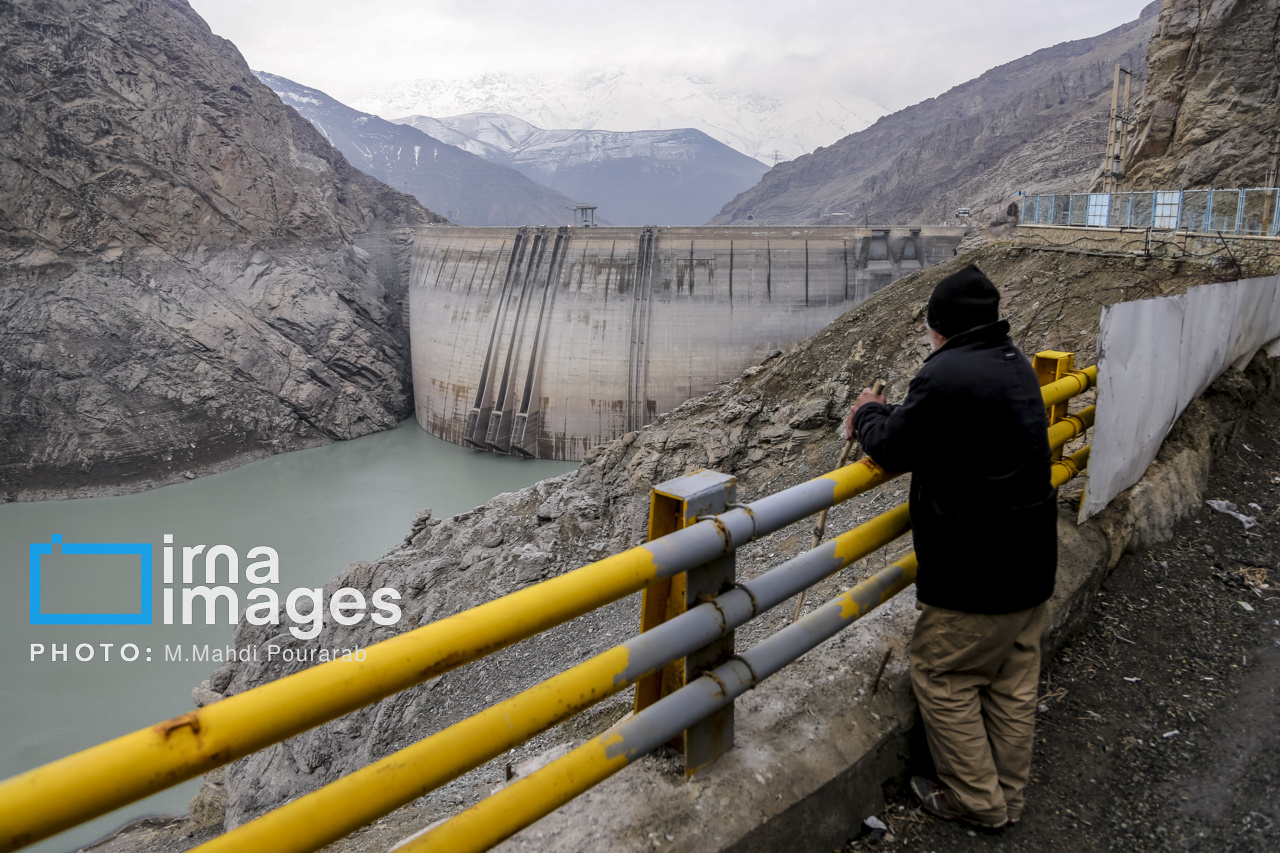
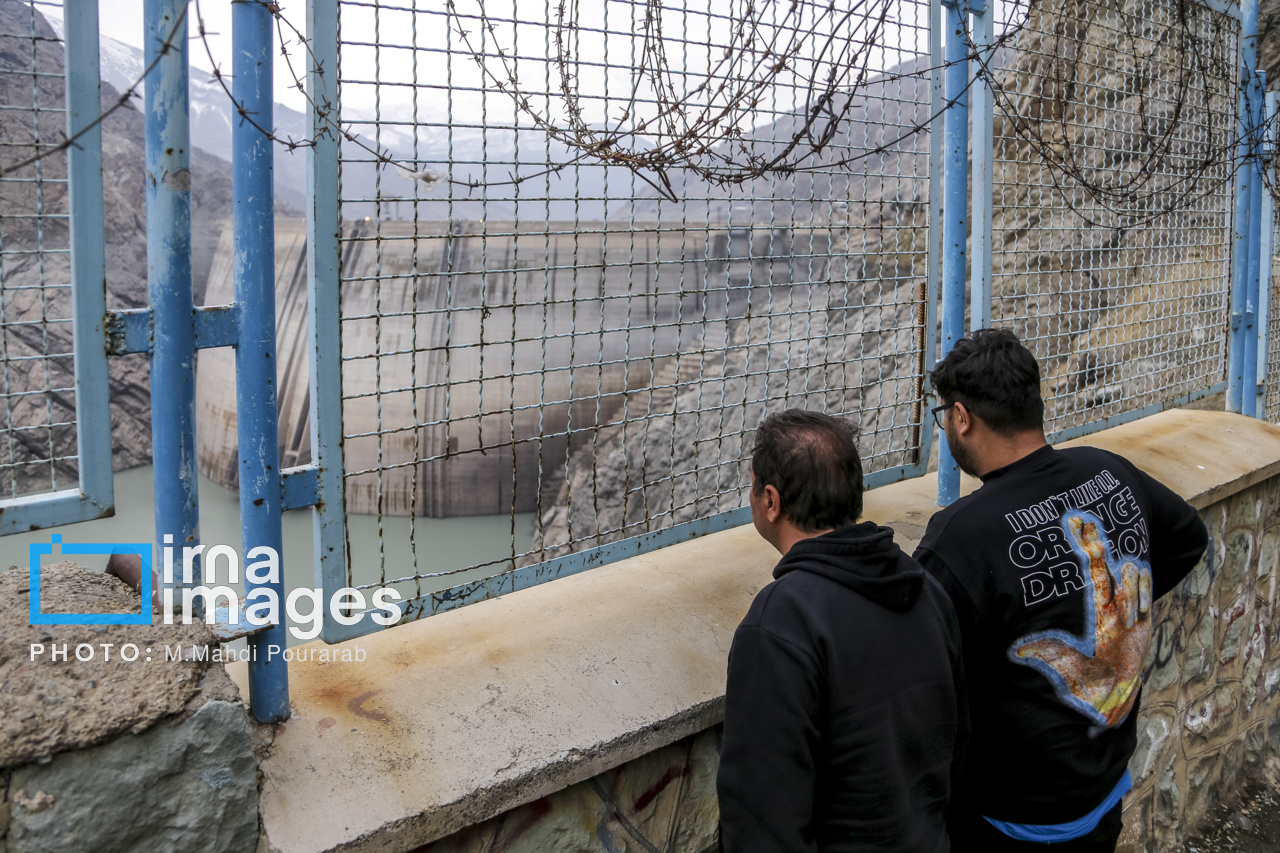
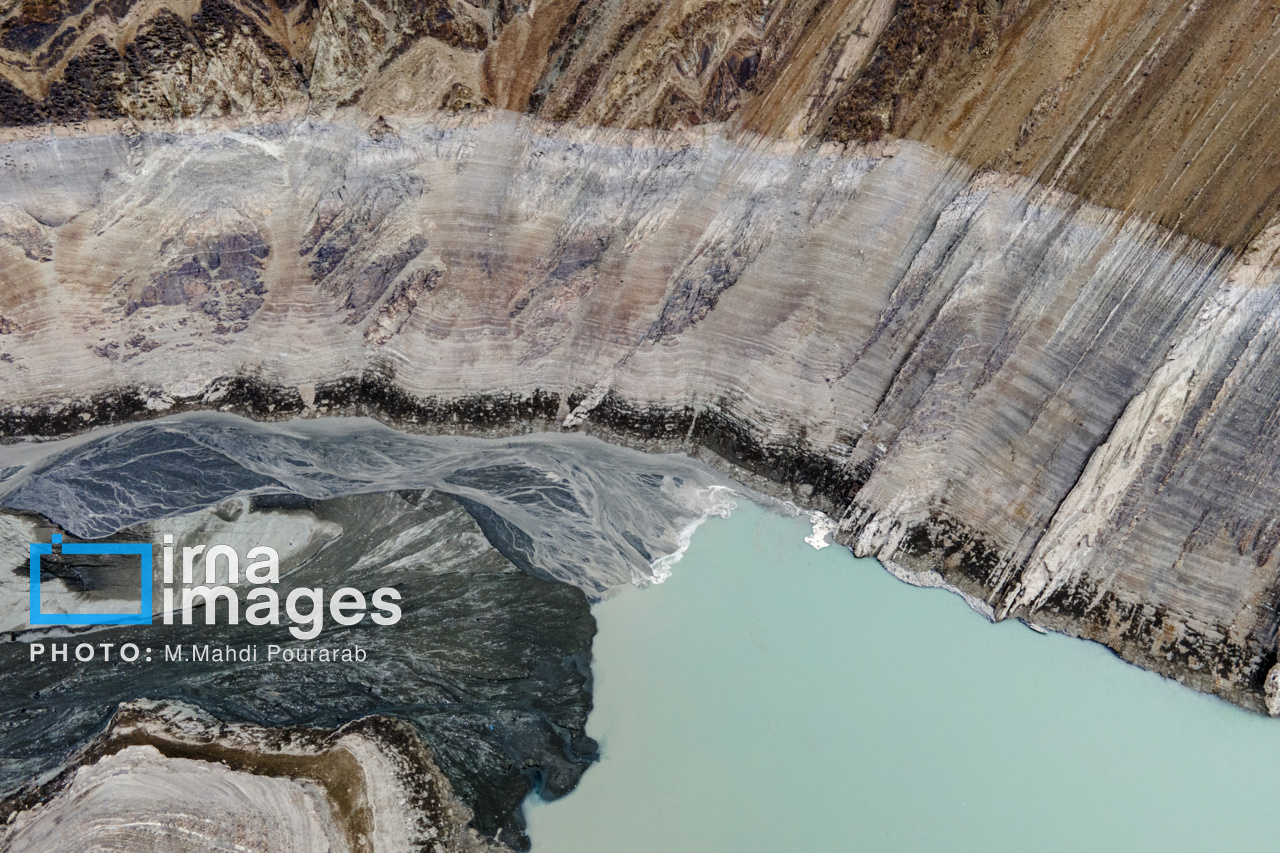
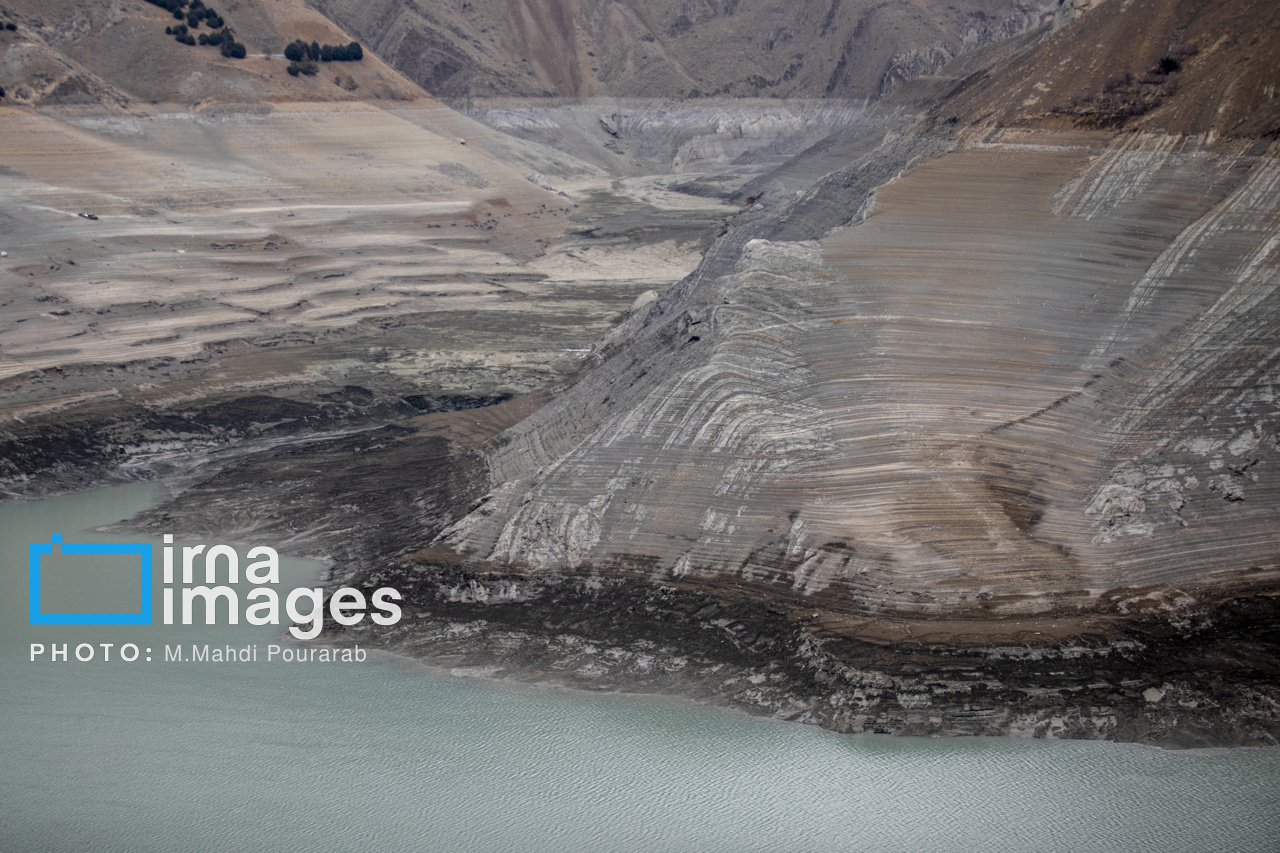
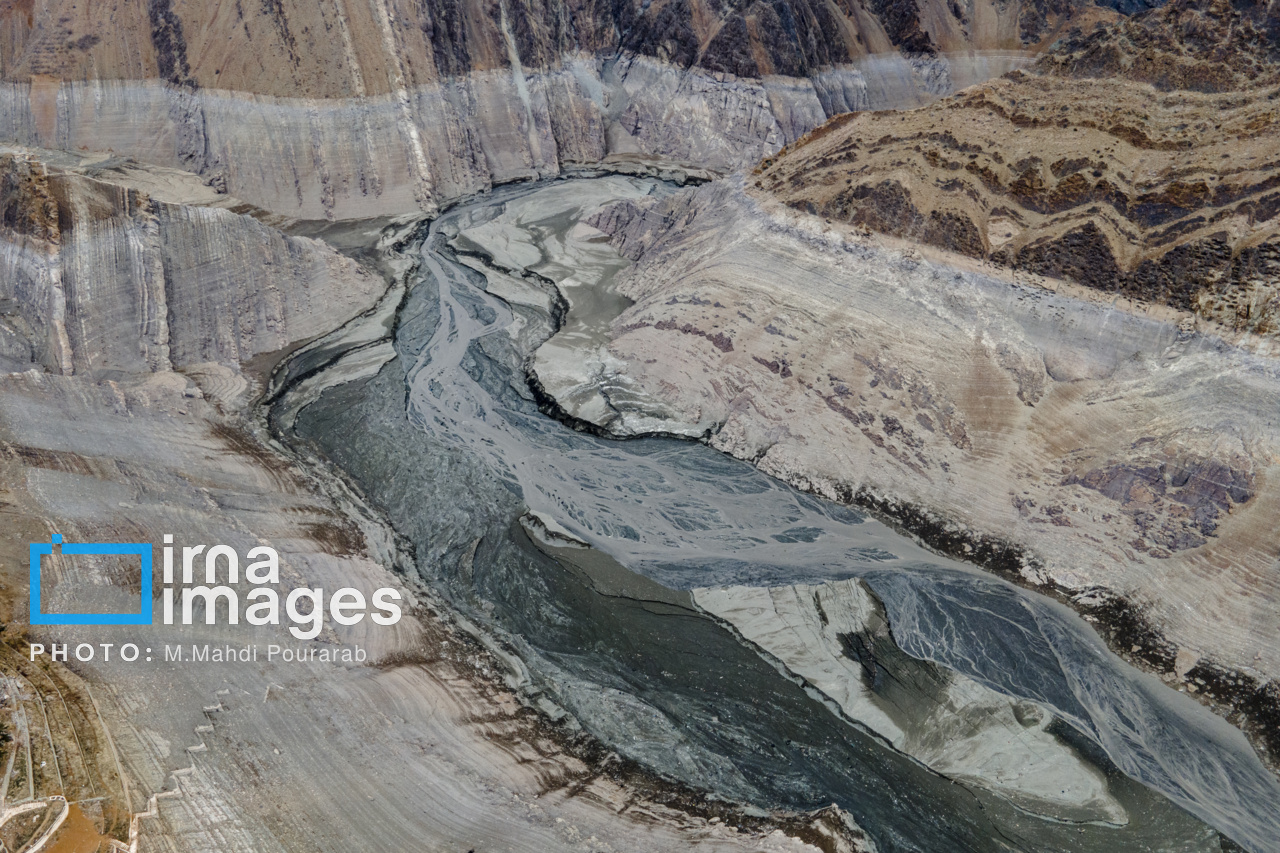
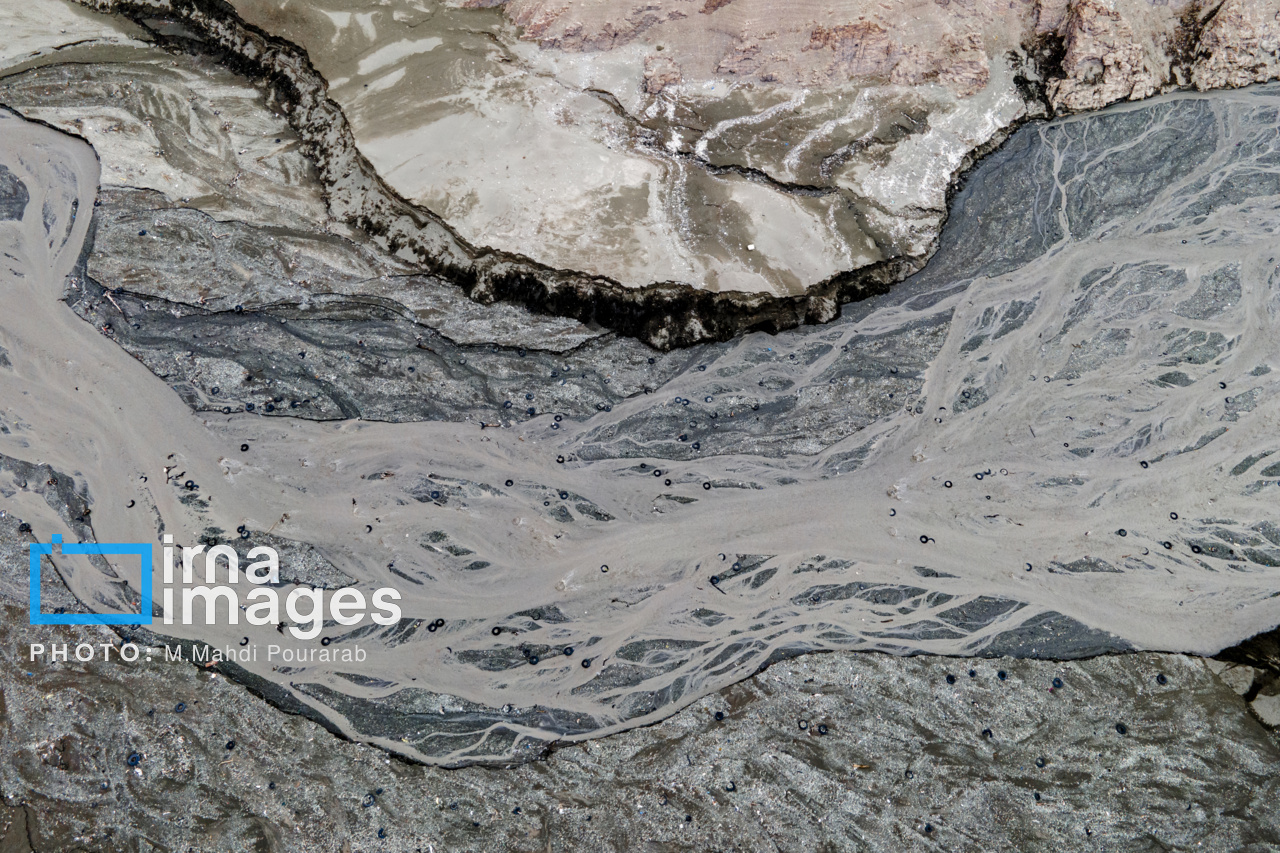
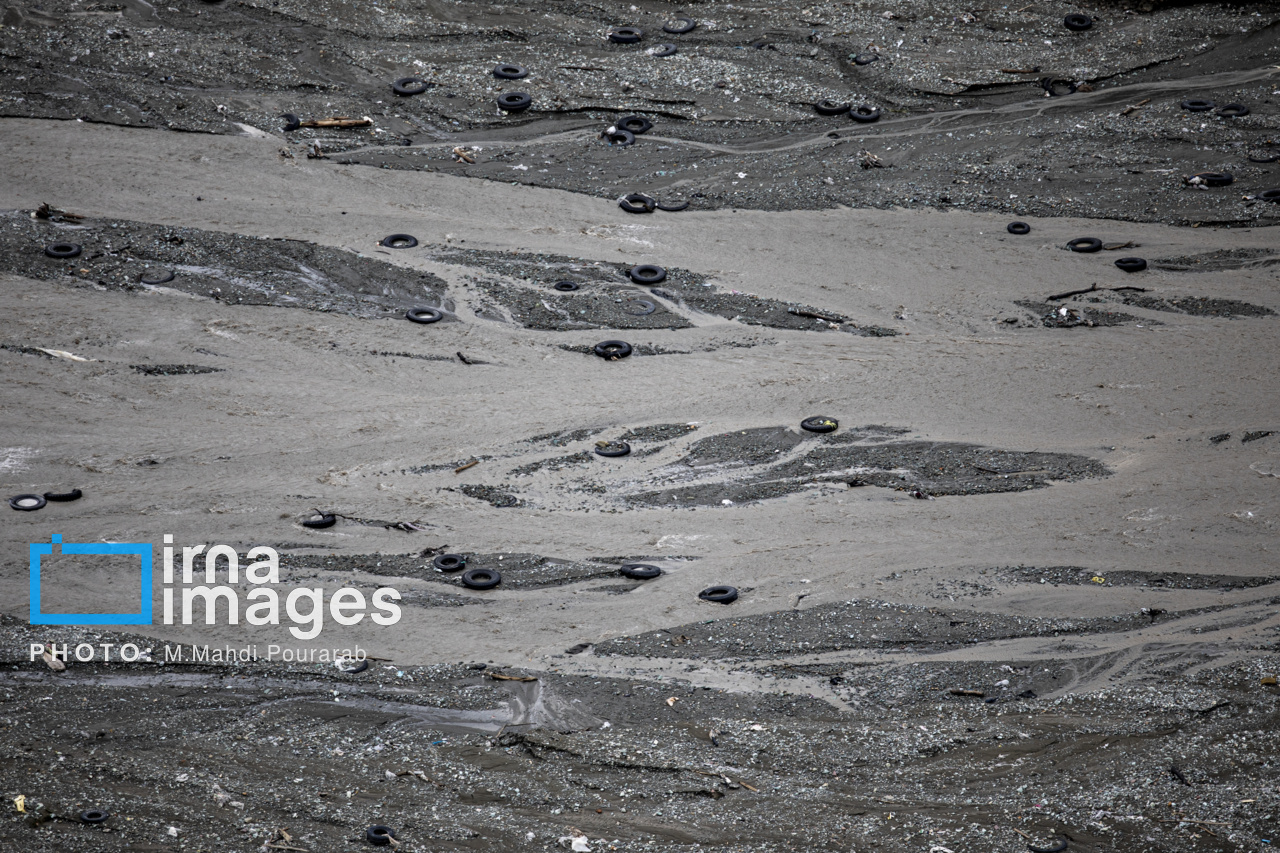
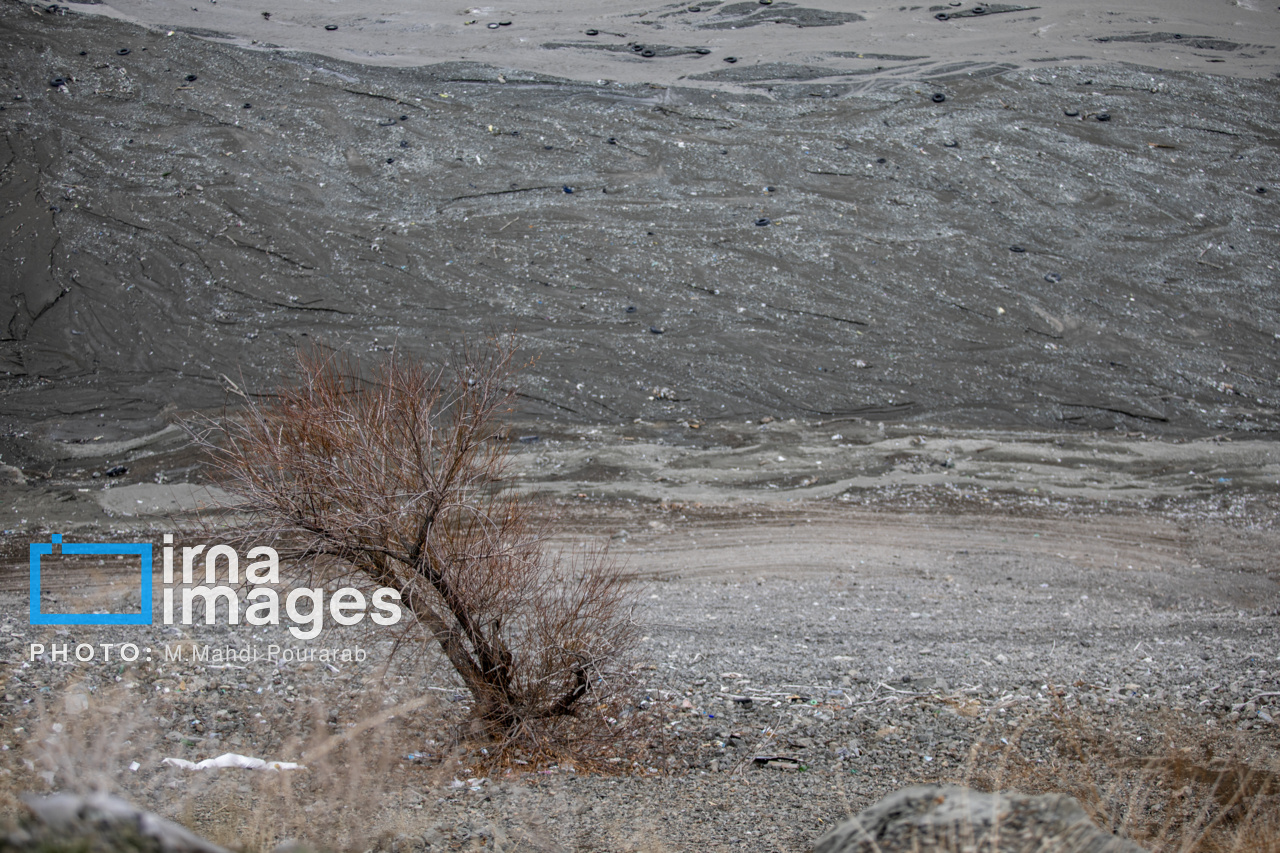
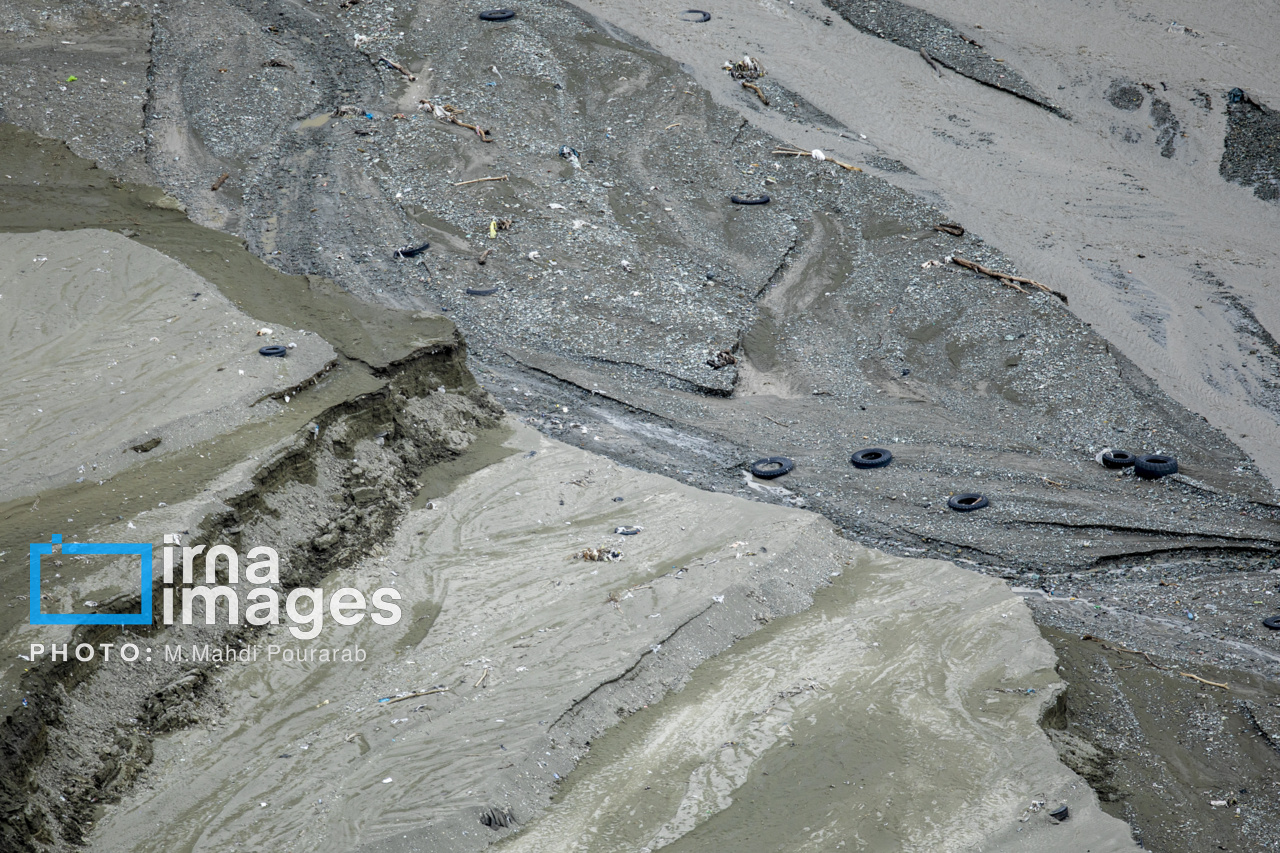
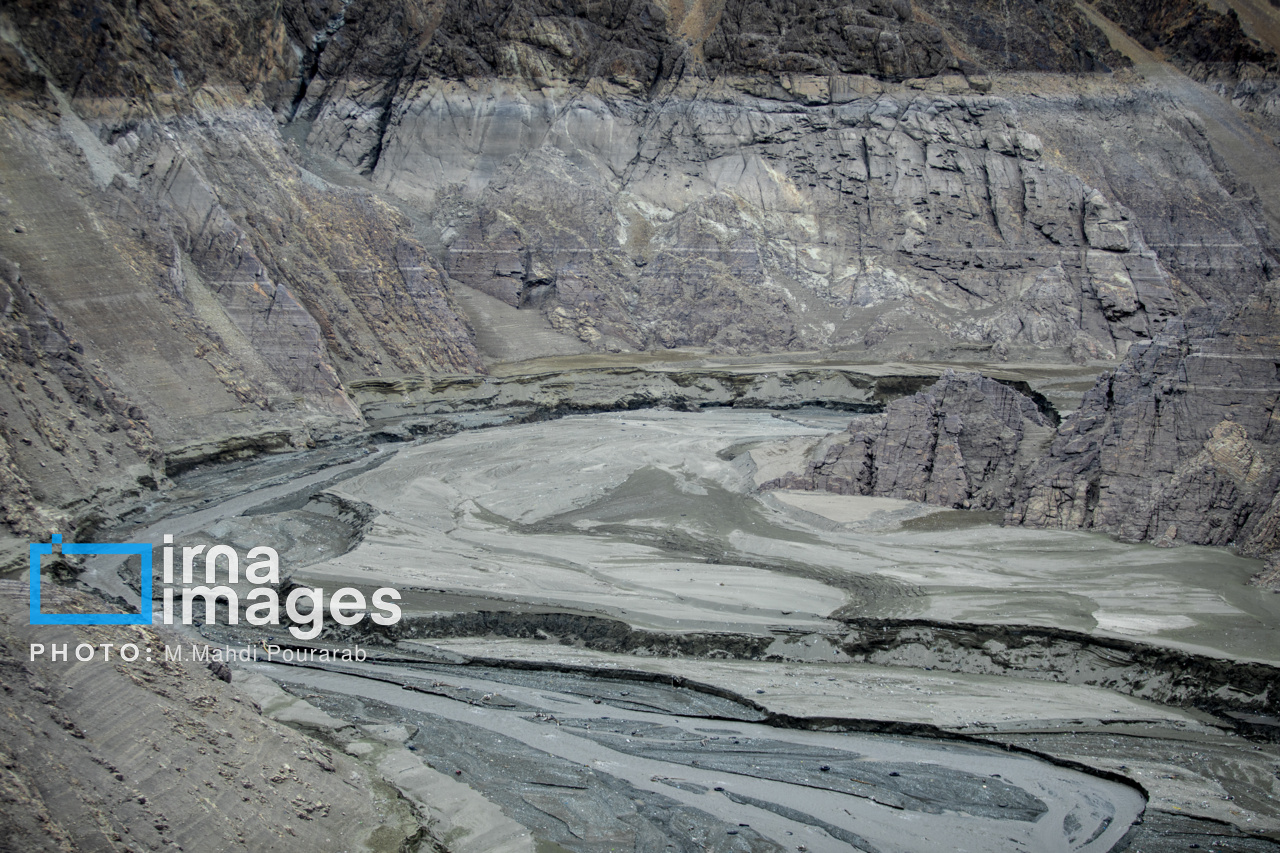
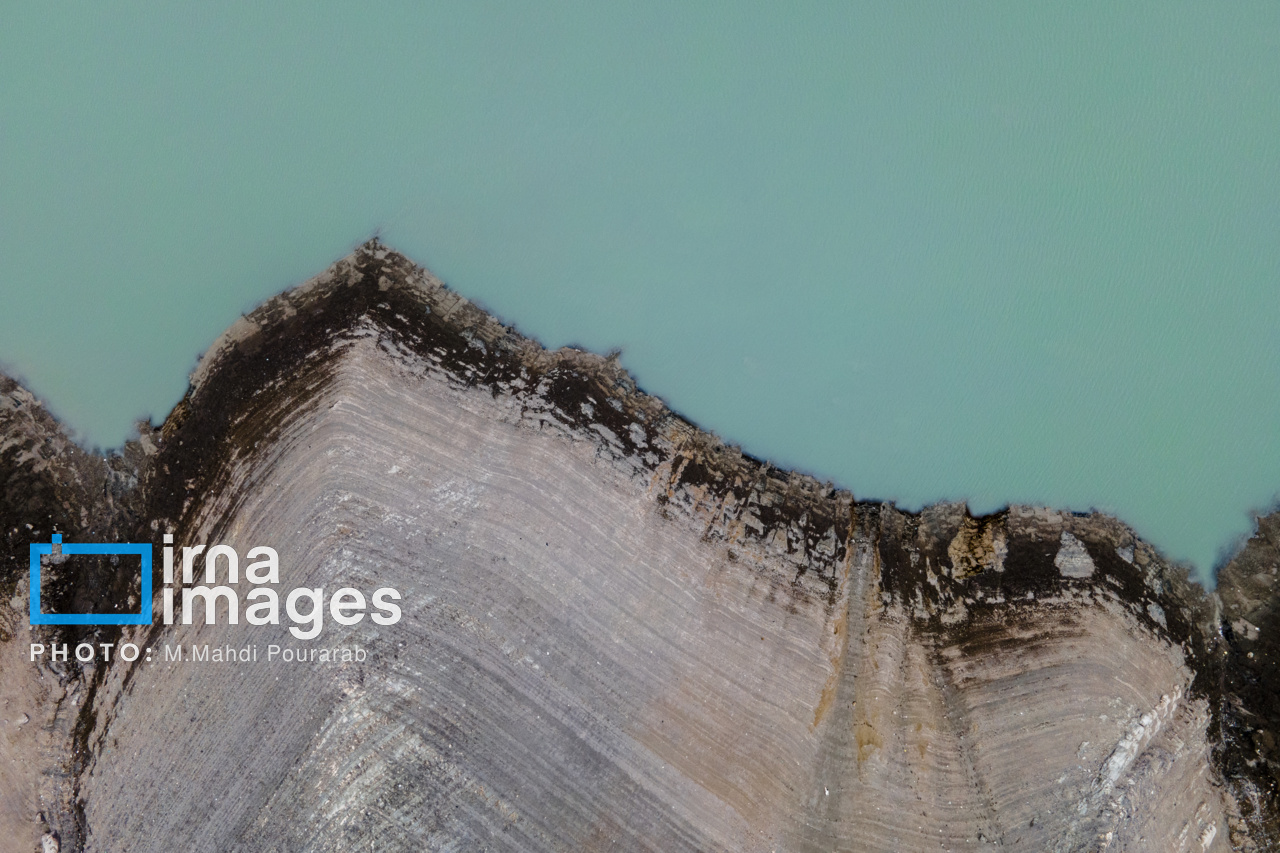
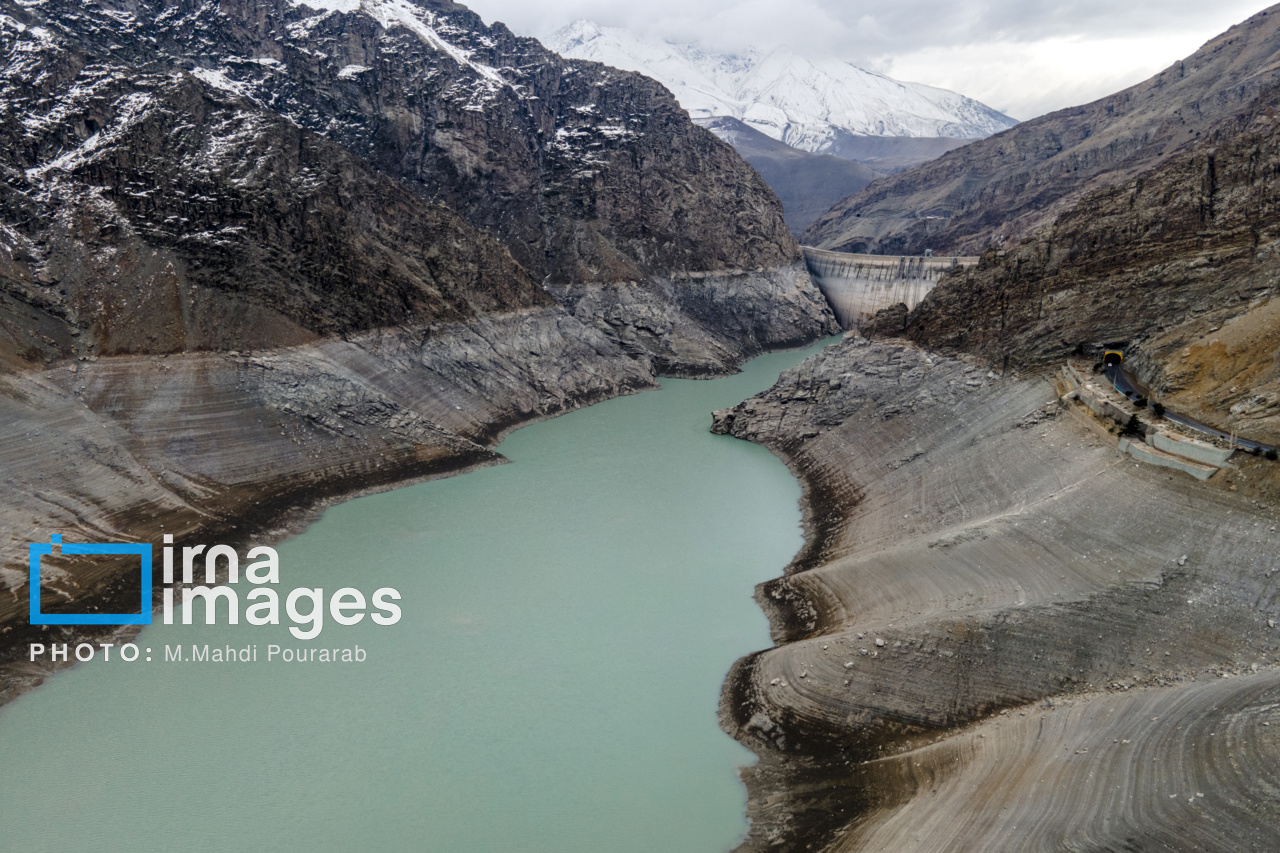
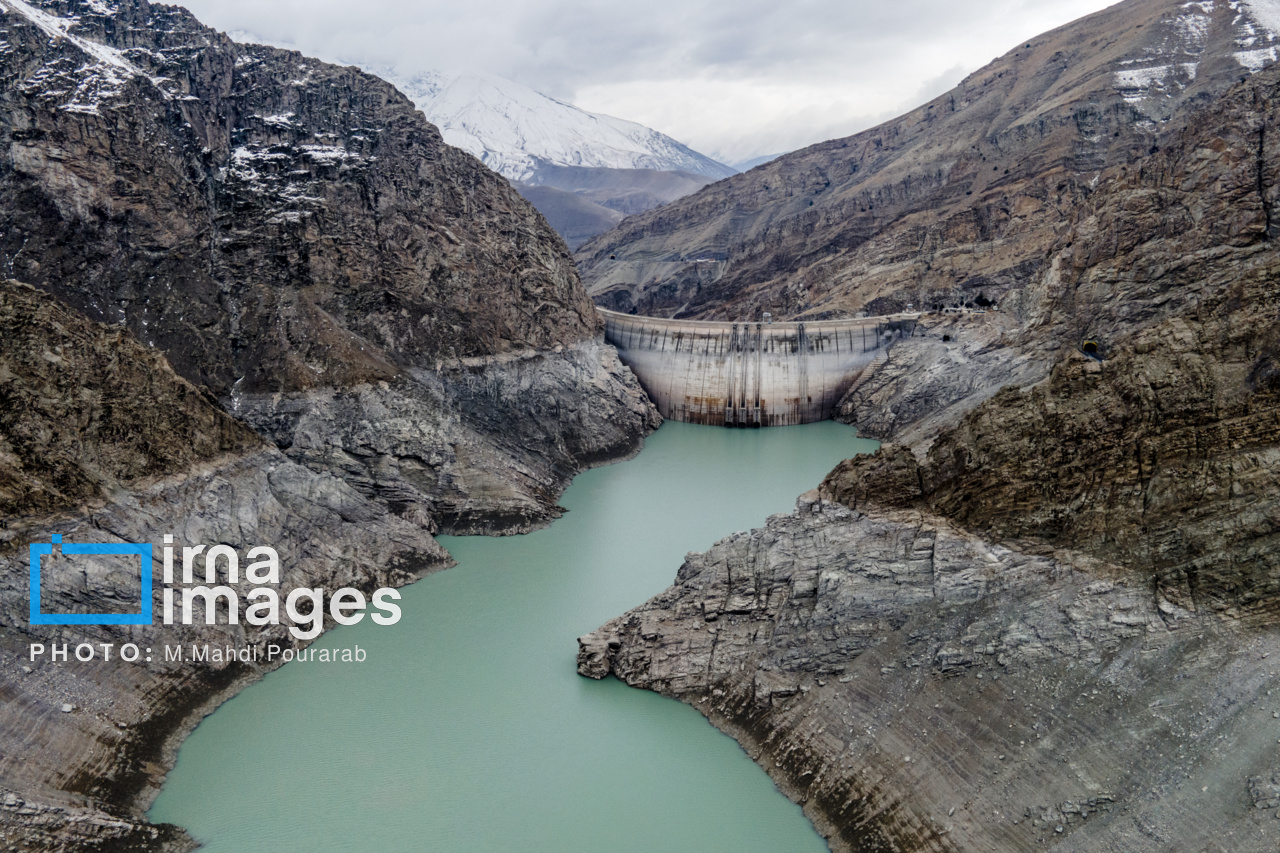
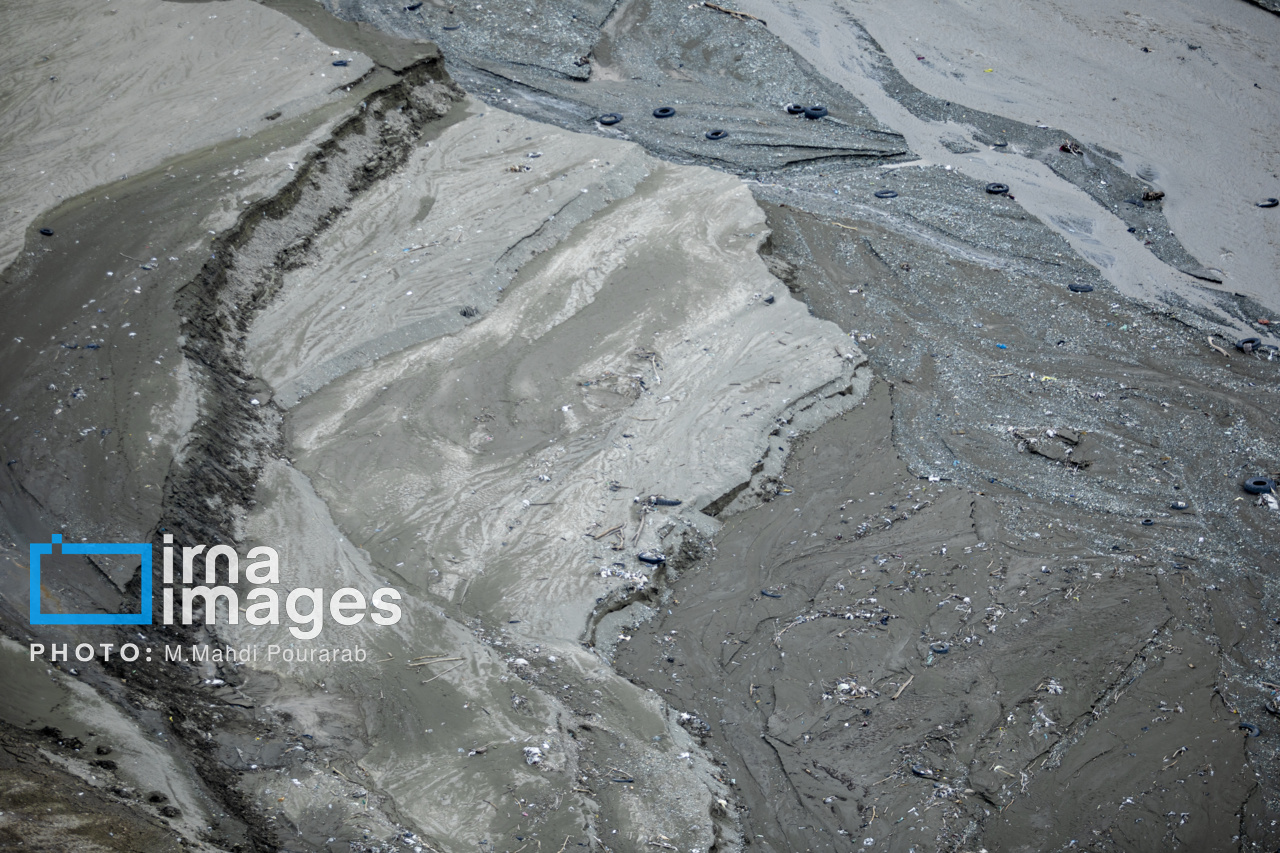
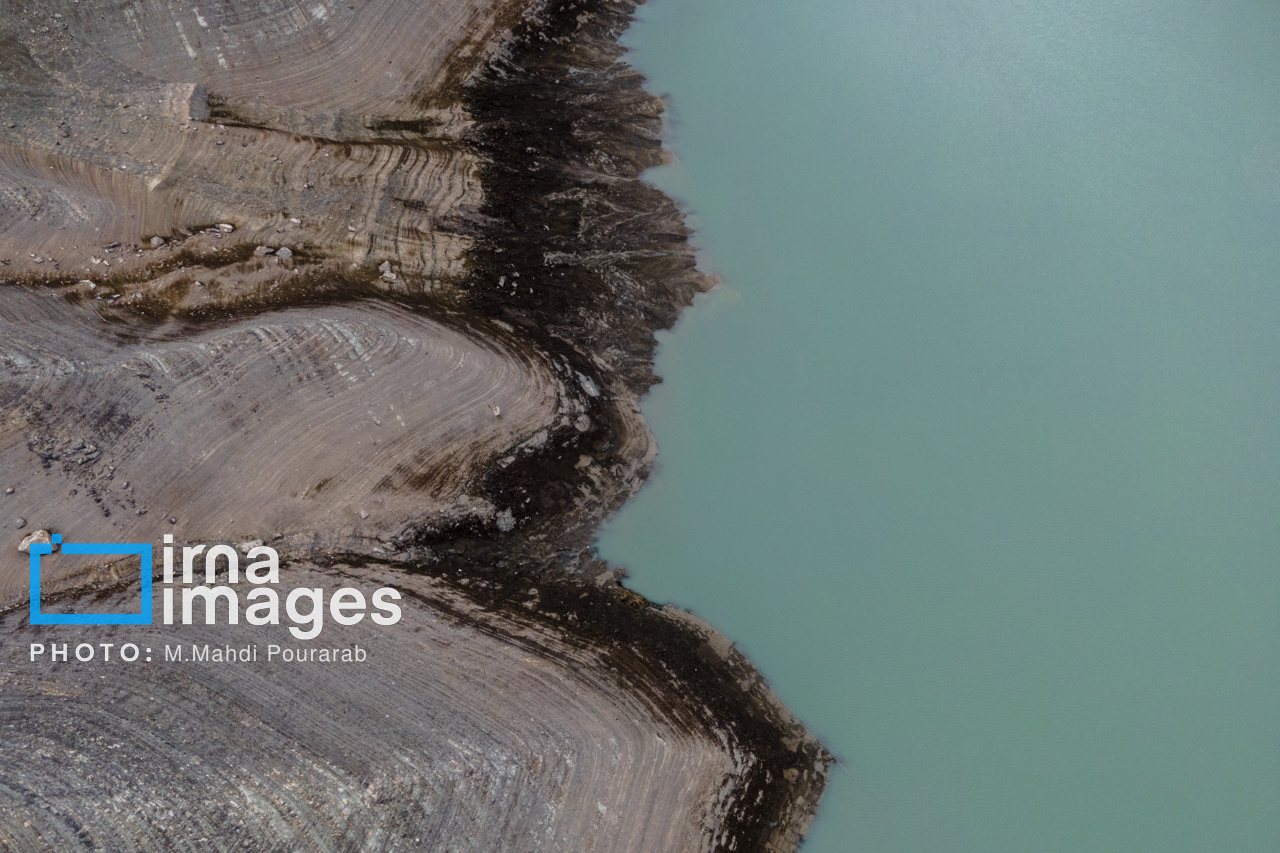
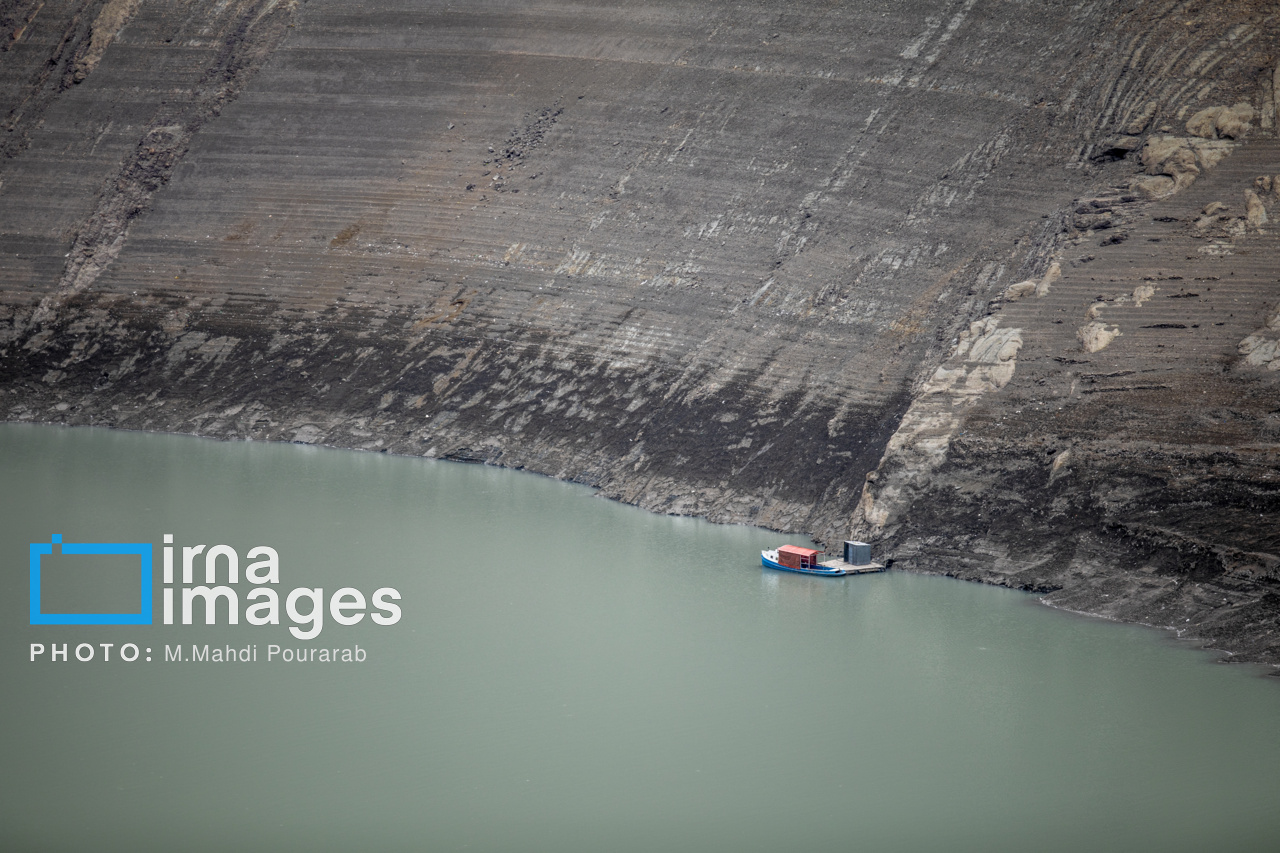
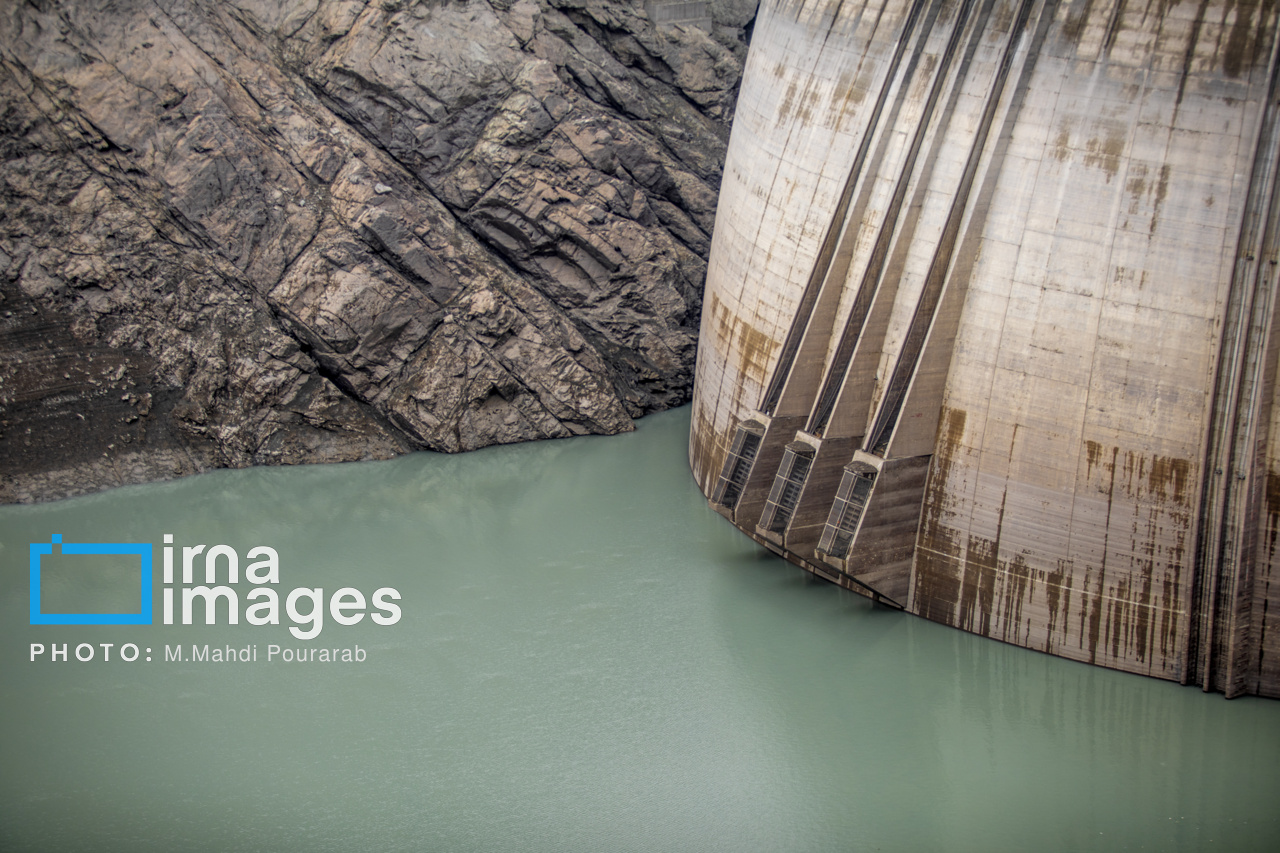
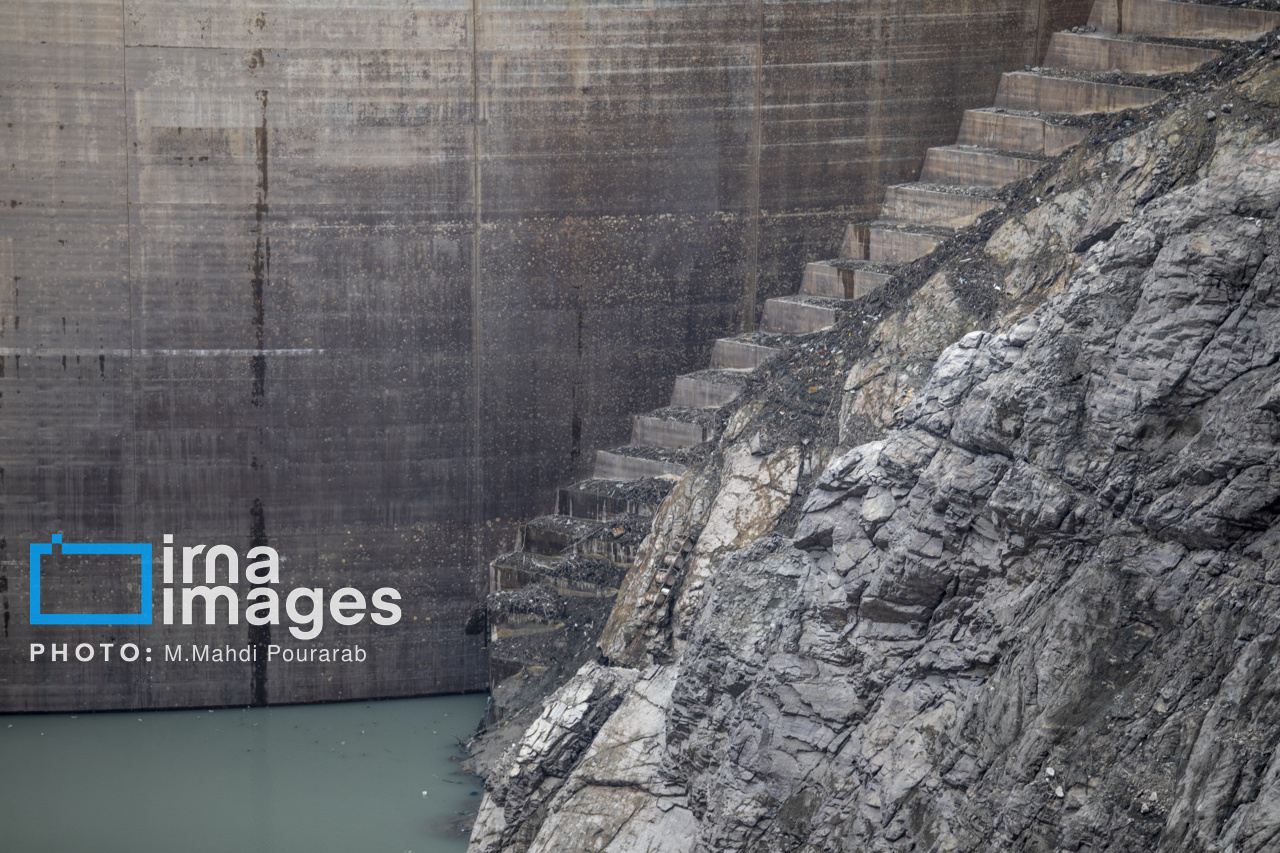
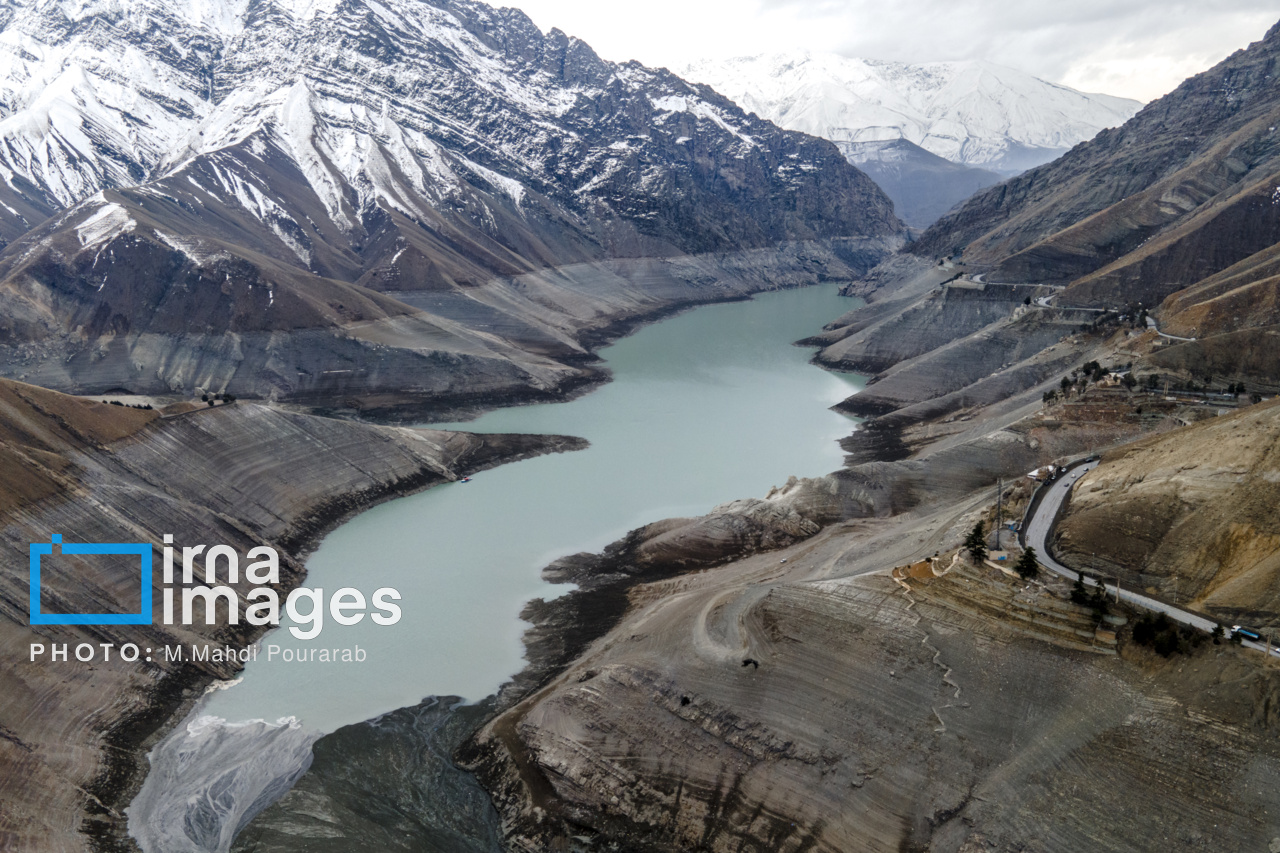
Water crisis in Tehran: Karaj Dam nears depletion

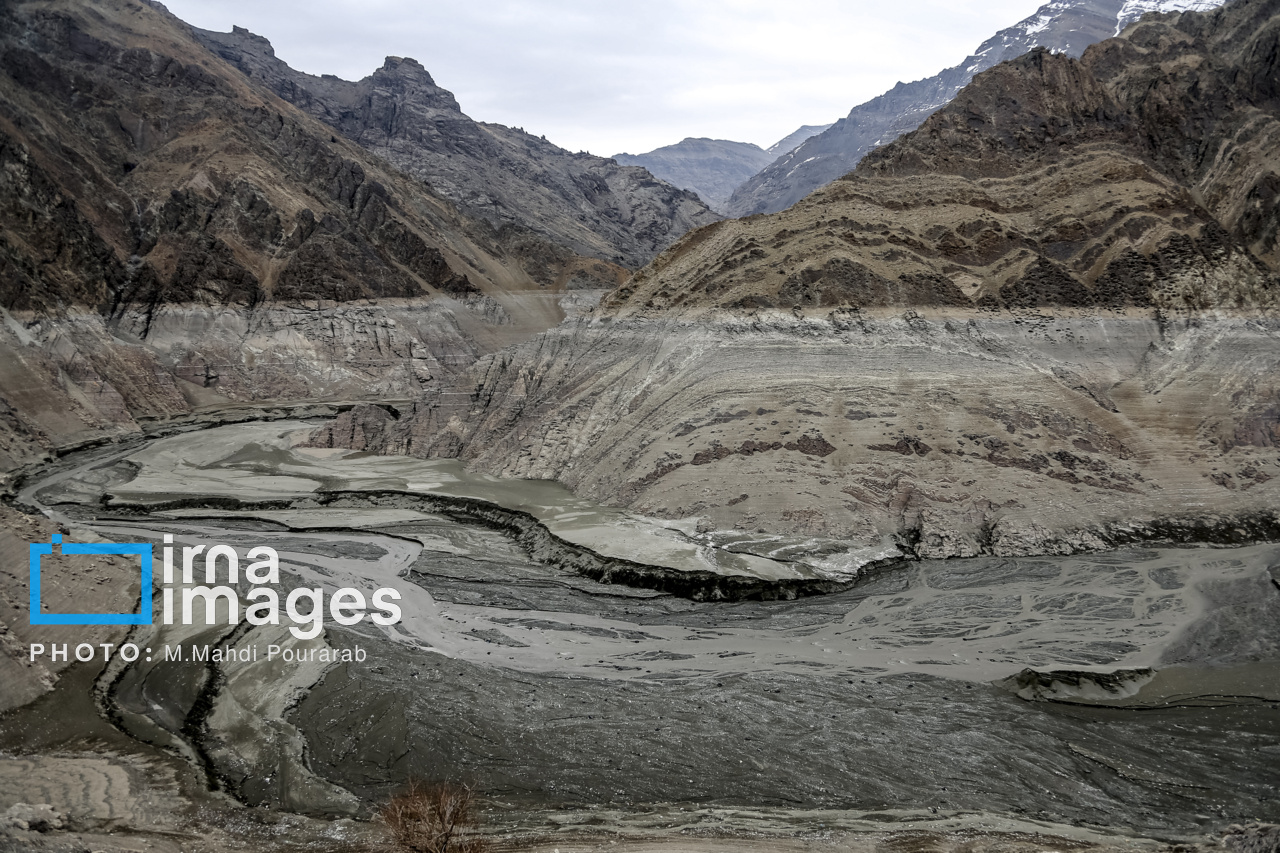
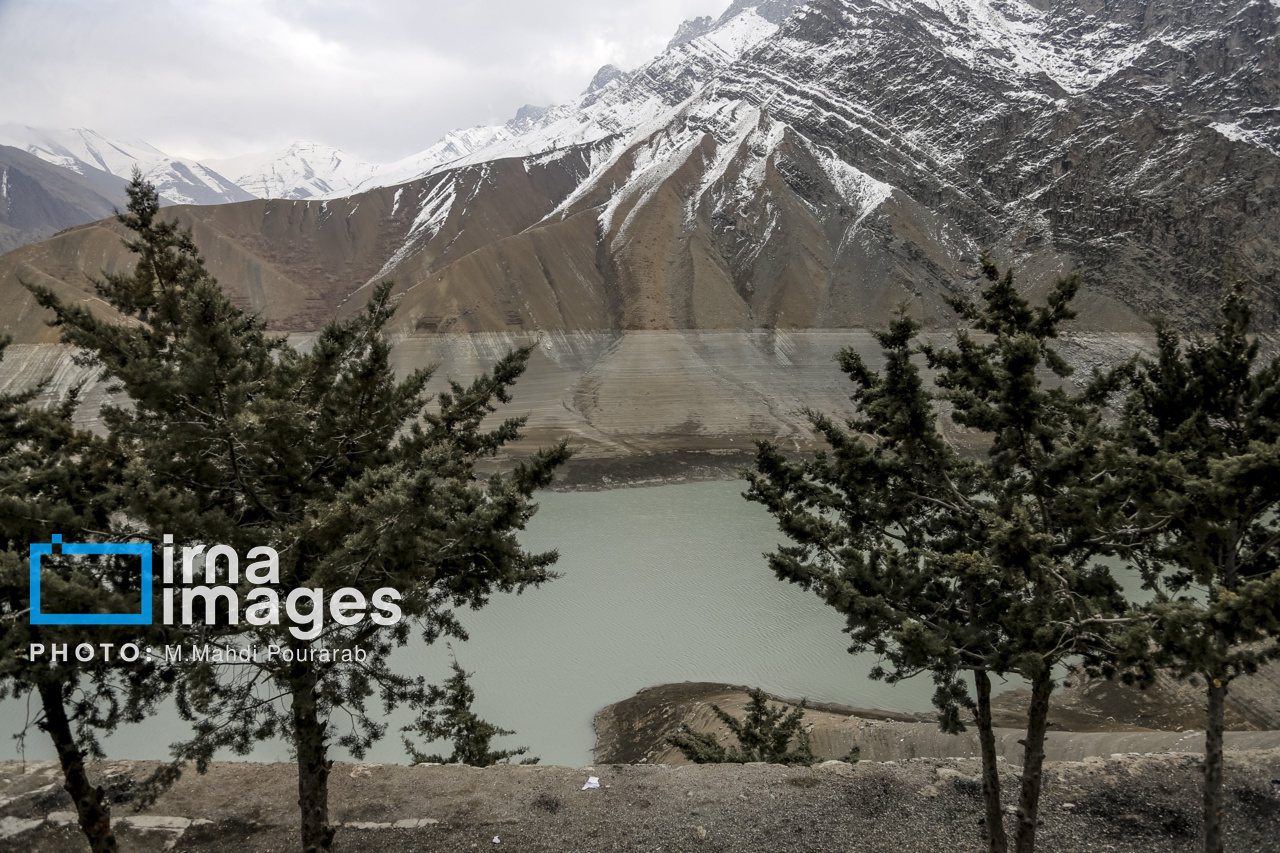
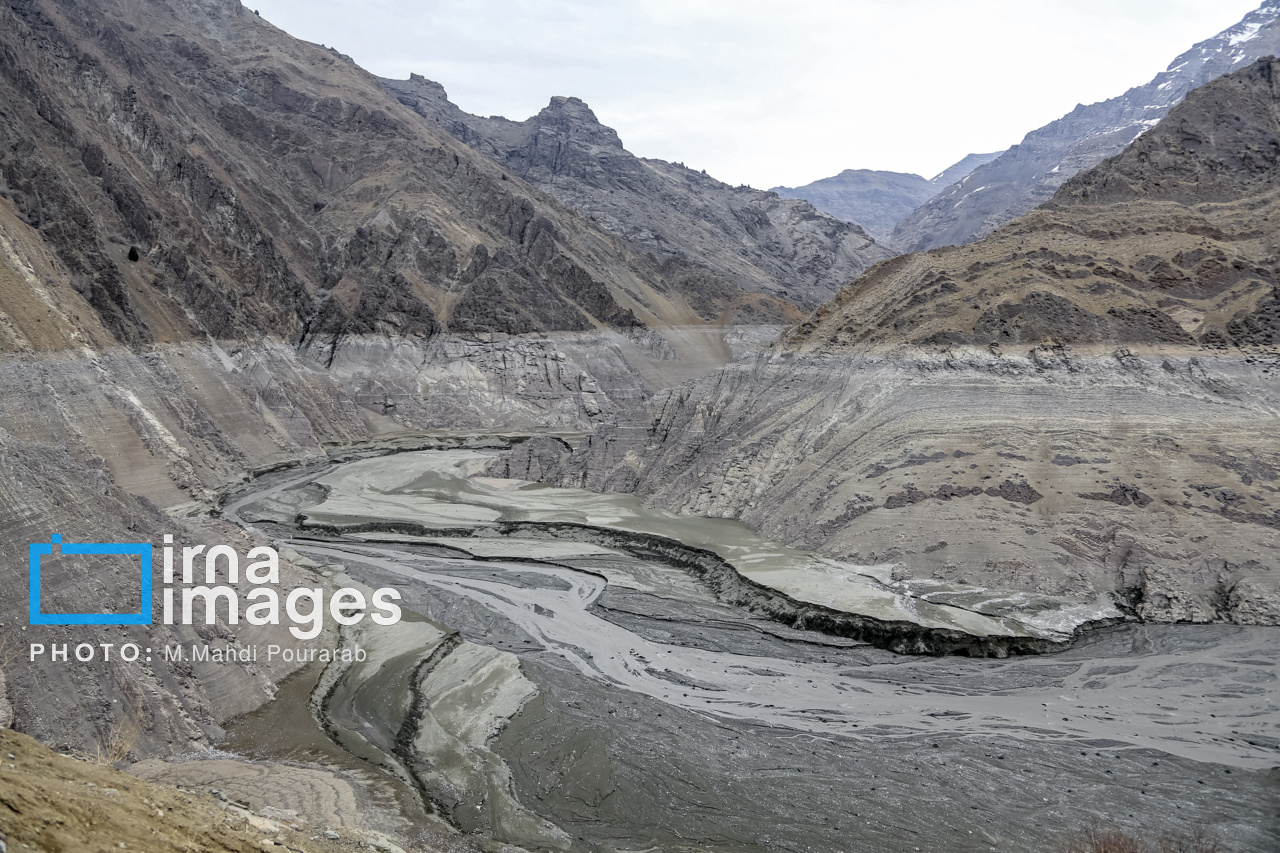
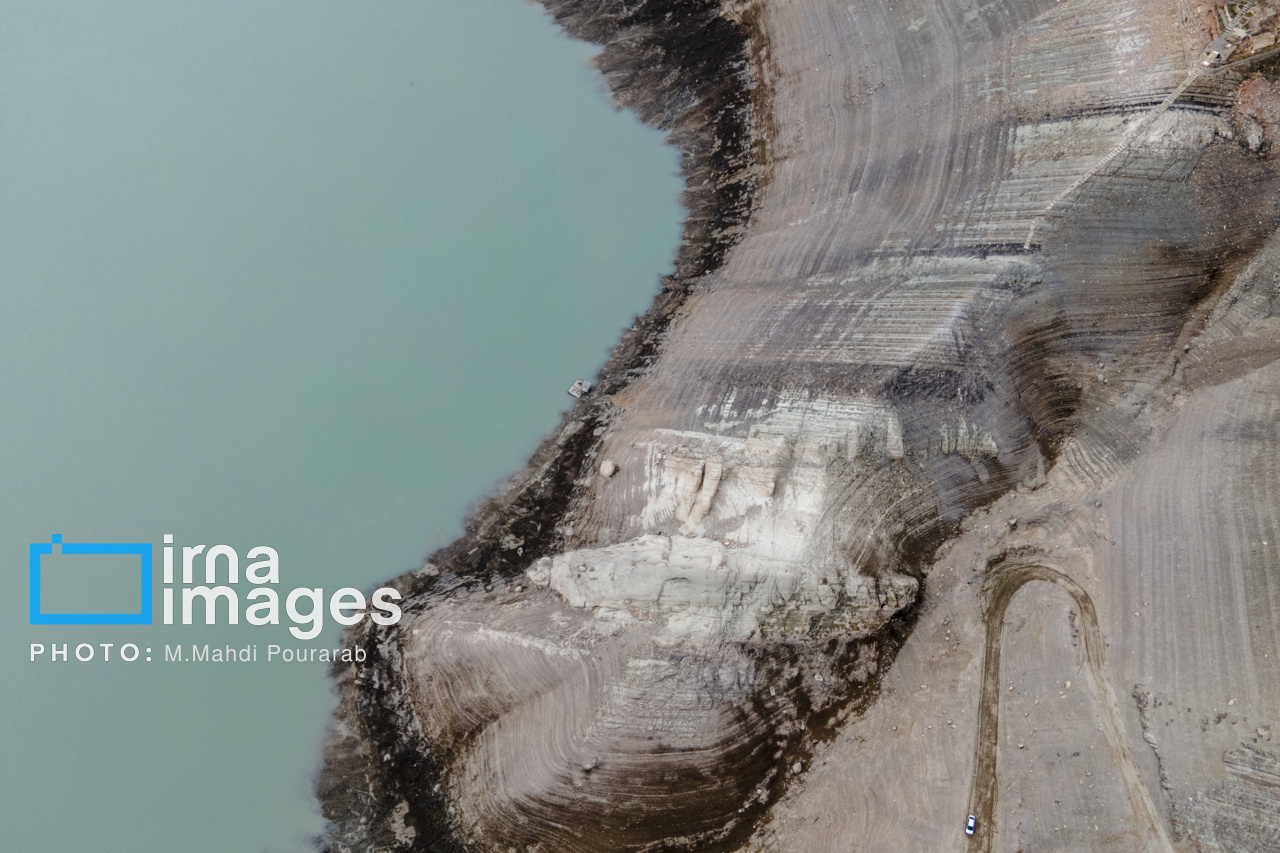
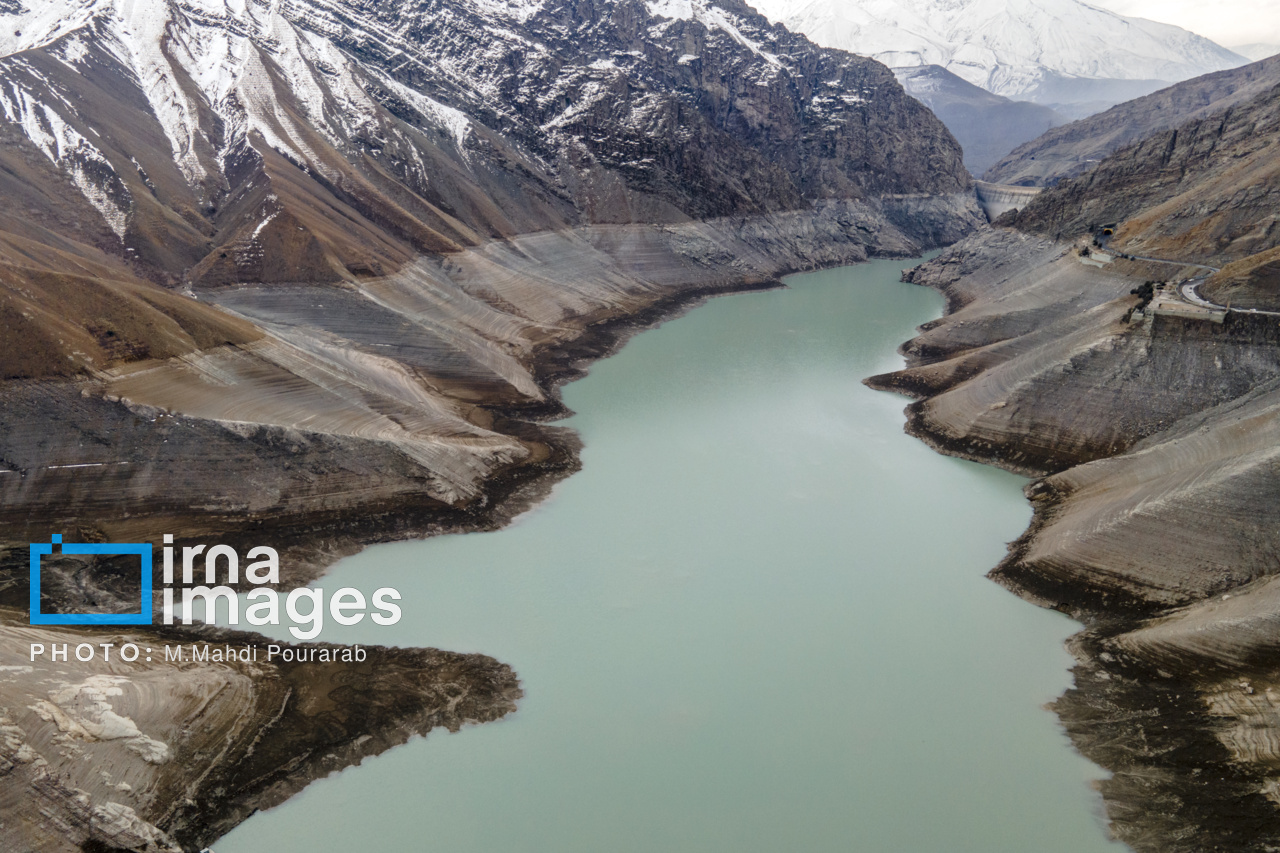
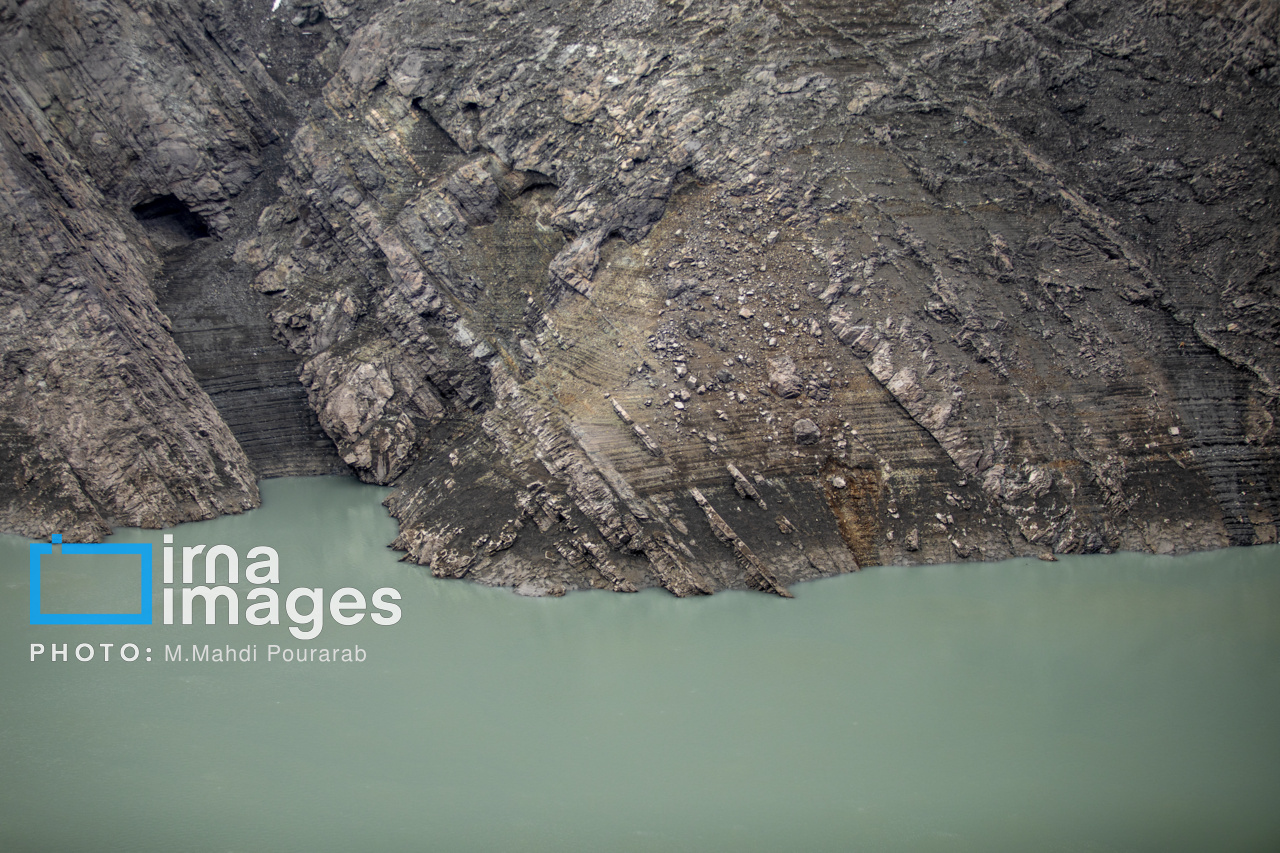
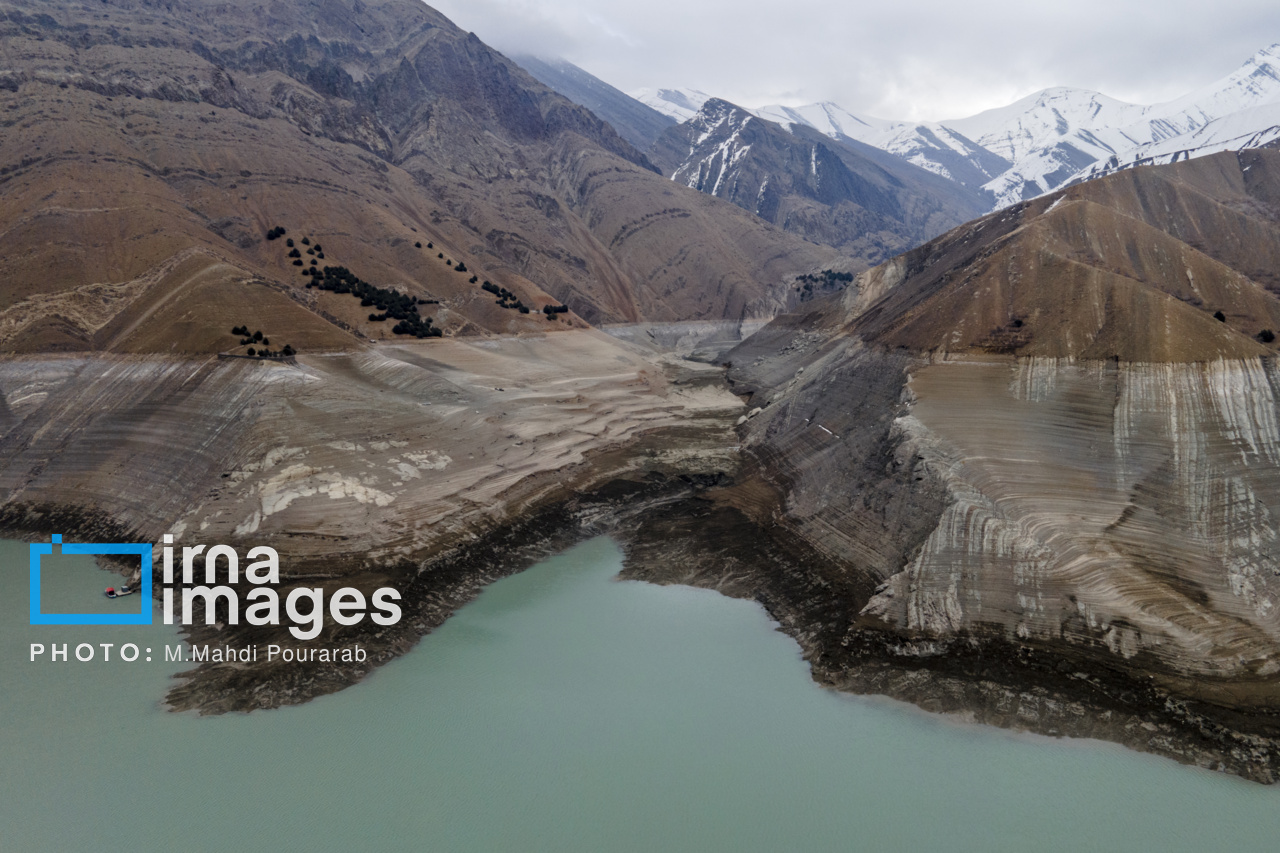
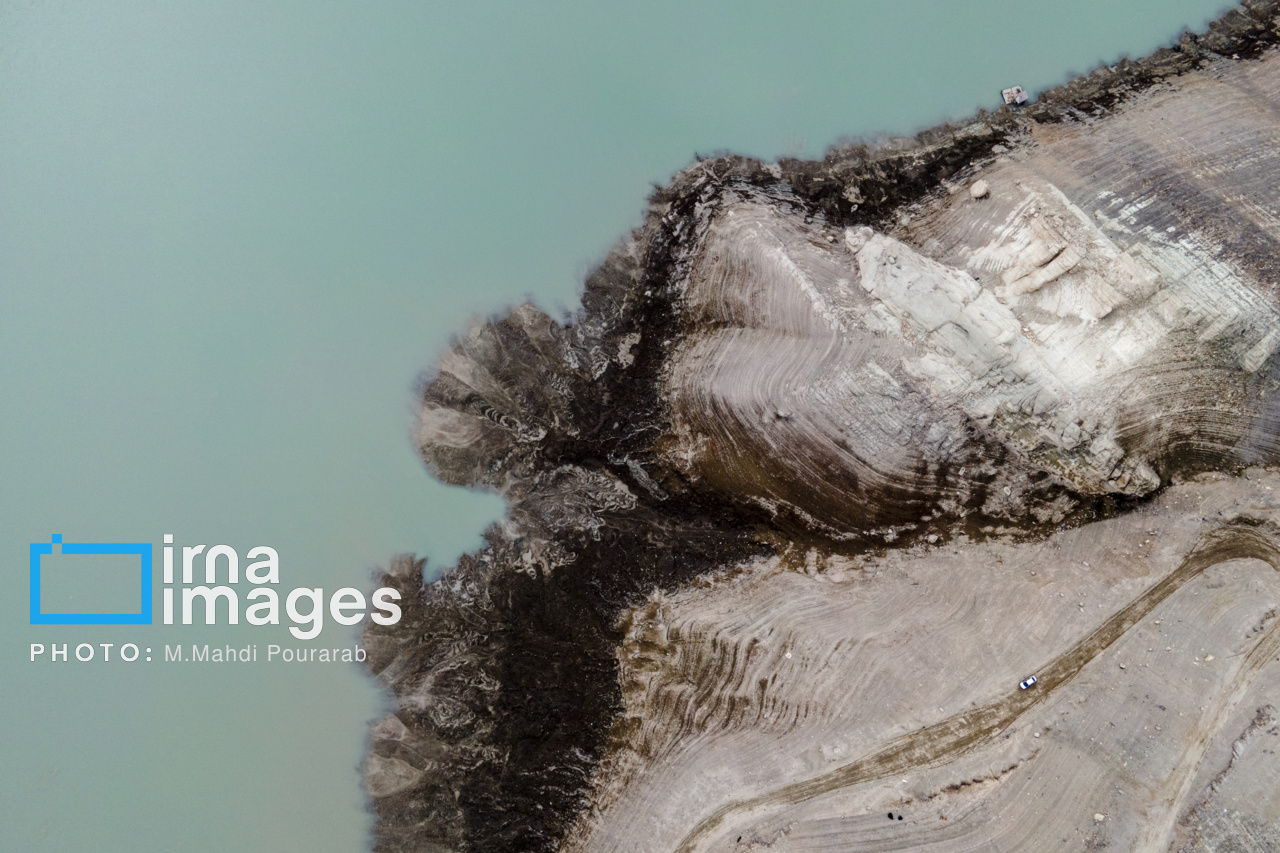
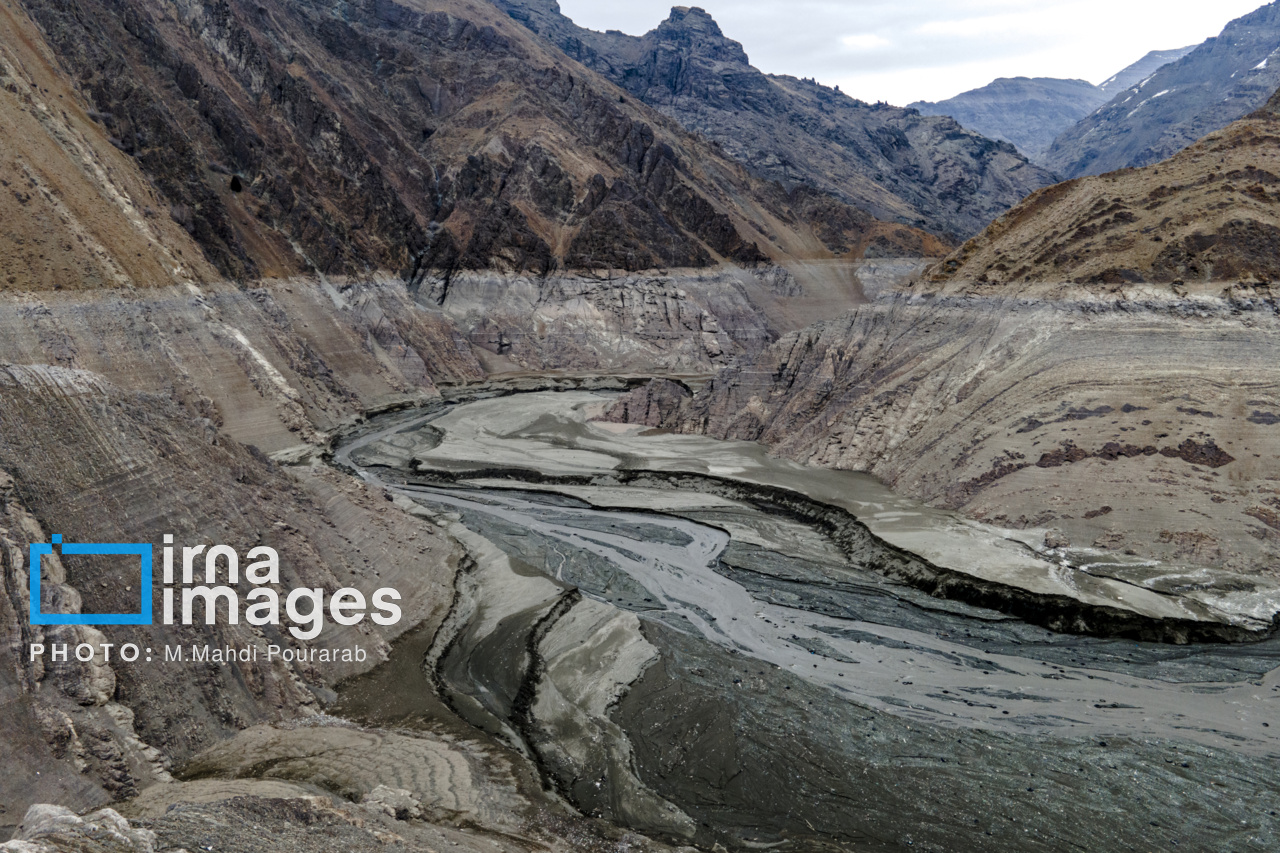
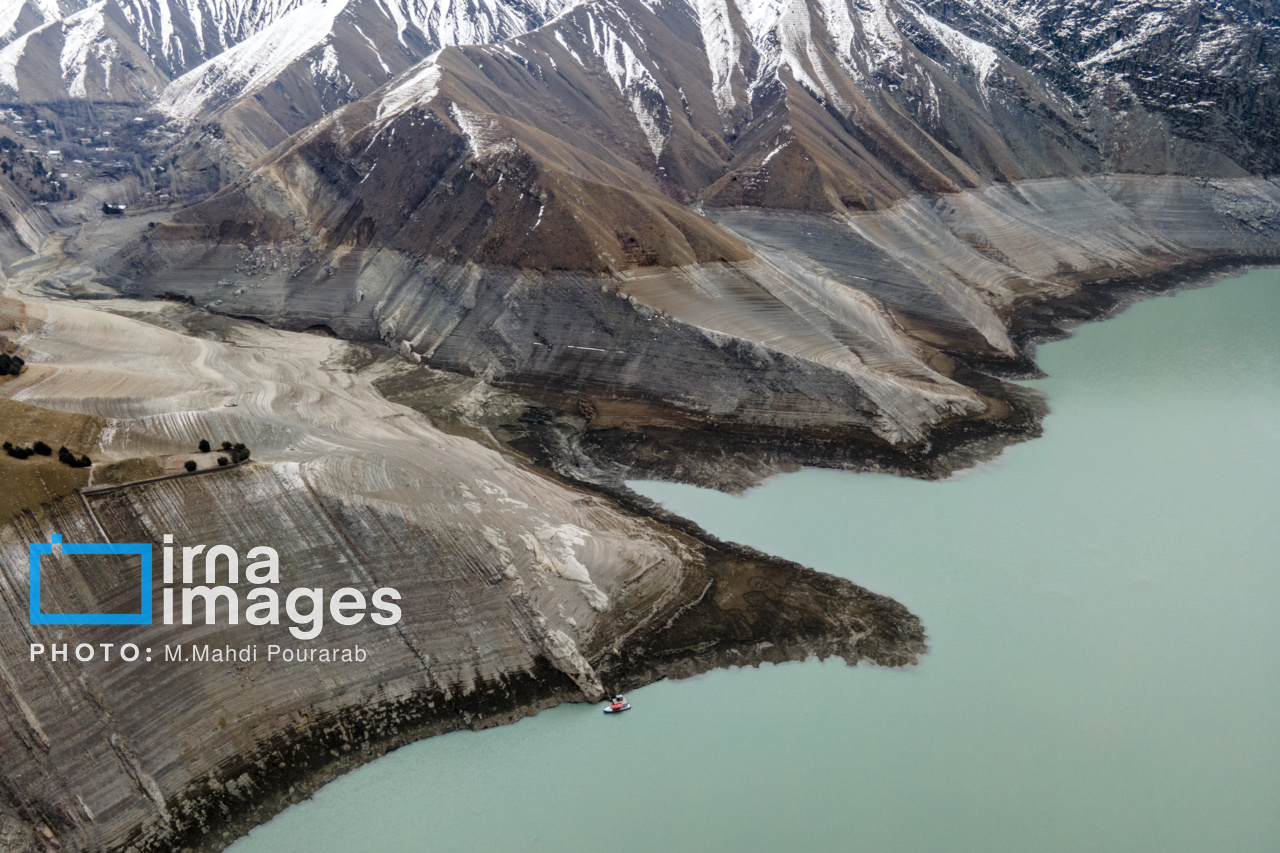
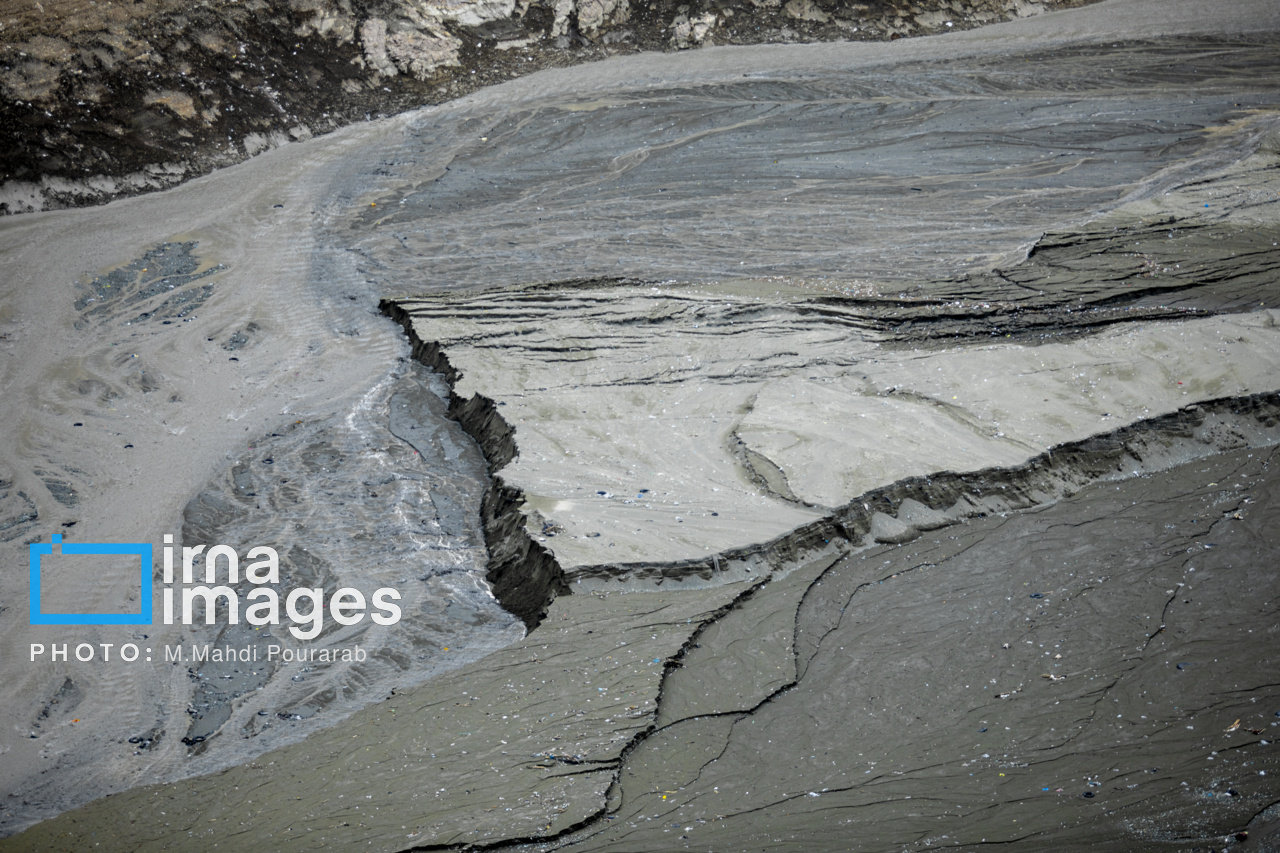
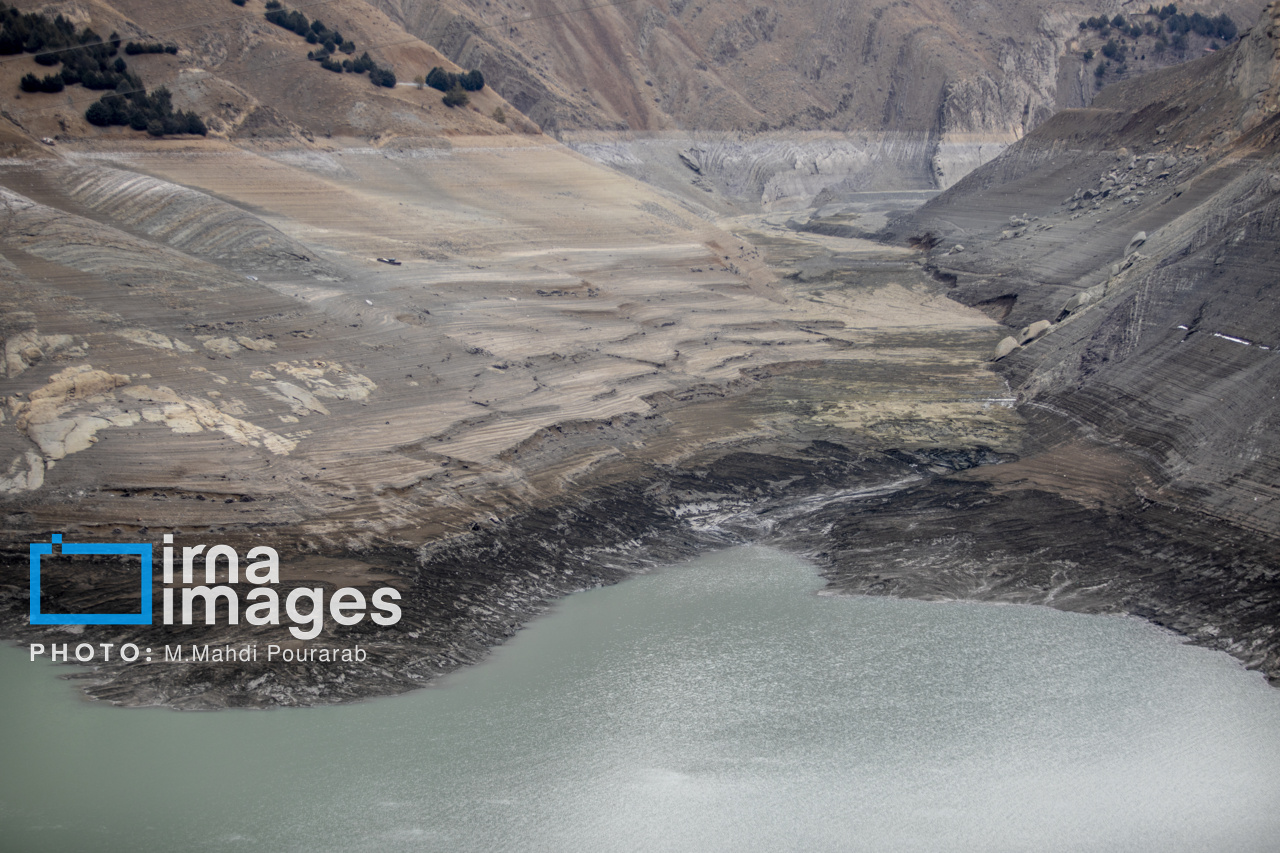
The dam, which plays a vital role in supplying water to millions of people in Tehran Province, now holds only 8% of its total capacity. This marks a drastic 56% decline compared to the same period last year.

The sharp reduction in water reserves has raised serious concerns about the sustainable supply of drinking water for the capital and its surrounding areas.

The depletion of Karaj Dam’s reserves has not only intensified environmental worries but has also placed additional strain on water resource management infrastructure.

Authorities are under increasing pressure to address the crisis, as the dam’s dwindling reserves highlight the urgent need for improved water conservation strategies and long-term solutions to mitigate the effects of prolonged drought and overconsumption.