Tuesday, April 28, 2026
Home Blog Page 257

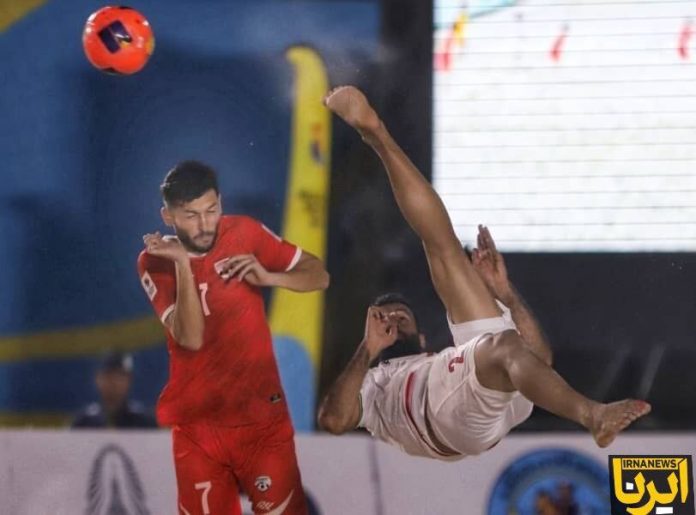
Iran crushes Afghanistan 14-0 in AFC beach soccer championship

The match saw Iran overpower their opponents with goals from Seyed Ali Nazem, Moheb Mohammadpour, Abbas Rezaei (2), Mohammad Moradi Mirshkari (3), Saeed Piramoon, Mohammad Masoumizadeh (2), Ali Shirmohammadi (3), and Reza Amirizadeh.

This commanding win follows Iran’s opening 12-2 victory against Indonesia, maintaining their unbeaten record in Group C.
Iran will face the UAE on Wednesday in a decisive clash to determine the group leader.

Iran, drawn alongside the UAE, Afghanistan, and Indonesia, is considered one of the tournament favorites and continues to showcase their strength in the competition.

Iran’s Esteghlal F.C. protests omission of club legends from AFC Nowruz poster

In an official email addressed to the relevant department at the AFC, the Tehran-based club expressed its disappointment over the exclusion of prominent Esteghlal figures, emphasizing the frustration felt by its large fanbase.

The club noted that icons such as Nasser Hejazi, Hassan Rowshan, Gholamhossein Mazloumi, and Ali Jabbari hold an enduring place in Esteghlal’s history and could have easily been featured in the celebratory artwork.

The email urged the AFC to acknowledge the significance of these personalities and requested that appropriate measures be taken to avoid similar oversights in future materials.

The Iranian football team Esteghlal F.C. has always been one of the most successful teams in the country’s football history. It has won the Iranian Premier League nine times and has claimed the Asian championship twice.

Many players of Iran’s national football team have been members of Esteghlal throughout the years.

Iran's Esteghlal F.C. protests omission of club legends from AFC Nowruz poster

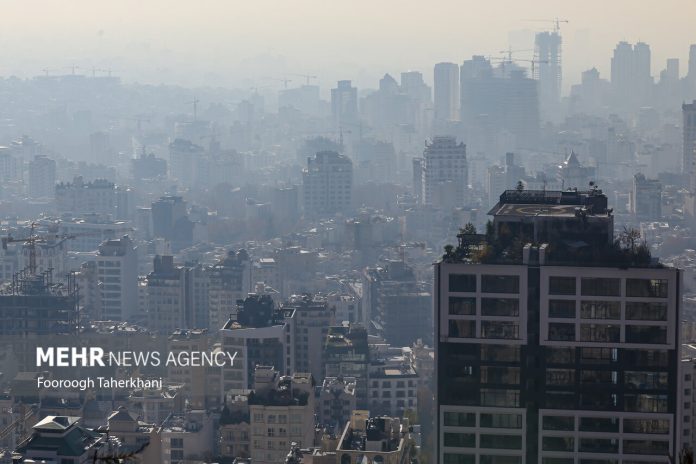
Tehran’s air quality worsens with fewer clean days in 2025

Iran Air Pollution

This marks a drop from the already low figure of 10 clean air days in 2023, meaning residents had to wait on average 52 days for a single day of breathable, pollutant-free air.

Once considered a rare respite, clean air in the Iranian capital has become even more elusive.

Experts have long warned about the dangerous health effects of prolonged exposure to high pollution levels, especially for vulnerable groups such as children, the elderly, and individuals with respiratory conditions.

The worsening situation forced authorities to take emergency measures several times throughout the year. On multiple occasions, schools, government offices, and even some industrial activities were suspended to mitigate the effects of smog and reduce pollutant output. These closures, which often lasted for days, came in response to dangerously high concentrations of fine particulate matter and other harmful pollutants.

Tehran, with its heavy traffic congestion, industrial activity, and geographical layout that traps air masses, continues to rank among the world’s most polluted capitals.

While various policies have been proposed to improve air quality—including traffic restrictions and promotion of cleaner fuels—many experts believe that more aggressive, long-term solutions are needed to address the root causes of the city’s chronic pollution problem.

24,190 accidents in 8 days claim 218 lives in Iran; Fars Province tops accident rates

Iran Chalus Road

According to the police news agency on Sunday, over 192 million vehicle trips were recorded on urban and intercity roads during this period, marking a 1% increase compared to the same period last year.

In the past 24 hours alone, 2,008 accidents were reported nationwide, causing 31 deaths and injuring 490 people.

General Soleimani highlighted that Fars Province ranked highest in both urban and intercity accidents.

The leading causes of accidents included inattentive driving (43%), sudden lane changes (15%), loss of vehicle control (14%), and failure to yield (4%). Rollovers accounted for 33% of incidents. Most accidents occurred between 4 pm and 8 pm, representing 26% of the total.

General Soleimani urged drivers to adhere to traffic laws, especially during peak hours, to ensure safer travels. He emphasized the importance of vigilance and caution to reduce accidents during the holiday season.

Official: Bushehr nuclear power plant units 2, 3 to join grid within five years

Iran's Bushehr nuclear plant

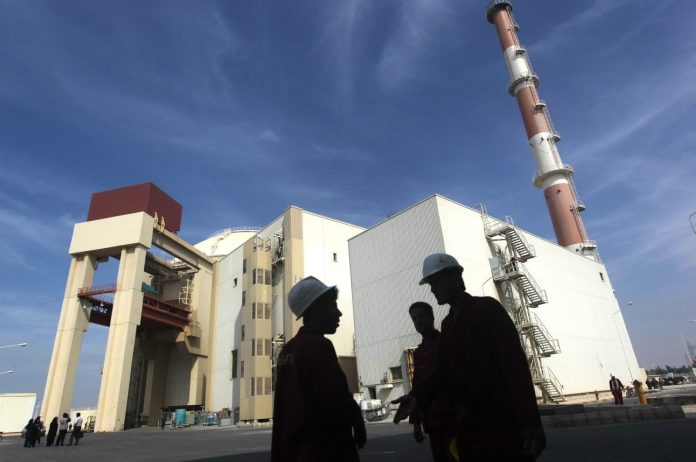
The Bushehr Nuclear Power Plant, with a capacity of 1,000 megawatts, has been supplying electricity to the national grid for the past decade, contributing 70 billion kilowatt-hours so far.

Qanadi emphasized that the AEOI’s primary goal for 2024 is to accelerate the development of nuclear energy, targeting 20,000 megawatts by 2041.

Currently, 5,000 workers are engaged in the construction of Units 2 and 3, with components being manufactured in both Iran and Russia. The projects have achieved 17% progress to date.

In addition to nuclear energy, Qanadi highlighted Iran’s advancements in radiopharmaceuticals. Over 1 million people have benefited from diagnostic and therapeutic radiopharmaceuticals produced by the AEOI, with 250 nuclear medicine centers operating across the country, he added.

The AEOI deputy head said Iran ranks among the top three global producers of radiopharmaceuticals and exports to 15 countries, despite challenges posed by sanctions on aviation companies.

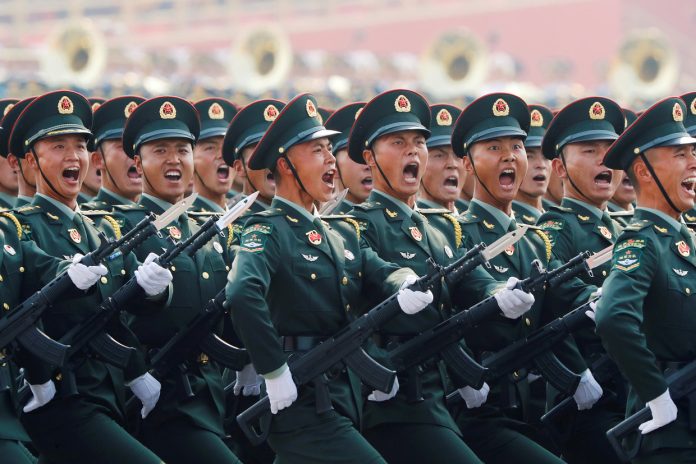
China considering joining Ukraine peacekeeping mission: Die Welt

China Army

China has positioned itself as a neutral party to Russia’s war against Ukraine, but has remained a key ally of Russia throughout the full-scale invasion.

“The inclusion of China in a ‘coalition of the willing’ could potentially increase Russia’s acceptance of peacekeeping forces in Ukraine,” an unnamed EU diplomatic source told Die Welt.

The source described the situation as “delicate.”

Chinese diplomats are exploring Europe’s openness to Beijing’s participation in the coalition, EU diplomatic sources claimed.

The “coalition of the willing” is a group of allied countries led by U.K. Prime Minister Keir Starmer and French President Emmanuel Macron. The coalition aims to provide security guarantees for Ukraine in the event of a ceasefire with Russia, possibly including a contingent of troops that would reinforce the Ukrainian military.

Moscow has repeatedly rejected the idea of European or NATO troops in Ukraine.

European leaders, including President Volodymyr Zelensky, are set to meet in Paris on March 27 to continue discussing a peace plan and security guarantees for Ukraine.

Leaders part of the coalition have not shared any details of China’s potential involvement in the process.

Chinese officials on March 18 signaled Beijing’s willingness to take part in Ukraine’s post-war reconstruction.

Russia’s main economic partner in recent years has been China due to Western sanctions.

Russia and China continue to hold joint military drills, along with other allies such as Belarus and Iran. China partook in a military drill with Russia and Iran on March 11 in the Gulf of Oman.

Iran’s nuclear spokesperson: No country faces more IAEA oversight than Iran

Iran Nuclear Program

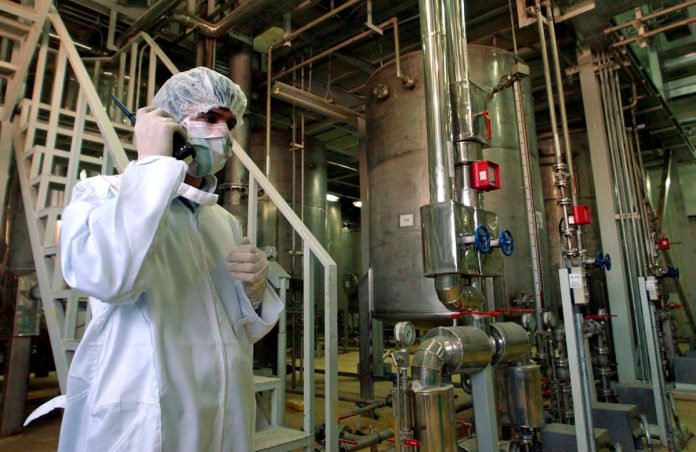
Speaking to FARS news agency, Behrouz Kamalvandi emphasized Iran’s commitment to its rights and expressed hope that Western nations have learned that pressure on Iran is counterproductive.

“The Iranian nation has endured immense pressure throughout history and has always emerged victorious,” Kamalvandi said. “We are confident that we will overcome current challenges and achieve success.”

Kamalvandi highlighted Iran’s scientific and technological achievements las year, including hosting an international nuclear science and technology conference in Isfahan, which impressed IAEA officials.

He noted that Iran began the year with 160 significant accomplishments in its nuclear program, showcasing advancements in reactor and power plant construction.

Despite Iran’s transparent nuclear activities, Kamalvandi criticized the unfair media campaigns and accusations against Iran’s peaceful nuclear program.

He also stressed that Iran remains committed to its obligations under the Joint Comprehensive Plan of Action (JCPOA) nuclear accord, provided its rights are respected.

The spokesperson pointed out Iran continues to strengthen its international relations, particularly with China and Russia, while advancing its nuclear technology for peaceful purposes.

Tehran’s Milad Tower joins global Earth Hour initiative

Milad Tower

The initiative, which took place from 8:30 pm to 9:30 pm local time, aimed to raise awareness about environmental conservation and climate change.

As the first structure in Iran to join the Earth Hour movement, Milad Tower has consistently participated in the annual event since its inception in 2007.

This symbolic gesture highlights the importance of protecting the planet and encourages individuals, communities, and policymakers to take action toward sustainability.

Earth Hour, observed worldwide, involves turning off non-essential lights for one hour as a collective call for environmental stewardship.

The campaign also promotes local education, tree planting, and efforts to engage political leaders in addressing ecological challenges.

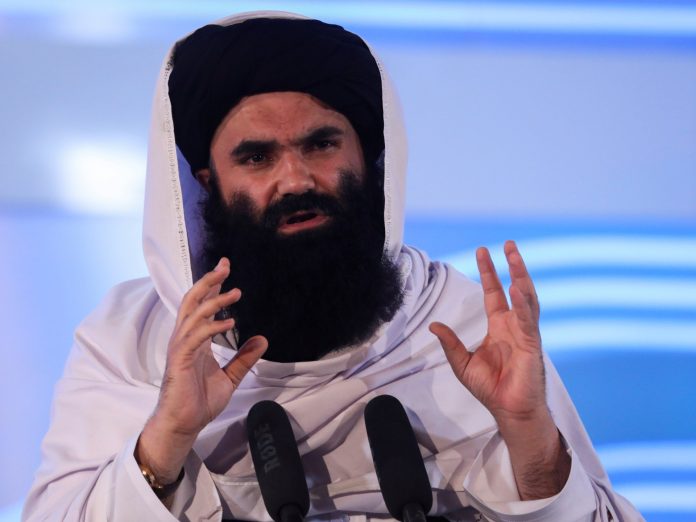
Afghanistan says US lifted bounties on senior Taliban officials, including Sirajuddin Haqqani

Sirajuddin Haqqani, who acknowledged planning a January 2008 attack on the Serena Hotel in Kabul, which killed six people, including U.S. citizen Thor David Hesla, no longer appears on the State Department’s Rewards for Justice website.

The FBI website on Sunday still featured a wanted poster for him.

Interior Ministry spokesman Abdul Mateen Qani said the U.S. government had revoked the bounties placed on Haqqani, Abdul Aziz Haqqani, and Yahya Haqqani.

“These three individuals are two brothers and one paternal cousin,” Qani told the Associated Press.

The Haqqani network grew into one of the deadliest arms of the Taliban after the U.S.-led 2001 invasion of Afghanistan.

The group employed roadside bombs, suicide bombings and other attacks, including on the Indian and U.S. embassies, the Afghan presidency, and other major targets. They also have been linked to extortion, kidnapping and other criminal activity.

A Foreign Ministry official, Zakir Jalaly, stated the Taliban’s release of U.S. prisoner George Glezmann on Friday and the removal of bounties showed both sides were “moving beyond the effects of the wartime phase and taking constructive steps to pave the way for progress” in bilateral relations.

“The recent developments in Afghanistan-U.S. relations are a good example of the pragmatic and realistic engagement between the two governments,” added Jalaly.

Another official, Shafi Azam, hailed the development as the beginning of normalization in 2025, citing the Taliban’s announcement it was in control of Afghanistan’s embassy in Norway.

Since the Taliban takeover of Afghanistan in August 2021, China has been the most prominent country to accept one of their diplomats. Other countries have accepted de facto Taliban representatives, like Qatar, which has been a key mediator between the U.S. and the Taliban. U.S. envoys have also met the Taliban.

The Taliban’s rule, especially bans affecting women and girls, has triggered widespread condemnation and deepened their international isolation.

Haqqani has previously spoken out against the Taliban’s decision-making process, authoritarianism, and alienation of the Afghan population.

His rehabilitation on the international stage is in contrast to the status of the reclusive Taliban leader Hibatullah Akhundzada, who could face arrest by the International Criminal Court for his persecution of women.

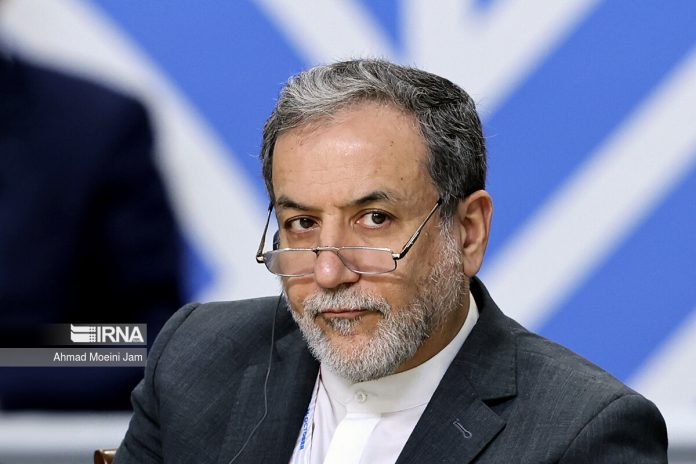
FM Araghchi: Iran focuses on diplomacy to avoid war, open to business with US

Abbas Araghchi

In an interview with Khabar Online, Araghchi stated that Iran’s refusal to negotiate directly with the US is rooted in historical experience, not stubbornness, and that any future talks would require significant changes in Washington’s approach.

The Iranian foreign minister left the door open for future diplomacy, emphasizing that Iran’s foreign policy remains active and strategic, focused on safeguarding national interests and regional stability.

Araghchi, a key architect of the JCPOA, defended the agreement as a model for future negotiations but noted that reviving it in its current form is neither feasible nor in Iran’s interest, given advancements in its nuclear program and ongoing US sanctions.

He stressed that Iran remains open to indirect talks with the US, mediated by European partners, to address nuclear concerns and sanctions relief.

Regarding regional dynamics, Araghchi highlighted Iran’s growing diplomatic influence in the Middle East, contrasting it with Israel’s increasing isolation.

He also underscored Iran’s readiness to defend itself but reiterated its preference for peaceful resolutions.