Friday, January 9, 2026
Home Blog Page 2540

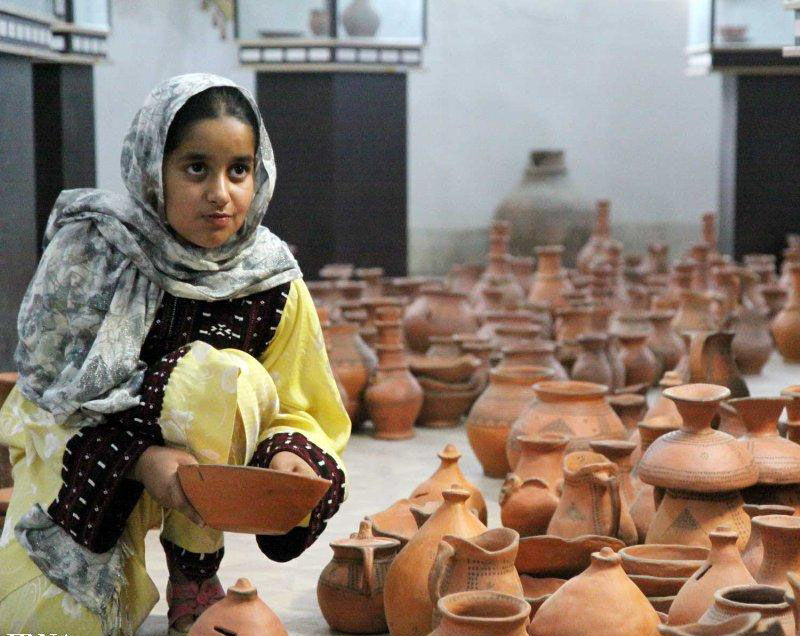
Kalpouregan – The Only Living Pottery Museum in the World

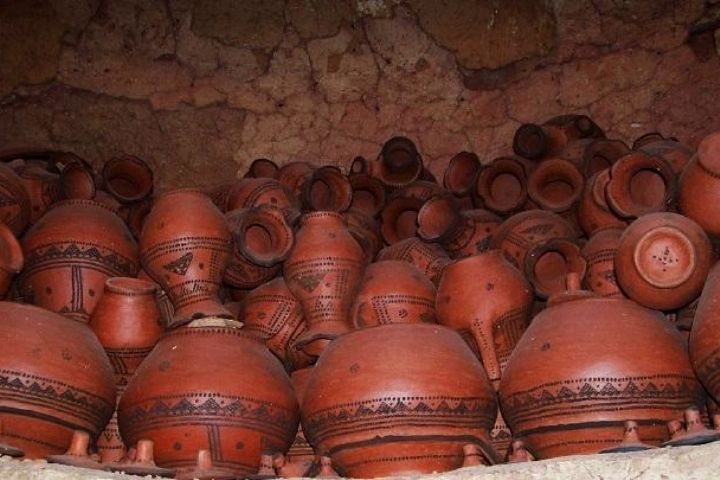
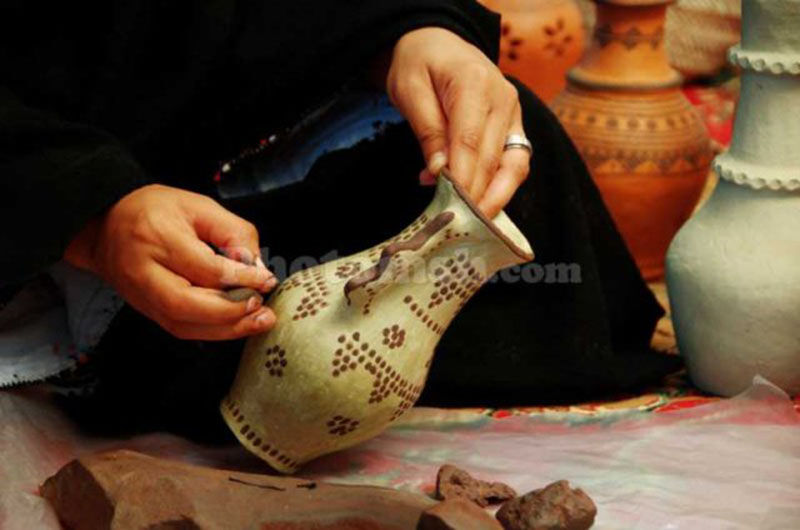
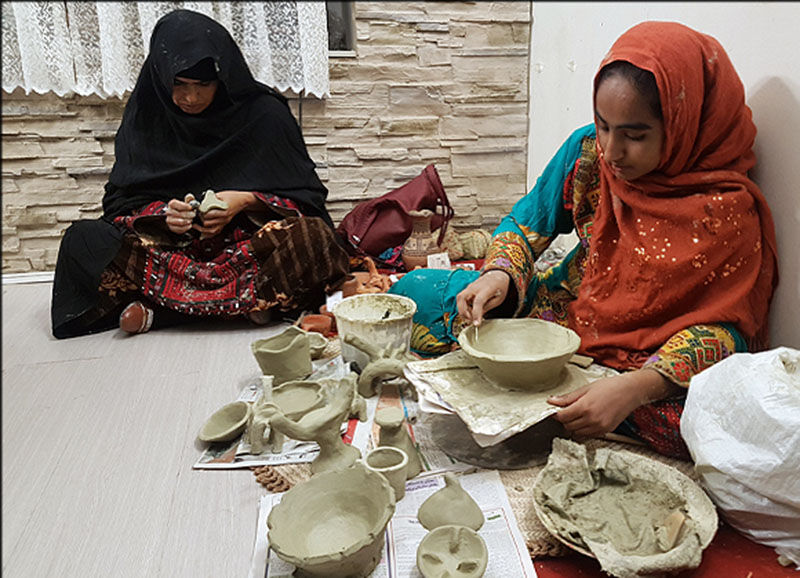
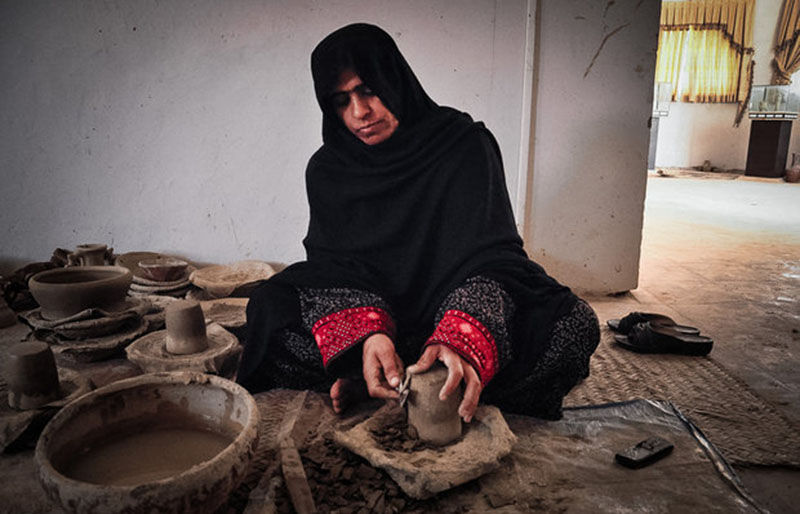
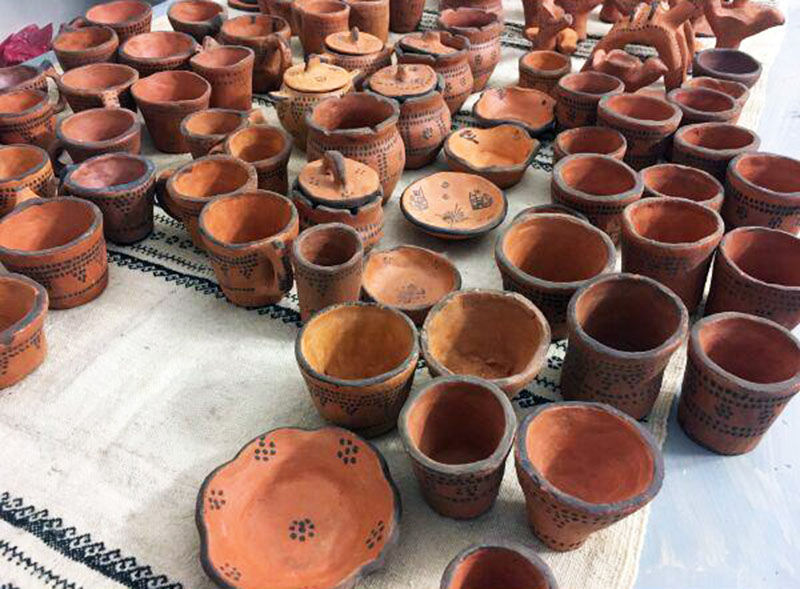
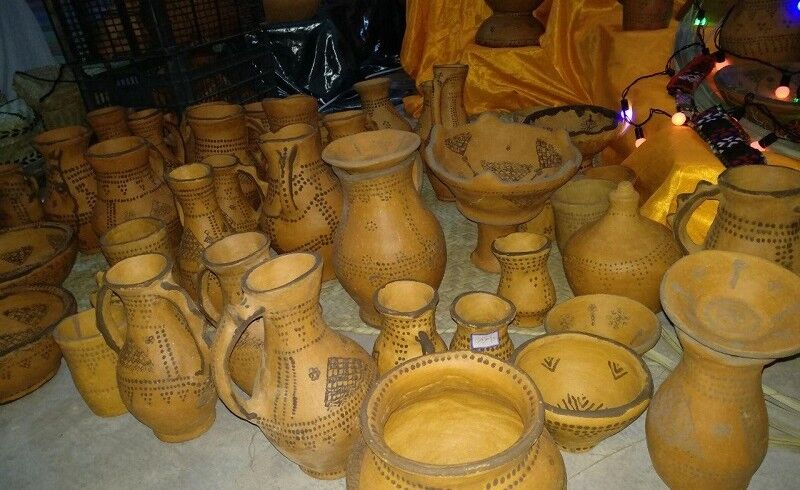
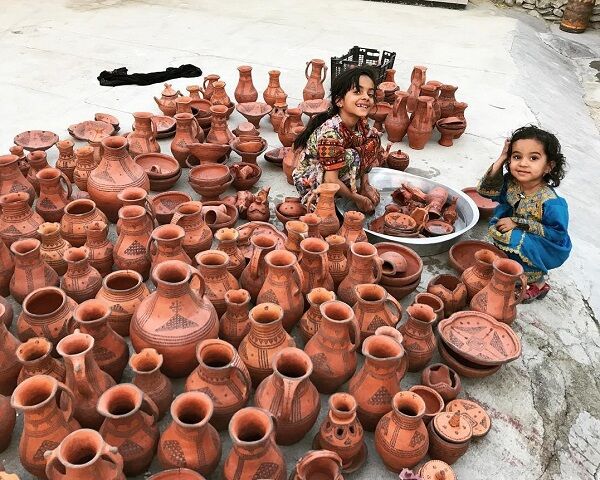
These women create unique artworks out of dust and mud, which has brought them worldwide fame. Nowadays, using pottery-making machines and wheels are very common, but these Baluchi women create pottery which is famous all around the world, using no tools.

As reported by Mehr News, Kalpoureh is the name of a medicinal herb and Kalpouregan is the name of a village in south-east Baluchestan, close to the Pakistan border. This village is located 25km from Saravan town and 390km south of Zahedan. The pottery made by these artists is called as Kalpouregan pottery.

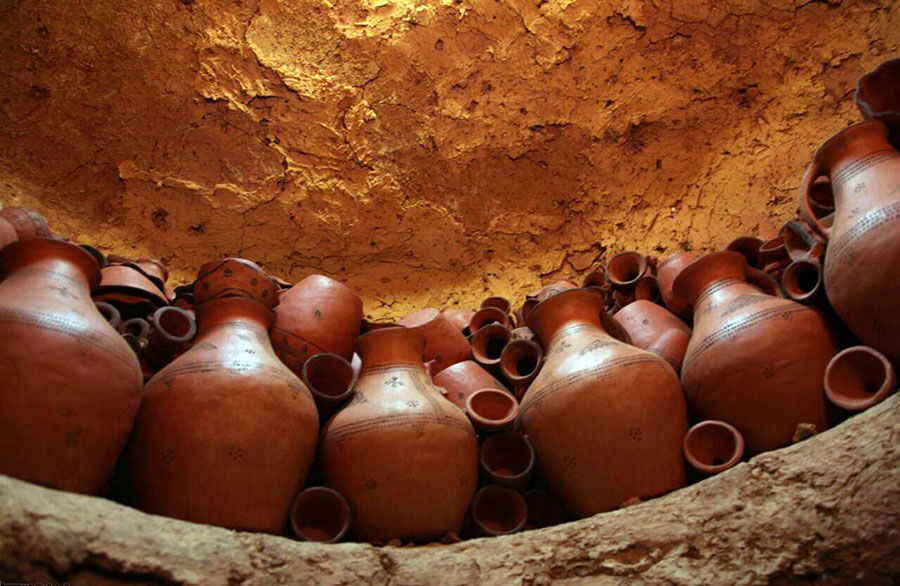
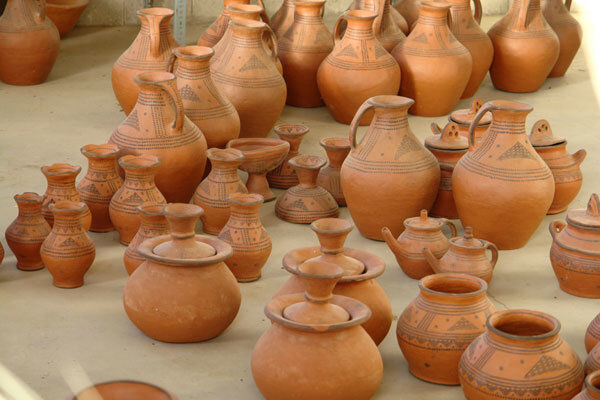
The Baluchi women use “Tituk” stones for drawing patterns and decorating their pottery. This stone, which is normally black or brown, is a type of manganese. The pottery is mostly in the form of bowls, grails, tankards and cups, and almost all of them have lids which can be used as a different dishes themselves.

The patterns and designs on Kalpouregan pottery are geometrical and remind us of ancient patterns. The decorations on them are abstract forms that have been passed from generation to generation, and they tell us about the dreams and wishes of ancient Baluchi women. They still make pottery in exactly the same way that their ancestors would have done, and what gets drawn on their pottery is whatever is on their minds.

In August 2017, the United Nations Educational, Scientific and Cultural Organization (UNESCO) assessors entered the Kalpourgan village to examine its potentialities as the first Iranian village nominated for global registration. The village was finally registered internationally in September the same year.

Read More:
 

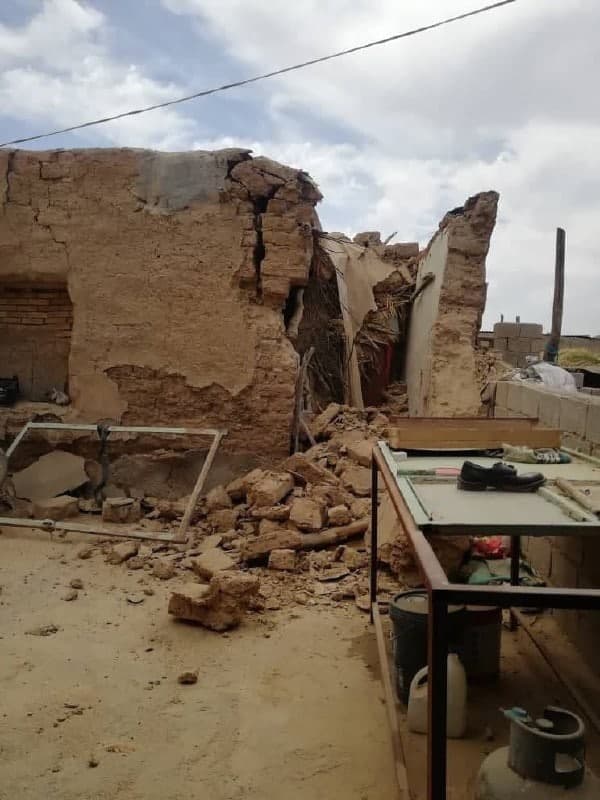
5.9-Magnitude Earthquake Strikes Southern Iran

زلزله بوشهر

According to the National Seismological Centre of the University of Tehran’s Institute of Geophysics, the earthquake hit an area 28km away from the port city of Ganaveh and 91km from the provincial capital, Bushehr, on Sunday at 11:11 a.m. local time.

The epicentre, with a depth of 10km, was determined to be at 29.76 degrees latitude and 50.72 degrees longitude.

The same area has since been hit by over a dozen aftershocks, the biggest of which measured 4.5 on the Richter scale.

Rescue teams have been sent to the quake-hit areas to assess the damages and help the people affected, according to the Red Crescent Society.

Initial reports say at least five people have been wounded, and several houses have been damaged.

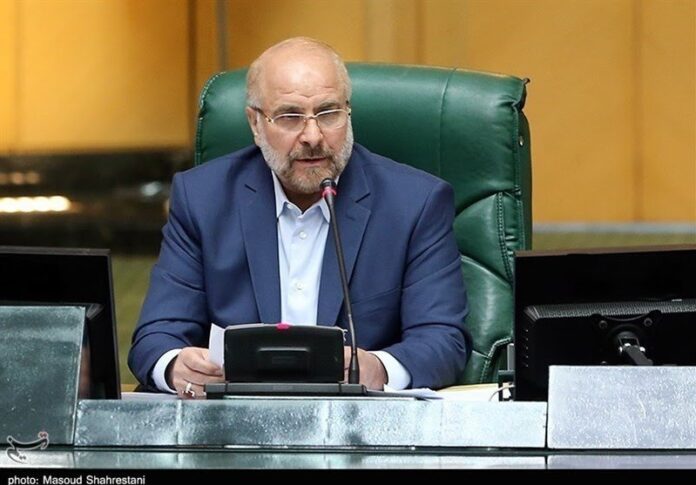
Enemies Seeking to Prevent Removal of Anti-Iran Sanctions: Speaker

Mohammad Baqer Qalibaf said the enemies are trying to impose their demands on Iran through deception and pressure.

He also said the enemy has failed in its attempts to put the brakes on Iran’s nuclear development. He was referring to the recent act of sabotage at the country’s Natanz nuclear facility, which prompted Iran to begin enriching uranium to the 60% purity level as a response.

“Beginning to enrich uranium to the 60% purity level, in a short period of time, within the framework of Article one of the Strategic Plan of Action showed it takes very short time to implement the decisions made in the country’s nuclear industry …,” said the top parliamentarian.

“Any injudicious move and any pressure on the Iranian nation’s determination to make scientific progress is completely futile and no one can prevent Islamic Iran’s ongoing development,” he said.

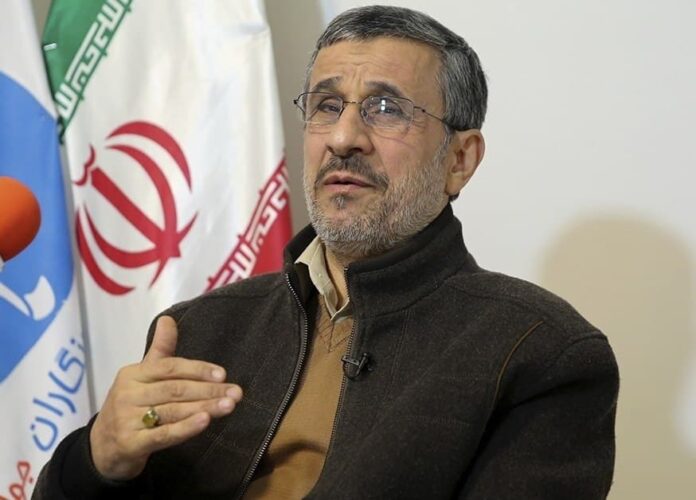
Ahmadinejad Raps Rouhani Admin for Attending Vienna Talks after Natanz Sabotage

“Who allowed you to sit down for talks,” Ahmadinejad asked rhetorically, saying the Iranian government should not have attended the talks following the recent act of sabotage at Natanz nuclear facility.

“They blow up our [nuclear] installations from the other side of the world, and now you go to hold talks,” he said.

Ahmadinejad has, off and on, taken a swipe at the administration of Rouhani. Ahmadinejad is said to be seriously making arrangements to run for president in the upcoming elections.

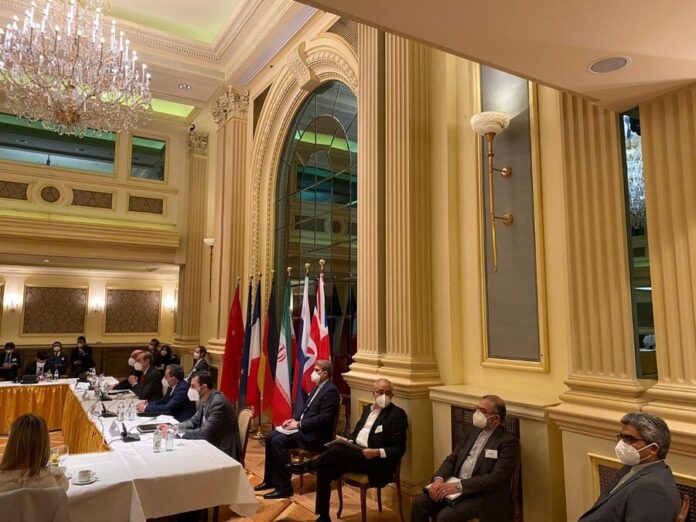
Vienna Talks to Continue at Different Levels Today

Expert-level working groups will continue their talks in two domains of “lifting of sanctions” and “nuclear issues.”

On Saturday, April 17, the joint commission of the 2015 nuclear deal, officially known as the Joint Comprehensive Plan of Action (JCPOA), held a plenary meeting.

Moreover, bilateral and multilateral meetings were held separately between Iran’s negotiating team and members of the P4+1.

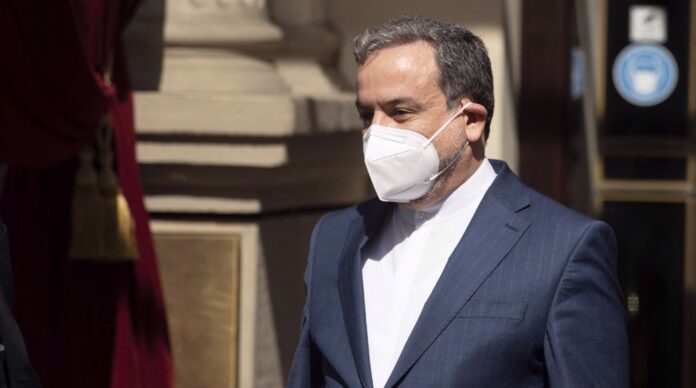
During the discussions, three meetings were held between Seyyed Abbas Araqchi, the head of the Iranian negotiating team, and European External Action Service (EEAS) Deputy Secretary General Enrique Mora.

Also, the heads of the three European delegations sat down for talks with Araqchi.

As in previous days, expert groups held meetings in the two domains of sanctions and nuclear issues.

In the commission’s meeting on April 17, delegates received and reviewed reports by the working groups.

It was also decided that bilateral and multilateral talks as well as technical consultations continue in the upcoming days, and that the commission meet again should the need arise

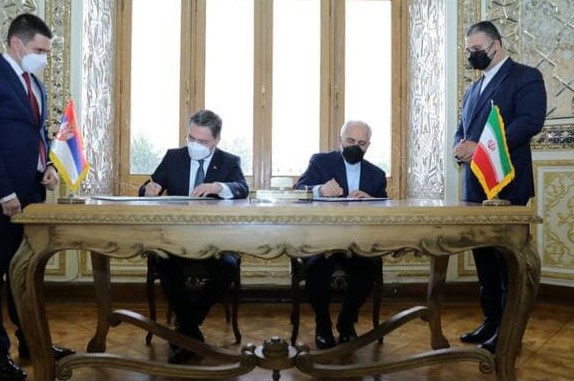
Iranian, Serbian Foreign Ministers Discuss Closer Cooperation in Tehran

During the talks, Zarif touched upon the historical relations between the two countries and highlighted that the Balkans has a significant status in Iran’s foreign policy.

The top Iranian diplomat highlighted the need to maintain and expand relations between Tehran and Belgrade on different political, economic, trade and cultural fronts by drawing on innovative and creative mechanisms.

He underscored the existing potential in the economic domain, urging closer economic cooperation.

The Serbian foreign minister, in turn, referred to the existing potentialities in bilateral relations in economic and industrial domains.

He also said the signing of a cooperation document between the foreign ministries of both countries will be useful for future collaboration between the two sides.

Among other topics on the agenda of the talks were the importance of holding the sixteenth meeting of the two countries’ joint economic commission in order to enhance mutual partnership, especially in the economic domain, issues related to the United States’ unilateral and cruel sanctions, regional issues, including those pertaining to the Balkans and regions surrounding Iran, Tehran-Belgrade cooperation in international circles, as well as measures adopted by both countries in fighting the coronavirus and developing a vaccine for the disease.

Iran Says New Understanding Emerging among JCPOA Parties

“Today, almost three days the JCPOA Joint Commission started its work, we once again convened a meeting of the Joint Commission to review the progress of talks held so far both in the field of sanctions removal and nuclear issues,” Araqchi said after the conclusion of a fresh round of talks among Iran and the P4+1 in Vienna.

He said the participants reviewed the reports presented by the working groups and held good discussions within the Joint Commission.

“It seems that a new understanding is being developed and there is now common ground among all [the sides] on the final goal,” he added.
Araqchi said the path that must be trodden is a little bit more familiar now.

“However, the path ahead will not be an easy one. The differences have not been settled yet. There are some serious disagreements that need to be decreased during next negotiations,” he noted.

“As we have repeatedly announced, Iran is not at all interested in and does not seek protracted and lengthy negotiations,” Araqchi said, adding that the talks will be continued for as long as necessary.

“We believe the talks have reached a stage where the sides can now start working on preparing a joint text. They can start drafting the text at least on sectors on which they share views,” the Iranian chief negotiator said.

Araqchi said the Iranian delegation has presented its own text both in the fields of nuclear measures and sanctions removal to all the P4+1 countries.
“We believe that the texts we have presented can act as a basis for negotiations and a final agreement,” he said.

“Of course the final agreement should not be necessarily similar to our texts, but these texts will serve as a basis for negotiations.”
Araqchi said the texts presented by Iran can provide the basis for a deal that both meets the demands of Iran and those of the opposite side about Tehran’s return to its commitments as per the JCPOA.

“We believe now it is time to start drafting the text at least on the sectors on which there is consensus,” he added.

Iran’s Foreign Ministry Denies ‘Distorted’ Reports Quoting ‘Informed Sources’

Iran's Foreign Ministry

“The latest news of nuclear negotiations are merely disseminated through the official channels of the Ministry of Foreign Affairs, the Foreign Ministry spokesman, and the head of the Iranian negotiating team,” Khatibzadeh said on Saturday in response to reporters who asked about such rumours.

The spokesman urged media outlets to avoid paying attention to certain reports that try to kick up a fuss by quoting “informed sources”.

In similar remarks, Iran’s chief negotiator Seyyed Abbas Araqchi had earlier criticised certain media outlets for quoting “informed sources” in their reports about the Vienna talks, saying such allegations confuse the other parties participating in the talks, and undermine Iran’s strategy in the negotiations.

Iranian, Afghan FMs Discuss Afghanistan Peace Process

During the phone conversation, Zarif underlined the need for maintaining Afghanistan’s democratic achievements in the past two decades, and its relation with sustainable peace.

He also reiterated Iran’s all-out support for the Afghan peace process.

The Afghan foreign minister, in turn, expressed pleasure with the growing relations between the two countries, and praised Tehran’s effective role in the Afghan peace process.

The two sides also stressed the necessity of accelerating the finalisation and signing of the comprehensive document for Iran-Afghanistan strategic cooperation.

Earlier in the day, Zarif had told a webinar at the Raisina Dialogue held in New Delhi that Iran and the region will not allow Afghanistan to return to what it was in the 1990s.

Addressing the seminar which was attended by Afghanistan’s National Security Advisor Hamdullah Mohib, Zarif said the American troops’ withdrawal from Afghanistan will be a positive step.

“That US forces will finally pull out of Afghanistan is a positive move, and the Taliban should not cash in on this opportunity to stoke violence,” he added.

Zarif noted Iran welcomes US forces’ “responsible withdrawal” from Afghanistan and believes the presence of foreign troops has never contributed to security in Afghanistan and the whole region.

The top Iranian diplomat added the Taliban should take the opportunity and immediately kick off serious negotiations with the Afghan government.

“The Taliban cannot bide its time to see a vacuum created in order to take advantage of it and see Afghanistan plunge into civil war,” said Zarif.

“The Taliban can be part of the trend of talks, but cannot take control of it,” the top diplomat noted.

JCPOA Joint Commission Wraps Up Meeting in Vienna

The participants reviewed the trend of talks in the past few days, and received the report of expert groups on the domains of sanctions and nuclear issues.

In this meeting, it agreed that bilateral and multilateral talks as well as technical consultations continue in coming days, and that the JCPOA Joint Commission hold another plenary meeting if necessary.

Several bilateral and multilateral meetings were earlier held between the head of the Iranian negotiating team and European External Action Service (EEAS) Deputy Secretary General Enrique Mora as well as other delegations taking part in the talks.

In tandem with these negotiations, technical consultations by expert groups are also underway.