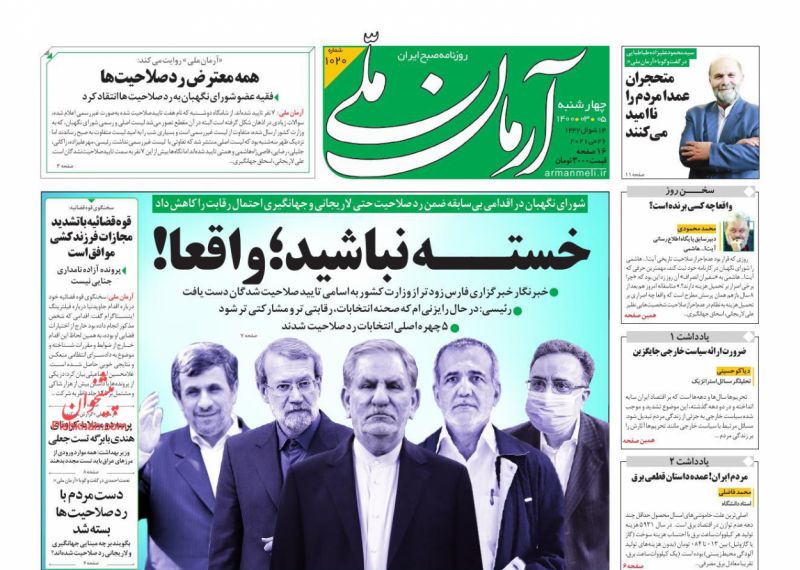
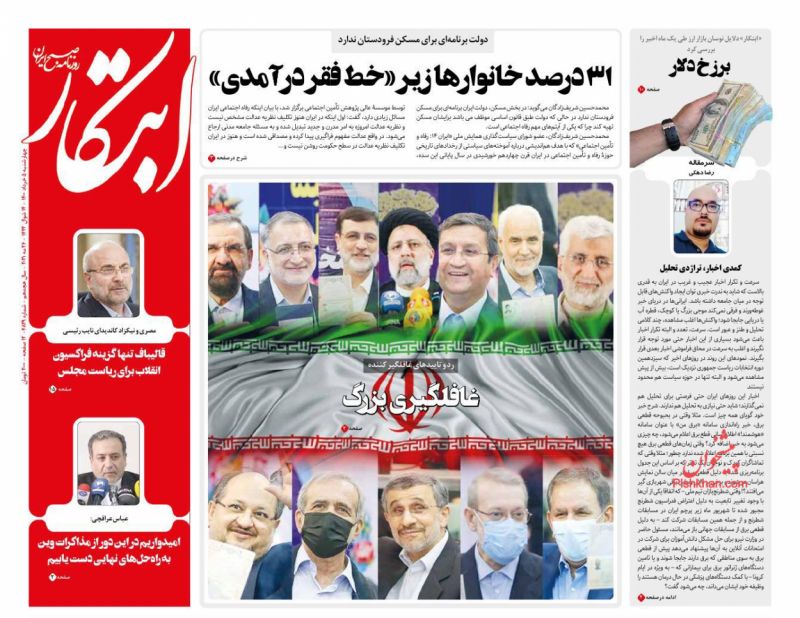
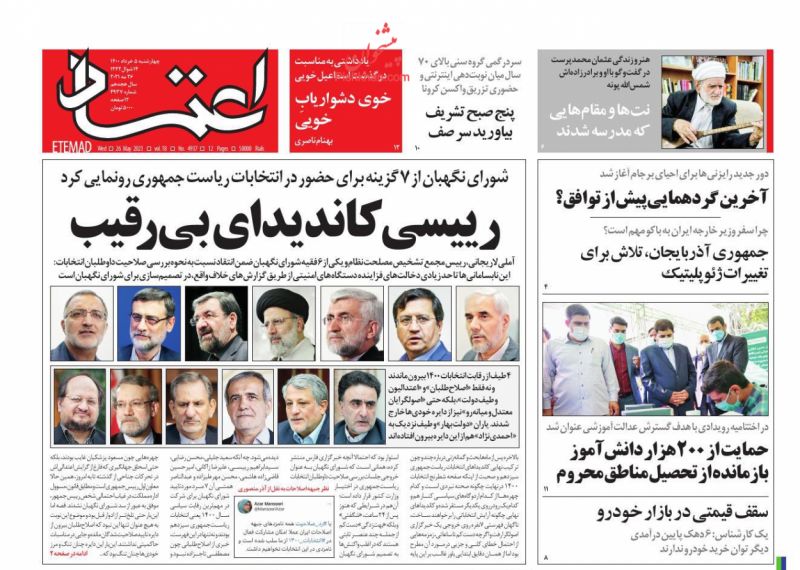
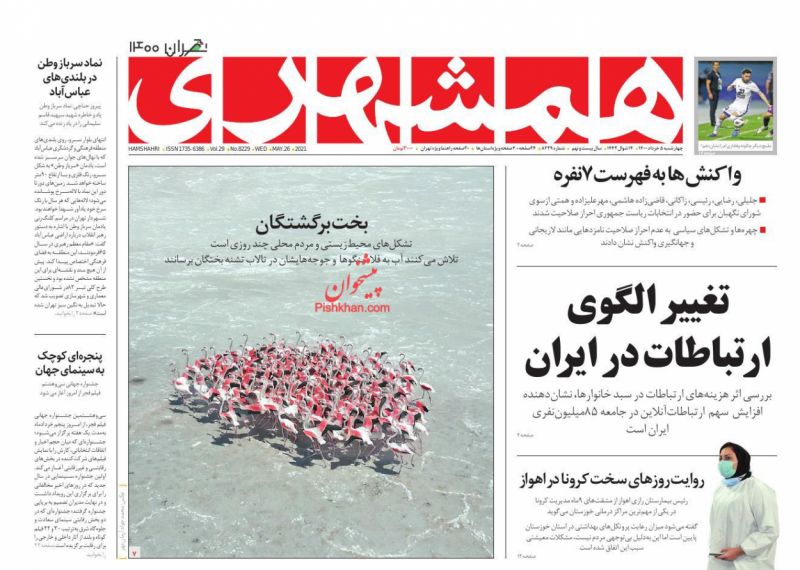
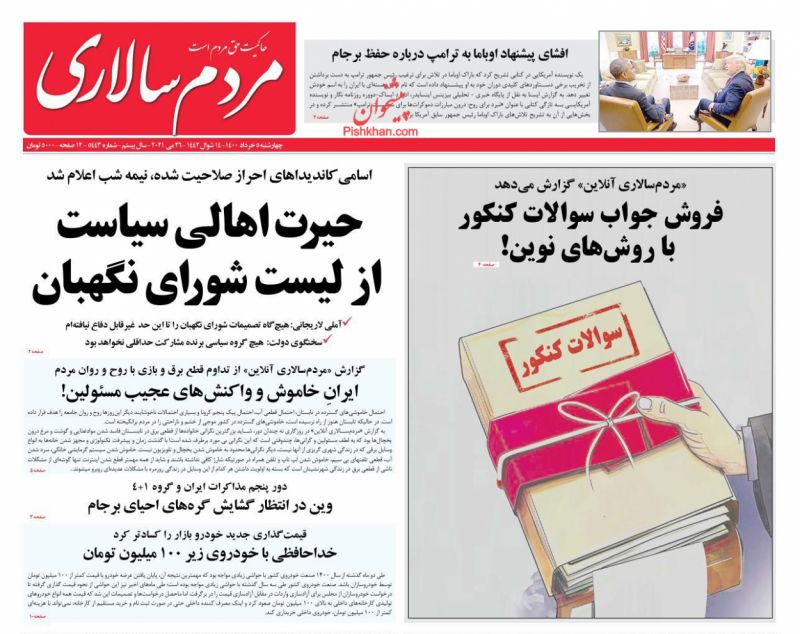
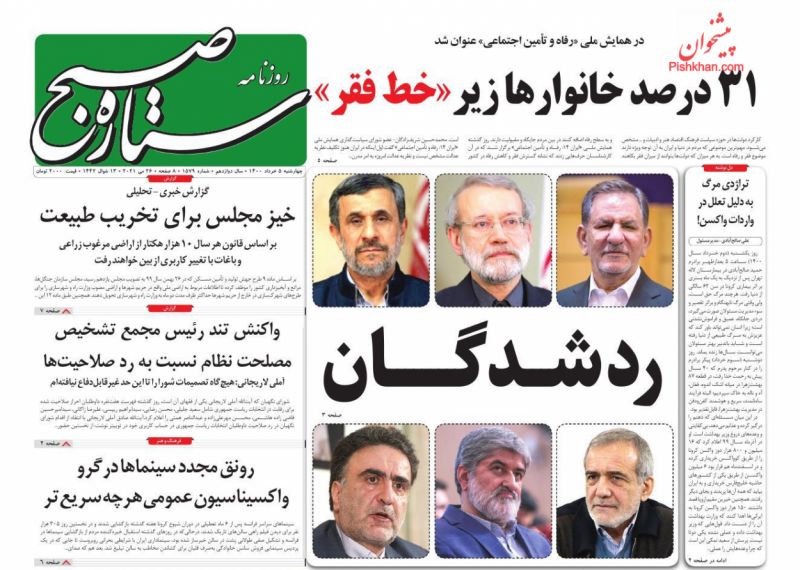
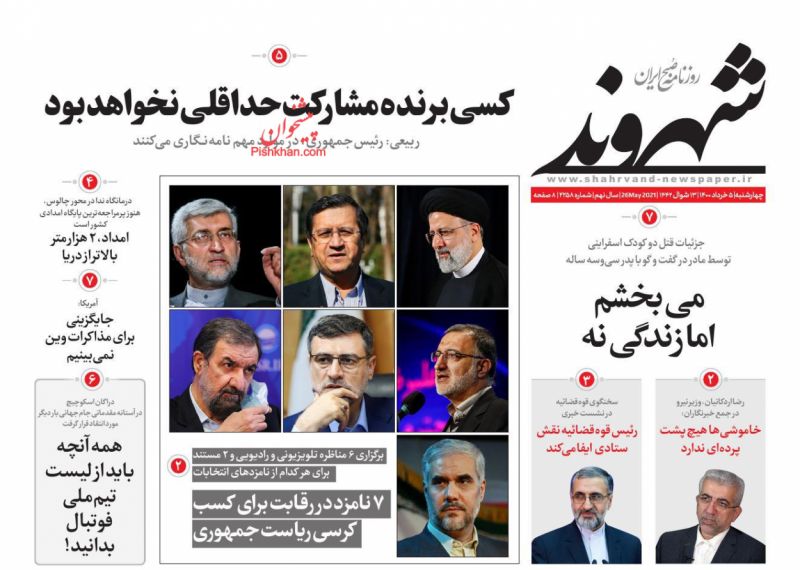
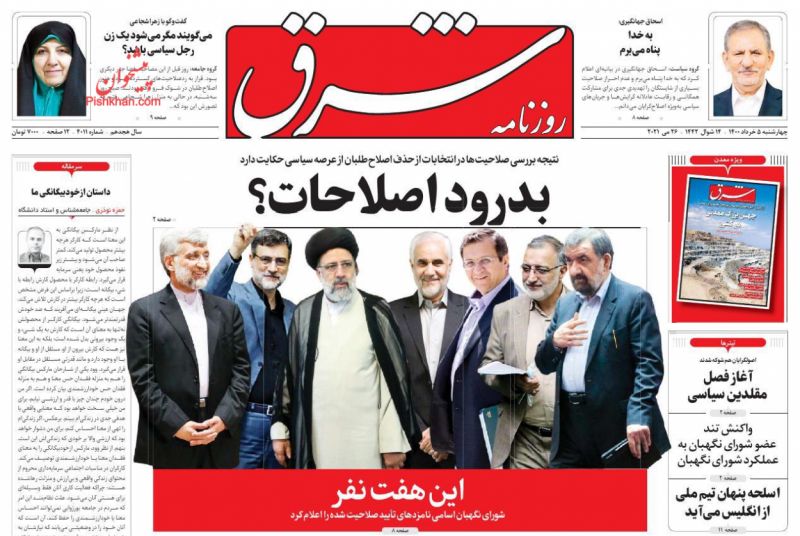
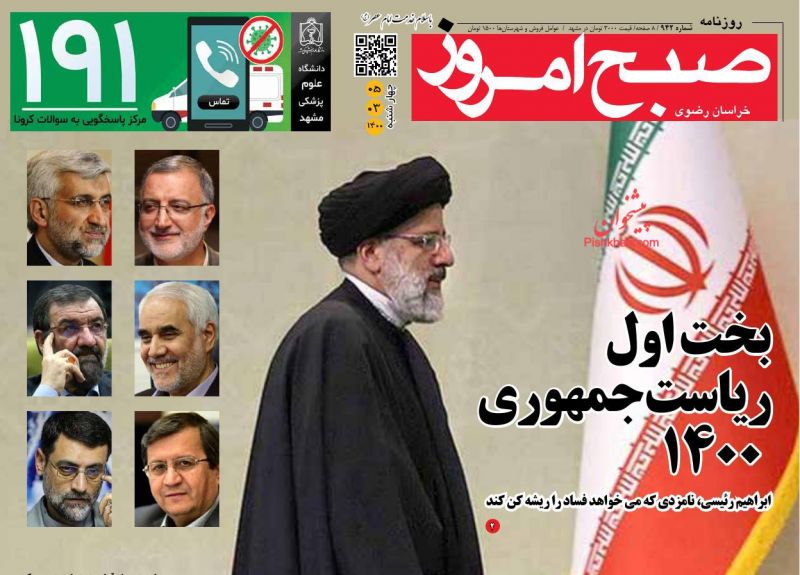
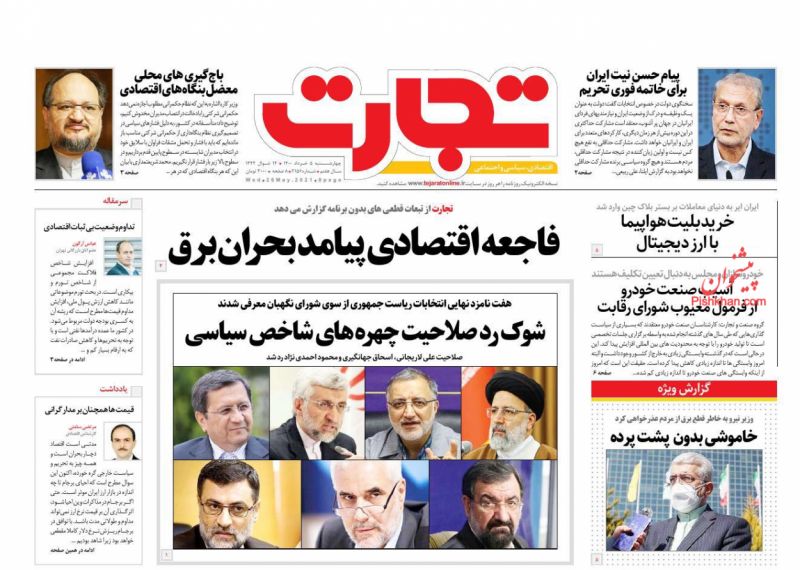
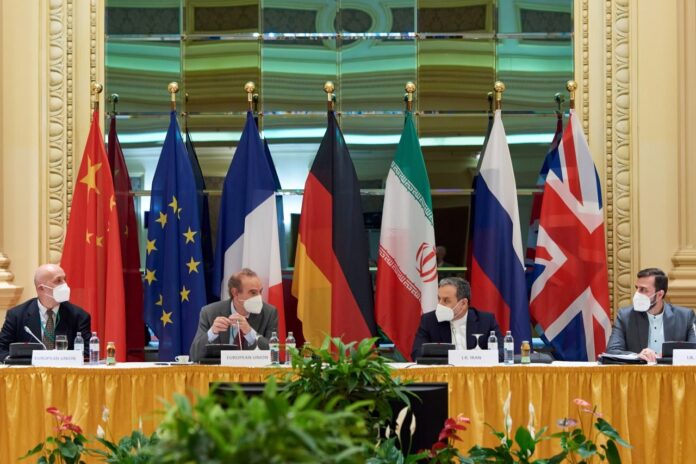
In an opinion piece published by the Iranian reformist daily Etemad, Abbas Abdi said now that the parties to the JCPOA talks are most likely to reach agreement, the Iranian parliament must be pressured to endorse the potential deal.
“I guess the finalisation of this agreement without the blessing of the current parliament would be a big mistake,” he said.
“All of us know that conservative radicals have made numerous irresponsible, untrue and baseless remarks in the domain of foreign relations and on the JCPOA,” the analyst said.
“They went so far on this path that they directed the worst [verbal] attacks on the government and the president himself and particularly on the foreign minister,” he noted.
“On the other hand, we know that the Rouhani administration will not benefit from resolving this crisis that much, and settling this problem would, even on the face of it, be to the administration’s detriment,” he noted.
“The reason is that if this issue is settled and the US returns to the JCPOA, that will enable Iran to sell oil and earn money and also get engaged in trade deals, which will be in the interest of the next administration,” he added.
“This will be in interest of the next administration and help it somehow improve people’s livelihood conditions,” the analyst noted.
“Given the conditions surrounding the [presidential] election, its seems that its result is a foregone conclusion, and the group which will come into office want to speak against the current administration,” he said.
“As a result, it would not be logical for this administration to sow a seed whose yield will be against it and in favour of the next administration, which is a sworn opponent of the current administration,” the commentator explained.
However, he added, the current administration is moving forward with talks and is trying to settle the issue irrespective of the benefits it might have for the future administration.
“From this perspective, the current administration deserves praise,” the analyst noted.
In the meantime, he said any final agreement with regards to the Vienna talks should be approved by the Parliament, the Guardian Council (Constitutional Council) and the Supreme National Security Council.
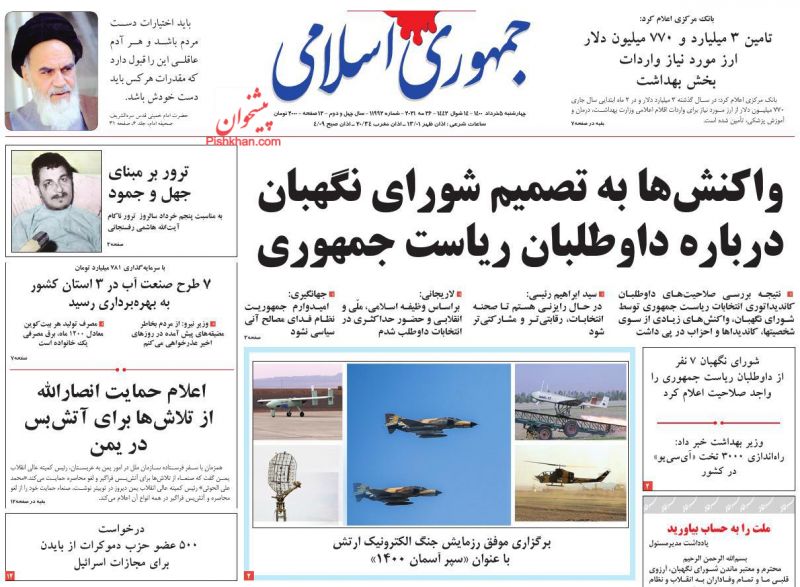
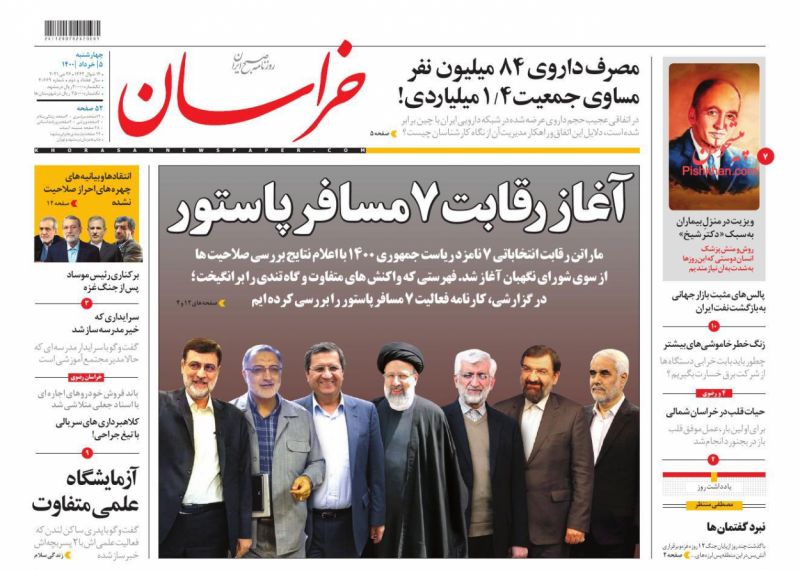
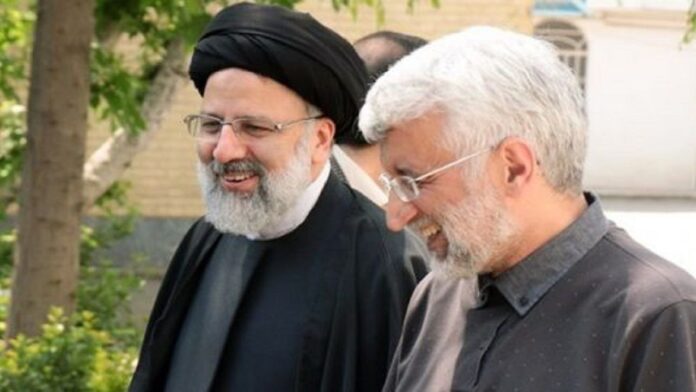
“The result of the June 2021 presidential vote is a foregone conclusion, and no one has any doubt about who the final winner of this election is,” wrote the Tehran-based Jomhouri Eslami conservative daily in an editorial on Saturday.
“So, instead of turning against one another, the candidates had better, from now on, seek to build up synergy and indicate during their presidential campaigns that they will try to help the president-elect and cooperate with him in running the country,” the paper added.
The newspaper called on the candidates to give pledges they can fulfill rather than empty promises.
“People are tired of wrangling [among political groups], obstructionist moves, corruption, shortcomings, unfulfilled promises and colourful, but unsupported slogans,” the paper wrote.
“Election campaigns should not fuel this fatigue,” it noted.
“Garnering votes by resorting to smear campaigns, seeking to paint a black picture [of rivals] and using threadbare slogans will not only amount to a betrayal of the country and Establishment, but also have a negative impact on the candidates,” the daily explained.
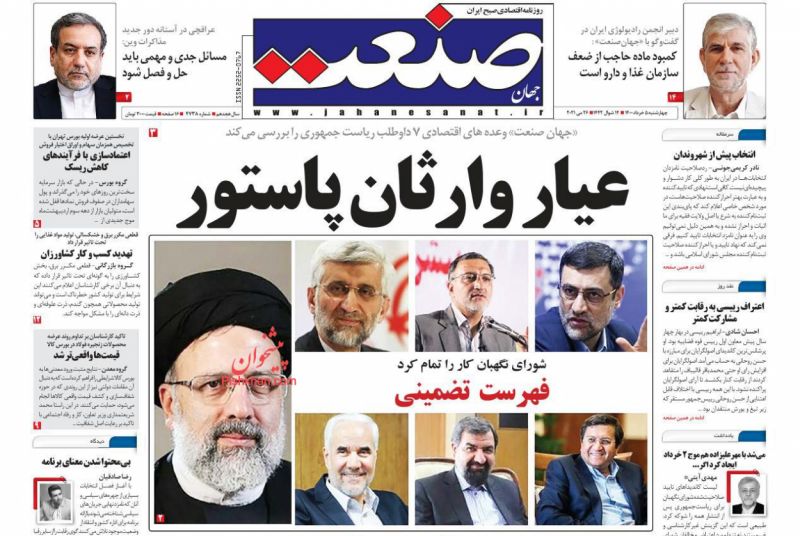
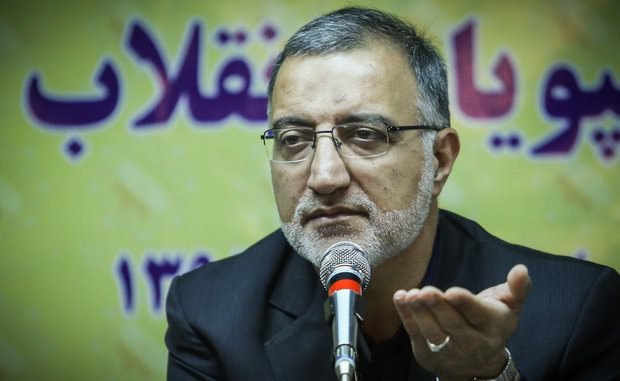
Alireza Zakani said Washington will also have to remove sanctions because the United States needs to return to the JCPOA.
“Washington needs to rejoin the JCPOA because all of US policies vis-à-vis Iran have failed,” he said.
Zakani underlined one of the reasons the US would like to return to the nuclear deal is that it wants to use the so-called “trigger mechanism” and “target the base of our existence.”
“The US wants to put the noose around our neck. Trump chose the same path, but openly announced that the policy of putting ‘maximum pressure’ on Iranians had failed,” he added.
The presidential candidate added Iran cannot be put under sanctions.
“The imposition of sanctions is a crime and brutal tyranny against the Iranian nation. We should break the sanctions in whatever way we can. The US will not renounce this strategic weapon,” he said.
Zakani reiterated that if the US wants to return to the JCPOA, it should first remove all sanctions.
“Then we will verify the lifting of sanctions. Afterwards, they can rejoin the JCPOA,” he explained.
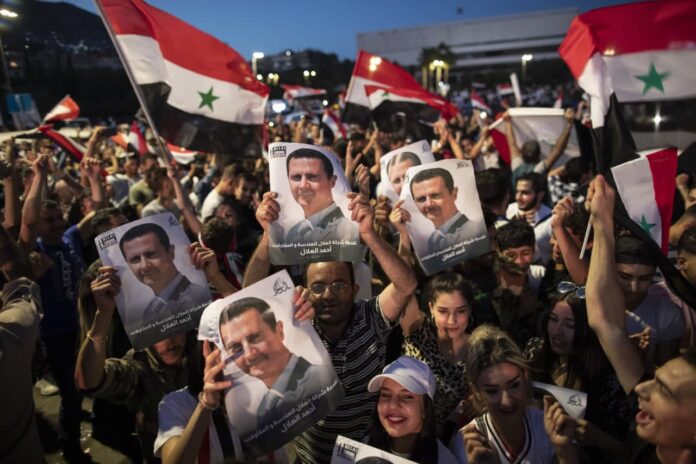
“The successful holding of elections and the massive turnout of Syrian people is an important step towards the establishment of peace, stability, calm, reconstruction, and prosperity of Syria,” the Friday statement said.
The statement added, “The Islamic Republic of Iran respects the Syrian people’s decision, and supports their right to decide their fate and the future of their country without any foreign interference.”
“Iran congratulates President Assad and the resilient people of Syria on his decisive victory in these elections,” it further said.
Assad was re-elected in a landslide, officials said Thursday, ushering in a fourth seven-year term in the war-torn country.
Officials said 18 million were eligible to vote. But in the country ravaged by the 10-year-old conflict, areas controlled by militants or Kurdish-led troops did not hold the vote.
At least 8 million, mostly displaced, live in those areas in northwest and northeast Syria.
Over 5 million refugees — mostly living in neighbouring countries — have largely refrained from casting their ballots.
Syria’s parliament speaker, Hammoud Sabbagh, announced the final results from Wednesday’s vote. He said Assad garnered 95.1% of the votes. He said turnout stood at 78.6% of the voters, in an election that lasted for 17 hours on Wednesday with no independent monitors.
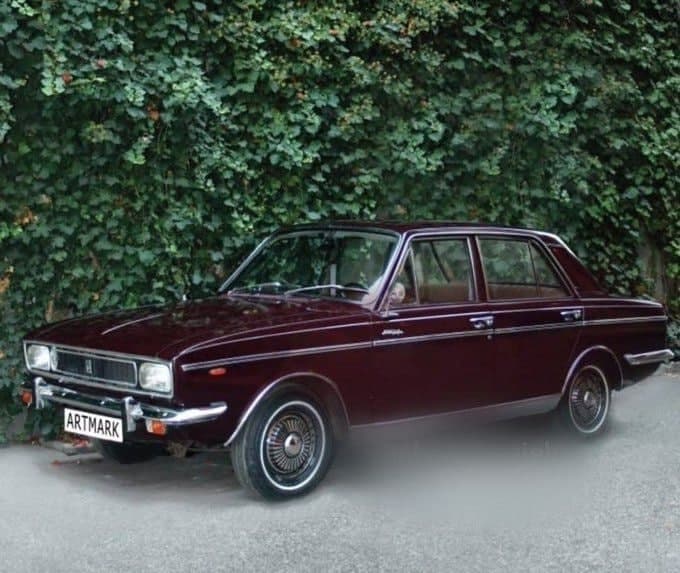
While many Iranian clients were interested in buying the car at the auction, a Romanian collector finally managed to purchase it.
The Paykan (meaning Arrow) is the first Iranian-made car produced by Iran Khodro between 1967 and 2005. The car was very popular in Iran from its introduction until its discontinuation. It is often colloquially referred as the Iranian chariot.
The Paykan was a Hillman Hunter built under licence, but had some unique body work and locally-developed variants (most notably, the pickup, which used a different body shell from the one sold elsewhere).
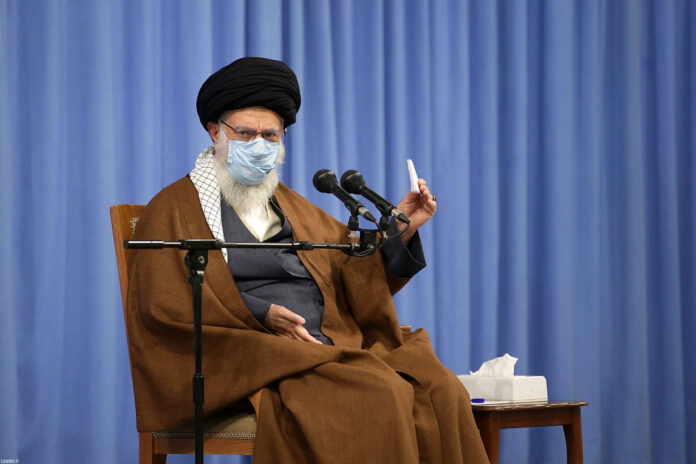
Ayatollah Seyyed Ali Khamenei said the vote is held in one day, but its effects remain for years. The Leader called on people to vote for whoever candidate they believe is the right choice. Ayatollah Khamenei urged voters to turn a deaf ear to those who try to promote voter apathy by creating the impression that going to the polls would be futile.
He said those individuals do not care about the nation.
Elsewhere in his remarks, the Leader touched upon the process of establishing the eligibility of presidential hopefuls.
He said the Constitutional Council did its job and named the candidates who are eligible to run in the race.
Ayatollah Khamenei also expressed his gratitude to all hopefuls who had registered for the election, saying many of them definitely did so due to a sense of responsibility.
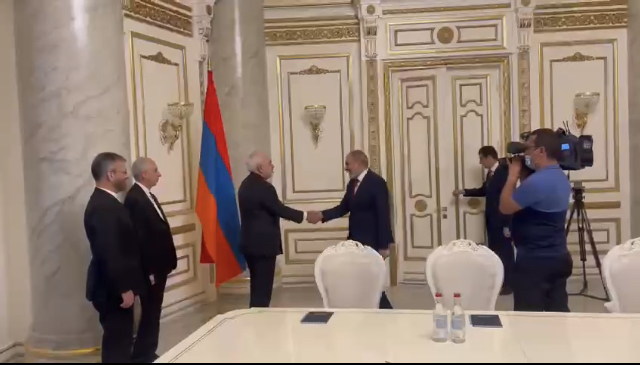
In the Wednesday meeting, Zarif expressed hope for deeper economic relations between the two countries in the post-pandemic era. He said development of Meghri Border Free Trade Zone and launch of Iran-Nakhchivan-Armenia rail link lay the ground for expansion of mutual economic ties. The top diplomat also expressed hope Iran will be able to play an effective role in Armenia’s Syunik Province and this will help further strengthen ties with Yerevan.
The foreign minister noted that Iran is willing to see stability maintained in the region and Armenia’s territorial integrity guaranteed, and expressed regret over tensions in Armenia’s borders with the Azerbaijan Republic over the past days.
Armenia’s caretaker prime minister, in turn, said Yerevan considers ties with Iran of strategic significance, saying he is pleased about the fact that his country’s border with Iran has always marked friendship and security for both sides.
Pashinyan also touched on the steps Armenia has taken to develop its Syunik Province, including a push to speed up the establishment of Meghri Free Trade Zone, expressing hope these measures will lead to expansion of ties with Iran.
He also talked about the recent tensions on Armenia’s border with the Azerbaijan Republic. He offered details on Yerevan’s stance on the border issue, its referral to the Collective Security Treaty Organization, killing of an Armenian soldier along the border with the Azerbaijan Republic on Tuesday (May 25) and the current border situation.
During the meeting, Zarif and Pashinyan also discussed the natural gas and electricity swap plan between the two countries, extension of a contract for exports of Iranian natural gas to Armenia and an increase in the amount of exported natural gas as well as cooperation on infrastructure, science and education.
Dr. Hossein Asgari, who has talked to villagers first-hand, says the lifestyle of the locals is based on an intellectual and jurisprudential school of thought formed some 200 years ago.
“Residents of the village take their deceased to Qom and Tabriz as there is no cemetery in the village,” he says.
“They (the villagers) speak Turkish; of course, they know Persian, too,” he adds.
“They sometimes welcome guests, and sometimes don’t,” Asgari explains.
“They do not allow women into their community at all,” he says.
Moreover, he adds, no one has ever seen their women, either.
Here is IFP’s translation of a report by Shahrvand newspaper about a strange village that has shut its doors on technology:
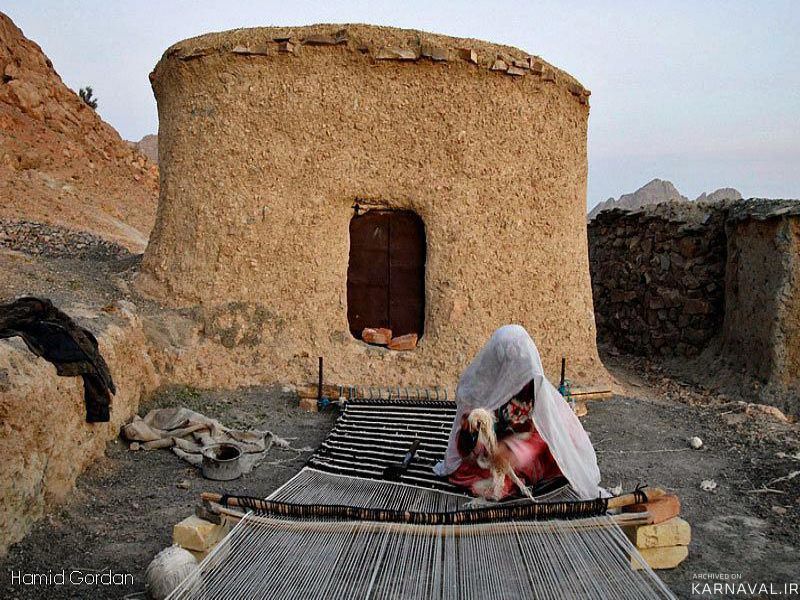
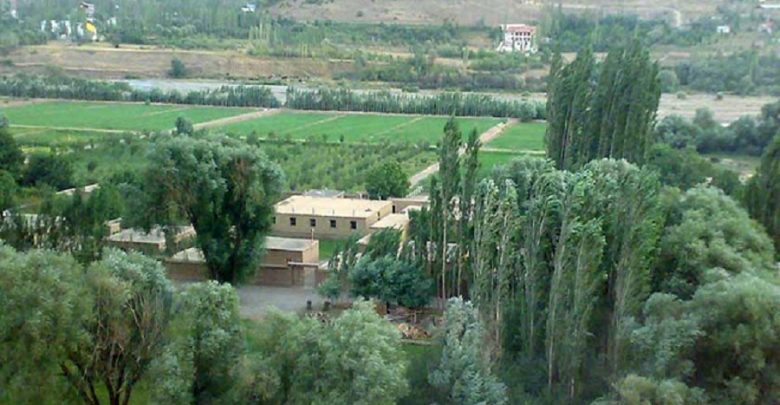
At the village’s entrance, there is a white gate on which a no-trespassing sign grabs your attention. Beyond this gate, a group of people originated from Iran’s north-eastern city of Tabriz live behind an enclosed windowless clay straw wall.
Some 30 years ago, these Tabrizis made up their minds, packed their belongings and left all the means and instruments of modernity behind to lead a simple life in Iran’s Taleqan County, Alborz Province, at the foothills of a soaring mountain and inside low-ceiling houses on the bank of Shahroud River.
The silent bells with their hanging ropes at the door of every house attest to the fact that silence is the most striking characteristic in this village.
According to their own words, they are the followers of Mirza Sadeq Tabrizi, the religious leader of Iran’s Constitutional period who issued the sternest fatwas against modernism and its achievements. In an attempt to tread on his path, the residents of this village have abandoned technology as well.
It is enclosed by a long rectangle-shaped clay straw wall on which 9 wooden doors have been mounted at regular intervals. The doors, without names and numbers, are all similar in terms of height, shape and colour with hanging ropes of bells, except for two bigger doors which are the public entrance and exit of the village.
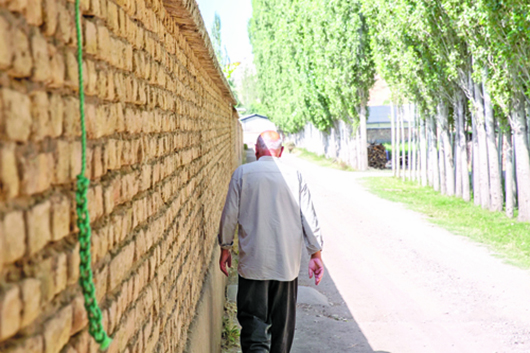
A door opens up and an old man appears in a white knee-length shirt and a buff-coloured pair of linen pants. He is holding a red basket in hand, and prefers to slant down his straw hat while turning a deaf ear to our first hello; however, we received a cold welcome when he answered our second hello in undertone.
Though averse to speaking, he divulges that 9 households live behind the wall and that’s all.
“False rumours are widespread about us. They said we are aggressive and combative; far from the truth!” he regretted.
They own 15 hectares of contiguous lands and live in houses as big as 1,000 meters.
He pointed to the simple life that people lead there and said, “We avoid using ready-made stuff as much as we can, and only on rare occasions we have to buy things from outside the village, for example a piece of cloth.”
He noted that the children of the village gain literacy as high as they can read and write and of course become familiar with Muslims’ holy book, Quran, the theology of Twelver Shiites, and actions that according to Islamic law are Halal (permissible) or Haram (forbidden) to engage in.
Girls in this village get married under the Shiite Islamic Shariah law, namely in the age of 15-16.
Because of the lanterns hanging on the doors of every house, shimmering throughout the nights of the village of hermits, neighbouring counties used to call it Fanoos Abad (land of lanterns).
Many years later, for the first time an author and researcher named Hossein Asgari wrote a book about this village and suggested Ista (Static) as a name for the village because its people have remained static in the time before the breakthrough of technology.
To men, communicating with girls and women that are non-Mahram to them (girls and women other than mother, sister, aunt and mother-in-law) is taken as a red line.
“Girls and women of the village won’t come out of their homes or leave the village unless it is necessary; for example, for some medical needs that are beyond our capabilities to deal with,” he stressed.
They never buy food products. For other basic requirements, the shopping responsibility lies with men; however, he says that “once in every few months, one of the men in the village does the shopping for the rest of the households.”
After all, they are no exception to the assumption of “necessity is the mother of invention” as a Nissan pickup has crossed the clay straw wall and won a place in the lives of the hermits.
The old man explains that they did not have any cars in the village until five years ago when they had to buy one out of necessity.
“The pickup belongs to all the people of the village which comes handy in emergencies,” he emphasized.
He argued that their way of life is as simple as it was in old times and said, “We are not strange; life was like this before, you have changed too much and now you can’t accept our way of life.”
In repose to the question on how the people of the village take shower without electricity and piped water, he became surprised and said, “What would your ancestors do? We chop up woods, make fire and heat water for bathing.”
The residents of the village, on the contrary to what many people may think, are among the big prosperous landowners of Tabriz who still enjoy high esteem there. The revenues from those lands pour back into their simple lives in Ista.
Residents of the village look up into the sky and measure the passage of time by the movement of the sun. When it reached the middle of the sky, the old man knew it was prayer time; he thus turned towards the mosque and walked away in short steps.
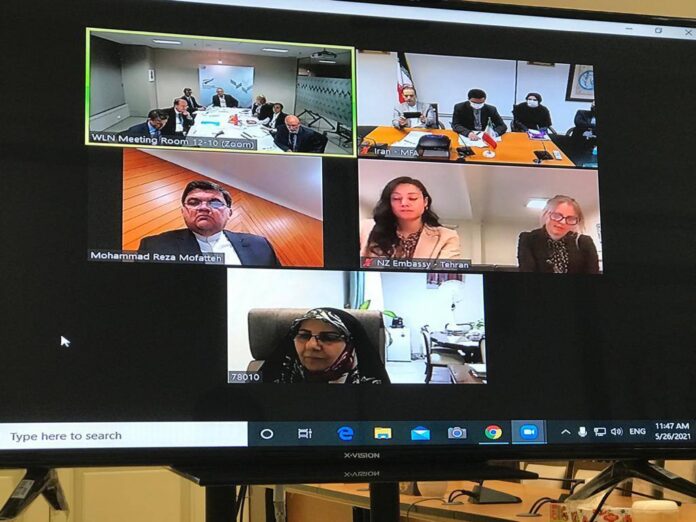
The virtual meeting was co-chaired by Director General of the Women and Human Rights Department at the Iranian Foreign Ministry and the Director General of the United Nations, Human Rights, and Commonwealth Division at the New Zealand Ministry of Foreign Affairs.
Iran and New Zealand held the talks with the purpose of getting familiar with the human rights situations of the two countries, building a better understanding of the existing realities, and exchanging experiences in the field of human rights.
During the meeting, the Iranian side elaborated on the Islamic Republic’s approach to the issue of human rights and human dignity based on Islamic principles and the Constitution as well as the developing trend of supporting and promoting human rights principles in different fields.
The New Zealand side, in turn, expounded on Wellington’s efforts to promote human rights, especially in the fields of women rights and the rights of indigenous people.
Talks on the situation of women and the rights of people with disability were among other issues discussed in the meeting.
The two sides also conferred on a list of issues of mutual interest including the impact of climate change on human rights, combating xenophobia and Islamophobia, the right to development, the negative impact of unilateral coercive measures on the enjoyment of human rights, combating human trafficking, combating contemporary forms of slavery, combating child sexual abuse, combating absolute poverty, and enjoying the appropriate standards of living as possible areas for mutual cooperation at different levels, especially at the United Nations.
At the end of the meeting, the two sides expressed their interest in continuing the talks in the future.

 A door opens up and an old man appears in a white knee-length shirt and a buff-coloured pair of linen pants. He is holding a red basket in hand, and prefers to slant down his straw hat while turning a deaf ear to our first hello; however, we received a cold welcome when he answered our second hello in undertone.