Saturday, April 25, 2026
Home Blog Page 240

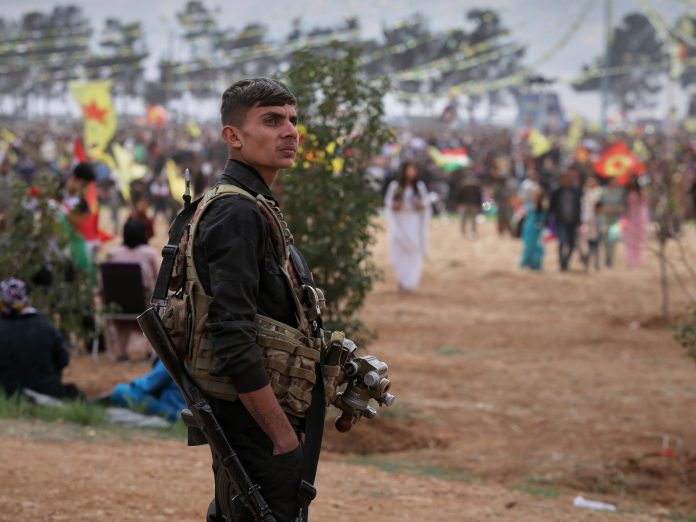
Kurds, Syrian government forces clash in Aleppo province

In a post on X, the group, which controls much of northeastern Syria, claimed the incident took place early on Monday morning in the Deir Hafer area.

The allegation comes just months after the SDF and the Syrian interim government signed a landmark integration agreement in March.

Government-linked factions launched an assault on four of the SDF’s positions in the village of Al-Imam at 3am on Monday morning, the SDF said, noting that the ensuing clashes lasted for 20 minutes.

“We hold the Damascus government fully responsible for this behaviour, and reaffirm that our forces are now more prepared than ever to exercise their legitimate right to respond with full force and determination,” the SDF added.

The latest incident came after the Syrian government accused the SDF of injuring four soldiers and three civilians in the northern city of Manbij on Saturday.

The Defence Ministry called the attack “irresponsible”, saying it had been carried out for “unknown reasons”, according to Syria’s state news agency SANA.

Meanwhile, the SDF, which allied with the United States to help defeat ISIL (ISIS) in the region, blamed the Syrian government, saying it had responded to an unprovoked artillery assault against civilians.

Such skirmishes have cast a shadow over the integration pact the SDF made with Damascus in March, following the fall of longtime President Bashar al-Assad in December.

As part of efforts to reunify the country after almost 14 years of ruinous war, which killed hundreds of thousands and displaced millions, the agreement seeks to merge Kurdish-led military and civilian institutions with the state.

As well as its clashes with the SDF, Syrian President Ahmed al-Sharaa’s new government is grappling with the fallout from sectarian violence that broke out on July 13 in the southern province of Suwayda between Bedouin and Druze groups, during which government troops were deployed to quell the fighting. The bloodshed worsened and Israel carried out strikes on Syrian troops, and also bombed the heart of the capital Damascus, under the pretext of protecting the Druze.

Despite the ongoing ceasefire there, four deaths were reported in the province over the weekend, with the Syrian Observatory for Human Rights saying that three of the victims were government soldiers and one was a local fighter. Syria’s state media reported on deaths among security forces.

The Syrian government announced in a statement that gangs in the area had “resorted to violating the ceasefire agreement by launching treacherous attacks against internal security forces on several fronts”.
Mercenaries from Asia and Africa fighting for Russia in Ukraine: Zelensky

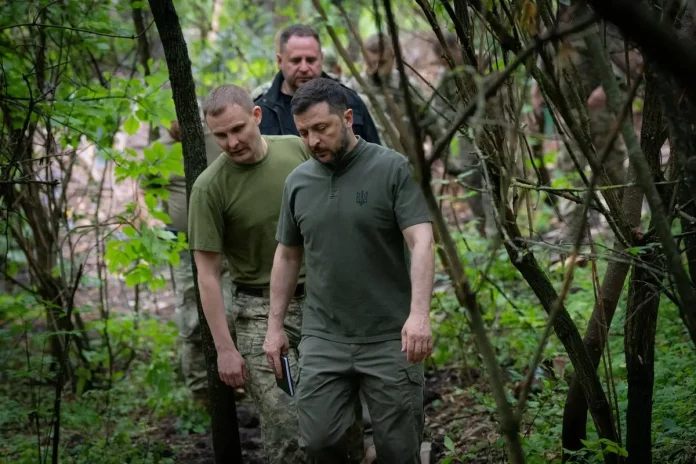
During a visit to the 57th Separate Motorized Infantry Brigade, which is defending the Vovchansk sector, Zelensky met with commanders to discuss the battlefield situation, troop needs, and combat operations, including the use of drones and direct funding for brigades.

Vovchansk, located just five kilometers (3 miles) from the Russian border, has seen intense fighting since Russia launched a new ground offensive in Kharkiv Oblast in May 2024.

“The soldiers on this front are recording the participation of mercenaries from China, Tajikistan, Uzbekistan, Pakistan, and African countries in the war. We will respond,” Zelensky said in a statement.

He added that the discussions also focused on recruitment issues and increasing access to drone technology — a critical factor in Ukraine’s ongoing defensive and reconnaissance efforts.

Zelensky stated in April that “several hundred” Chinese nationals were taking part in the war on Russia’s side. One detainee reportedly paid a middleman 300,000 rubles (about $3,500) to enlist in exchange for Russian citizenship.

China has denied involvement, claiming it urges its citizens to avoid armed conflicts. Moscow has also used some 12,000 North Korean troops deployed by Pyongyang to counter the Ukrainian incursion in Kursk Oblast.

Multiple reports suggest that Russia is recruiting foreign nationals to participate in its full-scale war against Ukraine. An April investigation by Russian independent outlet Important Stories identified more than 1,500 foreign fighters from 48 countries who had joined Russia’s army.

Trump pledges to raise tariff on India over Russia oil purchases

New Delhi quickly pushed back, saying the move was unjustified and vowing to protect its interests.

Trump’s heightened pressure on India comes after he signaled fresh sanctions on Moscow if it did not make progress by Friday towards a peace deal with Kyiv, more than three years since Russia’s invasion.

Moscow is anticipating talks this week with the US leader’s special envoy Steve Witkoff, who is expected to meet President Vladimir Putin.

On Monday, Trump said in a post to his Truth Social platform that India was “buying massive amounts of Russian Oil” and selling it for “big profits.”

“They don’t care how many people in Ukraine are being killed by the Russian War Machine,” Trump added.

“Because of this, I will be substantially raising the Tariff paid by India to the USA.”

He did not provide details on what tariff level he had in mind.

Even before the threat, an existing 10 percent US tariff on Indian products is expected to rise to 25 percent this week.

“The targeting of India is unjustified and unreasonable,” India Foreign Ministry spokesman Randhir Jaiswal said in a statement, after Trump’s announcement.

“Like any major economy, India will take all necessary measures to safeguard its national interests and economic security.”

India has become a major buyer of Russian oil, providing a much-needed export market for Moscow after it was cut off from traditional buyers in Europe because of the war.

That has drastically reshaped energy ties, with India saving itself billions of dollars while bolstering Moscow’s coffers.

But India argued it “began importing from Russia because traditional supplies were diverted to Europe after the outbreak of the conflict.”

The world’s most populous country is not an export powerhouse, but the United States is its largest trading partner.

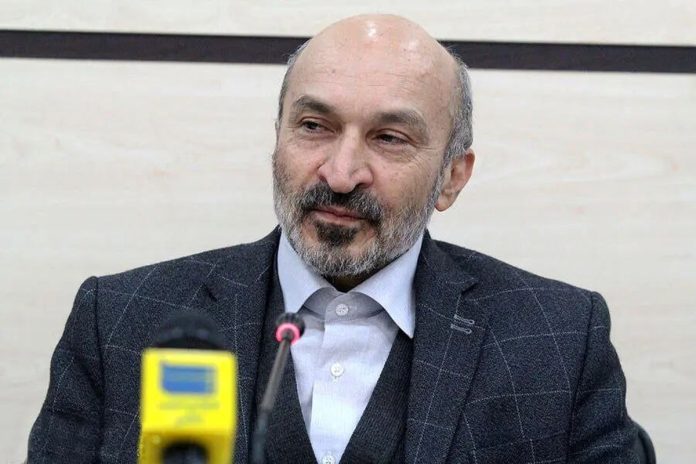
Former IRGC chief commander: Peace requires power and readiness to repel aggression

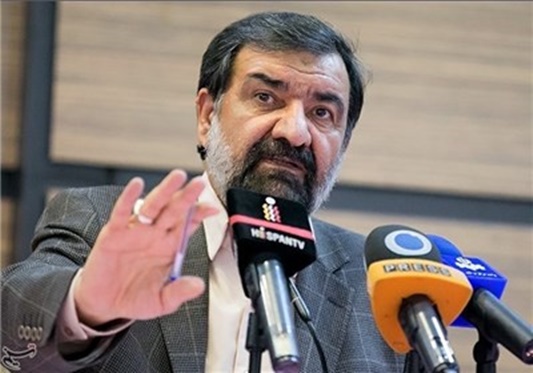
Mohsen Rezaei

Rezaei said if Iran seeks peace and security on its soil, it must be fully prepared to suppress aggressors and defeat any force that violates the country’s sovereignty.

Rezaei then spoke about Iran’s “new defensive system”, established during the eight-year war with Iraq, as a key factor in safeguarding the nation’s territory.

The member of Iran’s Expediency Council referred to the 12-day Israeli war on Iran, saying the Islamic Republic was “completely successful” in that war.

Rezaei further noted that the martyrs of that war inspired a national awakening.

“Their blood brought insight to our people, especially the youth, and helped them recognize the true enemies of Iran,” he added.

Rezaei reiterated Iran leader’s call for constant military readiness, saying peace is possible only through strength, deterrence, and vigilance.

Iranian MP: No physical access to nuclear sites to be granted to IAEA officials

IAEA

Vahid Jalalzadeh stressed that the IAEA team, expected in Iran next week, will be strictly limited to technical and expert-level discussions with Iranian officials.

“According to legislation passed by Parliament, under no circumstances will the delegation or any foreign body be allowed physical access or inspection of Iran’s nuclear installations”, he said.

Jalalzadeh further noted that the visit, coordinated by the Atomic Energy Organization of Iran (AEOI), does not include provisions for granting inspection rights or site access requested by the agency.

Iranian Foreign Ministry Spokesman Esmail Baqaei, confirmed on Monday that an IAEA official would arrive in Tehran within ten days.

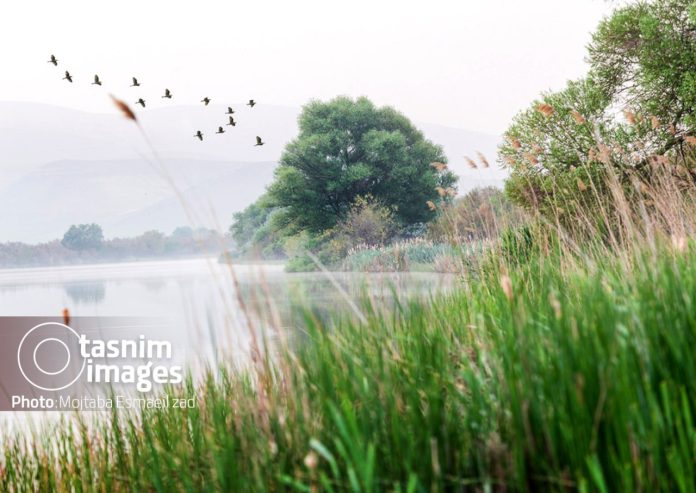
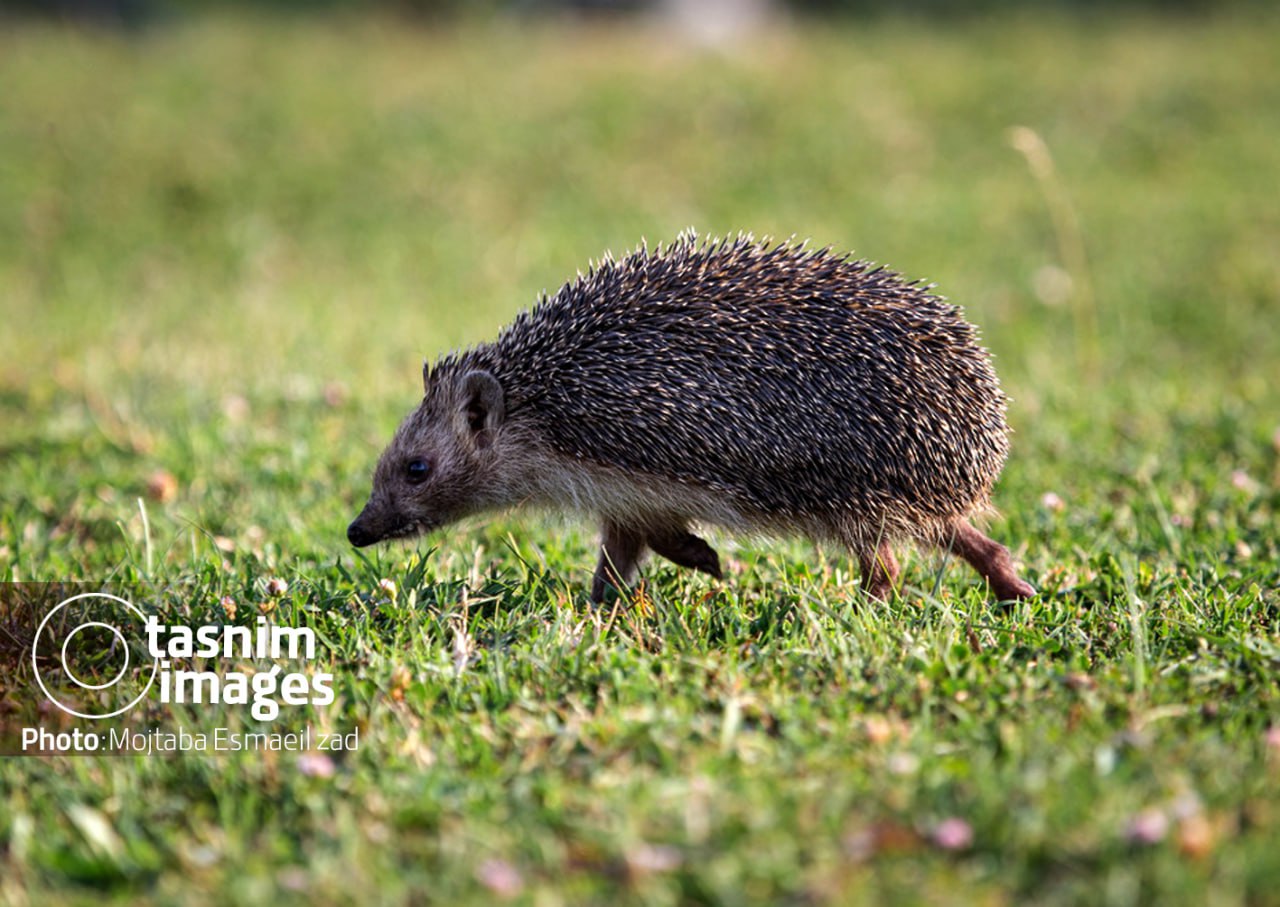
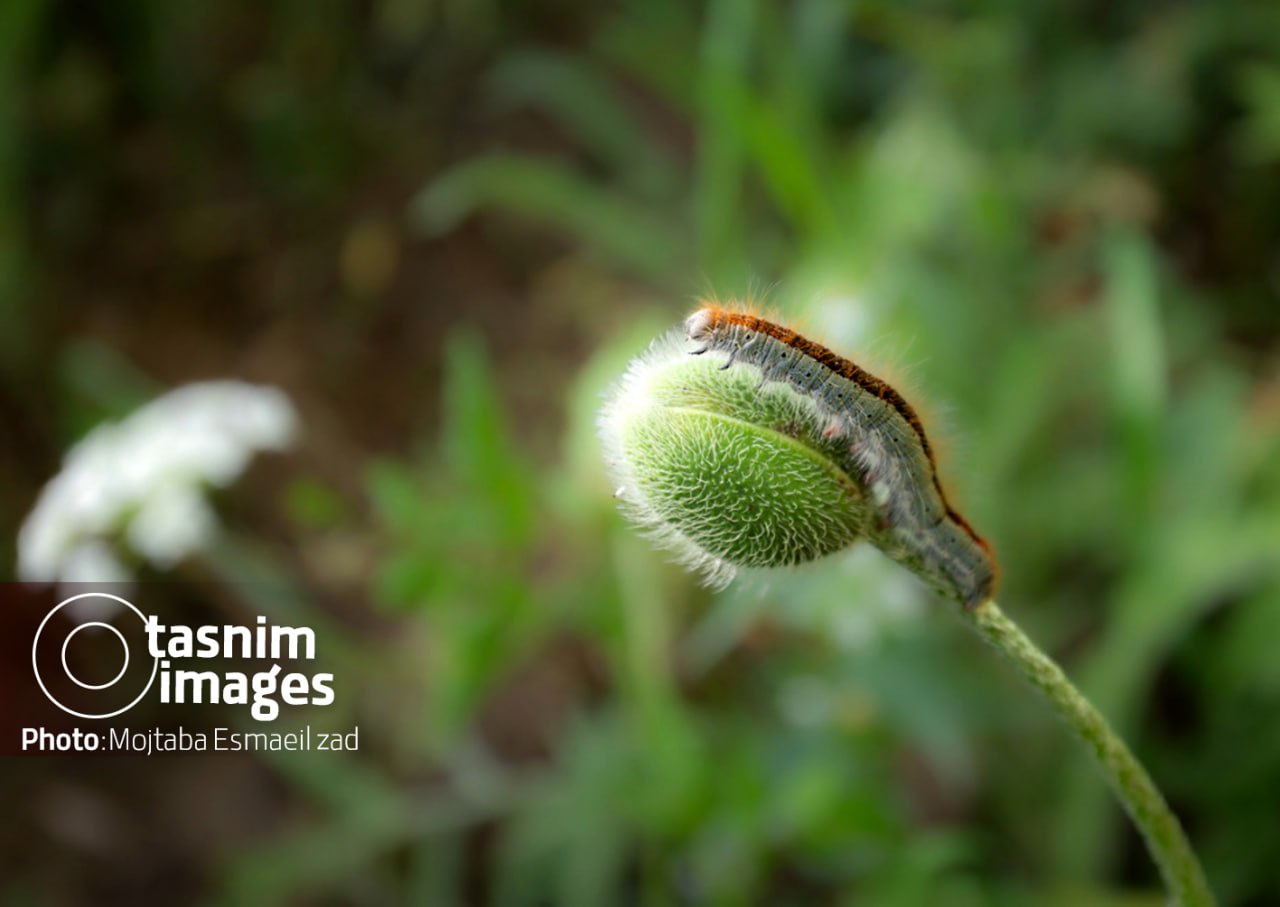
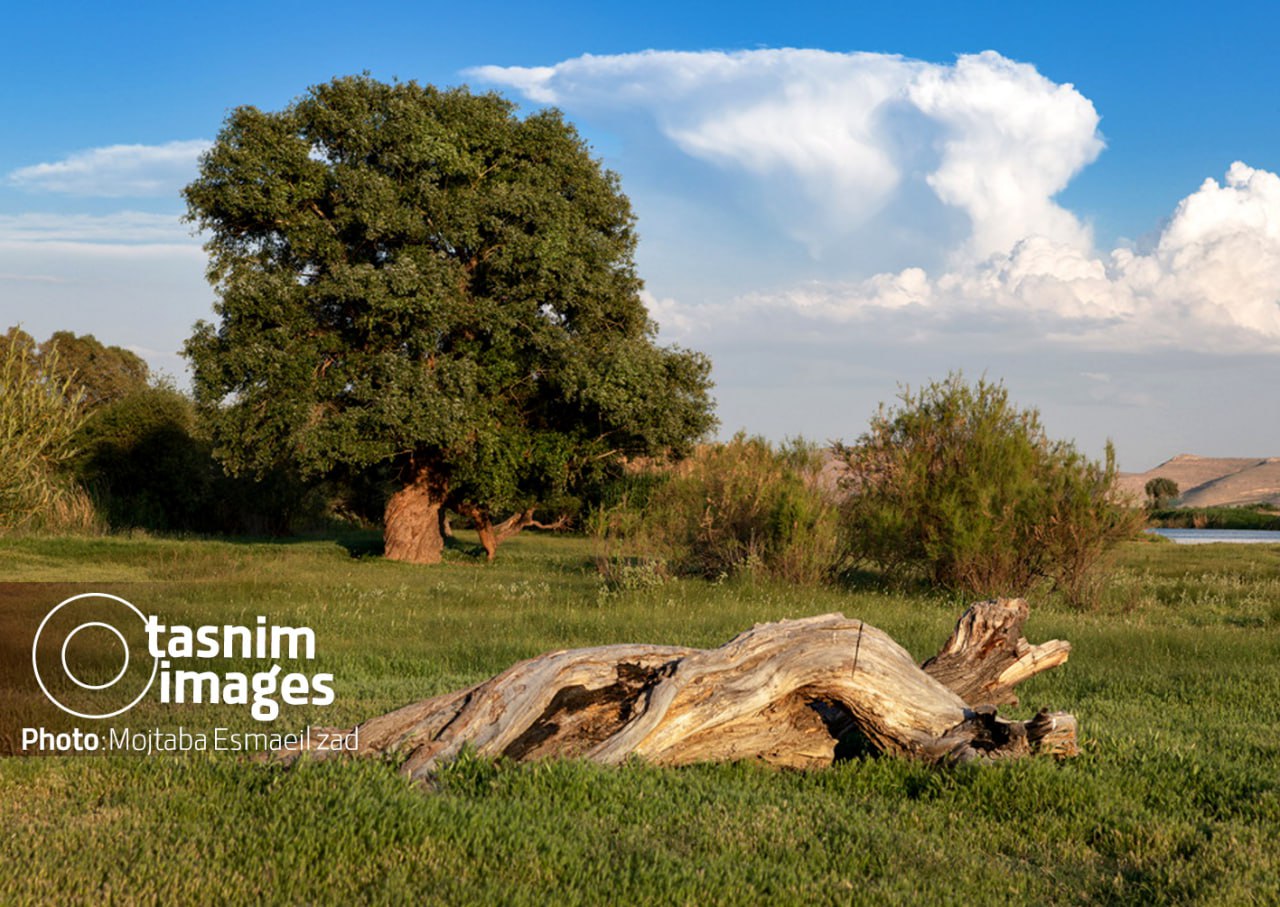
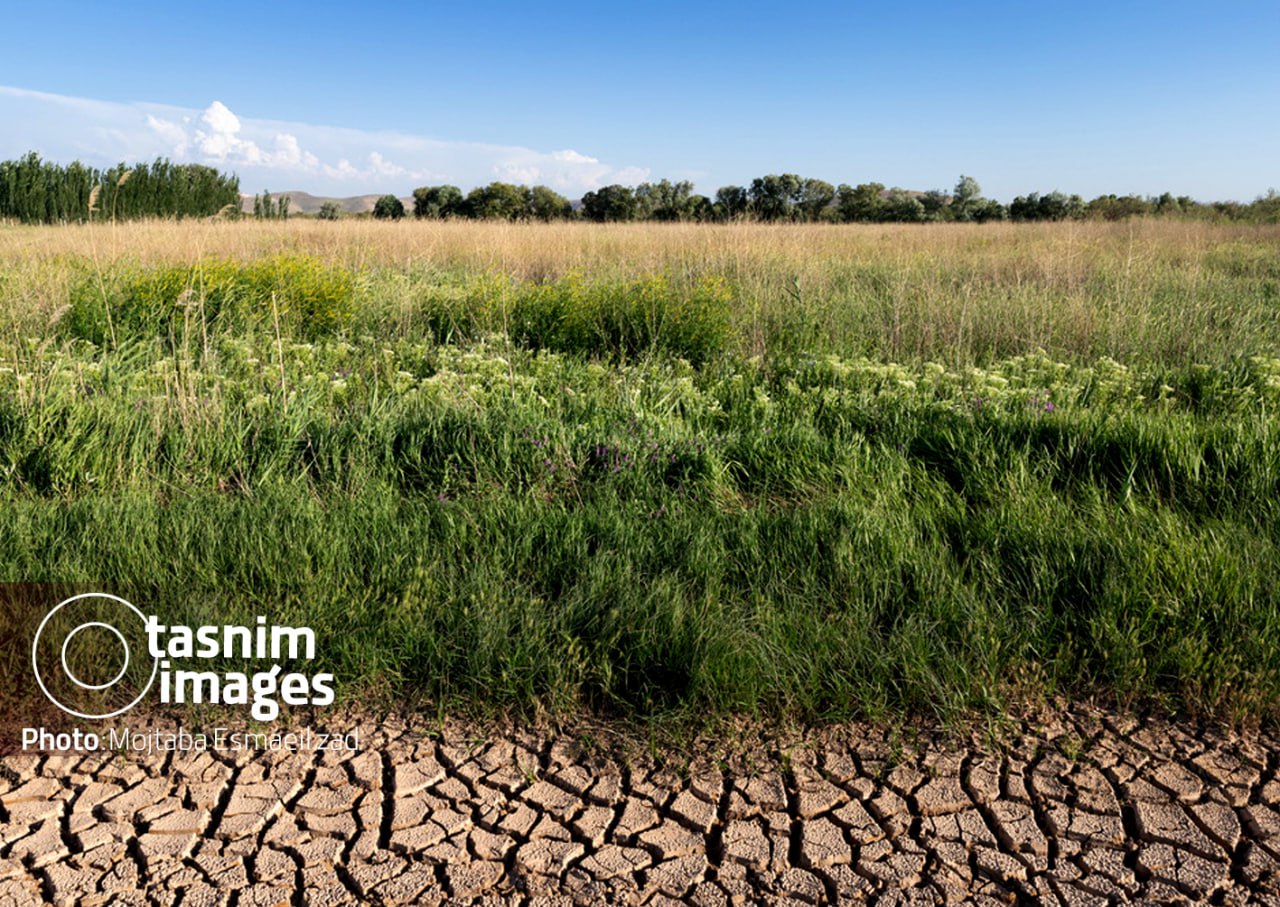
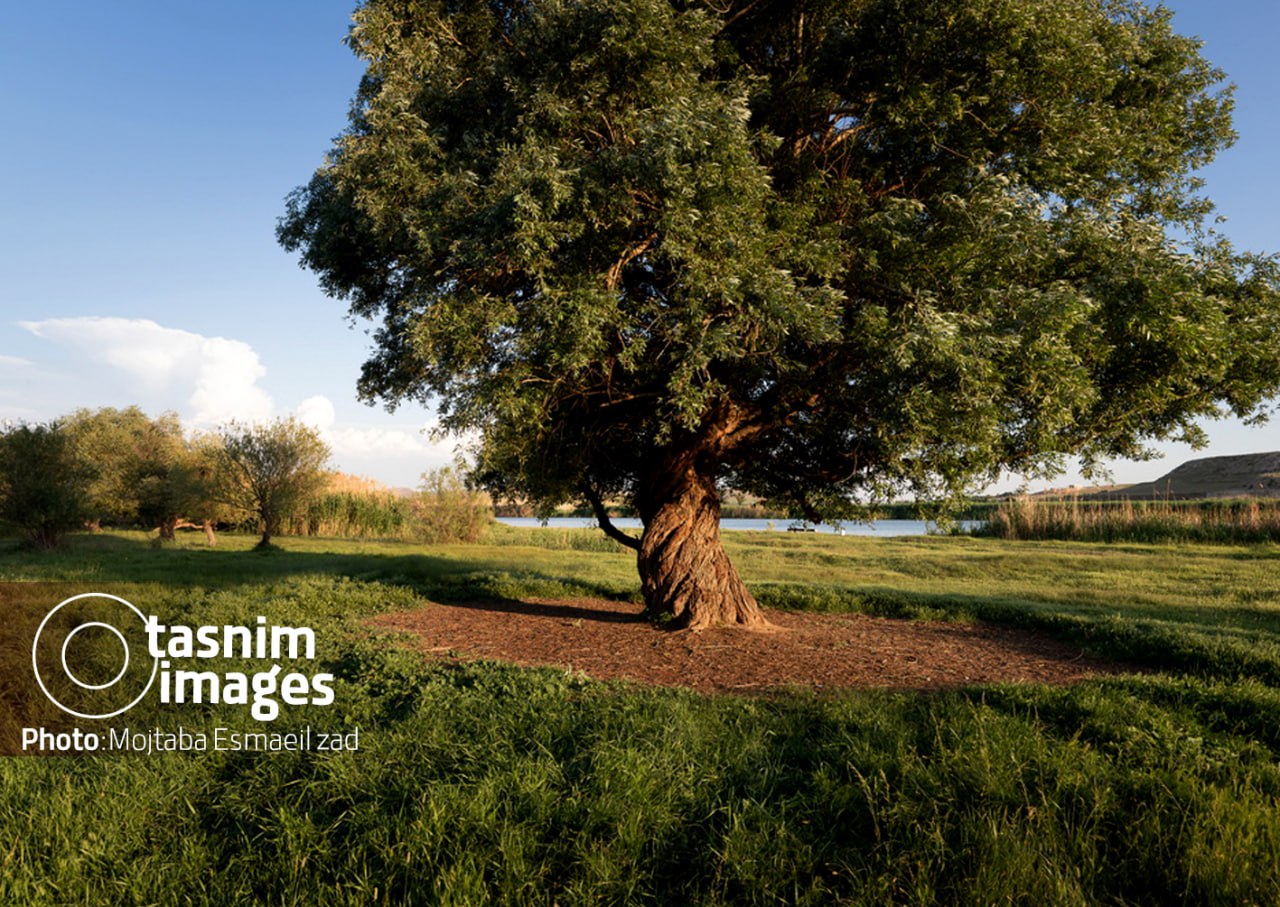
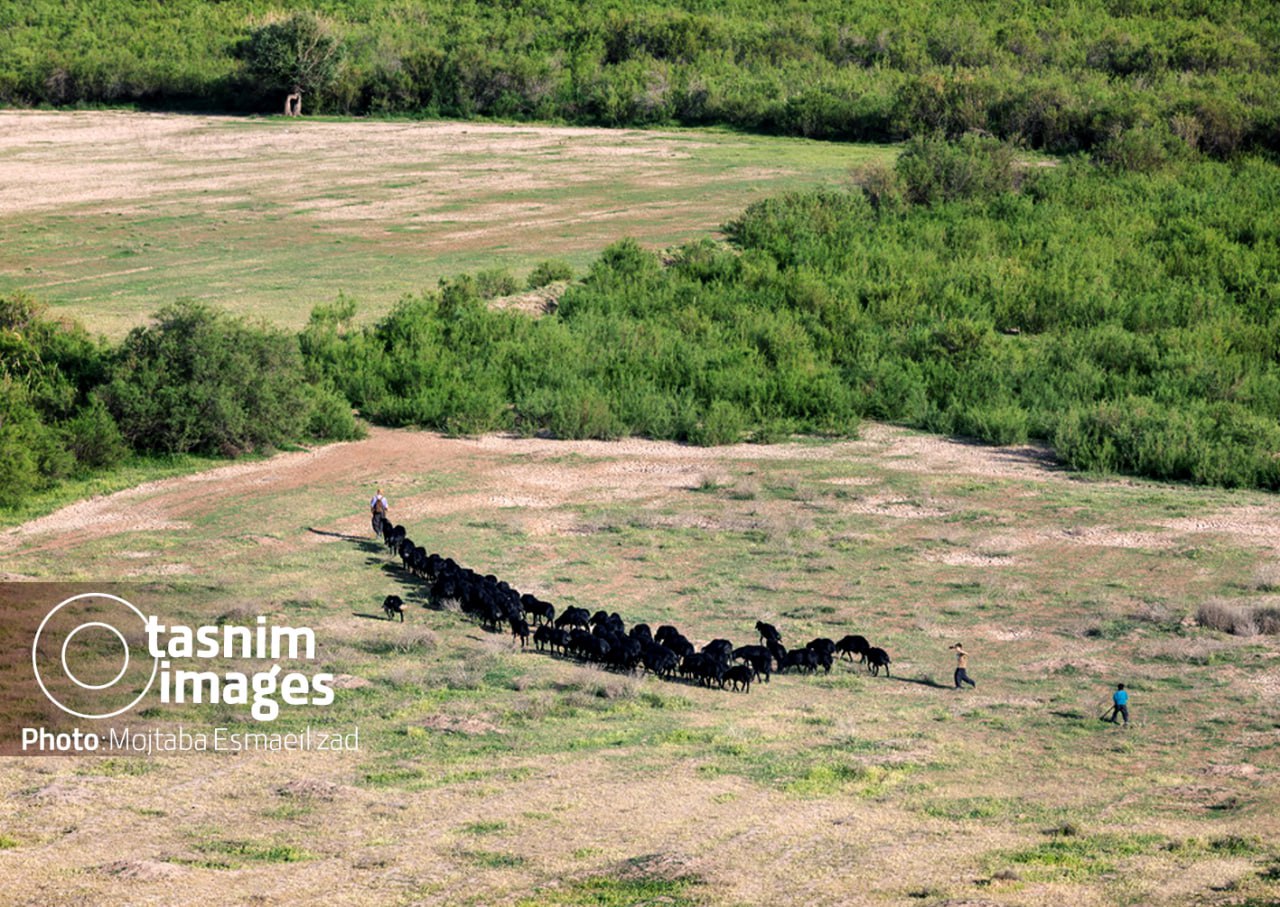
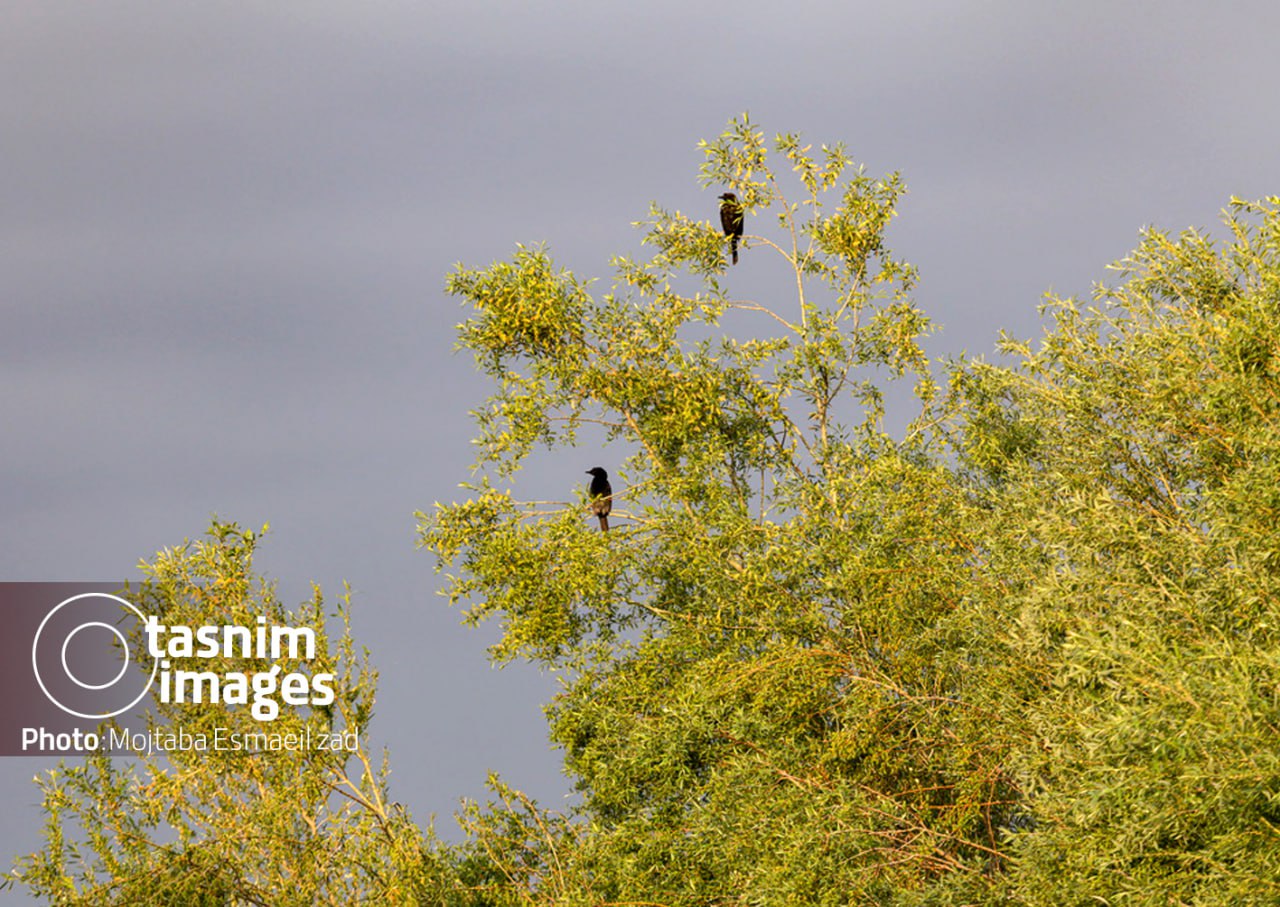
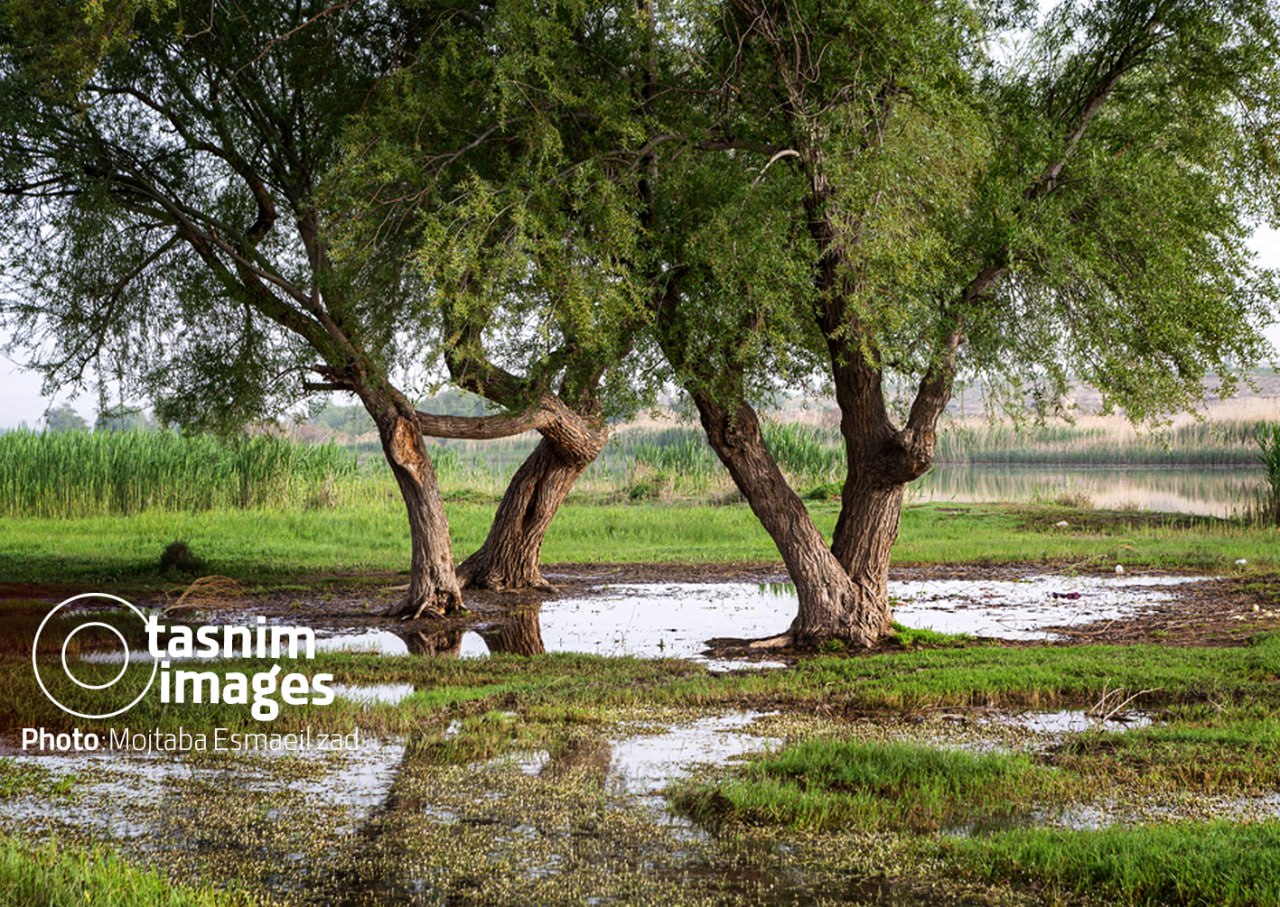
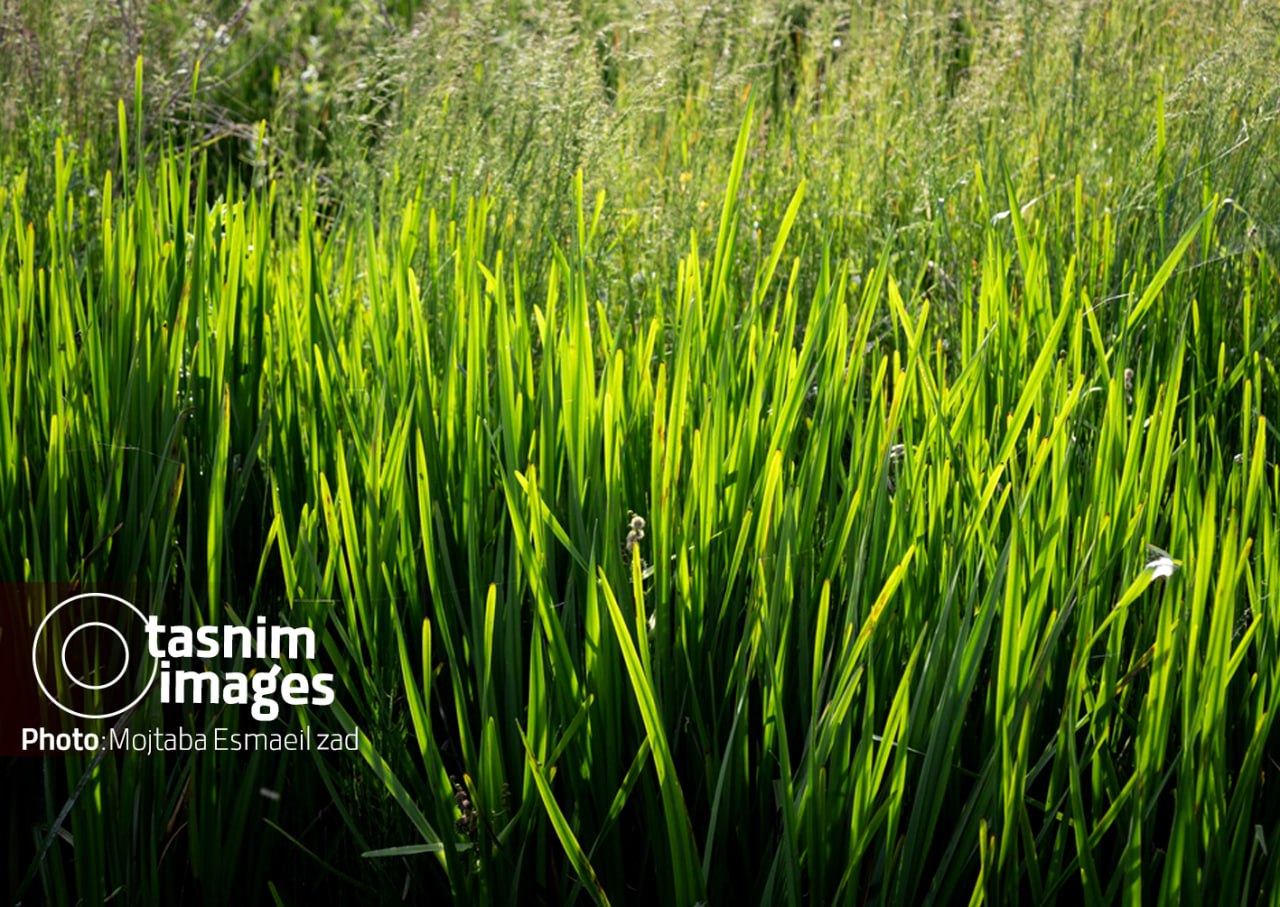
Photo report: Nowruzlu Wetland protected area in Miandoab, northwestern Iran

This permanent wetland is fed by the Zarrineh River, which provides vital water resources year-round.

The area is rich in biodiversity and is home to a wide variety of plant and animal species.

It is managed and protected by Iran’s Department of Environment to ensure ecological balance and conservation of natural habitats.

More in picture:

Lebanon’s president vows justice ‘without exceptions’ 5 years after Beirut port explosion

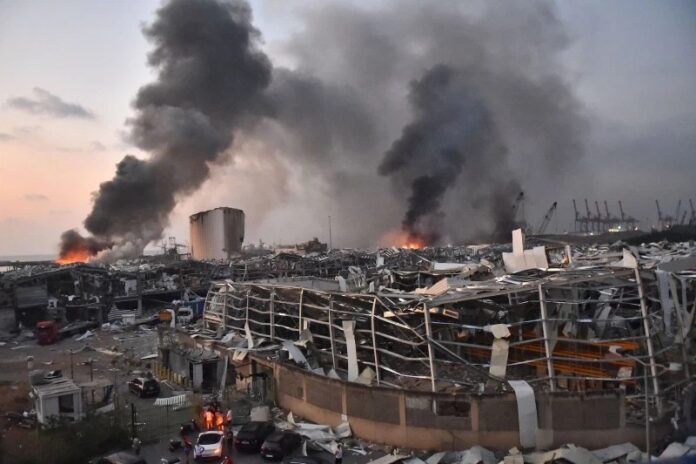
A general view of the scene of an explosion at the port of Lebanon's capital, Beirut, on Aug. 4.‌ / Photo by AFP

In a statement shared by the Lebanese presidency on X, Aoun described the Aug. 4, 2020 blast – one of the world’s most powerful non-nuclear explosions – as “a major crime that shook the conscience of the nation and the world, claiming the lives of more than 200 martyrs, injuring thousands of innocent people, and destroying entire neighborhoods of our beloved capital.”

“The Lebanese state, with all its institutions, is committed to uncovering the whole truth regardless of obstacles or the rank of those involved,” Aoun said.

“Justice will not die, and accountability is inevitable.”

The Lebanese president emphasized that holding those responsible for the disaster remains a top national priority.

“We will continue to press all competent authorities to ensure transparent and fair investigations that bring perpetrators to justice,” he added.

The US Embassy in Beirut also weighed in on the anniversary, voicing support for the Lebanese people’s demand for accountability.

It stressed that Lebanon “deserves an independent and impartial judicial system that delivers justice for the victims, not protections for the elites,” and reaffirmed Washington’s commitment to “a sovereign, stable, and prosperous Lebanon shaped by its people— not outside forces.”

The explosion killed more than 220 people, injured over 7,000, and caused massive destruction across Beirut, which continues to struggle under a severe economic crisis.

According to official estimates, the blast occurred in Warehouse 12, which contained about 2,750 tons of highly explosive ammonium nitrate confiscated from a ship and stored there since 2014.

Mohammad Hossein Omid appointed as president of University of Tehran

The session took place at the council’s secretariat and focused on evaluating the academic, research, and administrative qualifications of the candidates.

According to the council, Mohammad Hossein Omid was officially approved as the new president of the University of Tehran following a vote by the committee members.

Khosropanah, who also chairs the university presidents’ approval committee, stated that all proposed individuals underwent careful evaluation.

Among those confirmed were Mohammad Hassanzadeh Mahmoudabad (University of Mohaghegh Ardebili), Alireza Afsharifar (Shiraz University), Hamid Taheri (Imam Khomeini International University), Adel Si-o-Seh Mardeh (University of Kurdistan), and others. The appointment of Dr. Fariba Mohammadi as head of the Sports Science Research Institute was also confirmed at the meeting.

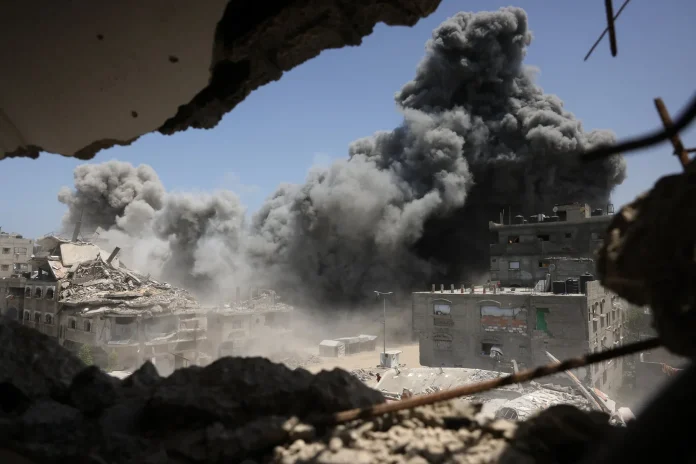
More than 600 ex-Israeli security chiefs appeal to Trump to end Gaza war

Gaza War

The appeal was made in a letter sent to Trump by the signatories on Sunday, including former Mossad chief Tamir Pardo, former Shin Bet chief Ami Ayalon, and former deputy Israeli army chief Matan Vilnai, calling for pressure on Prime Minister Benjamin Netanyahu to end the conflict.

“Stop the Gaza War! On behalf of CIS, Israel’s largest group of former IDF (army) generals and Mossad, Shin Bet, Police, and Diplomatic Corps equivalents, we urge you to end the Gaza war,” read the letter shared by Commanders for Israel’s Security (CIS) movement on X.

“You did it in Lebanon. Time to do it in Gaza as well,” they added.

Rejecting international calls for a ceasefire, the Israeli army has pursued a brutal offensive on Gaza since Oct. 7, 2023, killing more than 60,800 Palestinians, most of them women and children. The military campaign has devastated the enclave and brought it to the verge of famine.

Last November, the International Criminal Court issued arrest warrants for Netanyahu and his former Defense Minister Yoav Gallant for war crimes and crimes against humanity in Gaza.

Israel also faces a genocide case at the International Court of Justice for its war on the enclave.

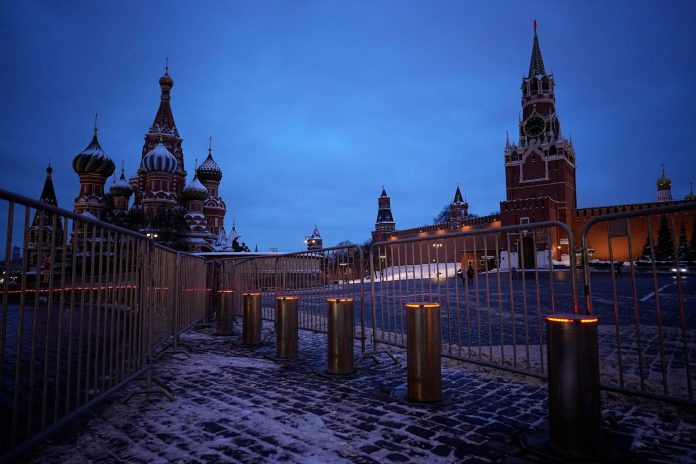
Russia urges caution with nuclear rhetoric after Trump’s submarine order

Kremlin

Kremlin spokesman Dmitry Peskov played down the significance of Trump’s announcement last Friday that he had ordered two subs to be moved to “the appropriate regions” in response to remarks from former Russian president Dmitry Medvedev about the risk of war between the nuclear-armed adversaries.

“In this case, it is obvious that American submarines are already on combat duty. This is an ongoing process, that’s the first thing,” Peskov told reporters.

“But in general, of course, we would not want to get involved in such a controversy and would not want to comment on it in any way,” he added.

“Of course, we believe that everyone should be very, very careful with nuclear rhetoric.”

Peskov stated that Russia did not see Trump’s statement as marking an escalation in nuclear tension.

“We do not believe that we are talking about any escalation now. It is clear that very complex, very sensitive issues are being discussed, which, of course, are perceived very emotionally by many people,” he added.

Peskov declined to answer directly when asked whether the Kremlin had tried to warn Medvedev to tone down his online altercation with Trump.

“Listen, in every country, members of the leadership… have different points of view on events that are taking place, different attitudes. There are people who are very, very tough-minded in the United States of America and in European countries, so this is always the case,” he said.

“But the main thing, of course, is the position of President (Vladimir) Putin,” he continued, adding, “You know that in our country, foreign policy is formulated by the head of state, that is, President Putin.”