Monday, December 29, 2025
Home Blog Page 2304

Iran says US navy escorting stolen oil cargo, not monitoring

The spokesperson has stated American forces had a mission to protect the ship.

On Wednesday, the IRGC announced its naval forces had thwarted an attempt by the US Navy to confiscate a tanker carrying Iranian crude in the Sea of Oman.

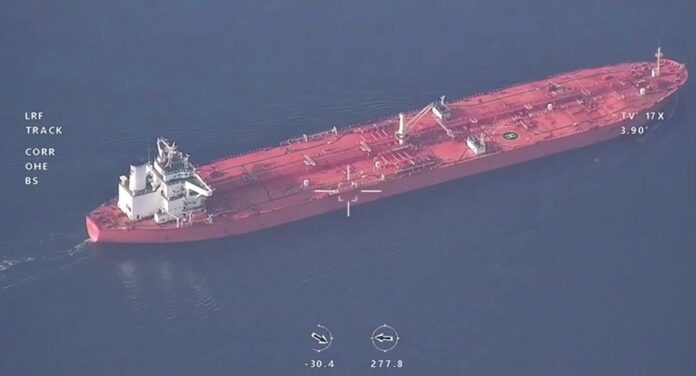
Brigadier General Ramazan Sharif stated on Thursday that US forces had a mission to protect MV Sothys, a Vietnamese-flagged ship which was boarded by IRGC forces after it became known the tanker was stealing a large Iranian oil cargo.

“They had come to provide support to the bandits of the Iranian oil and to escort them,” Sharif was quoted as saying by ISNA news agency.

The statement came after US Department of Defense rejected Tehran’s account of the incident which was extensively covered in reports published in the Iranian media on Wednesday.

IRGC’s Navy released a video showing Iranian forces had to repel American destroyers from MV Sothys.

However, Pentagon press secretary John Kirby noted on Wednesday that US forces had come to the scene of the incident only to monitor the situation.

Other sources in the US have made similar claims about the confrontation on Sothys but authorities in Washington have yet to provide any reason why US military had a major presence near a vessel that was carrying Iranian oil.

In reaction to the thwarted US attempt to steal Iran’s oil, thousands of Iranians have taken to the social media network Twitter to mockingly ask Washington whether or not it has learned its lesson through the encounter with Iran’s elite military force.

#Lesson_learned became a trending hashtag on Twitter on Thursday, a day after the IRGC released detailed footage of its confrontation, which occurred on October 25, against the US act of piracy targeting the Iranian oil shipment.

The United States has a history of carrying out piracy acts on Iranian oil tankers under the pretext that the shipments violate US sanctions against Iran.

In August last year, US forces confiscated 1.1 million barrels of Iranian petroleum from four tankers that were on their way to Venezuela.

Washington declared in November 2020 that the shipment had been sold for more than $40 million.
US approves $650m sale of missiles to Saudi Arabia

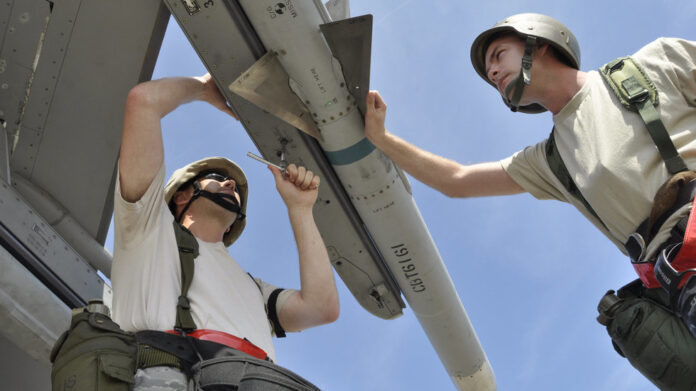
The United States has approved a $650 million sale of air-to-air missiles to Saudi Arabia, the Pentagon announced, in what would be the Biden administration’s first major weapons deal with the kingdom.

In a statement on Thursday, the Pentagon said the US State Department approved the sale to help Riyadh counter current and future threats.

“This proposed sale will support US foreign policy and national security of the United States by helping to improve the security of a friendly country that continues to be an important force for political and economic progress in the Middle East,” the Pentagon added.

It added that Massachusetts-based firm Raytheon would be the “principal contractor” for the sale of AIM-120C-7/C-8 Advanced Medium Range Air-to-Air Missiles (AMRAAM) and related equipment.

The sale comes months after Biden claimed he would end US support for Saudi Arabia’s “offensive operations” in Yemen, including “relevant arms sales”.

The State Department’s bureau of political-military affairs noted in a series of tweets on Thursday that the missiles are “not used to engage ground targets”.

“We’ve seen an increase in cross-border attacks against Saudi Arabia over the past year,” it added.

“Saudi AIM-120C missiles, deployed from Saudi aircraft, have been instrumental in intercepting these attacks that also [put] US forces at risk and over 70,000 US citizens in the Kingdom at risk,” it said.

The sale does not require congressional approval, but lawmakers can block the deal by passing a disapproval bill in the Senate and the House of Representatives.

The missile sale follows the US approval of a $500m helicopter maintenance deal for the kingdom in September.

Saudi Arabia’s critics were quick to slam the deal on Thursday.

“This has nothing to do with making the world a better place and everything to do with fueling our defense economy,” Marianne Williamson, an author and former presidential candidate, wrote on Twitter, adding, “America’s economy should not be built around merchandising death.”

As a candidate, Biden berated Saudi Arabia over the Yemen war and the killing of US-based journalist Jamal Khashoggi, calling the kingdom a “pariah”.

A State Department spokesperson stated the air-to-air missile sale is “fully consistent with the Administration’s pledge … to lead with diplomacy to end the conflict in Yemen while also ensuring Saudi Arabia has the means to defend itself from Iranian-backed Houthi air attacks”.

The Saudi intervention in Yemen started in 2015 when the kingdom and a coalition of its regional allies started a bombing campaign against the country’s Houthi rebels, who had taken over the capital Sanaa and much of the country.

Saudi Arabia considers the Houthis to be Iran proxies, allegations that both the rebels and Tehran reject. The war has spurred a massive humanitarian crisis and the UN announced last year that approximately 233,000 people had died as a result of the conflict.

Amid increasing cross-border attacks by the Houthis and an offensive by the rebels to take the strategic city of Marib, Saudi Arabia offered a ceasefire in Yemen in March.

But the Houthis rejected the proposal, stressing that the Saudi-led air and sea blockade on the country must be lifted without conditions before the fighting will end.

Russia: Terrorists, drugs still threats in Afghanistan

“I can confirm that the terrorist and drug threats coming from Afghanistan’s territory, as well as the general situation in these areas in that country, are still a pressing problem for us. I can state with regret that the situation has not changed after the Taliban came to power,” Russian Foreign Ministry Spokeswoman Maria Zakharova said.

She added that terror attacks staged by the Islamic State terrorist group in Afghan cities could be seen as an example of that.

“Another destabilizing factor in the region is the United States’ attempts to deploy its military infrastructure and Afghan maintenance personnel in Afghanistan’s neighboring countries. We see serious risks for regional stability in such steps,” she stressed.

She also dwelled on the threat of increasing migration.
“Envoys of terrorist organizations, criminal elements, militants and so on may infiltrate into neighboring countries under the guise of refugees,” she continued.

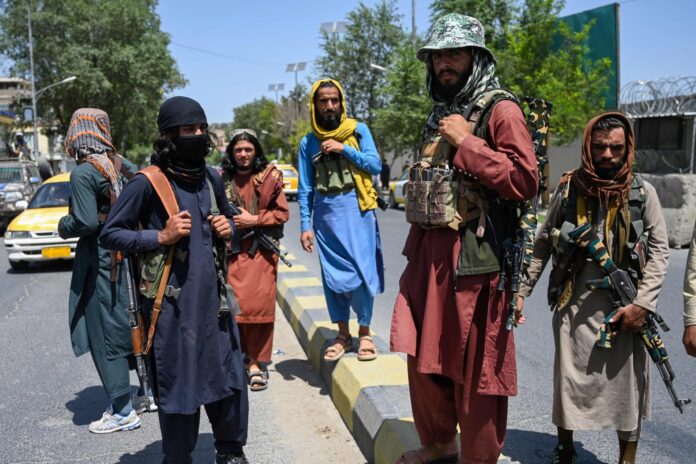
After the Joe Biden administration announced the end of its US military operation in Afghanistan and the launch of its troop pullout, the Taliban embarked on an offensive against Afghan government forces. On August 15, Taliban fighters swept into Kabul without encountering any resistance and gained full control over the Afghan capital within a few hours. Afghanistan’s President Ashraf Ghani claimed he had stepped down to prevent any bloodshed and subsequently fled the country. On September 6, the Taliban announced they had taken control of the entire country and announced a new interim government the following day. However, this government has not been officially recognized by any of the world nations.

The chief of the federal service for military-technical cooperation, Dmitry Shugayev, told the RBC US military hardware abandoned in Afghanistan may appear on the black market, which will create problems for the whole world.

“That the Americans have squandered a mammoth amount of money on weapons and other military equipment has become a terrible headache not only for Afghanistan, but for the whole world as well. To an extent, because various terrorist organizations are entrenched there. It should not be ruled out that they may lay hands on this arsenal, if they have not done so already,” Shugayev stated.

He also warned that there was a high risk that these weapons might begin to be sold on the illegal market.

“In other words, they may surface anywhere in the world. In all likelihood, some very unpleasant surprises may be in store for us. The more so, since the equipment the United States has left behind is a lot more serious than popguns,” Shugayev warned.

Kazakhstan’s President Kassym-Jomart Tokayev said that the US troops that pulled out of Afghanistan abandoned $85 billion of sophisticated weapons. Some mass media earlier mentioned a similar figure with reference to the former US president, Donald Trump.

Republicans say Iran nuclear deal will die after they retake power

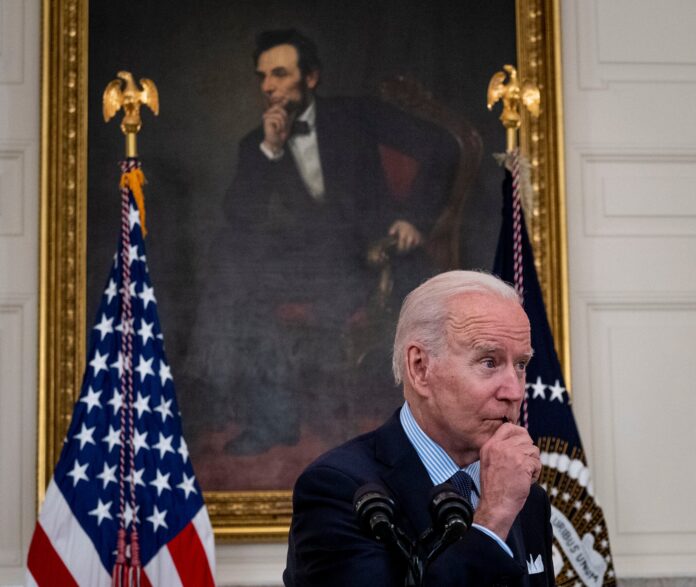
Biden promised Iran this week that the United States will not pull out of any new nuclear agreement reached between the countries and that all sanctions relief granted as part of that deal will be permanent.

Republican leaders, speaking to the Free Beacon, said they want to send Iran a direct message: Biden has no power to promise that sanctions will be lifted forever.

Biden, in a joint statement with Germany, France, and the United Kingdom issued this week during G20 meetings in Europe, pledged that the United States will remain in the nuclear deal permanently, as long as Tehran upholds its commitments under a revamped accord. European powers noted they “welcome President Biden’s clearly demonstrated commitment to return the US to full compliance with the [nuclear deal] and to stay in full compliance”. Biden and European leaders also committed to “provide sanctions lifting with long-lasting implications for Iran’s economic growth.”

Republican congressional leaders told the Free Beacon that the president has no legal authority to speak for Congress, which will not be bound by an executive agreement unilaterally reached between the administration and Iran. Sanctions, they added, are controlled by Congress, and Republicans will do all they can to ensure such crippling measures are put back in place.

With Democrats enjoying a slim majority in both the House and Senate—and the Biden administration’s popularity plunging ahead of the 2022 midterm elections—the Republican Party’s focus on Iran could make the hardline government think twice about reentering an agreement that could be void within a year.

“The thugs in Tehran better be on watch: Any sanctions relief pledged by the Biden team is not a foregone conclusion,” Rep. Jim Banks (R., Ind.), a member of the House Armed Services Committee and chair of the Republican Study Committee, the largest caucus of Republicans in Congress, told the Free Beacon.
Rep. Joe Wilson (R., S.C.), an RSC national security task force leader and House Foreign Affairs Committee member, told the Free Beacon that Biden’s pledge to Iran is meaningless.

“President Biden does not have the authority to speak for Congress, and Congress is not bound by an executive agreement,” Wilson said.

“The Republican Study Committee has made it clear that when we retake the majority, we will work to reimpose all sanctions on Iran lifted by the Biden administration, whether as part of reentering the failed Iran deal or any other deal with Iran,” he added.

Republicans in Congress have been laying the groundwork to stop sanctions relief for Iran since February, when the Biden administration first announced it was negotiating a US return to the nuclear deal, which the Donald Trump administration walked away from in 2018. This has included a legislative push to codify the former administration’s crippling sanctions regime. That bill, known as the Maximum Pressure Act, already has the support of 109 members of the House, a majority of the Republican conference.

Banks, who is leading the charge in his role as RSC chairman, said “everyone should know this is a completely empty pledge” by Biden.

“Congress has the final say over when and how sanctions are lifted or reapplied,” Banks noted, adding, “Biden’s empty pledge cannot belie his administration’s eagerness to give Iran massive sanctions relief in exchange for a worthless nuclear deal, given its sunset clauses, approaching expiration date, in addition to Iran’s irreversible nuclear know-how.”

Iranian leaders appear to be aware that the Biden administration cannot promise permanent sanctions relief, or even a new deal. Tehran walked away from negotiations months ago and has only tentatively agreed to return to talks, even as the Biden administration promised to unwind every sanction imposed by the former Republican administration.
Ali Shamkhani, the Secretary of Iran’s Supreme National Security Council, stated on Wednesday that “the US president has no authority [and] is not willing to provide any guarantees [the United States will not leave the JCPOA again]”.

Iran FM: Tehran, Baku determined to overcome obstacles in bilateral ties

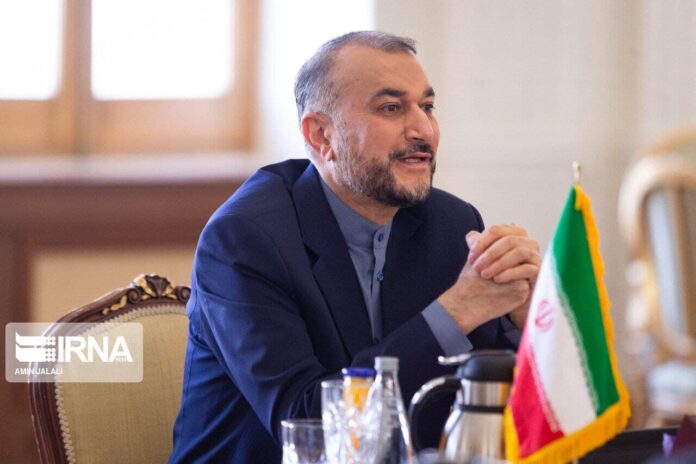
There may be differences of opinion on some issues, but it is important that there is a serious will on both sides to overcome the obstacles, Amirabdollahian said according to a report by the Foreign Ministry and the spokesperson’s information office published on Thursday night.

The top Iranian diplomat emphasized that he and the Republic of Azerbaijan’s Foreign Minister Jeyhun Bayramov, on behalf of the two countries, will continue their positive contacts and consultations for the comprehensive development of bilateral relations and clearing misunderstandings.

Amirabdollahian explained that in this framework, the two sides have agreed to enhance bilateral cooperation for better management of public and media space, and to form a joint committee between the two countries.

He went on to say that “we consider our neighbors as our relatives and in this regard, we appreciate the principles governing these relations.”

Tensions between Iran and the Republic of Azerbaijan have been running high in recent months, with the Islamic Republic insisting that its northwestern neighbor has to force militants and Israeli agents out of border areas.

Iran says the security of its borders is a red line that must not be crossed.

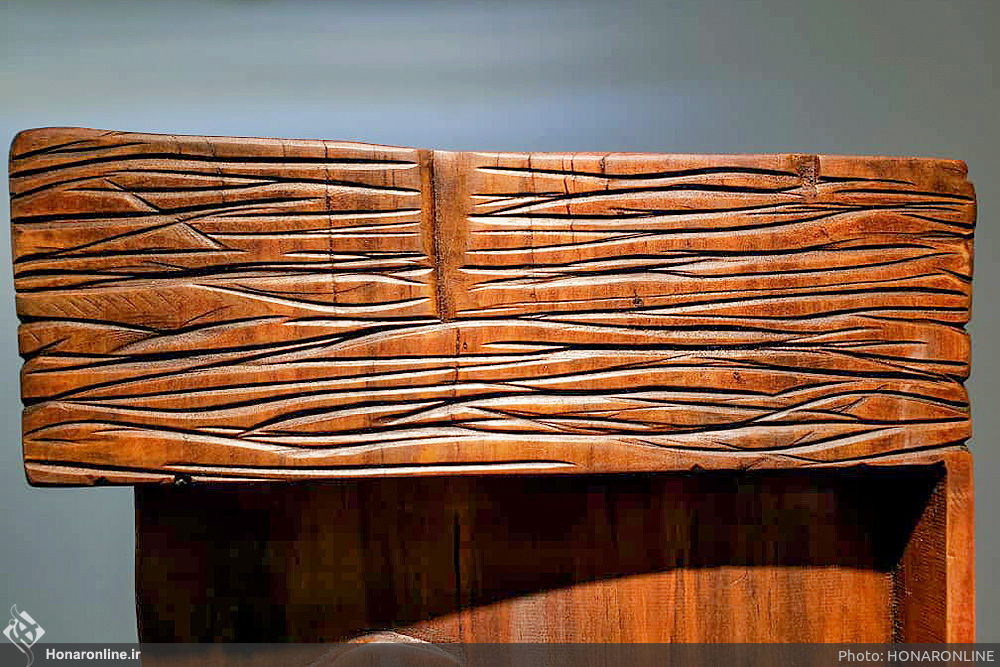
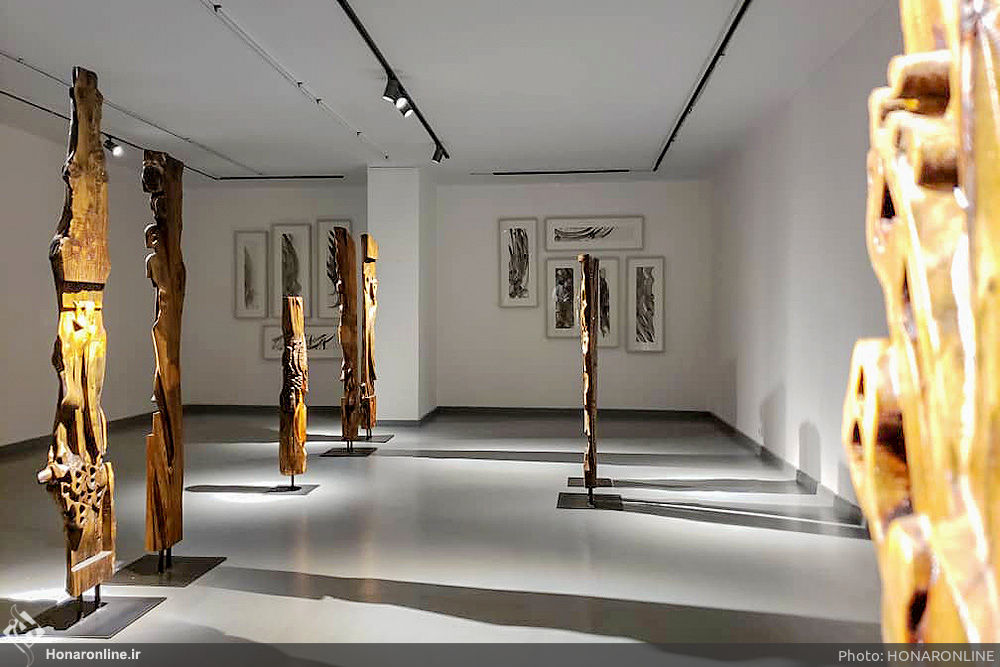
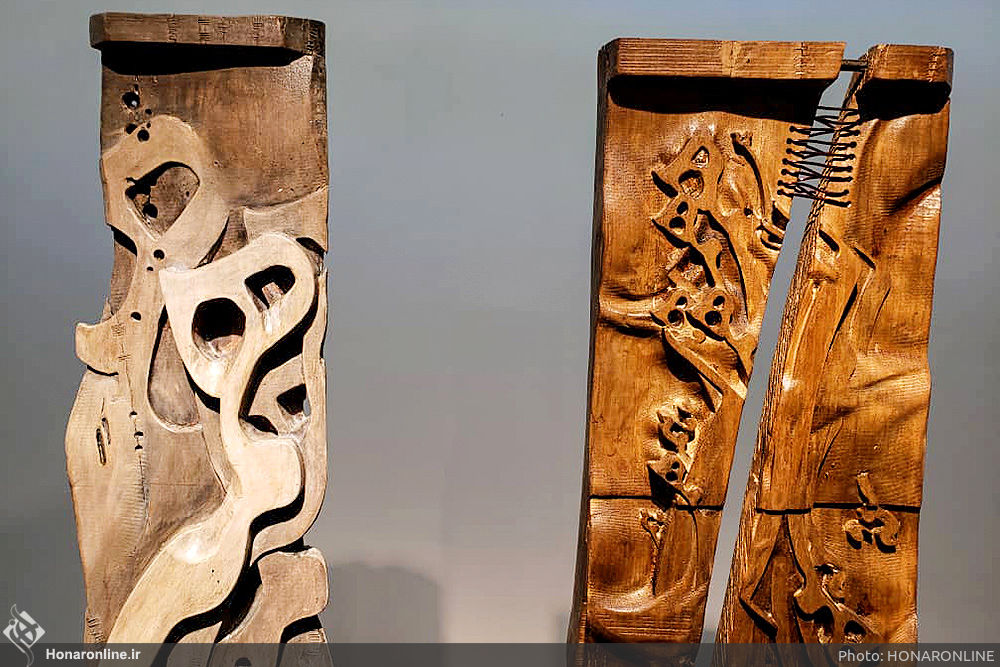
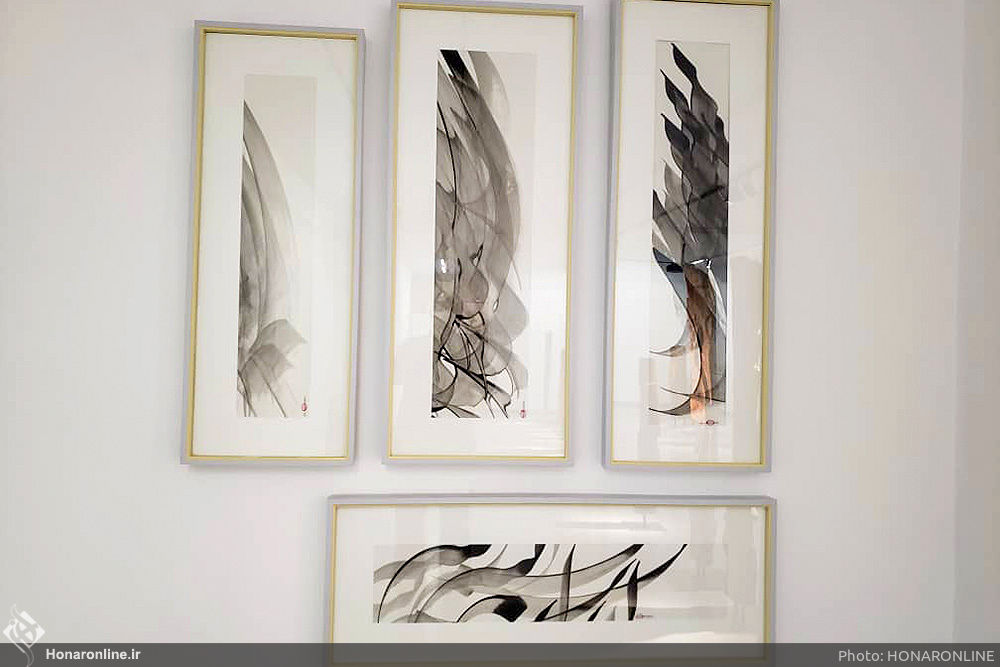
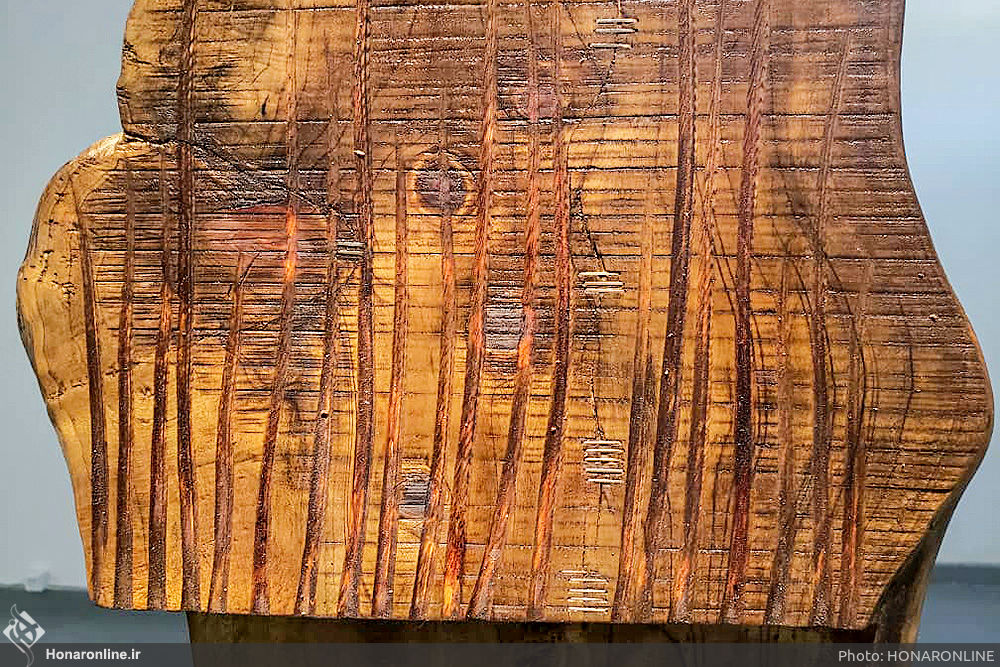
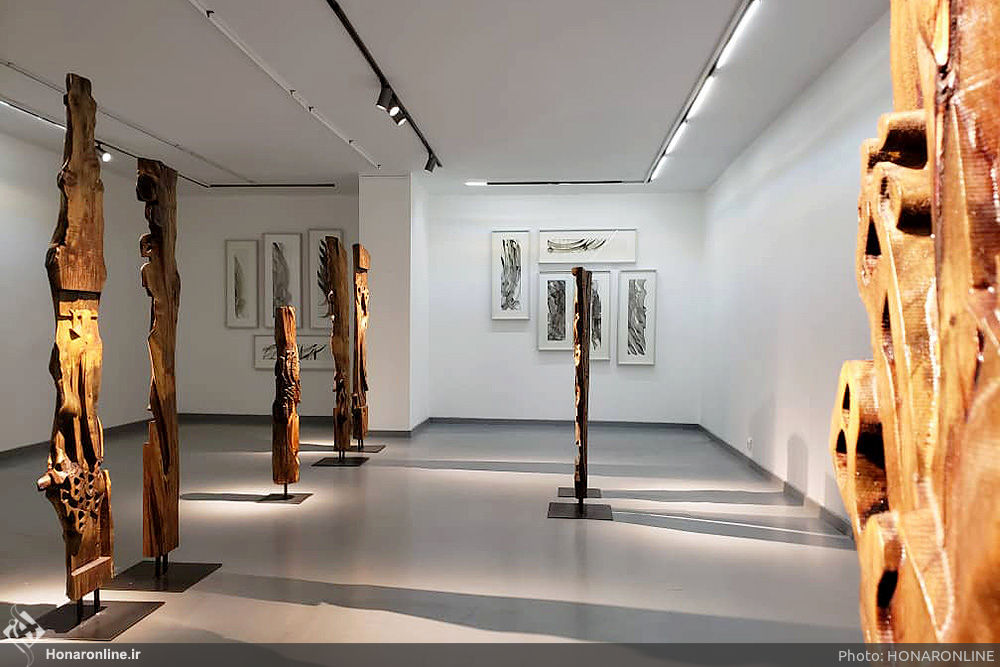
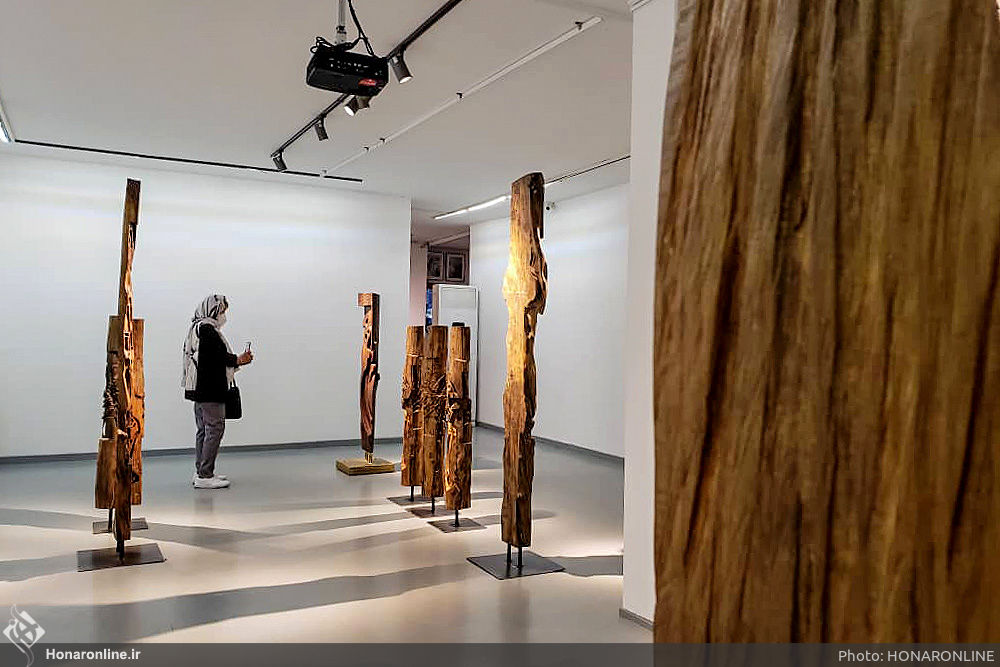
“Tally Stick”, a combination of calligraphy and sculpture

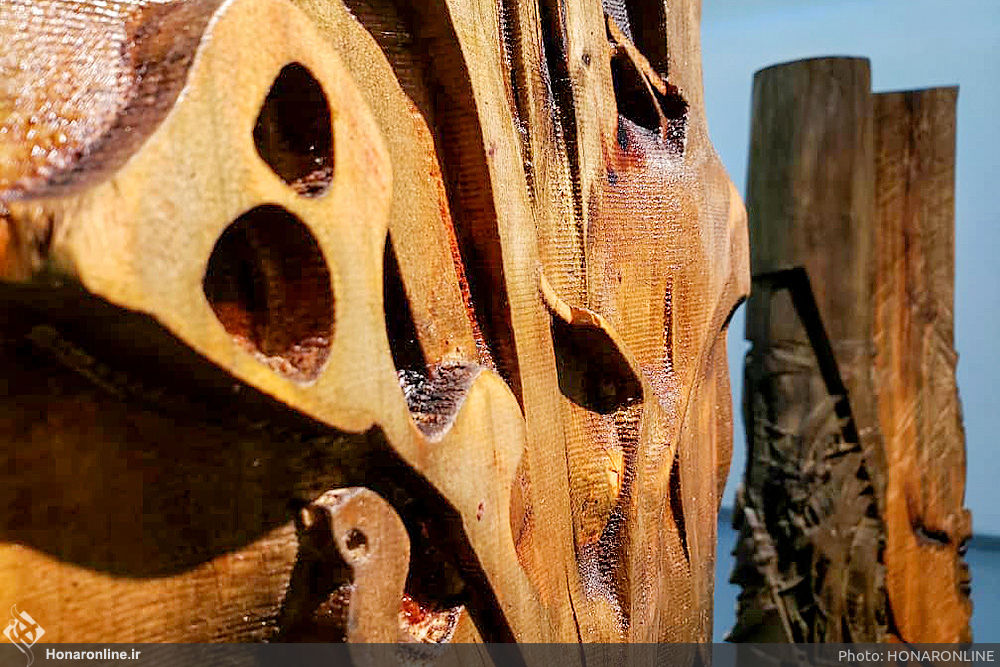
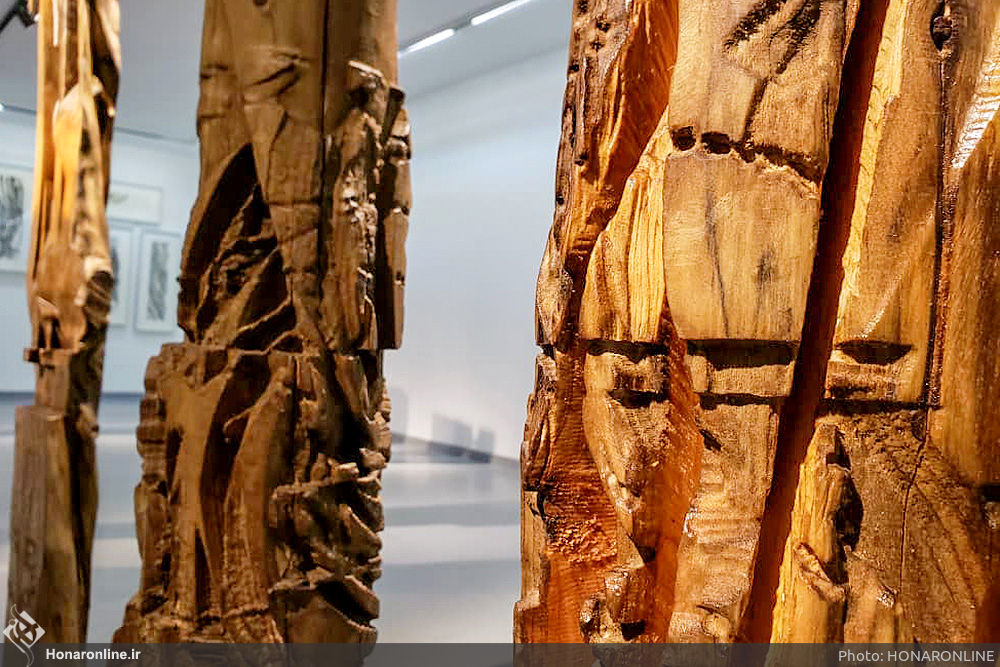
Sadeghzadeh has said 15 sculptures are on display at the exhibition, adding that he called it “Tally Stick” because the title refers to the use of wood and calligraphy and also is a reminder of tally stick as a simple and old tool for counting.

“This collection is the result of two years of work and the word “everyone” is repeated in the works”, Sadeghzadeh said.

The Iranian artist also said he deliberately emphasized the meaning of “being together” because he wanted to say“one hand produces no sound”, a famous Iranian proverb meaning one cannot achieve much alone and that teamwork is better.

According to Sadeghzadeh, “For wood, I used pine trees that were on the cusp to falling. I got these sticks cut to the size of a human because I wanted the word “everyone” to be in the form of a human. The statues are human beings who complain about loneliness and the absence of events between people.“

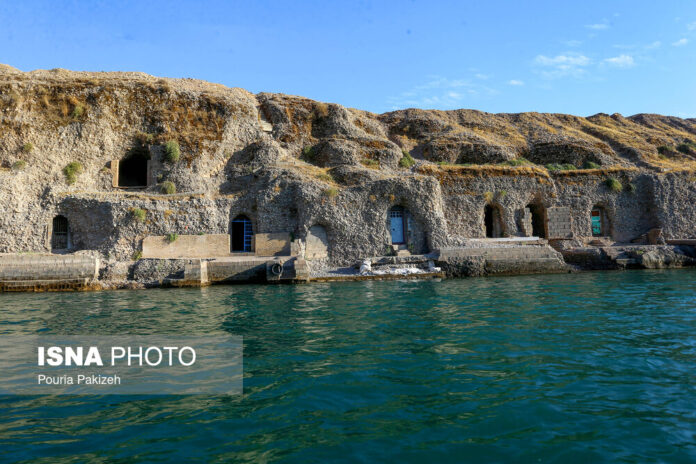
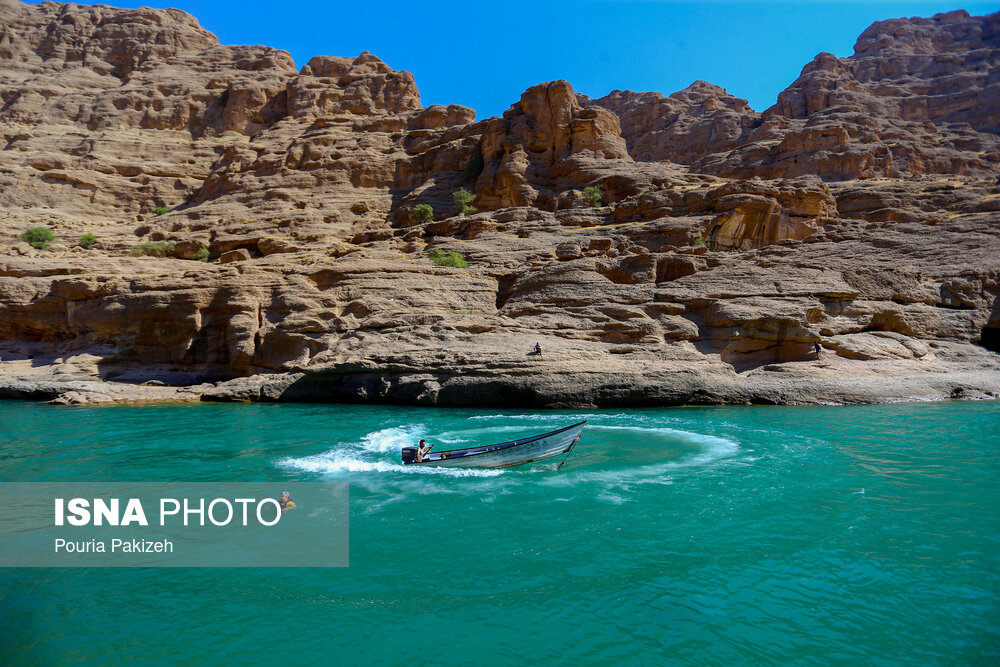
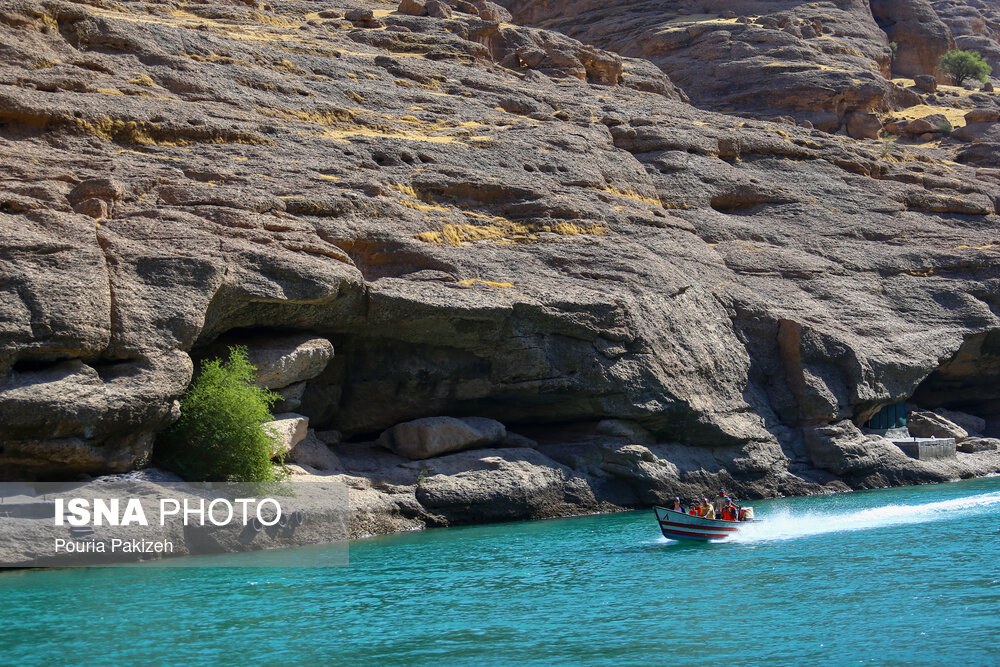
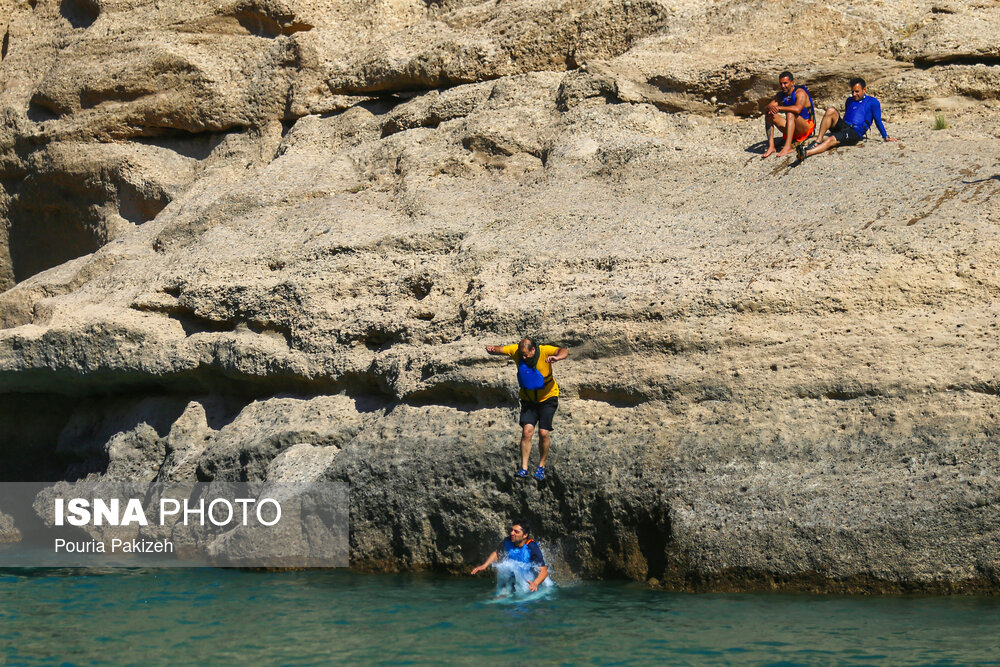
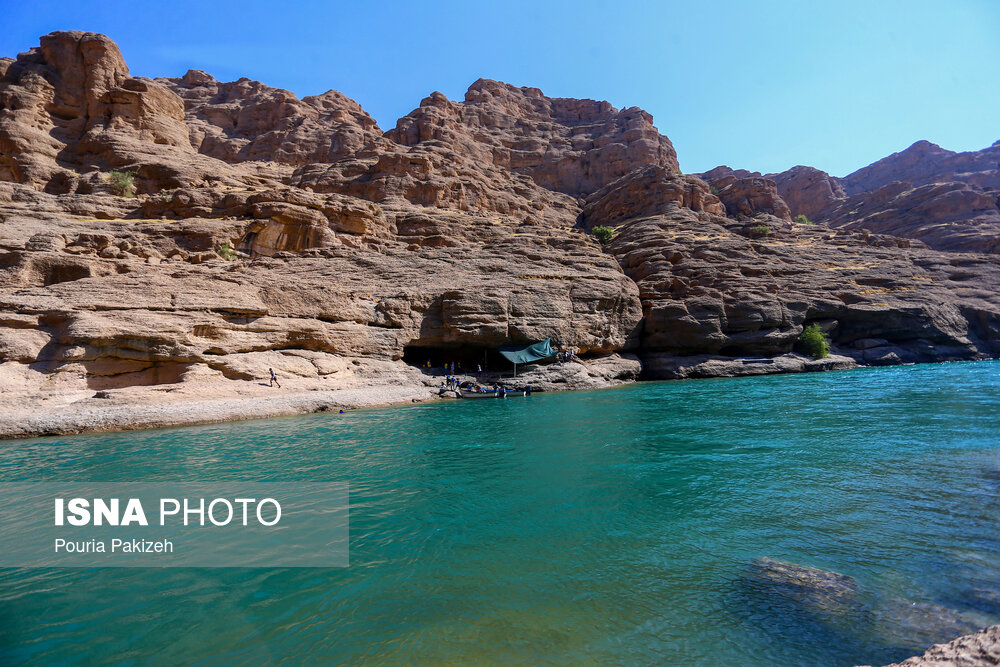
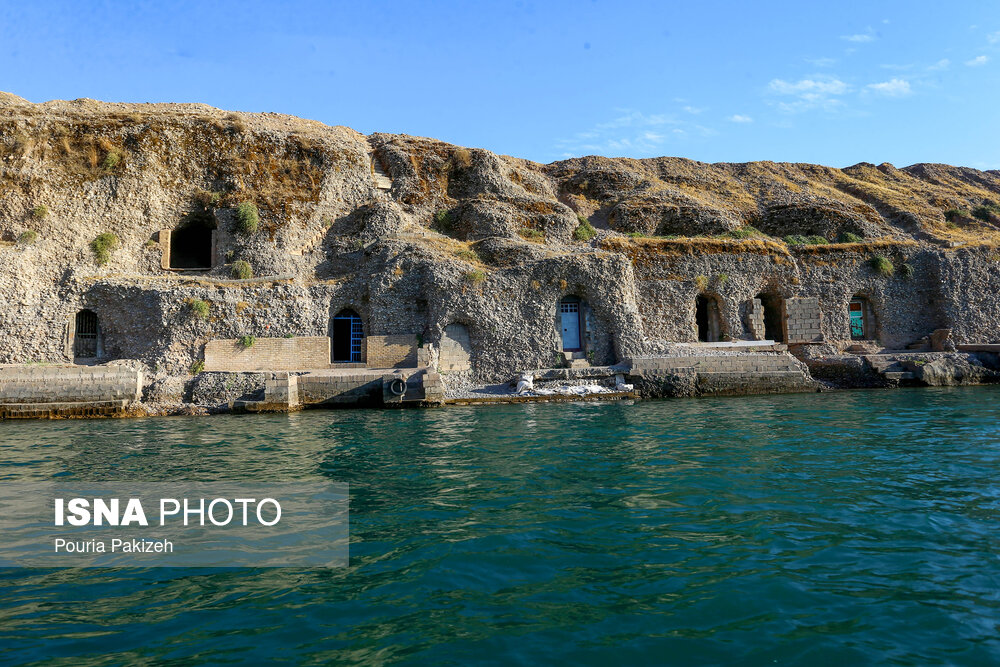
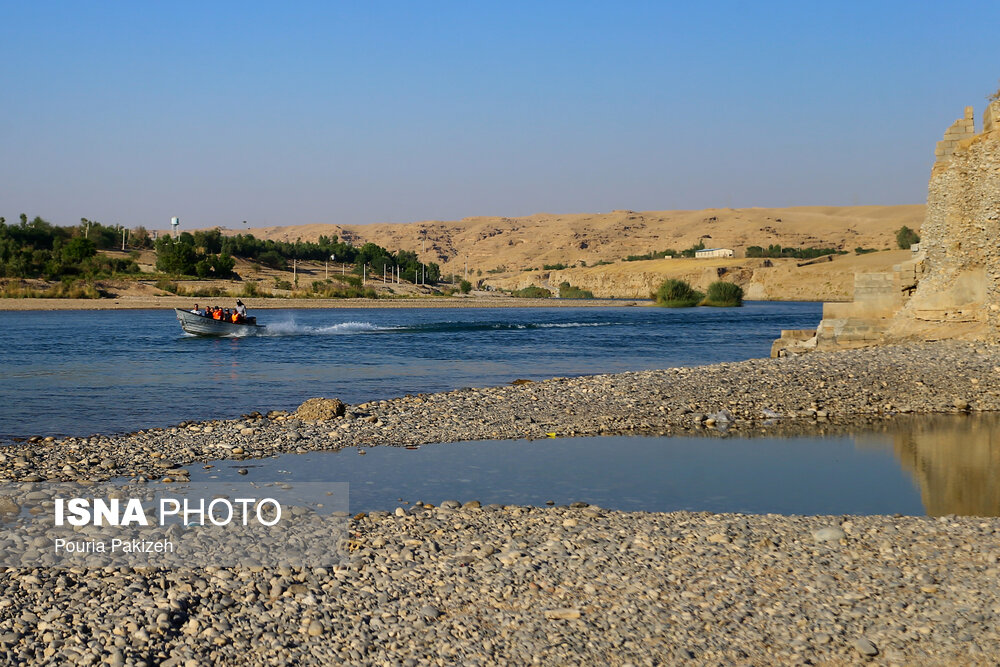
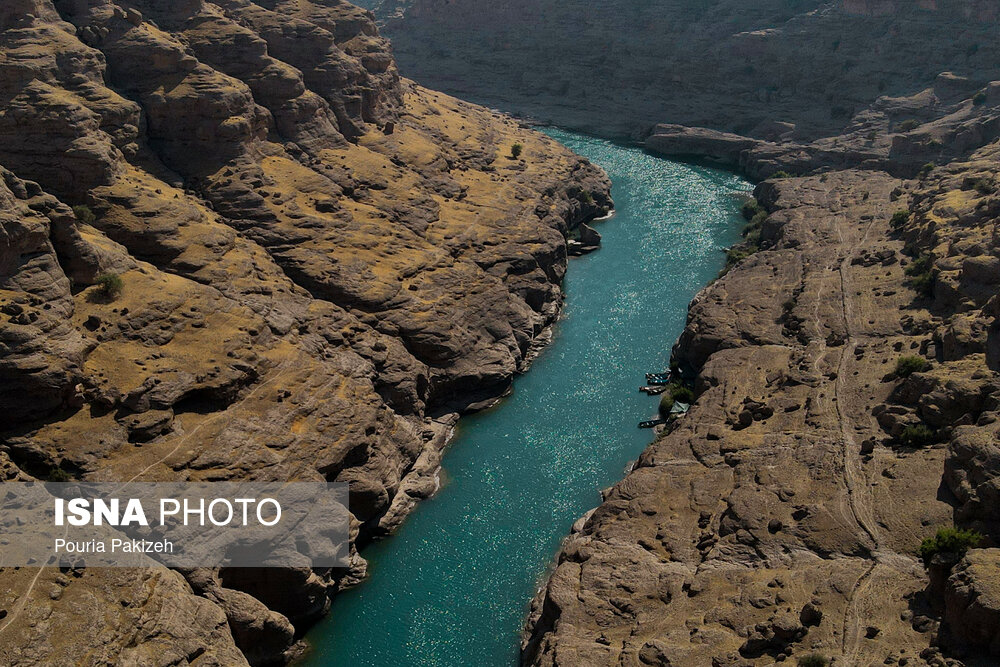
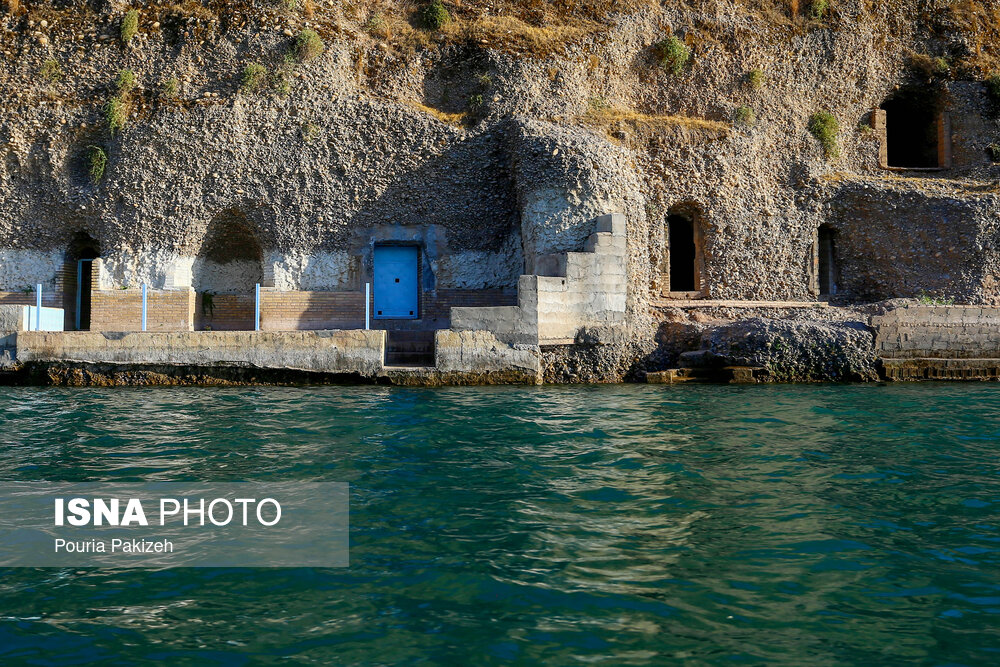
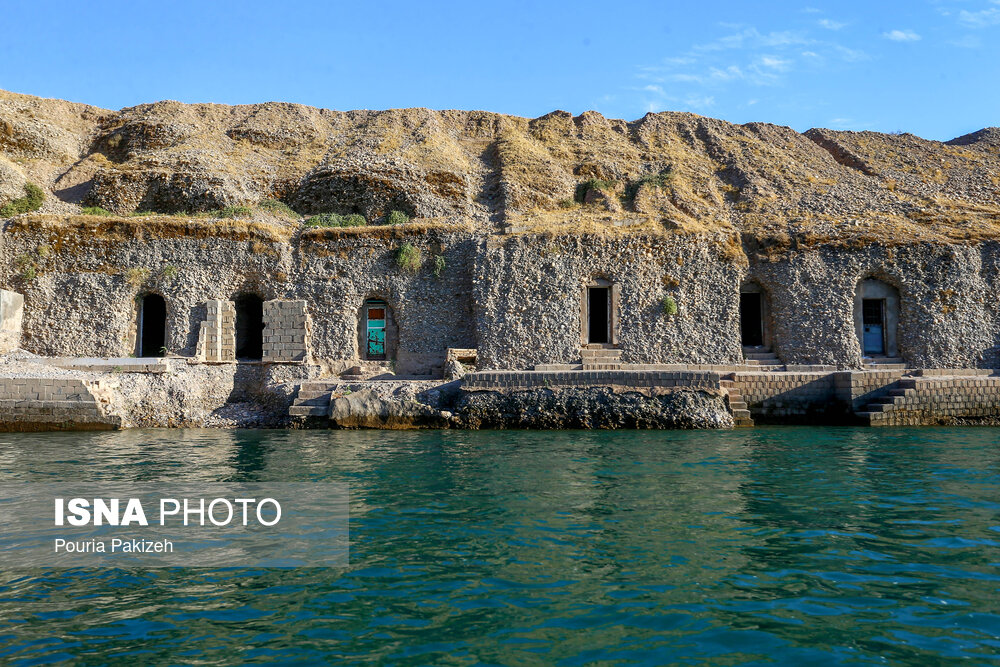
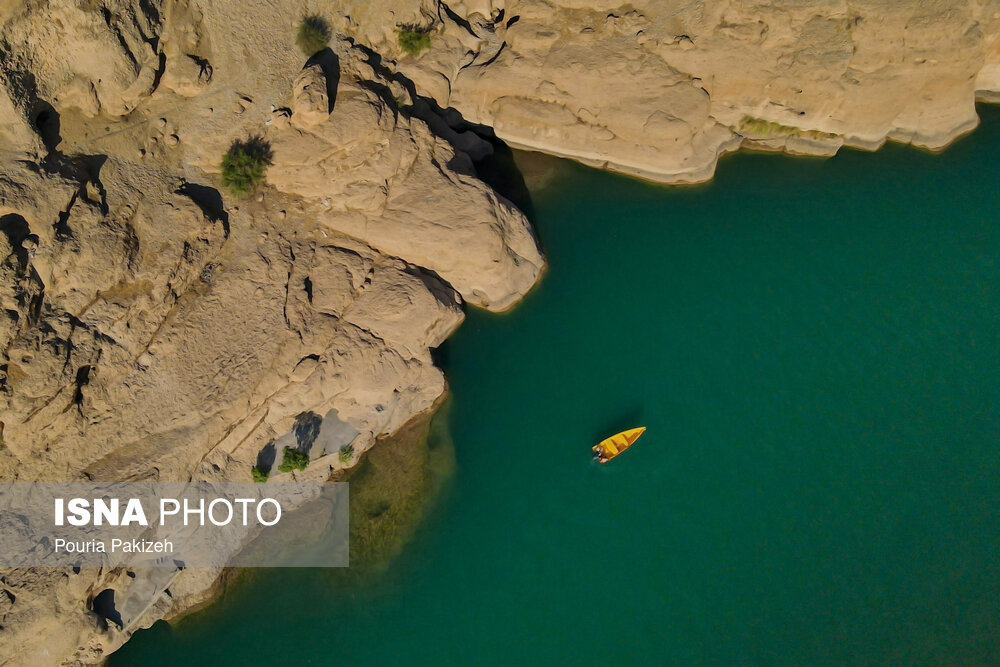
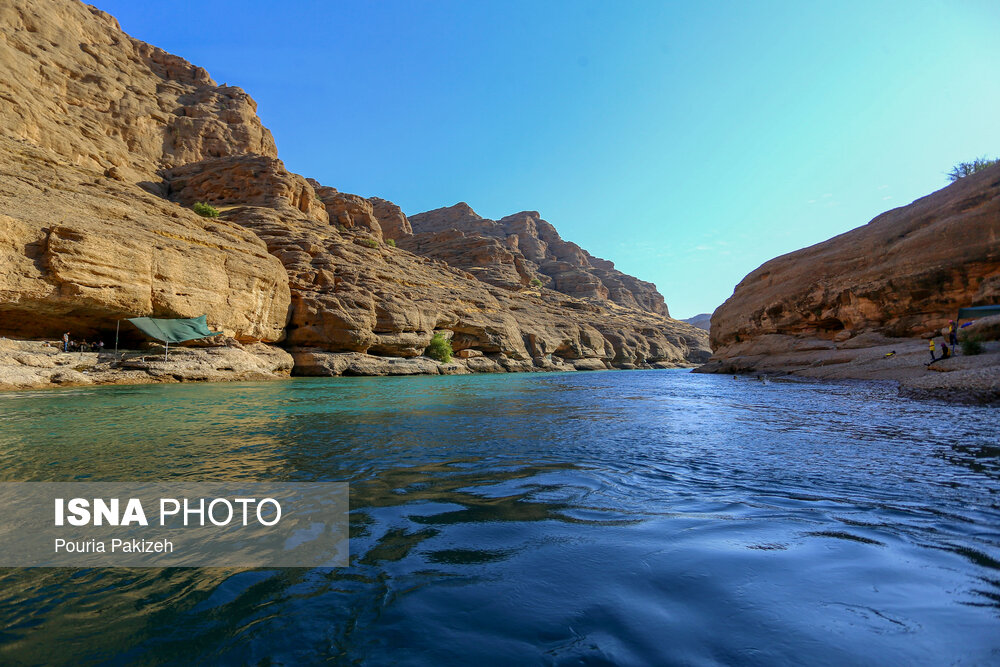
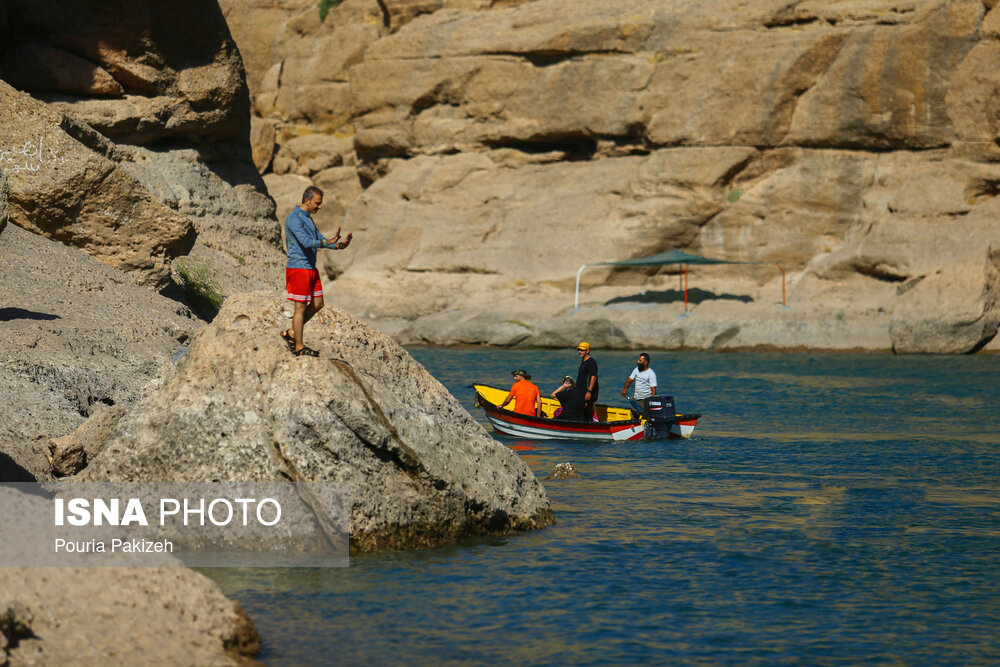
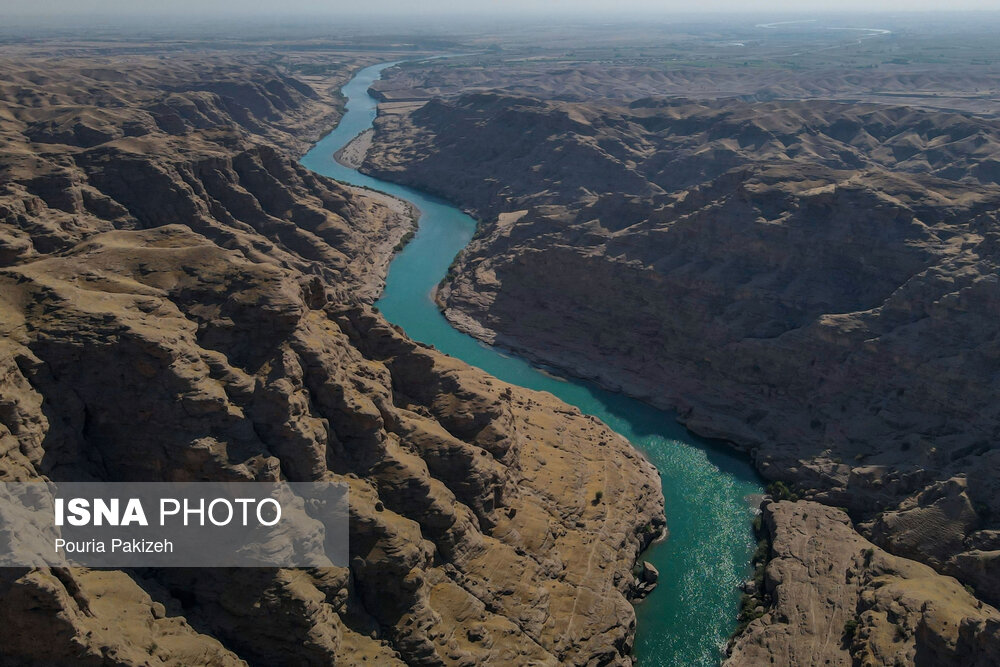
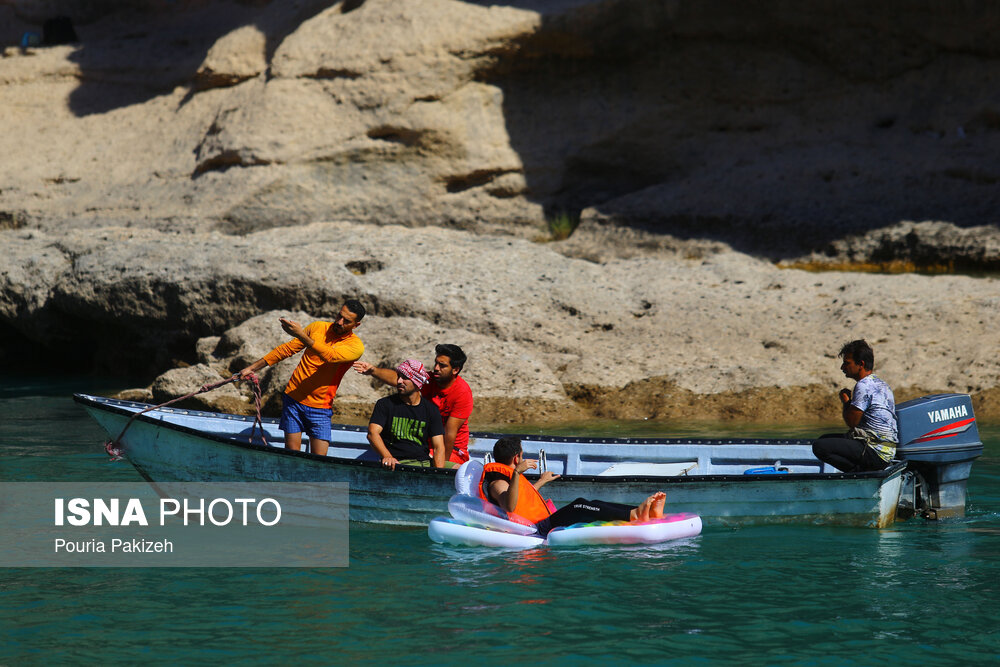
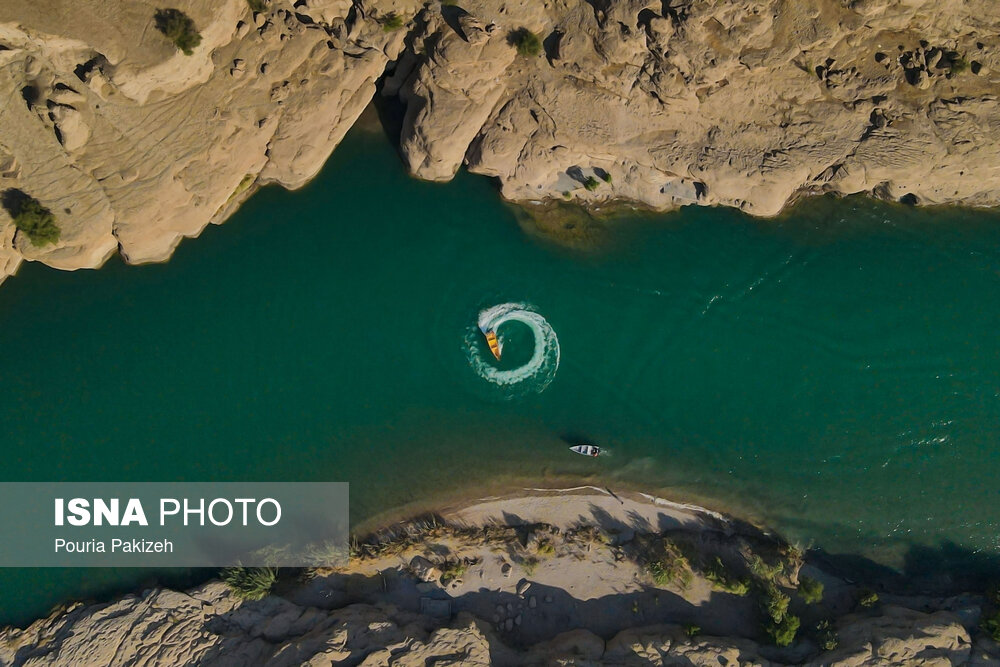
Gorgeous Iran: Chal Kandi Valley, Dezfoul

People in Adimeshk call it Cham Sabz.

Chal Kandi is one of the intact parts of the Dez River area. The river is tranquil and its bank and nearby habitats have not yet been destroyed.

The reeds, groves and meadows of the region still give tourists a sense of calm.
Having a high depth and high walls on both sides in summer, Chal Kennedy gives off cool air and has a relaxing and pleasant atmosphere.

People can go swimming, boat riding or fishing there.

Over 90 million doses of Covid vaccine administered in Iran

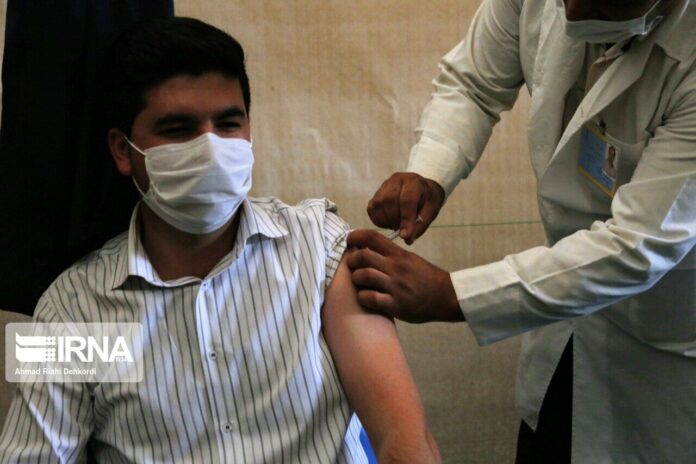
Officials said on Thursday over the past 24 hours, 1,678,067 shots of vaccine were administered. That’s the highest number of doses given in a single day since the start of the vaccination campaign.

So far, 54,509,210 people have received the first dose of Covid and 37,127,998 have been fully inoculated. Meanwhile, 109,724 people have received the booster shot, the third dose of Covid vaccine.

Now all vaccination places are giving the third dose to citizens older than 60.
According to the Health Ministry on Thursday, the disease has killed 158 more people over the past 24 hours. So far, 126,921 people have died of the disease since the start of the Pandemic.

Meanwhile, 9,862 new cases of Covid-19 were detected countrywide over the past day, pushing the total caseload to 5,964,824.

For all that, the downward trend in Covid deaths, infections and hospitalizations has held over the past couple of months.

While authorities attribute this to the vaccination drive, they are warning of a 6th wave of the disease.

Iran-Turkmenistan land trade booming

Mohammad Reza Rajabi the governor of the city of Sarakhs in Iran’s Khorasan Razavi Province says following the recent agreements between Iranian and Turkmen officials, trade is booming between the two countries given the fact that Iran’s foreign policy gives priority to neighbors and that Tehran has recently joined the Shanghai Cooperation Organization.

He said that exports from Sarakhs to Turkmenistan before the recent agreements was about 50 trucks daily in the past two weeks, but has now increased to 150 trucks per day thanks to the border agreements.

Rajabi noted that in terms of Covid outbreak, Sarakhs is marked blue, which is the lowest level of risk from the disease.

He said all Iranian truck drivers have received both doses of their Covid vaccine, and the necessary infrastructure such as disinfection tunnels is provided to observe healthcare protocols at the border.

Sarakhs border terminal is on the Iran-Turkmenistan border some 185 kilometers northeast of Mashhad, the capital city of Khorasan Razavi Province.

Azerbaijan says Iran sending positive messages

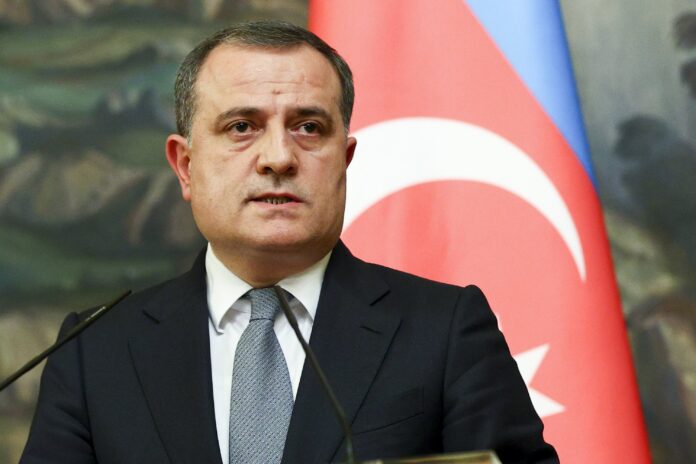
“The Iranian side was informed that Azerbaijan is concerned about the illegal entry of Iranian trucks into the Karabakh region. Despite this, the cases of the illegal entry continued. Then, during checks on Azerbaijani territory, it was established that two vehicles belonging to Iranian companies illegally entered Azerbaijani territory, their drivers were detained. The negotiations continued through diplomatic channels,” Bayramov added.

Azerbaijani FM believes that a normal result has been achieved in this direction.

“In an official appeal, which was given from the relevant structure under the Ministry of Urban Development and Transport of Iran, Iranian trucks were warned to stop these illegal trips into Azerbaijan’s territory,” Bayramov stated.

He noted that Azerbaijan is always ready to resolve issues through dialogue, on the principles of mutual relations, mutual respect and non-interference in each other’s affairs.

The Republic of Azerbaijan has recently released two Iranian truck drivers it detained in September, suggesting the bordering countries are trying to reduce tensions and avoid a possible conflict over critical transit routes and the Zionist regime’s presence in the region.

Iran’s Fars News Agency quoted a western news outlet as saying the release happened a day after Iran’s Foreign Minister Hossein Amir Abdollahian and Bayramov spoke over the phone in the first direct effort to address tensions that began escalating two weeks ago.

Iran blames the tensions on the Israeli regime’s presence in the Azerbaijan Republic, stating the issue poses a threat to the Islamic Republic’s national security.

In response to the threat, Iran conducted military drills near the border with the Republic of Azerbaijan. The drills drew criticism from Baku, which denies the presence of the Israeli regime in the Republic of Azerbaijan.

Iran’s trade ties with Armenia also emerged as a flashpoint after Azerbaijan began imposing a road tax on Iranian trucks that use a critical trade corridor to ship goods to the Armenian capital.

That’s the Goris-to-Kapan highway. Azeri forces detained the two Iranian truck drivers on the highway.

During the call, Amir Abdollahian urged Bayramov to ease the transit of Iranian trucks and release the two Iranian truck drivers.