Monday, December 29, 2025
Home Blog Page 2305

Iran-Turkmenistan land trade booming

Mohammad Reza Rajabi the governor of the city of Sarakhs in Iran’s Khorasan Razavi Province says following the recent agreements between Iranian and Turkmen officials, trade is booming between the two countries given the fact that Iran’s foreign policy gives priority to neighbors and that Tehran has recently joined the Shanghai Cooperation Organization.

He said that exports from Sarakhs to Turkmenistan before the recent agreements was about 50 trucks daily in the past two weeks, but has now increased to 150 trucks per day thanks to the border agreements.

Rajabi noted that in terms of Covid outbreak, Sarakhs is marked blue, which is the lowest level of risk from the disease.

He said all Iranian truck drivers have received both doses of their Covid vaccine, and the necessary infrastructure such as disinfection tunnels is provided to observe healthcare protocols at the border.

Sarakhs border terminal is on the Iran-Turkmenistan border some 185 kilometers northeast of Mashhad, the capital city of Khorasan Razavi Province.

Azerbaijan says Iran sending positive messages

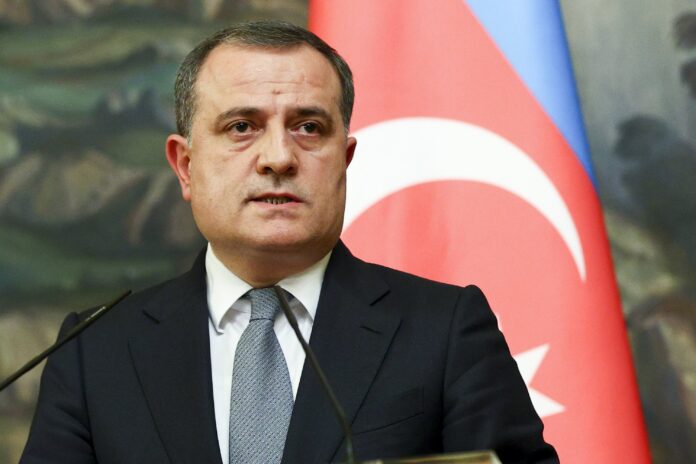
“The Iranian side was informed that Azerbaijan is concerned about the illegal entry of Iranian trucks into the Karabakh region. Despite this, the cases of the illegal entry continued. Then, during checks on Azerbaijani territory, it was established that two vehicles belonging to Iranian companies illegally entered Azerbaijani territory, their drivers were detained. The negotiations continued through diplomatic channels,” Bayramov added.

Azerbaijani FM believes that a normal result has been achieved in this direction.

“In an official appeal, which was given from the relevant structure under the Ministry of Urban Development and Transport of Iran, Iranian trucks were warned to stop these illegal trips into Azerbaijan’s territory,” Bayramov stated.

He noted that Azerbaijan is always ready to resolve issues through dialogue, on the principles of mutual relations, mutual respect and non-interference in each other’s affairs.

The Republic of Azerbaijan has recently released two Iranian truck drivers it detained in September, suggesting the bordering countries are trying to reduce tensions and avoid a possible conflict over critical transit routes and the Zionist regime’s presence in the region.

Iran’s Fars News Agency quoted a western news outlet as saying the release happened a day after Iran’s Foreign Minister Hossein Amir Abdollahian and Bayramov spoke over the phone in the first direct effort to address tensions that began escalating two weeks ago.

Iran blames the tensions on the Israeli regime’s presence in the Azerbaijan Republic, stating the issue poses a threat to the Islamic Republic’s national security.

In response to the threat, Iran conducted military drills near the border with the Republic of Azerbaijan. The drills drew criticism from Baku, which denies the presence of the Israeli regime in the Republic of Azerbaijan.

Iran’s trade ties with Armenia also emerged as a flashpoint after Azerbaijan began imposing a road tax on Iranian trucks that use a critical trade corridor to ship goods to the Armenian capital.

That’s the Goris-to-Kapan highway. Azeri forces detained the two Iranian truck drivers on the highway.

During the call, Amir Abdollahian urged Bayramov to ease the transit of Iranian trucks and release the two Iranian truck drivers.

Lebanon PM says seeking détente with Saudi Arabia

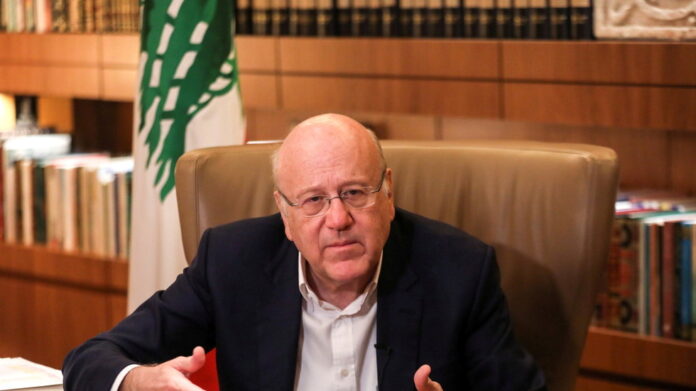
“I call on the minister of information to listen to his conscience, take the position that should be taken and give priority to the national interests,” Mikati said in a speech on Thursday.

“We are determined to resolve our relations with the Kingdom of Saudi Arabia and the brotherly Gulf countries,” he added.

Pressure continues to mount on Kordahi, after a video circulated last week from an August interview in which he made disparaging remarks that were critical of the Saudi-led coalition’s war against Houthi rebels in Yemen, sparking a new diplomatic crisis.

The former game show host stated the Iran-aligned Houthis are “defending themselves … against an external aggression”.

In response, Saudi Arabia, the United Arab Emirates, Kuwait, and Bahrain have recalled their envoys from Beirut, and banished their Lebanese ambassadors. Saudi Arabia also banned Lebanese exports, which some experts say constitutes some 6 percent of the cash-strapped country’s gross domestic product (GDP).

Bahrain and the UAE have called on their citizens to leave the country, while Yemen has also since recalled its envoy from Beirut.

Kordahi has maintained that his comments only reflected his opinion and not the government’s and that they were made before he became a minister. He also noted in a news statement that he refuses to be “blackmailed” by any entity.

Qatar has offered to send its foreign minister to mediate and help resolve the crisis, according to Foreign Minister Abdallah Bouhabib, who also called for direct dialogue with Saudi Arabia to resolve the crisis.

Saudi Arabia has distanced itself from Lebanon in recent years, often criticizing it for Iran-backed Hezbollah’s growing influence in politics. Kordahi was appointed by the Marada Movement, a Christian party closely allied to Hezbollah and Syrian President Bashar al-Assad.

Hezbollah, which Saudi Arabia considers a “terrorist” organization, backs the Houthis in Yemen and has praised Kordahi for his remarks.

“[Hezbollah] made Lebanon an arena and a launching pad for implementing projects of countries that do not wish well for Lebanon and its brotherly people,” a Saudi statement issued on Friday read.

Relations between Lebanon and Saudi Arabia were already strained – with the latter having imposed an indefinite ban on Lebanese produce since April after foiling an amphetamine smuggling attempt.

And last May, Lebanon’s then-caretaker Foreign Minister Charbel Wehbe resigned after insinuating that Gulf countries were behind the rise of Daesh in a heated argument with Saudi lobbyist Salman al-Ansari on Alhurra TV.

The diplomatic crisis has also heightened the existing political paralysis and tensions between parties in Lebanon. The cabinet has not met in almost a month, already riven by disputes over Beirut blast investigator Judge Tarek Bitar.

Now, while Mikati and President Michel Aoun call to restore ties, Hezbollah has praised Kordahi’s comments and condemned Saudi Arabia’s response.

Iranian Kurdish teacher nominated for global teacher prize

The Varkey Foundation was founded to recognize exceptional teachers and improve the standards of education for underprivileged children.

Soraya Motaharnia, an instructor from the western Iranian Kurdistan Province, has found herself among the top 10 nominees for the prestigious prize.

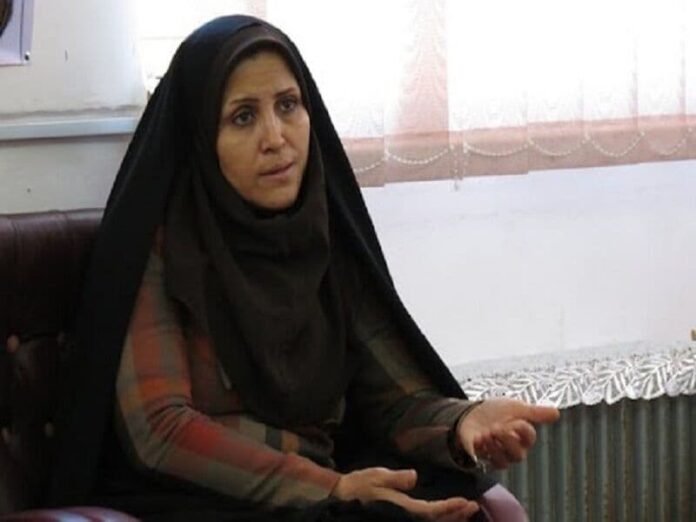
“During 26 years of service, I spent each year in a remote, sparsely populated village in Kurdistan, so that no elementary school student would be deprived of education because of financial problems,” she says.

“During my years of service, I managed to identify thousands of sick schoolchildren in deprived towns and make difficult and costly treatment easier for them by contacting benefactors and charities,” she explains.

Even during summer when schools were closed, she would go to villages and, in addition to teaching, followed up on the treatment and physical recovery of students as well.

She holds a degree in Political Science and International Relations, and taught in underprivileged villages in Kurdistan for 26 years.

The Global Teacher Prize is worth $1 million. The Varkey Foundation picks the nominees after making expert reviews on teachers’ performance. The 10 candidates will then step up to the semifinals.

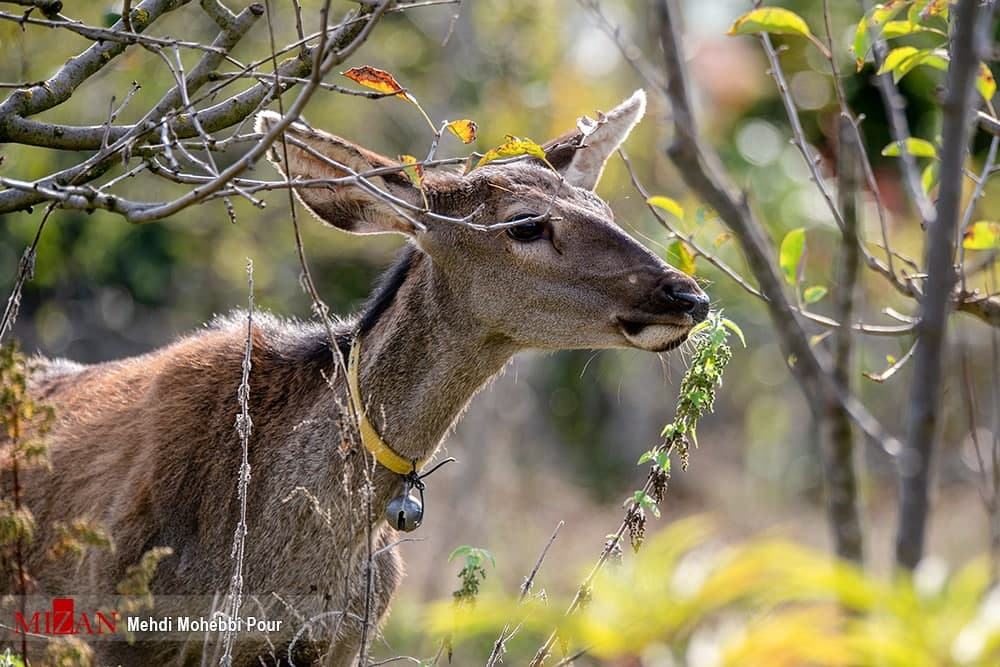
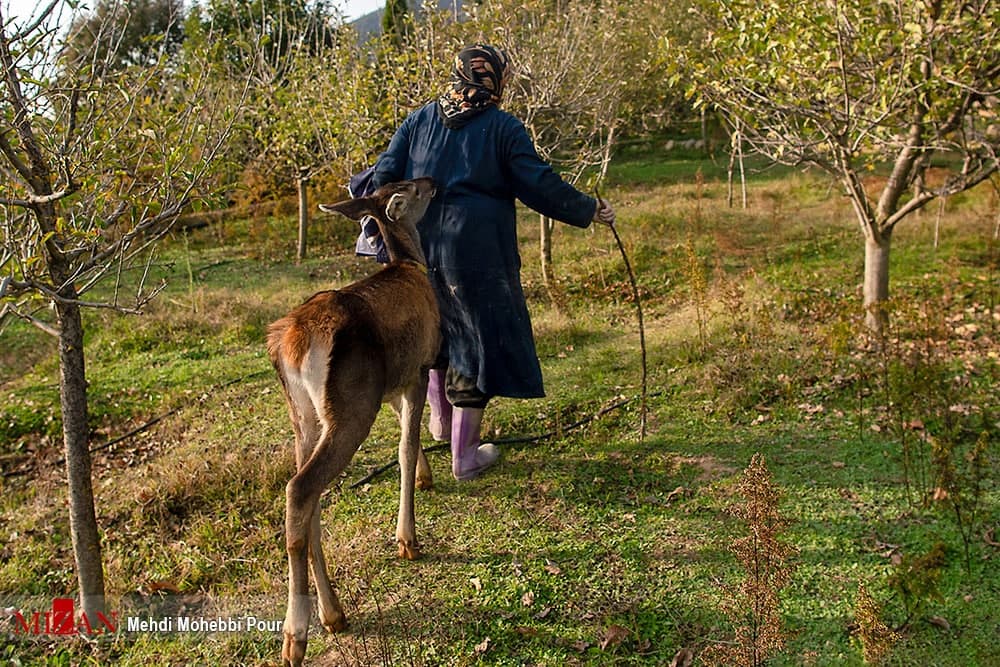
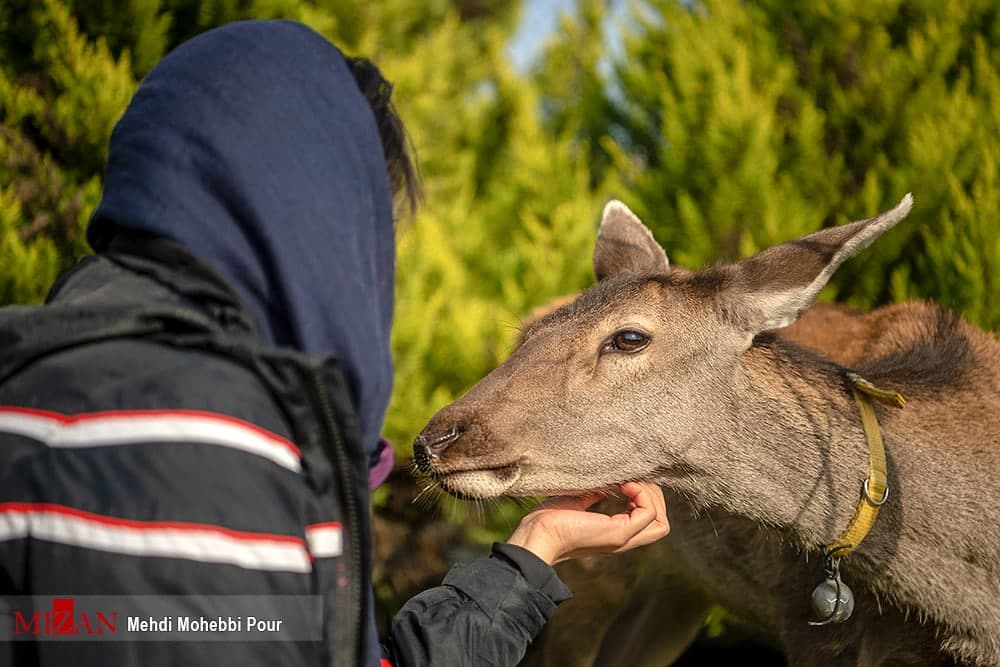
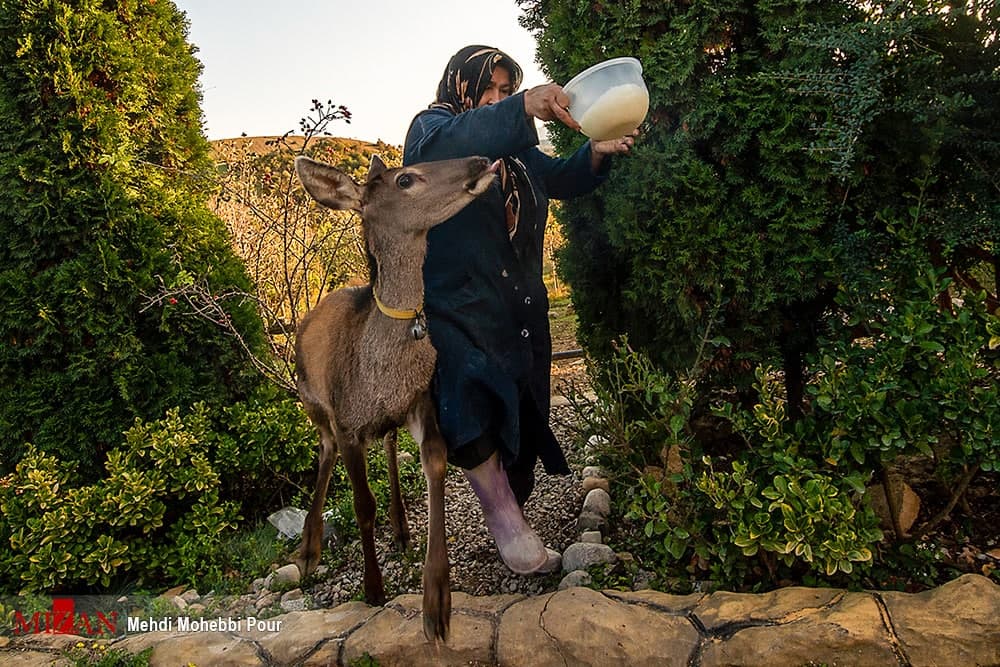
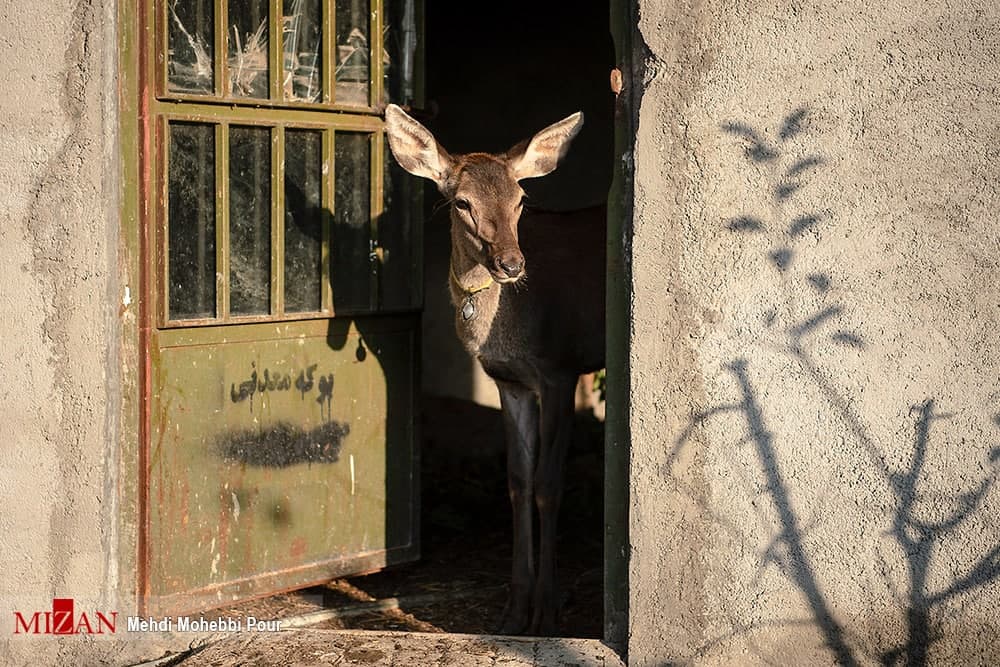
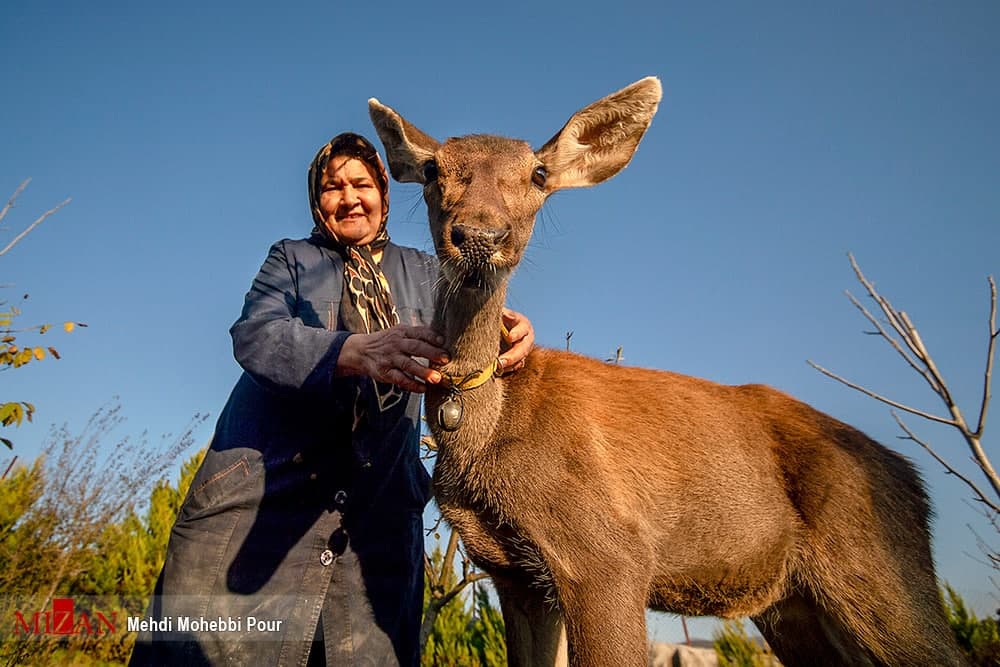
Iranian family raises red deer cub

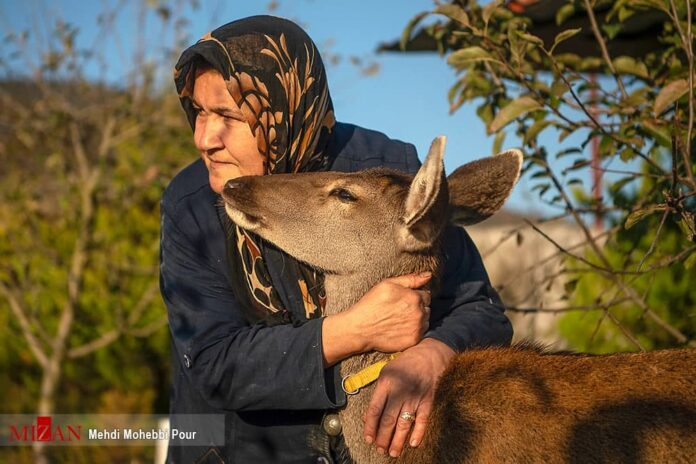
The Najafi family was informed and decided to buy the red deer cub for the purpose of helping preserve the environment.

They raised the red deer cub. Now the red deer is experiencing a calm life alongside the Najafis and accompanies Ms. Nafai wherever she goes.

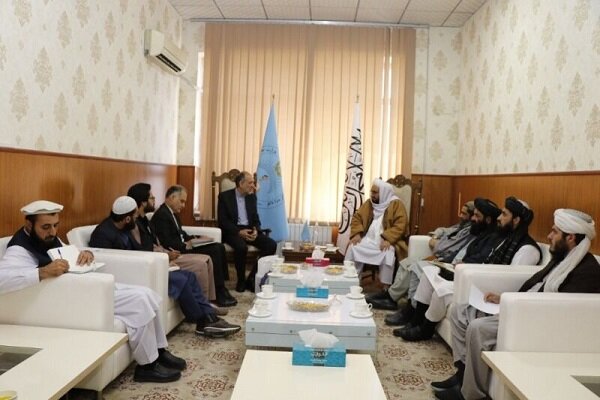
Taliban delegation to visit Iran

Abdul Baqi Haqqani, Taliban acting minister for higher education, made the remarks during a meeting with Bahador Aminian, Iran’s ambassador to Kabul.

A delegation from the Afghan Ministry of Higher Education would travel to Iran to strengthen the cooperation between the two countries and discuss scholarship positions for Afghan refugees in Iran, the acting minister said.

Haqqani added that during the visit, the delegation will work jointly with officials of the Islamic Republic of Iran on scholarships, education etc.

The Taliban official further appreciated the cooperation of the Islamic Republic of Iran with Afghanistan in the field of higher education.

Aminian, for his part, stated during the meeting that Iran will share its experiences in the field of higher education with Afghanistan.

Armenia says Baku not fulfilling pledges, situation fragile

“Despite the cessation of hostilities in line with the trilateral Armenian, Russian, and Azerbaijani statement of November 9, 2020, the situation is still unstable because Azerbaijan is not fulfilling certain obligations under the above-mentioned statement. In particular, it misinterprets certain provisions, refuses to release military and civilian detainees, and indulges in bellicose and expansionist rhetoric,” Mirzoyan said in an interview with France’s Nouvelles d’Armenie.

“Armenia continues its efforts to reach stability in the region,” he continued.

“The program of our government clearly states our readiness to contribute to the establishment of an era of peaceful development in the region. I am sure that if other countries demonstrate a corresponding political will and make constructive steps, all necessary conditions will be created for the beginning of active discussions on the above-mentioned agenda,” he added.

The conflict between Armenia and Azerbaijan over the highland region of Nagorno-Karabakh, a disputed territory that had been part of Azerbaijan before the Soviet Union break-up, but primarily populated by ethnic Armenians, broke out in February 1988 after the Nagorno-Karabakh Autonomous Region announced its withdrawal from the Azerbaijan Soviet Socialist Republic. In 1992-1994, tensions boiled over and exploded into large-scale military action for control over the enclave and seven adjacent territories after Azerbaijan lost control of them. Talks on the Nagorno-Karabakh settlement have been ongoing since 1992 under the OSCE Minsk Group, led by its three co-chairs – Russia, France and the United States.

Renewed clashes between Azerbaijan and Armenia erupted on September 27, 2020, with intense battles raging in the disputed region of Nagorno-Karabakh. On November 9, 2020, Russian President Vladimir Putin, Azerbaijani President Ilham Aliyev and Armenian Prime Minister Nikol Pashinyan signed a joint statement on a complete ceasefire in Nagorno-Karabakh. Under the document, the Azerbaijani and Armenian sides stopped at the positions that they had held and Russian peacekeepers were deployed along the engagement line in Nagorno-Karabakh and along the Lachin corridor that connects Armenia with the enclave to exercise control of the ceasefire observance. Apart from that, a number of districts came over to Baku’s control.

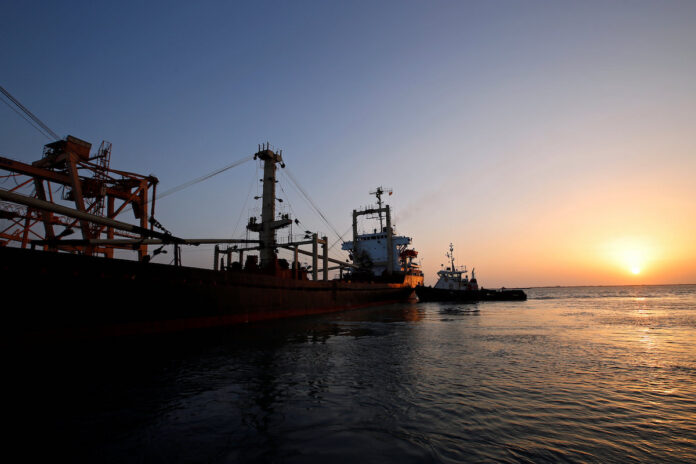
Saudi coalition seizes another fuel ship in Yemen

Essam al-Mutawakel, a spokesman for the Yemen Petroleum Company (YPC), said in a tweet on Wednesday that the Saudi-led coalition seized a ship named SEA LION carrying 29,545 tons of diesel, and banned the vessel from docking at Hudaydah Port.

He stressed that the ban took place although the ship was of a humanitarian nature and had been inspected and obtained clearances from the United Nations Verification and Inspection Mechanism for Yemen.

Earlier this year, Yemen’s Minister of Oil and Minerals Ahmad Abdullah Dares warned that the Saudi seizure of ships carrying petroleum products could lead to the suspension of the service sectors and cause “a humanitarian catastrophe.”

Saudi Arabia and a number of its regional allies — including the United Arab Emirates (UAE) — launched a brutal war against Yemen in March 2015.

The war was launched to eliminate Yemen’s Houthi Ansarullah movement and reinstall former Yemen’s president Abd Rabbuh Mansur Hadi, a staunch ally of Riyadh.

The war, accompanied by a tight siege, has failed to reach its goals, but it has killed hundreds of thousands of Yemeni people.

The UN says more than 24 million Yemenis are in dire need of humanitarian aid, including 10 million suffering from extreme levels of hunger. The world body also refers to the situation in Yemen as the world’s worst humanitarian crisis.

The Saudi war has also taken a heavy toll on the country’s infrastructure, destroying hospitals, schools, and factories.

Vietnam says in talks with Iran over oil tanker

The tanker, blocked by Iran off the Sea of Oman, was carrying confiscated Iranian oil to an unknown destination.

“The Ministry of Foreign Affairs has held talks with the Iranian embassy in Hanoi, and the Vietnamese embassy in Iran has held talks with the Iranian authorities to verify information and settle the incident to ensure safety and humane treatment for Vietnamese citizens,” foreign ministry spokeswoman Pham Thu Hang said at a regular press briefing.

Hang added the captain of the Vietnamese tanker in a telephone call with the embassy on Oct 27 had confirmed all 26 crew had been treated well and were in good health.

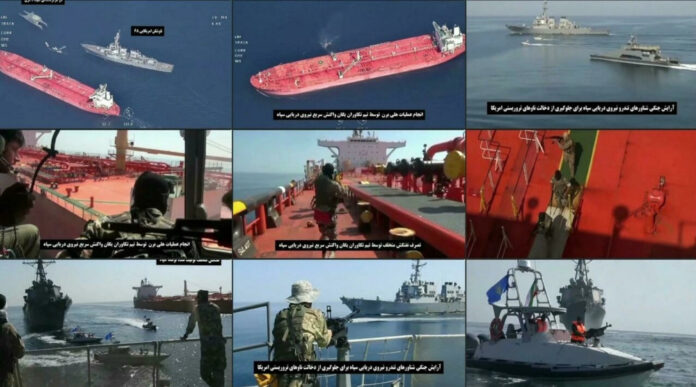
On Wednesday, Tehran announced naval forces of the Islamic Revolution Guards Corps (IRGC) have thwarted an attempt by the United States Navy to confiscate a tanker carrying Iranian crude in the Sea of Oman.

The United States stopped the Iranian vessel and transferred its oil cargo to another tanker and was trying to take the vessel away when the Islamic Revolution Guards Corps Navy intervened.

The IRGC forces used a helicopter to board the tanker and led it towards Iranian territorial waters.
The naval forces of the United States used several helicopters and a frigate to chase the Iranian tanker but the IRGC blocked their way.

The American naval forces tried once again to block the path of the Iranian ship with several more vessels but failed.

The tanker is currently in the territorial waters of the Islamic Republic of Iran.

Tehran has also released footage showing IRGC navy force blocking US attempts to confiscate Iranian oil in the Sea of Oman.

American officials have claimed Iranian forces had actually seized a Vietnamese-flagged oil tanker, MV Southys, and US naval forces were just monitoring the situation.

Iran Not to Leave Negotiating Table: President Raeisi

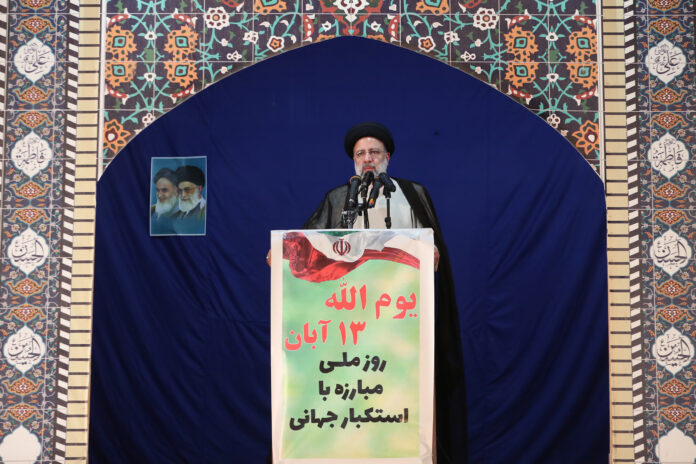
“As we have said before, we will not leave the negotiations, but will stand up to excessive demands aimed at harming the interests of our nation,” said Ebrahim Raeisi on Thursday.

He said Tehran would like the kind of talks which would result in an outcome.

“We will never renounce the Iranian nation’s rightful demand, i.e., the lifting of cruel sanctions,” said the president.

“Iranian people have always denounced the United States’ interventionist and bullying moves in the region, namely its recent behavior, and have always been thankful for the tactful and strong responses by the brave forces safeguarding the country’s dignity and independence and ensuring the Iranian nation’s interests.

“We will not step back from the Iranian nation’s interests and will pursue the lifting and neutralization of sanctions,” he said.