Monday, April 27, 2026
Home Blog Page 230

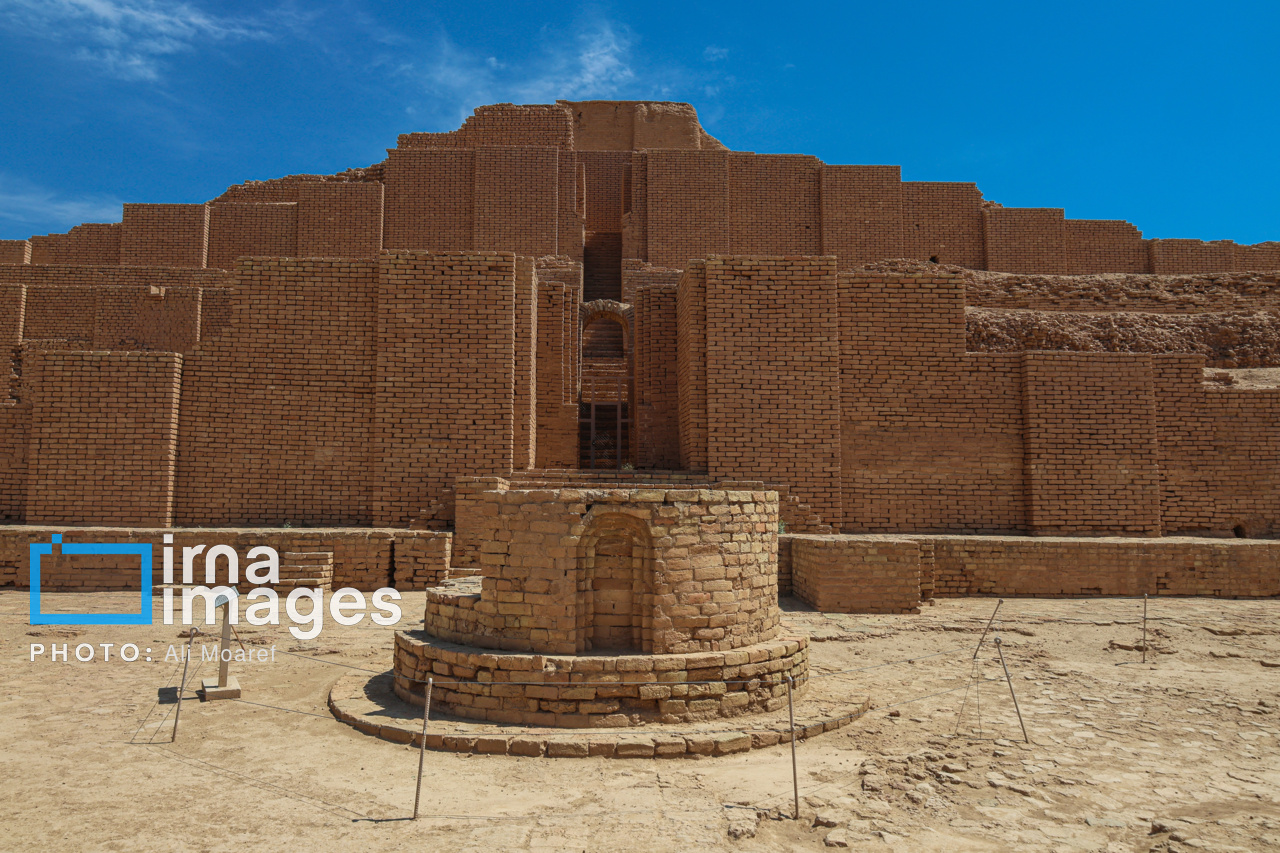
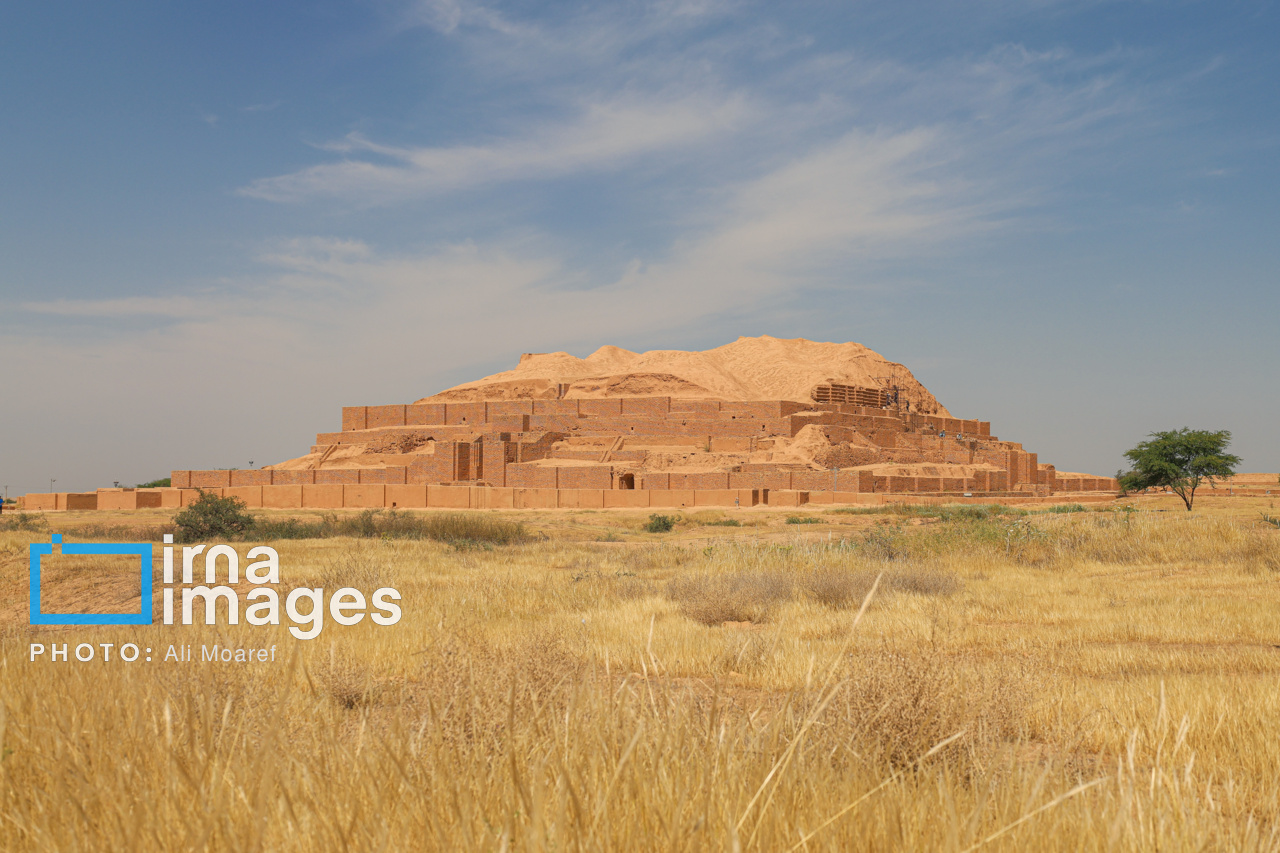
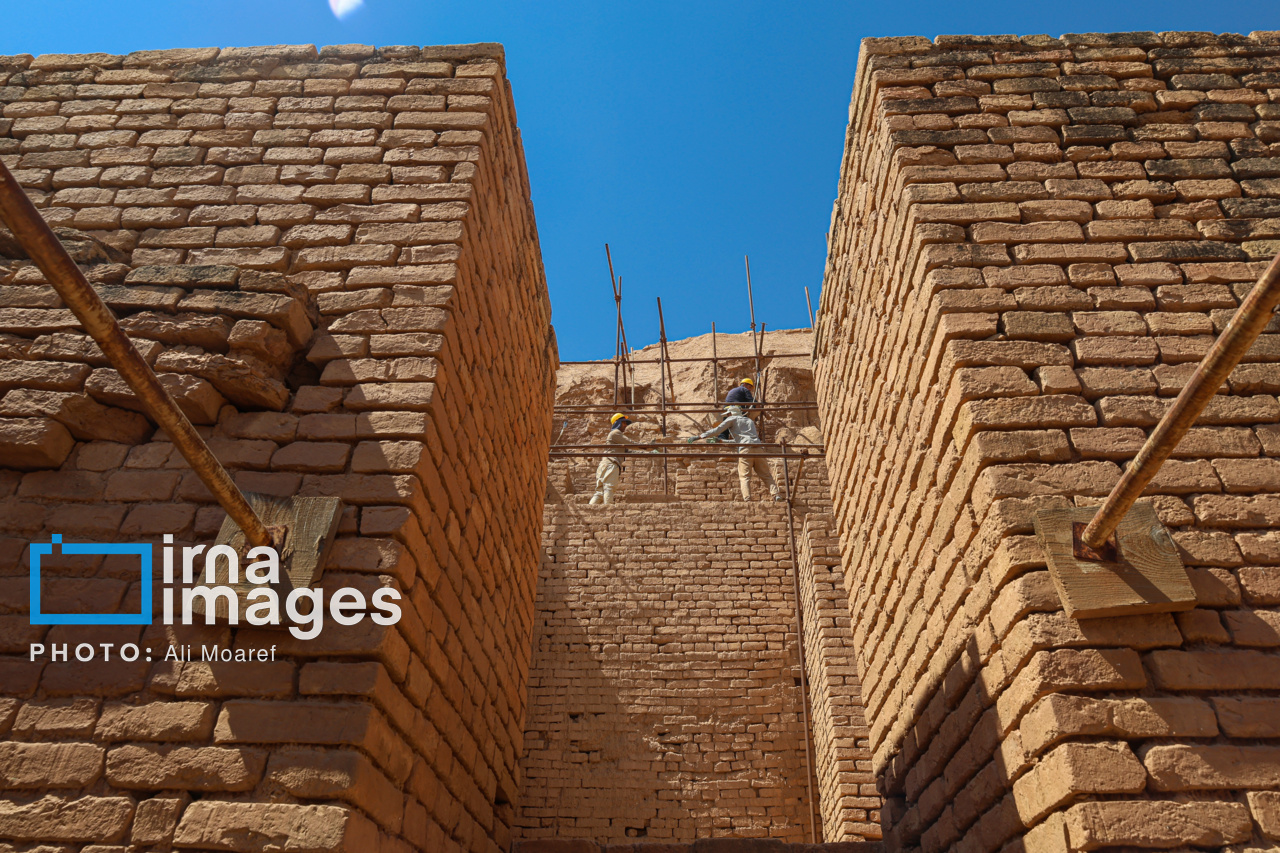
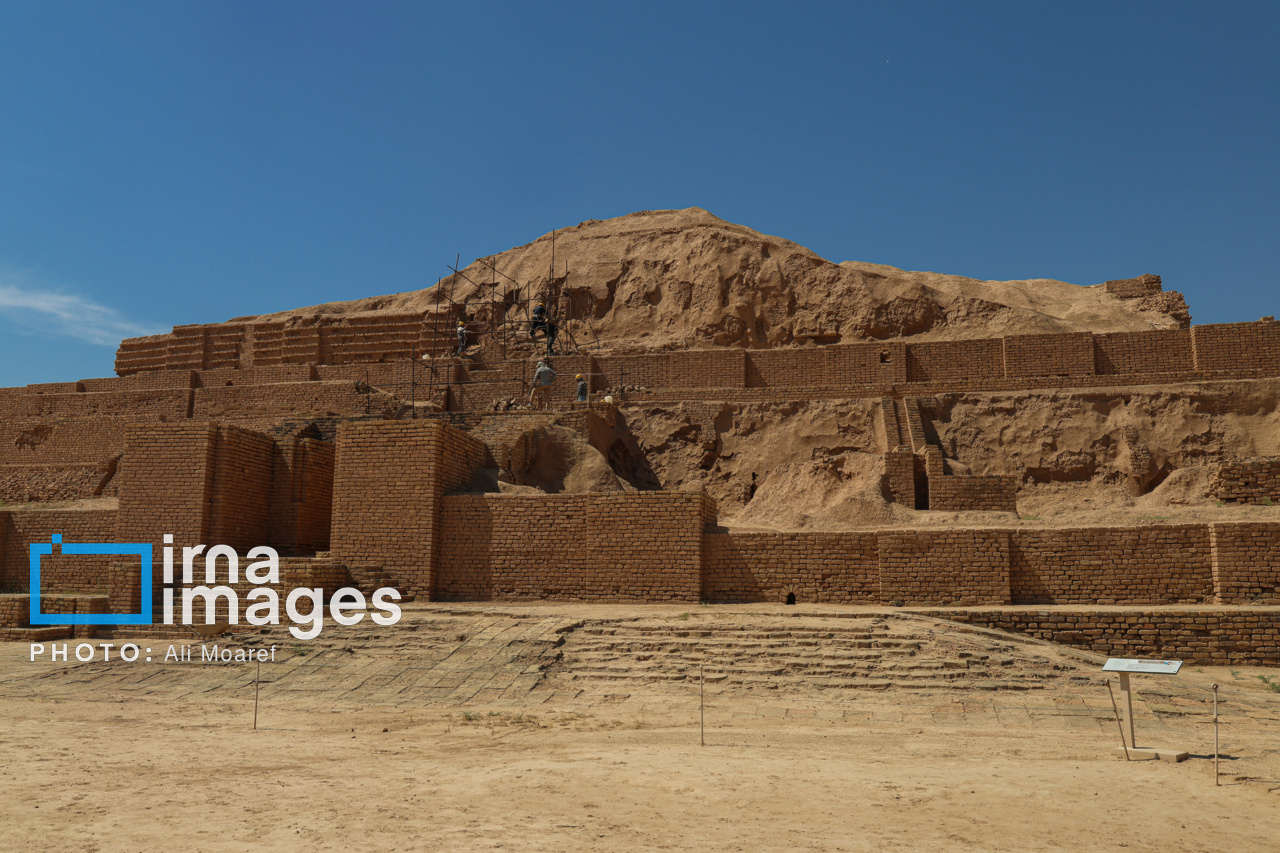
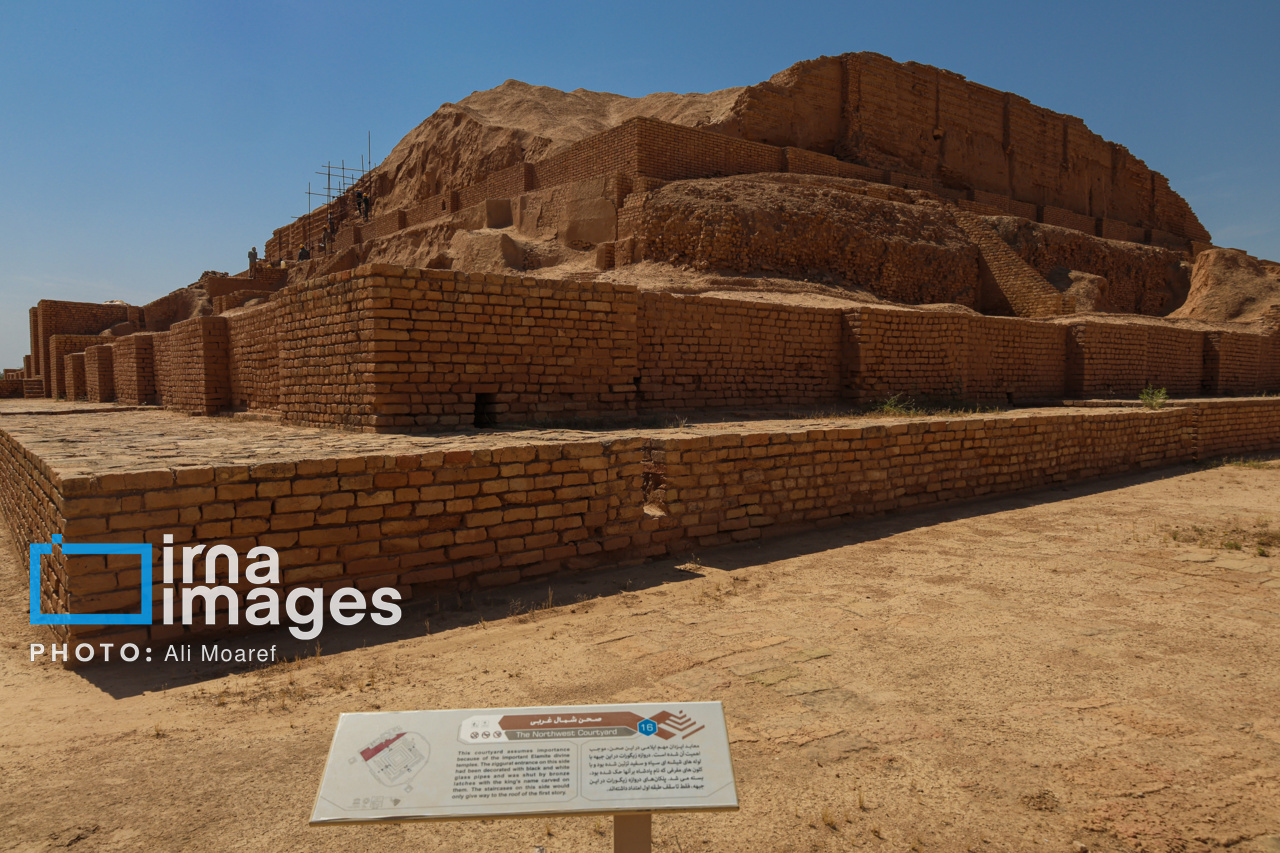
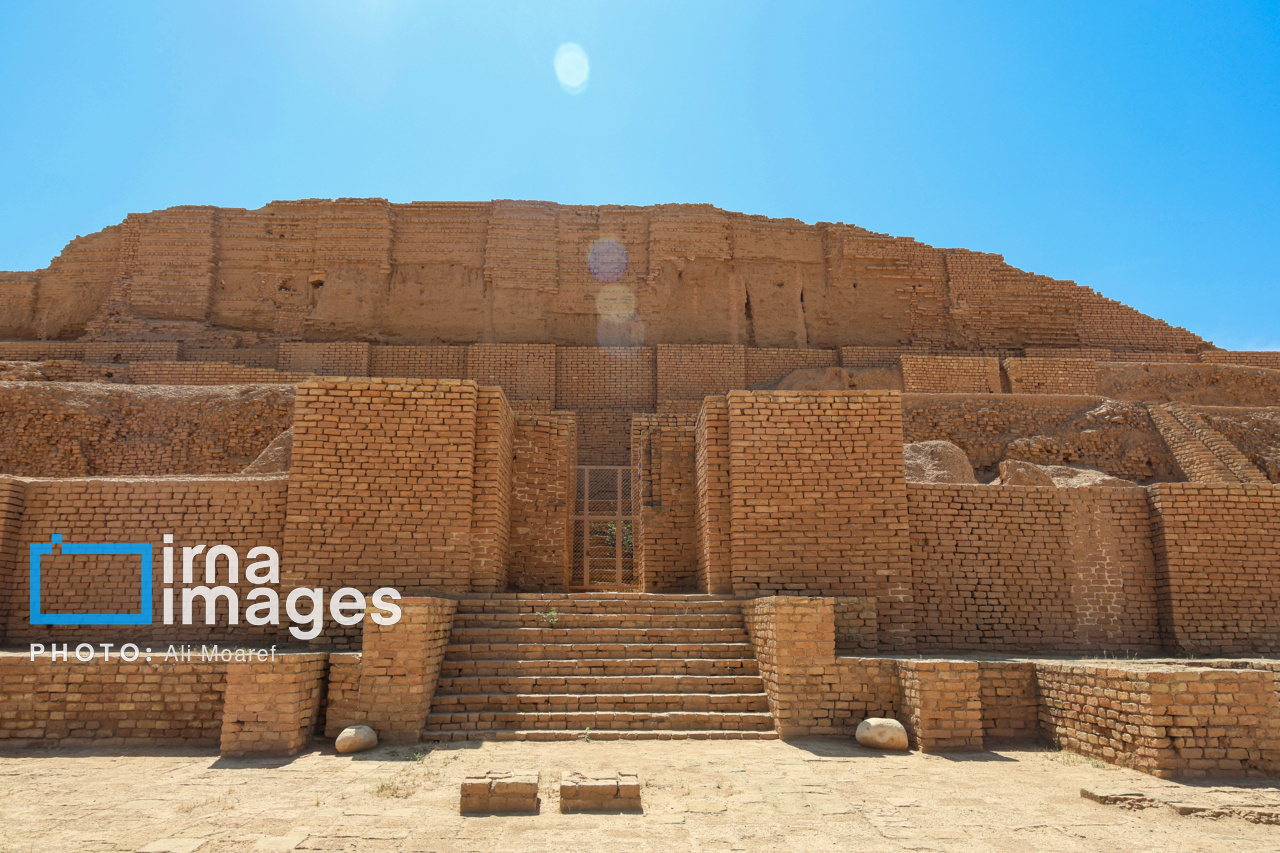
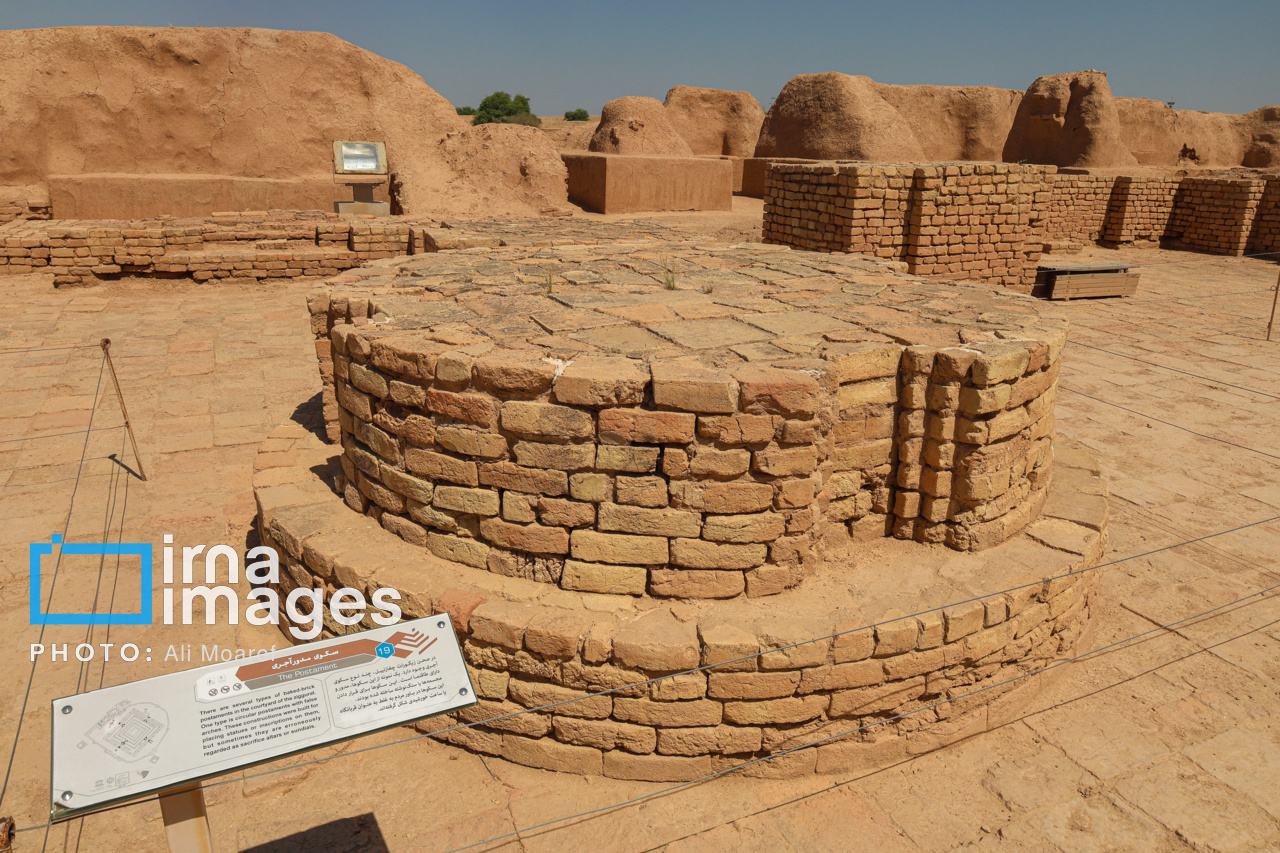
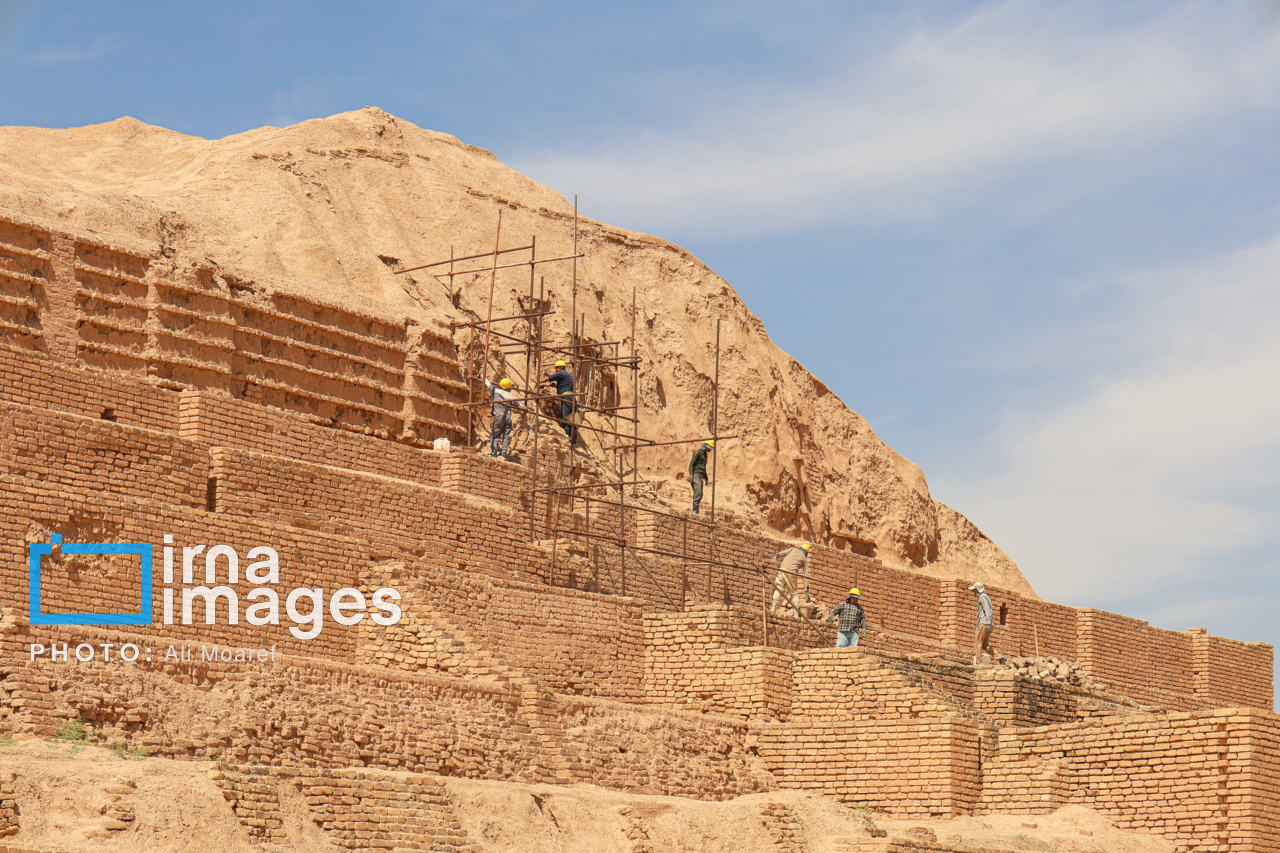
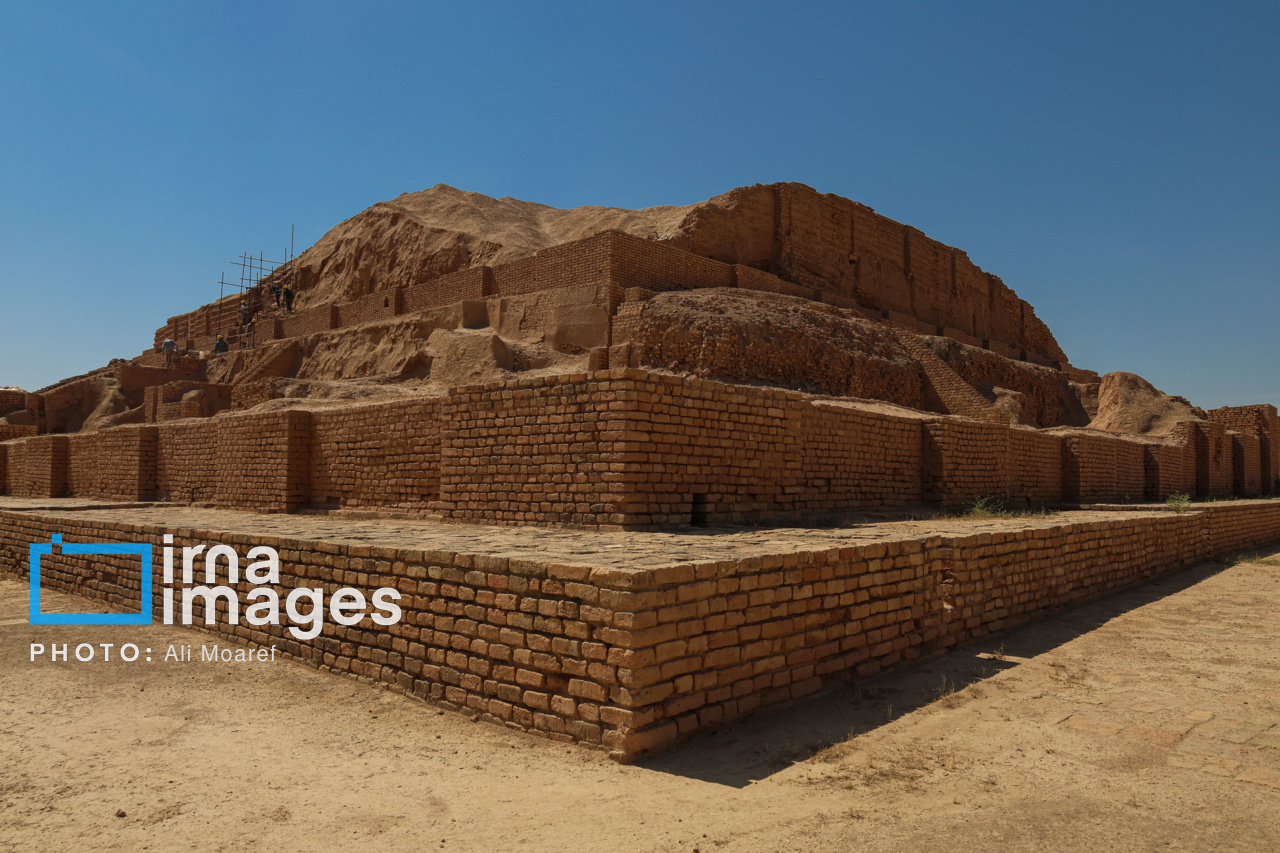
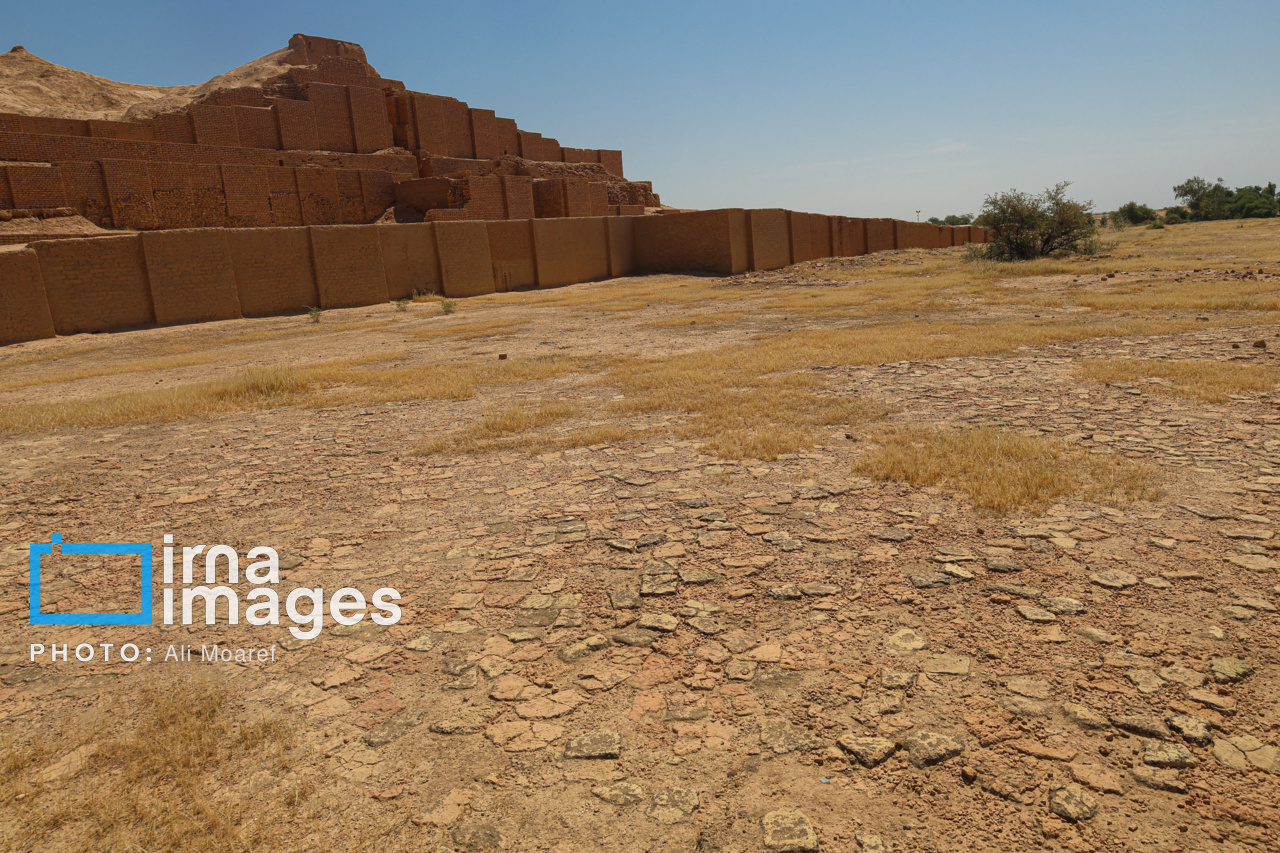
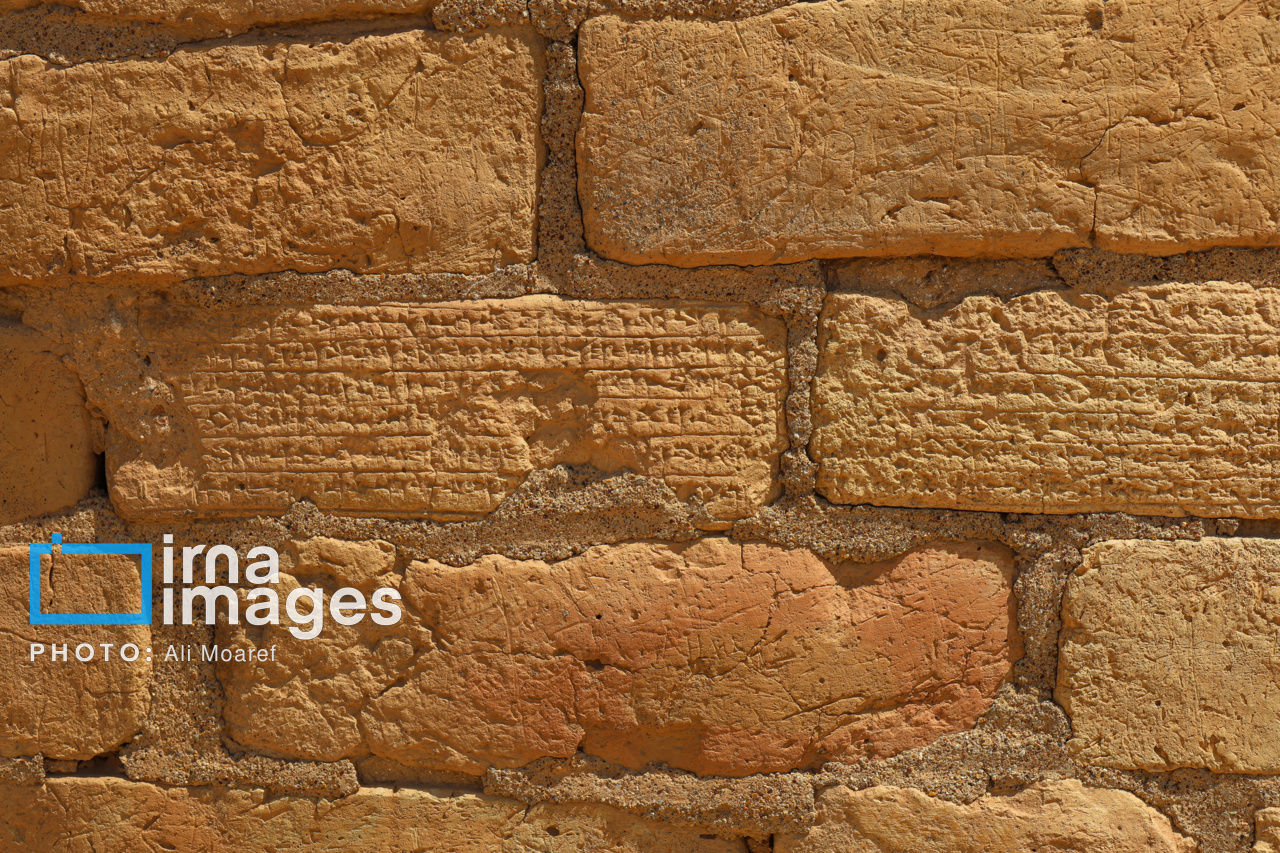
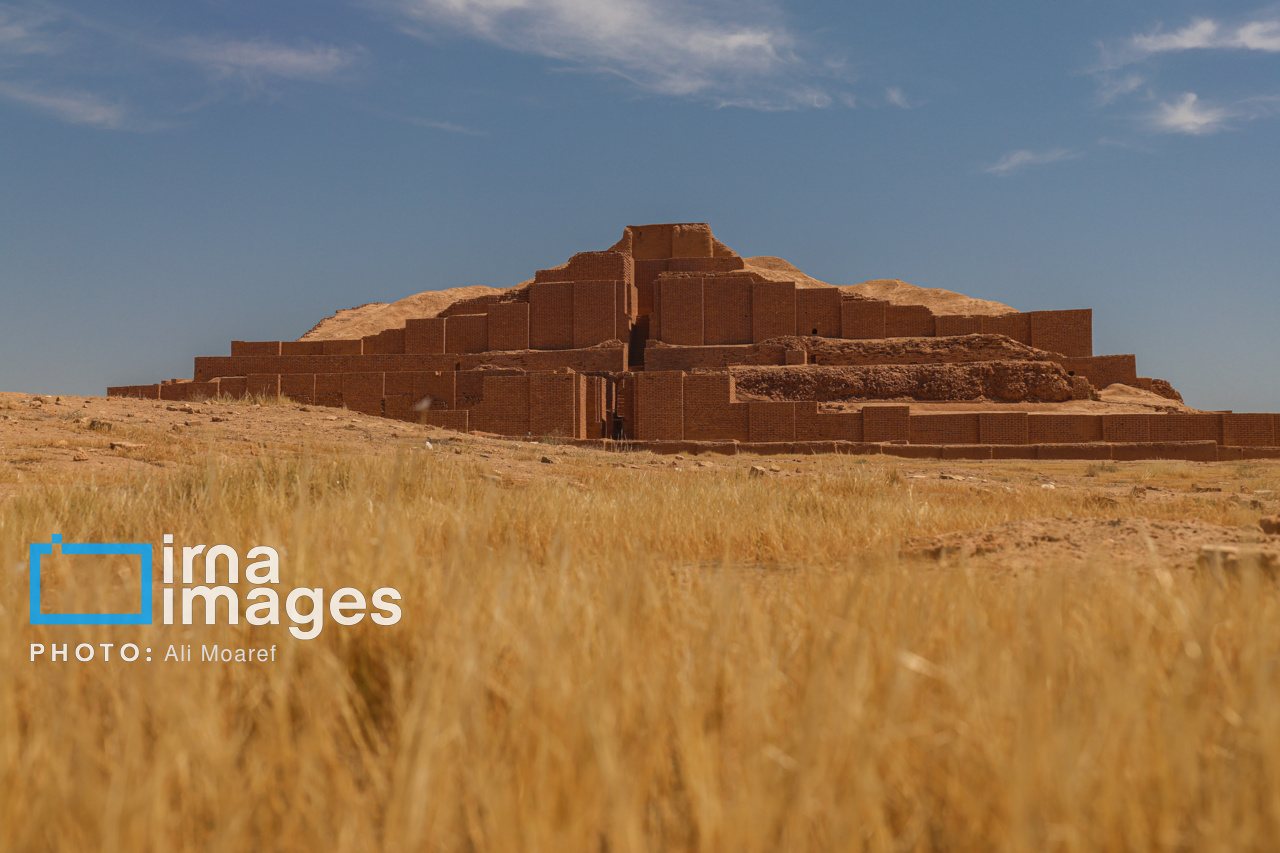
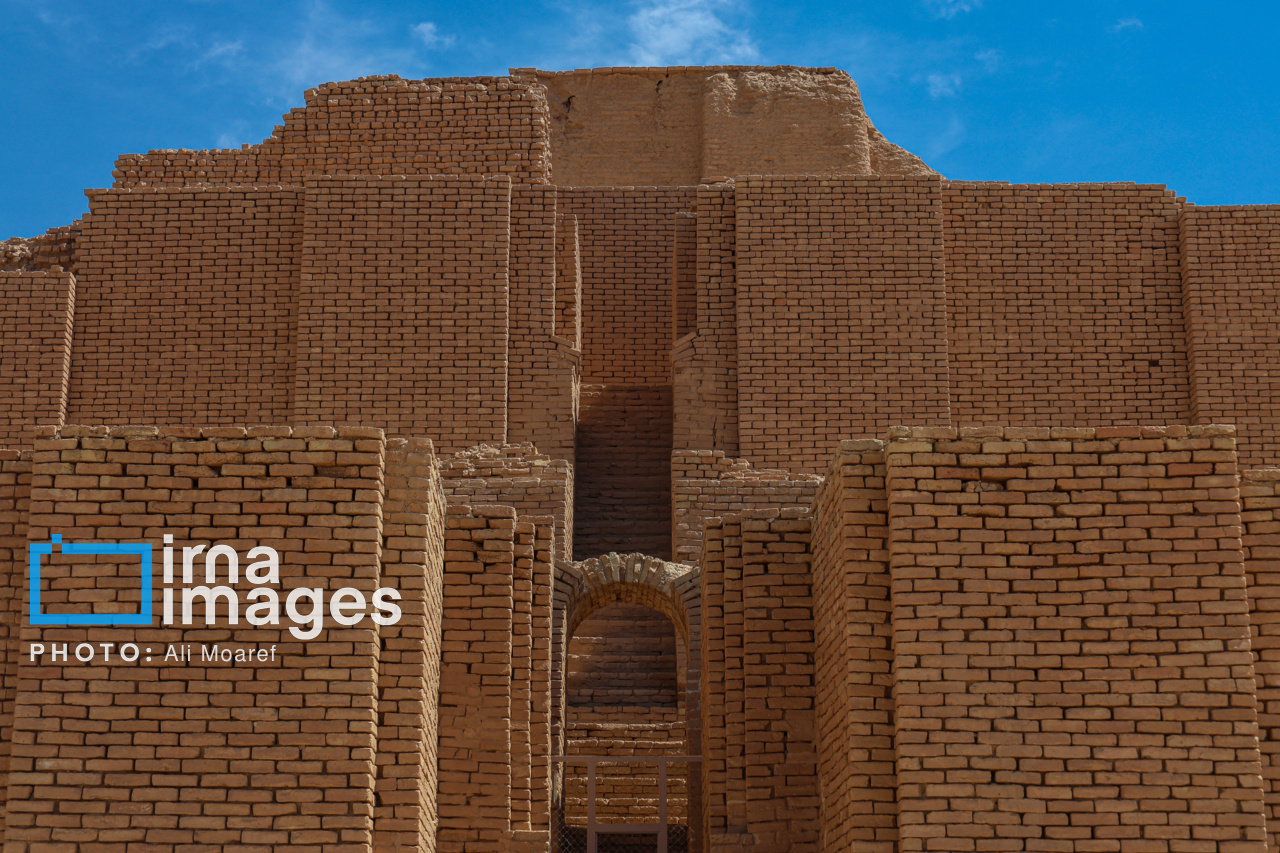
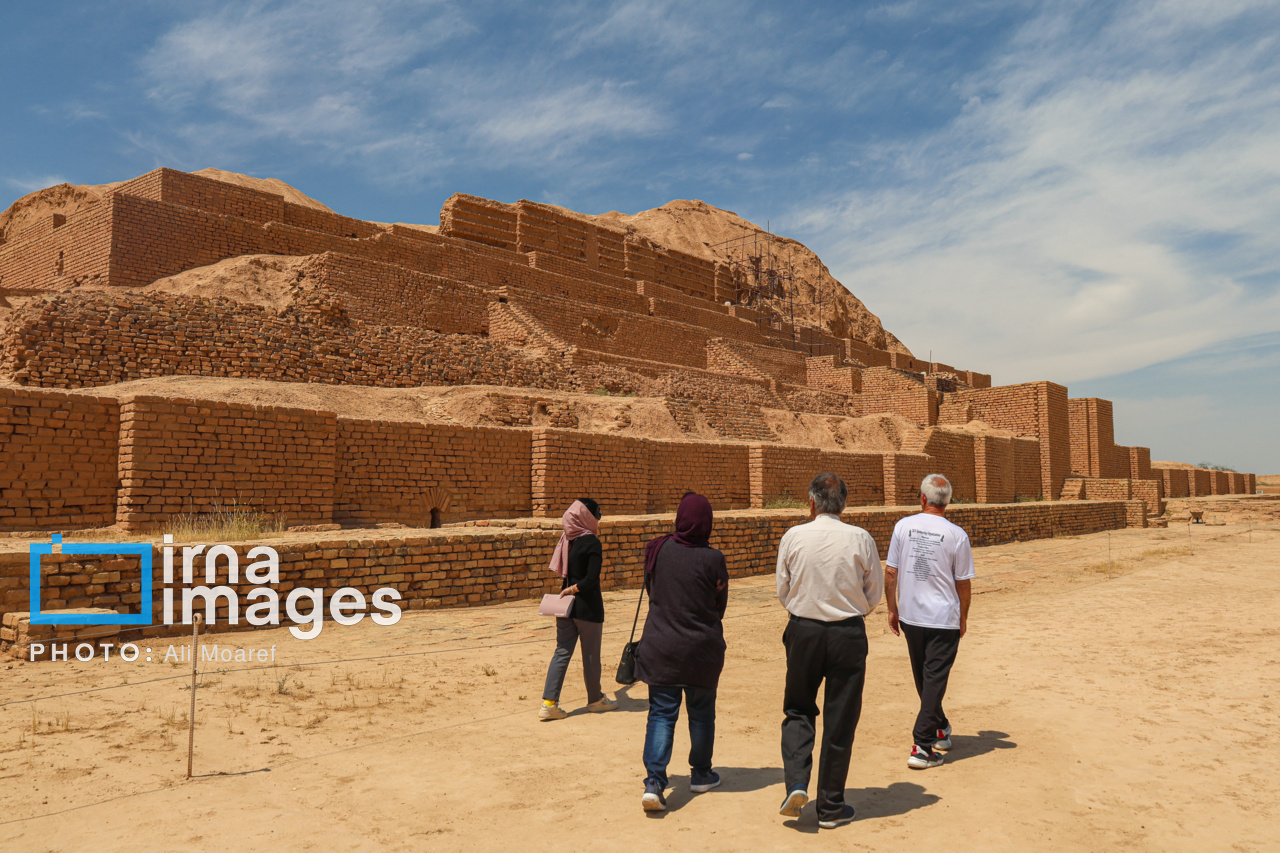
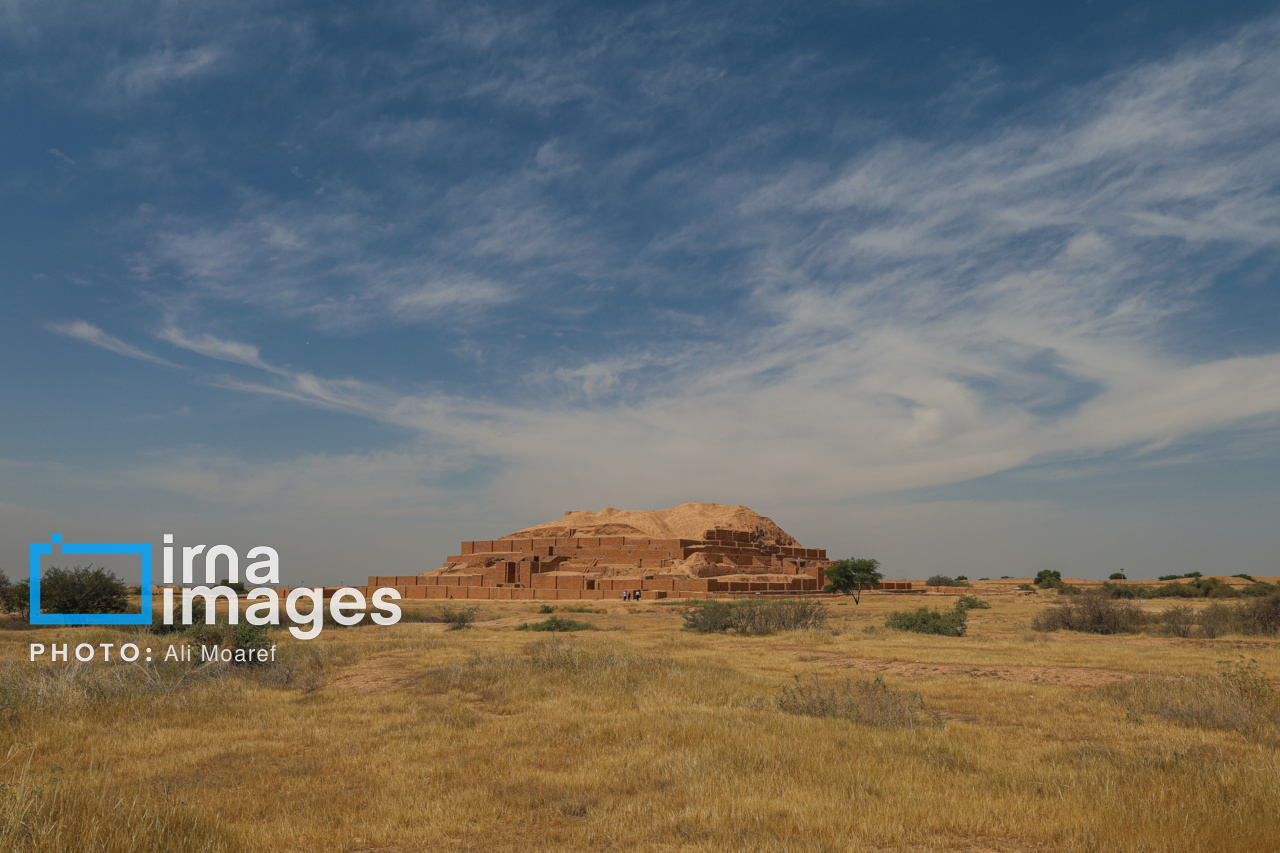
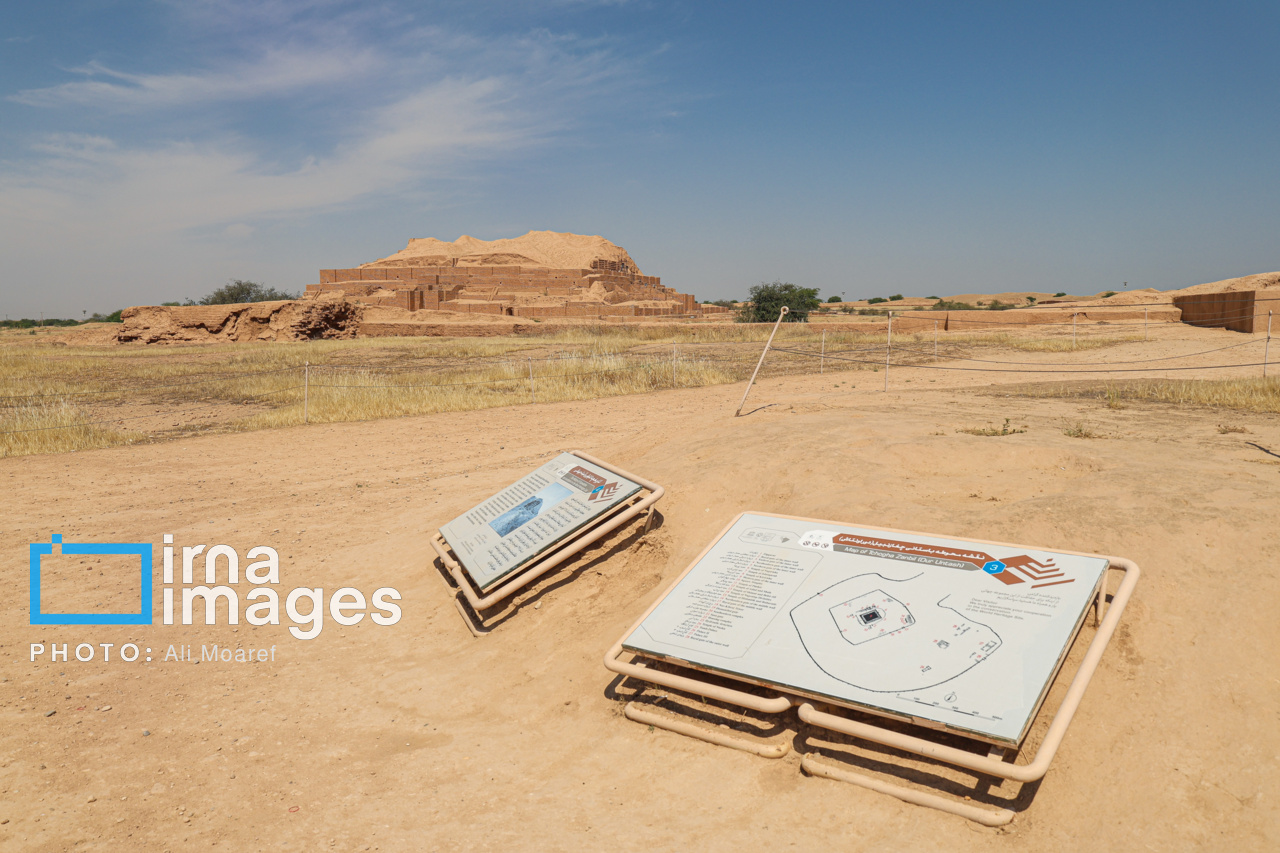
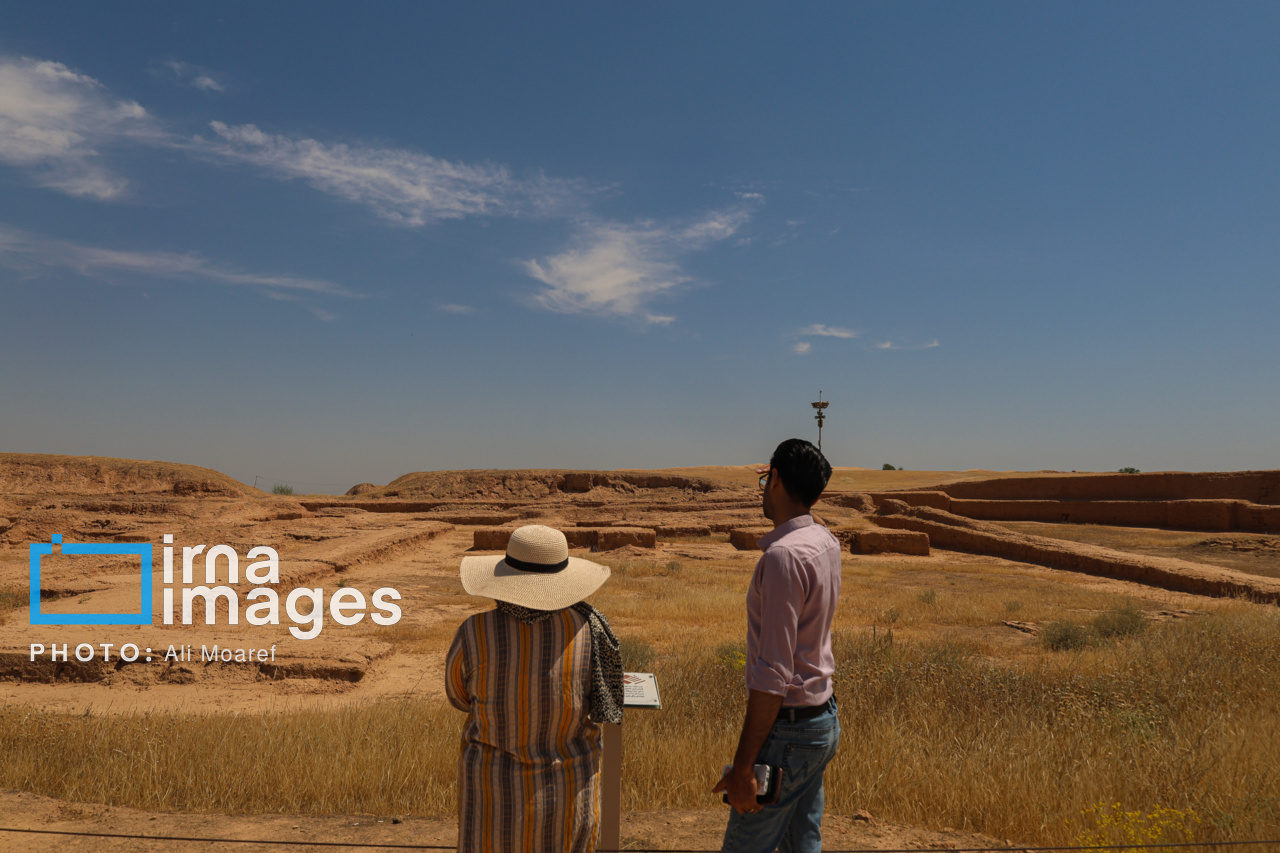
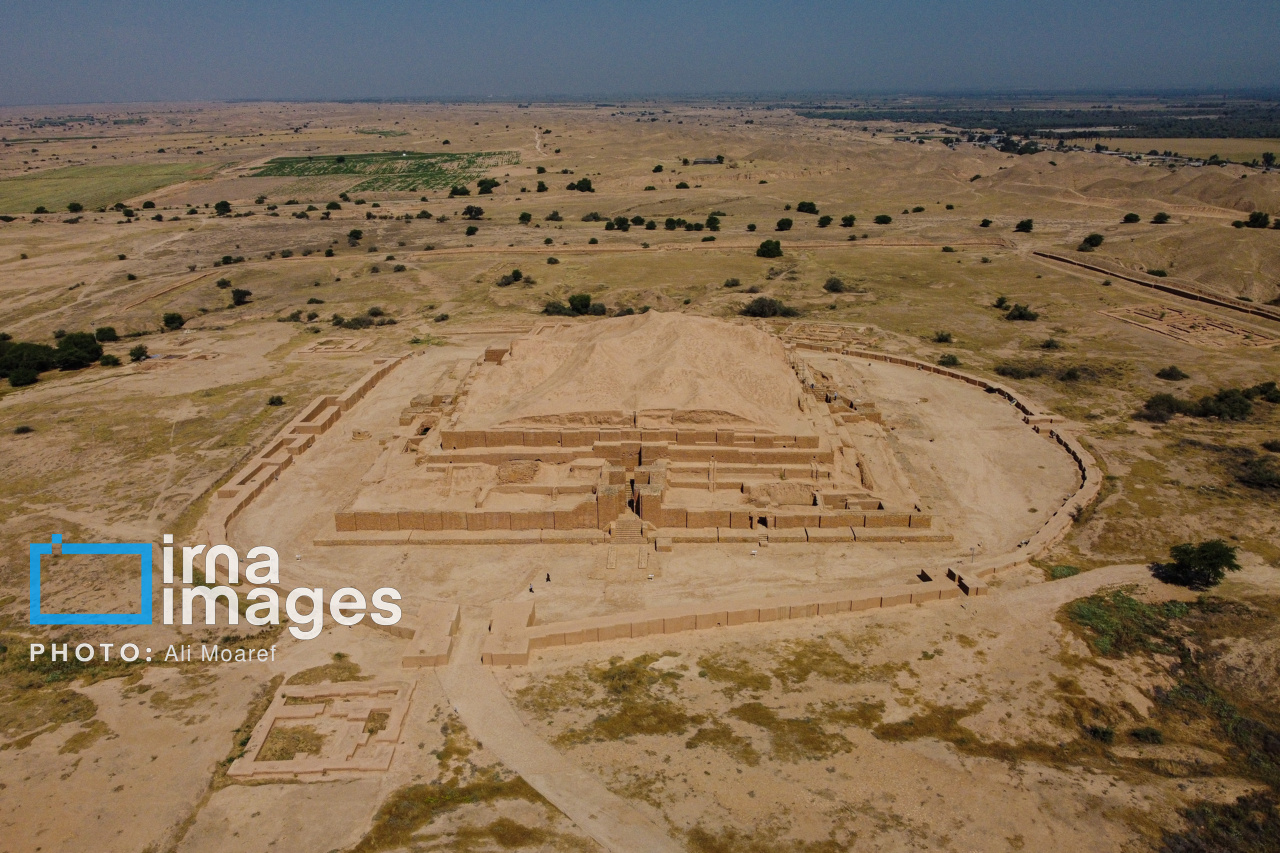
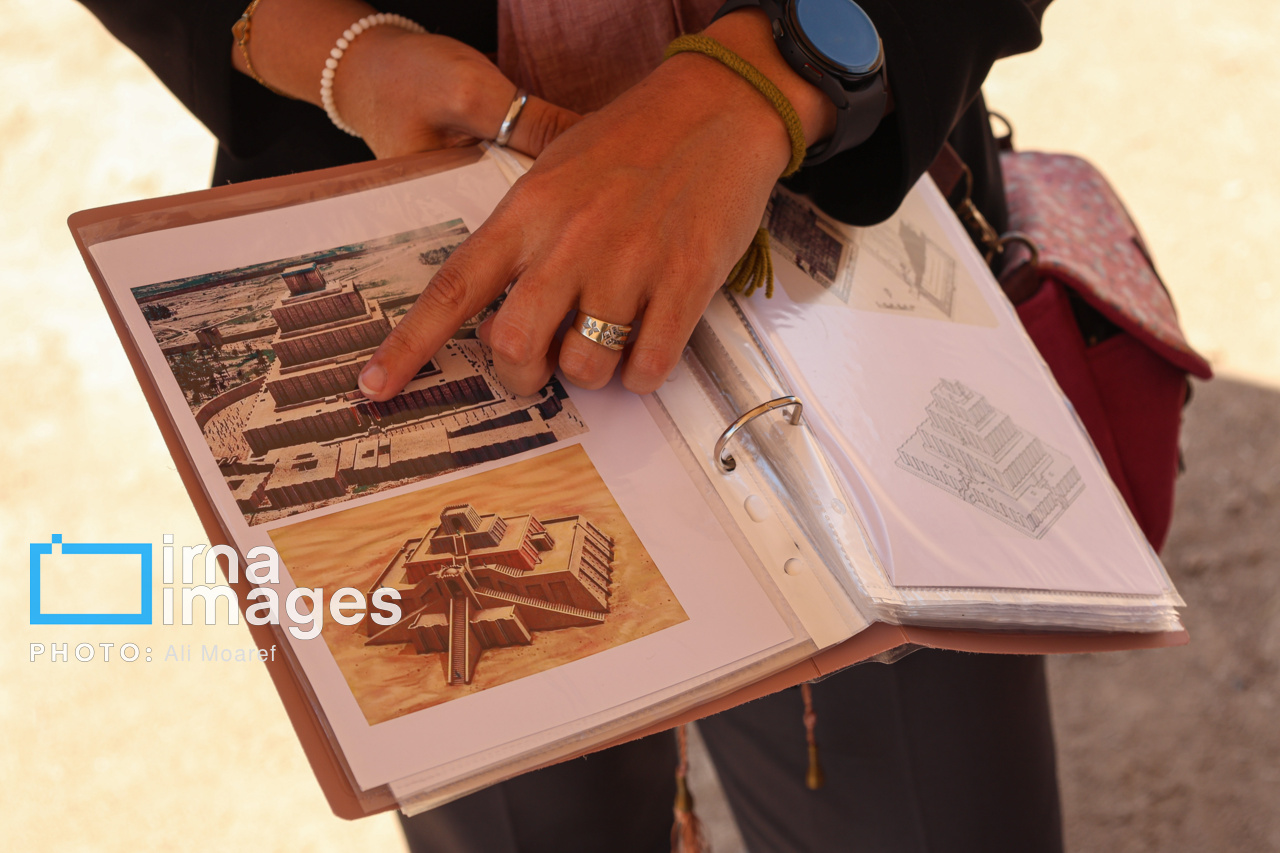
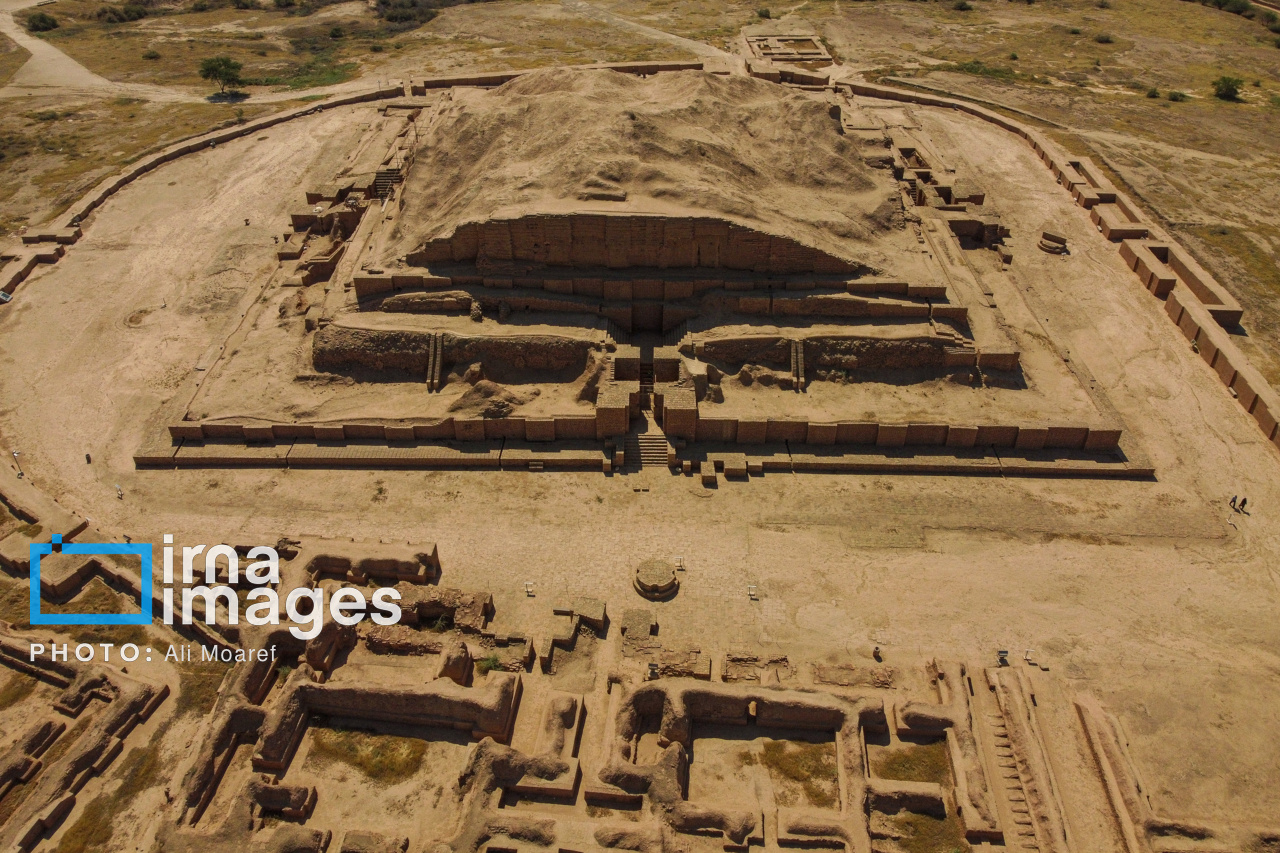
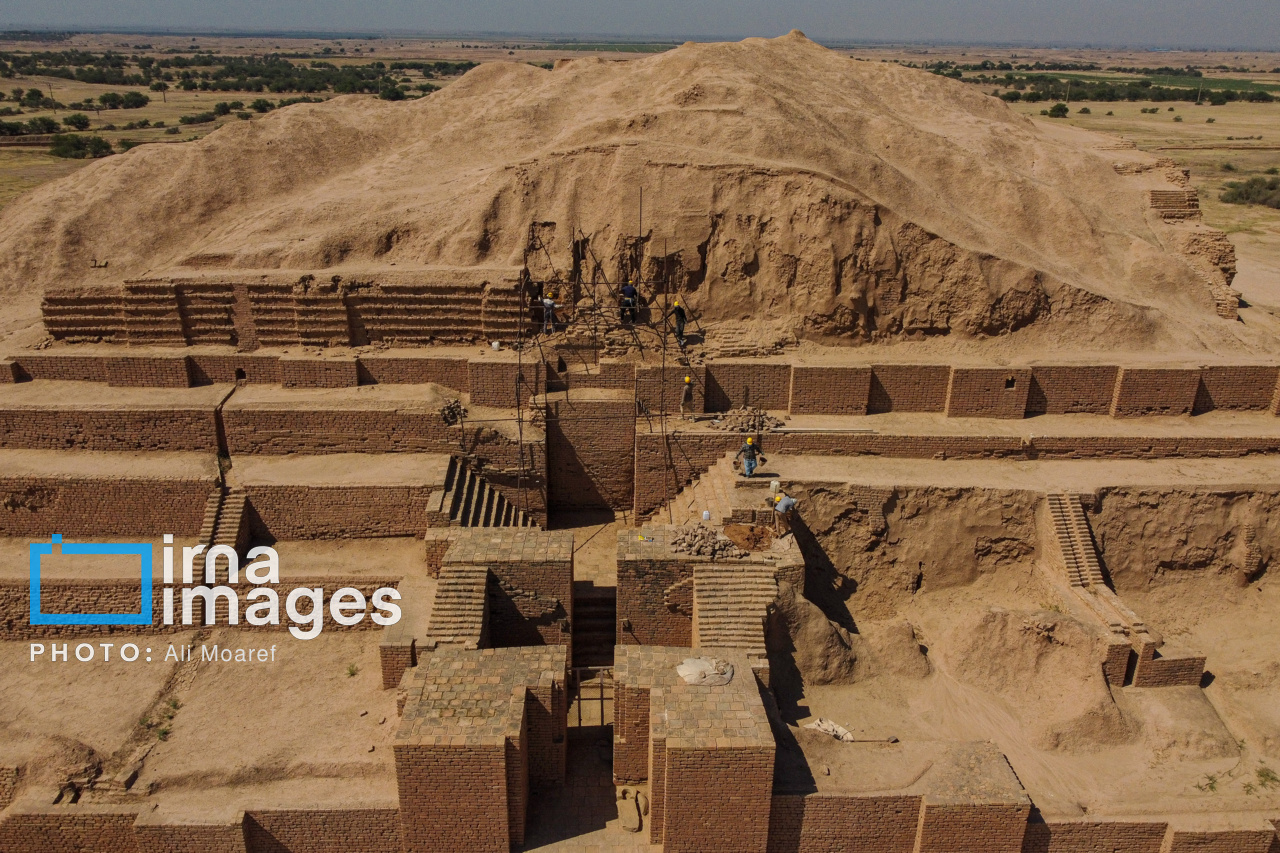
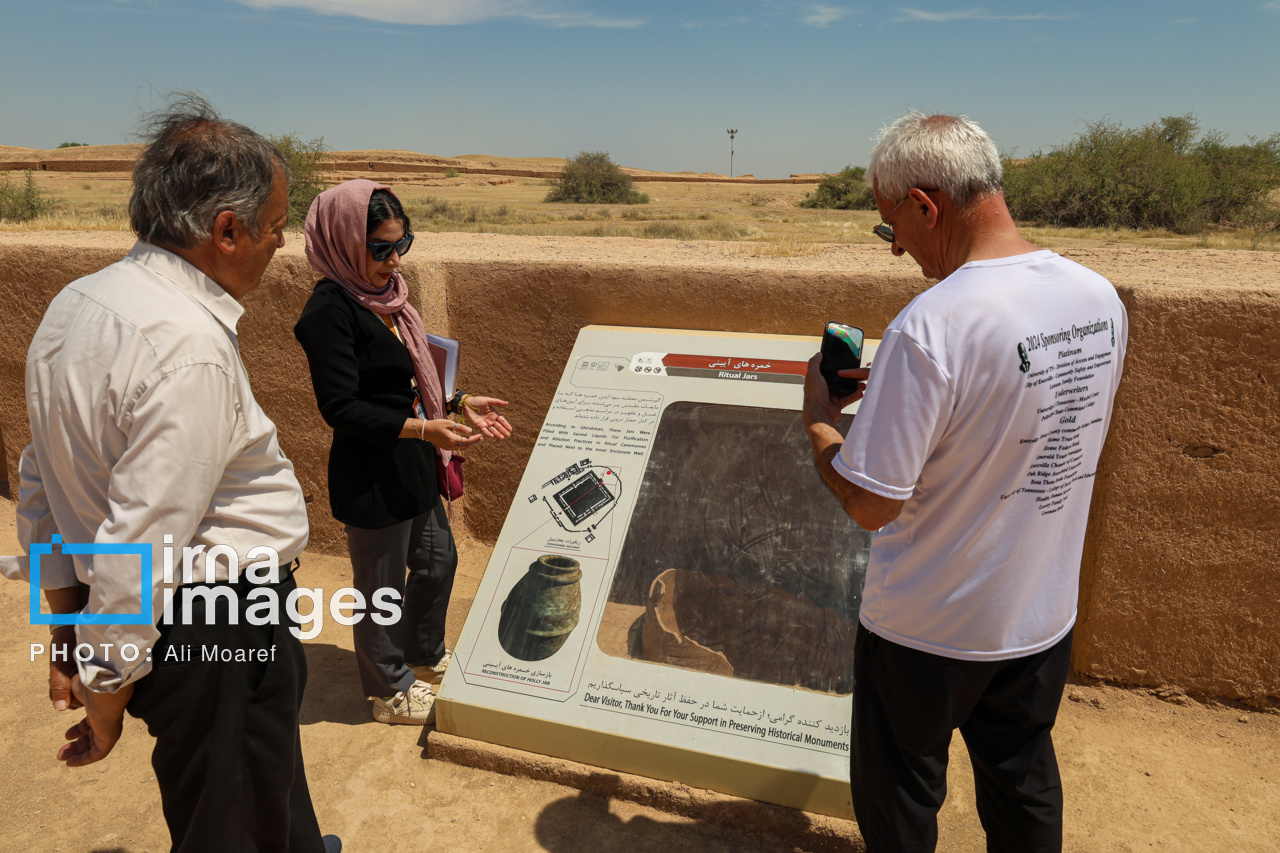
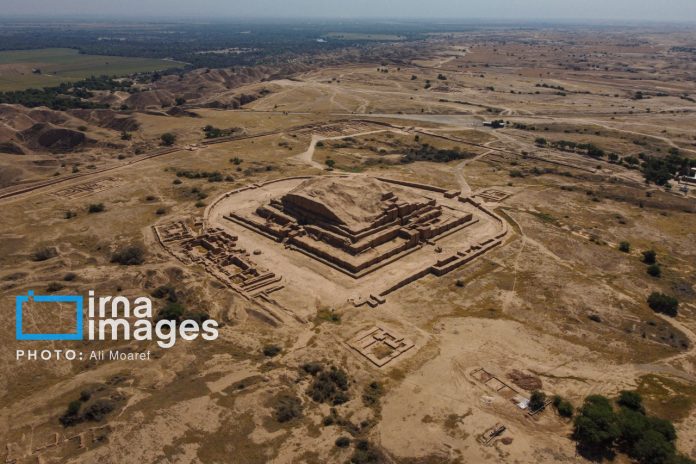
Chogha Zanbil: Grandeur of Iran’s Elamite architecture

This structure was built approximately 3,200 years ago at the order of Untash-Gal and now has three remaining tiers out of its original five.

Its structure is made of brick and mud brick, including palaces, royal tombs, and a water purification system within three concentric walls. Despite the passage of time, Chogha Zanbil remains steadfast and is regarded as a symbol of Elamite art, faith, and engineering know-how.

More in pictures:

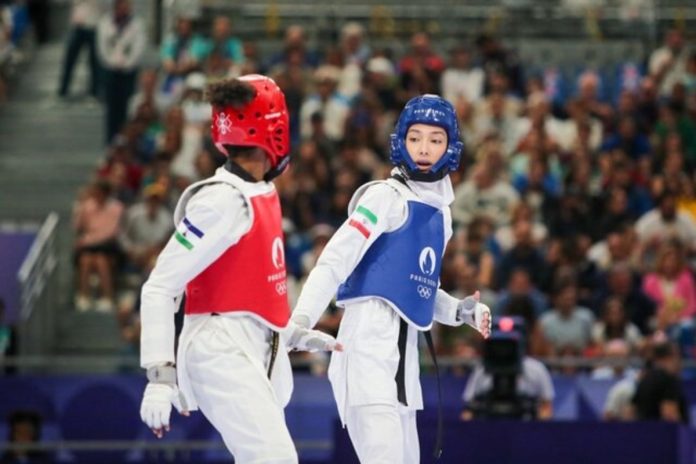
Iranian Taekwondo athletes snatch 4 gold medals in China

Mobina Nematzadeh, Mohammad Hossein Yazdani, Saeed Nasiri, and Amir Sina Bakhtiari won gold medals. Amir Reza Sadeghian took silver, while Mahla Momenzadeh, Ali Ahmadi, and Saeed Fathi claimed bronze.

Nahid Kiani and Mehran Barkhordari, Iran’s two Paris Olympic medalists, were eliminated from the competition.

Nematzadeh, Iran’s representative in the under-53 kg category, defeated her Uzbek opponent 2-0 in the first round. Shethen faced Nahid Kiani and won 2-1.

In the semifinals, Nematzadeh beat her Kazakh opponent in two rounds to reach the final.
In the final, due to the injury of Seo Yun from South Korea, Nematzadeh won 2-0 and claimed the championship.

In the under-46 kg category, Iranian athlete Saeed Nasiri defeated three rivals from Kazakhstan , Japan and China to reach the semifinals.

Nasiri also beat Lee from South Korea in the final to win gold.

Meanwhile, Amir Sina Bakhtiari defeated Kim from South Korea in two rounds, while Ali Khosh Ravesh beat Kylin Liu from France by the same score.

The two Iranians faced each other in the second round, with Bakhtiari winning 2-0. Bakhtiari then defeated Yousang from Chinese Taipei in the quarterfinals to reach the semifinals, where he beat Jiang from China 2-1 to reach the final.

In the final, Bakhtiari defeated his compatriot Sadeghian 2-0 to win gold.

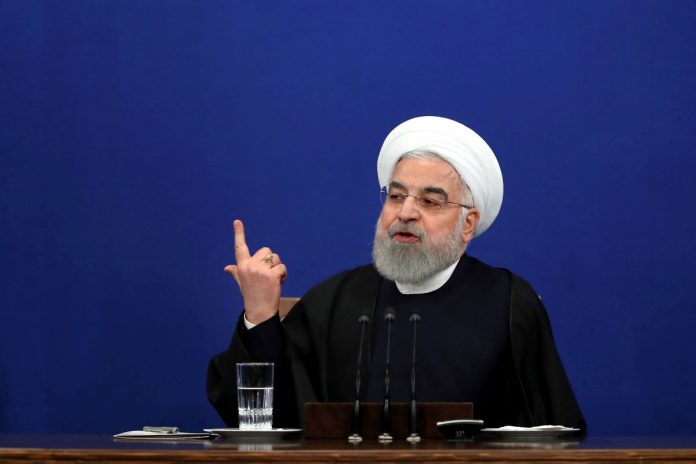
Former Iranian president Rouhani: Political rivals blocked nuclear deal in 2021

Hassan Rouhani

In his remarks on Wednesday, Rouhani revealed new details about the failed negotiations during his final months in office.

“The agreement was prepared for signing,” Rouhani told a meeting in Tehran. “I stepped back in the final weeks because I understood they wanted the deal to happen, but under the next president’s name. I told them, fine – let it be so.”

Rouhani claimed his negotiating team had achieved all of Iran’s key demands by spring 2021.

Then deputy foreign minister Seyed Abbas Araghchi “negotiated the removal of all Trump-era sanctions, even those on the IRGC. They had accepted everything we wanted. I said if they would let us, we could finish it today – just one signature remained.”

“They wouldn’t allow it, just so Rouhani would fail. Who is Rouhani to succeed or fail? They should have thought of the nation,” deplored the former reformist-leaning president, without naming any individual or group.

Rouhani described this as a devastating missed opportunity, but did not give an insight on how they torpedoed the deal supposed to replace the JCPOA.

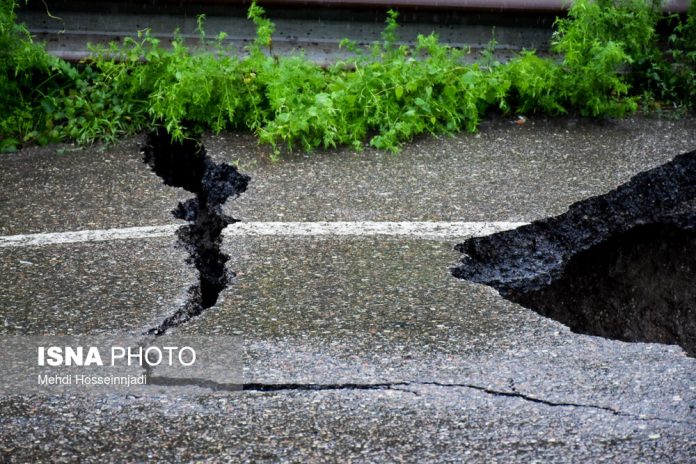
Official: 30 Iranian provinces face land subsidence crisis as wetlands disappear

Iran Flood

The head of Iran’s Department of Environment, Shina Ansari, spoke at a meeting with provincial governors, explaining that climate change and poor water management have created a dangerous situation.

“Subsidence is no longer localized – it threatens national infrastructure and population centers,” said Ansari, demanding urgent policy reforms to address root causes.

The crisis stems from a dangerous combination of climate change impacts and water mismanagement.

“We’ve lost 27 billion cubic meters of renewable water resources,” Ansari stated, noting rainfall has dropped 13% below historical averages while unsustainable agricultural and industrial practices continue draining reserves.

The devastation extends to Iran’s wetlands, with Ansari reporting “66% of our wetlands have become sources of dust storms.” These dried-out ecosystems no longer provide their critical functions of maintaining soil moisture and preventing erosion.

“What we’re seeing is a vicious cycle,” Ansari explained. “Climate change reduces rainfall, we over-extract groundwater, wetlands disappear, and the land sinks further – each problem makes the others worse.”

Environmental experts warn that without immediate policy changes, the damage could soon become irreversible.

IMF cuts growth forecasts for most countries in wake of trade war

imf

The IMF released an update to its World Economic Outlook compiled in just 10 days after U.S. President Donald Trump announced universal tariffs on nearly all trading partners and higher rates – currently suspended – on many countries.

It cut its forecast for global growth by 0.5 percentage point to 2.8% for 2025, and by 0.3 percentage point to 3% from its January forecast that growth would reach 3.3% in both years.

It said inflation was expected to decline more slowly than expected in January, given the impact of tariffs, reaching 4.3% in 2025 and 3.6% in 2026, with “notable” upward revisions for the U.S. and other advanced economies.

The IMF called the report a “reference forecast” based on developments through April 4, citing the extreme complexity and fluidity of the current moment.

“We are entering a new era as the global economic system that has operated for the last 80 years is being reset,” IMF chief economist Pierre-Olivier Gourinchas told reporters.

The IMF said the swift escalation of trade tensions and “extremely high levels” of uncertainty about future policies would have a significant impact on global economic activity.

“It’s quite significant and it’s hitting all the regions of the world. We’re seeing lower growth in the U.S., lower growth in the euro area, lower growth in China, lower growth in other parts of the world,” Gourinchas told Reuters in an interview.

“If we get an escalation of trade tensions between the U.S. and other countries, that will fuel additional uncertainty, that will create additional financial market volatility, that will tighten financial conditions,” he said, adding the bundled effect would further lower global growth prospects.

Weaker growth prospects had already lowered demand for the dollar, but the adjustment in currency markets and portfolio rebalancing seen to date had been orderly, he said.

“We are not seeing a stampede or a run to the exits,” Gourinchas stated, adding, “We’re not concerned at this stage about the resilience of the international monetary system. It would take something much bigger than this.”

However, medium-term growth prospects remained mediocre, with the five-year forecast stuck at 3.2%, below the historical average of 3.7% from 2000-2019, with no relief in sight absent significant structural reforms.

The IMF slashed its forecast for growth in global trade by 1.5 percentage point to 1.7%, half the growth seen in 2024, reflecting the accelerating fragmentation of the global economy.

Sharply increased tariffs between the United States and China will result in much lower bilateral trade between the world’s two largest economies, Gourinchas said, adding, “That is weighing down on global trade growth.”

Trade would continue, but it would cost more and it would be less efficient, he stated, citing confusion and uncertainty about where to invest and where to source products and components.

“Restoring predictability, clarity to the trading system in whatever form is absolutely critical,” he told Reuters.

Iran parliament rejects urgency bills on daylight saving time changes

Iran's parliament

In Wednesday’s session, lawmakers rejected the “double urgency” and “single urgency” statuses for the bill, meaning the legislation will now undergo standard parliamentary review procedures without expedited processing.

The proposed bill would have empowered the administration to modify Iran’s time zone offset and set official working hours for civil servants.

The country abolished seasonal clock changes in 2022, maintaining UTC+3:30 year-round despite some calls to revert to DST (daylight saving time) as the change adds nearly 1,000 megawatts to peak loads, equivalent to the output of the Bushehr nuclear plant.

Iran’s power grid is under severe strain as a prolonged drought reduces hydropower generation while summer electricity demand reaches record levels, raising fears of widespread blackouts in coming months.

In addition, with rainfall 40% below normal this year, reservoir levels at hydroelectric dams have dropped to critical lows, cutting a key power source just as air conditioning use spikes.

The CEO of state-run Tavanir Power Company, Mostafa Rajabi Mashhadi, said earlier this month that restoring daylight saving time could alleviate up to 15% of Iran’s expected shortfall this summer.

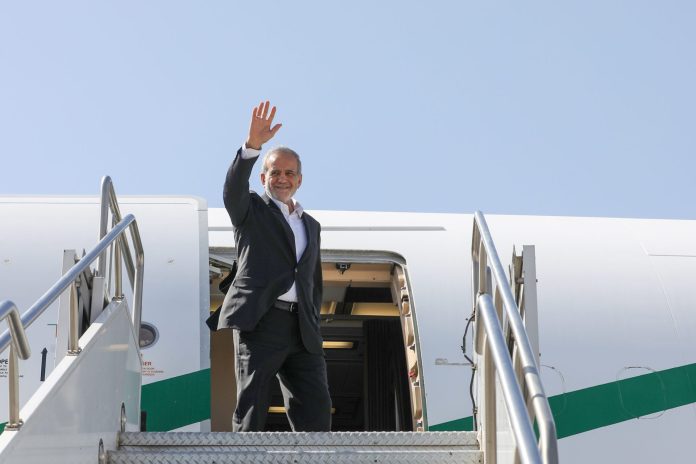
President Pezeshkian emphasizes Iran’s historic ties with Republic of Azerbaijan ahead of visit to Baku

Masoud Pezeshkian

In a coordination meeting ahead of his official visit to Baku, President Pezeshkian said on Wednesday, “The Republic of Azerbaijan and Iran are parts of one body, with peoples on both sides of the border sharing extensive mutual interests rooted in millennia-old bonds of deep friendship and common values.”

The high-level meeting, chaired by President Pezeshkian, brought together Iran’s foreign, roads, energy, tourism, communications, and agriculture ministers, as well as the Central Bank governor, political advisors, and governors of border provinces.

Officials reviewed the latest developments in bilateral relations and discussed ways to enhance cooperation in trade, energy, transportation, and tourism.

The president highlighted the “vast and diverse” potential for deeper ties, expressing optimism that ongoing efforts to resolve misunderstandings would soon lead to a significant boost in relations.

He emphasized that strengthening government, private-sector, and people-to-people collaborations could rapidly advance economic and cultural exchanges.

The Iranian president will travel to Baku on Monday at the invitation of Azerbaijan’s President Ilham Aliyev, the Iranian presidential office confirmed the date on Wednesday.

The official visit, described by Tehran as opening “a new chapter” in bilateral relations, is expected to focus on boosting trade and cross-border cooperation between the neighboring nations.

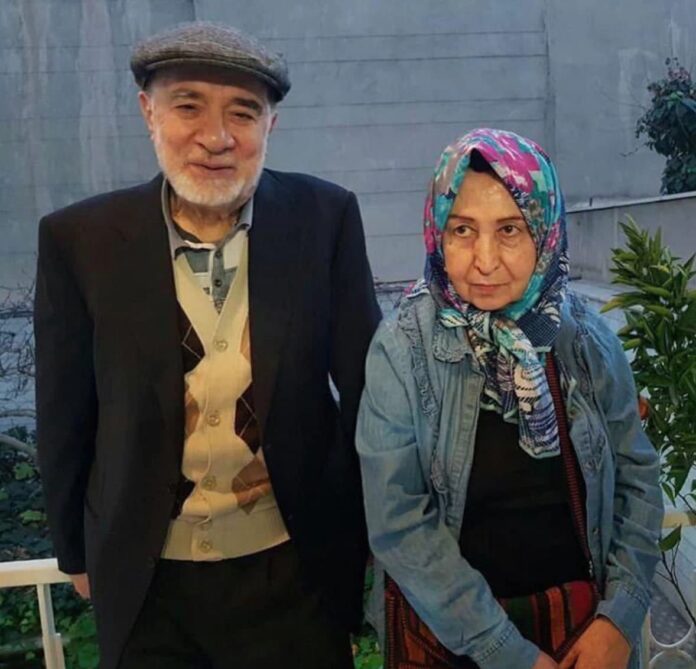
Wife: Iranian political detainee Tajzadeh makes phone call with incarcerated opposition leaders Mousavi, Rahnavard

The news was confirmed by Tajzadeh’s wife, Fakhr al-Sadat Mohtashamipour, in a social media post on Tuesday.

Mohtashamipour stated that her husband called her from Evin Prison, expressing joy over the rare conversation.

She described the contact as a “positive step” toward resolving the long-standing isolation of the detained Green Movement leaders.

The development follows reports of security personnel withdrawing from the home of Mehdi Karroubi, another opposition leader under house arrest, as noted by Karroubi’s son on Tuesday.

Mousavi, Rahnavard, and Karroubi have been confined since 2011 following their objection to the outcome of the 2009 presidential election that triggered deadly demonstrations by his supporters.

Tajzadeh, a former deputy interior minister and advisor to reformist former president Mohammad Khatami, is serving a prison sentence for “assembly and propaganda against the state.”

No official comment has been issued by Iranian authorities yet regarding the reported phone calls.

Iran’s FM lauds cooperation with China against unilateralism

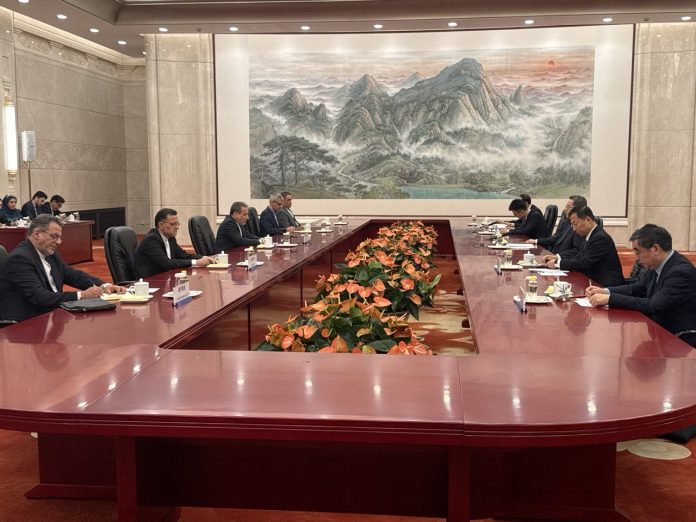
Araqchi, who is in Beijing at the official invitation of his Chinese counterpart, met on Wednesday morning with Ding Xuexiang, a member of the Standing Committee of the Political Bureau of the Communist Party of China and China’s First Vice Premier. During the meeting, he reiterated the Islamic Republic of Iran’s policy of prioritizing Asia in its foreign relations.

Araqchi referred to China as a strategic and reliable partner of the Islamic Republic of Iran and stressed the importance of enhancing bilateral and multilateral cooperation between the two countries, including within frameworks such as the Shanghai Cooperation Organization (SCO) and BRICS.

The two sides exchanged views on ways to accelerate the implementation of the 25-year comprehensive cooperation agreement between Iran and China.

Araqchi also briefed Ding Xuexiang on the progress of the indirect nuclear talks between Iran and the US, emphasizing that despite past bitter experiences, the Islamic Republic of Iran has engaged in diplomacy with goodwill and seriousness.

The Iranian Foreign Minister further highlighted the ongoing genocide by the Zionist regime in occupied Palestine and its warmongering in the region, as well as repeated US aggressions against Yemen.

He stressed the urgent need for an effective global response to prevent further violations of international law.

Ding Xuexiang, in turn, expressed satisfaction with the expansion of comprehensive Iran-China relations across all fields and described the strategic partnership between the two countries as highly significant.

The Chinese Vice Premier emphasized the importance of strengthening coordination and cooperation between Iran and China to uphold multilateralism and the rule of law in international affairs.

He reiterated China’s support for Iran’s efforts to lift sanctions and engage in dialogue on the nuclear issue.

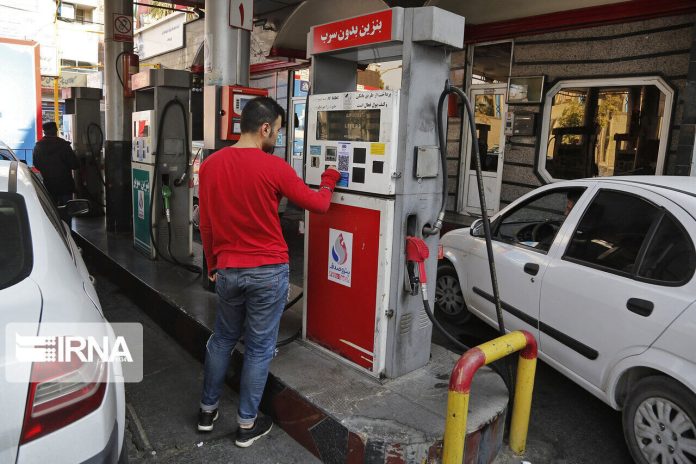
Organized fuel smuggling ring busted in Iran: over 6 million liters seized

Iran Petrol Station

The vessels were caught carrying more than six million liters of smuggled fuel in the southern waters of the Persian Gulf near Abu Musa Island.

The case, described as one of the most significant in terms of volume and coordination, involved two tankers with a total of 34 foreign crew members.

According to an official statement, the first tanker was found smuggling over 4.25 million liters of fuel. Its captain and two senior officers were each sentenced to five years in prison and fined a total of 4,300 billion rials—three times the value of the seized fuel.

The second tanker’s crew received similar prison terms and were collectively fined more than 2,375 billion rials.

Mojtaba Ghahremani, the Chief Justice of Hormozgan Province clarified that the ships will not be released until the financial penalties are fully paid.