Thursday, December 25, 2025
Home Blog Page 223

Iran’s UN ambassador underlines need to establish independent Palestinian state

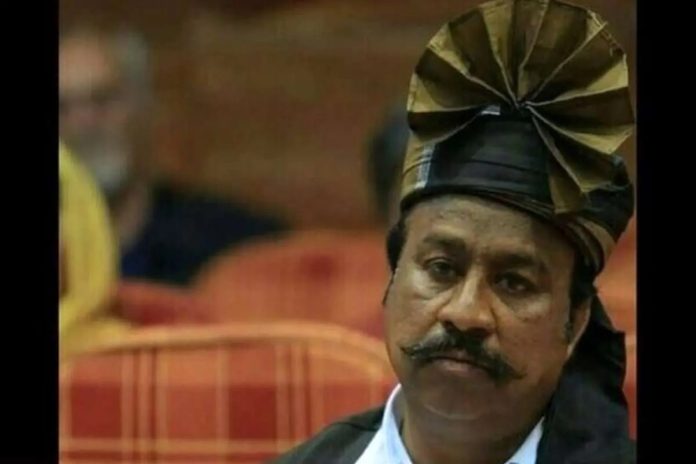
Amir Saeed Iravani

Iravani was speaking at a high-level international conference on the peaceful resolution of the Palestinian issue at the UN.

Iravani criticized nearly eighty years of concessions to the occupying Zionist regime in Palestinian territories, describing the policy of appeasement as ineffective and a factor that has emboldened Tel Aviv’s expansionist actions.

He condemned the ongoing occupation, illegal settlements, and severe violations of the Palestinians’ rights, including the destruction and mass killings in Gaza, and the Zionist regime’s attempts to annex parts of the West Bank.

He stressed that no UN resolution regarding Palestine has been respected by Israel, which enjoys unwavering support from the US, including nearly fifty vetoes in the UN Security Council to shield it from accountability.

Reaffirming Iran’s steadfast support for the Palestinian people’s right to self-determination, Iravani underlined resistance against apartheid and foreign occupation, while advocating for peaceful resolution.

He also called for an immediate, unconditional ceasefire and unrestricted humanitarian access to Gaza.

The Iranian ambassador to the UN underscored that a durable peace must be based on the genuine will of Palestine’s diverse inhabitants through a free, comprehensive referendum.

He stressed the importance of granting Palestine full UN membership, holding the Zionist regime accountable for war crimes and apartheid policies, and condemning any normalization of relations with Tel Aviv.

Iran’s non-oil trade hits $34.2bn in 1st 4 months of 2025

Iran Trade

The volume of trade increased slightly by 0.48%, while its value fell by 10% compared to the same period last year.

Exports amounted to 48.81 million tons valued at $16.549 billion, showing a 1.46% increase in weight but a 5.51% decrease in value.

Imports stood at 12.21 million tons worth $17.627 billion, reflecting decreases of 3.23% in weight and 14.20% in value.

These figures indicate a continued effort to boost non-oil trade volume despite foreign pressures on Iran including sanctions by its Western adversaries, most notably the US.

US Treasury Secretary says China will resist American sanctions on buying Russian oil

Russia Oil

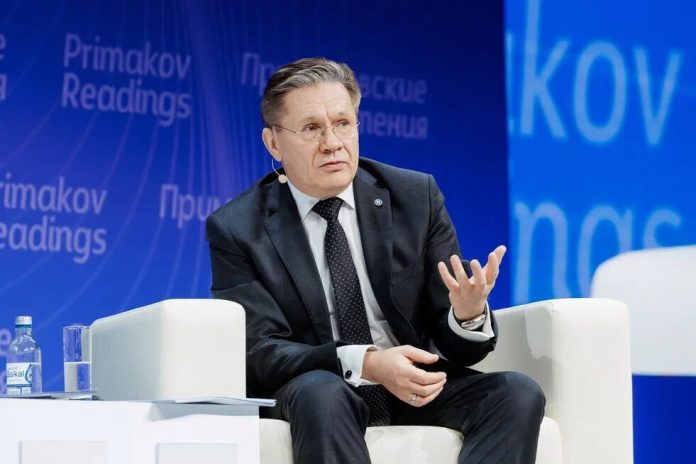
Speaking after two days of US-China trade talks in Stockholm on Tuesday, Bessent acknowledged that Beijing has stressed that it would defend its energy sovereignty, should lawmakers in Washington ratify new wide-reaching sanctions.

On Monday, US President Donald Trump cut his 50-day deadline for a Ukraine peace deal to just 10–12 days, warning of sweeping sanctions if no agreement is reached, including 100% secondary tariffs on buyers of Russian exports.

Russian officials have criticized Trump’s threat, claiming that it undermines efforts to achieve peace in Ukraine.

Bessent said proposed legislation currently before Congress that would authorize President Trump to impose tariffs of up to 500% on buyers of sanctioned Russian oil could prompt US allies to adopt similar measures aimed at choking off Moscow’s energy revenues.

“I think anyone who buys sanctioned Russian oil should be ready for this,” Bessent told reporters.

Chinese officials, however, made it clear during talks that Beijing considers energy a matter of national sovereignty and will continue buying Russian oil based on internal policy priorities.

“The Chinese take their sovereignty very seriously. We don’t want to impede on their sovereignty, so they’d like to pay a 100% tariff,” Bessent said.

China remains the largest buyer of Russian oil, importing over 2 million barrels per day—nearly 20% of its total crude imports—followed by India and Turkey.

Western sanctions imposed three years ago reshaped global energy flows and prompted Moscow to pivot eastward.

Since 2022, both China and India have sharply increased their Russian oil purchases. In May, India became the second-largest buyer of Russian fossil fuels, with imports estimated at $4.9 billion, about 72% of which was crude, according to the Centre for Research on Energy and Clean Air.

Iran UK envoy says Tehran open to honest talks, rejects use of diplomacy as a tool for deception

Iran US Flags

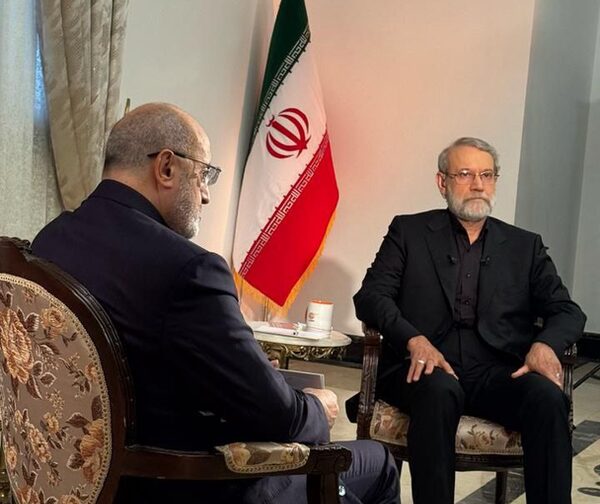
In an interview aired by PBS’s “Frontline” on July 15, Mousavi criticized the US and Israel for damaging diplomatic efforts by launching attacks on Iran during sensitive negotiations with Washington.

“We were in the middle of talks when Israel, backed by the US, attacked us. That undermined diplomacy and the non-proliferation regime,” he said.

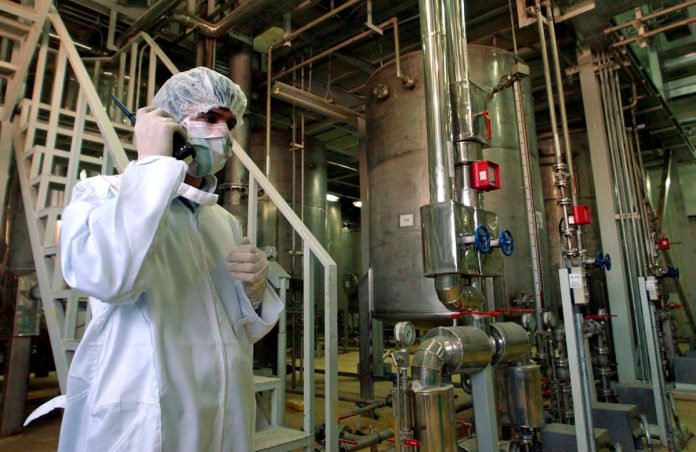
He reiterated that Iran’s nuclear program is peaceful and under IAEA oversight, calling uranium enrichment a right of all Non-Proliferation Treaty (NPT) members. Mousavi also criticized US President Donald Trump for withdrawing from the 2015 nuclear deal (JCPOA), despite international support for the agreement.

On regional issues, Mousavi said resistance groups like Hamas and Hezbollah act independently and are not Iranian proxies.

“They are legitimate liberation movements fighting occupation,” he noted.

He emphasized Iran’s support for a democratic referendum in Palestine, including all religious groups, to determine their future.

“We’ll negotiate if talks are sincere, and we are prepared to defend ourselves if necessary,” he added.

Iranian president to visit Pakistan on Saturday amid efforts to boost bilateral ties

Masoud Pezeshkian

The visit was confirmed by Mehdi Sanaei, Deputy for Political Affairs at the President’s Office, via a post on his X social media account.

The president’s agenda includes high-level meetings and dialogues with cultural and business leaders. Discussions are expected to focus on strengthening bilateral relations, which span political, economic, religious, and cultural dimensions.

A key objective of the visit is to expand cross-border and provincial cooperation, with hopes of increasing current trade volumes beyond the existing $3 billion.

The visit follows Prime Minister Sharif’s formal reception in Tehran earlier this year and comes at a time of shifting regional dynamics.

In anticipation, Iranian and Pakistani think tanks held a virtual session to discuss the implications of the visit for regional stability and bilateral ties, IRNA news agency reported.

Participants highlighted the deep-rooted historical and geopolitical ties between the two nations and emphasized the need for enhanced institutional collaboration, especially in security, counterterrorism, and intelligence sharing.

Experts also urged increased economic and energy cooperation and closer coordination on Afghan affairs.

Authorized Afghan nationals permitted to join Arbaeen pilgrimage, says Iranian official

Afghan migrants wrestling tournament Iran

Speaking during a meeting of the Central Arbaeen Committee on Wednesday, Pourjamshidian emphasized that only individuals with legal documentation will be permitted to receive services and cross the border for the pilgrimage.

“Authorized foreign nationals, especially our Afghan brothers, can make the Arbaeen pilgrimage just like Iranian citizens, provided they follow the regulations,” he said. “However, we will not offer any services to unauthorized individuals.”

He explained that specific procedures have been established for those entering via land and air routes.

“Those arriving by air to border cities such as Abadan or Ahvaz must follow guidelines jointly issued by the Foreign Ministry, the Ministry of Intelligence, the Interior Ministry’s Foreign Nationals Office, the Law Enforcement Command, and the Central Arbaeen Committee,” he added, explaining the rules will be communicated publicly in an official statement.

Pourjamshidian also noted that the Central Bank is responsible for financial protocols, urging it to ensure foreign currency is fully available to prevent registration disruptions.

Dozens of lawyers ask ICC to investigate Macron and French ministers for Gaza genocide complicity

France Macron

In a 56-page communication made public by the French investigative media outlet Blast on Monday, the 114 lawyers named President Emmanuel Macron, Prime Minister Francois Bayrou, Foreign Minister Jean-Noel Barrot, Minister of the Armed Forces Sebastien Lecornu and 19 lawmakers of the National Assembly’s European Affairs Committee.

A communication to the ICC is the equivalent of a criminal complaint to the court on an alleged crime falling under its jurisdiction.

It is addressed to the Office of the ICC Prosecutor in accordance with Article 15 of the Rome Statute, which states that the prosecutor may open proprio motu investigations (i.e. on their own initiative) based on information relating to crimes within the court’s jurisdiction.

The lawyers, representing an NGO called Pour la Justice au Proche-Orient (“for justice in the Middle East”) note that: “Far from taking concrete measures to prevent the ongoing genocide against the Palestinians, the members of the French executive cited in this communication have continued to support the criminal actions of the government of Israel by providing military, political, economic, diplomatic and propaganda support to that state, including by providing the means to commit the crimes in question.”

According to them, “It has been demonstrated that the French executive branch has played a decisive role in providing support to Israel in various forms; and that this support has had a substantial effect on the commission of the crimes in question”.

“It has been demonstrated that the French authorities knew that they were (and still are) participating in the commission of the crimes in question, by aiding and abetting the perpetrators. Their knowledge of the consequences of their actions or conduct establishes the mens rea required for personal liability in cases of complicity by aiding and abetting,” they added.

In national or international criminal law, mens rea is a state of guilty mind that a person entertains while committing a crime.

The communication sets out the French executive’s knowledge of the crimes, that is, the statements made by Israeli leaders and officials inciting and announcing genocidal acts, and includes a factual summary of the various acts (including statements) by French officials that could be characterised as complicity.

“This communication also demonstrates that the French President and the ministers cited above acted, through a series of positive acts and omissions, in the exercise of their official functions, with full knowledge that their actions and omissions would provide substantial assistance to the perpetrators of the crimes concerned; such that they must be considered to have acted ‘with the aim of facilitating the commission of this/these crime(s)’, within the meaning of Article 25(3)(c) and (d) of the Rome Statute,” the lawyers wrote.

They cite, among others, statements by the French prime minister who, on 7 May, justified Israel’s actions in Gaza by saying: “We must not forget, however, that this bomb would not have exploded without a detonator. This detonator is the events of 7 October: a pogrom, there is no other word for it, which killed, tore apart and injured young girls, boys, children and babies.”

For the lawyers, Bayrou’s statement endorses Israel’s position and provides “explicit support for the manner in which the Israeli army is ‘responding'”.

A report by a coalition of NGOs in June accused France of “regularly and continuously” delivering military equipment to Israel since the start of its war on Gaza.

According to the study, deliveries have been continuous, both by sea and by air, since October 2023.

They include more than 15 million “bombs, grenades, torpedoes, mines, missiles and other munitions of war” worth more than $8m, as well as 1,868 “parts and accessories for rocket launchers, grenades, flamethrowers, artillery, military rifles and hunting rifles” worth more than $2m.

Russia claims Western and Ukrainian officials held ‘secret meeting’ on ousting Zelensky

Zelensky

In a statement on Tuesday, the SVR claimed Western officials had gathered at an undisclosed Alpine resort with top Zelensky aide Andrey Yermak, Ukrainian military intelligence chief Kirill Budanov, and Zaluzhny, who is currently Kiev’s ambassador to the UK.

According to the agency, all sides agreed “it is high time” for Zelensky to be replaced and called the change “a key condition for resetting Kiev’s relations with the West and continuing Western military aid.”

The SVR reported that US and UK officials told their Ukrainian counterparts they want Zaluzhny to become president. The agency claimed that Yermak and Budanov “saluted” the plan and secured promises that they would keep their current posts if Zaluzhny took over.

Zaluzhny, who served as commander-in-chief of Ukraine’s armed forces between 2021 and 2024, has enjoyed high approval ratings, with speculation that he would likely beat Zelensky in a potential presidential election.

The SVR also claimed the covert meeting revealed why Zelensky had initially backed a bill that would have stripped two Ukrainian anti-corruption bodies of their independence. The crackdown sparked protests at home and criticism from the West, prompting Zelensky to roll back the reform.

According to the SVR, Yermak “set up” Zelensky by advising him to push the controversial law, knowing this would undermine his image abroad and provide justification for Western partners to seek his removal.

The SVR went on to address ordinary Ukrainians, saying: “A new president of your country has been chosen at an Alpine resort. Is this the triumph of Ukrainian democracy and independence you dreamed of?”

Zelensky’s presidential term expired last May, but he has refused to hold a new election, citing martial law. Russia has proclaimed him “illegitimate,” insisting that the true power now lies with the Ukrainian parliament.

Iran FM meets President of Tajikistan, calls for boost in ties

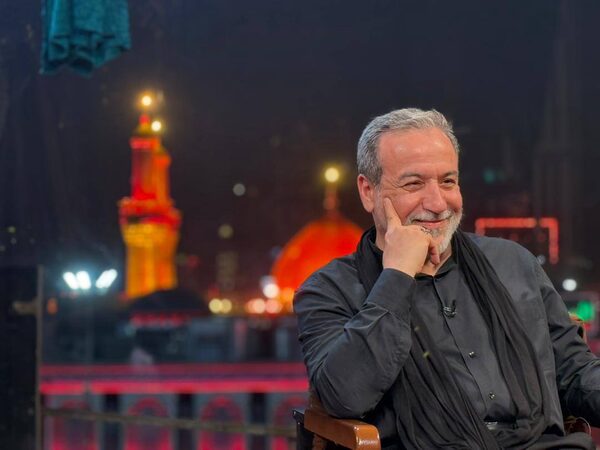
Araghchi who has traveled to Dushanbe for talks with senior officials of the Republic of Tajikistan, met with President Emomali Rahmon upon arrival.

The meeting, held at the Palace of the Nation, began with Foreign Minister Araghchi conveying greetings from the Supreme Leader and the president of Iran to the president and people of Tajikistan.

Highlighting the deep bonds of friendship and understanding between the Iranian and Tajik peoples, especially their shared language, heritage, civilization, history, and culture, the Foreign Minister stated that the Islamic Republic of Iran is committed to leveraging the unique and valuable commonalities to strengthen and deepen cooperation in economic, commercial, diplomatic, cultural-educational, and other fields.

President Emomali Rahmon welcomed the Iranian Foreign Minister and extended warm greetings to Iran’s Leader and President.

He described the relationship between the two nations as special, rooted in historical affection and deep friendship, and stressed the need to further enhance bilateral ties.

During the meeting, the current state of bilateral relations and opportunities for future development were discussed. The two sides also reviewed recent developments in surrounding regions, including the Caucasus, Central Asia, Afghanistan, and West Asia, and exchanged views and analyses on these issues.

Iran’s cabinet withdraws controversial internet regulation bill

Masoud Pezeshkian

Government spokeswoman Fatemeh Mohajerani announced the decision on social media on Wednesday, stating that the cabinet approved the withdrawal of the “Bill to Counter the Dissemination of False Content in Cyberspace,” commonly referred to as the “cyberspace bill,” in line with national unity and the president’s emphasis on public trust.

Elias Hazrati, head of the Government Information Council, confirmed that the withdrawal followed direct instructions from President Pezeshkian.
He noted that the administration prioritizes the concerns and demands of the public.

“This government was formed to serve the people and will not act in ways that cause concern or distress,” Hazrati said.

The bill, which included 22 articles and was fast-tracked in early July, had faced widespread criticism from civil society and online users who saw it as a threat to internet freedom.

Former ICT Minister Mohammad-Javad Azari Jahromi and political analyst Ahmad Zeidabadi welcomed the move, calling it a wise retreat and a step toward restoring public confidence.