Friday, January 16, 2026
Home Blog Page 2169

Farhadi’s “A Hero” grabs 3 awards in Palm Springs

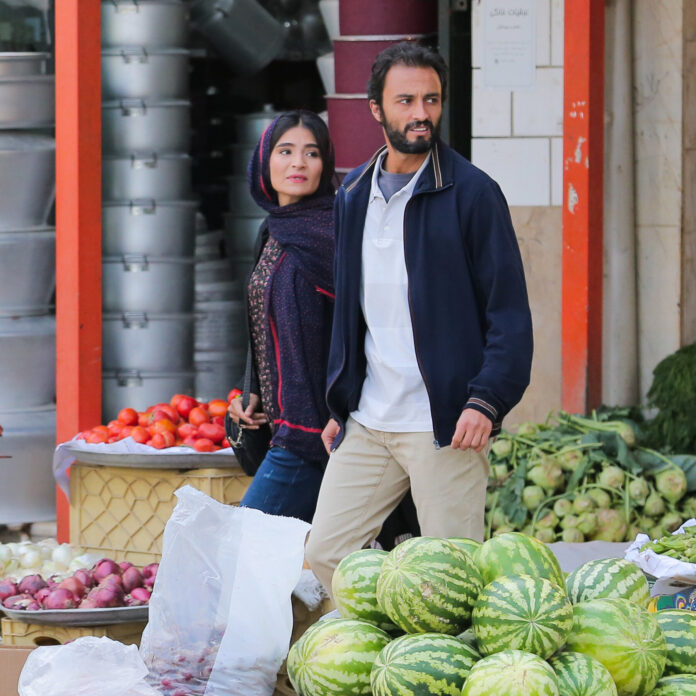
Amir Jadidi who plays the leading role in the film won the PSIFF jury’s FIPRESCI Prize for Best Actor in an International Feature Film.

The jury said in their statement on the award, “Playing a humble father caught between his desire for freedom and external influences eager to exploit his good deed in a story ridden with moral ambiguity, the jury awards the Best Actor Prize to Amir Jadidi for A Hero.”

The jury also presented the FIPRESCI Prize for International Screenplay to “A Hero” which is written by the Oscars-winning director.

“A brilliant and cleverly conceived screenplay, which draws us into the story with ambivalent feelings of both contempt and compassion. A Hero is set in Iran and spoken in Persian, but the situation it portrays and the characters involved, are universal,” the jury added.

The film also received the MOZAIK Bridging the Borders Award in this festival.

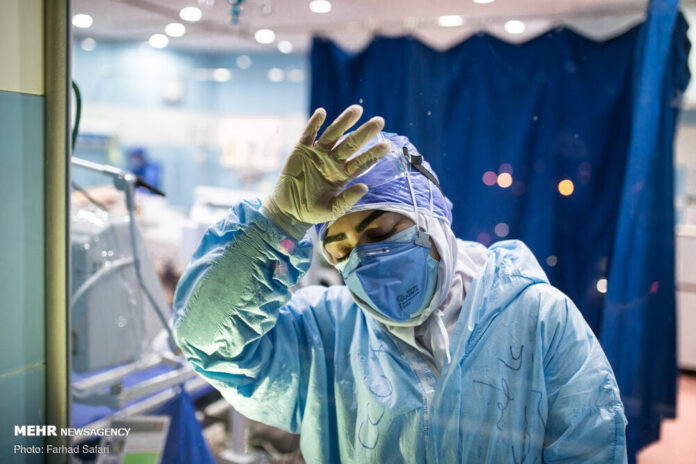
Daily Covid-19 fatalities in Iran remain near record lows

Iran’s Health Ministry reported 20 more deaths from the respiratory disease on Thursday and more than 4,600 new Covid-19 infections over the past 24 hours.

More than 132,000 people have so far lost their lives in Iran which has suffered several waves of the disease.

Iran has somehow managed to contain the outbreak thanks to an intensified nationwide vaccination campaign.

Over 127,680,000 doses of Covid-19 vaccine have been administered in Iran so far with at least 53 million people fully vaccinated.

Health authorities are urging people to get their booster shots as soon as possible to battle the new highly transmissible strain of the virus known as Omicron which has been spreading very fast across the world.

So far in Iran, more than 13,800,000 people have received their booster jabs.

Iran has mostly used imported vaccine types, and also its own domestically manufactured shots to inoculate its population.

Raisi: Plots underway to dispatch Takfiri terrorists to Caucasus, Central Asia

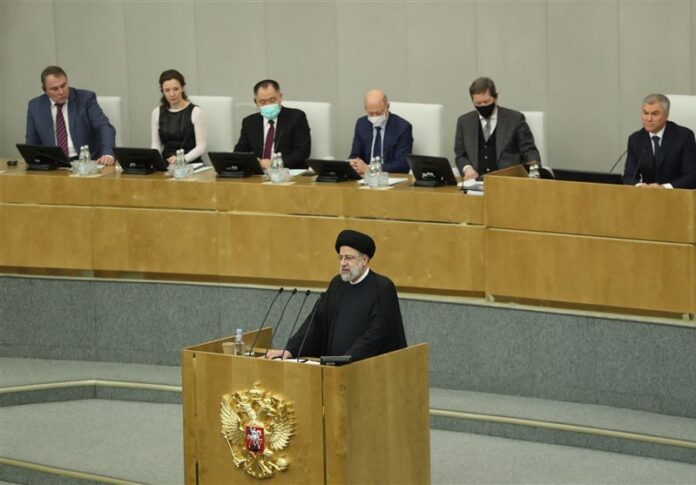
In a speech to Russia’s lower House of Parliament, Duma, Raisi said the US has forged a satanic alliance with the terrorists, adding that complicated plans are afoot now to send the Takfiri terrorist on a new mission to the Caucasus and Central Asia.

He noted that experience has shown that pure Islamic teachings are capable of preventing the formation of extremism and Takfiri terror.

He also cautioned about the danger of what he called the cultural NATO. The Iranian president said the Western military alliance is threatening the mutual interests of independent countries using new facades.

He said promotion of Western democracy and fighting independent democracies which are based on national identities and traditions are among schemes of the cultural NATO.

Elsewhere in his speech, Raisi said experience shows that the world order based on arrogance and domination yields nothing but war, violence and division among nations.

He noted that the failure of the US’s policy of making military expeditions to countries like Iraq and Afghanistan and occupying them originates from one factor: The resistance of nations.

The president referred to sanctions as a common form of bullying, adding fighting the sanctions calls for cooperation among sovereign nations and a collective response. Otherwise, Raisi warned, the US will point its sanctions at its own allies.

The president also rejected US claims that the sanctions hit Iran over its nuclear program, saying the truth is that whenever Iran strove to make scientific progress and become independent, it faced sanctions and pressure from its enemies.

Raisi reiterated that Iran is not after nukes in line with a fatwa (religiously sanctioned order) by the Leader of the Islamic Revolution and that nuclear arms have no place in Iran’s defensive strategy.

Raisi announced that Iran has won two wars: One on terrorism and the other on the so-called maximum pressure campaign.

The president further welcomed the initiative of Russia to hold a meeting of the parliament speakers of Iran, Russia, Turkey, Pakistan and China on combating terrorism and called it important.

Raisi then turned to ties with Russia. He renewed his call for expansion of political, economic and cultural ties with Russia. Raisi also said Iran and Russia’s determination and the existing capacities of the two countries pave the way for cooperation between them in all areas.

He noted that his face-to-face talks with Russian President Vladimir Putin showed Tehran and Moscow are on the same page regarding many regional and international issues.

Raisi however stressed that Iran is ready for interaction with all world countries though it gives priority to ties with neighboring nations.

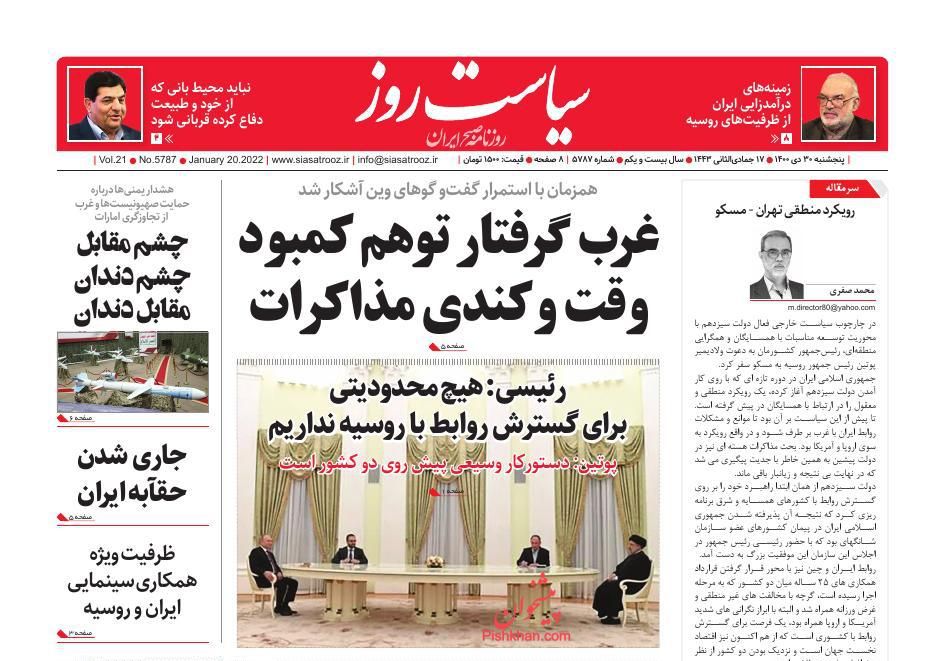
Raisi Russia visit: “Diplomatic Balance”

Aftabe Yazd

  1. Key visit
  • A report on the Iranian president’s visit to Russia and his meeting with Putin
  1. Russia expert Hassan Beheshtipour: The Vienna talks are independent from the president’s visit to Russia, but part of the visit’s agenda will definitely affect the Vienna negotiations

Raisi Russia visit: "Diplomatic Balance"


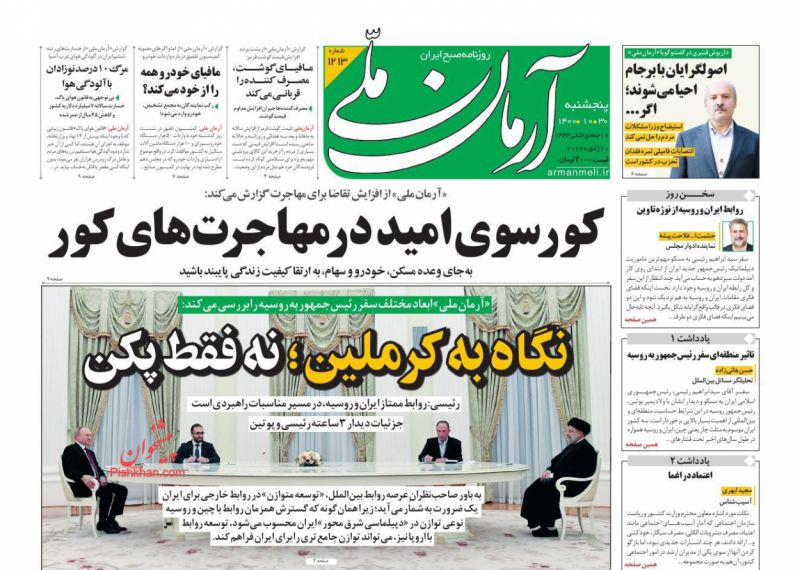
Armane Melli:

  1. Look to Kremlin; Not just Beijing

Raisi Russia visit: "Diplomatic Balance"


Ebtekar:

  1. Diplomatic balance; reward of the visit to Moscow
  • The visit by Ebrahim Raisi to Russia will lead to long-term cooperation in the New World Order
  1. The first vice president during the cabinet meeting:
  • The visit by Ayatollah Raisi to Russia is a dimension of the fundamental change in international relations by the government

Raisi Russia visit: "Diplomatic Balance"


Etemad:

  1. Expansion of ties without a limit
  • Putin: Convey my greetings and wishes for the good health of the Supreme Leader of Iran to him

Raisi Russia visit: "Diplomatic Balance"


Etela’at:

  1. Putin: We have a far-reaching agenda ahead us
  2. Raisi: Relations between Iran and Russia are strategic and unlimited

Raisi Russia visit: "Diplomatic Balance"


 Iran:

  1. On the strategic path
  • Bilateral cooperation in the fields of infrastructure, energy, banking and a leap in trade between the two countries, the main agenda of the talks

Raisi Russia visit: "Diplomatic Balance"


Javan:

  1. History-making meeting in the East
  • President, in a meeting experts believe will increase the pace of Iran’s relations with the East, held talks with Russian President Vladimir Putin in the Kremlin
  1. Neglected side of the relations between Iran and Russia will be attended to?
  • Experts: the meeting between Raisi and Putin strengthens the pillars of Tehran-Moscow ties
  1. The secret behind attempts against the Tehran-Moscow axis (Editorial)

Raisi Russia visit: "Diplomatic Balance"


Kayhan:

  1. Designing the elements of the strategic relations in the Raisi-Putin negotiation

Raisi Russia visit: "Diplomatic Balance"


Khorasan:

  1. New chapter in Iran-Russia relations

Raisi Russia visit: "Diplomatic Balance"


Resalat:

  1. Teheran and Moscow without any halt

Raisi Russia visit: "Diplomatic Balance"


Siasate Rooz:

  1. The logical approach of Tehran and Moscow (Editorial)

Raisi Russia visit: "Diplomatic Balance"


Shahrvand:

  1. Raisi: Threat of sanctions does not block Iran’s progress
  2. Putin: Far-reaching agenda facing the two countries

Raisi Russia visit: "Diplomatic Balance"


Shargh:

  1. Kremlin; Setting off neighborliness diplomacy

Raisi Russia visit: "Diplomatic Balance"


Tejarat:

  1. Raisi in talks with Putin: We hope efforts lead to removal of sanctions

Raisi Russia visit: "Diplomatic Balance"


Vatane Emrooz:

  1. Time for strategic ties

Raisi Russia visit: "Diplomatic Balance"

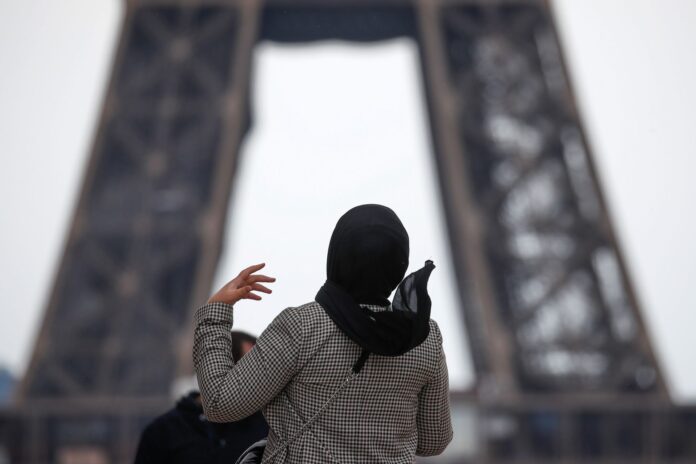
French Senate votes to ban hijab at sports events

The French upper legislative house voted in favour of amending a proposed law stipulating that the wearing “of conspicuous religious symbols is prohibited” to take part in events and competitions organized by sports federations.

In their text, senators clearly said the amendment aims at banning “the wearing of the veil in sports competitions”. They added that headscarves can put at risk the safety of athletes wearing them when they practice their discipline.

The amendment, proposed by the right-wing group Les Republicains and opposed by the French government, was adopted with 160 votes in favor and 143 against. A commission composed of members from the Senate and the lower house should now gather to find a compromise on the text before it is published, meaning the amendment can still be erased.

It is unclear whether the ban would be implemented for the 2024 Paris Olympics. The Olympic organising committee did not immediately answer a request for comment.

The vote came a year after legislators in the French Parliament’s lower house approved a bill to strengthen oversight of mosques, schools and sports clubs in a bid to safeguard France from “radical Islamists” and to promote “respect for French values” – one of President Emmanuel Macron’s landmark projects.

France has been hit by several attacks in recent years. But critics also see the law as a political ploy to lure the right wing to Macron’s centrist party ahead of this year’s presidential election.

In their amendment, senators stated every citizen is free to exercise his or her religion, but insisted that one should refrain from putting forward their differences.

“Today, there is legal uncertainty about the wearing of religious symbols, and it is necessary for the state to clearly define the rules,” the amendment voted by senators read.

“If the wearing of the veil is not explicitly forbidden, we could see the emergence of community sports clubs promoting certain religious signs,” the amendment added.

The French football federation already bans women from wearing the hijab in official matches, as well as at competitions it organizes.

New model of Iran-Russia cooperation emerging: Analyst

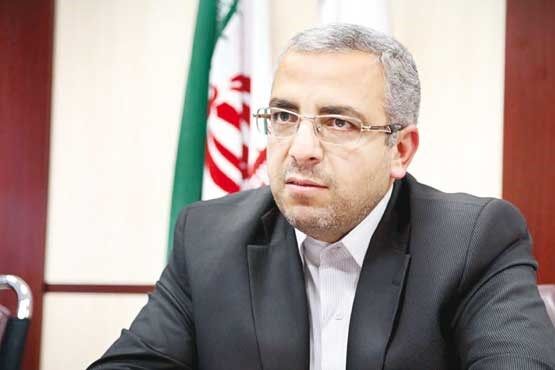
This cooperation, adds Ahmad Kazemi, has laid the groundwork for forming a new order in the region.

Referring to the Iranian president’s visit to Moscow,

he added Iran and Russia have common ground on international issues.

“The two countries see eye to eye on fighting unilateralism, boosting regional organizations as well as multilateral regional and international cooperation, combating any domination and hegemonic approaches, and tackling violations of international law and regulations,” said the analyst in an interview with IRNA.

He then recalled efforts to cash in on historical developments in order to strain Tehran-Moscow relations.

“When we want to look at Iran-Russia relations, we should review our perspective regardless of historical developments. The reason is that we have seen four models of Russia for over the past 500 years, at least,” he said.

The senior researcher said Iranians have a negative mentality regarding Russia due to the colonial policies of the Soviet Union.

He said a line should be drawn between the Russian Federation and the Soviet Union.

“All countries seek their own interests and objectives at any point, but if we are supposed to define historical background as a negative contributing factor affecting our current relations, then we will have to sever our ties with many countries,” he explained.

He then blasted certain Iranian media outlets that have launched a kind of ‘Russophobia’ as Iranian President Ebrahim Raisi is visiting Russia.

He said Western countries, too, are also trying to promote Russophobia.

Elsewhere in his remarks, the analyst said Raisi’s visit to Russia also strengthens Tehran’s position during talks in Vienna over the Iran nuclear deal and ease pressure on Tehran. 

He further added Russia is interested in working with Iran at bilateral, regional and international levels, but is under intense pressure by the West.

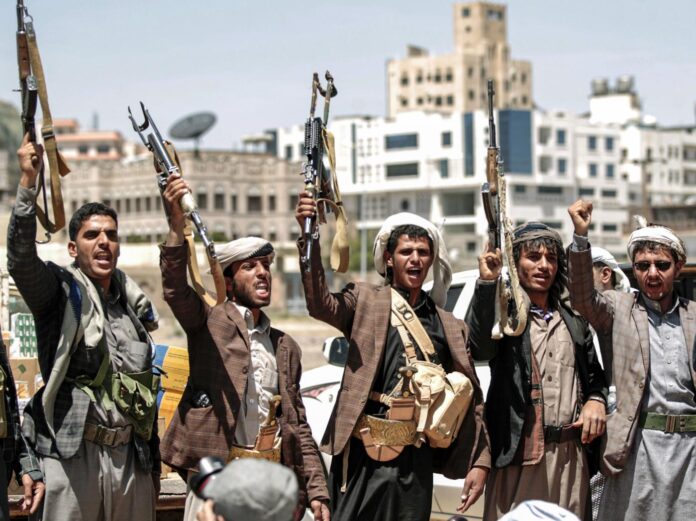
US mulling to re-designate Houthis as terror group

Biden said on Wednesday his administration is considering re-designating Yemen’s Houthi movement as an international terrorist organization following drone and missile attacks on the United Arab Emirates (UAE) claimed by the group.

His comment at a news conference came shortly after the Emirati Embassy wrote on Twitter that UAE Ambassador Yousef Al Otaiba urged the Biden administration to restore the designation in response to Monday’s strikes on Abu Dhabi airport and a fuel depot.

Asked if he supported returning the Houthis to the US list of foreign terrorist organizations, from which they were removed nearly a year ago, Biden replied, “The answer is, it’s under consideration”.

The UAE welcomed Biden’s comment, the Emirati Embassy said on Twitter. The “case is clear – launching ballistic and cruise missiles against civilian targets, sustaining aggression, diverting aid to Yemeni people”, it added.

Saudi Arabia’s ambassador to Yemen, Mohammed Al-Jaber, wrote on Twitter on Thursday that the United Nations and global community must not show leniency and hold the Houthi movement accountable because “it encourages other terrorist organisations to act similarly”.

As part of the initiative he launched last year, Biden appointed veteran US diplomat Timothy Lenderking a special envoy. The State Department also reversed a last-minute Donald Trump administration decision placing the Houthis on the US list of foreign terrorist groups, subjecting them to financial sanctions.

Three people were killed in Monday’s drone and missile attack claimed by the Houthis.

In response, the Saudi-led coalition on Tuesday staged air raids on Sanaa, killing at least 20 people including civilians, according to Houthi media and residents – one of its deadliest attacks since 2019.

A National Security Council spokesperson stated Otaiba held “broad” consultations with Biden’s national security adviser, Jake Sullivan, on the situation that included discussions of the Houthi attack.

The Emirati Embassy added that Otaiba was accompanied by the top UAE intelligence official, Ali al Shamsi.

The embassy, in a second Twitter post responding to Biden’s consideration of the terrorist designation, said Otaiba pressed the case for re-designating the Houthis in his meeting with Sullivan.

US Defense Secretary Lloyd Austin on Wednesday spoke with Abu Dhabi Crown Prince Sheikh Mohammed bin Zayed al-Nahyan, according to the Pentagon.

“Austin conveyed his condolences for the loss of life, and underscored his unwavering support for the security and defense of UAE territory against all threats,” the Pentagon added.

Saudi Arabia and its allies launched a war against the Arab world’s most impoverished nation in March 2015. The war has been seeking to restore power in Yemen to Riyadh’s favorite officials.

The death toll of the war, now in its seventh year, will reach an estimated 377,000 by the end of 2021, according to a recent report from the UN’s Development Programme.

The fighting has seen some 80 percent of the population, or 24 million people, relying on aid and assistance, including 14.3 million who are in acute need.

Armenia seeking to resolve border dispute with Azerbaijan Republic

Armenia’s Foreign Minister Ararat Mirzoyan announced the proposals during an address to Armenia’s parliament.

He said the proposals were sent to the Azerbaijan Republic through Russia.

“The most important issues raised by the proposals are the simultaneous withdrawal of the forces of both countries from the border and creation of a security mechanism between the two countries,” he said.

His comments follow those of Russian Foreign Minsiter Sergei Lavrov that a commission will be established in the near future to discuss the proposals.

This comes amid persisting clashes between Armenia and the Azerbaijan Republic one year after the Nagorno-KArabakh conflict. The two sides are yet to agree on how to demarcate their borders.

Fighting erupted between Armenia and the Azerbaijan Republic over the long-disputed region in September 2020. 

The war came to an end after the two sides signed a Russia-brokered ceasefire agreement in November that year. 

Under the agreement, Yerevan and Baku ended hostilities but recognized territorial advances for the Azerbaijan Republic in Karabakh and seven surrounding districts. 

Nagorno-Karabakh is internationally recognized as part of the Azerbaijan Republic, since the fall of the Soviet Union in 1989. The region, however, remains populated by ethnic Armenians.

Yemeni Army says hit positions of ‘UAE mercenaries’

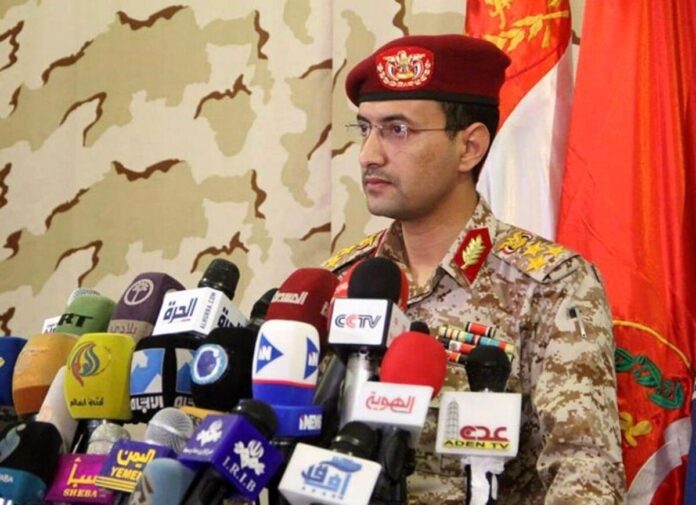
Brigadier General Yahya Saree, the spokesman for the Yemeni Armed Forces and Popular Committees, also wrote on his Twitter page that Yemeni troops along with popular forces had stopped the advances of ISIS operatives as well as mercenaries backed by the United Arab Emirates in some Yemeni towns.

He said the missile attack by Yemen’s military inflicted heavy damage on the enemy, leaving over 50 enemy forces killed or wounded. 

A number of armored vehicles belonging to the mercenaries were also destroyed in the strike, he added. 

He said the missiles hit their targets precisely. 

Two days earlier, the Yemeni Army and popular committees had targeted airports in Dubai and Abu Dhabi as well as an oil refinery and several other key sites and installations in the United Arab Emirates using ballistic and cruise missiles and drones. Three people were killed and ten others injured in the attacks. The UAE said it reserves the right to retaliate the strikes. 

The attacks come as reports say the United Arab Emirates has recently intensified its attacks on Yemen and dispatched its troops, said to be comprised of Takfiri and ISIS elements, to launch assaults on Yemen.

Report: South Korea, Iran mull paying Tehran UN debts

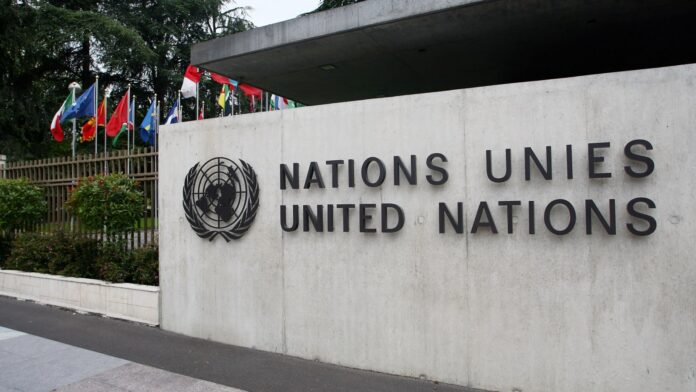
Last week, the UN notified Iran that it would immediately lose its voting rights for the arrears, reportedly worth US$18.4 million, along with seven other UN member states, under the UN Charter.

Iran has more than $7 billion in funds for oil shipments frozen at two South Korean banks — the Industrial Bank of Korea (IBK) and Woori Bank — due to US sanctions. Tehran has demanded the release of the money, a major sticking point in bilateral relations.

The two sides are seeking to capitalize on the assets to handle the problem of the delinquent UN dues, according to the sources who spoke on condition of anonymity.

“Our government is in consultations with the Iranian government in that regard and is in related consultations with the US and the UN as well,” one of the sources told Yonhap News Agency.

The Iran’s Foreign Ministry confirmed that the country is looking for “a safe channel” for a faster payment of the UN membership fee, with relevant talks under way.

In 2021, the UN deprived Iran of its voting rights for failing to pay its dues. Washington agreed to enable Tehran to use some of the funds held at the IBK for the payment of a minimum amount of fee for the year and the restoration of its voting power.