Friday, January 16, 2026
Home Blog Page 2168

US says Iran’s nuclear talks at ‘urgent’ point

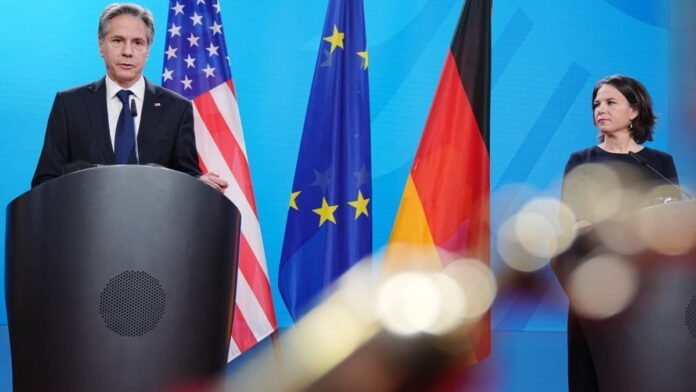
“There is real urgency and it’s really now a matter of weeks, where we determine whether or not we can return to mutual compliance with the agreement,” Blinken told a joint news conference with his German counterpart Annalena Baerbock on Thursday.

Baerbock also stated that “urgent progress” is needed at talks aimed at reviving the Iran nuclear deal, after a meeting with Blinken.

“The window for finding a solution is closing,” she told reporters in Berlin, adding, “The negotiations are in a decisive phase. We need urgent, urgent progress, otherwise we will not be successful in reaching a joint accord.”

Iran has rejected Western officials’ remarks about a deadline for reaching an agreement and stressed the country is only after a good agreement. Tehran says the Iranian negotiators in Vienna talks on removal of US sanctions will continue their presence in the Austrian capital as long as needed and will not pay attention to the deadlines set by the other sides.
Iran and the five remaining parties to the Joint Comprehensive Plan of Action (JCPOA) — Germany, Britain, France, Russia and China — began the talks in the Austrian capital in April with the aim of removing the sanctions after the US voiced its willingness to return to the agreement.

During the seventh round of the Vienna talks, the first under President Ebrahim Raeisi, Iran presented two draft texts which address, separately, the removal of US sanctions and Iran’s return to its nuclear commitments under the JCPOA. Tehran also said it was preparing a third draft text on the verification of the sanctions removal.

The eighth round of talks kicked off in Vienna in late December. The negotiations seek to restore the JCPOA in its original form and bring the US back into the agreement.

Iran insists that the talks must lead to the removal of all American sanctions that were imposed against Tehran following Washington’s unilateral withdrawal from the landmark agreement in May 2018. Tehran has also demanded credible guarantees that Washington will not abandon the deal again.
Heavy snow, flooding block dozens of roads across Iran

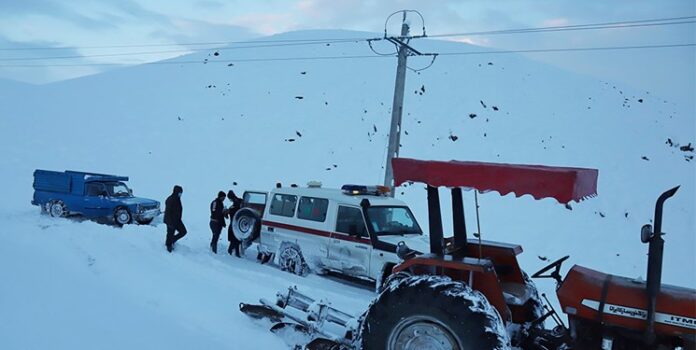
Ali Akbar Ashouri said on Thursday that efforts have been ongoing round the clock to open the blocked roads as soon as possible.

Due to heavy snow storms, rain and floods in some parts of the country, it is necessary to travel with snow chains and other winter equipment in mountainous areas, he said.
Some of the worst affected provinces are Golestan, Mazandaran, Semnan, Hamedan, Kordestan, Zanjan and Kohgiluyeh and Boyer-Ahmad.

Many parts of Iran have experienced their heaviest snowfalls in years leading to transport disruptions, cancelation of flights and closure of roads.

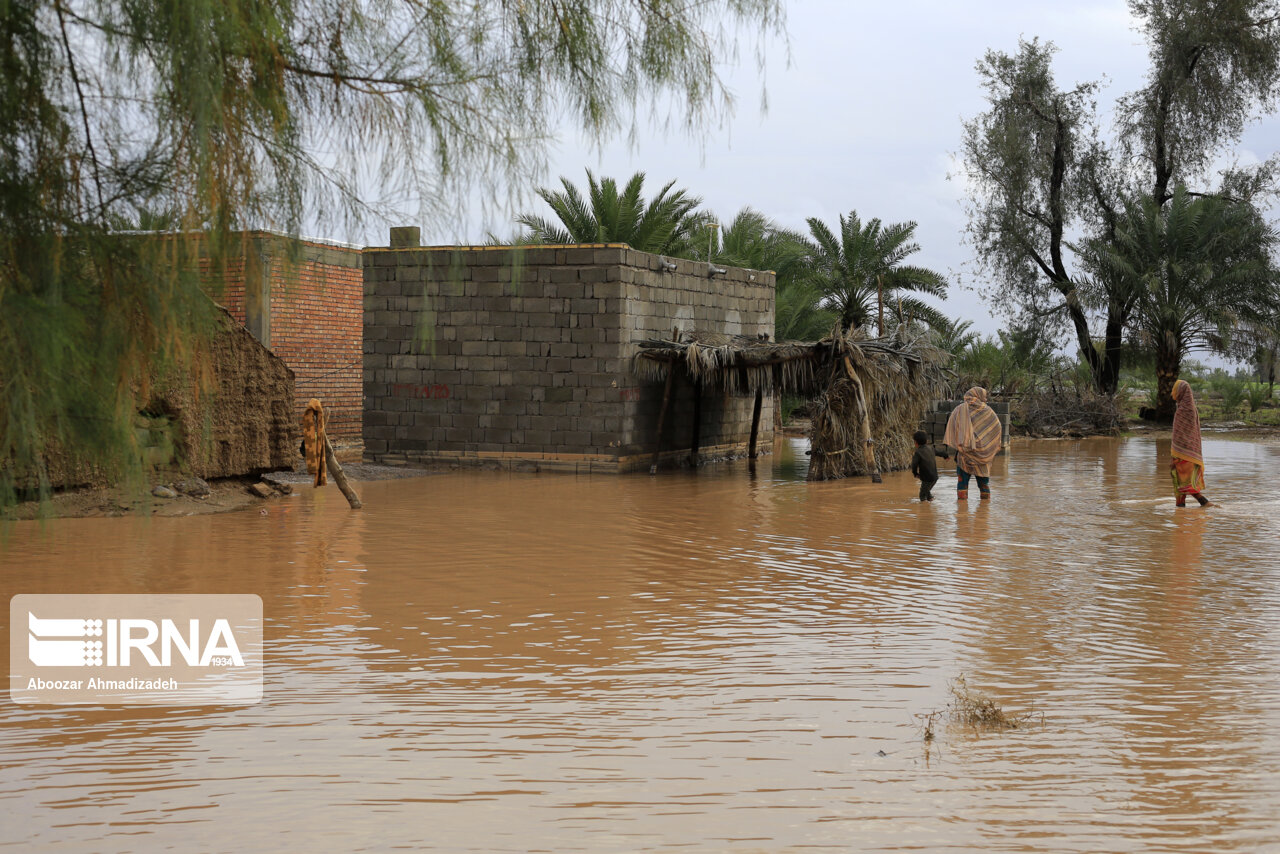
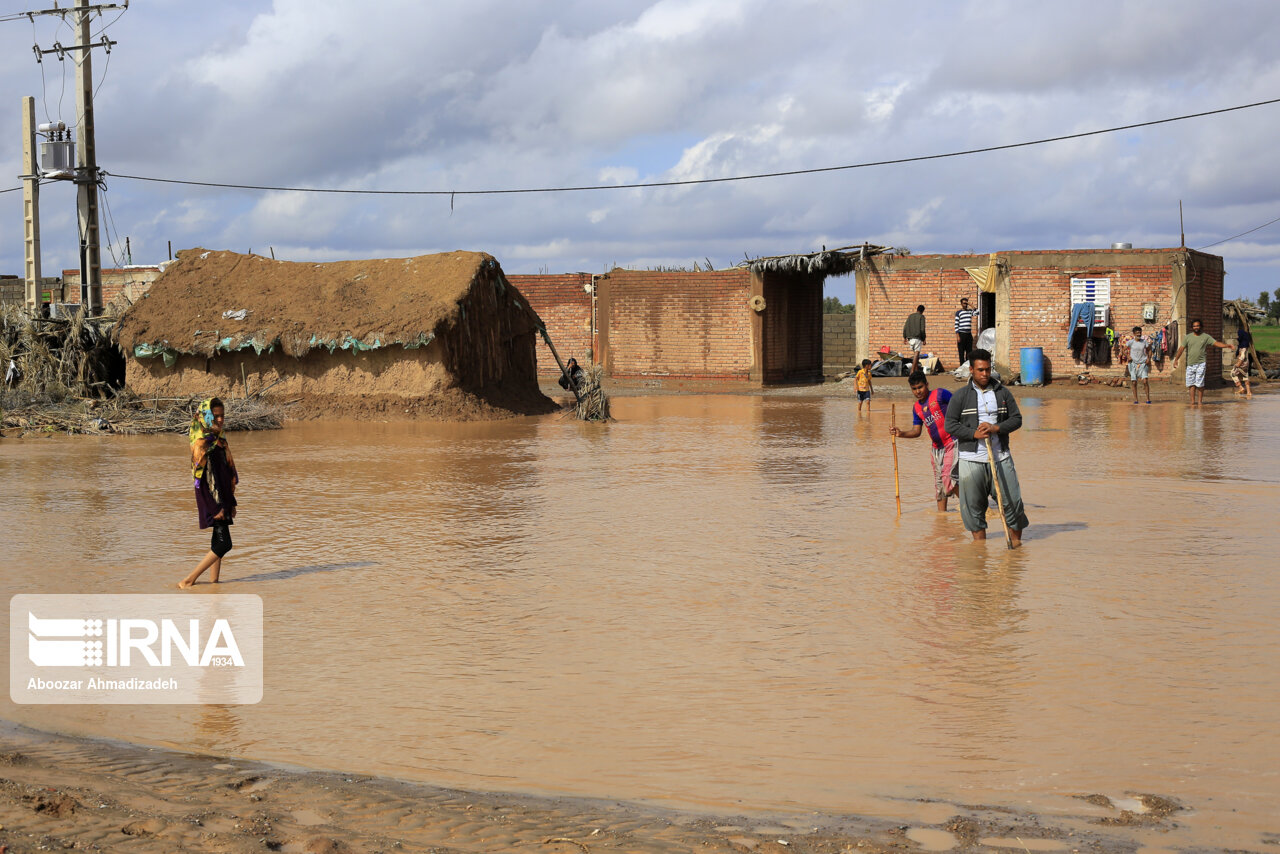
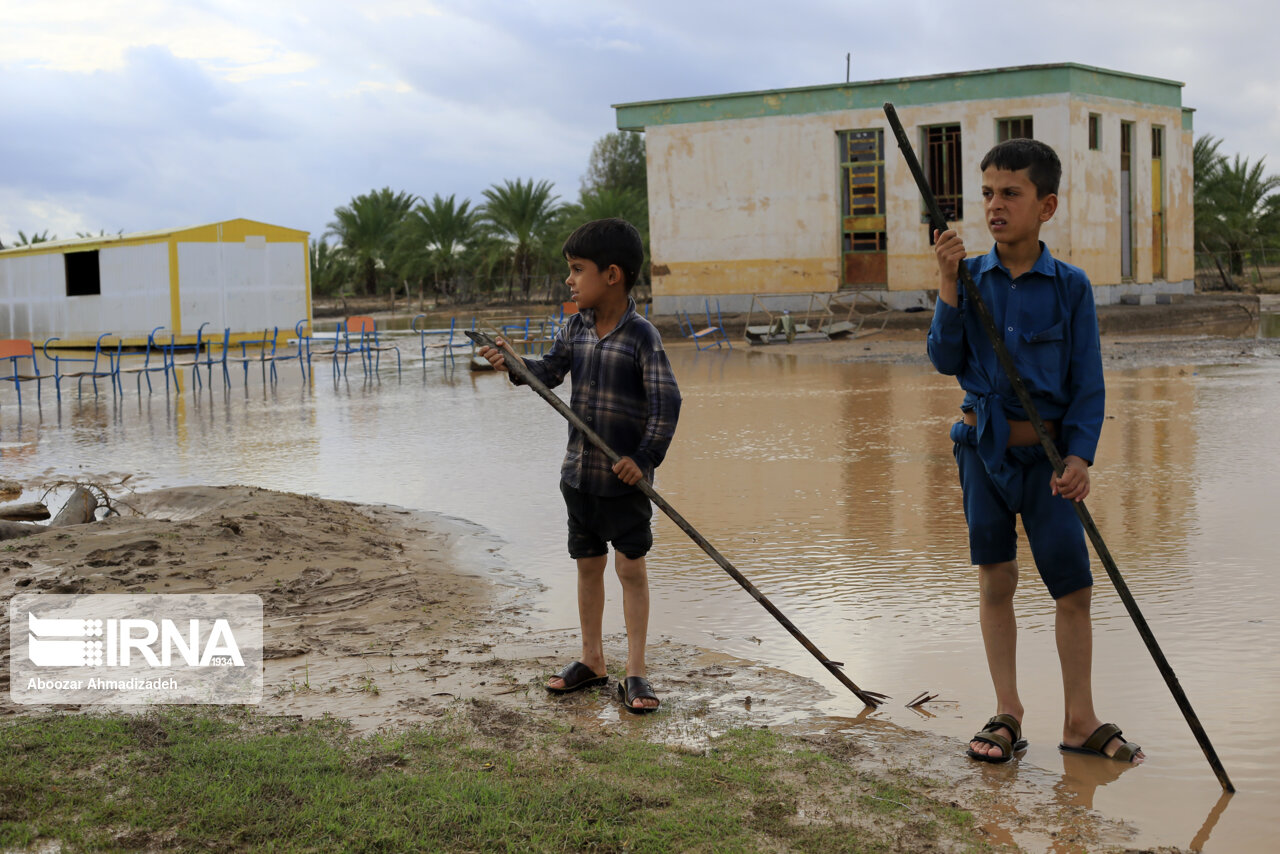
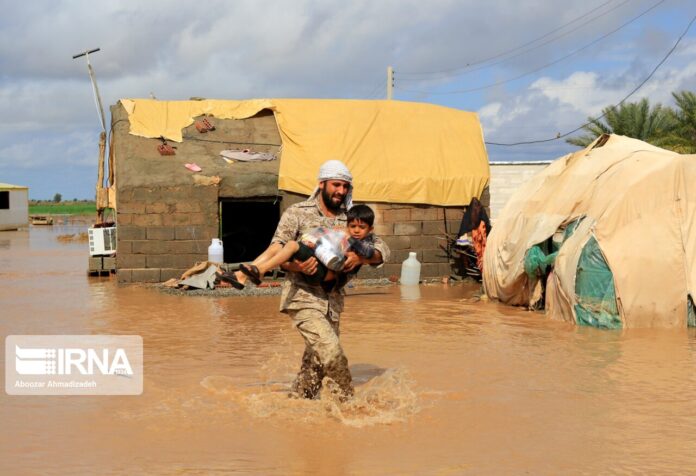
Meanwhile, in the southern Hormozgan province, torrential rains over the past two weeks have caused extensive damage to people’s houses and farms.

The worst affected are the cities of Minab and Rudan, where many roads have been inundated.

Iranian pres. meets head of Russian muftis in Moscow

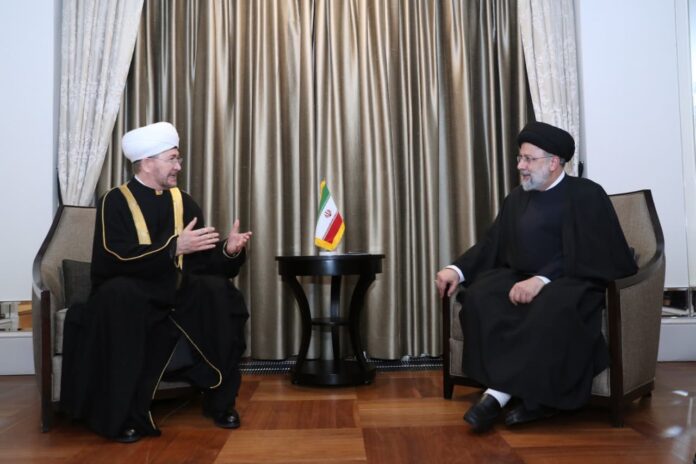
At the meeting, Raisi said his trip to Russia will mark a turning point in economic, political and, in particular, cultural ties between the two nations.

He added that relations with Russia’s Muslims are very important for Iran.
He also spoke about the threat of extremism, saying what is worrying today alongside atheism is the issue of extremism.

He added that extremism and the Takfiri ideology have dealt a blow to Muslims, saying all Muslims should be sensitive to the Takfiri ideology.

The president then referred to Iran and Russia’s role in Syria, adding the two countries fought puppets of the global arrogance and the Zionist regime in the Arab country.
He underlined the need to prevent deviations among Muslims.

Ravil Einoddin for his part expressed pleasure at Raisi’s visit to Russia, describing it as very important for Russian Muslims.

Einoddin also referred to a picture showing Ayatollah Raisi praying at the Kremlin during his meeting with Russian President Vladimir Putin. He hailed Raisi’s prayer as super symbolic and outstanding.

Einoddin said he heard from some people who sent him messages about the picture that the Iranian president’s prayer brought blessings to the Kremlin.
Iran, Russia, China to hold joint naval drill

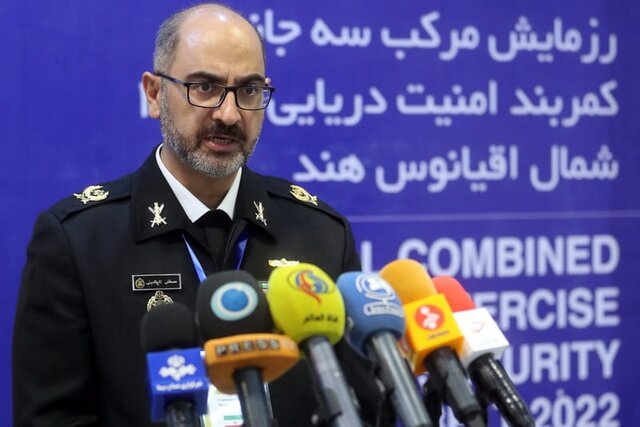
The IRIB quoted the Public relations Office of the Iranian Army as saying that the combined drill code-named 2022 Maritime Security Belt will involve surface and flight units of the navies of Iran, Russia and China.
Rear Admiral Mostafa Tajeddini, spokesman for Naval Security Belt 2022, said this is the third combined exercise that will continue in the future with its message being peace and friendship.

He said that the exercise will be held in accordance with pre-arranged plans.

Rear Admiral Tajeddini added that the purpose of this drill is to strengthen security in the region and expand multilateral cooperation between the three countries.

Rear Admiral Tajeddini went on to say that this exercise envisions various tactical exercises such as rescuing a floating vessel, securing a hijacked vessel, shooting at specific targets, shooting at air targets at night and other tactical and operational exercises.

He added the goals of this exercise also include strengthening the security of international maritime trade, combating piracy and maritime terrorism, exchanging information regarding maritime rescue and exchanging operational and tactical experiences.

Kahatibzadeh: Iran to continue supporting ‘one-China policy’

As their foreign ministers exchanged visits to deepen their partnership in the past year, Iran and China are now “facing a new horizon of cooperation”, Iranian Foreign Ministry Spokesperson Saeed Khatibzadeh said in an exclusive interview with Xinhua.

Khatibzadeh stated besides the geographical proximity between Iran and China, it is history, culture, politics, and people-to-people relations that connect the two nations which have been connected by the Silk Road since ancient times.

Notably, the establishment of their comprehensive strategic partnership in January 2016 marked “a very important moment, and a turning point in terms of creating new pillars for the bilateral relationship”, he added.

China and Iran signed a comprehensive cooperation plan during a visit paid by Chinese State Councilor and Foreign Minister Wang Yi to Tehran last year when the two countries celebrated the 50th anniversary of their diplomatic relations.

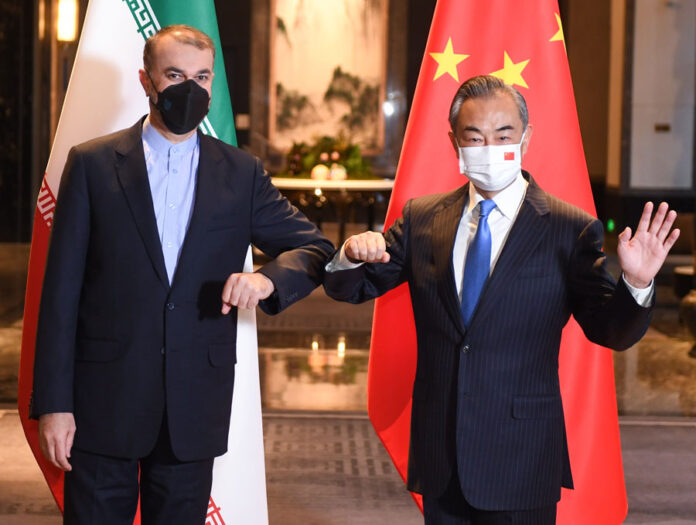
When Iranian Foreign Minister Hossein Amir Abdollahian visited China in mid-January, the two sides jointly initiated the implementation of the 25-year plan after “a very comprehensive and lengthy discussion between the two foreign ministers”, the spokesperson noted.

With recent developments in bilateral ties, the two countries now have “a good start to go into more details” of how they can implement their consensus in different sections and fields, Khatibzadeh continued.

Iran has always supported China in its core concerns over the one-China policy and other issues, while China has also assisted Iran in different fields like the fight against COVID-19 in this very hard time, the spokesman said.

The Iran-China relationship not only benefits the two countries, but also the region and the whole world, as they jointly confront unilateralism and “the policy of coercion that Washington is trying to dictate to the international arena”, he added.

Khatibzadeh, also the president of the Center for Public Diplomacy at the Iranian Foreign Ministry, said that it is a necessity to take into consideration people-to-people contacts and communications, and carefully “draft, craft and calibrate” and enhance ties in public diplomacy.

Both countries have decided to cooperate to bring their people closer, he added, highlighting the need for Iranians and Chinese to better understand each other.

The two countries have been proactively promoting people-to-people exchanges. Iran has decided to waive visas for Chinese tourists, and now new Chinese movies are hitting screens in Iran. They have launched new Chinese language courses in Iranian universities, and Persian in Chinese universities, with frequent interaction between institutions of the two sides.

Additionally, various exhibitions and fairs have been held by Chinese organizers in Iran, while Iran also plans to organize similar events in China, Khatibzadeh noted.

More importantly, Iran and China are trying to help each other confront misinformation campaigns targeting the two countries, launched by the United States and other Western countries, he said, adding, “We have to work together more to avoid this propaganda that is trying to sabotage our relations.”

With regard to the plots to politicize “this very common sports event” — the upcoming Beijing Winter Olympics, Khatibzadeh stated Iran has repeatedly condemned such attempts “to misuse this opportunity to advance their ill political agenda”.

“We not only condemn them, but we are also trying to orchestrate a voice in our region and around the globe that everybody should seize this very opportunity of the Winter Olympics to work together,” he continued.

Stressing that “the spirit of Olympics dictates everybody attend regardless of differences”, Khatibzadeh announced Iran will participate in the Beijing Winter Olympics and “represent at the highest level possible”.

Deadly blast targets Lahore’s shopping district

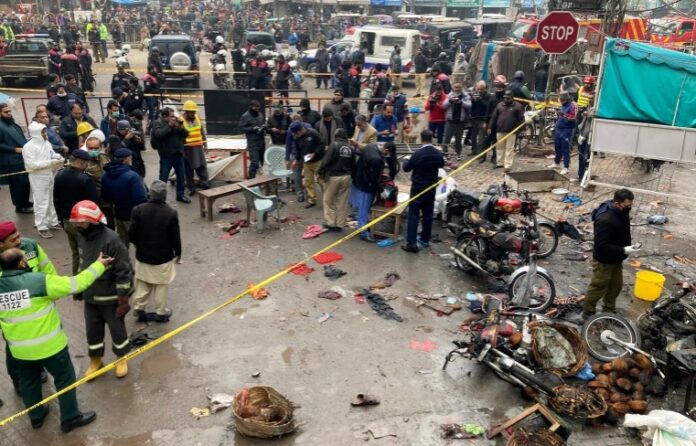
At least three people were killed and 20 injured Thursday after a bomb blast rocked a busy shopping market of Lahore, Pakistan police confirmed.

“Initial investigations show that it was a time-controlled device on a motorbike which was the cause of the blast,” Rana Arif, spokesman for Lahore police, told news agency AFP.

The blast that shattered windows of nearby shops and buildings took place at the Paan Mandi in Lahore’s famous Anarkali market, where Indian commodities are sold.

There was no immediate claim of responsibility, but there have been a series of blasts and attacks against police since December, when a truce between the government and Pakistan’s Taliban lapsed.

Tehreek-e-Taliban Pakistan (TTP) — a home-grown movement that shares common roots with the Afghan Taliban — has claimed responsibility for most of those incidents.

“We are ascertaining the nature of blast. Over 20 people have been injured in blast and shifted to hospitals,” Deputy Inspector General Police Operation Dr Mohammad Abid told reporters at the site of the blast.

The Counter Terrorism Department and Bomb Disposal Squad officials have reached the spot and are examining the nature of the blast, he added.

The injured have been shifted to the Mayo Hospital where two succumbed to their injuries, according to the Rescue 1122.

Mayo Hospital medical superintendent Dr Iftikhar said that two persons including a boy succumbed to their wounds. He added the condition of four injured brought to the hospital is critical.

Several motorcycles and vendors’ stalls were also damaged on the blast and Police have cordoned off the area. The whole Anarkali Bazaar has been shut after the blast.

Raisi: Iran, Russia to finalize comprehensive cooperation deal soon

“The comprehensive 20-year cooperation agreement between Iran and Russia will be the roadmap for a comprehensive leap in bilateral relations,” Raisi said in a meeting with Russian business leaders in Moscow on Thursday.

Iranian Foreign, oil, and economy ministers as well as three members of the economic committee of Iran’s parliament were also present in the meeting.

The Iranian president said he and his Russian counterpart Vladimir Putin believe that the current level of economic relations is not satisfactory and that the ground for increasing bilateral exchanges should be paved immediately by removing obstacles.

“Mr. Putin is seriously determined to significantly expand bilateral relations in all areas, especially in the economic field,” Raisi noted.

He stressed the need to remove barriers to exports and reduce cumbersome licenses, asking accompanying ministers, members of Iranian parliament’s economic committee and economic actors present in the meeting to take action to remove barriers to exports.

The Iranian president said Russia is a large market for Iranian goods, adding that through careful planning, cooperation of relevant institutions and removal of obstacles, this large capacity can be utilized.

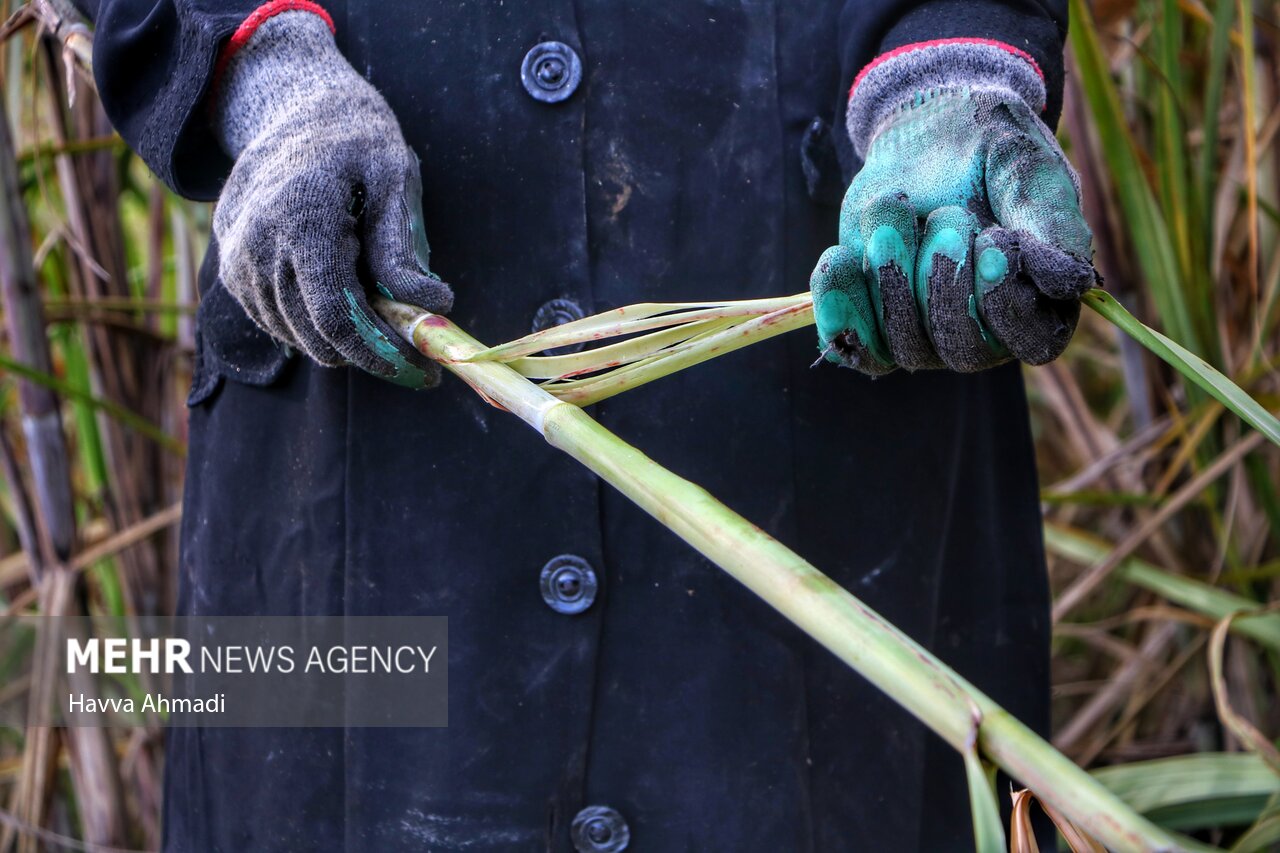
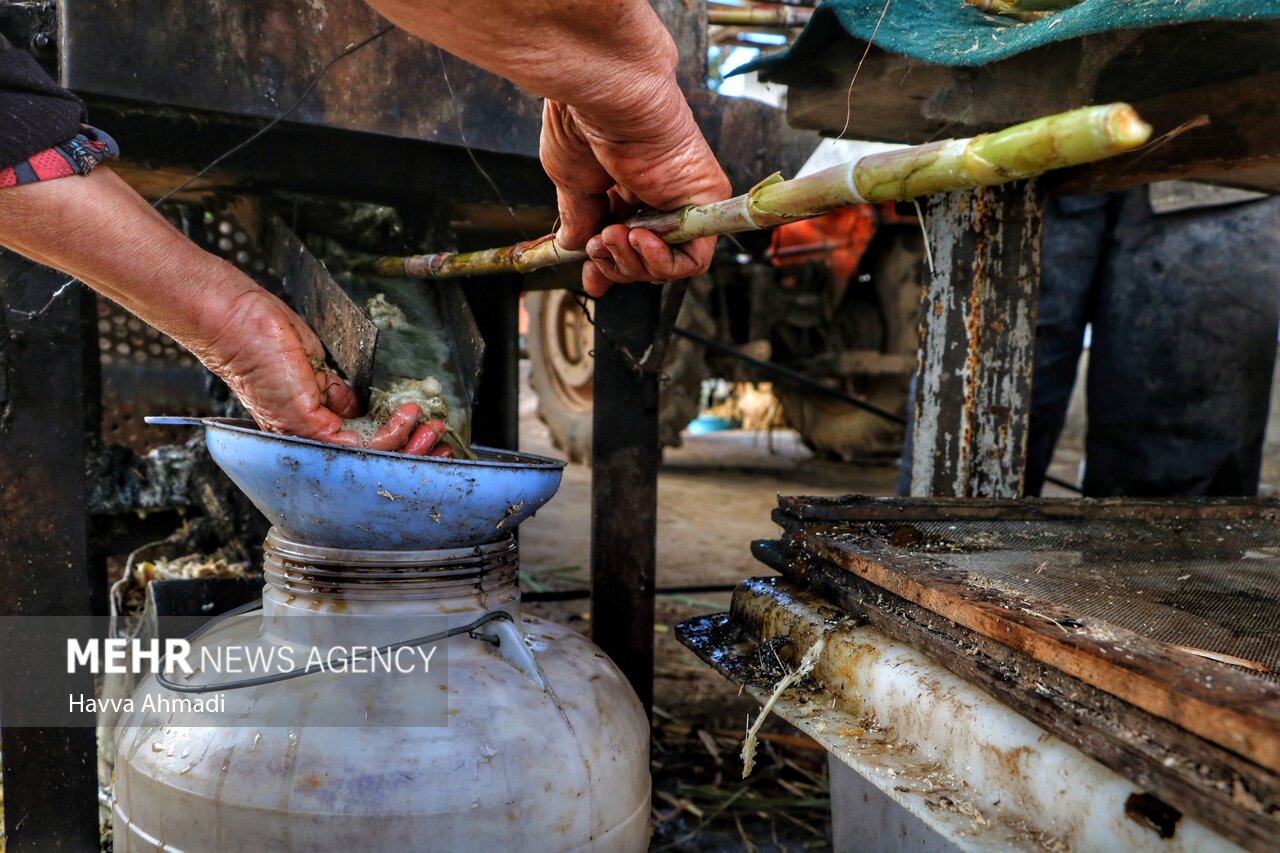
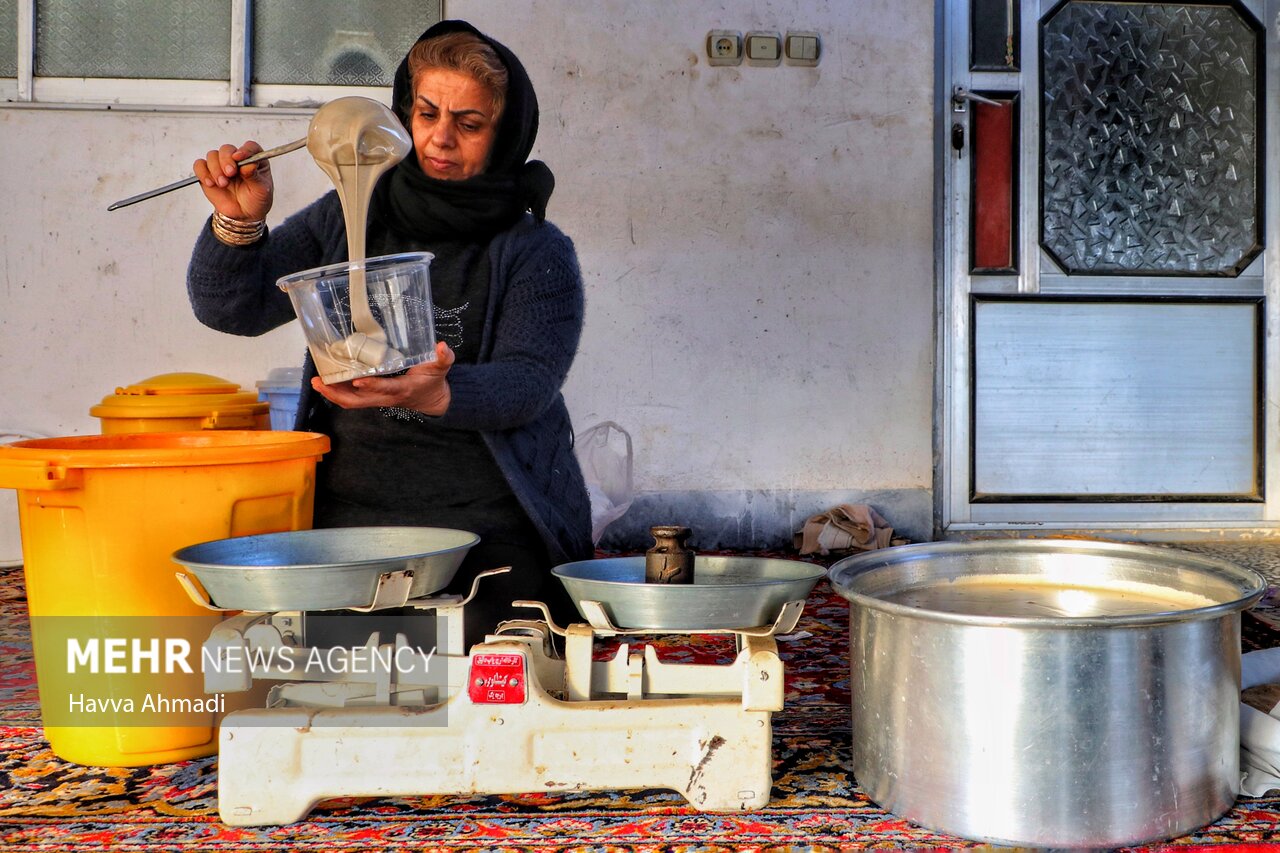
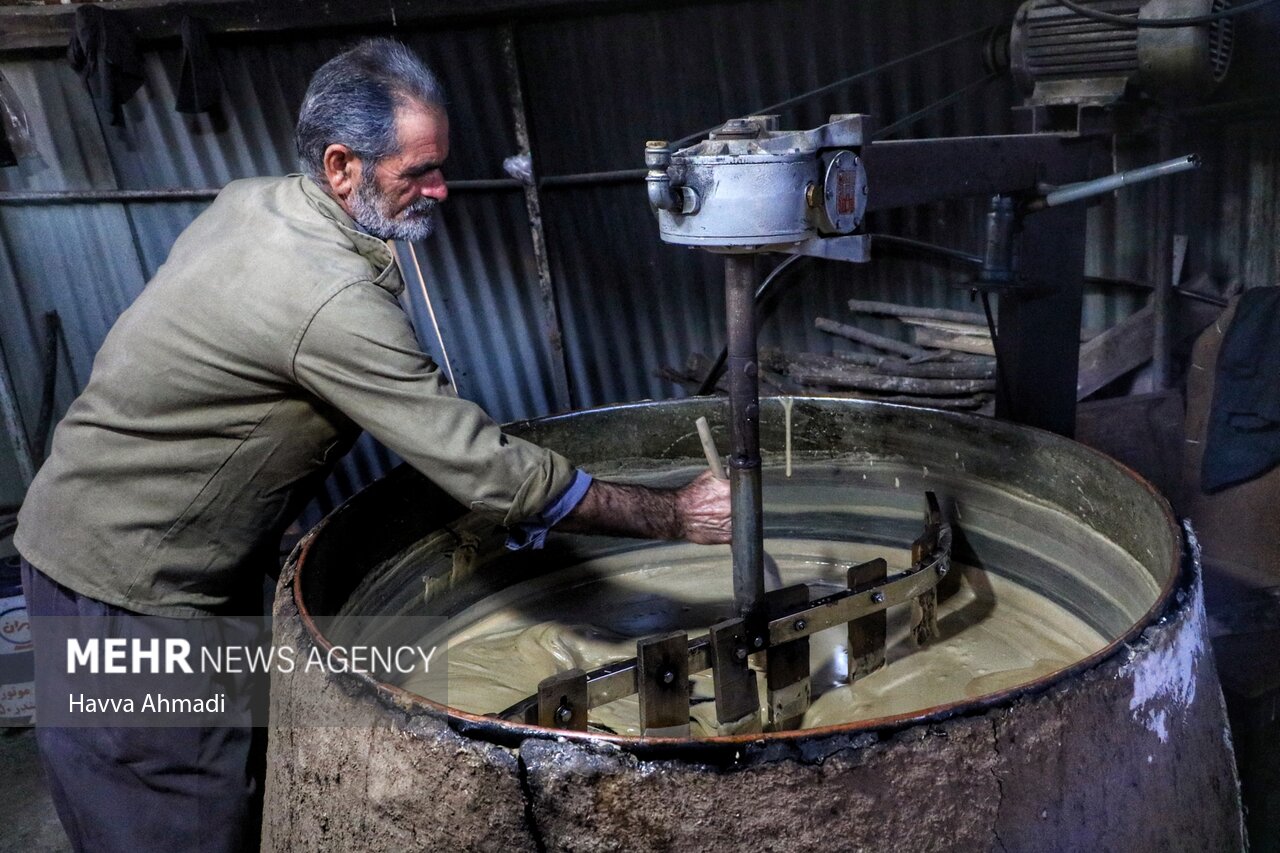
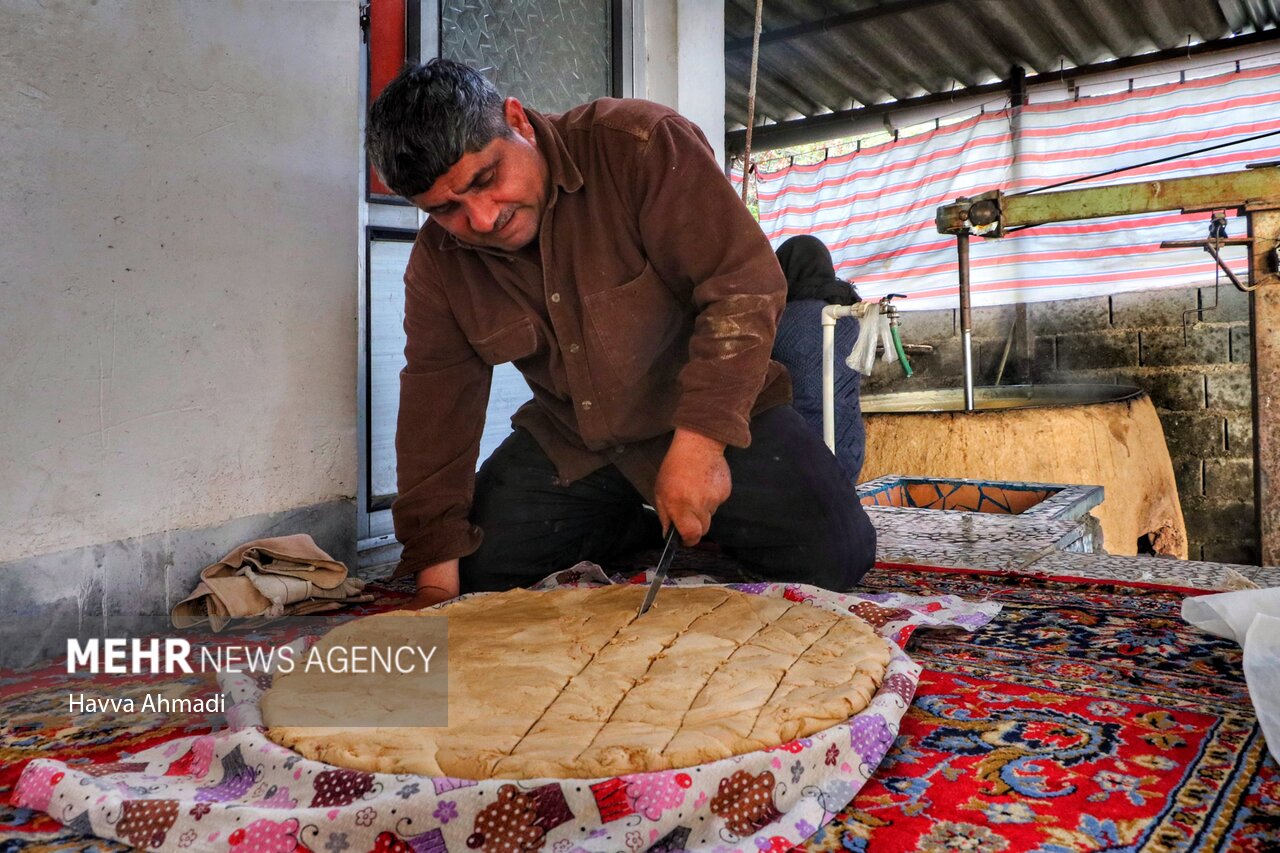
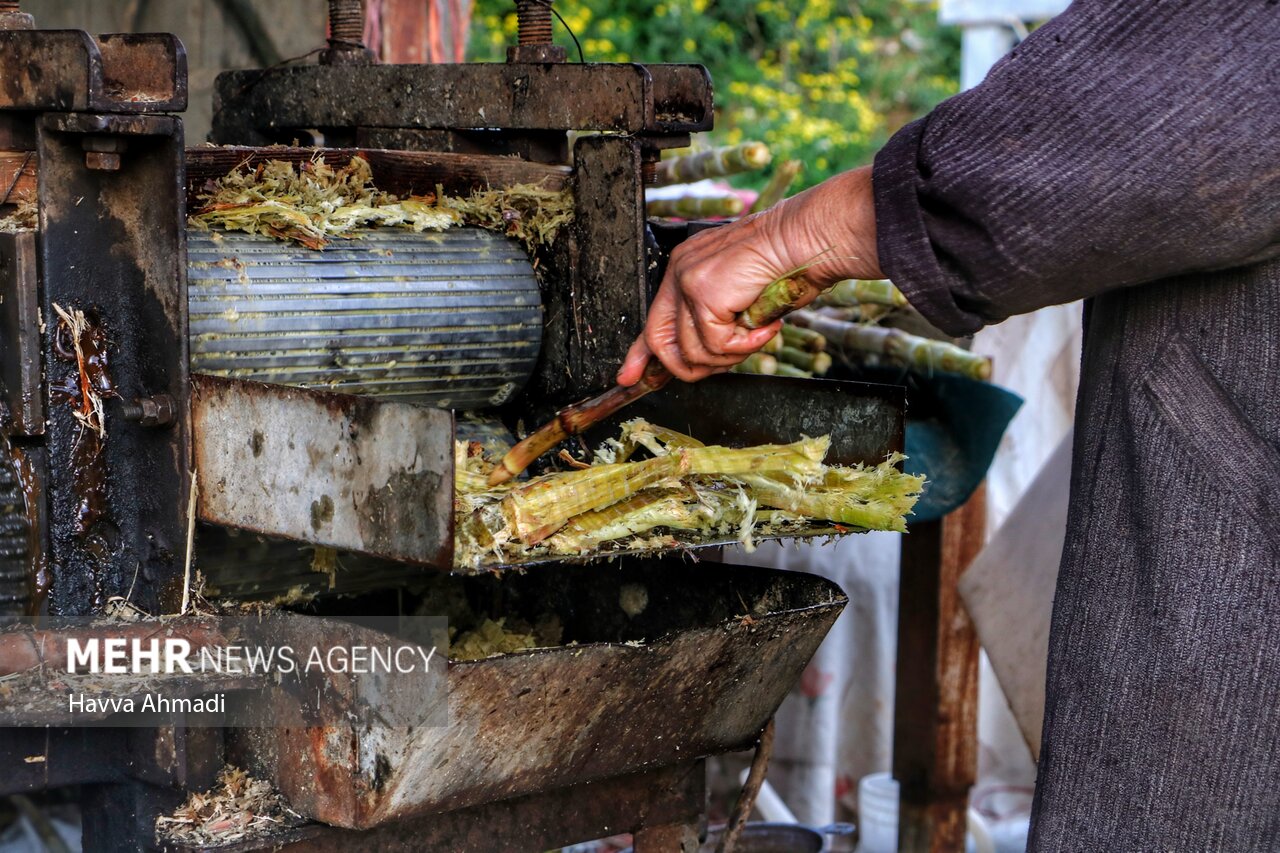
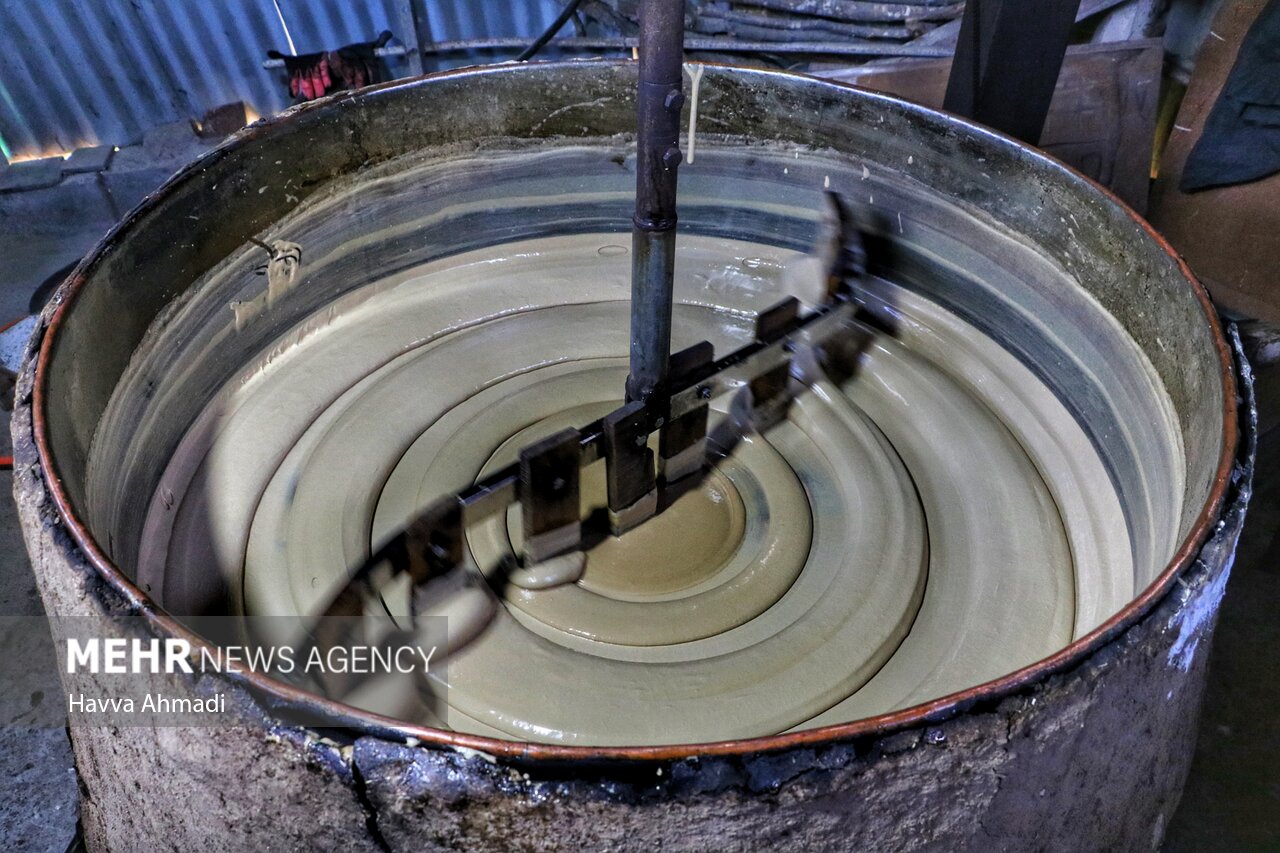
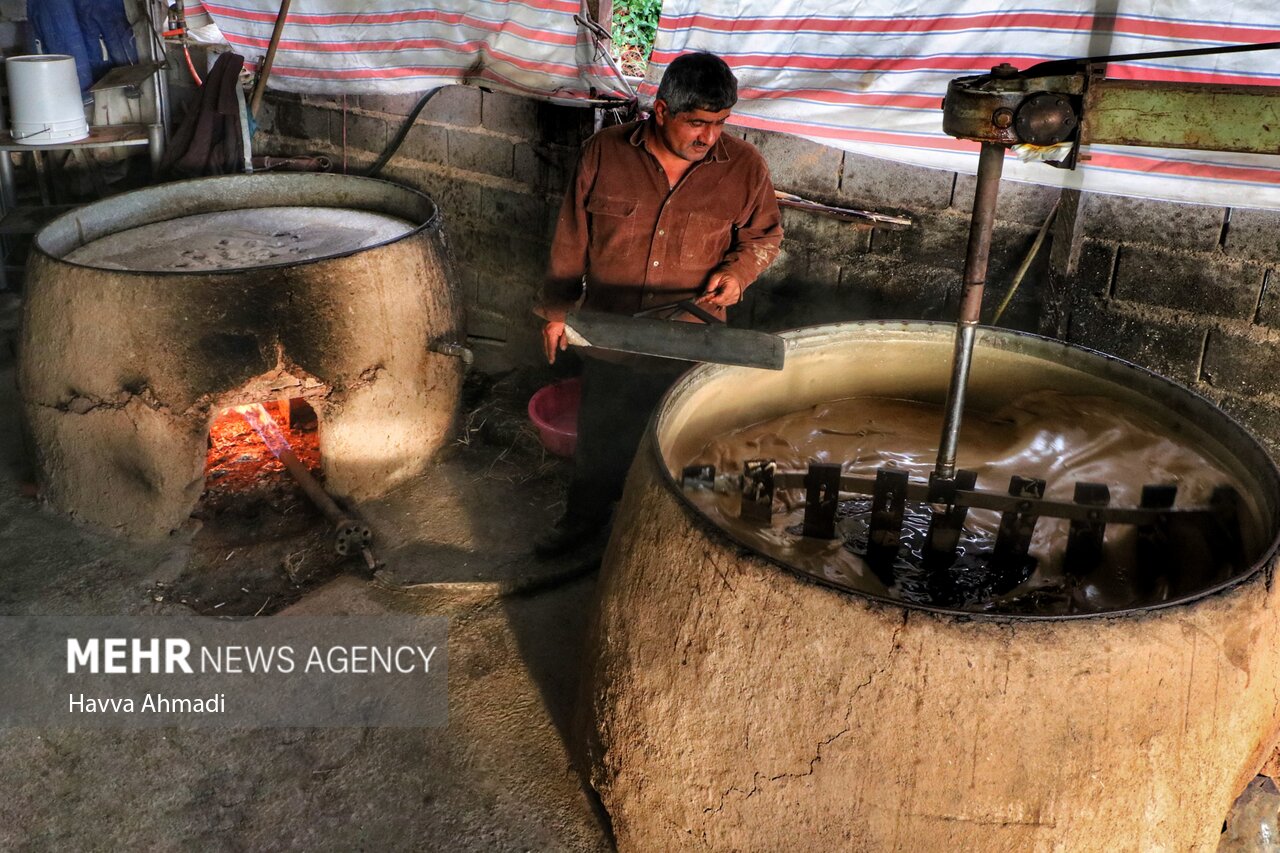
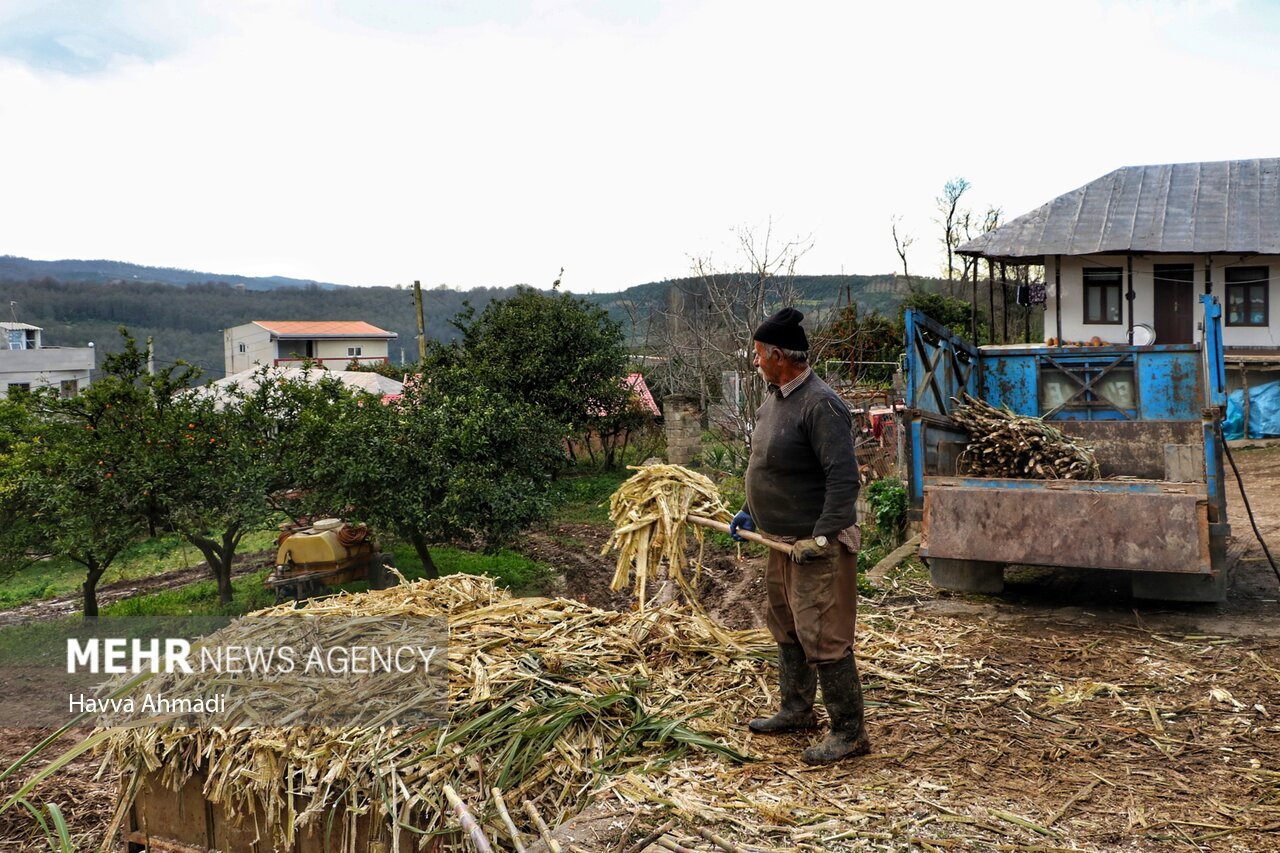
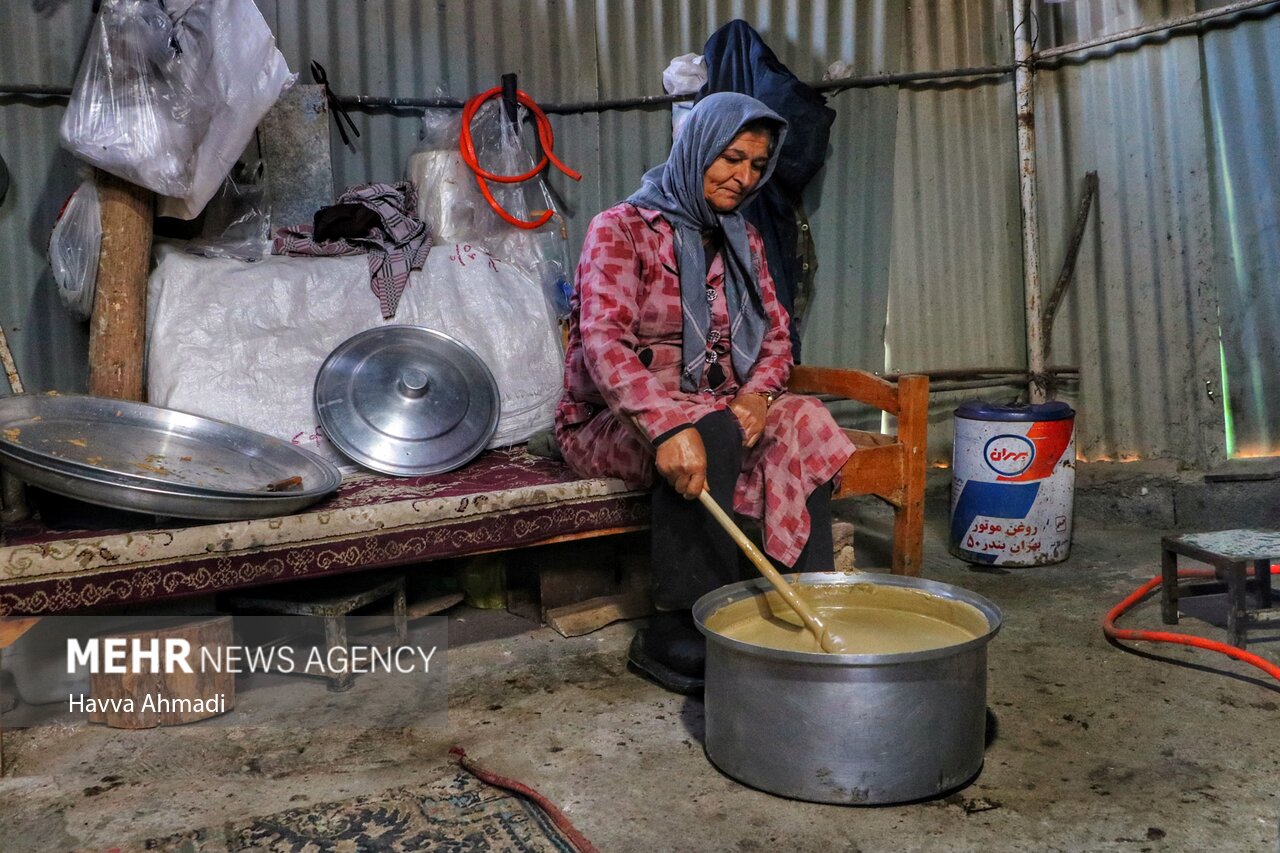
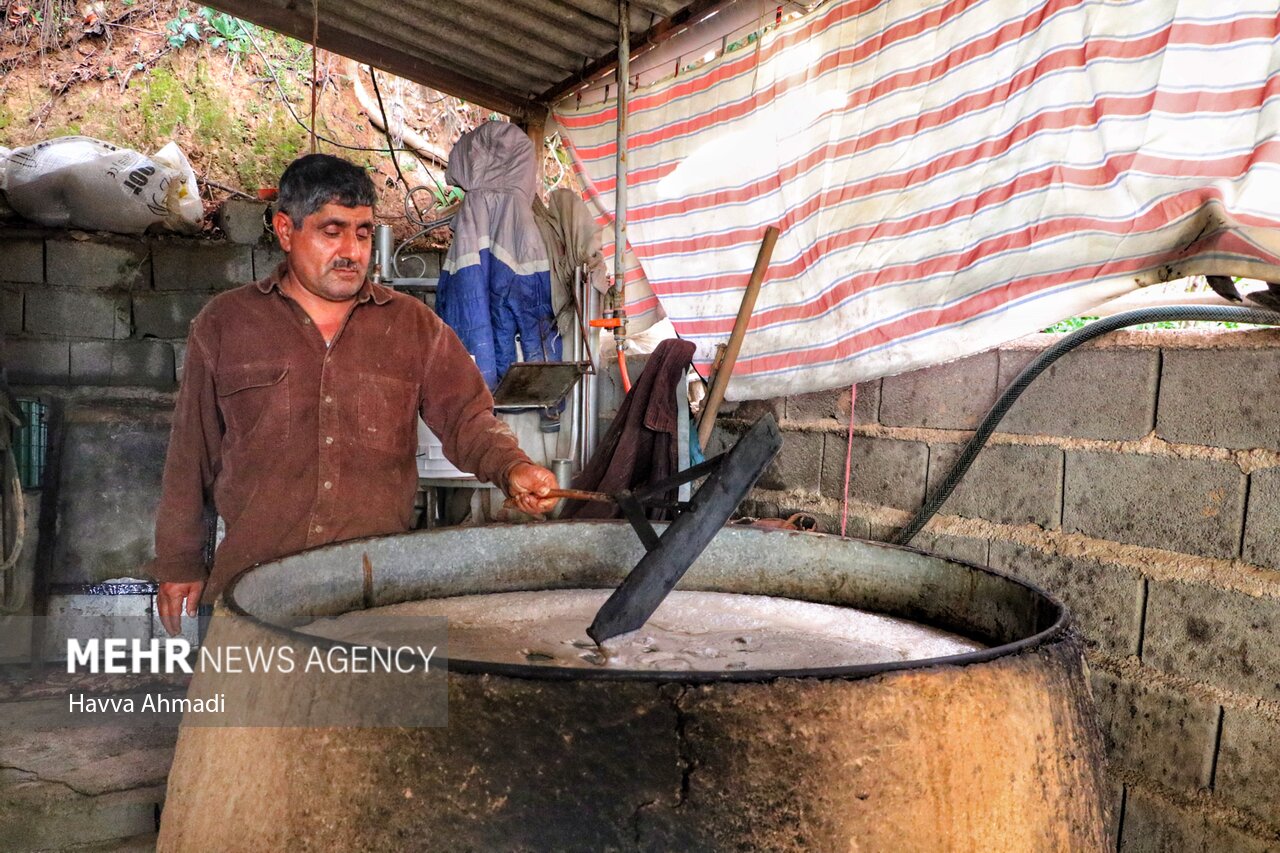
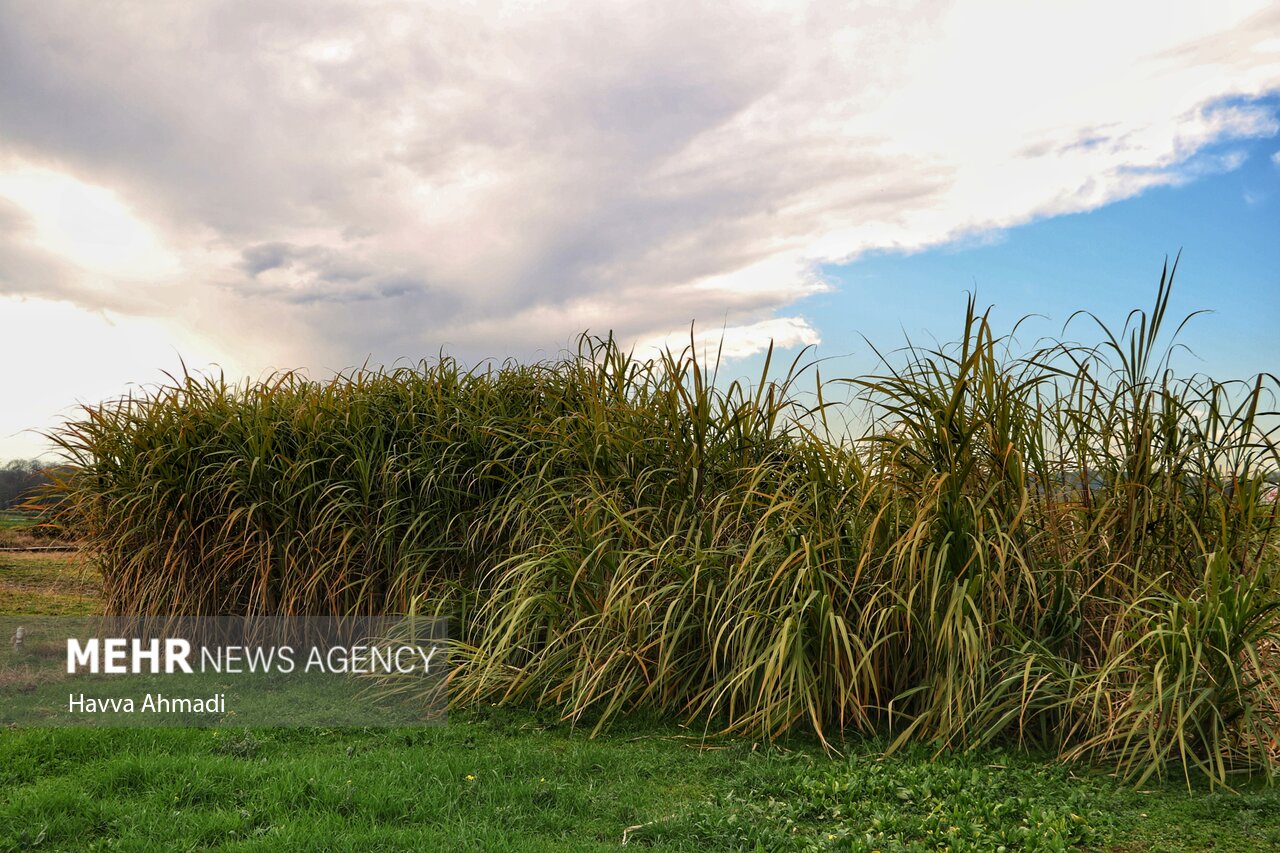
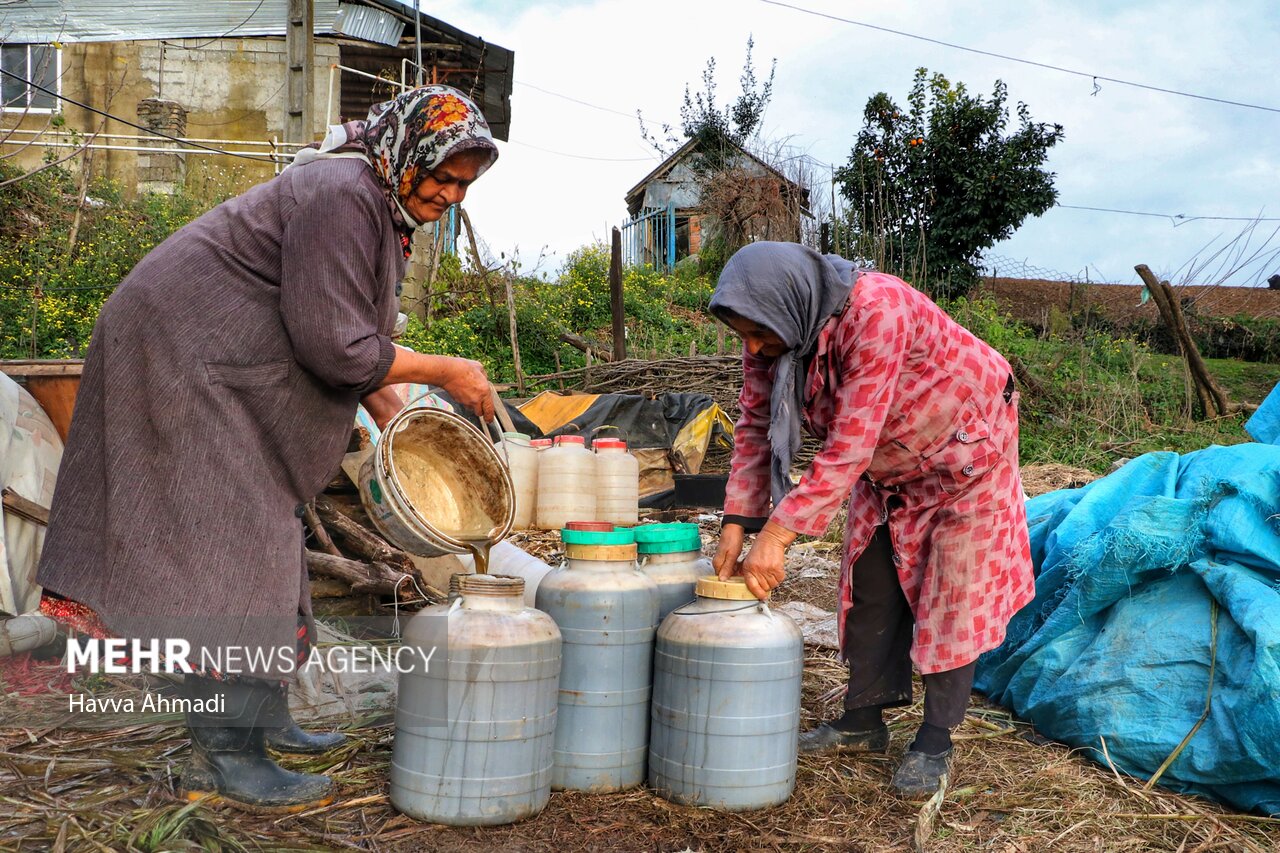
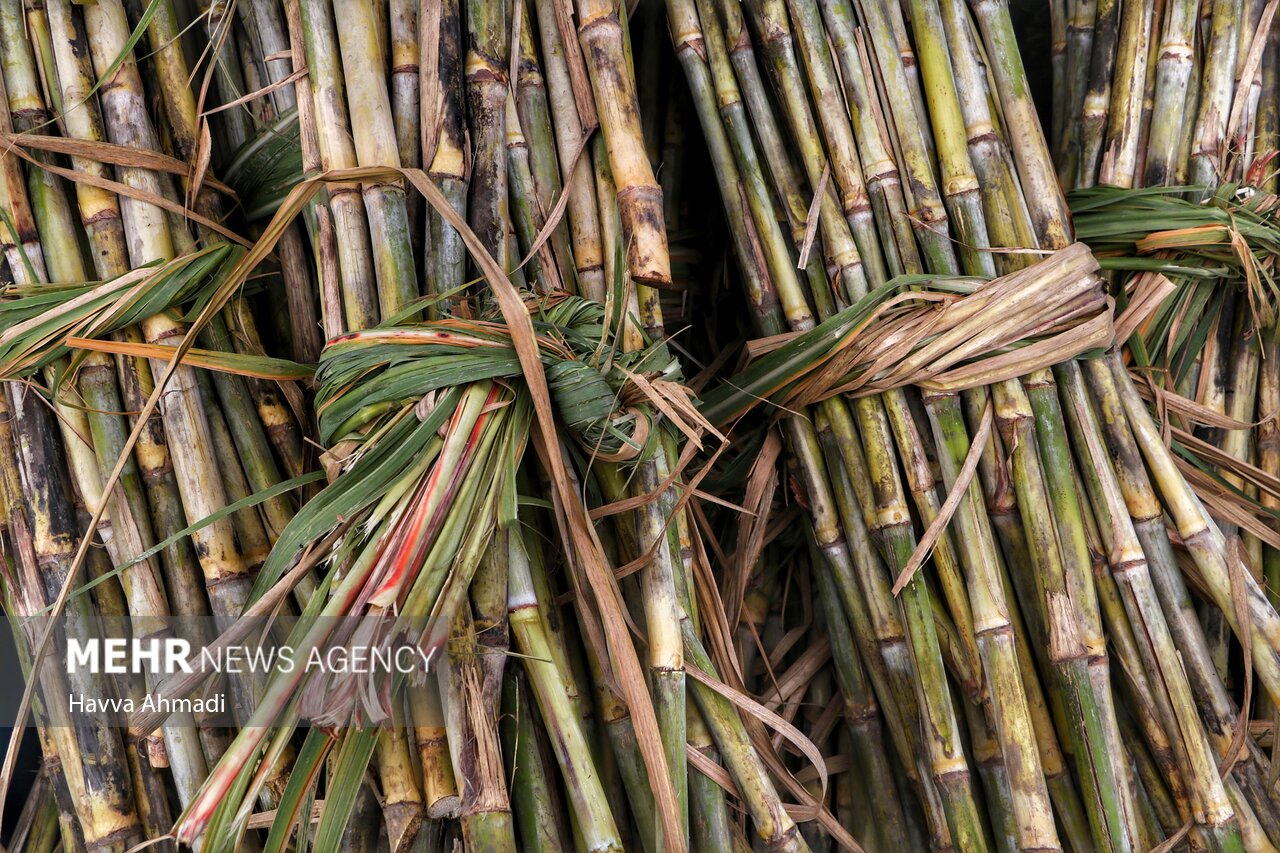
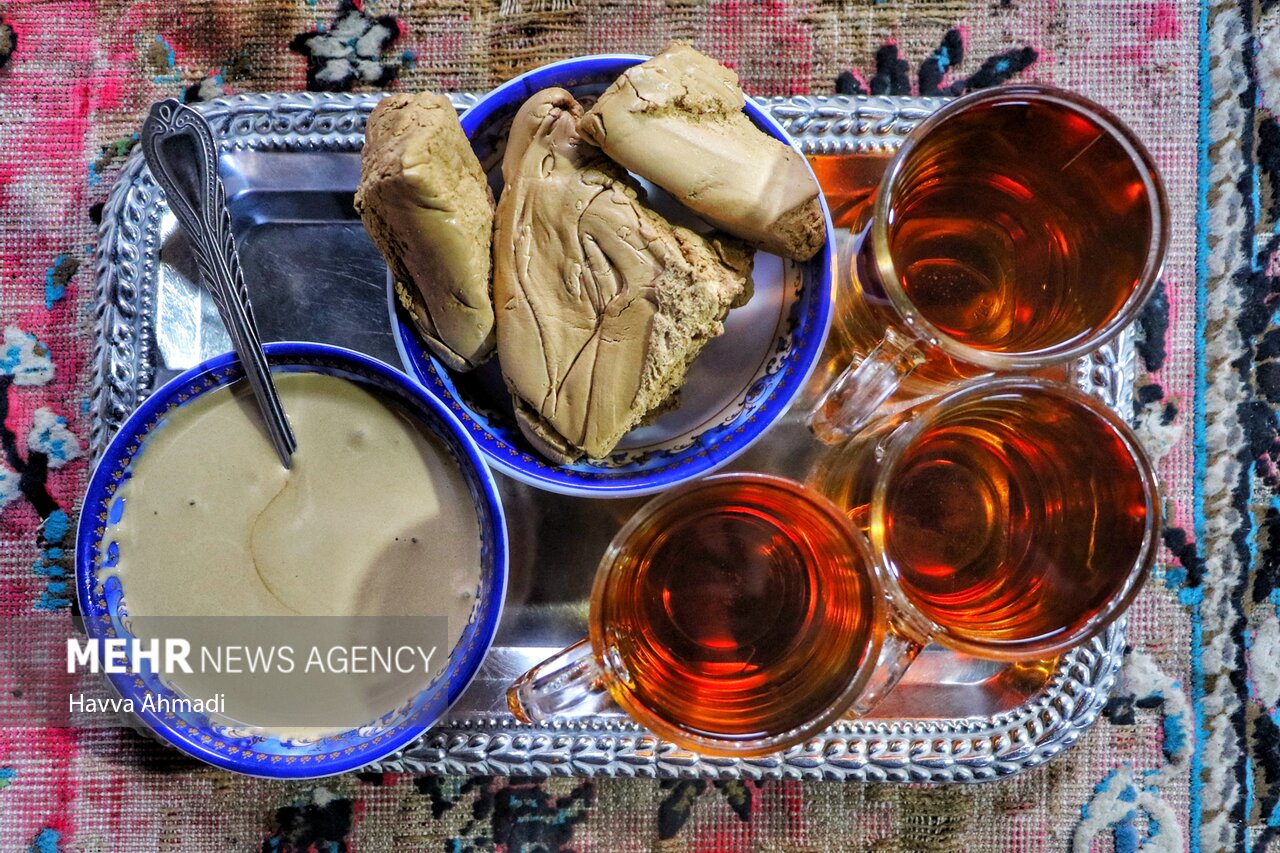
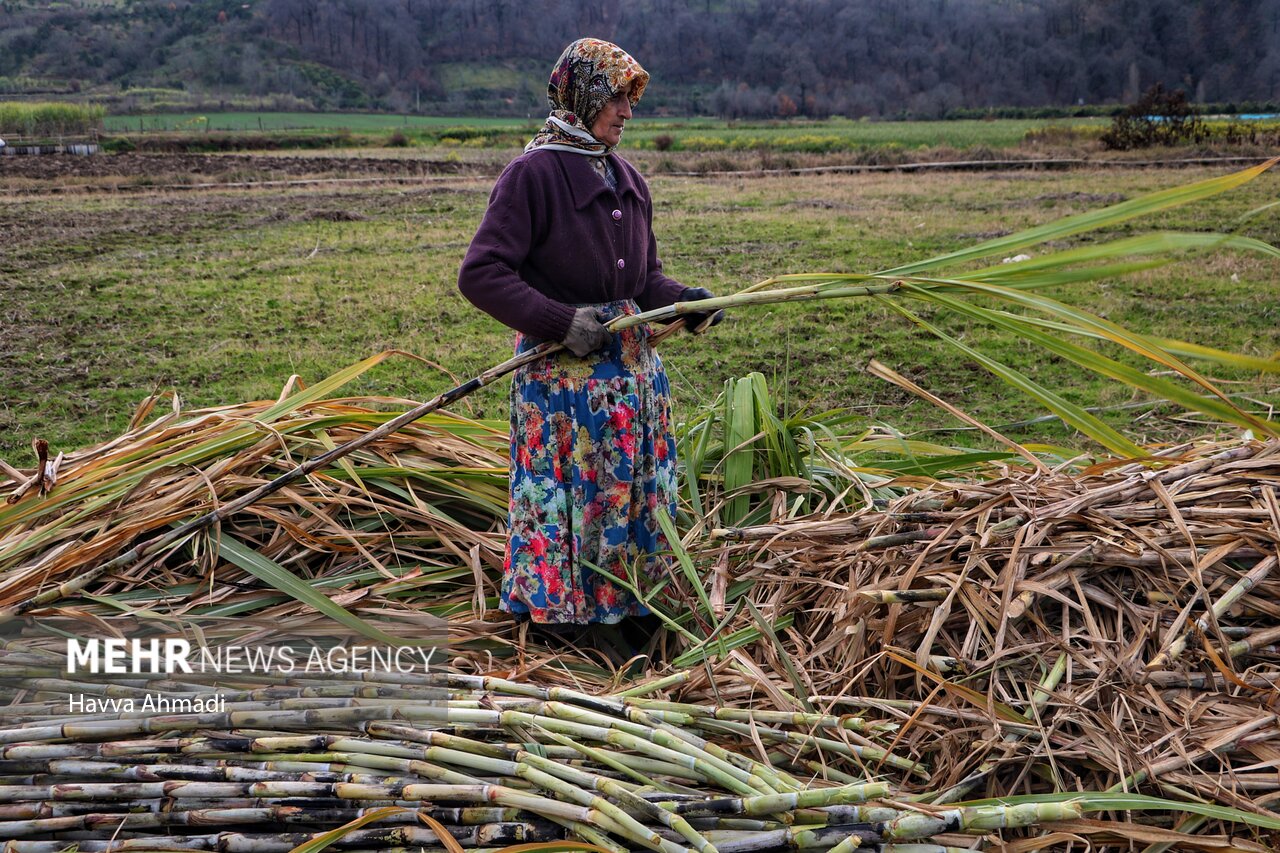
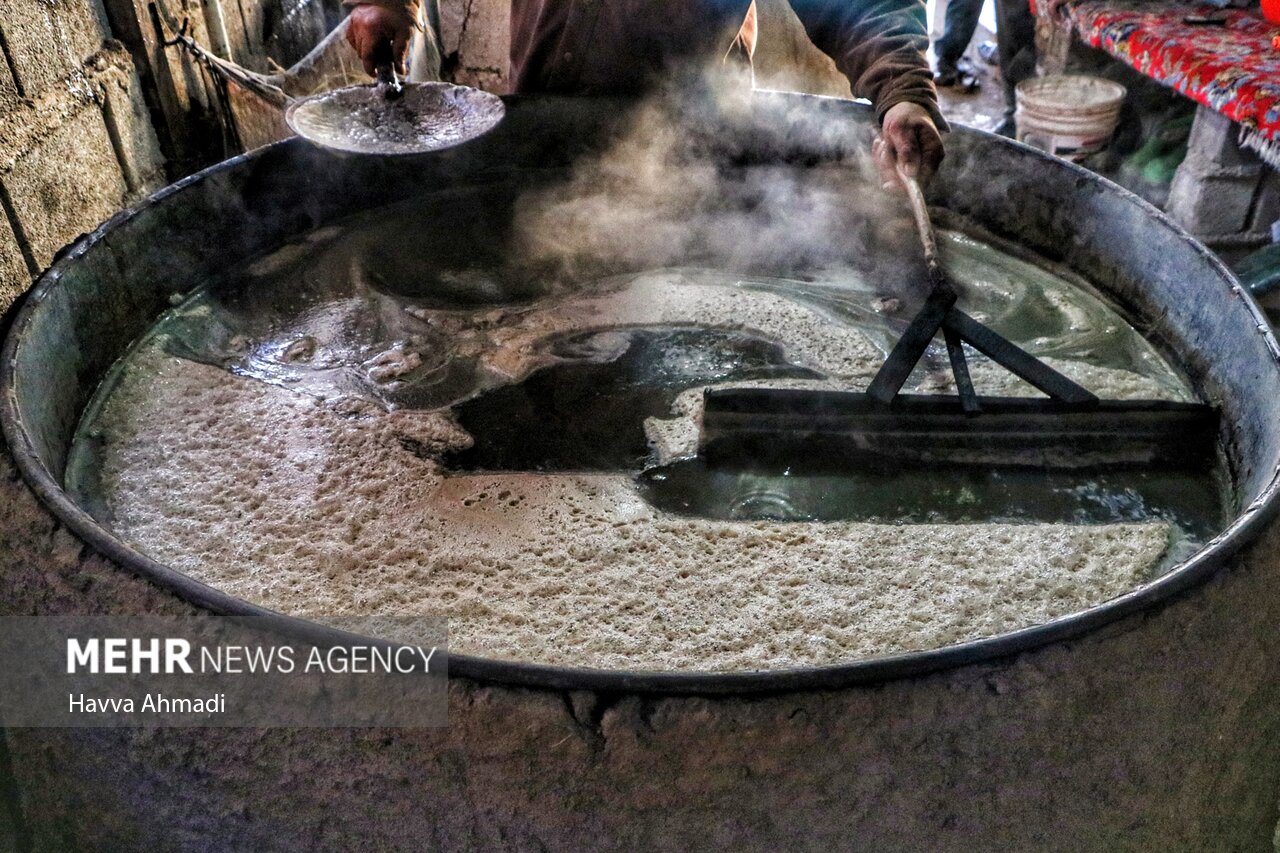
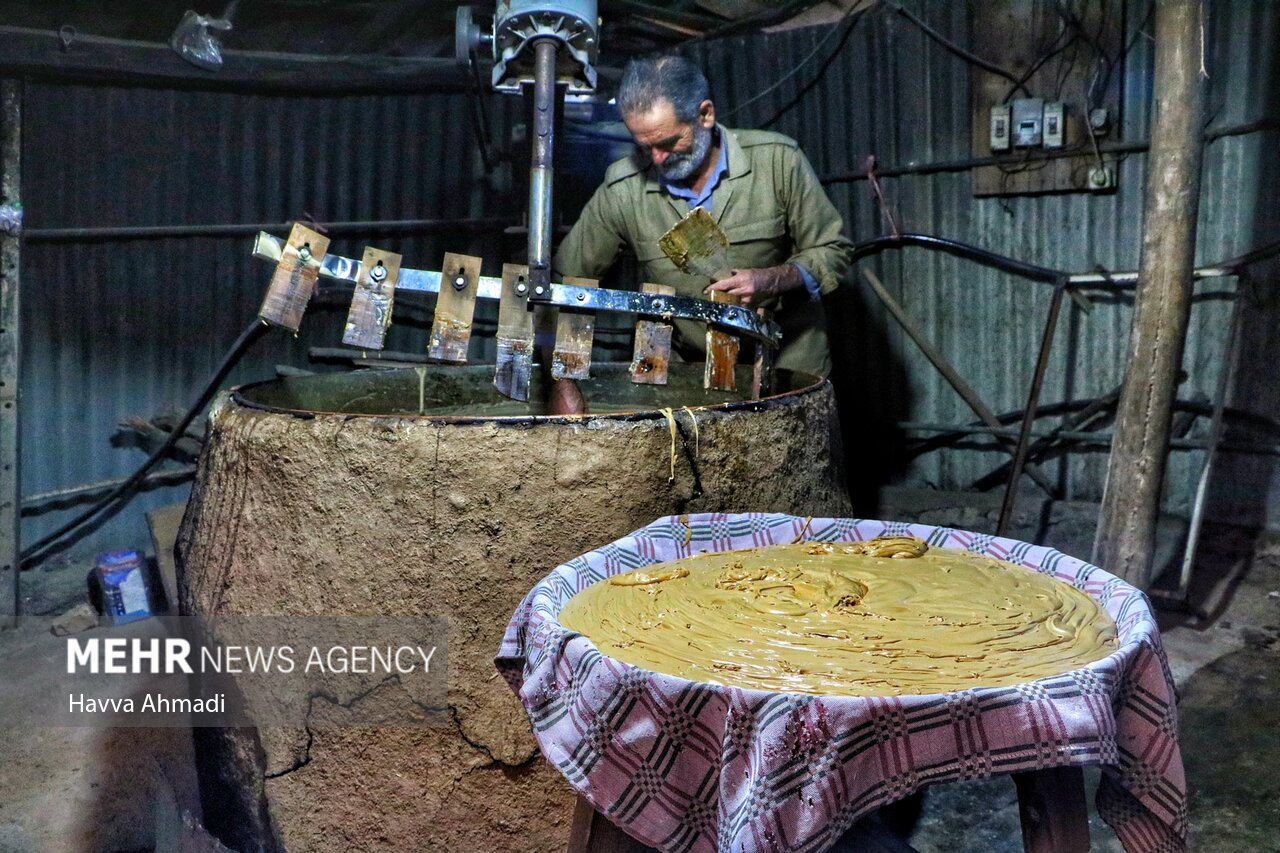
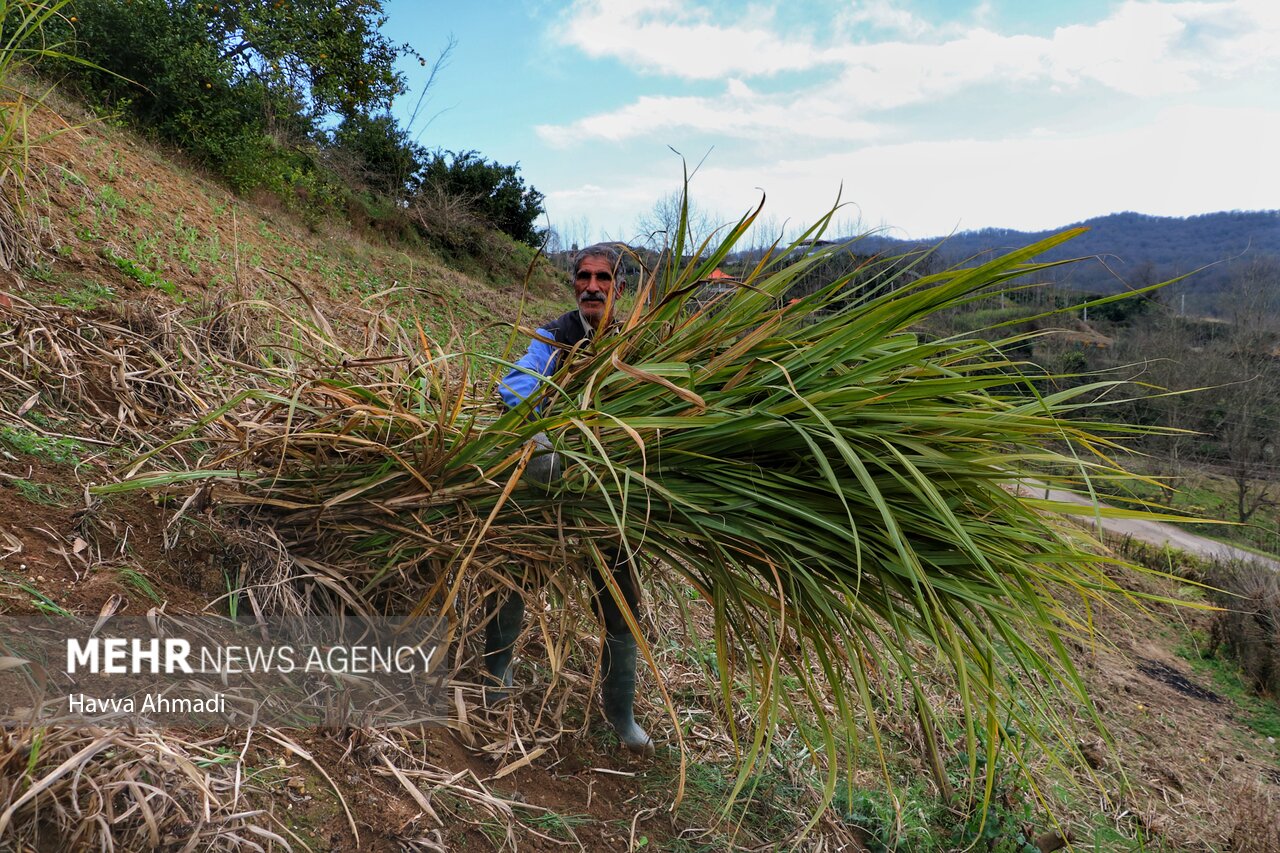
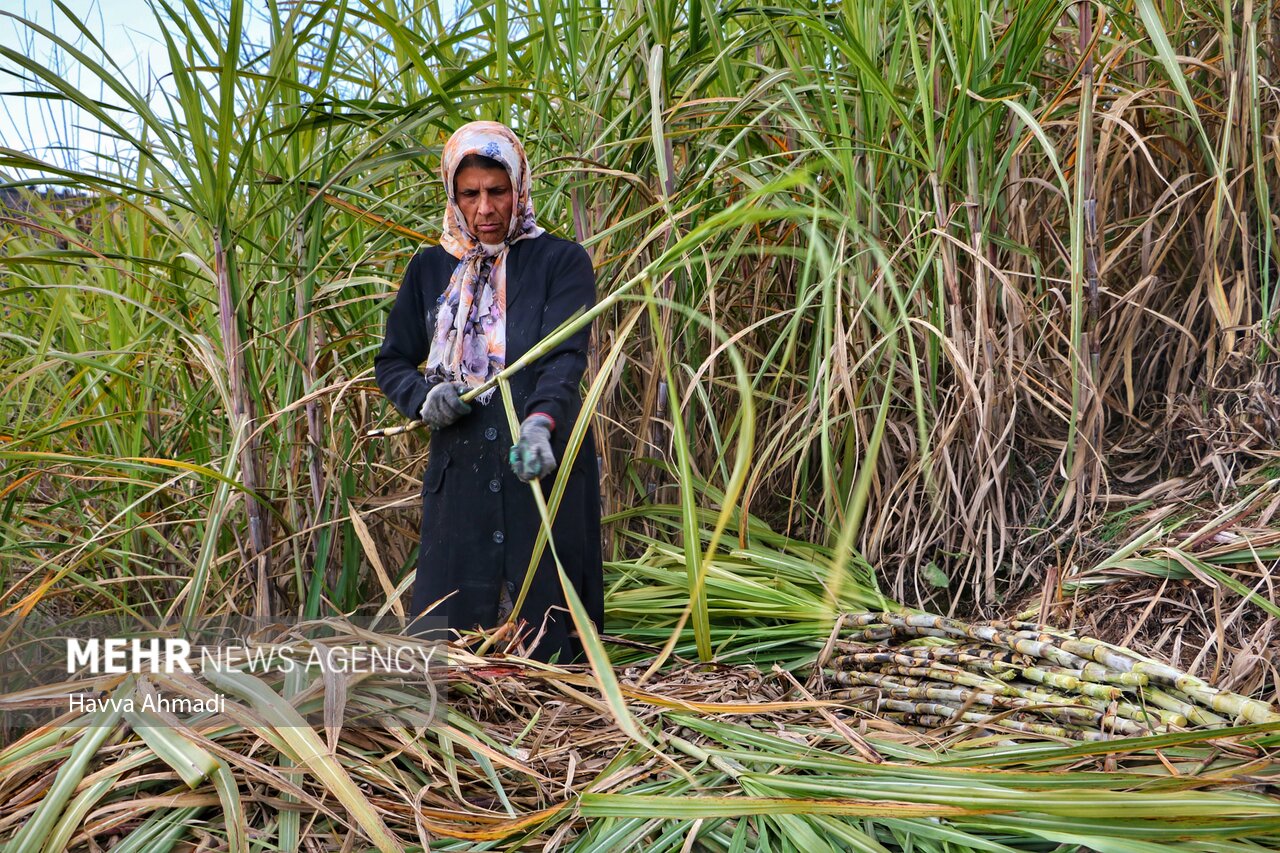
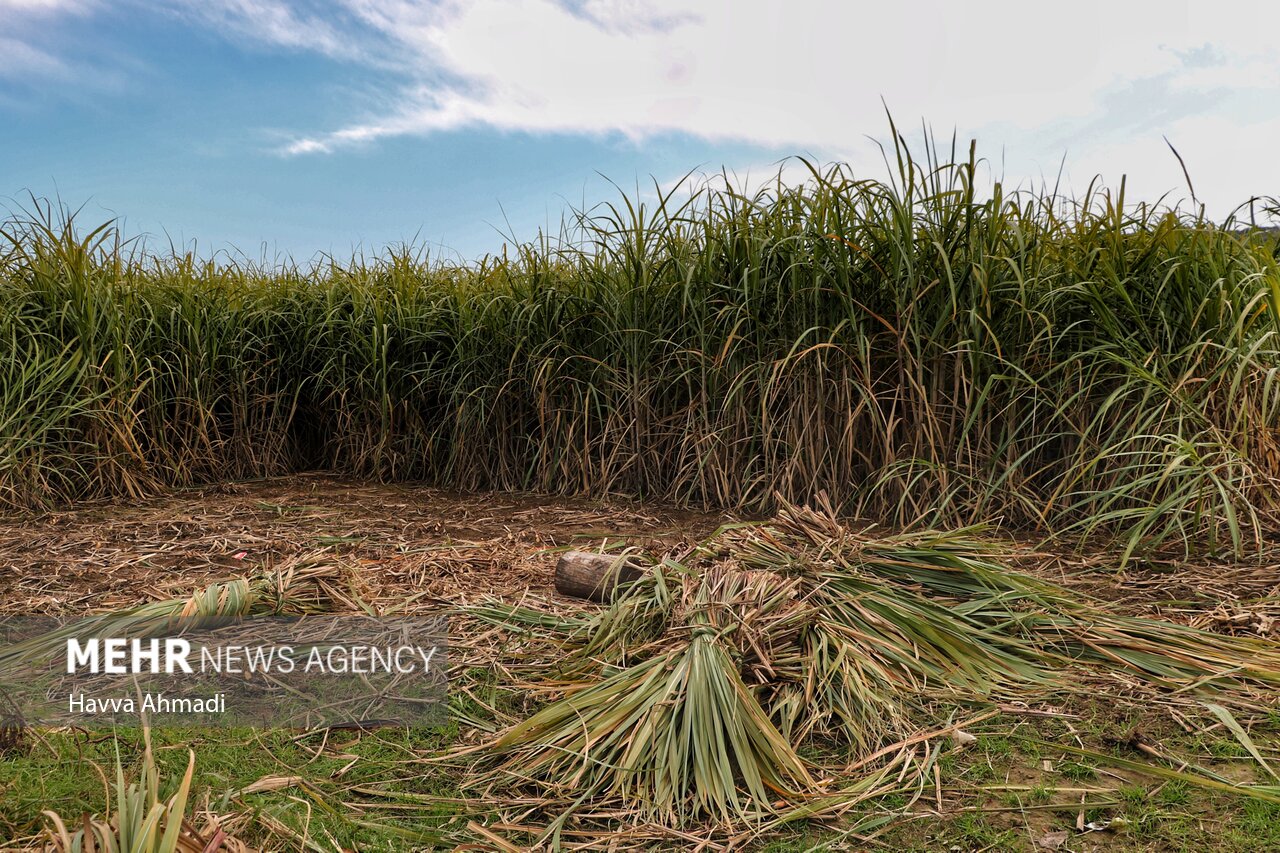
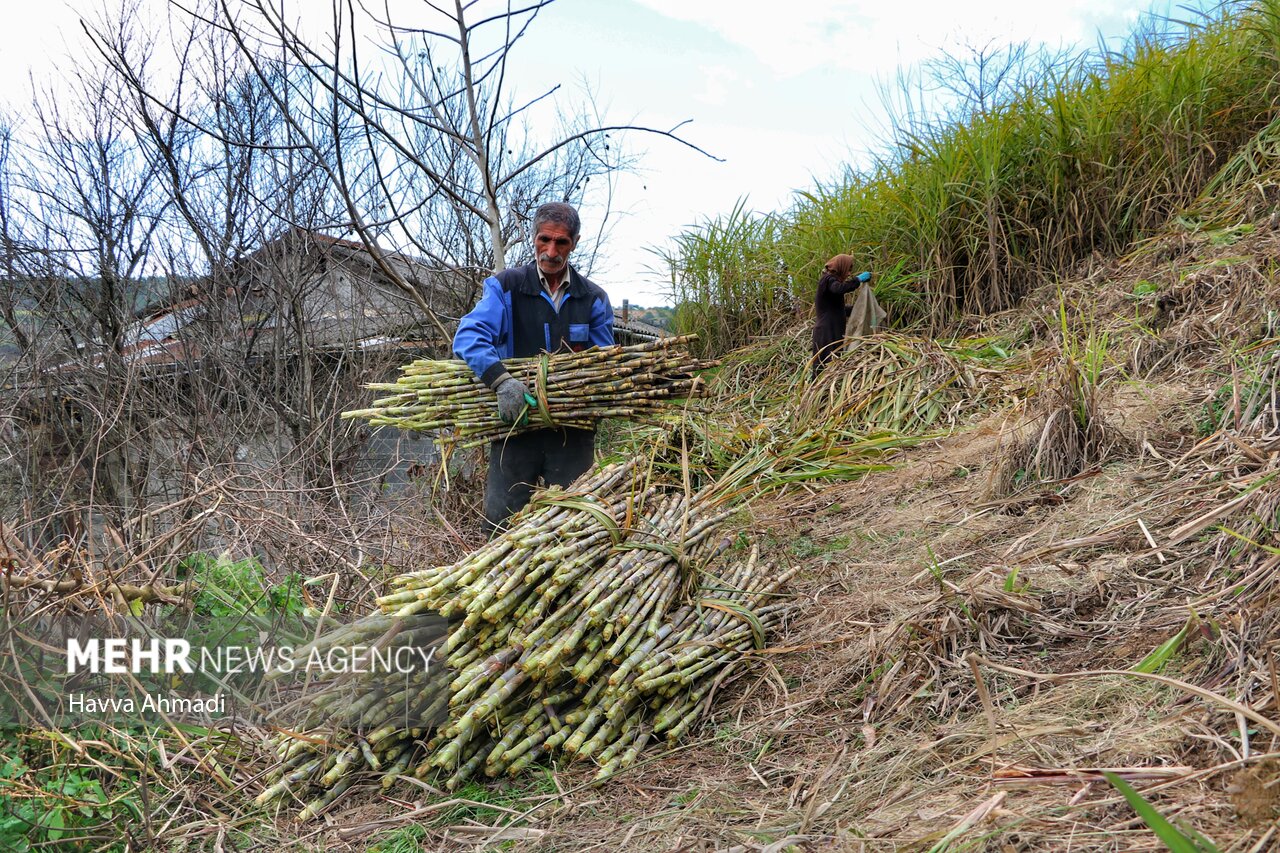
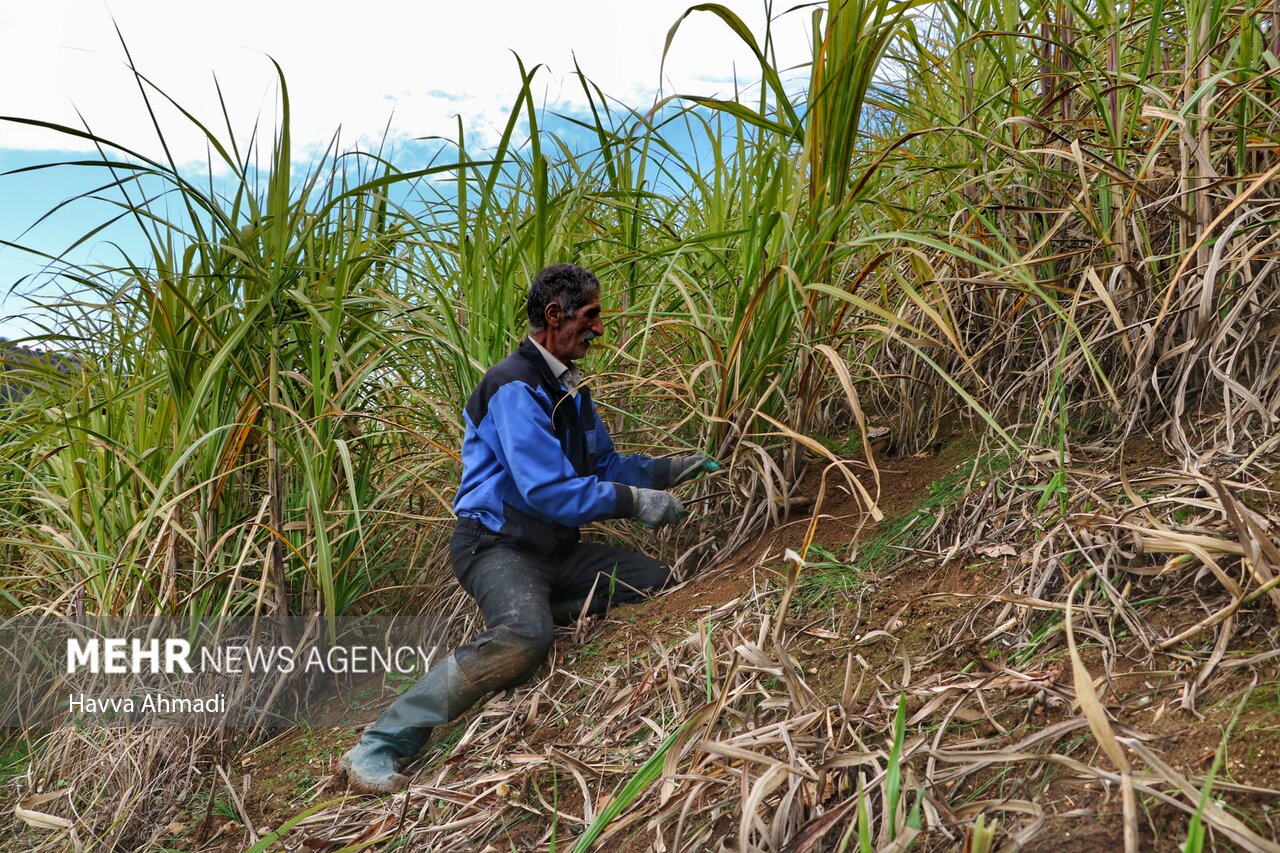
Sugarcane: Red gold growing in northern Iran

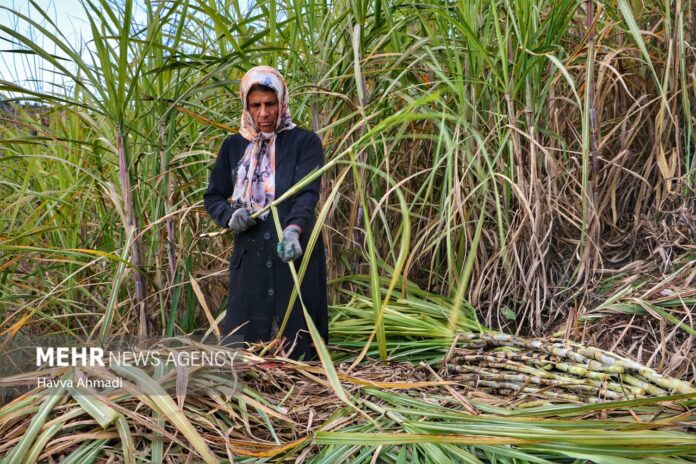
The plant yields two products: Sugar foam and red sugar.

Red sugar is very popular and widely used in traditional medicine.

As plains are ideal grounds for sugarcane to grow, the country can reach self-sufficiency in growing this plant as a strategic product.

This plant has dozens of species, with thick, segmented stems growing between 2 to 6 meters tall.

Red sugar is the essence of sugarcane and not only is used as foodstuff, but also has medicinal properties.

Heavy rain, snow strike dozens of provinces across Iran

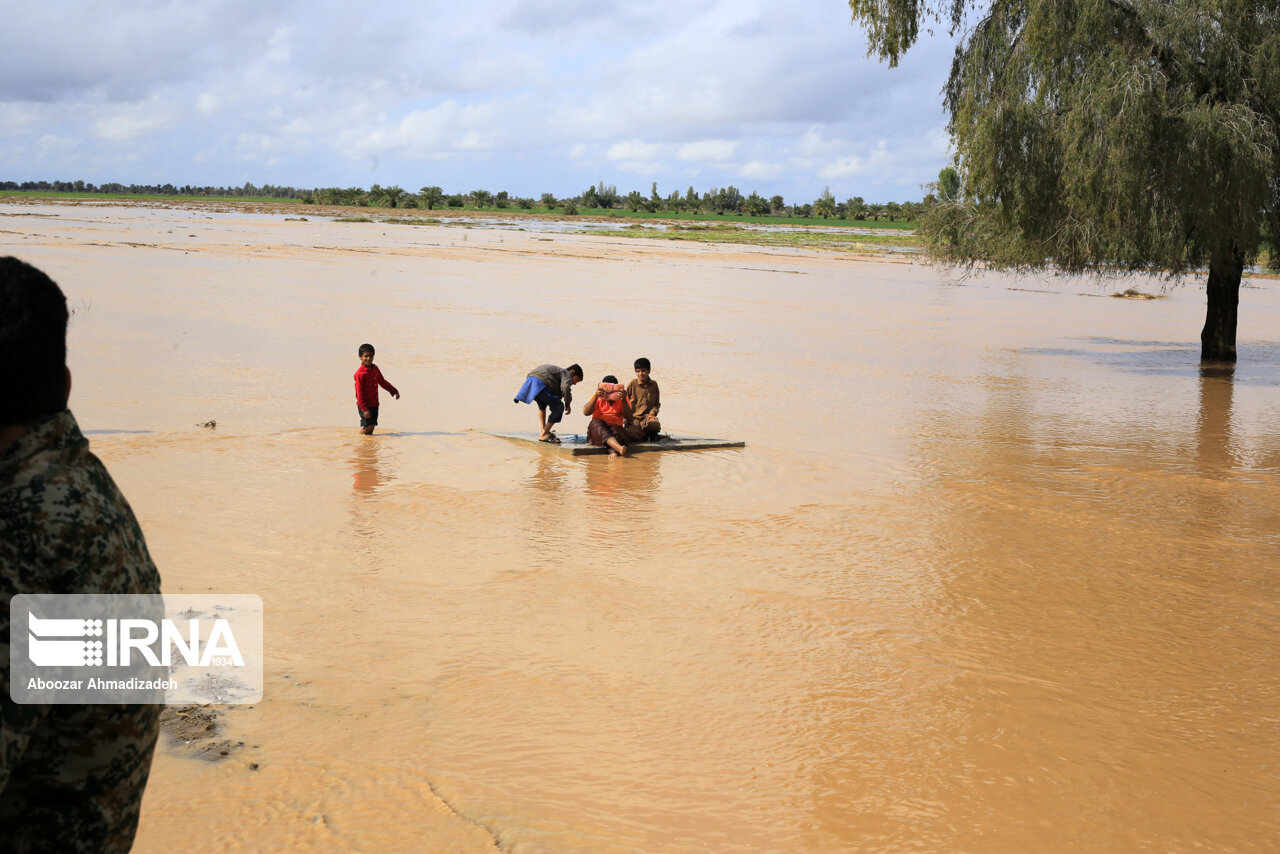
Torrential rain caused flooding in a number of towns and cities in southeastern Kerman province.

One of the hardest-hit cities is southern Roodbar in Kerman Province where homes and public places have been deluged following heavy downpour.

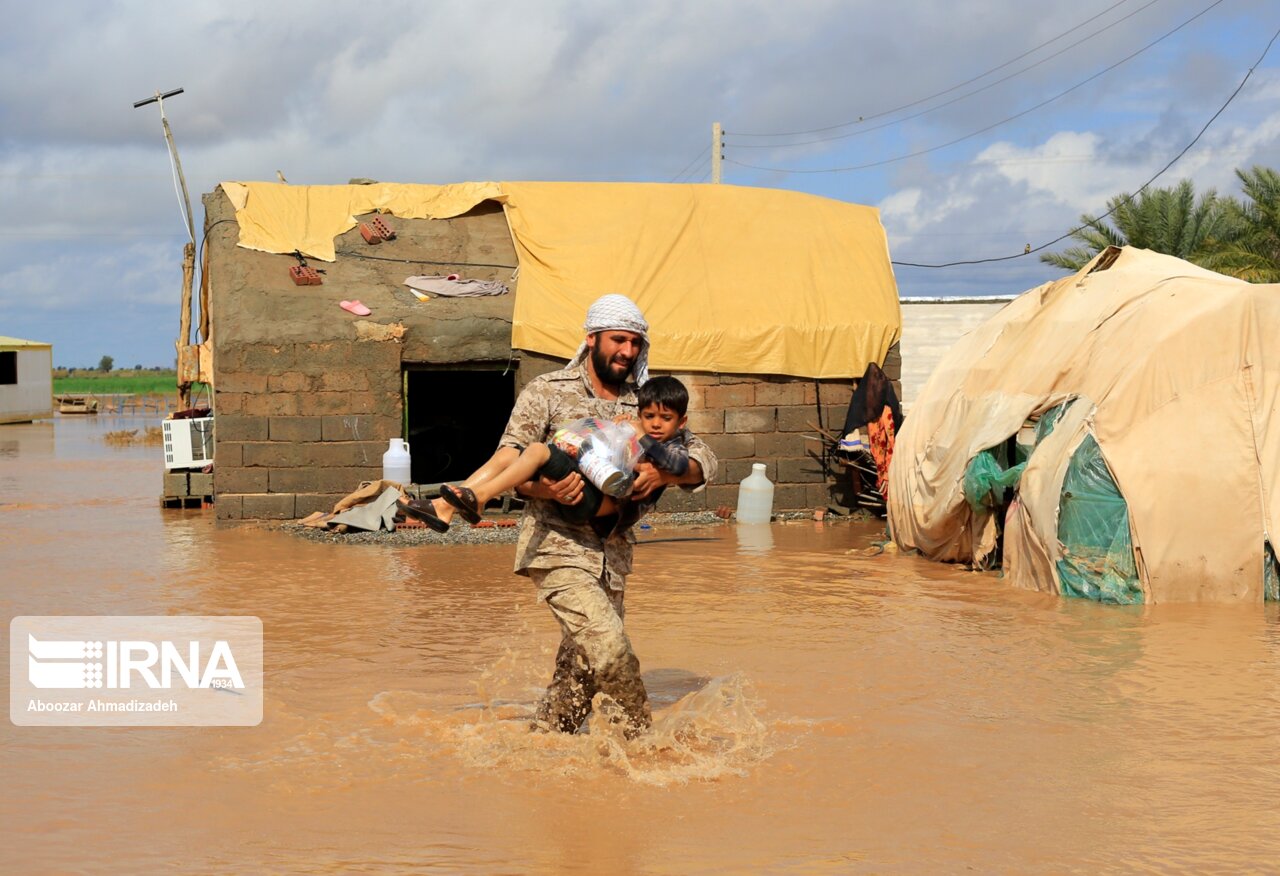
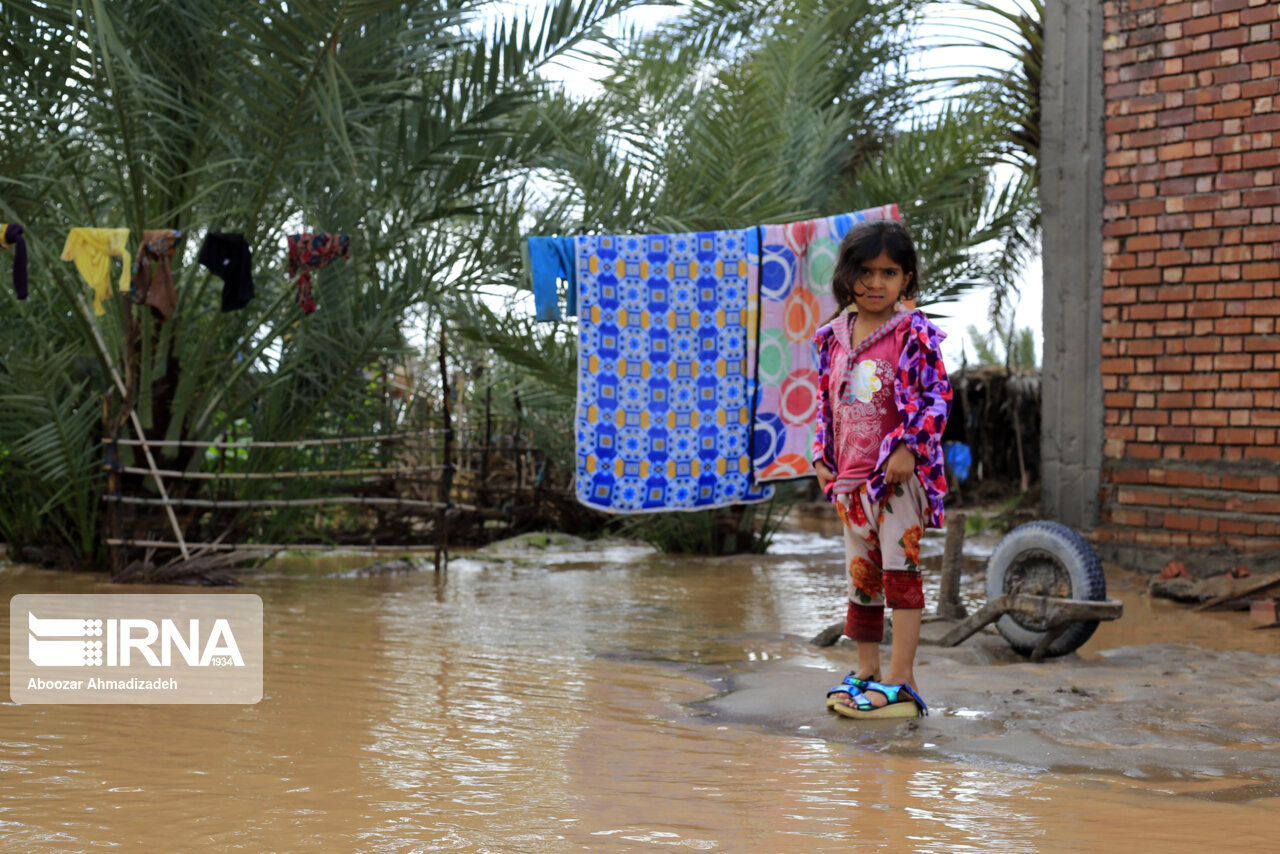
Heavy rain in Hormozgan province has also forced the evacuation of locals from many flooded villages.

Flooding has inflicted serious damage to homes and agricultural fields, with the towns of Minab and Rodan bearing the brunt of the disaster.

Roads to many local areas have also been cut off.

People can travel across some villages only by using boats as many homes, agricultural fields and trees have been submerged.

Meanwhile, rain and snow snarled traffic on some roads in northwestern and western provinces.

Dozens of roads were blocked due to flooding, blizzard and snowfall.

Road maintenance personnel are working to open blocked roads.

China discloses Iran oil imports amid US sanctions

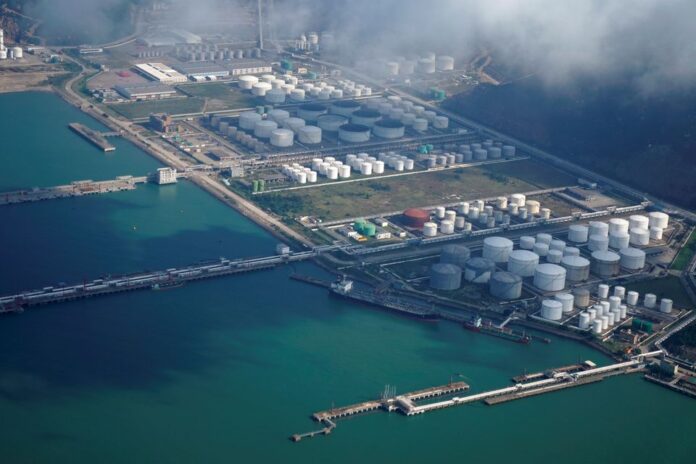
China brought in 260,312 tonnes of Iranian crude oil in December, according to data from the General Administration of Chinese Customs, which last recorded Iranian oil inflows in December 2020 at 520,000 tonnes.

It was not immediately clear which company brought in the latest cargo, which is equal to the amount of oil that would fit onto one very large crude carrier (VLCC) tanker, and which terminal it was discharged into.

Unofficially, China’s imports of Iranian oil had held above 500,000 barrels per day on average between August and October, as buyers judged that getting crude at cheap prices outweighed the risks of busting US sanctions, Reuters reported in November.

To avoid the sanctions, Iranian crude has been exported to China marked as oil from Oman, the United Arab Emirates and Malaysia, squeezing out supplies from Brazil and West Africa, traders have announced.
Imports from Iran have accounted for about 6% of China’s crude oil imports, according to shipping data and trader estimates.