Thursday, January 1, 2026
Home Blog Page 2125

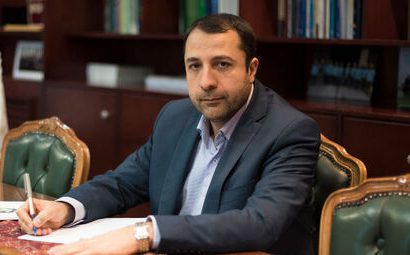
Central Bank Chief: Iran inflation down 17%, economic growth likely 8%

standing 17 percent lower in comparison to August. 

Ali Saleh-Abadi, however, said the reduction of inflation rate shows that the inflation has continued to decrease and the pace of price hikes has slowed. 

The CBI chief said the new government has drawn up  next year’s budget – including currency rates, oil sales and prices, and expenditures – in a way to prevent deficit that is a main factor behind the rise in inflation.

He expressed hope that the inflation would keep reducing in the future and the country would witness an eight percent economic growth in the coming Iranian year (late March 2022).

The CBI chief said, “The country’s oil and non-oil exports have considerably increased,” adding that the economic growth in the first six months of the Iranian calendar year (staring March 21, 2021) rose to 3.3 percent.

The figures indicate, Saleh-Abadi continued, the country’s economic conditions are improving, but the growth in the economic sector is still far from what the government is seeking.

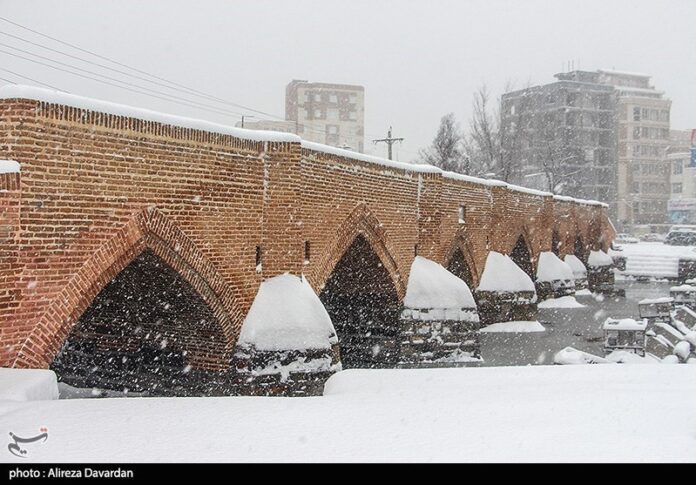
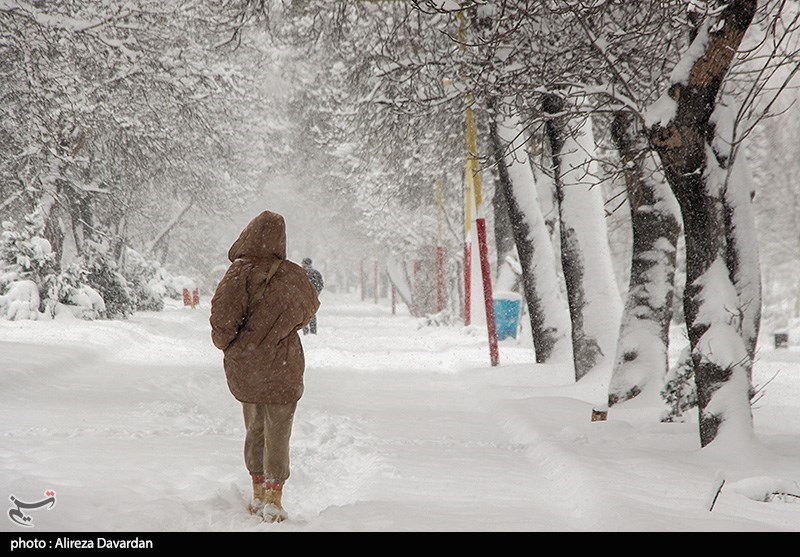
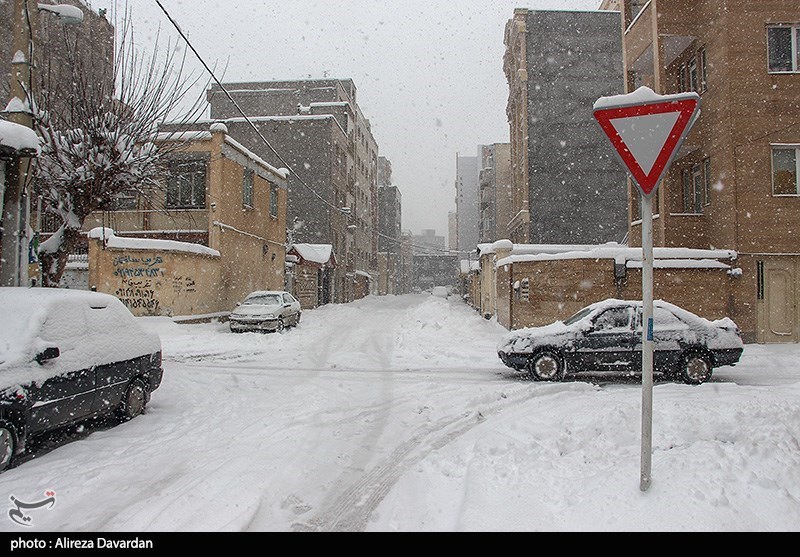
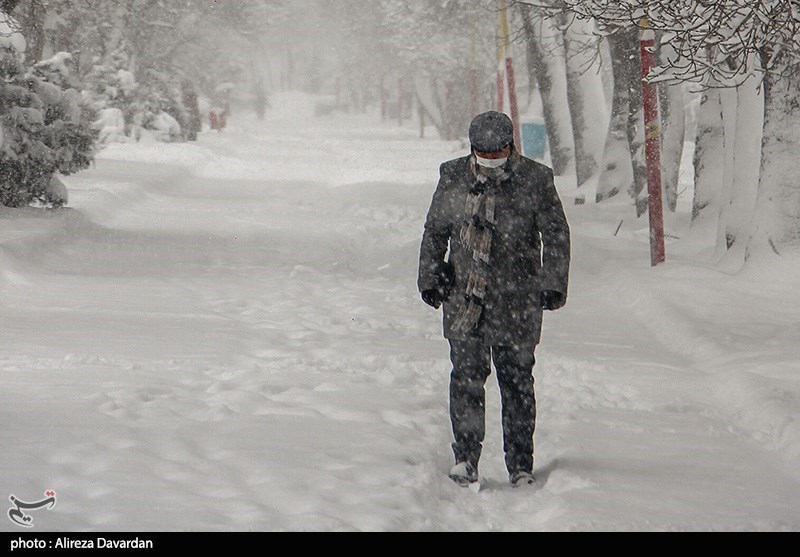
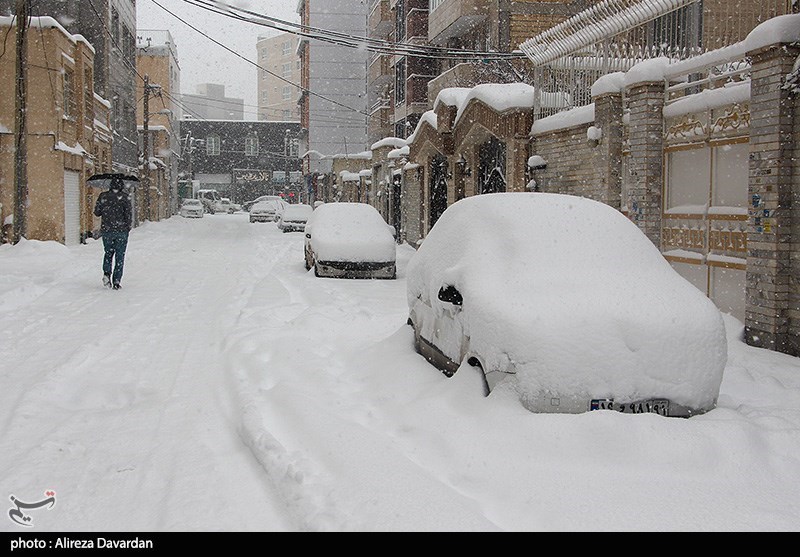
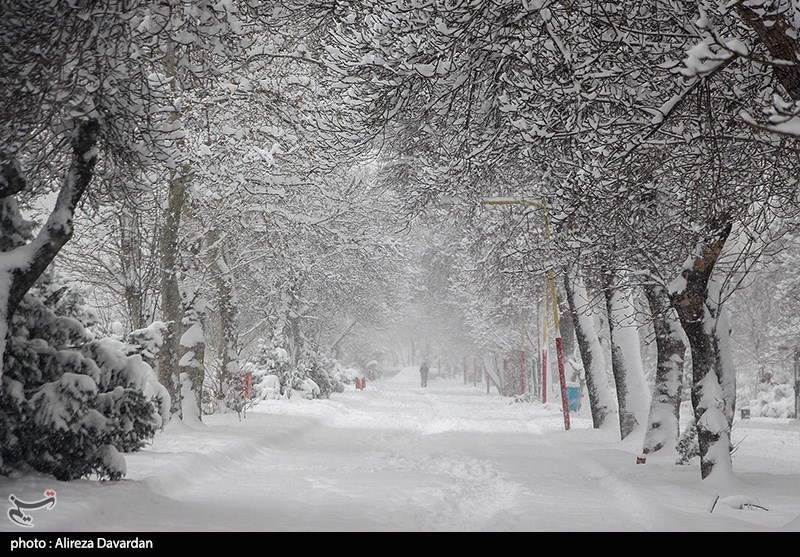
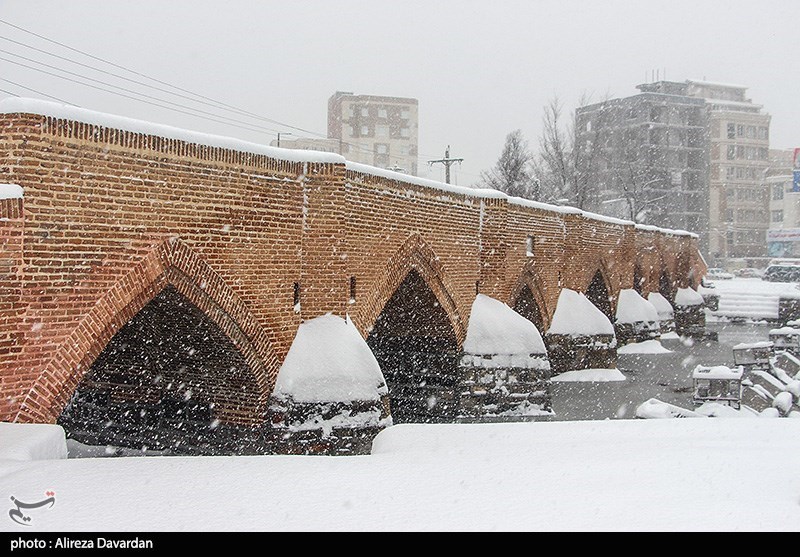
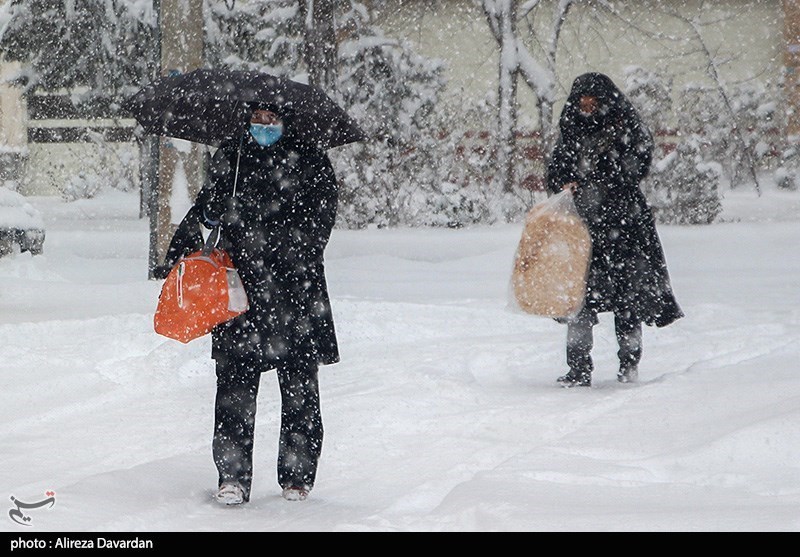
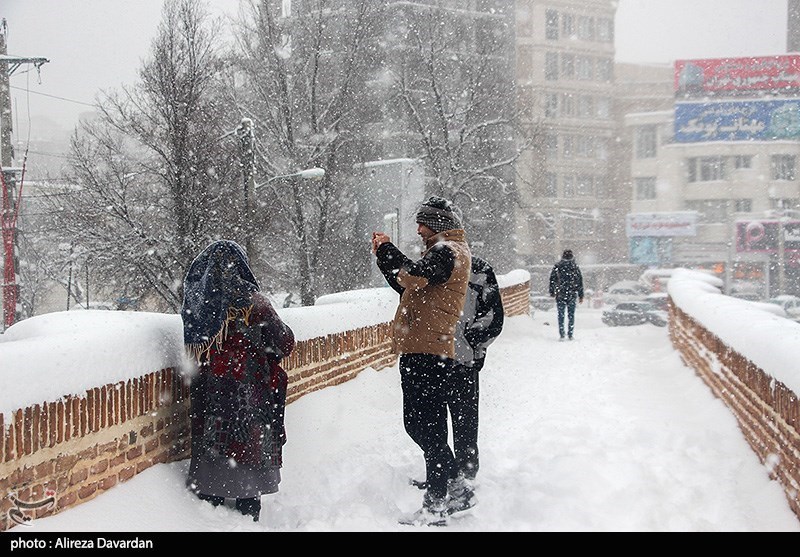
Iran’s NW city of Ardabil covered in snow again

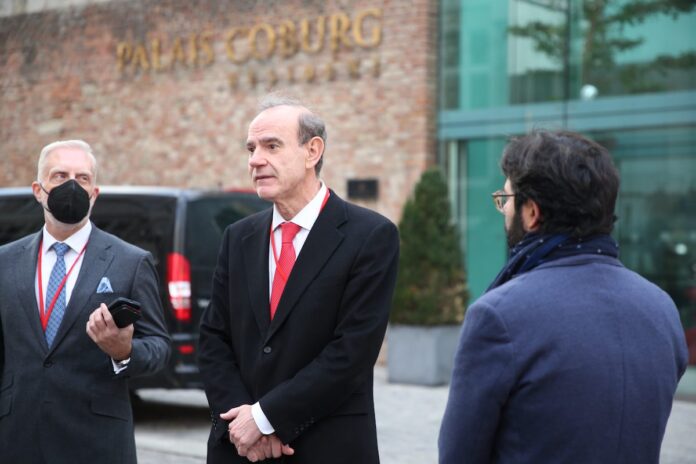
EU’s Mora says success of nuclear talks still uncertain

“Working Group on sanctions lifting meeting right now at Coburg. More meetings scheduled for today,” he wrote on Twitter on Sunday.

“Success of Vienna Talks on JCPOA is still uncertain, what’s only logical in such a complex negotiation. But, as coordinator I can’t but commend delegations commitment to a success,” he added.

On Friday, European Union’s foreign affairs representative Josep Borrell announced an agreement with Iran could be achieved “in the coming weeks” due to a “better atmosphere” in Vienna, where negotiations are currently being held.

“We’re arriving at the end of a long process… there’s a better atmosphere since Christmas — Before Christmas I was very pessimistic. Today I believe reaching an accord is possible,” he added.

He stated a final deal could be concluded “in the coming weeks”.

An informed source has noted that diplomats in Vienna have bridged many of their differences in the sanctions removal negotiations and that delegations of Iran and the P4+1 group are now discussing how to implement and sequence a possible agreement.

Iran has stressed the ball is in the court of the United States, and Washington must remove the anti-Tehran sanctions. Iranian officials have also reiterated that there is no way to revive the landmark agreement without removing all anti-Tehran sanctions.

UN envoy: No party seeks regime change in Syria

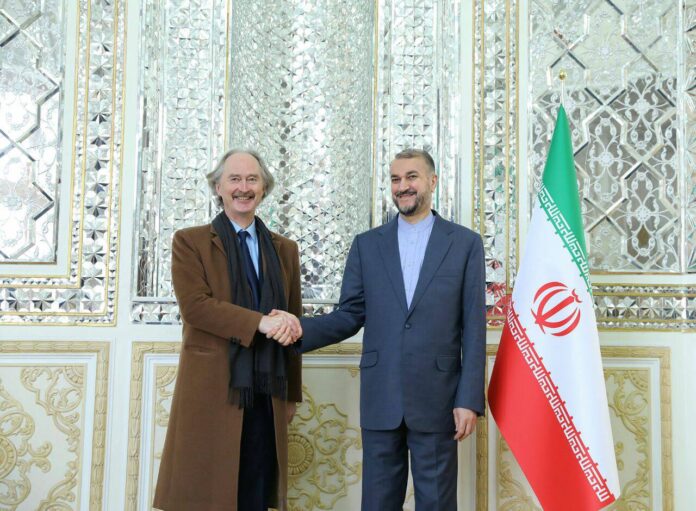
Geir Pedersen, who is visiting Iran, made the comment during a Sunday meeting with Iranian Foreign Minister Hossein Amir Abdollahian.

Pedersen described the situation in Syria as stable, stressing that under the current circumstances no involved party is talking about regime change in the country.

He also underlined the significance of maintaining the national sovereignty, political calm and territorial integrity of Syria.

Syria has seen a period of calm, which allowed for holding of nationwide presidential elections in May 2021. The elections saw Syrian President Bashar al-Assad win another term in office, in a blow to western governments and their regional allies that had consistently called for removal of Assad from power, claiming that he did not represent the Syrian people.

Damascus, however, says it is open to constitutional reforms, demanded by a number of opposition groups in 

the country.

During the meeting with the UN envoy, the Iranian foreign minister reiterated that Tehran is ready to help fully restore peace and stability to Syria.

Amir Abdollahian reiterated the Islamic Republic of Iran’s viewpoint concerning a political solution for the crisis in Syria, stressing that the United Nations is part of the political resolution in the country.

Amir Abdollahian also said the illegal presence of American forces in Syria and also the Israeli attacks against the country disrupt the political process there, and underlined the need for the international community and the United Nations to pay attention to this issue.

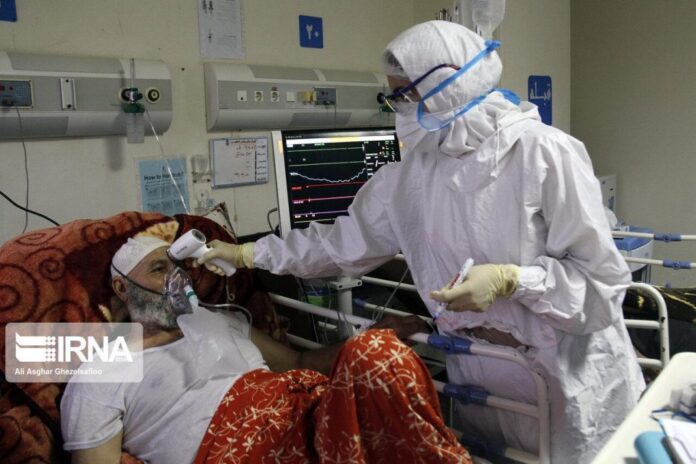
Covid kills more in Iran; Omicron cases rising

The deaths happened in the past 24 hours. The Health Ministry figures put the number of new Covid infections at 2,292. 

Earlier, reports said some people had died of the Omicron variant.

It’s unclear how many of the infections are the new strain’s cases. But officials are issuing stark warnings about a possible surge in the number of Omicron infections. 

Iran has managed to shield itself from the new strain of Covid through placing curbs on arrivals from countries that are hotspots of the variant. 

But officials say it will sneak into Iran sooner or later.

Social maladies should be tackled: Iranian official

Deputy Interior Minister Taghi Rostamvandi referred to alcohol consumption in the country as a social malady, saying, “Between 9 to 10 percent of individuals ranging in age from 15 to 64 years old use alcohol in the country, which means over five million people consume alcohol across the nation annually,” he said in a national conference on social maladies.

The Iranian official said the World Health Organization (WHO) has recommended zero consumption of alcohol, stressing that due attention should be paid to the issue of alcohol use in the country.

Elsewhere in his remarks, the top official said between 50,000 to 60,000 people die in the country due to tobacco and drug use, referring to drug addiction as “a matter of life and death.” 

He further said as many as 100,000 people attempt suicide in Iran annually, of whom between 5,000 to 5,500 lose their lives.

The deputy interior minister said between 11-13 million people are residing in unofficial settlements on the outskirts of cities. 

He then noted the number of illegal abortions in Iran stands at between 300,000 to 400,000 annually.

The official also called for the promotion of chastity and Hijab (the Islamic Dress Code) in society while referring to sprawling websites and social media pages promoting the practice of temporary marriage (concubinage).

“The number of matchmaking pages promoting concubinage is growing on social media as a social malady, and we should definitely be sensitive about this, so that religious concepts (including ‘temporary marriage’) are not distorted,” he said.

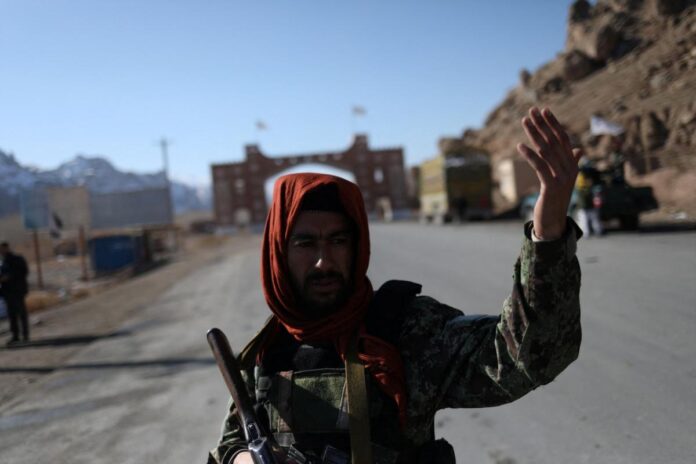
Thousands of Taliban members dismissed for ‘abuses’

The commission that was launched after the Islamic Emirate of Afghanistan regained power last year is responsible for vetting the Taliban affiliates.

The commission mostly works on the complaints of people, videos on social media, and reports of common people about misdemeanors of the Taliban members, violation of law, and their abusive practices.

“They were giving a bad name to the IEA and were removed in this vetting process so that they build a clean army and police force in the future,” Hakimi told AFP.

“They were involved in corruption, drugs and were intruding in people’s private lives. Some also had links with Daesh,” Hakimi added.

So far about 2,840 members had been dismissed, he continued.

Hakimi further noted those dissociated were from 14 provinces and the process of filtering out will continue in other provinces.

Taliban fighters have been accused by rights groups of extrajudicial killings of former security force members, despite an order from the movement’s leader Hibatullah Akhundzada of an amnesty.

The Taliban took back control of Afghanistan in August 2021 after a 20-year insurgency against former US-backed governments and NATO foreign forces.

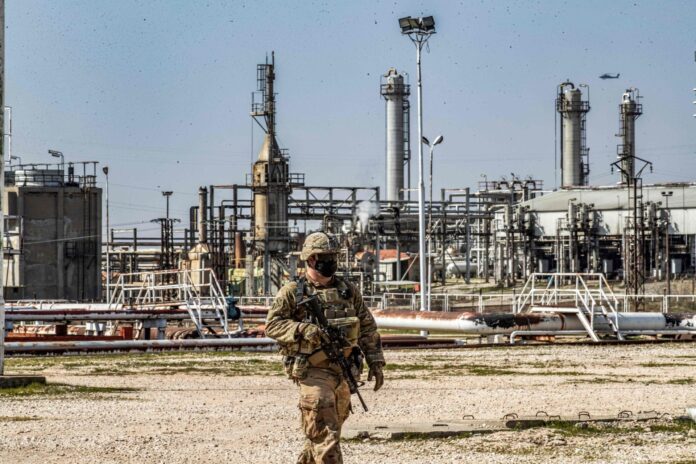
Rockets target US military base in eastern Syria

A Local source, speaking on condition of anonymity, told Anadolu news agency that ‏the projectiles slammed in the vicinity of the US-controlled al-Omar oil field late on Saturday, causing a fire.

The sources added that American forces stationed at the field put out the fire, and responded with missile strikes.

There were no immediate reports of serious injuries and the extent of damage caused. So far, no group has claimed responsibility.

US military drones also flew over the field following the attack. 

The development came hours after several unmanned aerial vehicles reportedly targeted an Iraqi air base hosting occupying US military forces and warplanes north of the capital, Baghdad.

The US military has stationed forces and equipment in eastern and northeastern Syria, with the Pentagon claiming that the deployment is aimed at preventing the oilfields in the area from falling into the hands of Daesh terrorists.

Damascus, however, says the unlawful deployment is meant to plunder the country’s resources.

Former US president Donald Trump admitted on several occasions that American forces were in Syria for its oil.

Separately, a number of rockets targeted a military base in Iraq’s northern province of Nineveh, where Turkish military forces are engaged in on-and-off operations against positions of the Kurdistan Workers’ Party (PKK) militant group in the semi-autonomous Kurdistan region.

Sabereen News reported that three rockets were launched at Zilkan base in northern Iraq’s Bashiqa region late on Saturday.

The report added that Turkish forces responded to the attack with a volley of artillery rounds.

Shortly afterwards, four other rockets slammed in the Turkish-occupied military base.

Iraq and Turkey have been locked in a dispute over Ankara’s military activities in Kurdistan region. The Baghdad government has repeatedly called on the Turkish government to stop violations of Iraqi sovereignty.

Militants of the PKK — designated as a terrorist group by Ankara, the United States and European Union — regularly clash with Turkish forces in the Kurdish-dominated southeast of Turkey attached to northern Iraq.

A shaky ceasefire between the PKK and the Turkish government collapsed in July 2015. Attacks on Turkish security forces have soared ever since.

More than 40,000 people have been killed during the three-decade conflict between Turkey and the autonomy-seeking militant group.

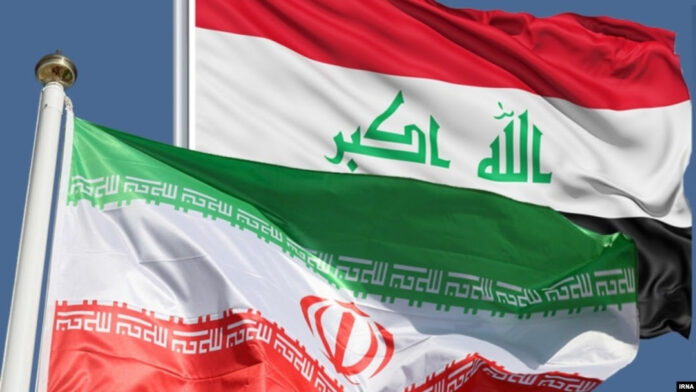
Iranian delegation to visit Iraq to boost trade ties

Headed by ICCIMA chief Gholamhossein Shafei, the delegation is also taking 40 experts of the private sector to the neighboring country at the invitation of Abdul Razzaq al- Zuhairi, the head of the Federation of Iraqi Chambers of Commerce. 

During its three-day stay, the Iranian delegation will discuss bilateral cooperation with their Iraqi counterparts in the commercial, industrial, agricultural, and mining sectors.

The two sides will also exchange views on trade opportunities in Iran and Iraq in a conference organized by the Federation of Iraqi Chambers of Commerce in the capital city of Baghdad.

The Iraqi cities of Karbala and Najaf will hold two more trade conferences to explore all avenues to expand the economic relations between the two countries. 

Shafei is to hold talks with some Iraqi ministers, including the trade and transportation ministers and the private sector’s experts.

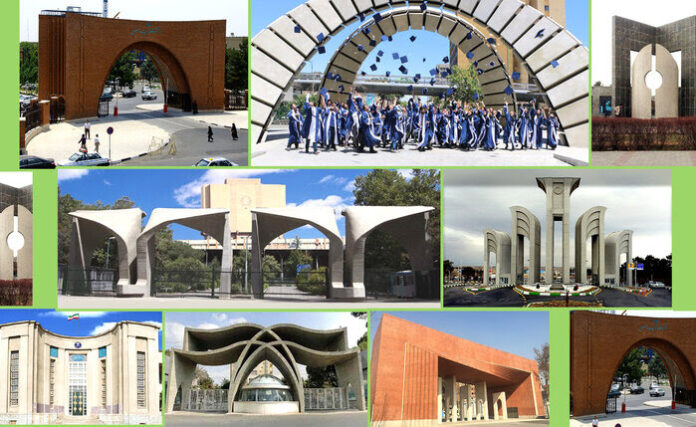
Some Iranian universities denied access to world scientific centers

The ministry’s research director general said it had been decided to give universities unrestricted access to scientific centers and information and that the costs would be paid by governments, not universities. To this end, the European Union offered a model that would financially support researchers and provide them with access to scientific resources, but the plan was not put into practice. 

Based on the contracts, the universities must pay the scientific centers in dollars, added Abdolsadeh Neisy, explaining since the Iranian universities’ budgets are paid in rials, they fail to bear the cost. 

In the meantime, he continued, the dollar fluctuations in the country are behind the universities’ outstanding debts.

He also cited U.S. sanctions on the country as another main problem that have made the transfer of money impossible in several cases.  

Neisy, however, said this is not the case in the health sector as the Health Ministry fully pays for access to the international scientific centers’ sites and data, offering the universities free access to them.

He said his department is making every effort to supply the budget and resolve the problem in the coming Iranian year (to start March 21, 2022).