Tuesday, December 30, 2025
Home Blog Page 2094

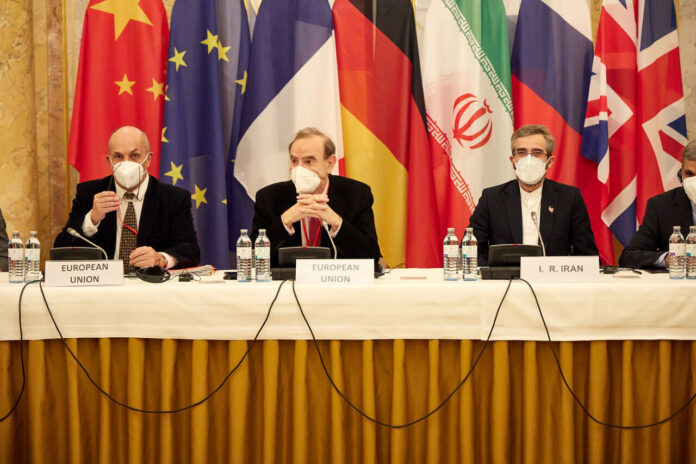
Russia envoy says his comments on Vienna talks distorted

In a tweet, Mikhail Ulyanov said, “A few important words were missed by Bloomberg. I said; if the ViennaTalks continue at the current pace… I don’t rule out that the negotiations can be expedited through joint efforts of all participants. The talks are already at an advanced stage.”

Ulyanov earlier struck an optimistic tone about the negotiations aimed at reviving the Iran nuclear deal in an interview with Russia 24 channel.

Referring to the progress in talks between Iran and the P4+1 group of countries, he added it is realistic to say that a deal will be reached by the end of February.

Meanwhile, Iranian Foreign Minister Hossein Amir Abdollahian said on Thursday that Iran does not trust the US. Amir Abdollahian said in a tweet, “History, experience and a study of the US behavior have shown that the American politicians and rulers cannot be trusted.”

He said, “For us, the criterion for any judgment will be the observation of the practical behavior of the United States.”

Amir Abdollahian also underlined the necessity of sanctions removal, saying,  “All interests of Iran must be realized and things must change tangibly on the ground.”

Navy commander: Presence in high seas sign of Iran’s might

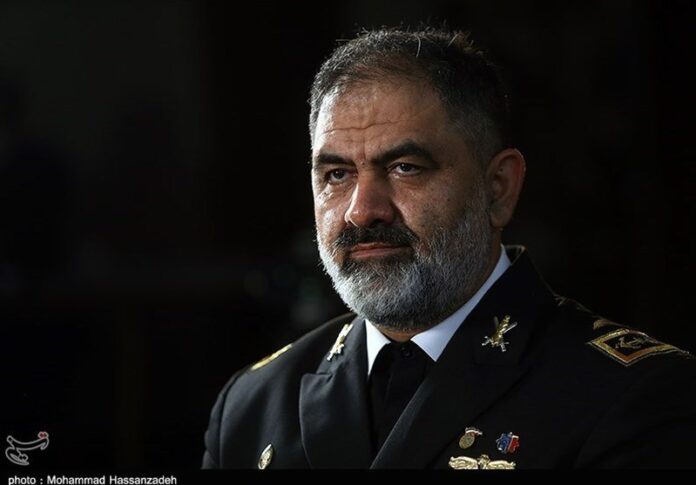
Commander of the Iranian Navy ,Shahram Irani

“The reason why the Navy focuses on being present in waters far away is that this presence with military units is a sign of the country’s might. Destroyers of the naval units that we send for such missions have mostly been built domestically…so that this is a manifestation of our capability,” Shahram Irani stated in an exclusive interview with Tasnim News Agency.

The commander said naval missions in international waters show that despite facing an evil triangle of conspiracy, threats and sanctions over the past 40 years, Iran has been able to stand on its own feet.

He noted that this presence has been in accordance with the orders of Leader of the Islamic Revolution Ayatollah Seyed Ali Khamenei.

Iran’s naval forces have expanded their operations in international waters in recent years to protect merchant ships and oil tankers.

Last year, an Iranian Navy flotilla entered the Atlantic Ocean for the first time.

Qatari FM: Yemen crisis has no military solution

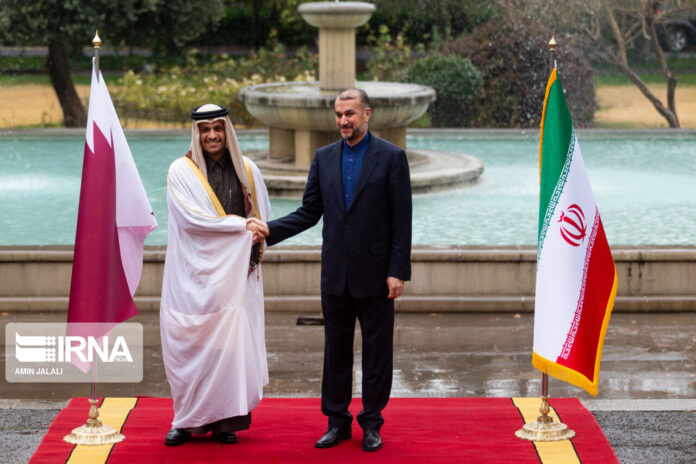
Al Thani was speaking during a meeting with Iranian Foreign Minister Hossein Amir Abdollahian in Tehran on Thursday.

The top Qatari diplomat said, “We are worried about a new escalation of tension and believe that the Yemeni crisis has no military solution”. Al Thani urged the warring sides in the Yemen conflict to  find a solution through dialogue.

He added that the current situation is not in the interest of any parties.

Amir Abdollahian also referred to the latest surge in Saudi-led attacks against Yemen, saying the escalation only increases violence in Yemen and destroys the path to peace”.

The Iranian foreign minister referred to the fast pace of regional and international developments, underlining the need for closer consultations between Iran and Qatar and for efforts to establish peace and stability in Yemen and Afghanistan.
In the meeting, the top diplomats of Iran and Qatar discussed bilateral ties too.

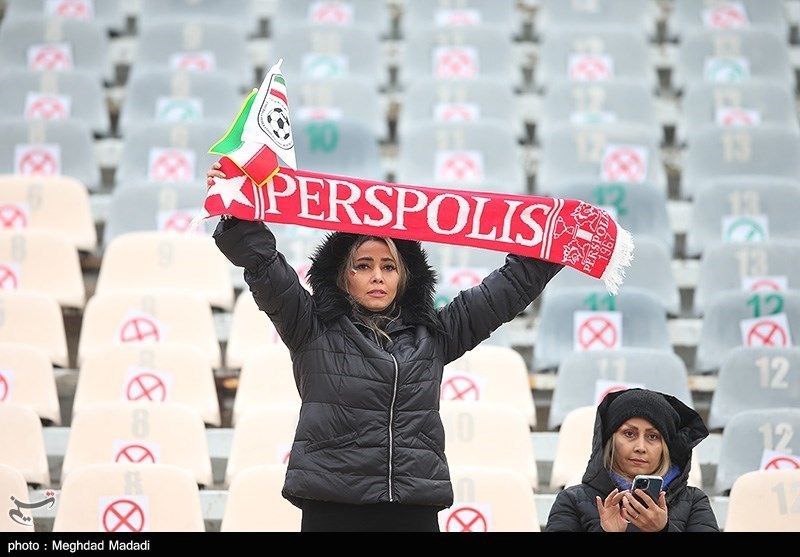
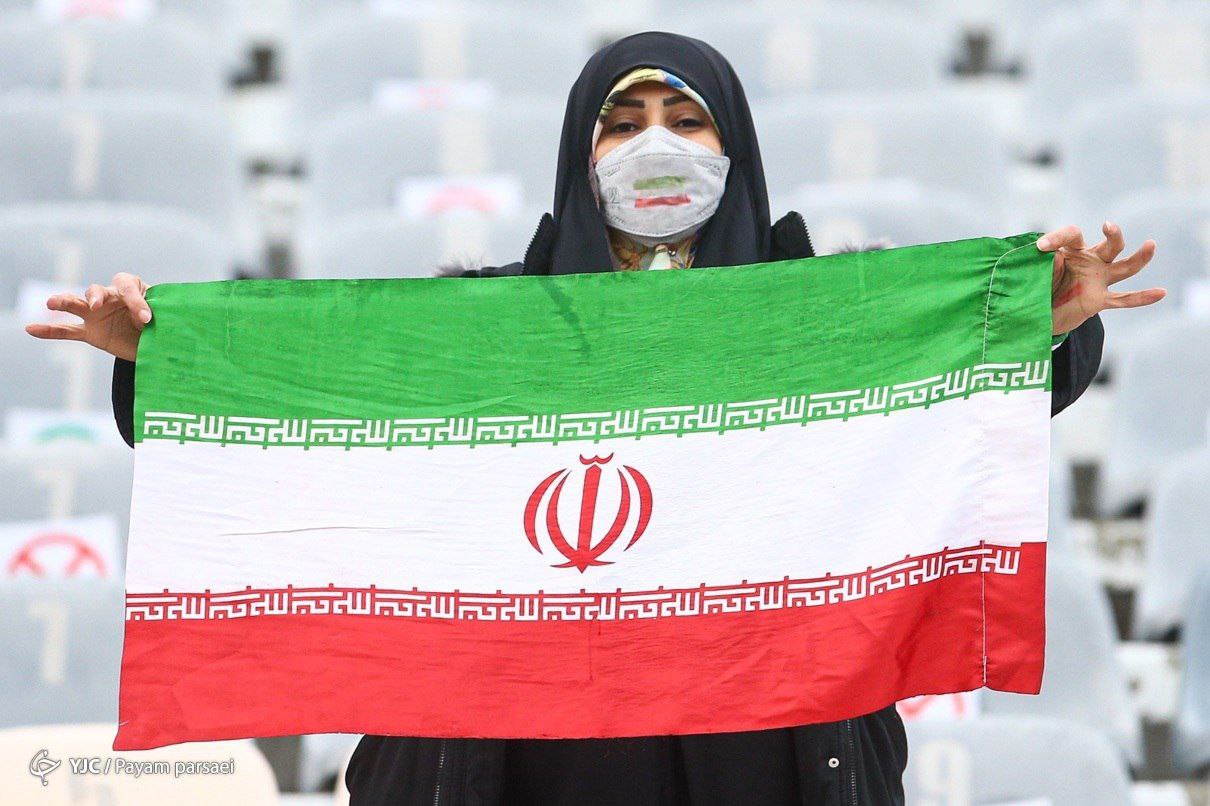
Iran celebrates 2022 FIFA World Cup qualification

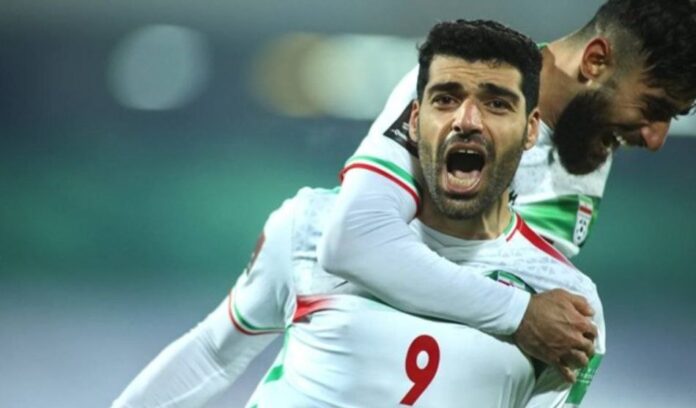
Striker Mehdi Taremi gave the hosts an invaluable lead in the 48th minute of the match at the Azadi Stadium in the capital Tehran on Thursday.

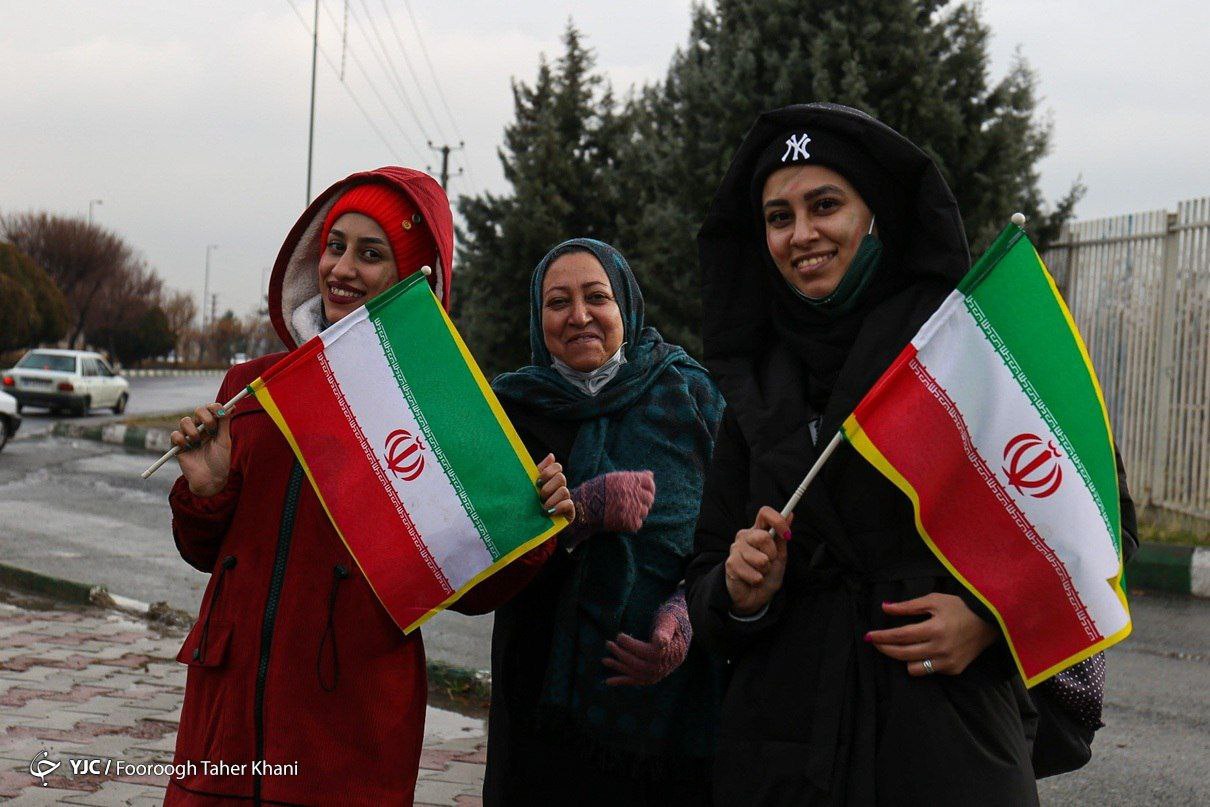
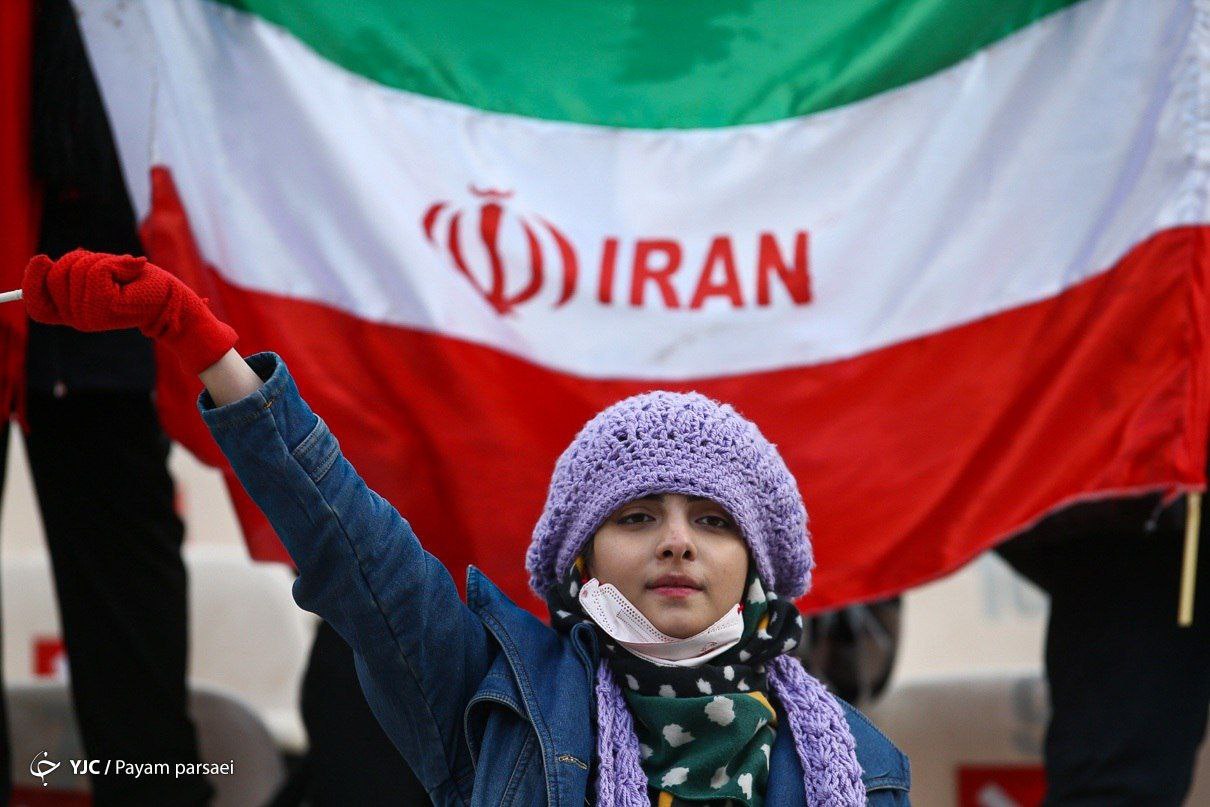
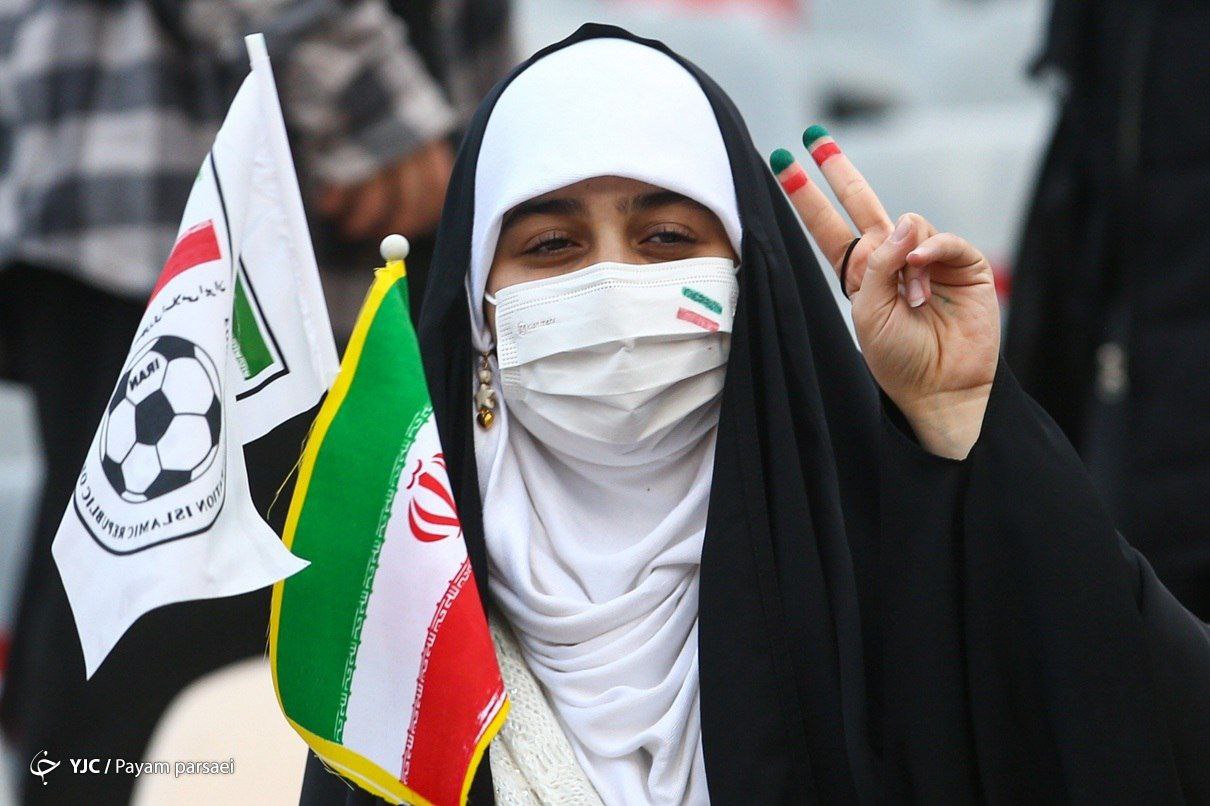
Iranians are now celebrating the country’s fastest qualification in history for the world’s biggest football event.

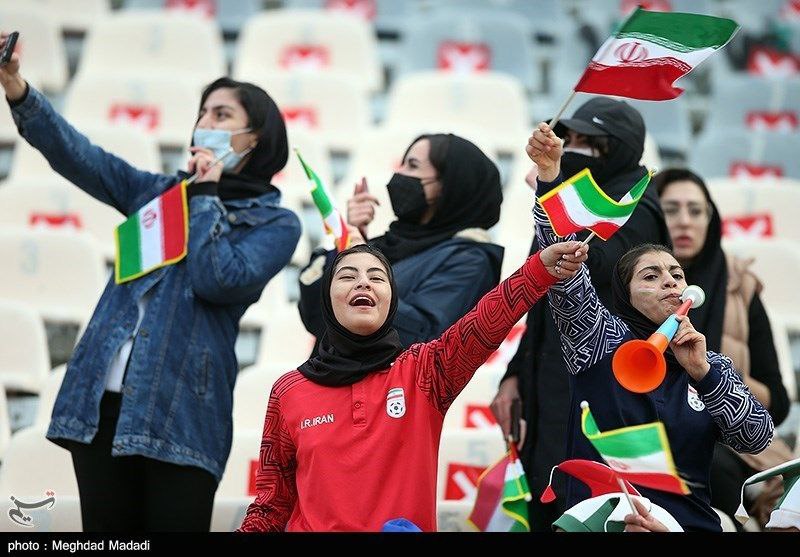
Iranian women fans were also among about 10,000 spectators at the Azadi Stadium.

Unbeaten in Group A, Iran now leads the group with 19 points.

The top two finishers in each of Asia’s qualifying groups will definitely make it to World Cup finals which will be held from 21 November to 18 December.

The teams finishing third in their groups in Asia will face a series of playoffs for a possible fifth berth in Qatar.

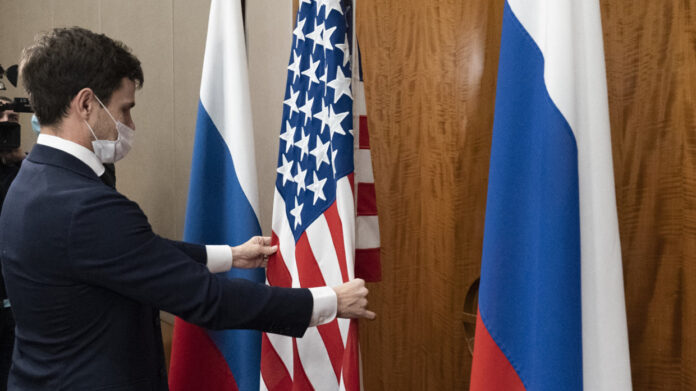
Russia says ‘no positive response’ from US to security proposals

Speaking on Thursday, the top diplomat said, “there has been no positive response” to the Kremlin’s core concerns in the document provided by the American side following weeks of talks with their counterparts.

“The main issue is our clear position on the unacceptability of further NATO expansion to the East and the deployment of highly-destructive weapons that could threaten the territory of the Russian Federation,” Lavrov explained.

According to Lavrov, the document promised by US Secretary of State Antony Blinken following talks last week in Switzerland failed to address these points.

“It is significant that when our Western colleagues react to our proposals, they always call for the implementation of agreed principles in the Euro-Atlantic… they immediately say this means NATO has the right to expand and no country has the right to prohibit it,” he added.

Reacting to the document later the same day, Kremlin Press Secretary Dmitry Peskov said Russia is now contemplating its response, and the document is being assessed by President Vladimir Putin. According to the spokesman, the requests put forward by the Russian side have not been fully taken into account by Washington and the US-led military bloc.

“There are and should always be prospects… for further dialogue,” he said.

“It is in our interests and in the interests of the Americans. But as for the substantive dialogue on the draft documents, there are issues of a different nature, but I will not get ahead of myself,” Peskov added.

Lavrov also revealed that the content of the document “is likely to become known to the general public in the very near future.” However, he added, “as our American colleagues told us, although they would prefer to keep it confidential, it has been agreed with all of the US’s allies, as well as the Ukrainian side. There’s no doubt it will be leaked in the very near future.”

Last week, Blinken hinted that Washington was not prepared to make any concessions to Russia’s demands that NATO limit its expansion close to its borders by blocking Ukraine from trying to join the military bloc.

Speaking following the talks in Geneva, the secretary of state said, “I made clear to Minister Lavrov that there are certain principles that the US, our partners and allies, are committed to defend. That includes those that would impede the sovereign right of the Ukrainian people to write their own future. There is no trade-space there – none.”

Kiev’s aspirations to join the bloc have long been seen as a ‘red line’ in Moscow, with Peskov previously saying it comes down to a question of “life or death.”

Last month, Russia handed over two draft treaties, one addressed to Washington and the other to NATO, which it says are aimed at reducing the risk of conflict on the European continent. Moscow requested that the bloc refrain from any military activity on the territory of the former Warsaw Pact states that joined after 1997, following the fall of the Soviet Union.

NATO’s secretary general, Jens Stoltenberg, has also played down the chances of agreeing to Moscow’s requests, saying that the country has no veto on Ukraine’s efforts to join up, and insisted it will not accept a “two-tier” membership system that prevents it from deploying troops in certain states.

Putin has previously said that the last Soviet premier, Mikhail Gorbachev, was given assurances by the West that NATO would not push into the space left by the collapse of the USSR. A tranche of documents was declassified in 2017, and subsequently cited by a number of analysts as showing that American, British, and German officials verbally assured the Kremlin in the 1990s that NATO would not move into Eastern European countries. The bloc rejects these claims and it has always had an ‘open door’ policy.

Arguing that written assurances that there would be no further expansion are necessary for Russia’s security, Putin claimed that the West “cheated” Russia in the years that followed when Poland, Bulgaria, Romania, and the Baltic states were admitted.

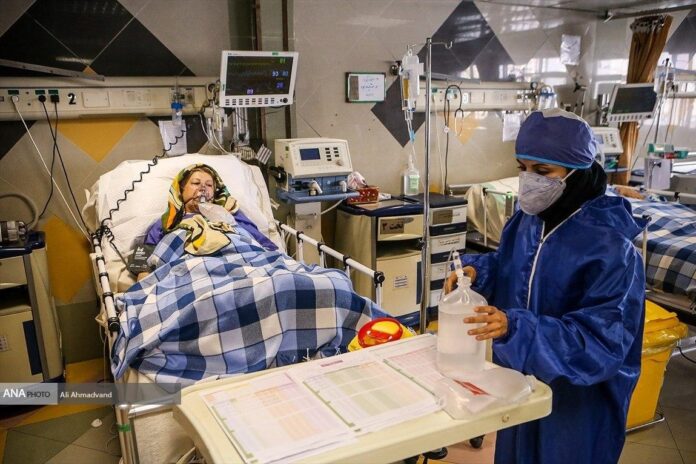
Covid-19 infections climb in Iran raising fears of sixth wave of outbreak

Iran's COVID-19 Infections Surpass 110,000

Iran’s Health Ministry reported on Thursday that nearly 14,300 infection cases had been detected over the past 24 hours compared with 11,851 on Wednesday.

The ministry also reported 30 more fatalities compared with 29 on Wednesday taking the total number of those who have lost their lives to the disease to 132,333.

Iran has so far been hit by five waves of the outbreak making it one of the worst-hit countries in the Middle East.

Iran’s intensified national vaccination program has seen a total of well over 130,000,000 doses of coronavirus vaccine administered, with nearly 54,000,000 people fully inoculated.

Health authorities are hoping to prevent a sixth wave by racing to give people their booster jabs. So far, nearly 16,000,000 people have had their third shots.

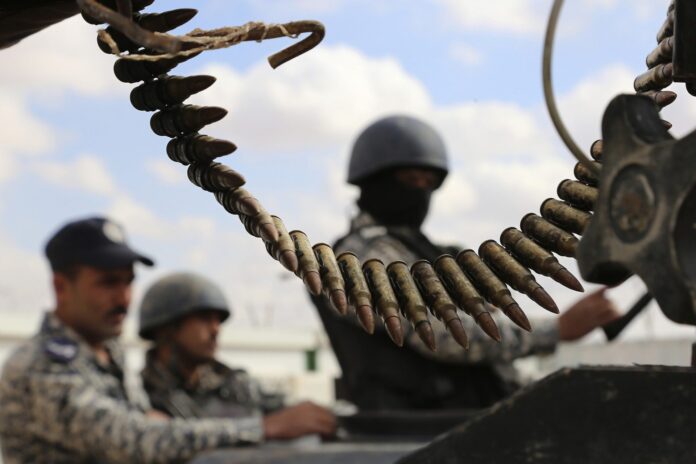
Jordan army says killed many smugglers from Syria

A report on the Jordanian army’s website on Thursday said it thwarted several suspected attempts to smuggle drugs from Syria, and that large quantities of narcotics were seized in separate interventions where several people were wounded.

The army announced it also found large quantities of drugs hidden in Syrian trucks passing through Jordan’s main border crossing.

It added it was “continuing to apply the newly established rules of engagement and will strike with an iron fist and deal with force and firmness with any infiltration or smuggling attempts to protect the borders”.

Earlier this month, Jordan’s military announced an army officer was killed in a shoot-out with smugglers along the long porous border it shares with Syria.

Jordan is home to more than 650,000 Syrian refugees who fled the war that has raged there for more than 10 years.

In September, Syrian and Jordanian officials discussed border security after Syrian government forces captured rebel-held areas along the Jordanian frontier.

A month later, Jordan’s King Abdullah II spoke with Syrian President Bashar al-Assad for the first time in a decade after the two countries reopened a key border crossing.

An illegal drug industry has flourished in Syria after 10 years of war. In recent years, it has emerged as a hotspot for making and selling captagon, an illegal amphetamine.

Syria and Lebanon have become gateways for the drug to the Middle East, particularly the Persian Gulf.

Jordanian officials claim Lebanon’s Hezbollah group and other armed groups who control much of southern Syria are behind the surge in smuggling. Hezbollah denies the accusations.

The United Nations Office of Drugs and Crime stated in a 2014 report that the amphetamine market is on the rise in the Middle East, with busts mostly in Saudi Arabia, Jordan and Syria accounting for more than 55 percent of amphetamines seized worldwide.

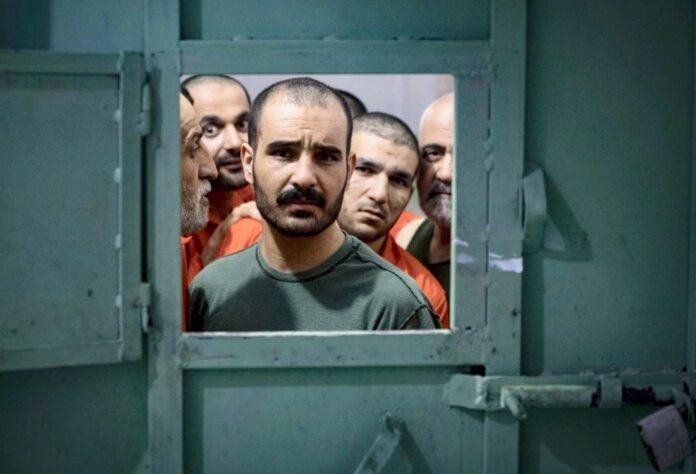
Syria says US behind Hasakah violence, seeking to revive Daesh

Speaking at a UN Security Council session on Wednesday, Sabbagh said last week’s attack by Daesh terrorists on the Kurdish-run Ghwayran jail, the criminal acts perpetrated by US-backed militants of the so-called Syrian Democratic Forces (SDF) and destruction of public infrastructure by US warplanes demonstrate the urgent need to consider the fallout of such dangerous developments.

The Syrian diplomat underscored that the recent events in Hasakah require the UN Security Council to work toward putting an end to the presence of US occupation forces in northeastern Syria and the southern al-Tanf region.

He also demanded a cession of US support for the Kurdish-led SDF and terrorist groups, which are wreaking havoc across Syrian territories, as well as Washington’s plunder of Syria’s natural resources and assets.

On Wednesday, the US-backed Syrian Democratic Forces said they had retaken full control of Ghwayran prison, ending six days of battles that turned the largest city in northeastern Syria into a war zone.

More than 100 Daesh terrorists launched an attack against the Ghwayran prison on January 20 to free their comrades from the detention center, which was thought to hold some 3,500 Daesh inmates at the time of the assault.

Daesh terrorists entered the prison after their two explosives-laden vehicles steered by bombers destroyed the entrance and killed the guards. Terrorists caused a major jailbreak of an unknown number of their comrades, seized weapons and took over several cell blocks.

The brazen Daesh jailbreak attempt and ensuing clashes, according to the so-called Syrian Observatory for Human Rights, left 124 Daesh terrorists, 50 SDF militants and seven civilians dead. The attack is considered the group’s most high-profile and sophisticated terrorist operation since the loss of its so-called caliphate nearly three years ago.

The development comes as security conditions have been deteriorating in the SDF-controlled areas in Syria’s northern and northeastern provinces of Raqqah, Hasakah and Dayr al-Zawr.

Local Syrians complain that the SDF’s constant raids have generated a state of frustration and instability, severely affecting their businesses and livelihood.

Residents says the US-sponsored militants steal crude oil and refuse to spend money on service sectors.

Local councils affiliated with the SDF also stand accused of financial corruption.

The US military has stationed forces and equipment in eastern and northeastern Syria, with the Pentagon claiming that the deployment is aimed at preventing the oilfields in the area from falling into the hands of Daesh terrorists.

Damascus, however, says the unlawful deployment is meant to plunder the country’s resources.

Former US president Donald Trump admitted on several occasions that American forces were in Syria for its oil.

After failing to oust the Syrian government with the help of its proxies and direct involvement in the conflict, the US government has now stepped up its economic war on the Arab country.

Iran calls on Europe to fulfill pledges on Afghan migrants

Majid Takht Ravanchi told a session of the Security Council on Afghan refugees that Europeans well know that millions of Afghan refugees, who have fled war to Iran seek to travel to Europe.

“Due to US sanctions, Iran has limited financial resources, but it has paid for the healthcare, vaccination and education of Afghan refugees,” he said.

“It goes without saying that if the international community cannot meet its promises and fail to fulfil its pledges to help the refugees, a great number of them will go to Europe through Iran.”

Iran has been hosting millions of Afghan refugees over the past decades. The Taliban takeover in Afghanistan last August triggered another wave of migration to Iran.
The country says it cannot keep the refugees stationed at border camps forever, due to the huge cost it imposed on the Iranian economy.

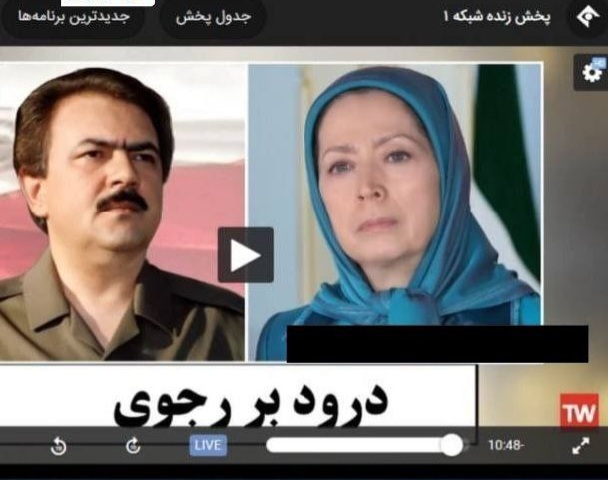
IRIB says some TV, radio channels hacked

The IRIB said on Thursday it believes that a server has been targeted by hackers.

The Mojahedine Khalgh Organization is responsible for the killing of about 12-thousand Iranian people and officials since the Islamic Revolution of 1979.

The group has carried out bombings and assassinations across Iran.

During the Iran-Iraq war in the 1980s, the MKO joined forces with former Iraqi dictator Saddam Hussein to carry out cross border attacks against Iran.