Sunday, December 28, 2025
Home Blog Page 2074

Iran sends more humanitarian aid to Afghanistan

Afghan People
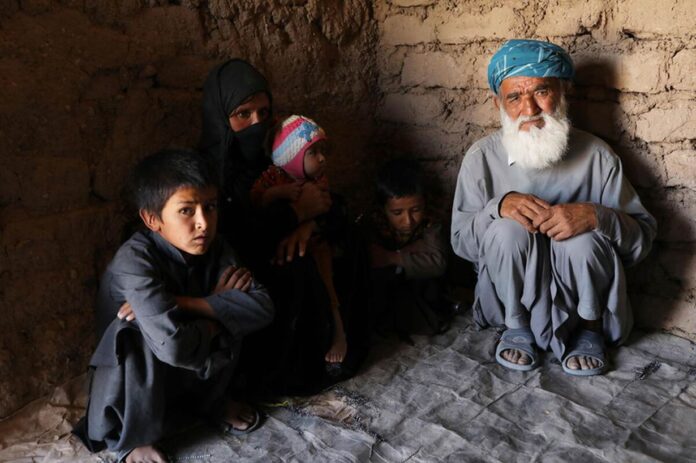
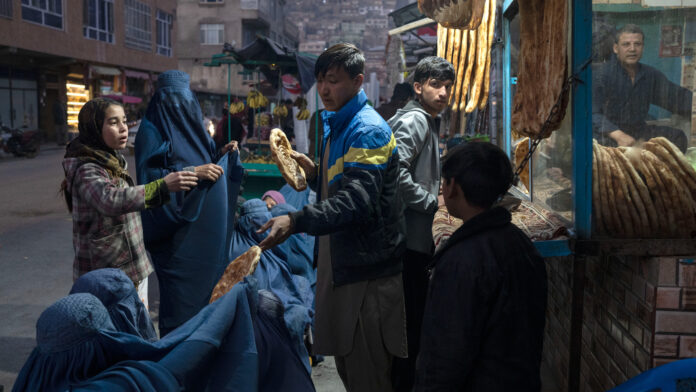
A man distributes bread to Burka-wearing Afghan women outside a bakery in Kabul, Afghanistan, Thursday, Dec, 2, 2021. According to U.N. figures from early November, almost 24 million people in Afghanistan, around 60% percent of the population, suffer from acute hunger, including 8.7 million living in near famine. Increasing numbers of malnourished children have filled hospital wards. (AP Photo/Petros Giannakouris)

After the Taliban took power in Afghanistan, Iran stressed that it would continue aiding Afghan people, standing by them in hard times.

About 30 tons of food items, including rice, oil, and flour donated by Iran, were distributed on Sunday among 450 needy families in Sozma Qala district of Sar-e-Pul province of Afghanistan.

The deputy Ambassador of Iran to Afghanistan Hassan Mortazavi stated that the aid to the Afghan people would continue, especially in winter, as the Leader of the Islamic Revolution called for.

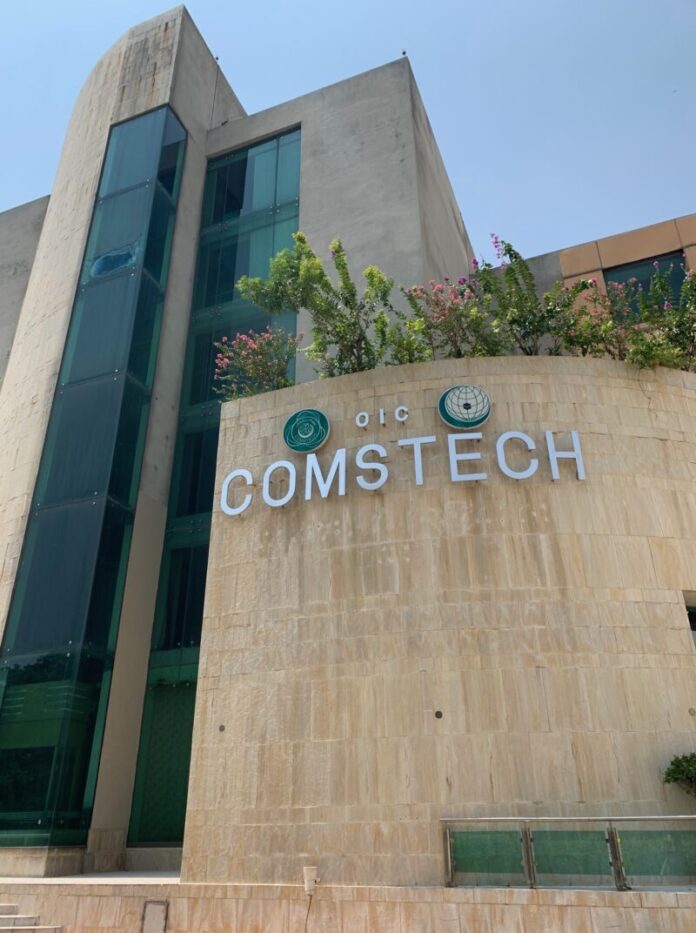
COMSTECH awards two Iranian scholars

According to COMSTECH Website, COMSTECH Awards are conferred biennially in ‘Basic Sciences’ and in ‘Excellence in Science and Technology’ to recognize the outstanding research work carried out by scientists who are citizens of, and working in, OIC member states. Each award carries a certificate, shield of honor and a cash prize.

Ali A. Mousavi-Movahedi of the Institute of Biochemistry and Biophysics, University of Tehran, won COMSTECH Lifetime Achievement Award in Chemistry 2021 and Esmael Ghavanloo as Associate Professor, Shiraz University of Iran has won COMSTECH Award for Best Scientific Book.

COMSTECH the Ministerial Standing Committee on Scientific and Technological Cooperation of the OIC (Organization of Islamic Cooperation) was established by the Third Islamic Summit of OIC held at Makkah, Saudi Arabia in January 1981.

The COMSTECH Executive Committee decided in its 15th meeting in 1996 to institute awards to recognize outstanding research work carried out by scientists who are citizens of, and working in, OIC member states.

Anti-Iran terror group leader linked with FBI, CIA, Mossad: Prosecution

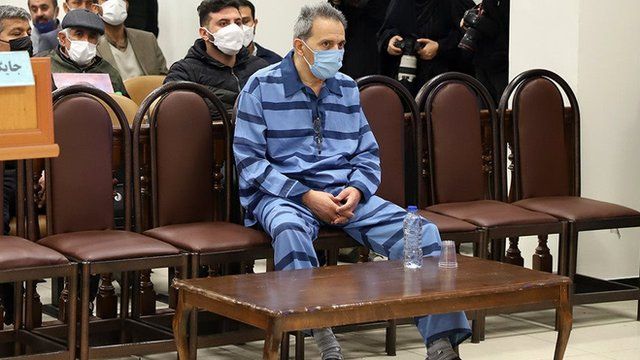
Prosecutors charged Jamshid Sharmahd, the leader of the terrorist group Tondar, with having been linked with the FBI, the CIA, and the Mossad, during a first court hearing in the Iranian capital, Tehran, on Sunday.

Sharmahd already faces charges of corruption on earth by plotting and leading acts of terror, including a 2008 bombing in the Iranian city of Shiraz that killed 14 people and wounded almost 300 others.

The terrorist ringleader is also accused of plotting a bombing attack on the Sivand Dam in Shiraz, among other charges. At the court hearing on Sunday, prosecutors said that he had been aiming to detonate an explosive device at either Iran’s Foreign Ministry building or China’s Embassy in Tehran as well, but those plots were foiled with his arrest.

After the deadly 2008 bombing in Shiraz, the prosecution said, US officials first established contact with Sharmahd, providing security information. His last contact with the FBI and CIA officials was in January 2020.

According to the prosecutors, Sharmahd also contacted two Mossad operatives through an intermediary, attempting to win the spy agency’s support for his plots.

Iran Covid: Death toll hits new high

Yesterday’s daily death toll was 64.

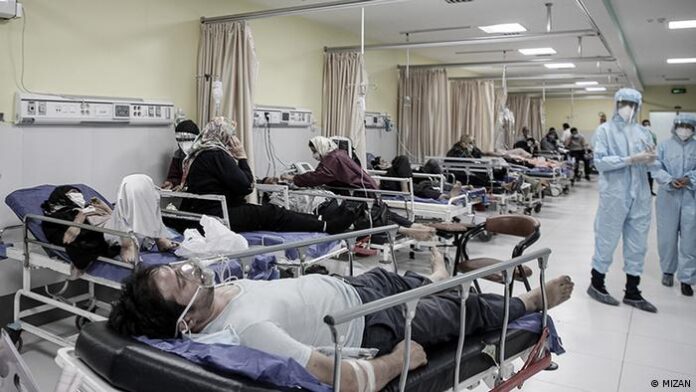
The latest fatalities push to 132,830 the total death toll since the Covid pandemic started two years ago. Over the past 24 hours, 35,429 new Coronavirus were also logged in Iran.
They include 2,199 hospitalizations.

The jump in Covid deaths and infections is blamed on the new variant of the disease known as Omicron. The strain is highly contagious than other variants, though less deadly.

The hike in the number of Covid deaths and infections come as Iran is vaccinating citizens at a high speed. The number of third shots of vaccine administered so far is nearly 20 million in the country with vaccination centers working relentlessly to inoculate citizens.

Meanwhile, Iran’s Health Minister Bahram Einollahi has said in a tweet that the upward trend in Covid deaths and cases shows Iran is in the middle of the sixth wave of the outbreak.

Einollahi urged all citizens to observe health protocols including wearing masks and getting their booster jabs.

Meanwhile, Tedros Adhanom Ghebreyesus director general of the World Health Organization, has warned of a tsunami of Omicron and Delta strains. He also called for fair access to Covid vaccines worldwide.

The Covid pandemic has so far killed 5 million people in the world.

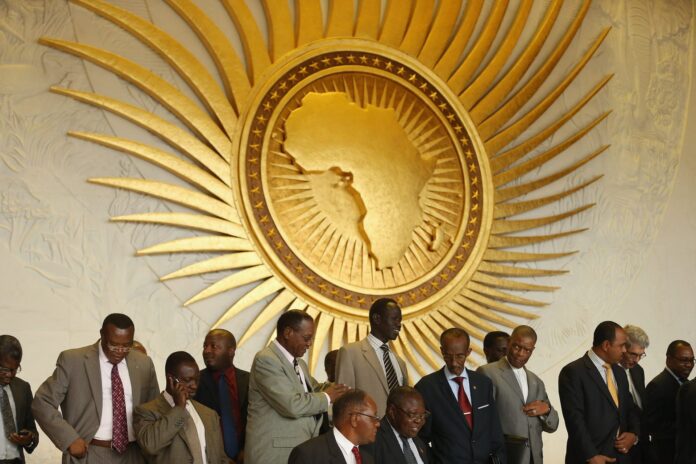
Diplomats say African Union suspends debate on Israel’s status

“The Israel question has been suspended for now and instead there will be a committee set up to study the issue,” one of the diplomats told AFP.

The row broke out last July when Moussa Faki Mahamat, chair of the African Union Commission, accepted Israel’s accreditation to the bloc, triggering a rare dispute within a body that values consensus.

On Saturday, Palestinian Prime Minister Mohammed Shtayyeh urged the annual summit of the African Union in Addis Ababa, Ethiopia to withdraw Israel’s accreditation, bringing simmering tensions to a head.

“Israel should never be rewarded for its violation and for the apartheid regime it does impose on the Palestinian people,” he stated.

“Your excellencies, I’m sorry to report to you that the situation of the Palestinian people has only grown more precarious,” he added.

Israel’s accreditation last year drew protest from powerful members, including South Africa and Algeria which argued that it flew in the face of AU statements supporting the Palestinian territories.

Earlier Saturday, Faki noted the AU’s commitment to the Palestinian push for independence was “unchanging and can only continue to go stronger”.

He defended Israel’s accreditation, saying it could be “an instrument in the service of peace” while calling for “a serene debate” on the issue.

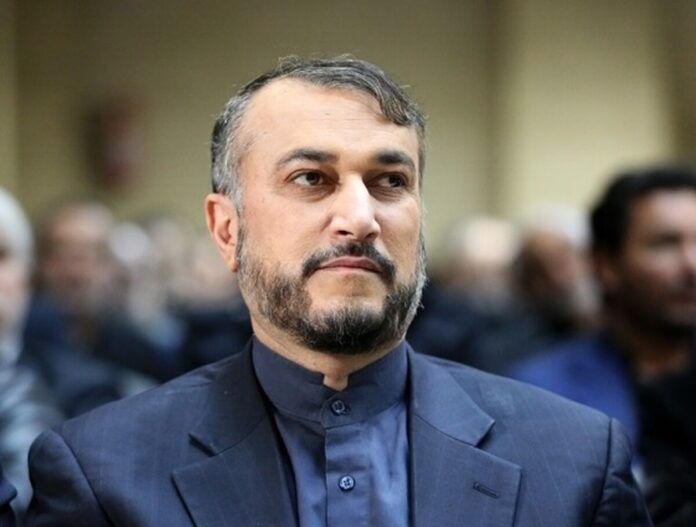
Iranian FM: Tehran will not accept temporary deal in Vienna

Amir Abdollahian was speaking in response to claims that Iran has been asked to agree to a 2-year deal.  

He also spoke of the signing by the US president of sanctions waiver for Iran. The foreign minister said any move or executive order by Joe Biden which would remove sanctions is positive. 

He however noted that the US has put forth no serious or significant initiatives in the Vienna talks aimed at reviving the Iran nuclear deal, JCPOA. 

Amir Abdollahian added that what matters for Iran is tangible action by the US and what happens on the ground. 

Amir Abdollahian also denied US Special Envoy for the Vienna talks Robert Malley’s comment that Washington has set some conditions for Iran in the negotiations. He said Iran has not received any such conditions from the US and the trend of the talks in Vienna is such that makes preconditions pointless.

EU eases sanctions on Afghanistan

The EU has followed the United Nations adoption of a humanitarian exemption to Taliban-related sanctions on 22 December 2021.

The move which is followed by the ease in financial restriction on Afghanistan by the US will definitely help the Afghan people in terms of their livelihood.

As per the new exemptions by the EU, it will allow frozen assets of Afghanistan to be used for the delivery of humanitarian assistance and other activities that support basic human needs in the country or to support such activities.

In the meantime, the exemptions will also allow the process and use of the fund for the above-mentioned purposes.

EU and the US are not the two major players that eased sanctions on Afghanistan but the United Kingdom also adopted the same exemptions last week.

Not only the Afghan people and the de facto authorities in Afghanistan, but international humanitarian agencies have also asked for ease in economic and financial sanctions on the country that has affected the lives of millions of impoverished people.

Afghanistan Central Bank- Da Afghanistan Bank- has also welcomed the decision of the US Department of Treasury based on which international banks can transfer money to Afghanistan.

Da Afghanistan Bank in a series of Twitter posts applauded the move and asked for further facilitation in banking relations for the betterment of the private sector in Afghanistan.

The central bank added that based on the permission of the US Treasury Department, international aid agencies can transfer money to the health sector, education sector, and any sector in Afghanistan.

In the meantime, De Afghanistan Bank has also denied the claim of the head of UNDP Abdullah Al Dardari over Afghanistan International Bank unable to convert their dollars to Afghani.

The bank has announced that they convert dollars to Afghani in consultation with private banks on daily basis.

Iran Health Ministry warns of Covid surge as taskforce advises booster jabs

Director of the ministry’s Contagious Diseases Center Mohammad Mahdi Gouya says studies have shown receiving the booster coronavirus jab reduces the risk of hospitalization by up to 90 percent. 

He said the booster dose is important as anti-body produced by the body after receiving the initial doses may not be effective against new variants.

Gouya further noted that 61 million people in Iran have received their first doses of the covid vaccine, compared to 54.5 million for the second dose and 19 million for the third dose. 

He was talking to a news discussion show on IRIB. A member of the National Taskforce against the Coronavirus told the same show that six to seven million Iranians have so far received no covid jab.

“Coronavirus is not dangerous for people, who do not have immunodeficiency disorders, especially those who have been vaccinated overcome the disease without complications,” he said. 

“Currently, most of the people, who contract the severe case of the disease, have received no vaccines.” 

Masoud Mardani added that the disease is also dangerous for pregnant women and people with underlying diseases.  

“People, especially those with underlying diseases, should get the third dose of the vaccine, and observe health protocols and avoid gatherings and unnecessary travels during the pandemic,” he said.

Mardani explained that greater speed of contagion also raises the possibility of emergence of new variants, stressing that observing health protocols and getting inoculated will help break the chain of infections.

The official also warned that the Omicron variant especially targets children and teenagers. He said 20 percent of new infections in Iran are in this age group and that has put pressure on pediatric wards in hospitals.

Russia says west speculation about invasion of Ukraine ‘madness’

“Madness and scaremongering continue. <…> What if we would say that US could seize London in a week and cause 300K civilian deaths? All this based on our intelligence sources that we won’t disclose,” Polyanskiy stated in a Twitter post.

“Would it feel right for Americans and Britts? It’s as wrong for Russians and Ukrainians,” he added.

Concerns over Moscow’s alleged preparations for an invasion into Ukraine have been increasingly announced in the west and in Kiev recently. Kremlin Spokesman Dmitry Peskov castigated these statements as an empty and groundless escalation of tension, emphasizing that Russia posed no threat to anyone. At the same time, the Kremlin press secretary did not exclude some possible provocations to justify such claims and warned that the attempts to resolve the Ukrainian conflict by force would carry extremely serious consequences.

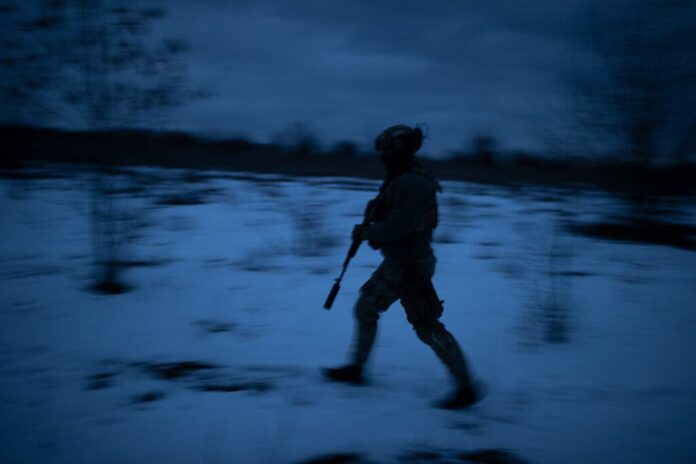
Russia has assembled 70 percent of the military forces needed to launch a massive invasion of Ukraine that could result in tens of thousands of civilian deaths and millions of refugees, according to US military and intelligence officials.

Senior US officials warned in briefings to lawmakers and European partners in recent days that if Moscow elects to launch a full invasion of Ukraine, 50,000 civilians could be killed and up to 5 million refugees could result, multiple news outlets reported on Saturday.

According to official US assessments, Russia has 83 battalion tactical groups of roughly 750 troops each on the border of Ukraine, amounting to 70 percent of the forces he would need to maximize a full invasion.

On Saturday, Russian Ambassador to Washington Anatoly Antonov said on the YouTube channel Soloviov Live Moscow is not planning to attack Ukraine, as Moscow does not need that and it is not in its interests.

“We keep saying that Russia is not going to attack anyone, we do not need that, it is not in our interests. It is merely nonsense to design some illusory projects of Russian aggression,” he added.

According to the diplomat, the alleged American exceptionalism, which has been and remains the baseline of Washington’s foreign policy, lays the foundation of the order that the US is trying to create.

“In recent days, I have held quite a few conversations with politicians, diplomats and military people. We often discuss the current situation. Everyone says to me, ‘Pay attention to America’s unique features of unquestionable virtues and undeniable might’,” the ambassador continued.

“And there appears an interesting new nuance. Americans come round and say, ‘What have you done? Why have you destroyed the positivity of the meeting between [Russian and US Presidents] Vladimir Putin and Joe Biden in Geneva?’ Russia was supposedly placated by the US leaders’ assurances that there are no plans to destabilize the situation in Russia, to take advantage of the liberal media’s peaceful rhetoric and the willingness of US agencies to implement the decisions adopted by our presidents. Certainly, Americans interpret it in their own way,” Antonov said.

The ambassador went on to say that it was allegedly perceived by the US as an extra opportunity to promote Russian interests within the post-Soviet space.

“That is why, they say, Russia opted to ramp up stakes and escalate the situation. To be honest, my recent meetings with colleagues were a surprise,” he noted, adding, “When you start talking with Americans, trying to clarify the situation in a logical way so that they can understand what Russia’s position is like and what we want, they say, “Oh, come on, Mr. Ambassador. We have known all these points for a long time. Let’s decide right now as the problem is your troops at the border and you must move them away from it”.”

Nevertheless, Antonov added, when Americans are asked in response where Russian troops are stationed, according to their data, they answer that they probably are at a distance of 10-15 kilometers.

“But it is nonsense. It is a lie. That is not what we are talking about, we are talking about hundreds of kilometers from the Ukrainian border,” the ambassador stressed.

Moscow expects new anti-Russian sanctions from Washington, but it is difficult to say yet what form they will take, he said.

“We are waiting for the [US] sanctions. It is hard to say now what they will be like. They are having an argument about who will hit Russia in a stronger and more painful way,” he stated.

According to the Russian diplomat, the US Congress debates on a daily basis “with full consensus” that sanctions are much needed, but disagreements are about the scale and timeframe of those sanctions.

“It just proves that the level of diplomatic skills of the United States, which cannot solve pressing international security issues at the negotiation table, is decreasing,” he stressed.

Earlier, a group of Democrats under the chairman of the Senate’s foreign relations committee, Robert Menendez (Democrat from New Jersey), submitted to the upper house of the US Congress the Defending Ukraine Sovereignty Act of 2022. It envisages the introduction of sanctions against the Russian president, prime minister, foreign and defense ministers, chief of the General Staff, and other senior military officials. Also, some restrictions may be applied to the Nord Stream 2 gas pipeline.

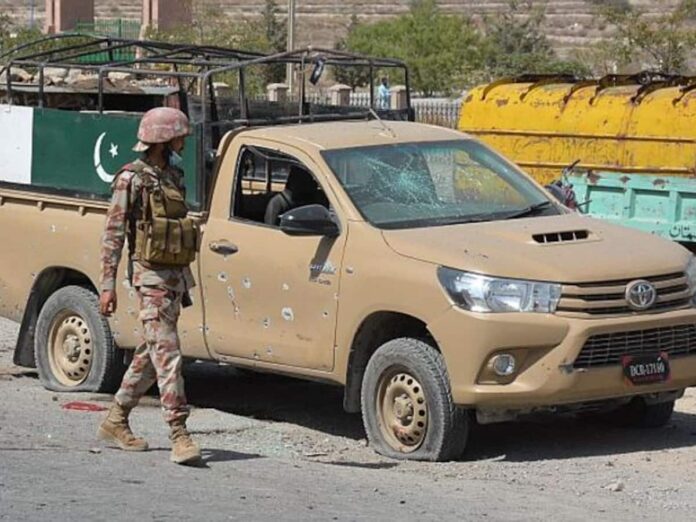
Pakistan says killed 20 rebels after deadly attacks

“A total of 20 militants were killed during Panjgur and Noshki operations, the Pakistan military’s media wing said in a statement on Saturday night, adding that at least nine Pakistani soldiers died in the biggest attacks in recent years.

A newly formed separatist Balochistan Nationalist Army (BLA) claimed responsibility for the attacks in the districts of Panjgur and Noshki.

The Noshki assault was quashed on Thursday, but the attack in Panjgur was only quelled on Saturday, the army announced.

“Security forces have completed the clearance operation today,” it added.

The BLA also issued a statement on Saturday night saying “all targets successfully achieved”.

It said 16 fighters sacrificed themselves in the attacks, a phrasing that indicated but did not say clearly that they had died.

Baloch rebels have been fighting the government for decades, demanding a separate state and saying the central government unfairly exploits Balochistan’s rich gas and mineral resources.

The latest violence came a week after armed fighters killed 10 soldiers in an attack on a security post in the town of Kech in Balochistan province, which has been the site of a long-running armed rebellion.

The days of fighting came as Pakistani Prime Minister Imran Khan was making an official visit to China, which has invested significantly in Balochistan, further stoking tensions.

Chinese investments in Balochistan are part of Beijing’s Belt and Road Initiative, which also led to tensions in the province.

The China-Pakistan Economic Corridor (CPEC) project linking China’s far-western Xinjiang region with the strategic port of Gwadar in Balochistan has sparked claims that the vast influx of investment does not benefit locals.

While the economic corridor offers a lucrative gateway for China to the Indian Ocean, the security of its workers has long been a concern.

Islamabad and Beijing have forged strong ties in recent years.