Wednesday, December 24, 2025
Home Blog Page 2055

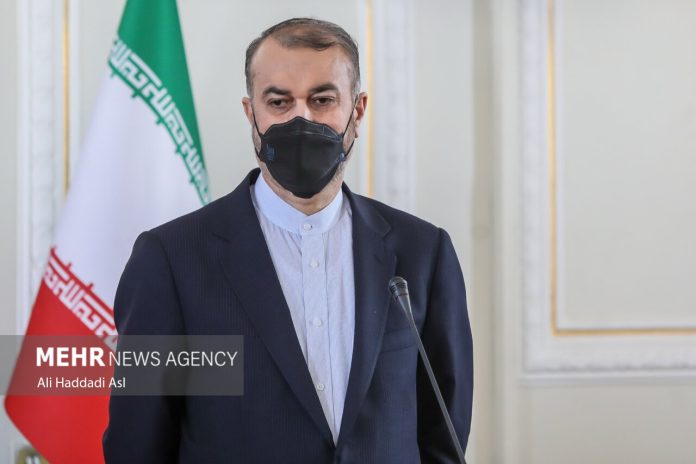
Iran FM: We won’t let foreign player to affect our interests in Vienna talks

Amir Abdollahian said Iran will protect its red lines regarding effective economic guarantees.

He made those comments at a meeting with a number of Iranian lawmakers on Monday.
Amir Abdollahian noted that Iran welcomes a good and robust deal.

Amir Abdollahian comments come as Russia has demanded that its nuclear cooperation with Iran be not affected by the Ukraine-related sanctions placed on Moscow by the US and other Western governments.

Iran and the P4+1 group say a deal is nearly ready to be signed to revive the 2015 nuclear agreement, known as the Joint Comprehensive Plan of Action, JCPOA.

They however say a couple of differences remain to be resolved before the signing of the deal.

Iran also says reaching a deal is now contingent on a political decision by the US.
The JCPOA plunged into disarray after former US president Donald Trump left it in 2018 and reinstated sanctions on Iran.

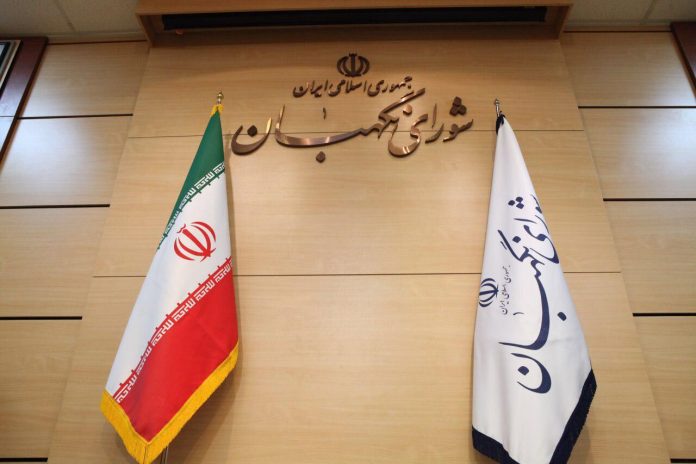
Iran’s Guardian Council approves Teacher Rating Bill

Spokesman of the Guardian Council, Tahan Nazif, said the legislation of the rating system, which was faced with problems and ambiguities at the Guardian Council in the previous stages, was reviewed in Monday’s meeting of the body and its members did not consider it against Sharia and constitutional standards.

Nazif made the announcement on twitter.

He expressed hope that the enforcement of the law will improve the quality of education in Iran and resolve the problems of teachers.

The Guardian Council’s objections to the teacher rating bill were resolved for a second time by the Parliamentary Education Commission and approved by parliament on Sunday.

Teachers have held numerous protests in Iran against what they call their low wages and the slow implementation of salary and pension reforms

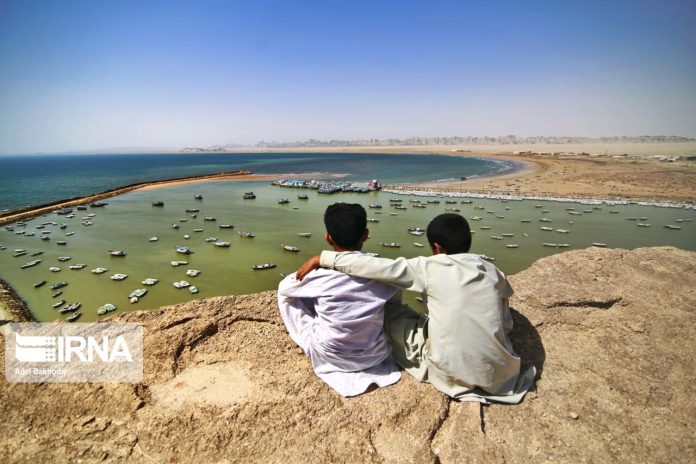
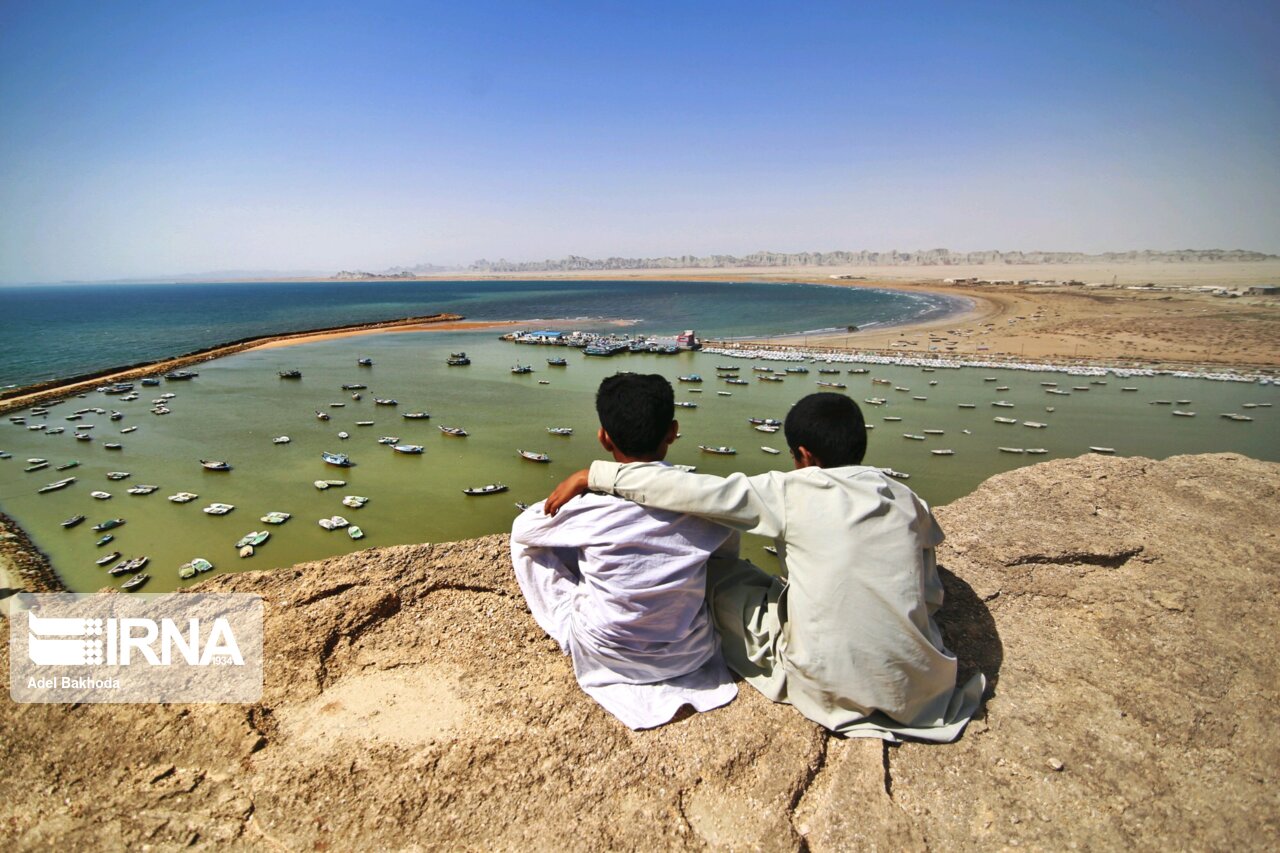
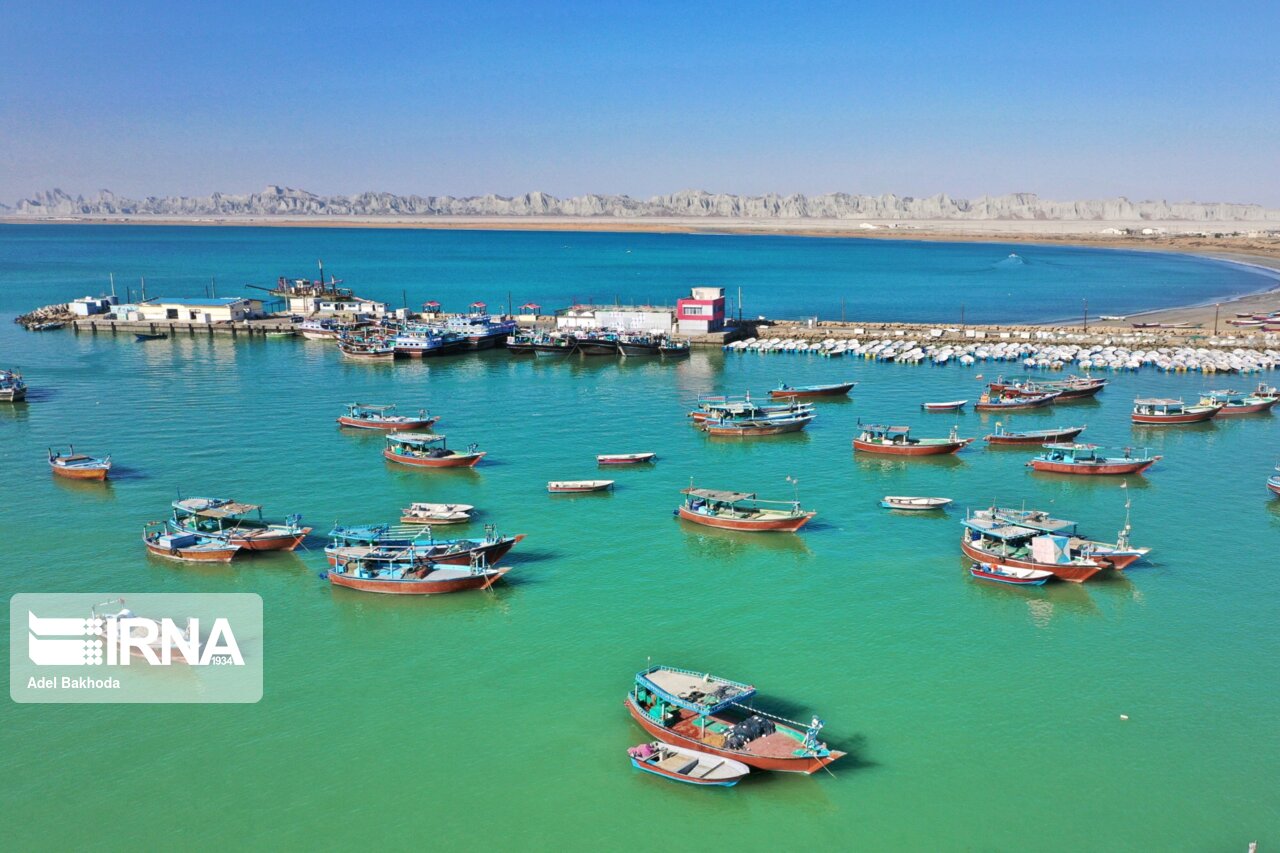
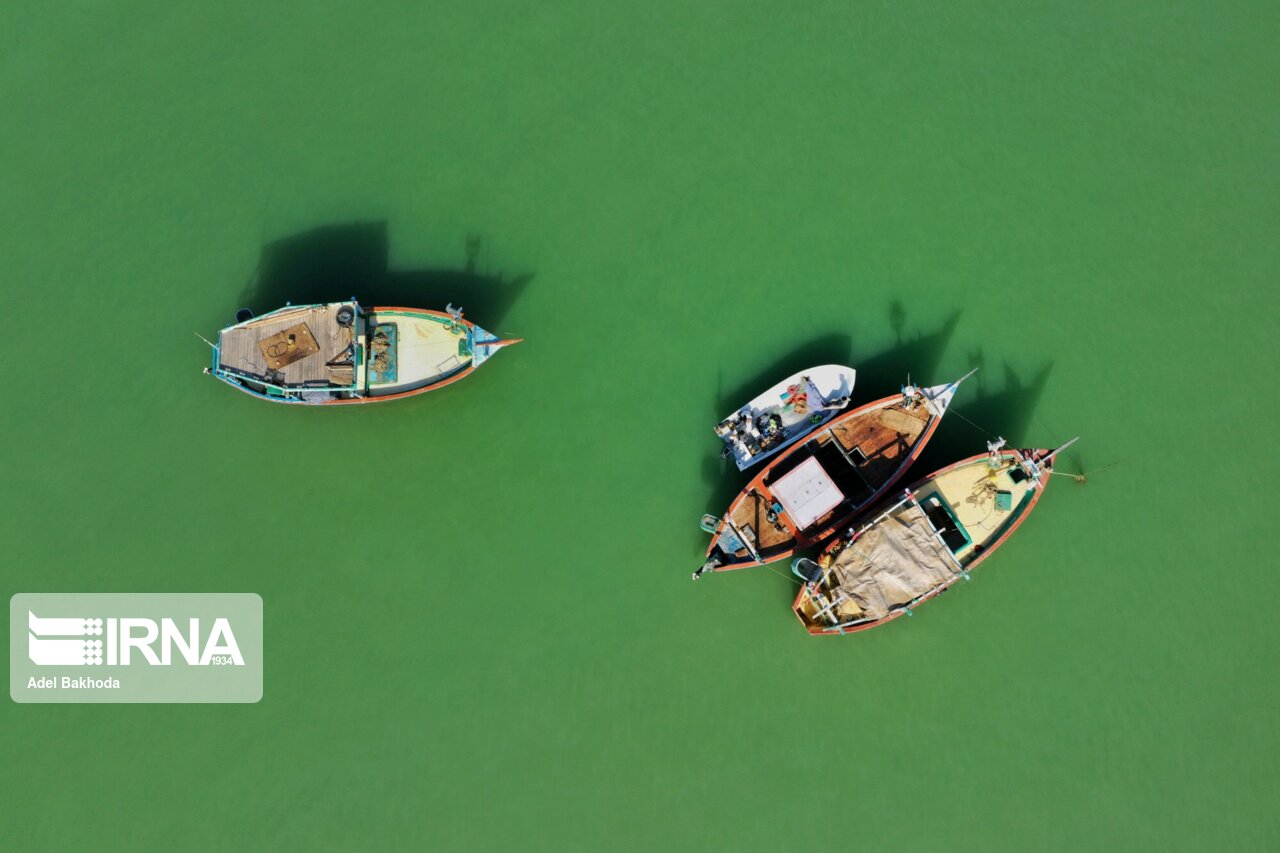
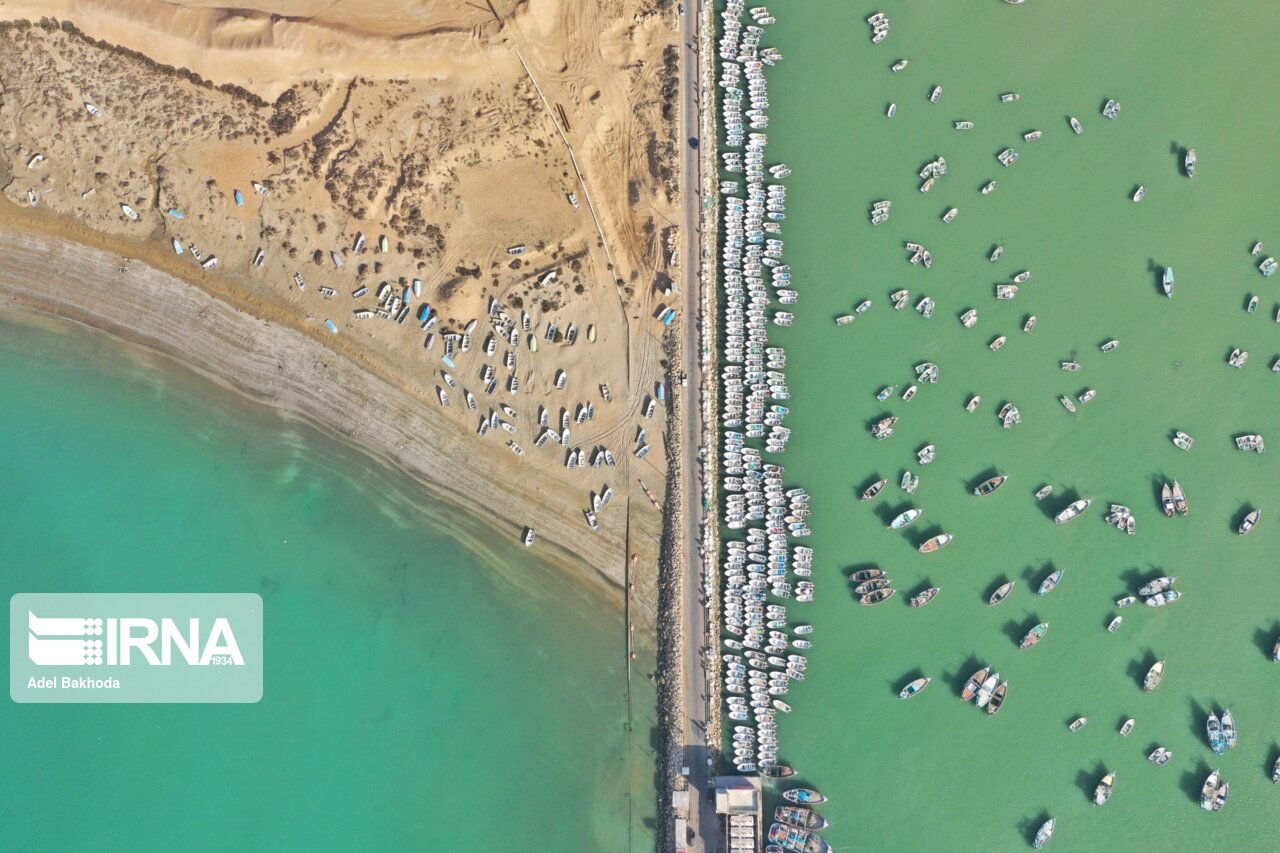
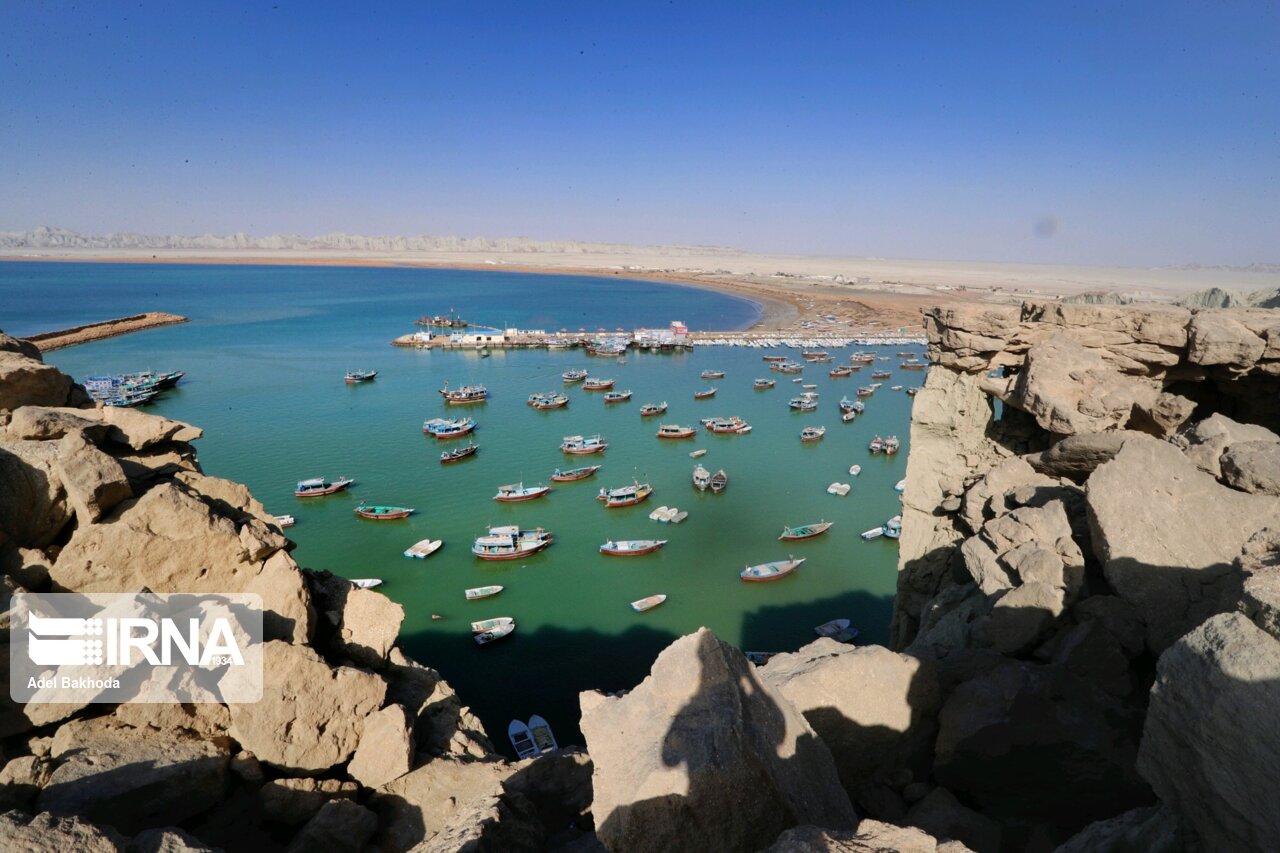
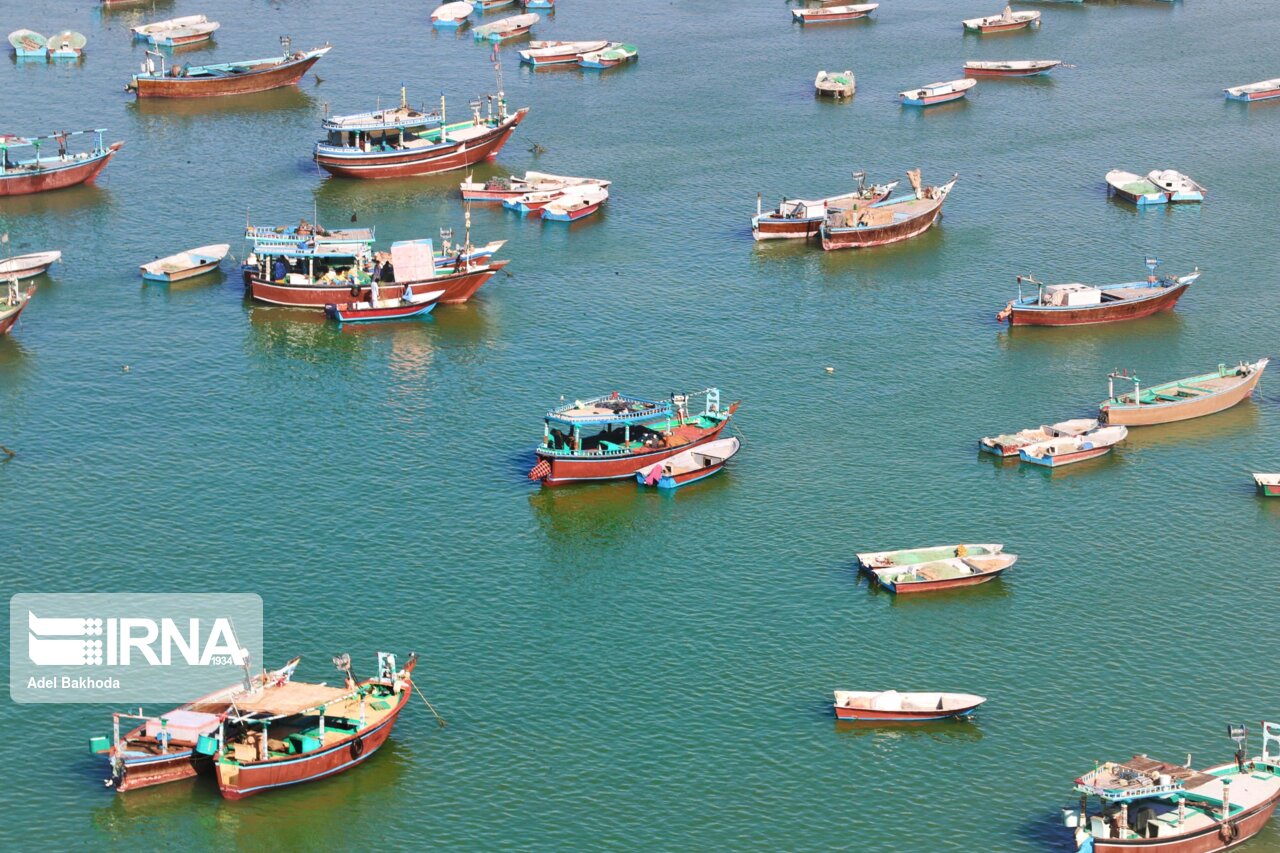
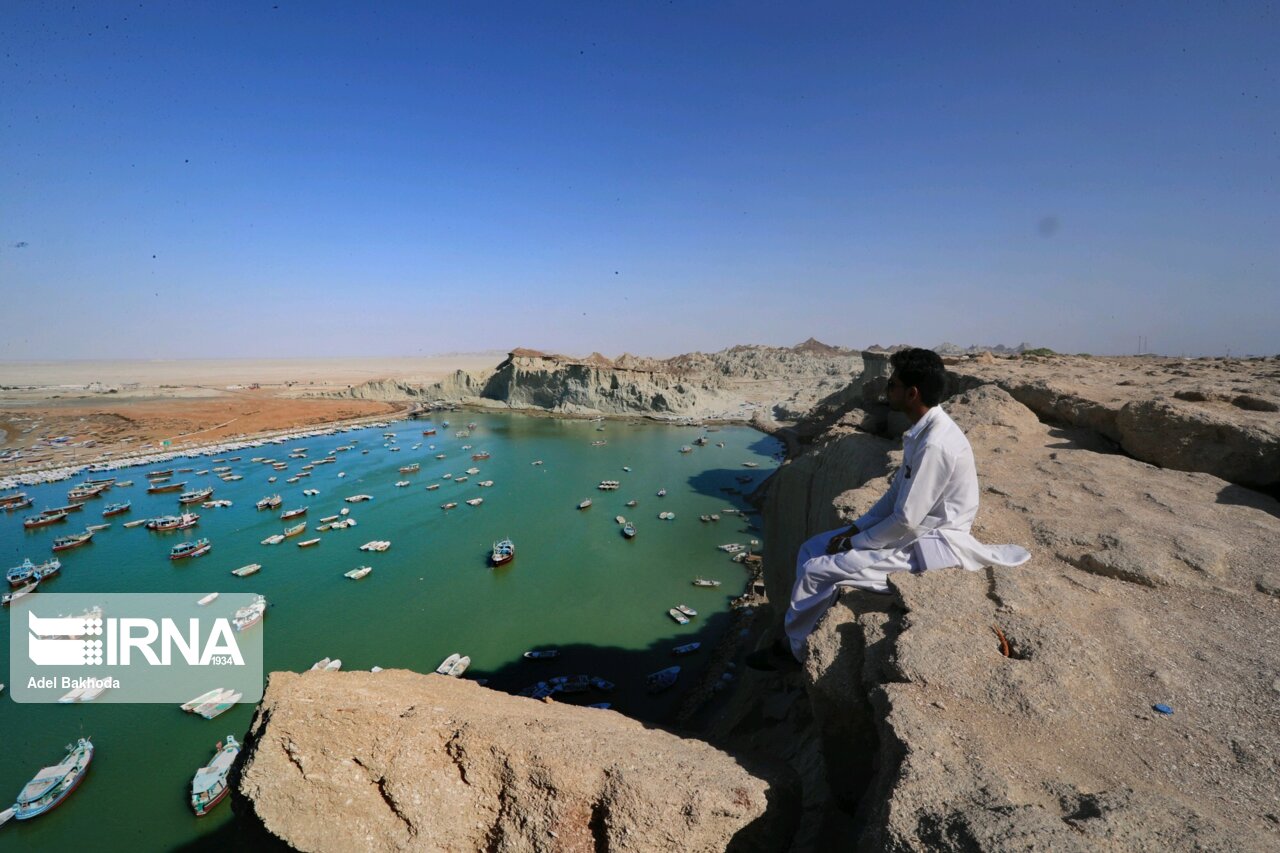
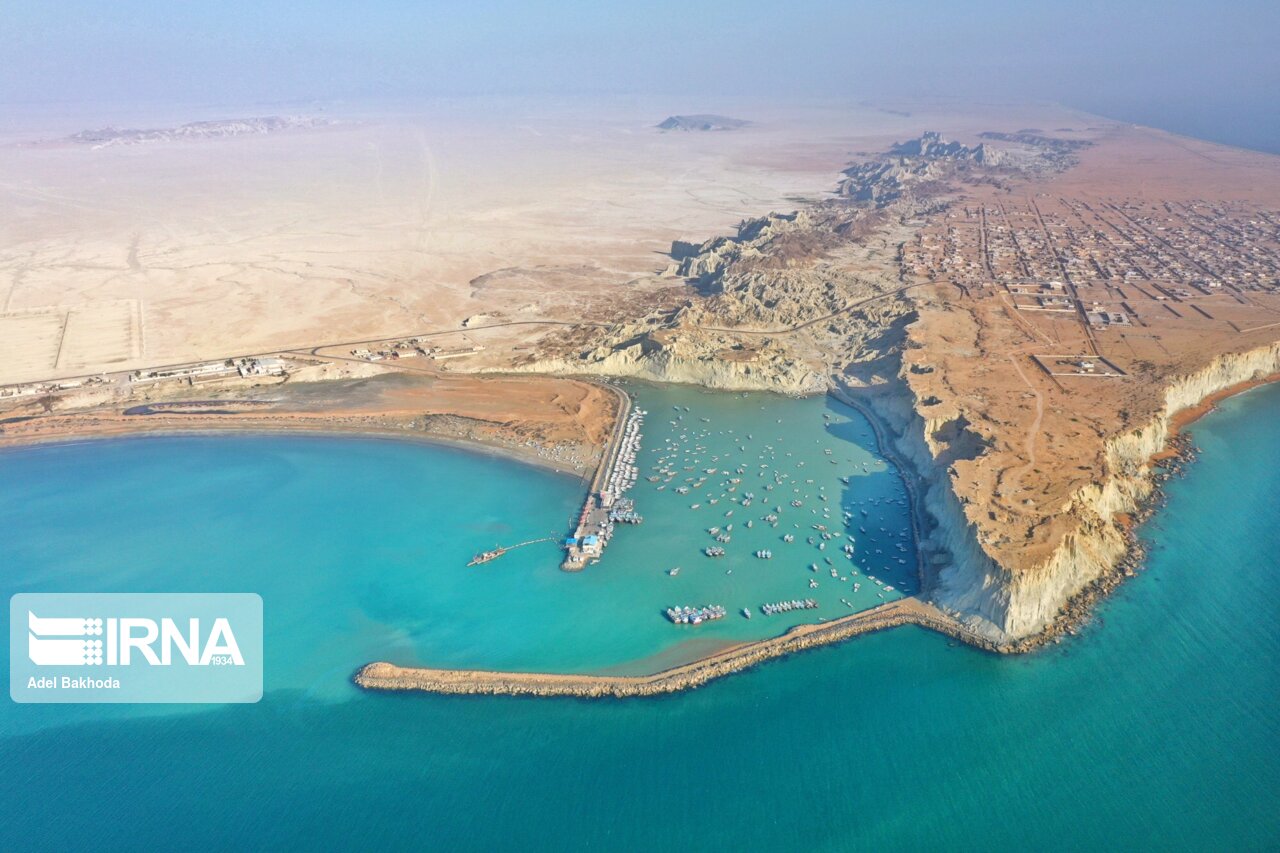
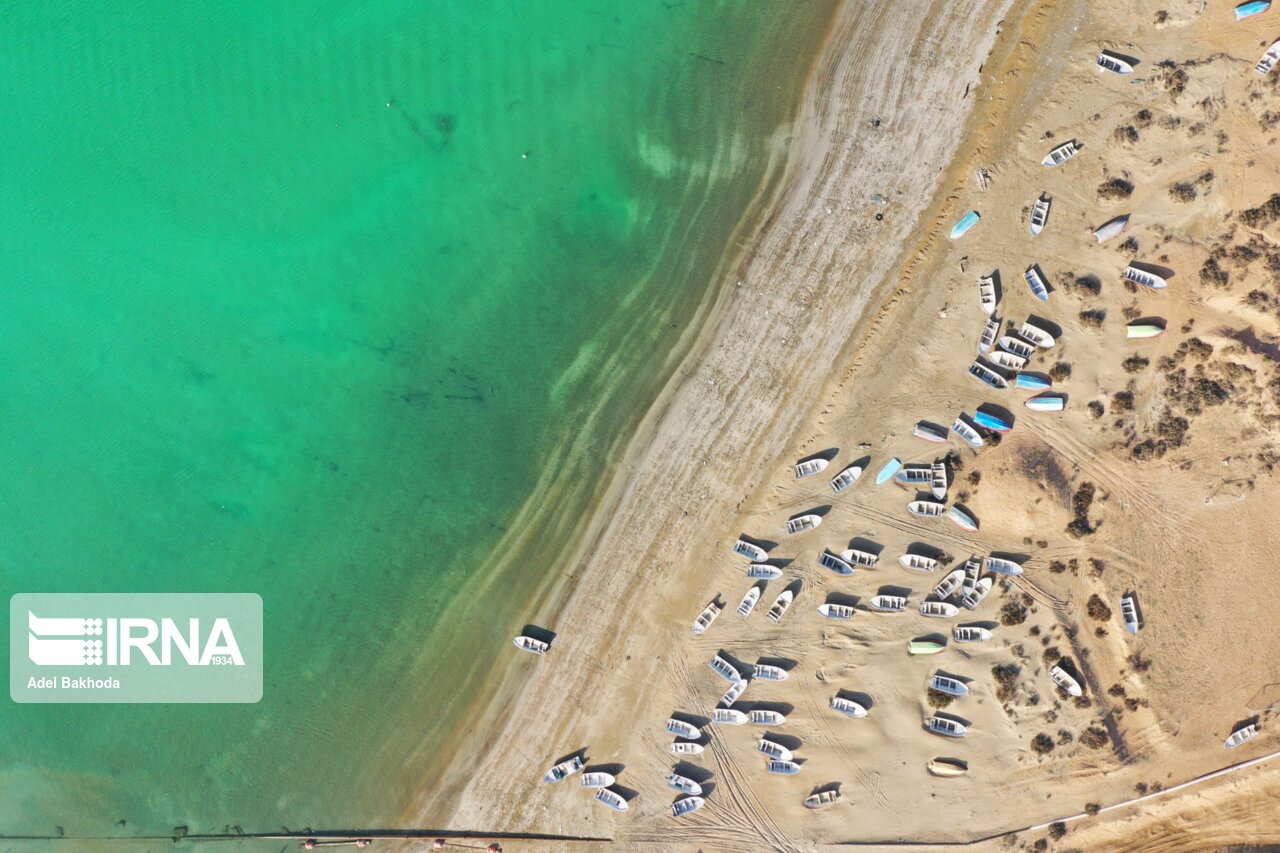
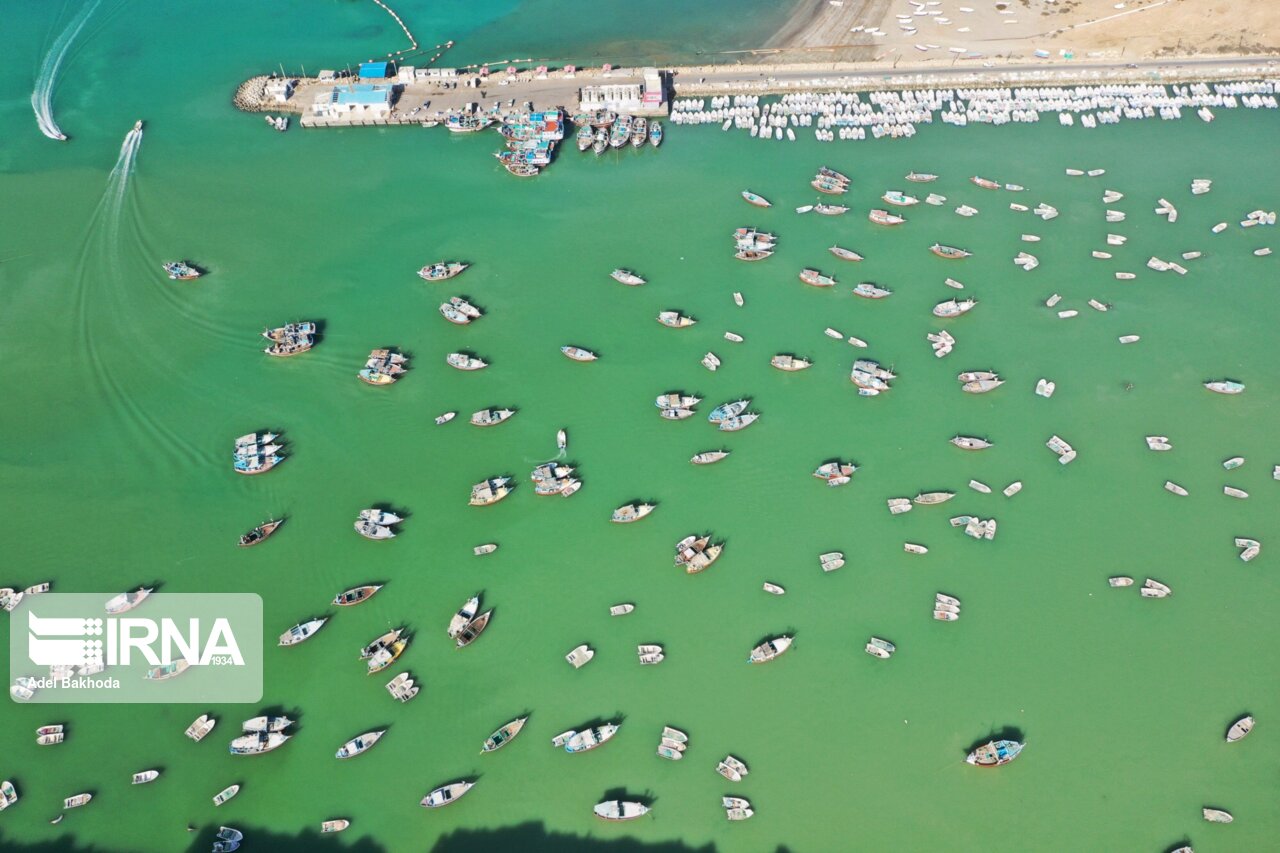
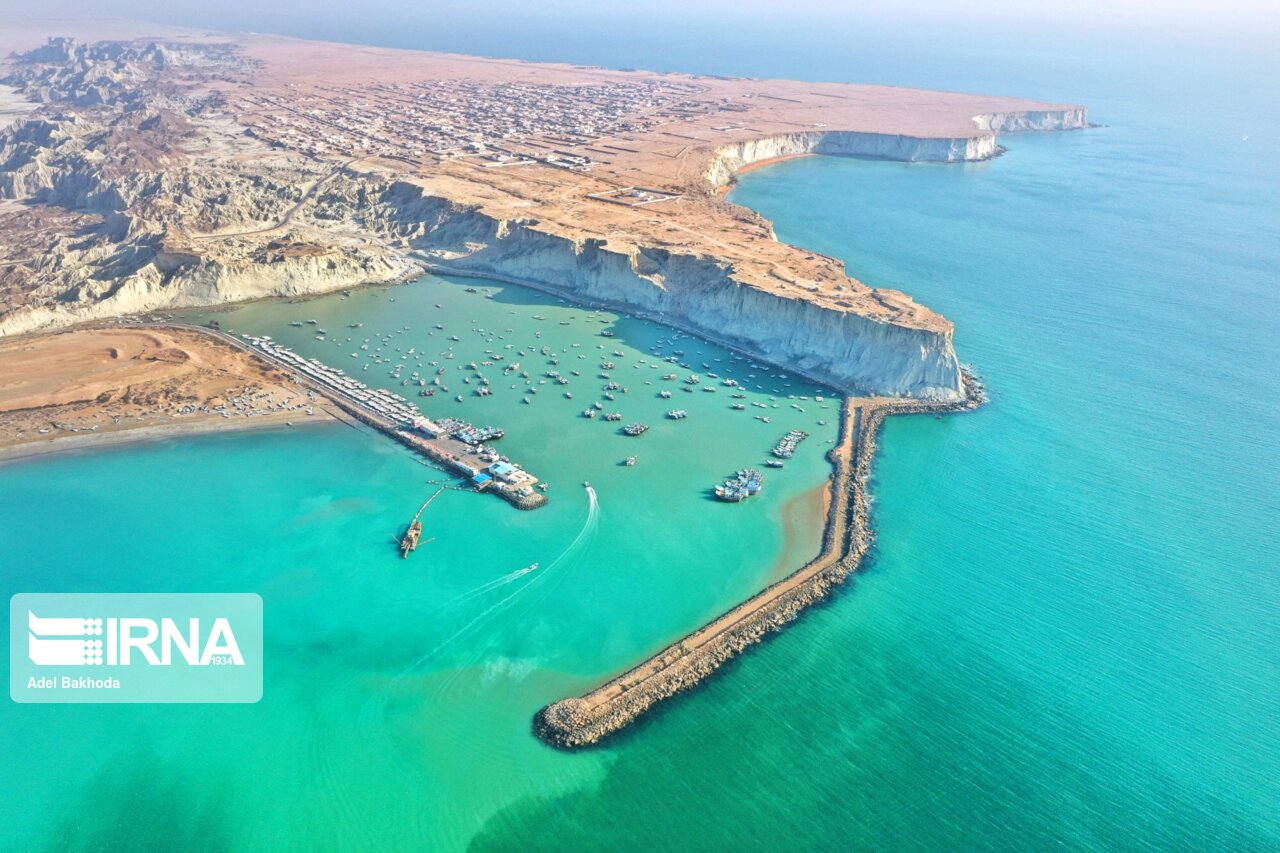
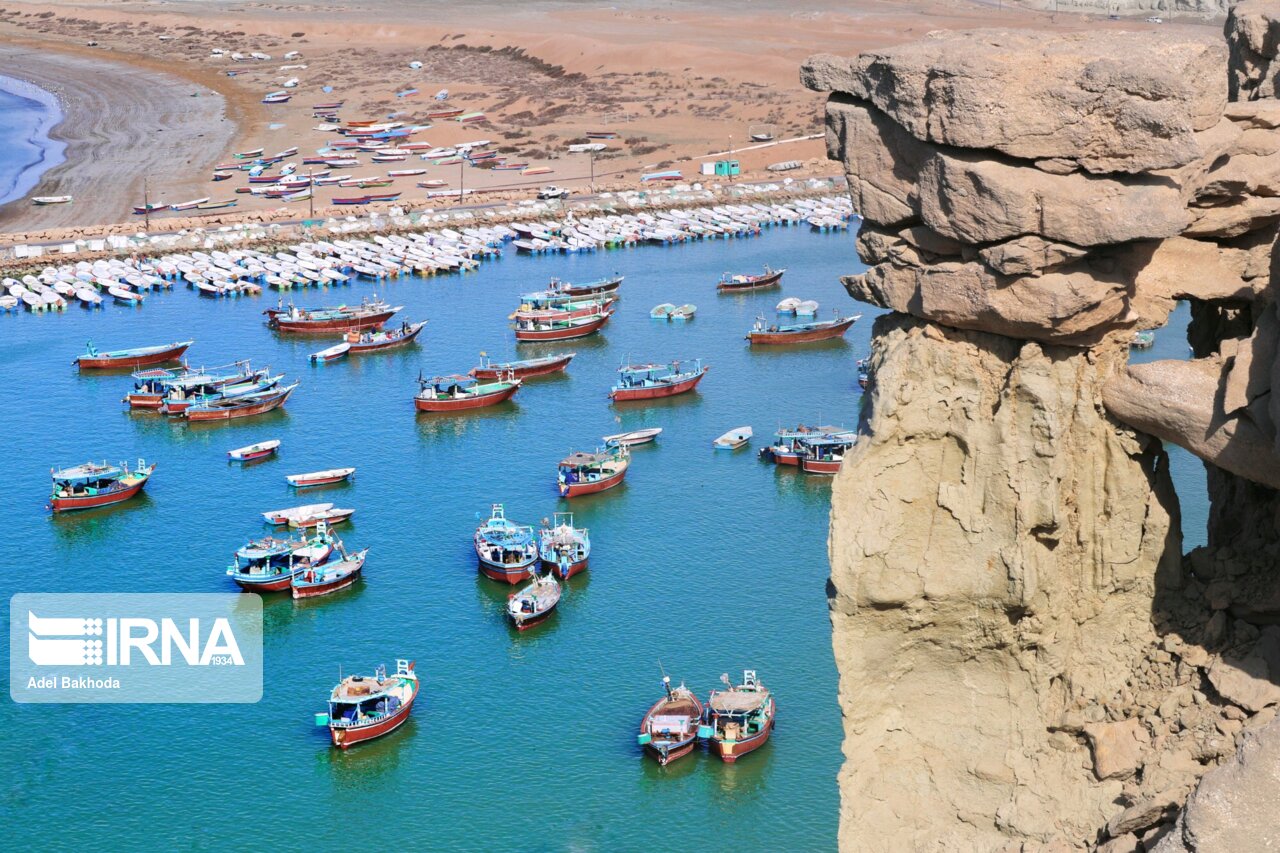
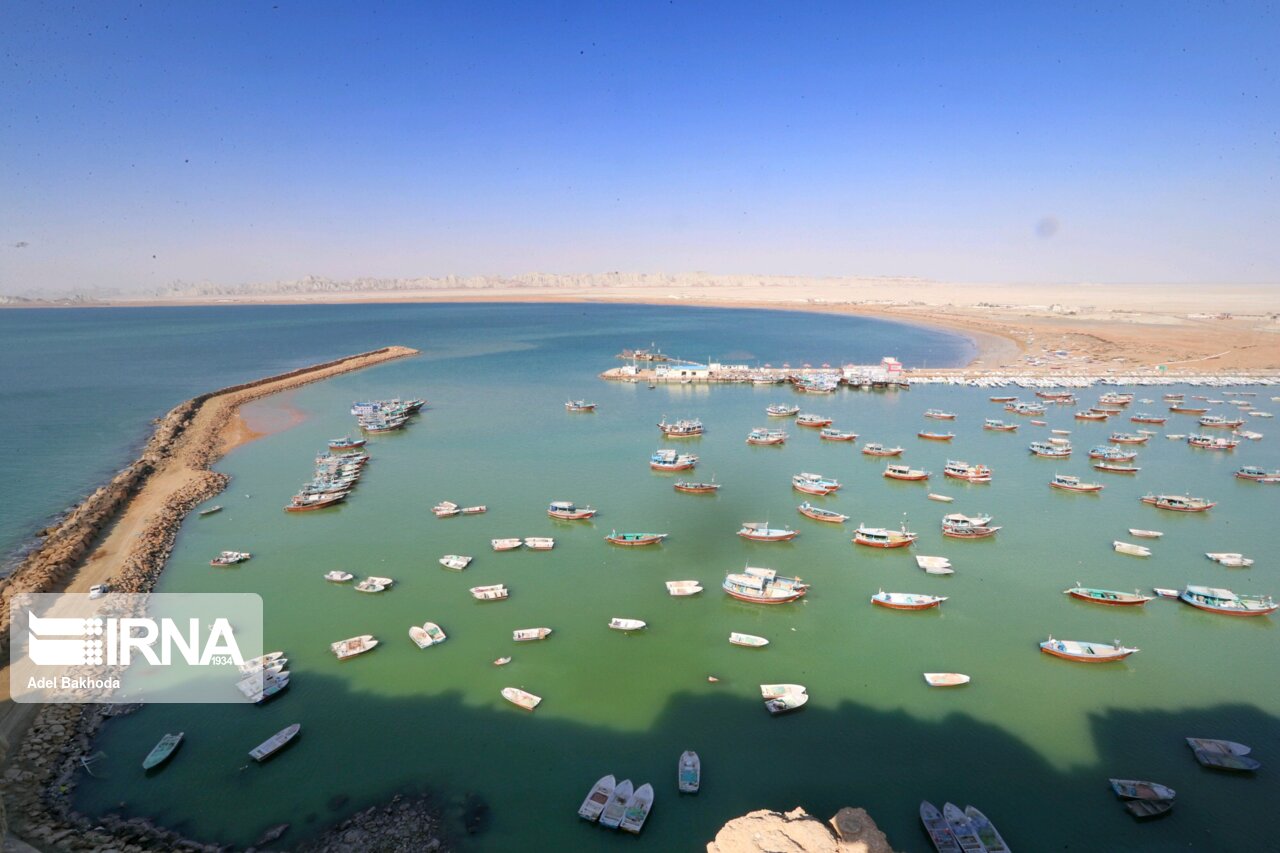
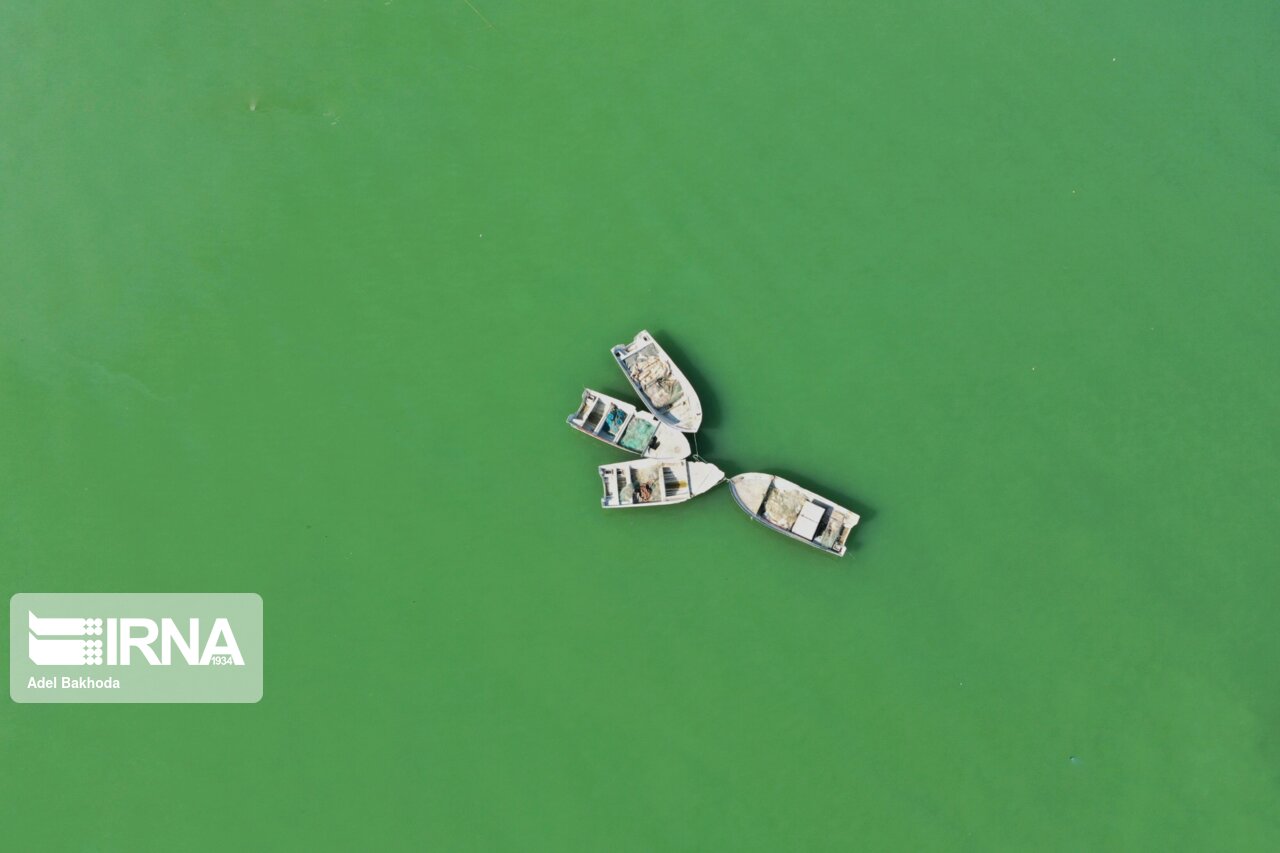
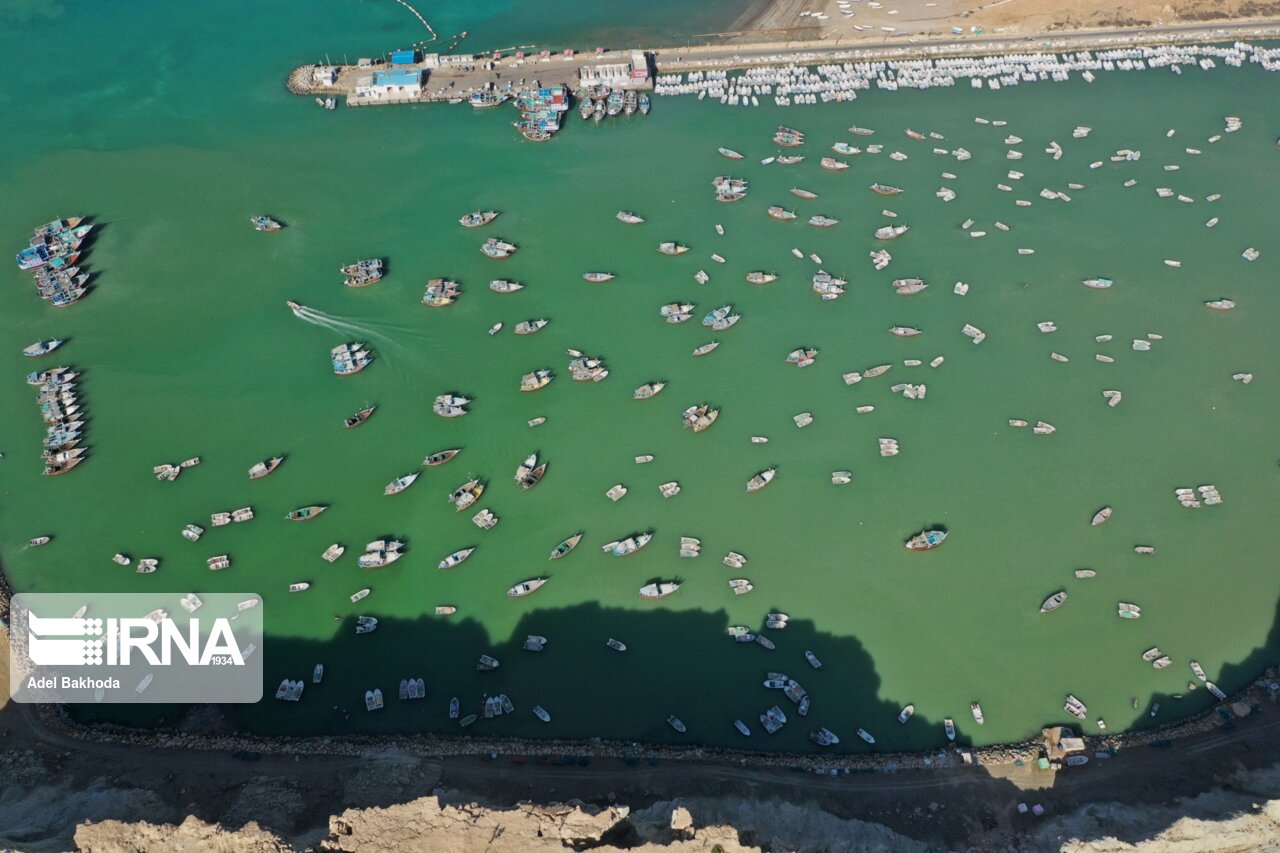
Iran tourism attractions: Beris, a port village in southeast

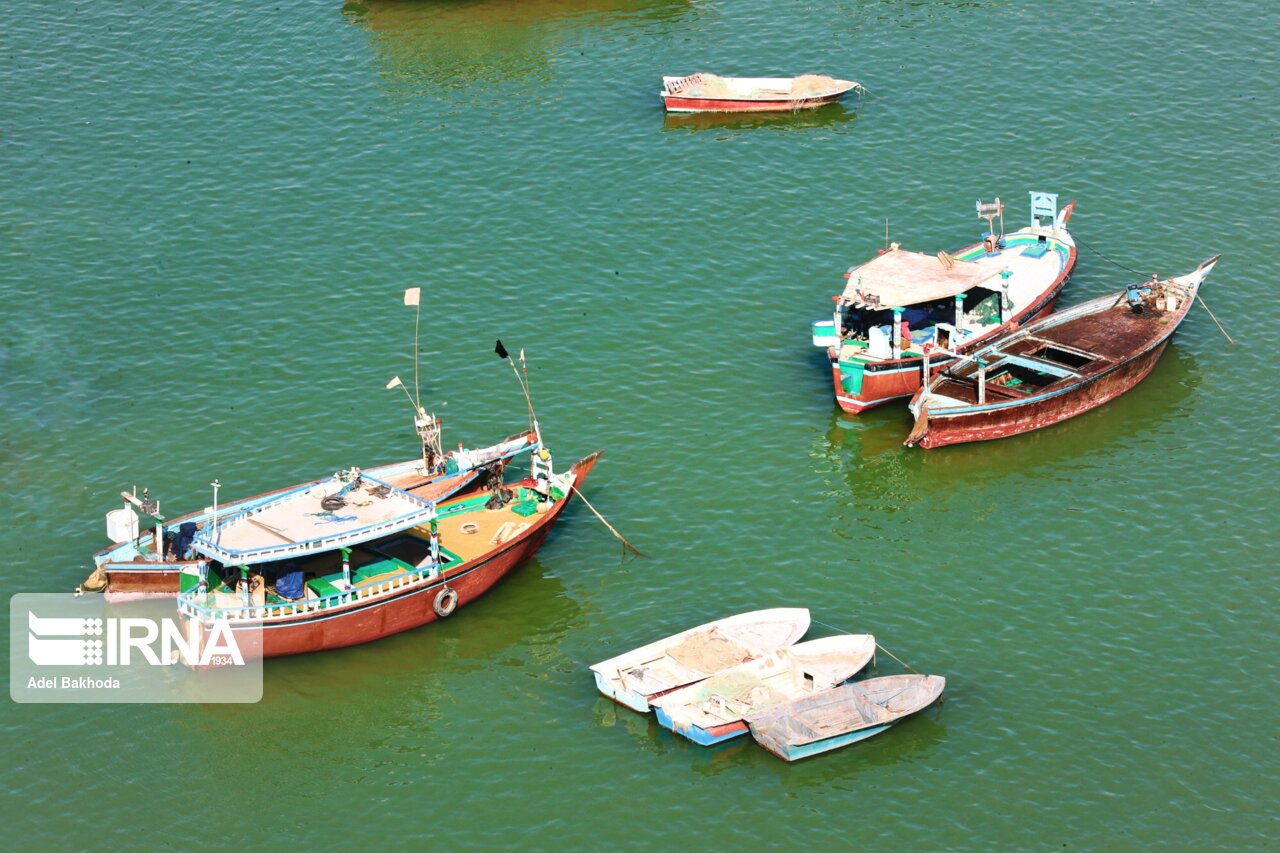
The fishing pier of Beris port, 10 meters above sea level, is a place for catching all kinds of fish and lobsters.

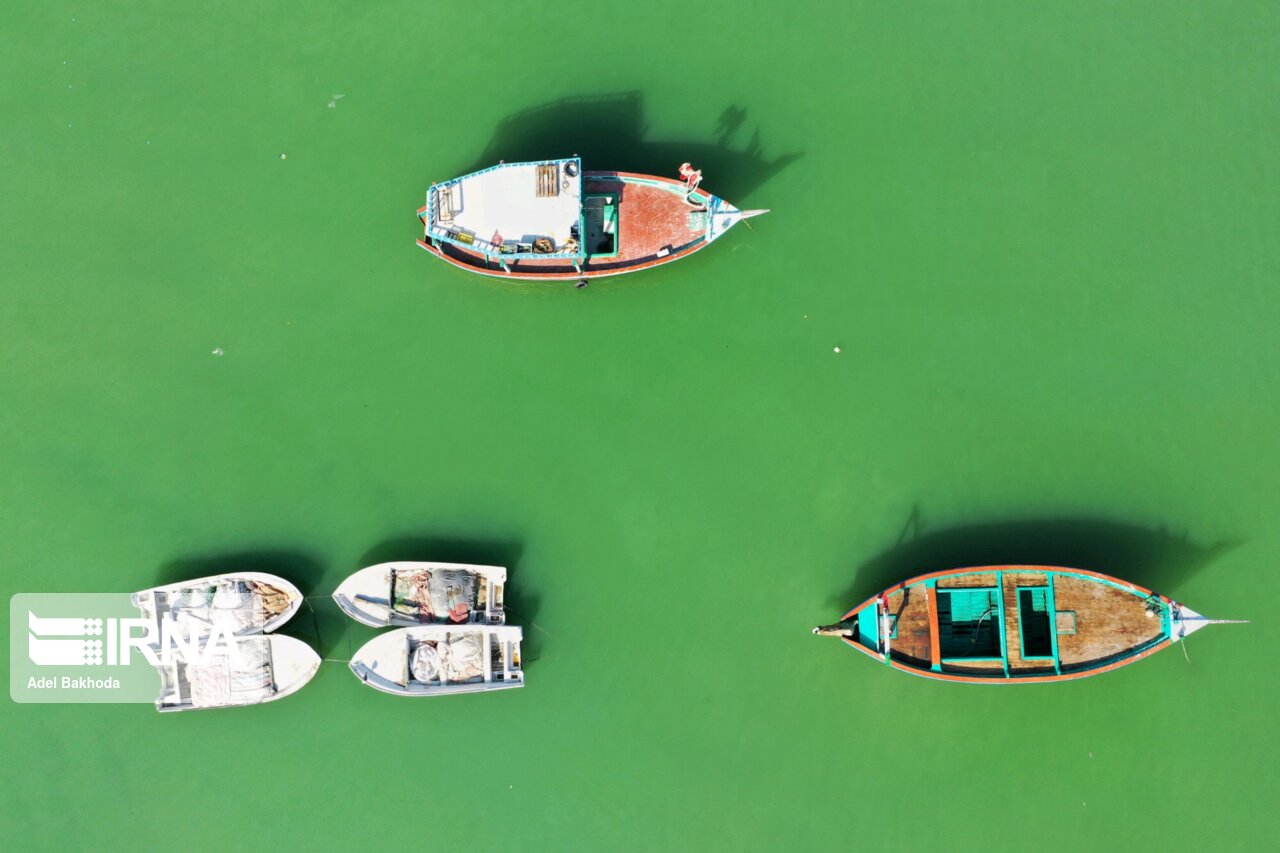
Anchoring boats and ships in Beris is one of the most spectacular attractions in the area.

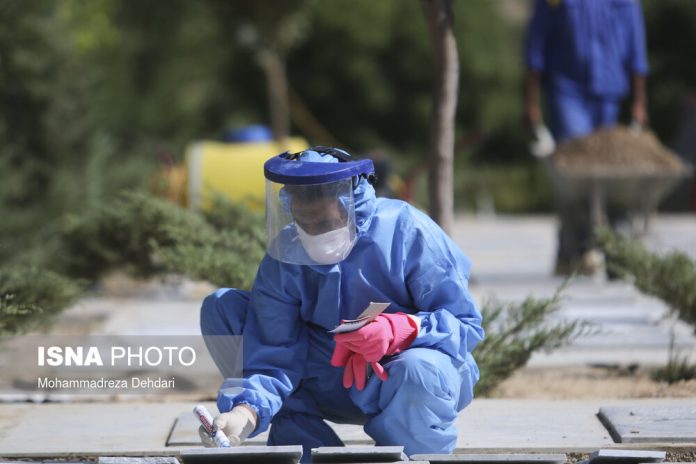
Covid kills 168 more people in Iran in 24 hours

On Sunday, the death toll was 201. The latest figure pushes the total fatalities from the disease 138,116 since the start of the pandemic in early 2020.

The daily caseload from Sunday to Monday stood at 6,426 including 1,103 hospitalizations.

Many of the new infections are Omicron, the last variant of Covid, which is said to be highly contagious.

Meanwhile, the vaccination campaign against Covid-19 continues in Iran. The number of triple-vaxxed people in the country crossed the 24 million mark.

Over 143 million doses of vaccine have been given to people in the country so far.

Now 148 cities are red, with the highest risk of Covid, with 196 cities categorized as orange, 101 cities as red and 3 cities as blue, which means having the lowest risk.

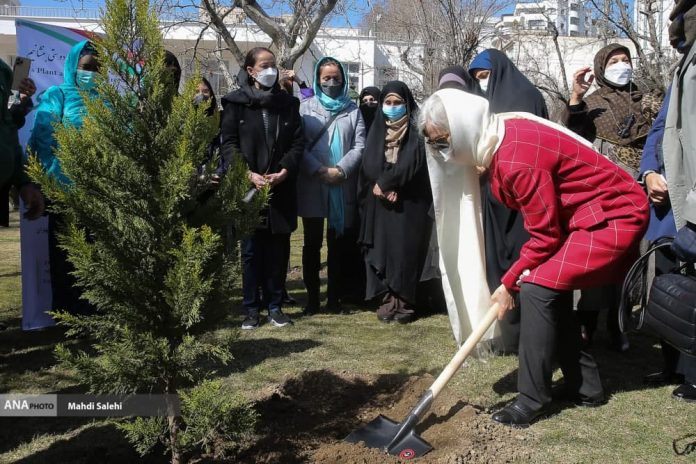
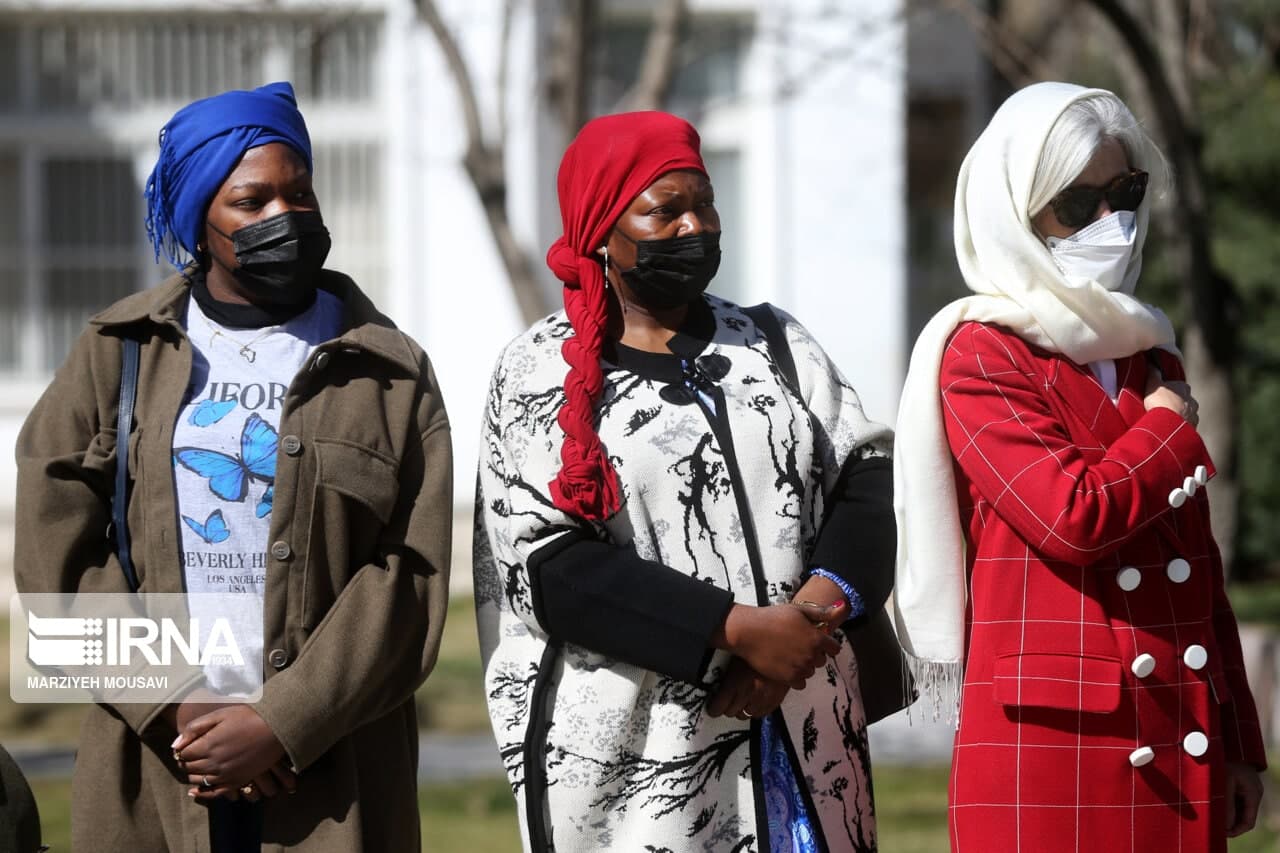
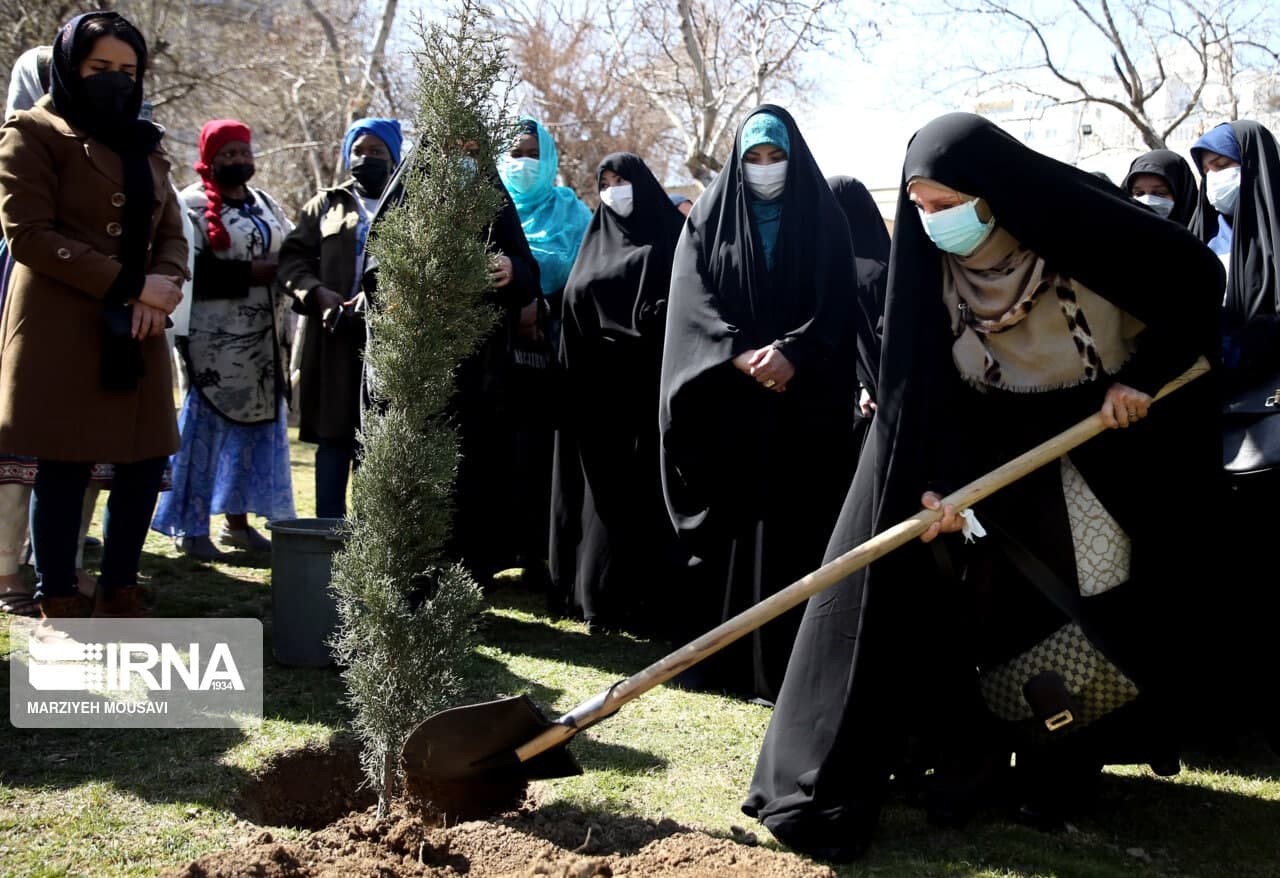
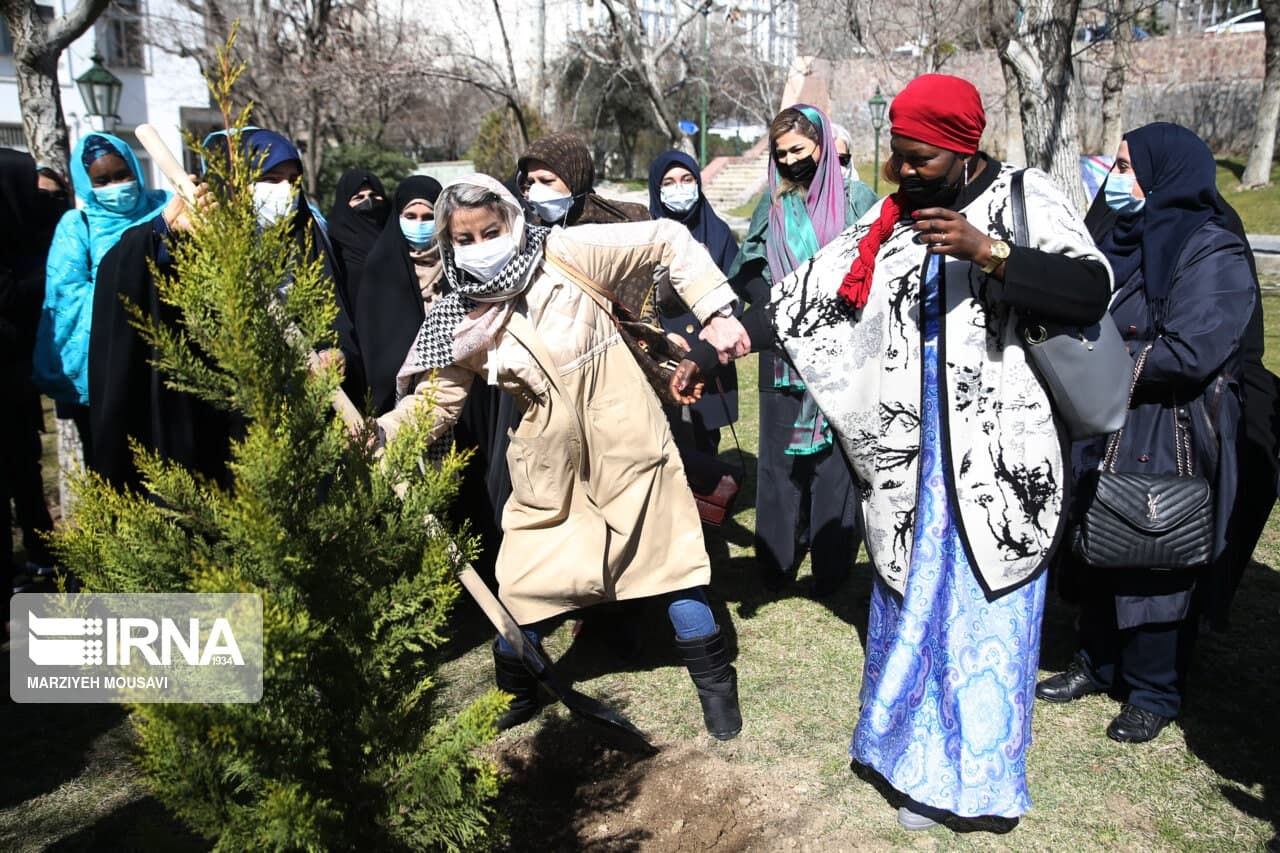
Wives of foreign ambassadors in tree planting day ceremony

Wives of foreign ambassadors in tree planting day ceremony

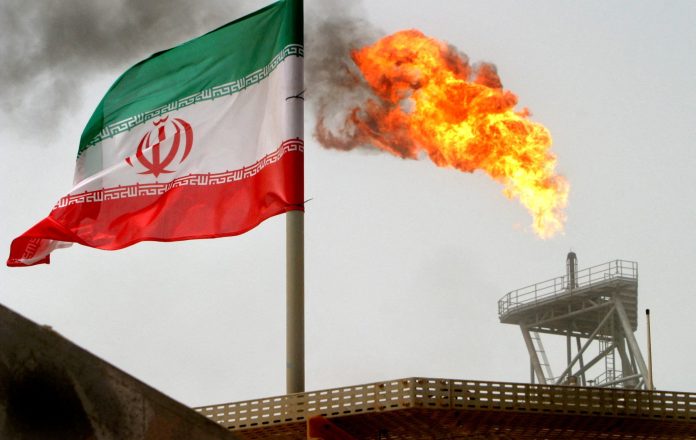
Oil ministry signed investment contracts worth $15.6bn in 6 months

Iran Oil

In a tweet, Owji said these include 45 agreements and memoranda of understanding for investments in the fields of development of oil and natural gas fields, gathering of oil field flares’ gas, construction of transfer pipelines and improvement of refineries, among others.

The minister further stressed that 4.5 billion dollars of the investment will go into development of oil and gas fields by Iranian and foreign companies.

Owji said his ministry is also eyeing an agreement with a consortium of Iranian banks to fund the development project of one of the major oil fields and its downstream industries.

Iran has the largest combined reserves of hydrocarbons in the world with 33 trillion cubic meters of proved extractable natural gas and over 160 billion barrels of proved extractable crude oil.

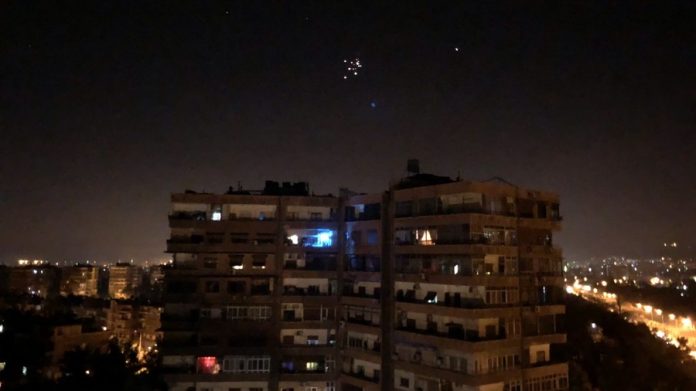
Two civilians killed in Israel attack near Damascus

“At 5:00 am local time in the morning, the Israeli enemy carried out an aerial aggression from the direction of south of Beirut, targeting some points in the vicinity of Damascus City,” Syria’s official news agency SANA cited a military source as saying on Monday.

The source noted that the Syrian air defenses confronted the missiles fired by Israel and downed most of them. However, the attack left “two civilians” killed and caused material losses.

A similar Israeli attack in the vicinity of Damascus on February 24 left three soldiers killed.

Syria and the Israeli regime are technically at war due to the latter’s 1967-present occupation of the Arab country’s Golan Heights.

Israel maintains a significant military presence in the territory, which it uses as one of its launchpads for attacks against the Syrian soil.

The attacks started to grow significantly in scale and frequency after 2011, when Syria found itself in the grip of rampant foreign-backed terrorism.

Tel Aviv claims that its attacks target alleged supplies that are headed for the Lebanese resistance movement of Hezbollah, which has played a key role in helping the Syrian army in its fight against the foreign-backed terrorists.

On countless occasions, though, the strikes have targeted reinforcement belonging to Syria’s military and its allies.

The Tel Aviv regime mostly keeps quiet about its attacks on the Syrian territories which many view as a knee-jerk reaction to the Syrian government’s increasing success in confronting terrorism.

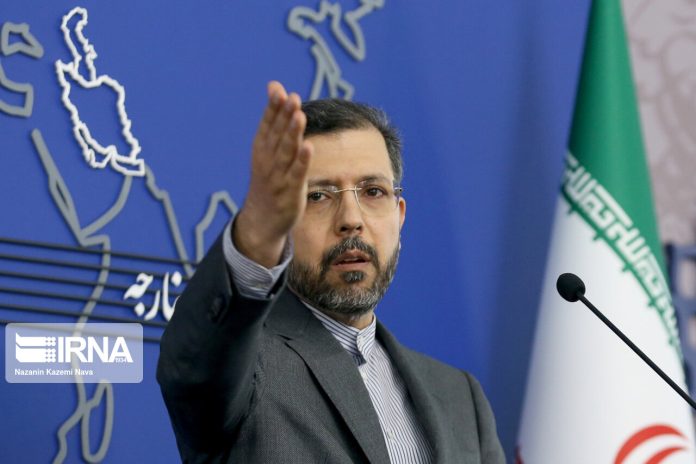
Iran: Decision over direct talks with US based on Washington behavior

Iran FM Spoesperson Saeed Khatibzadeh

Speaking at his weekly presser on Monday, Khatibzadeh said a request for negotiation is meaningful if the reason for it is known.

He added that so far Iran has seen no change in the US behavior and the so-called maximum pressure campaign against the Iranian people remains in place.

Khatibzadeh added that any move by Iran will be aimed at realizing the country’s national interests.

He referred to the Vienna talks, saying if the US wants to return to the Iran nuclear deal, JCPOA, it must accept commitments under the deal.

Referring to the recent visit by the International Atomic Energy Agency chief to Tehran, the Foreign Ministry spokesman noted that Iran has responded to IAEA chief Rafael Grossi’s questions regarding some sites in Iran and expects that the cases will be closed in due course.

Khatibzadeh added that Iran and the agency have reached an agenda under which Tehran will respond to the IAEA’s technical questions over the next couple of months.

Khatibzadeh noted that there’s a direct relationship between a deal in Vienna and responding to those questions.

Khatibzadeh went on to note that the goal of the Vienna talks is clear, adding that the negotiations aim to remove anti-Iran sanctions that are unrelated to the JCPOA.

He also said Iran has made efforts to keep this issue away from other cases over the past 11 months. Regarding the resolution of safeguards issues, the spokesman said a deal in Vienna will pave the way for the US return to the JCPOA but it will not be reached overnight.

He then spoke about Russia’s latest stance on the Vienna talks. The spokesman underlined that Iran’s nuclear cooperation with Russia must not be affected by the sanctions on Moscow over the Ukraine crisis.

The spokesman reaffirmed Iran’s stance on the situation in Ukraine. He said what’s unfolding in Ukraine is the result of US-led NATO’s expansionist policies over decades.

Khatibzadeh noted that Iran made efforts to prevent the war and after its outbreak, has been calling for a ceasefire and talks.

Khatibzadeh also spoke about the Saudi crown prince’s remarks about talks with Iran, saying that Saudi Arabia is an important country in the region and the Muslim world and differences should not prevent the two countries from having minimum meaningful ties.

He said the people of the two countries will be the main beneficiaries of ties between Tehran and Riyadh.

Khatibzadeh said if the Saudis are ready to participate in the Baghdad talks with strong determination, the Islamic Republic of Iran is also prepared for a rapprochement at the highest speed.

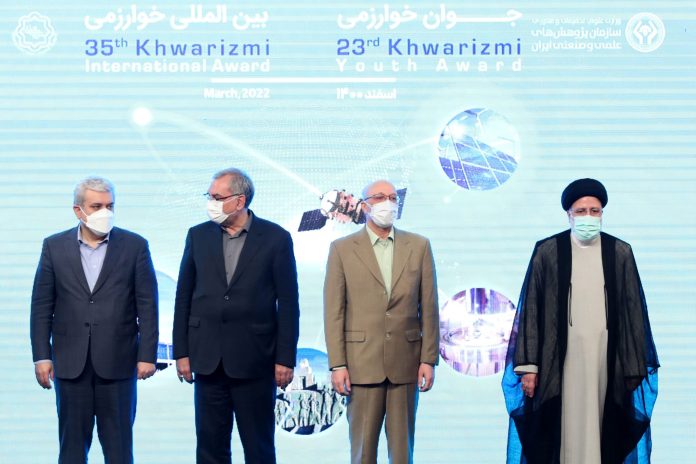
Iran Intl. scientific festival awards top participants

Khwarizmi International Festival is the most significant scientific event in Iran and plays a key role in commercializing scientific achievements, bringing ideas to life and job creation through attracting the attention of industrialists to innovative works.

This year Khwarizmi International Awards were granted to Fatemeh Keshavarzi for her mobile network security network inspection system, Amir Hossein Alinouri for his potable detector of chemical agents and Parsa Pahlavan for his project on material used for restoration of cultural heritage sites.

Other winners of the award were Amir Rastegari for his work on Tagharrob airport radar, Seyed Mohammadreza al-Hosseini for his railway signal exchange system, Khalil Torkan for design and production of a cardiac electroshock device, Rasoul Raisi Ardali for his work on a control and supervision system for management of energy distribution networks and Javad Eisavand for his work on a sound pressure level test.

The foreign winners of the festival won awards for projects on heterogeneous photocatalysts, high blood pressure treatment and human genetics.

Simultaneously with the award the 23rd Young Khwarizmi Festival also commended top projects in a number of areas including nanofibers, nanoabsorbents and mixed-core electrodes, among others.

Poll: Most Tehranis pursuing developments in Ukraine war

The poll conducted by the Islamic Republic News Agency (IRNA) also found that 54.2% of the respondents are concerned that this war will have an adverse impact on Iran’s economy while 49.9% say the conflict will affect the Iran-P4+1 negotiations.

The survey also shows 17.7% of those polled believe Iran will get dragged into the conflict between Russia and Ukraine and 57.9% rule this out.

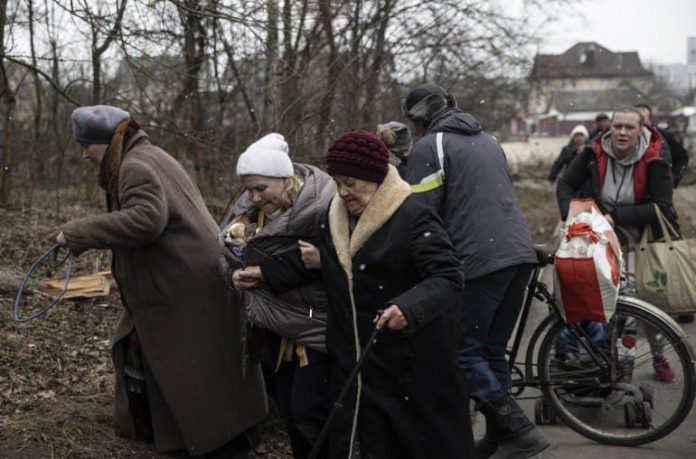
The war in Ukraine has drawn widespread reactions worldwide. People in many countries have held anti-war protests.

Feelings about who is at fault for the conflict is mixed though, with some pinning the blame on Russia and others on the US and the West.

The anti-Russia camp says Russian President Vladimir Putin nurtures expansionist motives while the other side maintains it was US-led NATO that provoked Russia to attack Ukraine by creeping closer toward Russian borders.