Monday, December 22, 2025
Home Blog Page 2000

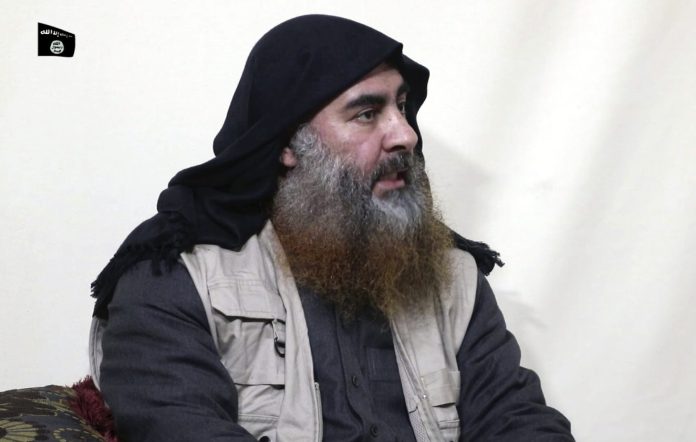
Report: New Daesh chief Abu Bakr Baghdadi’s brother

Abu Bakr Al Baghdadi

Islamic State named its new leader Abu al-Hassan al-Hashemi al-Quraishi in a recorded audio message distributed online.

The announcement came weeks after the death last month of Abu Ibrahim al-Quraishi, the man who in turn succeeded Baghdadi in 2019 and became the group’s second so-called caliph. Both Baghdadi and Quraishi died by blowing themselves and family members up during US raids on their hideouts in northern Syria.

The new leader’s real name is Juma Awad al-Badri, he is Iraqi and Baghdadi’s elder brother, two Iraqi security officials told Reuters on Friday. A Western security official confirmed the two men were brothers, but did not specify which was older.

It is the first time this has been revealed since Islamic State announced the new leader.

The officials spoke on condition of anonymity because they are not authorised to speak to media.

Little is known about Badri, but he comes from a close circle of shadowy, battle-hardened Iraqi jihadists who emerged in the aftermath of the 2003 US invasion.

“Badri is a radical who joined salafi jihadist groups in 2003 and was known to always accompany Baghdadi as a personal companion and Islamic legal adviser,” one of the Iraqi security officials said.

The official added Badri has long been head of Islamic State’s Shura Council, a leadership group that guides strategy and decides succession when a caliph is killed or captured.

Research by the late Iraqi Islamic State expert Hisham al-Hashemi published online in 2020 said Badri was leader of the five-member Shura Council.

The audio recording announcing the new leader said he had been named by Quraishi as his successor before his death.

Badri’s nom-de-guerre, also Quraishi, indicates that like his brother and his predecessor he is believed to trace his lineage from the Prophet Mohammed, giving him religious clout among fellow jihadists.

Iraqi security officials and analysts have stated that the new leader will continue trying to wage attacks across Iraq and Syria and that he might have his own vision for how those attacks are carried out.

One of the Iraqi security officials who spoke to Reuters on Friday noted Badri had recently moved across the border from Syria, where he has been holed up, and into Iraq.

Badri will inherit control over financial resources that are significant, according to a report written in December by the United Nations sanctions monitoring team.

“Recent assessments … put the group’s reserves at between $25 million and $50 million,” it said, but added that Islamic State spends more than it earns, relying on “opportunistic extortion, looting and kidnap for ransom,” the report added.

Badri has two other brothers, one detained for years by Iraqi security services, the Iraqi security official stated. The other brother’s whereabouts is not known, but he is believed to be another Islamist radical, he added.
Officials: Iran-Turkmenistan trade growing

Iran Trade

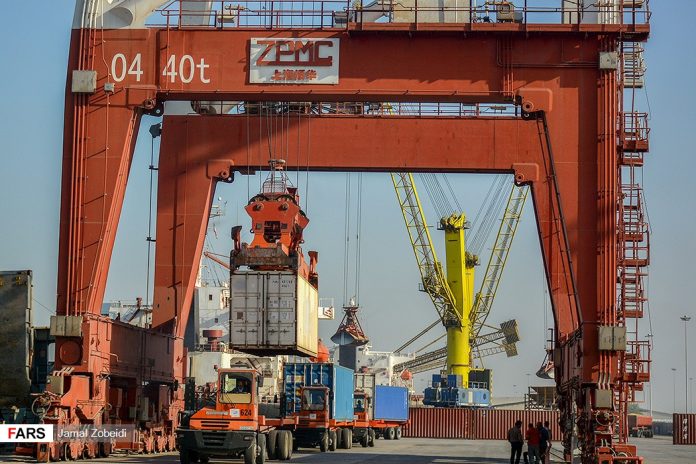
The increase shows that trade restrictions have been relaxed, which is in line with the policy of Iranian President Ebrahmi Raisi’s administration to expand political and economic relations with neighboring countries.

In fact, Raisi’s recent trip to Turkmenistan was a watershed in relations between the two countries and helped solve some of the problems lingering on for years. The visit also paved the way for the further expansion of trade ties.

Authorities say measures have been adopted to maintain the upswing in economic ties with Turkmenistan, especially at a time when Ashgabat officials are to visit Iran to discuss closer cooperation. Authorities say the next Persian Year starting March 21, 2022 will hopefully mark closer relations with Turkmenistan.

Azeri president praises diplomatic ties, cooperation with Iran

Ilham Aliyev

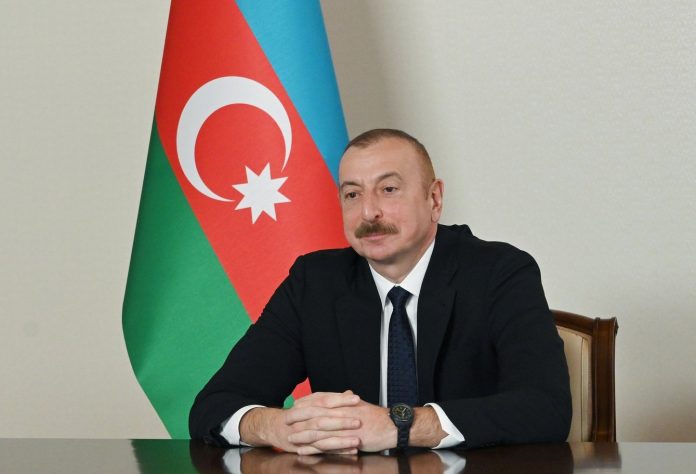
“I appreciate the regular political talks between Baku and Tehran and cooperation in a number of areas, and I believe that today there are many prospects for further development of our mutually beneficial cooperation,” Aliyev wrote in a letter to Iranian President Ebrahim Raisi.

“On this historic day between the Republic of Azerbaijan and the Islamic Republic of Iran – the thirtieth anniversary of the establishment of diplomatic relations – I sincerely congratulate you and express my best wishes to the friendly and brotherly nation of Iran,” he wrote.

Aliyev stated that the current high level of friendly relations is the result of joint efforts of the two countries over the past 30 years.

“Over the years, numerous reciprocal trips, documents and agreements between the two sides and joint projects have played an important role in the development of our dynamic cooperation in the political, economic, transport, energy, cultural and other fields,” he added.

“I believe that the relations between Azerbaijan and Iran, which serve the interests of our people and the interests of our countries, will continue to develop through our joint efforts,” the Azeri president wrote in his letter to his Iranian counterpart.

UN: Over 10k Yemeni children killed or injured in Saudi war

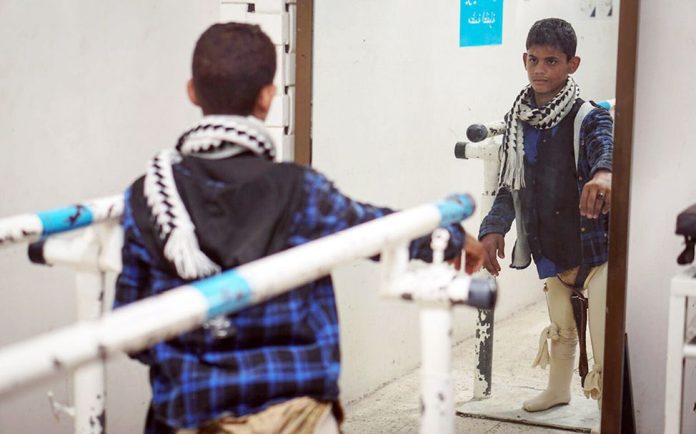
At least 47 children were reportedly killed or injured in several locations in Yemen in the first two months of this year alone, Philippe Duamelle, UNICEF Representative in Yemen, said in a statement released March 12.

The UN has verified that more than 10,200 children have been killed or injured since conflict first escalated in Yemen in March 2015.

“The actual number is likely much higher,” Duamelle added.

“Violence, misery and grief have been commonplace in Yemen with severe consequences on millions of children and families,” he continued.

“It is high time that a sustainable political solution is reached for people and their children to finally live in the peace they so well deserve,” he noted.

The health and socio-economic impacts of the COVID-19 pandemic have further compounded the humanitarian needs in Yemen. Half the population, including more than 11 million children, requires support to access safe water, health care, nutrition, education and protection.

UNICEF’s ongoing response in the country is a dual approach that combines direct, lifesaving assistance with system strengthening.

It is a balancing act integrating humanitarian interventions with development programming, requiring a nuanced approach — and dedicated donor support.

The needs have never been more acute. UNICEF’s program goals in Yemen for 2022 include working with local partners to reach:

  • 366,000 children with treatment for severe acute malnutrition
  • 2.5 million children and women with primary health care services
  • 5.9 million people with critical water, sanitation and hygiene supplies
  • 6 million women and children with interventions designed to prevent, respond to and mitigate gender-based violence

UNICEF continues to call on all parties to the conflict in Yemen — and those with influence over those parties — to protect civilians wherever they are.

“Children’s safety, their well-being and protection must be safeguarded at all times,” Duamelle stressed.

On Friday, the United Nations Children’s Fund (UNICEF) warned that millions of Yemeni people are at risk of famine as a result of the country’s years-long military conflict and sharp deterioration of its economy, calling for urgent action.

“Children in Yemen are starving not because of a lack of food, but because their families cannot afford food,” the UNICEF said in a statement posted on Twitter.

The UN organization added that “the impact of the economic collapse on the humanitarian crisis in Yemen cannot be understated.”

“Without urgent action, millions could be plunged into famine,” it warned.

According to the UNICEF mission in Yemen, nearly 400,000 children under the age of five are slipping from acute malnutrition to severe acute malnutrition.

Saudi Arabia and its allies launched a war against the Arab world’s most impoverished nation in March 2015.

The war has been seeking to restore power in Yemen to Riyadh’s favorite officials. The war has left hundreds of thousands of Yemenis dead and displaced millions more.

It has also destroyed Yemen’s infrastructure and spread famine and infectious diseases there.

The war has claimed more than 370,000 lives, directly and indirectly, the UN says, and has caused widespread suffering, with four fifths of Yemen’s 30 million people needing aid.

The fighting has seen some 80 percent of the population, or 24 million people, relying on aid and assistance, including 14.3 million who are in acute need.

Iran says it reserves right to respond to Israeli strike that killed advisers

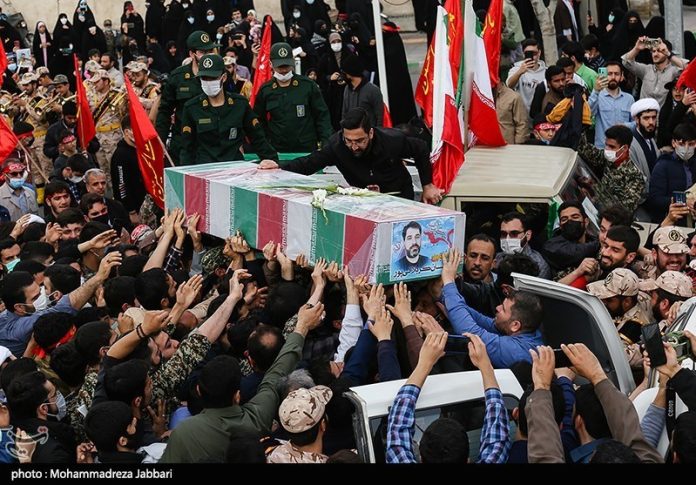
Iran’s Permanent Representative to the United Nations Majid Takht-Ravanchi wrote in a letter to the UN chief that Tehran holds the Israeli regime responsible for all the consequences of such crimes and acts of terrorism.

He called on the international community and the UN Security Council to resolutely condemn this “provocative and criminal act” and to hold the Zionist regime accountable for its illegal actions, which pose a serious threat to international peace and security.

Takht-Ravanchi also warned Israel against regional adventurism.

Iran has strongly condemned the Israeli missile attack, with Foreign Ministry Spokesman Saeed Khatibzadeh saying revenge for the Monday strike will undoubtedly be taken.

Iran’s Islamic Revolution Guards Corps (IRGC) has also warned that the Israeli regime will pay for its crime. Iran routinely sends military advisers to Syria to help the Syrian government in the battle against terrorist groups.

Official: 26% of Iranians not vaccinated against coronavirus

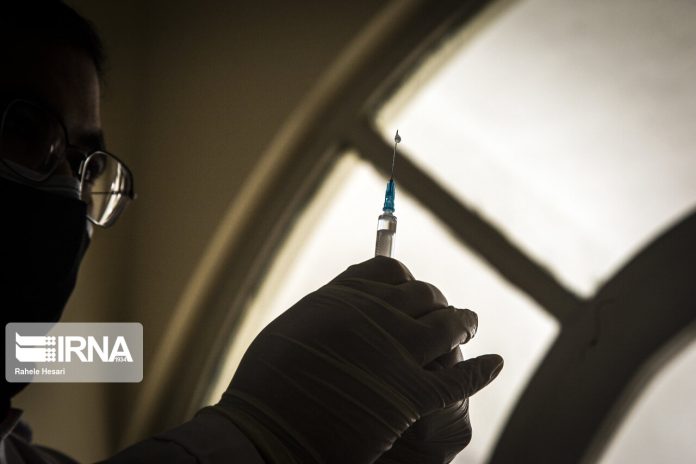
“On the whole, 26 percent of the total population of the country, including under-12 children, as well as other target groups, have not been vaccinated at all, which can be very dangerous and worrisome for this section of the country’s population,” said Abbas Shiravajn.

He said vaccination plays a key role in reducing the number of infections, hospitalizations and fatalities caused by the coronavirus.

“Numerous studies have shown that the intensity of the disease is much higher in unvaccinated individuals,” the spokesman noted.

He said inoculation against this virus should be taken seriously. He noted that 91% of the target population in the country have received the first dose of the vaccine, adding the figure for the second and third doses should increase, too, in order to upgrade the level of safety in society. However, he explained that the country has passed the peak of infections caused by the Omicron variant of the coronavirus.

“Statistics show the number of cases and hospitalizations is on the decline,” he noted.

“But the number of deaths from the Omicron strain has not dropped yet,” the spokesman said.

According to the health ministry, well over 63.1 million Iranians have received the first dose, more than 55.7 million have got the second dose, and nearly 24 million have received the third dose of the vaccine. As many as 148 Iranian towns and cities are still regarded as high-risk areas in terms of coronavirus infections.

Eslami: Iran-IAEA relationship not to be politicized

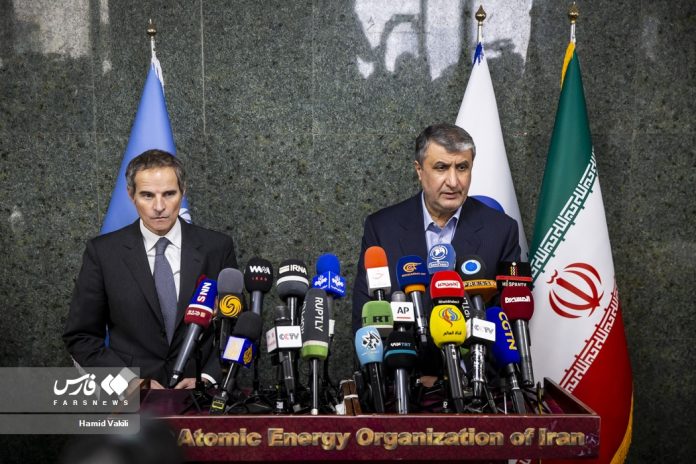
“The regulations and our relations are technical and professional…political influence cannot take our relations out of the framework of the agency’s rules and regulations,” Head of Iran’s Atomic Energy Organization Mohammad Eslami said on Friday evening.

Eslami referred to the recent visit of the Director General of the International Atomic Energy Agency Rafael Grossi to Tehran, saying the trip was part of Tehran-IAEA mutual interaction.

The Iranian atomic chief said the Islamic Republic will never allow the enemy influenced by Zionists to make unfounded allegations against Iran.

During Grossi’s visit to Iran last week, Iran and the U.N. nuclear watchdog agreed on a three-month plan for resolving the agency’s open questions. The agreement is believed to have boosted the chances of an agreement between Iran and the P4+1 to revive the 2015 nuclear deal.

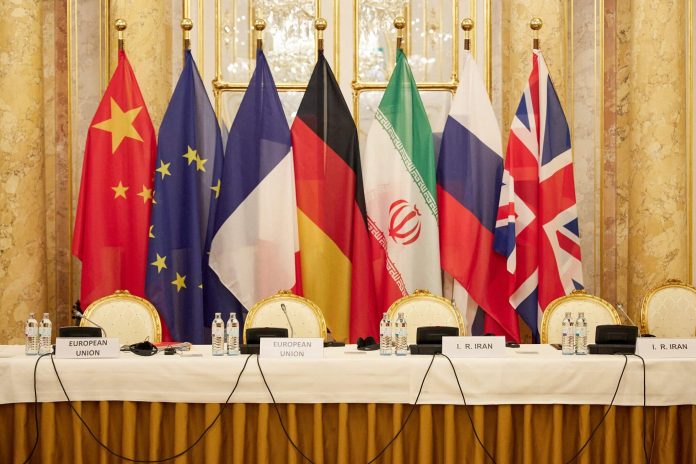
Advisor: US opposition to lifting sanctions key sticking point in Vianna talks

“Some problems exist between Moscow and Washington, but the major obstacle is the US opposition to the lifting of all sanctions,” said Mohammad Marandi.

“So far, the American side has opposed the lifting of all sanctions, and Iran won’t accept this,” he added.

He underlined that the United States’ recent ‘hijacking of an Iranian oil tanker’ is not acceptable to Iran. The advisor also underscored that Western countries have not played a positive role in the talks, either.

“These countries deliberately killed time to deceive Iran,” he explained.

Following the Ukraine crisis, said Marandi, Western countries are in a rush to clinch a deal in the Vienna negotiations.

“The Europeans and Americans want to hide the fact that they wouldn’t like to lift sanctions and give guarantees,” said Marandi.

Meanwhile, UK representative to the Vienna talks Stephanie Al-Qaq expressed regret over negotiations having ground to a halt. “Deeply disappointed #ViennaTalks have paused. Fair and comprehensive deal on table – ready for conclusion,” she tweeted.

“Iran + US have worked hard to resolve final issues. E3 ready to conclude this deal now. External factors must be resolved in next few days or agreement likely to unravel,” she added.

Tehran says the lifting of all sanctions is a prerequisite to reaching an agreement.

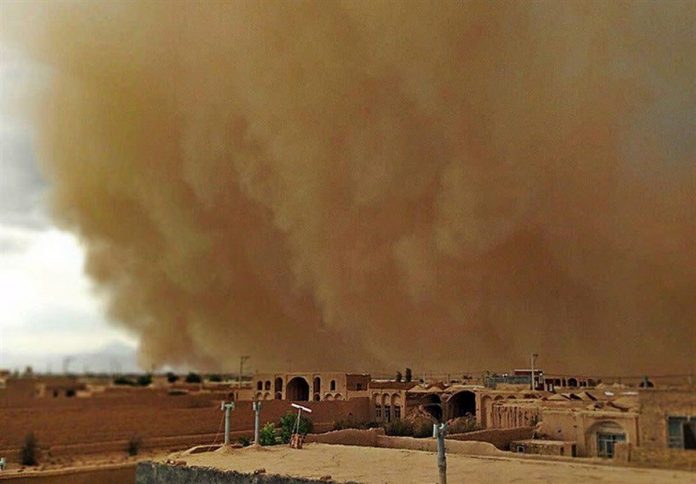
Storms hit Iran’s Yazd, Isfahan provinces

The storm was traveling at a speed of 110 kilometers per hour and damaged the electricity grid and caused the closure of some roads.

Meanwhile, a sandstorm hit Yazd Province and decreased visibility there. It also closed some roads in the province.

The director general of Yazd province’s Road Maintenance and Transportation Department said the Kerman-Yazd, Ardekan-Naeen and Abarkouh-Dehshir roads as well as Yazd’s western belt are closed.

There are no reports of human casualties from either storm.

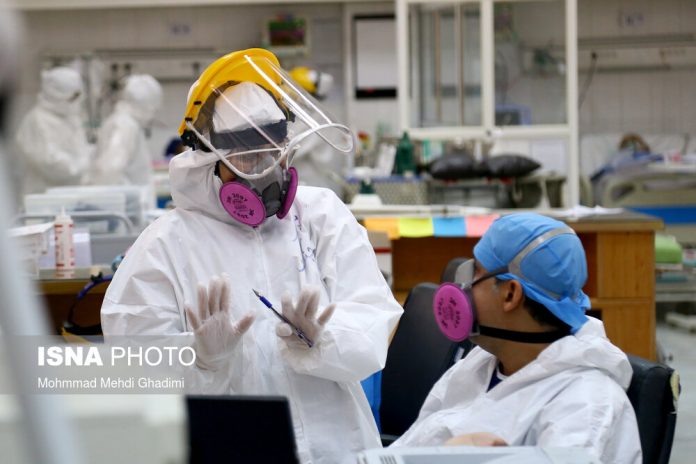
More cities exit ‘red’ state on Iran’s Covid map as Omicron recedes

According to the latest updates to the map, released by the Health Ministry, 99 cities remain in the emergency ‘red’ category, down from 144.

The map shows 186 ‘orange’ cities and 154 ‘yellow’ ones. Nine cities were also classified as ‘blue,’ which means the situation with regards to infections has returned to normal.

Latest data shows new daily Cobid-19 cases and hospitalizations are falling rapidly in Iran, along with many other parts of the world, but experts warn that the pandemic may still be far from over.

Iran on Friday recorded 3,953 daily cases, down from around 6,400 recorded a day earlier. Despite the drop in infections, Iranian officials have been cautioning the public not to take vaccination and health protocols lightly.