Tuesday, December 23, 2025
Home Blog Page 1973

210 tons of roses harvested in Iran’s northeastern town

Rose Iran

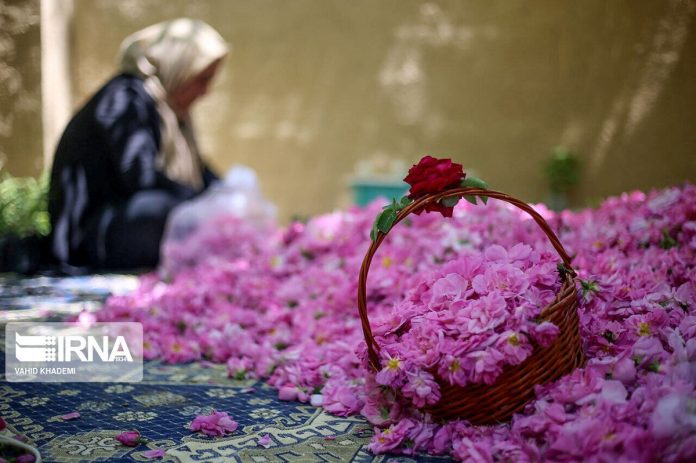
Some 66 hectares of land was used at a farm in Davarzan, in Iran’s Khorasan Razavi Province, to plant roses, which produced an average of more than three tons of roses per hectare, according to Alireza Delbari, a local farming official.

The total harvest of this year, Delbari said, registered an increase of 25 tons compared to the last year. He said three facilities were available in the town to produce rosewater, in a traditional process known as golabgiri.

The official said that Davarzan was a hub of farming medicinal herbs, producing a range of plants such as capsicum, satureja, dill, herb-Sophia, sesame, caraway, thymes, fennel, Viper’s buglosses, peppermint, roses, liquorice, and alhagi.

Farmlands in Davarzan covered 20,000 hectares, including 3,000 hectares of gardens, he said, adding that 4,750 people were involved in farming, gardening, and animal husbandry in the town.

Davarzan is located 310 kilometers to the west of Mashhad, the provincial capital of Khorasan Razavi.

Iran’s top court suspends death penalty against ranger convicted of murder

Iran Court

Jamshid Mohabbat-Khani, who commands the protection unit of the Department of Environment (DOE), said on Saturday that top tribunal had accepted an appeal by defendant Boroumand Najafi for a trial de novo in the case.

In August 2020, Najafi, along with four of his colleagues, opened fire on an off-road vehicle used by illegal hunters in a protected area in the western province of Kermanshah.

One of the poachers, hit by a bullet fired by Najafi, was critically wounded and later succumbed to his injuries.

Najafi was convicted of premeditated murder and sentenced to death by the Third Branch of the Kermanshah Provincial Criminal Court. The penalty was later upheld by the Supreme Court.

Iran’s Raisi: Israel, Daesh oppressing Muslims in Quds, Afghan mosques

Iran’s President Ebrahim Raisi

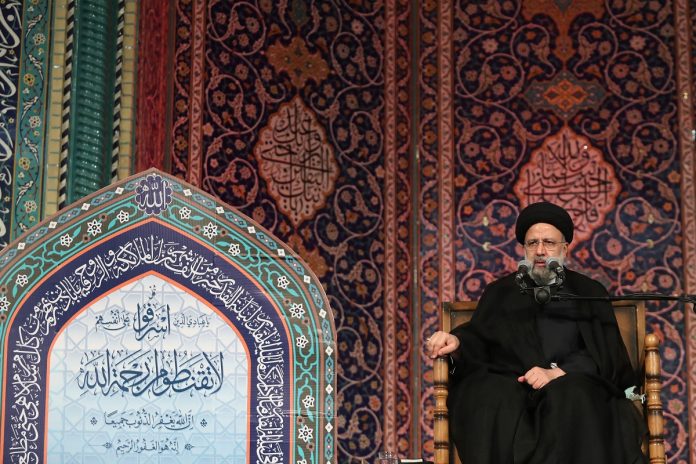
Speaking at a mourning ceremony marking the martyrdom anniversary of Imam Ali on Saturday, Raisi highlighted the first Shia Imam’s advice for followers of Islam to stand against oppressors.

“Today, we are witnessing two [instances] of oppression and big crimes being perpetrated against Muslims; one by the Zionist regime against Palestinian worshippers and the other at the hands of Daesh, a group crafted by the West and the Zionists, against the oppressed Afghan people,” he said.

Raisi reminded Afghanistan’s current rulers of their duty to protect all Afghan people, including Shia Muslims, against terror threats.

“We want the Afghan rulers to defend the lives of this country’s Muslim people who get martyred at mosques while fasting and stop the savages who launch cowardly attacks on the [the people’s] lives and security,” he said.

As Muslims mark Ramadan worldwide, Daesh has claimed responsibility for a set of deadly attacks on both Shia and Sunni mosques in Afghan cities in recent days that have left dozens of people dead or injured.

In turn, the Israeli military has stepped its raids of al-Quds, assaulting Muslim worshipers and escorting the settlers desecrating the holy site.

The president hailed the upcoming International Quds Day as a symbol of solidarity among Muslims, expressing hope that a strong unity in the Islamic world will eventually set the stage for the liberation of Quds from decades of Israeli occupation.

Israel to close crossing to Gaza workers

Palestinian Workers Gaza

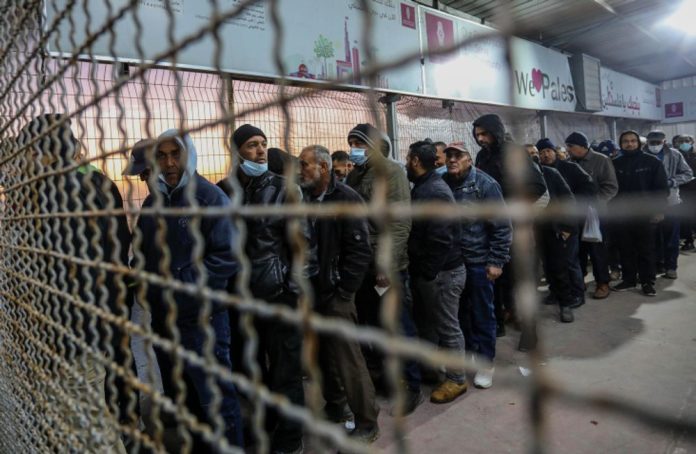
The move, announced on Saturday, comes after the Israeli army accused Hamas, the armed group that rules the Gaza Strip, of firing three rockets into Israel late on Friday.

One hit an open field inside Israel, while another fell inside the Palestinian territory, the Israeli army announced, without providing details on the third one.

Earlier this week, the Israeli army said four rockets were launched from Gaza but were intercepted by air defence systems.

“Following the rockets fired toward Israeli territory from the Gaza Strip last night, it was decided that crossings into Israel for Gazan merchants and workers through the Erez Crossing will not be permitted this upcoming Sunday,” COGAT, a unit of the defence ministry responsible for Palestinian civil affairs, stated in a statement.

Israel carried out air raids in different areas of the Gaza Strip twice last week with the Israeli military saying its fighter jets attacked military targets.

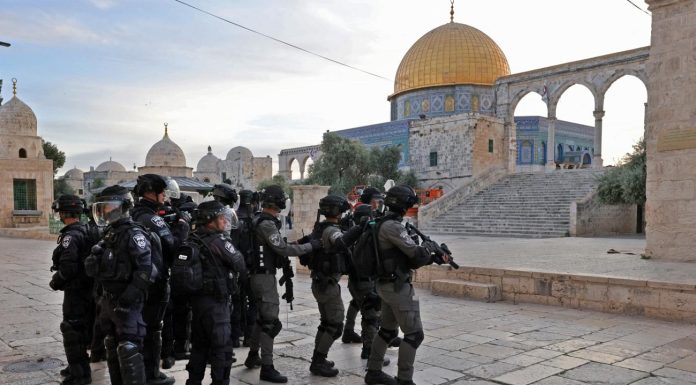
The exchange of fire took place amid heightening tension at the Al-Aqsa Mosque in occupied East Jerusalem which has been at the centre of days of violence following a series of Israeli incursions into the holy site, which began at the start of Ramadan.

At least 57 Palestinians were injured on Friday when Israeli forces raided the mosque and attacked worshippers with rubber-coated bullets, stun grenades and fired tear gas.

Tear gas was also fired after Friday prayers, hitting Palestinians worshipping at the Dome of the Rock inside the compound.

Al-Aqsa sits atop the Old City plateau of East Jerusalem, which Israel captured in a 1967 war and annexed in a move that has not been recognised internationally.

Palestinians want occupied East Jerusalem as the capital of their hoped-for future state.

Palestinians accuse Israel of restricting Muslim worship at Al-Aqsa – the third-holiest site in Islam – while not doing enough to enforce a longstanding ban on Jewish prayer at the compound.

Settler incursions under police protection during the Jewish festival of Passover this past week had led to daily confrontations with Palestinians at the mosque, with many injured and arrested.

On the first day of Passover, April 15, at least 158 Palestinians were wounded and 400 others were arrested inside the compound. Dozens more were injured and arrested throughout the week.

Despite fears of matters escalating on the ground, Palestinians have said that their continued presence at Al-Aqsa is imperative.

Ramadan represents a rare opportunity for Palestinians from the occupied West Bank as they are only allowed to enter the city with a difficult-to-obtain military permit outside of the holy month.

While Passover has ended and entrance into the mosque will be restricted to Muslims during the last 10 days of Ramadan, tensions on the ground in Jerusalem and in the occupied West Bank remain high.

On Friday, thousands of Palestinians participated in a mass rally called by the Hamas movement to show solidarity in the face of continued Israeli raids in occupied Jerusalem and the Al-Aqsa Mosque.

At the demonstration in Jabalia refugee camp, in the northern Gaza Strip, protesters held banners declaring Palestinian dominion over the Al-Aqsa Mosque and chanted slogans deploring Israeli attacks against worshippers there.

Weeks of protests and raids by Israeli forces on Al-Aqsa during Ramadan last year escalated into a widespread uprising across Israel and the occupied Palestinian territories, and an 11-day assault on the besieged Gaza Strip.

Value of Iran-China trade increases to $3.85bn in 3 months

Iran Trade

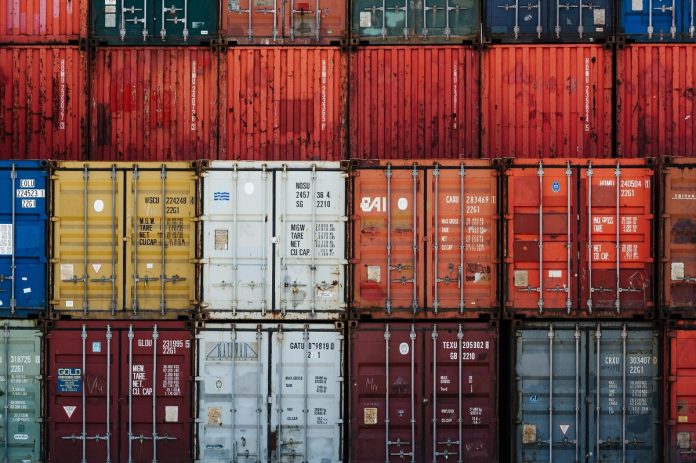
According to China’s customs authority, commercial exchanges with Iran witnessed a growth of 18 percent from January to March this year.
The volume of trade had been estimated to be $3.25 billion over the same time span in 2021.

China’s imports from Iran also increased to $1.93 billion from $1.48 billion in the comparable period last year, recording a notable 30-percent growth.

The first 90 days of 2022 also saw an eight-percent increase in China’s exports to Iran, reaching $1.92 billion in value.

Long-standing economic cooperation between Tehran and Beijing, both subjected to tough US sanctions, has been further facilitated by a 25-year strategic partnership agreement, which the two sides finalized in March 2021.

Among other topics, the deal paves the way for hundreds of billions of dollars of Chinese investment in various sectors of the Iranian economy.

Iran, in return, will commit to providing China with a stable supply of energy over the next 25 years.

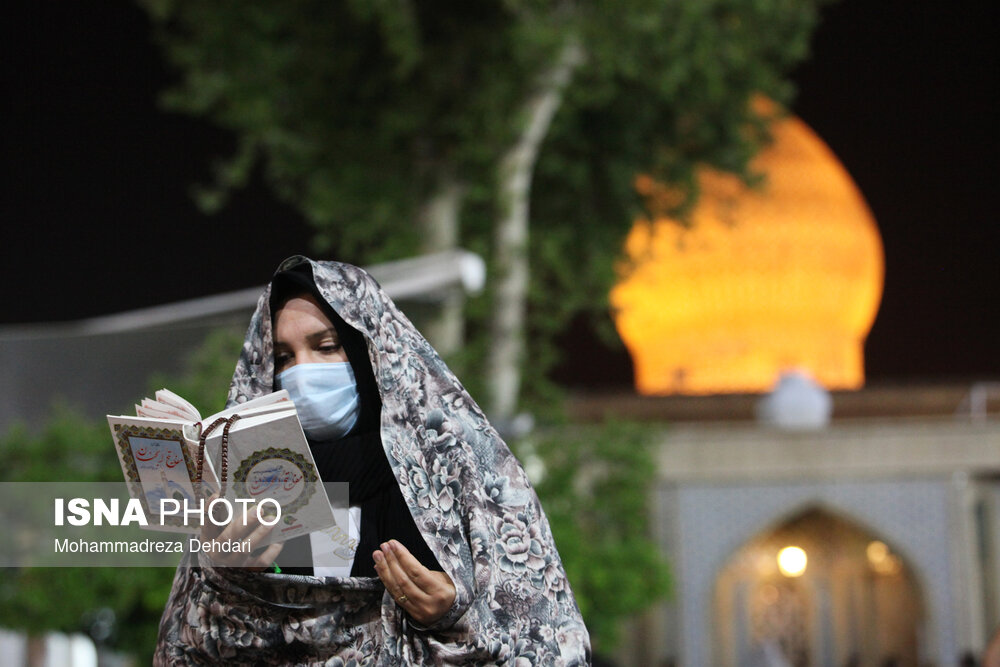
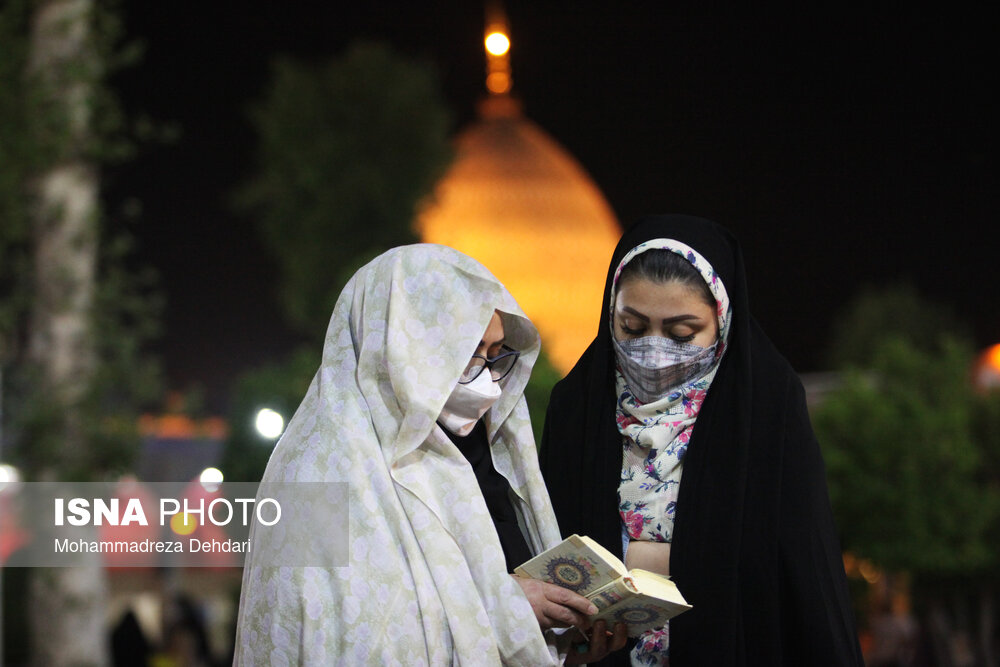
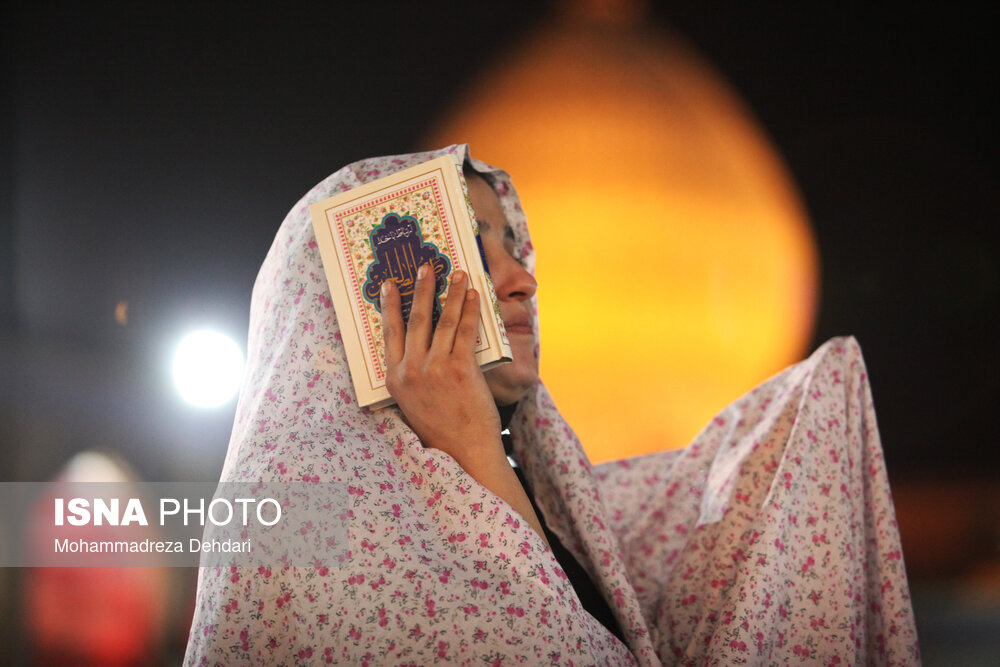
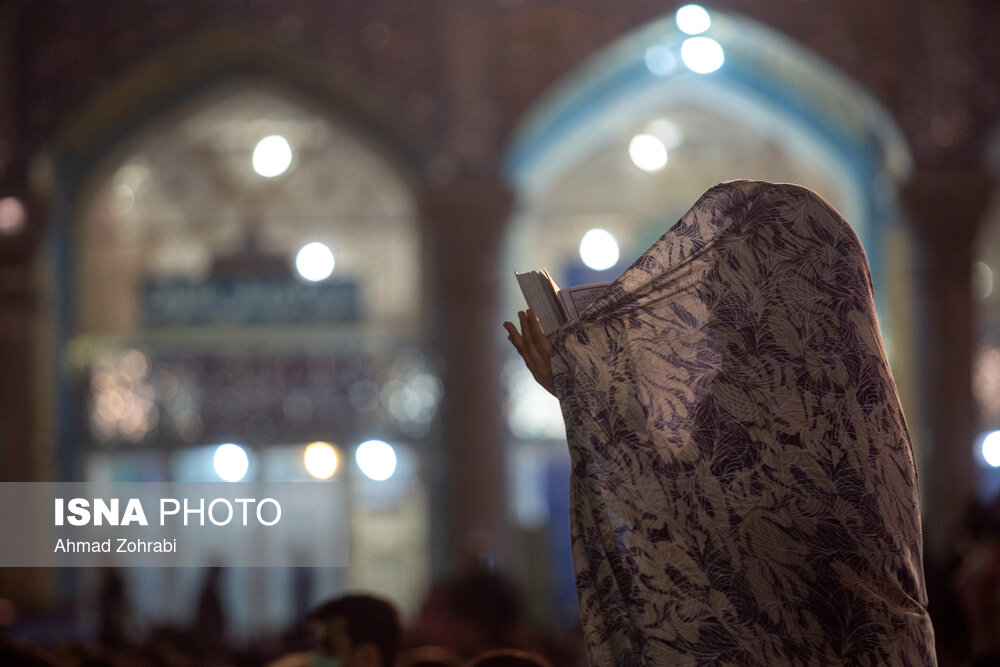
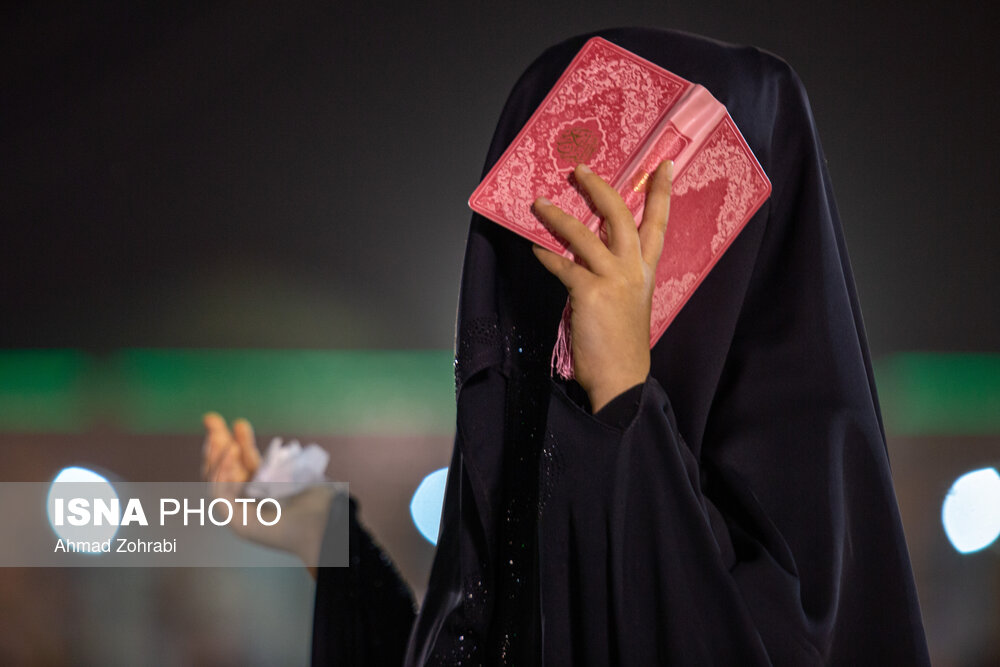
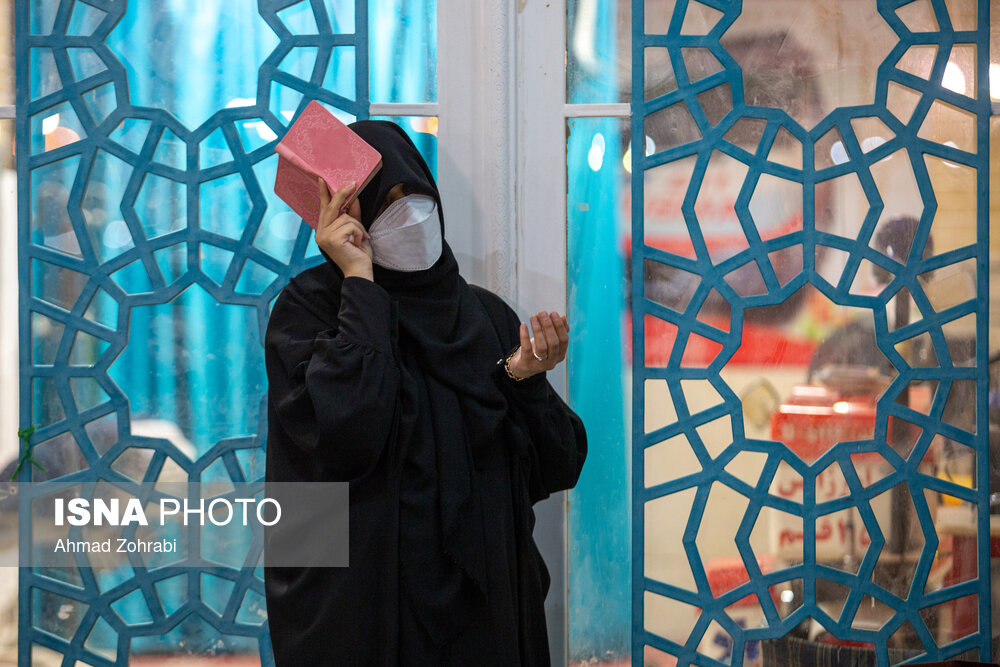
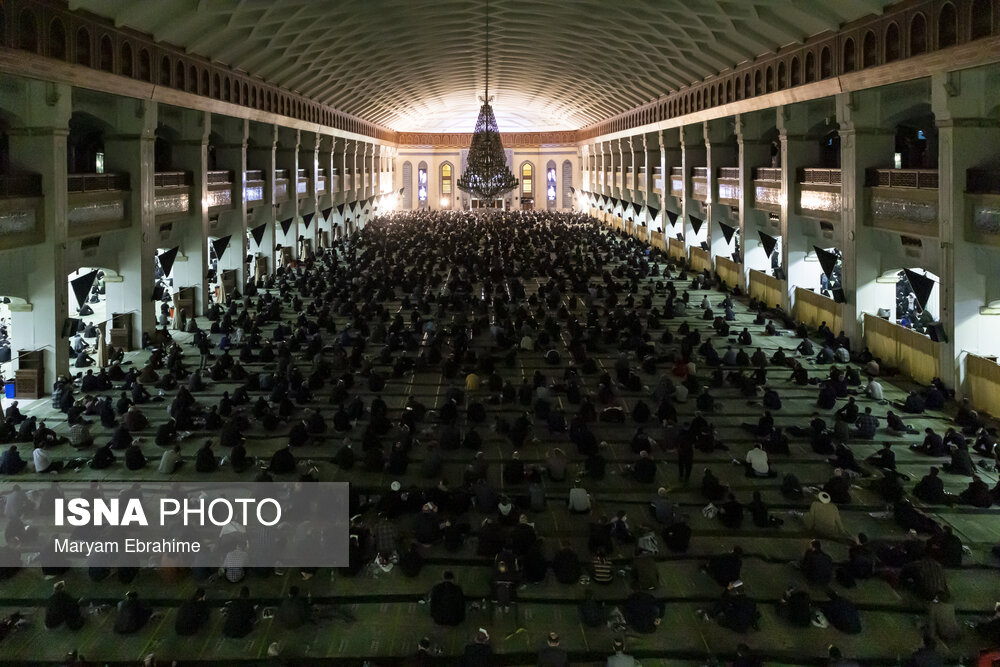
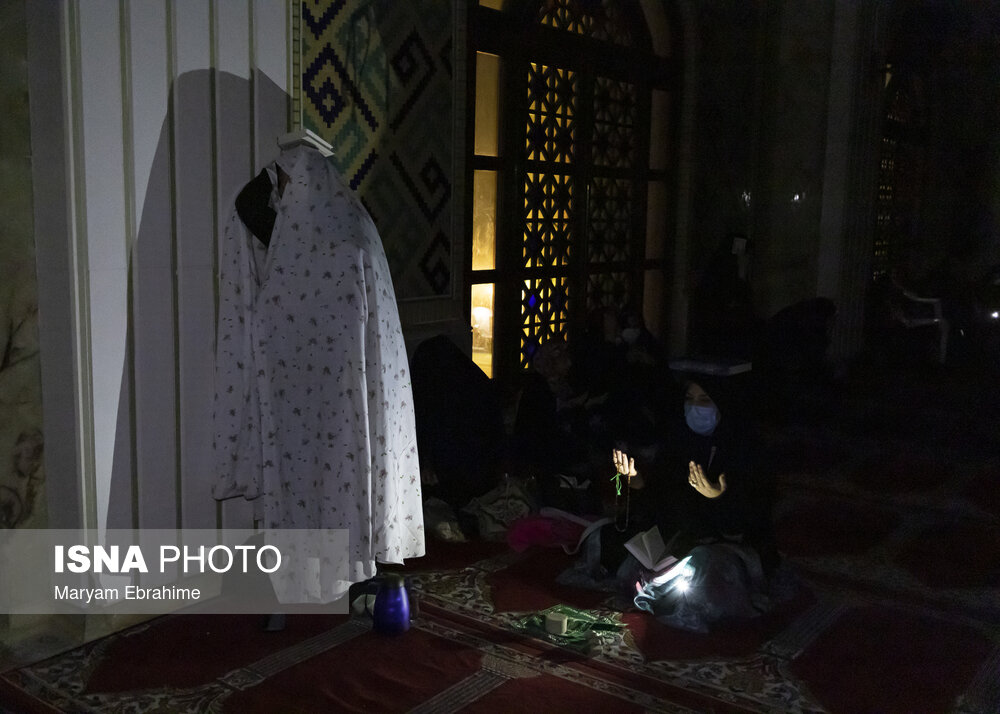
Ramadan highlight: Iranians mark 2nd ‘Night of Destiny’ with prayers till dawn

Laylat al-Qadr

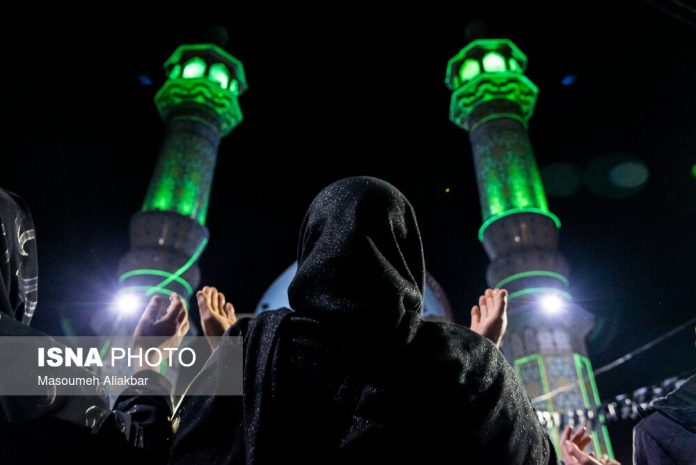
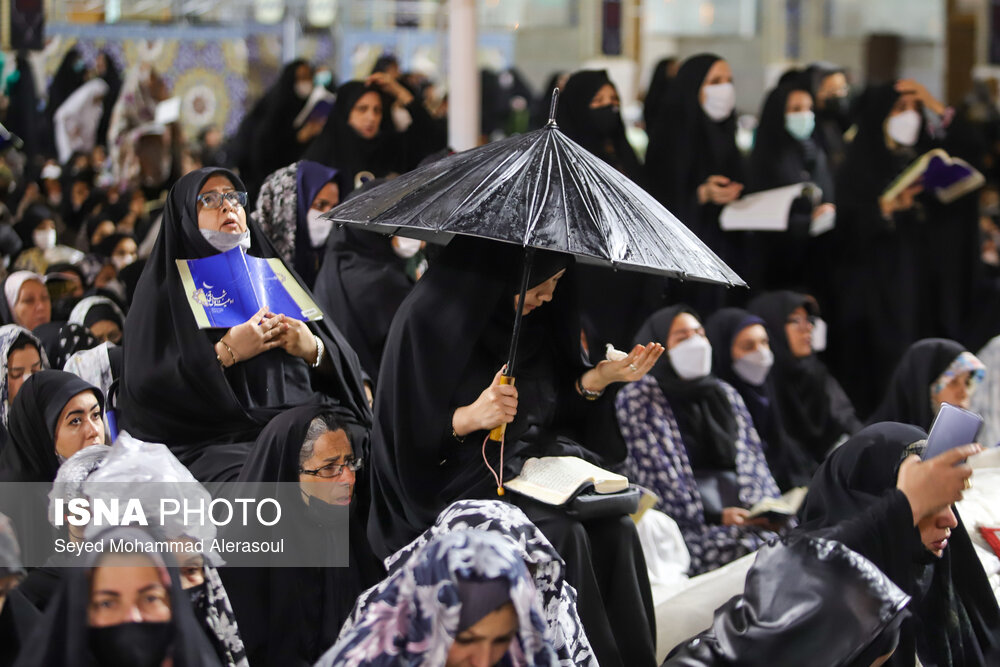
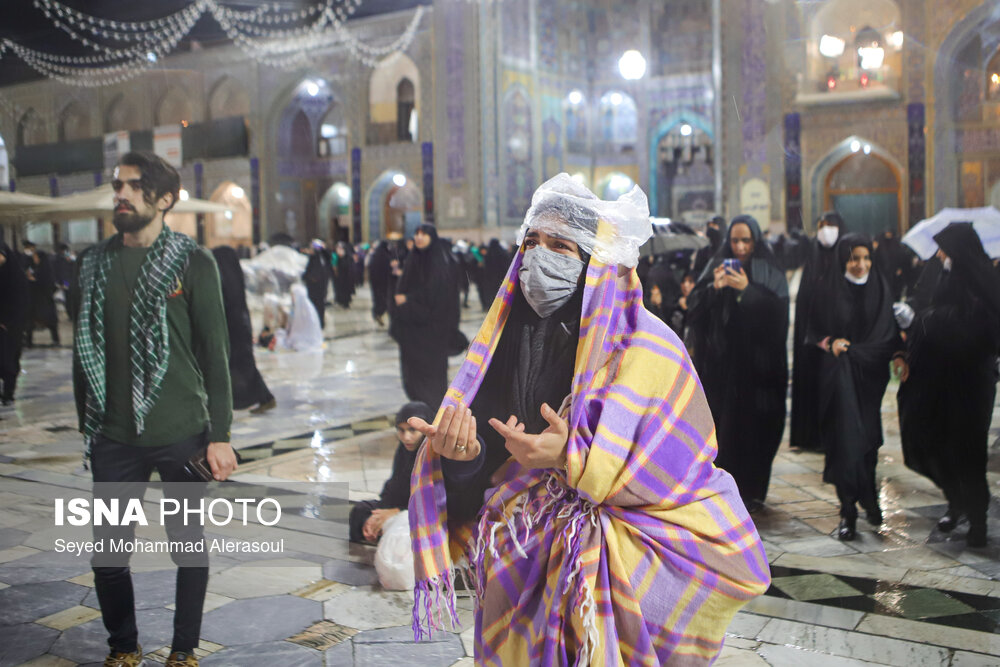
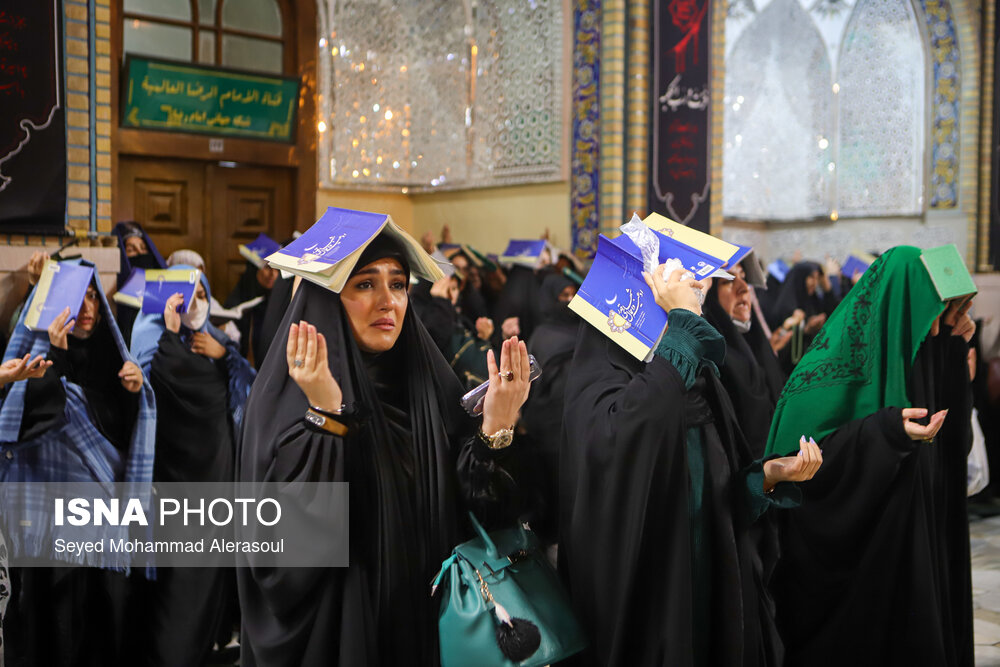
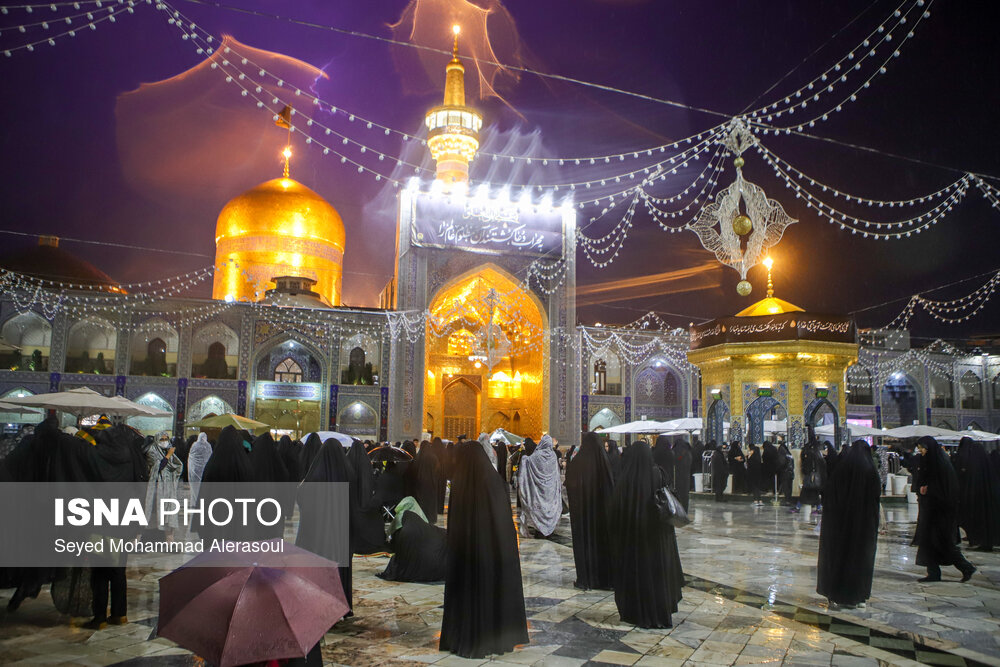
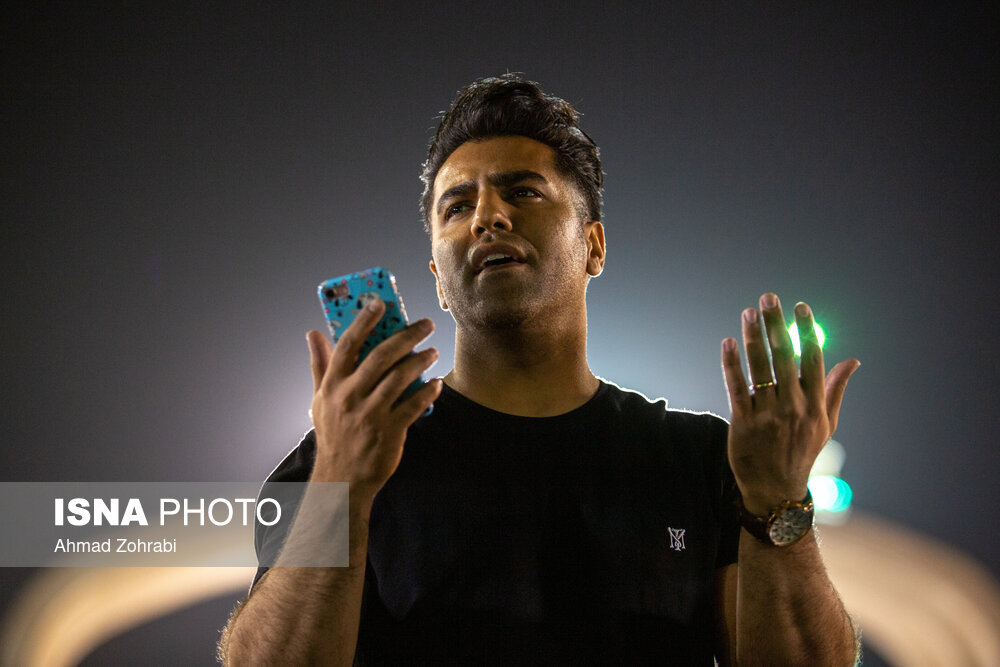
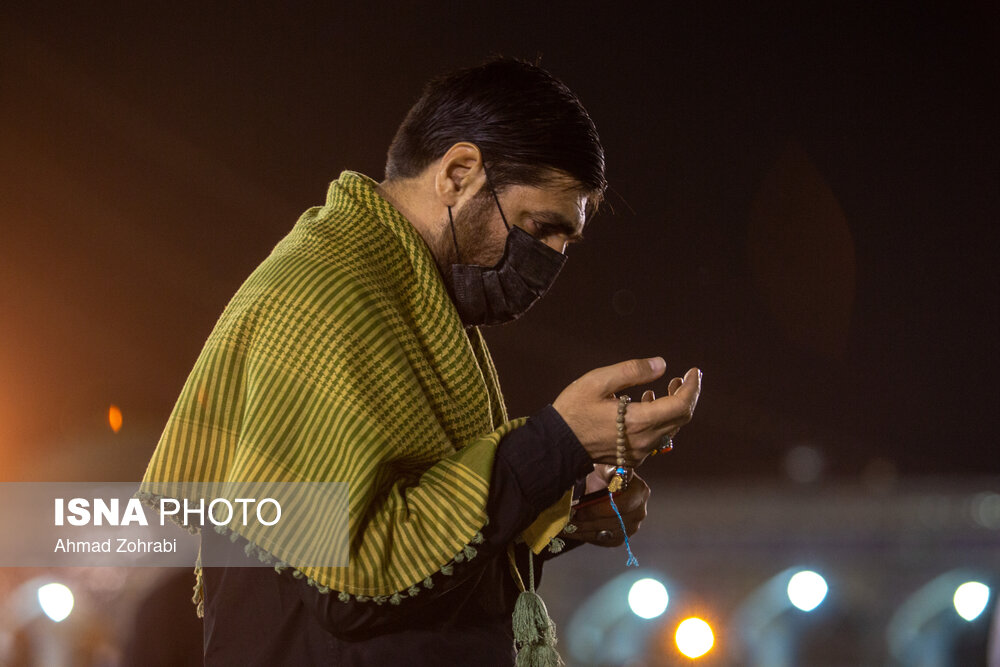
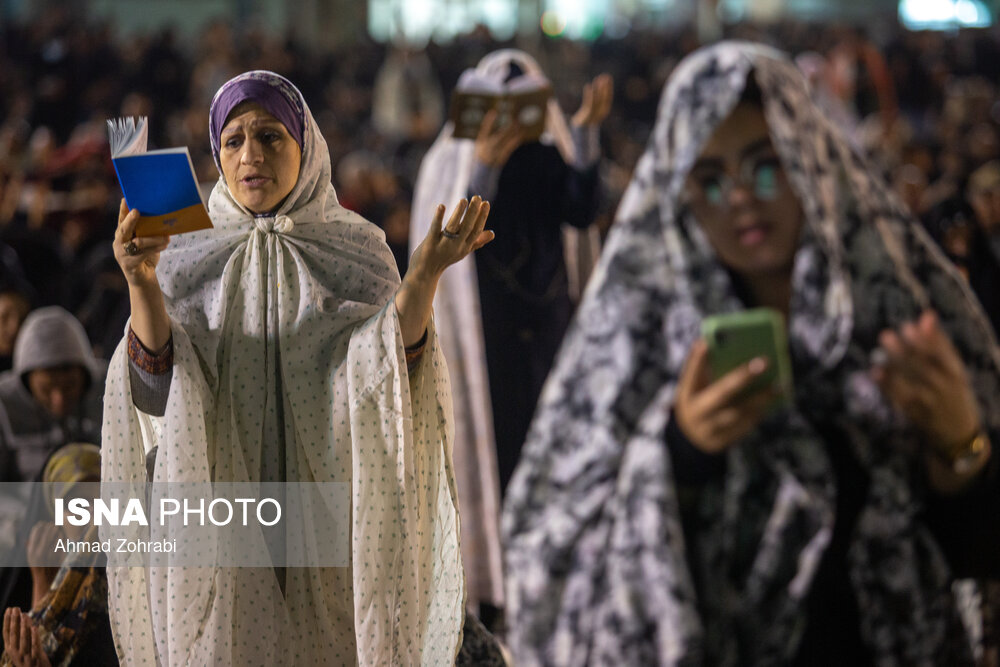
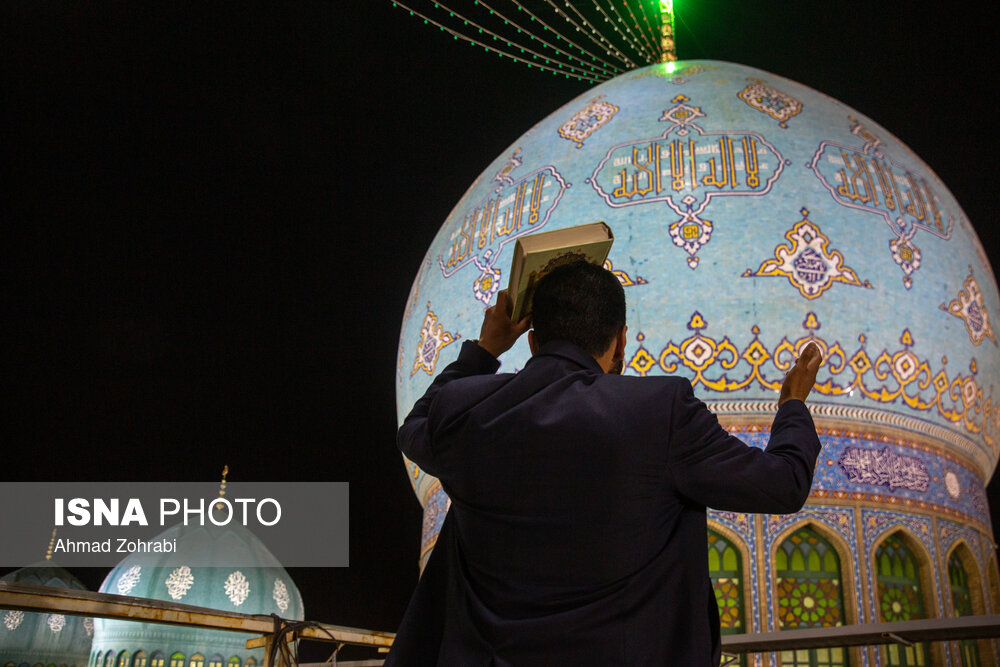
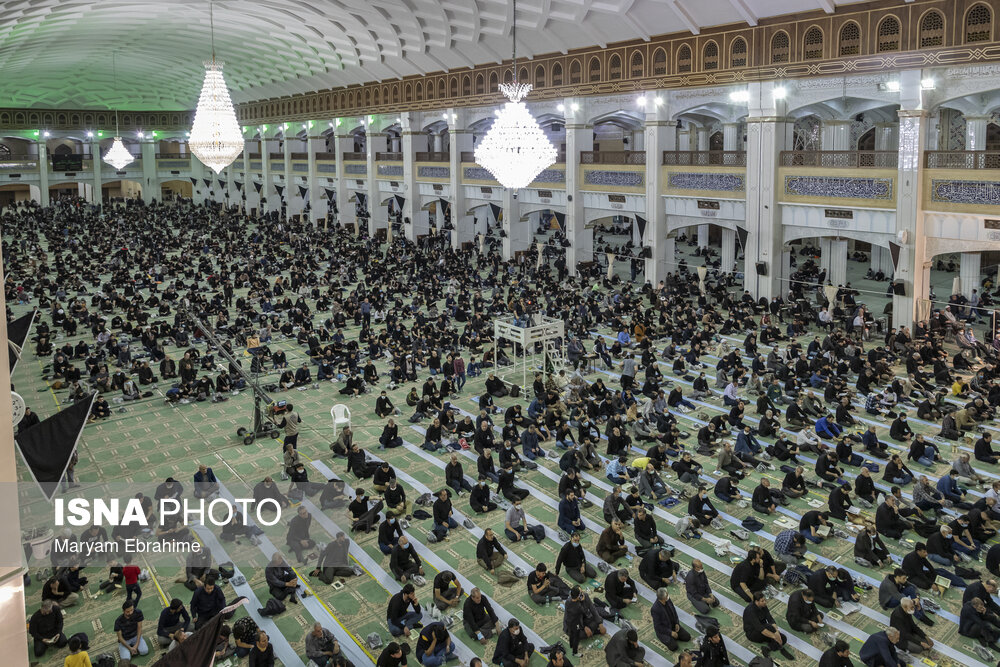
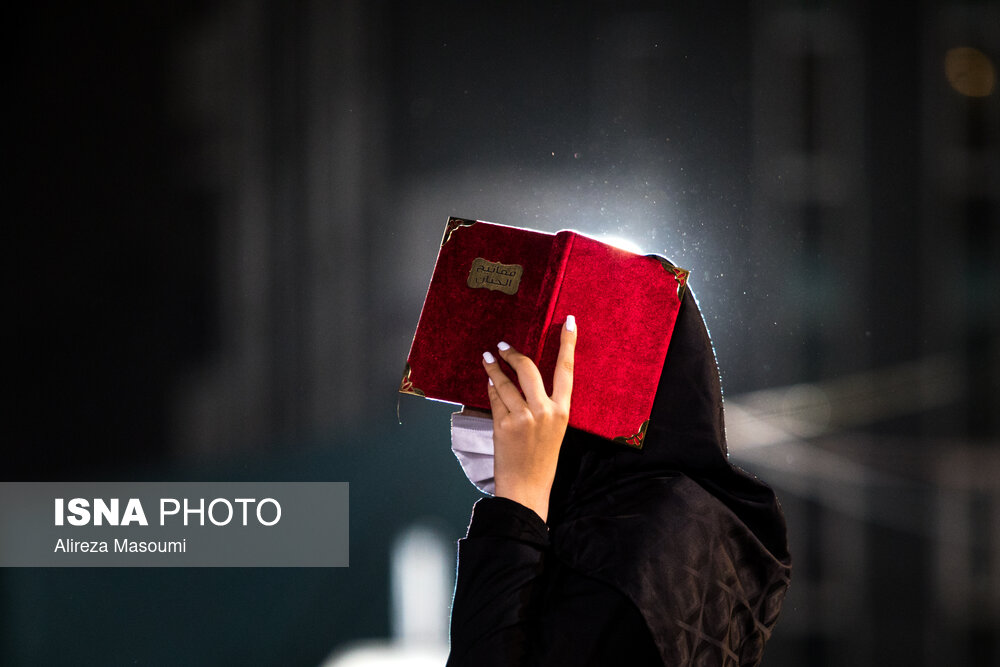
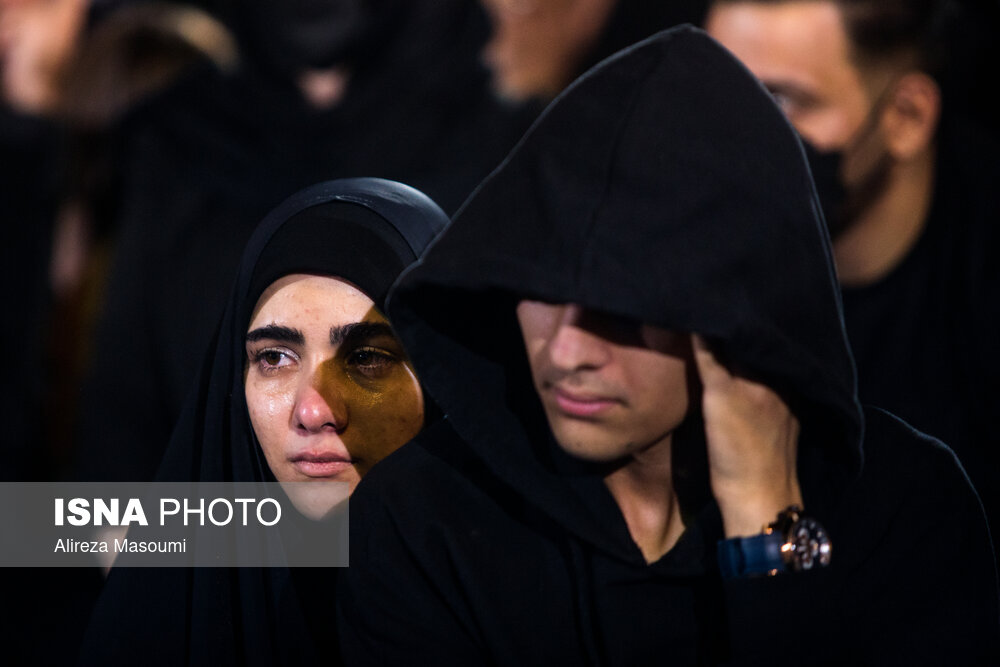
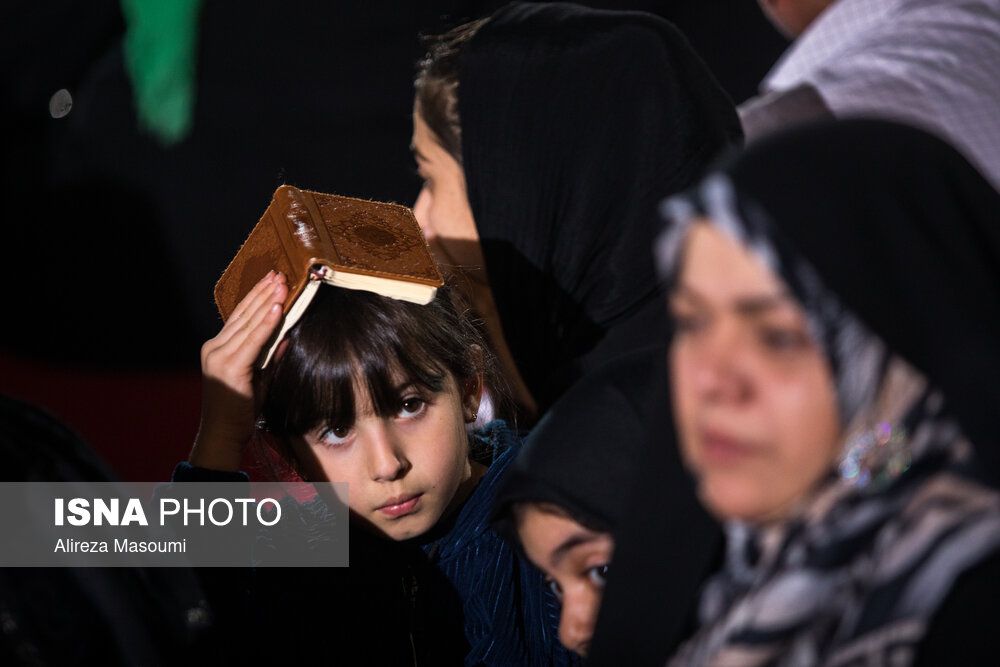
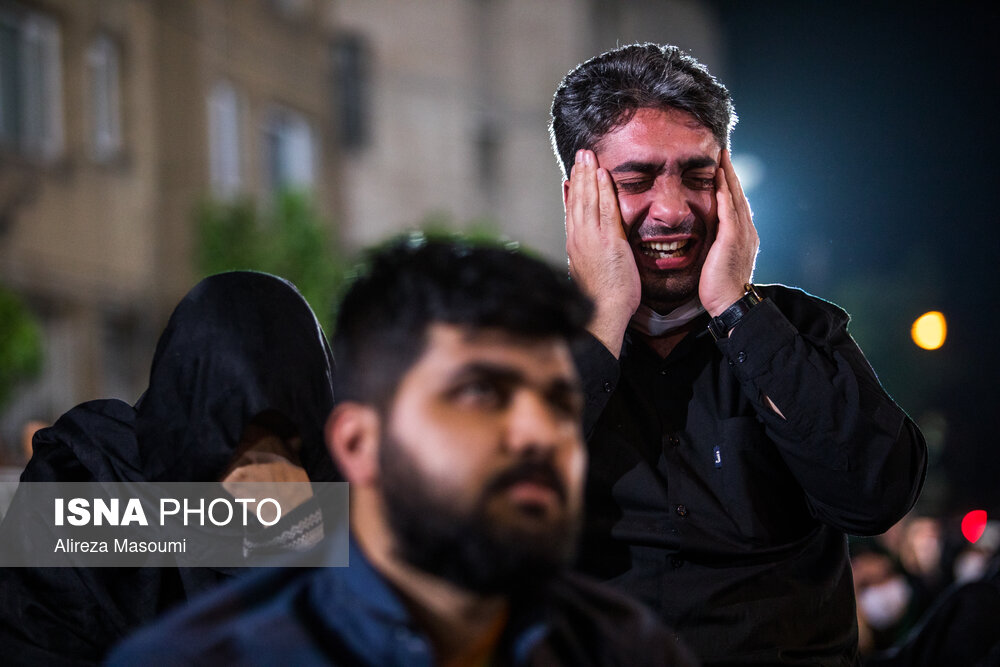
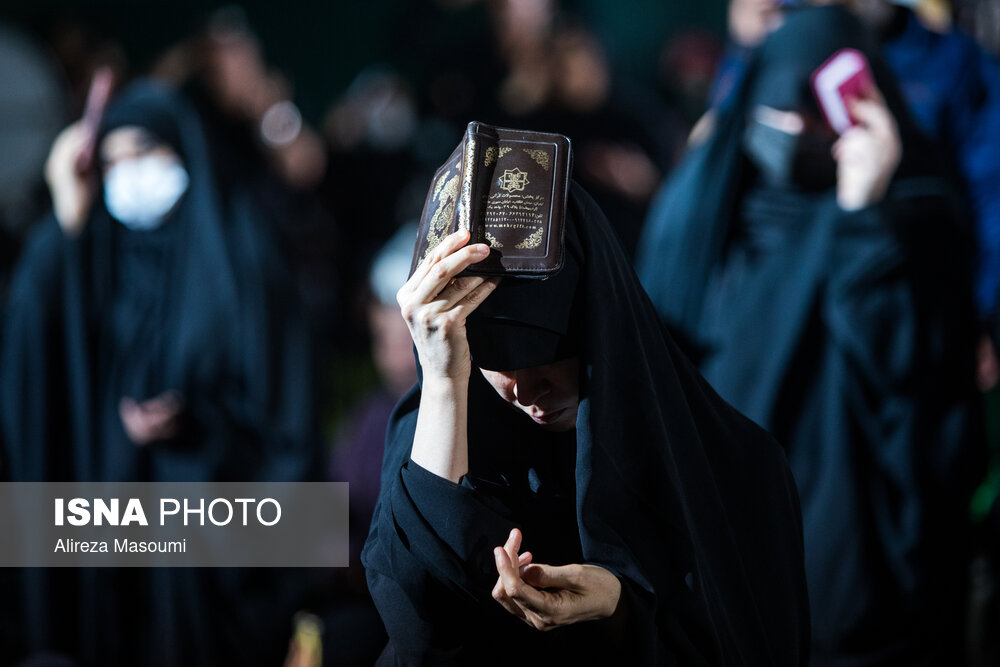
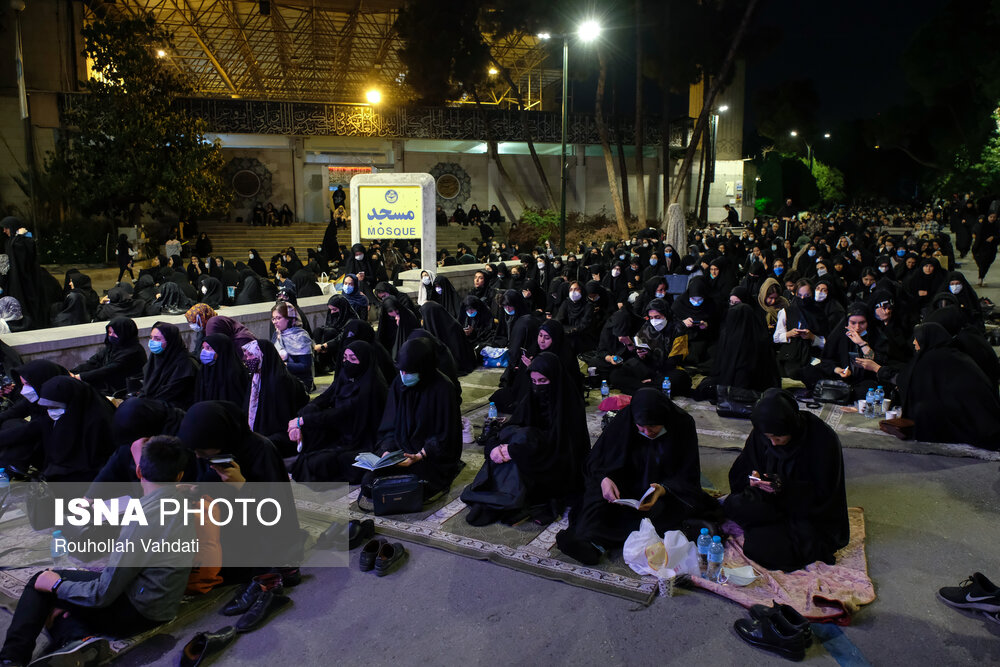
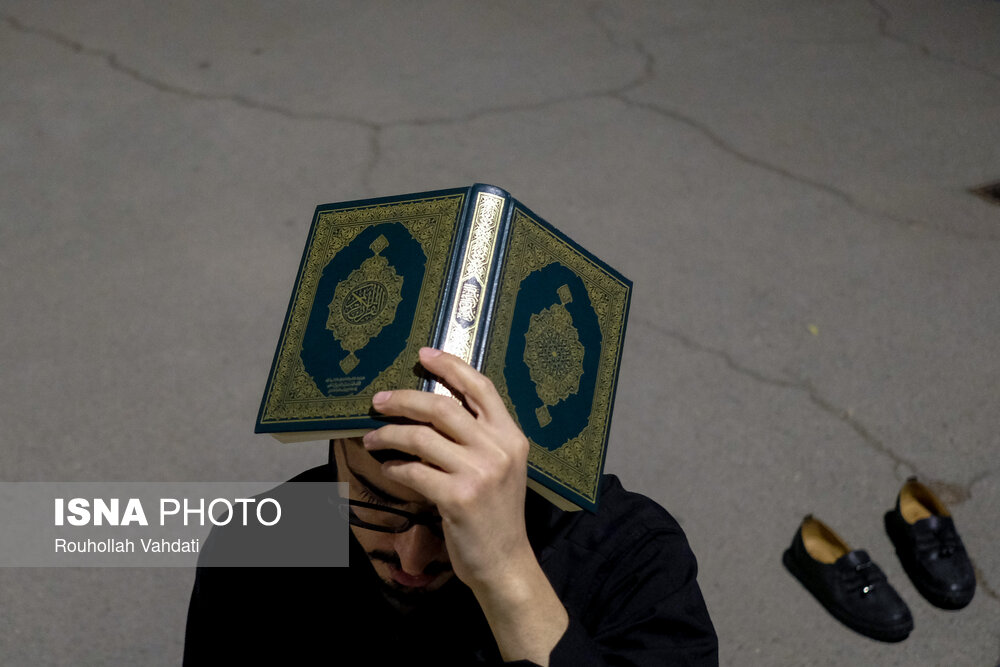
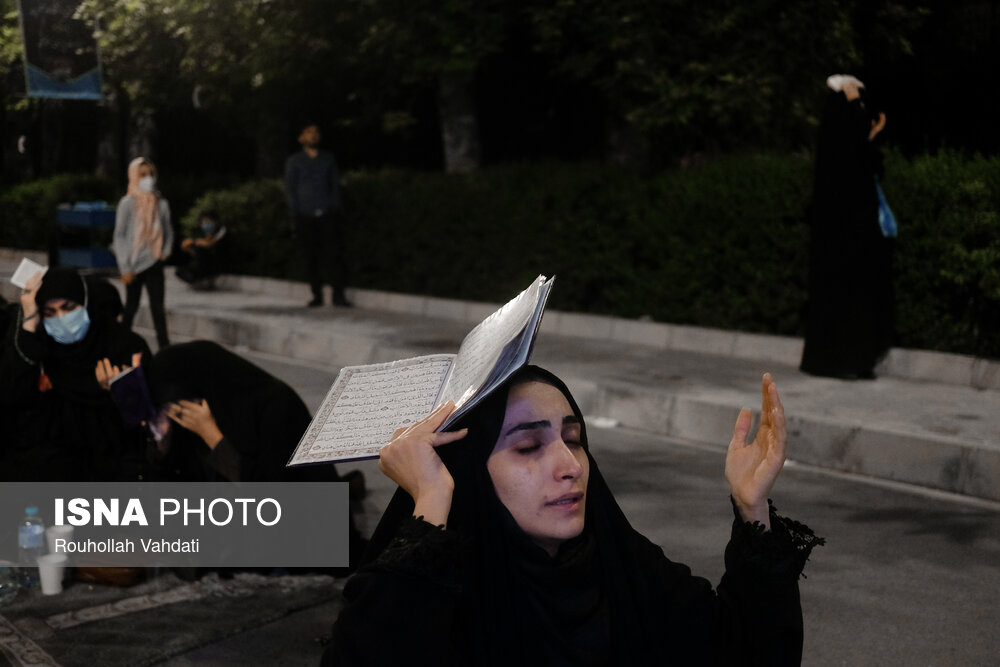
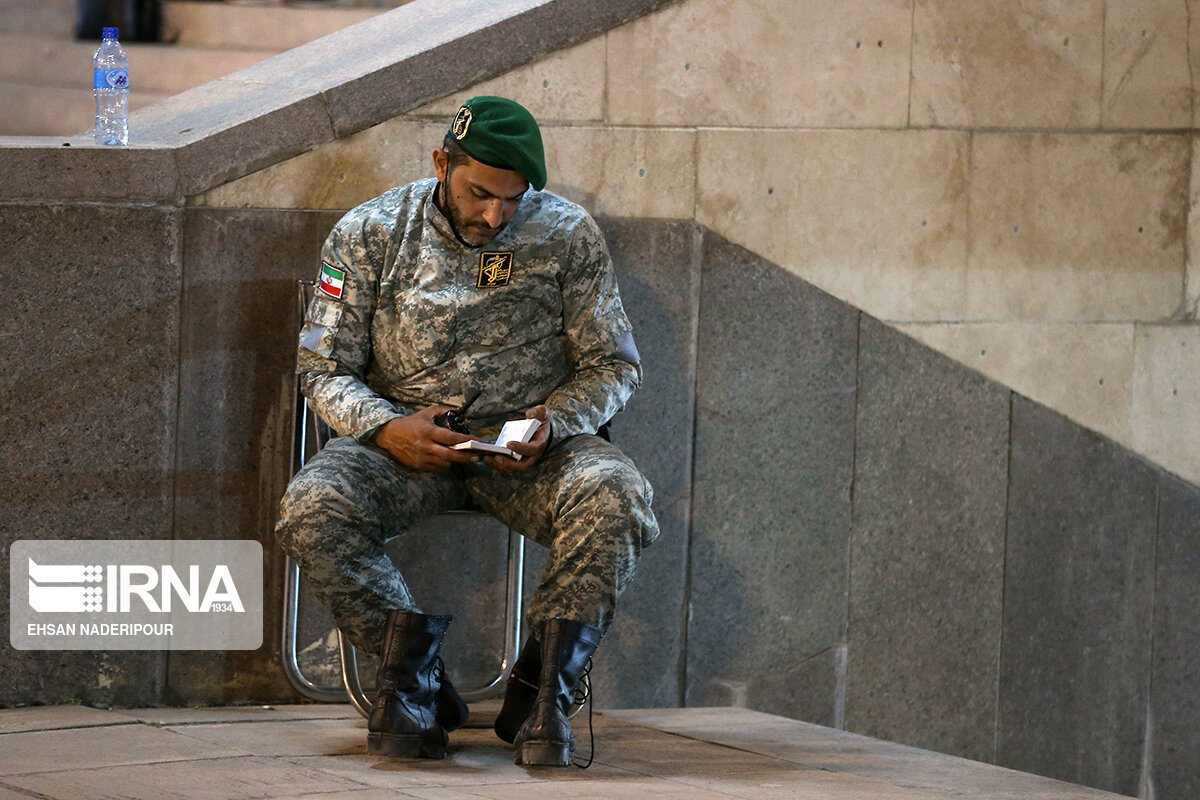
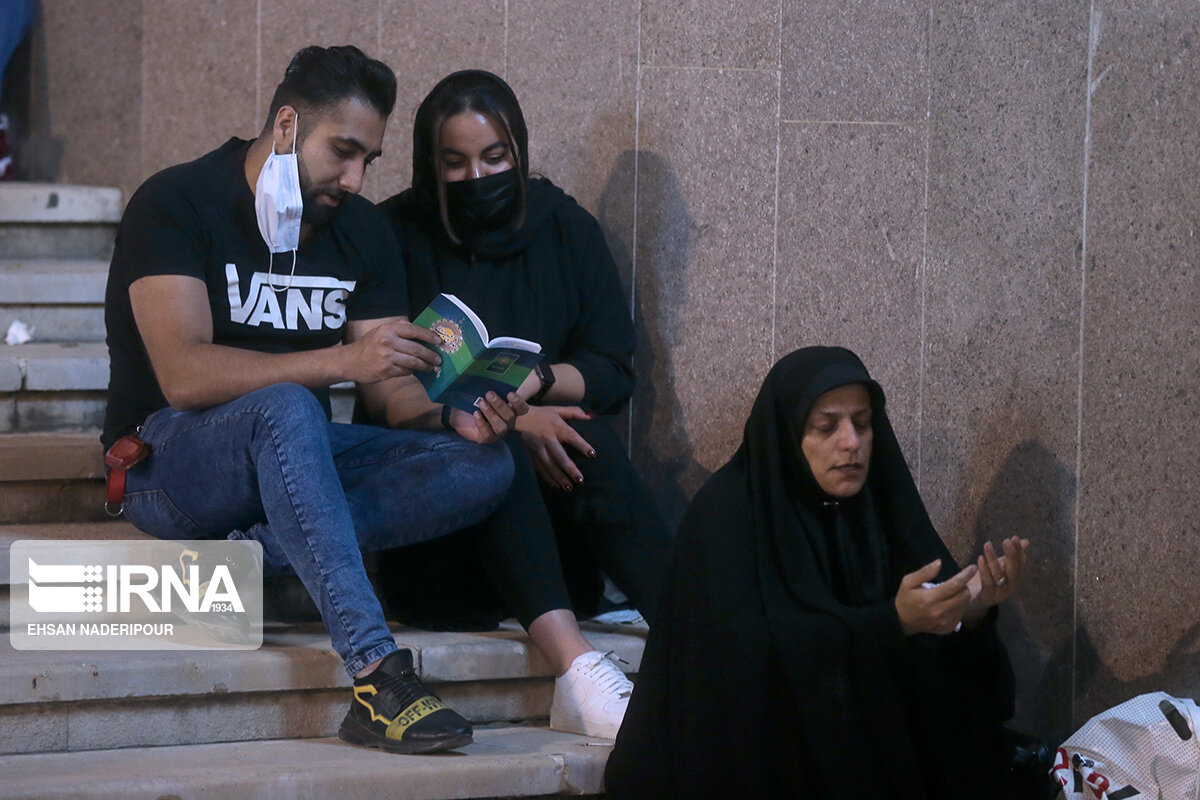
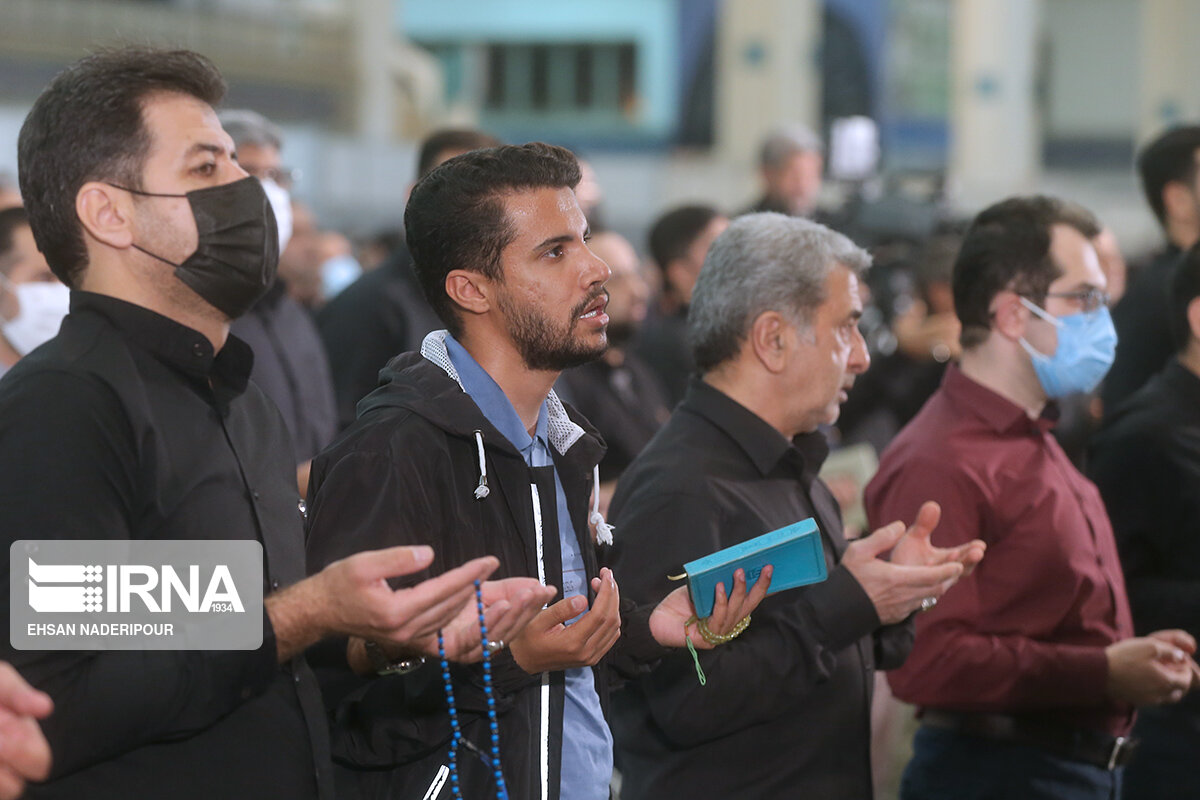
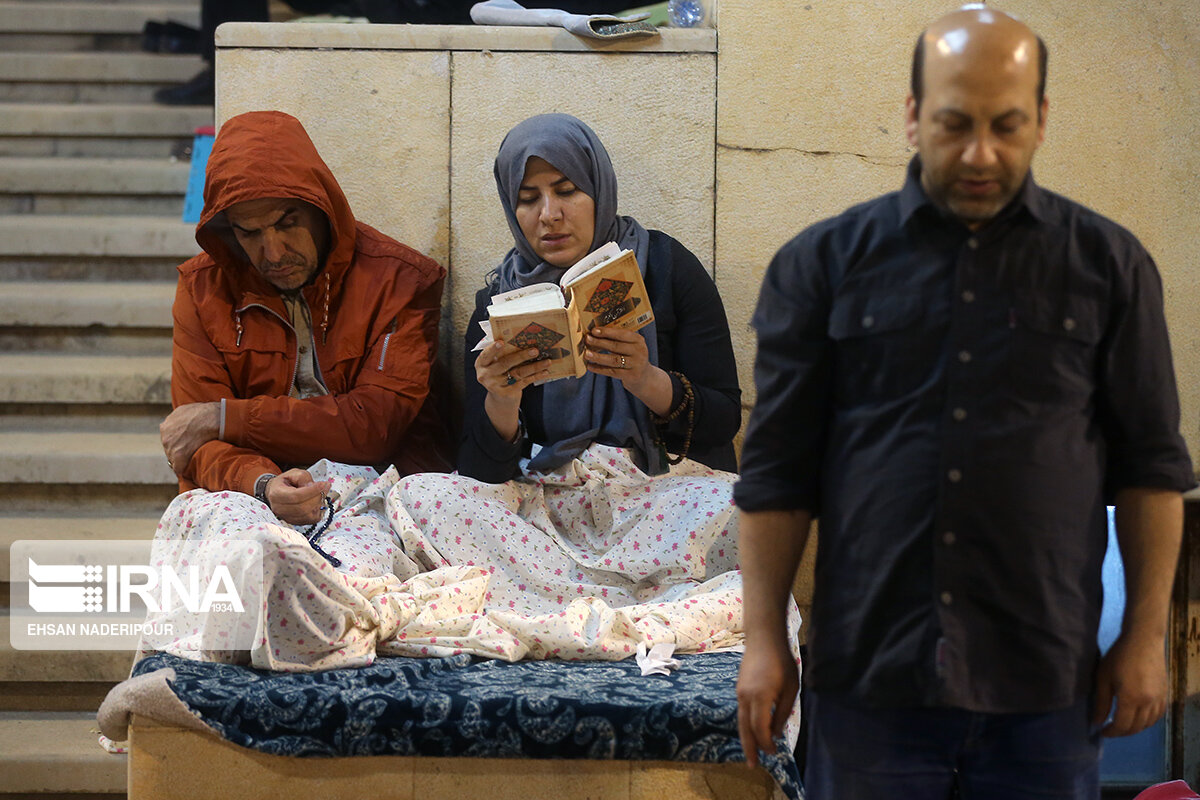
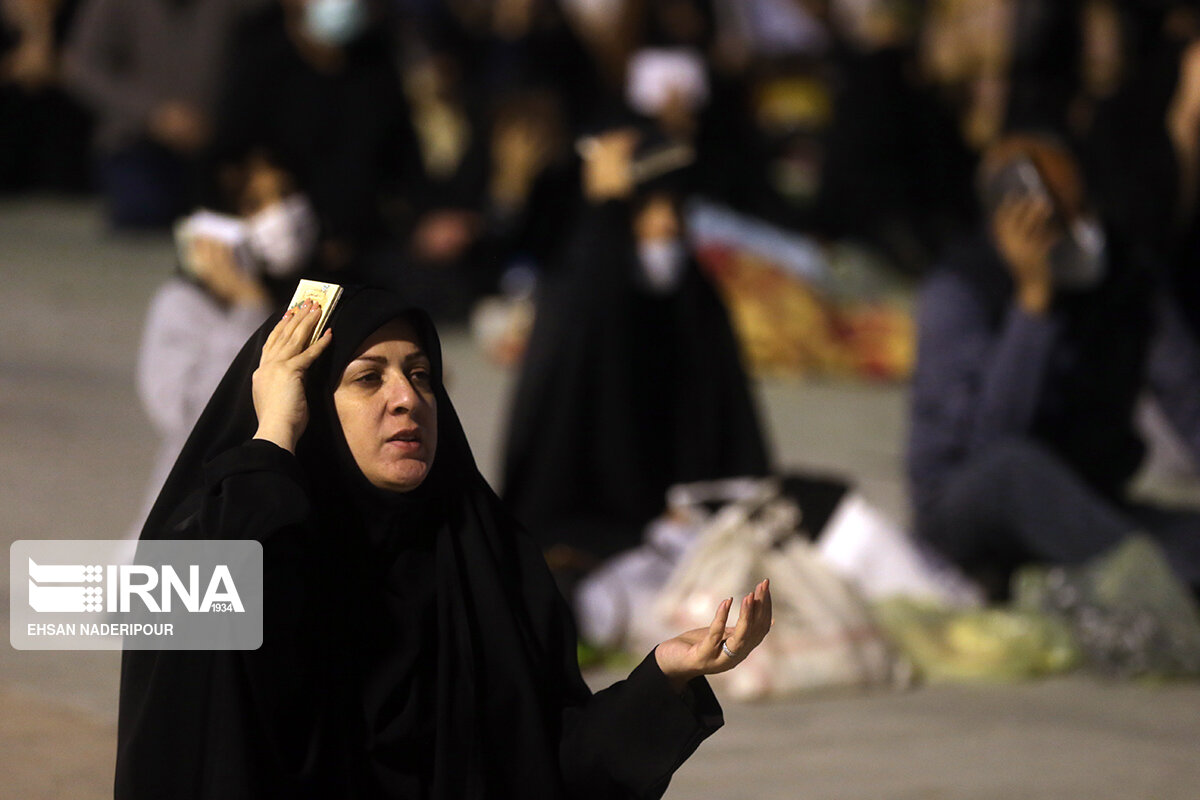
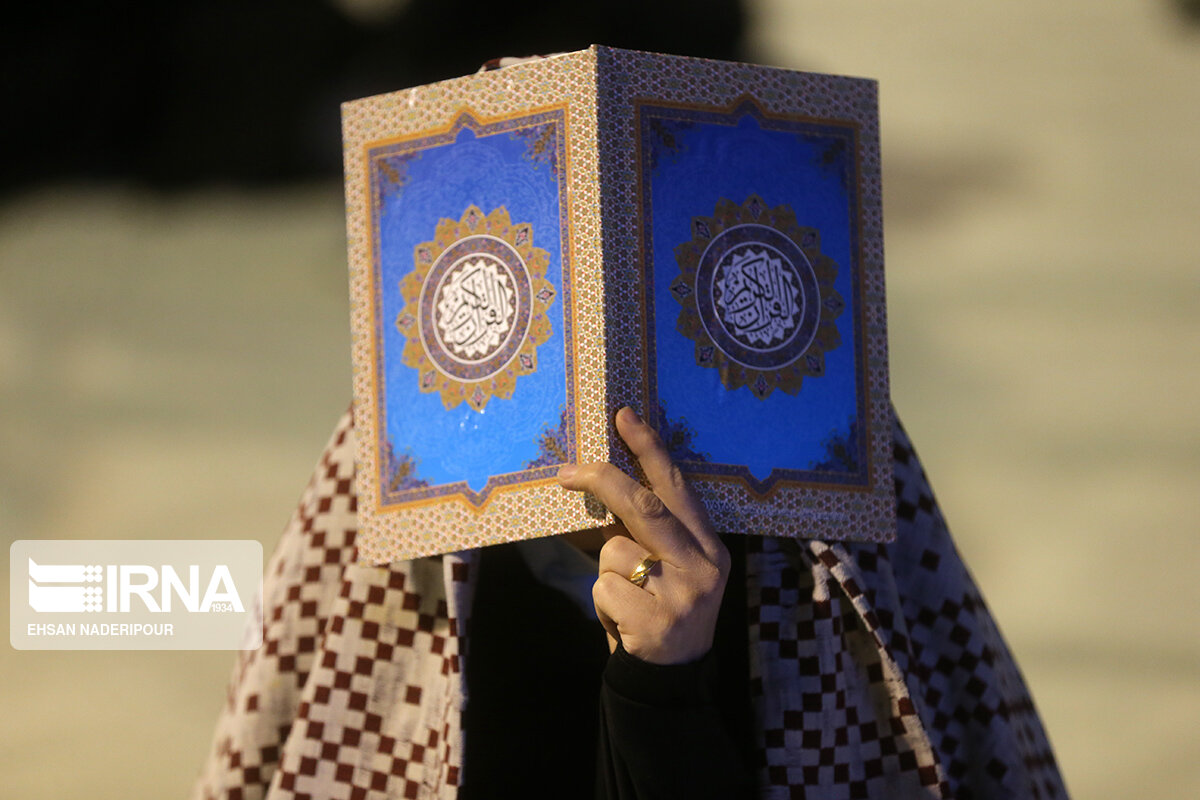
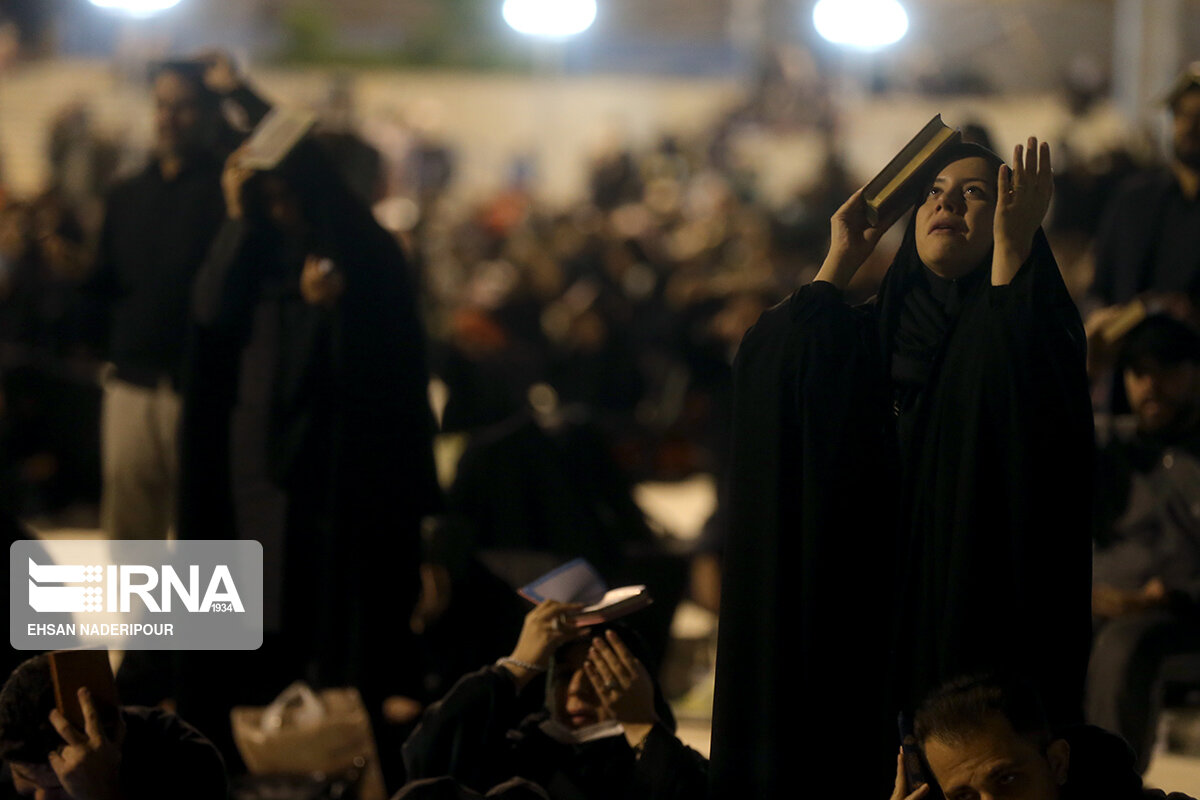
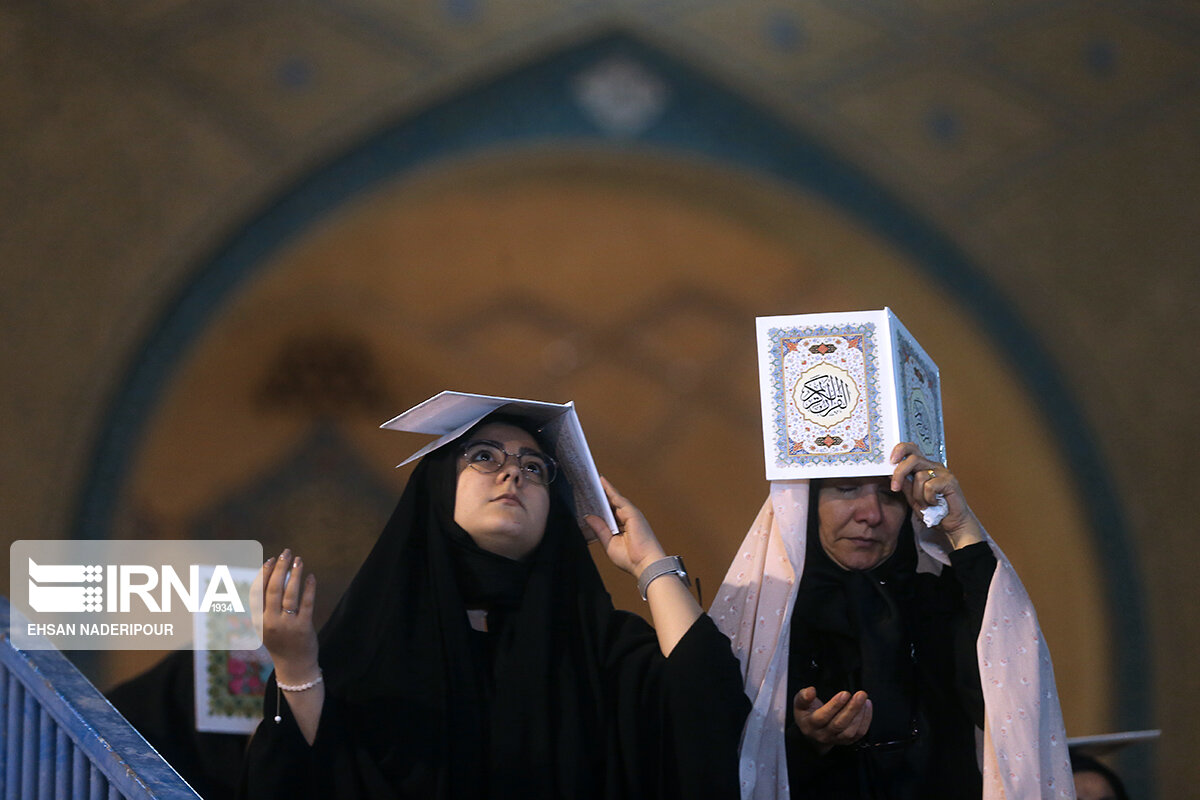
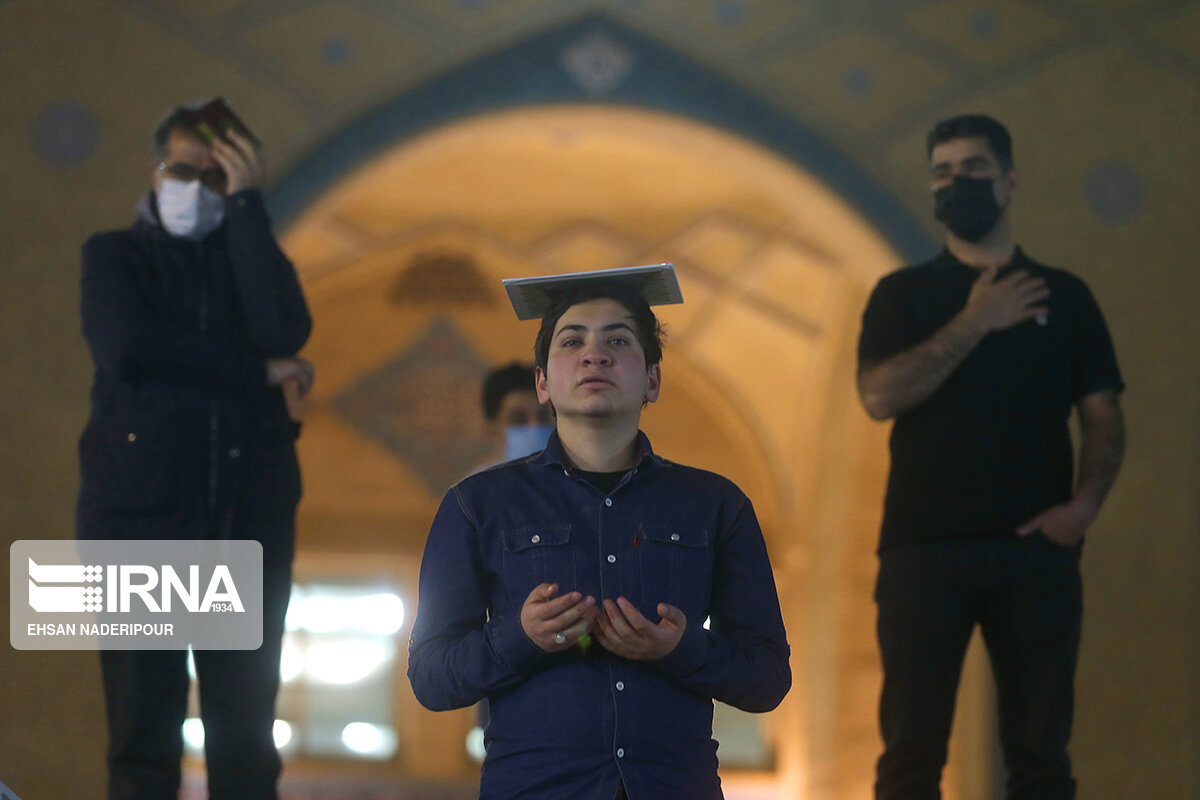
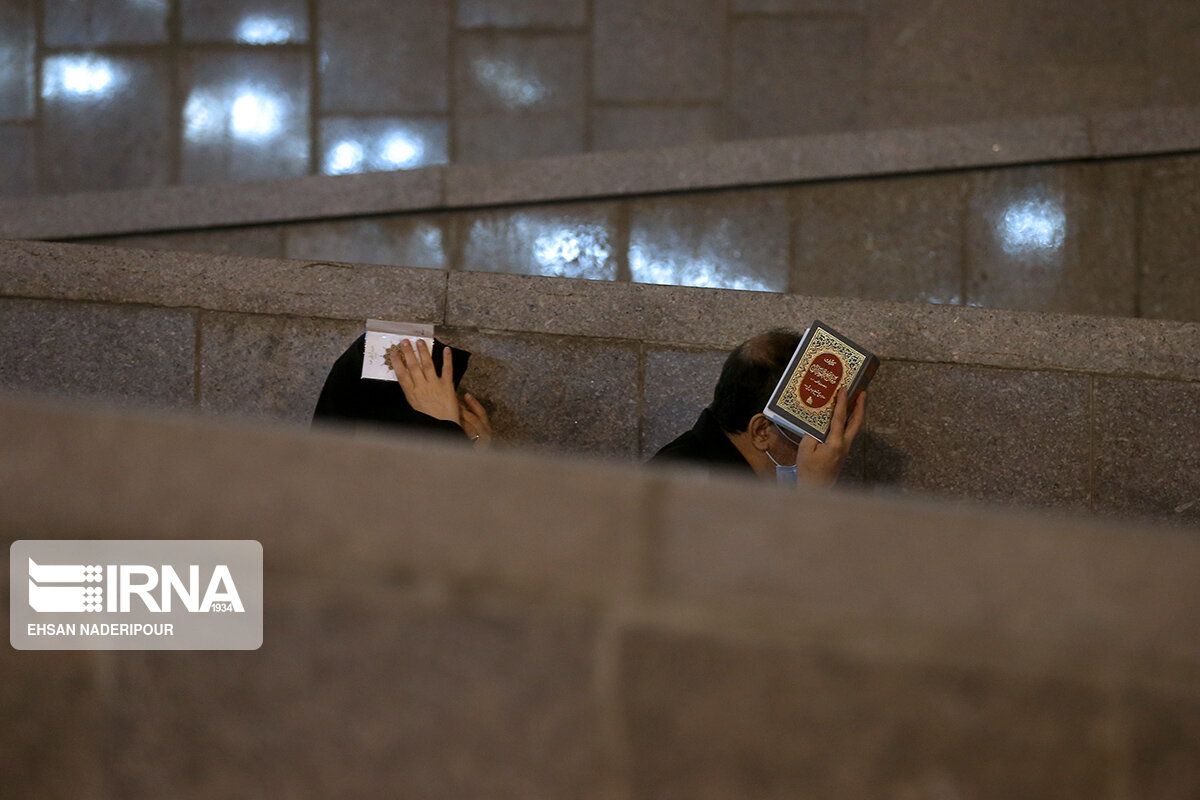
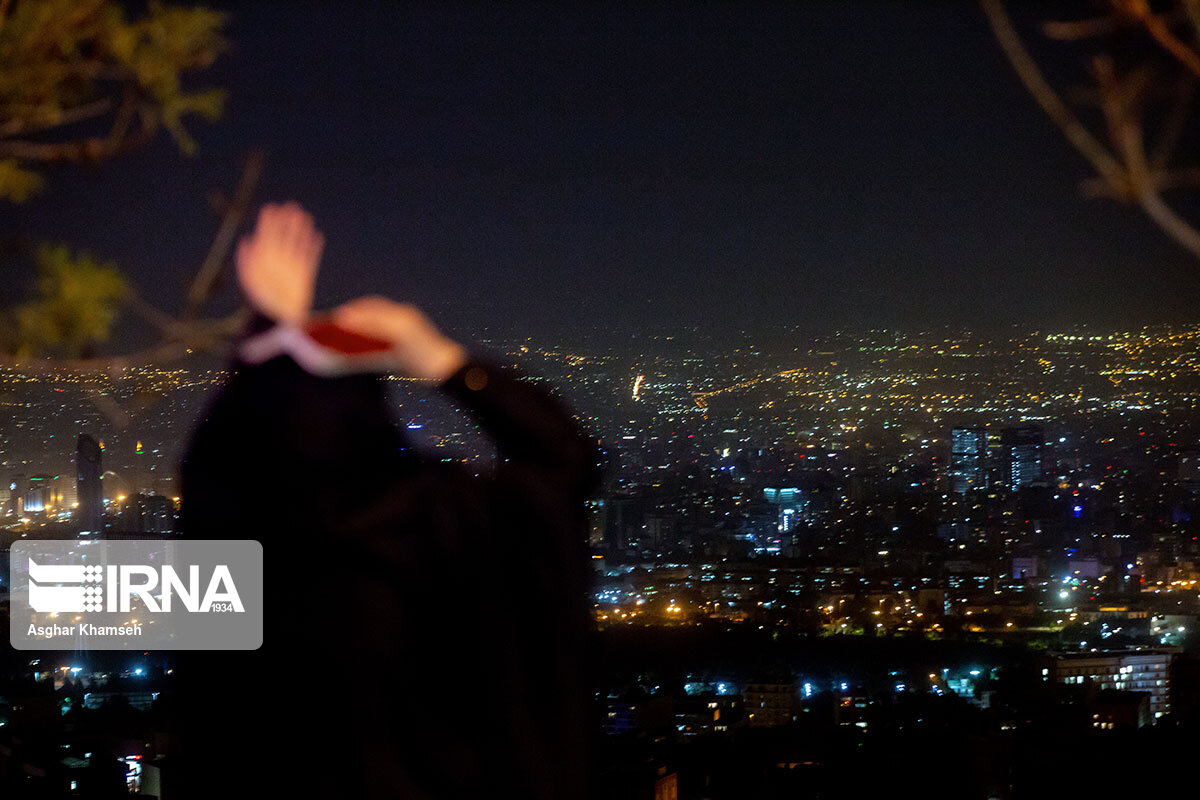
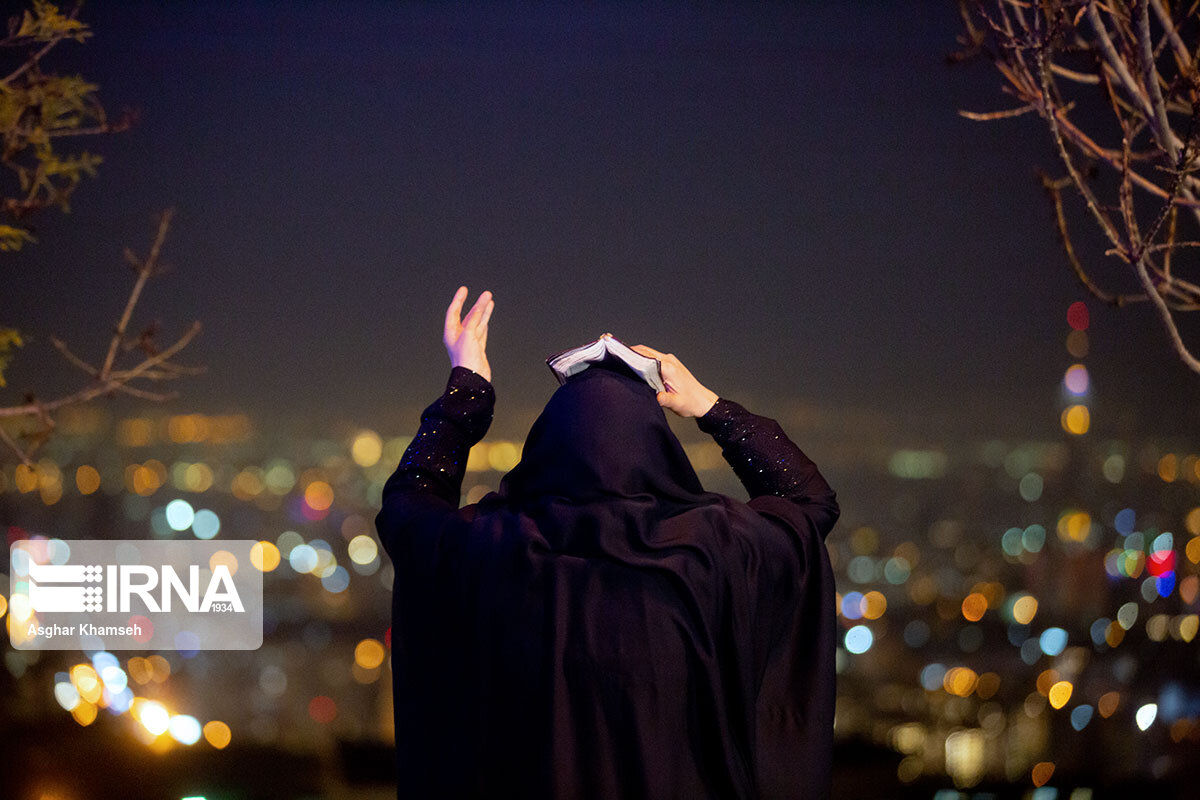
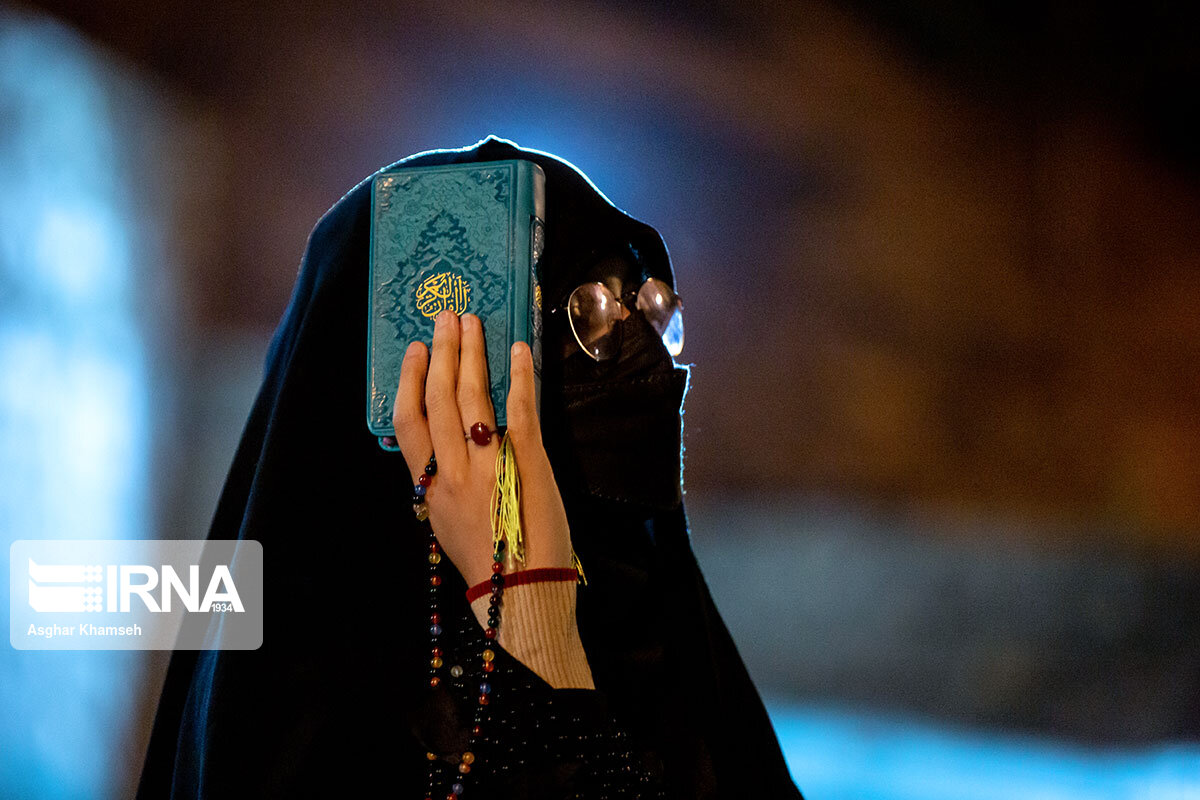
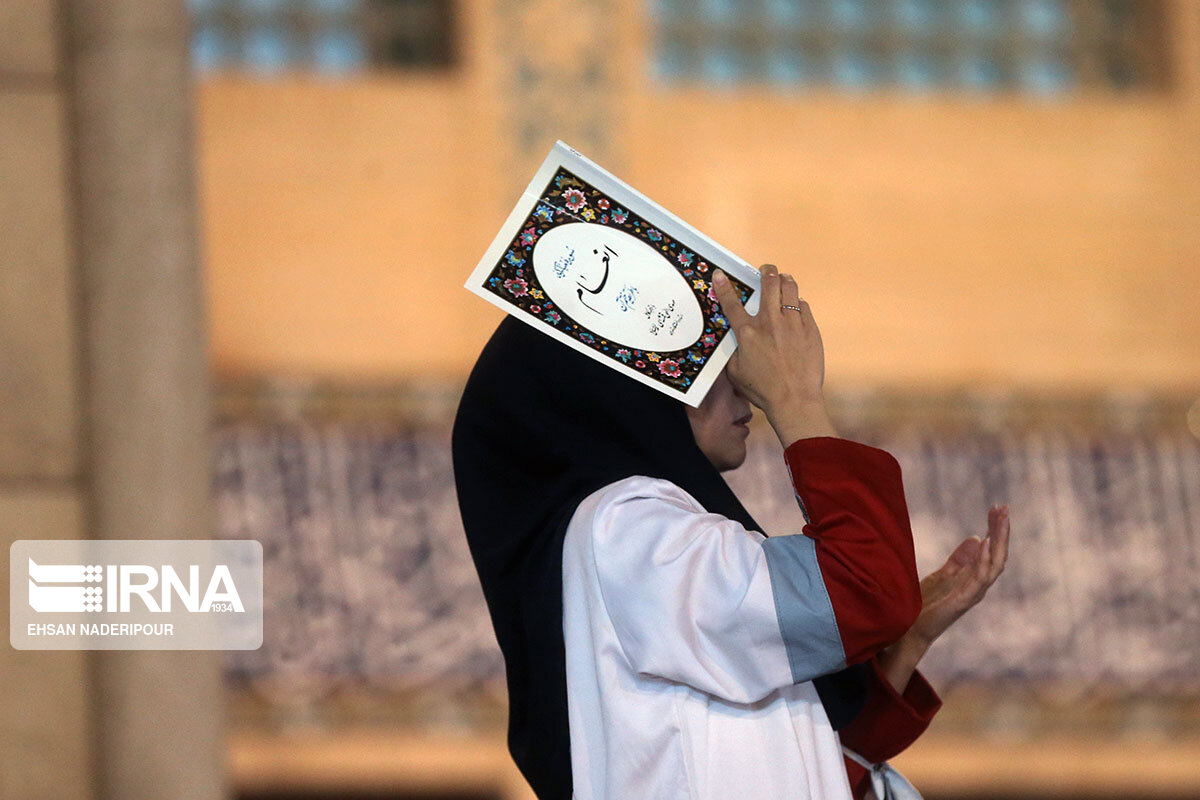
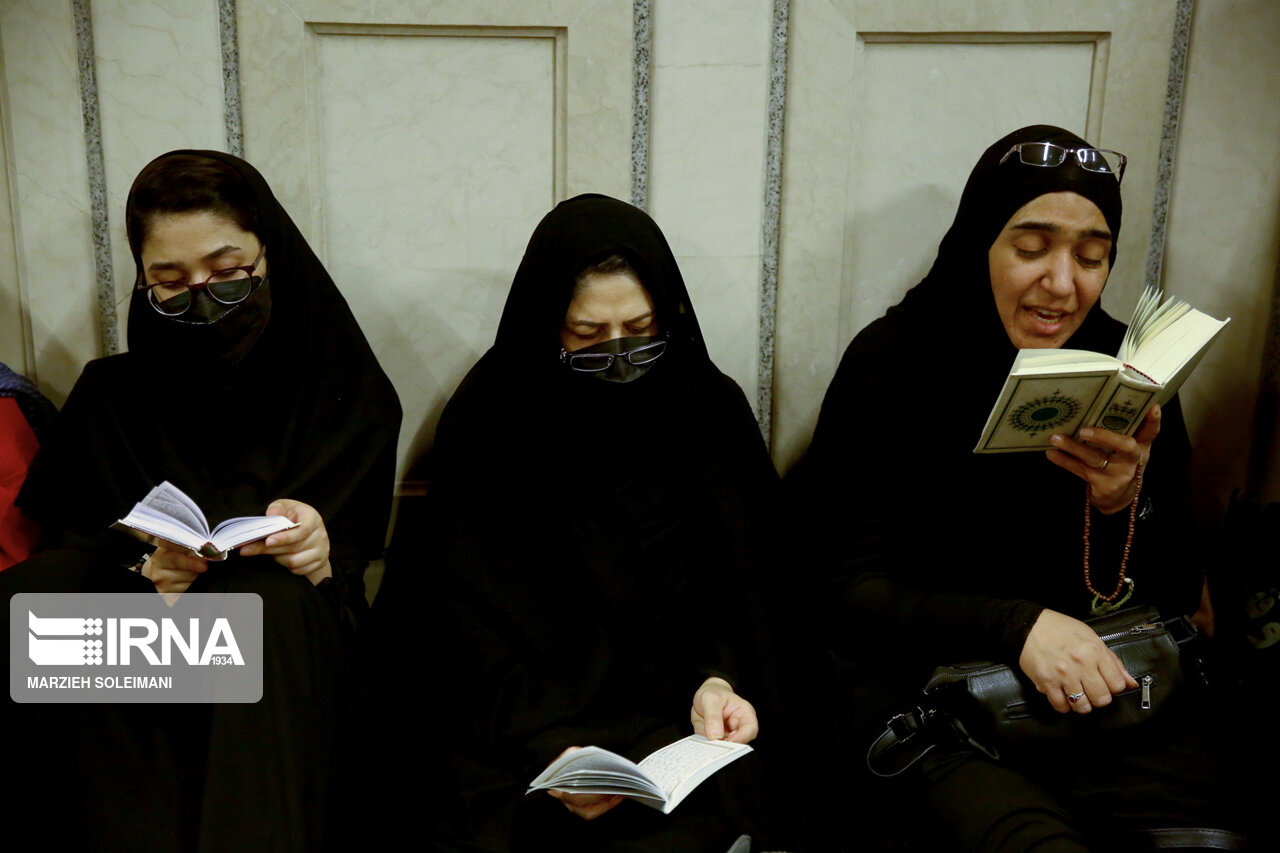
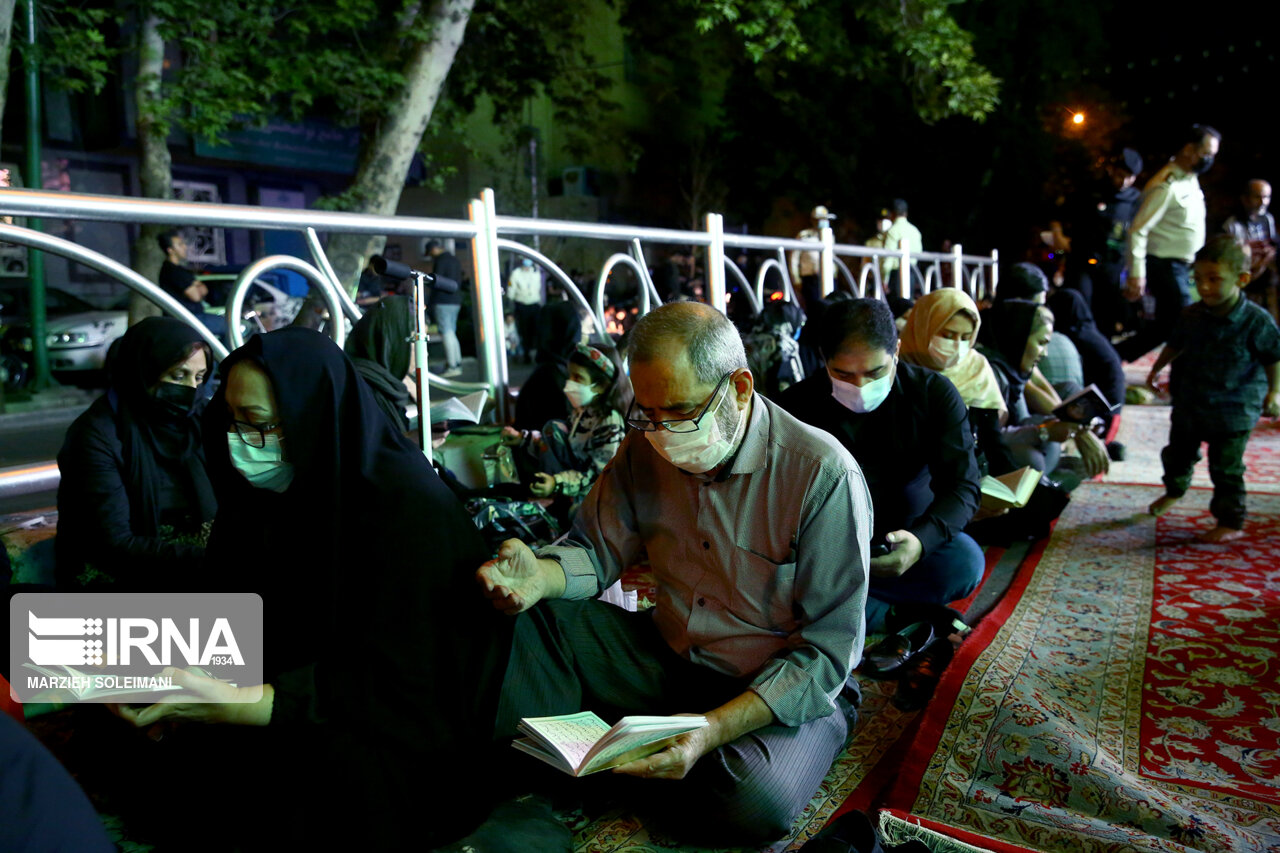
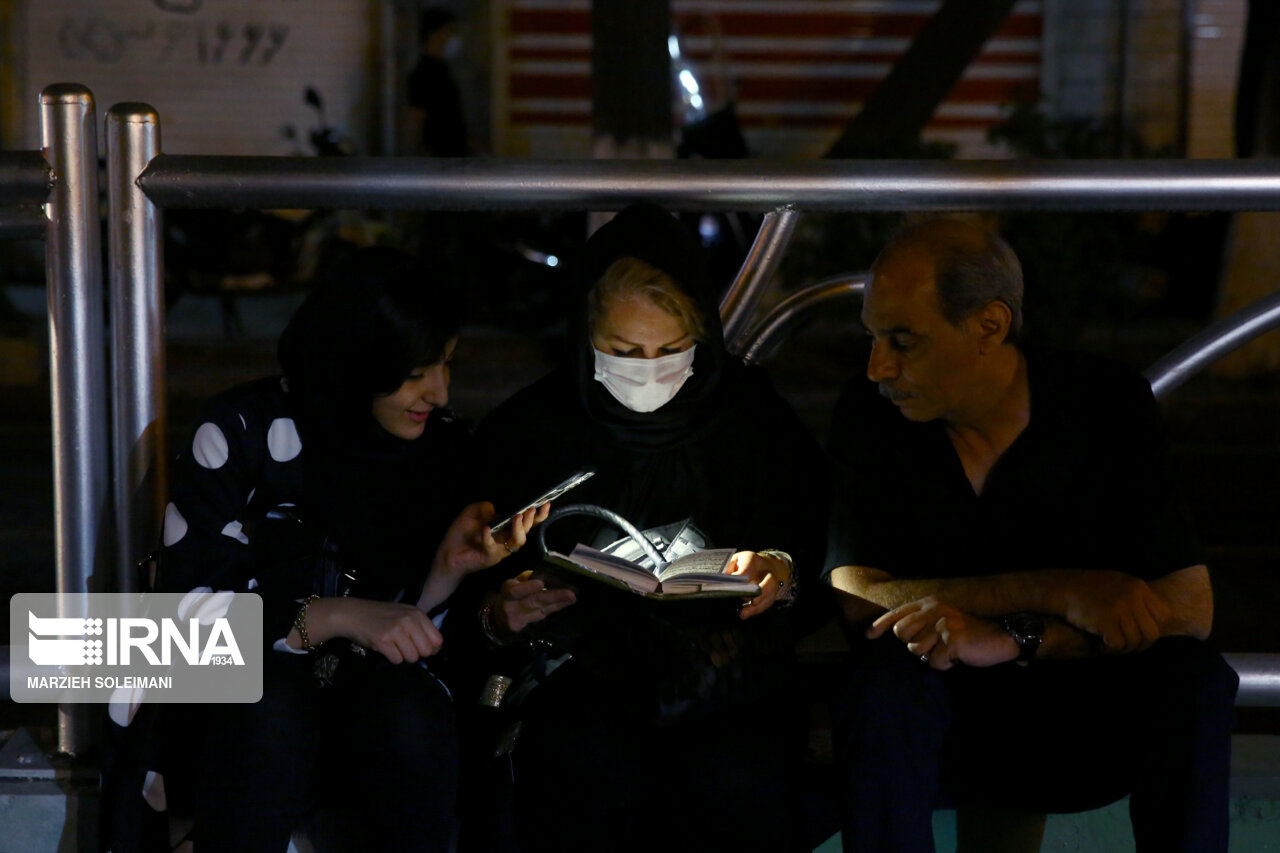
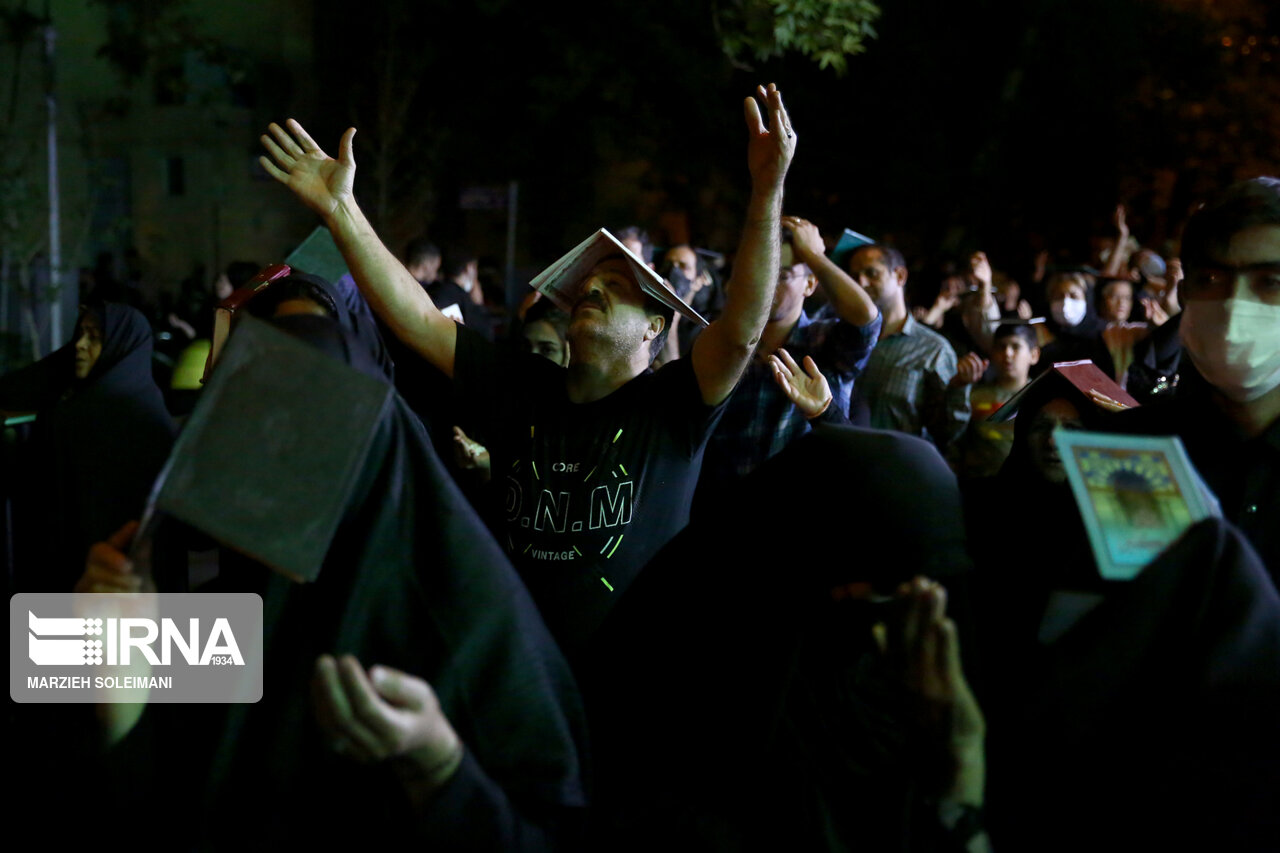
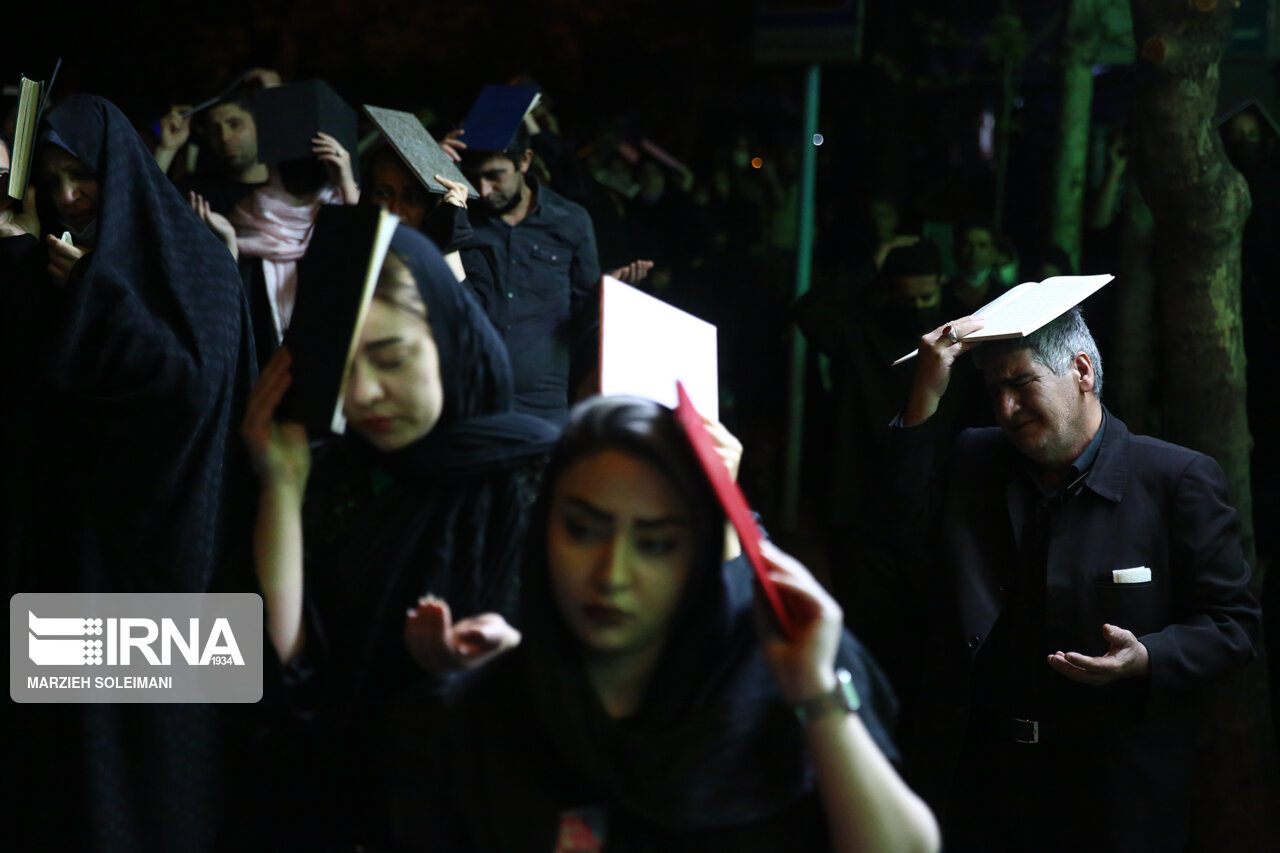
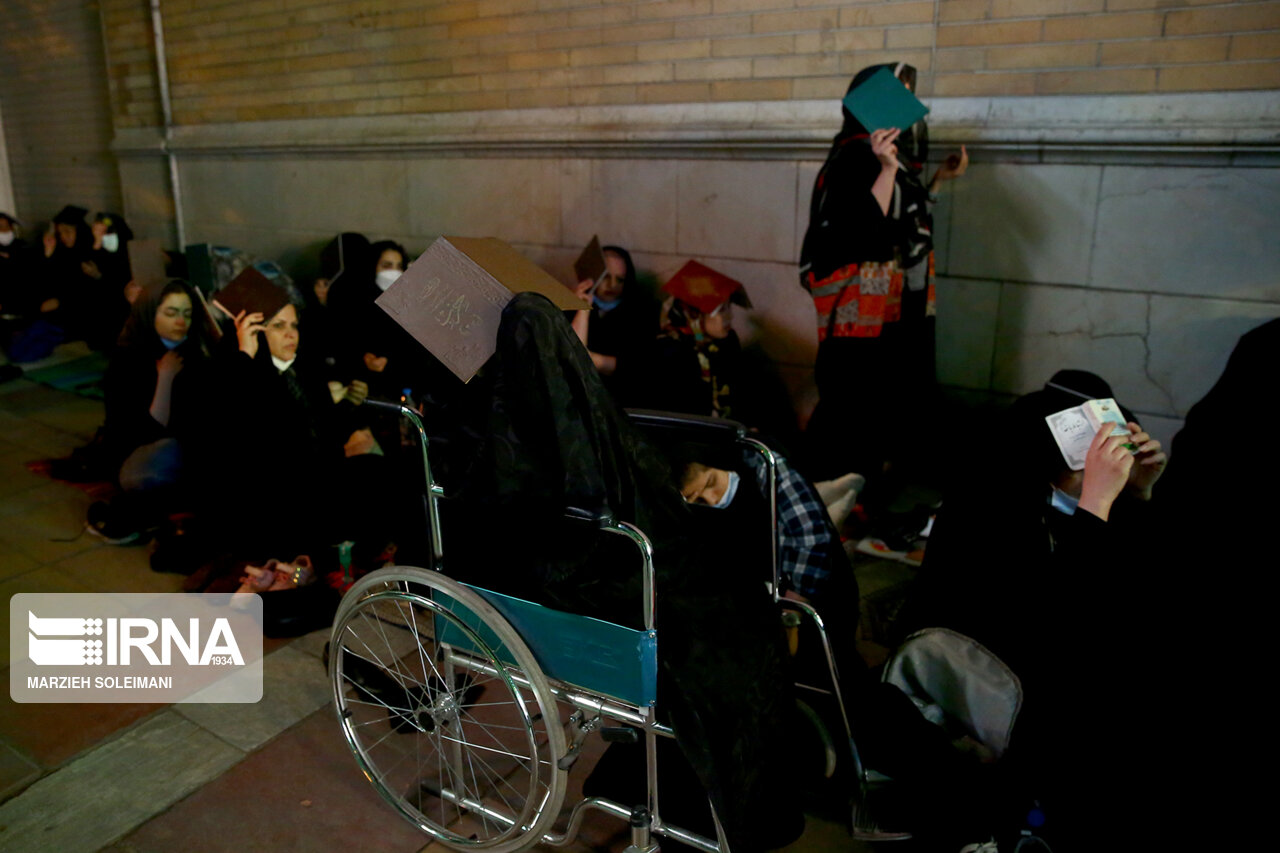
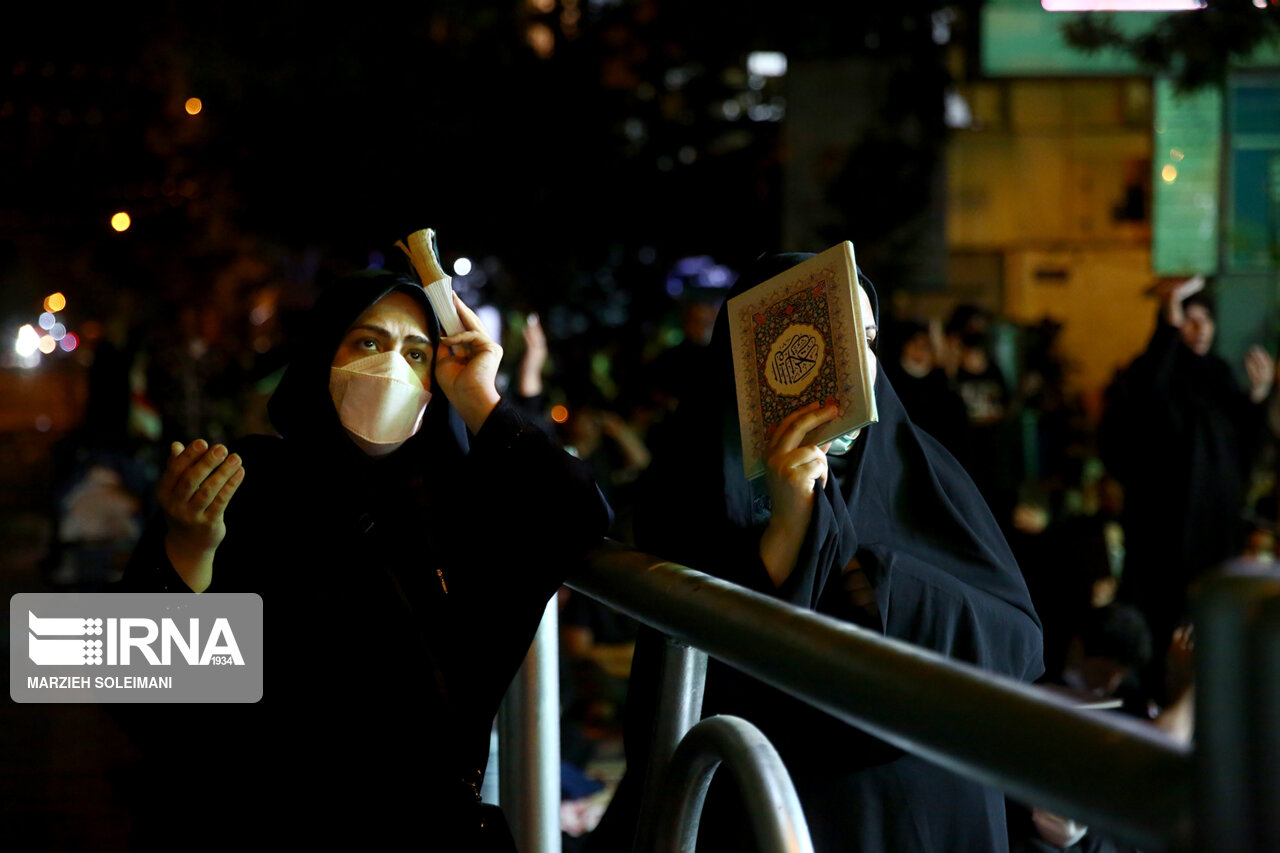
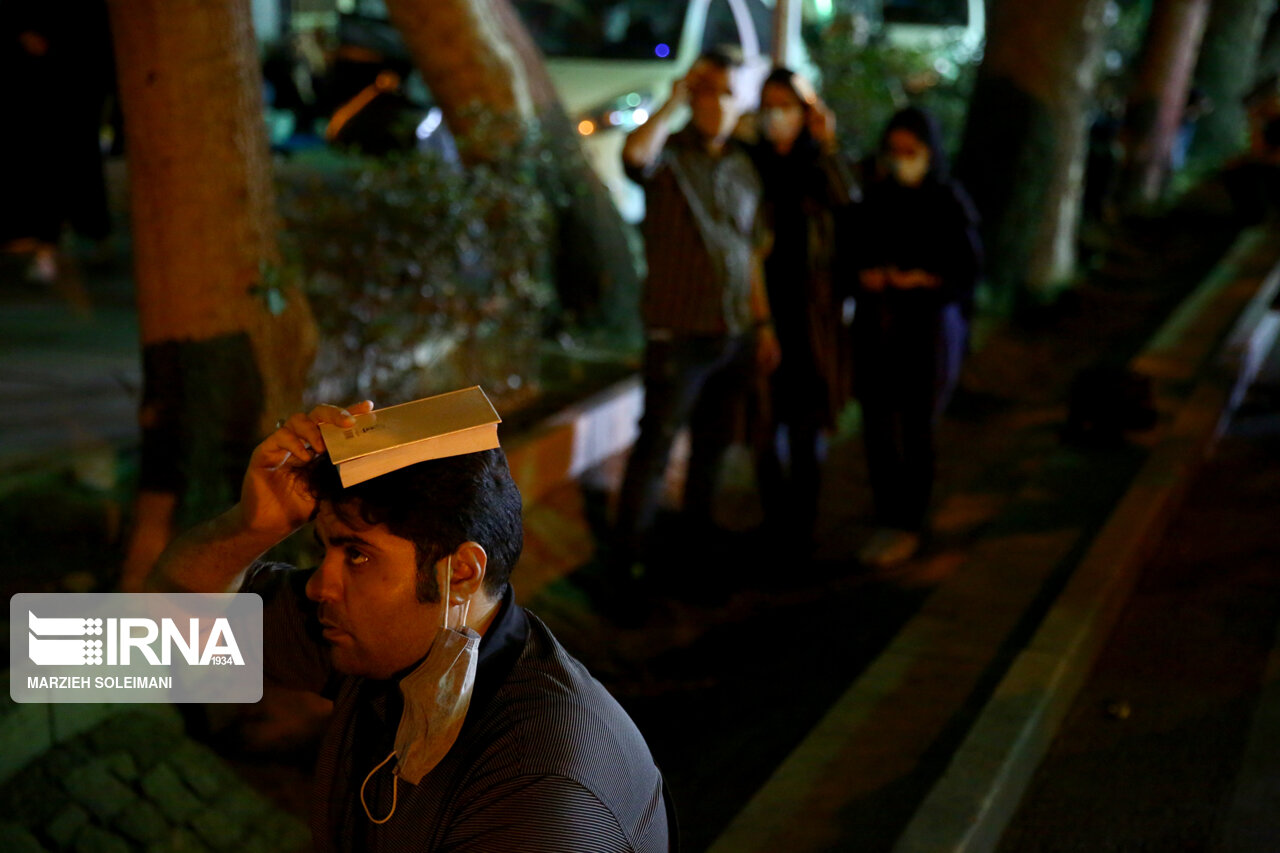
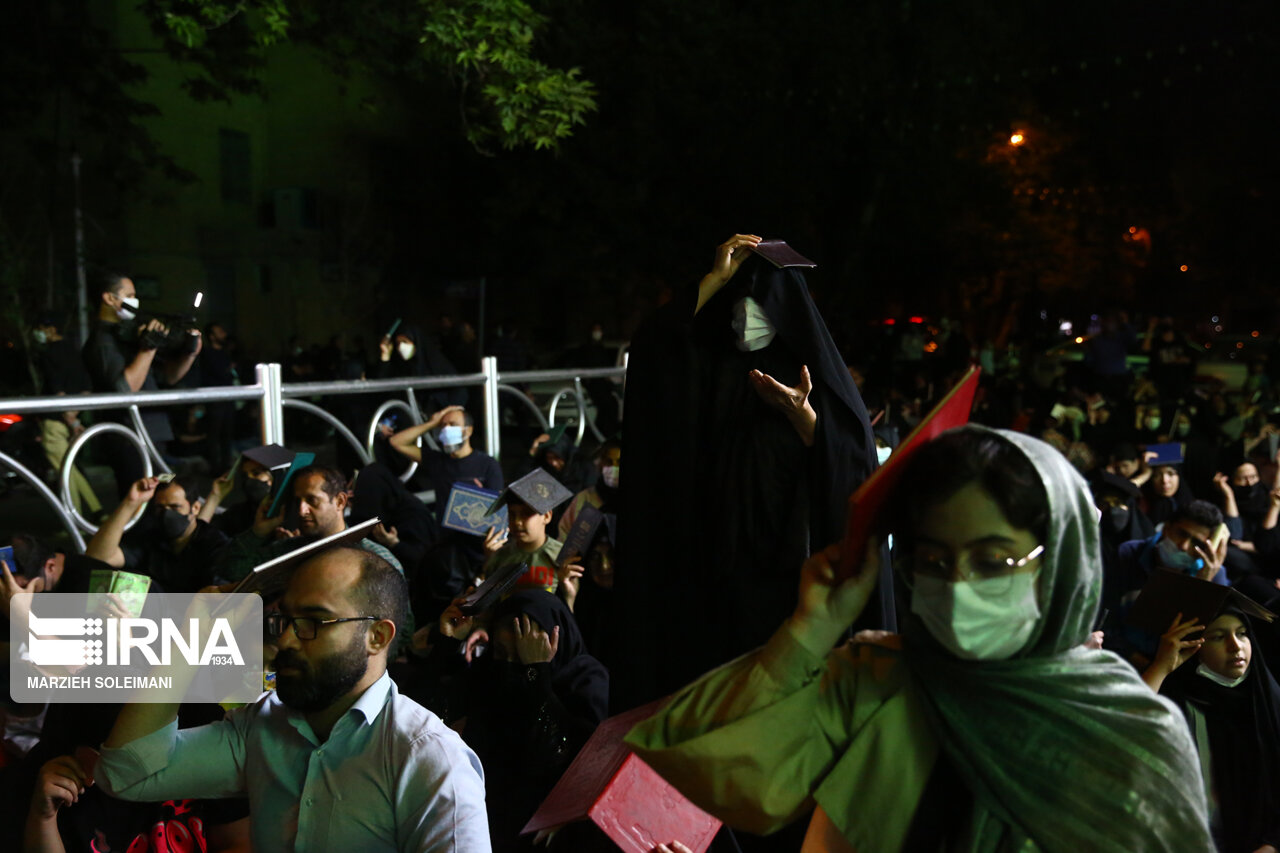
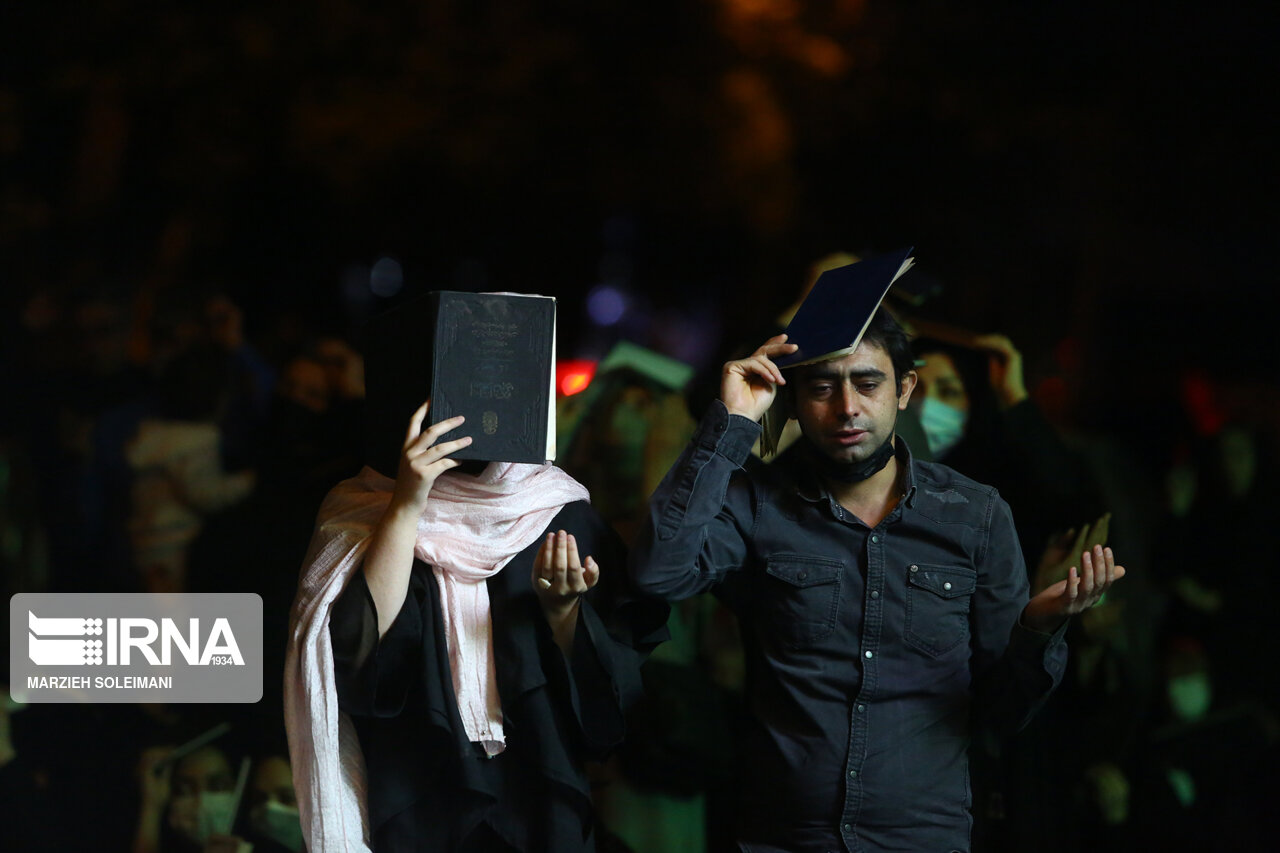
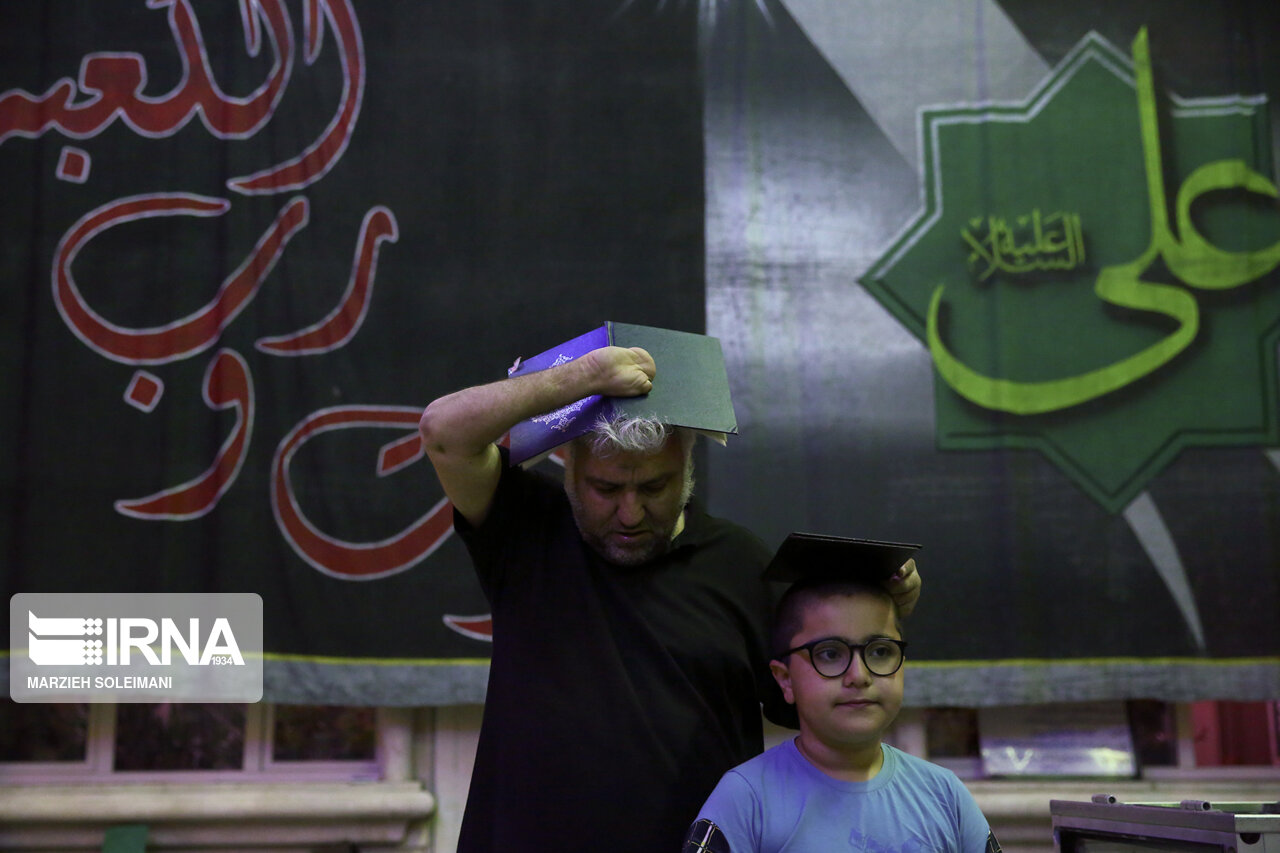
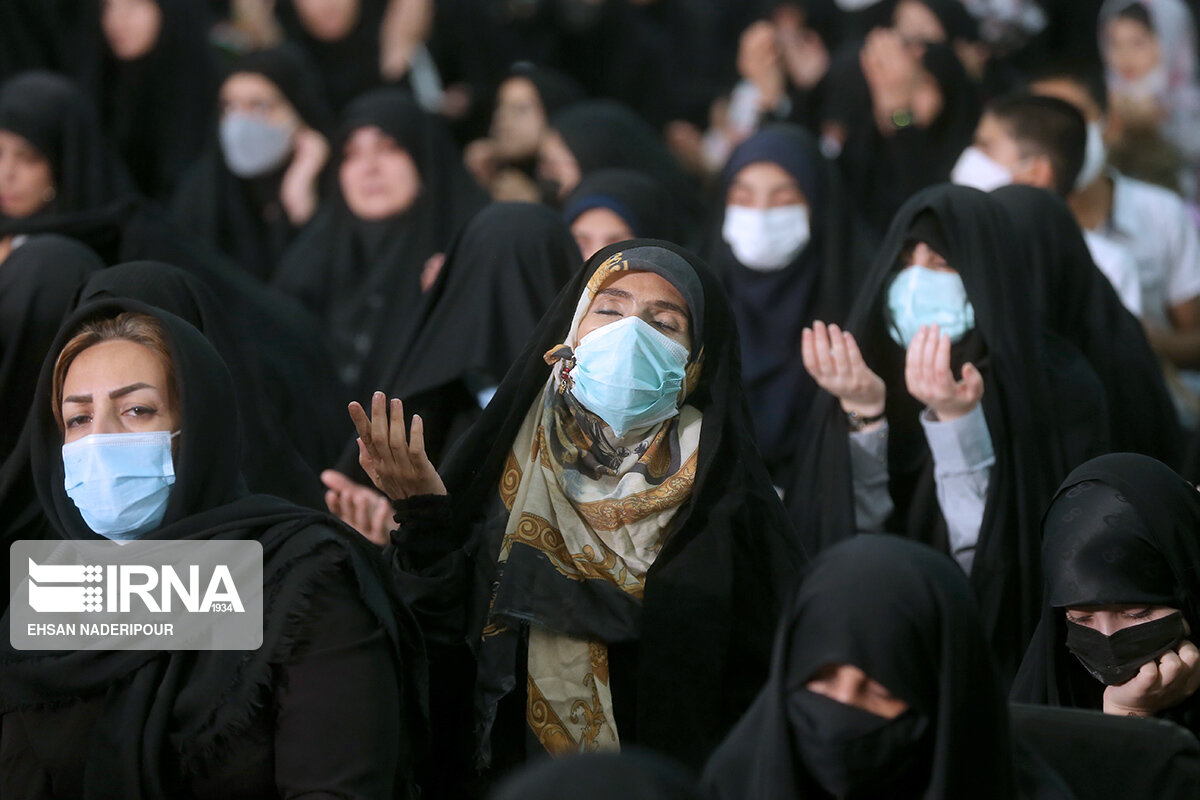
With Covid-related restrictions eased this year, many people joined gatherings on Friday in mosques and holy shrines across Iran for night-long prayers. ‘Laylat al-Qadr’ is the holiest of all nights, when the destiny for the year is decided, according to the religion.

It is believed that angels descend on Earth to listen to the worshippers.

Nevertheless, there is no exact date for the occasion, but Shia references say it falls on either the 19th or the 21st, or the 23rd nights of Ramadan. The faithful thus hold night-long prayers on all the three dates in order not to miss the blessed night.

This year, huge congregations were reported in the cities of Mashhad and Qom, which host the holy shrines of Imam Reza, the eighth Shia Imam, and his revered sister, Hazrat Masoumeh, respectively.

Millions of worshippers also marked the occasion in the capital Tehran and other cities across the country.

In the previous two years, large gatherings were banned amid a fast spread of Covid-19.

Official: Iran border guards seized 6 tons of drugs last month

Iran border guards

Commander of the Border Guards of the Islamic Republic of Iran Brigadier General Ahmad Ali Goudarzi said border guards are fighting to the death to stop traffickers.

He added that, 2 million and 500 thousand liters of smuggled fuel, 278 digital currency miners, over 14 thousand heads of livestock and over 172 thousand cosmetics items were seized by the border guards in the same period.

General Goudarzi noted that preventing the basic goods from being smuggled out of the country is one of the serious priorities of his forces.

Iran has 16 border provinces and a total of over 8,000 kilometers of borders. Law Enforcement Force of the Islamic Republic of Iran has been praised internationally for its achievements against organized crime and drug trafficking especially in border areas.

More than 4 thousand people have been killed in Iran’s fight against drug traffickers over the last four decades.

Taliban say committed to Iran’s share of Helmand water

Helmand river

In’amullah Habibi Samangani said on Friday that the Taliban government stood ready to address Iran’s concerns over its water rights through dialog.

The Taliban official said Afghanistan was suffering from water shortages caused by drought and the condition might have affected Iran’s share of water from Helmand, something that he described as “a negotiable issue.”

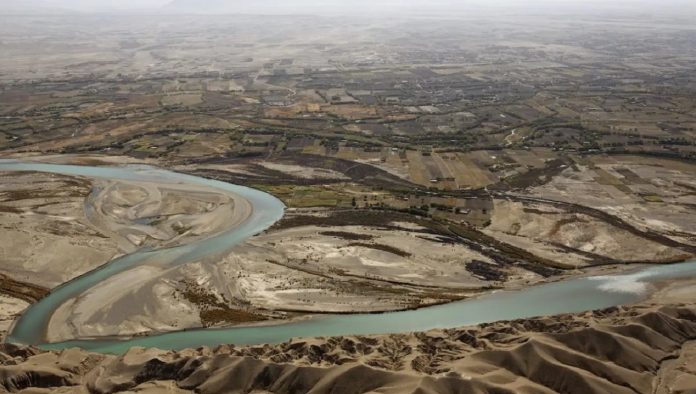
Under the 1973 treaty, Iran is entitled to over 800 million cubic meters per year of water from Helmad, which flows some 1,150 kilometers before reaching the Sistan wetlands in southwestern Afghanistan and eastern Iran.

Tehran is unhappy with Kabul’s failure to release enough water from a controversial dam over the Helmand River to comply with terms of the treaty.

Iran argues that the Kamal Khan Dam, opened in March 2020, would significantly decrease the flow of the Helmand River.

Iran envoy urges UN to swiftly stop Israel aggressions against Palestinians

Israeli Forces Al-Aqsa Mosque

Majid Takht-Ravanchi made the remarks during a Friday meeting of UN ambassadors from Muslim countries, in the presence of UN Secretary-General António Guterres.

The meeting focused on the desecration of al-Aqsa Mosque, the third holiest site in Islam, by Israeli regime forces in recent days.

Delegates from Muslim nations once again highlighted the world body’s key role in achieving a just and lasting solution to the Palestinian issue.

Takht-Ravanchi demanded urgent action by the international community, especially the UN, in support of the Palestinian nation and an end to occupation and aggression by the Tel Aviv regime.

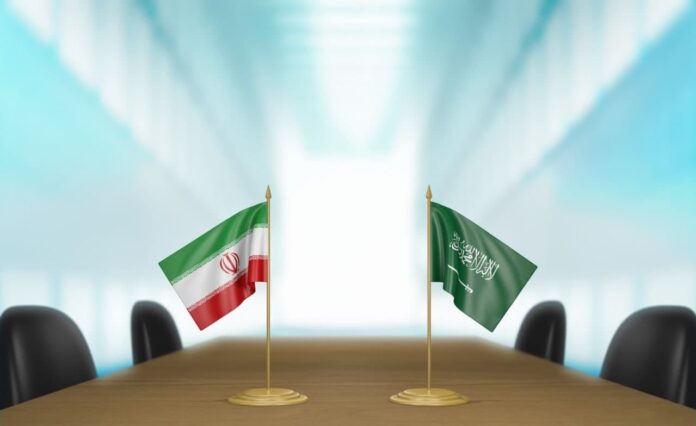
Report: Iran, Saudi Arabia hold ‘constructive’ talks in Baghdad

Iran Saudi Flags

Senior officials from the Secretariat of the Supreme National Security Council of Iran and the head of the Saudi intelligence service have attended the meetings as representatives of the two sides.

Sources say Iran and Saudi Arabia’s negotiators managed to draw a clearer picture of how to resume bilateral relations.

High-ranking Iraqi and Omani officials have played an important role in arranging the meetings between representatives of Tehran and Riyadh.

During their five rounds of talks so far, the two sides have held frank discussions on the main challenges of resuming relations between the two neighbors.

Nournews added, Given the constructive bilateral dialogue so far, there is a possibility of a meeting between the Iranian and Saudi top diplomats in the near future.

The two neighbors and regional rivals have had no diplomatic relations since January 2016 following the attack on the Saudi Embassy in the Iranian capital Tehran after Saudi Arabia executed Shia Muslim cleric Sheikh Nimr al-Nimr.