Koofteh Berenji (rice meatball) is one of the classic and very delicious Iranian dishes.
Koofteh Berenji (rice meatball) is one of the classic and very delicious Iranian dishes.
There are different types of Koofteh, but Koofteh Berenji is more common than other types. It can be made in different sizes and shapes.
It is recommended to prepare Koofteh Berenji for lunch because this food is relatively heavy.
Koofteh Berenji – Persian Meatballs with Rice
Ingredients For Koofteh Berenji
(Serves 4-6)
500 grams minced veal or beef
One cup rice (100 grams)
50 grams yellow split peas
Two heaped tablespoons chickpea flour
One egg
Two tablespoons finely chopped savory
One level tablespoon finely chopped mint
One level tablespoon finely chopped tarragon
One tablespoon finely chopped parsley
One level tablespoon finely chopped dill
One level tablespoon finely chopped wild leek Dried herbs can be used instead of fresh ones.
Two large onions
Two tablespoons tomato paste
Dried plums and walnuts for the filling
Salt, ground black pepper and turmeric to taste
Garlic powder to taste
Oil
Water
Cooking Steps For Koofteh Berenji
1. Wash the rice a few times and soak it in salt water for a few hours. Pour some water in a pot and bring it to the boil, then add in the rice to the boiling water; leave it there until the rice is partly cooked. Depending on the kind of rice, it might take a few minutes (less than 10). Afterward, drain the rice. If the rice turns out to be fully cooked, there is no room for worry. What matters is that rice should not be raw, because it might later cause your Kooftehs to fall apart or remain uncooked by the time the meal is expected to be ready.
2. Cook the yellow split peas in water with some salt as well until they are well cooked. Drain them too and set them aside. The ingredients should be free of any excess water before they are mixed, otherwise the mix won’t be sticky enough and cracks will appear in Kooftehs.
Cooking Steps For Koofteh Berenji
1 of 2
Cook the yellow split peas in water
Drain the yellow split peas too and set them aside
3. Before you make Kooftehs, you need to get the sauce ready. Peel and slice one large onion and fry the slices over a medium heat until they turn soft and golden brown, add salt, turmeric and pepper to it. Then spoon in the tomato paste and fry it until it starts to change color and becomes deep red; stir it frequently to avoid burning it. Afterward, pour three to four glasses of water into the pot; the water level should be high enough to submerge the Kooftehs when they are placed in the pot. Bring the sauce to the boil, as soon as you place the Kooftehs in the sauce, turn down the heat.
4. Grate the other onion. If the grated onion turns out to be watery, squeeze it to get rid of the excess juice.
5. In a large bowl, mix the grated onion, minced meat, rice, yellow split peas, herbs, chickpea flour and egg and add turmeric, black pepper, salt and garlic powder to taste. It is important that you press the mixture with your hands until the ingredients form a single smooth, consistent substance.
Cooking Steps For Koofteh Berenji
1 of 3
You can mix the ingredients with a mixer
Koofteh Berenji-You can mix the ingredients with a mixer
Koofteh Berenji-You can mix the ingredients with a mixer
6. Take a handful of the mix, stuff a dried plum and walnut into it and then shape it into a ball. Add the Koofteh to the sauce. You should not put the lid on the pot. Turn the Kooftehs in the pot to let them cook well in the sauce. If you like, you can add some dried plums to the sauce as well. As for the filling, you can use other stuff like dried onions, barberries and boiled eggs, too. The Kooftehs will need about an hour to simmer in the sauce before they are ready. The dish is served with flat bread.
Additional tips for making Koofteh Berenji
Calories in rice meatball: There are an average of 180 to 190 calories in per 100 grams of this food
Rice meatballs are one of the popular and traditional dishes of Tabriz and are originally an Azeri recipe.
Preventing Koofteh from falling apart:
To prevent the meatballs from falling apart, you should add one or two tablespoons of gram flour to your ingredients or grind the wheat and pour it into the meatball ingredients so it becomes sticky.
To prevent the meatballs from loosening, grate the onion with a grater that has larger holes, or take the onion juice away.
Persian Koofteh (aka kufteh or kofteh) is mixed with cooked rice, yellow split peas, onions, and a heap of fresh herbs.
Another reason why meatballs fall apart is its meat. The fatter the meatball meat, the more likely are the meatballs to loosen. So if your meat is high fat, add an egg to your Koofteh ingredients. The meat in meatballs should be quite soft and fine; therefore, the meat should be minced 2-3 times.
Once the rice meatballs are ready, refrigerate for an hour before placing them in the sauce.
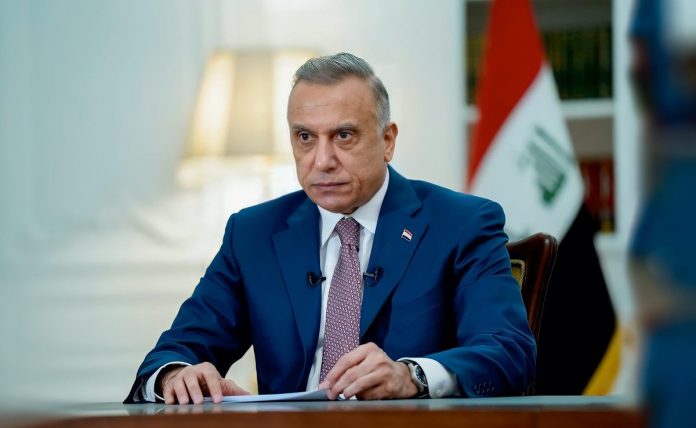
In an interview with Iraq’s official Al Sabaah newspaper, Mustafa al-Kadhimi said his country “directly benefits” from a consensus among states of the region and stability there.
Since Iraq, he added, has good relations with Iran and Saudi Arabia, besides other opposing regional players, it managed to arrange a “positive climate” for talks between the two Middle East powers on its soil.
“Brothers in Iran and Saudi Arabia have been seriously addressing the dossier of negotiations and the region’s current requirements. We believe an agreement will be achieved soon,” the premier added.
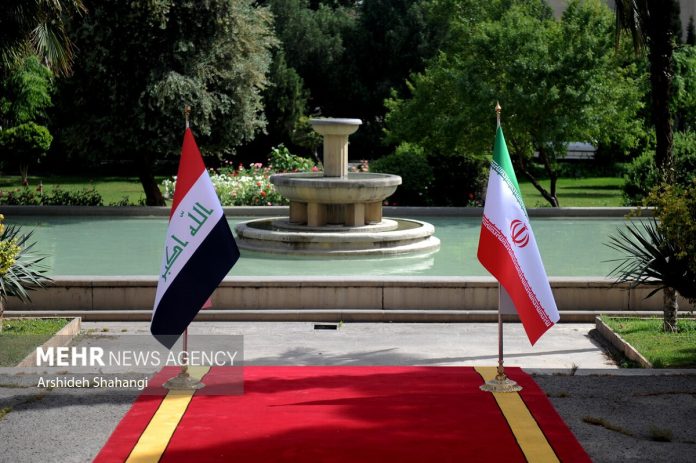
Five rounds of talks have so far been brokered by Baghdad between Tehran and Riyadh. Iraq said recently that it planned to host a sixth such session, without providing a date.
Saudi Arabia severed its ties with Iran following an attack by Iranian protesters against the kingdom’s embassy in Iran in 2016. The protesters were angry at Saudi Arabia over its execution of top Shia cleric Sheikh Nimr Baghir al-Nimr.
The rupture in their ties came amid deep divisions between the two sides over a number of regional crises and issues, including the Syria conflict, the war on Yemen, and Tehran’s nuclear program.
“According to the agreements reached between the two countries, the normal procedure for settling Iran’s debts will begin in the days to come,” Yahya Ale-Es-haq told IRNA on Saturday.
The agreement was reached during a visit to Tehran by an Iraqi delegation, headed by Electricity Minister Adil Karim, on Tuesday.
“Iran and Iraq have continuous transactions with each other,” which are carried out partly by the private sectors and the governments of the two states, Ale-Es-haq said.
Iraq, he added, must pay off $1 billion in debt to the public sector, which has been facilitated by mechanisms designed by the Central Bank of Iran.
Iraq also owes $9 billion to Iran’s private sector, the official said, adding, “There is no problem with the repayment system and [the amount] will be received through different channels,” he added.
On Thursday, the Iraqi electricity minister said Iran had agreed to resume gas supplies to Iraq and help its Western neighbors tackle its power shortages during summer.
Israeli forces killed a Palestinian man overnight on Friday in the north of the occupied West Bank, according to the Palestinian health ministry.
Yahya Adwan, 27, was shot in the chest during an Israeli army operation in the town of Azzun, the ministry said in a statement on Saturday.
Meanwhile, a guard was attacked at the entrance of the Ariel settlement, the Israeli army announced, adding that they were pursuing the perpetrators.
Hamas, the Palestinian movement that governs the Gaza Strip, hailed the killing as an “heroic operation”, with spokesman Hazem Qassem declaring it a response to the “attacks on Al-Aqsa,” Islam’s third holiest site, which has been one of the focal points for weeks of violence.
The Palestinian Red Crescent confirmed 42 people had been injured on Friday morning at the compound, Islam’s third holiest site. The Western Wall of the compound is sacred to Jews.
The unrest, which came on the final Friday in the Muslim holy month of Ramadan, left those injured suffering “upper-body injuries”, according to the Red Crescent.
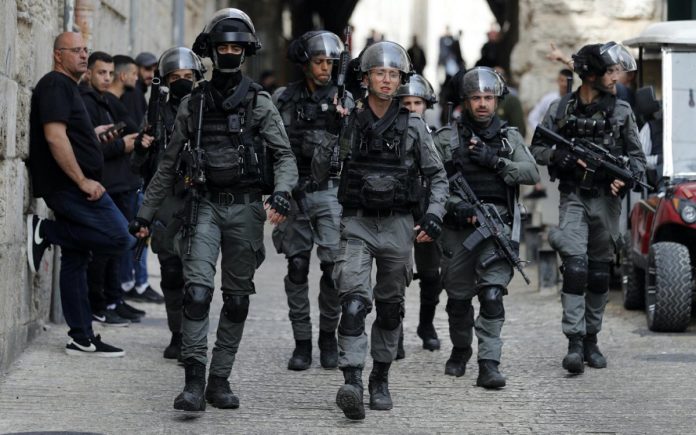
An AFP journalist said Israeli police fired rubber-coated bullets while witnesses said they also used tear gas.
An uneasy calm had been restored at the compound following the unrest that surrounded morning prayers, but tensions remained high.
In the early afternoon, a crowd of Muslim worshippers gathered at Al-Aqsa. Some people waved Palestinian flags and the colours of Hamas, an AFP journalist added.
Over the past two weeks, nearly 300 Palestinians have been hurt in incursions by Israeli police forces at the Al-Aqsa compound. The 35-acre compound is referred to as al-Haram al-Sharif, or the Noble Sanctuary by Muslims and as the Temple Mount by Jews.
The site is in east Jerusalem, which Israel captured in the 1967 Six-Day War and later annexed in a move not recognised by most of the international community.
Israel’s incursions into the compound during Ramadan met widespread condemnation and raised fears of inflaming persistent Israeli-Palestinian tensions across Jerusalem.
But Israel has insisted it has been compelled to act against operatives from Hamas and the Islamic Jihad groups. It claims armed members threaten Muslim worshippers at Al-Aqsa and Jews praying at the Western Wall.
In an apparent attempt to ease tensions, Israel’s foreign minister Yair Lapid has stressed that the government is committed to the status quo at the compound, meaning adherence to a longstanding convention that only Muslims are allowed to pray there.
Muslim leaders have, however, been angered by a recent uptick in visits. Some voiced fears that Israel was seeking to divide the compound and create a space where Jews may worship. Lapid told journalists that no such plan exists.
According to the Jerusalem Islamic Waqf, nearly 3,700 Israeli settlers have entered the Al-Aqsa Mosque compound over the past week to mark the Jewish festival of Passover.
Violence in occupied east Jerusalem has raised fears of another armed conflict similar to the 11-day Israeli assault on Gaza last year, triggered in part by similar unrest at Al-Aqsa. At least 232 Palestinians in Gaza and 12 people in Israel were killed.
Since early last week, there has been isolated rocket fire from Gaza towards Israel and Israeli rockets at the Strip, but no casualties reported on either side.
Hamas and Islamic Jihad leaders held a rally in Gaza late on Thursday, with calls to “defend” Jerusalem, including Al-Aqsa.
In an annual show of pro-Palestinian rallies known as Quds (Jerusalem) Day, thousands of Iranians took to streets across the Islamic republic on Friday. Flag-waving protesters chanted “Death to America” and “Death to Israel”, the state broadcaster IRIB reported.
Leader of the Islamic Revolution Ayatollah Seyyed Ali Khamenei made live televised remarks in support of Palestinians and slammed those in the West backing Ukraine against Russia’s invasion.
“They are making so much noise about the situation in Ukraine … (and) are keeping totally silent about the crimes in Palestine,” he said.
Hamas followed with a statement thanking Iran for “standing with Jerusalem and the blessed Al-Aqsa Mosque, and for supporting our resisting nation by all means”.
The Al-Aqsa tensions have come against a backdrop of violence since March 22 in Israel and the occupied West Bank.
Twelve Israelis, including an Arab-Israeli police officer, and two Ukrainians were killed in four separate attacks inside Israel. Two of the deadly attacks were carried out in the Tel Aviv area by Palestinians.
A total of 27 Palestinians and three Israeli Arabs have been killed during the same period.
Talebzadeh died at a hospital in Tehran on Friday evening. He had been hospitalized in November last year for cardiac complications and blood clotting.
Months later, the renowned media figure was once again transferred to the intensive care unit and kept there for weeks.
During his fruitful career, Nader Talebzadeh directed, wrote and produced numerous award-winning documentary films about the atrocities committed against Iranians during the eight-year Iraqi war of the1980s.
Following a decade of research in historical documents based on the Qur’an and the Bible, Talebzadeh in 2007 produced his first feature-length movie titled “The Messiah,” in which he presented an Islamic perspective on Jesus and his teachings.
Talebzadeh also served as the chairman of the International New Horizon Conference, which aims to expose the criminal policies of the US and Israel.
He and the conference were placed under sanctions by the US in 2019.
Many Iranian officials, politicians and cultural figures offered condolences on the passing of Talebzadeh.
Social media pages were also filled with tributes and remembrances.
In a message, Iranian President Ebrahim Raisi condoled with Talebzadeh’s family, his students and the country’s art community.
Raisi paid tribute to the late media activist for his efforts to fight the cultural invasion of Iran and promote the country’s soft war against enemies.
The president of Islamic Republic of Iran Broadcasting (IRIB) Peyman Jebelli also issued a message of condolences and lauded Talibzadeh for playing an effective role in promoting Iran’s cultural battlefield.
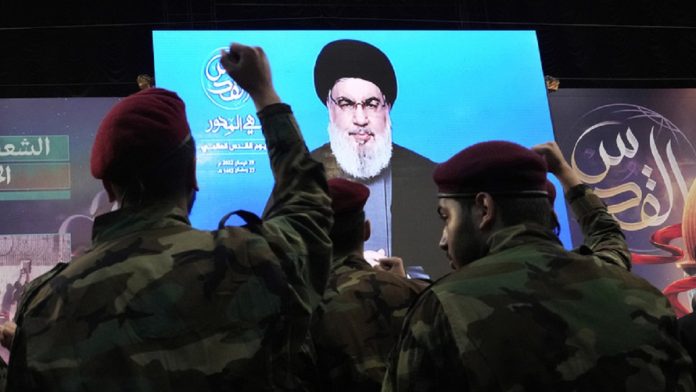
Sayyed Hassan Nasrallah, in a speech on Friday marking the International Quds Day, said the mid-May elections in Lebanon would not distract the resistance movement from responding to any Israeli attack.
“If the Zionist enemy makes even the slightest mistake, [this time,] it will not hear us say ‘we will respond at an appropriate time and place,’ but we will respond immediately and directly,” Nasrallah said.
He hailed the latest wave of armed Palestinian operations deep inside the 1948 occupied territories and the West Bank in defense of their homeland and al-Aqsa Mosque, saying such operations, particularly those carried out by individuals, has filled the Israeli regime with fear.
“The recent operations carried out by [Palestinian] individuals exposed the inability of the Zionist regime and its weak security situation and seriously undermined the trust that the Israelis had put in their army and cabinet,” he added.
The Hezbollah leader added that Israel once hoped that the Palestine issue would sink into oblivion with the passage of time, that Palestinians will forget their own land, and that Muslims and Arabs will be done with this holy occupied land, but this never materialized.
“We will never forget Palestine, we won’t lose hope and won’t surrender to pressure,” he said.
Nasrallah called for efforts against the trend of normalization with the Israeli regime, saying the best reaction to the “compromising” Arab summit with Israel in Negev was the operations in Palestine.
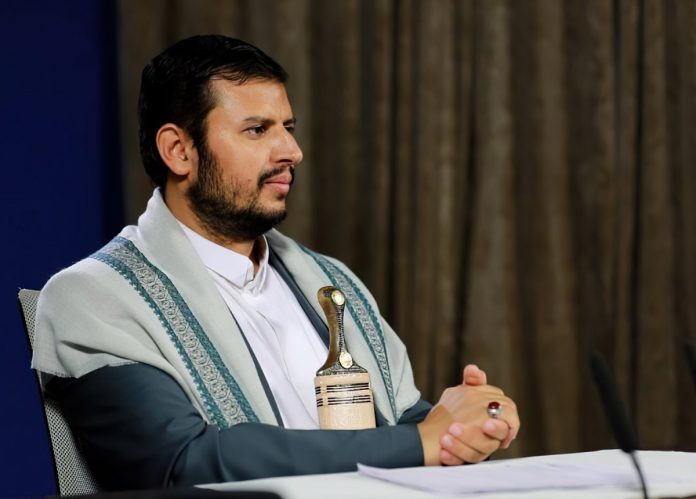
Those who are seeking an alliance with the Israeli enemy are betraying obvious principles, Ansarullah Movement leader stated in a speech marking International Quds Day on Friday.
He demanded that Israel stop acting against al-Quds, warning that if the city faces an existential threat there will be an all-out war in the region, in which the Israeli regime and the states that are compromising with it, will undoubtedly suffer and lose.
“The issue of Quds is the first issue of the Yemeni people, and we here in Sana’a tell the Palestinian people that they have never left you alone, and the issue of the liberation of Palestine is our main issue,” Houthi added.
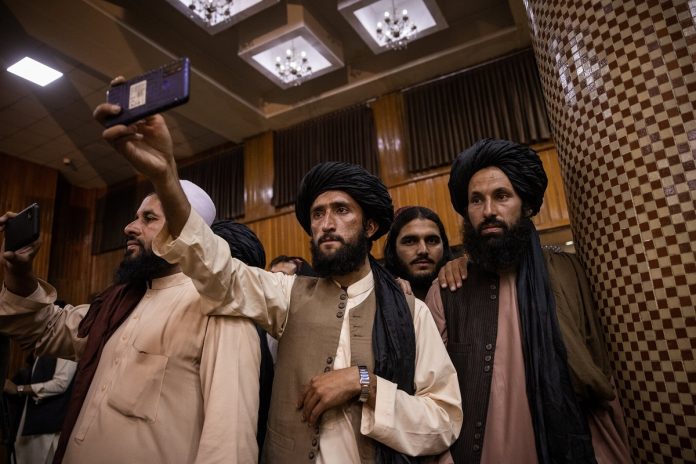
In a message issued on Friday ahead of the Eid al-Fitr holiday, which marks the end of Ramadan, Haibatullah Akhundzada said such recognition would enable the Kabul government to handle the country’s issues within the framework of international regulations and diplomatic norms.
“Afghanistan has its role in world peace and stability. According to this need, the world should recognize the Islamic Emirate of Afghanistan,” Akhundzada said.
Akhundzada added the world had turned into a “small village” and proper diplomatic relations would help resolve the country’s problems.
The Taliban returned to power in Afghanistan in August 2021 following the US military’s humiliating withdrawal from the country and the ensuing collapse of the Kabul government.
The Taliban-led government has not yet been officially recognized by any country.
Akhundzada said Afghanistan would not pose any threat to others under the Taliban.
He also slammed the US for “meddling” in the domestic affairs of Afghanistan and said Washington should not do so based on the terms of the agreement signed between the two sides in Doha, Qatar, in 2020.
In his message, Akhundzada also claimed that the Taliban had established a “powerful” army and security organization, without commenting on the latest wave of deadly explosions at mosques in different Afghan cities, claimed by the Daesh terror group.
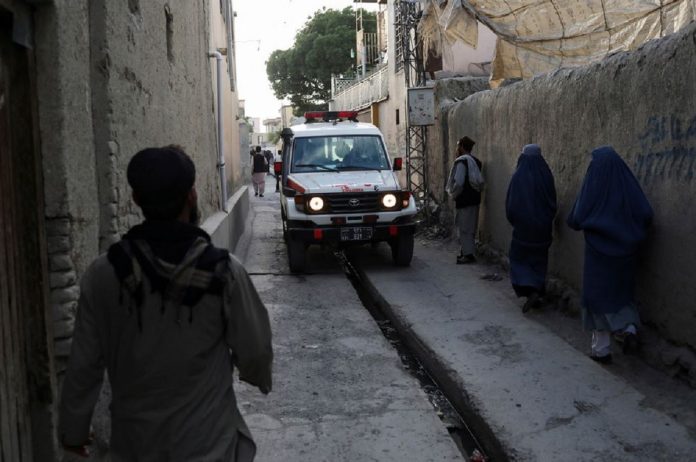
The Iranian Embassy issued the warning in a twitter post on Friday soon after a terrorist bombing at a Shia mosque in the Afghan capital that left dozens of people dead.
“This embassy condemns the episode and hopes that the interim Afghan government would succeed in fighting terrorism and extremism and ensuring the security of the Afghan people,” part of the twitter post read.
On Friday afternoon, a powerfull blast hit the Khalifa Sahib Mosque in the west of the Afghan capital Kabul killing at least 50 worshippers.
Several Afghan mosques have come under terrorist attacks over the past few weeks leaving scores of people dead and many others injured.
The violence has raised questions about the Taliban’s ability to fight terrorism and ensure security.
Russia says checkpoint in Kursk region shelled from Ukraine
The governor of Russia’s western Kursk region has claimed several shells were fired at a checkpoint near its border from the direction of Ukraine.
Speaking in a video posted on his Telegram channel, governor Roman Starovoit stated that there were no casualties or damage.
There was no immediate comment from Ukraine.
Multiple explosions reported in Odesa
Ukrainian media and witnesses are reporting multiple explosions in the southern city of Odesa.
The military’s Operational Command (South) said on Telegram that the runway at Odesa’s airport had been damaged.
The blasts were heard soon after air raid sirens sounded across the city.
One witness added that she saw at least one combat plane over the city.
“Russians are trying to annihilate the Ukrainians”: Ukrainian first lady
Ukraine’s first lady, Olena Zelenska, has said she believes Russia intends to destroy her country.
Speaking in an interview in which she revealed the profound upheavals the conflict has wrought on her family and fellow citizens, Zelenska told Polish newspaper Rzeczpospolita that the invasion of Ukraine “completely changed everything, including our lives.”
In a remote interview, Zelenska stated that since the invasion began on February 24, President Volodymyr Zelensky “moved to Bankowa Street (the president’s office in Kyiv), at his place of work,” while she has stayed with their children.
“There are no days off from work and no time off in the war. Often, you don’t even know the day of the week. There is only what today is, what needs to be done,” she added.
Zelenksa noted her children are studying remotely while she works through her initiative with other first ladies, governments of individual countries, activists and volunteers to organize evacuations of sick and orphaned children to safe places.
When asked if the war has changed her husband, she stated: “For some reason, I hear this question a lot. But the war didn’t change him.”
“You have to understand that he has always been like that. He was a man you could rely on. A man who will never fail. Now the whole world has seen what may not have been clear to everyone before,” she contineud.
In response to a question about what she thinks Vladimir Putin wants to achieve in Ukraine, Zelenska said Russia’s message keeps evolving and “this leads to the conclusion that their plans are constantly changing or not operating logically. But I don’t judge them by declarations but by deeds.
“What the Russian troops are doing in Ukraine leads directly to the conclusion that the Russians are trying to annihilate the Ukrainians, which is their true purpose,” she added.
“This conclusion comes to my mind when I see the destruction of Mariupol, from which even safe evacuation through humanitarian corridors was not allowed, when I see the bombing of residential buildings in Kharkiv, Chernihiv, Odesa, the railway station in Kramatorsk, destroyed by a Russian missile, where more than 50 people who tried to leave were killed,” she said.
“And of course, I came to this conclusion after the war crimes committed by the Russians in the Kyiv region, where we continue to discover the mass graves of murdered, executed non-combatants, women, and children,” she continued.
“Yes, I am convinced that the Russians want to destroy us and commit genocide. And it doesn’t matter what they say because their words do not match their deeds,” she stated.
Zelenska added that she is grateful to Poland for helping Ukrainian refugees as they are “looking forward to the most important news — that we have won and that they can go home.”
She said: “I will be happy when I can pass it on to them one day, hopefully as soon as possible.”
Mariupol residents face threat of diseases in addition to shelling & lack of food: Ukrainian officials
The residents of the besieged Ukrainian city of Mariupol are facing the threat of diseases, in addition to the shelling by Russian forces and lack of food and water, Ukrainian officials warned Saturday, describing the living conditions in the city as “medieval.”
“Cholera, dysentery, and Escherichia coli: about 100,000 Mariupol residents are in mortal danger not only due to shelling but also to intolerable living conditions and unsanitary conditions,” reads a post from the Ukrainian Parliament’s official Twitter account.
“The air temperature has already reached 20 degrees. Powerful and deadly epidemics could soon break out in the city – due to the lack of centralized water supply and sanitation, the decomposition of thousands of corpses under the rubble, and a catastrophic shortage of water and food,” the parliament said.
It added, “The occupiers cannot provide the existing population with food, water, and medicine. They block all evacuation attempts. And without that, people will die. Now in the ruined Mariupol, there are medieval living conditions. Immediate and complete evacuation is needed!”
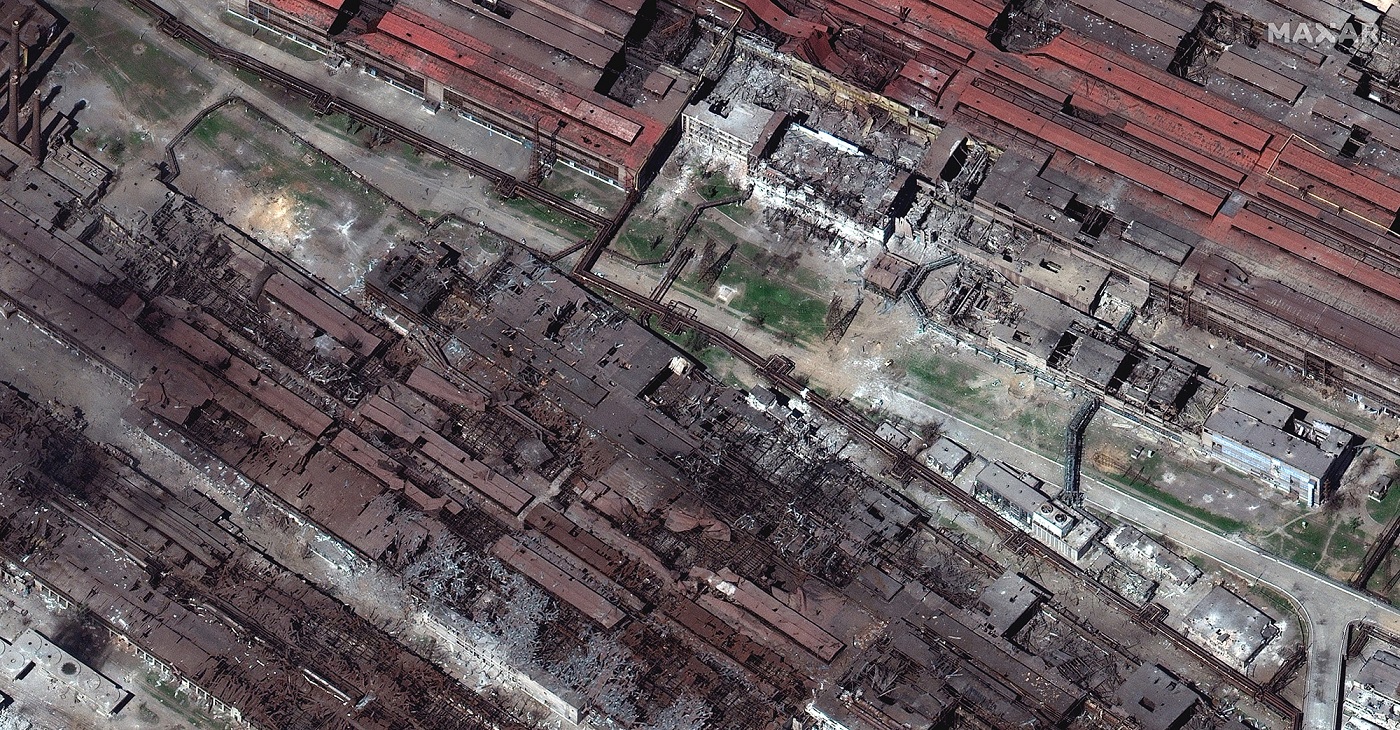
Azovstal steel plant in Mariupol has been significantly destroyed by Russian strikes
Nearly every building on the sprawling Azovstal steel plant, the last Ukrainian holdout in Mariupol, has been destroyed, new satellite images from Maxar Technologies show, according to CNN.
There are large holes in the roofs — the telltale sign of a military strike. Some roofs are completely collapsed, and some buildings have been reduced to rubble.
Many of the residential and government buildings directly east of the plant have also been completely destroyed.
Azovstal steel plant in Mariupol, Ukraine is seen in this satellite image taken April 29. (Maxarr Technologies)
CNN has previously reported that Ukrainian forces and hundreds of remaining residents have taken refuge in the deep basements at the steel plant. It’s unclear from the satellite images taken on Friday whether any of the military strikes have destroyed any of the basement facilities.
Sviatoslav Palamar, an Azov Regiment commander at the plant, told CNN on Friday that the plant has been intensely shelled by artillery, ships and airstrikes.
“There are cellars and bunkers that we cannot reach because they are under rubble,” Palamar said, adding, “We do not know whether the people there are alive or not. There are children aged four months to 16 years. But there are people trapped in places that you can’t get to.”
Three more bodies with hands tied found near Bucha: Police
The bodies of three men with their hands tied were found in a pit near Bucha, Ukraine police has claimed.
“On April 29, a pit with the bodies of three men was found in the Bucha district… The victims’ hands were tied, cloths were covering their eyes and some were gagged. There are traces of torture on the corpses, as well as gunshot wounds to various parts of the body,” a police statement said.
Russian forces destroy over 140 aircraft, 110 helicopters in Ukraine operation
Russian forces have eliminated over 140 combat aircraft, 110 helicopters and 650 unmanned aerial vehicles since the start of their special military operation in Ukraine, Russian Defense Ministry Spokesman Major-General Igor Konashenkov said on Saturday.
The Russian troops also destroyed 279 Ukrainian surface-to-air missile systems, 2,656 tanks and other combat armored vehicles, 307 multiple launch rocket systems, 1,189 field artillery guns and mortars and 2,492 special military motor vehicles, the spokesman said. “Overall, the following targets have been destroyed since the start of the special military operation: 142 aircraft, 112 helicopters and 658 unmanned aerial vehicles,” the general added.
US ignores Moscow’s inquiries about Washington’s military biological activity
Washington persistently disregards Moscow’s requests to provide information about its military biological activity beyond the US, Director of the Russian Foreign Ministry’s Department for Non-Proliferation and Arms Control Vladimir Yermakov told TASS on Saturday.
According to the diplomat, the extended build-up of military-biological activities by the United States and allies causes Moscow to raise specific questions in the context of their implementation of the Convention on the Prohibition of the Development, Production and Stockpiling of Bacteriological (Biological) and Toxin Weapons and on their Destruction (BTWC).
“Taking into consideration the cross-border nature of biological threats, this poses considerable risks to security of both our state and neighboring regions. Nevertheless, Americans stubbornly ignore our requests to provide information on this activity,” Yermakov added.
Russia believes the risks of nuclear war should be kept to a minimum and that any armed conflict between nuclear powers should be prevented, the official continued.
Yermakov stated all nuclear powers must stick to the logic laid out in official documents aimed at preventing nuclear war.
Foreign Minister Sergei Lavrov noted on Monday the West should not underestimate the elevated risks of nuclear conflict over Ukraine, although the US subsequently said it did not believe there was a threat of Russia using nuclear weapons despite an escalation in Moscow’s rhetoric.
Macron promises Zelensky to boost military aid to Kiev
French President Emmanuel Macron in a telephone conversation with his Ukrainian counterpart Volodymyr Zelensky promised to increase military and humanitarian aid to Kiev, BFMTV reported on Saturday, citing sources.
The leaders of France and Ukraine held a phone conversation earlier on Saturday.
According to BFMTV, Macron promised Zelensky “to strengthen assistance to Ukraine in defensive weapons and humanitarian support”.
Germany refuses to pay for Russian gas in rubles
Germany does not plan to pay for Russian gas in rubles and is currently doing everything to end its dependency on Russian energy, German Finance Minister Christian Lindner said on Saturday.
“We will not let [Russia] to blackmail us! And we will not pay for Russian gas in rubles in the future either. It is clear that we are doing everything to become independent from Russia as soon as possible,” Lindner wrote on Twitter.
On Wednesday, Russian energy giant Gazprom decided to suspend gas supplies to Bulgarian company Bulgargaz and Poland’s PGNiG from 27 April due to their refusal to pay for Russian gas in rubles.
NATO weighs in on military threat to Ukraine neighbor
Attempts to destabilize Moldova are already underway, but there’s currently no imminent military threat to the former Soviet republic, NATO’s Deputy Secretary General Mircea Geoana has said.
NATO expects more provocative acts and actions under false flag in Moldova during the conflict between Russia and Ukraine, the Romanian politician told local news channel Digi 24.
However, the US-led bloc doesn’t believe the country of 2.6 million, sandwiched between Ukraine and Romania, to be under imminent military threat, Geoana added.
He mentioned ‘provocations’ already starting in Moldova and added that these are likely aimed at creating difficulties for the Ukrainian forces in the country’s west, in the Odessa area, he suggested, without specifying who might be responsible for them.
The Moldovan region that has declared itself independent, Transnistria, which stretches along the border with Ukraine, has seen a string of strange incidents this week.
EU to propose banning Russian oil by year-end
The EU is set to propose that Russian oil be banned by the end of the year, with restrictions on imports introduced gradually until then, according to people familiar with the matter, Bloomberg reported.
The EU will also push for more banks from Russia and Belarus, including Sberbank PJSC, to be cut off from SWIFT, the international payment system, stated the people.
A decision on the new sanctions, the EU’s sixth round of measures against Russia, could be made as soon as the coming week at a meeting of the bloc’s ambassadors.
Russia condemns US accusation of ‘cruelty and depravity’
Russia’s ambassador to the US has rejected Pentagon spokesman John Kirby’s accusation that President Vladimir Putin has acted with “cruelty and depravity” in Ukraine.
Anatoly Antonov described Kirby’s comments as “offensive and unacceptable” and akin to “street insults”.
“It has become a norm here that administration officials base their judgements on dirty lies of the Ukrainian authorities,” Antonov wrote on social media.
He also accused the US of not wanting the war in Ukraine to end so they could benefit from arms sales, stating, “What matters for John Kirby and his colleagues is that the American military-industrial complex receives additional income by getting rid of obsolete weapons from their warehouses”.
Finland & Sweden joining NATO to strengthen northern Europe: Finnish President
Russia’s operation in Ukraine prompted Finland and Sweden to join NATO, and their membership in the bloc will make northern Europe more stable and strong, Finnish President Sauli Niinisto said on Saturday.
“Of course, the security situation has changed. The first change was that Russia tried to limit the sovereignty [of other countries] and create a sphere of influence. The second is that Russia used military force incredibly harshly. And when a neighbor behaves in this way, then, of course, attention must inevitably be paid to this,” Niinisto stated in an interview with the Ilta-Sanomat newspaper.
If Finland and Sweden join NATO, this will create a stable and strong North, he added.
Russia showing “absolute unwillingness” to agree on evacuation proposals for Mariupol: Ukrainian official
Russia is rejecting all evacuation proposals for Mariupol, according to a senior Ukrainian official.
Myhailo Podoliak said that Russia is rebuffing efforts to help evacuate people from the besieged port city “because it is symbolic for the enemy to destroy the city and its defenders — the Azov Regiment.”
The Azov Regiment, sometimes referred to as the Azov Battalion, is a unit that began as an ultra-nationalist volunteer battalion but has since integrated into the Ukrainian armed forces.
“The president and the head of the president’s office are continuously appealing to world leaders to help us convince the Russian side of the need for a humanitarian corridor from Mariupol,” Podoliak stated in a statement posted on the governing Servant of the People party’s website.
“Some political leaders turn to Putin through their personal channels, urging him to do this for humanitarian reasons. However, unfortunately, there is no response from the Russian side,” Podoliak added.
He noted the Russians showed “absolute unwillingness to talk” or make concessions.
Ukrainian officials have announced that about 100,000 civilians require evacuation from Mariupol, which has been devastated by weeks of Russian shelling.
Ukraine accuses Russia of seizing 2,000 artworks in Mariupol
Ukrainian officials have accused Russian soldiers of seizing more than 2,000 artworks from museums in Mariupol and moving them to parts of the Russian-controlled Donbas region.
“The occupiers ‘liberated’ Mariupol from its historical and cultural heritage. They stole and moved more than 2,000 unique exhibits from museums in Mariupol to Donetsk,” the Mariupol city council said in a statement posted on Telegram.
The council added that the artwork included works by famous painters Arkhip Kuindzhi and Ivan Aivazovsky, as well as a handwritten Torah scroll and the Gospel of 1811, made by the Venetian printing house for the Greeks of Mariupol.
Russia FM asks US, NATO to stop supplying arms to Ukraine
Russia’s foreign minister has again urged the United States and NATO to stop supplying Kyiv with arms if they are “really interested in resolving the Ukraine crisis”, Chinese state media has reported.
“If the US and NATO are really interested in resolving the Ukraine crisis, then first of all, they should wake up and stop supplying the Kyiv regime with arms and ammunition,” Sergey Lavrov said in an interview with China’s official Xinhua news agency.
The US and several European countries have supplied weapons worth billions of dollars to Ukraine in its fight against Russian aggression. US President Joe Biden has asked Congress for $33bn to support Ukraine.
The Russian military in Ukraine are doing everything depending on them to avoid casualties among civilians, Lavrov stated.
“The special military operation is on track. Russian servicemen are doing everything depending on them to avoid losses among noncombatants within its framework. Strikes are made by high-precision weapons, in the first instance against military infrastructural facilities and materiel concentration areas. Unlike the Ukrainian army and nationalistic armed units using the population as the human shield, the Russian army provides all the possible help and support to local population,” he stressed.
Russia says strategic stability dialogue with US formally ‘frozen’
Dialogue between Moscow and Washington on strategic stability is formally “frozen”, the TASS news agency cited a Russian foreign ministry official as saying.
Vladimir Yermakov, head of nuclear non-proliferation and controls at the foreign ministry, told TASS those contacts could be resumed once what Russia calls its “special military operation” in Ukraine was complete.
Ukraine claims Russia stole ‘several hundred thousand tonnes’ of grain
Russian forces have stolen “several hundred thousand tonnes” of grain in the areas of Ukraine they occupy, Ukraine’s deputy agriculture minister has claimed.
Speaking to Ukrainian national TV, Taras Vysotskiy expressed concern that most of what he stated was 1.5 million tonnes of grain stored in occupied territory could also be stolen by Russian forces.
Russia forced to merge, redeploy depleted units: UK
Britain announced Russia has been forced to merge and redeploy depleted and disparate units from failed advances in northeast Ukraine.
“Shortcomings in Russian tactical coordination remain. A lack of unit-level skills and inconsistent air support have left Russia unable to fully leverage its combat mass, despite localised improvements,” the British military said in a post on Twitter.
“Russia hopes to rectify issues that have previously constrained its invasion by geographically concentrating combat power, shortening supply lines and simplifying command and control,” the military added.
Shelling in Russia’s Bryansk hits parts of oil terminal: Regional governor
Two strikes hit the Russian village of Zhecha in Starodubsky district, Bryansk regional governor Alexander Bogomaz has said on his telegram channel.
The shelling struck parts of an oil terminal and the surrounding area, he stated, adding that there were no victims.
The incident took place at 6:50am local time (3:50am GMT), Bogomaz noted, as Russian air defence prevented an Ukrainian aircraft from entering the Bryansk region.
Czech Republic & Denmark refuse to pay for Russian energy in rubles
Czech Prime Minister Petr Fiala stated Prague has no plans to pay for Russian gas deliveries in rubles, as demanded by Moscow.
He was quoted by media after speaking at a joint press conference with his Polish counterpart, saying: “As for the ruble payment, the Czech Republic does not intend to give in to Russia’s blackmail. Other countries that agree to this are making a mistake. It is a violation of sanctions. It is dangerous.”
Danish energy group Orsted has also signaled it has no intention to pay for gas supply in the Russian currency. The company’s CEO Mads Nipper explained to Market Wire that “this is because we are devastated over what happens [in Ukraine] and refuse to give in to unilateral demands from Russia and Gazprom.”
Orsted has a long-term gas supply contract with Gazprom for annual deliveries of up to two billion cubic meters, which runs from 2011 to 2030.
Ukraine claims nearly 23,000 Russian troops killed in war
Ukraine has claimed that Russia lost nearly 23,000 troops since the beginning of the war.
Ukrainian forces have destroyed 189 Russian aircraft, 155 helicopters, 134 unmanned aerial vehicles, 986 tanks, 2,418 armored vehicles and 435 artillery systems, according to the Ukrainian General Staff’s latest update.
Some 151 Russian multiple rocket launcher systems, 1,695 vehicles, 76 fuel tanks, 73 anti-aircraft systems and eight boats have also been destroyed, it added.
At least 219 children have been killed and 398 others injured in Russia’s ongoing war on Ukraine, authorities claimed.
Some 1,550 educational institutions have been damaged in Russian attacks, including 102 which were completely destroyed, according to the Ukrainian Prosecutor General’s Office.
At least 2,829 civilians have been killed and 3,182 others injured in Ukraine since the war started on Feb. 24, according to UN estimates. The true toll is feared to be much higher.
So far, 7.7 million people in Ukraine have been internally displaced, with more than 5.3 million fleeing to other countries, according to the UN refugee agency.
Russia wants sanctions lifted as part of peace talks
Foreign Minister Sergey Lavrov told Xinhua news agency that a Russian demand for the removal of sanctions was part of its peace negotiations with Ukraine.
He described the talks, which are taking place on video link, as “difficult”.
Ukraine President Volodymyr Zelenskyy has told Polish journalists that the chance of the talks ending was “high” because of Russia’s “playbook on murdering people,” the Interfax news agency reported.
The conflict between Moscow and Kiev, as well as the ongoing Ukrainian crisis, is the direct result of the West’s push to create a unipolar world, one which involved NATO’s unabated eastward expansion, Lavrov stated.
“The US and NATO have always seen Ukraine as an instrument of containing Russia,” the minister said, adding that the reasons that eventually prompted Moscow to launch its military operation in Ukraine lay with a years-long western policy that included stirring up anti-Russian sentiments among Ukrainians and forcing them to make a “false choice” between the West and Russia.
Kharkiv hit by sustained Russian shelling
Kharkiv’s regional military administration claims the city has been hit by multiple Russian attacks.
One person was killed and five were injured “as a result of enemy artillery and mortar strikes”, Kharkiv’s regional military administration stated on its Telegram account on Saturday.
The city is the second biggest in Ukraine.
Russia secures ‘tactical advances’ in Donetsk, Luhansk: IOW
The Institute for the Study of War (IOW) has released its latest update on the situation on the ground.
The key points:
Russia continued to shell the “entire frontline” in Donetsk and Luhansk and “secured several tactical advances”.
Russian military probably intends to leave a “minimal force” in Mariupol to block Ukrainian forces in the Azovstal plant.
Ukraine recaptured Ruska Lozova and continued counterattacks northeast of Kharkiv.
Ukraine cracks down on anyone suspected of ‘collaboration’
Ukrainian authorities are cracking down on anyone suspected of aiding Russia and its forces.
Offenders face up to 15 years in prison for acts of collaborating with the invaders or showing public support for them under new laws adopted by Ukraine’s parliament after the Russian invasion.
A “registry of collaborators” is being compiled and will be released to the public, Oleksiy Danilov, head of Ukraine’s Security Council, was quoted as saying in a report by The Associated Press news agency. He would not say how many people had been targeted nationwide.
Ukraine’s State Bureau of Investigations has announced more than 200 criminal cases on collaboration have been opened, while President Volodymyr Zelensky has also stripped two security service generals of their rank over alleged collaboration, accusing them of treason.
‘Begging to get saved’: Mariupol plant survivors in dire conditions
The UN continues to broker an evacuation of civilians from the increasingly hellish ruins of the besieged city of Mariupol.
The mayor of Mariupol said the situation inside the steel plant, which has become the southern port city’s last stronghold, is dire and citizens are “begging to get saved”.
Mayor Vadym Boychenko added: “There, it’s not a matter of days. It’s a matter of hours.”
The Russian foreign minister appears to have dismissed the need for the United Nations to help secure humanitarian corridors out of Ukraine’s besieged cities.
As an interviewer at Saudi-owned Al-Arabiya TV tried to ask Sergey Lavrov about UN Secretary-General Antonio Guterres’s call for humanitarian assistance and the evacuation of civilians, Lavrov cut him off.
Zelensky says defence of Ukraine is the ‘fight for our lives’
In his daily address, President Volodymyr Zelensky says the situations in Kharkiv and Donbas are difficult amid constant Russian attacks.
“The situation in Kharkiv region is difficult,” he stated.
“The occupiers are doing everything to destroy any life at the Donbas territory. Constant cruel bombardments, constant Russian strikes on infrastructure and residential areas state that Russia wants to make this territory uninhabited. That’s why the defence of our land and our people is literally the fight for our lives,” he added.
Moscow: Over one million people evacuated into Russia since invasion
Foreign Minister Sergey Lavrov stated some 1.02 million people have been evacuated into Russia since Moscow invaded Ukraine on February 24.
The number includes 120,000 foreigners and people evacuated from the Russian-backed breakaway regions of Ukraine, the so-called Donetsk and Luhansk People’s republics.
Lavrov made the comments to China’s state-run Xinhua news agency.
Russia has overcome the sanction pressure of Western states and the situation has already been stabilizing, Lavrov said.
“The special operation for protection of Donbass has become the cause for the collective West to introduce large-scale restrictive measures against Russia, its legal entities and individuals. The US, the UK, Canada, countries of the European Union do not hide the goal of “strangling” our economy, undermining its competitiveness and blocking further progressive development of the country,” Lavrov added.
“It is obvious such anti-Russian line cannot be justified by anything and also has no prospects. As President [of Russia Vladimir] Putin noted, Russia withstood this unprecedented pressure. The situation is stabilizing now, although, certainly, by no means all risks have already gone. In any case, it will not work out to weaken us,” the Minister said.
Russia “will readjust the economy and safeguard itself against possible illegitimate unfriendly actions of opponents in future,” Lavrov noted.
“We will continue responding in a balanced and appropriate way to introduced restrictions, following tasks of supporting stability of the Russian economy, its financial system, and interests of domestic business and the entire population,” he continued.
US training Ukrainian forces in Germany: Pentagon
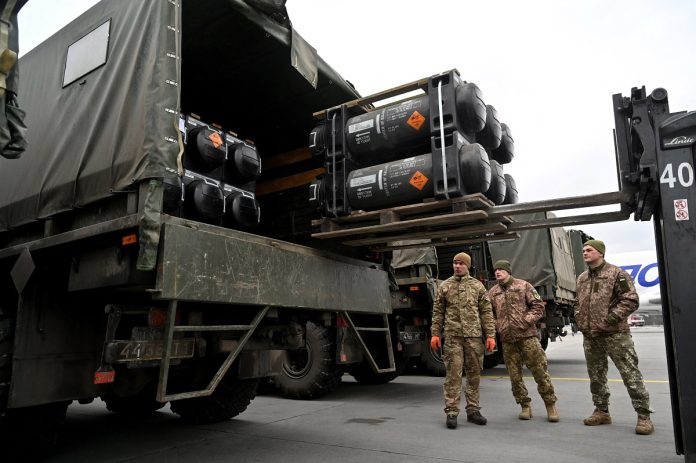
The United States is training Ukrainian forces in Germany on weapons recently delivered as part of Washington’s ongoing military assistance to Kyiv, the Pentagon has announced.
“Today, I can announce that the United States has commenced training with Ukrainian armed forces on key systems at US military installations in Germany,” Department of Defense spokesperson John Kirby told reporters.
“These efforts build on the initial artillery training that Ukraine’s forces already have received elsewhere, and also includes training on the radar systems and armoured vehicles that have been recently announced as part of security assistance packages,” he added.
Kirby condemned the way Russian President Vladimir Putin is conducting the war in Ukraine.
“Innocent people shot in the back of the head, hands tied behind their backs. Women, pregnant women being killed, hospitals being bombed. I mean, it’s just unconscionable,” Kirby told reporters at the Pentagon.
“It’s brutality of the coldest and most depraved sort,” he added.
US opposes Putin G20 invitation
The United States has expressed concern over the invitation of Russian President Vladimir Putin to the G20 summit saying there could no longer be “business as usual” with Moscow since the invasion of Ukraine began.
“The President has expressed publicly his opposition to President Putin attending the G20. We have welcomed the Ukrainians attending,” White House press secretary Jen Psaki told journalists.