Thursday, December 25, 2025
Home Blog Page 1933

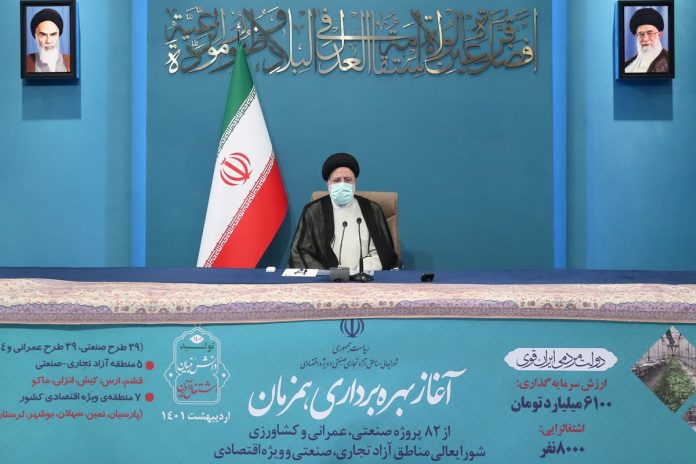
Iran’s president unveils 82 projects

Iranian President Ebrahim Raisi

During the ceremony, Raisi said the free and special trade zones are on path toward booming employment, production, entrepreneurship, exports and investment attraction.

The president added that to realize an 8% economic growth under the budget act of the Persian year of 1401, Iran needs foreign and domestic investors and an increase in productivity.

Raisi referred to the need for his administration to let the private sector play a more active role, saying free and special trade zones must avoid administrative and prolonged paperwork.

The president then underlined activities must be science- and technology-based.

He added that if knowhow and science is mixed with economic possibilities, the finished product will be lasting.

The projects across Iran were inaugurated with an investment of 6,100 billion tomans (USD 224 million) in Qeshm, Kish, Anzali, Maku, Parsian, Sahlan, Bushehr, Lorestan, Lamerd and Namin. They are projected to create 8,000 direct and indirect jobs in the country.

Report: Israel not to investigate killing of Palestinian correspondent

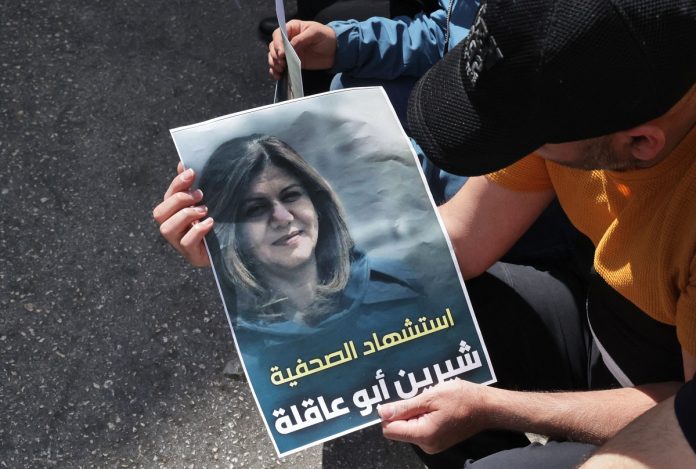
Shireen Abu Akleh

Israel’s Military Police Criminal Investigation Division believes that an investigation that treats Israeli soldiers as suspects will lead to opposition within Israeli society, the Israeli newspaper Ha’aretz reported on Thursday.

Previous investigations into the killings of Palestinians by Israeli soldiers have led to controversy within Israel, with many Israelis believing that soldiers should not be prosecuted for such acts.

In response to the report, Abu Akleh’s family stated they were not surprised by the Israeli military potentially not investigating Abu Akleh’s death.

“[We] were expecting this from the Israeli side. That’s why we didn’t want them to participate in the investigation,” the family said in a statement to Al Jazeera.

“We want to hold whoever is responsible for these acts accountable,” the statement added.

“We urge the United States in particular since she is a US citizen and the international community to open a just and transparent investigation and to put an end to the killings,” it noted.

Abu Akleh, 51, was killed by an Israeli soldier last Wednesday, according to witnesses and colleagues who were present when she was shot while covering an Israeli military raid in the occupied West Bank city of Jenin.

The veteran reporter, who had spent nearly three decades covering the West Bank and Gaza Strip, was wearing a helmet and a vest with the word “press” emblazoned on it. She was hit in the back of the neck, in the small space between the helmet and the vest. Shots continued to be fired when colleagues and bystanders attempted to help Abu Akleh.

Abu Akleh was a US citizen residing in the occupied East Jerusalem.

The Abu Akleh family received reassurances from the US government that her killing would be investigated.

Israeli authorities initially announced Palestinian fighters were responsible for her death, circulating video of Palestinian men shooting down an alleyway. However, researchers from the prominent Israeli human rights group Btselem found the spot where the clip was filmed: 300 metres away and with no line of sight to the location where Shireen was shot.

Israel later backtracked from its suggestion, and said it would open an investigation.

“The reason for this is that you would actually have to open a criminal investigation into a serving Israeli army officer or soldier on an active military operation. That’s something that Israeli politics in this current climate finds absolutely untenable,” Al Jazeera’s reporter Imran Khan said from West Jerusalem.

“The government would be attacked if that investigation took place. It would be heavily criticised. The opposition would use it to make political ground with the government,” he added.

“Also, generally with Israelis itself, they see the army as being untouchable, as being defenders of Israel and therefore anything that they do on a military operation is untouchable,” he stated.

The Ha’aretz report also added there was “no suspicion” of a criminal act, with soldiers questioned saying that they thought they were firing at a Palestinian fighter, despite witnesses and Al Jazeera journalists reporting that there was no shooting in Abu Akleh’s vicinity.

Bullet fragments were retrieved from Abu Akleh’s body but the Palestinian Authority has declined to give the evidence to Israel, saying the latter has a long history of not investigating the deaths of Palestinians properly and merely issuing light sentences or warnings to its soldiers who have carried out killings.

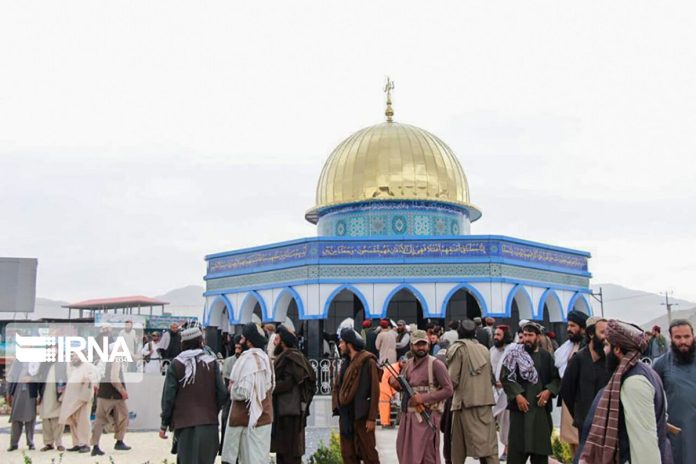
Symbol of support for Palestine: Taliban unveil replica of al-Aqsa Mosque building in Kabul

Al-Aqsa Mosque building in Kabul

Taliban officials and a large number of people were present during the unveiling of the structure in Kabul on Wednesday.

Since they took power in Afghanistan in August last year, the Taliban have been voicing support for Palestine.

Taliban officials condemned the killing of Al Jazeera reporter Shireen Abu Akleh by Israeli forces in Jenin last Wednesday.

Afghanistan’s foreign ministry said in a statement, “We condemn the Israeli occupation’s deliberate killing of Al Jazeera journalist Shireen Abu Akleh in Palestine.”

International Museum Day and Cultural Heritage

International Museum Day and Cultural Heritage in Iran

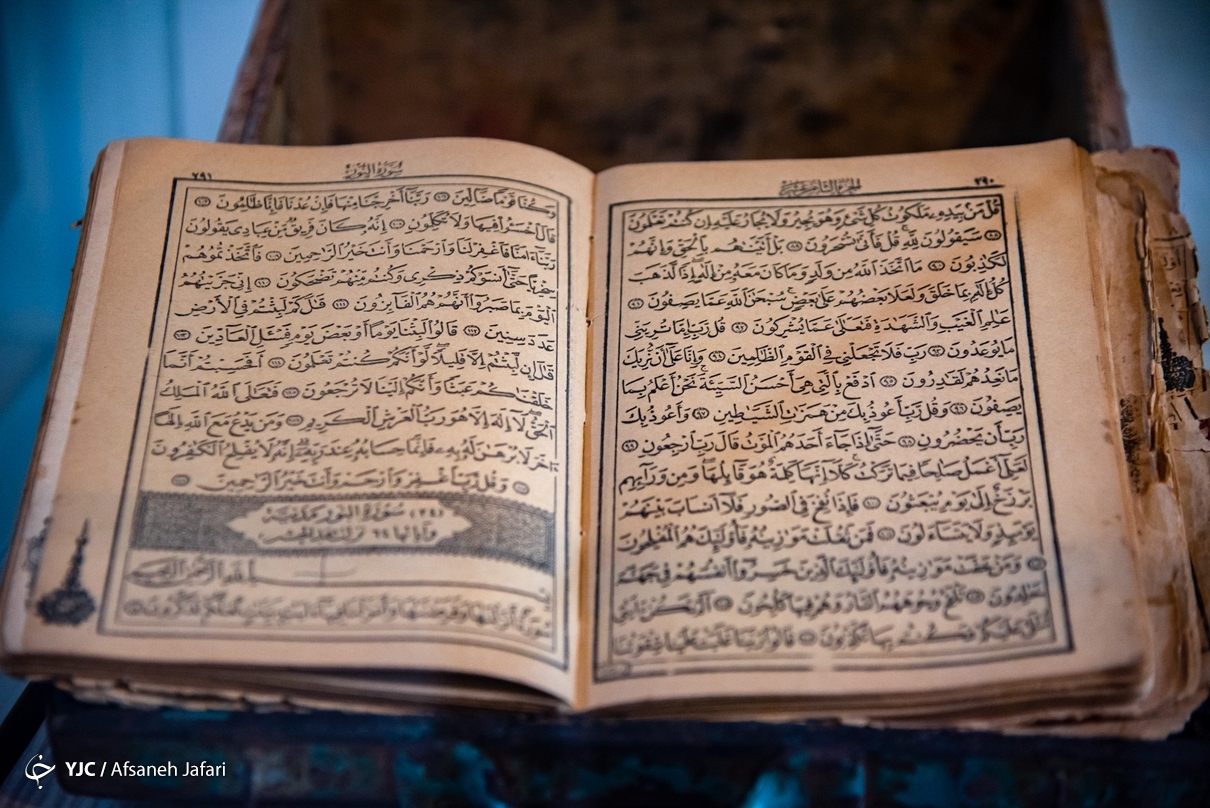
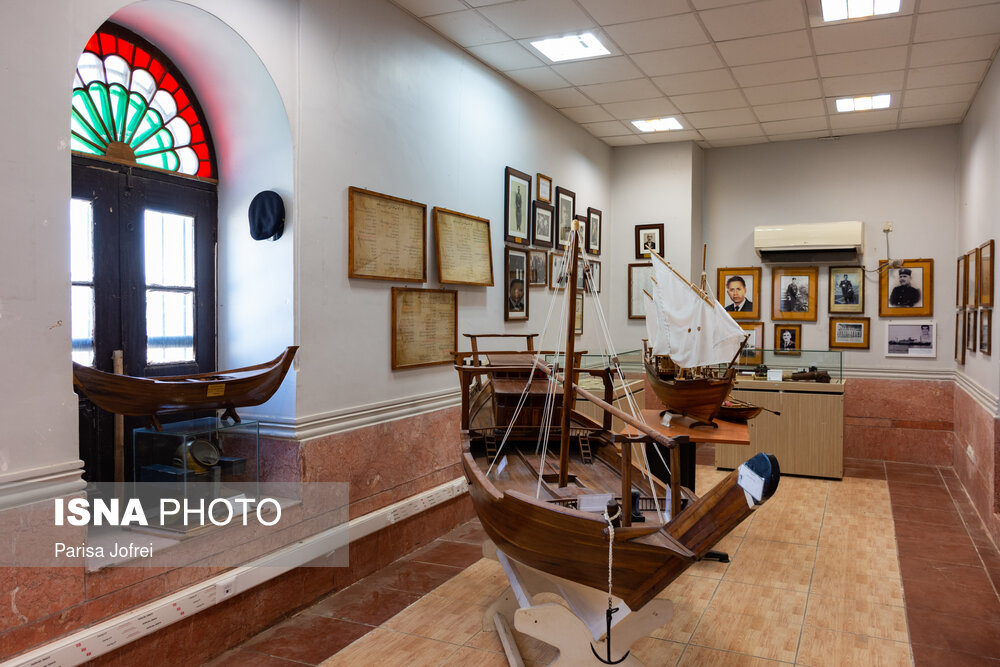
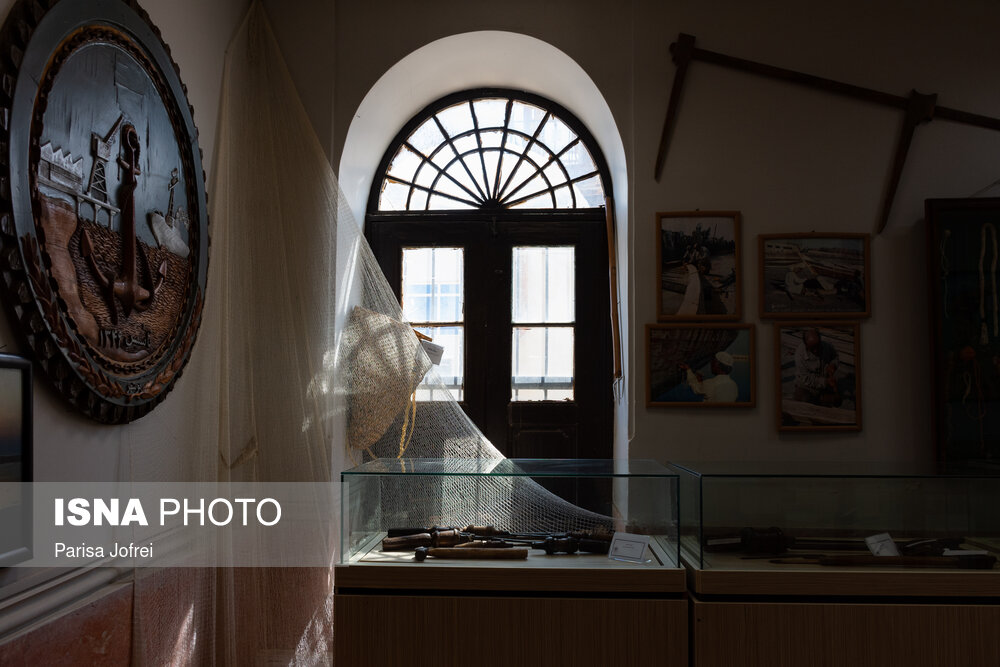
Introduction of two museums in Bushehr province on occasion of International Museum Day and Cultural Heritage.

On the occasion of International Museum Day and Cultural Heritage Week in Iran, we are going to introduce you two ancient museums of Bandar Siraf and the Bushehr Sea Trade Museum.

The Young Journalists Club reports that the historic port of Siraf and the port city of Bushehr are replete with hidden treasures of civilization on the coast of the Persian Gulf.

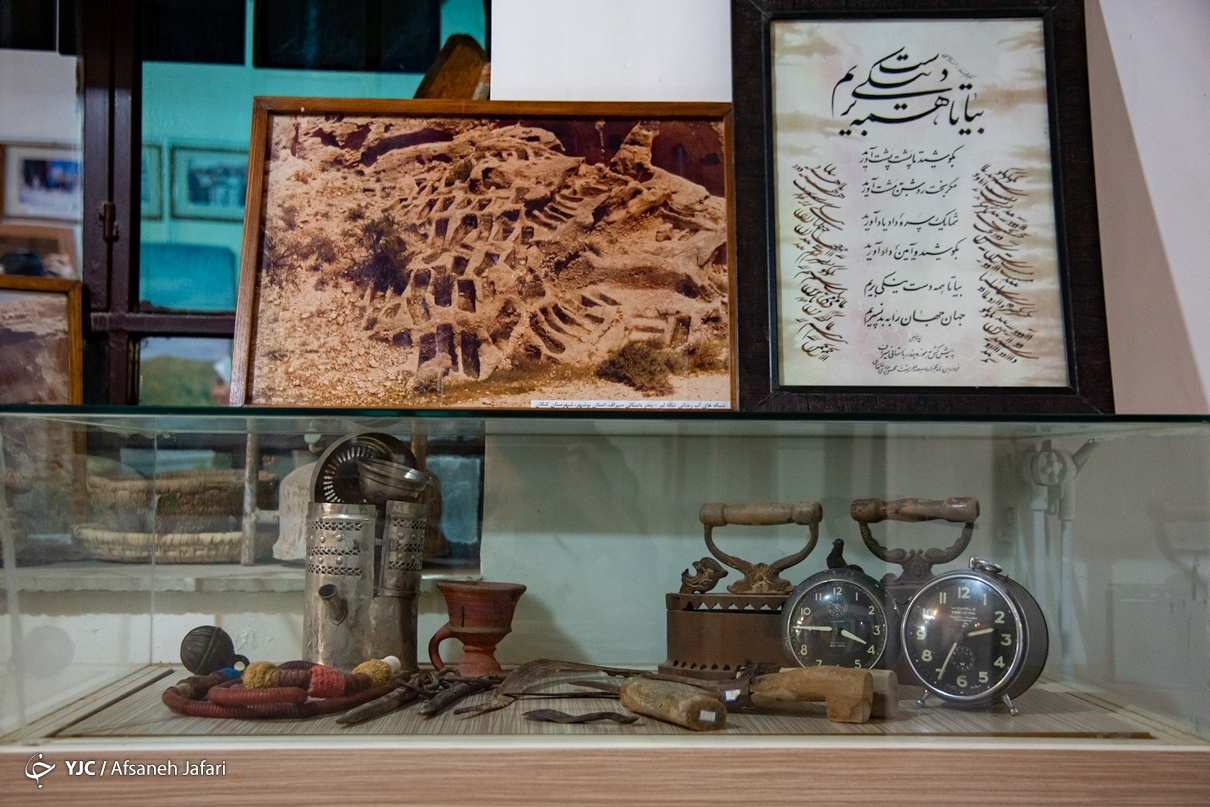
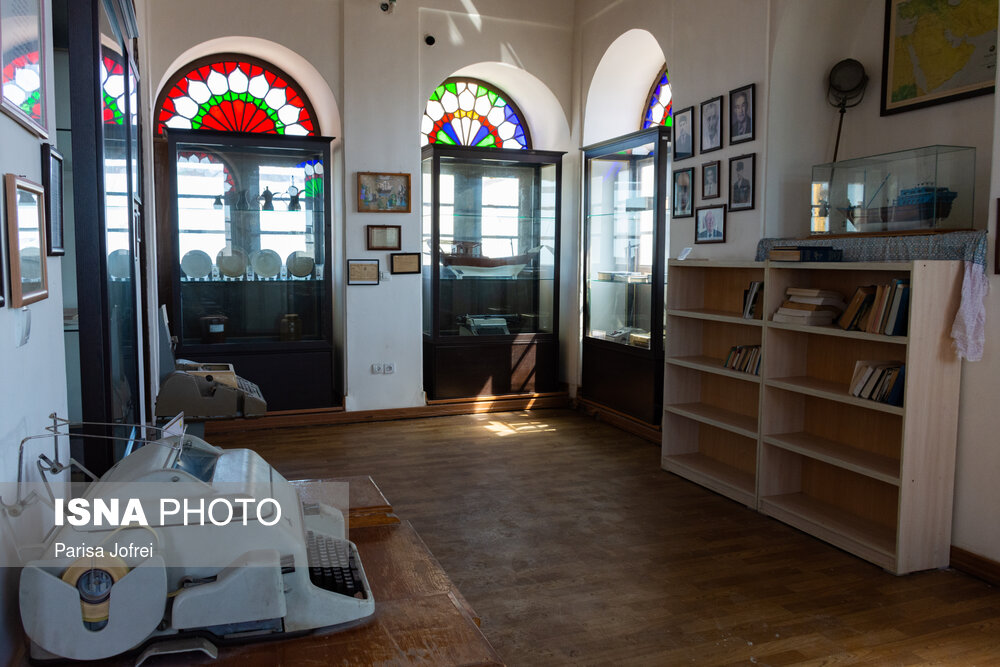
The Siraf Museum is a plain, old building and has several rooms. It is in the house of Dr. Whitehouse who was the head of the Bandar Siraf port’s archaeological team in the 1960s.

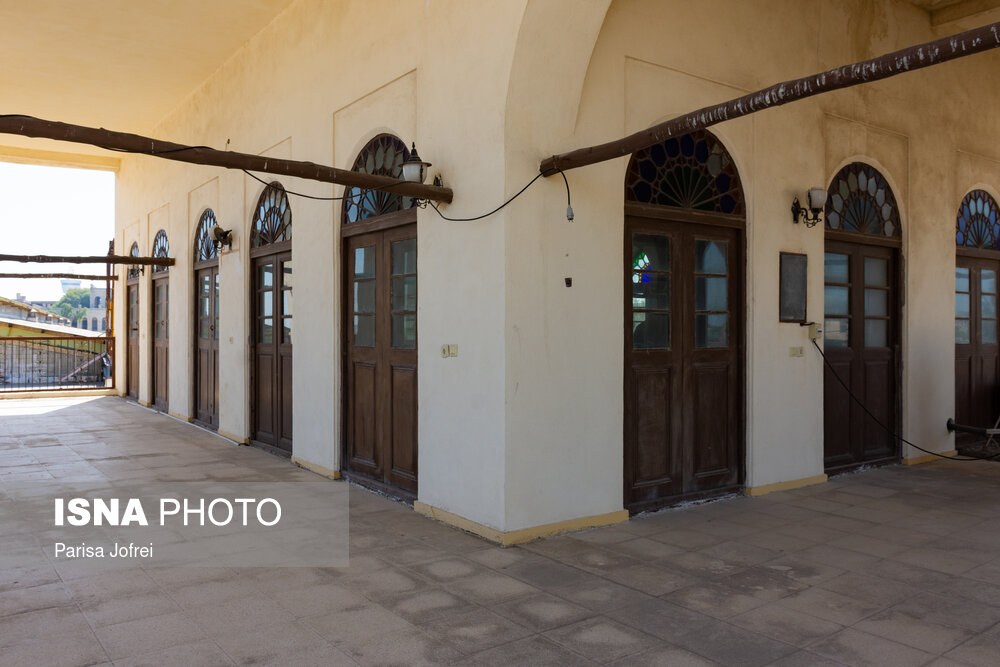
Meanwhile, the Sea Trade Museum is inside the Iranian Mansion that belonged to one of the most famous merchants of the Qajar period. This building is over 100 years old.

Archaeological Museum of Bandar Siraf Siraf Museum in Kangan city of Bushehr province is one of the most beautiful and attractive places in Siraf (Wikipedia).

The Siraf Museum is a plain, old building and has several rooms. It is in the house of Dr. Whitehouse who was the head of the Bandar Siraf port’s archaeological team in the 1960s.

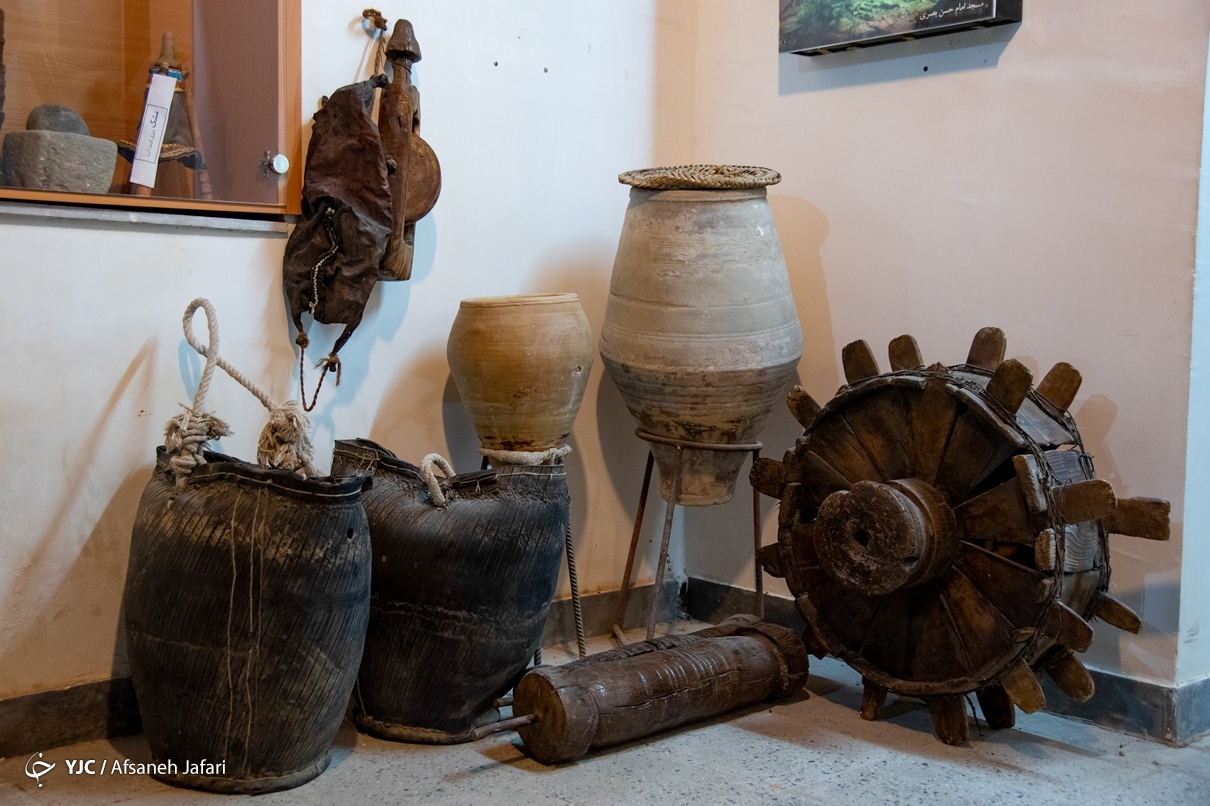
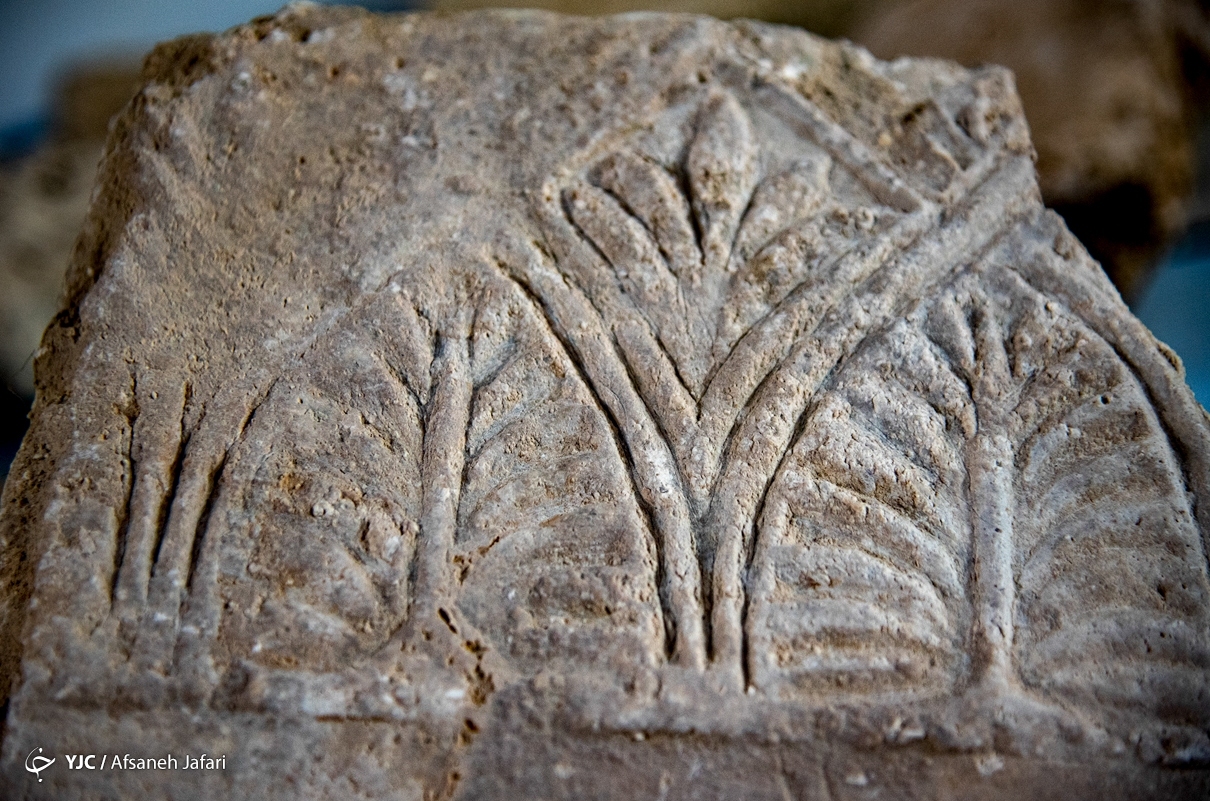
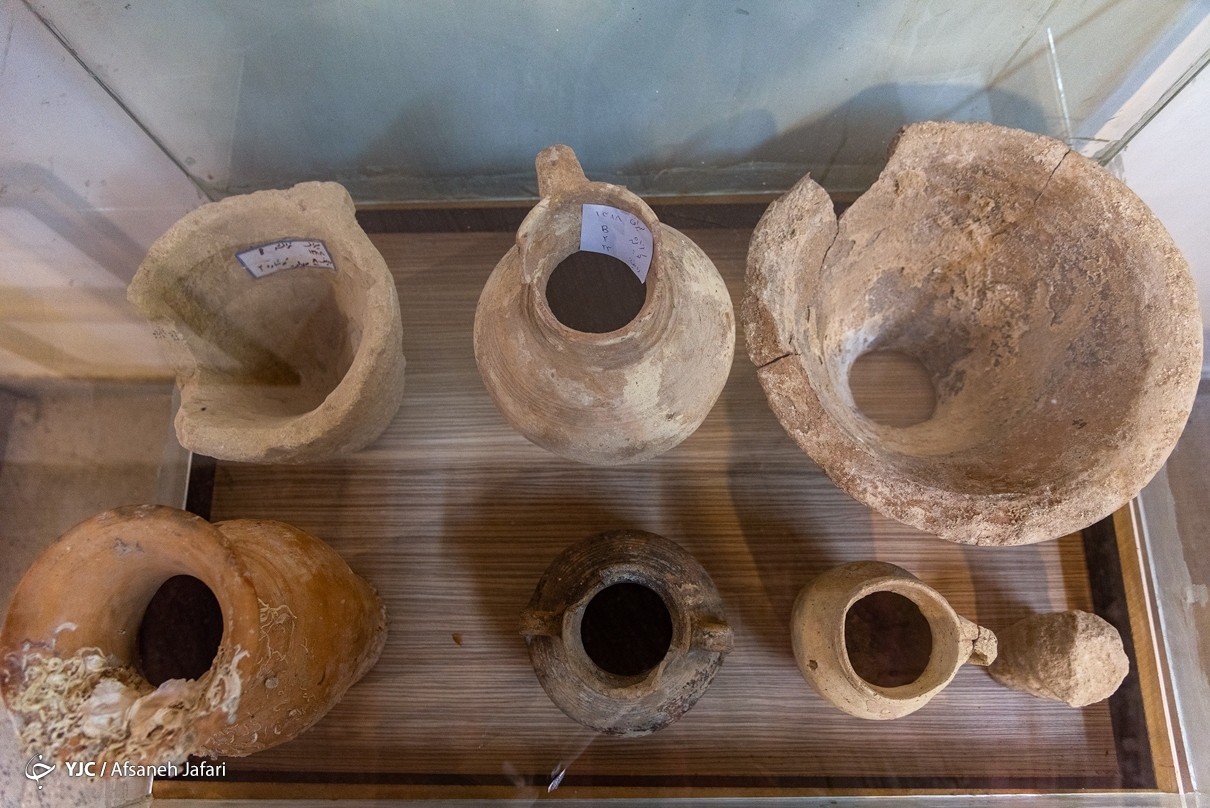
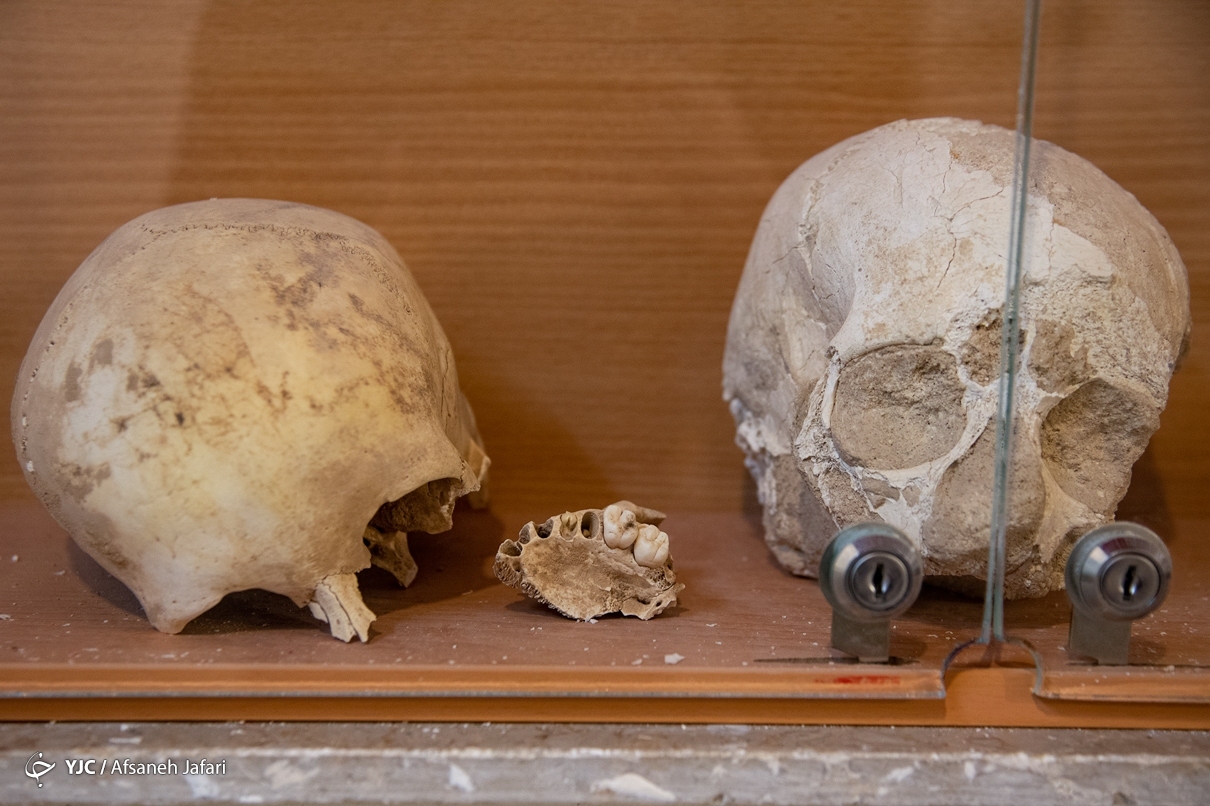
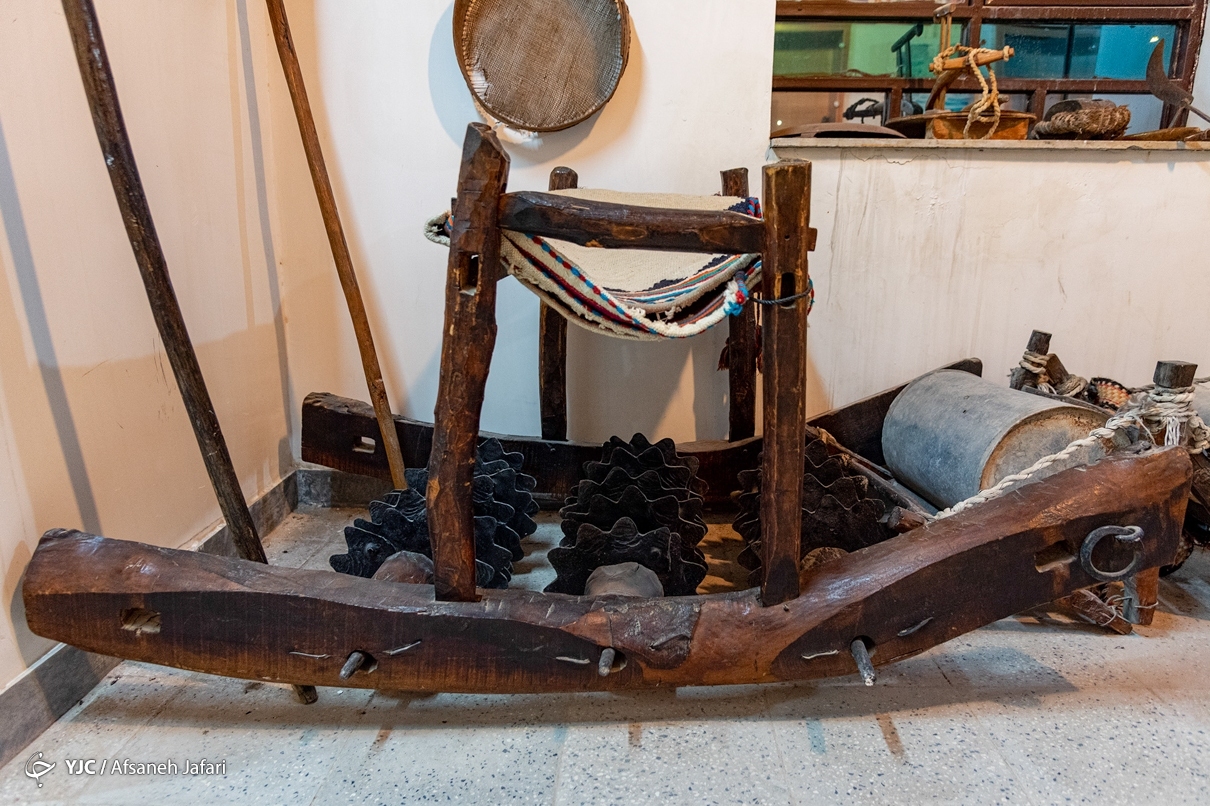
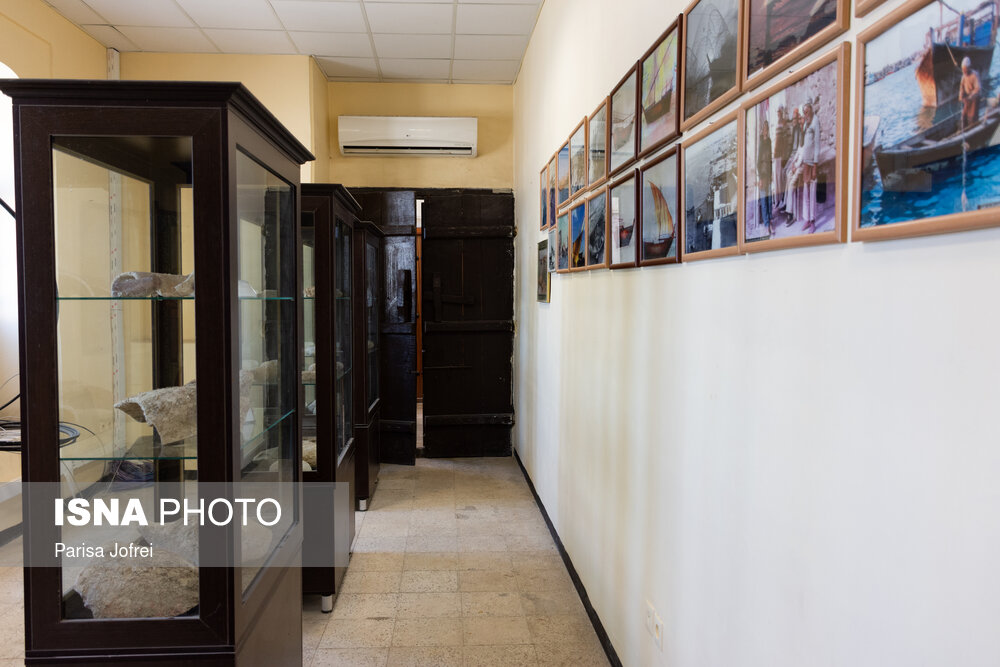
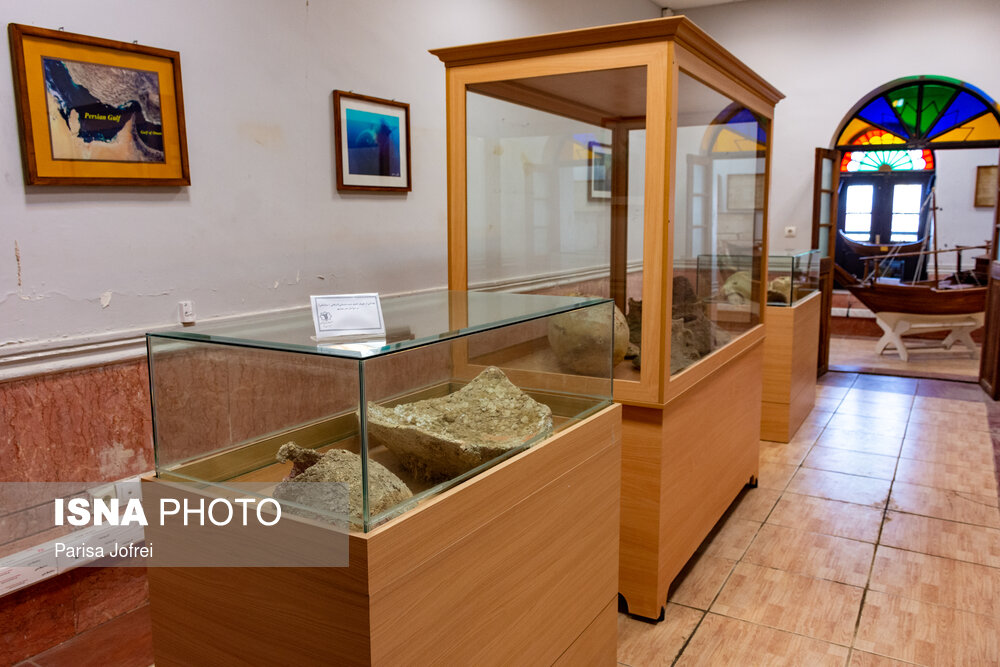
On can see inscriptions, stone tombs, pottery, Dr. Whitehouse’s findings, paintings and photographs in the first section of the museum. The second section features the area’s handicrafts and the third is designated for sea industries, fish and shellfish.

Historical and cultural course of Siraf Museum

This museum was set up with the main goal of preserving, fully and completely introducing Iran’s cultural identity and assessing the historical, industrial and artistic phenomena of the past and the present. In 2007, part of the British Department of the Middle East was dedicated to the Siraf Museum.

Each work at this museum has its own code and identifier. These objects are very valuable and are kept in the house of Dr. Whitehouse.

The number of artifacts and objects found in Siraf was much larger than this. But they were divided between three continents and were effectively scattered around the world.

Bushehr Sea Trade Museum

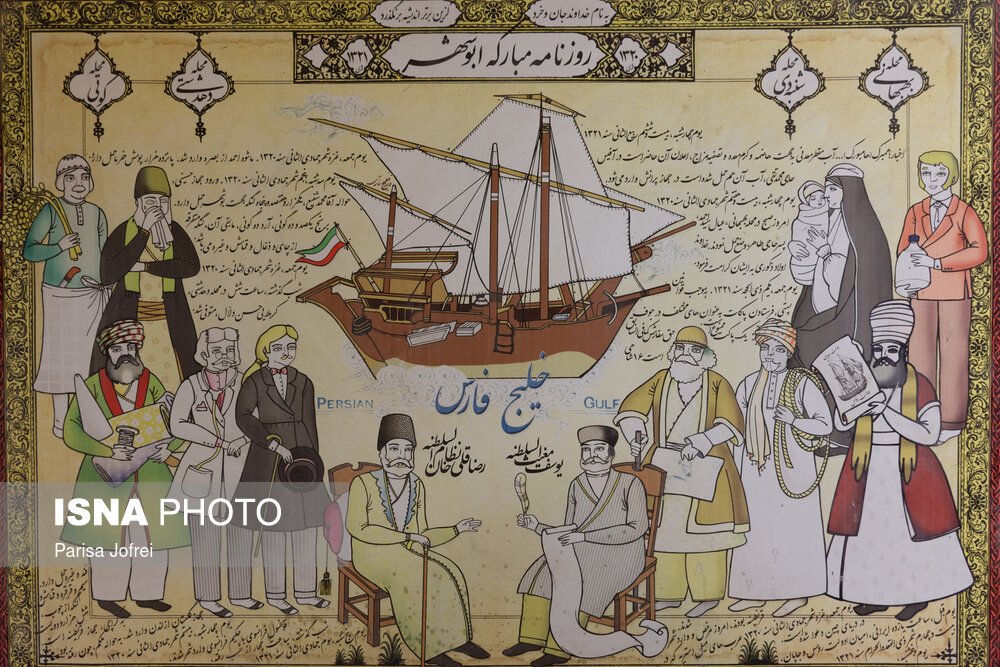
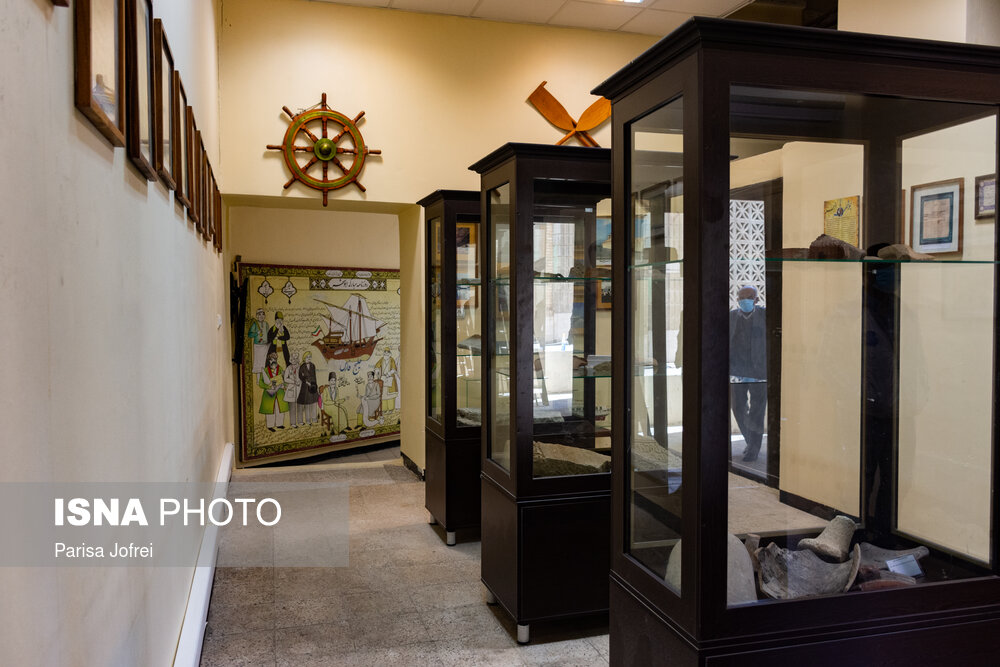
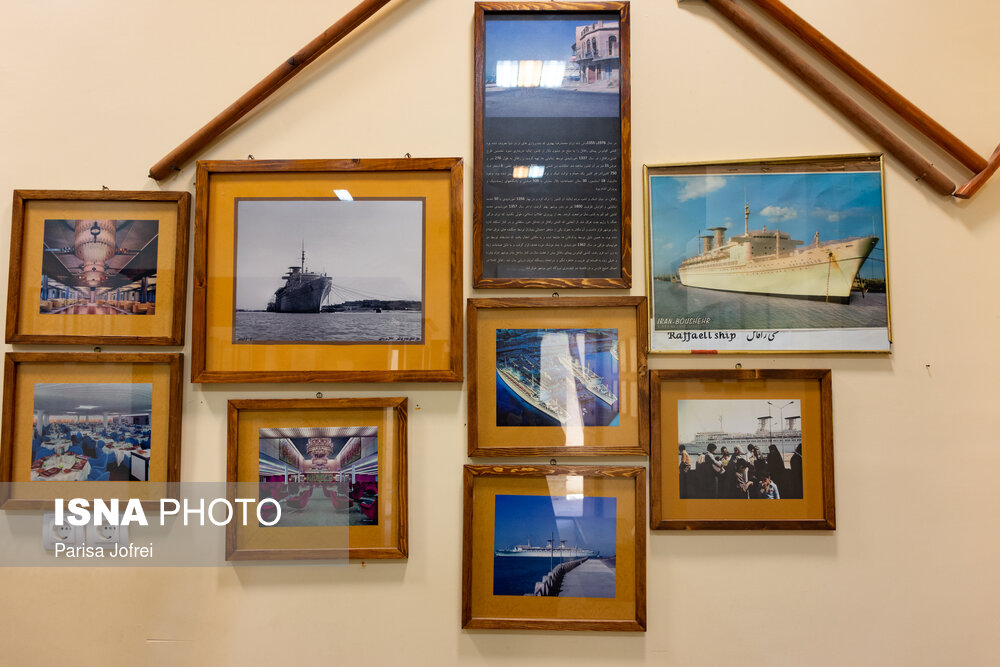
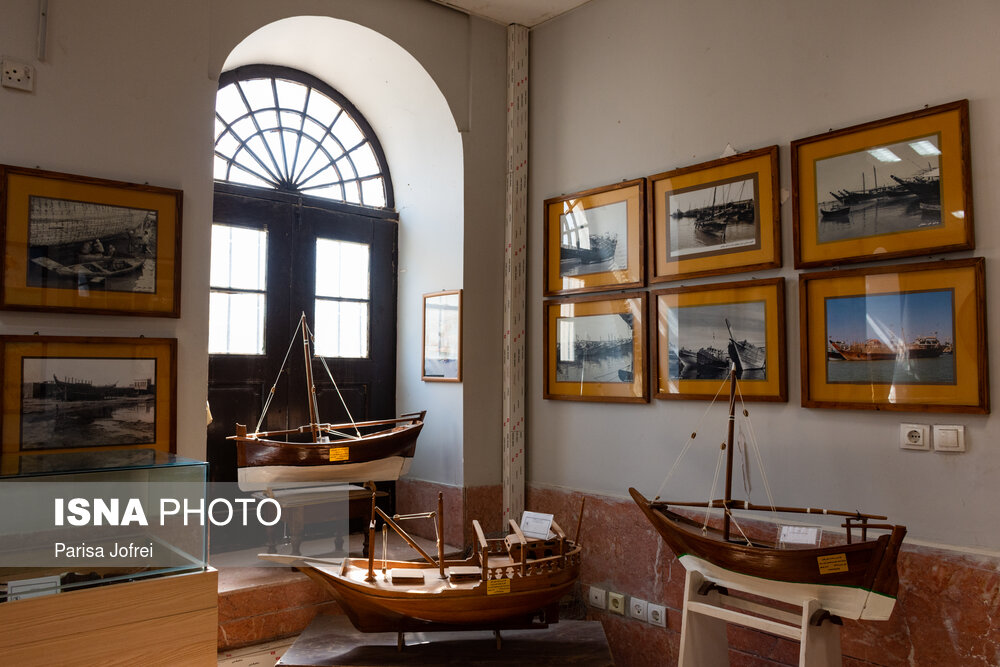
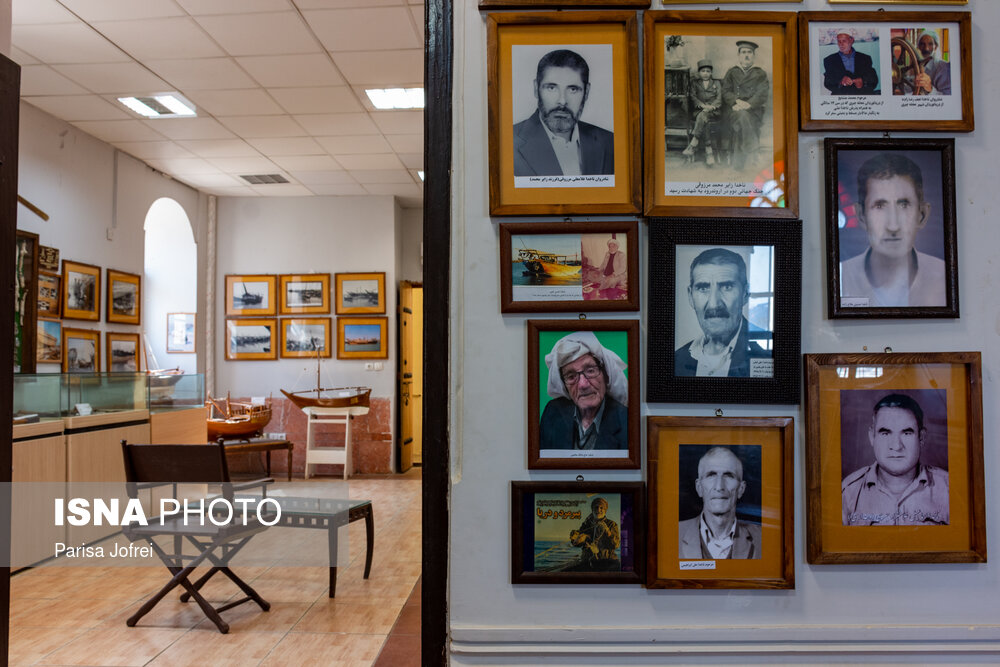
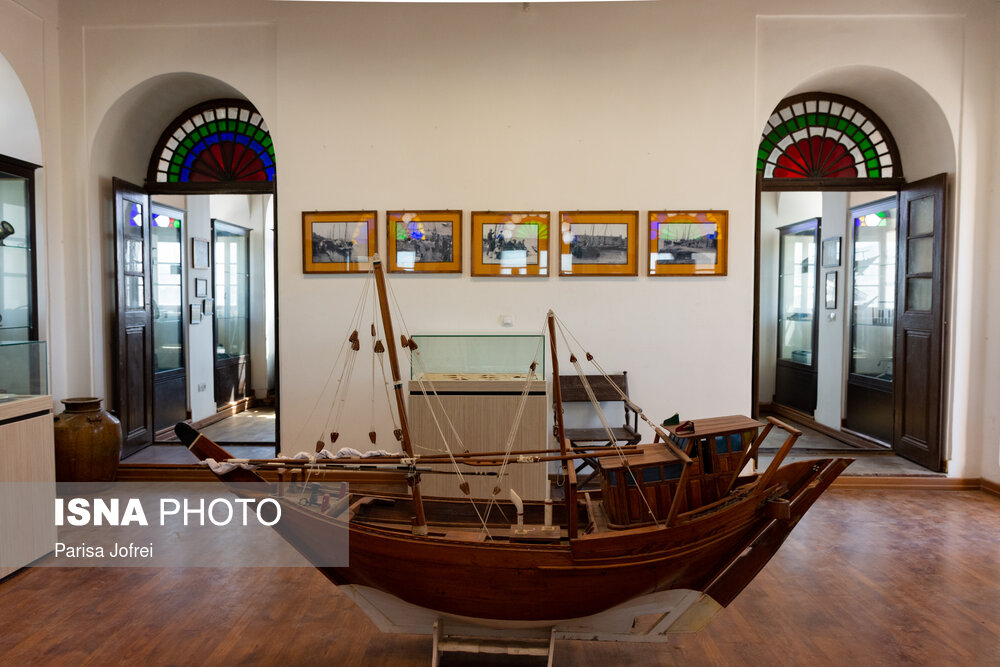
The Bushehr Sea Trade Museum was inaugurated on April 30, 2013. The expo is inside the Iranian Mansion that belonged to a famous Qajar merchant. The building is over 100 years old.

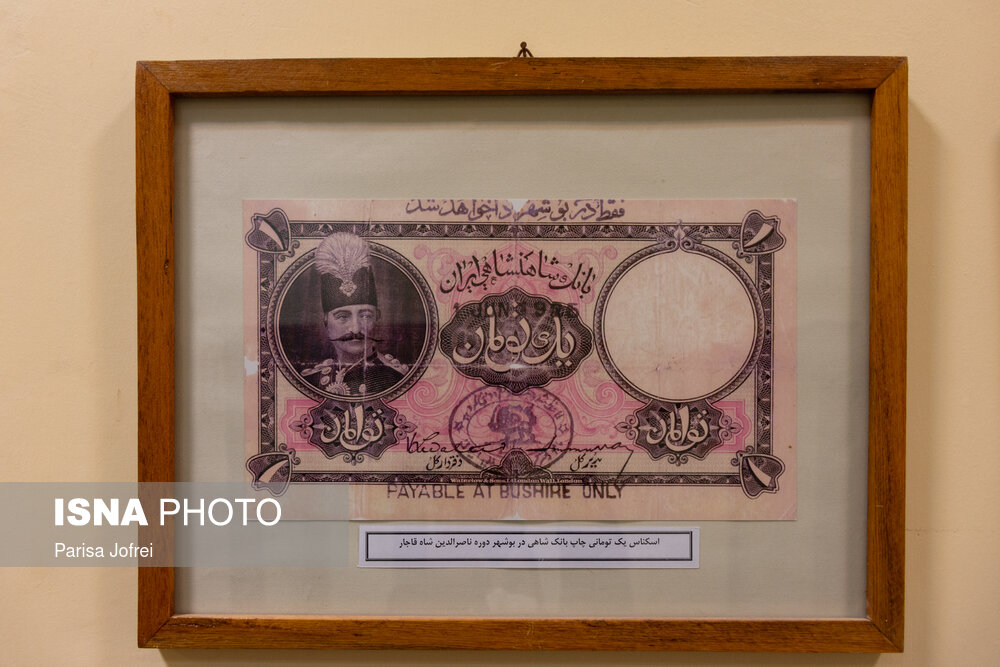
The Bushehr Sea Trade Museum features written works in 35 showcases. The unique museum also puts on display Persian Gulf maritime documents that show the connection between foreign political envoys and the customs office in southern Iran, especially the port of Bushehr.

The museum also displays some underwater archeological objects including pottery jars used for transporting liquids, Persian Gulf government and export documents, and commercial companies operating in Bandar Bushehr port.

Interview with President of Baku Book Fair

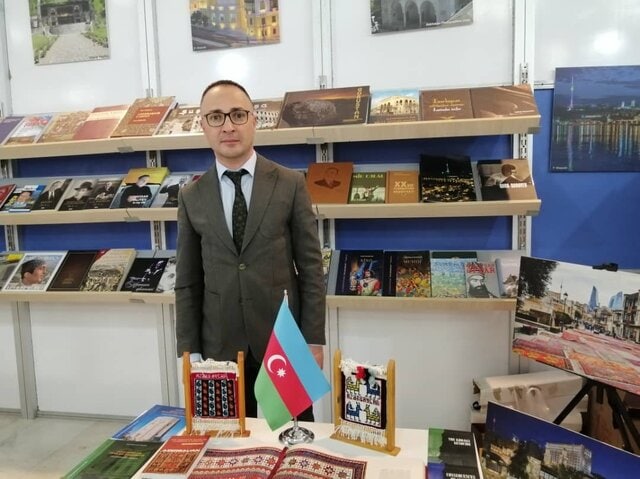
President of the Baku Book Fair Akef Ma’arefli

From Iranian literature in Azerbaijan to the challenge about Nezami

In an interview with the Iranian Students News Agency (ISNA), President of the Baku Book Fair Akef Ma’arefli spoke about participation in the 33rd international book exhibition in the Iranian capital.

He said last year, an Iranian delegation took part in the Azeri book fair, and the two sides agreed to provide the presidents of the booths of the two countries with an 18 square meter free space.

He added, “Now we are here to draw up a contract in writing”.

He went on to say that culture brings countries closer together, and books are the foundation of culture. “If relations between countries are predicated on culture and books”, Ma’arefli said, “we can assert that the relations are genuine and deep”.

“That is the reason why we participate in the book fairs, both the Azerbaijan Book Fair and the Tehran International Book Fair”, he added.

Ma’arefli then pointed to the Azeri people’s knowledge of Iran and the Persian literature. He said Azeris study the Persian literature in high school and university and that they know Persian poets and read their pomes with enthusiasm.

The president of the Baku Book Fair added that he passed Persian language and literature in university and that he could read and write Persian.

Ma’arefli described Persian language as “very beautiful and easy”.

He reiterated that Iran and the Iranian culture are loved by Azeris. “I think our literature and writers, Nezami Ganjavai and Mohammad Fezuli, are also studied anxiously in Iran”, Ma’arefli said.

Was Nezami Iranian or Azeri?

Asked about a difference between Iran and Azerbaijan over Nezami and whether he was Iranian or Azeri, the president of the Baku Book Fair said, “Nezami Ganjavi belongs to the whole world”.

He referred to Nezami’s suffix family name, that is, Ganjavi, saying it’s obvious the poet was born in Ganjeh and lived and died there. Ma’arefli added that this “great poet” had been in Ganjeh for 68 years and went nowhere from there.

“Ganjavi is a poet for all of us; Azerbaijan, Iran, the US, Russia and the Turks, but he is known in the world as the great poet of Azerbaijan”, he claimed.

The president of the Baku Book Fair said in the past, Persian was the language of poetry and literature in Azerbaijan, and poets composed in Persian with love and passion.

He maintained that the Persian language at that time provided Azerbaijani poets with a great opportunity.

Ma’arefli added that it doesn’t matter much in what language Nezami composed his poems but what is important is that he is loved in the world and his poems are read all over the world.

How does Azerbaijan participate in the Tehran Book Fair?

The president of the Baku Book Fair then explained how they participated in the Tehran Book Fair. Ma’arefli said the books they have brought to the exhibition are mostly cultural and are on Azerbaijanology.

He described Iran and Azerbaijan as two friendly and brotherly countries. Ma’arefli added that last year, most books Iranians had brought to the Baku Book fair were on the Persian culture.

“We visit Iran with love and affection and we host our Iranian friends with love and affection in Azerbaijan because we share one culture and religion” he added.

Iranian books in Azerbaijan

The president of the Baku Book Fair also said works of Sa’adi and Hafez have been translated in Azerbaijan and taught in schools and universities there.

“We have all types of Iranian books in Azerbaijan”, Ma’arefli added.

He also said that many famous Iranian writers are taught at Azerbaijani schools, because the Persian literature and poetry resembles Azerbaijani literature and poetry in many ways

Qatar to host Persian carpet fair during 2022 World Cup: Iranian deputy minister

Iran Carpet

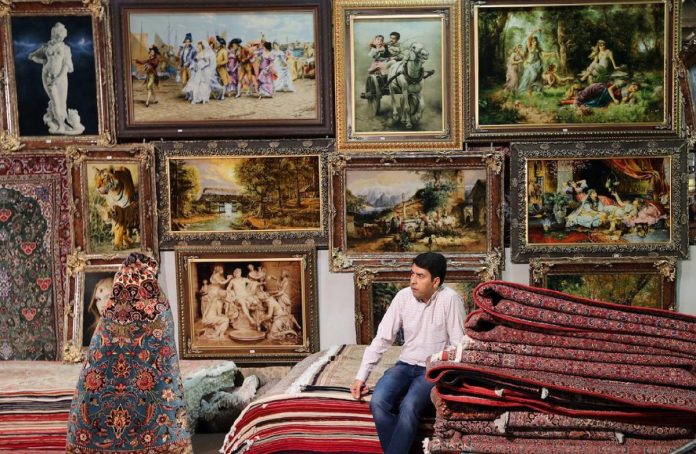
Mehdi Baradaran, Iran’s deputy minister of industry, mine, and trade, said Sheikh Tamim Al Thani made the promise during a recent meeting with Raisi in Tehran and after the Iranian president offered a handwoven silk Persian carpet to him as a token of friendship and peace.

The emir of Qatar traveled to Iran and met with senior Iranian officials last week. Raisi called that visit a turning point in the relations between the two countries.

Qatar will be hosting the 2022 FIFA World Cup in November-December this year.

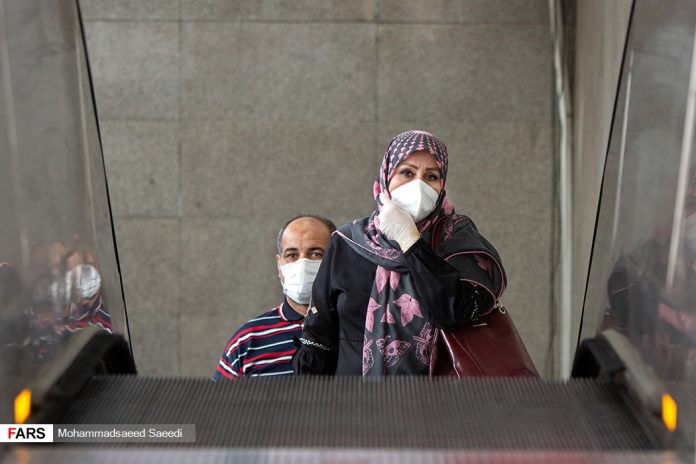
People helped contain COVID contagion in Iran, not resources alone: Health Minister

COVID in Iran

“The role of the people in measuring the success of countries in containing COVID is important,” Bahram Einollahi said on Wednesday, adding that when the administration of President Ebrahim Raisi took over, “people found more trust in the administration and came to the scene with a public call to help control COVID and get vaccinated.”

“As a flood of vaccines entered Iran on the order of the president, and as we asked people, they came to the scene in droves,” he said.

Einollahi said certain countries had access to equipment and cash but had not had their people on their side. “Iran [on the other hand] has had the highest vaccination-to-population rate, in such a way that, in one day [during a COVID peak], we administered over 1.6 million doses of vaccines and in one week, 8.6 million doses, which matched the entire population of certain Persian Gulf [littoral] states,” the Iranian health minister said.

The daily COVID-19 caseload and fatality rate in Iran have reduced from a high of almost 50,000 new cases and over 700 deaths last year to a rate of 200-300 cases and less than 10 deaths. Iranian officials attribute the downward trend to a nationwide vaccination rollout too.

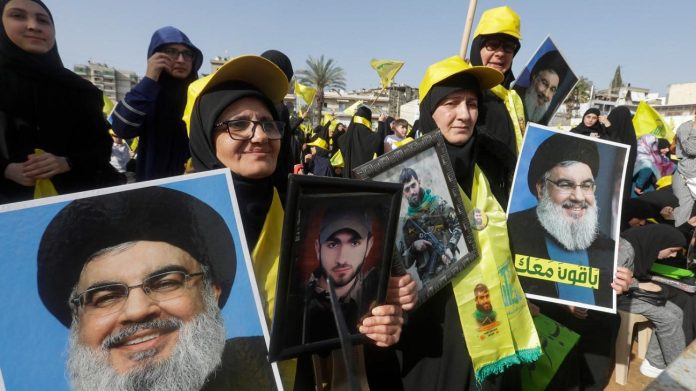
Hezbollah won election despite all pressures, electoral law should change: Nasrallah

Hezbollah Sayyed Hassan Nasrallah

“The achievement [in the elections]… came about despite severe media and psychological attacks on us and the allies of resistance and economic pressures and crisis-makings,” Sayyed Hassan Nasrallah said on Wednesday.
“All the threats and intimidation, meant to frighten the people and dissuade them [from showing up at the ballot boxes], failed.”

Parliamentary elections were held in Lebanon on Sunday, amid economic woes and a boycott by the country’s largest Sunni party, the Future Movement. Announcing the election results on Tuesday, Lebanon’s Interior Ministry said that Hezbollah and its allies had secured around 61 seats, fewer than the 65 seats needed to secure a majority, and down from the 71 in the previous parliament.

Nasrallah acknowledged that no political faction had gained the parliamentary majority in the elections.

And he called for reforms in electoral law.

“The current system is not fair. [Under the current circumstances] one individual can win a parliamentary seat with 500 votes while another with thousands of votes may not be able to,” the Hezbollah leader said. “We demand that this law change.”

He also said that all adults over the age of 18 should be franchised and electoral districts should be reformed as well.

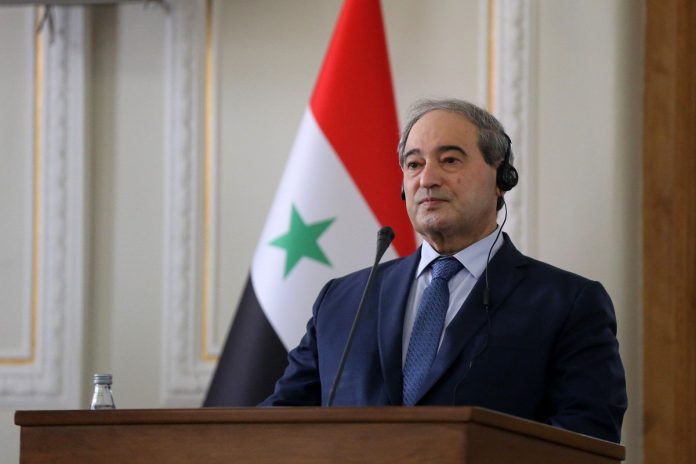
Syria FM urges Arab states to improve relations with Iran

Syrian Foreign Minister Faisal Mekdad

The top diplomat told Syria’s Al Ekhbariya on Wednesday that there is no justification for the rift in the ties between the Arab countries and Iran.

He was mainly referring to Saudi Arabia’s troubled ties with Iran. The two Middle Eastern powers are currently holding talks on fixing their relations.

Mekdad also stressed the need for cooperation among Arab countries in the face of the current and future challenges facing them.

Elsewhere in the comments, Mekdad said Syria’s foreign policy principles remain unchanged, adding, “When the enemies failed to weaken Syria and divert it away from its fundamental positions, they resorted to terrorism.”

“The Western states’ crime of besieging the Syrian people is unprecedented in the world,” the foreign minister added.

He also said supporting the Palestinian cause against Israeli occupation and making efforts to liberate Syria’s Golan Heights from Tel Aviv’s occupation constitute a top priority for Damascus.

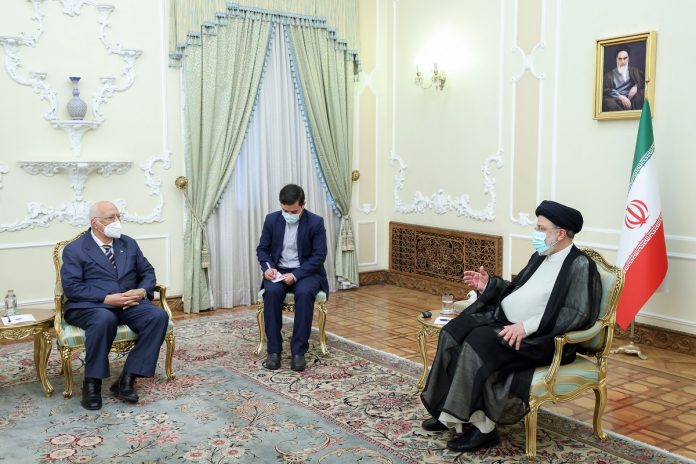
Iran, Cuba call for expansion of ‘strategic’ relations

Iran President Ebrahim Raisi & Cuban Deputy Prime Minister Ricardo Cabrisas

In a meeting on Wednesday with visiting Cuban Deputy Prime Minister Ricardo Cabrisas, Raisi said the two countries should use their capacities to enhance relations in various spheres, including trade, economy, agriculture, and health.

“Constructive cooperation between the two countries in the areas of hygiene and health can be further enhanced. Relying on their domestic capabilities, Iran and Cuba can achieve self-sufficiency in producing strategic items,” he said.

The Islamic Republic seeks to “promote relations with independent and resistant nations, including Cuba, in the face of the global arrogance’s greed,” he said.

The Cuban deputy premier, in turn, said his country was willing to bolster relations with Iran in the fields of economy and commerce.

He also described as “deep and strategic” the political, economic and commercial relations between Tehran and Havana.

Through short-term, mid-term and long-term plans, the two sides can increase their ties from the current bilateral level to the multilateral level in the Latin America region, he added.