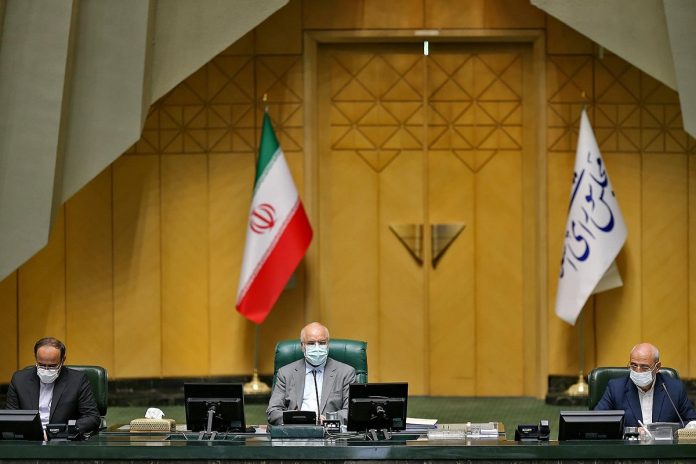
Mahmoud Abbaszadeh Meshkini added that given the sensitivity of the matter, the lawmakers decided to give the interior minister an opportunity to launch an in-depth probe into the matter and they decided that the minister will not be questioned at an open session of parliament.
Abbaszadeh Meshkini noted that the security situation along Iran’s borders is great، thanks to the vigilance and readiness of Iranian border guards and their high capability.
He said Iran has one of the most powerful border forces of the region, but all movements in those areas must be carefully monitored.
The MP referred to the recent movements inside Afghanistan near the Iranian border, saying, “The question is if the Taliban rulers of Afghanistan were aware of the movements”.
Abbaszadeh Meshkini also said all aspects of the issue must be clarified.
He however stressed that some parties want to cause division between Iran and its eastern neighbors and that “we must keep close tabs on such actions”.
The main border crossing between Iran and Afghanistan was closed last Saturday following a brief clash between Iranian border guards and armed men who were said to be Taliban members. The clash happened after Iranian guards prevented the Taliban’s local authorities in Afghanistan’s Heart province from building a road on the border without coordination with Iranian authorities.
The National Persian Gulf Day is an auspicious innovation meant to honor the Persian Gulf’s history and civilization and the historical names of waters to the south of Iran.
The National Persian Gulf Day falls on April 30, and is designated as such by the Iranian government to emphasize the importance of the body of water and its historical connection to Iran.
It is the day when, in 1622, the colonial forces of the so-called Portuguese Maritime Empire withdrew from the Persian Gulf.
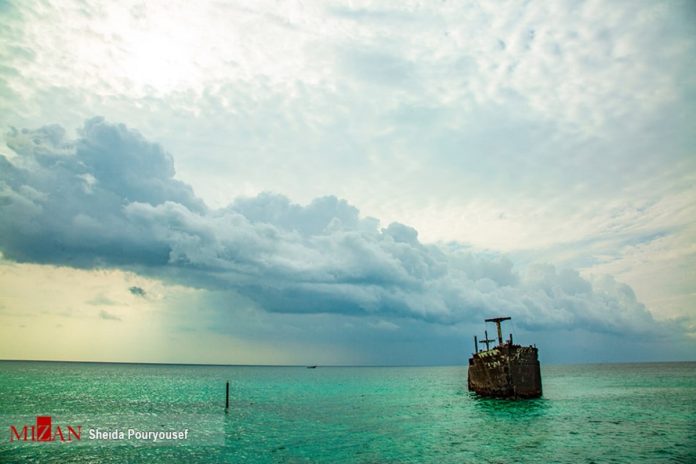
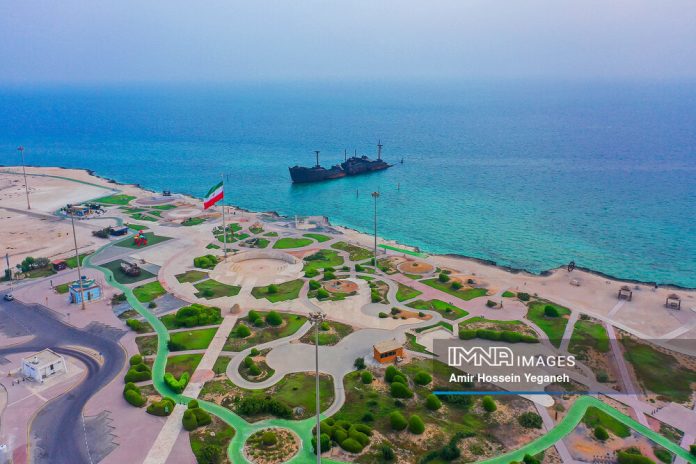
A ceremony was held on Iran’s southern Qeshm Island — the largest island in the Persian Gulf — to mark the day on Saturday. Local officials attended the ceremony in Qeshm’s historical Laft harbor, where boats paraded and cultural events were also held to mark the day.
On the eve of the National Persian Gulf Day, the Iranian Foreign Ministry issued a statement in which it congratulated Iranian people on the occasion and hoped that the body of water would be “a sanctuary of security and stability as well as a symbol of peace, friendship and co-existence among regional nations.”
It said the day “is reminiscent of the expulsion of colonialists from the region.”
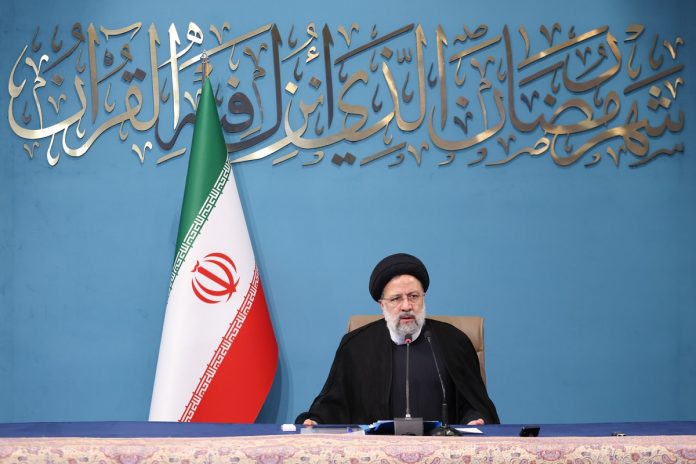
Raisi said the Covid situation has improved greatly thanks to the nationwide vaccination campaign.
He added that the downward trend in the Covid deaths and infections allowed people to hold Quds Day rallies on the last Friday of the fasting month of Ramadan, so that more people took to the streets nationwide compared to previous years.
He however urged people to not relax health protocols.
The president said these protocols must be specially observed in schools, public transport vehicles, malls and religious gatherings.
Iran’s Health Ministry announced on Saturday 532 people were diagnosed with the Coronavirus and 11 people lost their lives as a result of it over the past 24 hours. This is the lowest number of COVID-19 cases and deaths in almost two years.
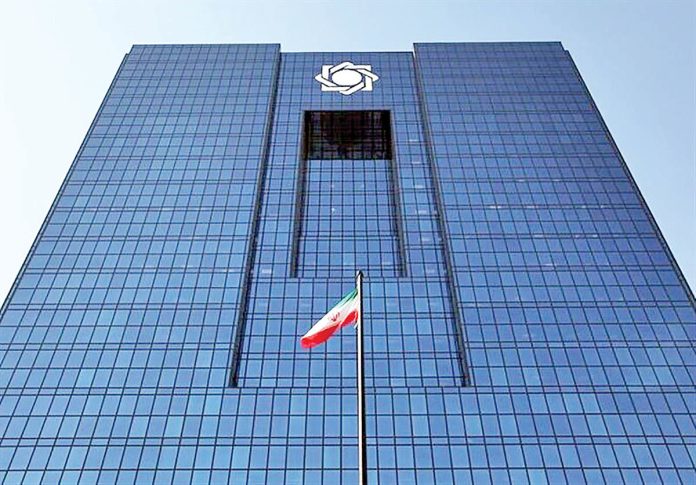
According to the figures, Iran’s non-oil economic growth rate for the quarter was 5.8%, and the country’s GDP was 3.7%.
And the services sector registered a growth of more than 8%.
Iran is under stringent US sanctions, which have targeted its oil sales and non-oil economic development.
Sanctions that had been removed under a 2015 deal between Iran and six other partners were re-introduced and a range of other stringent bans were imposed in the country after former US President Donald Trump unilaterally withdrew from the agreement in 2018.
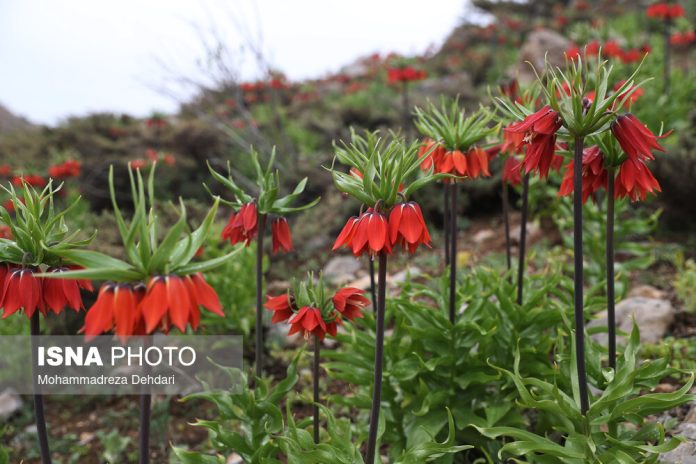
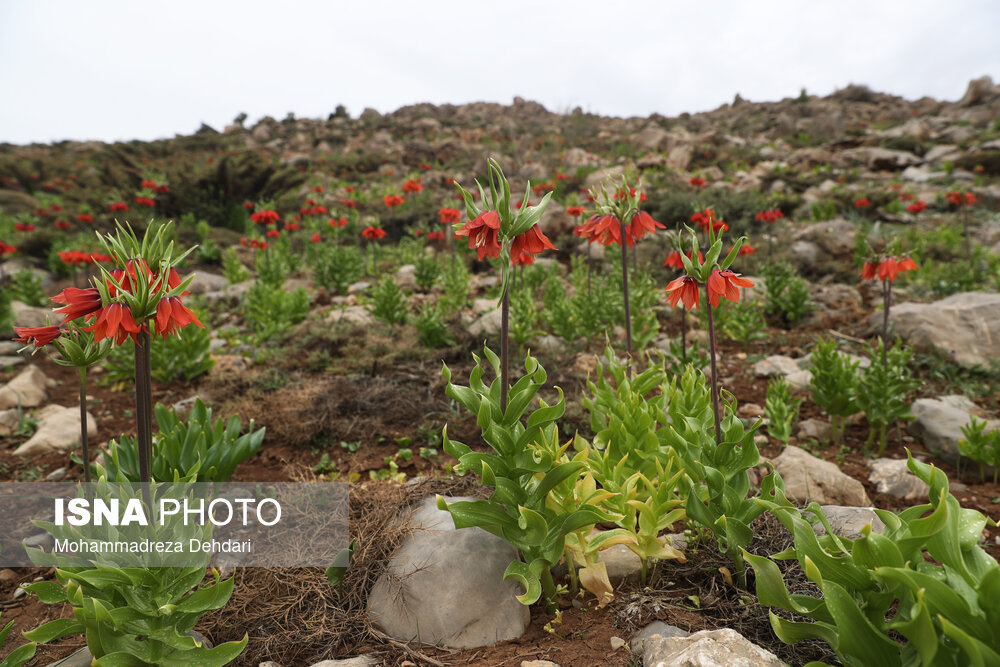
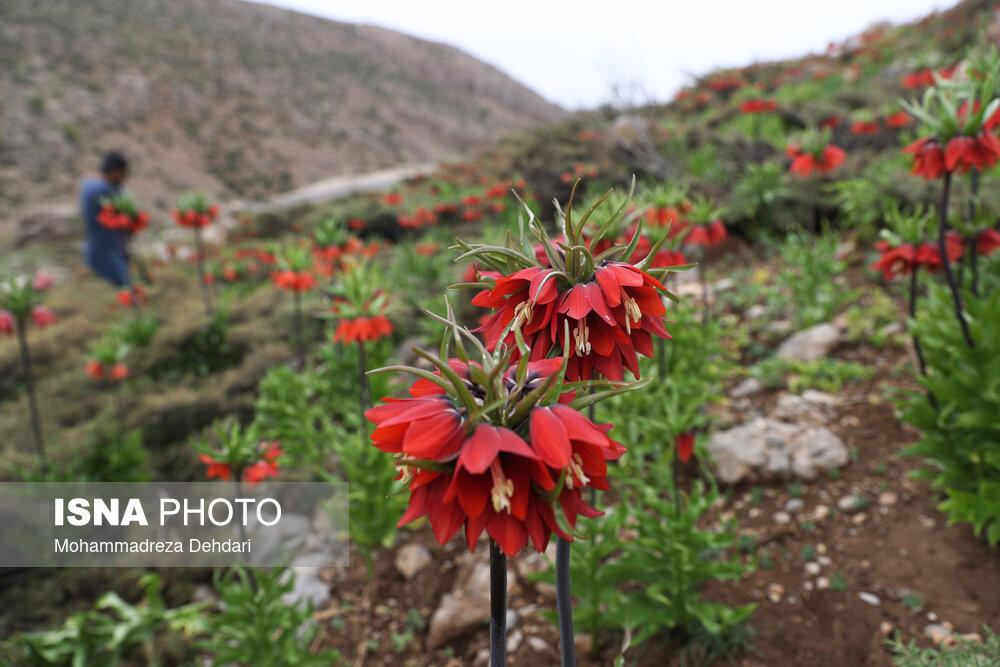
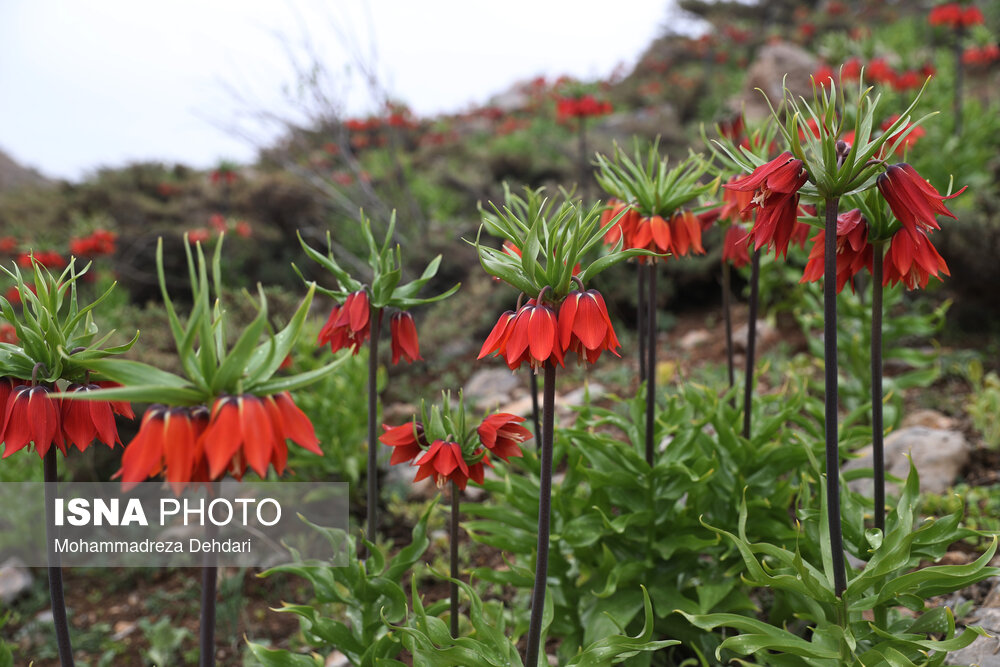
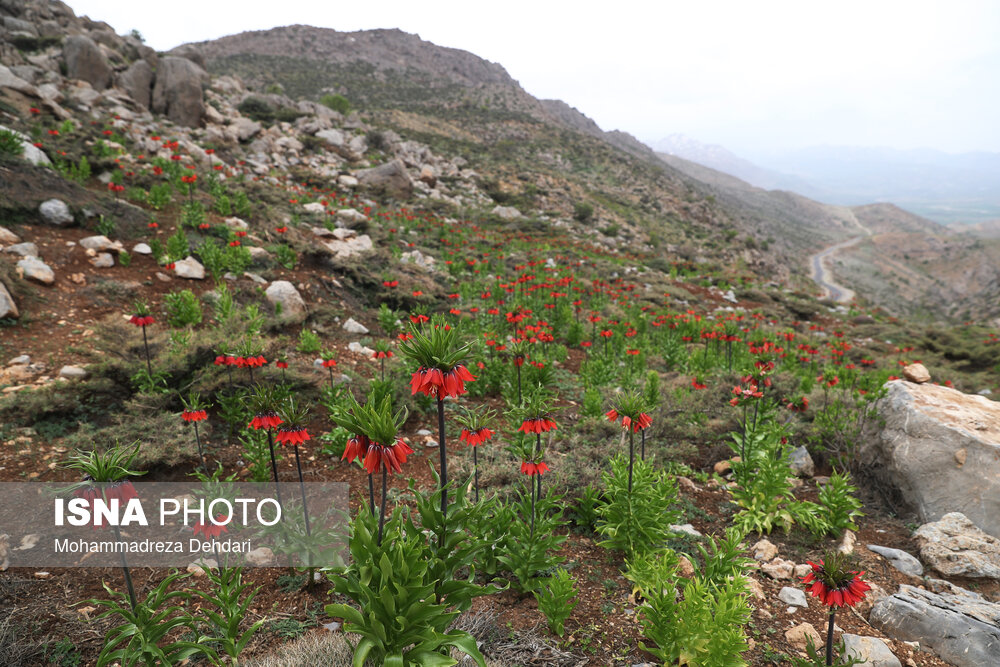
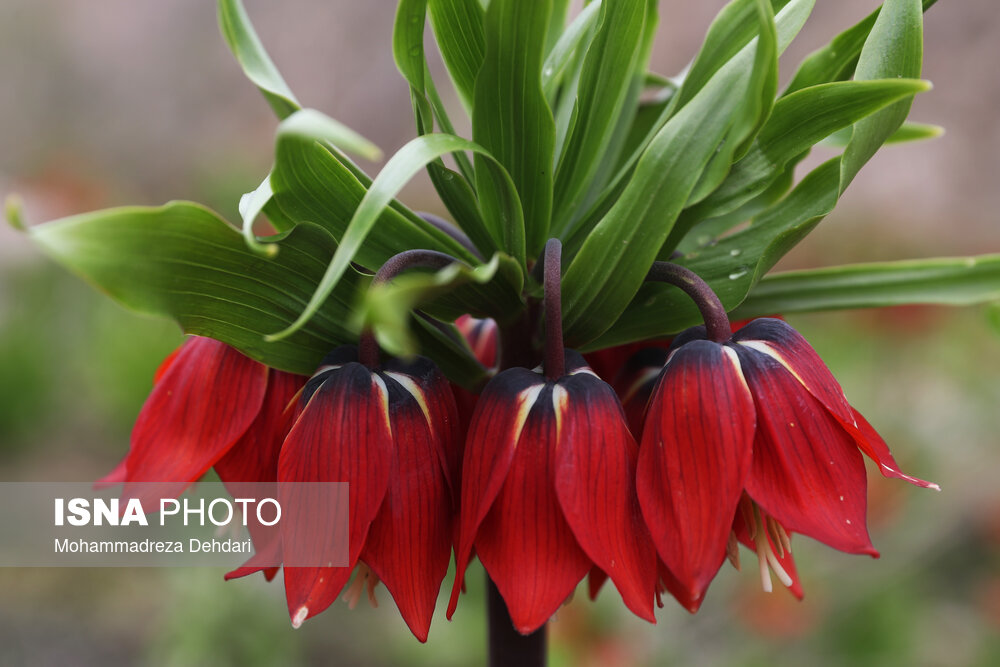
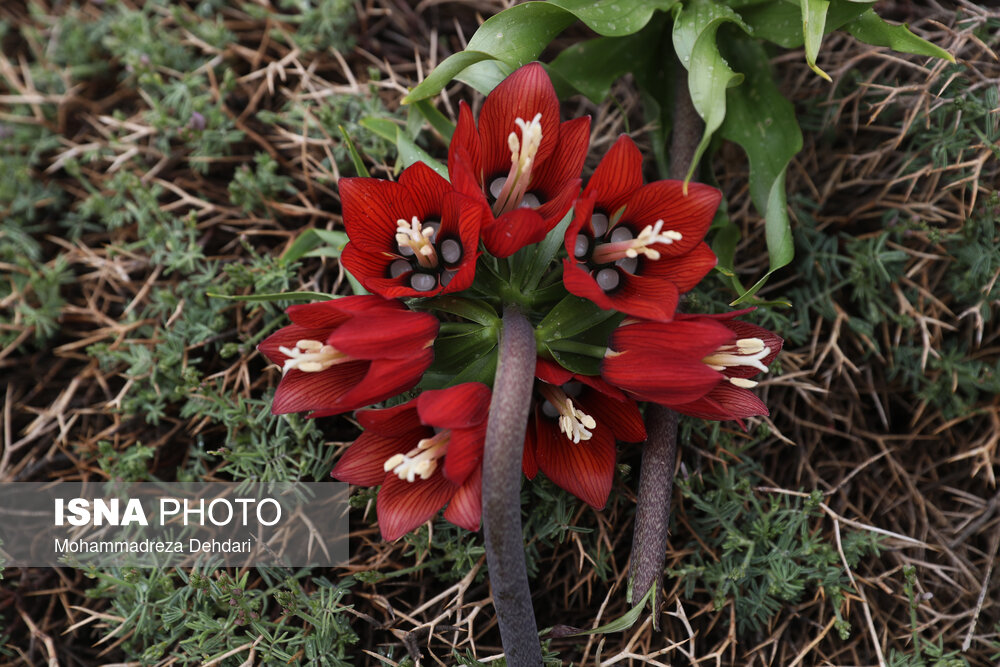
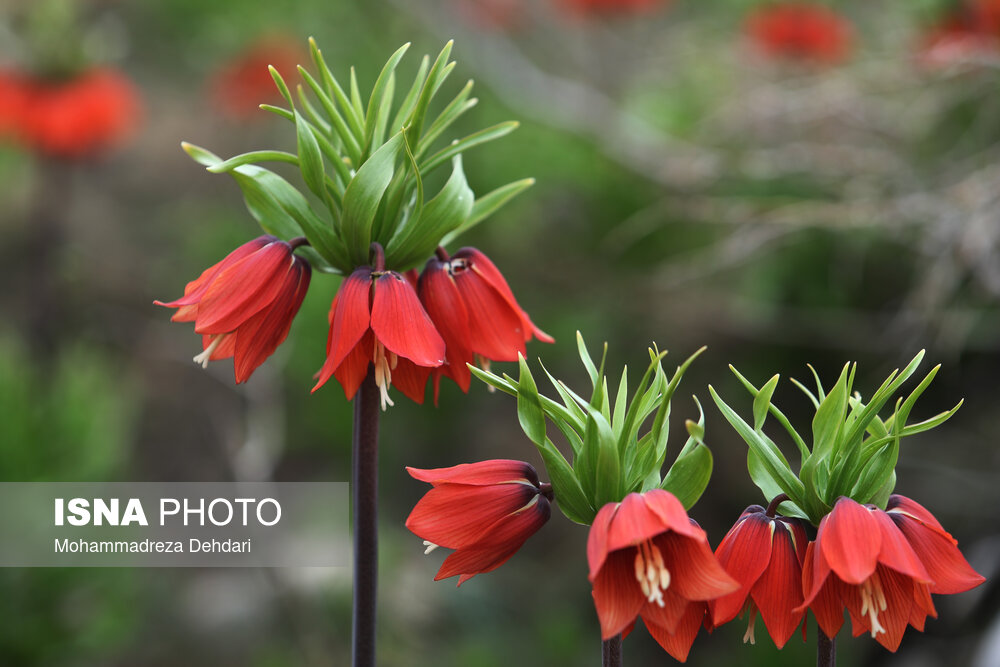
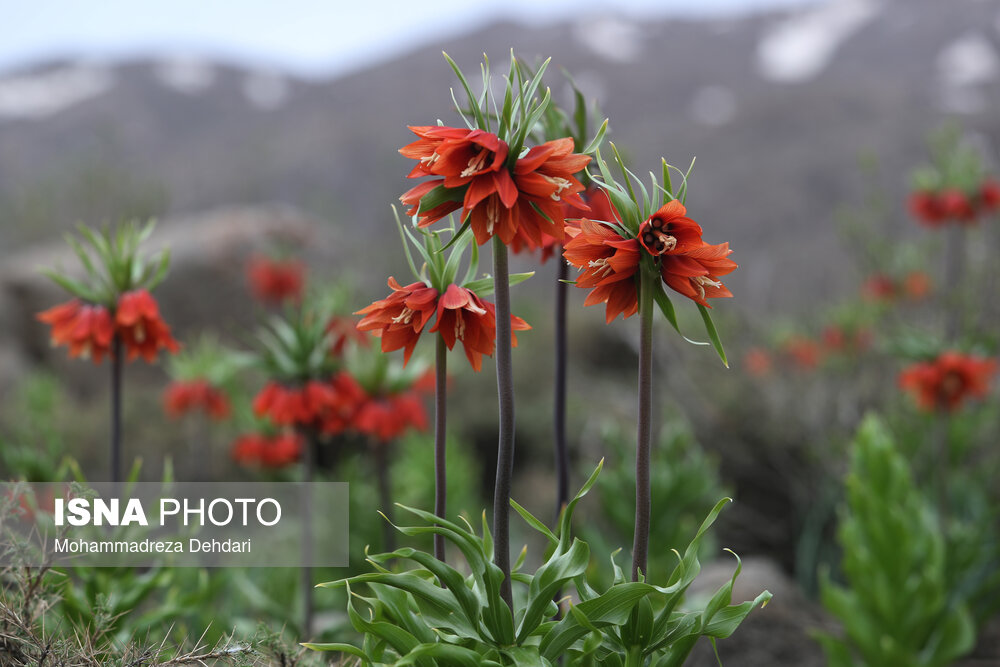
It is native to the temperate regions of the Northern Hemisphere, from the Mediterranean and North Africa through Eurasia and Southwest Asia to western North America.
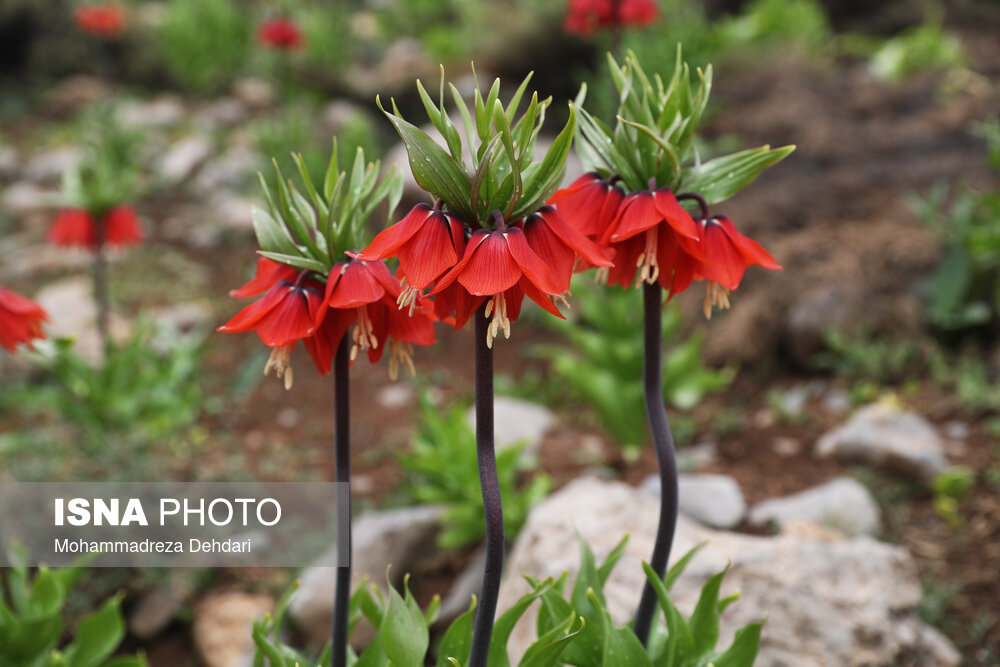
It is an endangered plant, yet, many of its 60 variants can be found in Iran, although their lifespan is naturally short.
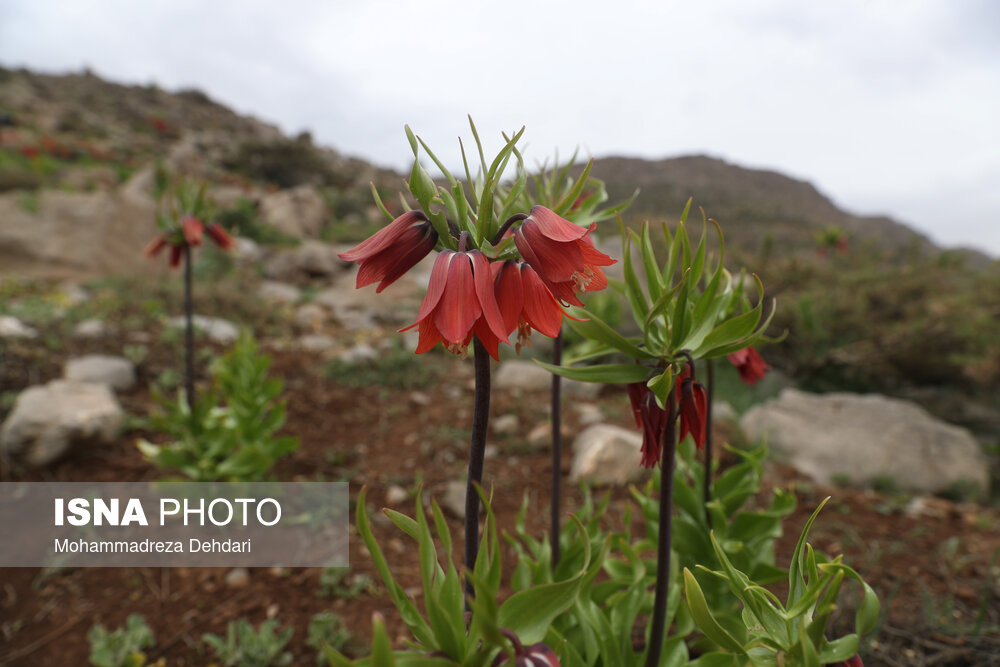
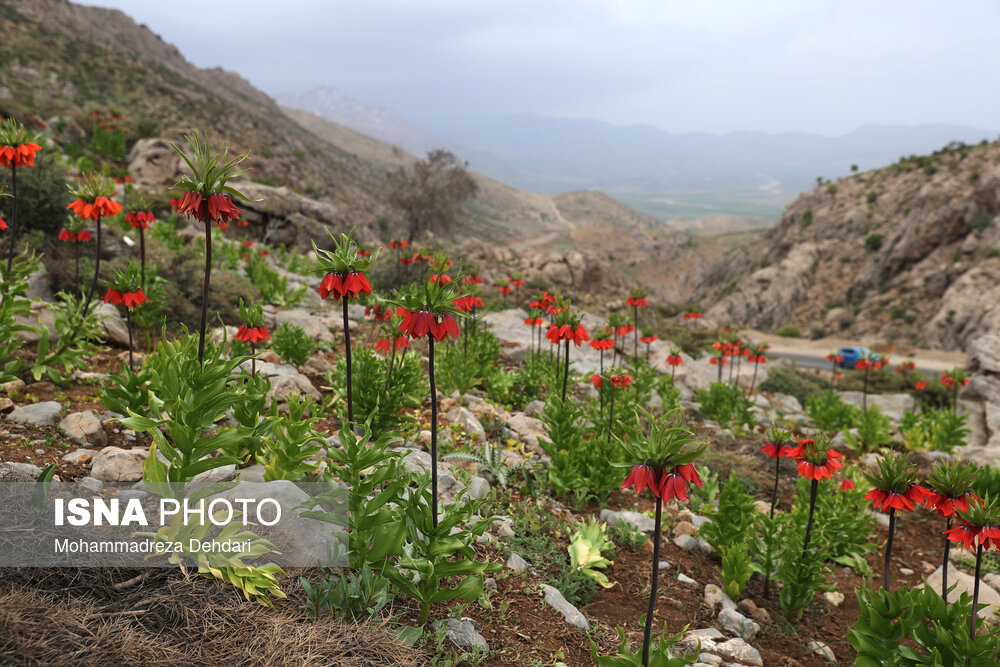
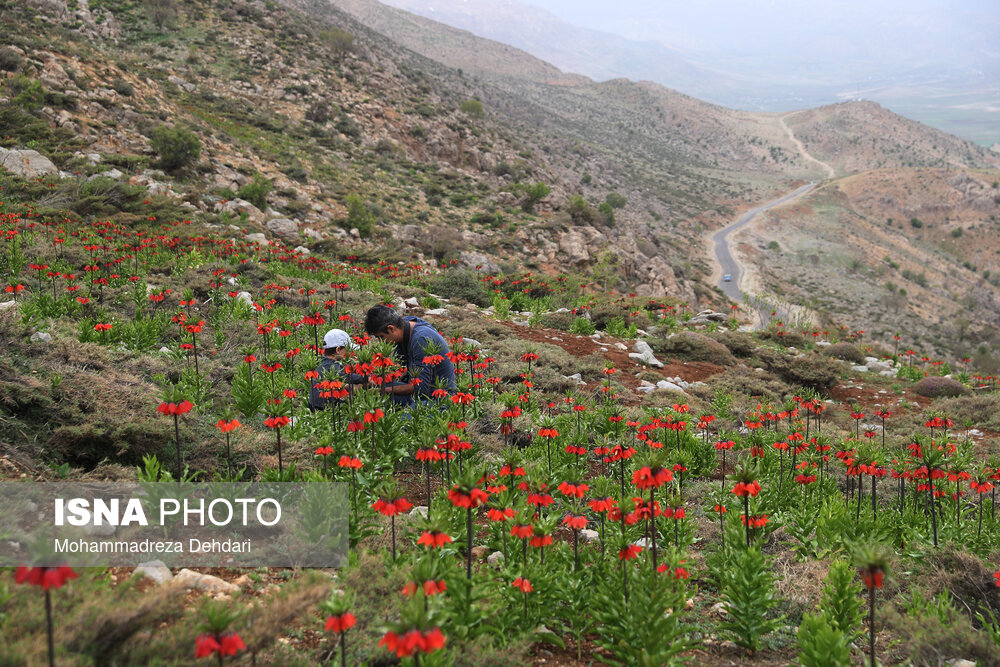
The Barm Firouz snake’s head plain in Sepidan County of Iran’s southern province of Fars abounds with the flower.
Every year in spring, when the flower grows in the plain, tourists frequent the area for its natural beauty.
According to the Iranian epic Shahnameh, a first snake’s head grew where the blood of Iranian hero Siavash dropped, after his throat was slashed by a foreign enemy.
Ferdowsi, the great Iranian epic poet who composed Shahnameh, says the flower could never hold its head high because it had been witness to Siavash’s unjust killing.
Here is a selection of photos from the Barm Firouz snake’s head plain. Enjoy!
According to the ministry, 532 people were diagnosed with the disease and 11 people lost their lives as a result of it. Out of the new cases, 109 people had to be hospitalized.
Those are the lowest numbers in Iran since almost two years ago, when the coronavirus seemed almost out of control.
The total caseload since the pandemic began in Iran has now reached 7,721,653 people. And a total of 141,083 Iranians have died of the disease.
The low figures come as the United States and Europe are reportedly considering declaring the end of the pandemic.
Mass vaccination and other precautionary measures have helped Iran reduce its caseload and death toll from record highs almost a year ago to the present figures. So far, 27,029,483 people have received a third dose of the COVID-19 vaccine in Iran. Over 30,380 shots were administered in the country over the past 24 hours alone.
Furthermore, no Iranian cities, towns, or counties are in the so-called red status for COVID-19, which signifies the highest level of threat posed by the virus. Ninety four counties are in the blue status, which signifies the lowest level of the health hazard.
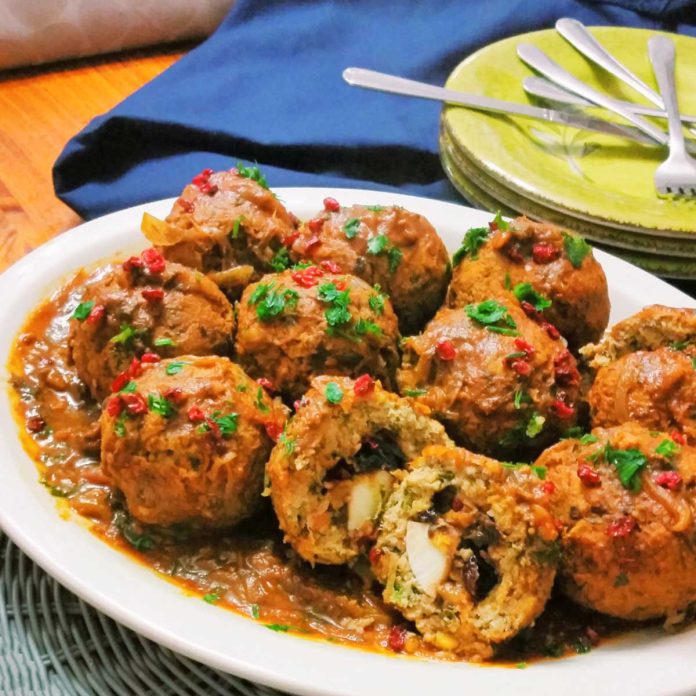
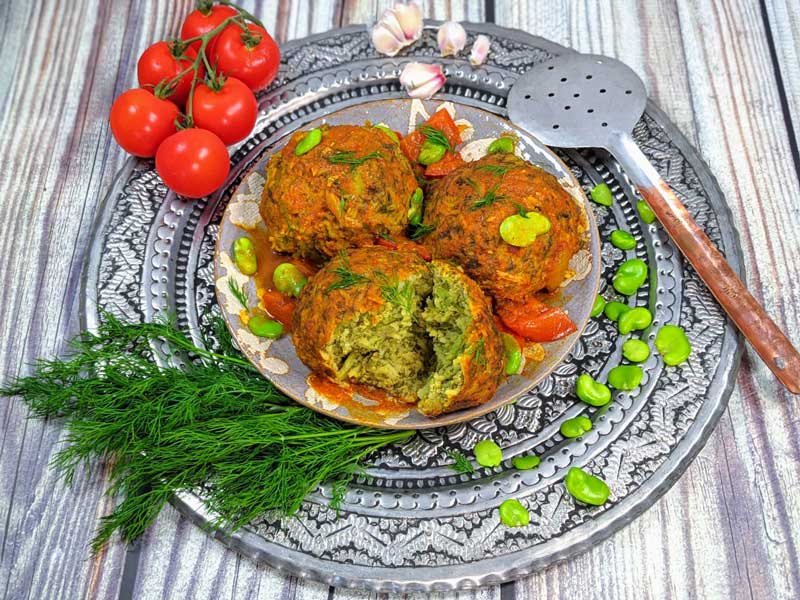
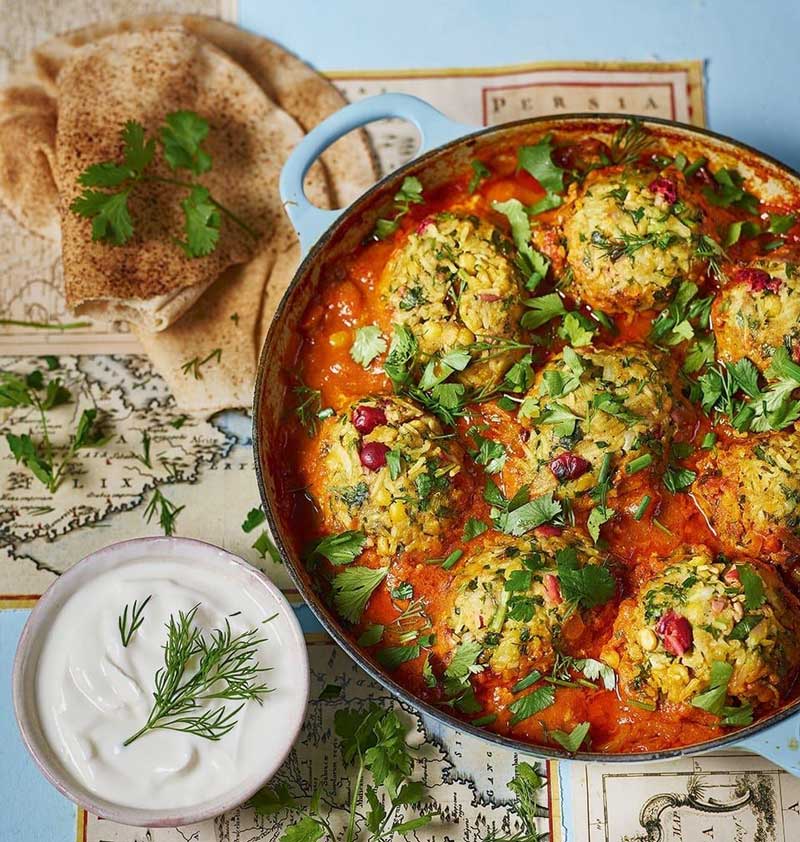
Koofteh Berenji (rice meatball) is one of the classic and very delicious Iranian dishes.
Koofteh Berenji (rice meatball) is one of the classic and very delicious Iranian dishes.
There are different types of Koofteh, but Koofteh Berenji is more common than other types. It can be made in different sizes and shapes.
It is recommended to prepare Koofteh Berenji for lunch because this food is relatively heavy.
Koofteh Berenji – Persian Meatballs with Rice
Ingredients For Koofteh Berenji
(Serves 4-6)
500 grams minced veal or beef
One cup rice (100 grams)
50 grams yellow split peas
Two heaped tablespoons chickpea flour
One egg
Two tablespoons finely chopped savory
One level tablespoon finely chopped mint
One level tablespoon finely chopped tarragon
One tablespoon finely chopped parsley
One level tablespoon finely chopped dill
One level tablespoon finely chopped wild leek Dried herbs can be used instead of fresh ones.
Two large onions
Two tablespoons tomato paste
Dried plums and walnuts for the filling
Salt, ground black pepper and turmeric to taste
Garlic powder to taste
Oil
Water
Cooking Steps For Koofteh Berenji
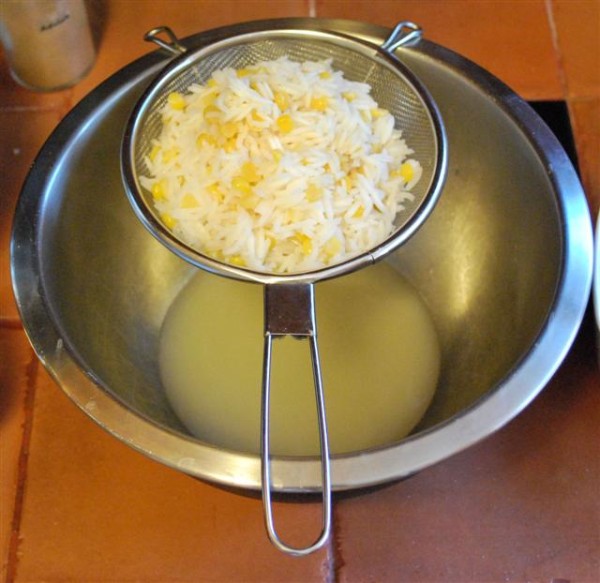
1. Wash the rice a few times and soak it in salt water for a few hours. Pour some water in a pot and bring it to the boil, then add in the rice to the boiling water; leave it there until the rice is partly cooked. Depending on the kind of rice, it might take a few minutes (less than 10). Afterward, drain the rice. If the rice turns out to be fully cooked, there is no room for worry. What matters is that rice should not be raw, because it might later cause your Kooftehs to fall apart or remain uncooked by the time the meal is expected to be ready.
2. Cook the yellow split peas in water with some salt as well until they are well cooked. Drain them too and set them aside. The ingredients should be free of any excess water before they are mixed, otherwise the mix won’t be sticky enough and cracks will appear in Kooftehs.
Cooking Steps For Koofteh Berenji
1 of 2
Cook the yellow split peas in water
Drain the yellow split peas too and set them aside
3. Before you make Kooftehs, you need to get the sauce ready. Peel and slice one large onion and fry the slices over a medium heat until they turn soft and golden brown, add salt, turmeric and pepper to it. Then spoon in the tomato paste and fry it until it starts to change color and becomes deep red; stir it frequently to avoid burning it. Afterward, pour three to four glasses of water into the pot; the water level should be high enough to submerge the Kooftehs when they are placed in the pot. Bring the sauce to the boil, as soon as you place the Kooftehs in the sauce, turn down the heat.
4. Grate the other onion. If the grated onion turns out to be watery, squeeze it to get rid of the excess juice.
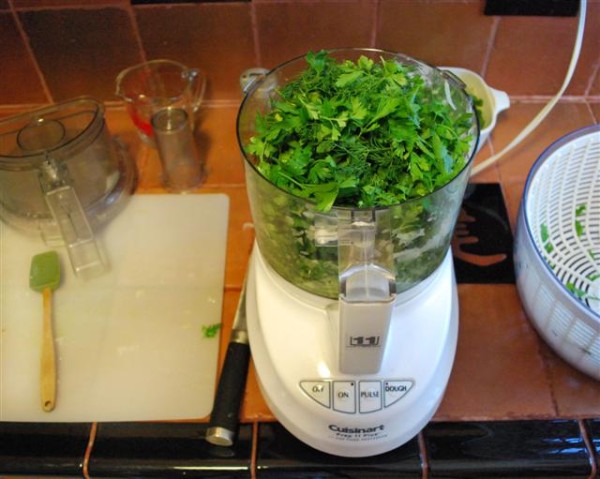
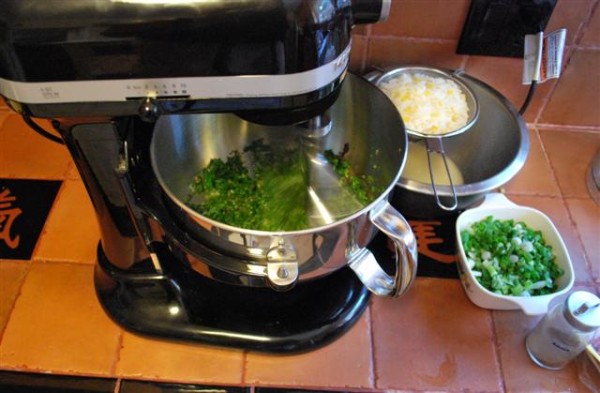
5. In a large bowl, mix the grated onion, minced meat, rice, yellow split peas, herbs, chickpea flour and egg and add turmeric, black pepper, salt and garlic powder to taste. It is important that you press the mixture with your hands until the ingredients form a single smooth, consistent substance.
Cooking Steps For Koofteh Berenji
1 of 3
You can mix the ingredients with a mixer
Koofteh Berenji-You can mix the ingredients with a mixer
Koofteh Berenji-You can mix the ingredients with a mixer
6. Take a handful of the mix, stuff a dried plum and walnut into it and then shape it into a ball. Add the Koofteh to the sauce. You should not put the lid on the pot. Turn the Kooftehs in the pot to let them cook well in the sauce. If you like, you can add some dried plums to the sauce as well. As for the filling, you can use other stuff like dried onions, barberries and boiled eggs, too. The Kooftehs will need about an hour to simmer in the sauce before they are ready. The dish is served with flat bread.
Additional tips for making Koofteh Berenji
Calories in rice meatball: There are an average of 180 to 190 calories in per 100 grams of this food
Rice meatballs are one of the popular and traditional dishes of Tabriz and are originally an Azeri recipe.
Preventing Koofteh from falling apart:
To prevent the meatballs from falling apart, you should add one or two tablespoons of gram flour to your ingredients or grind the wheat and pour it into the meatball ingredients so it becomes sticky.
To prevent the meatballs from loosening, grate the onion with a grater that has larger holes, or take the onion juice away.
Persian Koofteh (aka kufteh or kofteh) is mixed with cooked rice, yellow split peas, onions, and a heap of fresh herbs.
Another reason why meatballs fall apart is its meat. The fatter the meatball meat, the more likely are the meatballs to loosen. So if your meat is high fat, add an egg to your Koofteh ingredients. The meat in meatballs should be quite soft and fine; therefore, the meat should be minced 2-3 times.
Once the rice meatballs are ready, refrigerate for an hour before placing them in the sauce.