Friday, April 24, 2026
Home Blog Page 191

Iran says to adjust steps based on actions of IAEA Western parties

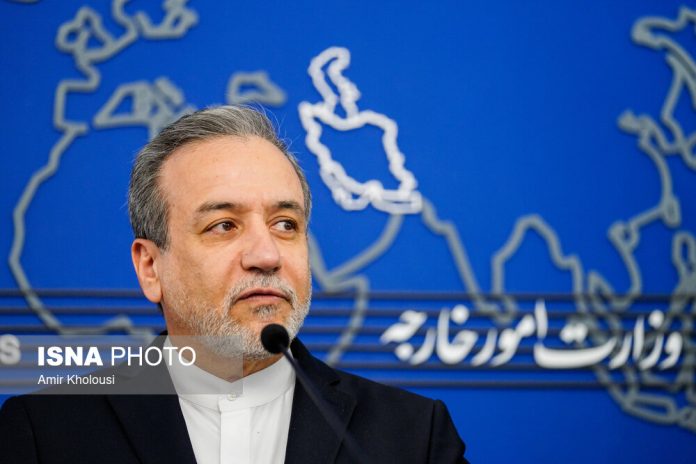
On Monday, Esmail Baqaei, during his weekly press briefing, referred to the IAEA’s recent report on Iran and threats from Europe, saying: “These methods will certainly not yield any results. For a long time, certain Western countries have misused international organizations and multilateral mechanisms, including the IAEA, to advance their political agendas.”

Baqaei said the content of the IAEA’s report is repetitive and exaggerates certain technical issues, adding that the report was drafted under the influence and pressure of a specific group of European countries. “It is unbecoming for the IAEA to be subjected to such pressures.”

The Foreign Ministry spokesperson stated: “Iran is closely monitoring the actions of Western parties within the IAEA regarding nuclear matters and will adjust its steps appropriately and proportionally.”

He added that Iran does not want its cooperation with the IAEA to be affected by such moves but is sometimes compelled to take necessary measures.

In response to a question about the proposed elements brought by Oman’s Foreign Minister to Tehran on behalf of the US, Baqaei said: “Receiving a text certainly does not mean accepting or rejecting it. Iran has presented the first written text to the American side.”
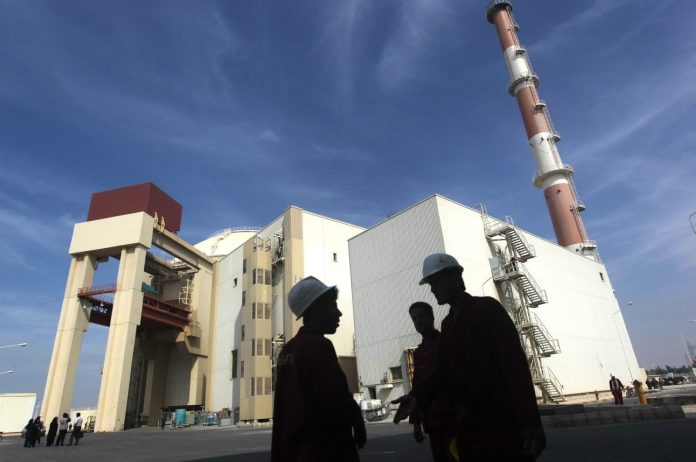

Iranian Official: Bushehr Nuclear Power Plant to reconnect to national grid soon

Iran's Bushehr nuclear plant

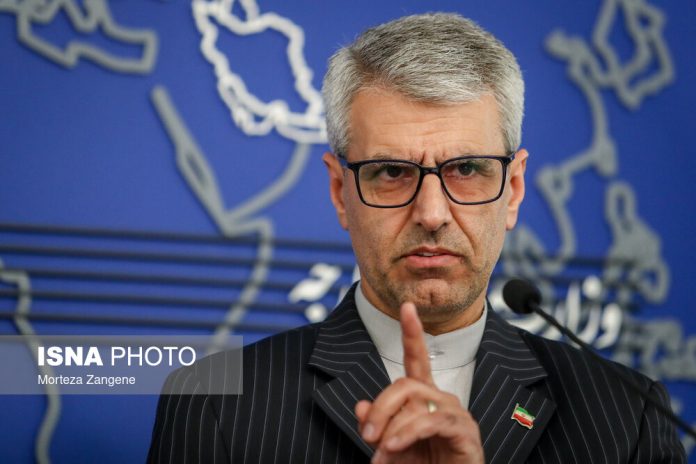
On Sunday night, Reza Banazadeh informed reporters about the refueling and preparations at the Bushehr Nuclear Power Plant for resuming electricity production.

He stated that the plant is ready to re-enter the operational phase and will begin generating power based on the schedule and the Energy Ministry’s demand.

Banazadeh emphasized that nuclear power generation is an essential and high-priority need for the country, requiring special attention.

He highlighted the increased demand for electricity during the months of July and August, due to hot weather, and stressed the readiness of the Bushehr plant to resume production.

Banazadeh also added that the completion and operation of the 75,000-cubic-meter desalination plant at the Bushehr Nuclear Power Plant will play a significant role in supplying drinking water to the people.

Iran Athletics Federation issues apology after reported sexual misconduct arrests in South Korea

According to the Korea Daily, South Korean police arrested two athletes and their coach, all reportedly in their 30s, following a complaint by a 20-year-old Korean woman.

The incident was said to have occurred around 7 a.m. on Sunday, with local authorities responding promptly to the report.

The Iran Athletics Federation emphasized that a thorough investigation is underway and vowed to take appropriate action.

“We express our deep regret and sincere apology for this incident,” the statement read. “The matter has been under careful review since the moment we were informed.”

The federation reaffirmed its commitment to ethical conduct, stating that any behavior outside accepted moral and disciplinary standards is condemned and will be dealt with in accordance with established regulations.

AEOI chief: Pre-revolution nuclear consortium proposal by US was deceptive

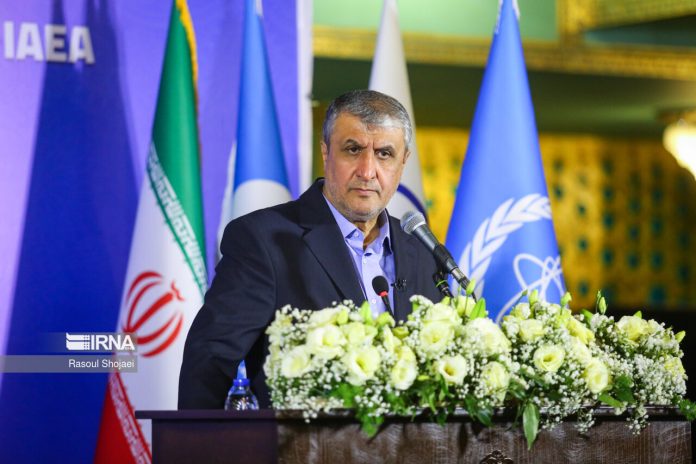
Mohammad Eslami

Speaking to Iranian media on Sunday, Eslami recalled that the US had advised Iran not to pursue an independent nuclear fuel cycle, instead offering a consortium plan.

“They took $1 billion from the Shah and formed the consortium in France. But once established, they claimed non-European countries could not be members,” he said.

A joint Iranian-French company was created to overcome this, but it yielded no advantage, and Iran’s assets were taken, he added.

The remarks come as the idea has recently been raised again to tackle the outstanding nuclear issue with Iran.

Eslami emphasized that uranium enrichment is fundamental to Iran’s nuclear industry and a red line for the country.

“No one can deny Iran the right to enrich uranium. Without enrichment, we cannot conduct our research or produce isotopes for industrial use,” he said.

He reiterated that the Foreign Ministry handles negotiations, but maintained that Iran’s nuclear advances are lawful responses to sanctions and aimed at achieving energy independence. “Iran will not return to the past,” Eslami said.

Envoy: Investment opportunities in Iraq’s energy sectors open to Iranian companies

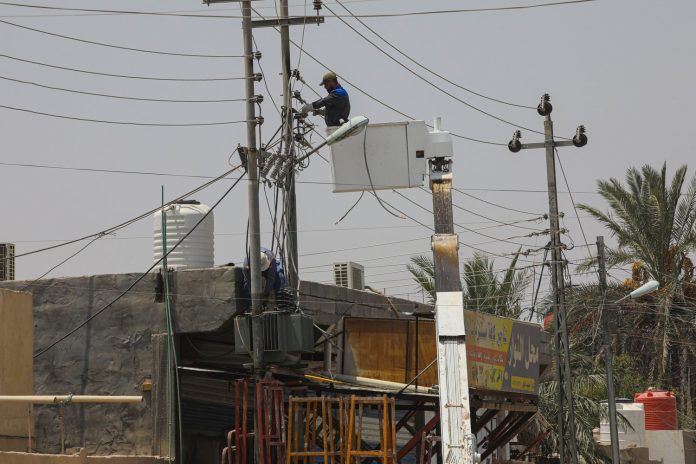
Iraq Electricity

Speaking at a joint meeting with Samad Hassan-Zadeh, President of Iran’s Chamber of Commerce, the envoy highlighted Baghdad’s efforts to increase bilateral trade and attract Iranian investors to strategic projects.

“There are 27 renewable energy opportunities across 14 provinces, two major oil and gas projects, 22 investment slots in heavy and medium industries, nine in industrial zones and free trade areas, 10 in agriculture—mostly in provinces bordering Iran—10 in healthcare, and 25 in residential housing,” he stated.

Abdullah noted that investment prospects in Iraq’s free zones and industrial parks alone could exceed $70 billion, asserting that expanded Iranian involvement would help balance trade between the two nations.

Meanwhile, Hassan-Zadeh called for streamlined banking guarantees and investment facilitation, stressing that joint production and investment ventures are among Iran’s economic priorities.

He also urged greater transparency regarding investor ownership rights and legal assurances to increase Iranian participation, particularly ahead of an upcoming investment forum where 140 Iraqi projects will be presented.

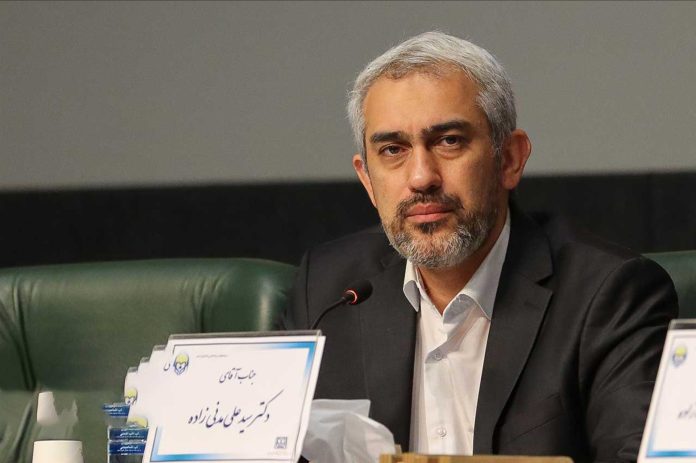
Iran govt. nominates Seyed Ali Madanizadeh as new economy minister

The nomination follows the March dismissal of former minister Abdolnasser Hemmati, who was impeached by the parliament. Rahmatollah Akrami, Iran’s treasurer-general, has since been acting as interim minister.

According to Goudarzi, the government’s nomination letter will be formally received in parliament during its upcoming session next Sunday. A specialized committee will then have one week to assess Madanizadeh’s qualifications and submit a report, after which a vote of confidence will be held.

Goudarzi also noted that the interim minister’s authority expires with the end of the legal three-month period, unless extended by the Leader.

Madanizadeh holds a PhD in Economics from the University of Chicago and has previously served as Dean of the Economics Faculty at Sharif University, advisor to the vice president for economic affairs, and a board member of a humanities research foundation.

Gas leak at Shiraz refinery in southern Iran kills three

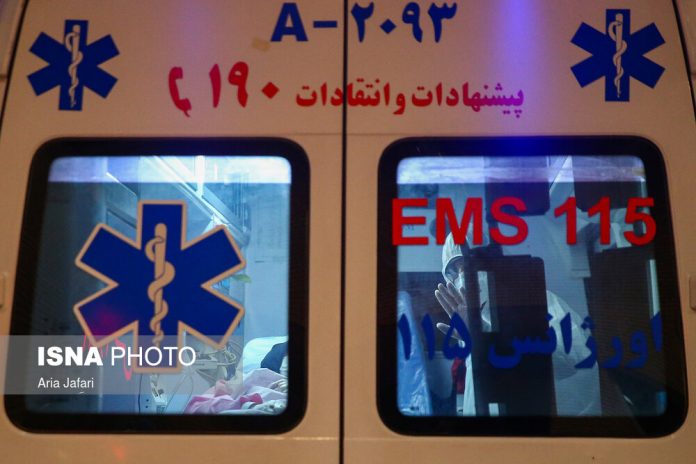
Ambulance Iran

According to Hojjatollah Rezaei, the Deputy Governor of Fars Province for Political, Security, and Social Affairs, two workers initially died at the scene, while nine others were injured and taken to hospitals in Shiraz. One of the injured later succumbed to injuries, bringing the total fatalities to three.

The cause of the incident is currently under investigation by refinery officials and technical experts.

Despite the accident, operations at the refinery continue without disruption.

The refinery processes 40,000 barrels of crude oil per day, amounting to 2 million tons annually. It receives its crude supply via a 230-kilometer, 10-inch pipeline from the Gachsaran oil fields.

Iranian FM to visit Egypt, Lebanon for high-level talks

Abbas Araghchi

The trip aims to enhance bilateral ties and consult on key regional and international developments.

According to Mohammad Hossein Soltani-Fard, head of Iran’s Interests Section in Cairo, Araghchi is scheduled to meet with Egyptian President Abdel Fattah el-Sisi, Foreign Minister Badr Abdelatty, and prominent political and economic figures.

The discussions will focus on issues including the Gaza war, regional crises in Sudan and Libya, and the broader situation in the occupied Palestinian territories.

Soltani-Fard noted that bilateral relations between Iran and Egypt have been progressing steadily, with ongoing high-level diplomatic exchanges.

Talks are also underway to finalize arrangements for direct flights and mutual tourism, including religious, recreational, and medical travel.

On Palestine, Iran has supported Egypt’s stance against the forced displacement of Gazans and its role in ceasefire efforts.

Soltani-Fard emphasized that both Iran and Egypt seek a lasting ceasefire and the realization of the Palestinian people’s legitimate rights, stressing that the resistance must not be the victim of ongoing aggression.

At the end of his visit to Egypt, the top Iranian diplomat will travel to Lebanon for talks with Lebanese officials on regional and bilateral issues.

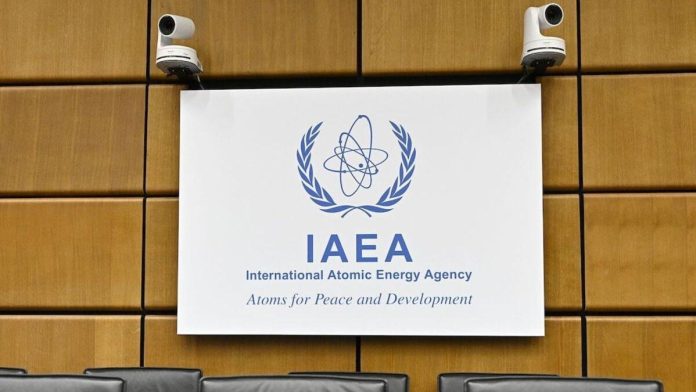
Iran slams IAEA report as ‘politically motivated’

IAEA

The IAEA claimed in a wide-ranging report on Saturday that Iran carried out secret nuclear activities with material not declared to the UN nuclear watchdog at three locations.

Gharibabadi stated the report focuses on disputed nuclear materials from over two decades ago “presented by Israel,” and stressed that no deviation has been found in Iran’s current nuclear activities. He reaffirmed that all nuclear materials are under IAEA safeguards and oversight.

He noted the IAEA itself acknowledges two of the four disputed sites are no longer under investigation and Iran has provided full explanations for the remaining two.

He further emphasized that enrichment to 60% is not prohibited under IAEA regulations and that there is no legal cap on enrichment levels unless the material is diverted for non-peaceful purposes.

Gharibabadi also rejected concerns over Iran’s suspension of the Additional Protocol and reassignment of inspectors from certain nationalities, asserting these actions are within Iran’s sovereign rights.

Despite the criticisms, the IAEA confirmed Iran’s continued cooperation on regular safeguards, stating no nuclear materials had been diverted for military use.

Gharibabadi asserted Iran views the report as part of a broader political pressure campaign by Western states, and in contrast with the agency’s inaction regarding Israel’s undeclared nuclear arsenal.

Iran says IAEA new report on nuclear activities politically motivated, based on Israel’s fake documents

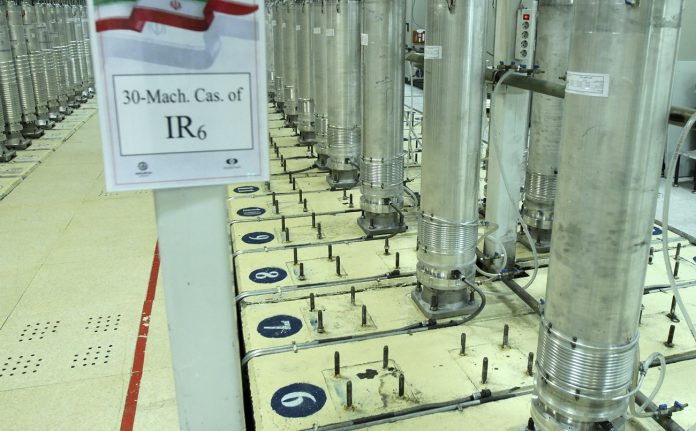
Centrifuge-parts workshop Iran Natanz

Iran stressed on Saturday that the accusation from the IAEA was “politically motivated and repeats baseless allegation”.

“The repetition of baseless allegations that cannot lend credibility to these claims, coupled with voicing too much concern in this regard, serves merely as a pretext for political propaganda against the Islamic Republic of Iran,” the statement said.

“This is while the fake Israeli regime, without being a signatory to the NPT, possesses a nuclear arsenal and simultaneously threatens the peaceful nuclear facilities of an NPT member nation. Unfortunately, despite his legal duties and repeated requests from the Islamic Republic of Iran to condemn these threats, the IAEA director general has taken no action,” it added.

Iran expressed “deep regret about the director general’s lack of impartiality and his disregard for professional conduct under political pressures in the preparation and publication of the report”.

“Unfortunately, despite such broad cooperation on part of Iran, the comprehensive report prepared, although acknowledging Iran’s cooperation, does not reflect the actual level of such cooperation,” the statement read.

“In the report, the director general, by relying extensively on forged documents provided by the Zionist regime, has reiterated previous biased and unfounded accusations. The allegations leveled in the current report are based on a few claims about undeclared activities and locations from past decades. This is while Iran has repeatedly declared that it has had no undeclared nuclear sites or activities.”

In its latest report, the IAEA claimed that Iran has sharply increased its stockpile of uranium enriched to up to 60 percent, close to the roughly 90 percent level needed for atomic weapons.

In its quarterly report, the agency said that as of May 17, Iran possesses an estimated 408.6 kilograms of uranium enriched up to 60 percent, marking an increase of 133.8 kilograms since the previous report in February.

According to the report, Iran’s total amount of enriched uranium now exceeds 45 times the limit authorized by the 2015 agreement – formally known as the Joint Comprehensive Plan of Action — and is estimated at 9,247.6 kilograms.