Thursday, December 25, 2025
Home Blog Page 1899

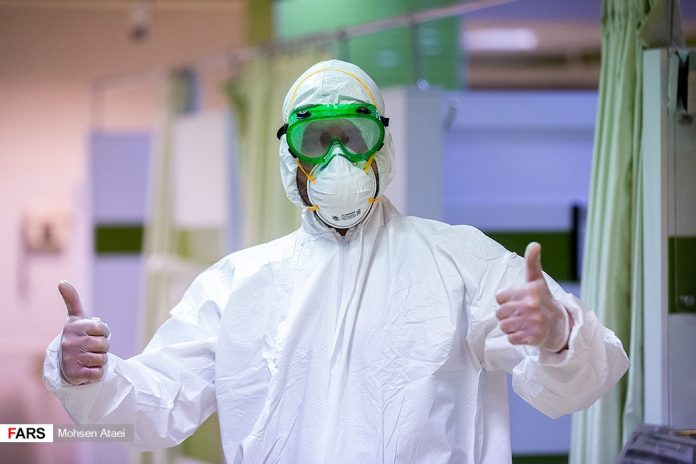
Iran daily Covid death toll zero on Friday

COVID in Iran

That’s according to the Friday tally released by the Iranian Health Ministry.

The ministry also put Covid’s daily caseload at 153. The new cases included 33 hospitalizations.

According to the Health Ministry 141,343 people have so far died of the Coronavirus so far.

Iran says it managed to contain the pandemic to a large extent through a nationwide vaccination campaign that has seen the full inoculation of tens of millions of people.

Overall, 150,075,485 doses of Covid vaccine have been administered to people in Iran. More than 27 million people are triple-vaxxed.
The disease has killed millions worldwide.

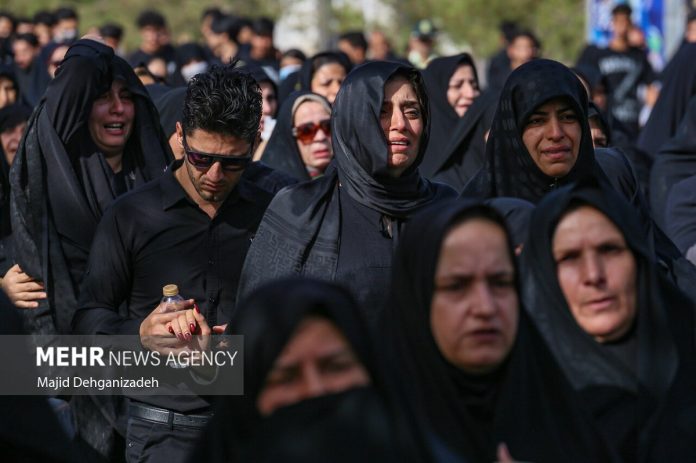
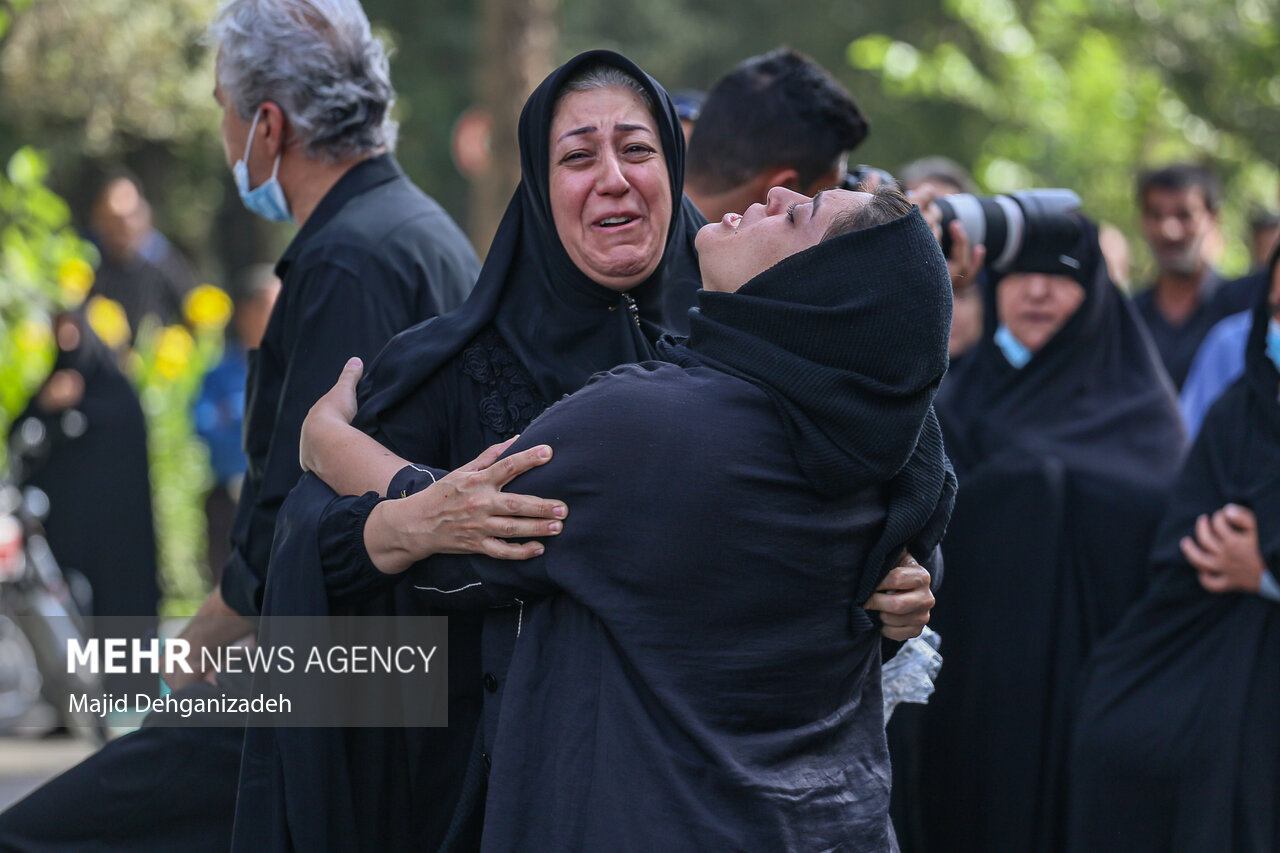
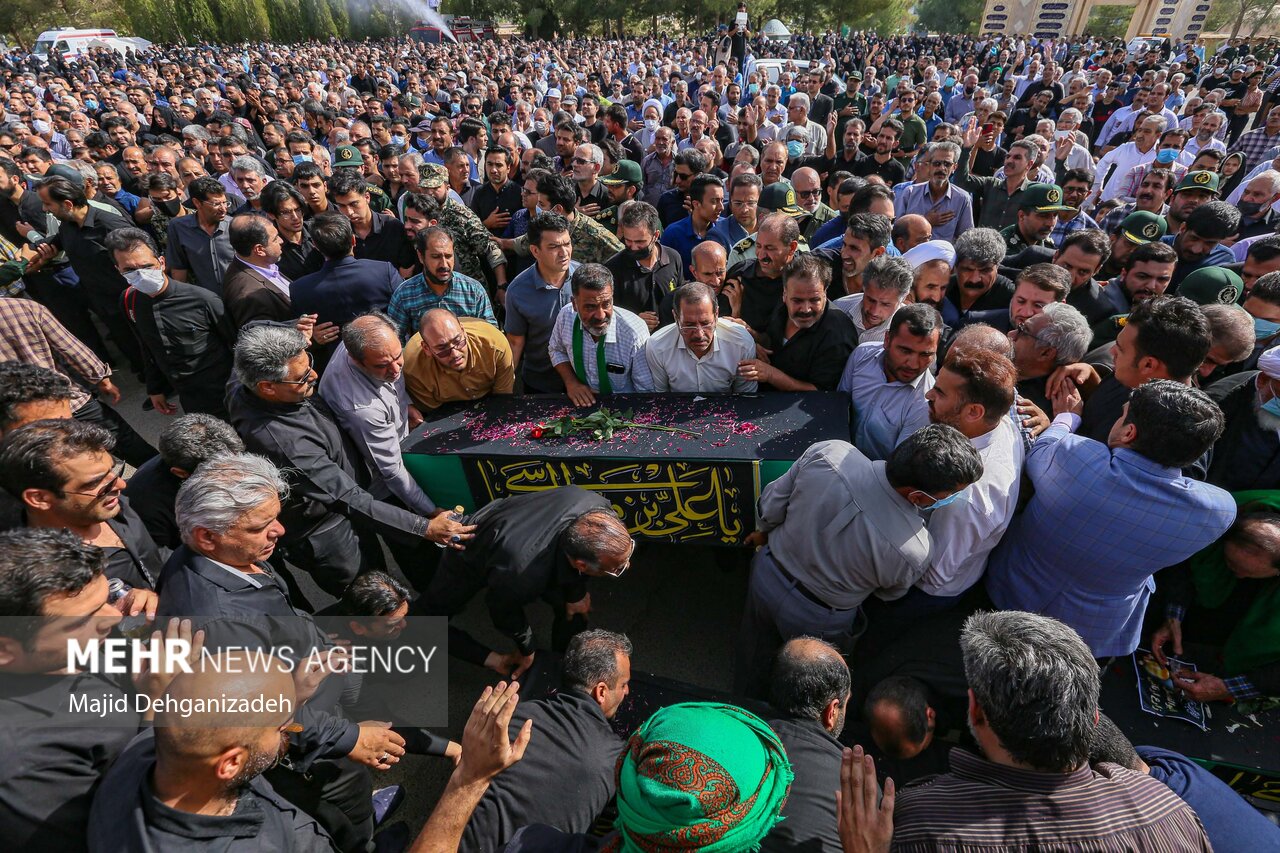
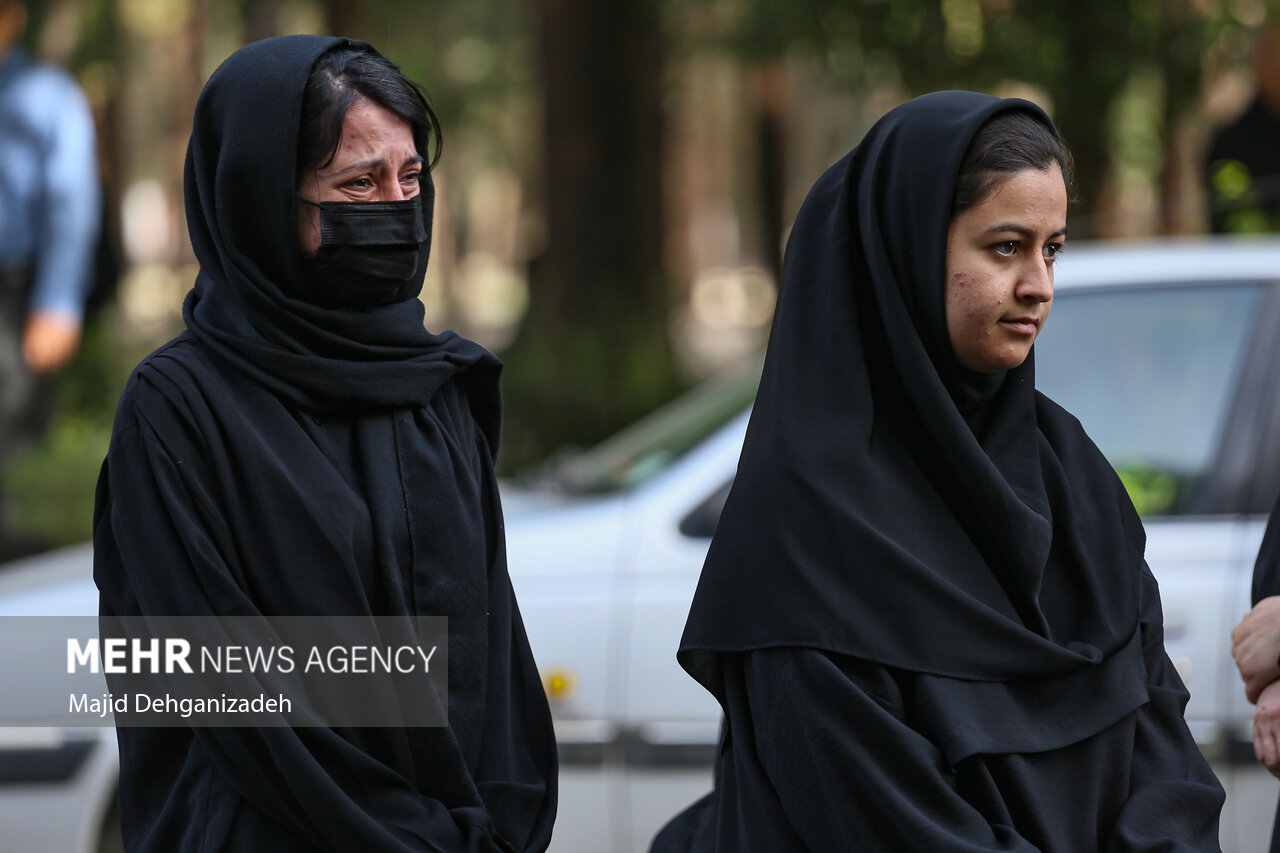
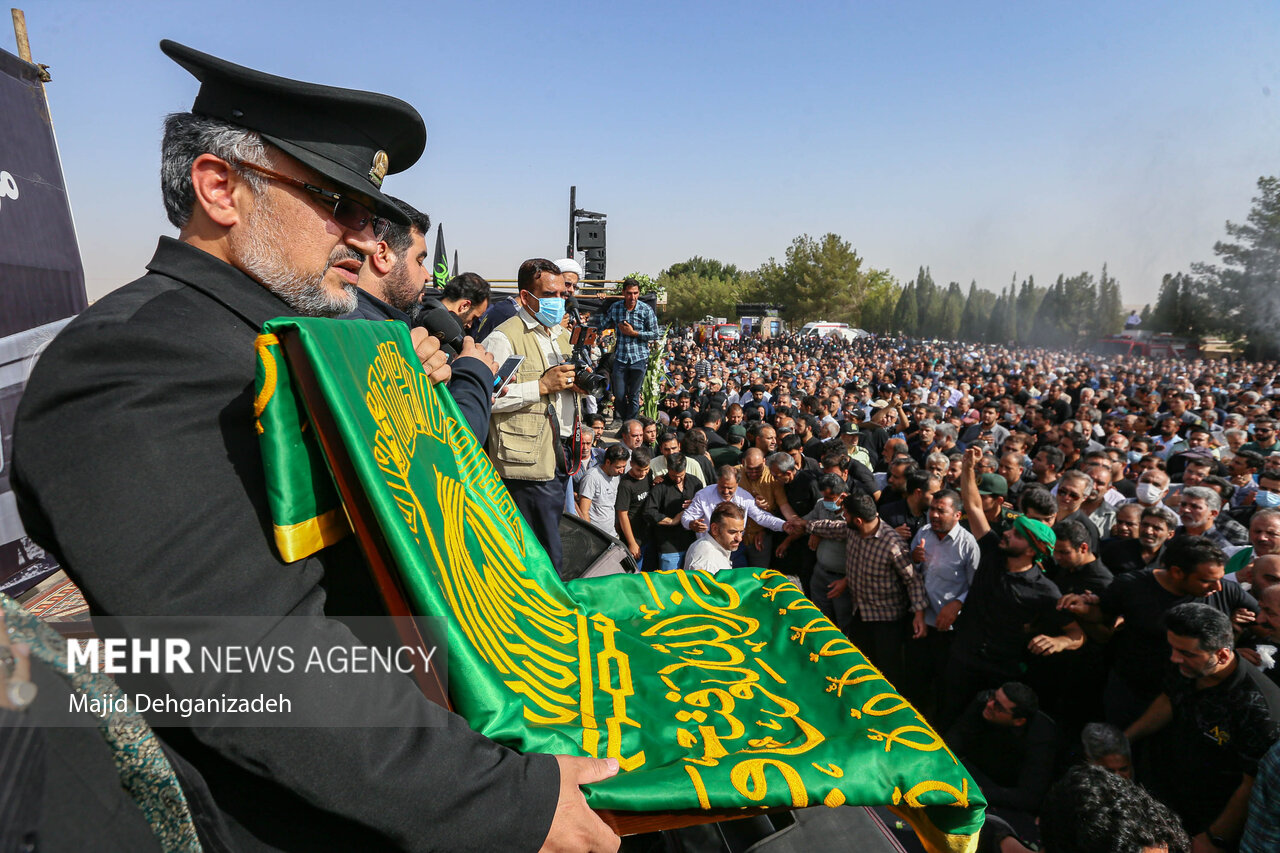
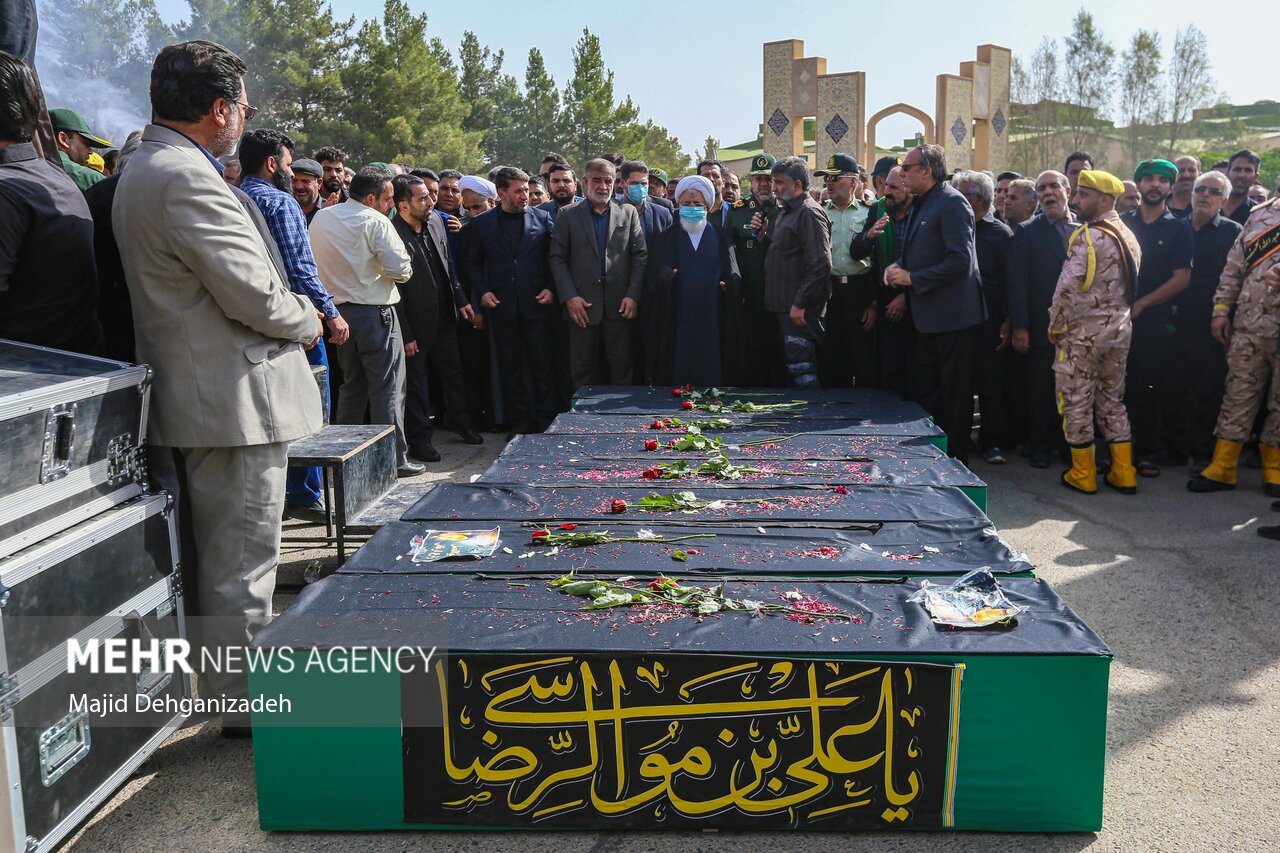
Iran train accident victims mourned

Iran train accident victims mourned

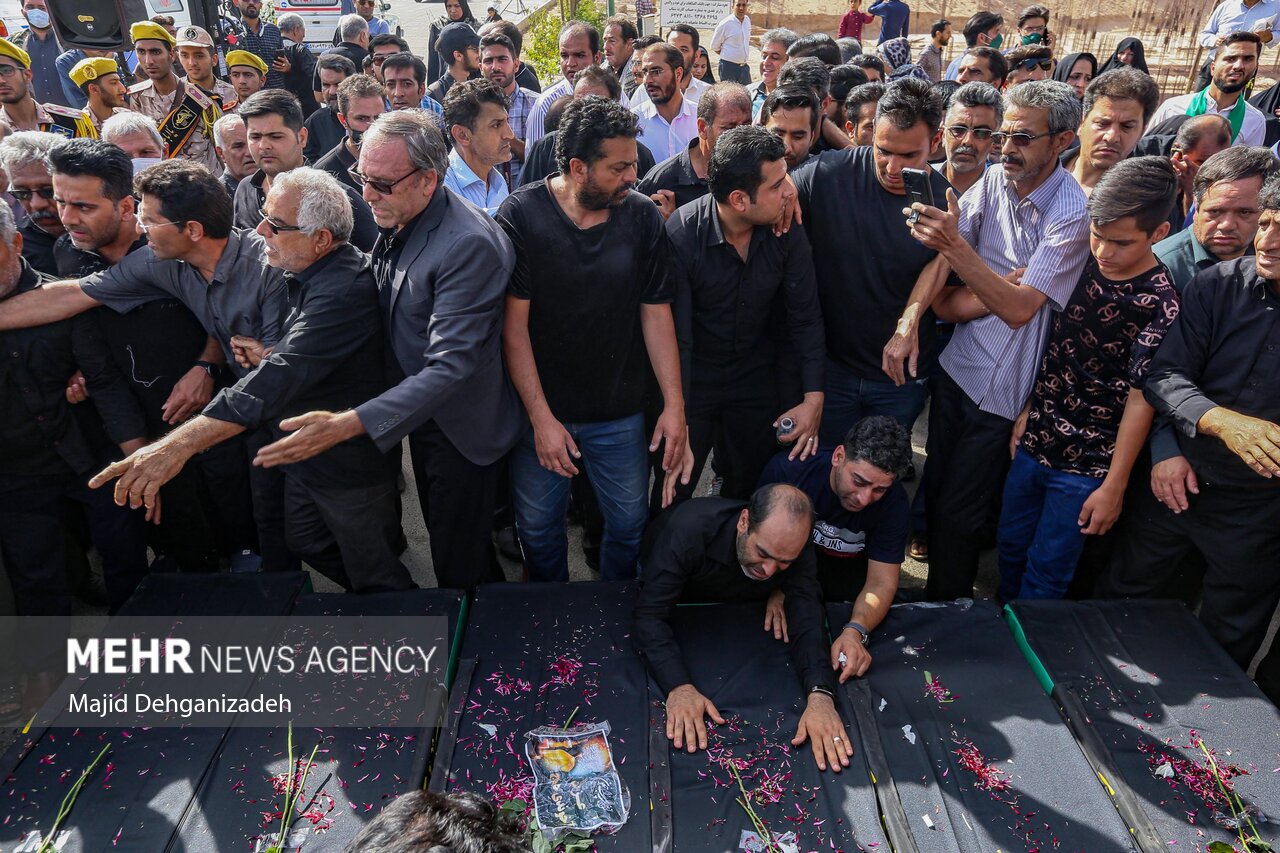
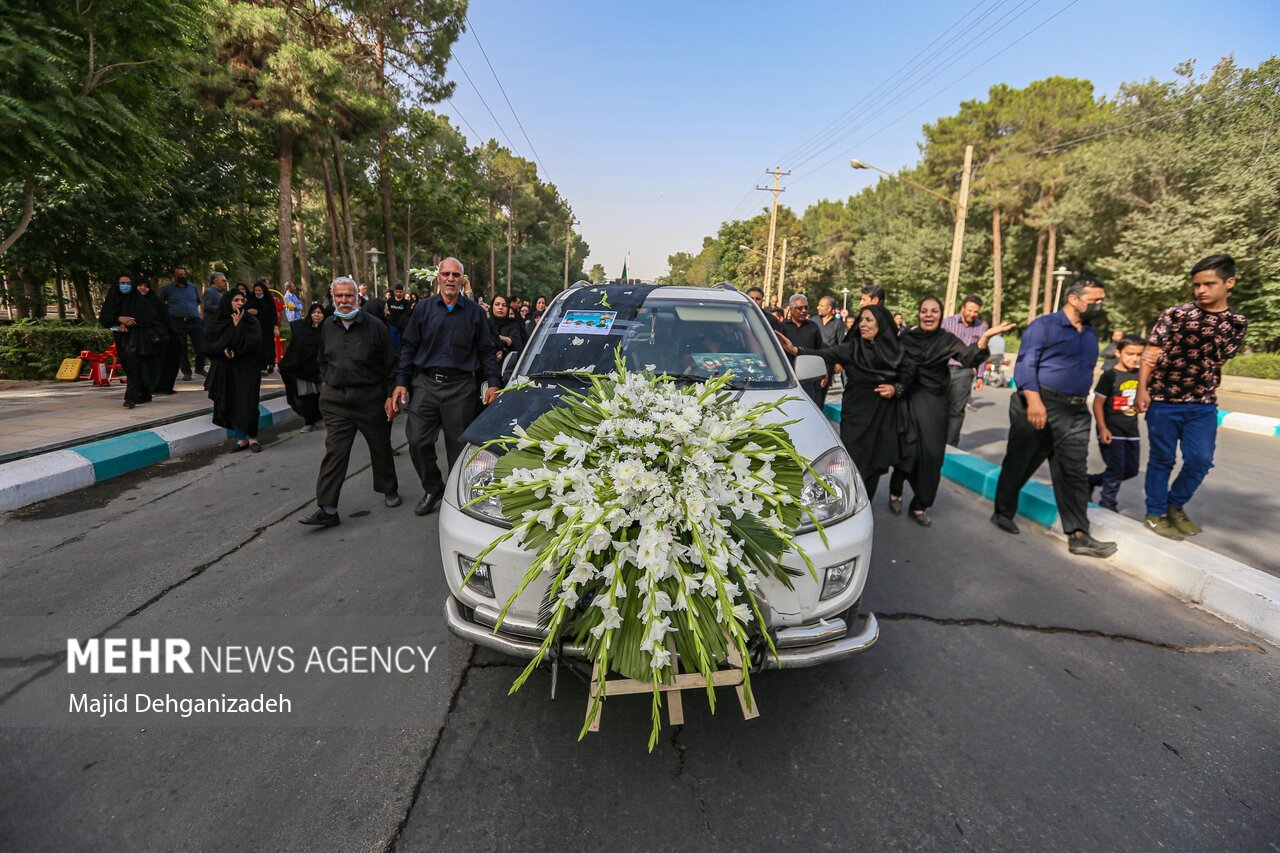
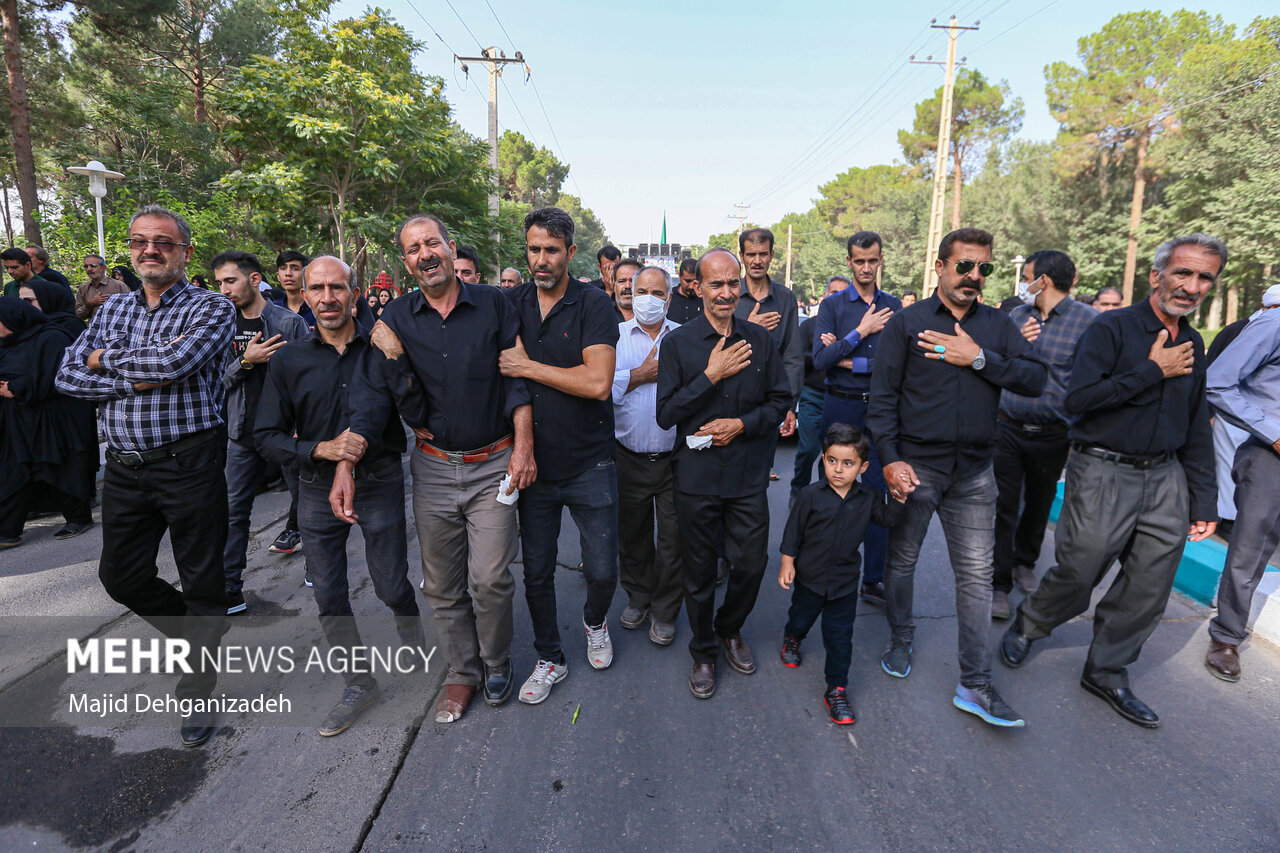
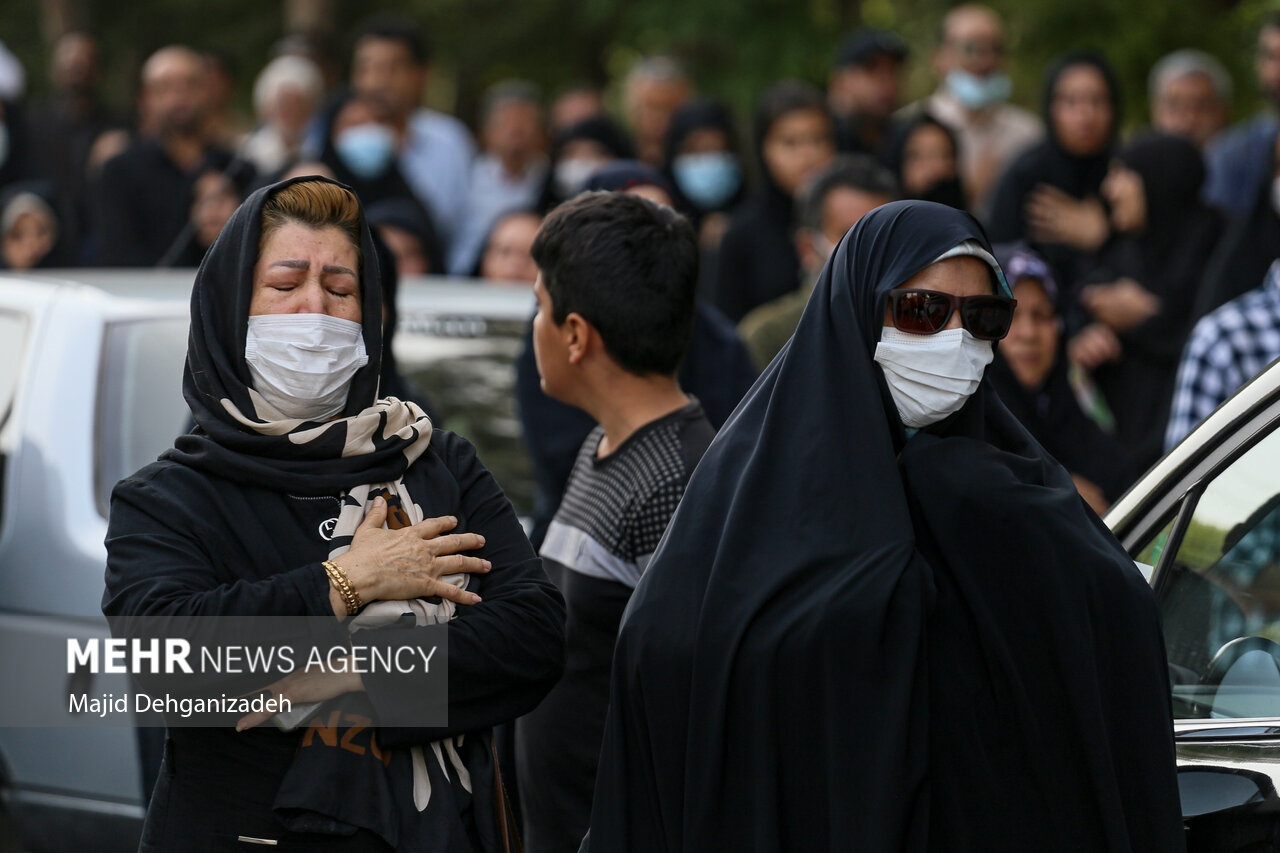
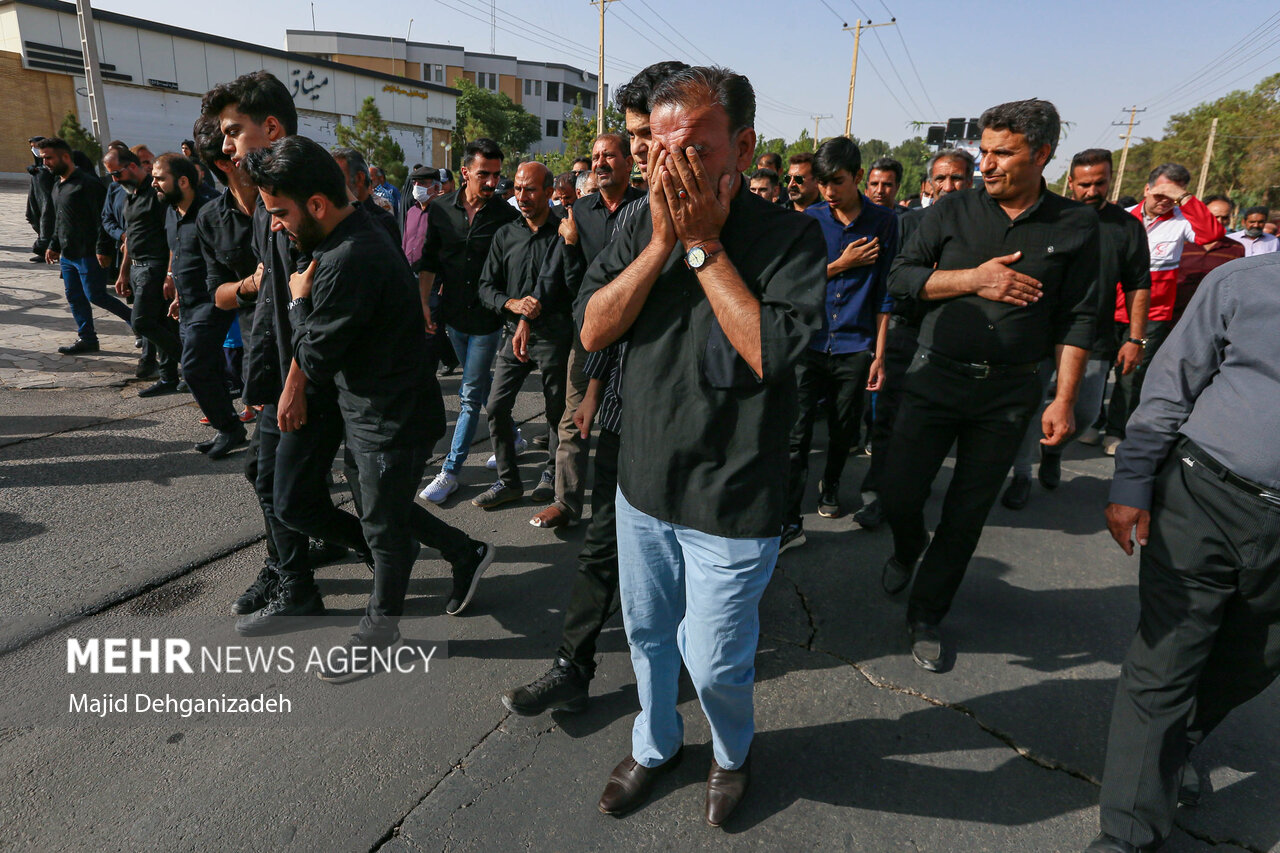
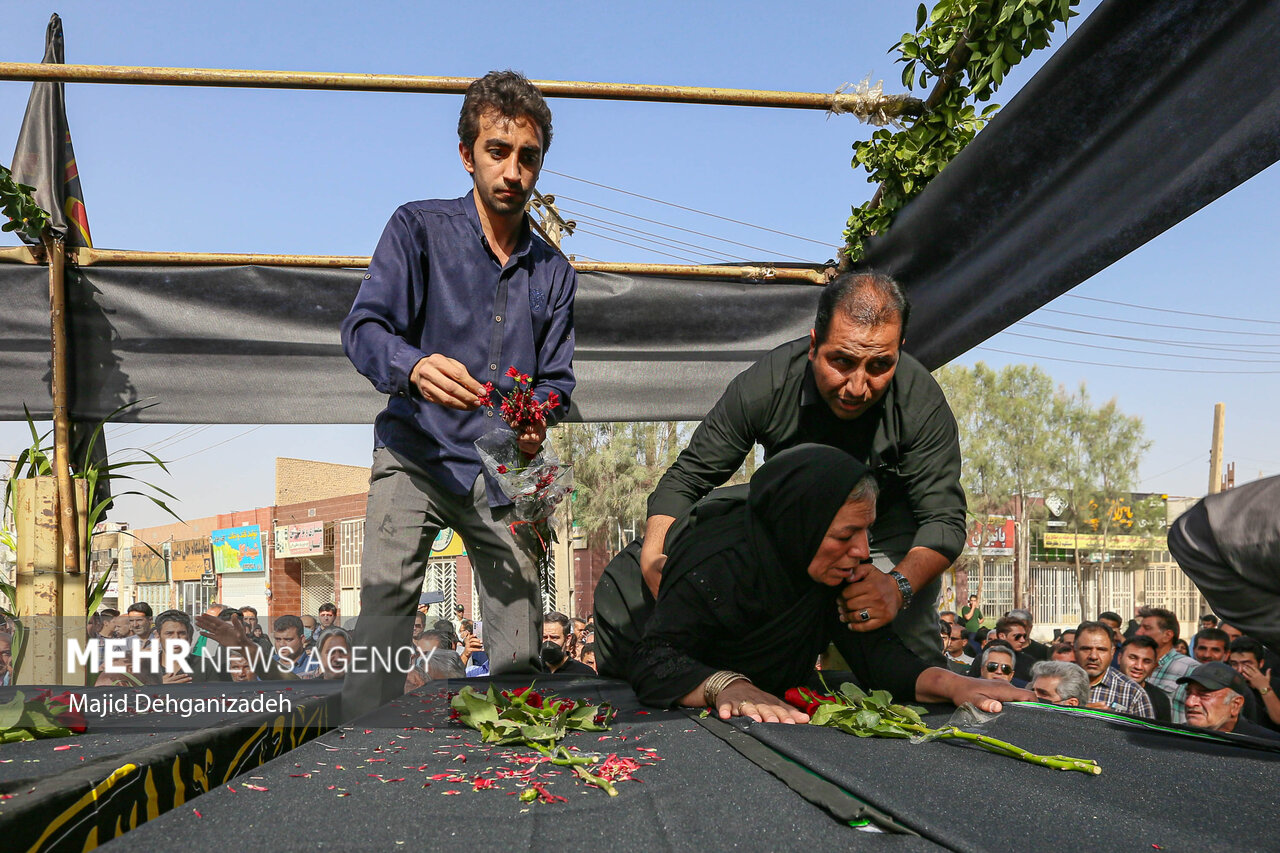
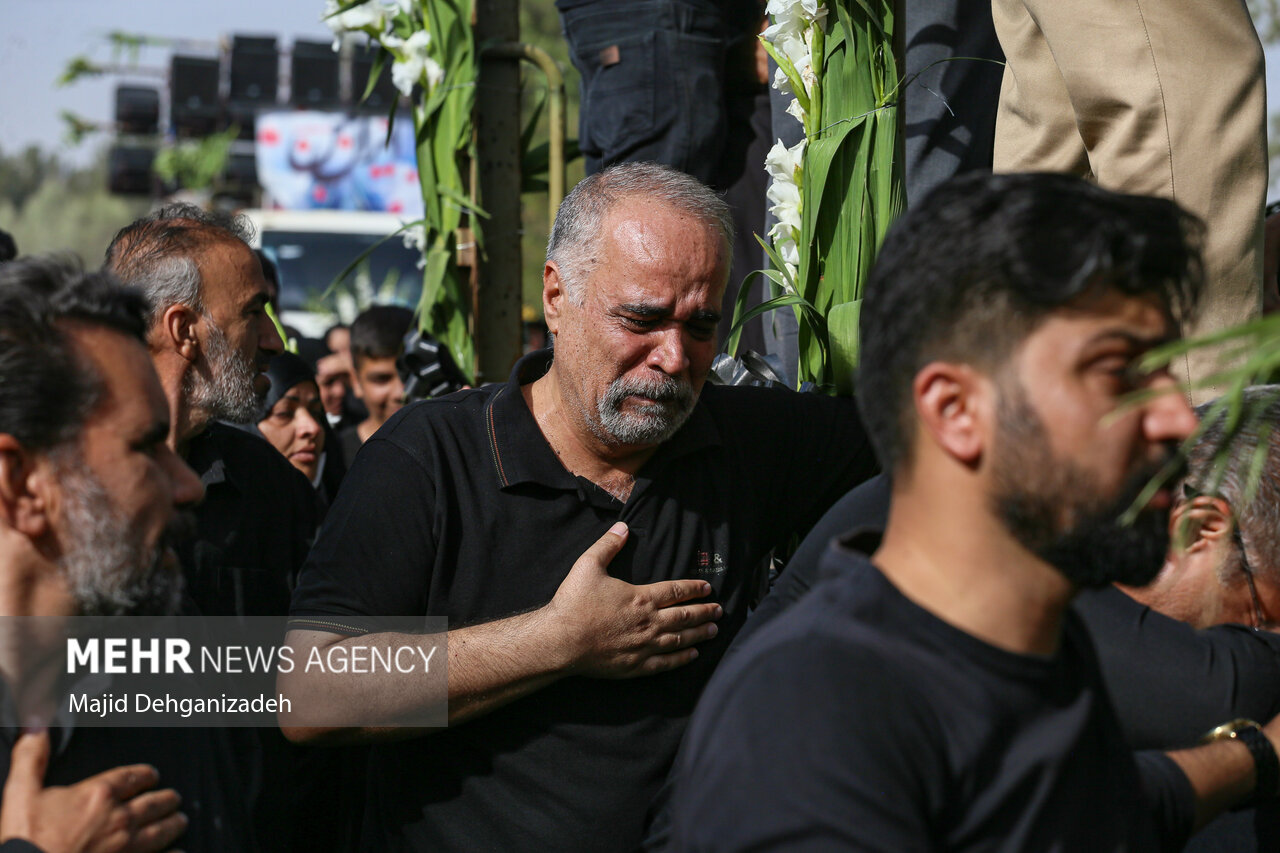
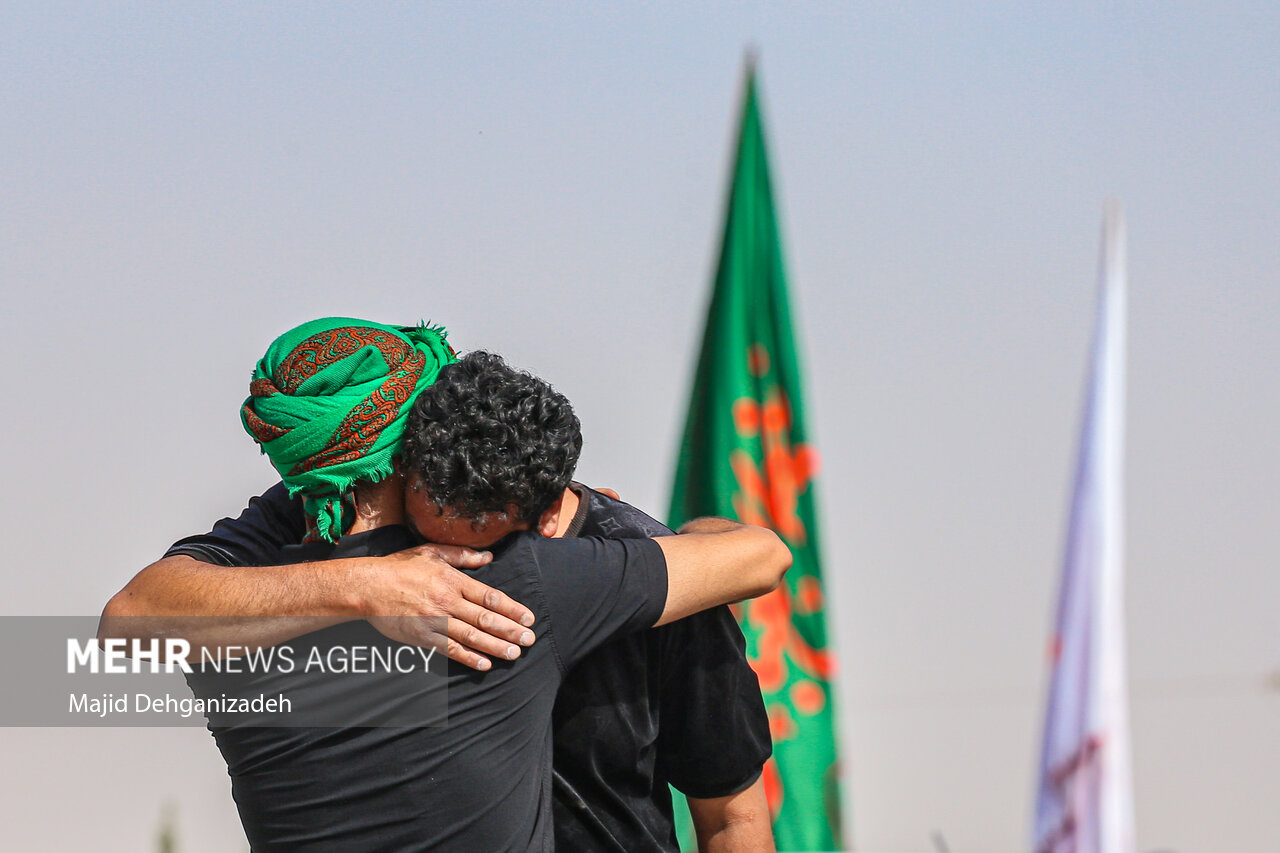
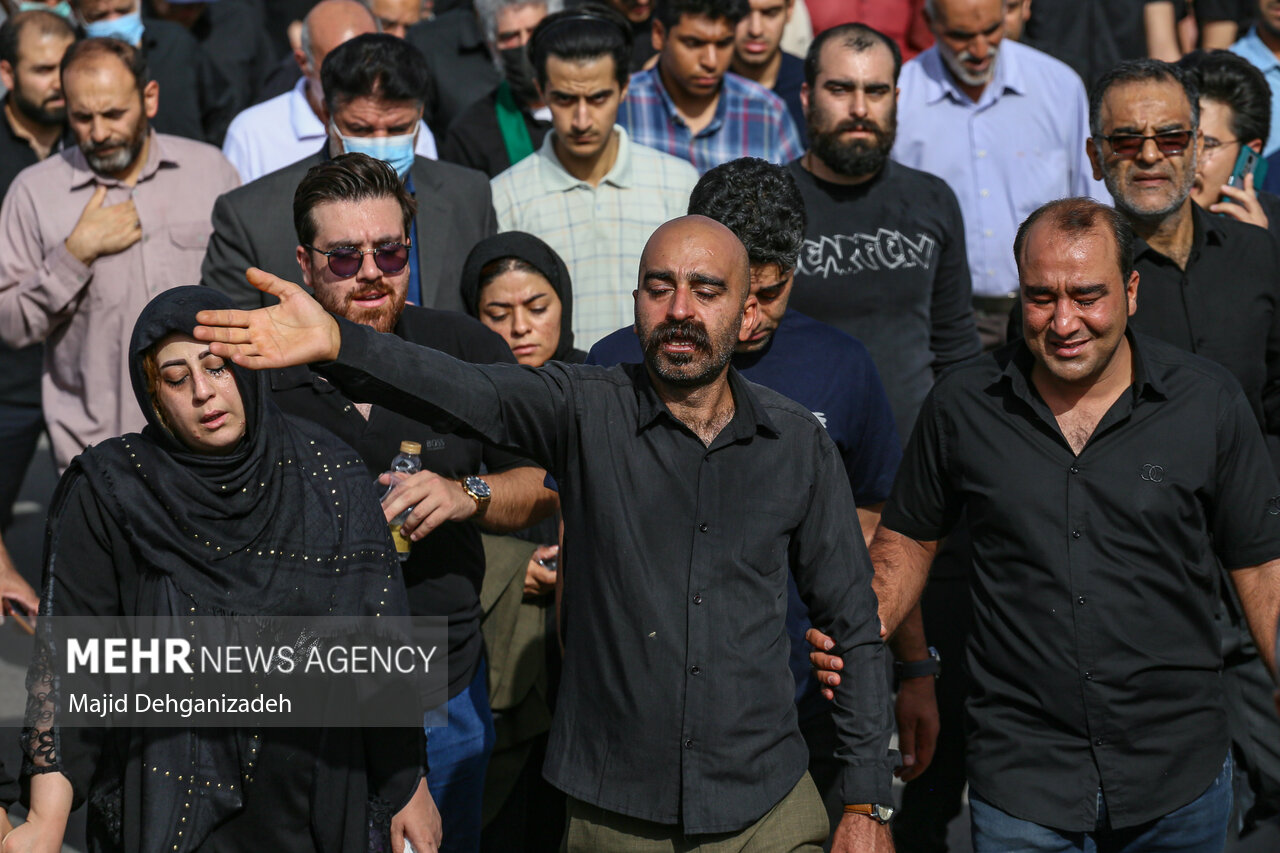
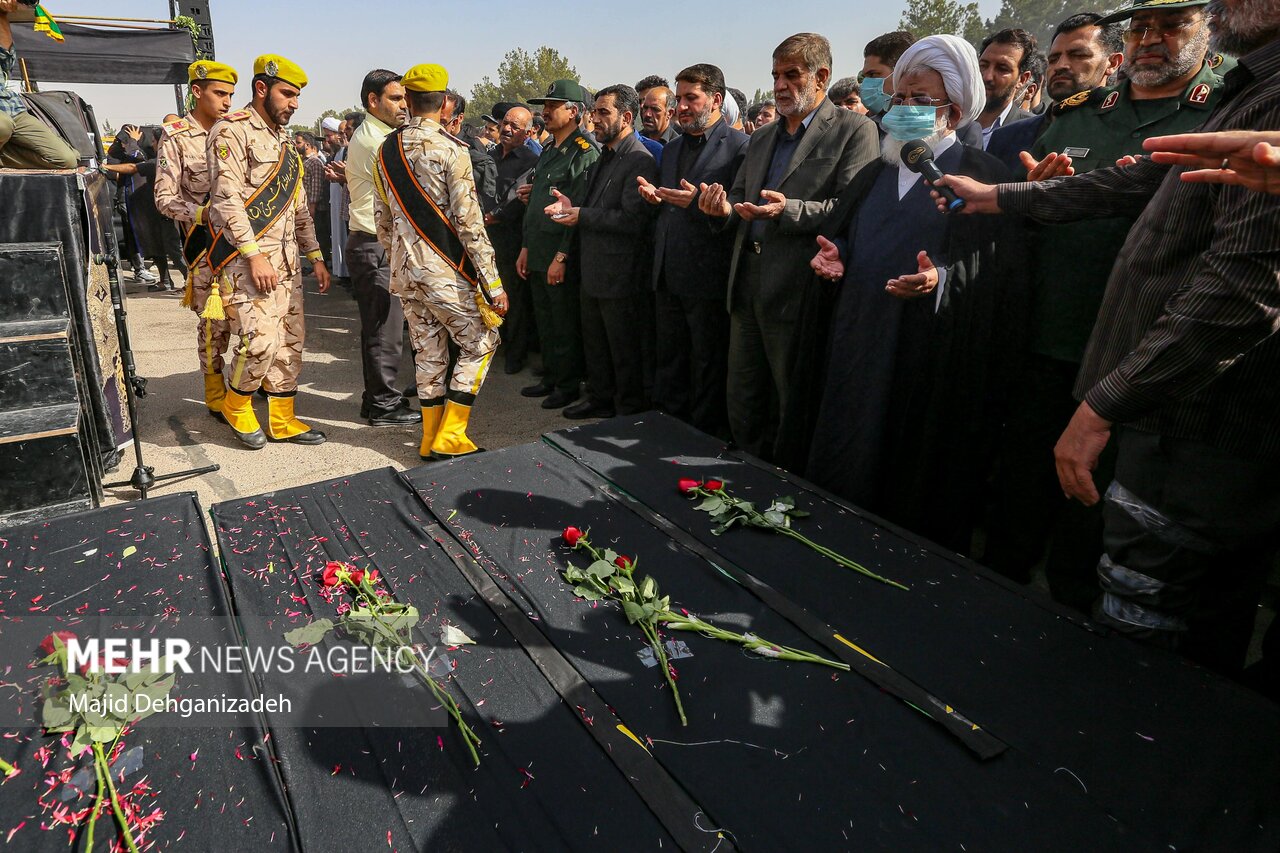
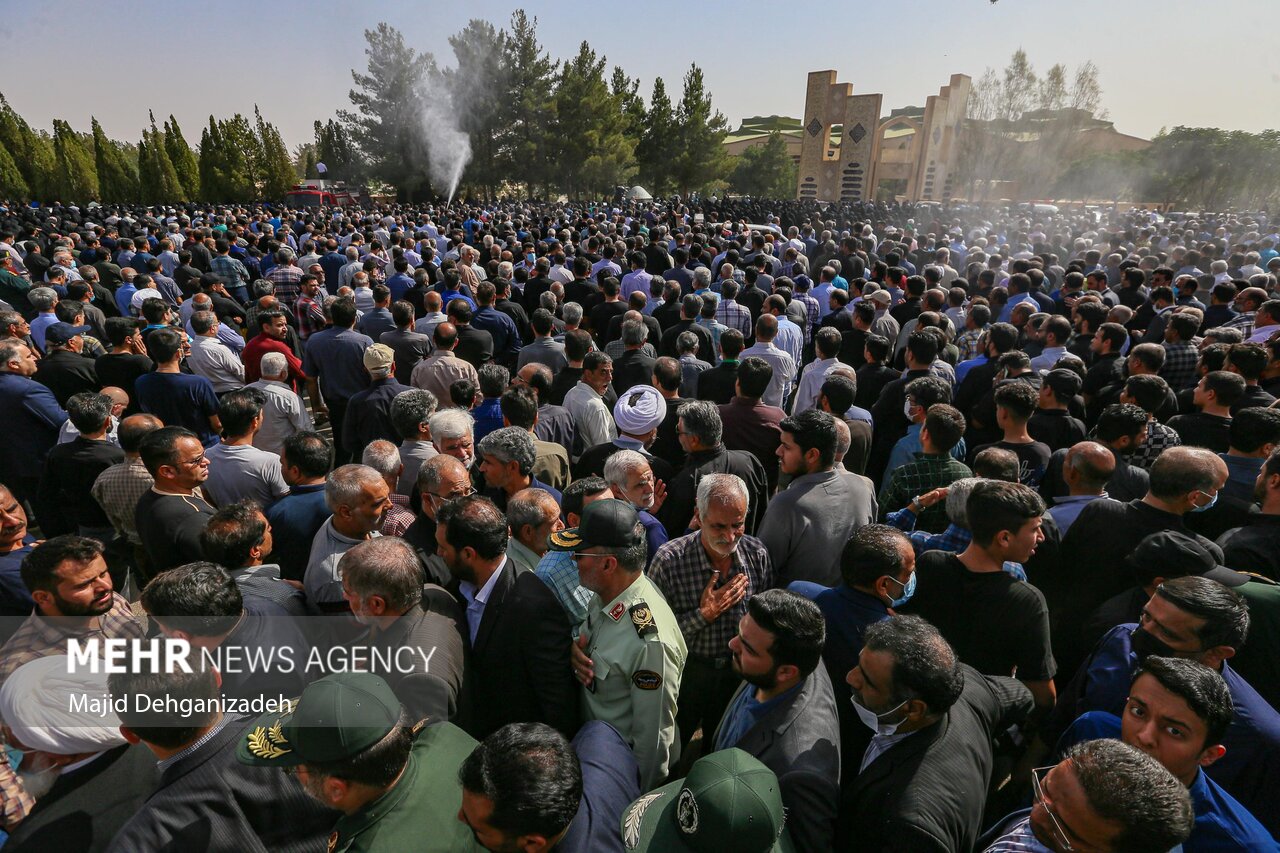
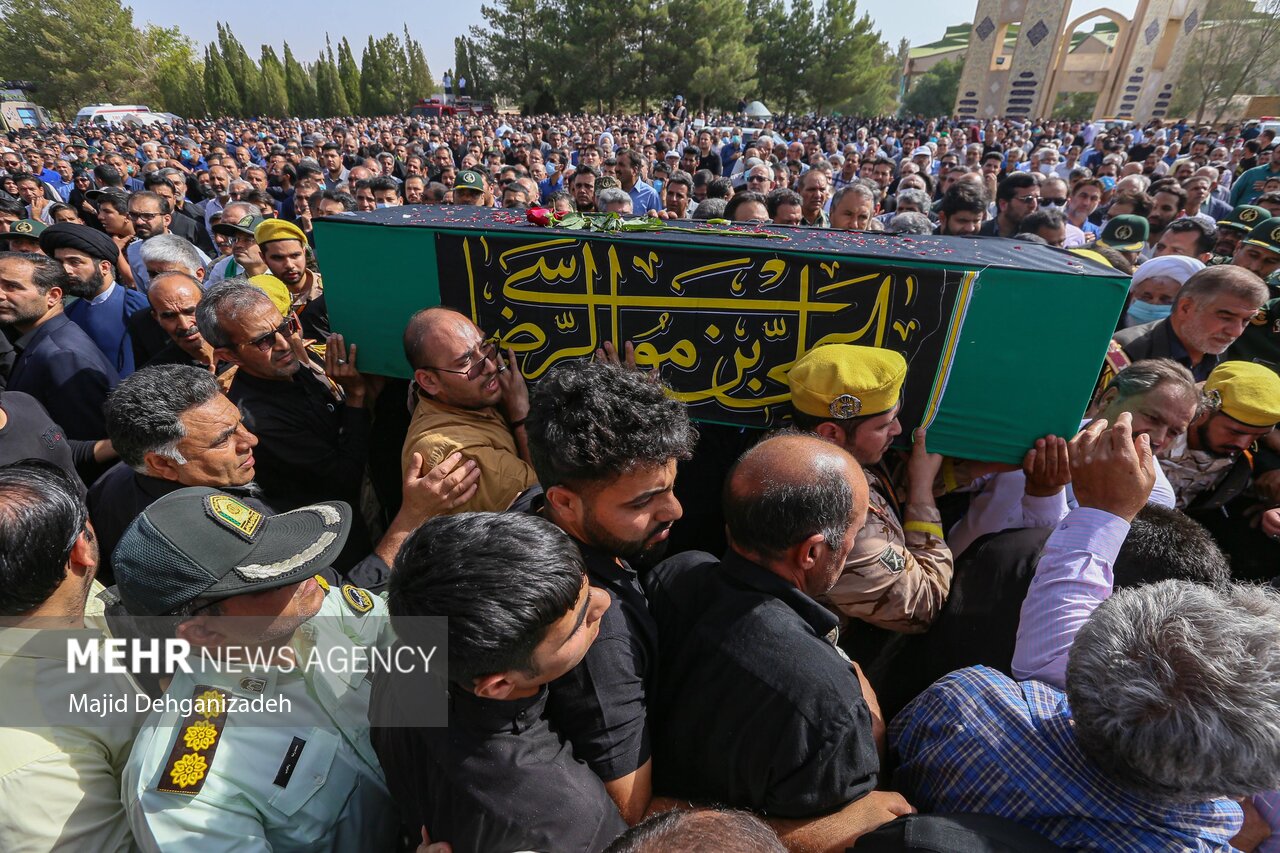
Some of the bodies were sent to their hometowns for burial, the director general of the Yazd Province Disaster Management Organization, Mohammad Ali Malekzadeh, said.

The passenger train, which was reportedly carrying over 400 passengers and crew, derailed on Wednesday near the city of Tabas in South Khorassan Province after colliding with an excavator.

The excavator had reportedly been working on the site as part of an operation to replace railroad ties.

Initial results of an investigation into the accident show that high speed and obstruction on the rail tipped over 11 carriages of the train.

Police arrest deposit boxes burglars in Iran

Iran’s Bank Melli

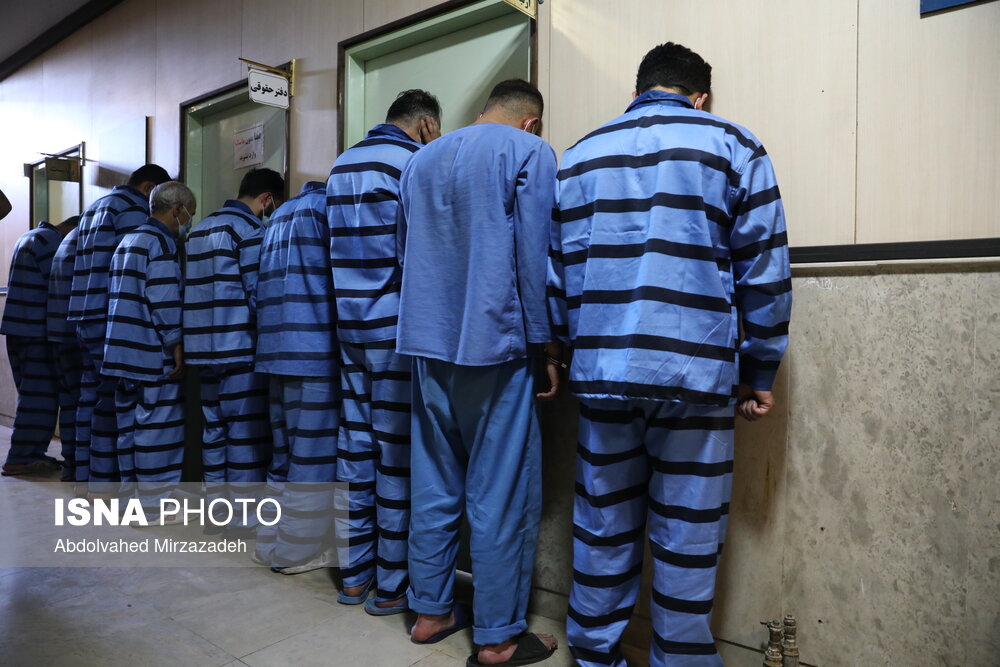
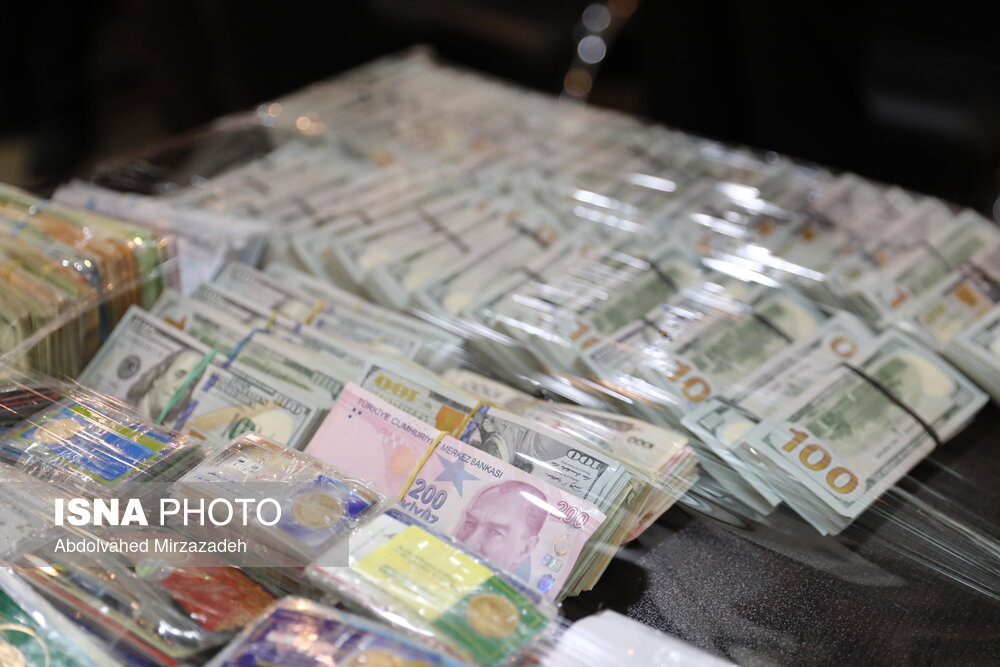
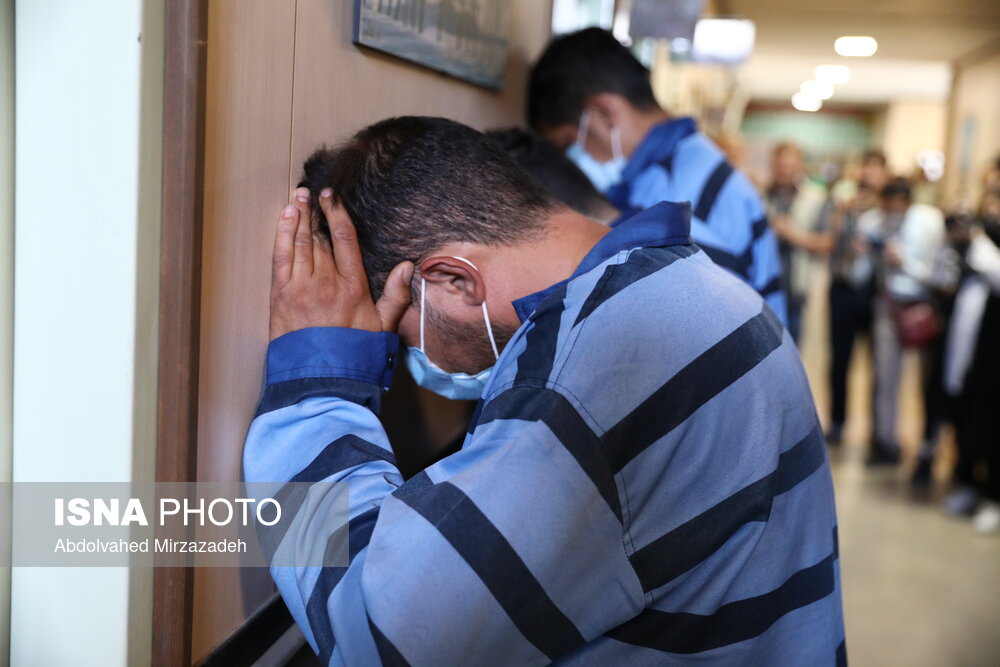
According to reports, some of the thieves who had fled to Turkey were repatriated after an arrest warrant by the Iranian police.

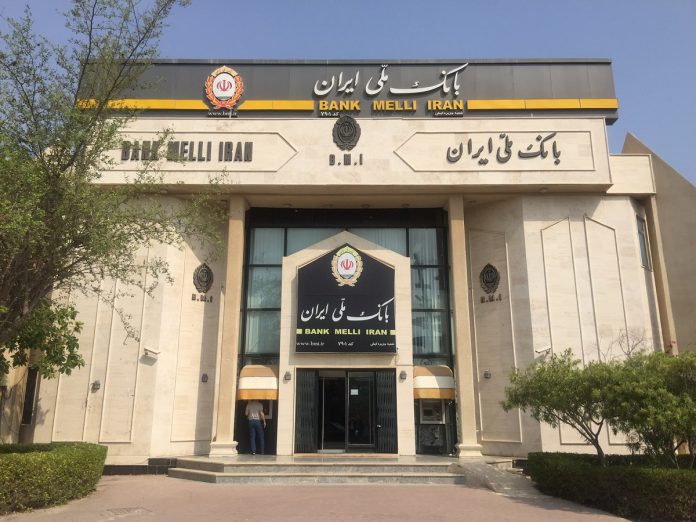
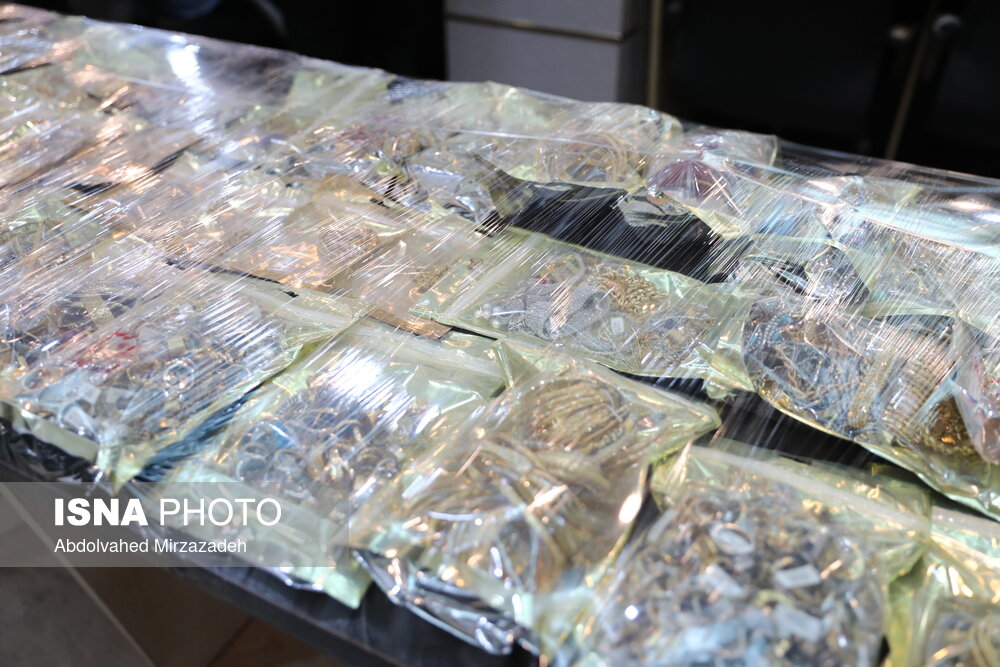
The thieves made off with the contents of over 160 safe boxes after the heist at one of Iran’s Bank Melli branches on Sunday in downtown Tehran, but the amount of the loss is not clear yet.

The police had earlier indicated that several bank employees were suspected of “negligence” and were under investigation.

Iranians protest sacrilegious movie

Holy Spider

The protesters chanted slogans against the Holy Spider, recently premiered at the Cannes film festival, and said “world arrogant powers” were behind the movie that insults Islamic sanctities, especially Imam Reza, the eight Shia Imam.

Iran says the movie, about a serial killer who targeted sex workers in the Iranian southeastern city of Mashahad, where Imam Reza’s shrine is located, is “biased and political”.

Several protests have been staged against the movie across the country for what is called presenting a distorted image of Iranian society and openly insulting the beliefs of Shia Muslims.

MKO members assault Press TV news team in Sweden

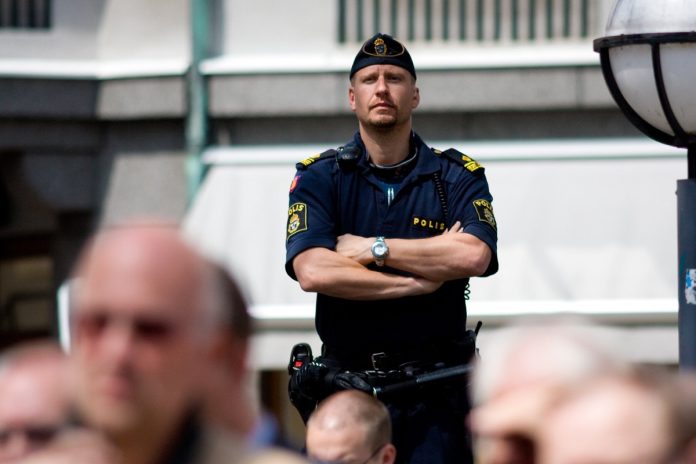
Swedish police

Press TV says the government of Sweden must be held accountable for providing support for the MKO terrorists while being unable to maintain security of the international network’s crew.

Recounting the encounter with the terrorist cult’s members, one of the event’s organizers said the MKO terrorists violently attacked the posters and banners of the exhibition, which depicted parts of the widespread atrocities perpetrated by the terror cult against Iranian civilians.

The MKO terrorists slashed the banners with knives and splashed paint on them to hide their brutal crimes, while pelting the organizers with stones and eggs, in what was decried as a blatant affront to democracy and free speech.

The Swedish police finally had to arrest nine of the attackers following the confrontation and released an unspecified number of them afterwards.

One of the organizers stated some of the terrorists came back and resumed assaults despite police warnings.

In response, the Sweden’s police beefed up security around the event.

The exhibition is held near the court where Iranian citizen Hamid Nouri is on trial over allegations of human rights violations back in the 1980s.

Iranian authorities have strongly condemned the trial, saying evidence presented in the court was propaganda and provided by the MKO.

The MKO members harassed the family of Nouri in early May outside the Stockholm District Court, where Nouri’s trial is taking place, an eyewitness told Press TV at that time.

There were “a bunch of people screaming and saying really, really shameful and bad words toward an old woman,” he said, adding that this is something “I have never seen in my whole life. It never existed in my world. So, I was just shocked by what I’m hearing.”

He elaborated that he was passing by to go to work when he first saw the MKO members screaming and swearing at Nouri’s family in Persian.

The MKO has conducted numerous assassinations and bombings against Iranian statesmen and civilians since the 1979 victory of Iran’s Islamic Revolution. Its members fled Iran in 1986 to Iraq, where they enjoyed backing from former Iraqi dictator Saddam Hussein.

Out of the nearly 17,000 Iranians killed in terrorist assaults since the Islamic Revolution, about 12,000 have fallen victim to the MKO’s acts of terror.

The anti-Iran cult was on the US government’s list of terrorist organizations until 2012. Major European countries, including France, have also removed it from their blacklists.

A few years ago, MKO elements were relocated from Camp Ashraf in Iraq’s Diyala Province to Camp Hurriyet (Camp Liberty), a former US military base in Baghdad, and later sent to Albania. MKO terrorists enjoy freedom of activity in the US and Europe and even hold regular meetings, in which European and American officials make speeches.

Iran: IAEA taken captive by Israeli regime

IAEA

The head of the AEOI Mohammad Eslami on Thursday night deplored that the International Atomic Energy Agency (IAEA) has been taken hostage by an illegitimate regime and is being exploited.

“It is unfortunate that an international institution has been exploited by an illegitimate regime and its reputation has been questioned, “Eslami said in an interview with Iran’s IRIB.

The remarks came after IAEA chief Rafael Grossi traveled to Israel and met with Israeli premier Naftali Bennett, ahead of the nuclear body’s Board of Governors meeting on Monday.

After Grossi’s trip, the board late on Wednesday approved an anti-Iran resolution, further complicating ties between Tehran and nuclear agency.

Iran has on many occasions cautioned the UN nuclear agency against allowing Israel to influence its independence in decision-making.

Eslami said Iran had limited its nuclear activities in good faith even beyond the commitments set forth by a 2015 nuclear deal with the West; however, the IAEA overlooked Iran’s goodwill gesture.

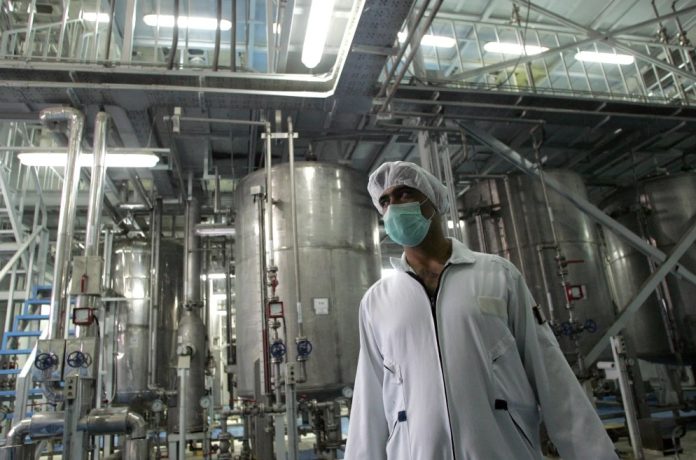
As a reaction to the anti-Iran move, Iran is going to expedite production and installation of IR-6, IR-4 and IR-2m centrifuge machines and has also announced it has disconnected some monitoring devices installed by IAEA.

Iran also has started injecting gas into advanced centrifuges, a move suspended as a goodwill gesture and beyond Tehran’s safeguard commitments.

Russia’s “Special Operation” in Ukraine; Day 107: Ukraine imposes sanctions on Putin, other top Russian officials

Russia Ukraine War

Ukraine: Russia can continue its war for another year

Ukraine’s military intelligence directorate believes that Russia can continue its war for another year, warning that Kyiv is significantly outgunned on the frontlines.

“The Kremlin leadership probably will try to freeze the war for a while in order to convince the West to lift sanctions, but then continue the aggression,” the Ukrainian Ministry of Defense’s Main Intelligence Directorate said via Telegram.

“Russia’s economic resources will allow the occupying country to continue the war at its current pace for another year,” it added.


Macron could visit Ukraine after EU decision on Ukraine candidacy: Élysée source

French President Emmanuel Macron could make his first visit to Ukraine since the Russian invasion after the European Union decides at the end of June on Kyiv’s application to join the union, an Élysée Palace source told journalists at a briefing on Friday.

“We are waiting for the commission to give us its opinion. The decision could be to give Ukraine candidate status,” the source said.

“We will define the time of the visit according to these parameters,” the source added.

The Élysée source emphasized that Macron wants to visit Ukraine in a way most useful to the country.

Since Russia launched its invasion of Ukraine, many Western leaders have visited the country, including British Prime Minister Boris Johnson and US Speaker of the House Nancy Pelosi. But Macron has yet to visit Kyiv, despite the active role he has played throughout the crisis.

Macron was recently slammed by Ukrainian leaders for remarks in which he said “we must not humiliate Russia” in order to pursue diplomacy.


EU membership candidate Serbia must support sanctions against Russia: Scholz

German Chancellor Olaf Scholz said he expects sanctions against Russia to be supported by all countries applying for EU membership, including Serbia.

“It is a terrible, a senseless war that has been started for an imperialist vision of Russia. That is why it is so important that the European Union, and all of us, stand in solidarity with Ukraine and help it defend itself against this attack,“ Scholz told Serbian President Aleksandar Vucic during a joint news conference in Belgrade on Friday.

“The sanctions will not simply disappear when the weapons are silent,“ Scholz said. “Russia must come to an understanding with Ukraine,“ he added.

“It is clear that an agreement must also ultimately clarify the question of Kosovo’s recognition, because it is inconceivable that two countries that do not recognize each other will become members of the EU,“ Scholz stated during an earlier joint news conference with Kosovo’s Prime Minister Albin Kurti in Pristina on Friday.

“Today I ask both sides once again for a clear commitment to this dialogue. Everyone must approach each other, as difficult as it sometimes is,“ he noted.

Vucic has rejected “threats“ and “pressure“ against Serbia when it comes to the recognition and dialogue with Kosovo.


Moscow brushes off Ukraine’s sanctions on Russian senior officials as unworthy of response

The sanctions Kiev imposed against Russia’s senior officials following the Ukrainian president’s decision on Thursday are unworthy of any response from Moscow, Russia’s top diplomat said on Friday.

“I do not think this is worth any response,” Foreign Minister Sergey Lavrov stated, when asked by TASS to comment on the Ukrainian move.

Ukrainian leader Volodymyr Zelensky on Thursday issued permanent sanctions against Russian President Vladimir Putin, his spokesman Dmitry Peskov, Security Council Secretary Nikolay Patrushev, Prime Minister Mikhail Mishustin and almost all Russian cabinet ministers, including Lavrov. A total of 35 Russian senior officials were blacklisted.


UK report says Russia is struggling to provide basic services in occupied territories of Ukraine

Russia is struggling to provide basic public services to civilian populations in Russian occupied territories of Ukraine, according to a British intelligence report published on Friday.

The report claims that access to drinking water, internet connection and phone services remain inconsistent, while Kherson “likely faces a critical shortage of medicines” and Mariupol runs the risk of a cholera outbreak.

On Tuesday, an adviser to Mariupol’s mayor, Petro Andrushenko, warned of a potential cholera outbreak amid deteriorating sanitary conditions in the city. Last week he stated that damage done to Mariupol over two months of bombardment was so severe that most basic services including electricity, gas and water were cut off and yet to be restored by Russian-backed authorities.

Last month, Kremlin spokesman Dmitry Peskov admitted that many occupied areas remained without electricity, water or sewerage services.

In late May, Ukrainians in Kherson told CNN about critical shortages of medicine. Deputy head of the Kherson regional council, Yurii Sobolevskyi, said the Russians are “driving the Kherson region into a deeper humanitarian crisis.”


UK defense secretary vows to work “even more closely” with Ukraine during visit to Kyiv

UK Defense Secretary Ben Wallace, who made an unannounced visit to Kyiv this week, agreed to work “even more closely” with Ukraine during meetings with President Volodymyr Zelensky and Defense Minister Oleksiy Reznikov.

“The three agreed to work even more closely going forward in support of their shared goal of enabling Ukraine to liberate itself from illegal Russian occupation,” according to a UK Ministry of Defence press release.

“They also discussed the range of equipment and training the UK is currently providing and what further support we can offer to help Ukrainian forces to defend their country,” it added.

It is unclear when the meeting took place. The defense ministry said that the two-day trip took place “this week,” and Zelensky posted video of the meeting on his official Telegram channel on Friday afternoon.

Zelensky told Wallace during the meeting that “war is a great manifestation of who our true friends are,” and that the UK had proven itself to be one.

“I am very grateful for such a truly united work. These words are constantly moving into action, and this is a very important difference between Ukraine’s relations with the UK and other countries,” Zelensky stated.

“Weapons, finances, sanctions are three things in which the United Kingdom has consistently shown its leadership,” he continued.

The British readout said that the meetings focused on how the UK could continue to provide “operationally effective lethal aid that meets the current and future threats facing Ukraine” as the war “enters a different phase.”


NATO official ‘confident’ Sweden and Finland will join alliance

NATO’s deputy secretary-general says he believes Sweden and Finland will join the transatlantic military alliance despite objections from Turkey.

“We are confident that Sweden and Finland will join our ranks,” Mircea Geoana told the Copenhagen Democracy Summit on Friday.

Ankara has accused the Nordic countries of harbouring individuals linked to groups it deems to be “terrorists”, including the Kurdistan Workers Party (PKK), and has taken issue with their decisions to halt arms exports to Turkey in 2019.


EU Parliament ‘firmly behind’ Ukraine’s candidacy bid

The European Union’s parliament supports Ukraine’s bid to achieve candidate status to join the bloc, its president says.

“The EU parliament stands firmly behind Ukraine’s bid to receive EU candidate status,” Roberta Metsola said at the Copenhagen Democracy Summit.


UN rights office raises alarm over death sentence verdicts

The UN’s human rights office (OHCHR) has voiced concern over the death sentences handed to three foreign fighters by pro-Moscow rebels in the Donetsk People’s Republic (DPR).

“Since 2015, we have observed that the so-called judiciary in these self-proclaimed republics has not complied with essential fair trial guarantees, such as public hearings, independence, impartiality of the courts and the right not to be compelled to testify,” OHCHR spokeswoman Ravina Shamdasani said, citing the DPR and the neighbouring separatist-controlled Luhansk People’s Republic (LPR).

“Such trials against prisoners of war amount to a war crime,” she added.

Shamdasani noted that, according to the Ukrainian military, all three individuals were part of Ukraine’s armed forces. She said if that is the case they “should not be considered as mercenaries”.


Ukraine using civilians as ‘human shields’: Russia

Russia’s defense ministry says there is “credible information” that Ukrainian fighters are using civilians as human shields inside the Azot chemical plant in the Donbass city of Severodonetsk.

According to the ministry, Ukrainian troops are “holding hundreds of the town’s residents and workers inside the plant’s underground facilities.”

“The nationalists have rigged tanks containing dangerous chemicals (nitric acid, ammonia, and ammonium nitrate) with explosives, and plan to blow them up during the retreat,” it added.

The plant primarily makes fertilizer. Heavy fighting has been reported in and around Severodonetsk in recent weeks as Russian and Donbass forces try to take the city.


Russia says ‘clear’ NATO can’t dictate Europe’s fate

Russian Foreign Minister Sergey Lavrov told reporters on Friday that it is “clear” that the North Atlantic Treaty Organization (NATO) is not capable of deciding Europe’s fate.

Lavrov added that the Collective Security Treaty Organization (CSTO), an intergovernmental military alliance in Eurasia, now acts as a balancing factor for the “illegitimate” actions of NATO.

Furthermore, the minister reiterated that Russia is still “open to dialogue” with the West, however, he accused the latter of making all the decisions on its own, without engaging with Moscow.


We’re almost out of ammunition and relying on western arms: Ukraine

Ukraine’s deputy head of military intelligence has said Ukraine is losing against Russia on the frontlines and is now almost solely reliant on weapons from the west to keep Russia at bay.

“This is an artillery war now,” stated Vadym Skibitsky, deputy head of Ukraine’s military intelligence.

The frontlines were now where the future would be decided, he told the Guardian, “and we are losing in terms of artillery”.

“Everything now depends on what [the west] gives us,” noted Skibitsky.

“Ukraine has one artillery piece to 10 to 15 Russian artillery pieces. Our western partners have given us about 10% of what they have,” he added.

Ukraine is using 5,000 to 6,000 artillery rounds a day, according to Skibitsky.

“We have almost used up all of our [artillery] ammunition and are now using 155-calibre Nato standard shells,” he said of the ammunition that is fired from artillery pieces.

“Europe is also delivering lower-calibre shells but as Europe runs out, the amount is getting smaller.” The Ukrainian president, Volodymyr Zelensky, stated last week that between 60 and 100 Ukrainian soldiers were dying each day and a further 500 were being injured.

Ukraine has kept the total number of its military losses secret.


Mariupol at risk of major cholera outbreak: UK

The city of Mariupol is at risk of a major cholera outbreak as Russia struggles to provide basic public services to residents of regions it has occupied in Ukraine, the UK’s ministry of defence has announced.

“Ukraine suffered a major cholera epidemic in 1995, and has experienced minor outbreaks since, especially around the Azov Sea coast – which includes Mariupol,” the ministry said adding that isolated cases had been reported in the city since May.

“Medical services in Mariupol are likely already near collapse: a major cholera outbreak in Mariupol will exacerbate this further,” the ministry added.

The ministry also noted the occupied Kherson region was experiencing a shortage of medicines.


Kherson ‘Kremlin’s laboratory of horrors’: OSCE ambassador

The US ambassador to the Organization for Security and Co-operation in Europe (OSCE) has described the Russian-occupied region of Kherson as the “Kremlin’s laboratory of horrors”.

Russia’s pre-planned and multi-faceted campaign to absorb Kherson into Russia and install puppet authorities “lays bare the truth of its vision of a subjugated, Russified Ukraine”, Michael Carpenter said in a speech to the OSCE council in Vienna.

“Kherson is the Kremlin’s laboratory of horrors. Every day Kherson remains under Russia’s control, the Kremlin works to further its plan to replace Kherson’s democratic government, free press and civil society with a Kremlin-style police state that humiliates and brutalises the local population, abuses their human rights, and abducts, tortures, and/or kills those the Kremlin deems dispensable,” Carpenter added.

He stated Moscow had tried to recruit local political figures and activists using coercion and blackmail that sometimes included unlawful imprisonment, and threats of kidnappings of relatives.

Citizens were cut off from internet access which kept them from reliable information and Ukrainian government services.


Russian gas embargo would destroy European economy: Hungary

A European Union embargo on Russian gas imports would destroy the European economy, already grappling with surging inflation due to higher energy prices, the Hungarian prime minister has said.

Viktor Orban told public radio that without price caps in place on fuels, some basic foods and retail energy, Hungarian inflation, which accelerated to 10.7 percent in May, would be running at 15 to 16 percent.

Orban added he would like to see the price cap measures extended, adding, however, that more talks were needed before a final decision is made.


Russia’s soldiers in Severodonetsk like ‘cannon fodder’: Ukraine
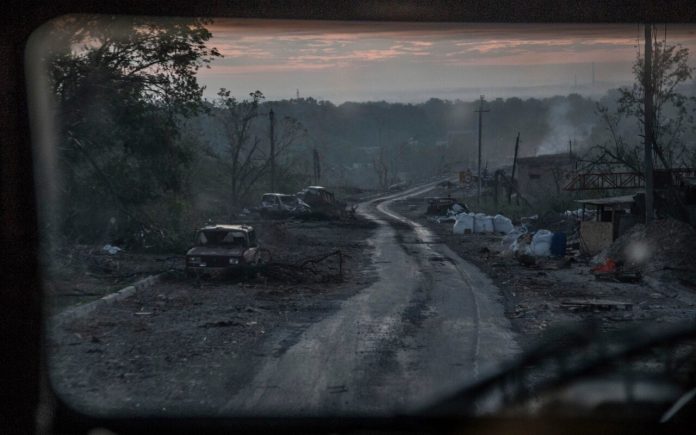
The Russian army is sending its men into Severodonetsk “like cannon fodder”, the secretary of Ukraine’s security council has said, adding the situation in the city was “extremely complicated” and Russian forces were focusing all their might on the area.

“They don’t spare their people, they’re just sending men like cannon fodder … they are shelling our military day and night,” Oleksiy Danilov told the Reuters news agency.

The Ukrainian army announced Kyiv’s forces continue to frustrate Russian attempts to take Severodonetsk.

“The occupiers, with the help of motorised rifle units and artillery, conducted assault operations in the city of Severodonetsk. They were not successful; the fighting continues,” the General Staff of the Armed Forces of Ukraine said in a regular operational update Thursday evening.
It added that Ukrainian forces had successfully repelled a Russian attack on the village of Toshkivka, on the northwestern outskirts of Severodonetsk

Ukrainian forces say the battle for the city of Severodonetsk continues to rage late on Thursday.

“The situation is consistently difficult. Our defenders are holding the line of defense, leveling the line of defense,” Serhiy Hayday, head of Ukraine’s eastern Luhansk region military administration, said on national television.

“The fiercest fighting continues in Severodonetsk,” Hayday added.

The city has seen intense battles in recent days.

Hayday accused the Russians of using “lies and propaganda” in claiming victory in the Severodonetsk.

While “the Russians had already reported that they had taken the city,” the official noted, Russian forces had withdrawn some of their units.

Russian forces are attacking Severodonetsk and “destroying everything in their path” with the goal of making the Luhansk region nothing but a “desert”, he continued.

Oleksandr Striuk, head of Severodonetsk’s military administration, said on television on Thursday that there is “constant street fighting.”

“The humanitarian situation in the city is critical. The bridge is under fire, so it is impossible to deliver goods. There is no water supply,” Striuk added.

“The Ukrainian Armed Forces controls approximately one-third of the city now,” he added, saying it will be “very difficult to liberate Severodonetsk [if it falls].”


Finland to build barriers on border with Russia

Finland’s government plans to amend border legislation to allow the building of barriers on its eastern frontier with Russia, it has said, in a move to strengthen preparedness against hybrid threats amid Russia’s invasion of Ukraine.

Finland, which is currently applying for membership in the Western military alliance NATO, has a history of wars with Russia, although currently the forest-covered border zone between the two countries is marked merely with signs and plastic lines for most of its 1,300 km (808 miles) length.

The Finnish government has rushed to strengthen border security as it fears Russia could attempt to put pressure on Finland by sending asylum seekers to its borders – as the European Union accused Belarus of doing at the end of last year when hundreds of migrants from the Middle East, Afghanistan, and Africa got stuck at the Polish border.

Under existing EU rules, migrants have the right to ask for asylum at any given entry point to an EU member country. The amendments would also allow the building of barriers, such as fences, as well as new roads to facilitate border patrolling on the Finnish side.


Zelensky calls on EU leaders to support Ukraine’s membership

In his nightly address, President Volodymyr Zelensky appealed to European Union leaders to support Ukraine’s membership in the bloc.

“Most Europeans support the integration of Ukraine. And if the Europeans support it, then politicians who still have doubts in some countries should not set themselves against people, society and the very course of European history,” he stated.

European heads of state and government are expected to consider Ukraine’s bid for EU candidate status at the end of June. The European Parliament has already passed a resolution in favour of making Ukraine a membership candidate.

Canada cracks down on more than $314m in Russian assets, transactions

Canadian police have stated that they cracked down on more than 400 million Canadian dollars ($314.8m) in Russian assets and transactions involving people sanctioned as a result of Moscow’s war on Ukraine.

The Royal Canadian Mounted Police said in a statement that from February 24 to June 7, 123 million Canadian dollars ($98.2m) of Russian assets in Canada had been effectively frozen and a further 289 million Canadian dollars ($230.7m) in transactions had been blocked. It gave no details.

In April, Ottawa announced it would change its sanctions law to allow for seized and sanctioned foreign assets to be redistributed as compensation to victims or to help in rebuilding a foreign state from war.


Zelensky imposes sanctions on Putin and his allies

Ukrainian President Volodymyr Zelenskyy has signed a decree imposing sanctions, including asset freezes and travel bans, on President Vladimir Putin and dozens of other top Russian officials, his website has said.

The sanctioned officials included Putin’s spokesman Dmitry Peskov, Prime Minister Mikhail Mishustin, veteran Foreign Minister Sergei Lavrov and Defence Minister Sergei Shoigu.

The sanctions, imposed in the fourth month of Russia’s February 24 invasion, appeared unlikely to have much practical impact beyond the symbolic.


War shrinks Ukraine economy by 15 percent: State office
The war with Russia caused Ukraine’s economy to contract by 15.1 percent in the first three months of this year, the state statistics agency has reported.

The International Monetary Fund is forecasting a contraction in Ukraine’s gross domestic product of 35 percent across the whole of 2022, and Ukrainian finance minister Sergiy Marchenko told AFP news agency in mid-May that he was anticipating a decline of as much as 45-50 percent.


Ukraine condemns ‘show trial’ of foreigners
The death sentences handed by a pro-Russian separatist court to British and Moroccan nationals fighting for Ukraine should be considered null and void, a Ukrainian foreign ministry spokesman has said.
“The so-called ‘trial’ of the military personnel of the Armed Forces of Ukraine in the occupied Ukrainian territories is of no significance,” Oleh Nikolenko told the Interfax Ukraine agency.

“Such show trials put the interests of propaganda above the law and morality; they undermine the mechanisms for the return of prisoners of war. The Ukrainian government will continue to make every effort to release all the defenders of Ukraine,” Nikolenko added.


Kyiv in ‘no danger’ but prepared: Interior minister

Ukraine’s interior minister has said there is no imminent risk of Russians marching on Kyiv, but the capital would not let its guard down.

“There is no danger of an attack on Kyiv today,” Interior Minister Denys Monastyrsky stated.

“There is no concentration of troops near the Belarusian border, but we understand that any scenarios are possible tomorrow,” he told AFP, dressed in a black military sweater, a Ukrainian flag on its right sleeve.

“Therefore, serious training is under way – preparation of the line of defence, training of troops who will remain” in Kyiv and around the city.

The minister also added Russian air strikes could hit at any time.


Moscow-backed Luhansk region in Ukraine to send ‘liberated’ grain to Russia

One of two breakaway eastern Ukrainian regions backed by Moscow has said it would soon start rail shipments to Russia of grain that its troops had “liberated”, Tass news agency has reported.

Yuri Pronko, agricultural minister of the self-declared Luhansk People’s Republic, stated that until now, the grain had been sent by truck in relatively small amounts.

“Tomorrow is a historical moment – the first wagons of grain will go Russia, 50 wagons, more than 3,000 tonnes,” Tass cited him as saying.


Putin says ‘Made in Russia’ no remedy for sanctions

Russian President Vladimir Putin has said that producing goods locally to circumvent Western sanctions over Moscow’s military operation in Ukraine was not a cure-all and that Russia is looking for new trading partners.

“The substitution of imports is not a panacea,” Putin told a group of young entrepreneurs who complained of a lack of hitherto imported goods in their quest to develop vaccines.

“We are not trying to completely replace imports,” Putin stated, adding Russia “must collaborate with those it is possible to collaborate with”.

Western attempts to isolate and punish Russia have backfired on their creators, Putin said. He pointed out the economic consequences of anti-Russian sanctions on the countries that imposed them.

“If someone tries to contain us in some regard, they ultimately contain themselves,” Putin stressed.

“For example, they limit the exportation of our fertilizers – and their prices go up, far more than here. They try to limit our energy exports, and their prices go sky-high. They even try using my name to label their inflation, but the reality is we have absolutely nothing to do with it!” he added.

Putin has spoken of Russia’s need to “take back (territory) and defend itself” in a speech in which he compared himself to Peter the Great.

Putin drew parallels between the conquering monarch’s founding of St. Petersburg and his government’s annexation of territory.

“When he founded the new capital, no European country recognised it as Russia. Everybody recognized it as Sweden,” Putin said, adding, “And Slavic people had always lived there along with Finno-Ugric people, and the territory was under the control of the Russian state.”

“What was he doing? Taking back and reinforcing. That’s what he did. And it looks like it fell on us to take back and reinforce as well,” he continued.

A senior adviser to Ukraine’s president has responded to Putin’s earlier remarks likening himself to Peter the Great, calling them an attempt to legalise the theft of land.

“The West must draw a clear red line so the Kremlin understands the price of each next bloody step … we will brutally liberate our territories,” Mykhailo Podolyak stressed.


US to run out of Javelin missiles for Ukraine

The US will soon have no new Javelin anti-tank missiles to spare for Ukraine, Bloomberg reported on Tuesday.

“The war has already consumed as much as one-third of the US military’s inventory of Javelins. Within months, the Pentagon will be unable to deliver new ones without emptying out its own supply,” it said.

The US was said to have similarly depleted one-quarter of its stock of Stinger portable anti-aircraft missiles, and it could take up to a year for their manufacturer, Raytheon, to restart production.

According to Bloomberg, the already limited production of shoulder-fired missile systems was further disrupted by a mix of factors, including Covid-related problems, microchip supply, and a shortage of skilled workers in the defense industry.

Washington has shipped around 7,000 Javelins to Ukraine, and Kiev is seeking more weapons to repel Russia’s military campaign in the country.

President Joe Biden toured Lockheed Martin’s Javelin-making plant in early May, calling the weapon “extremely effective.”

The US and other NATO countries have been increasingly providing weapons to Ukraine after Russia launched a military operation against its neighboring state on February 24. The shipments from the Pentagon included around 7,000 Javelins, as well as drones, howitzers and radars.


Pentagon divulges number of US-funded biolabs in Ukraine

The US government has supported 46 facilities in Ukraine over the past 20 years, but as part of a peaceful public health project rather than to develop biological weapons, the Pentagon announced on Thursday.

The US military accused Russia and China of “spreading disinformation and sowing mistrust” about its efforts to rid the world of weapons of mass destruction (WMD).

This is the first time the US Department of Defense disclosed the exact number of facilities its government has supported in Ukraine, in a document titled ‘Fact Sheet on WMD Threat Reduction Efforts.’

According to the Pentagon, the US has “worked collaboratively to improve Ukraine’s biological safety, security, and disease surveillance for both human and animal health,” by providing support to “46 peaceful Ukrainian laboratories, health facilities, and disease diagnostic sites over the last two decades.”

These programs have focused on “improving public health and agricultural safety measures at the nexus of nonproliferation.”

The work of these biolabs was “often” conducted in partnership with bodies like the World Health Organization (WHO) and World Organization for Animal Health (OIE), and was “consistent with international best practices and norms in publishing research results, partnering with international colleagues and multilateral organizations, and widely distributing their research and public health findings,” the Pentagon insisted.


In call with Zelensky, Macron says France “will remain mobilized to meet Ukraine’s needs”

Ukrainian President Volodymyr Zelensky and French President Emmanuel Macron discussed humanitarian and military support during a call Thursday, according to a statement from the French government.

According to the statement describing the nature of the call between Zelensky and Macron, the French president said his country “will remain mobilized to meet Ukraine’s needs, including heavy weapons.”

Macron also asked Zelensky about his needs “in terms of military equipment, political support, financial support and humanitarian aid.”

The statement said the two leaders agreed to stay in touch, “especially in light of the opinion that the European Commission is going to deliver on Ukraine’s application to join the European Union.”


World’s poorest countries ‘paying more for less food’: FAO

With Ukraine’s next grain harvest due within weeks, and no imminent sign of a let-up in the war, the food security of import-dependent countries in Africa and the Middle East could worsen, the UN’s food agency has announced in a new report.

Food import bills will reach a record high this year and food markets are likely to tighten around the world, according to the Food Outlook by the Food and Agriculture Organization (FAO), which also found that “many vulnerable countries are paying more but receiving less food” in imports.

The forecast points to a “likely tightening of food markets and import bills reaching a new record high”, stated Upali Galketi Aratchilage, an FAO economist and lead editor of the report.


West loses to Russia strategically: Envoy to UN

The West is losing to Russia from a strategic standpoint, and it lost its leverage on Moscow after imposing sanctions, Russian Permanent Representative to the UN Vasily Nebenzya said in an interview for BBC published Thursday.

“I do not think that assessment is right,” Nebenzya stated, commenting on the host’s statement that Russia has found itself in isolation.

“I’m not sure that your attempts to isolate Russia succeeded. I think that the West perhaps made some tactical gains but it is losing strategically,” he added.

“One thing that is clear; outcome of those sanctions that the West introduced that you lost practically any leverage on Russia at all,” the diplomat continued.

The Russian special military operation in Ukraine is proceeding as scheduled, he added.

I think it [the special operation] is progressing. Nobody promised to deliver it in three or seven days. Some pundits are saying now: ‘the Russian special military operation now stalled, and is not progressing at the pace that was initially envisaged.’ But the progress is being made. That’s clear,” the Russian diplomat said.

“One of the reasons of so the so-called slow pace is that we are not targeting civilian infrastructure,” he continued, adding that the Russian forces are “only hitting military targets and that takes time.”

“We’re not doing carpet bombing or anything else like that. But the progress is there, that’s for sure,” Nebenzya said.

In his words, the operation “is developing according to the military plans that were initially envisaged.”

“Of course [the operation proceeds] with minor tactical changes, because you cannot predict whatever happens on the frontline, but the plan is moving. I don’t think that anybody in the Russian leadership was ever announcing the plans to take Kiev and install what you call a puppet government,” he noted.


Russian diplomat says US policies aimed at rival EU, not Moscow or Beijing

Russian Foreign Ministry Spokeswoman Maria Zakharova on Thursday said Washington is aiming its destructive policies at its rival the European Union, rather than Moscow and Beijing.

She made the statement in a speech at the 20th International Likhachev Scientific Readings conference.

“I am absolutely sure that for Washington the main recipient and the chief target of everything that is happening now, of course, is not Moscow and Beijing, but the European Union. That’s the main competitor,” the diplomat concluded.

Zakharova stated the “strong currency” of the European Union, which “rapidly burst onto the scene of the world order, having won a place for itself in the real sector of the economy,” drove fear into the hearts of Europe’s American partners.

“After all, the euro was backed by the economies of 30 countries, real economic capacity, resources, and so on,” she continued, adding, “Therefore, a blow was dealt to Russian energy resources that were supplied to Europe, <…> in order to “decouple Europe from the EU in terms of resources and finances.”


Kremlin dismisses isolation of Russia as impossible

The isolation of Russia, even as far as technology goes, is impossible, despite such schemes by unfriendly countries, Kremlin Spokesman Dmitry Peskov told reporters on Thursday.

“No one is talking about isolation. It is impossible to isolate Russia, despite the fact that countries unfriendly, or rather hostile to us, are trying to isolate us economically, politically, and in the sphere of trade. They cannot and will not succeed, because in today’s world it is impossible to isolate a country, especially such a huge country like Russia,” he added.

The Kremlin spokesman also stressed that no country would want to isolate itself.

When commenting on the RBC news column by Russian Special Presidential Envoy for Digital Development Dmitry Peskov on the need to strengthen the country’s digital and technological sovereignty, the Kremlin spokesman called his namesake “a proven expert who holds fairly wide clout and is a strong authority in his field.”

“Now everyone is expressing different points of view on the subject of our technological and economic sovereignty. In general, because everything is changing in the world, in politics, security, trade, and in the economy, so everyone is interested in this issue. This is an issue for discussion. I am sure that this topic will be widely discussed at the St. Petersburg International Economic Forum as well,” the Kremlin spokesman concluded.

US says to help integrate Israel, Arab states’ air defenses

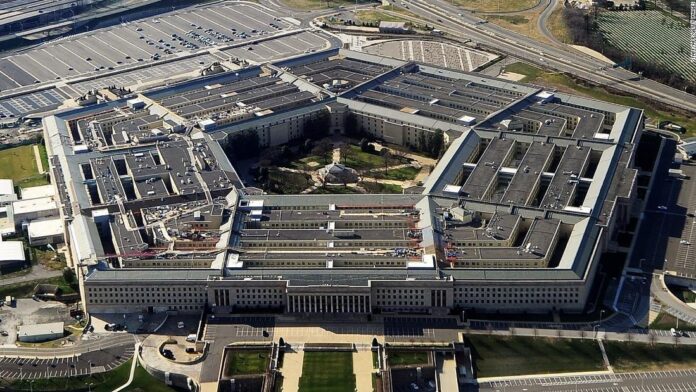
Pentagon

The “Deterring Enemy Forces and Enabling National Defenses Act of 2022″ – or the “DEFEND Act of 2022,” introduced by Republican and Democratic members of the House and Senate Abraham Accords Caucuses, states that the Pentagon would be required to submit a strategy for an integrated air and missile defense system within 180 days.

The defenses would be aimed at protecting the relevant countries from “cruise and ballistic missiles, manned and unmanned aerial systems, and rocket attacks from Iran, and for other purposes.”

The countries named in the bill include Israel, Jordan, Egypt and Iraq, as well as the six members of the Persian Gulf Cooperation Council – Saudi Arabia, the United Arab Emirates, Qatar, Bahrain, Kuwait and Oman. The bill is the most prominent piece of legislation to date aimed at building upon the normalization pacts between Israel and Arab nations.

Of the nine Arab countries mentioned in the bill, two have decades-long peace treaties with Israel, while two others were among the countries to normalize ties.

Israel and Bahrain signed a historic formalization of security ties in February, while Prime Minister Naftali Bennett visited the United Arab Emirates on Thursday to conduct his second meeting with President Sheikh Mohammed bin Zayed Al Nahyan, days after Israel signed a free trade deal with the UAE – its first such agreement with an Arab country.

Talks between Saudi Arabia and Israel, meanwhile, have intensified over recent weeks ahead of US President Joe Biden’s anticipated visit.

The United States has been discussing the establishment of a regional security architecture focusing on improving defenses against Iran, primarily between Israel, the Saudis and the UAE.

Furthermore, the IDF will soon assign a permanent liaison officer from the Israel Navy to the US Navy’s Mideast-based 5th Fleet located in Bahrain.

Iran has stressed the open and secret support of the United States for Israel has played a key role in making the regime more insolent in its acts of aggression, calling on the Arab world to take meaningful political action against Israel.

Tehran says Israel is well aware of Iran’s capabilities and capacities and its own limited capabilities as well as the fact that the Islamic Republic does not compromise or joke about its national security.

Iranian officials have repeatedly warned that any mistake by Israel and the US will be met with Tehran’s crushing response.

Report: Iran starts injecting gas into advanced centrifuges

Iran nuclear program

According to Mehr News Agency, Iran has also accelerated the production of all types of machinery, centrifuges and parts needed for the nuclear industry.

Mehr added Tehran has notified the International Atomic Energy Agency of these measures in several letters.

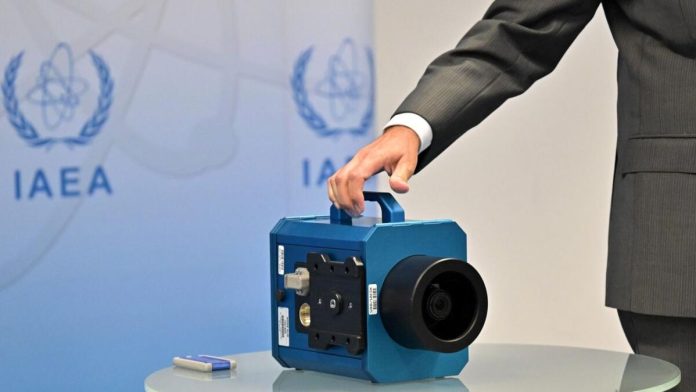
Iran had earlier removed some of the IAEA’s surveillance cameras, set up as a goodwill measure, as well as the Online Enrichment Monitor (OLEM) and the flow meter from its nuclear facilities as part of the Islamic republic’s retaliatory measures against the resolution passed by the agency’s Board of Governors.

Also, the IAEA chief says Iran has told the agency it wants to disconnect 27 cameras of the oversight body from its nuclear sites. Rafael Grossi said Iran plans to remove all extra surveillance cameras installed under the 2015 nuclear deal, JCPOA.

He acknowledged that these cameras are beyond a comprehensive safeguards agreement between the two sides.

But Grossi noted that nearly 40 cameras, which were installed under the safeguards agreement, will remain in place at Iran’s nuclear sites.

Meanwhile, the Islamic Republic’s Permanent Representative to the United Nations Mohammadreza Ghaebi strongly condemned the IAEA resolution drafted by the US, Britain, France and Germany as politically-motivated and spiteful.

In a statement, Ghaebi said the IAEA’s move comes as the agency has conducted its most intensive inspections at Iranian nuclear facilities.

He added that in 2021 alone, 22 percent of the UN atomic body’s inspections were conducted in Iran while the Islamic Republic’s nuclear facilities account only for 3 percent of those under the supervision of the IAEA in the whole world

IAEA chief: Iran plans to disconnect 27 cameras from nuclear sites

IAEA Camera

The director-general of the International Atomic Energy Agency made the comments at a suddenly called news conference in Vienna, standing next to an example of the cameras installed across Iran.

Grossi stated the move poses a “serious challenge” to its efforts, warning that in three to four weeks, it would be unable to maintain a “continuity of knowledge” about Iran’s program.

“This would be a fatal blow” to negotiations over Iran’s tattered nuclear deal with world powers, Grossi continued.

”When we lose this, then it’s anybody’s guess,” he added.

Grossi said that would leave “40-something” cameras still in Iran.

The sites that would see cameras removed include its underground Natanz nuclear enrichment facility, as well as its facility in Isfahan, Grossi added.

“We are in a very tense situation with the negotiations over the (nuclear deal) at a low ebb,” Grossi stated, noting, “Now we are adding this to the picture; as you can see it’s not a very nice one.”

The IAEA earlier Thursday announced Grossi told members that Iran informed the agency that it planned to install two new cascades of the IR-6 at Natanz.

A cascade is a series of centrifuges hooked together to rapidly spin uranium gas to enrich it.

On Wednesday, the Atomic Energy Organization of Iran announced the Islamic republic has removed surveillance cameras of the IAEA which it said were beyond Tehran’s commitments under the safeguards agreement.

Tehran is angry at the IAEA over its chief’s recent visit to occupied Palestine and his accusations that Iran has not cooperated with the UN atomic agency.

Iran has stressed Grossi’s meeting with the Israeli regime officials shows that he has reduced the body to a political organization while the IAEA must only focus on its technical tasks.

Also on Wednesday, the United Nations nuclear watchdog’s 35-nation Board of Governors overwhelmingly passed a resolution criticising Iran for what it called “failing to explain uranium traces found at three undeclared sites”.

On Tuesday, the US and the three European signatories to the nuclear deal – Britain, France, and Germany – submitted a draft resolution to the IAEA’s Board of Governors, accusing Iran of failing to offer transparent responses to the UN agency’s questions over nuclear activities at three sites.

The director of the Atomic Energy Organization of Iran has stressed the country has no secret nuclear activities and undeclared atomic sites.

Mohammad Eslami told reporters on Wednesday that the alleged pieces of evidence raised in the report of the secretary general of the International Atomic Energy Agency, are part of a political move aimed at maintaining the so-called maximum pressure campaign against Tehran.

Eslami noted the Zionist regime is the mastermind behind the resolution.

Iranian officials have warned the IAEA against succumbing to political pressure, stressing Tehran has fully cooperated with the agency in resolving outstanding issues.

Foreign ministry spokesman Saeed Khatibzadeh stated on Monday that Iran would respond based on what happens at the board meeting.

Khatibzadeh added the IAEA’s reports, which stemmed from information in two quarterly reports on Iran’s nuclear activities, were “hasty” and “not accurate” and “overlook all the measures and responses that the country has provided with precision and in a technical way.”

Talks between Iran and the world powers in Vienna to salvage the 2015 nuclear deal have been stalled amid Washington’s refusal to respond to Iran’s proposals.