From Iranian literature in Azerbaijan to the challenge about Nezami
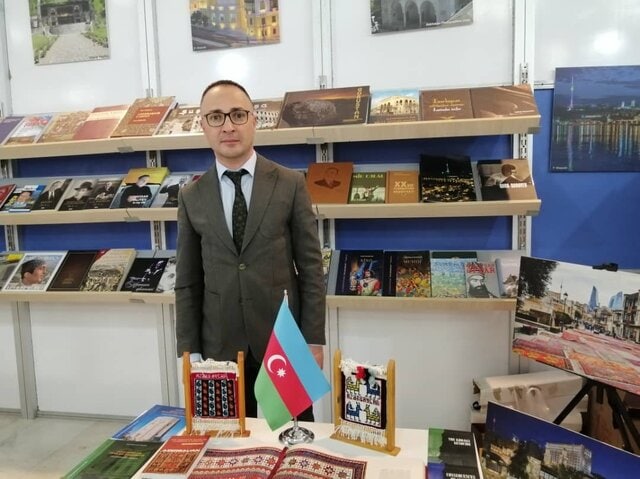
In an interview with the Iranian Students News Agency (ISNA), President of the Baku Book Fair Akef Ma’arefli spoke about participation in the 33rd international book exhibition in the Iranian capital.
He said last year, an Iranian delegation took part in the Azeri book fair, and the two sides agreed to provide the presidents of the booths of the two countries with an 18 square meter free space.
He added, “Now we are here to draw up a contract in writing”.
He went on to say that culture brings countries closer together, and books are the foundation of culture. “If relations between countries are predicated on culture and books”, Ma’arefli said, “we can assert that the relations are genuine and deep”.
“That is the reason why we participate in the book fairs, both the Azerbaijan Book Fair and the Tehran International Book Fair”, he added.
Ma’arefli then pointed to the Azeri people’s knowledge of Iran and the Persian literature. He said Azeris study the Persian literature in high school and university and that they know Persian poets and read their pomes with enthusiasm.
The president of the Baku Book Fair added that he passed Persian language and literature in university and that he could read and write Persian.
Ma’arefli described Persian language as “very beautiful and easy”.
He reiterated that Iran and the Iranian culture are loved by Azeris. “I think our literature and writers, Nezami Ganjavai and Mohammad Fezuli, are also studied anxiously in Iran”, Ma’arefli said.
Was Nezami Iranian or Azeri?
Asked about a difference between Iran and Azerbaijan over Nezami and whether he was Iranian or Azeri, the president of the Baku Book Fair said, “Nezami Ganjavi belongs to the whole world”.
He referred to Nezami’s suffix family name, that is, Ganjavi, saying it’s obvious the poet was born in Ganjeh and lived and died there. Ma’arefli added that this “great poet” had been in Ganjeh for 68 years and went nowhere from there.
“Ganjavi is a poet for all of us; Azerbaijan, Iran, the US, Russia and the Turks, but he is known in the world as the great poet of Azerbaijan”, he claimed.
The president of the Baku Book Fair said in the past, Persian was the language of poetry and literature in Azerbaijan, and poets composed in Persian with love and passion.
He maintained that the Persian language at that time provided Azerbaijani poets with a great opportunity.
Ma’arefli added that it doesn’t matter much in what language Nezami composed his poems but what is important is that he is loved in the world and his poems are read all over the world.
How does Azerbaijan participate in the Tehran Book Fair?
The president of the Baku Book Fair then explained how they participated in the Tehran Book Fair. Ma’arefli said the books they have brought to the exhibition are mostly cultural and are on Azerbaijanology.
He described Iran and Azerbaijan as two friendly and brotherly countries. Ma’arefli added that last year, most books Iranians had brought to the Baku Book fair were on the Persian culture.
“We visit Iran with love and affection and we host our Iranian friends with love and affection in Azerbaijan because we share one culture and religion” he added.
Iranian books in Azerbaijan
The president of the Baku Book Fair also said works of Sa’adi and Hafez have been translated in Azerbaijan and taught in schools and universities there.
“We have all types of Iranian books in Azerbaijan”, Ma’arefli added.
He also said that many famous Iranian writers are taught at Azerbaijani schools, because the Persian literature and poetry resembles Azerbaijani literature and poetry in many ways
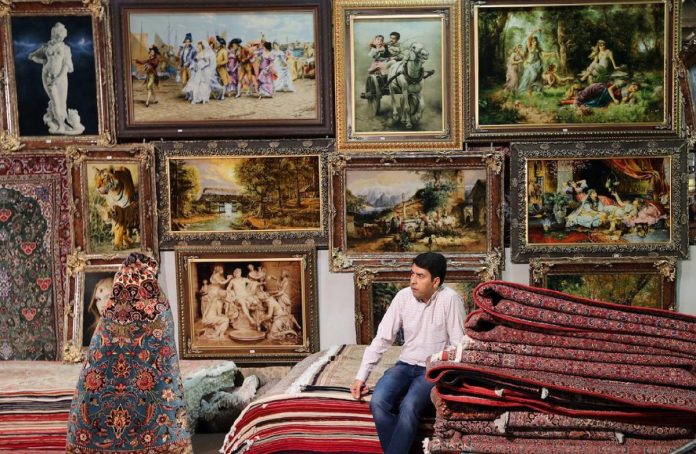
Mehdi Baradaran, Iran’s deputy minister of industry, mine, and trade, said Sheikh Tamim Al Thani made the promise during a recent meeting with Raisi in Tehran and after the Iranian president offered a handwoven silk Persian carpet to him as a token of friendship and peace.
The emir of Qatar traveled to Iran and met with senior Iranian officials last week. Raisi called that visit a turning point in the relations between the two countries.
Qatar will be hosting the 2022 FIFA World Cup in November-December this year.
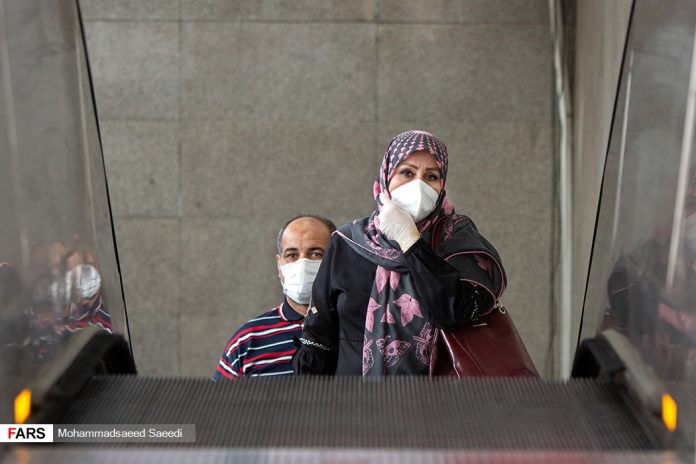
“The role of the people in measuring the success of countries in containing COVID is important,” Bahram Einollahi said on Wednesday, adding that when the administration of President Ebrahim Raisi took over, “people found more trust in the administration and came to the scene with a public call to help control COVID and get vaccinated.”
“As a flood of vaccines entered Iran on the order of the president, and as we asked people, they came to the scene in droves,” he said.
Einollahi said certain countries had access to equipment and cash but had not had their people on their side. “Iran [on the other hand] has had the highest vaccination-to-population rate, in such a way that, in one day [during a COVID peak], we administered over 1.6 million doses of vaccines and in one week, 8.6 million doses, which matched the entire population of certain Persian Gulf [littoral] states,” the Iranian health minister said.
The daily COVID-19 caseload and fatality rate in Iran have reduced from a high of almost 50,000 new cases and over 700 deaths last year to a rate of 200-300 cases and less than 10 deaths. Iranian officials attribute the downward trend to a nationwide vaccination rollout too.
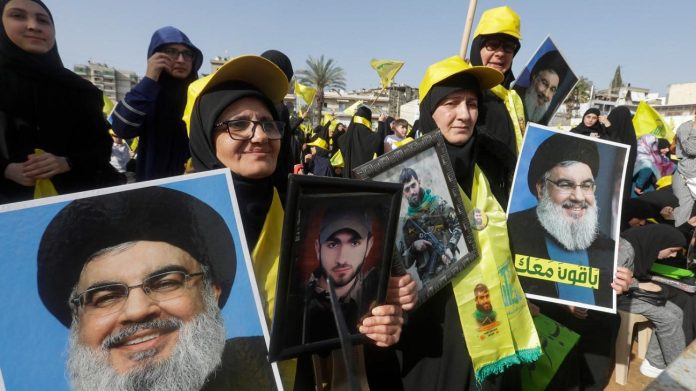
“The achievement [in the elections]… came about despite severe media and psychological attacks on us and the allies of resistance and economic pressures and crisis-makings,” Sayyed Hassan Nasrallah said on Wednesday.
“All the threats and intimidation, meant to frighten the people and dissuade them [from showing up at the ballot boxes], failed.”
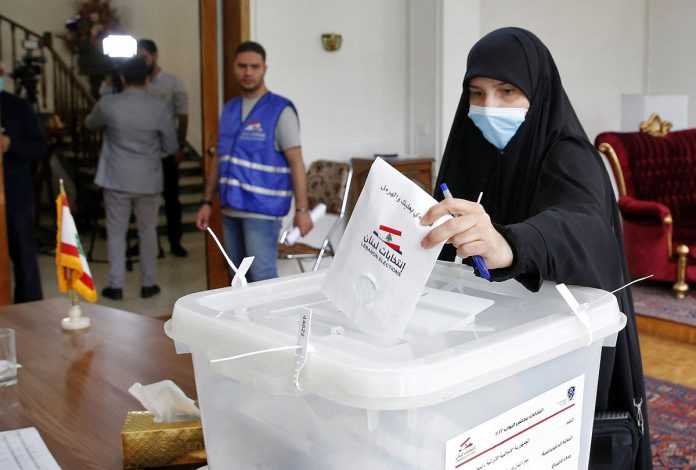
Parliamentary elections were held in Lebanon on Sunday, amid economic woes and a boycott by the country’s largest Sunni party, the Future Movement. Announcing the election results on Tuesday, Lebanon’s Interior Ministry said that Hezbollah and its allies had secured around 61 seats, fewer than the 65 seats needed to secure a majority, and down from the 71 in the previous parliament.
Nasrallah acknowledged that no political faction had gained the parliamentary majority in the elections.
And he called for reforms in electoral law.
“The current system is not fair. [Under the current circumstances] one individual can win a parliamentary seat with 500 votes while another with thousands of votes may not be able to,” the Hezbollah leader said. “We demand that this law change.”
He also said that all adults over the age of 18 should be franchised and electoral districts should be reformed as well.
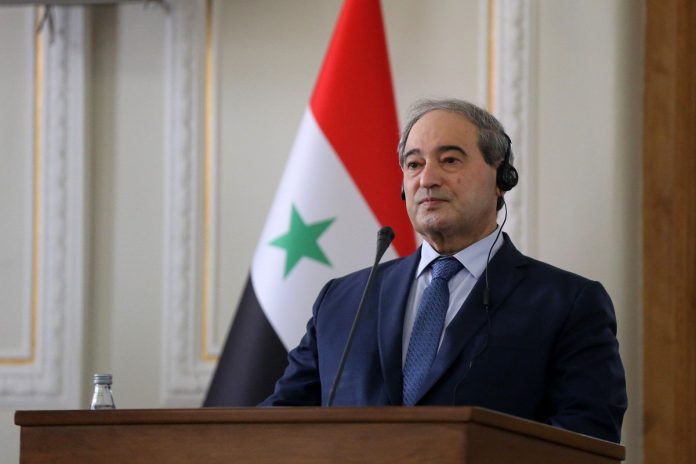
The top diplomat told Syria’s Al Ekhbariya on Wednesday that there is no justification for the rift in the ties between the Arab countries and Iran.
He was mainly referring to Saudi Arabia’s troubled ties with Iran. The two Middle Eastern powers are currently holding talks on fixing their relations.
Mekdad also stressed the need for cooperation among Arab countries in the face of the current and future challenges facing them.
Elsewhere in the comments, Mekdad said Syria’s foreign policy principles remain unchanged, adding, “When the enemies failed to weaken Syria and divert it away from its fundamental positions, they resorted to terrorism.”
“The Western states’ crime of besieging the Syrian people is unprecedented in the world,” the foreign minister added.
He also said supporting the Palestinian cause against Israeli occupation and making efforts to liberate Syria’s Golan Heights from Tel Aviv’s occupation constitute a top priority for Damascus.
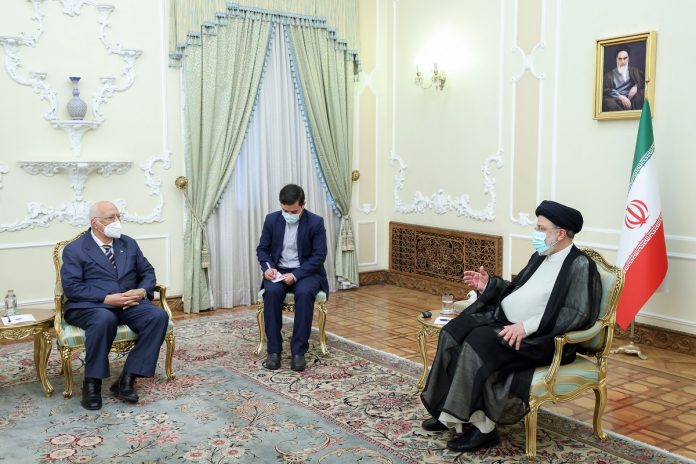
In a meeting on Wednesday with visiting Cuban Deputy Prime Minister Ricardo Cabrisas, Raisi said the two countries should use their capacities to enhance relations in various spheres, including trade, economy, agriculture, and health.
“Constructive cooperation between the two countries in the areas of hygiene and health can be further enhanced. Relying on their domestic capabilities, Iran and Cuba can achieve self-sufficiency in producing strategic items,” he said.
The Islamic Republic seeks to “promote relations with independent and resistant nations, including Cuba, in the face of the global arrogance’s greed,” he said.
The Cuban deputy premier, in turn, said his country was willing to bolster relations with Iran in the fields of economy and commerce.
He also described as “deep and strategic” the political, economic and commercial relations between Tehran and Havana.
Through short-term, mid-term and long-term plans, the two sides can increase their ties from the current bilateral level to the multilateral level in the Latin America region, he added.
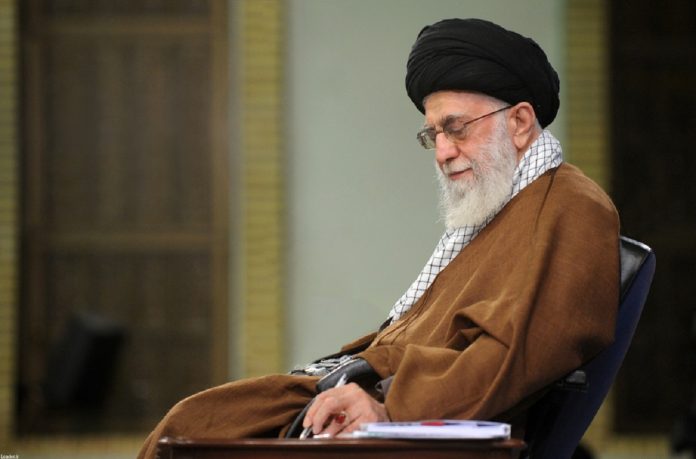
In a written message to a meeting of the National Headquarters for Population on Wednesday, Ayatollah Khamenei said efforts to boost birth rate and to decrease the age of the human resources of Iran were “one of the most crucial obligations” of government officials and the general public.
“This is a vital policy for the long-term future of our dear country,” he said.
Ayatollah Khamenei said decent research had shown that the policy to boost birth rate could be pursued without having to go through its real or imagined disadvantages.
He also called on officials to lay down the cultural basis necessary for the pursuit of the policy.
In a speech to the Wednesday meeting, Iranian President Ebrahim Raisi said his administration would introduce more financial incentives, including low-interest loans and affordable housing, to encourage young couples to have children and slow down the aging of the population.
Iran has a population of approximately 84 million people. Estimates show the Iranian population will reach 88.3 million in 2026 and 95.2 million in 2036.
Biden offers “strong support” for Finland & Sweden’s NATO bids after meeting with leaders at White House
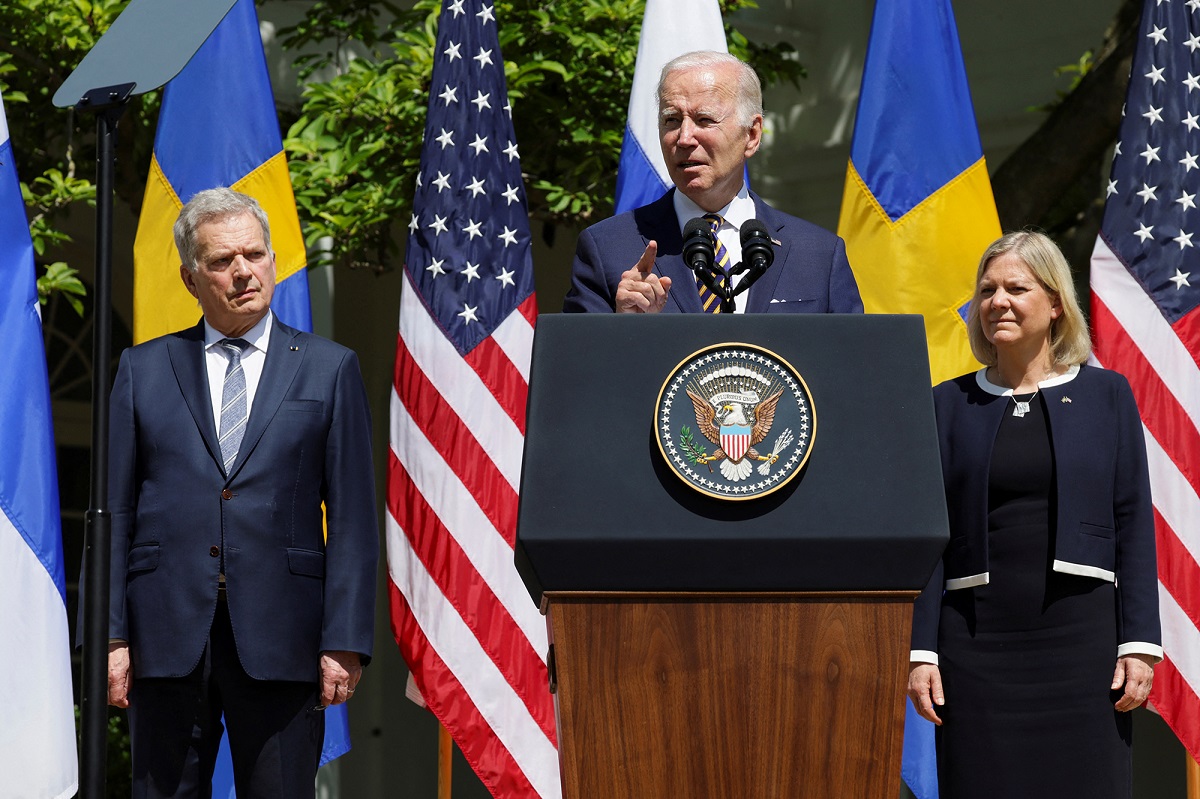
US President Joe Biden expressed support for the NATO bids of Sweden and Finland, calling it “a momentous day” after meeting with the countries’ leaders at the White House.
“Today I am proud to welcome and offer the strong support of the United States for the applications of two great democracies and two close, highly capable partners, to join the strongest, most powerful defensive alliance in the history of the world. Two proud independent countries exercising their sovereign rights all states possess to decide their own security,” Biden said in the Rose Garden, flanked by Swedish Prime Minister Magdalena Andersson and Finnish President Sauli Niinistö.
“Today, there is no question: NATO is relevant, it is effective, and it is more needed now than ever,” Biden continued, adding, “Sweden and Finland are already among our closest partners on a range of issues.”
US President Joe Biden speaks alongside Finnish President Sauli Niinistö and Swedish Prime Minister Magdalena Andersson on May 19, in Washington, DC.
“Finnish and Swedish troops, they have already served shoulder to shoulder with US and NATO forces in Kosovo, in Afghanistan and in Iraq. And both Finland and Sweden are already working in coordination with the United States and our other allies and partners to support the brave people of Ukraine as they defend their freedom against Russia’s invasion,” Biden added.
Biden said the countries already meet all of NATO requirements, “and then some.”
NATO addressing Turkey’s ‘concerns’ over Nordic bids: Stoltenberg
NATO Secretary General Jens Stoltenberg has said that “concerns” raised by Turkey over the Sweden and Finland’s applications to the military alliance were being addressed.
“Of course, we are addressing the concerns that Turkey has expressed,” to find “an agreement on how to move forward,” Stoltenberg told a Copenhagen conference, after Turkey opposed the applications of the two Nordic countries over what it considers leniency toward Kurdish armed groups.
Ukrainian official says ceasefire impossible without ‘total withdrawal’ of Russian troops
Ukraine’s top presidential adviser and member of the negotiating team, Mykhailo Podolyak, has said a ceasefire with Russia is “impossible without [a] total Russian troops withdrawal”.
He added that Kyiv is not interested in a new “Minsk”, referring to the 2015 Minsk agreement which attempted to create a ceasefire between the Ukrainian government and Russia-backed separatists in eastern Ukraine.
Finland against hosting nuclear weapons, NATO military bases: PM
Finland is opposed to NATO deploying nuclear weapons or setting up military bases on its territory even if it succeeds in its bid to become a member of the military alliance, Prime Minister Sanna Marin has stated.
Marin told the Italian newspaper Corriere della Sera that such moves were not part of Helsinki’s membership negotiations with the military alliance.
Opening Ukraine ports would need review of sanctions on Russia
Russia is hopeful that a solutions over grain exports from Ukraine could be found, the country’s Deputy Foreign Minister Andrey Rudenko was quoted as saying by Interfax news agency, adding that the removal of sanctions should also be considered.
‘If our partners want to achieve a solution, then it is necessary, among other things, to solve problems related to the abolition of the sanctions restrictions that were imposed for Russian exports,” Rudenko reportedly told reporters.
Ukraine used to export most of its goods through seaports but since Russia’s invasion, it has been forced to export by train or via its small Danube River ports.
Moscow: Half of Russia’s gas buyers agree to pay in rubles
Approximately half of Russia’s 54 gas importers have opened ruble accounts with Gazprombank in compliance with Moscow’s newly introduced payment rules, Deputy Prime Minister Alexander Novak said on Thursday.
“According to my information, about half [of the buyers] have already opened special accounts in our authorized bank – in foreign currency and rubles – in order to ensure the receipt of foreign exchange earnings, conversion into rubles and payment for the supplied gas in rubles,” Novak said, as cited by RIA Novosti news agency.
He noted that this process has been stretched over time, with the final settlements for April taking place in May.
“In the coming days we will see the final list of those who paid in rubles and those who refused to pay,” Novak stated. He added that all larger companies have opened accounts, paid for supplies or are ready to pay when they are due.
After the start of Russia’s military operation in Ukraine, the US and its allies hit Moscow with sanctions and issued calls to reduce dependence on Russian energy resources. The Kremlin responded with counter-measures and demanded that “unfriendly countries” pay for Russian gas exports in rubles. President Vladimir Putin explained, that if gas buyers from those countries do not accept this payment method, Russia will consider this a default on their gas contracts.
At the end of April, Gazprom stopped gas deliveries to Bulgaria and Poland after the two countries refused to adhere to the new payment scheme.
Erdogan says he has no intention of severing ties with Putin over Ukraine
Turkish President Recep Tayyip Erdogan noted on Thursday that he had no intention of breaking ties with his Russian counterpart Vladimir Putin over the situation in Ukraine.
“We have pursued a balanced policy in relations with both Russia and Ukraine,” Erdogan said at a meeting with Turkish youth in Ankara.
“I have no intention of severing ties either with Mr. Putin or with [Volodymyr] Zelensky,” he added.
The Turkish president also said he had sent his spokesman Ibrahim Kalin for talks with his Russian and Ukrainian counterparts.
“We will continue doing all that in the period to come, because unleashing World War III would do no good either to our region, or to the world,” he continued, adding, “Today, we are making a step in nuclear energy jointly with Russia. Hopefully, the Akkuyu nuclear power plant will be built and commissioned within the next year. This would be a very useful resource for us,” he concluded.
Russia ready to return to talks when Ukraine expresses readiness
Russia will give a positive response as soon as Ukraine expresses willingness to return to the negotiating table, Russian Deputy Foreign Minister Andrey Rudenko told reporters on Thursday.
“The negotiation process was not interrupted by us. It was put on pause by our Ukrainian partners. As soon as they express their willingness to return to the negotiating table, we will respond positively,” he said.
“The main thing is to have something to discuss,” Rudenko stressed.
Failure to open ports in Ukraine a “declaration of war” on global food security: WFP chief
A failure to open closed ports in Ukraine to ship grains out will bring millions of people to the brink of starvation, said the executive director of the World Food Programme (WFP).
“Failure to open the ports will be a declaration of war on global food security, resulting in famine destabilization of nations, as well as mass migration by necessity,” stated David Beasley, addressing a food security meeting at the United Nations hosted by US Secretary of State Antony Blinken.
“It is absolutely essential that we allow these ports to open because this is not just about Ukraine. This is about the poorest of the poor around the world who are on the brink of starvation as we speak,” Beasley added.
“So I ask President Putin, if you have any heart at all, please open these ports. Please assure everyone concerned that the passageways will be clear so that we can feed the poorest of the poor and avert famine, as we’ve done in the past, when nations in this room have stepped up together,” the WFP chief continued.
He noted that Ukraine is a nation that grows enough grain to feed 400 million people and that is now out of production.
It is “critical” that these farms get back in operation, that trucks, trains and ships can move again, he added, stressing that “time is running out.”
On Wednesday, UN Secretary General Antonio Guterres also addressed how the war in Ukraine, on top of other global crises, “threatens tens of millions of people with food insecurity, malnutrition, mass hunger and famine.”
“There is enough food in our world for everyone, but we must act together, urgently and with solidarity,” Guterres said.
UK sanctions Russian airlines to prevent them selling landing slots
Britain said it was introducing new sanctions against the Russian airline sector to prevent state-owned Aeroflot, Ural Airlines and Rossiya Airlines from selling their unused landing slots at British airports.
“We’ve already closed our airspace to Russian airlines. Today we’re making sure they can’t cash in their lucrative landing slots at our airports,” British Foreign Secretary Liz Truss said in a statement.
The British government announced it estimated the landing slots were worth 50 million pounds ($61.9 million).
Switzerland reopens embassy
Switzerland reopens its embassy in the Ukrainian capital Kyiv two and a half months after its closure.
Over the next few days, the Swiss Federal Department of Foreign Affairs has said, five staff members will return.
It added that in the coming weeks the embassy will start working on matters “such as the coordination of reconstruction and development projects and humanitarian aid, good offices, and the media coverage of the situation in Ukraine.”
The move comes a day after the American flag returned to fly over the US embassy in the capital as it resumed operations.
Red Cross registers hundreds of Ukrainian POWs
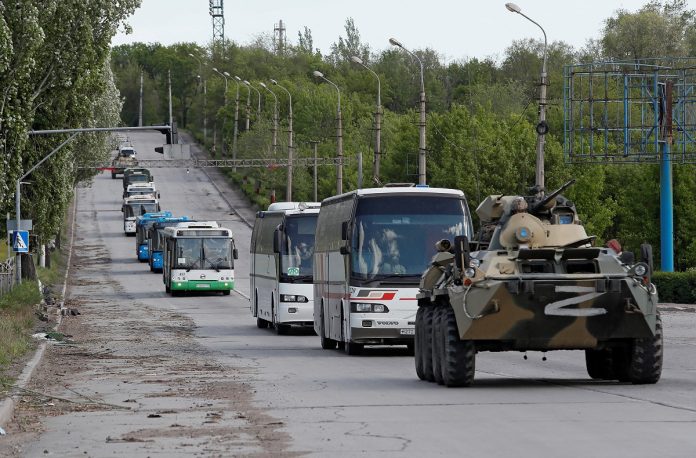
The International Committee of the Red Cross (ICRC) says it has registered in the past two days hundreds of Ukrainian prisoners of war (POWs) leaving the Azovstal steel plant in Mariupol.
The registration process, it added, allows the ICRC to track those who have been captured and help them keep in touch with their families.
“The ICRC must have immediate access to all POWs in all places where they are held,” it said in a statement.
“The ICRC must be allowed to interview prisoners of war without witnesses, and the duration and frequency of these visits should not be unduly restricted,” it added.
Italy calls for an urgent ceasefire
A ceasefire must be reached as soon as possible, Italy’s Prime Minister Mario Draghi has said, in order to avoid the worsening of a humanitarian crisis triggered by the war.
Speaking to the upper house Senate, Draghi also stressed the need for the European Union to coordinate member states’ military investments.
He touched upon the country’s energy policy as well, noting that Italy could cut its dependency from Russian oil by 2024’s second semester.
“The first effects of this process will already be seen at the end of this year,” he added.
Scholz proposes EU solidarity fund to rebuild Ukraine
The European Union must start preparations for rebuilding Ukraine by setting up a solidarity fund to aid Kyiv in covering the billions of euros reconstruction will cost, according to German Chancellor Olaf Scholz.
“Rebuilding destroyed infrastructure and revitalizing the Ukrainian economy will cost billions,” Scholz told German lawmakers Thursday at the lower house of parliament.
“We as the EU must start laying the ground for a solidarity fund financed by contributions from the EU and its partners,” he added, speaking ahead of a major EU summit at the end of this month.
Scholz also said that Ukraine’s bid to join the EU cannot be sped up despite the Russian invasion.
“There are no shortcuts on the way to the EU,” Scholz said, adding that the bloc must therefore find a “fast and pragmatic” way to aid Kyiv.
An exception for Ukraine would be unfair to the six Western Balkan countries — Montenegro, Serbia, Albania, North Macedonia, Bosnia and Herzegovina and Kosovo — also seeking membership in the bloc, said the German Chancellor.
Their integration into the EU is also of “strategic interest,” referencing the influence of “external powers” in the region, including Russia, he continued.
1,730 militants from Azovstal surrendered, including 80 wounded since Monday: MoD
A total of 771 Ukrainian militants from the Azov neo-Nazi battalion (under criminal investigation in Russia), who had been blocked in the Azovstal steel plant in Mariupol for the past weeks, have surrendered over the past day, Russian defence ministry spokesman Maj. Gen. Igor Konashenkov stated on Thursday.
“Over the past 24 hours, 771 militants of the nationalist Azov battalion blocked at the Azovstal plant in Mariupol have surrendered. In total, 1,730 militants have surrendered since May 16, including 80 injured,” Konashenkov told reporters.
No major battlefield gains expected for either side in coming weeks: NATO military official
The NATO alliance doesn’t expect significant gains for either side of the battlefield in Ukraine in coming weeks, a NATO military official with knowledge of the intelligence told CNN.
“I think we’ll be in a standstill for a while,” the official said.
According to the official, the current NATO discussion is that the momentum has shifted significantly in favor of Ukraine and the debate within NATO circles is now over whether it is possible for Kyiv to retake Crimea and the Donbas territories seized by Russia and Russian-backed separatists, respectively, in 2014.
“I think they could [retake Crimea and the Donbas], yes,” the official continued, adding, “Not now, not soon, but if they can keep up the fight I think so.”
“I do question if they actually should fight to get their territory back,” referencing a potential backlash by the local population in some of those areas.
Ukraine claims Russian army lost 28.5 thousand men
Ukraine’s army claims that the Russian military has lost 28.5 thousand men since the start of the invasion.
In a Facebook post, the general staff of Ukraine’s armed forces also announced that Russia had lost 1,254 tanks and 3,063 armoured vehicles.
Ukraine’s figures of Russia’s losses are significantly higher than Moscow’s. On March 25, Russia said 1,351 of its soldiers had been killed in combat and has given no more information since. At the time Ukraine had the number at 19,000.
Experts say figures by both parties cannot be trusted as Kyiv is likely to inflate them to boost the morale of its troops, while Russia is probably downplaying them.
Russians “suffer losses” in efforts to advance on Sloviansk: Ukrainian military
The Ukrainian military reported on Thursday that Russian forces trying to break through to Sloviansk, in eastern Ukraine’s Donetsk region, had suffered losses and retreated.
Despite artillery and missile attacks by Russian forces on a wide front over the past 24 hours, there are no signs they have taken new territory.
“The enemy conducted battle activity in Velyka Komyshuvakha area with the support of artillery; had no success, suffered significant losses in some areas and was forced to withdraw to previously occupied positions,” the General Staff of the Ukrainian armed forces claimed in its daily update.
There has been fighting in the Velyka Komyshuvakha area since late April — since the Russians took control of Izium and tried to push toward Sloviansk — but the front lines have changed little.
On the other main front, in the parts of Luhansk region the Ukrainians still hold, Russian aircraft have attacked several villages, according to the General Staff.
Ukrainian defenses were holding around the industrial city of Severodonetsk, and Russian assault operations in the Zolote area had been unsuccessful, it added.
Serhii Hayday, head of the Luhansk military administration, said Severodonetsk had suffered the most in the latest attacks and confirmed that four civilians were killed on Wednesday.
Other regions also reported Russian artillery and missile strikes overnight. In the Dnipropetrovsk region in the south, the city military administration in Kryvih Rih said “there was enemy shelling along the entire line of contact during the night.”
It added there had been heavy shelling of residential areas of Velyka Kostromka, a town that lies some 20 miles south of Kryvih Rih that has been on the front lines for more than a month.
Culture of scapegoating in Russia’s military likely hampers operations: UK
A culture of cover-ups and scapegoating is likely prevalent in Russia’s military and security system, the UK’s defence ministry has said.
In its latest intelligence briefing, the ministry listed some of Russia’s senior commanders who had recently been fired after being considered to have poorly performed in Ukraine. This includes Vice Admiral Igor Osipov who commanded the Black Sea Fleet and was suspended after the sinking of Moskva.
“Many officials involved in the invasion of Ukraine will likely be increasingly distracted by efforts to avoid personal culpability for Russia’s operational set-backs, the ministry announced, adding this would likely place further strain on Russia’s centralised command model.
“It will be difficult for Russia to regain the initiative under these conditions,” the ministry noted.
Red Cross must have immediate access to Ukraine fighters taken to Russian territory: Amnesty
Amnesty International has said that the Red Cross should be given immediate access to the Ukrainian fighters from Mariupol’s Azovstal steel plant who surrendered to the Russians and were taken to Russian-occupied territory.
Denis Krivosheev, Amnesty’s deputy director for the region, cited lawless executions allegedly carried out by Russian forces in Ukraine and stated the Azovstal defenders “must not meet the same fate.”
Russia announced on Wednesday that nearly 1,000 last-ditch Ukrainian fighters who held out inside a pulverised steel plant had surrendered.
It was unclear how many fighters remained inside the plant’s labyrinth of tunnels and bunkers, where 2,000 were believed to be holed up at one point.
Ukraine war may involve other countries if it keeps going: Kyiv official
The head of Ukraine’s president’s office has stated that the longer the war lasts, the more risk there is that it will involve other countries.
“At first, it will affect states that have borders with Russia, and then it may be a war involving even more countries,” Andriy Yermak said in an interview with MSNBC.
Russian occupiers plan to destroy Azovstal plant and make Mariupol ‘resort town’: Think-Tank
Russian occupation authorities in the Donetsk region say they plan to destroy the Azovstal steel plant after capturing it and turn Mariupol into a “resort city”, the Institute for the Study of War has announced.
“Azovstal was a major element of Mariupol’s economy before the war because of its unique function as a full-cycle metallurgical complex,” the Institute said in its latest campaign assessment.
It added that the head of the self-proclaimed Donetsk People’s Republic, Denis Pushilin, had stated that the DNR intends to rebuild Mariupol to be a “resort city,” while admitting that 60% of the city’s structures have been destroyed to the point where they cannot be rebuilt.
“The announced plan to turn Mariupol into a centre of tourism and leisure following the complete destruction of a major centre of economic activity in Mariupol, is indicative of the damage that Russian troops have inflicted on themselves through the destruction of Mariupol,” the institute noted.
Ukraine will not give up any territory to Russia: Advisor
Ukraine will not compromise with Russia and will not give up any territory, an advisor to Zelenskyy has said.
“The only option for reconciliation is Russia’s capitulation, the withdrawal of troops and talks on compensation. This is the principle position of the government,” Oleksiy Arestovych told 24 Channel.
Arestovych added he believed some countries wanted a repeat of the Minsk agreements, which had sought unsuccessfully to end the war in Ukraine’s Donbas region since 2014.
But he stated, although some countries would try to negotiate, “there will be no option where we allow Russians to stay here”.
Moscow claims Kiev doing everything to keep talks with Russia off normal track
Russian Foreign Ministry Spokeswoman Maria Zakharova has stated that Kiev is doing everything to keep talks with Moscow off the normal track.
“At this stage (everyone has already spoken on this subject, both through the ministry and through other channels), everything is being done by the Kiev regime so that the talks go off the normal negotiating track,” she said at a news conference.
She added Russia has responded positively to Kiev’s stated interest in the negotiating process and has welcomed all types of negotiations to resolve the Ukrainian crisis for eight years.
“At the current stage, the situation is unfolding primarily on the ground,” she said, adding, “Interest in talks was displayed by the Kiev regime and it was met with a positive response.”
“Just like the Kiev regime showed their interest, they also started to do everything to bog down these negotiations in different ways,” Zalharova went on to say.
Moscow urges West to stop scaring public with Russian ‘chemical threat’
Moscow is urging Western politicians to stop scaring their public with a nonexistent Russian “chemical threat,” Russian Foreign Ministry Spokeswoman Maria Zakharova said in a statement.
The diplomat added that the Russian Foreign Ministry took note of speculation by some Western politicians, primarily the United States, and by “analytical” centers serving their interests, that Russia was using or is preparing to use some previously concealed inventories of chemical warfare agents.
“We call on the political circles of Western countries to stop intimidating their public with a nonexistent Russian ‘chemical threat,’” Zakharova said.
“The Russian Federation will continue to unwaveringly uphold the principles and norms of international law, will ensure the integrity of the Chemical Weapons Convention (CPCW), including by promptly bringing to the attention of the UN member states and the OPCW information from the Defense Ministry of the Russian Federation on real cases of preparation and perpetration of chemical provocations carried out by Ukrainian armed units and their handlers from NATO countries on the territory of Ukraine,” she added.
The diplomat again said that Russia, back in September 2017, ahead of schedule and under strict international control, fully fulfilled its obligations to destroy chemical weapons.
“This was officially confirmed by the director general of the technical secretariat of the Organization for the Prohibition of Chemical Weapons,” the ministry’s spokeswoman continued, adding, “The commitment of the Russian Federation to the goals and principles of the CWC has remained unchanged for 25 years of the existence of this most important international treaty”.
Zelensky: Russian-occupied cities ‘will return’ to Ukraine
President Volodymyr Zelensky has said Ukraine is determined to reclaim control over the southern cities of Kherson, Melitopol, Berdiansk, Enerhodar and Mariupol, now occupied by Russian troops.
“All of our cities and communities under occupation – under temporary occupation – should know that Ukraine will return,” Zelensky stated.
He added Russia has fired more than 2,000 missiles during its attack on Ukraine.
He said the majority of the missiles hit civilian infrastructure and brought no strategic military benefit. In the past day, Russian missiles hit the southern cities of Mykolaiv and Dnipro, Zelensky continued.
The Ukraine president also noted Russia’s claims to have deployed new laser weapons in Ukraine, saying it reflected a desire to find an alternative to its missiles.
Croatia president wants to block new NATO members
President Zoran Milanovic of Croatia wants his country to follow Turkey’s example by trying to block Sweden and Finland from joining NATO.
Milanovic is in a bitter verbal dispute with Croatian Prime Minister Andrej Plenkovic over a number of issues, including whether to support the NATO applications Sweden and Finland submitted.
Before Croatia’s parliament ratifies NATO membership for the two Nordic nations, Milanovic wants a change in neighbouring Bosnia’s electoral law that would make it easier for their nationalist Bosnian Croat allies to get elected to leadership positions.
US intel shows Russians fear Mariupol abuse will backfire
The US has gathered intelligence that shows some Russian officials have become concerned that Russian forces in the ravaged port city of Mariupol are carrying out grievous abuses, a US official familiar with the findings has said, Associated Press reports.
The Russian officials are concerned that the abuses will backfire and further inspire Mariupol residents to resist the Russian occupation.
The US official, who was not authorised to comment publicly and spoke on the condition of anonymity, stated that the Russians, who were not identified, also feared that the abuses will undercut Russia’s claim that they have liberated the Russian-speaking city.
The abuses include beating and electrocuting city officials and robbing homes, according to the intelligence finding.
Pentagon discusses Russia threats with Sweden, Finland: Officials
A senior defence official has said US Pentagon officials are having discussions with Sweden and Finland on their security needs to deter Russia as both move towards NATO membership, the Associated Press reports.
The official added Defense Secretary Lloyd Austin met with Swedish Defence Minister Peter Hultqvist on Wednesday and spoke about the interim period between when the NATO application is formally made and when it is approved.
There have been concerns about threats from Russia during that period, in which Sweden and Finland would not formally be covered by NATO’s Article 5 which says that an attack against one member is an attack against all and calls for collective defence.
World Bank to offer $30bn as Ukraine war threatens food security
The World Bank has announced it will make $30bn available to help stem the food security crisis threatened by Russia’s war in Ukraine.
The total will include $12bn in new projects and more than $18bn in funds from existing food and nutrition-related projects that have been approved but have not yet been disbursed, the bank said.
The bank added the new projects are expected to support agriculture, social protection to cushion the effects of higher food prices on the poor, and water and irrigation projects.
The majority of resources are going to areas hardest hit by the crisis – Africa and the Middle East, Eastern Europe and Central Asia, and South Asia.
US national security officials ’emphatically’ support NATO expansion: Sullivan
White House National Security Adviser Jake Sullivan has said President Joe Biden asked his national security team and cabinet members about the risks and benefits of Finland and Sweden joining NATO.
He stated the team “emphatically supported the entry of Finland and Sweden”.
Sullivan added Finland and Sweden will not be covered by NATO’s mutual defence agreement until all 30 members have ratified their accession, but US and European allies are prepared to send the message “that we will not tolerate any aggression against Finland or Sweden during this process”.
UN food chief appeals to Putin to open ports
The UN food chief has appealed to President Vladimir Putin to open Ukraine’s ports so that exports can reach the “poorest countries”.
“It is absolutely essential that we allow these ports to open because this is not just about Ukraine. This is about the poorest of the poor around the world who are on the brink of starvation as we speak,” David Beasley said at a UN meeting on global food security.
“So I ask President Putin, ‘If you have any heart at all, please open these ports. Please assure everyone concerned that the passageways will be clear so that we can feed the poorest of the poor and avert famine’” he added.
Ukraine officials give conflicting accounts of attack on Russian train
Ukraine’s territorial defence force announced on Wednesday that its fighters had blown up an armoured train carrying Russian troops, but an adviser to President Volodymyr Zelensky later said the attack had been confined to rails near the train, the Reuters news agency reports.
The defence force stated that explosives had detonated under a rail car carrying military personnel in the occupied southern Ukrainian city of Melitopol, in the Zaporizhzhia region. It did not elaborate on the extent of the damage.
But several hours later, presidential adviser Oleksiy Arestovych gave a conflicting account, noting Ukrainian forces had blown up the tracks ahead of the train.
“The partisans got it, although they did not blow up the armoured train itself,” he said in a video posted on social media, adding the Russians “got off lightly”.
Ankara: US to convey Turkey’s concerns over Finland, Sweden’s NATO bids
Turkish Foreign Minister Mevlut Cavusoglu stated that US Secretary of State Antony Blinken said in a meeting that necessary messages will be given regarding Turkey’s security concerns about Sweden and Finland’s NATO bids.
In a news conference with Turkish media, Cavusoglu also added he told his American counterpart that the US should strike a balance in its policies towards Greece and Turkey.
UN chief hopeful about talks on Ukraine, Russia grain and fertilizer exports
UN Secretary-General Antonio Guterres said that he is in “intense contact” with Russia, Ukraine, Turkey, the US and the EU to try and restore Ukrainian grain shipments and revive Russian fertiliser exports.
“I am hopeful, but there is still a way to go,” he told a food security meeting at the UN hosted by US Secretary of State Antony Blinken.
“The complex security, economic and financial implications require goodwill on all sides,” he added.
US embassy reopens in Kyiv
After three months of closure, the US flag is flying over the American embassy in Kyiv once again.
“We are officially reopening operations,” spokesperson Daniel Langenkamp told Reuters, adding that a small number of diplomats would return initially to staff the mission.
The news was also confirmed by US State Secretary Anthony Blinken.
“The Ukrainian people, with our security assistance, have defended their homeland in the face of Russia’s unconscionable invasion, and, as a result, the Stars and Stripes are flying over the Embassy once again,” he said in a statement.
1,288 bodies of killed civilians found around Kyiv: Police
A Ukrainian police chief has claimed that the bodies of 1,288 civilians killed by Russian servicemen have been found in the Kyiv region.
“I’m stressing it – they’re civilians! Most were shot from automatic weapons,” Andriy Nebitov said in televised remarks.
Survivors and Ukrainian officials announced that Russians arbitrarily killed, tortured and raped civilians north of Kyiv until Moscow withdrew its troops in early April.
Yemem’s al-Masirah TV reported Thursday morning that Saudi-led espionage aircraft conducted 33 reconnaissance overflights in the Yemeni provinces of Ma’rib, Taiz, Sa’ada and Al Bayda in defiance of the truce.
The coalition also shelled residential areas and bases of the Popular Committees in the provinces of Ma’rib, Taiz, Sa’ada, Al Bayda, and Zale.
It also targeted several areas in the provinces of Ma’rib, Hajjah and elsewhere.
The Saudi-led coalition has on numerous occasions violated the ceasefire by launching raids on Yemen and maintaining the siege of the Sana’a Airport.
The 60-day truce came into force on April 2 and will expire on June 2.
The UN’s special envoy for Yemen, Hans Grundberg, has been holding talks with the parties to the conflict, namely the former Yemeni government backed by the Saudi-led coalition and the Houthi Ansarullah movement which runs state affairs from Sana’a, to secure an extension of the ceasefire.
Sana’a has said that the only way for the Saudi-led coalition to secure an extension of the truce deal is for it to compensate for its past mistakes of violating the truce and meet the conditions set forth by the Yemeni government.
Saudi Arabia and its allies began their military campaign and siege against Yemen in 2015 to reinstall the country’s former Riyadh-allied government. They have failed to achieve that goal and remain bogged down in Yemen.
The report, by IRIB News, said the March 8 Alliance, which according to official results had won 61 seats in the 128-seat parliament, gained the support of a number of independent candidates to now boast a majority of 67 seats.
Out of the 67 seats, Hezbollah candidates had won 16, and the Amal movement had garnered 15. The remaining 61 seats went to the March 14 Alliance and independent candidates.
Announcing the election results on Tuesday, Lebanon’s Interior Ministry had said that Hezbollah and its allies had lost their majority in the parliament.
It said the pro-Hezbollah bloc secured around 61 seats, fewer than the 65 seats needed to secure a majority, and down from 71 in the previous parliament.
The parliamentary elections were held in Lebanon on Sunday, amid economic woes and a boycott by the country’s largest Sunni party, the Future Movement. Its leader, former Prime Minister Saad Hariri, stepped down from politics earlier this year.
While some of Hariri’s supporters endorsed the boycott, a number of his allies quit the party to take part in the elections.
The economic crisis, which began in 2019, led to a currency collapse of some 95 percent and the plunging of more than 80 percent of the Lebanese population into poverty