Saturday, December 27, 2025
Home Blog Page 1877

IRGC names Mohammad Kazemi as its new intelligence chief

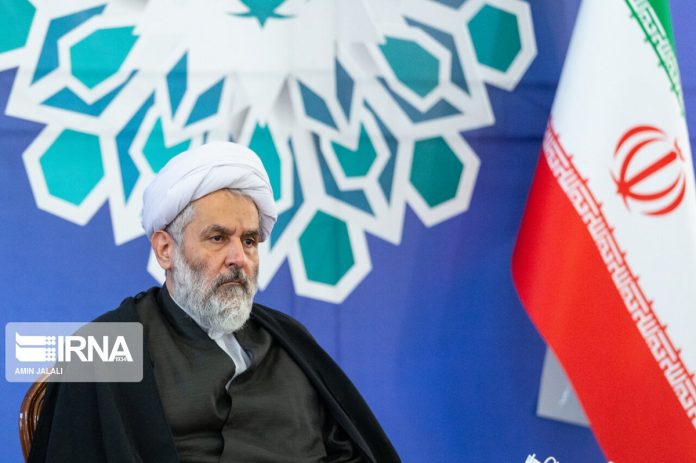
Hossein Taeb

Kazemi’s predecessor Hossein Taeb will serve as an advisor to the IRGC’s Commander in chief, General Hossein Salami.

Kazemi was the head of the IRGC’s counter-intelligence agency for many years and is a seasoned official with regard to security and intelligence matters in the IRGC.

Taeb was the head of the Basij Organization before being appointed as the head of the IRGC’s intelligence.

MP: Motion to impeach Iran industries minister still on track

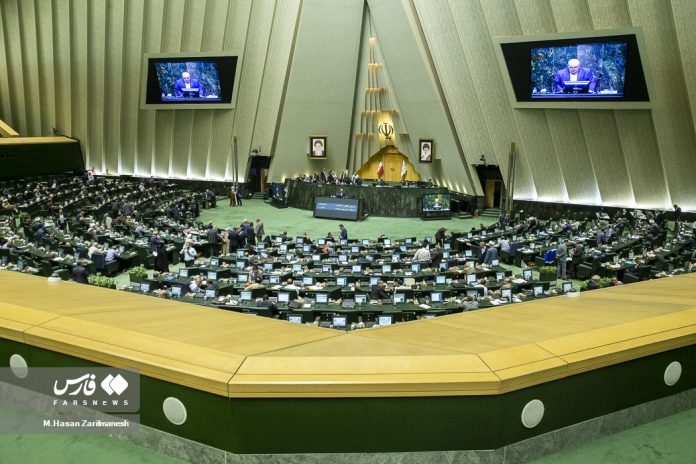
Iran Parliament

The spokesperson for the parliament’s Industries and Mines Committee said on Thursday that more than 10 parliamentarians are still standing their ground to grill the minister, Reza Fatemi-Amin, over his ‘weak performance’.

Some 20 MPs withdrew their signatures on Tuesday, citing bad timing of the move.
Fatemi-Amin has been under fire for his handling of industries in Iran, especially the sluggish auto-industry that has failed to rein in the skyrocketing prices and meet the domestic needs.

Iranian auto makers have also been criticized for the low quality of their products despite the exorbitant prices.

The move comes days after Iran’s Minister of Labor and Social Welfare Hojjatollah Abdolmaleki resigned after coming under criticism for the problems involving the labor market and pensions.

Daily critical of soaring prices of goods in Iran

Iran Economy

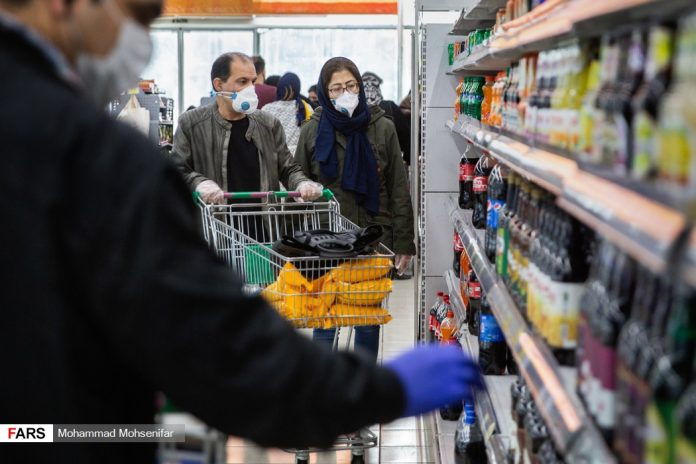
Khorasasn Daily wrote in an article that contrary to the pledge by the government that the prices for only four products will increase, almost all goods on the market have hit the consumers hard in the pocket.

The economic team of the Raisi administration had promised the heavily-subsidized prices of cooking oil, chicken, eggs and dairy products will increase after slashing the subsidies, but almost all goods, most notably detergents, have spiraled out of control, the daily wrote.

According to the International Monetary Fund, price growth in Iran has been rampant for years, over 30 percent annually every year since 2018.

The Russian war on Ukraine and the Iranian administration’s bold decision to reform the subsidy system have fueled the inflation in recent months.

Another factor that sent the prices soaring was to abolish the allocation of subsidized “preferential” exchange for imports of wheat, cooking oil and medicine that was fixed at 42,000 rials to the dollar, while the rate on the free market is over 310,000 rials these days.

Iran’s monthly inflation hit a four-decade record high of 12.2 percent over the Persian calendar month of Khordad – May 22 to June 21.

The figure announced by the Statistical Center of Iran is an 8.7 percent jump compared to the previous month and is the highest monthly inflation recorded in the country since the Islamic Revolution of 1979.

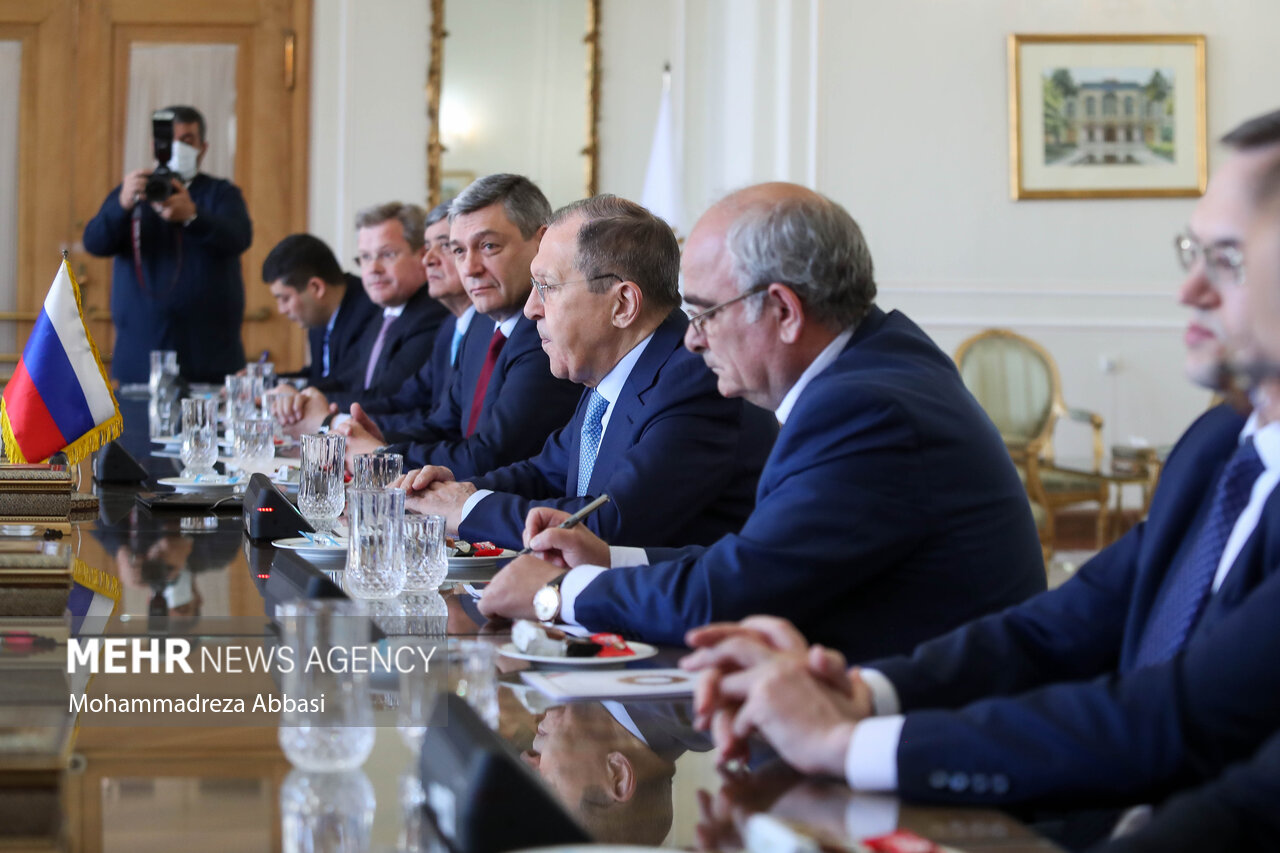
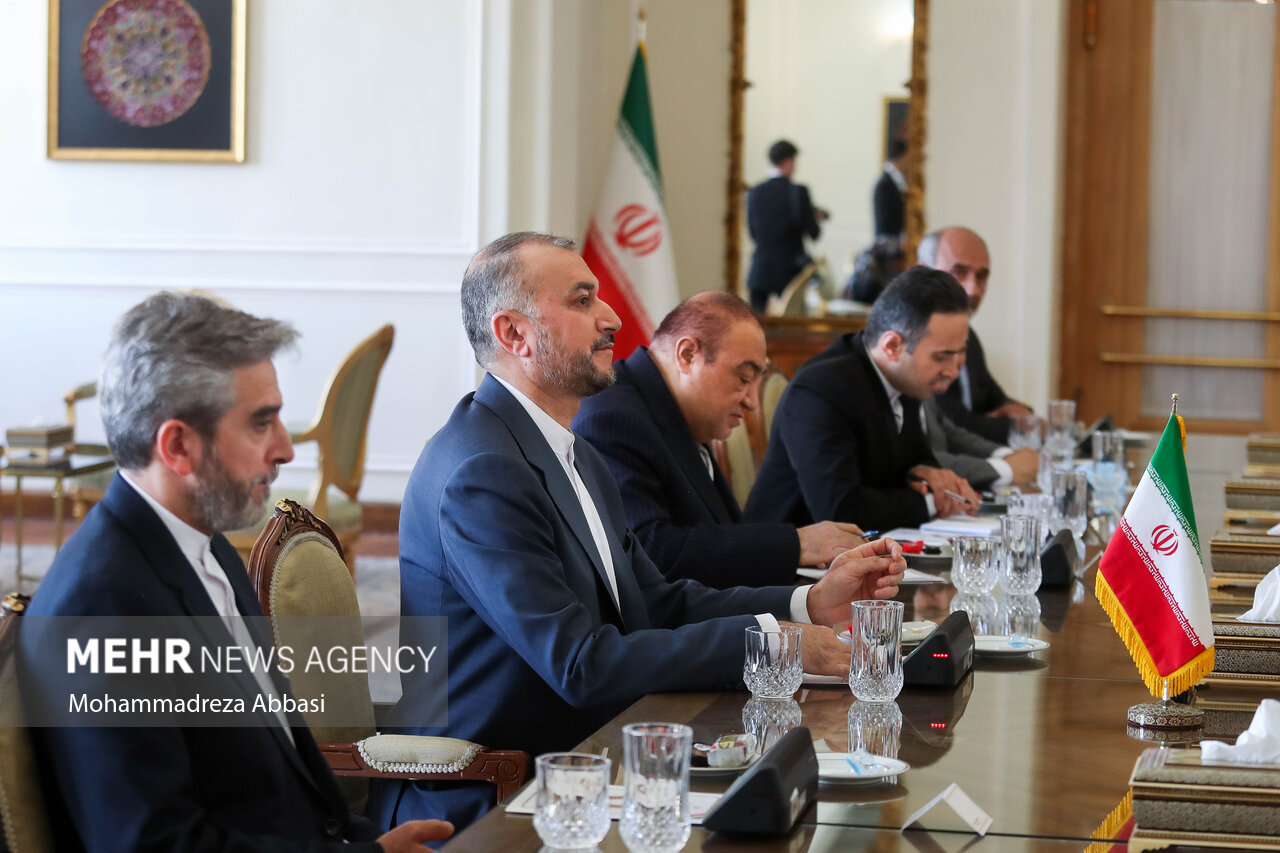
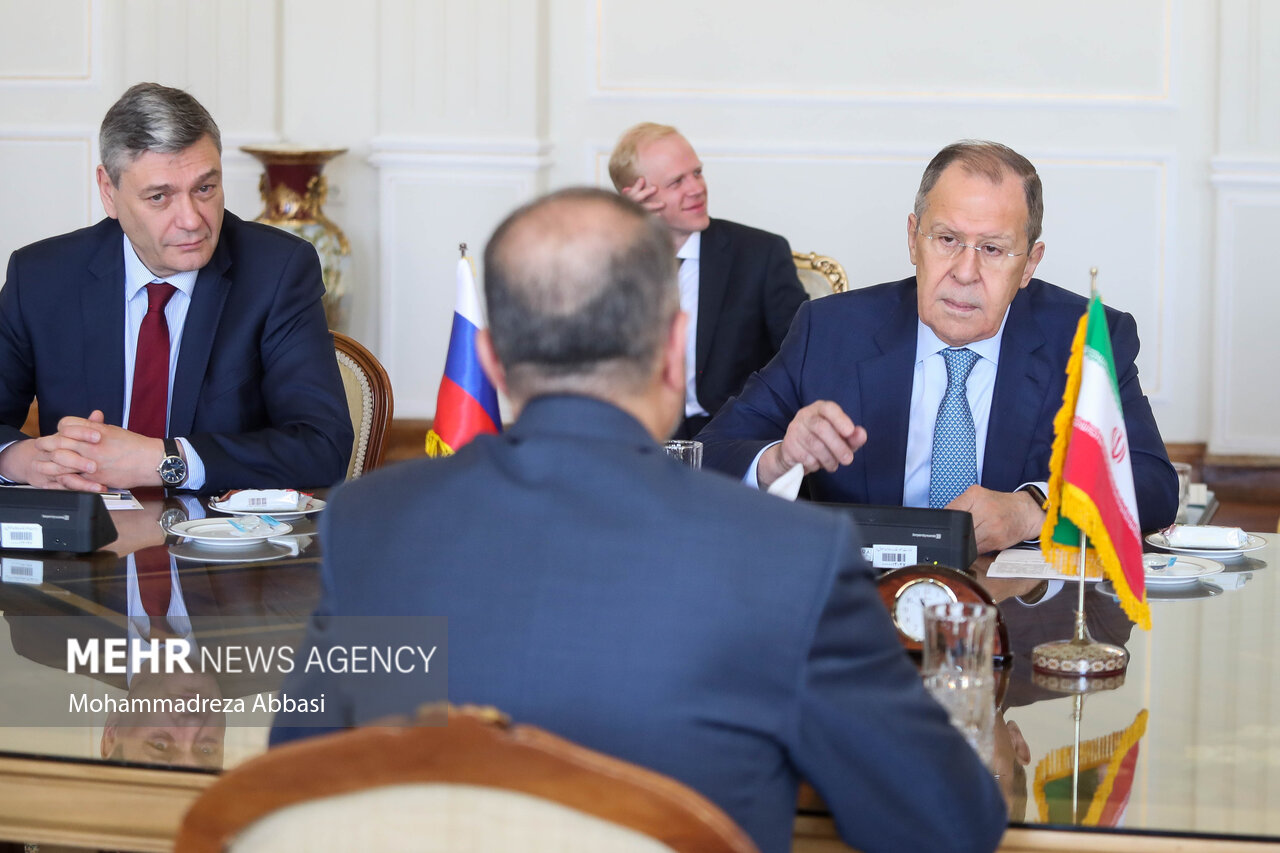
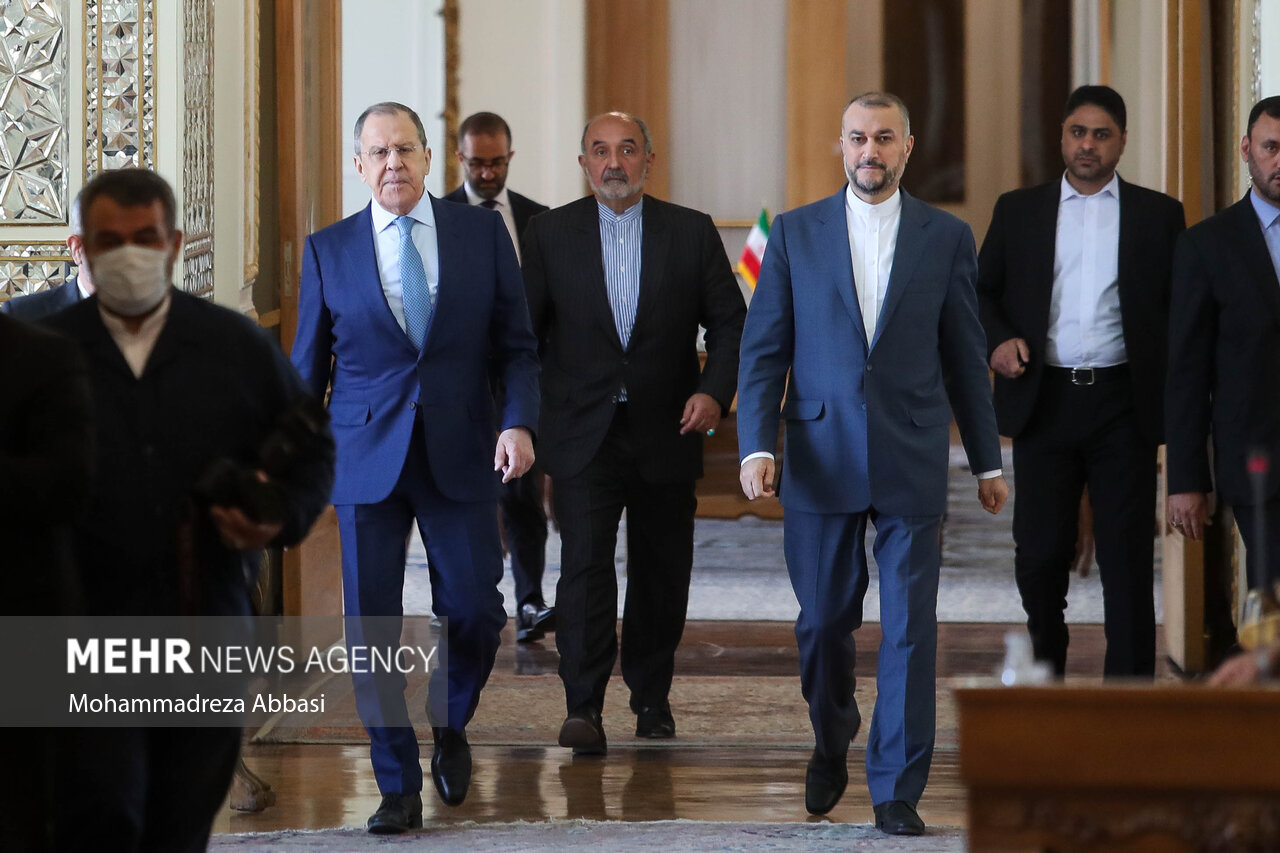
In Tehran, Russia FM slams US for ‘hindering revival of Iran nuclear deal’

Iran & Russian FMs Lavrov Amirabdolahian

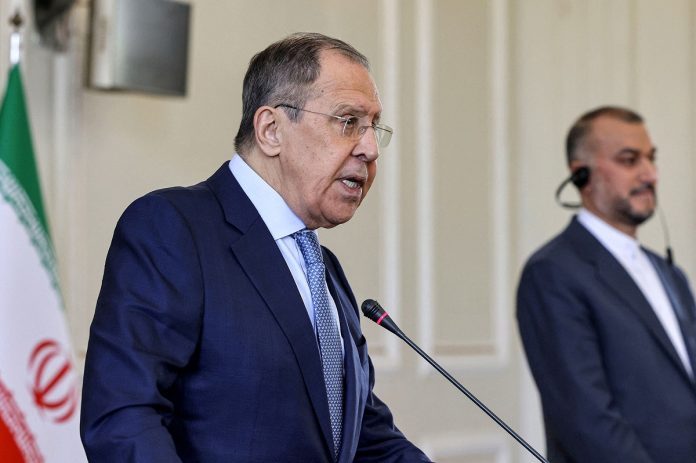
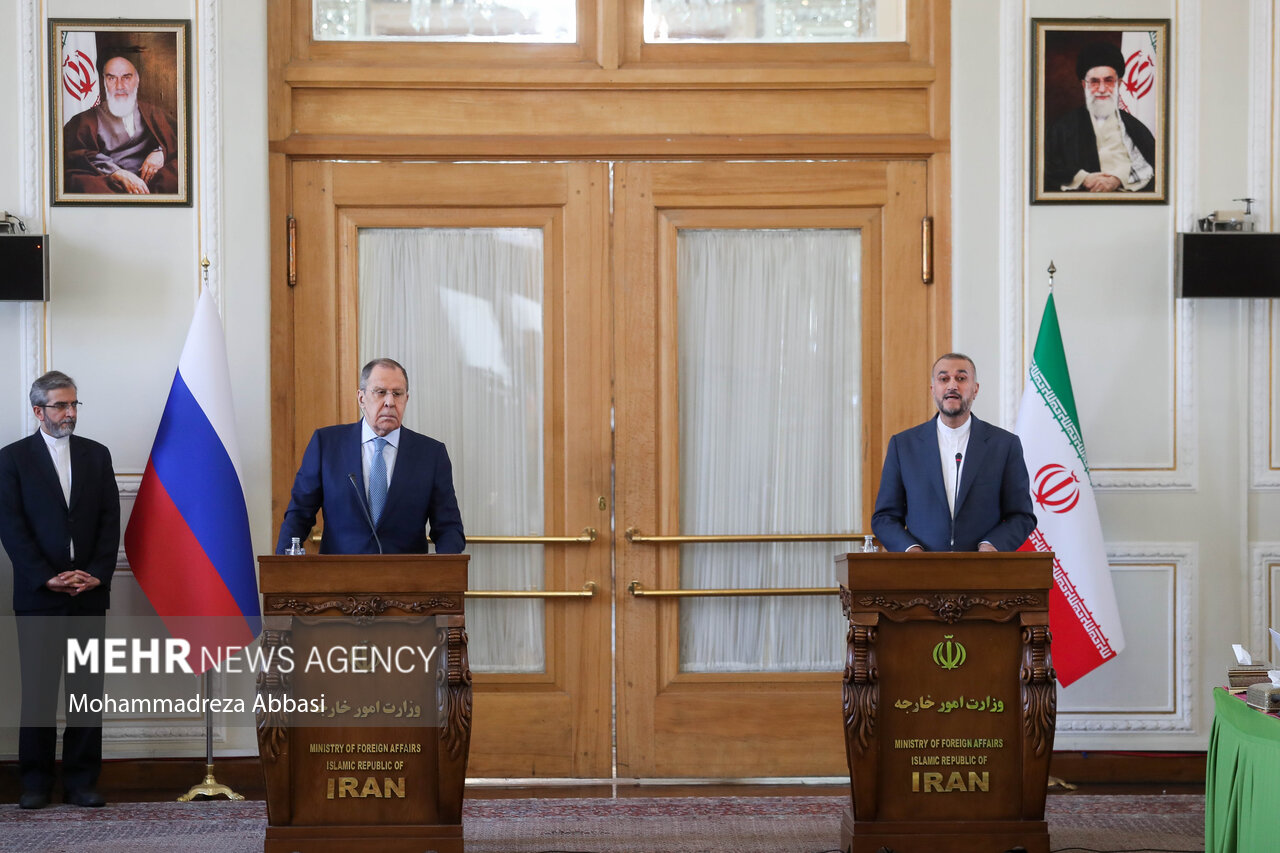
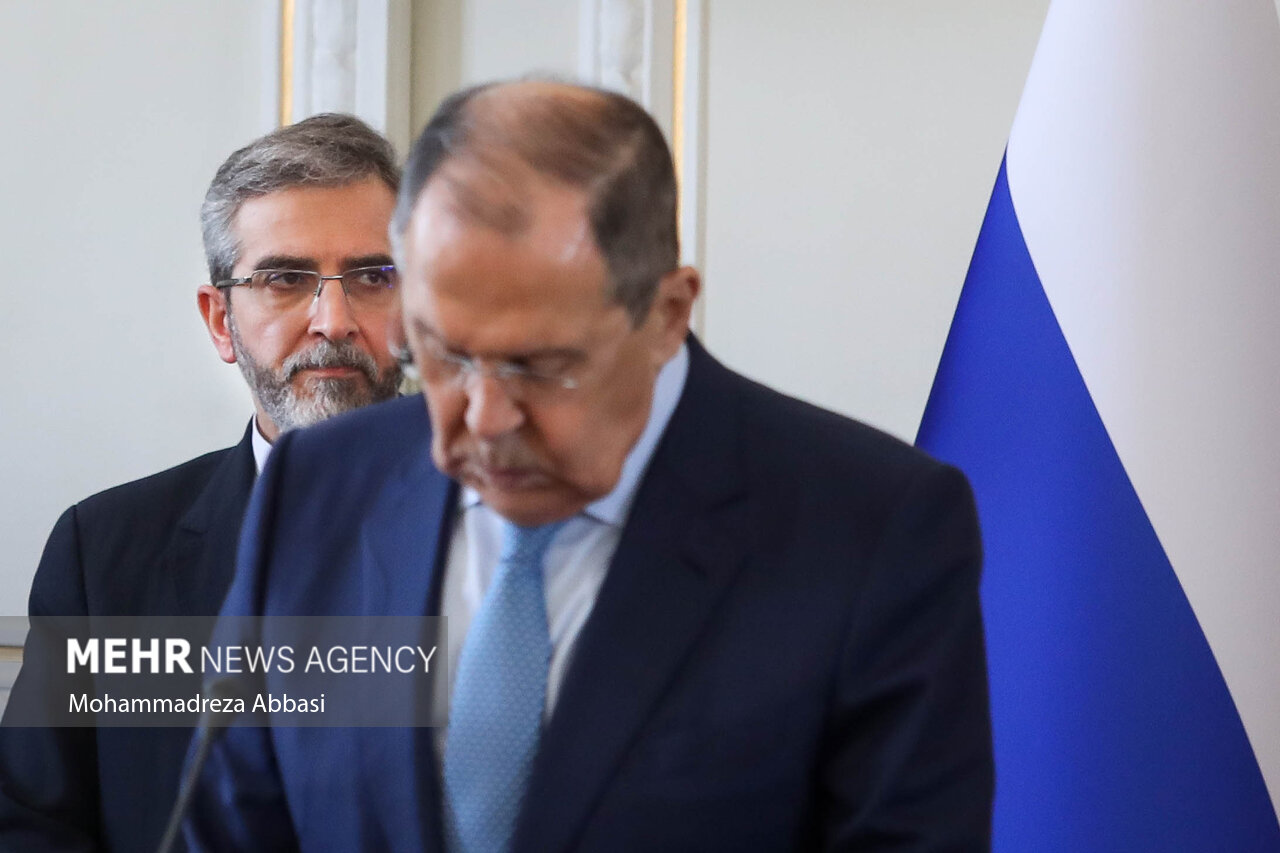
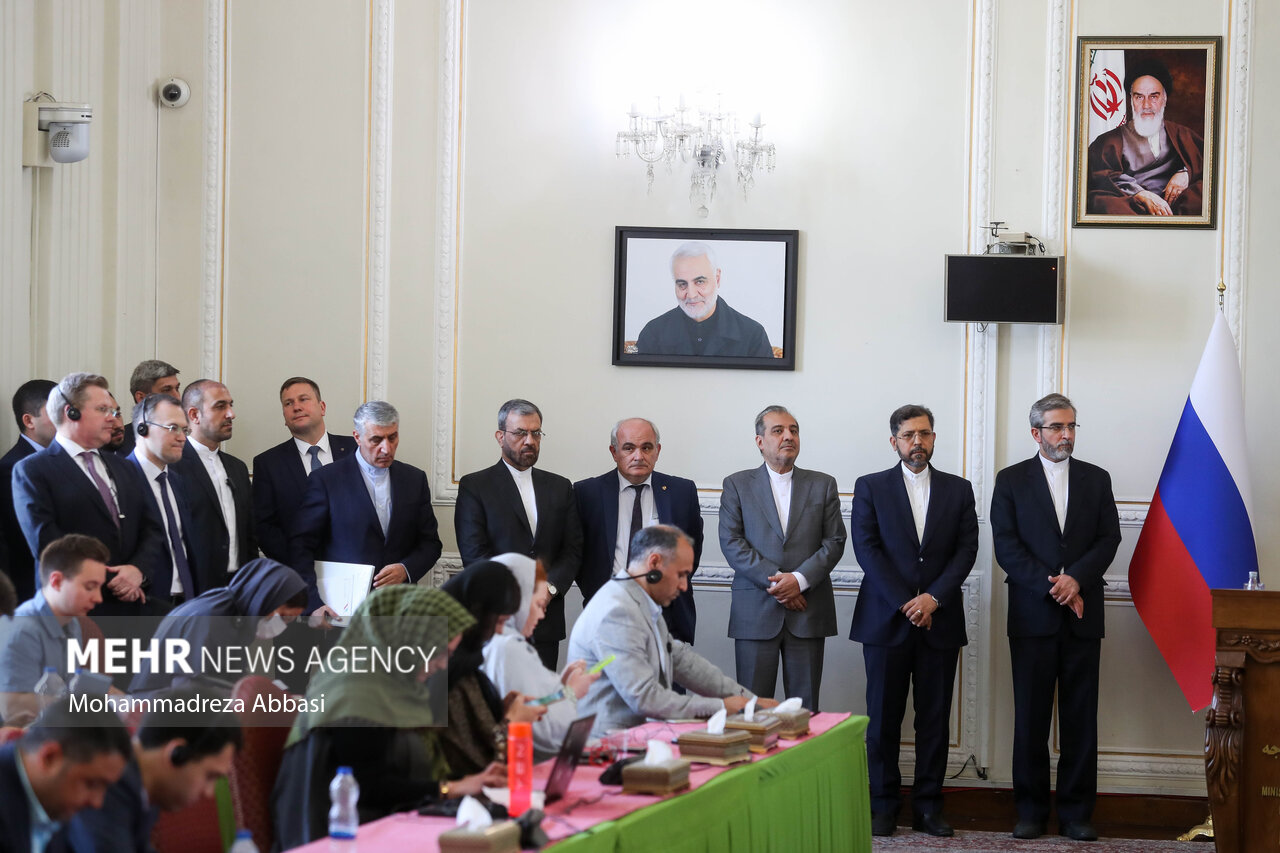
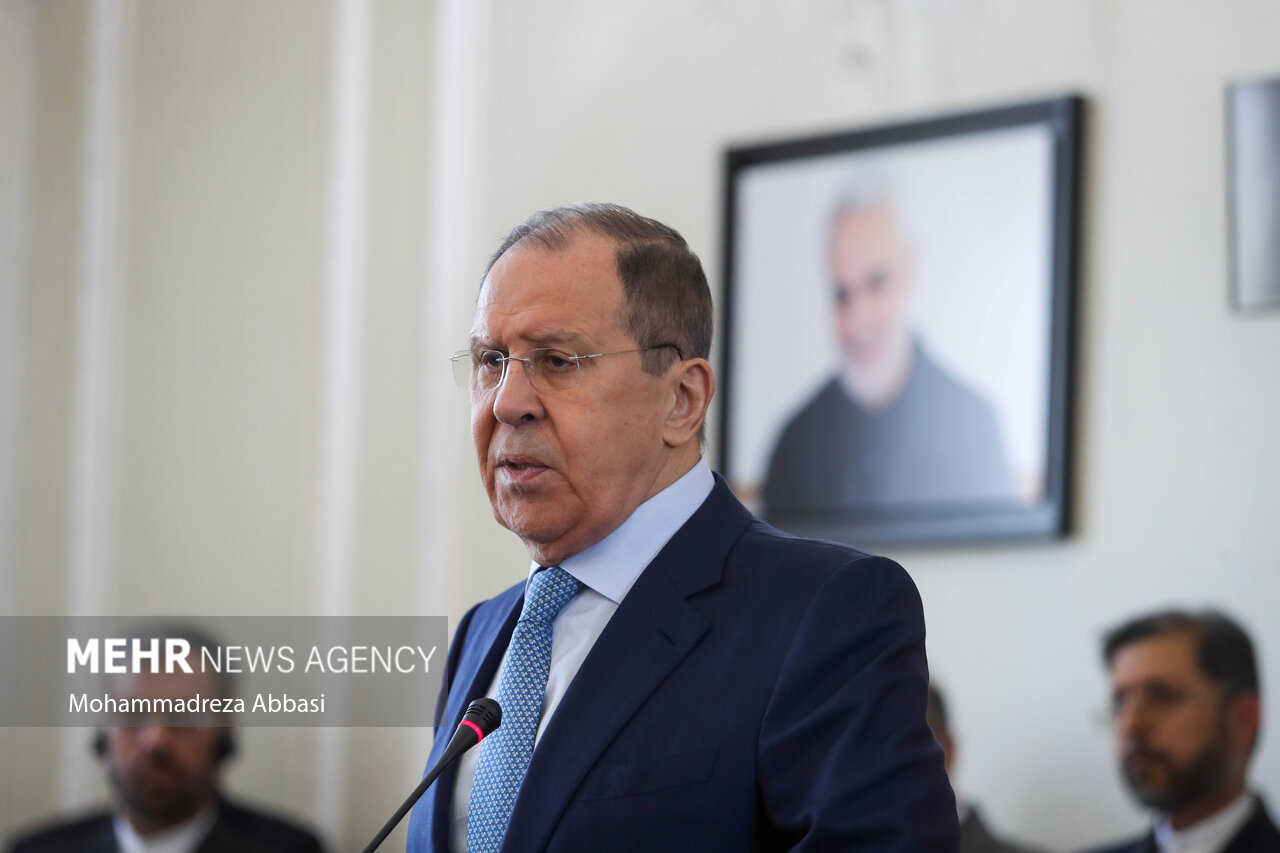
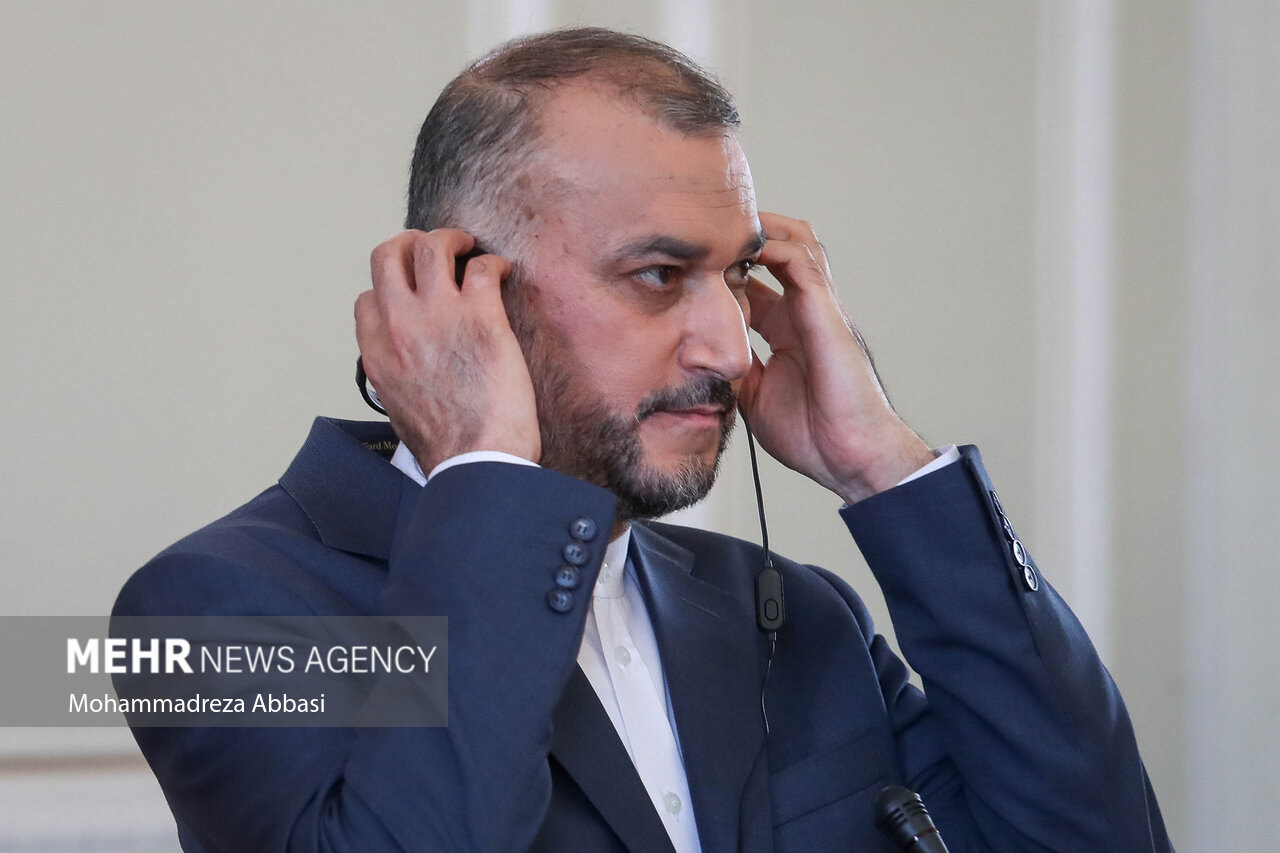
Standing alongside his Iranian counterpart, Hossein Amirabdollahian, during a pressure in Tehran, Lavrov said Thursday that Washington accuses Moscow of hindering the talks on restoration of the Iran deal, while it is the US itself that is hampering the diplomatic process.

The two ministers had joined a meeting prior to the news conference.
Lavrov denounced a US-drafted resolution adopted against Iran’s nuclear program at the International Atomic Energy Agency (IAEA) as yet another “mistake” similar to that of Washington’s withdrawal from the 2015 nuclear agreement.

Iran-Russia against sanctions

The Russian foreign minister said Tehran and Moscow have a mechanism that enables them to engage in energy cooperation despite the sanctions.

He said the US’s initiative and the missile systems do not create a balance in West Asia.

Lavrov noted that all problems should be resolved through cooperation.
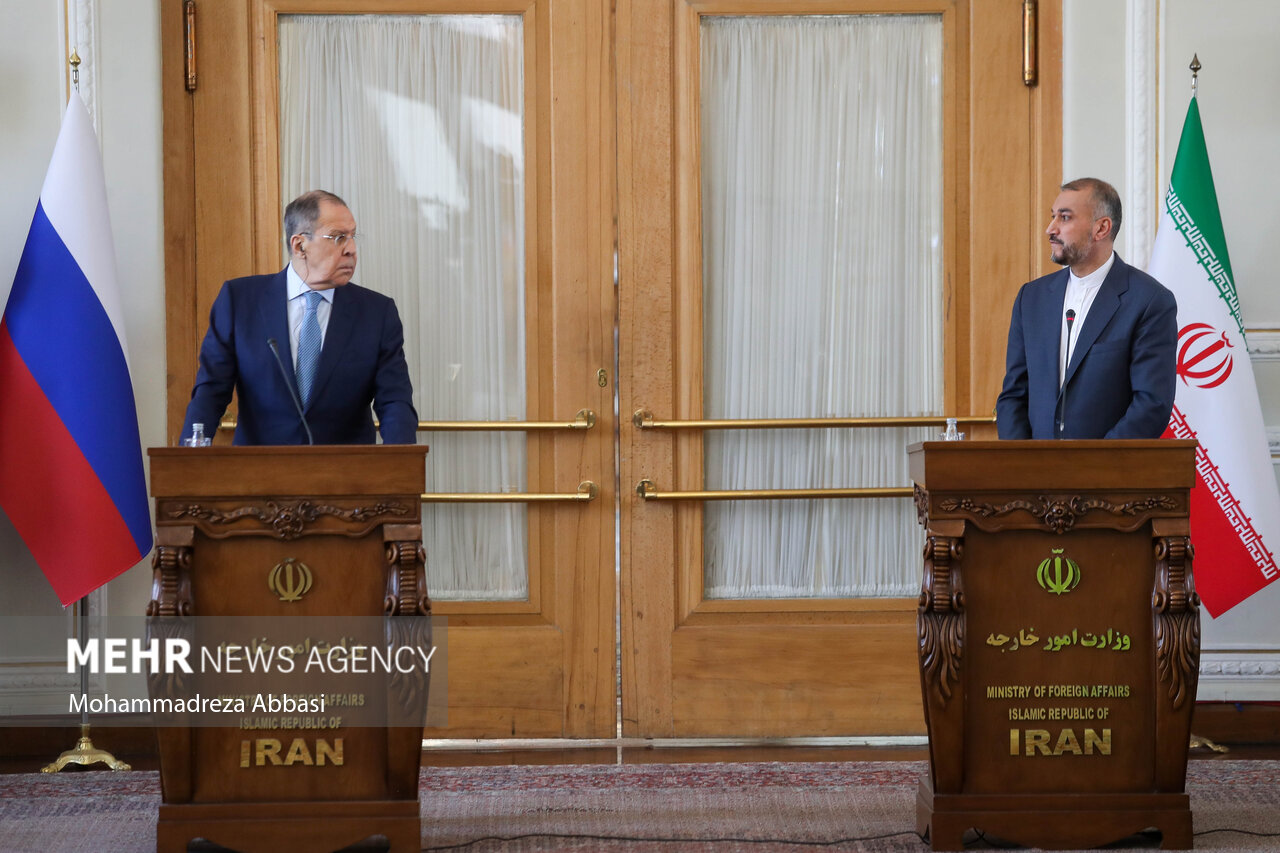
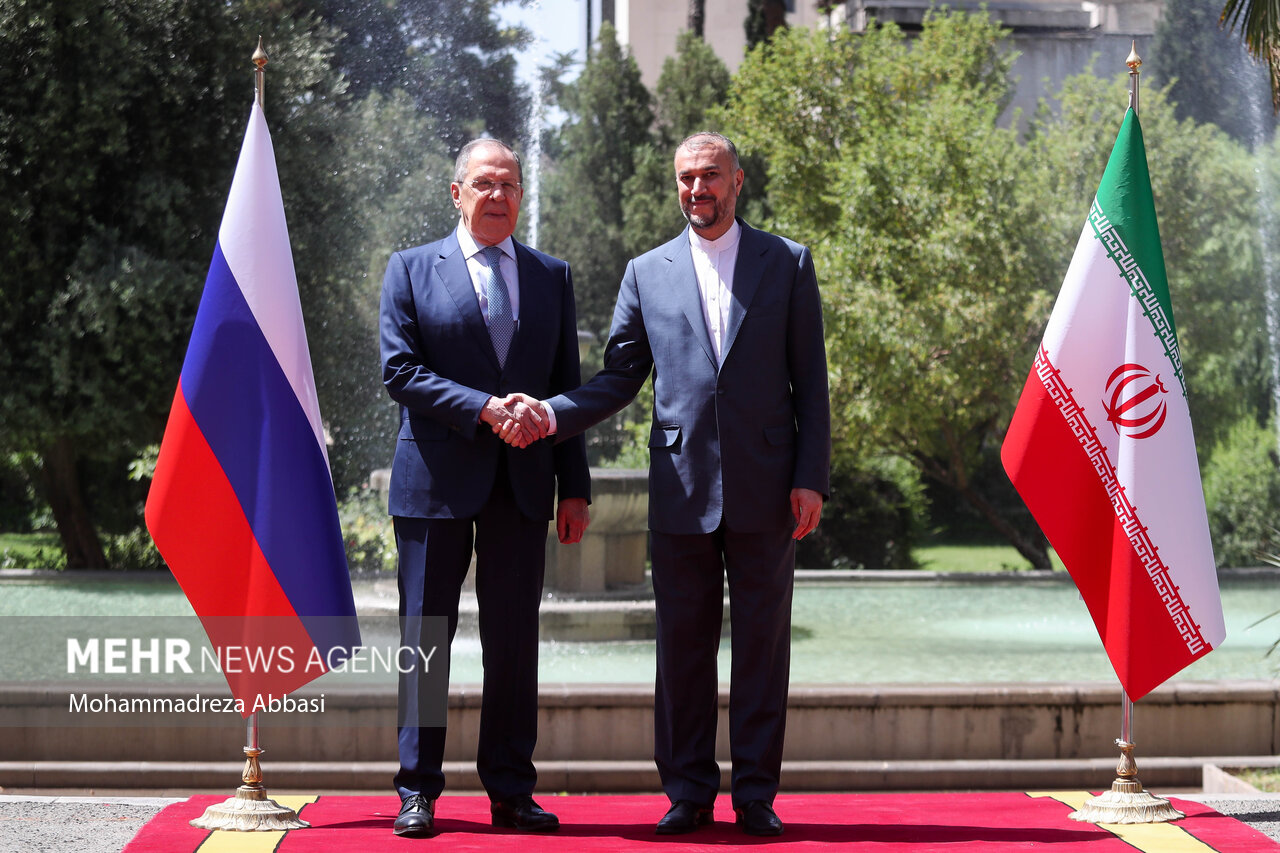
Russian Foreign Minister Sergei Lavrov (L) and Iran's Foreign Minister Hossein Amirabdolahian (R)

Ukraine war and food crisis

The top Russian diplomat also spoke of the global food crisis.

Lavrov said there is no link between Russia’s military operation in Ukraine and the food crisis, adding everybody knows that the crisis began several years ago.

Israeli attack on Syria

On the Zionist regime’s attack on Syria, Lavrov said Israel must respect the Arab country’s sovereignty.

He also said Russia will investigate the Israeli attack on the Damascus airport at the United Nations.
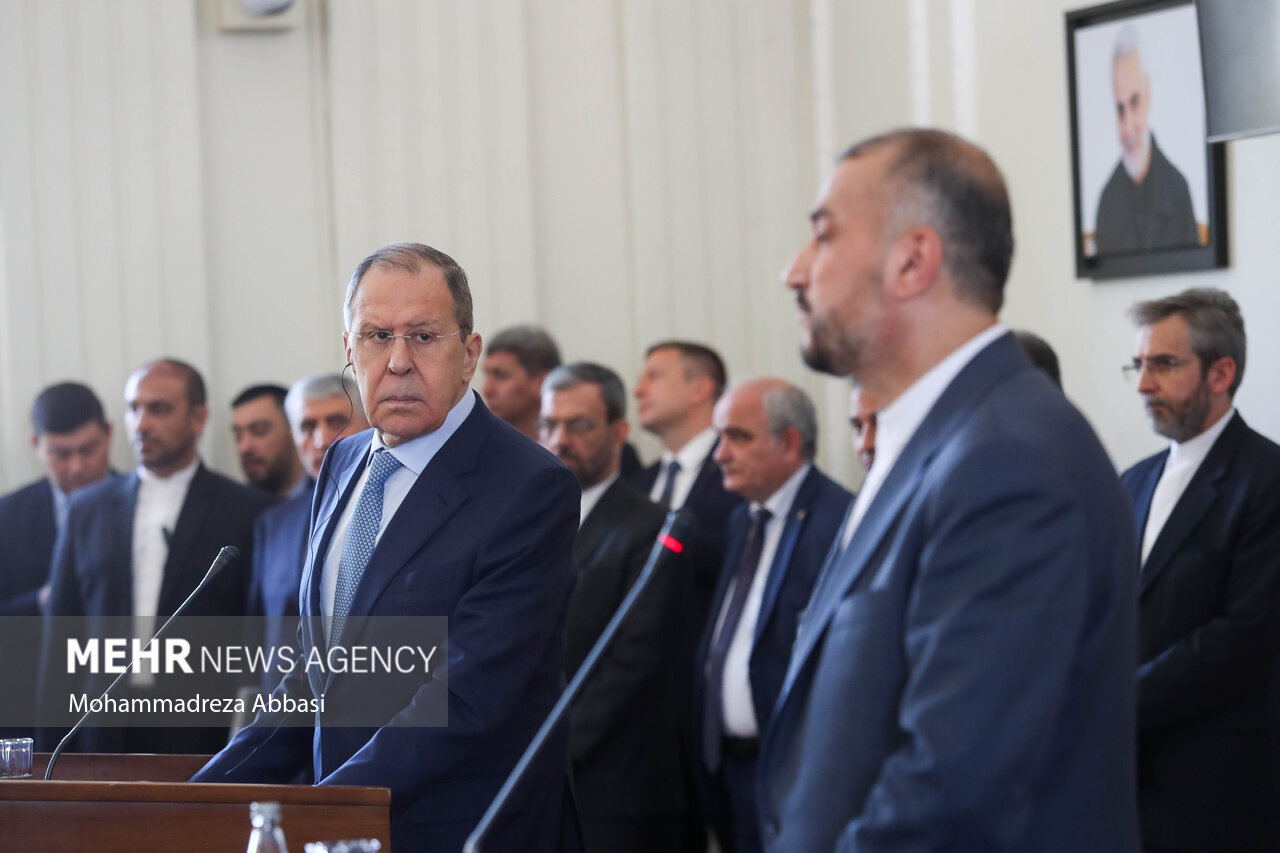
Russian Foreign Minister Sergei Lavrov (L) and Iran's Foreign Minister Hossein Amirabdolahian (R)

Amirabdollahian, in turn, expressed hope that the US would adopt a “realistic approach” and enable Iran and the P4+1 group of states to reach an agreement on reviving the 2015 nuclear deal in the near future.

Iran, he added, was seeking a “serious, good, and lasting” agreement in talks with the remaining parties to the deal, known as the Joint Comprehensive Plan of Action (JCPOA).

Commenting on Iran’s proposed package to the US, the Iranian foreign minister said, “The train is in the hard, final stations. It necessitates that we consider halting at a certain station.”

“Sometimes, it has been the need and demand of the negotiating sides for the termination of the sanctions, and other times, we needed a stop and intermission in the negotiations to sum things up,” he said.

“Following the wrong and unusual resolution that was passed at the [International Atomic Energy] Agency on a US proposal, in return, we took three important steps for additional nuclear action, including the issue of the 27 JCPOA-related cameras that were deactivated,” he said.

“The opposite sides, to be specific the United States, [Josep] Borrell, and [Enrique] Mora, are continuing their efforts to get everyone back to the negotiating table. Over the past hour, Baqeri was in constant contact with Mora, and I with Borrell,” he added.

“I hope we will be able to keep this train moving on the tracks, the negotiating tracks…, in the near future,” the Iranian foreign minister said.

Iran's Foreign Minister Hossein Amirabdollahian

On bilateral ties

Amirabdollahian said his talks with Lavrov focused on a long-term cooperation agreement between Iran and Russia, among other things, expressing hope for expert meetings to be held between mutual officials to finalize the terms of the agreement.

The two sides, he said, reached “good” agreements on the expansion of relations in the fields of economy, commerce, trade, culture, science and technology.
Lavrov, in turn, said a 20-year cooperation deal between Iran and Russia needs to be finalized soon.

“We are working on another big deal with Iran, which has been put forward by Iranian President [Ebrahim Raisi],” he said.

The top Russian diplomat praised a record 80-percent growth in bilateral economic ties, which has reached nearly $4 billion in value.

Lavrov said Iran and Russia, both under tough Western economic sanctions, should explore new ways for interactions in the fields of energy as well as banking and agricultural trade.

The Iranian foreign minister was asked to elaborate on the plans of Tehran and Moscow to improve their economic cooperation in the face of the latest wave of sanctions imposed by the US against them.

As part of the Iranian administration’s strategy, he replied, Iran is pursuing two paths in parallel: One is working to neutralize the sanctions and the other is diplomatic efforts aimed at paving the way for the removal of the restrictions.

‘We won’t allow Israel to disrupt regional peace’

Elsewhere, the Iranian foreign minister slammed the Israeli regime’s destructive role in the region, saying, “The region will not allow this regime, to threaten its security, stability and progress.”

Report: US developing ‘normalization roadmap’ for Saudi Arabia, Israel

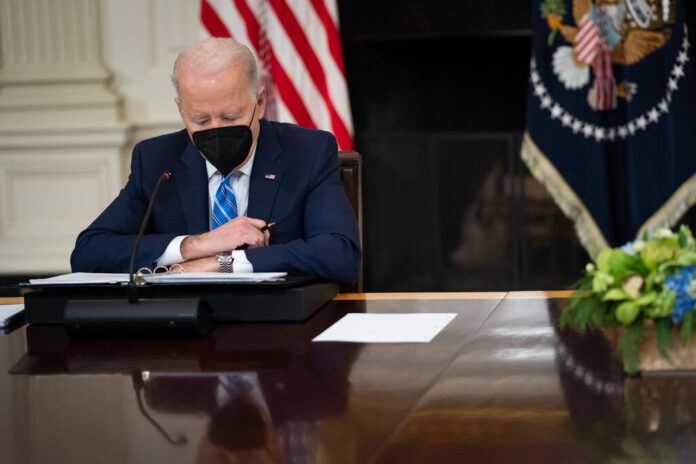
Joe Biden

The trip could show that the Biden administration has continued to help foster progress on the warming of relations between Israel and the Arab world after the Donald Trump administration brokered the Abraham Accords, which led to normalization agreements between Israel and four Arab countries.

The White House last week held a briefing with think tank experts about Biden’s trip to the region and floated the theme of a “road map for normalization” without elaborating, the four sources said.

The White House said during the briefing that there will not be an agreement before Biden’s visit, but they are working on it and the president will discuss it with Israeli and Saudi leaders during the trip, the sources said.

The White House thinks that any road map for normalization will take time and will be a long-term process, a different source briefed on the issue said. Another source briefed on the matter described the strategy as a step-by-step approach.

A White House National Security Council spokesperson said they “support broadening and deepening Arab-Israeli ties.”

A senior Israeli official said he doesn’t expect a major breakthrough regarding normalization with Saudi Arabia during Biden’s trip, but stressed an agreement to allow Israeli airlines to use Saudi airspace for flights to India and China is very close.

“We do not view Israel as an enemy, but rather as a potential ally in the many interests that we can pursue together, but some issues must be resolved before we can reach that,” Saudi Crown Prince Mohammed bin Salman said earlier this year, per Bloomberg, citing the official Saudi Press Agency.

The Biden administration has been quietly mediating among Saudi Arabia, Israel and Egypt on a potential deal to finalize the transfer of two strategic islands in the Red Sea from Egypt to Saudi Arabia, as Axios first reported.

If successful, the mediation efforts could lead to separate normalization steps.

A U.S. source briefed on the White House plans said, with the roadmap, he thinks the White House is trying to lower expectations about what is possible at the moment and what isn’t and focus on starting a process.

During Biden’s visit to the Middle East, the White House also plans for the president to discuss a vision for “integrated missile defense and naval defense” among the U.S., Israel and several Arab countries, including Saudi Arabia, four U.S. sources told Axios.

Israeli Minister of Defense Benny Gantz said during a hearing of the foreign relations and security committee in the Knesset on Monday that the U.S. and Israel are working on an initiative called “The Middle East Air Defense.” He added that Biden’s visit will give the initiative another push.

Gantz said the initiative focuses on working together with the U.S. central command and other countries in the region to counter drone, rocket and cruise missile attacks by “Iran and its proxies”.

A senior Israeli official said the idea is to create a regional network of radars, sensors and air defense systems that will be connected in order to give early warning and intercept attacks.

Gantz said “several Iranian attacks in the region” have already been prevented. A senior Israeli official said one such attack was a downing of an Iranian drone over Iraq in February 2021 by U.S. forces using Israeli intelligence.

The political instability in Israel and the early elections could change the calculations in Saudi Arabia and other countries in the region regarding normalization steps.

Official: Kabul must prove respect for Iran’s Helmand water share in action

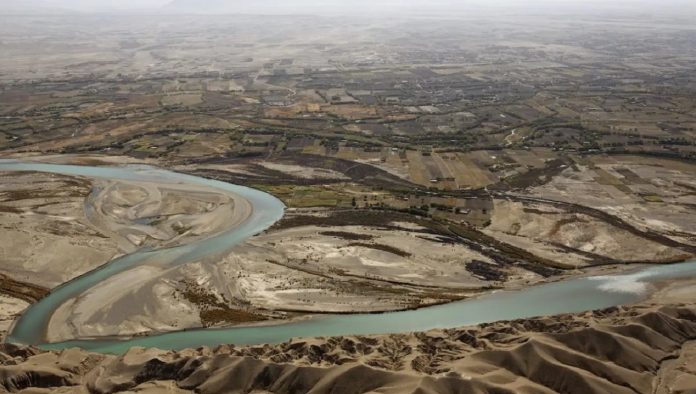
Helmand river

Jabbar Vatanfada, director general of the Office of Border Rivers and Joint Water Resources of the Iranian Energy Ministry, told Fars News Agency on Thursday that only less than 4 million cubic meters of water had entered the Iranian side of the border in the past water year, out of the 820 million cubic meters agreed between the two sides under a 1973 treaty.

This runs counter to a claim by the Afghan side that it has provided Iran with its full share, to which the Iranian delegation voiced strong protests during the 25th meeting of the Joint Commission of the Helmand River recently held in Tehran, he added.

The official highlighted the negative repercussions of building the Kamal Khan Dam on the river, saying the construction dried up the international Hamoun wetland and negatively affected the region’s economy and environment as well as social life.

“Afghanistan should prove its commitment to the 1973 Helmand treaty not in words but in practice,” he said.

Helmand has been at the center of a long-running political dispute between the two neighbors. The river flows some 1,150 kilometers from the Hindu Kush mountains, west of Kabul, before reaching the Sistan wetlands in southwestern Afghanistan and eastern Iran.

Court: US should pay Iran nuclear martyrs’ families over $4bn

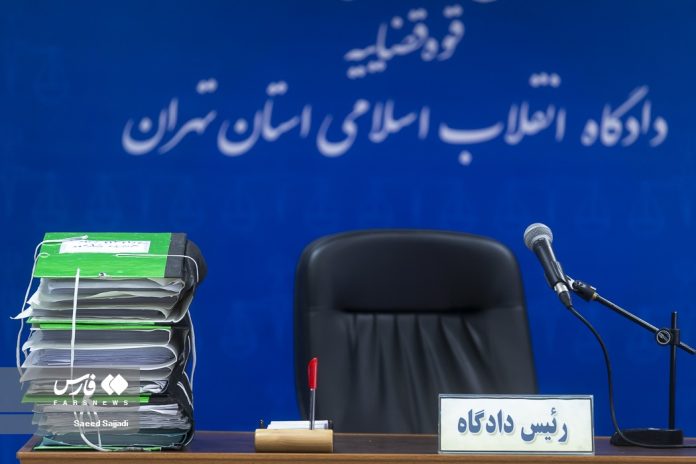
Iran Court

The families announced last year they opened a case against the US and Israel for assisting or financing the assassination of top nuclear scientists.

The first hearing in the family of nuclear martyrs case against the US government was held last year in Branch 55 of the Beheshti Complex in the capital Tehran.

Iranian nuclear scientists have been the target of the Western and Israeli spy agencies over the past years.

Masoud Alimohammadi, Majid Shahriari, Darioush Rezaeinejad and Ahmadi Roshan were assassinated between 2010 and 2012. An attempt was also made on the life on Fereydoon Abbasi, former chief of Iran’s nuclear organization and the current member of the parliament.

The head of the Iranian Defense Ministry’s Organization of Defensive Innovation and Research, Mohsen Fakhrizadeh, was also assassinated in November 2020.

Iranian officials have said the crime of assassinating the country’s nuclear scientists is a gross human rights violation, warning the killings will not go unpunished.

Iran says Israel used US intelligence to carry out the targeted killings of the prominent scientists.

Iran’s aid supplies arrive in quake-hit Afghanistan

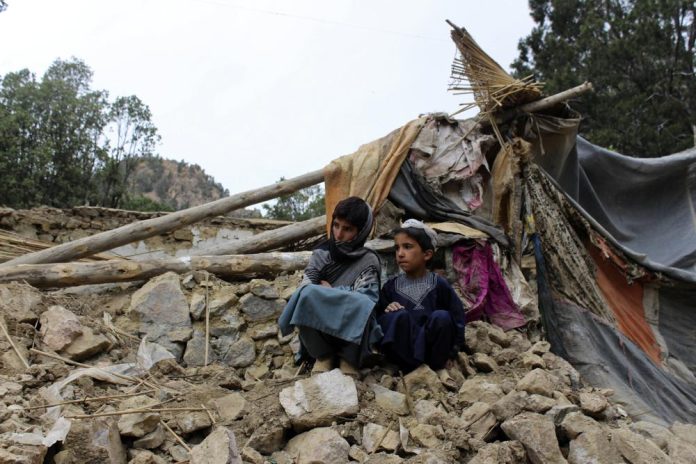
Afghanistan Quake

Iran’s Red Crescent Society sent two cargo planes carrying first aid supplies following the 6.1 magnitude earthquake in eastern Afghanistan that claimed at least 1,500 lives and left over 2,000 injured.

Yaqub Soleimani, secretary general of the society, said the first shipment of humanitarian aid that was sent from Tehran in army airplanes included 400 relief tents and 800 rugs.

The second shipment dispatched from Iran’s southeastern Sistan and Baluchestan Province via land route, included 1,200 rugs, 1,000 food packages and 600 relief tents, he added.

Iranian officials expressed condolences to Afghanistan, pledging the Islamic republic’s assistance and support for the disaster-stricken people in the country.

Iran’s Embassy in Kabul announced Iranian search and rescue teams, emergency medical services and staff are ready to be sent to Afghanistan if requested by the country.

Afghanistan has already been reeling from a worsening humanitarian crisis since the chaotic withdrawal of US-led forces last August and a freeze on billions of dollars worth of the nation’s assets.

President Raisi urges swift end to Ukraine war, blames NATO provocations

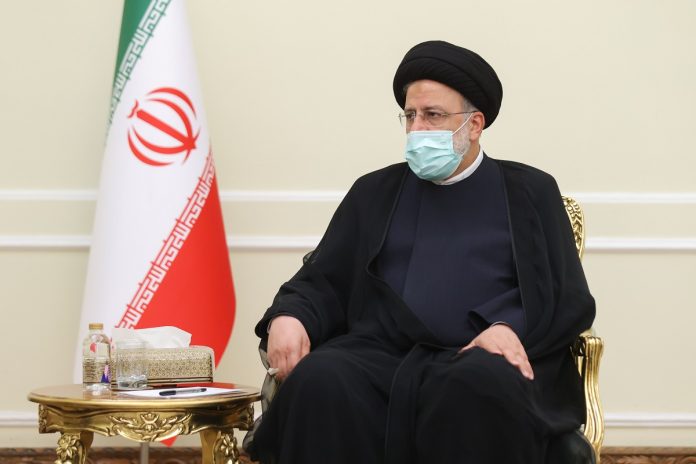
President Ebrahim Raisi

In a meeting with visiting Russian Foreign Minister Sergey Lavrov on Wednesday in the Iranian capital Tehran, Raisi stressed the conflict in Ukraine has to end as soon as possible and expressed Iran’s readiness to help the warring sides find a diplomatic solution.

He said, “Undoubtedly, the US and NATO provocations caused the conflict, and therefore efforts should be made against expansion of NATO’s influence in any part of the world, including in West Asia, the Caucasus and Central Asia.”

Raisi also said the ongoing talks between Tehran and Moscow show both sides are strongly determined to start a new era in their strategic cooperation to counter US sanctions.

He said, “Boosting cooperation and coordination is an effective way to counter US sanctions and economic unilateralism against independent countries.”

Russia was slapped with sanctions after it launched a war with Ukraine in February to “demilitarize and denazify” the country.

The president also said the Caspian Sea littoral states will not allow foreign forces to gain a foothold in the region to “implement their interventionist policies”.

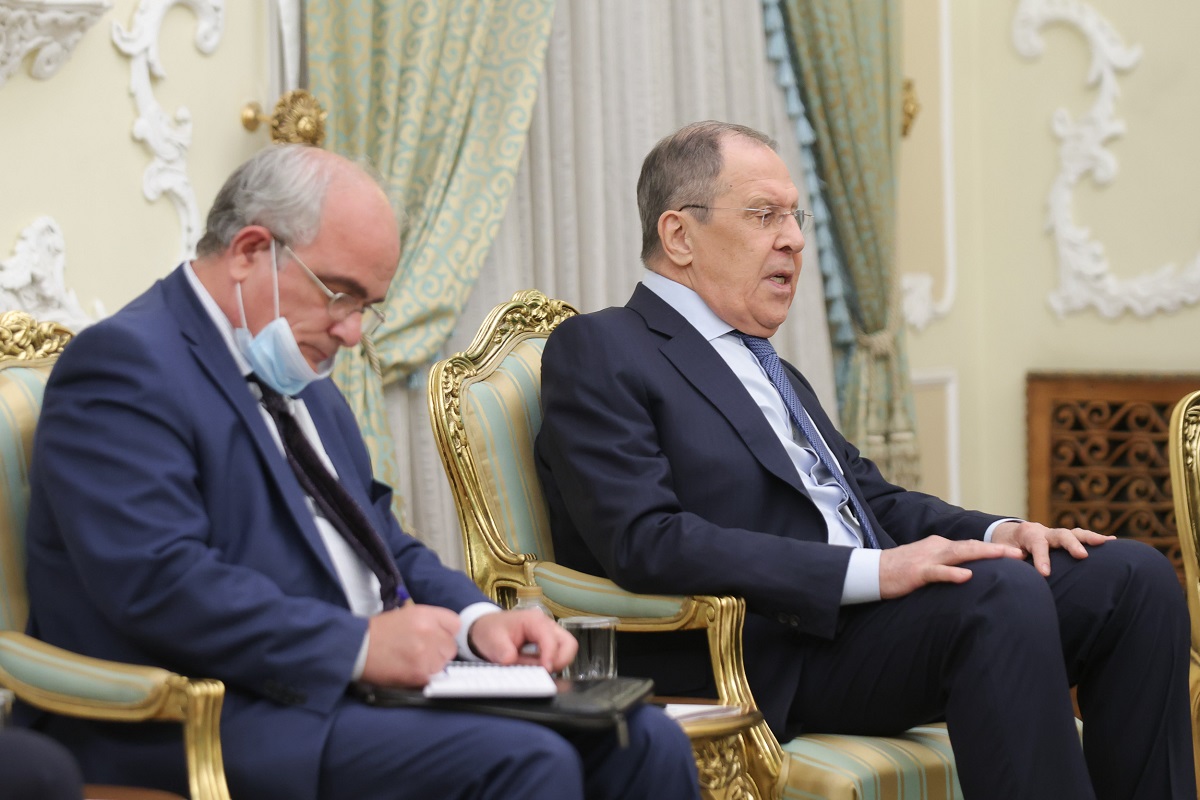
Russian FM Sergei Lavrov

For his part, Lavrov discussed various dimensions of Tehran-Moscow relations, including in the economic field, and stressed his country’s readiness and interest in increasing the volume of cooperation with the Islamic Republic of Iran to the strategic level.

The Russia foreign minister also highlighted Iran’s status as a member of the Shanghai Economic Cooperation Organization, and said Moscow is ready to support Iran’s role in other regional and international organizations.

Lavrov arrived in Iran on Wednesday at the head of a high-ranking delegation for a two-day visit for talks on boosting trade and energy cooperation.

Sadr: Iran never meddled in Iraqi politics or pressured Shia groups

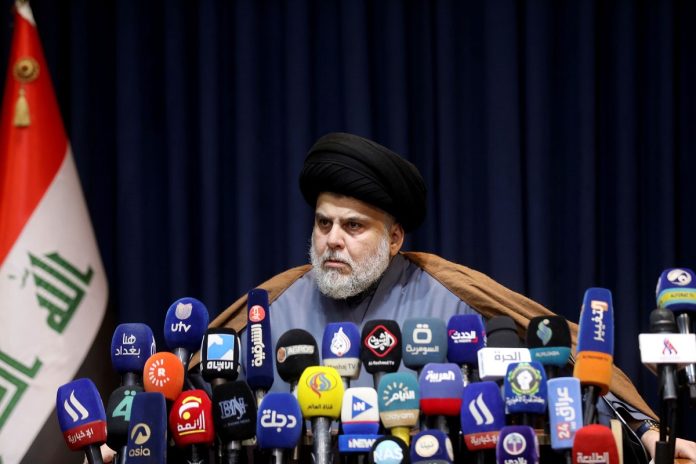
Muqtada al-Sadr

In a statement on Wednesday, the cleric, who heads Iraq’s Sadrist movement, rejected “false” rumors that Iranian “threats” had been behind his recent decision to order the withdrawal of lawmakers with his bloc from the Iraqi parliament.

“I’m saying this for the first time: The Islamic Republic of Iran never put any pressure on any Shia party,” Sadr said.

The cleric said he was himself “courageous enough” to make such a decision, which he said stemmed from his unwillingness to play a part in the “destruction of what has been left in Iraq.”

Sadr on June 11 called for the mass resignation of parliament members with his movement from the legislature in an effort to end a political stalemate that has blocked the formation of a government in the Arab country.

The Sadrist bloc has had the largest number of seats at the Iraqi legislature — 73 out of 329 — since an election in October 2021.

On Thursday, the Iraqi parliament will hold a voting session to decide the replacements of those who resigned.

The cleric urged all parliamentary blocks not to be intimidated d by “illegal” pressure and take a “brave stance for reformation and saving the homeland.”