Sunday, December 28, 2025
Home Blog Page 1866

Iran judiciary official says US “world’s biggest violator of human rights”

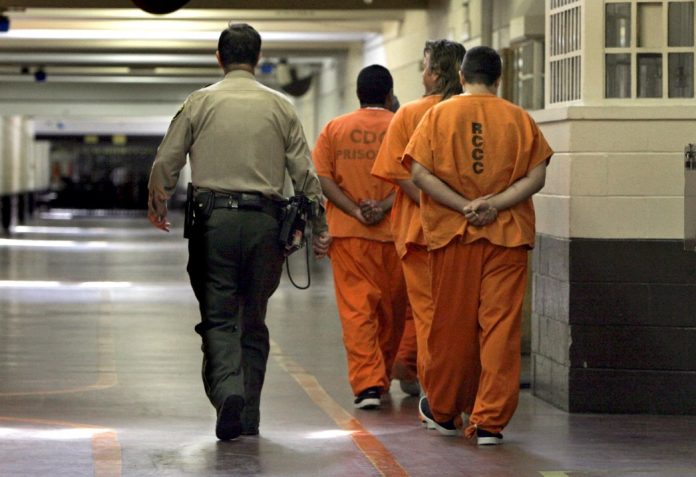
US Prison

Kazem Gharibabadi pointed to the dire rights record of the US when it comes to mistreatment of inmates, saying on average, 4,000 people die in US jails annually.

Gharibabadi also cited the US sanctions as another example of Washington’s disregard for human rights.

He said US officials claim to be defending human rights while they have endangered the lives of the Iranian people by imposing sanctions on the Islamic Republic.

Gharibabadi said Iran has been hurt by terrorism as well.

He said several years ago, the death toll from acts of terror in Iran was said to be 17,000, but in fact 25,000 Iranians have been killed by terrorism-related acts so far.

Iran Covid: Zero death for 2nd day, mask requirements lifted

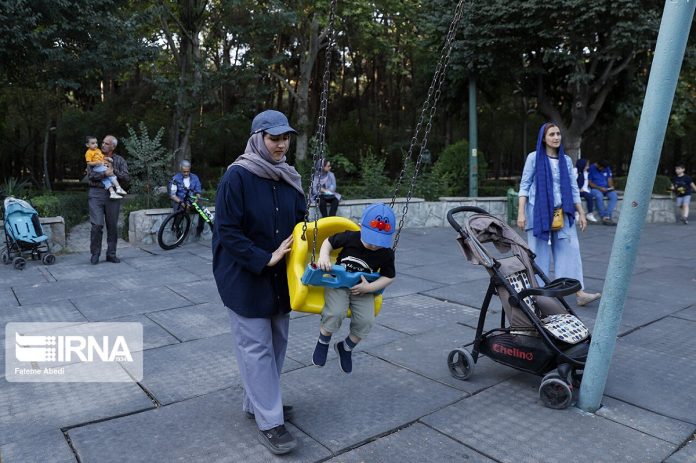
Iran COVID

On Wednesday, the daily caseload was 441 including 70 hospitalizations.

The Tuesday caseload was 443. However, most cities in Iran are marked blue in terms of risk from Covid-19.

Meanwhile, Iranian Health Minister Bahram Einollahi has said the cabinet has decided to lift mandatory mask requirements in open places across the country.

He however said people are obliged to wear masks in closed public places, especially in public vehicles.

Einollahi said Covid will not be eradicated totally and will, like influenza, become an endemic.

He added that for this reason, citizens are recommended to get vaccinated once a year.

According to the official figures, Covid has so far killed 141,386 in Iran. Around 50,800,000 people have received the second shots while the number of the triple-vaxxed stands as 27,737,186 among the population of roughly 85 million.

President Raisi: Israel fuels tensions and is harmful to regional security

Ebrahim Raisi & Elham Aliyev

“Security in our region will be established solely through cooperation of regional countries and neighbors,” Raisi, who is visiting Turkmenistan for the summit of the Caspian Sea countries, said in a meeting with the president the Azerbaijan Republic.

Raisi added that the presence of the Israeli regime in any given region will undermine its security.

The president also welcomed the talks with other leaders on the sidelines of the Caspian Sea summit as an opportunity to provide the grounds for more understanding in the region.

“Iran’s capabilities in the technical and services spheres and also its geopolitical and logistical capacities including the transportation, provide appropriate grounds for expansion of cooperation between Iran and the Azerbaijan Republic and greater convergence of the Caspian Sea littoral states,” he said.

During the meeting, the Azerbaijani President Elham Aliyev also said the previous meeting with President Raisi on the sidelines of the summit of the Economic Cooperation Organization in Ashgabat has boosted both countries’ push to expand their bilateral ties.

“I hope our meeting, today, will also help strengthen the proces of expansion of bilateral ties and improvement of cooperation between the two countries,” he said.

Iran says ready to increase gas swap with Turkmenistan for exports to Azerbaijan

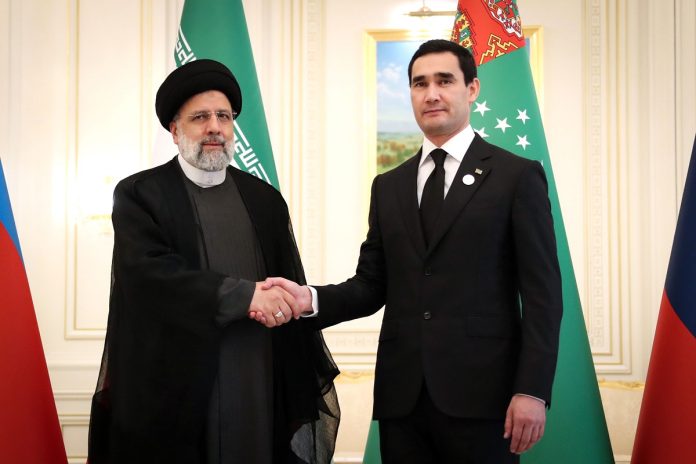
Raisi & Berdimuhamedow

Raisi, who is visiting Turkmenistan for the sixth summit of the Caspian Sea littoral states, made the comments during a meeting with Turkmen President Serdar Berdimuhamedow on Wednesday.

President Raisi also said the relations between Iran and Turkmenistan are expanding based on neighborly ties and mutual trust, stressing that implementing the agreements and cooperation documents signed during the recent visit by the Turkmen president to Iran will help speed up bilateral cooperation and upgrade ties.

The president added that his administration considers development of cooperation with neighboring countries a priority.

“Easing visa issuance for businessmen and increased travels by businessmen of the two countries will pave the way for further expansion of the volume of mutual trade ties”, added the president.

Also, seeing the recent request by the Azerbaijan Republic, the Islamic Republic of Iran is ready to increase the capacity to swap Turkmenistan’s natural gas and deliver it to the Azerbaijan Republic through our country,” he noted.

President Raisi also expressed hope that the Caspian Sea summit leads to decisions to better exploit the capacity of the body of water and its resources for the littoral states, while stressing the need for the sea to be used for peaceful purposes, in observance of environmental considerations and without the presence of foreign countries.

During the meeting, Berdimuhamedow also thanked Raisi for his efforts to help upgrade Tehran- Ashgabat relations and reiterated his country’s will to implement the agreements it has signed with Iran.

Report: Doha talks over revitalizing JCPOA underway

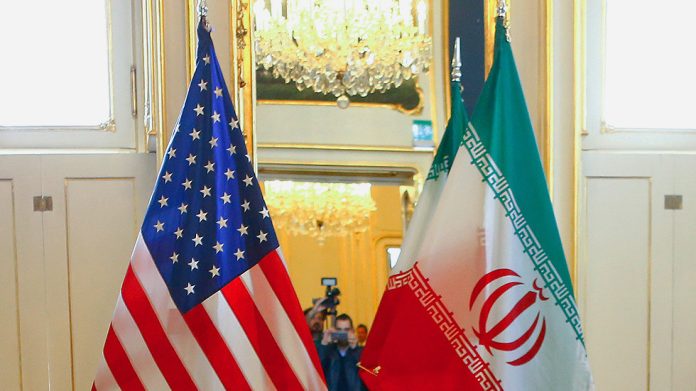
Iran US Flags

A source close to the negotiations told IRNA’s reporter that the talks are not yet over.

According to the source, the European parties are playing their own role but Iran and the other sides keep holding talks over remaining differences.

The Doha talks had been scheduled to continue for two days and they will end later on Wednesday.

IRNA’s report comes as some other Iranian news outlets said earlier that the sanctions removal talks have ended inconclusively.

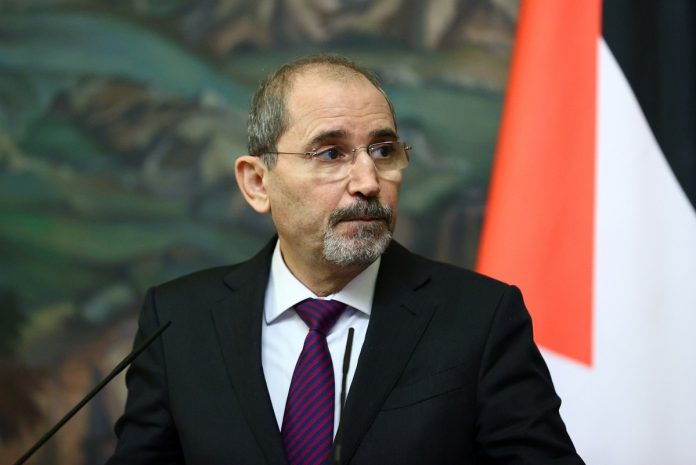
Jordan FM: Arabs seeking good ties with Iran

Jordan FM Ayman al-Safadi

In an interview with Al Jazeera on Tuesday, Ayman al-Safadi dismissed reports that Arab countries in the region are forging an anti-Iran coalition with Israel through establishment of a military alliance similar to NATO.

Al-Safadi said forming a so-called Middle East NATO is not on the agenda of US President Joe Biden’s upcoming trip to Saudi Arabia and the Israeli-occupied territories next month.

Jordan’s King Abdullah had earlier told CNBC News network last week that he supports the formation of a NATO-style military alliance in the Middle East.

The issue touched a raw nerve in Iran, with high-ranking officials warning the Islamic Republic will give a befitting response to any interventionist move by Israel in the Middle East.

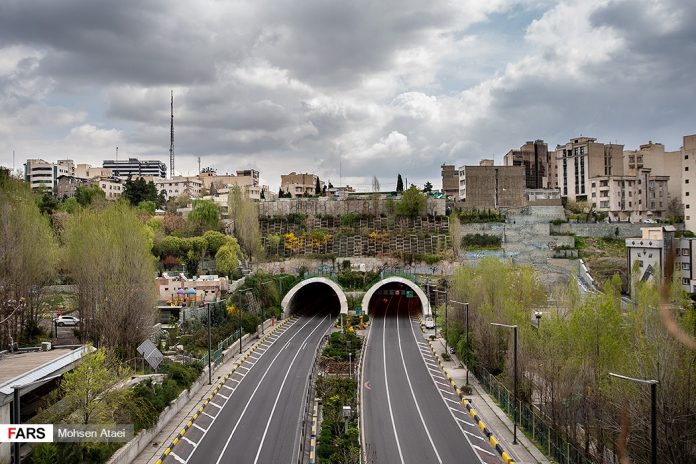
Iran becomes 1st Mideast state to indigenize cloud seeding radar tech

Iran Tehran

In an article published on Wednesday, Fars news agency reported that the “complicated and sensitive” technology has been subjected to sanctions, and that the main “formula” to build the radars cannot be found at any scientific centers of the world.

However, scientists with an Iranian knowledge-based company, named Basamad Mowj Gha’em, managed to gain access to the tech after years of research hard work, it said.

The pieces of hardware used in the Iranian version of the radars are even more efficient compared to foreign models, the report added.

Cloud seeding is a scientific process that improves a cloud’s ability to make rain or snow and helps control other weather events.

Along with other states in the Middle East and those in North Africa, Iran — a semi-arid country — is heading fast toward severe water shortages.

Downpour levels have also sharply plummeted in Iran over the past years, leaving many regions suffering from drought.

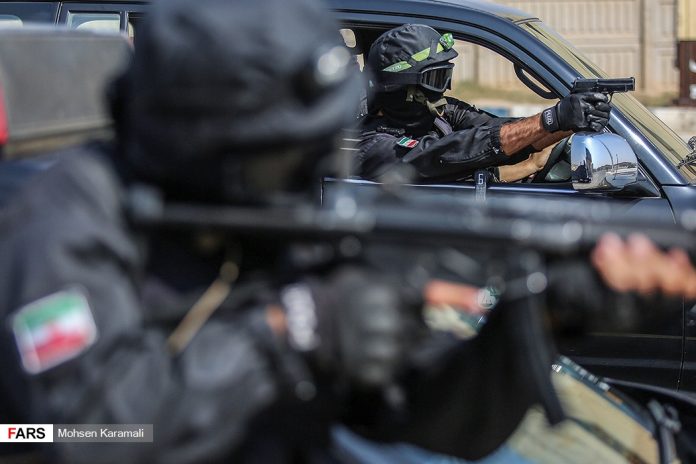
‘Europe indebted to Iran for fighting drug trafficking’

Iran Police

Majid Karimi, however, slammed Europe for depriving the Islamic Republic of the latest technology to fight drug trafficking in line with sanctions spearheaded by the US, while they directly benefit from Iran’s anti-drugs measures.

“If the Islamic Republic of Iran stops the fight (against drugs) for only a month, the European countries will have to gather every gram of the huge hauls of drugs from their streets,” he warned.

Iran is a major transit route for drug trafficking from its eastern neighbor Afghanistan to European countries and has been praised by international organizations, including United Nations Office on Drugs and Crime (UNODC), for its role in cutting supply lines to the West.

Afghanistan has been among the world’s major suppliers of opium and heroin. Drug smuggling from Afghanistan gathered pace during the 20-year occupation of the county by US-led forces.

Thousands of Iranian forces have been killed in the fight against drug trafficking over the past 40 years.

Footprints of moles seen in assassinations in Iran: Lawmaker

Crime Scene

Jabbar Kouchakinejad, a member of Parliament for the city of Rasht, told Fars news agency on Wednesday that homegrown spies had helped Iran’s enemies.

“In the assassinations that have taken place [in Iran], the fingerprints of the enemy’s spies and moles in the country can be seen, since these people plan to cause disturbances and insecurity through these blind assassinations,” Kouchakinejad said.

“It is really regrettable that some act to sell out their homeland in pursuit of personal gain,” he added. “Such people are prepared to do anything to meet their personal interests, and the information that they pass on to the enemy is not accurate because, firstly, they haven’t gotten to know our nation well, and, secondly, they are only after pursuing and meeting their interests with some information.”

He said the homegrown spies also sought a goal of driving a wedge between the Iranian people and government.

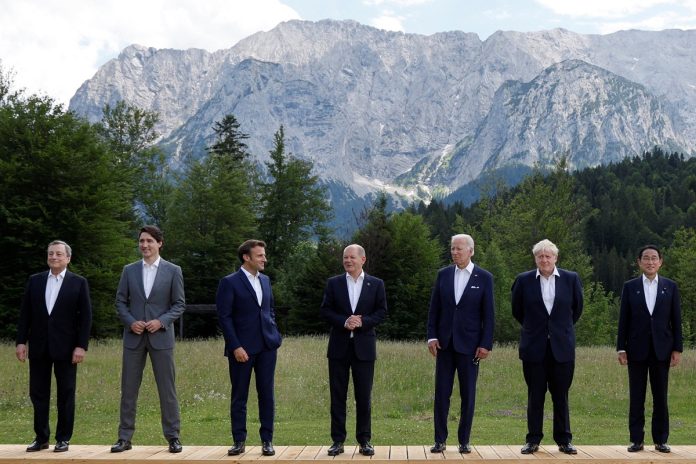
Tehran rejects G7’s anti-Iran statement as ‘baseless, one-sided’

G-7

Iranian Foreign Ministry spokesman Nasser Kan’ani said Tuesday that the G7 meeting’s final communiqué was “in accordance with the wrong habits of the countries that issued it and shows the futile insistence on failed policies that have contributed the most to destabilizing the implementation of the nuclear deal.

Such a stance, he added, causes “disputes in negotiations to lift sanctions, as well as creating insecurity and preventing the establishment of endogenous security arrangements in the Persian Gulf region.”

The G7 statement reiterated allegations leveled by the Western countries against Iran’s nuclear program, regional role, and human rights record.

Kanani stressed that the G7 statement “deliberately ignores the gross violation of the nuclear deal and UN Security Council Resolution 2231 by the United States and the maximum illegal sanctions imposed on the honorable people of Iran.”

He added, “Those who issued the statement, by continuing the policy of illegal cross-border sanctions against the Iranian people or inaction in the face of them, have the greatest share in creating the current conflict and continue to insist on the wrong policy in various ways and deliberately ignore the emphasis of the Islamic Republic of Iran’s embargo on nuclear arms and, by having the largest arsenal of nuclear weapons, escape forward and make false accusations.”

Kan’ani also stated that such a set of irresponsible positions and behavior creates tension and threaten international security, while clearly they are indebted to Iran for its tolerance in the face of the nuclear deal, because otherwise there would be no room for negotiations today, but they are deliberately turning a blind eye to this fact.

He added, “We strongly condemn the destabilizing role of the parties that issued the statement in the Persian Gulf region, and it is imperative that they, instead of leveling false accusations against Iran’s legitimate missile defense program which can never be negotiated or compromised, be held accountable for the sales of billions of dollars worth of advanced weapons, which is one of the most important causes of instability in our region.”

The official also slammed the political, instrumental and selective use of human rights by the countries that issued the statement.

“We call on the countries that issued the statement to refrain from their actions that create tension and are constantly narrowing the space for regional and international peace and security,” the spokesman stressed.

Kan’ani said, “Obviously, such statements with politically ill intentions will not make Iran abandon its rightful positions and principles.”