Monday, December 29, 2025
Home Blog Page 1854

Iranian Judiciary: Hamid Nouri facing more restrictions in Sweden’s jail

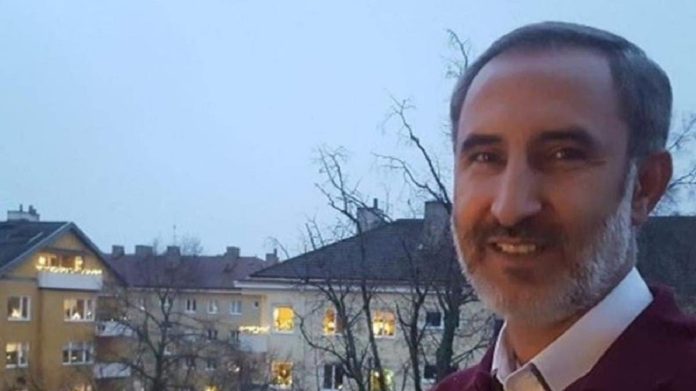
Hamid Nouri

Speaking at a news conference on Wednesday, Mr. Setayeshi said Nouri faces restrictions on his contacts with his family. They travelled to Sweden recently but were not allowed to meet him.

He added that even Nouri’s lawyers have limited access to him.

Setayeshi urged Sweden’s organization of jails to fulfill its responsibilities in this regard as the restrictions on Nouri have been imposed by the organization.

Nouri is in jail for what a Swedish prosecutor has described as rights violations in Iran in the 1980s.

Nouri denies this, saying those who set him up in the case are members of the Mojahedin-e-Khalq terrorist organization, which is a US-backed anti-Iran group. Elsewhere in his news conference, the Iranian Judiciary spokesman spoke about two suspected Frensh spies who are under arrest in Iran.

Setayeshi said the suspects have been charged with espionage and trying to undermine national security in Iran.

He further touched on those implicated in a judicial case related to the collapse of Metrol Building several weeks ago in the southern city of Abadan. The collapse killed dozens.

Setayeshi said 16 people accused of wrongdoing in the case are in custody.

He added that the legal proceedings are moving forward fast and that the owner of Metrolpol, Hossein Abdolbaghi is definitely dead as per a DNA test conducted on his body.
Abdolbaghi was killed under rubble when the building tumbled down.
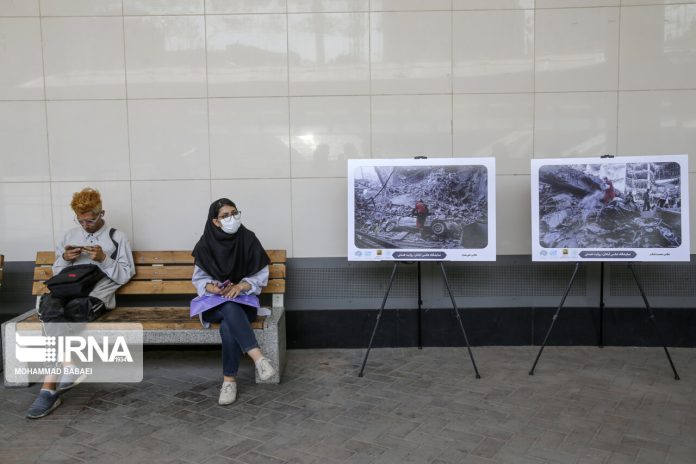
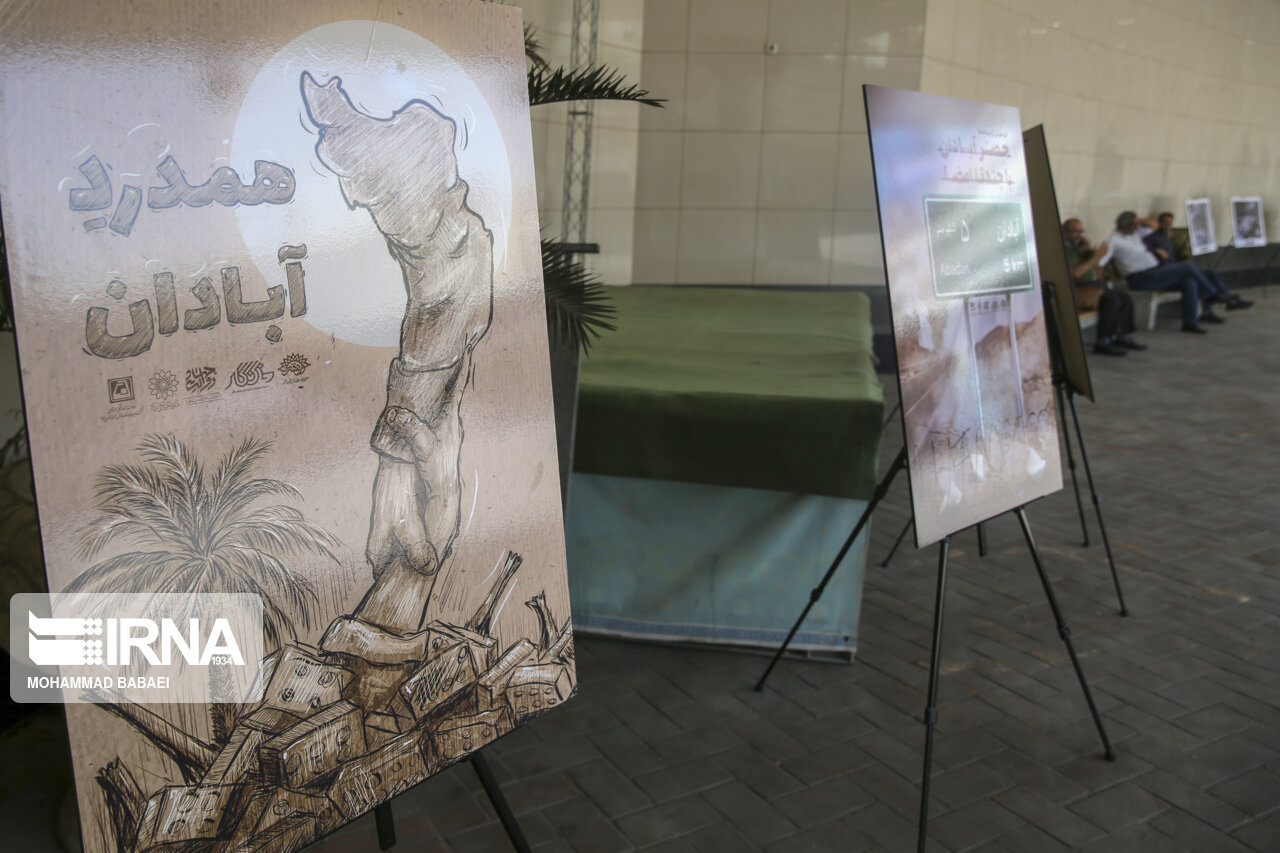
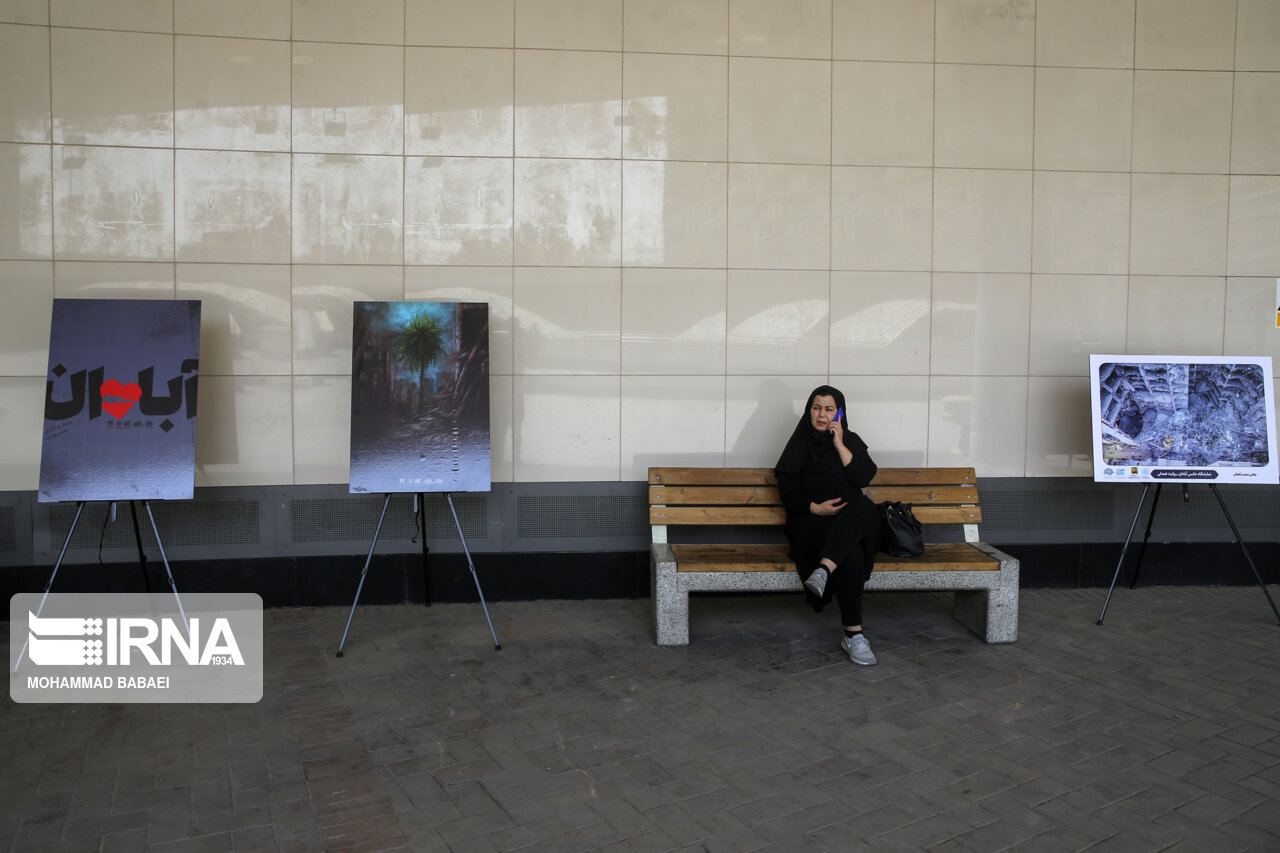
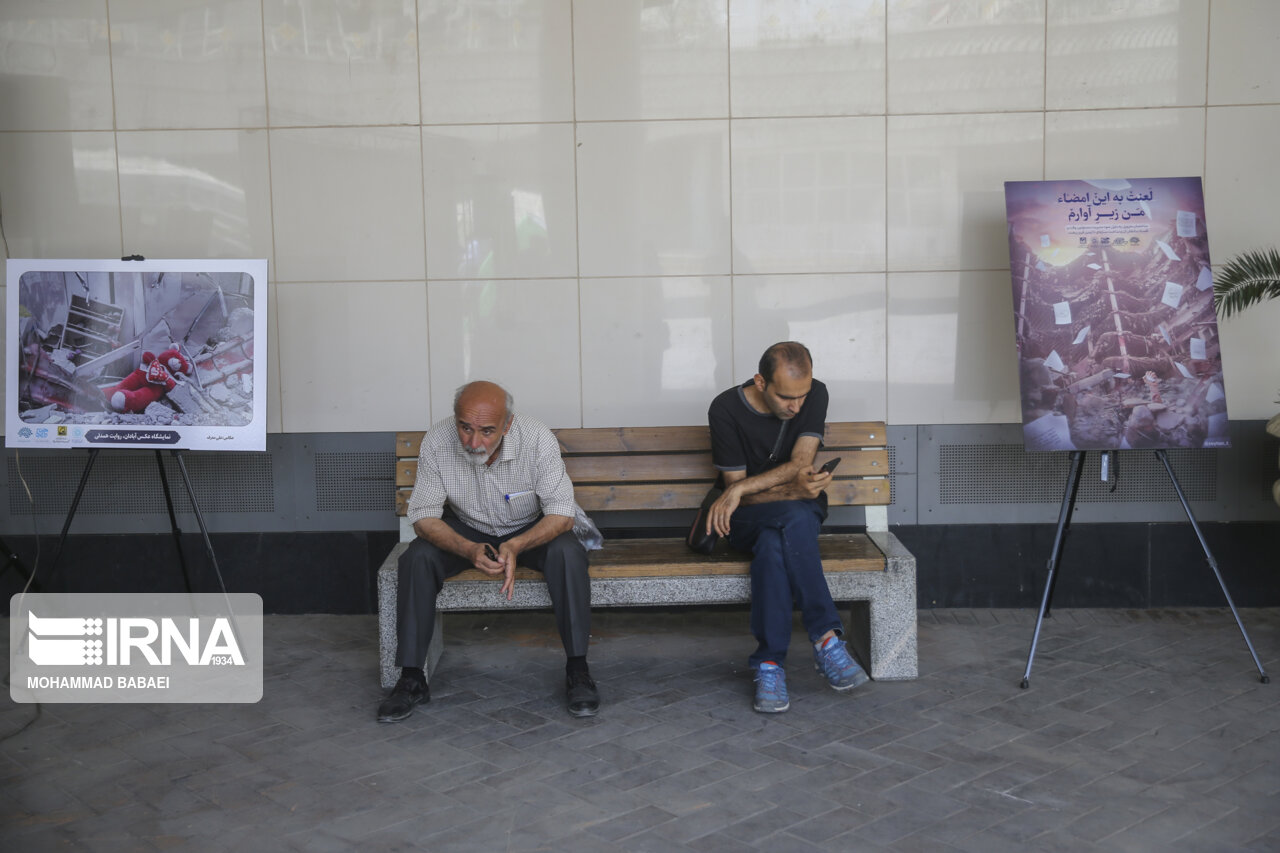
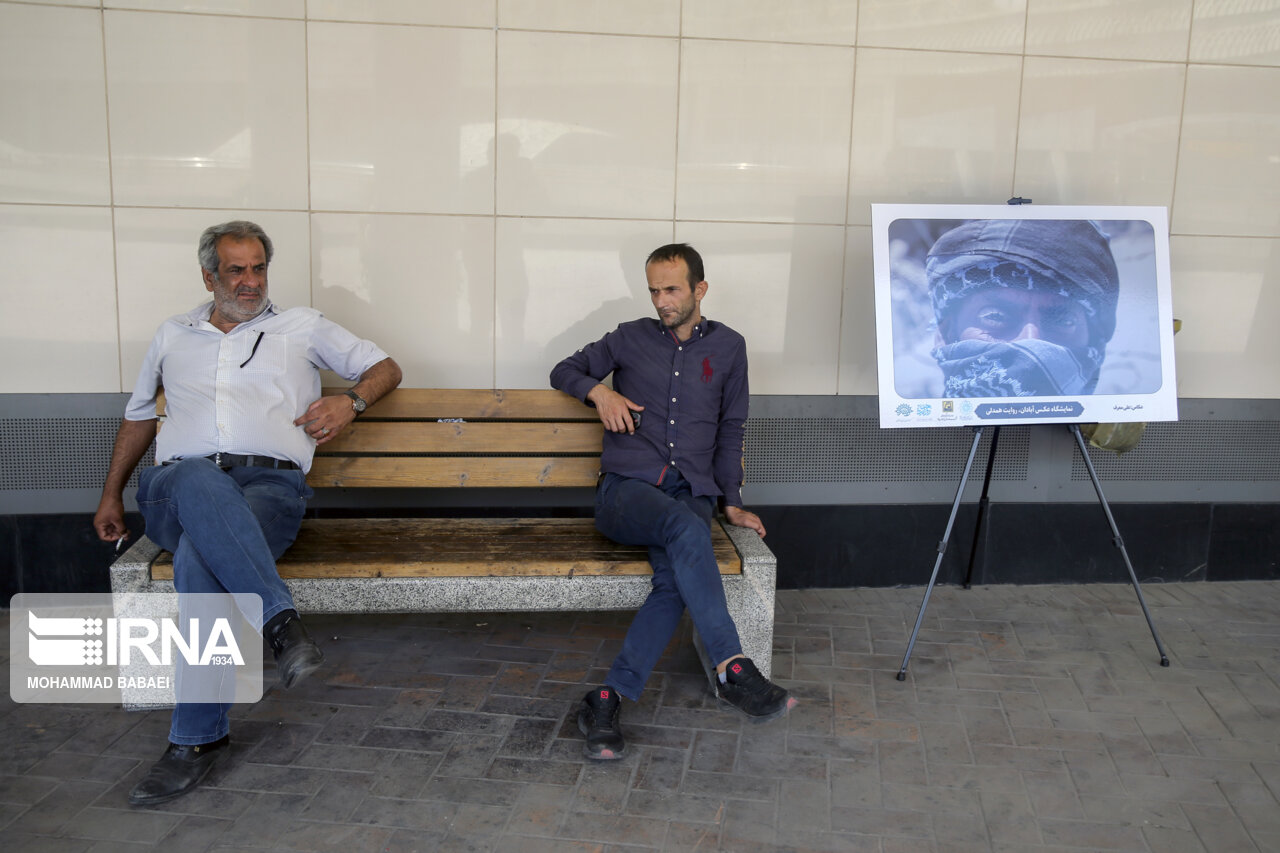
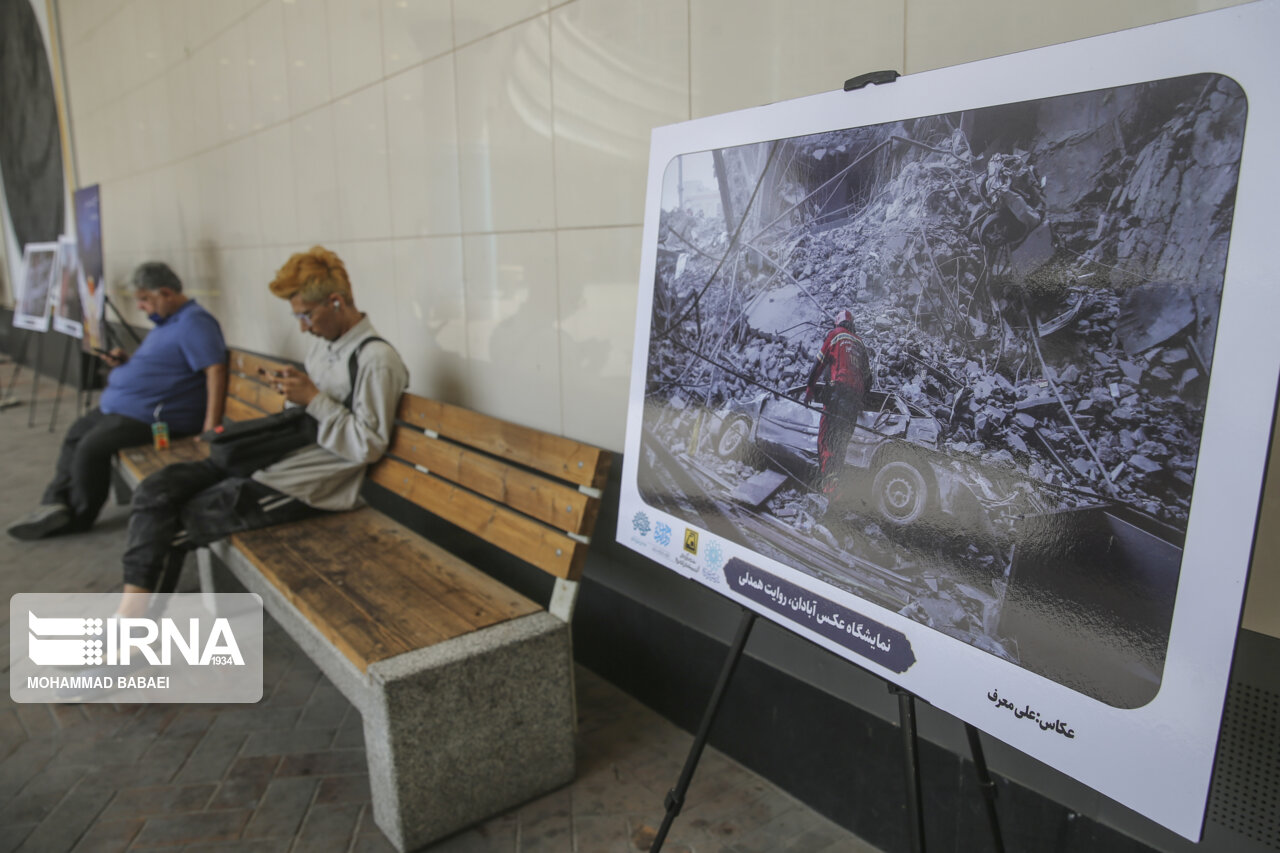
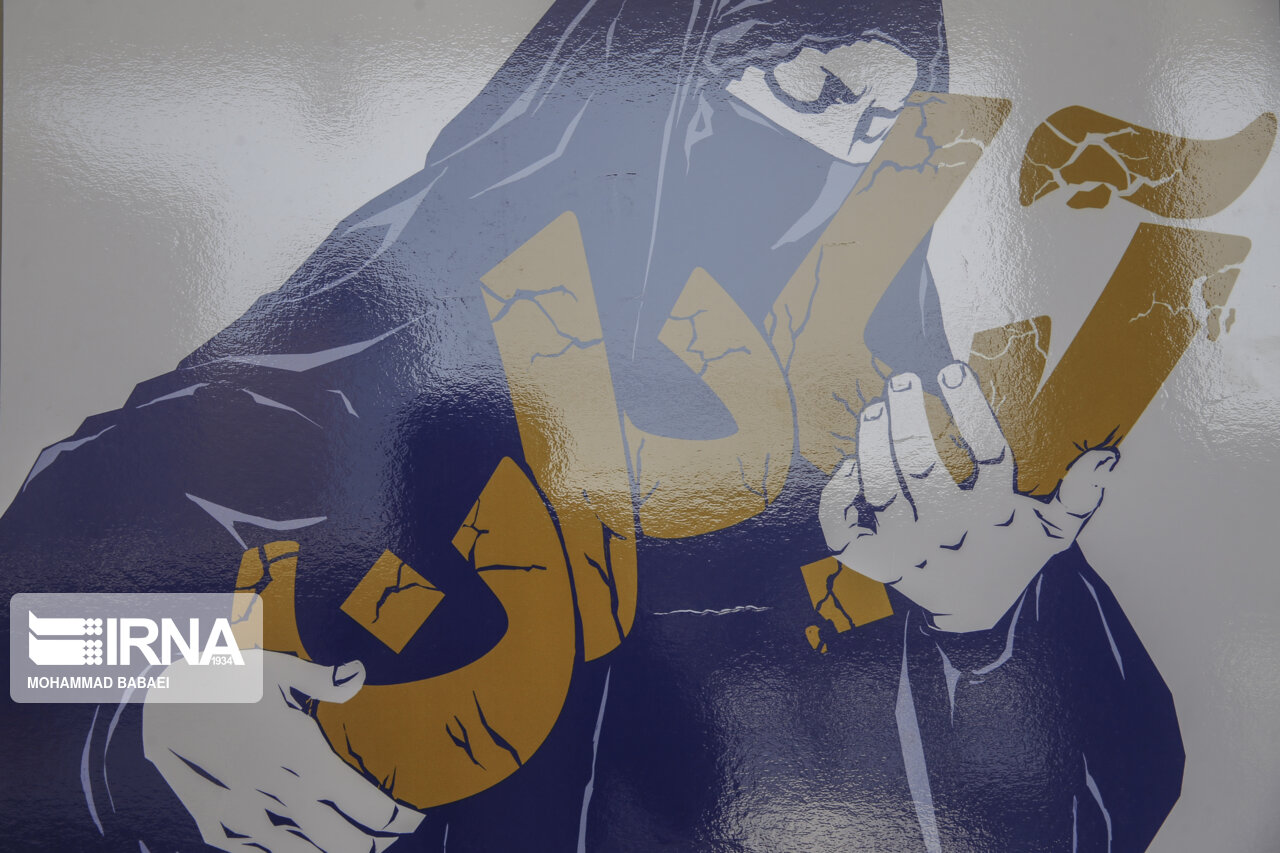
40 days into deadly collapse: Metropol photo exhibit

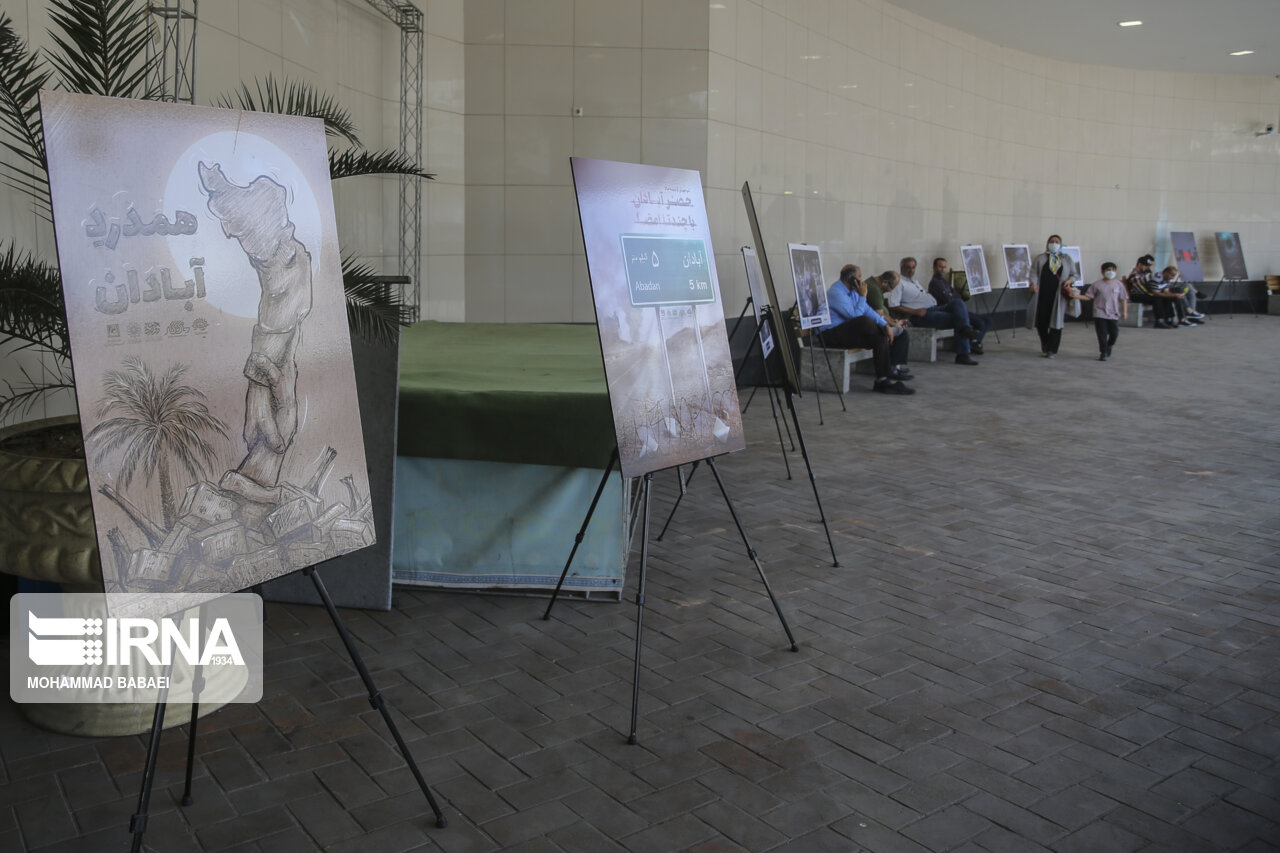
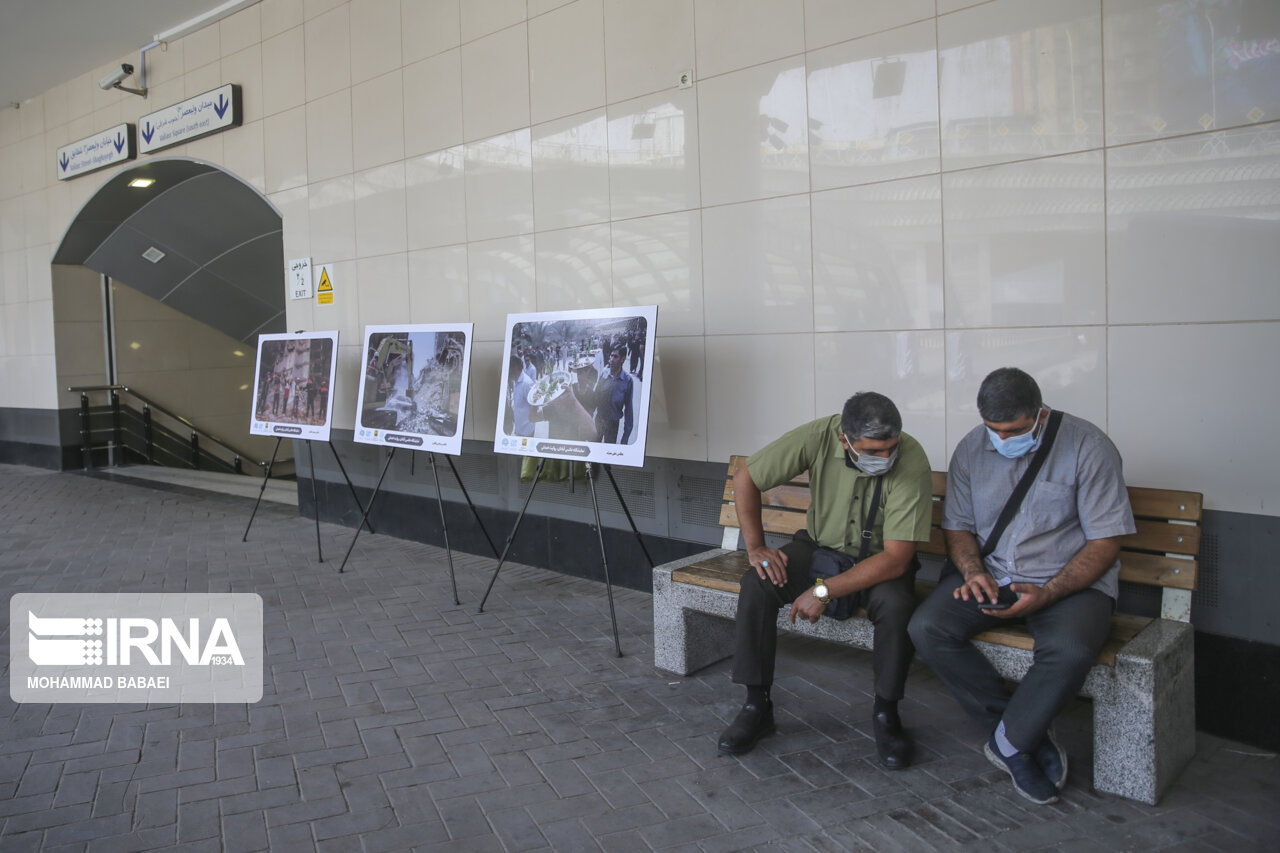
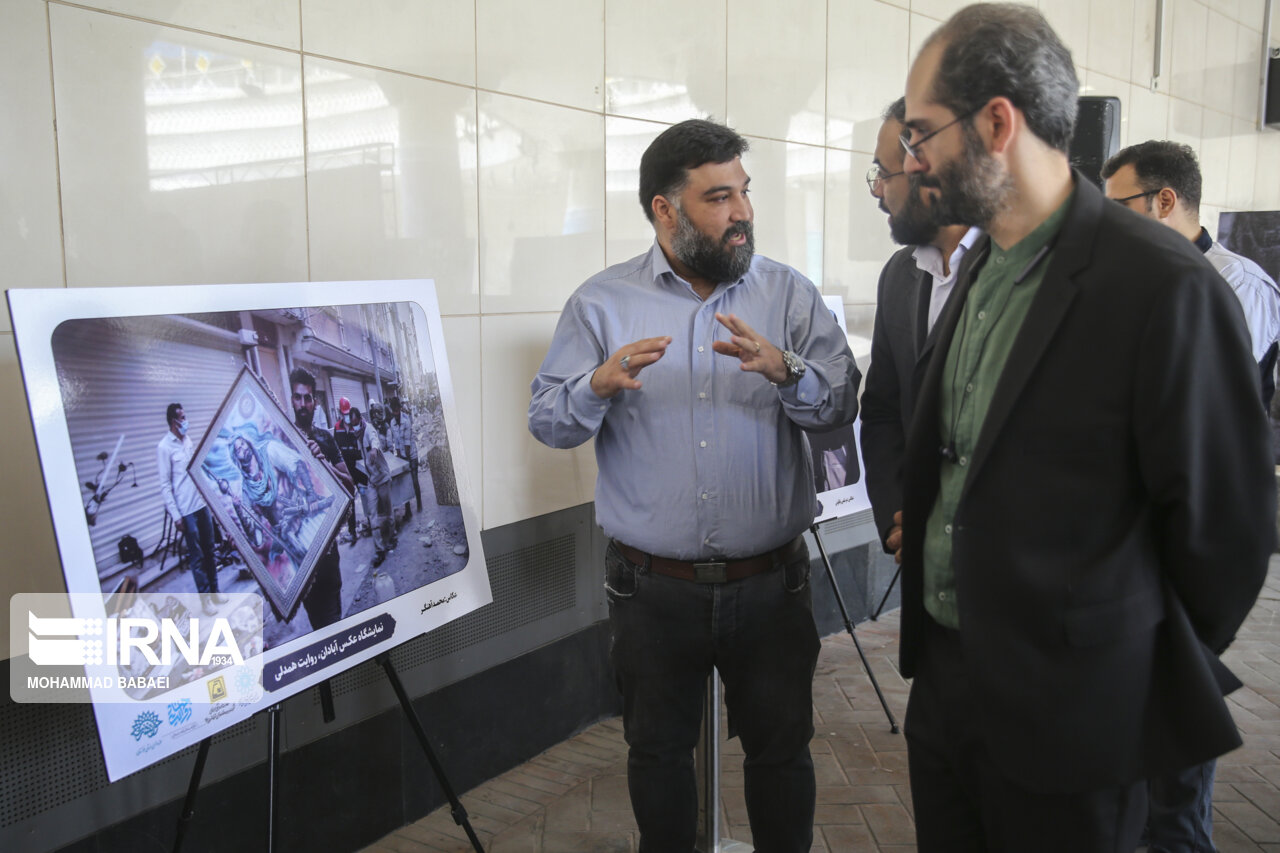
Photography Exhibition Focusing on Metropol Building Collapse in Abadan

The exhibition, in the Vali Asr subway station plaza in central Tehran, puts on display works of Iranian photographers Ali Moarref, Morteza Yaghouti and Mohammad Ahangar about the deadly incident.

The event is held to mark forty days since the incident and to commemorate its victims.

Dozens were killed in Mtropol Building collapse that happened due to substandard and weak structures.

Iran Covid: 5 killed, infections rising, new subvatiant detected

COVID in Iran

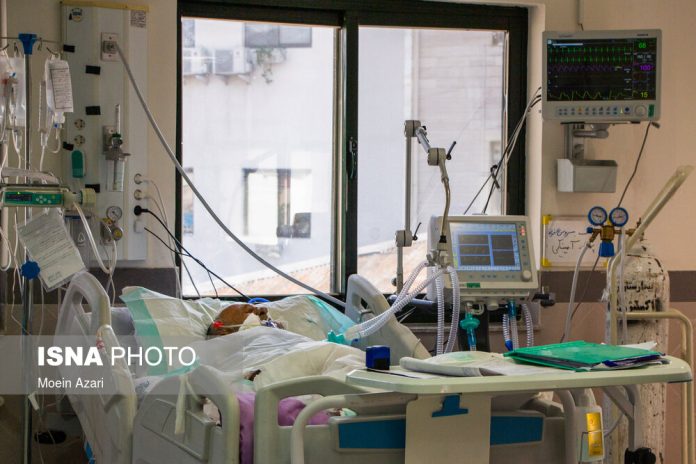
The figures also showed that 1,271 people had tested positive for the Coronavirus in the past 24 hours. They included 176 hospitalizations.

It seems the number of new infections in Iran has surged compared to several days ago when they were less than 100 or at maximum a bit over 100.

This comes as the Iranian health ministry says some cases of Omicron subvariant BA.5 have been detected in Iran.

The ministry warned that BA.5 can become the dominant strain of Covid and trigger a new wave of the disease in the country.

BA.5 seems to be a primary driver behind a recent spike in Covid cases and hospitalizations worldwide, most notably in the US.

In Iran, the number of deaths has remained single-digit though over the past couple of months the daily caseloads show an upward trend.

Authorities are urging people who have declined to receive their boosters of the Covid vaccine to get the third and fourth doses.

They say a new wave of the Coronavirus could be around the corner if people’s immune system weakens in the face of the new strains of the virus.

Meanwhile, on Wednesday, Iranian Health Minister Bahram Einollahi said all people over the age of 12 must get their boosters. Covid has so far killed 141,413 people in Iran.

The world’s most hit country by the pandemic is the US where the disease has killed nearly a million people.

Iran eyes improved marine transportation capacity in road to becoming regional transit hub

Iran Marine Transportation

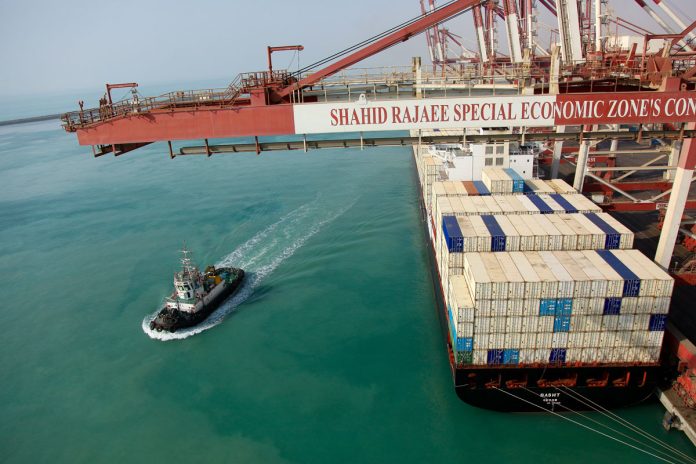
Ali Akbar Safaei, who is also the managing director of Iran’s Ports and Maritime Organization, says the country has begun the transportation of goods from Russia to the Persian Gulf, Sea of Oman countries and Indian Ocean regions.

He says Iran is seeking to increase such transit through its territory to reach the target of 10 million tons of goods.

The official also noted that his organization if planning to give out loans to the private sector to help the development of infrastructure and other required facilities in port cities.

Safaei said this is besides the finance earmarked for passenger vessels and port facilities.

The official also called for visa-free travels to Kuwait, saying the Persian Gulf country is just three hours away from the southern Iranian coasts by sea, and increased marine travel to the country can serve both tourism and trade purposes.

He underlined that the southern port city of Khorramshahr is now a growing hub for imports and has hosted 340 container ships so far this year, and called on the government to help tackle existing loading and unloading problems in the area to help improve its role in economic trade with other countries.

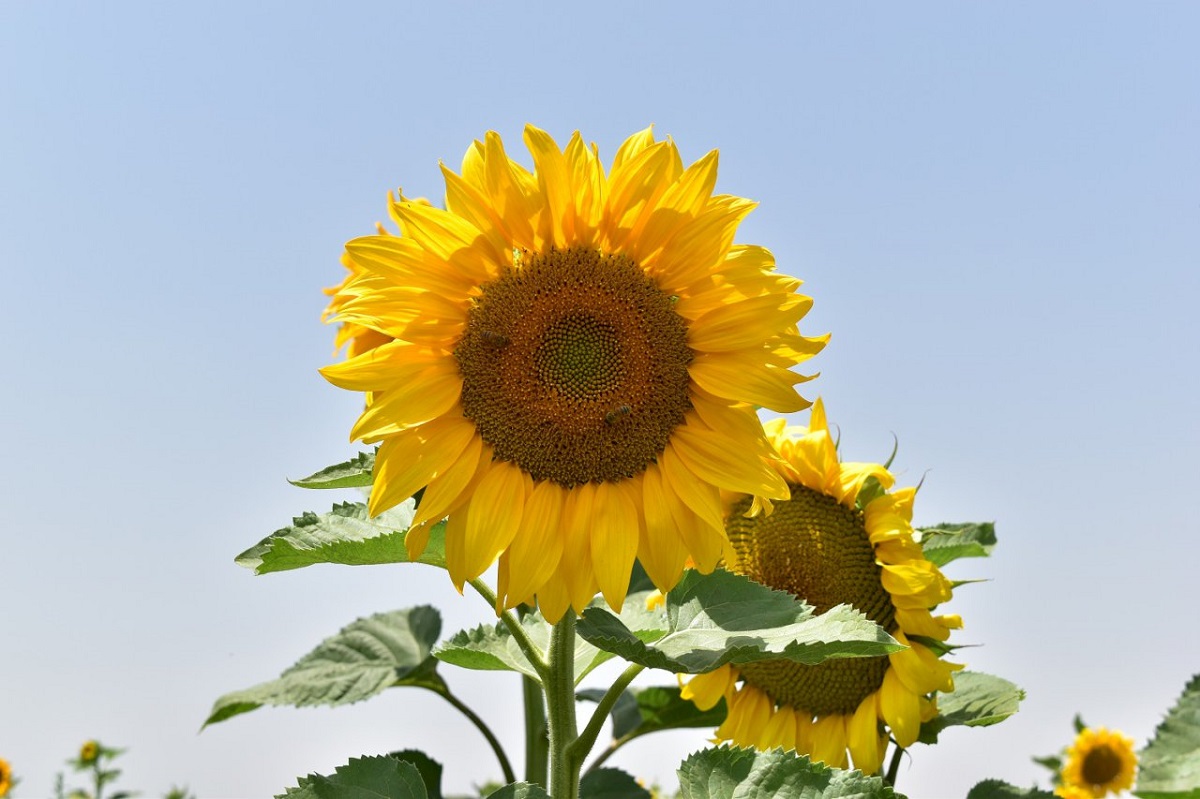
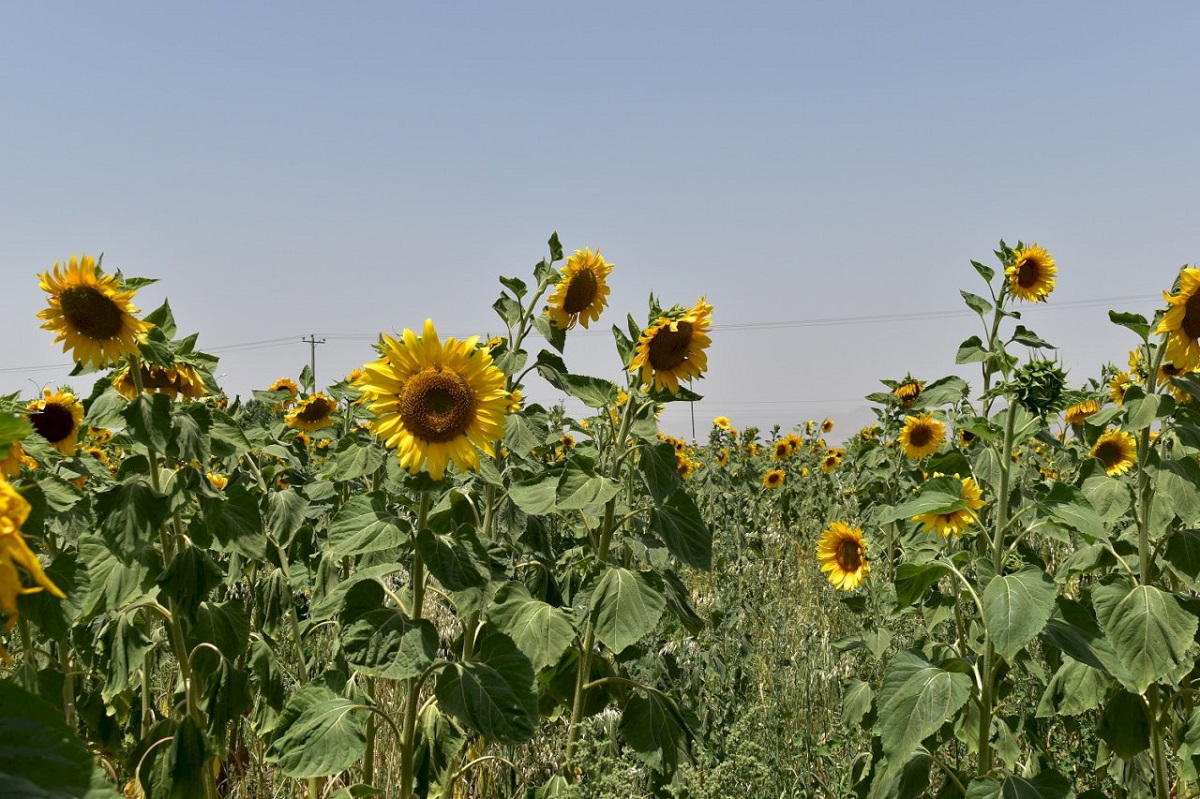
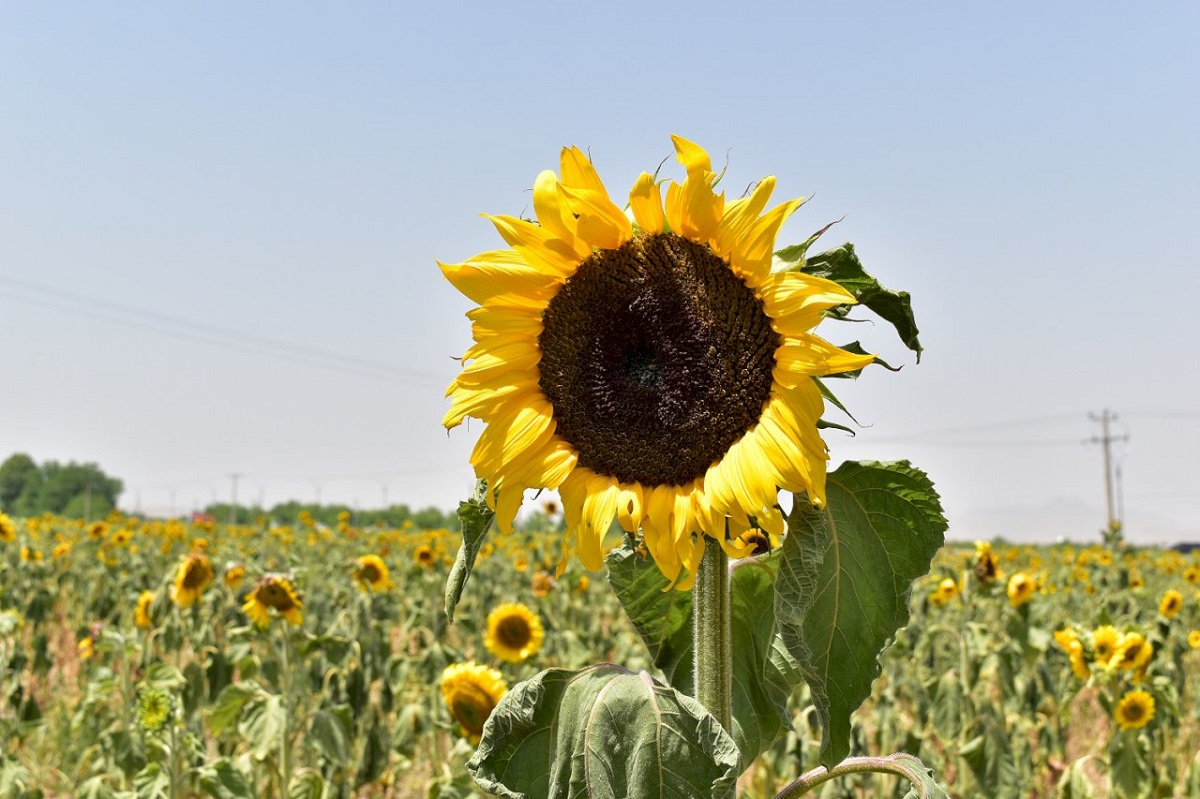
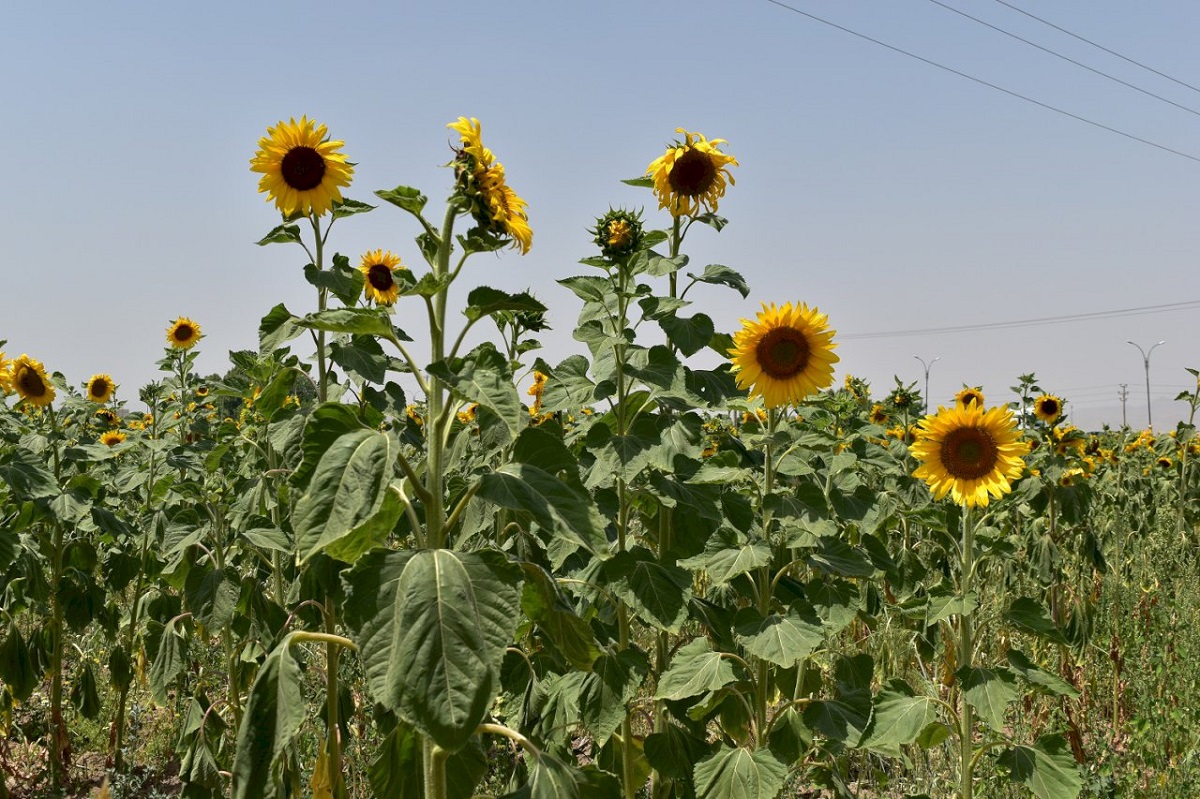
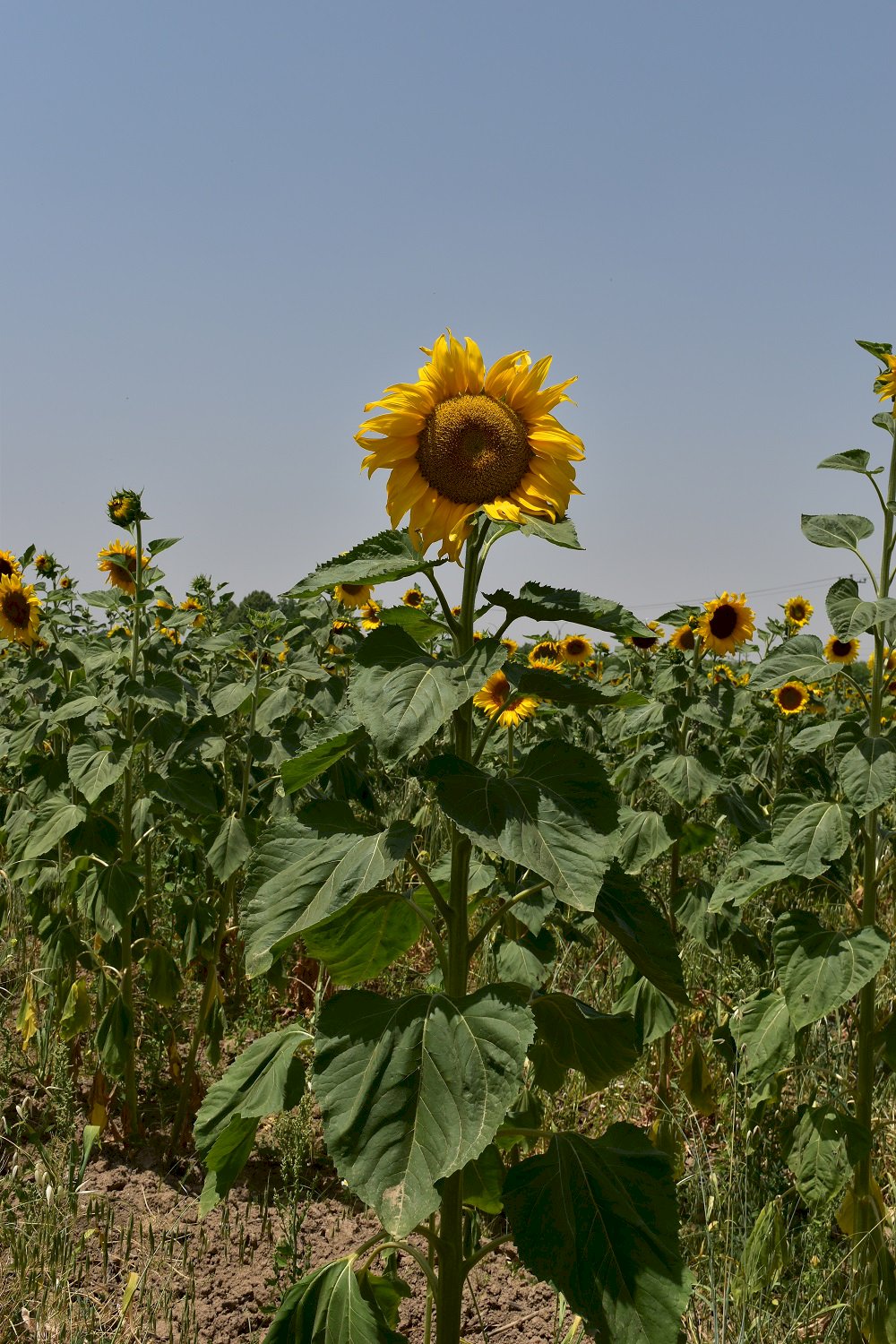
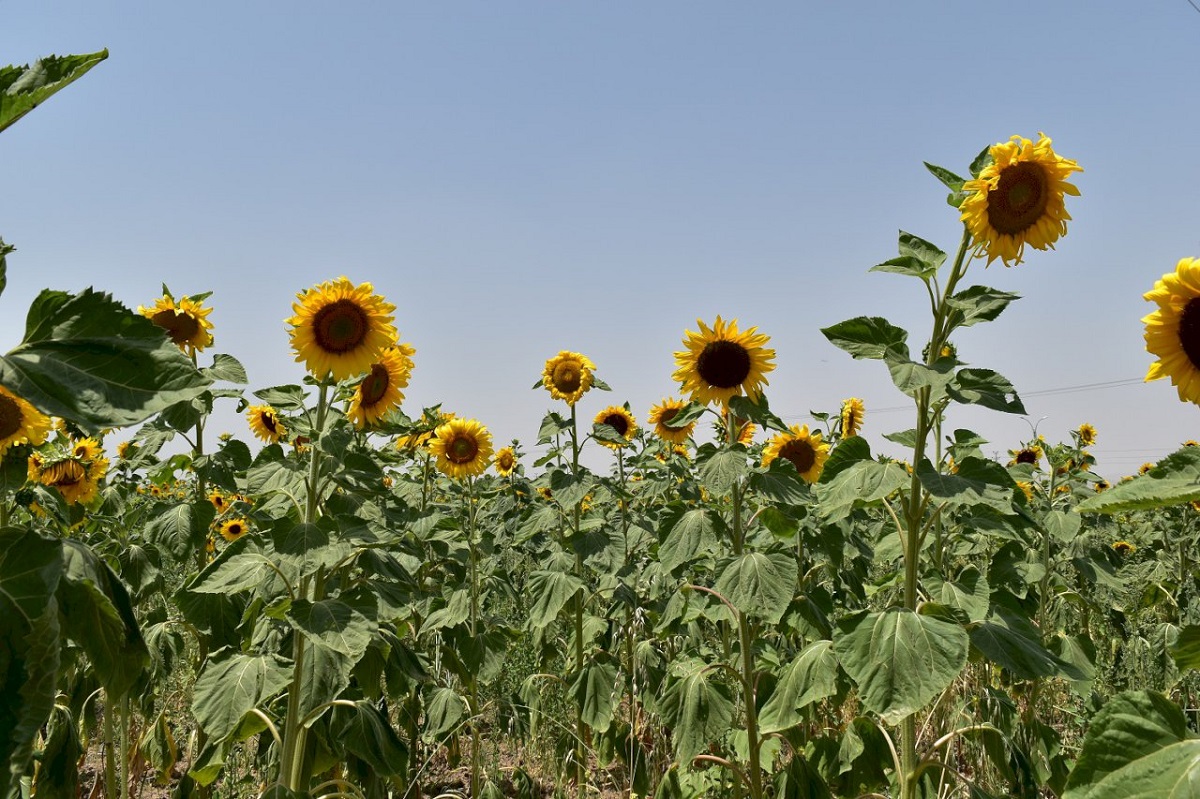
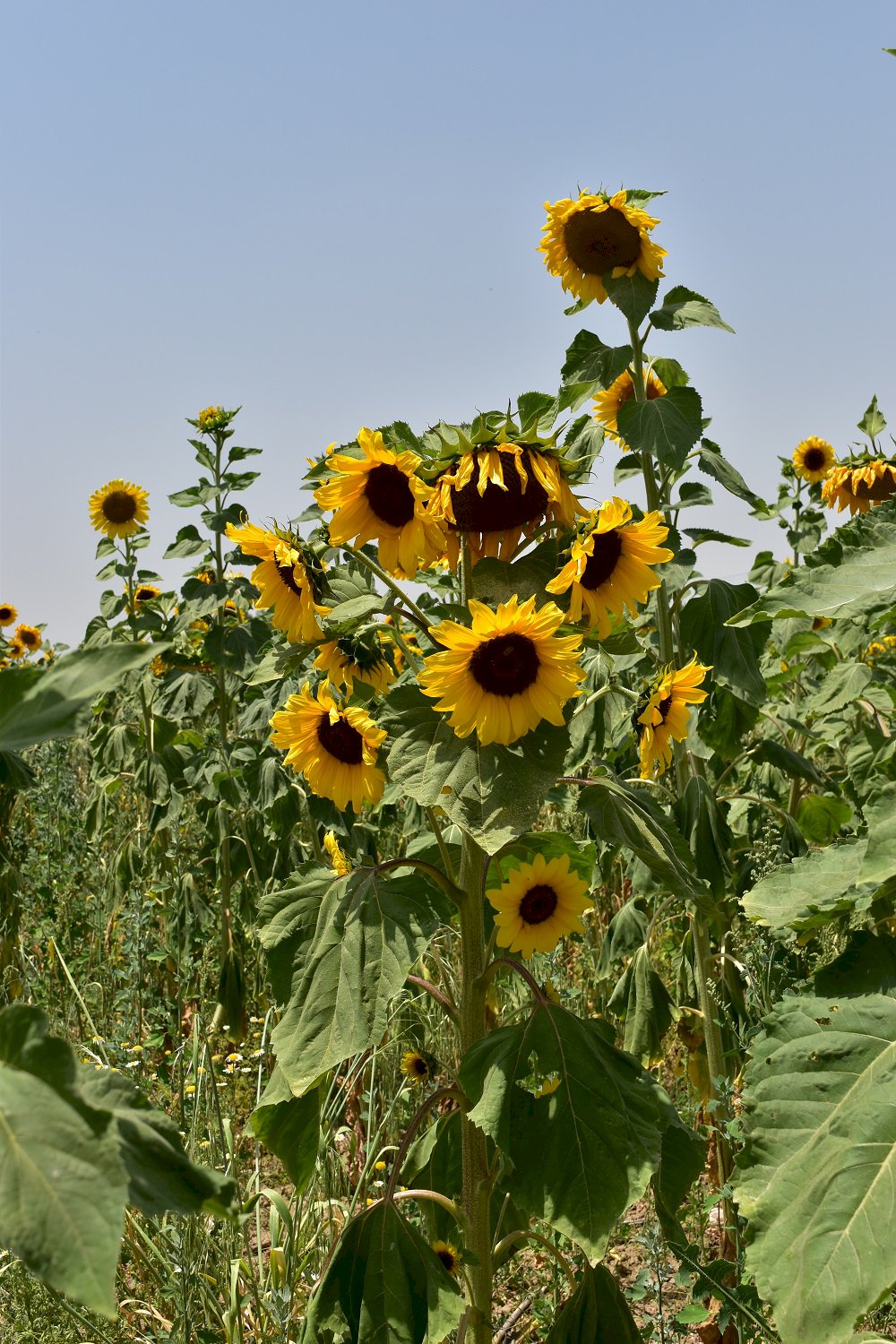
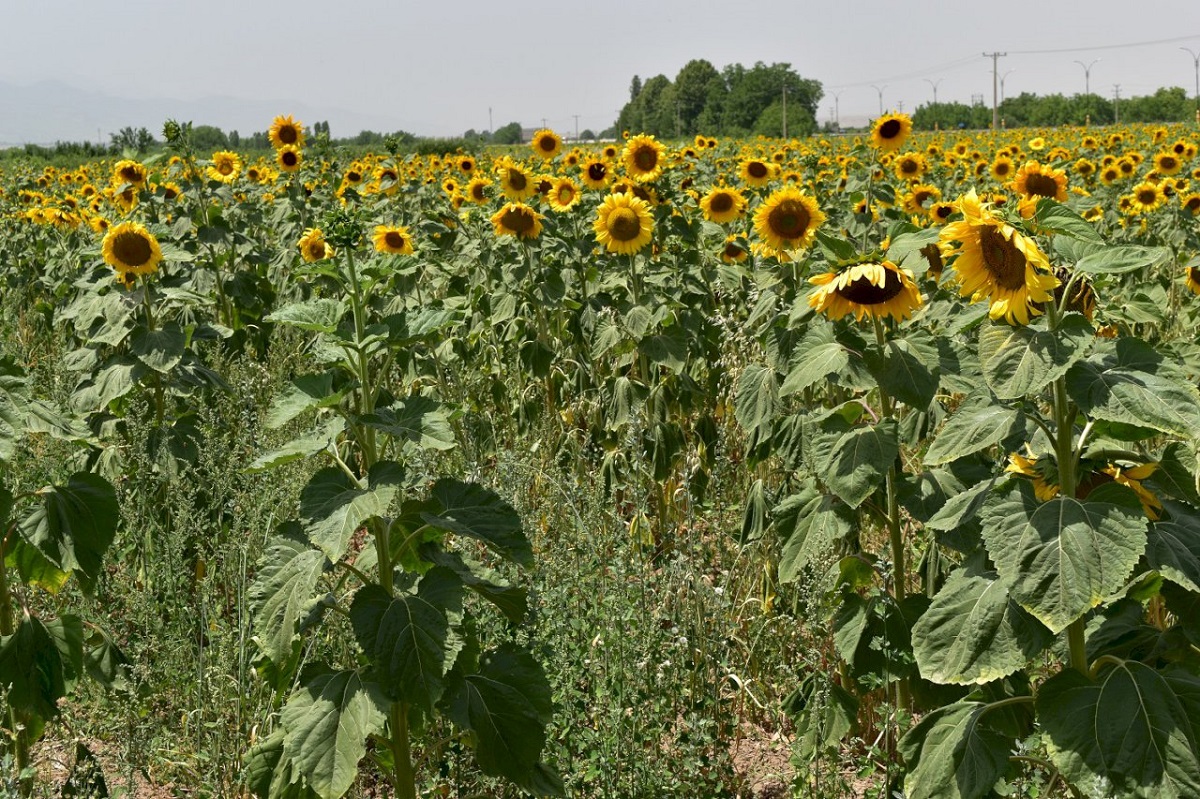
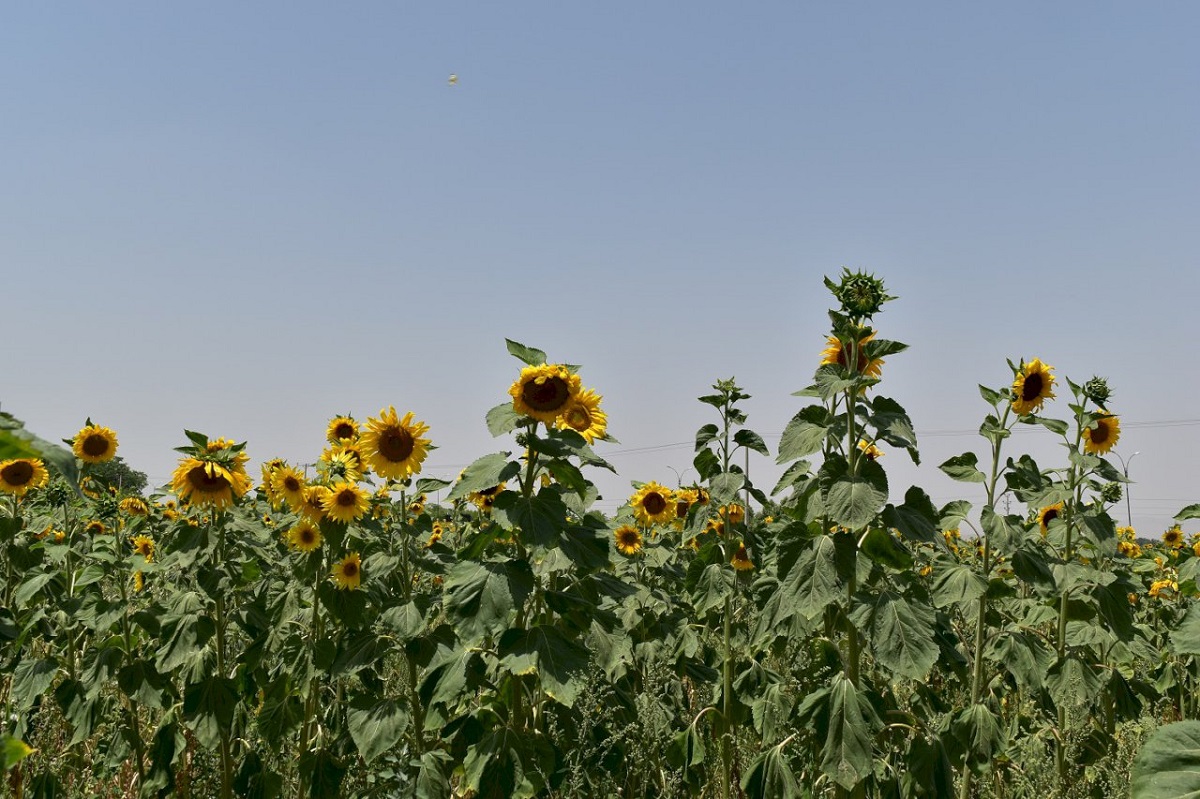
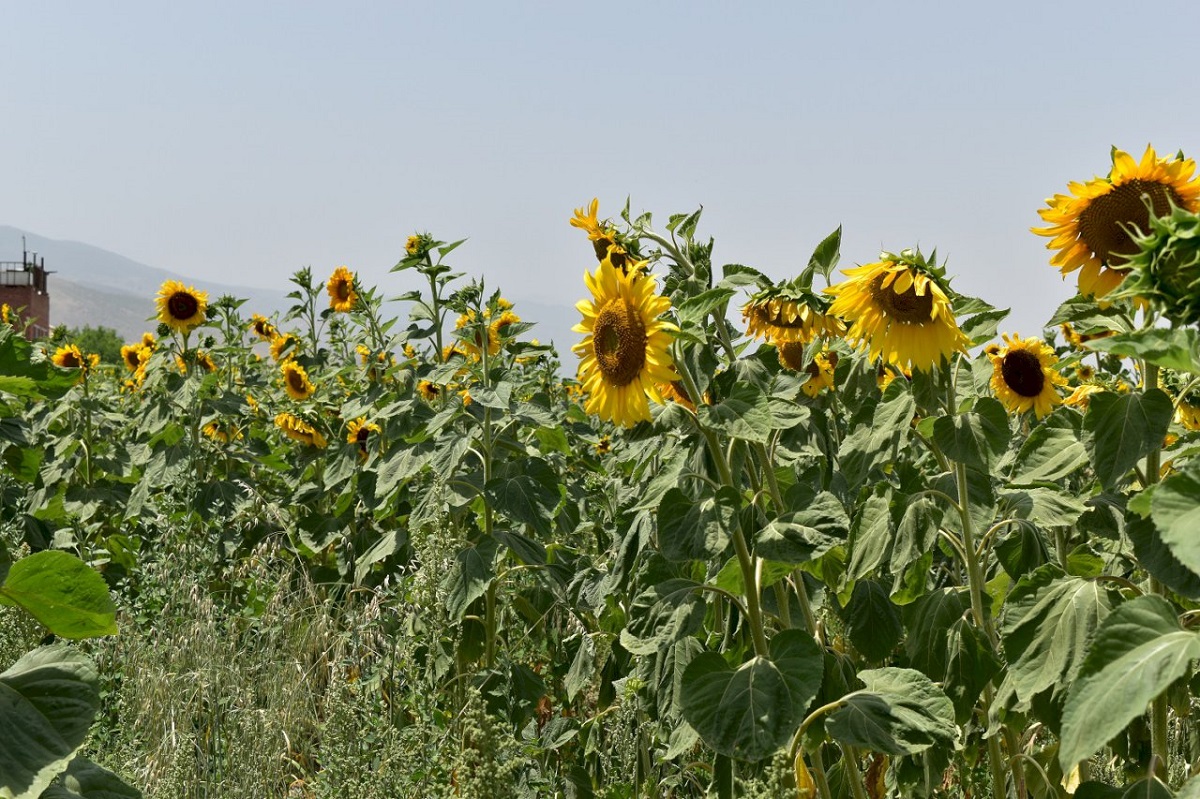
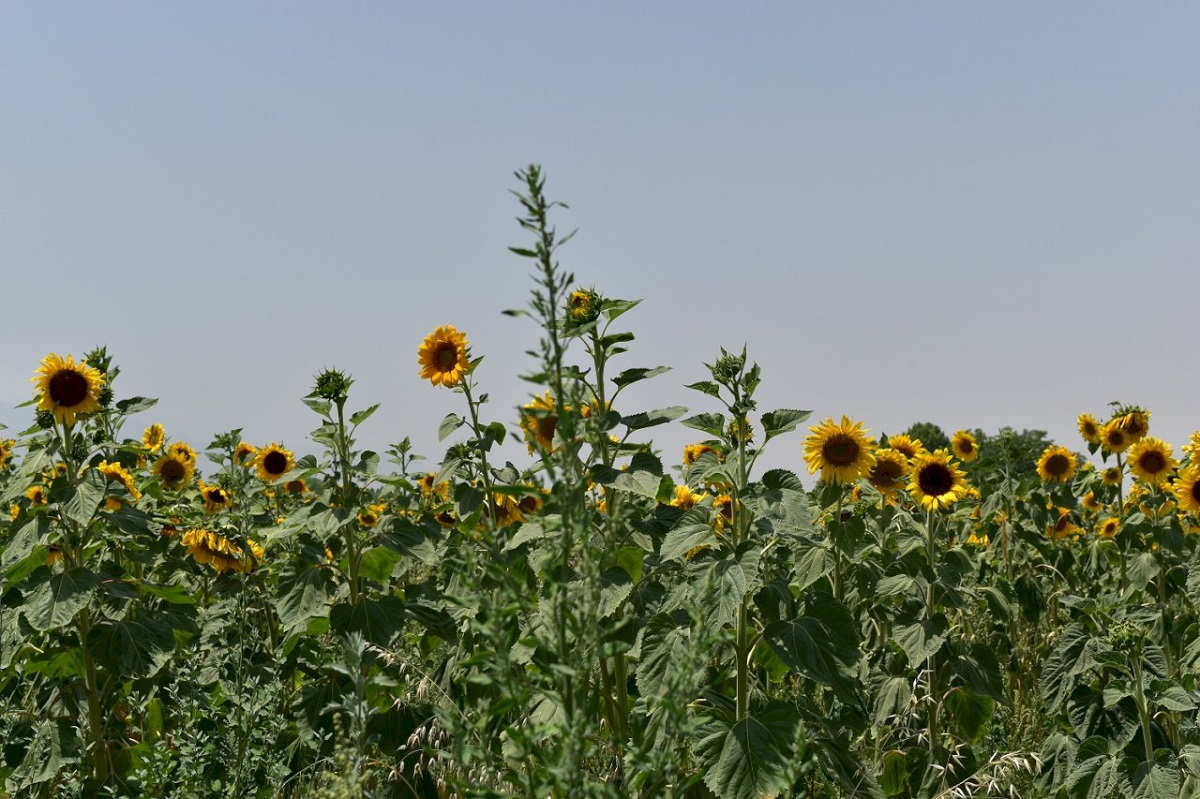
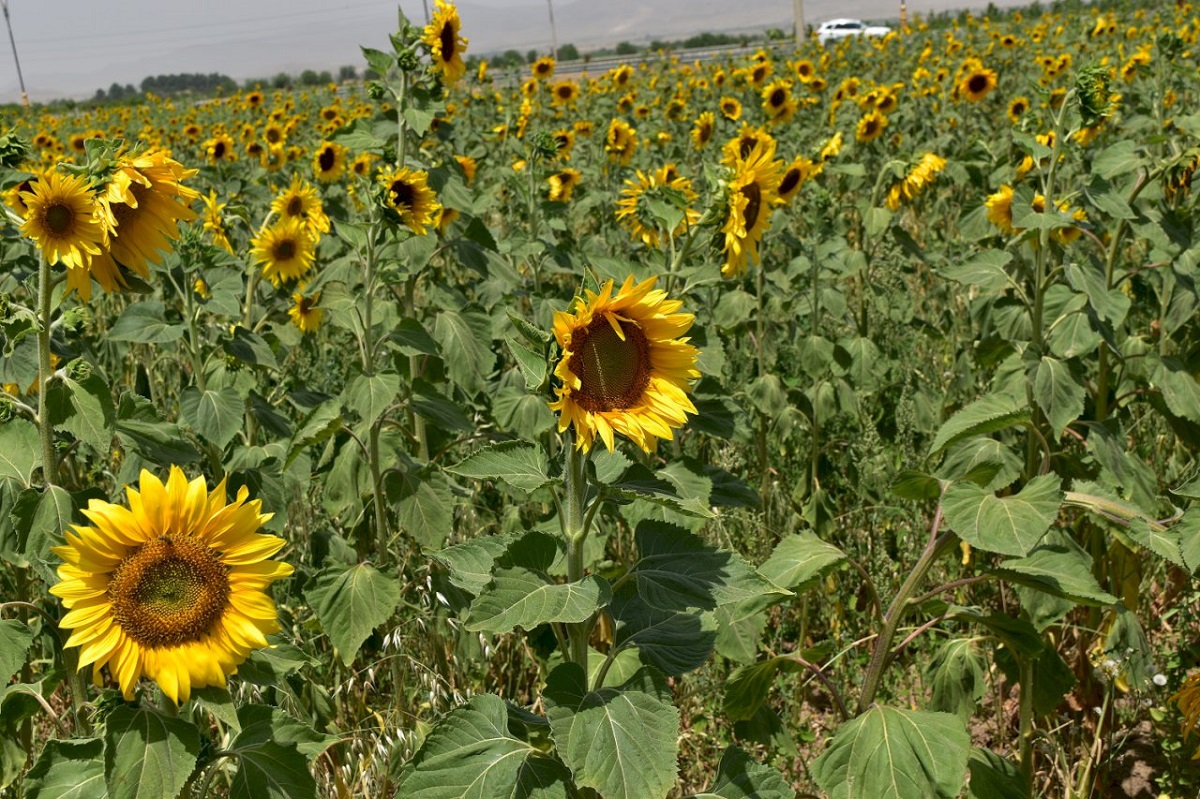
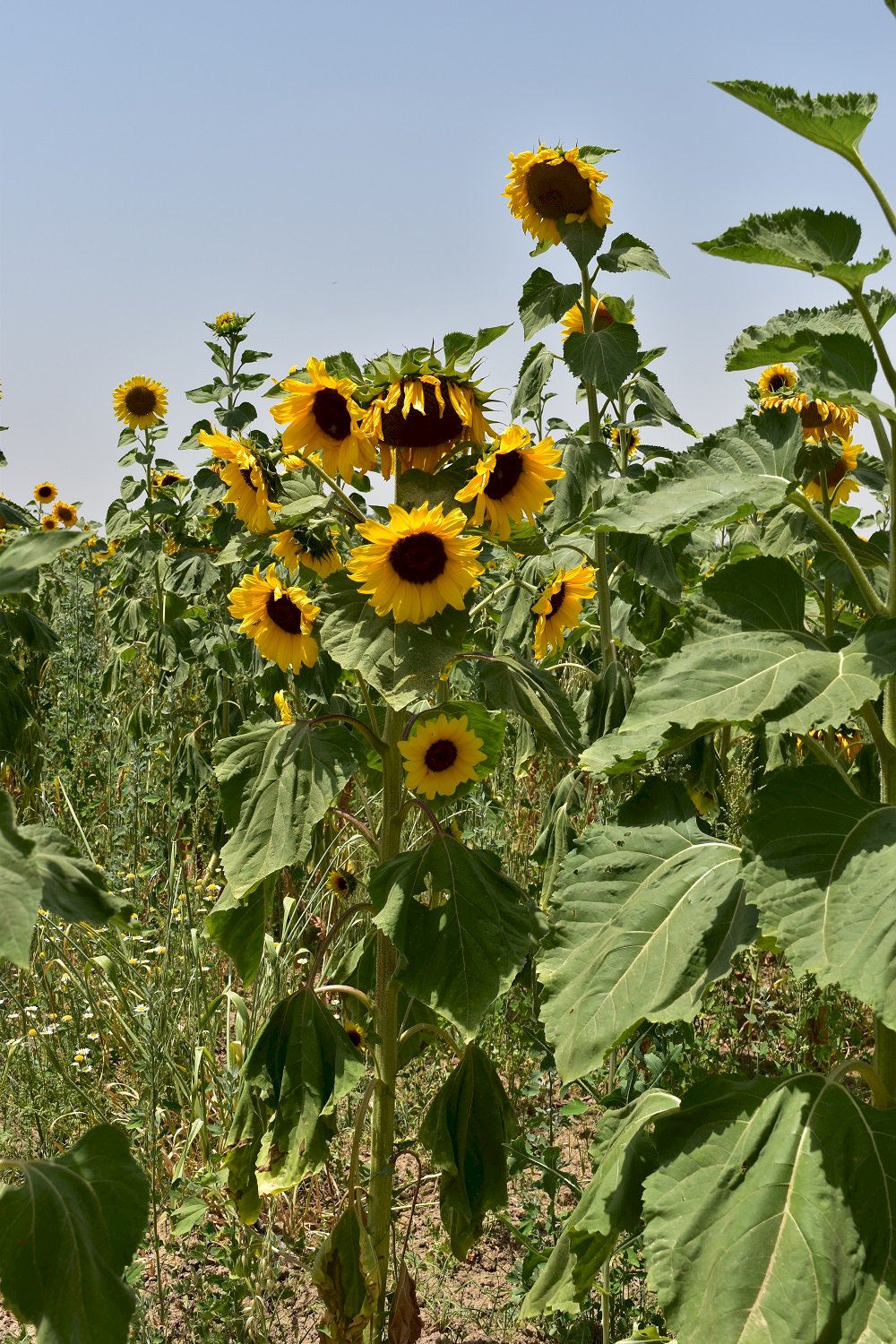
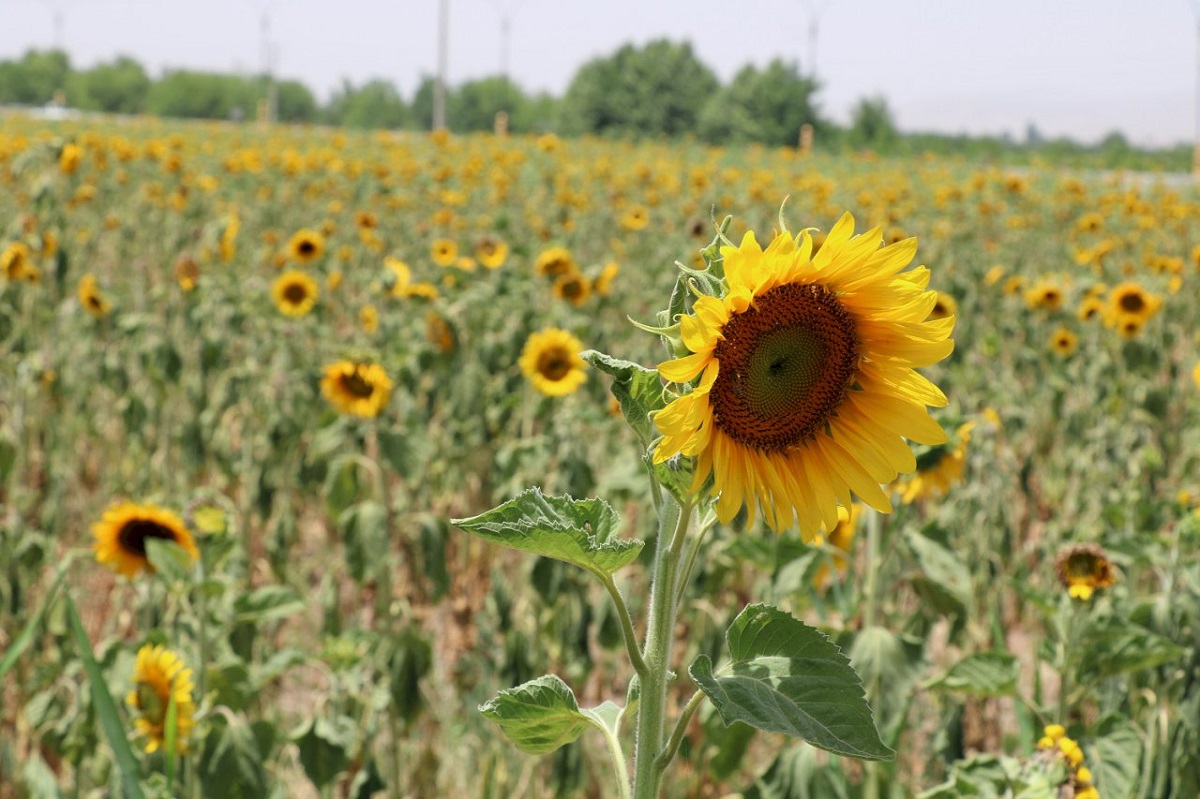
Iran tourism: Gorgeous sunflower fields of North Khorasan Province

Sunflower Fields in Iran

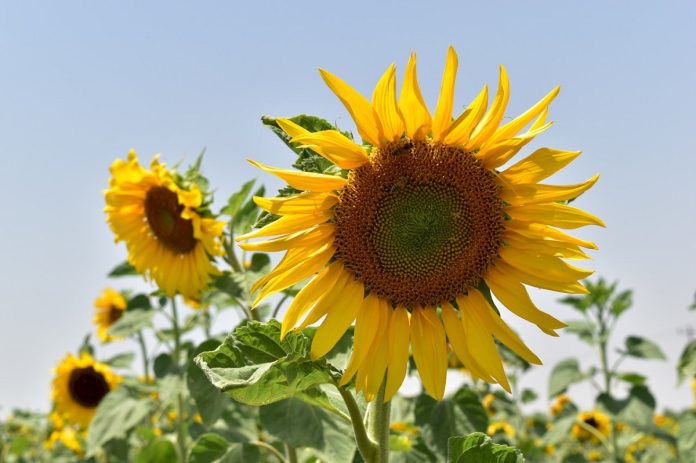
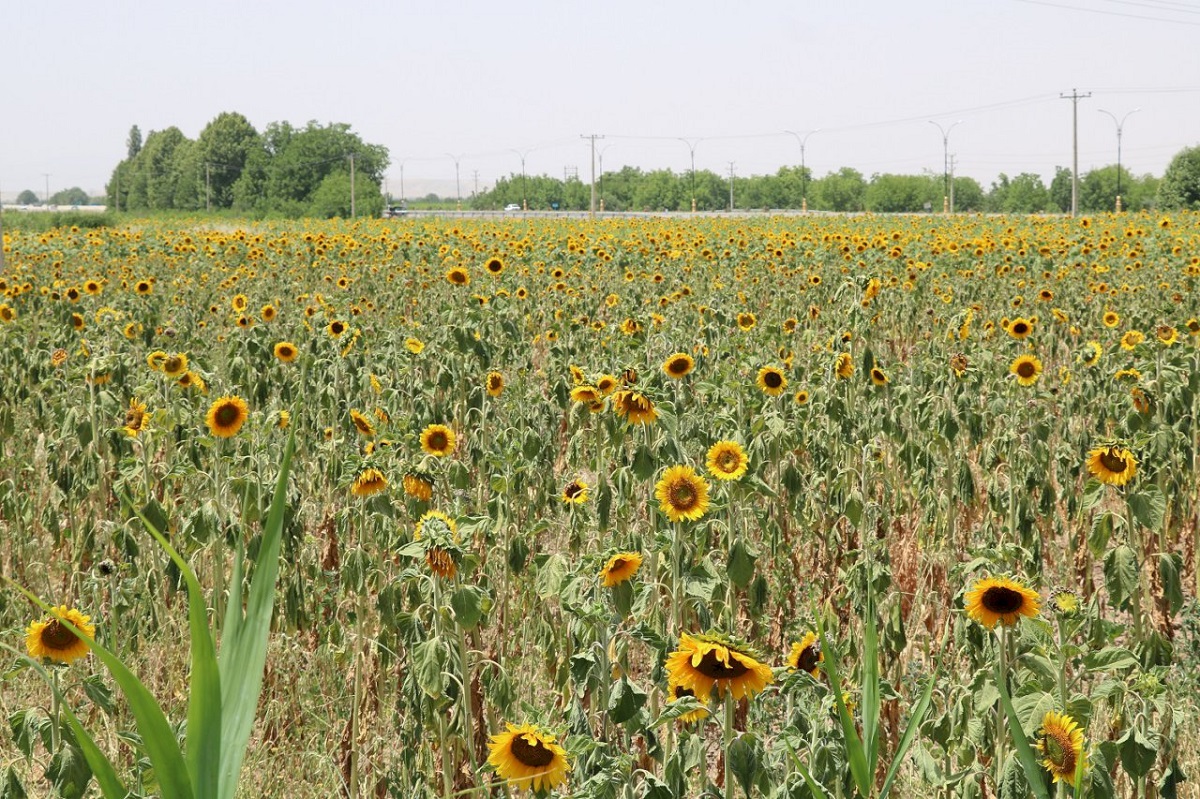
Along with tourism, expanding the cultivation of sunflowers both plays a role in providing for part of the national needs to cooking oil and helps the expansion of the highly profitable beekeeping industry.

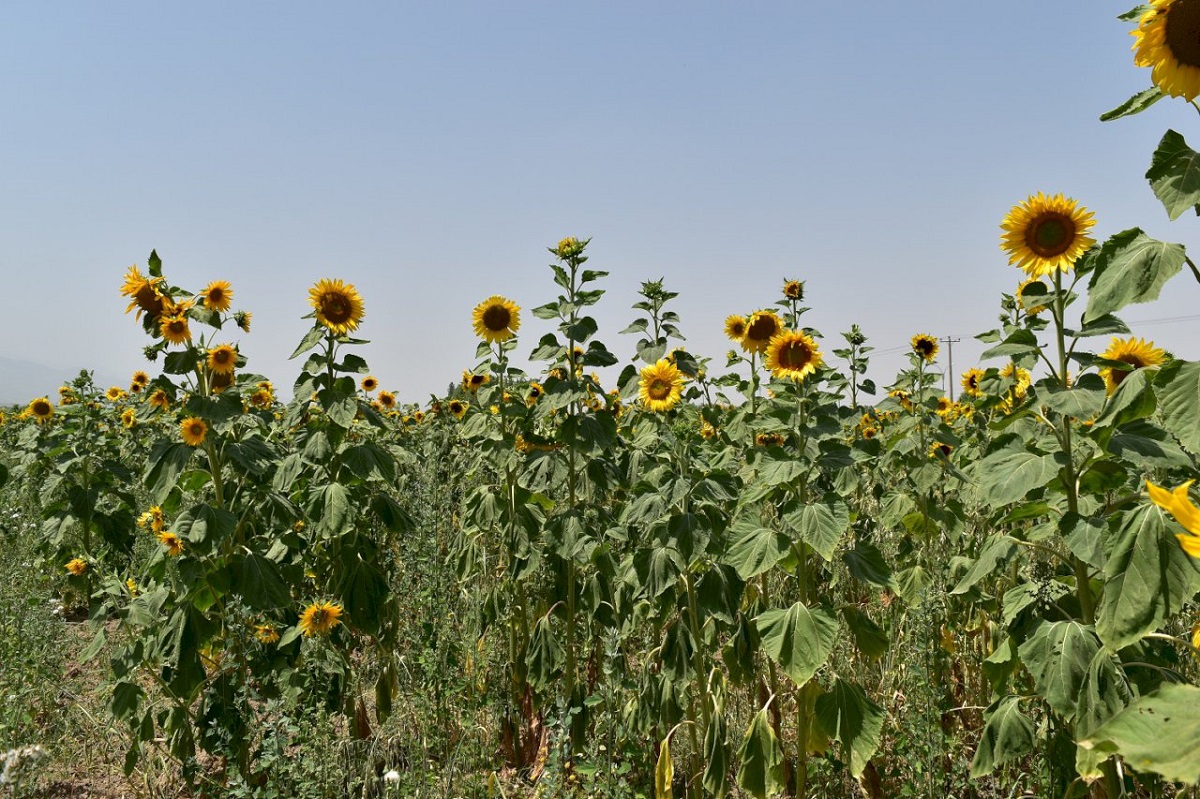
That partially explains why almost 15,000 hectares of agricultural land in the North Khorasan Province is allocated to cultivation of oil seed crops, especially sunflowers.

The province harvests more than 70,000 tons of different oil seeds every year including canola, sunflower, cotton, Safflower and sesame.

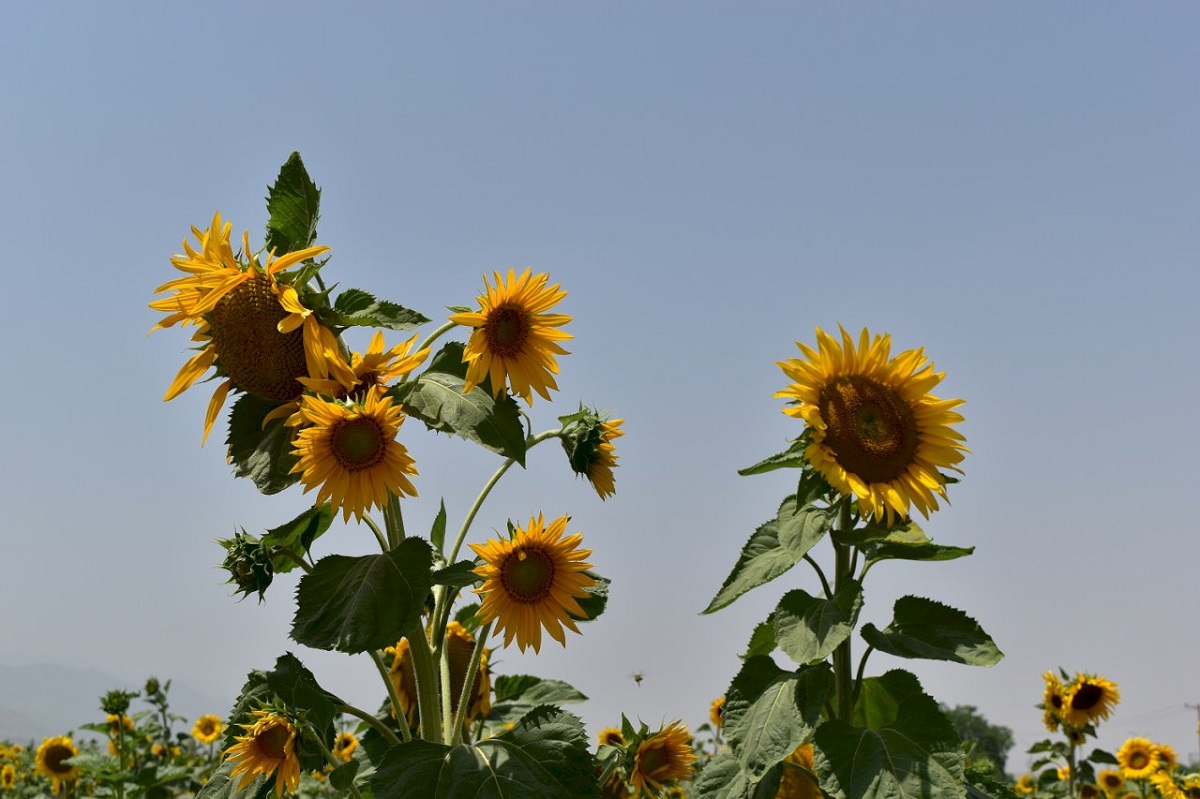
Sunflower Fields of North Khorasan Province

When did Iranians begin to widely use sunflowers?

Sunflower is native to North America and its wild species grow across the region. The plant was brought to Europe by Spaniards in mid-17th century and was then taken to other areas in the world.

It is not clear when sunflowers first entered Iran. But in the past, sunflowers were grown to border farmlands where summer vegetables were grown.
In 1968, sunflower oil was first imported by the Oil Seeds Company and this is where the industrial–level cultivation of sunflowers began in Iran.
Characteristics of sunflower

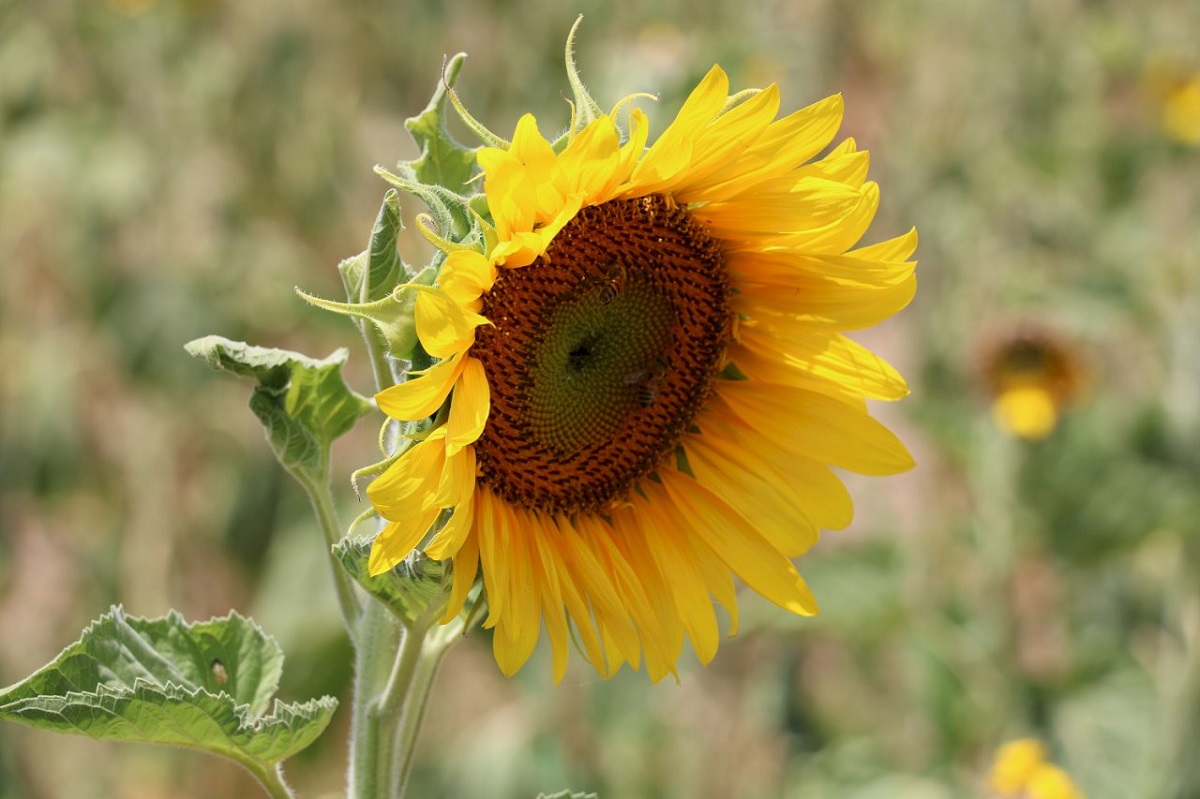
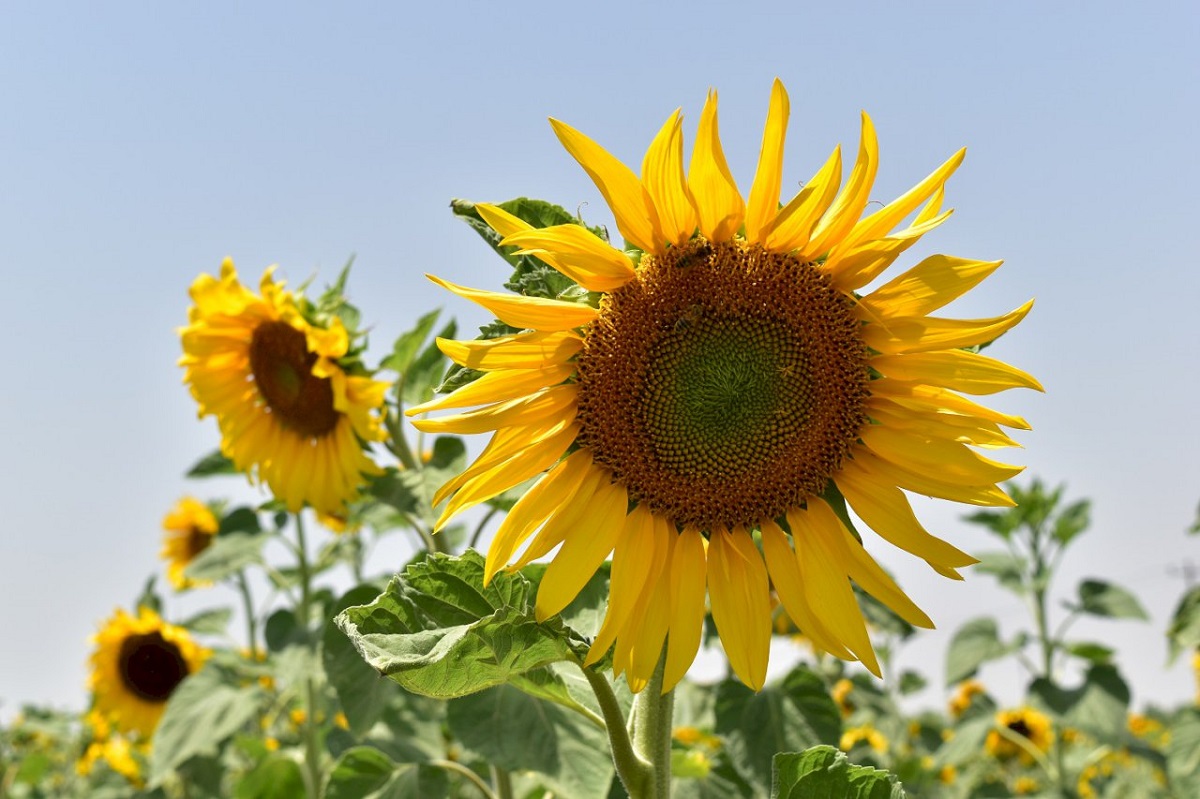
This flower is an annual plant that grows to up to 3 meters high. It has a large and beautiful flower of up to 35 centimeters in diameter.
Sunflower seeds contain 47% oil, 24% protein, 20% carbohydrates and 9% potassium as well as 8% Phosphorus. The seeds are also rich in vitamins A and B. Sunflowers’ nectar also help lower blood pressure.

Sunflower Fields of North Khorasan Province

Which climates are appropriate for sunflower cultivation?

Sunflower grows well in most moderate climates and varieties adopted for agricultural purposes can be cultivated in a wide range of climates.

Sunflowers often produce a large crop where the climate and other conditions severely damage other plants. Sunflowers also grow well in soils comprised of sand and clay.

Sunflowers in different regions of Iran

Sunflowers can be cultivated in moderately cold areas such as the provinces of East Azarbaijan, West Azarbaijan, Ardebil, Kordestan, Kermanshah, North Khorasan, Zanjan and Hamedan.

They can be planted any time between mid-April and early June. But it would be best to plant sunflower in early May.

More than 15,000 rural and urban families directly earn their living in the northwestern province of West Azarbaijan by cultivating and selling sunflower and pumpkin seeds. Khoy County in the province is host to the largest sunflower seeds market in Iran.

Sunflower Fields of North Khorasan Province

More pictures of sunflower fields in North Khorasan province

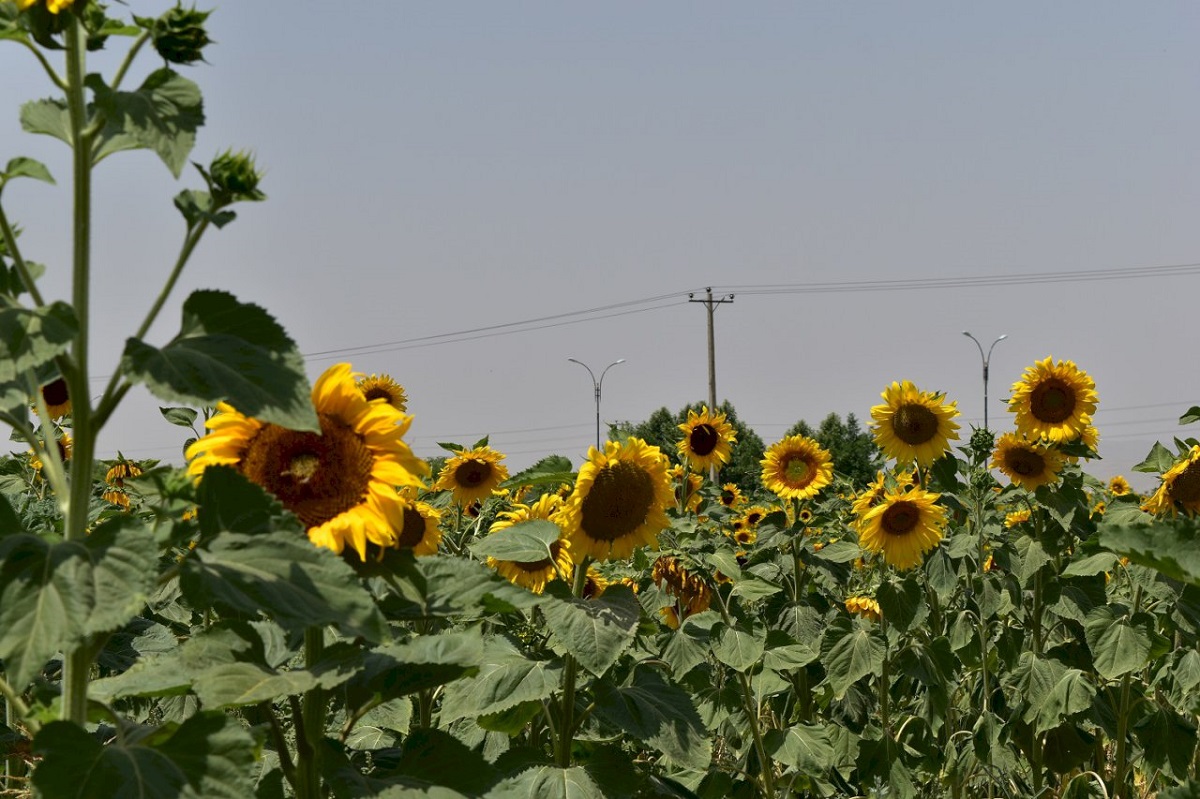
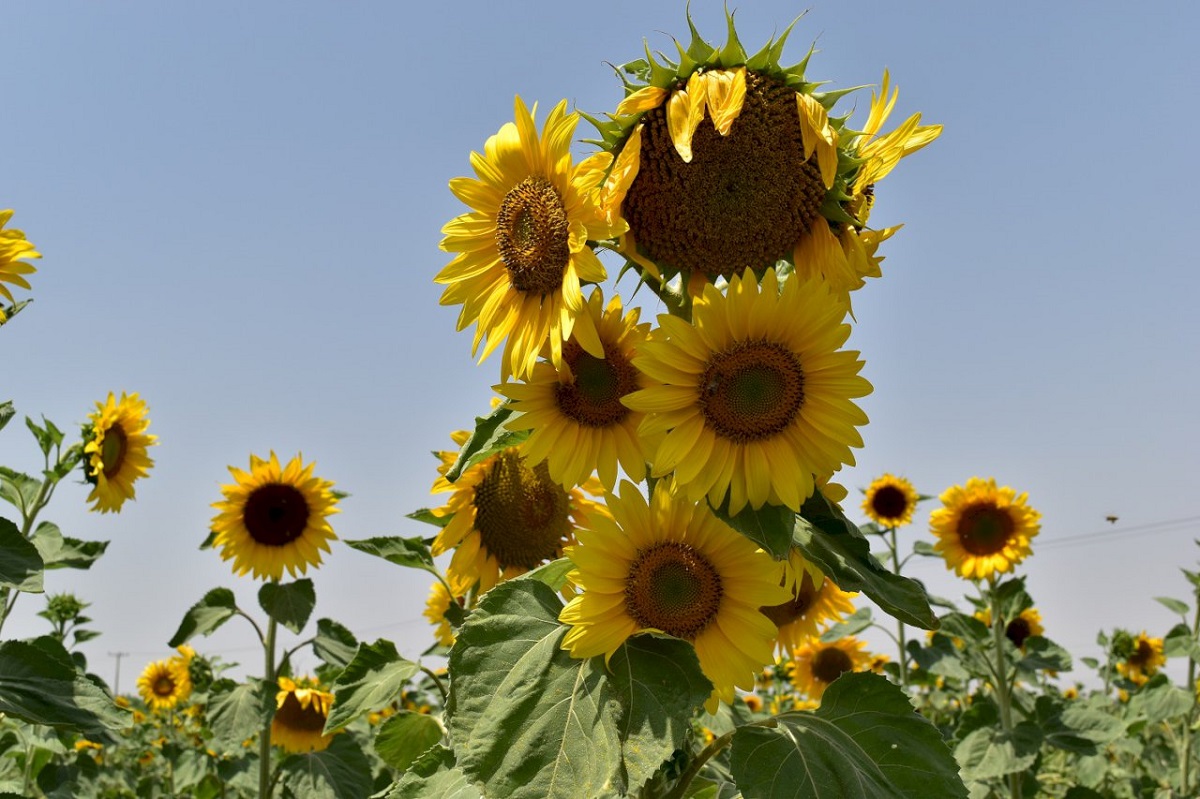
In the North Khorasan Province, sunflowers are harvested in later summer and early autumn. These are some pictures of sunflower fields in the province produced and published by Iran’s Miras-e-Arya News Agency.

Iranian FM: US failed to guarantee Tehran economic benefits in Doha talks

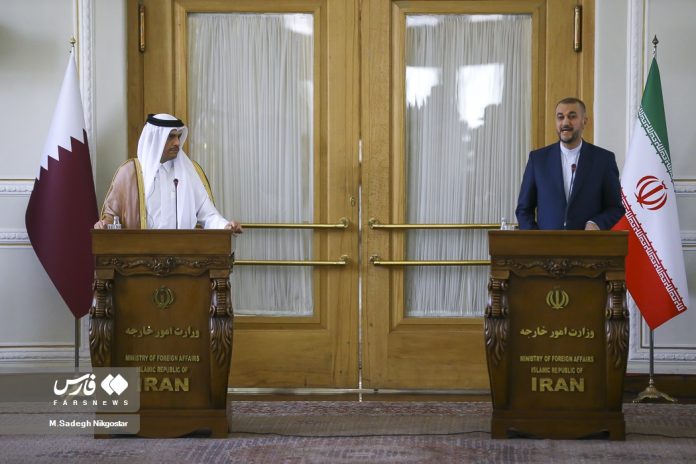
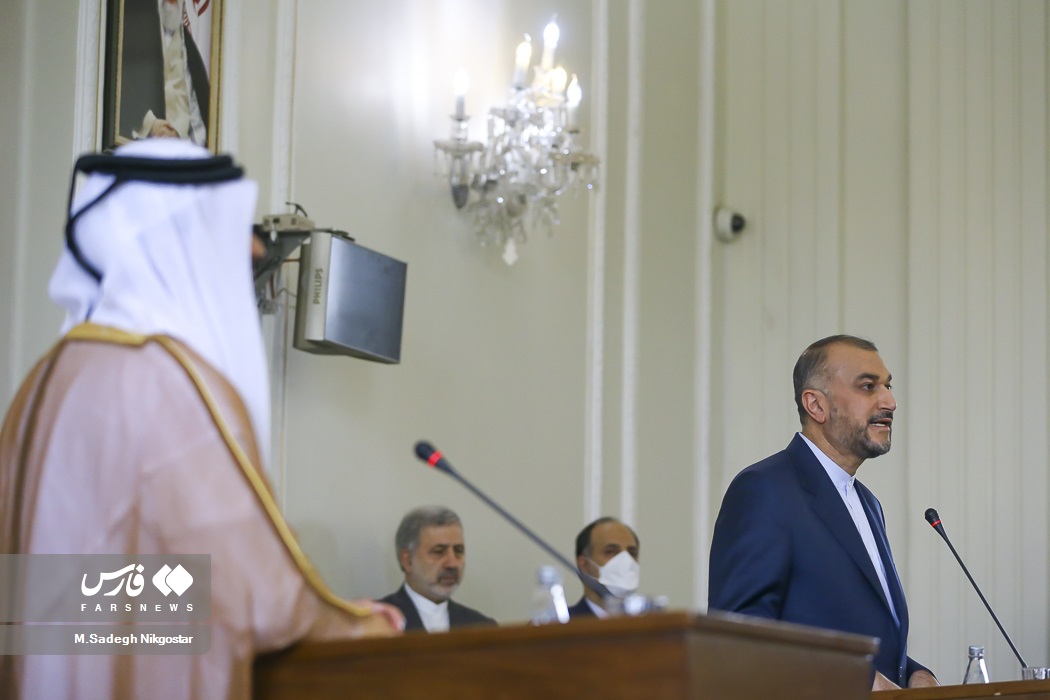
Iran and Qatar FMs Hossein Amirabdollahian and Mohammad bin Abdul Rahman Al Thani

Amirabdollahian was speaking at a news conference with his Qatari counterpart Mohammad bin Abdul Rahman Al Thani in Tehran on Wednesday.

He said the Western parties have time and again told Iran that they will remove any obstacle to Tehran’s enjoying of economic benefits under the nuclear deal, or JCPOA.

Amirabdollahian denied the US claim that Iran in Doha made demands that were unrelated to the JCPOA.

He noted that Iran raised a key issue and it demanded effective guarantees from Washington regarding full economic benefits from the nuclear deal.

Iran and Qatar FMs Hossein Amirabdollahian and Mohammad bin Abdul Rahman Al Thani

The foreign minister however reiterated that Iran made no excessive demands in the Qatari capital, contrary to the US officials and media claims, and that it is still ready for a good and lasting deal.

Amirabdollahian said Iran is negotiating in good faith and is open to logical dialog and it is serous in this regard.

The top Iranian diplomat also thanked Qatar for hosting the talks between Iran and the other sides to revive the JCPOA.

He also referred to his negotiations with Qatar’s foreign minister. Amirabdollahian said he and the top Qatari diplomat held constructive talks on the necessity of boosting regional mechanisms.

He praised Qatar for its positive regional role and effective steps toward strengthening regional dialog.

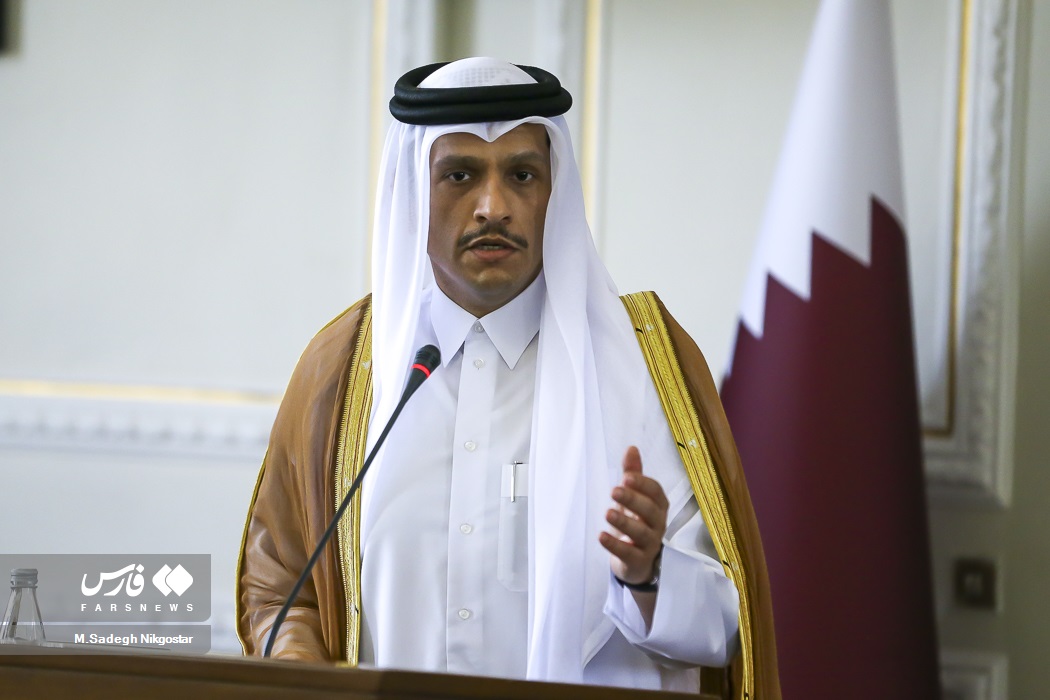
Qatar’s Foreign Minister Mohammad bin Abdul Rahman Al Thani for his part said talks between Iran and the Persian Gulf countries can have positive results for the region.

Al Thani added that it is important that all parties make constrictive efforts in this regard.

Qatar Foreign Minister Mohammad bin Abdul Rahman Al Thani

He said Doha supports regional dialog.

The Qatari foreign minister then referred to the talks on the revival of the JCPOA,
adding “We have always tried to back the talks to reach a deal for the purpose of dispelling concerns and paving the way for all sides to return to their commitments.”

Analyst: Revival of nuclear deal cuts Iran inflation by 50%+

Dollar Rial

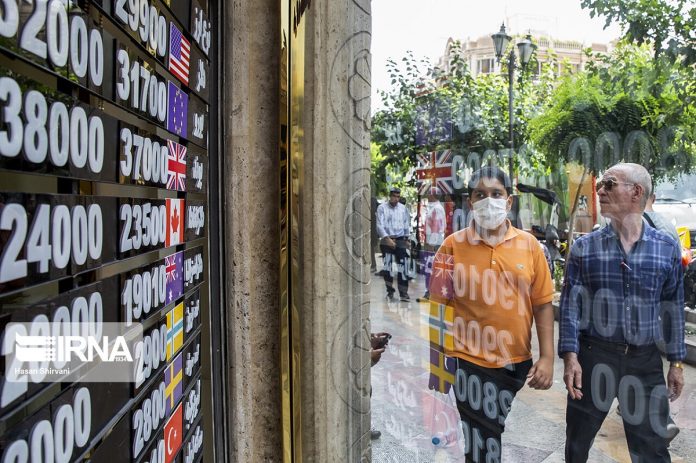
Bahaoddin Hosseini Hashemi told Tehran-based Tejaratnews website that any such agreement will have a number of benefits including unblocking Iran’s forex reserves in such countries as South Korea that will in turn strengthen the national currency Rial.

Hashemi says, however, that the most significant effect of such an agreement would be the removal of banking sanctions on Iran.

“In such a case, we can receive more than 40 or 50 billion dollars in international credit. This can be a major help to improve domestic and foreign trade.

Moreover, we can finish incomplete projects with the credit, import modern machinery and equipment and put renovation and increasing the capacity of industries on our agenda,” he said.

“In economics, there is this concept of country risk that shows the risk of imports, money transfer and foreign loans for different countries. Too high a country risk leads to a country to either not being able to get loans from others, or be forced to pay a higher cost for getting a loan. Removal of sanctions can eliminate such burden that are weighing on the economy of Iran.”

Hashemi concluded that the removal of the sanctions will normalize financial turnover while the resulting facilitation of land and marine transfer, along with other benefits, will promote economic activity.

“Almost half of our inflation is due to expected rise in prices in the future. This leads to an increase in demand and subsequently, a rise in the exchange rates of foreign currencies and prices of gold and other goods. Definitely, reaching an agreement can end such anticipation and under such circumstances the inflation will plunge by more than 50 percent,” he said.

Veteran Iranian diplomat: US-Venezuela thaw move for the better

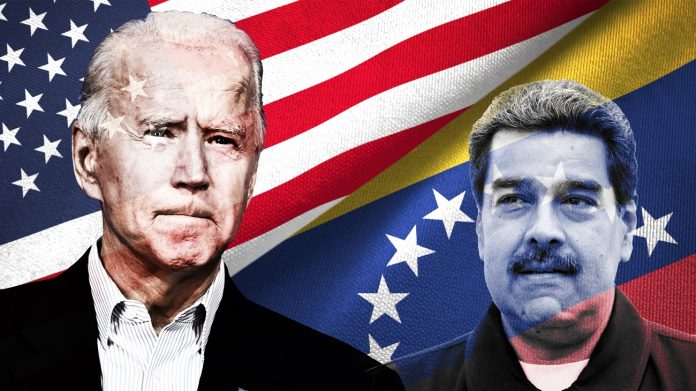
US and Venezuelan Presidents Joe Biden and Nicolas Maduro

Fereydoun Majlesi told ILNA on Wednesday that Washington and Caracas had formerly engaged in “deep and all-out hostilities” but were now shifting to a new track.

“It is true that Venezuela’s President [Nicolas Maduro] has a leftist approach in terms of ideology and policy, but he has reached the conclusion that, by resolving some of the issues [with the US], he can tidy up the situation in his country and make better decisions to have the economic… wheel in the country turn,” Majlesi said.

“On the other hand, America has concluded that by paying mutual respect to Venezuela and toning down the meddling [with Venezuela’s internal affairs] and the pressures on the country, it can exert control over Caracas some other way and have it beside itself and under its economic and political umbrella,” he added.

He said the turning point had been Washington’s decision to give the greenlight to Caracas to sell oil on the global market despite harsh sanctions on the Venezuelan government.

Majlesi said it would not be unlikely for the two countries to reopen their respective embassies in each other’s capitals some time soon.

The Associated Press first reported that a US government delegation had quietly traveled to Venezuela in late June. CNN later cited a US State Department spokesperson as saying that the trip had been made to talk with Venezuelan officials about “the welfare and safety of US nationals [imprisoned] in Venezuela.”

Minister: Azadegan oil field’s development to generate $115bn in revenue for Iran

Azadegan Oil Field in Iran

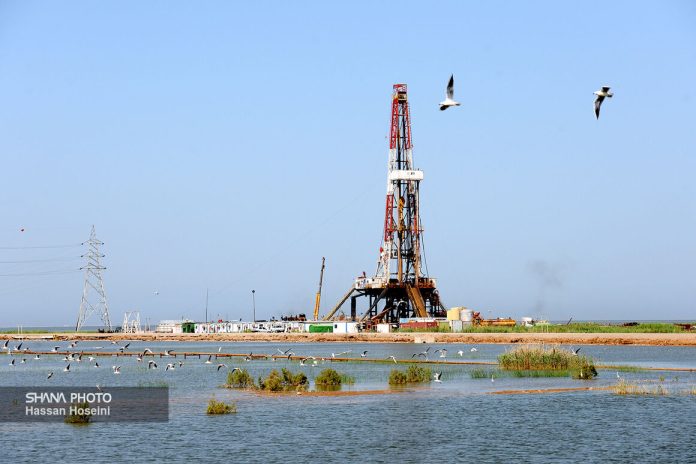
Javad Owji told Iranian media that the National Iranian Oil Company (NIOC) had inked a memorandum of understanding with the country’s major exploration and production companies, public and private banks, and financial institutions for the development of the oil field in the Persian Gulf.

He said the field currently had an output of 190,000 barrels of oil per day.

“With an investment of nearly seven billion dollars, the production capacity of this field will reach 220,000 barrels per day in the second year of its development process, and 570,000 barrels of oil per day in the next seven years,” the minister said.

“During the 20-year operation period of Azadegan field, considering the base price of oil to be $80 per barrel on average, the field will generate more than $115 billion in revenue for the country and create employment for 24,000 people,” he added.

Azadegan is estimated to hold 33 billion barrels of crude in place, and as such, is one of the largest oil fields in the world.

Iran has repeatedly tried to launch the development of the joint field with Iraq with the cooperation of foreign investors, but those ventures have failed.

Iran’s security chief due in Armenia on Thursday for high-level talks

Ali Shamkhani

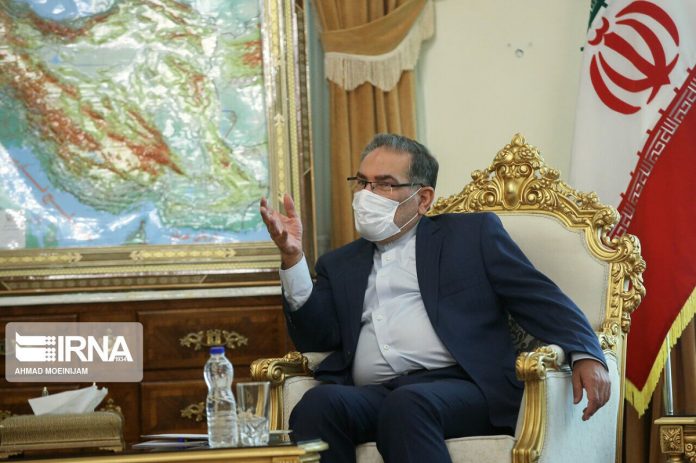
Secretary of Iran’s Supreme National Security Council Ali Shamkhani will travel to Yerevan on Thursday at the official invitation of his Armenian counterpart, Armen Grigoryan.

The visit is part of Shamkhani’s plan for a tour of the Caucasus countries.

During the trip, the Iranian security chief will also sit down with Armenian Prime Minister Nikol Pashinyan for talks on issues of bilateral, regional and international significance.

At the end of his trip to Armenia, Shamkhani will also visit some other Caucasus countries.