Thursday, January 15, 2026
Home Blog Page 1807

Study shows a quarter of US military offensives occurred in west Asia, Africa

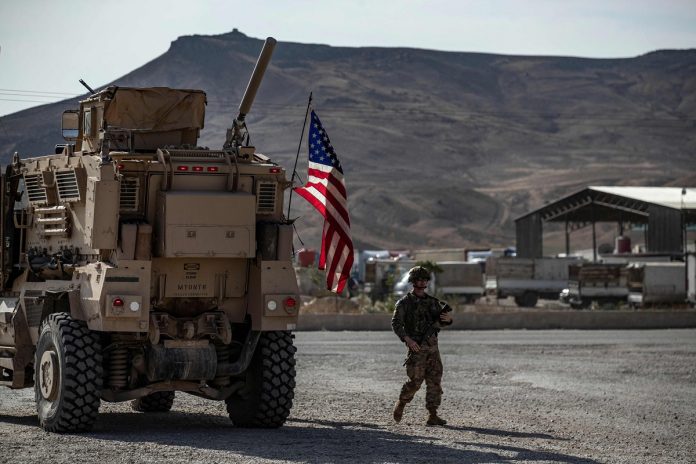
US Forces in Syria

The survey, titled Introducing the Military Intervention Project: A New Dataset on US Military Interventions, said the US had undertaken almost 400 military interventions since its founding in 1776 until 2019, with more than a quarter occurring in the post-Cold War period.

Stressing that US military interventions “increasingly” targeted the Middle East and Africa, the study also found that the post-9/11 era had resulted in “higher hostility levels,” with US military adventures becoming “overwhelmingly commonplace.”

“The cumulative impact of what we discovered from our data collection effort was indeed surprising,” stated Sidita Kushi, an assistant professor at Bridgewater State University in Massachusetts, and one of the study’s authors said in an interview with the Middle East Eye.

“We hadn’t expected both the quantity and quality of US military interventions to be as large as revealed in the data,” Kushi added.

Underlining the US “decades-long hyper-interventionist stance,” Kushi noted America’s global military footprints “might be surprising to Americans. But, they are hardly surprising to the rest of the world.”

The report pointed to the collapse of the Soviet Union in 1991, saying the US emerged as the dominant military power across the world after the incident, however, it did not result in in a decrease in Washington’s military interventions.

“The post-Cold War era has produced fewer great power conflicts and instances in which to defend vital US interests, yet US military interventions continue at high rates and higher hostilities,” the report said, adding, “This militaristic pattern persists during a time of relative peace, one of arguably fewer direct threats to the US homeland and security.”

The study noted the end of the Cold War unchained US military global ambitions, adding that even as US rivals reduced their military intervention, Washington “began to escalate its hostilities,” resulting in a “widening gap between US actions relative to its opponents.”

The study cited the Stockholm International Peace Research Institute as saying that the cost of the US military stands at more than $800bn annually, accounting for almost 40 percent of global military spending.

“The US continues to dramatically prioritize funding of its Department of Defense while limiting funding and roles for its Department of State,” underscored Professor Monica Duffy Toft, co-author of the study, stating that “currently, the United States has US special forces deployed in more countries than it does ambassadors.”

Stressing that the US chooses to use military force to “solve its problems,” the report said, “Gone are the days when Washington threw the full might of its army into a conflict, as it did in Iraq and Afghanistan. Today, remote military bases, such as the $110m Agadez airfield in Niger, conduct drone strikes away from the public eye across much of the Sahel.”

The study said the administration of US President Joe Biden had earlier in the year expanded the US military footprint in Africa by reversing a previous decision to withdraw troops out of Somalia, establishing a permanent military base in the country.

“Given the current landscape of interventions, and inertia, we expect to see a continuing upward trend on US interventions in both Middle East and North Africa (MENA) and Sub-Saharan Africa,” Toft warned.
Iraq says holding talks with Iran on increasing gas imports

Iran Gas

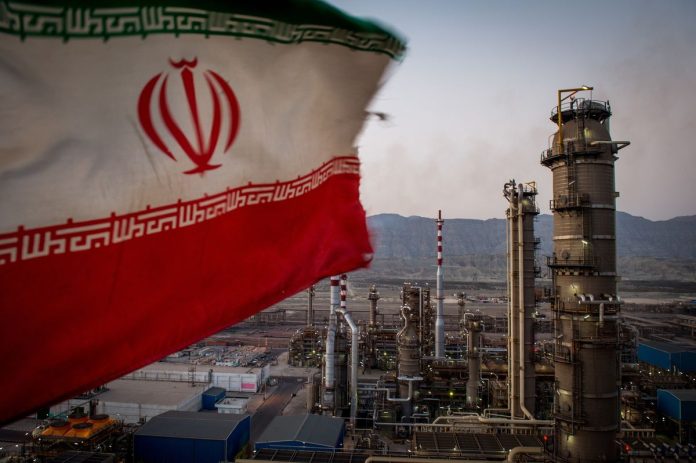
Ahmad al-Ebadi spokesman for the ministry said after the settlement of energy debts to Iran, the imports of natural gas from the eastern neighbor rose to 45 million cubic meters, but Iraq still needed more to meet its needs.

The natural gas, the official said, will be used as fuel in Iraqi power plants.

Earlier this month, the official said Iraq’s electricity production had witnessed a 22-percent growth compared to the previous year, adding that new power plants were set to be operationalized in the country, which need natural gas for fuel.

Chronic underinvestment mainly due to decades of war and sanctions have left Iraq dependent on imports from Iran for much of its gas needs.

But US sanctions on the Iranian energy sector have complicated Iraq’s payments for the imports.

Iran had responded to the delay in debt settlements by periodically switching off the taps, prompting power outages in the country.

Iran’s soccer champions Esteghlal get off to rocky start in new season

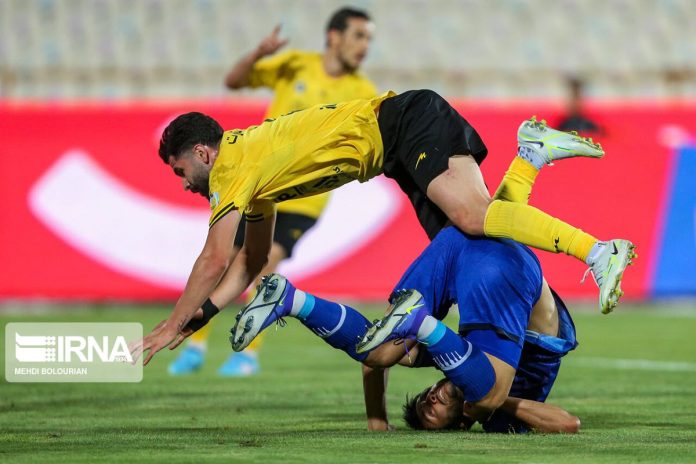
Esteghlal and Sepahan

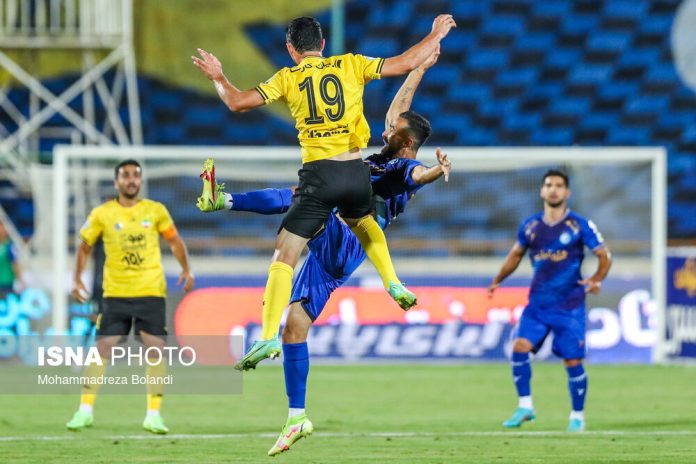
Isfahan’s Sepahan FC edged past Esteghlal 2-0 at the Azadi stadium on Friday, leaving a bitter taste in the mouth of the titleholders.

Both sides had a lackluster performance for almost all of the first half.

Sepahan’s Yassin Salmani took advantage of Esteghlal’s vulnerable defense line and made it 1-0 in the 52nd minute.

Ramin Rezaeian scored the second goal in the 57th minute.

Also on Friday, Anzali’s Malavan lost 1-0 to Paykan in Tehran, Nassaji and Mes Rafsanjan drew a 1-1 tie, Havadar defeated Aluminum 1-0 in Arak, and Mes Kerman took a drubbing by Naft Masjed Soleyman 3-2.

On Saturday, Zob Ahan will face Persepolis in Isfahan, Foolad will play Abadan’s Sanat Naft in a derby in southern city of Ahvaz and Gol Gohar will meet Tractor.

Iran reports drop in number of ‘red’ cities on Covid map

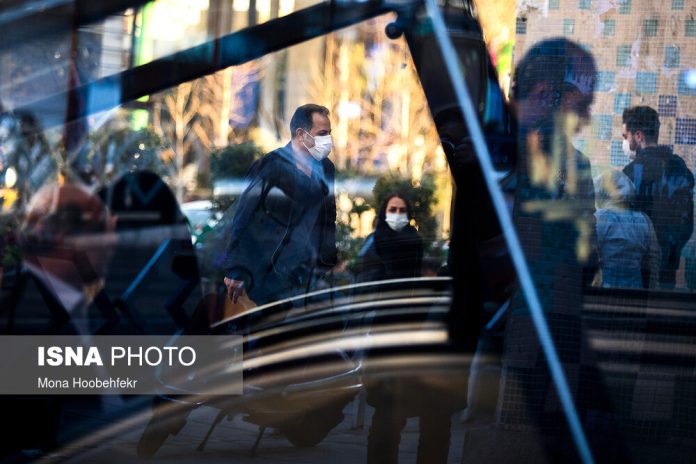
COVID Iran

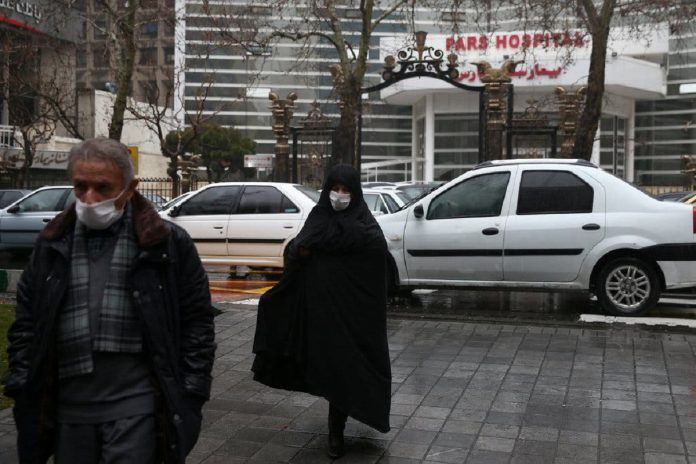
According to the latest updates to the map, released on Friday, there are now 184 cities categorized as ‘orange,’ where there are moderate risks of infection, while 174 cities are ‘yellow’ or ‘low risk.’

Twelve cities are also ‘blue,’ where the situation is normal.

Earlier, the spokesman for Iran’s national task-force for fighting the coronavirus said authorities expect the upward trend in infections with coronavirus to subside from next week.

The country is said to be reaching the peak of the seventh wave of the spread, driven by the BA.4 and BA.5 sub-variants of the Omicron strain.

According to the Health Ministry on Friday, 68 more people had died of the Coronavirus with 6,404 others infected with the virus, during the past 24 hours.

Official figures show 142,806 people have died of Covid-19 since its outbreak in Iran in early 2020. Unofficial say the number is higher.

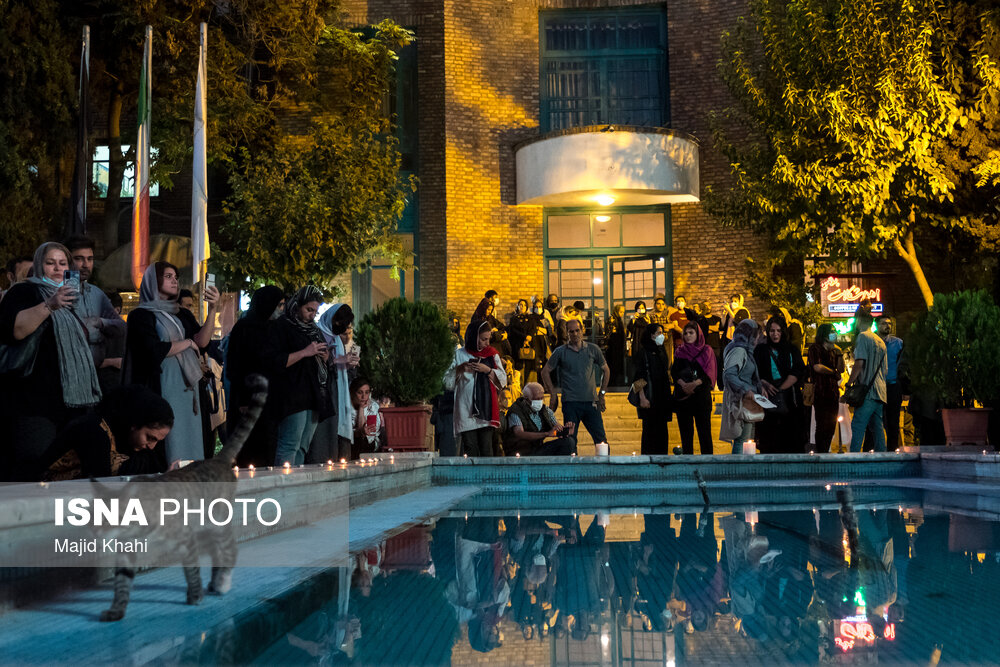
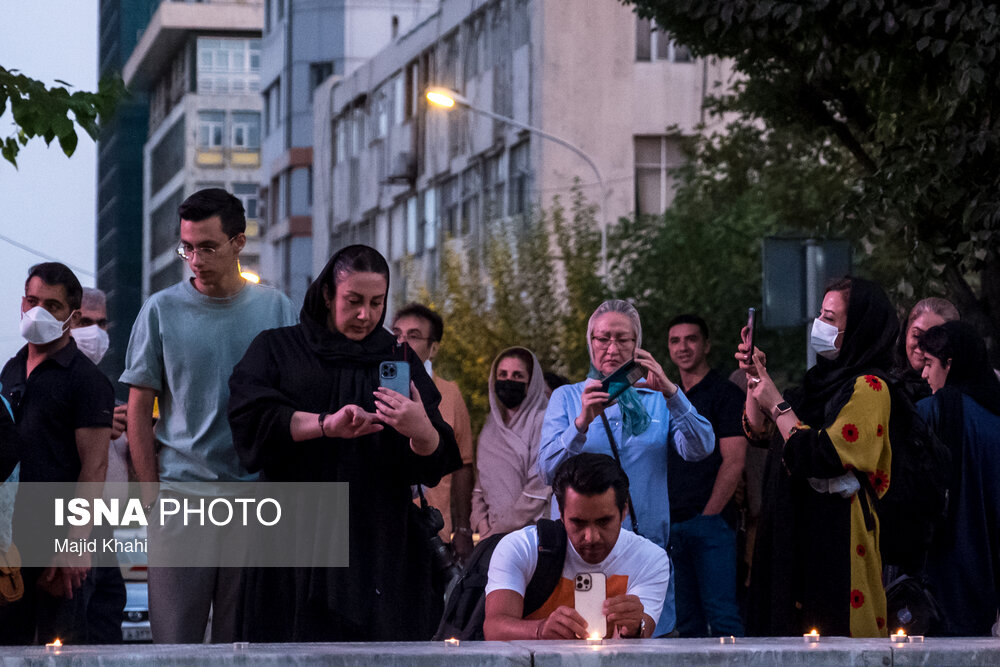
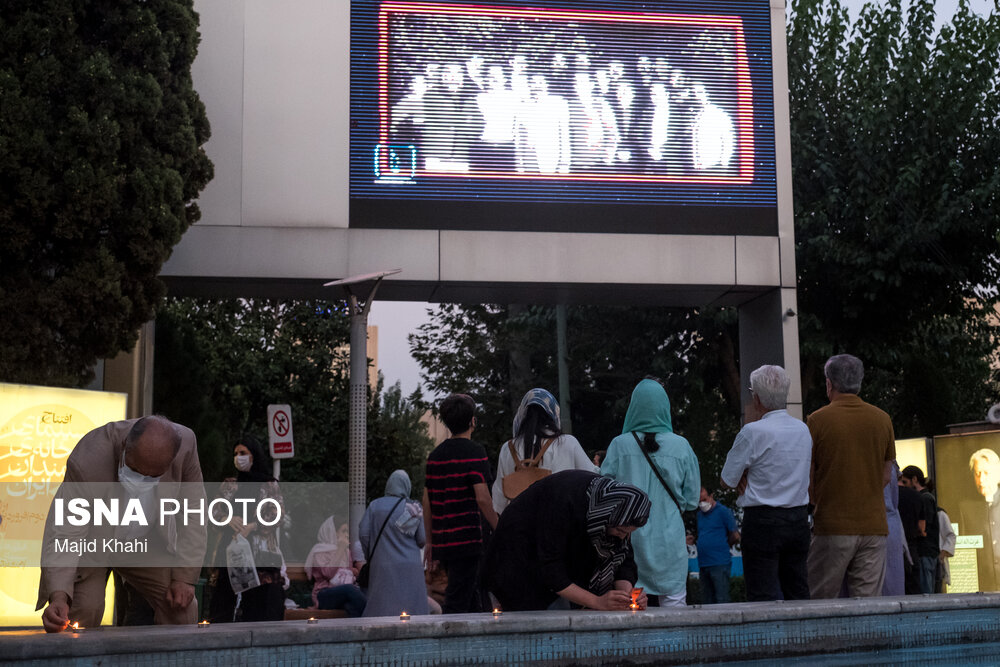
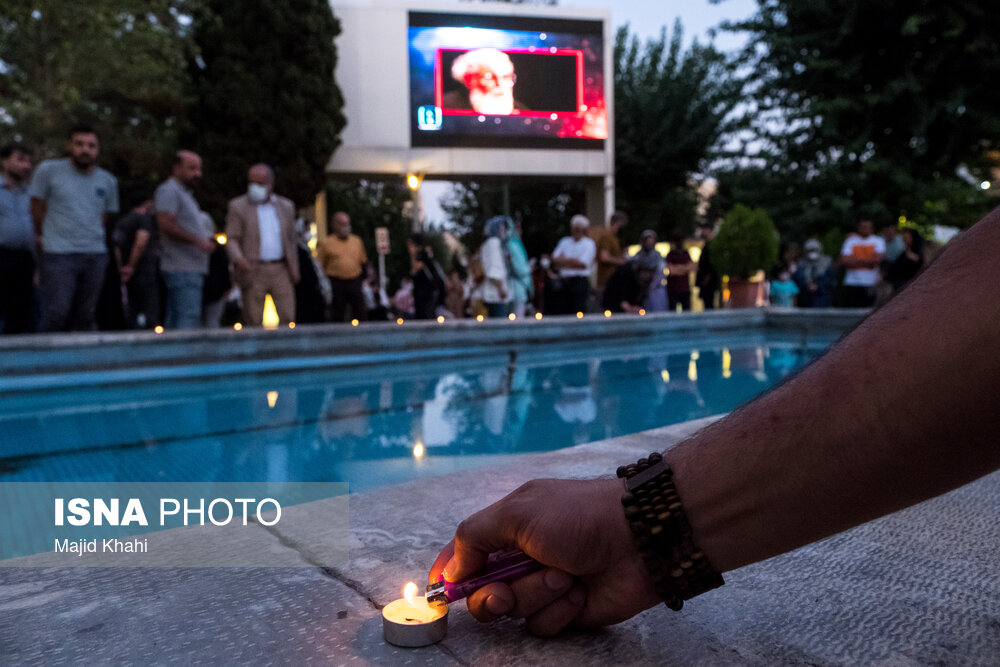
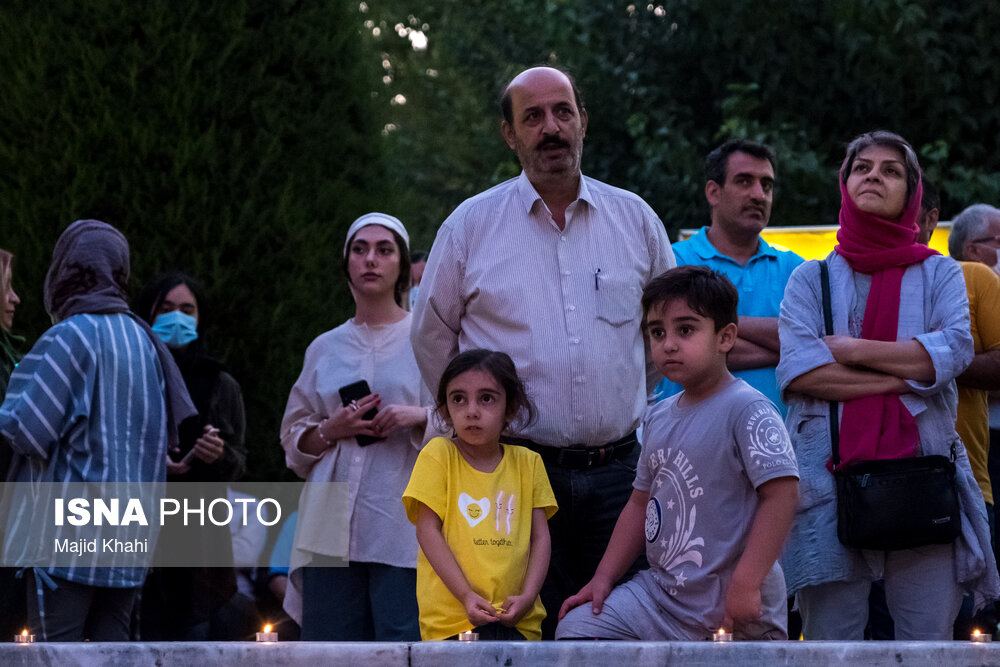
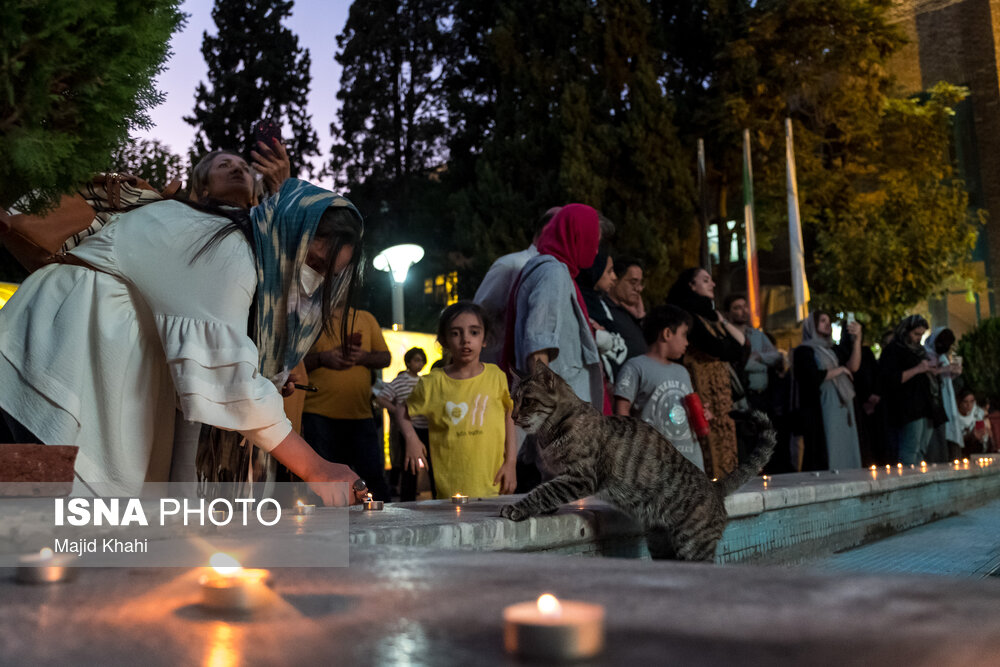
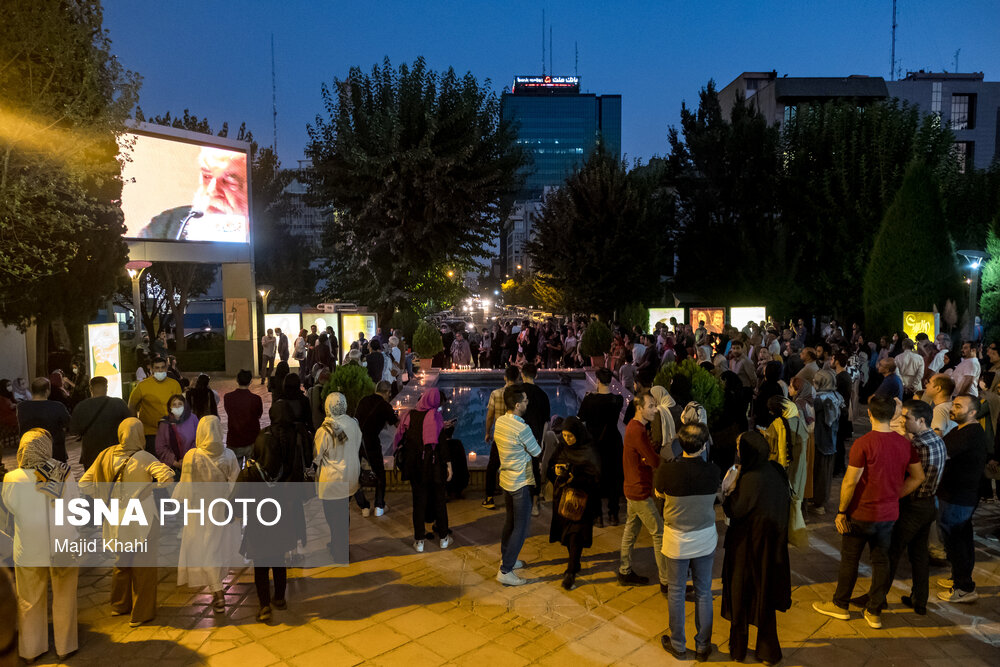
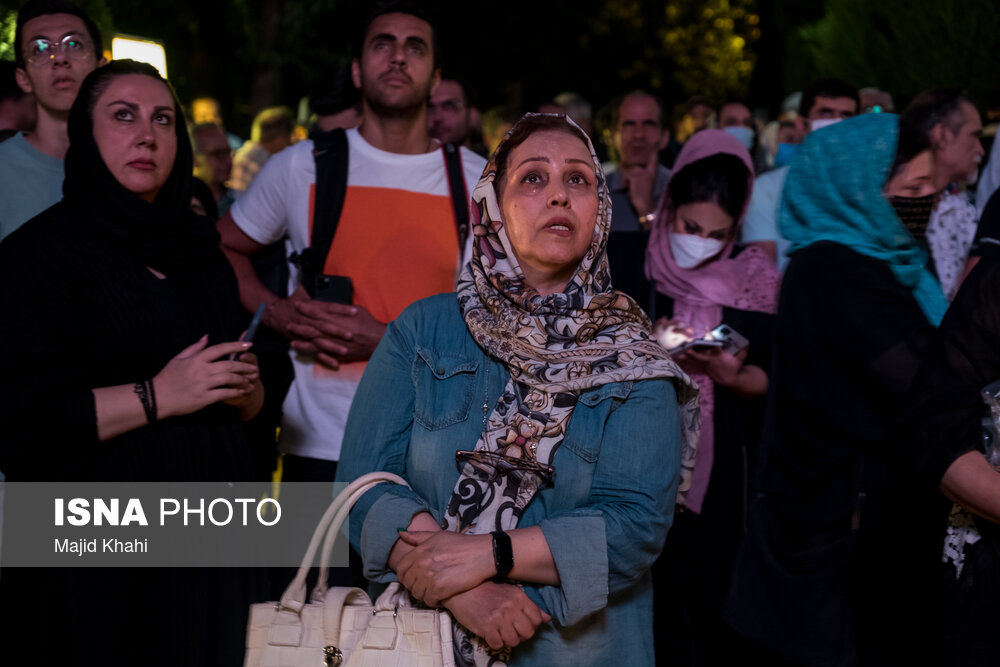
Memorial held for late distinguished Iranian poet Ebtehaj

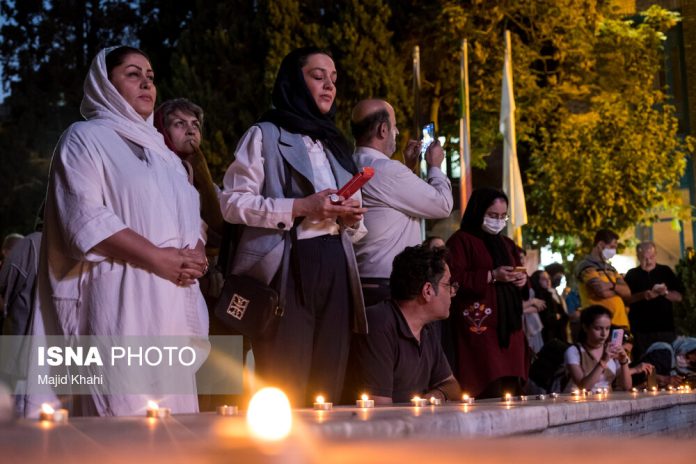
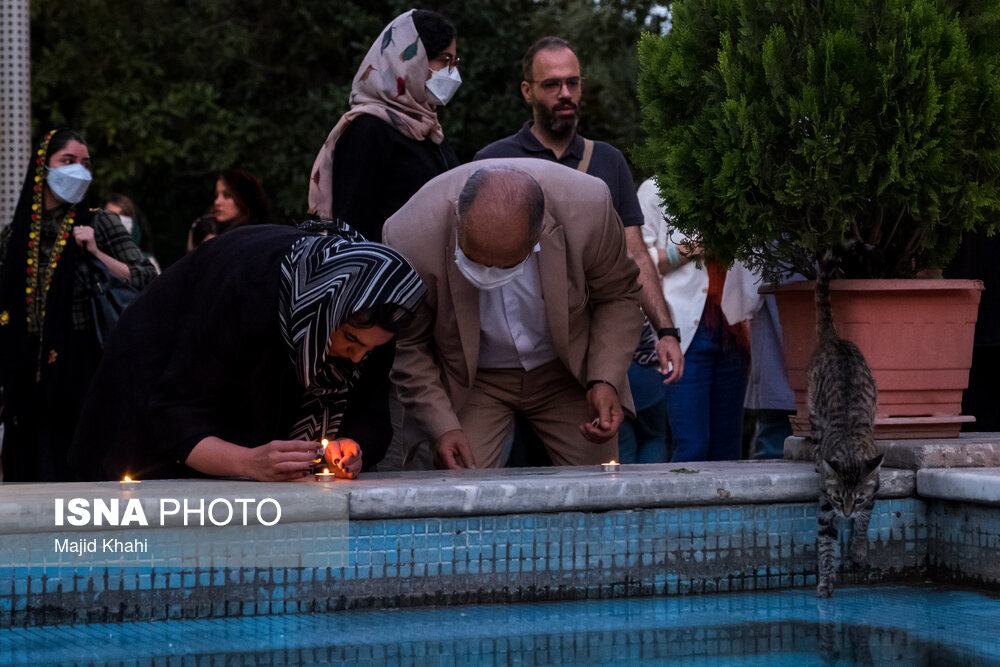
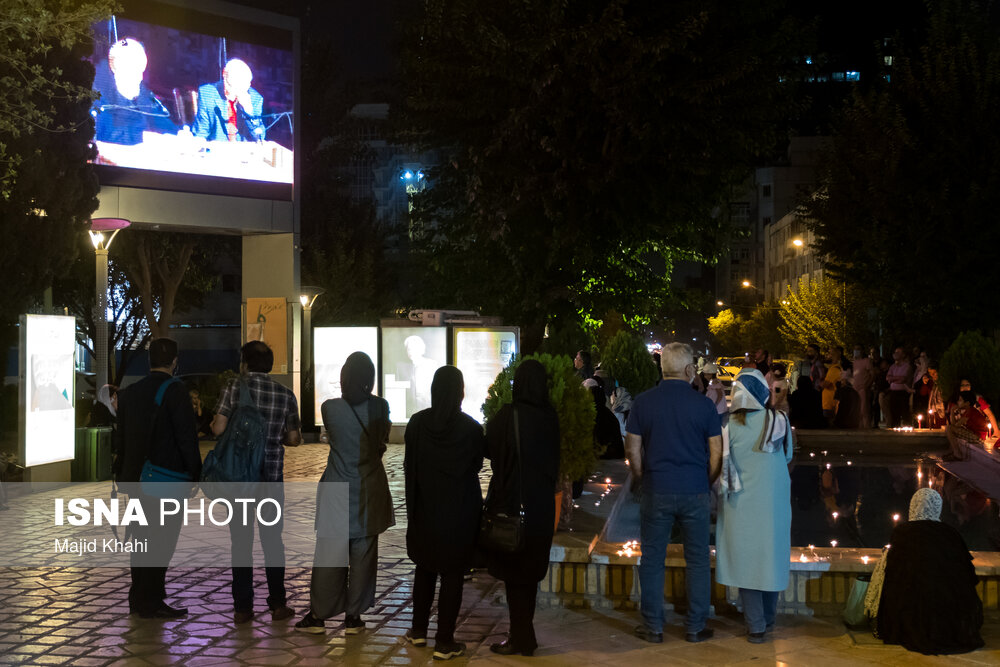
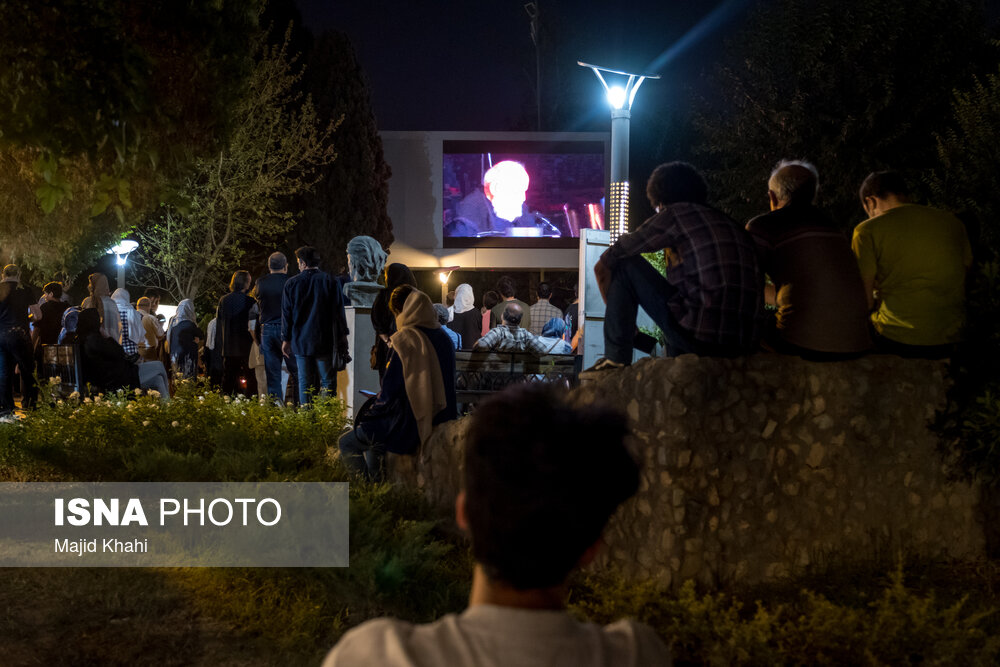
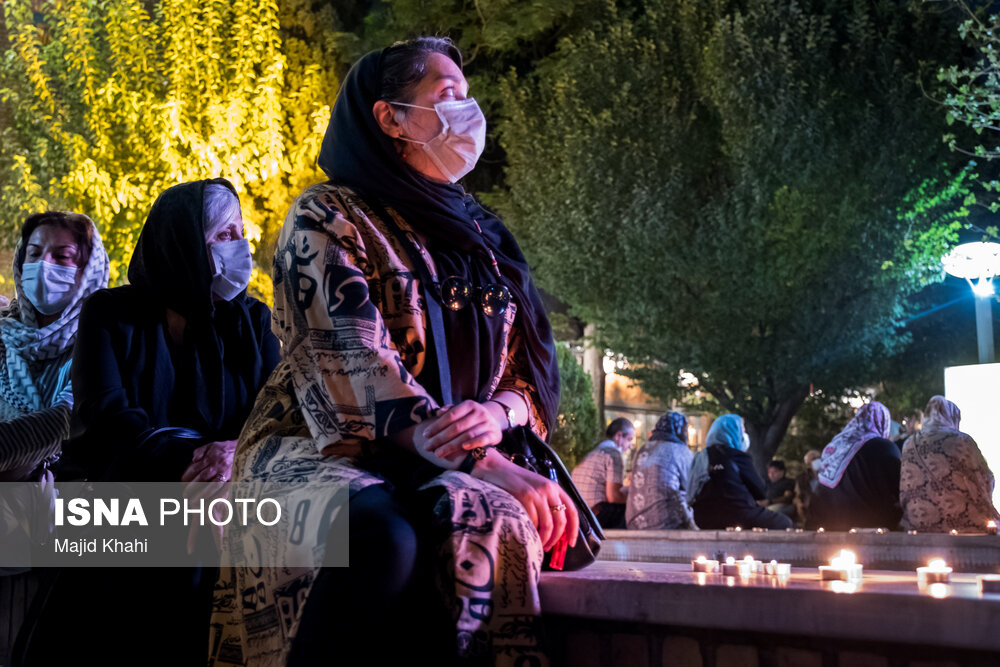
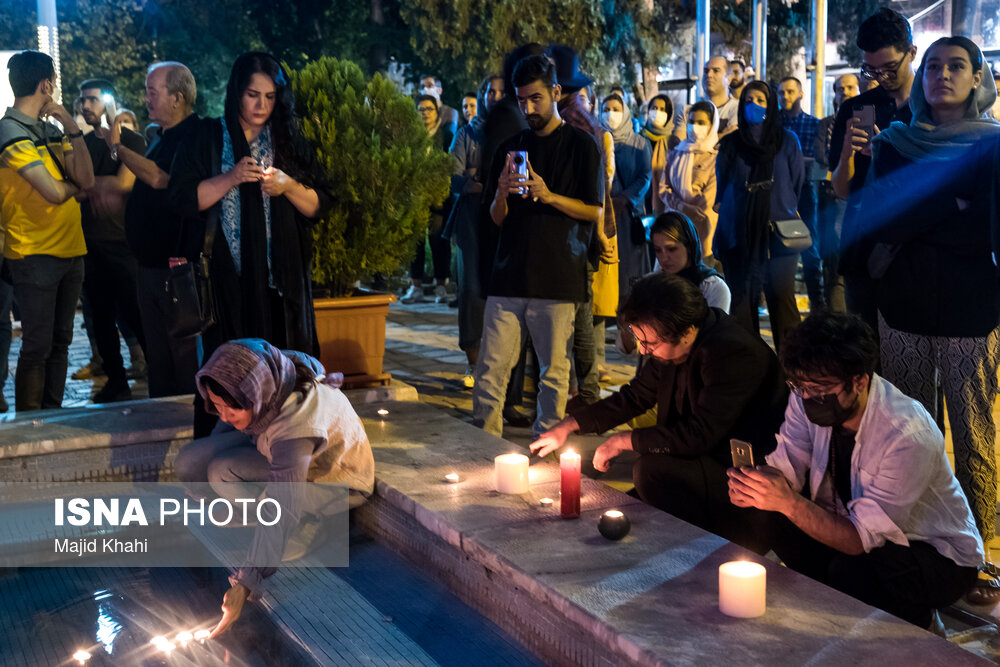
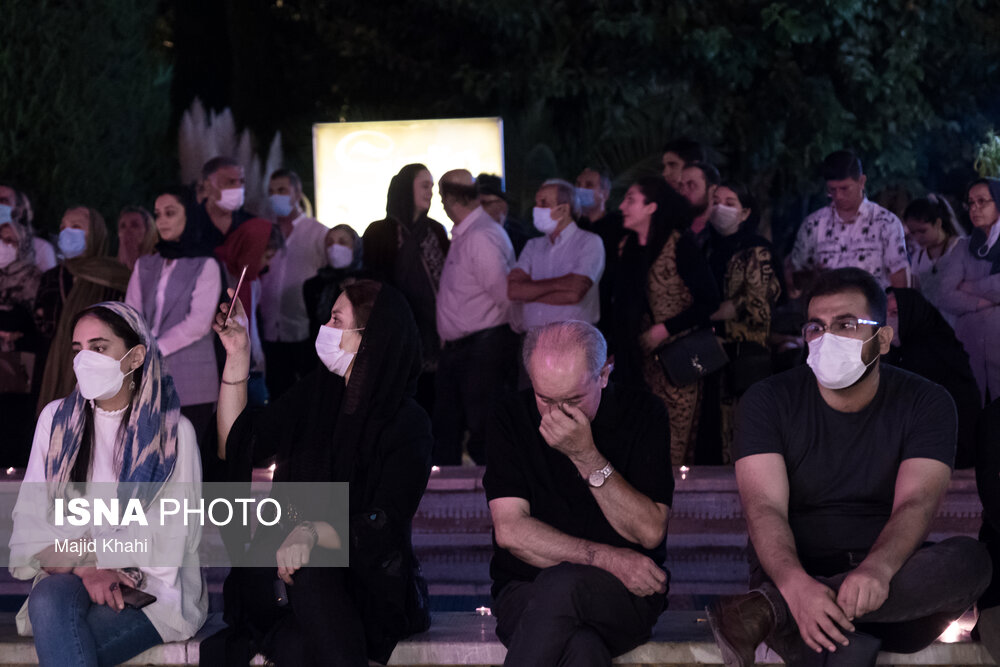
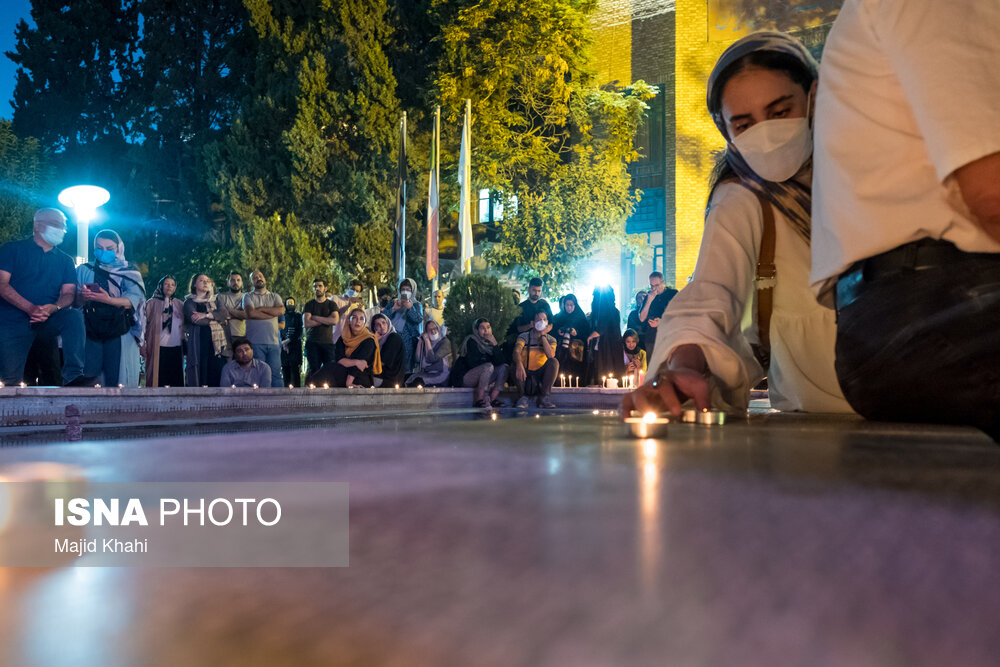
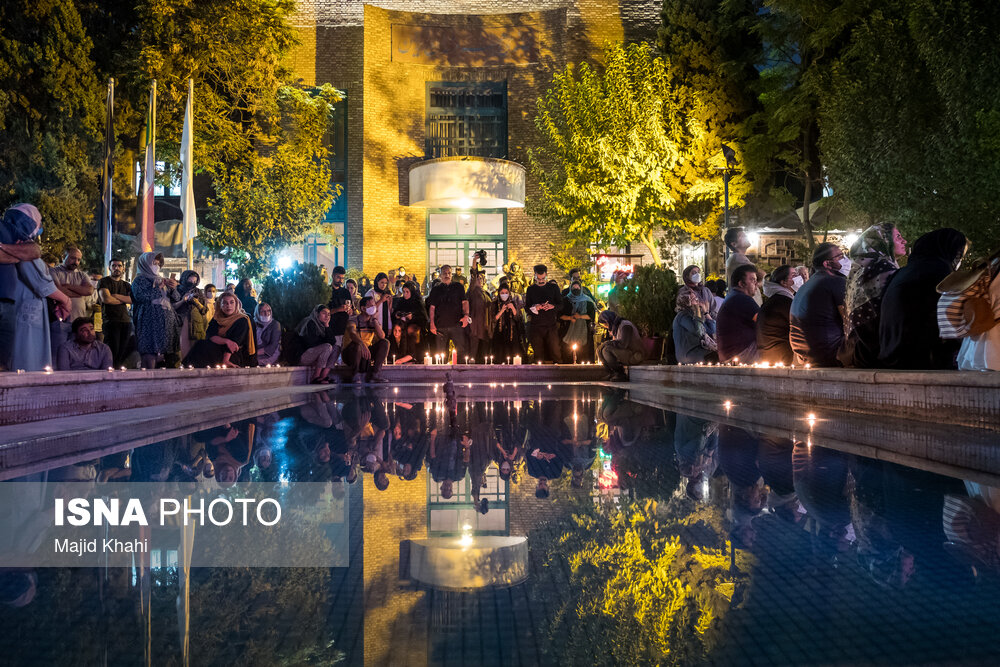
Memorial held for late distinguished Iranian poet Hushang Ebtehaj

Also known under the nom de plume of Sayeh, shadow, Ebtehaj was a member of several literary circles and contributed to various literary magazines.

He published his first collection of poetry while he was still a high school student in the 1940s.

He also wrote a collection of lyrical poems known as Gazal in the classical style.

Sayeh’s poetry, at times highly emotional, is always remarkable for its convincing directness and unconcealed sentiment.

A number of his lyric poems, ballads and poems have been performed by famous Iranian singers.

Sayeh died of kidney failure in Cologne on 10 August 2022 at the age of 94.

Analyst: Anti-JCPOA parties to use Rushdie attack to torpedo deal

Salman Rushdie
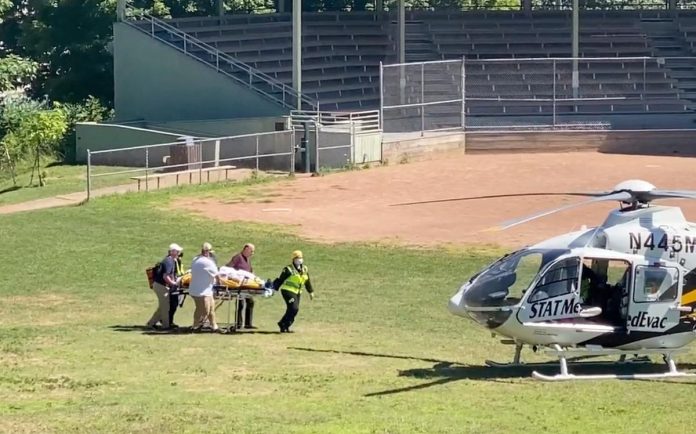
Author Salman Rushdie is transported to a helicopter after he was stabbed on stage before his scheduled speech at the Chautauqua Institution, Chautauqua, New York on August 12, 2022.

Reza Nasri, an international lawyer and legal expert, wrote on Twitter, “Watch how the pro-Israel anti-JCPOA clique will link the attack on #SalmanRushdie to Iran, and then to the nuclear agreement. It’s very probable that recent “plots” against Alinejad, Bolton, Pompeo and now Rushdie were orchestrated by Israeli intelligence to undermine diplomacy.”

Salman Rushdie was stabbed by a man, identified as 24-year-old Hadi Matar from New Jersey, on stage at an event in New York in the neck and abdomen before delivering a lecture.

Rushdie’s novel, the Satanic Verses, which disrespects Islam’s revered Prophet Muhammad and his household, triggered an outcry across the Muslim world, including in Iran, in the late 80s.

The developments come at the sensitive juncture when anti-JCPOA parties, especially Israel, have expressed dissatisfaction with reports of progress in talks to restore the landmark nuclear agreement and lift sanctions on Iran, after the US withdrawal in 2018.

Several rounds of negotiations have been held to iron out the last remaining differences to clinch a deal, with some informed sources sounding optimistic that white smoke would eventually appear in the Austrian capital Vienna, the venue of the talks.

Iran says to test launch new satellite carrier in two weeks

Iran Khayyam satellite

Issa Zarepour said Friday that Iran would develop carriers that can send heavier satellites — between 500 to 600 kilograms — into orbit by the end of the current administration’s term in around three years.

He said the country had currently the capability to send satellites weighing below 50 kilograms into an orbit of 500 kilometers above the surface of the Earth.

“We are now at the beginning of the path” of developing the country’s space industry, said the minister, praising Iranians for standing next to the world’s top experts in the field.

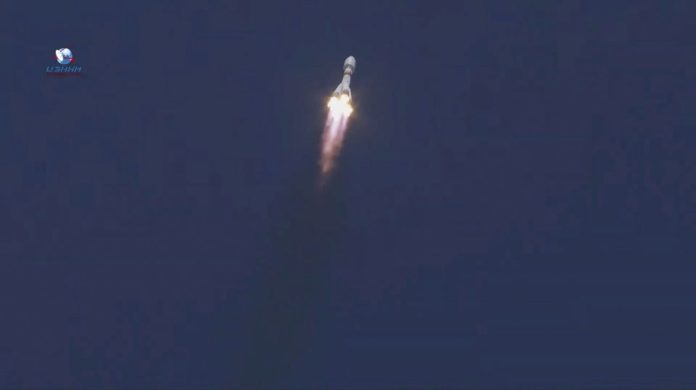
Zarepour also said Tehran planned to develop three more versions of the remote-sensing Khayyam satellite, which was shot aboard a Russian carrier rocket into space on Tuesday, inside the country.

A Soyuz-2.1b rocket sent the satellite into orbit from the Moscow-run Baikonur Cosmodrome in Kazakhstan.

Khayyam is designed to meet Iran’s needs for crisis and urban management, natural resources, mines, and agriculture, among other things.

Official: Iran to see downward trend in Covid from next week

COVID in Iran

Abbas Shirvajen added that Iran is reaching the peak of the 7th wave of the Coronavirus pandemic and it’s likely that it will witness a downward trend starting at the weekend.

He noted that the number of Covid deaths and infections is fixed right now.

Iran has experienced an upward trend in fatalities and new cases of the disease over the past few weeks.

This is while before the new wave of Covid, it experienced several days of zero deaths from the virus.

Iranian health ministry announced on Friday 68 people had died of Coronavirus and 6,404 others were infected with the deadly disease over the past 24 hours.

Embassy: Iranian oil stolen off Greek waters to return to Islamic Republic soon

Iran Oil Tanker

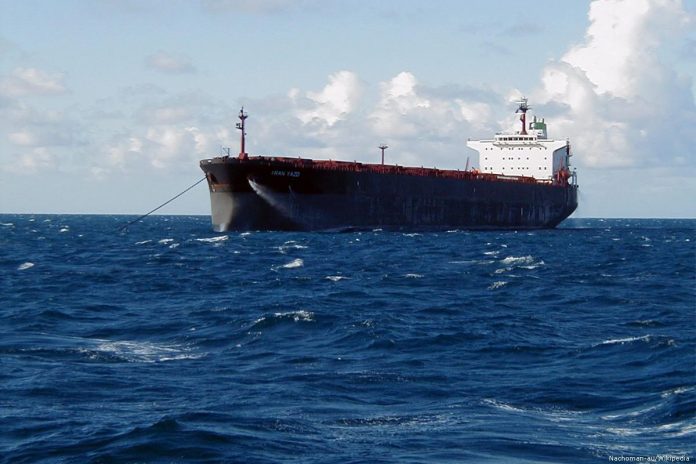
The Embassy said an operation is underway to carry the oil to Lana, the ship carrying the crude, off Greece.

It noted that the ship will soon set sail for Iran.

The Iranian Embassy in Athens added that it will not hesitate to do what it takes to protect the national interests of the Islamic Republic of Iran.

Greek authorities seized the ship and the oil on board in May. They did so in line with the US sanctions against Iran.

Following the seizure, Iran filed strong protests with the Greek embassy and also the Swiss one, which protects the US interests in Iran.

Tehran described the seizure as piracy.

Following the incident, Iran’s Islamic Revolution Guards Corps (IRGC) seized two Greek vessels in the Persian Gulf in late May for what Iran called violations.