Saturday, January 17, 2026
Home Blog Page 1785

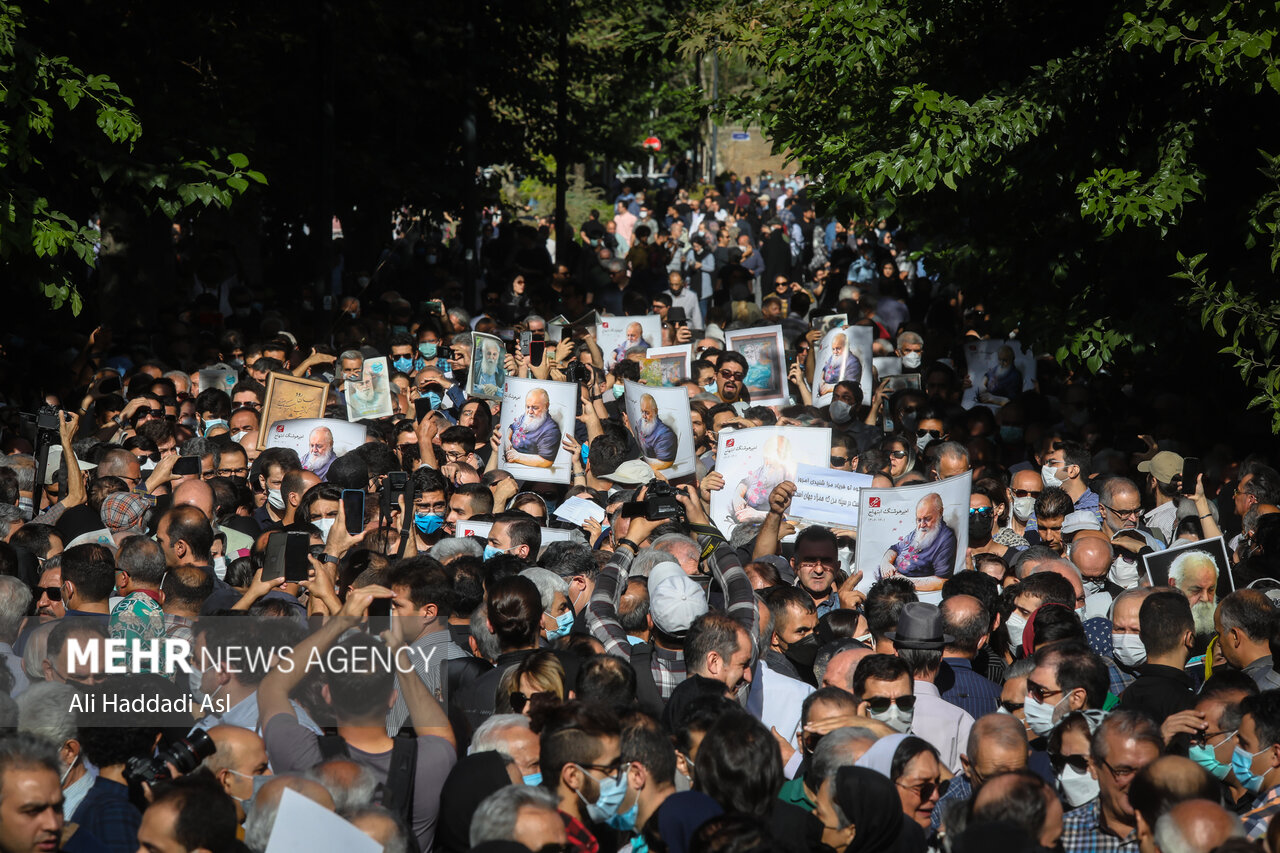
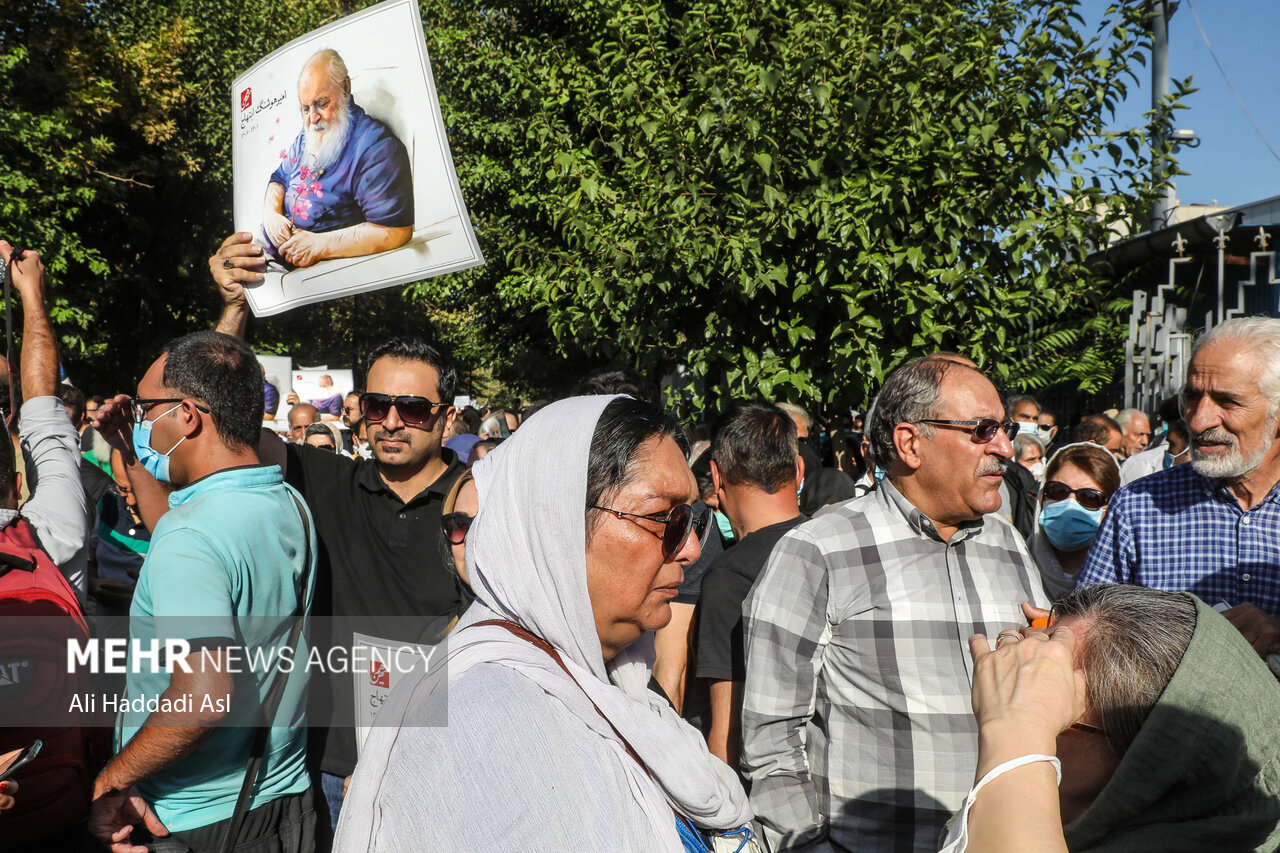
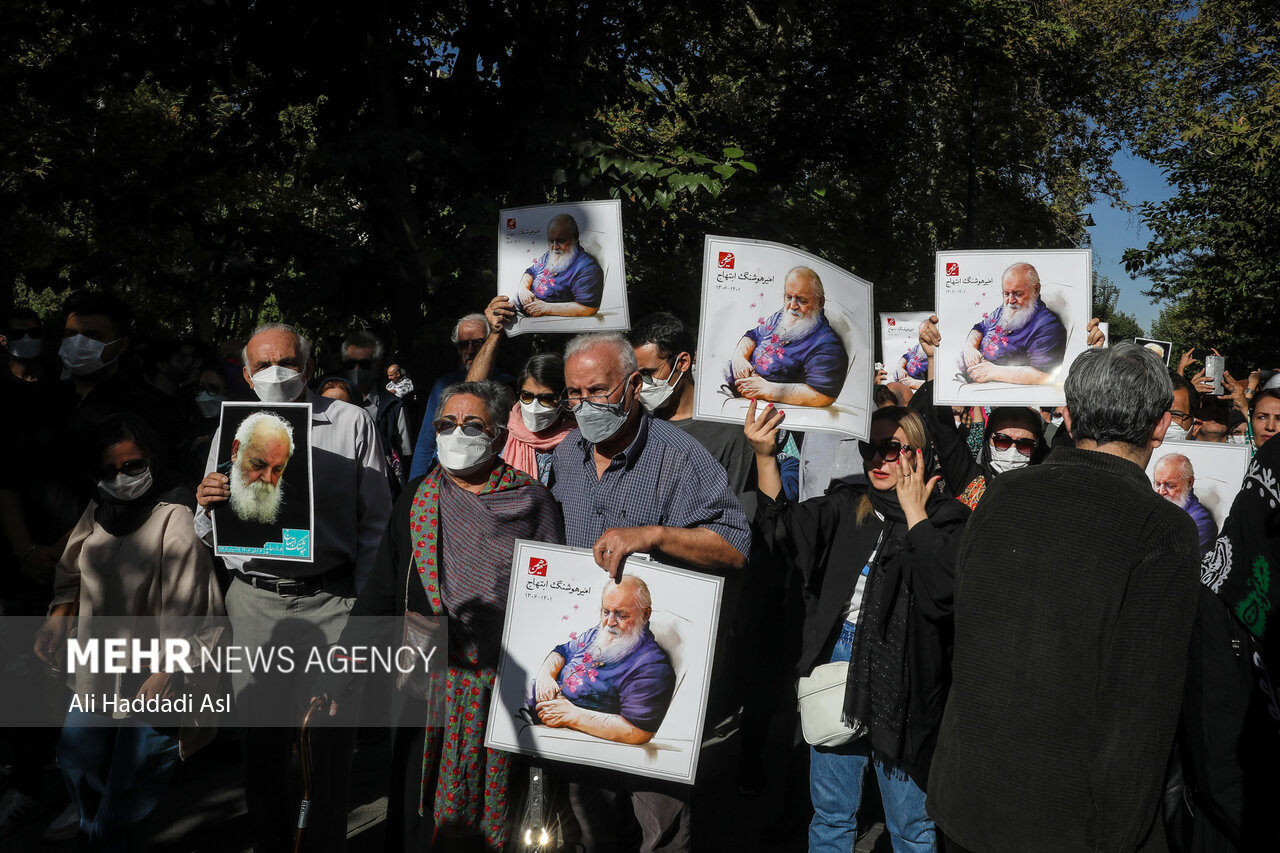
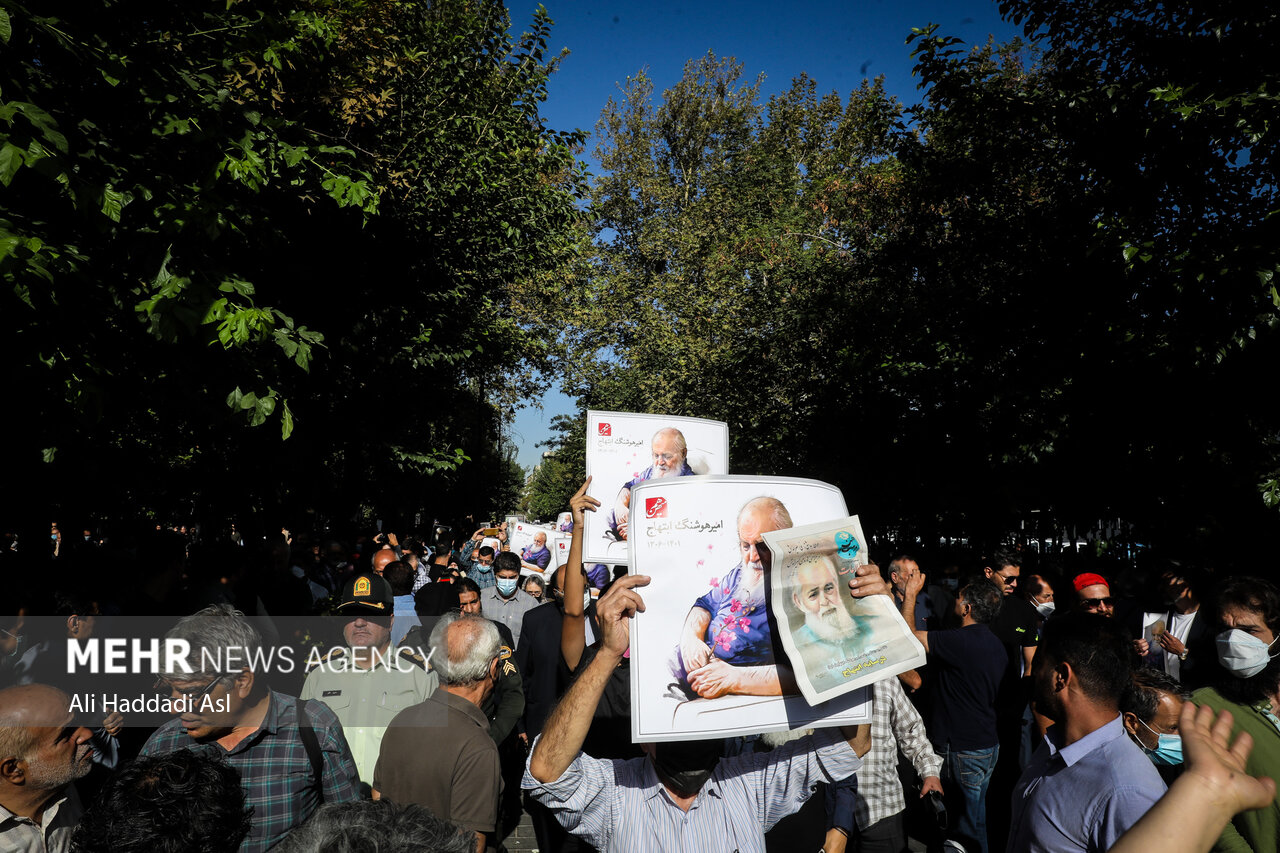
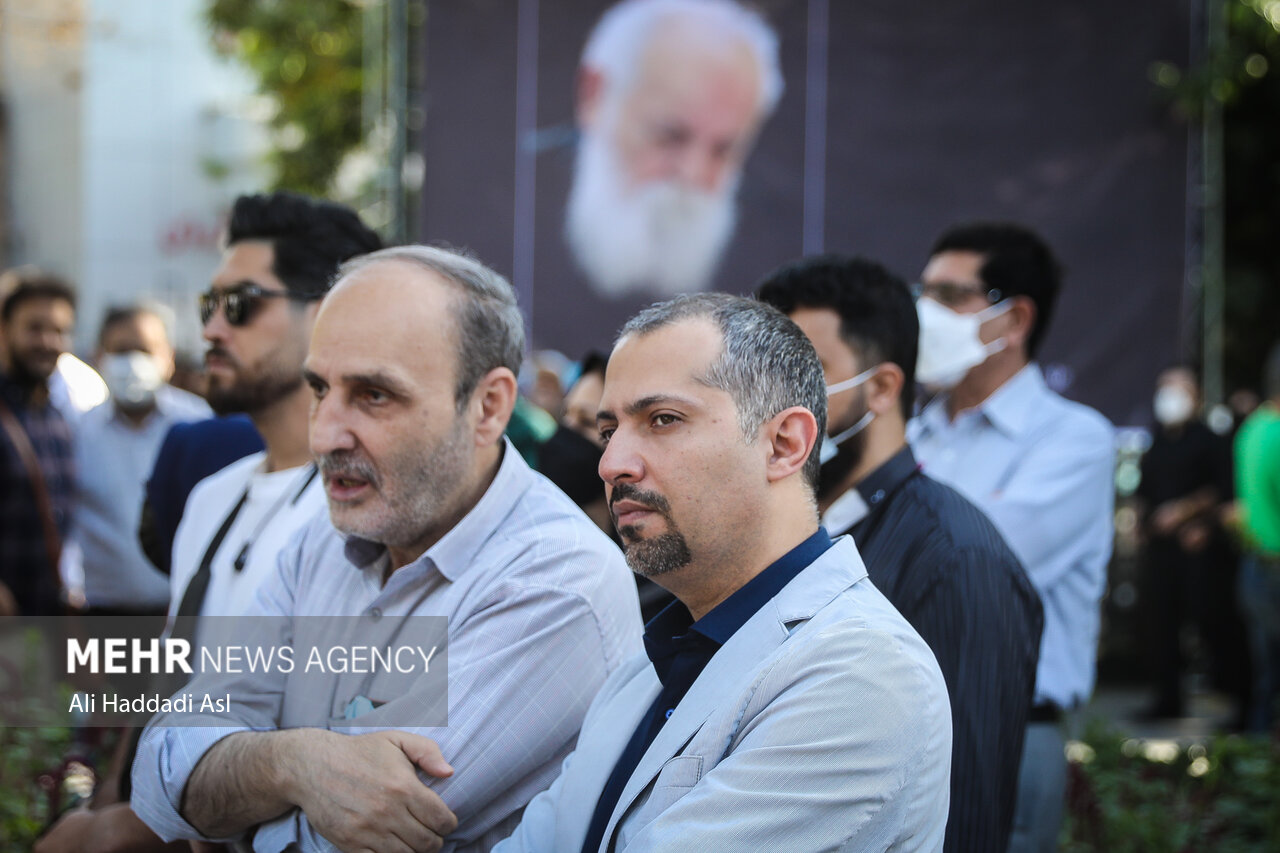
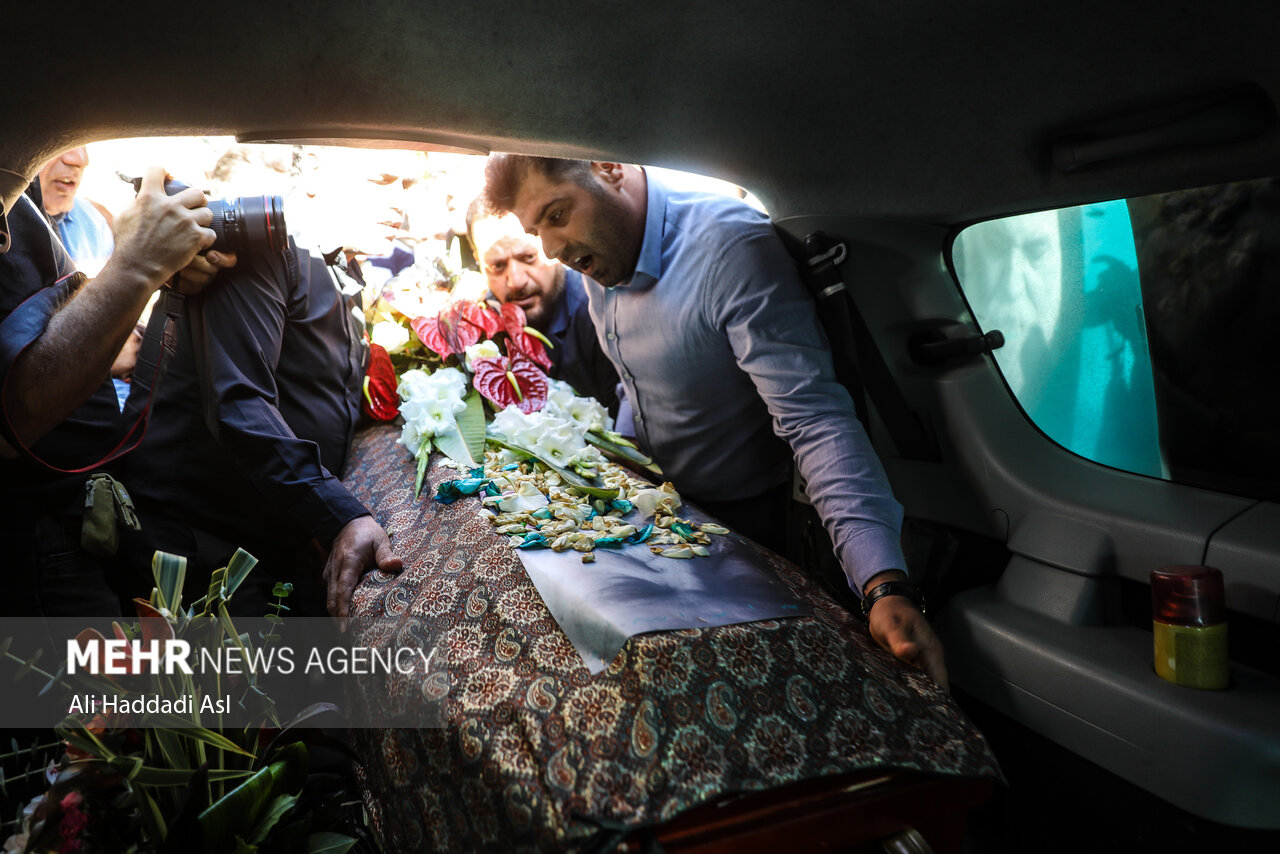
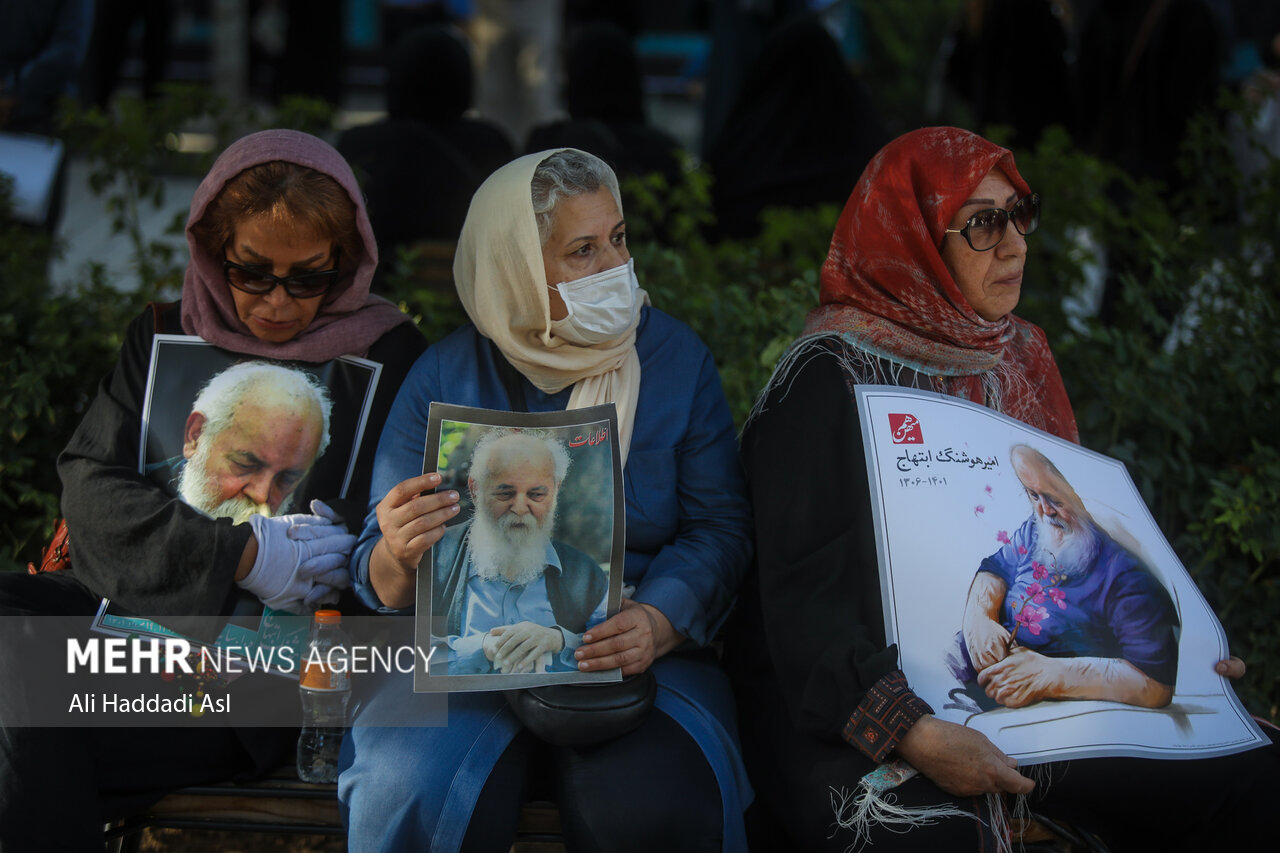
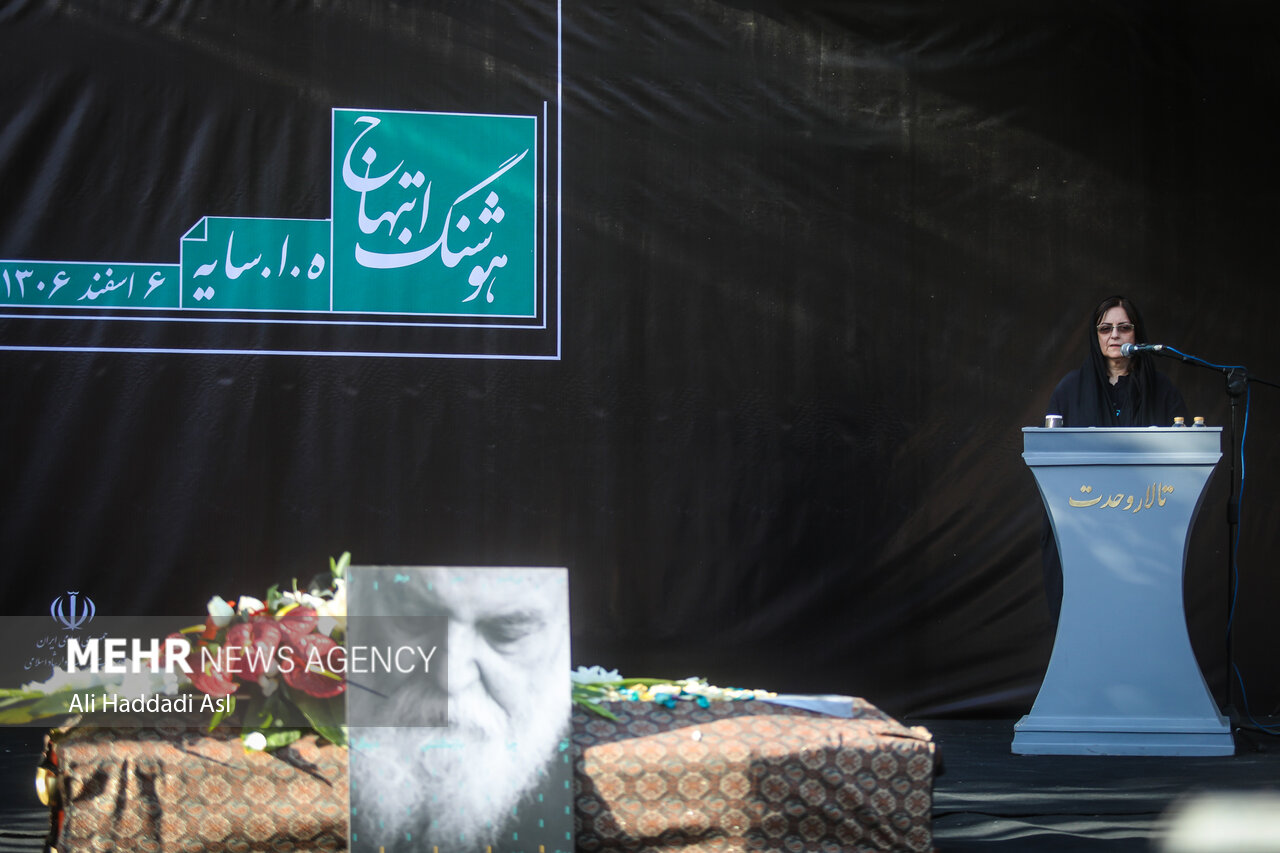
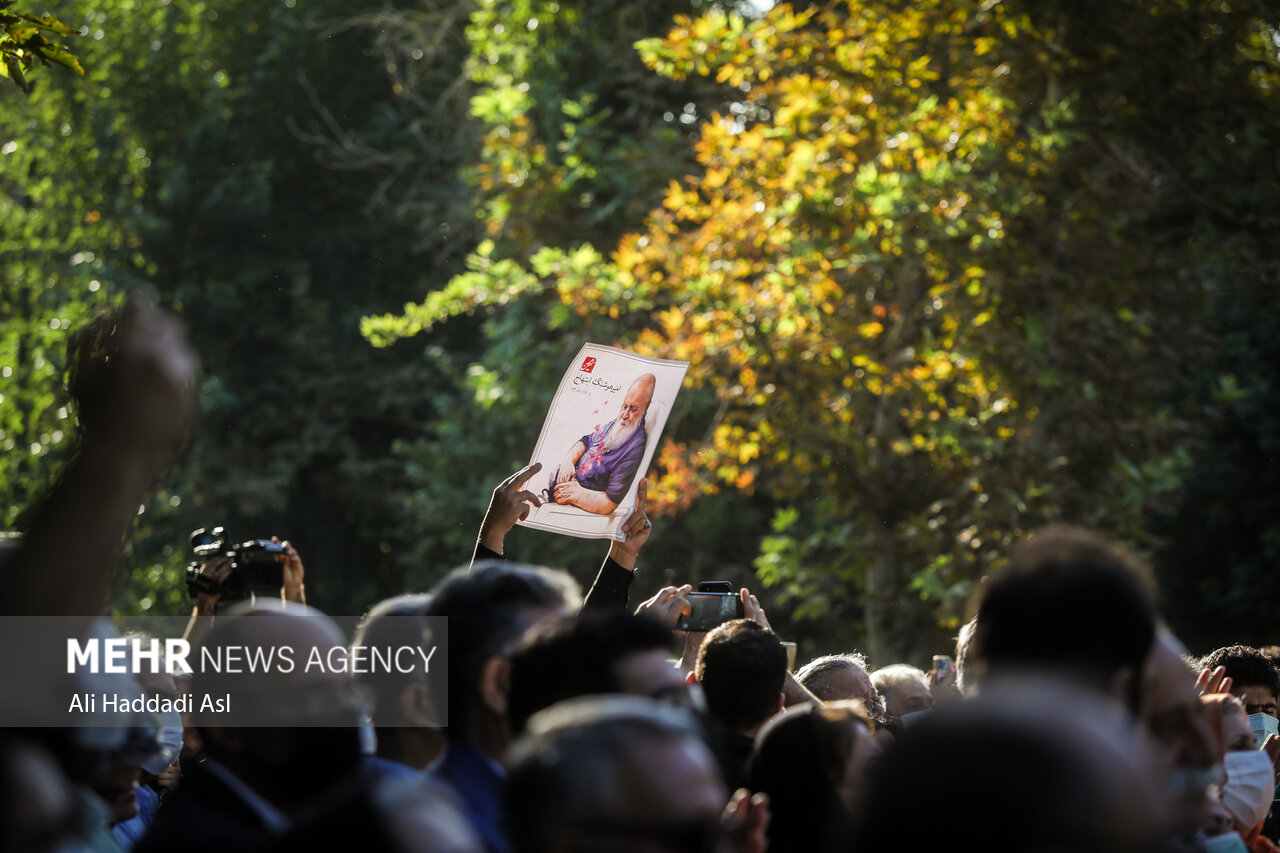
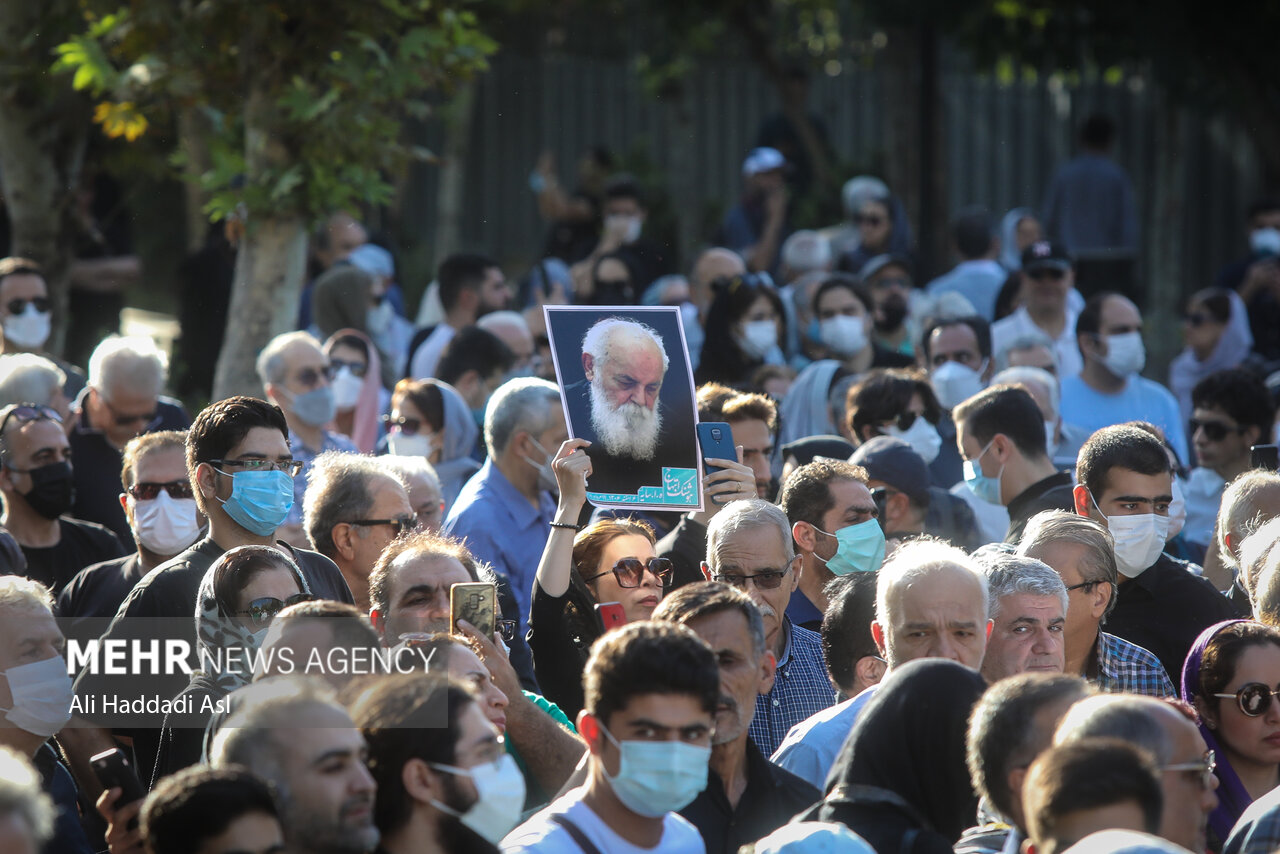
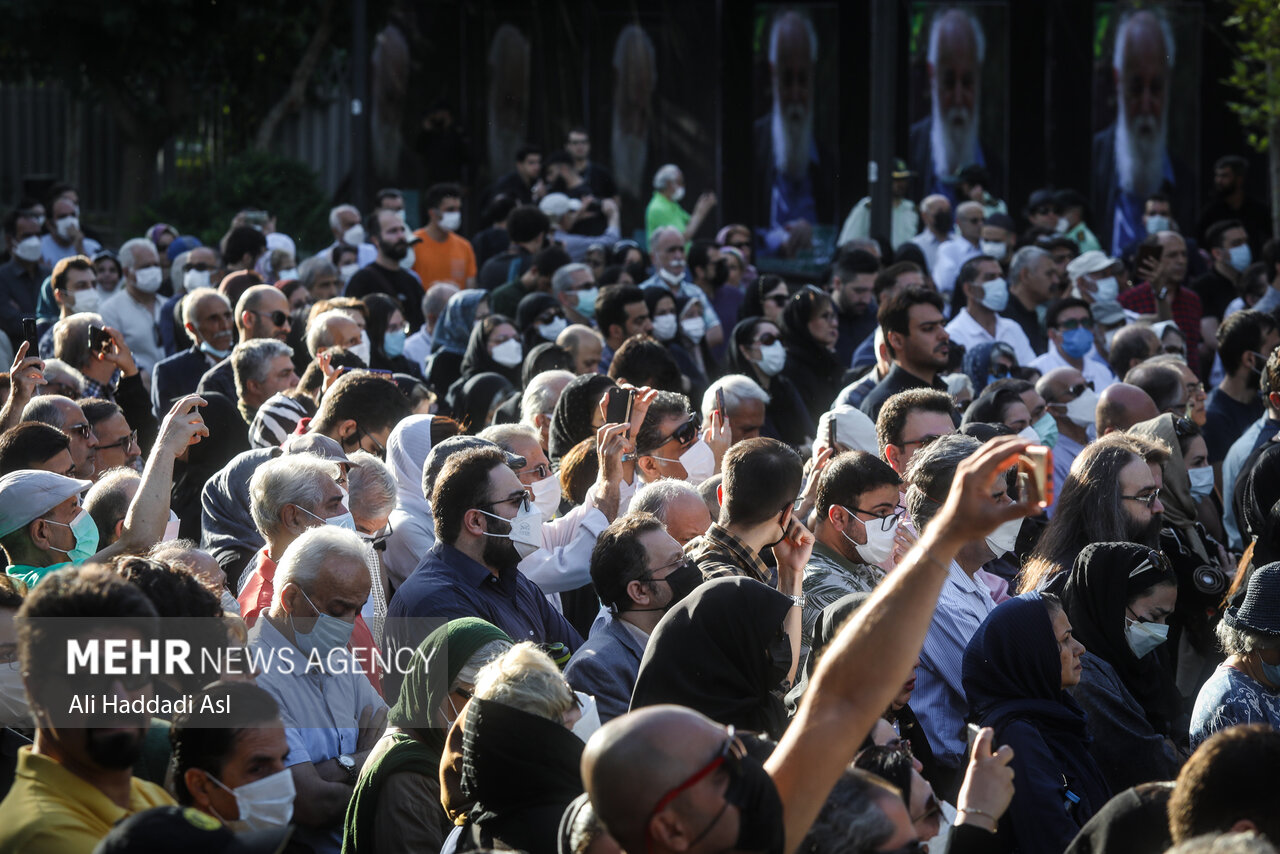
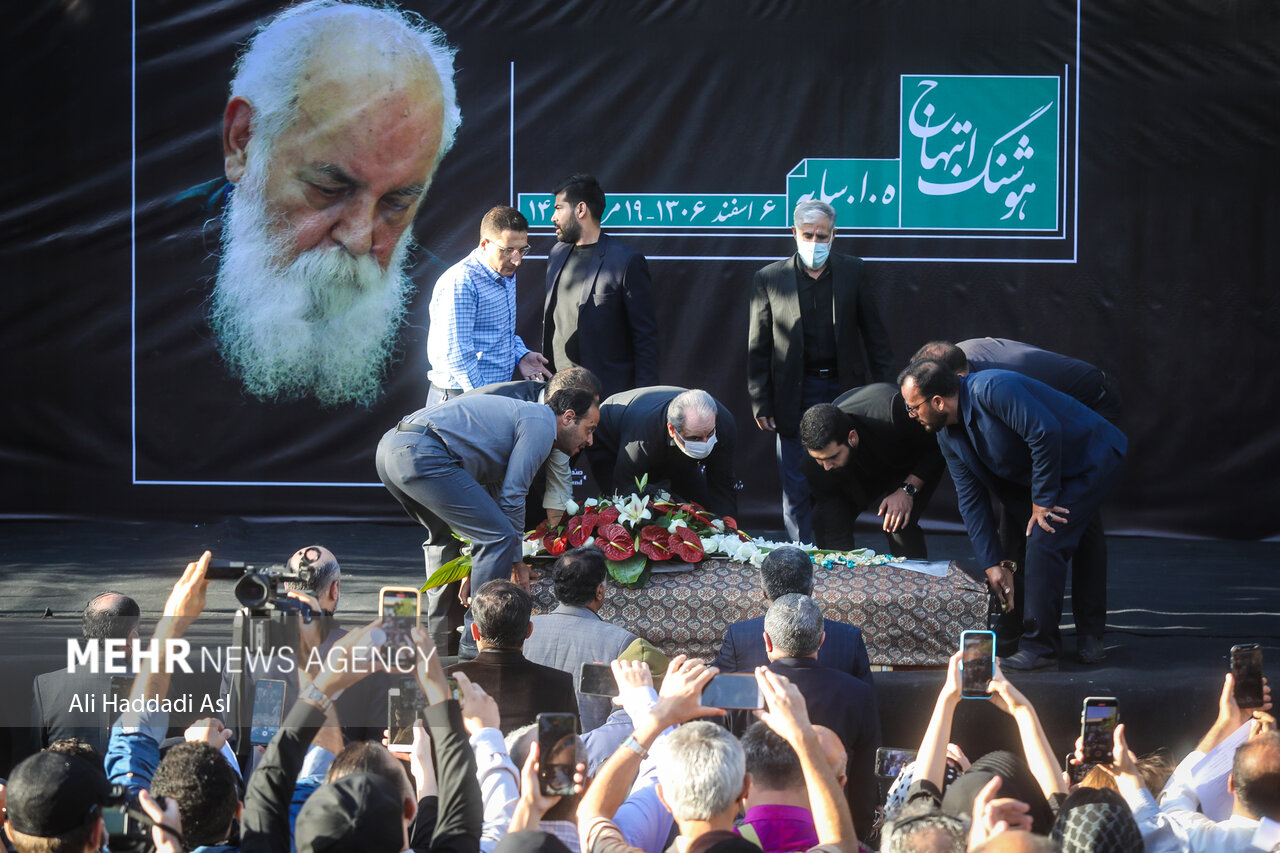
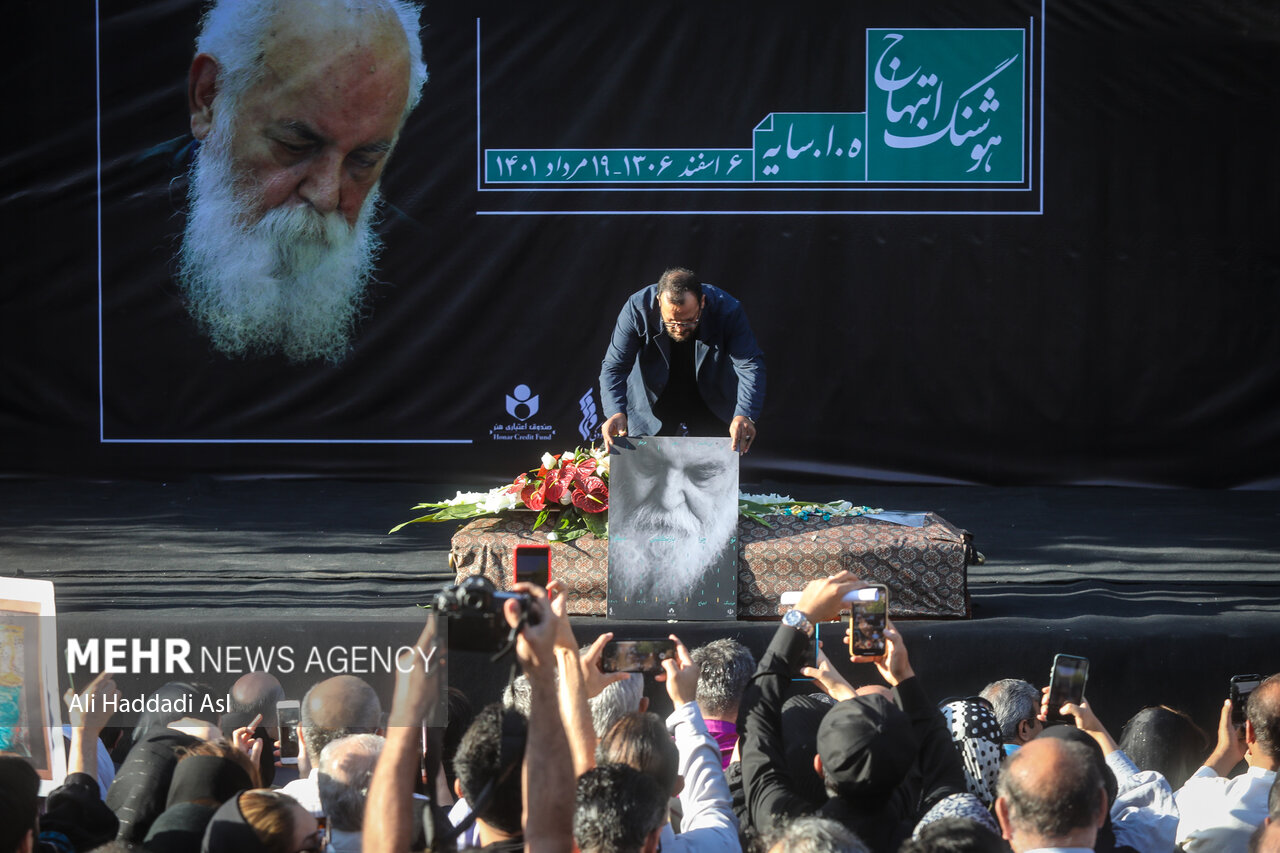
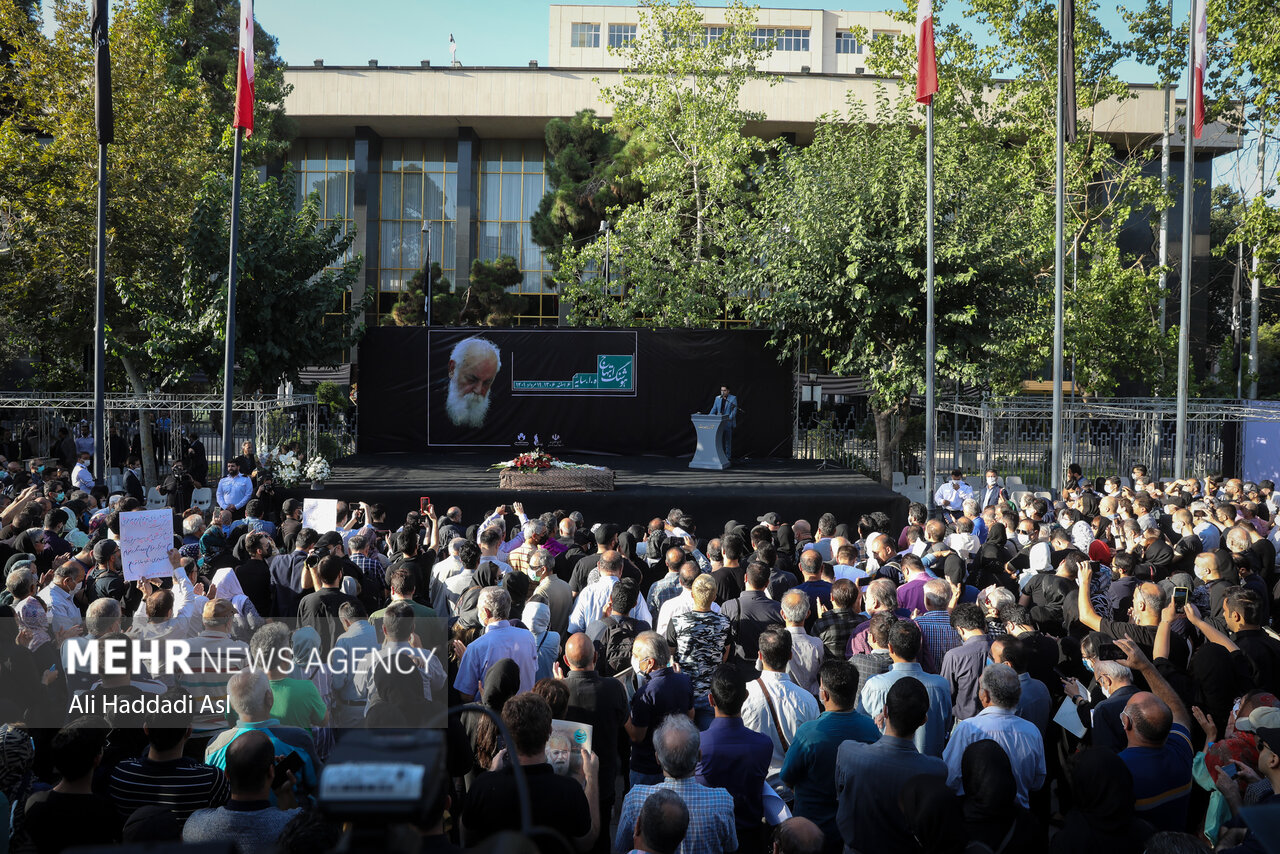
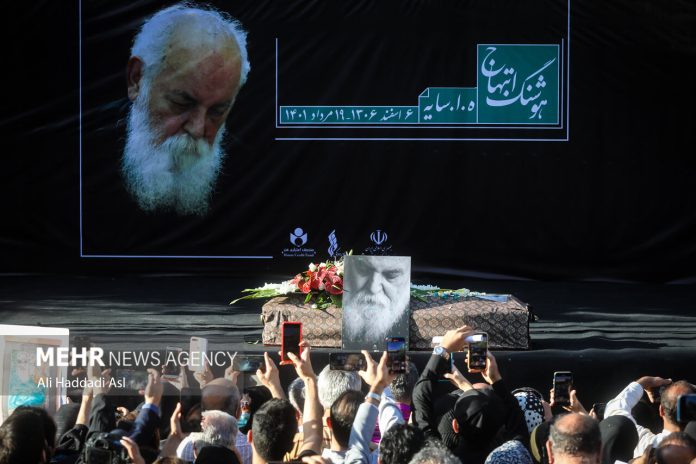
Funeral held in Tehran to commemorate Iranian poet Ebtehaj

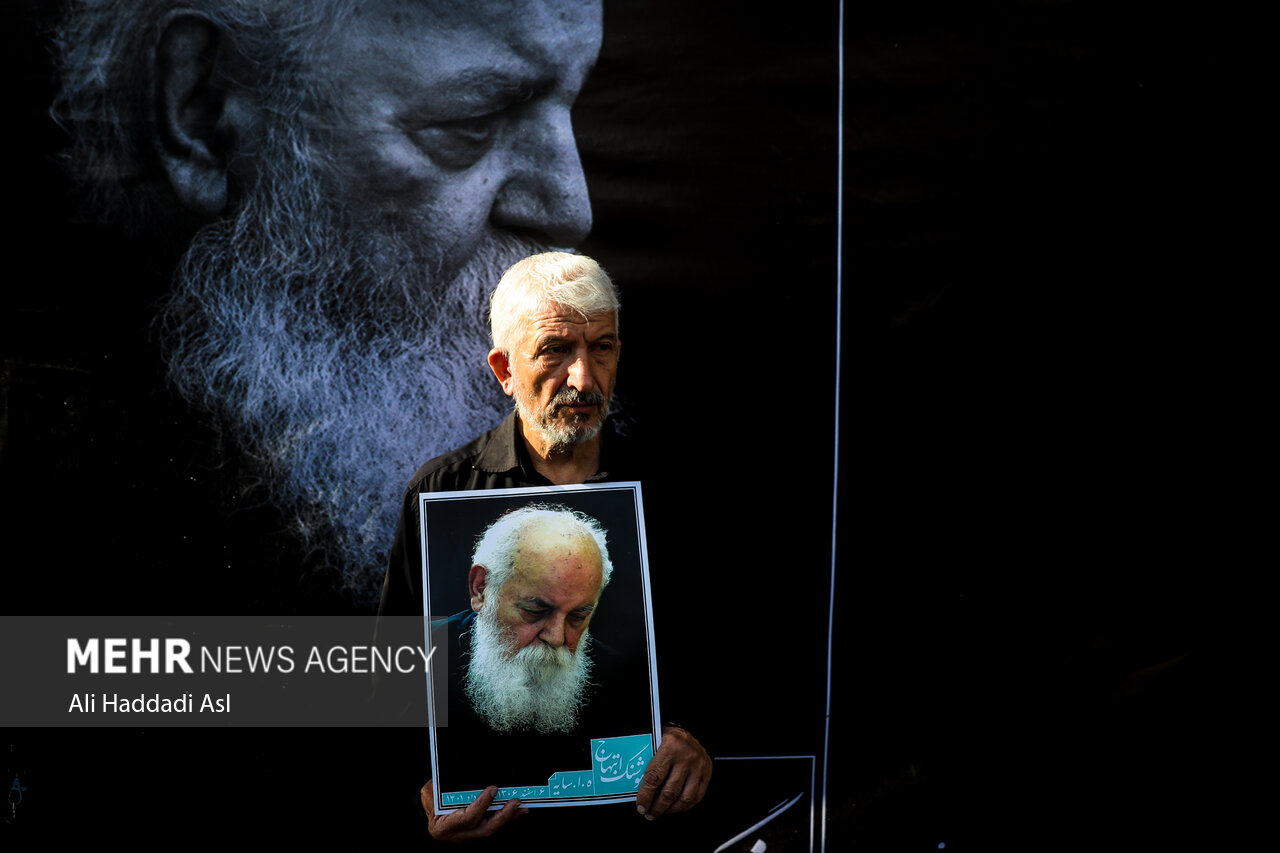
Funeral for Houshang Ebtehaj

Ebtehaj’s daughter, Yalda, thanked the participants and the Iranian ministry of culture for facilitating the transfer of Ebtehaj’s body back home from his residence in the German city of Cologne for burial.

Ebtahaj died of kidney failure on August 10 at the age of 94.

He will be laid to rest at Mohtasham Garden in his hometown in Rasht, the capital city of Gilan Province in northern Iran.


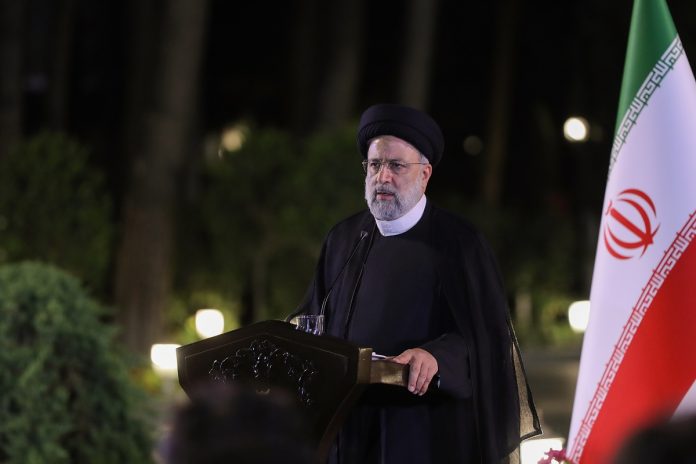
Raisi: Elite workforce Iran’s main asset on path to lasting development

President Ebrahim Raisi

In a meeting with medal winners at national and international scientific Olympiads on Thursday, President Raisi hailed the geniuses as frontrunners in realizing the ‘We Can’ motto and said their successes in scientific competitions were a manifestation of “hope-creation” and helped promote the spirit of self-confidence in the country.

“Raising the holy flag of the Islamic Republic and bringing pride for the country in any field are very pleasant and create dignity,” he said.

The president called on the medal winners not to “leave the scene despite all the turbulences” that they may face, adding that the country’s woes could be resolved in their hands.

“The enemy does not want us to have Olympiad medal winners, who would contribute to a rise in production and activities of knowledge-based companies and launch job-creating units. We are duty-bound to stand firm against the enemy with seriousness so that it will have to retreat in desperation,” he said.

Raisi also called on all relevant authorities to double efforts to attract the geniuses, offer them jobs, and set the stage for their growth at home.

Iran serious in call for IAEA to drop Israeli-fabricated claims: Amirabdollahian

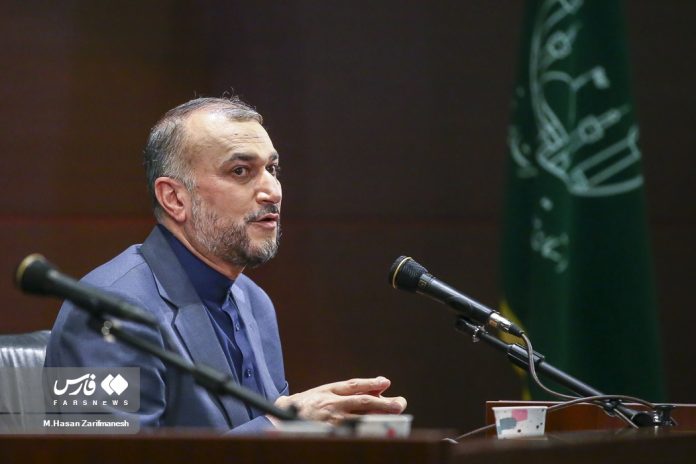
Hossein Amirabdollahian

“We will never accept that some baseless claims of the International Atomic Energy Agency (IAEA) remain [against Iran’s nuclear work], and that they keep reiterating the allegations in coordination with the Zionist regime any time they wish,” the chief diplomat told a meeting on Thursday with Iranian expatriates in Tanzania.

“We are very serious about the outstanding Safeguards issues,” he emphasized.

As Iran and the remaining parties to the 2015 nuclear deal are making progress in the diplomatic process aimed at bringing the US back into compliance with the agreement, the IAEA has been trying to throw a wrench in the talks by leveling allegations, initiated by Israel, against Iran’s nuclear program.

Iran has made it clear that no agreement will be implemented until the IAEA abandons the claims.

Elsewhere, Amirabdollahian said Iran would stand by its red lines as part of a deal with world powers, expressing hope that the American side would also show seriousness in upholding its end of the bargain.

Anyway, he said, the Iranian administration is determined to pursue a plan to realize lasting economic development in the country, with a view to neutralizing the sanctions against the Islamic Republic.

He said even if a deal on restoration of the nuclear deal is achieved, only the so-called secondary sanctions will be lifted, while the other restrictions would remain in place.

AEOI head: Iran seeking production of 10,000-megawatt nuclear power

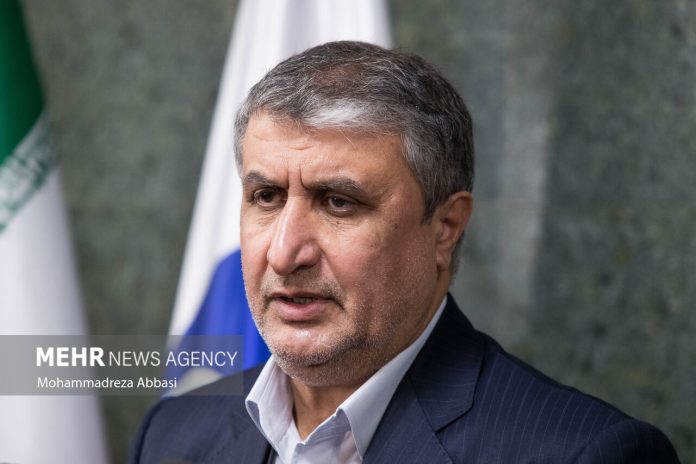
Director of the Atomic Energy Organization of Iran, Mohammad Eslami

Mohammad Eslami made the remarks on Friday in the southern Iranian city of Bushehr at a ceremony to launch a project for construction of a desalination plant in the Bushehr nuclear power plant, along the Persian Gulf.

He said the desalination plant with a capacity of 70,000 cubic meters will satisfy the needs of the people in Bushehr for potable water.

A day earlier, during the opening ceremony of a gamma radiation project in the northwestern Iranian city of Bonab, Eslami said an ongoing global fuel crisis has made the use of nuclear energy more relevant.

He said Iran should become a hub for designing and building nuclear power plants in the coming years, adding it has a 20-year plan related to the use of nuclear energy to produce electricity.

Oil minister: Iran to set new gas production record at South Pars this year

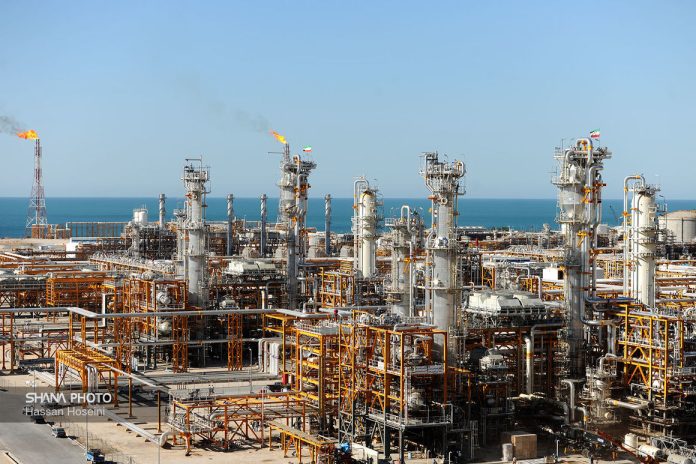
Iran South Pars

In an interview with Tasnim News Agency, Owji said Iran produced a record 705 cubic meters of natural gas per day last winter.

This year, he added, Iran will break that record with the launch of Phase 11 of the South Pars gas field, completion of Phase 14 refinery, the repair of Phase 16 pipeline, the renovation of the existing wells and drilling new ones, and the overhaul of the 13A platform.

He added, “This winter, we will have early production from Phase 11 of South Pars with a volume of approximately 11 million cubic meters on a daily basis.”

South Pars is estimated to hold eight percent of the world’s total gas reserves and is considered to be the world’s biggest gas field by reserves.

“Today, 80 percent of Iran’s gas production and 30 percent of its oil production take place at joint gas fields,” he added.

Owji said his ministry had set up a committee, supervised by National Iranian Oil Company, tasked with directing development plans for energy reservoirs at oil and gas fields shared with other countries.

He said the country had already drawn up development plans for all of the shared fields.

Iranian cmdr.: Enemy movements under watch within 3,000km range

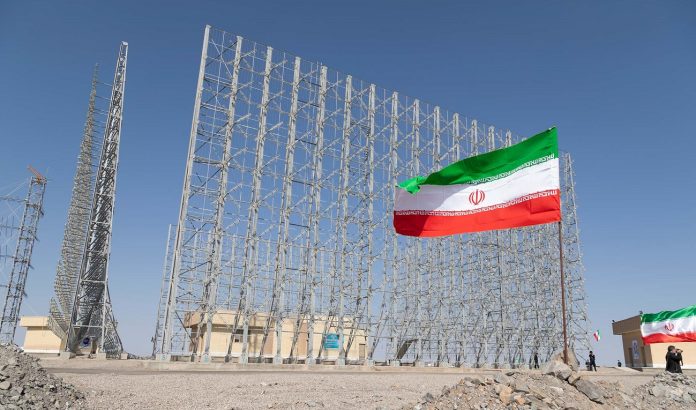
Iran Air Defense Radars

Brigadier General Alireza Sabahifard said on Thursday in the shrine city of Qom, “The Air Defense Force of the Islamic Republic of Iran has taken important measures in recent years to increase national security.”

He added, “Now we have reached a point where we proudly announce that all the equipment and systems used in the Air Defense Force of the Islamic Iranian Army are made by genius Iranian youths and we do not use any foreign equipment.”

He warned the enemies any violation of Iranian airspace will be met with a ‘tough and destructive response’, adding the enemies could never imagine our deterrence power would reach this level.

“If the enemies could hit us, they would make the Islamic Republic of Iran’s airspace unsafe, whereas they never can, and this is due to the deterrence power of the armed forces and the existing military equipment.”

The top commander noted Iranian drones can be armed with the required high speed rate to hit the targets, adding “Today, the Air Defense Force is equipped with detection and identification systems such as radars with a range of 3,000 kilometers, which is rare in the world.”

Iran has displayed its modern military equipment in several drills and says it will showcase many unveiled ones in case of a threat.

Iran slams UK envoy’s contentious remarks: Study history!

Iranian Foreign Minister Spokesman Nasser Kanaani

In comments at a recent meeting with members of the Tehran Chamber of Commerce, Shercliff raised eyebrows by saying that he respected Iran’s negative perception of the British monarchy but the Britons had a similar view of the Iranians, too.

The UK diplomat, however, made no mention of his government’s long list of brutal policies vis-à-vis the Iranian nation in modern history.

He was met with criticism at the meeting, with the participants attributing the troubled trade ties between the two countries to the UK’s pursuit of a destructive Iran policy and prioritization of US sanctions against Iran.

The UK diplomat, however, blamed the Iranian side for the decrease in trade exchanges.

Reacting to the development, Foreign Ministry Spokesman Nasser Kanaani advised Shercliff to “study history” to get to know about what Britain had done to Iran throughout history.

“I advise the UK ambassador to study history in case he is uninformed about his government’s long record of oppression against the Iranian nation, stop making baseless and unfounded claims, do his utmost instead to make up for the British government’s wrong polices and unacceptable measures against the Iranian nation, and focus on efforts to advance bilateral ties based on the principles of mutual respect and interests,” he said.

Britain owes its notoriety in Iran to its role in two coup d’états in 1921 and 1953.
The colonial monarchy is also to blame for a deadly famine in Iran during World War II, when it hoarded food supplies to feed its soldiers.

The UK also provided support to the ex-Iraqi regime’s eight-year war on Iran in the 1980s.
Most recently, London has been serving as a promoter of draconian US sanctions targeting ordinary Iranians.

Taliban say over 180 killed in Afghanistan floods

Afghanistan floods

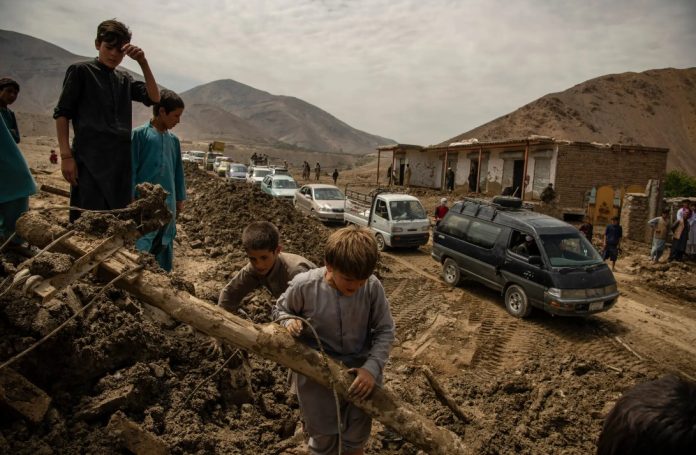
Taliban spokesman Zabihullah Mujahid said at a news conference on Thursday that 182 people had been killed and 250 injured. More than 3,100 houses were destroyed and thousands of livestock were killed, exacerbating the country’s economic and humanitarian crisis.

“The Islamic Emirate of Afghanistan can’t manage the floods alone, we ask the world, international organisations and Islamic countries to help us,” Mujahid added.

Afghanistan has been reeling from natural disasters this year, including drought and an earthquake that killed more than 1,000 people in June. The nation has been largely cut off from the international financial system since the Taliban took more than a year ago.

Global humanitarian agencies have provided assistance for months, but have warned they need more access and funding to avoid a humanitarian disaster with thousands left homeless and no access to shelter or clean drinking water.

In Khoshi district in central Logar province, aid workers described widespread destruction from the powerful floods in recent days, with fields of crops reduced to mud and bodies of dead animals lying in piles.

About 20,000 people in the district were affected by flooding and 20 people, including at least six children, were killed with two more missing, the UN children’s agency said.

“People lost everything … they lost everything overnight,” stated Anne Kindrachuk, the central region chief for UNICEF Afghanistan, after a visit to the area.

“There are three tent communities or camps but [people] are unsure what comes next, how they are going to eat this winter, their livelihoods were wiped out,” she added.

Summer often brings heavy rainfall in northern and eastern Afghanistan, leading to floods that leave hundreds dead every year.

Last year, casualties topped 100 while dozens were reported missing in the remote Kamdesh district, about 200 kilometres [120 miles] northeast of the capital, Kabul.

In 2020, at least 100 people were killed in northern and eastern Afghanistan as the deluge ravaged large parts of Charikar city, the capital of Parwan province.

In neighbouring Pakistan, dozens of districts were submerged by the rains, killing at least 437 people since the middle of June and forcing the evacuation of thousands.

Tehran-Karbala train to start next week

Tehran-Karbala train

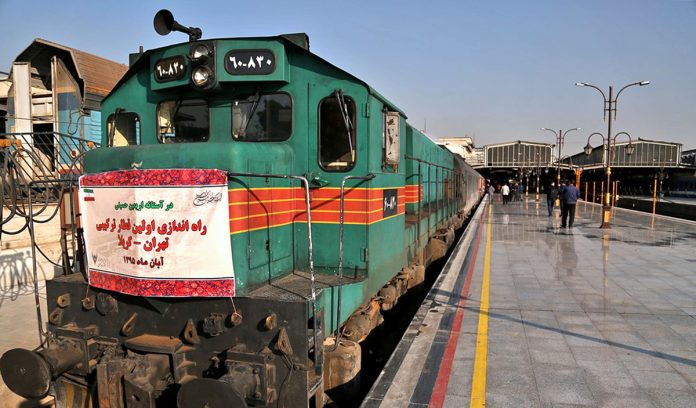
Seyyed Miad Salehi, deputy minister of roads and urban development and head of the Islamic Republic of Iran Railways, said on Thursday the launch will facilitate the pilgrims’ travel for Arbaeen, which marks the 40th day after the martyrdom of Imam Hossein, the third Shia Imam.

Salehi said the train will take the travelers from Tehran to the border city of Shalamcheh and after a 30-kilomter trip by bus to the Iraqi city of Basra, they can continue their journey to Karbala, where Imam Hussein’s mausoleum lies, via train.

He added Iranian and Iraqi officials held week-long talks on the preparations for the religious ceremony and the two sides decided to launch the route with one train a week for the first three weeks as a test run for the pilgrims.

Every year, millions of Muslims from Iran, Iraq and many other countries set out on an 80-kilometer-long walk from the holy city of Najaf, where Imam Hussein’s father Imam Ali (AS)’s shrine is located, to Imam Hussein’s shrine in Karbala.

Covid-19 pandemic had put a damper on the mourning ceremony for the past two years but the event is expected to reach its peak this year after Coronavirus-related restrictions have been eased.

Russian negotiator: Deal may be struck on JCPOA revival ‘in near future’

Nuclear Talks Vienna

On Twitter, Mikhail Ulyanov on Thursday responded to a post by a user who had complained of the prolongation of the negotiations aimed at getting the Joint Comprehensive Plan of Action (JCPOA) back on track.

“Fully understand and share your impatience but we need to respect the right of the two major actors at the Vienna Talks to pursue their interests up to the last minute until we successfully agree on the whole text,” the senior Russian diplomat replied.

“Instinct tells me that it may happen in a near future,” he added.

On Wednesday, US officials said they had sent back a response to Iranian comments on an EU-led draft agreement that would salvage the JCPOA. Tehran is now reviewing Washington’s response.

The European Union’s foreign policy chief Josep Borrell has described both Iranian and US responses as “reasonable.”

While the content of the traded documents is not disclosed, media outlets worldwide keep speculating.

Ulyanov added, “Any new drafting suggestion objectively protracts the #ViennaTalks on the #JCPOA. It may be regrettable but participants have the right to ask for changes to the text in accordance with normal practice of multilateral diplomacy. We must be patient.”