Thursday, December 25, 2025
Home Blog Page 1436

EU hosts Armenia and Azerbaijan leaders

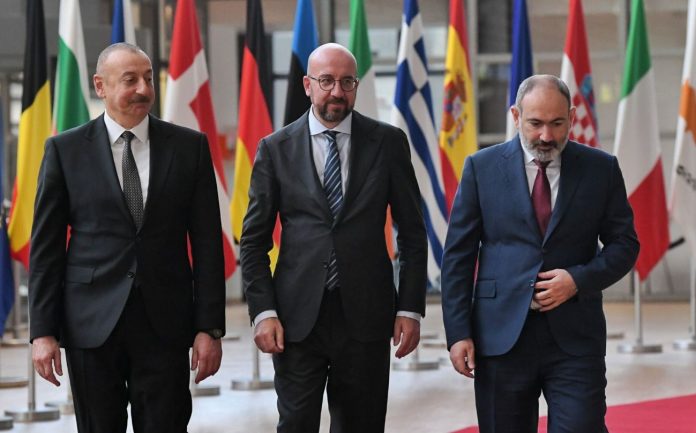
EU Armenia and Azerbaijan leaders

The EU earlier announced in a statement that it aims to “promote stability in the South Caucasus and normalization between the two countries.”

The talks come a day after fresh clashes erupted on the border between the two Caucasus countries.

On Friday, the Armenian government announced that one Armenian soldier had been killed and two others wounded by Azerbaijani forces.

On Thursday, an Azerbaijani soldier was killed and four Armenian soldiers wounded in other clashes.

Pashinyan accused Azerbaijan of seeking to “undermine the talks” in Brussels and said there was “very little” chance of signing a peace accord with Aliyev during the meeting.

Foreign Ministry pursues enhancement of ties with different countries: Official

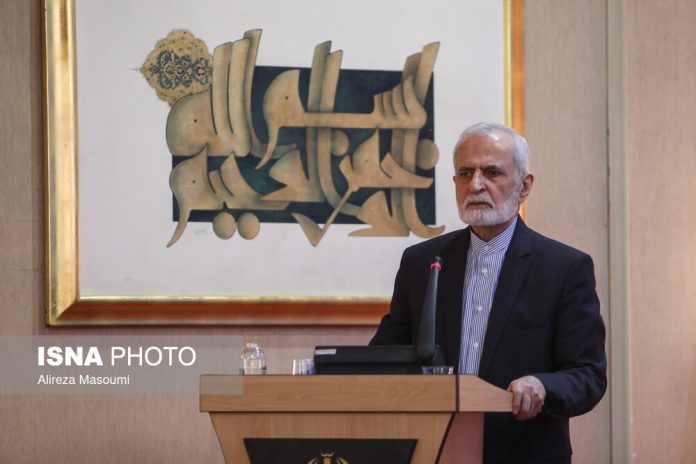
Kamal Kharazi

Kamal Kharrazi made the remark when asked by Tasnim news agency about speculations that Iran and Egypt are in talks to resume their relations.

“The Foreign Ministry is always prepared to hold talks with different countries to help enhance regional and extra-regional relations,” Kharrazi said.

“Naturally, if Iran’s conditions are accepted in these talks, and the more Iran’s relations are boosted with neighboring and regional countries, it is to everyone’s benefit.”

He said he had not been briefed about the details of the efforts to reestablish ties with Egypt but said as a general rule, the Foreign Ministry would pursue the boosting of ties with other countries.

Iran reestablished relations with Saudi Arabia in March after seven years of a hiatus. That rapprochement set off speculations that the other Arab countries that had severed relations with Iran would follow suit. Bahrain is reportedly in talks with Iran regarding its own ties with Tehran.

Kharrazi’s comment comes as an Iranian lawmaker, sitting on the Parliament’s National Security and Foreign Policy Committee, has said the embassies of Iran and Egypt will resume activities in both countries in the near future.

Fada-Hossein Maleki said talks are being mediated by Iraq between Iran and Egypt, and their bilateral ties will soon return back on track.

Five people contract Crimean fever in Iran

Mohammadreza Shirzadi said none of the patients with CCHF had died.

This is while 10 fatalities had been reported as a result of CCHF last year, according to Shirzadi.

He explained that people working at slaughterhouses should use protective gear and disinfect their tools after butchery.

Animal blood, he added, has to be disposed of hygienically.

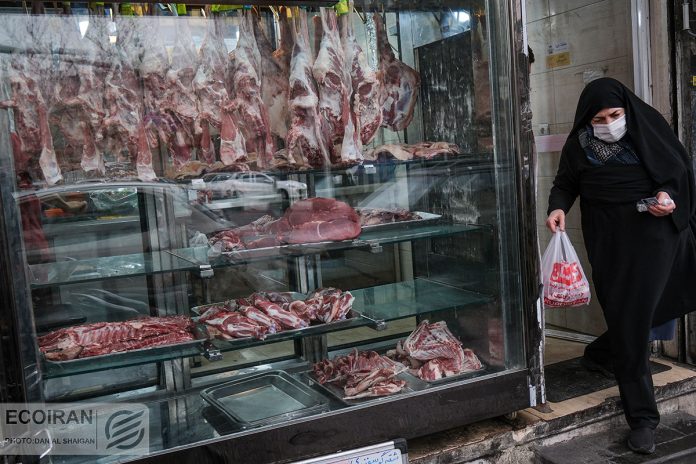
He said meat from slaughtered animals should be kept at a temperature of 4 degrees Celsius for at least 24 hours, a process that will kill any potential viruses in the meat.

Shirzadi said that two cases of leptospirosis, more commonly known as field fever, had been registered in Iran. No deaths were reported, he added.

The Iranian health official said field fever was a bacterial disease found mostly in Iran’s northern provinces and was often contracted by people who swim or wash their hands in stagnant waters contaminated by the feces of rodents.

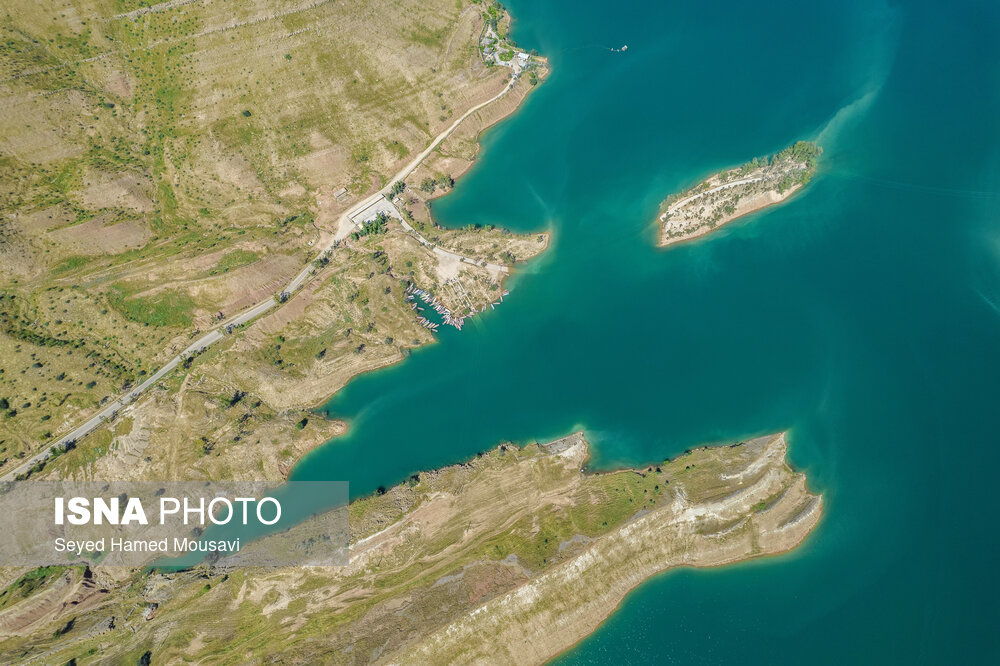
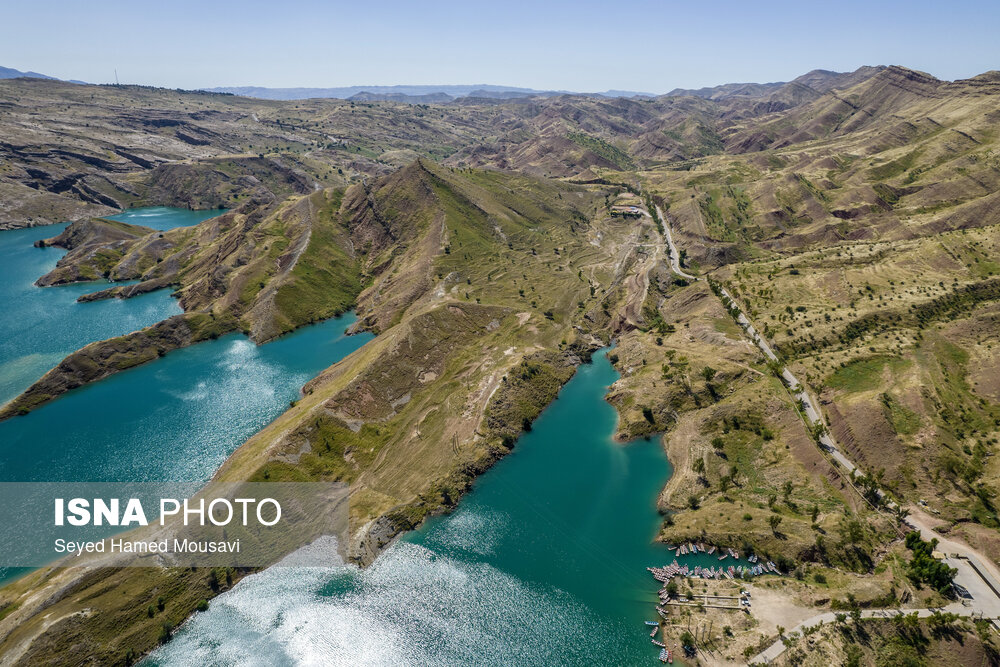
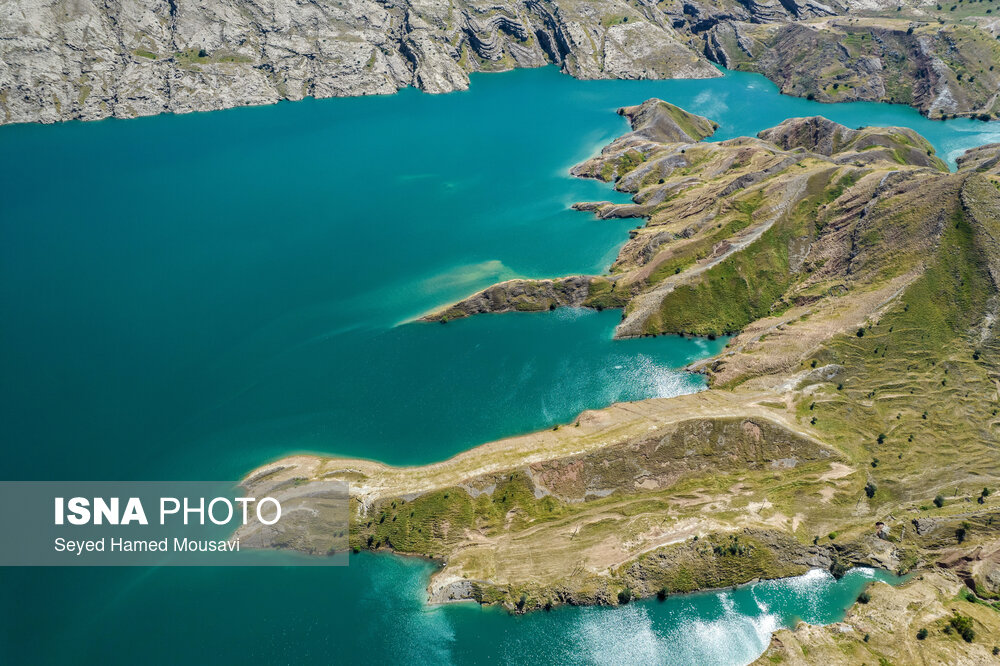
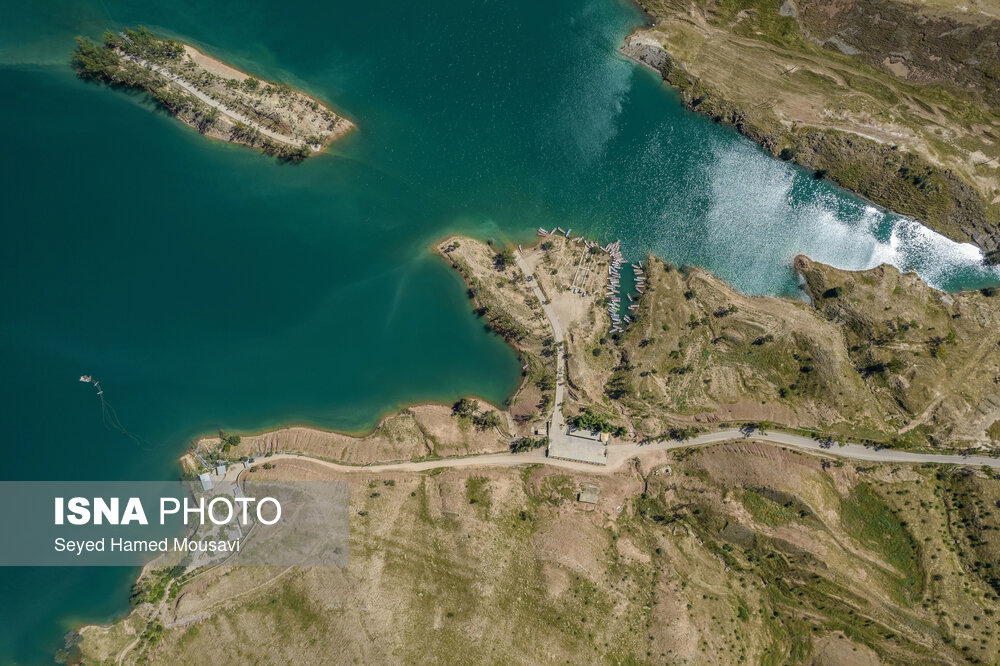
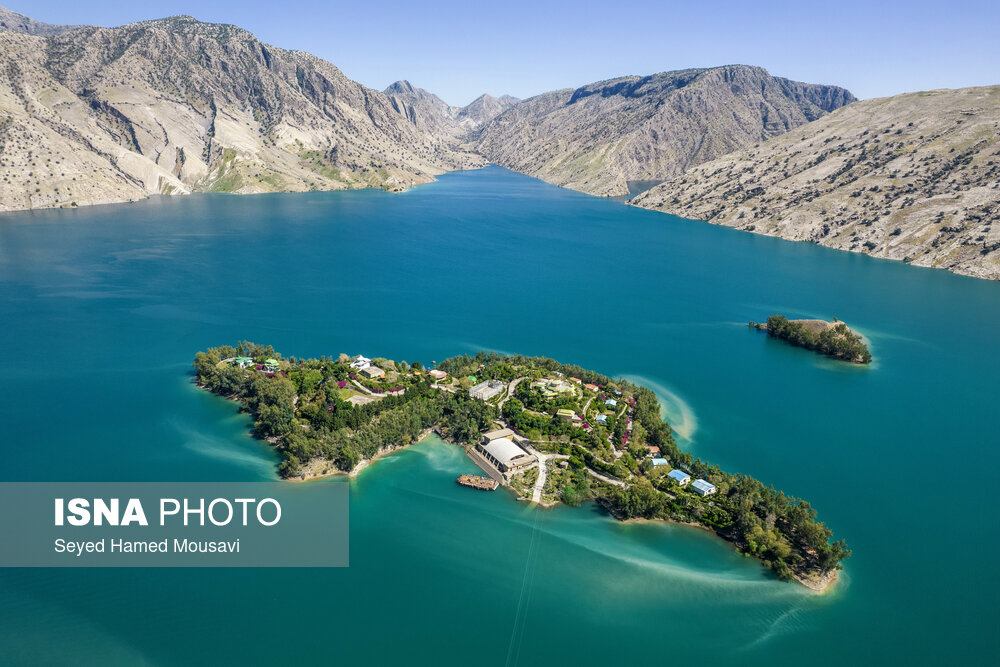
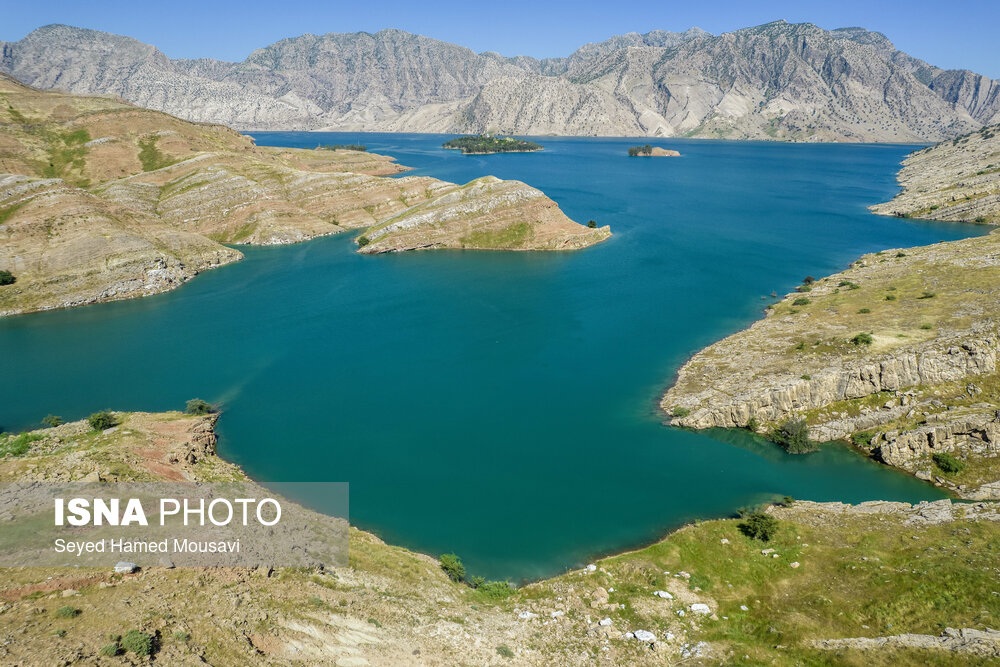
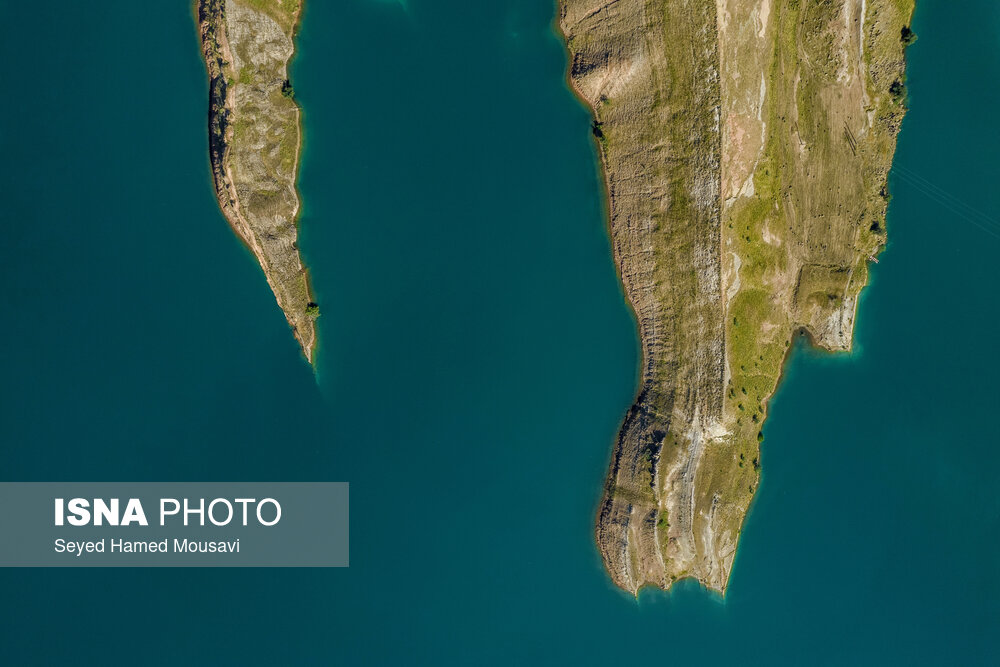
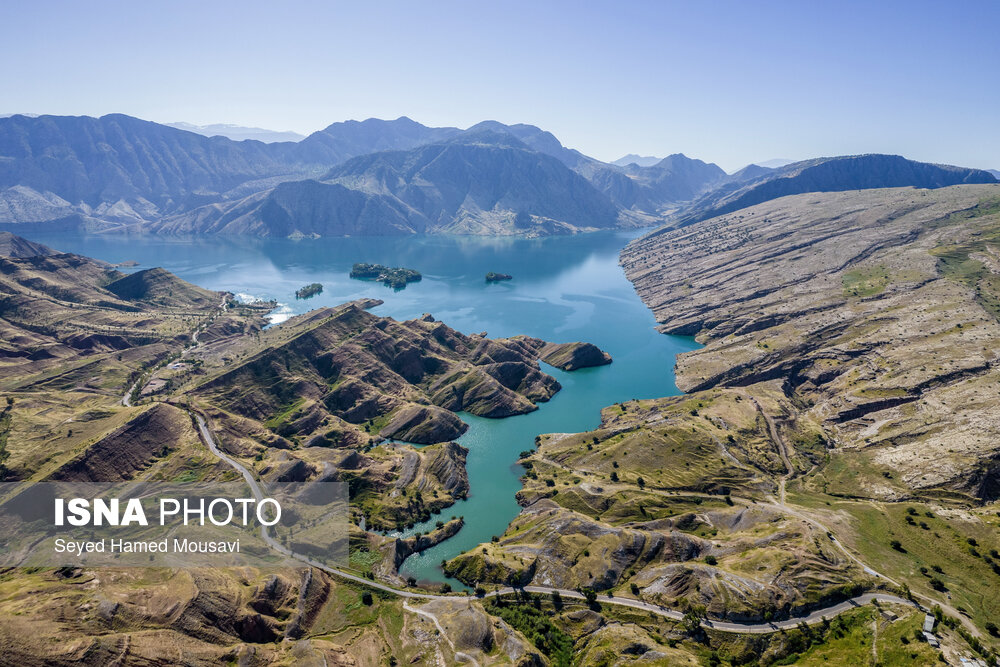
Iran tourism: Behind the dam, an island

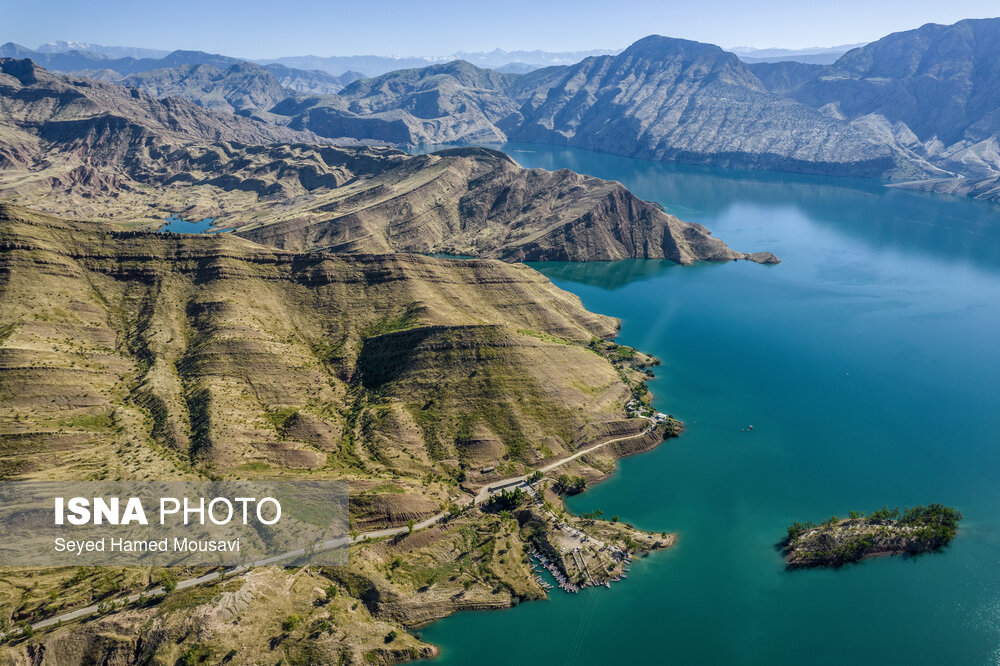
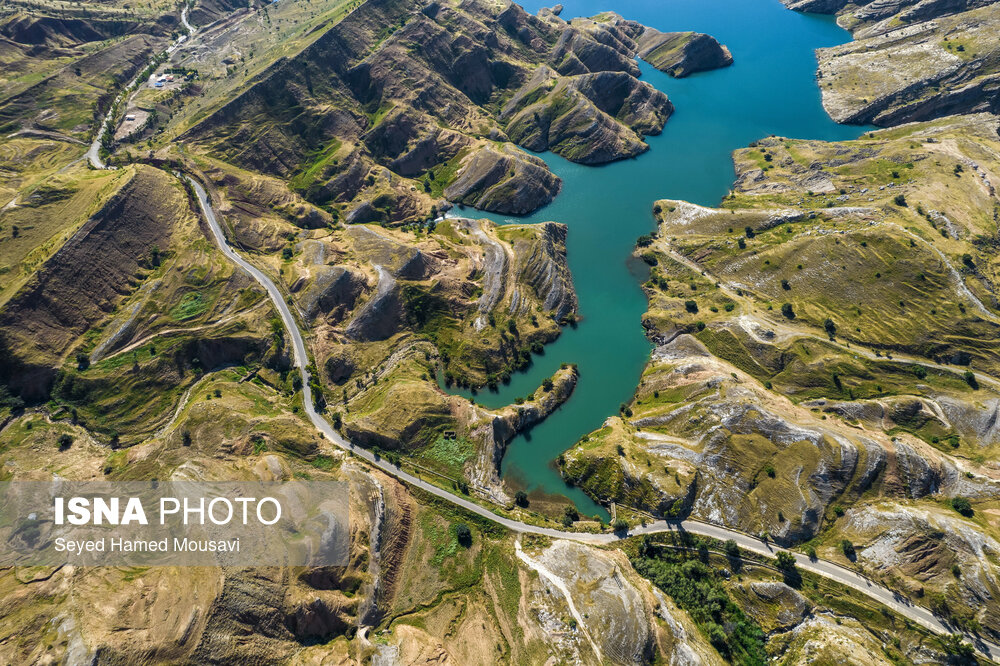
Shahid Abbaspour Dam Karoun 1 Dam

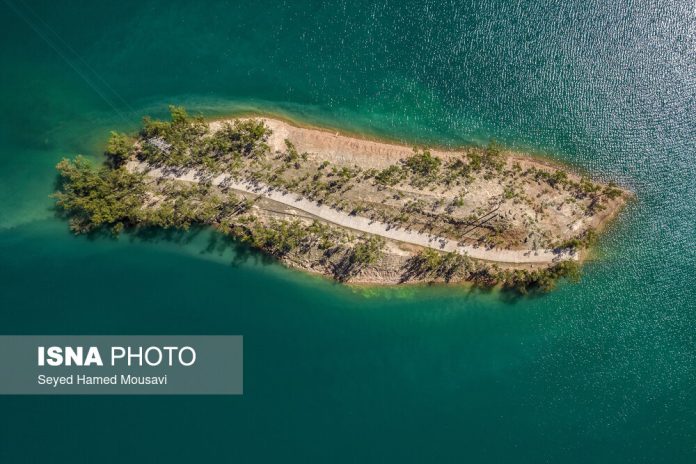
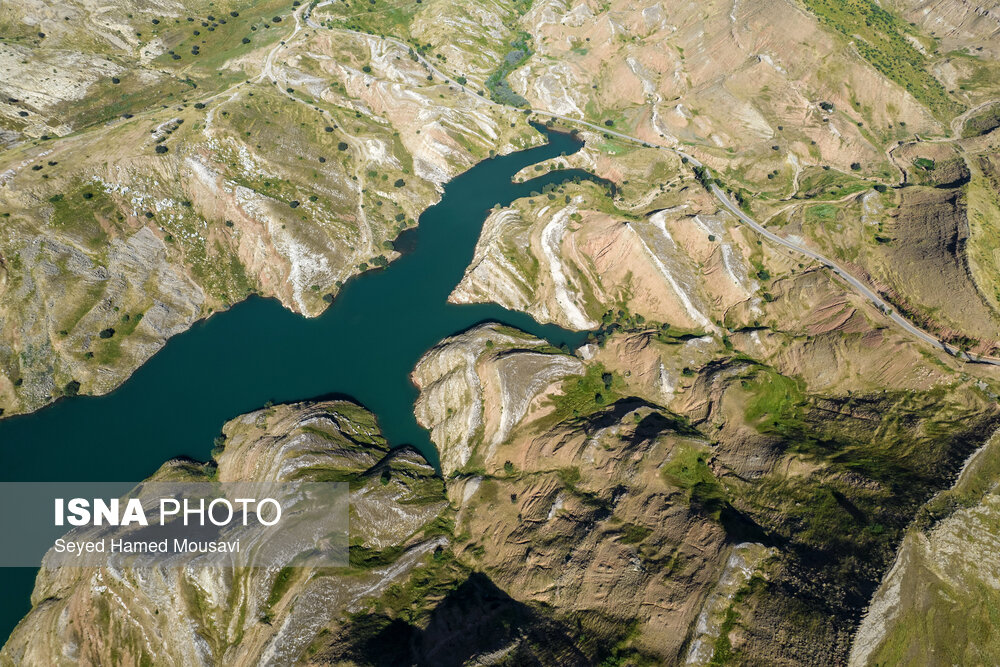
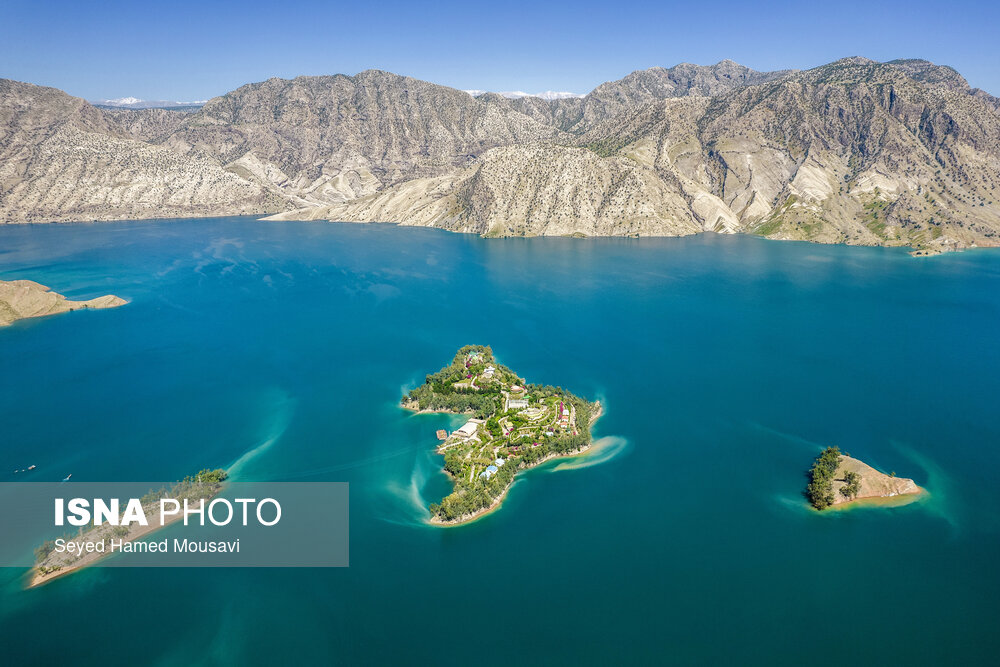
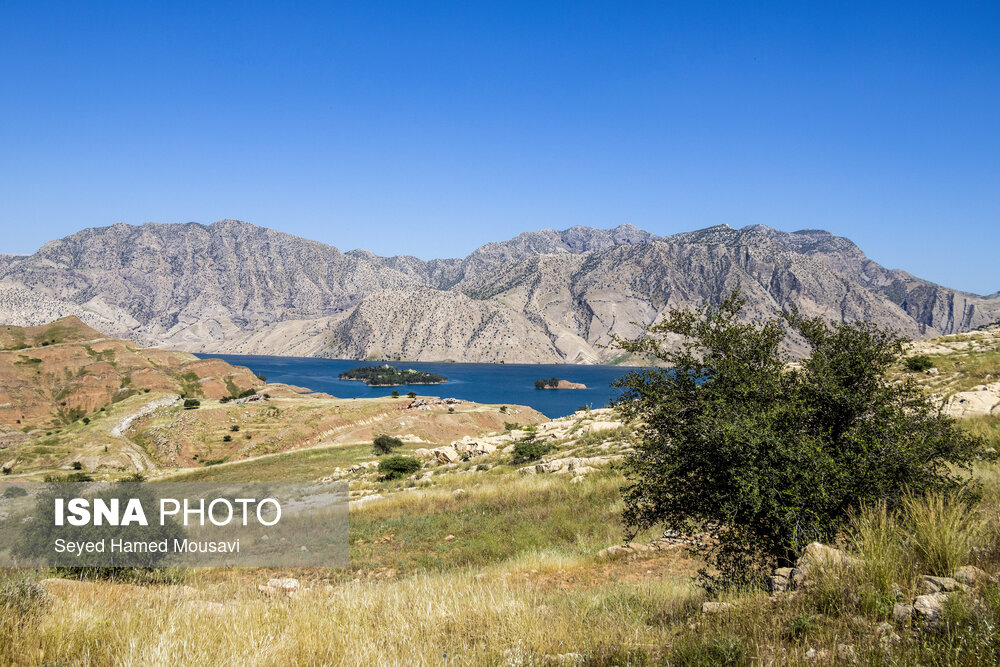
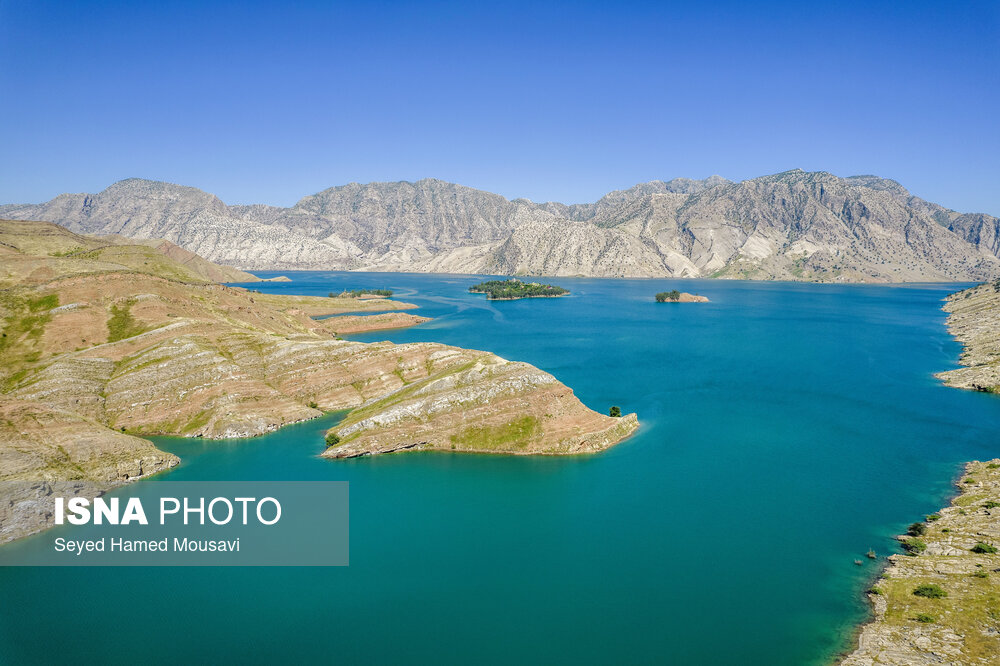
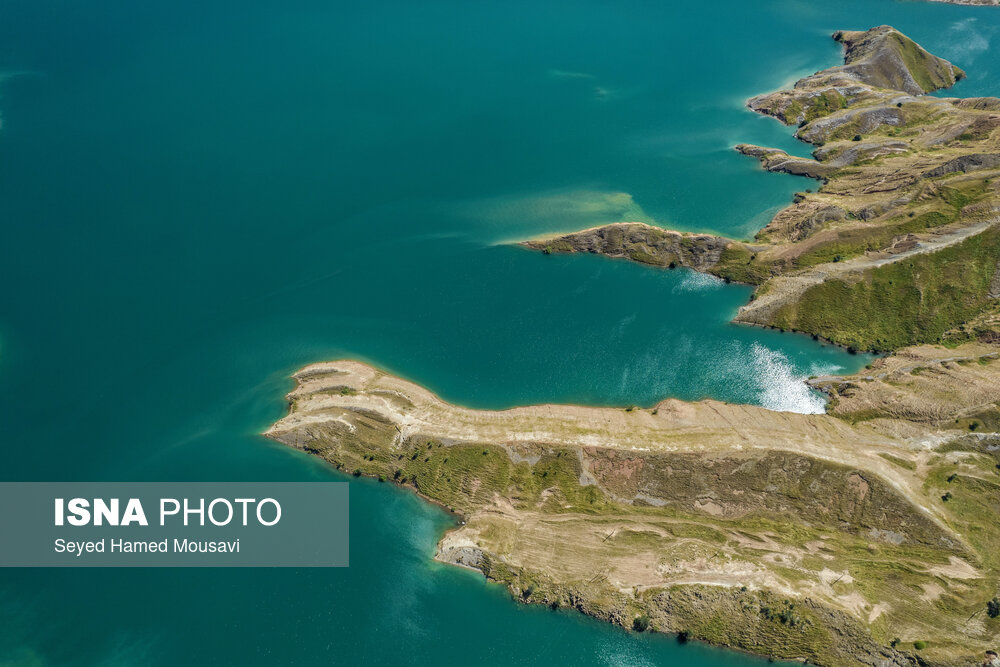
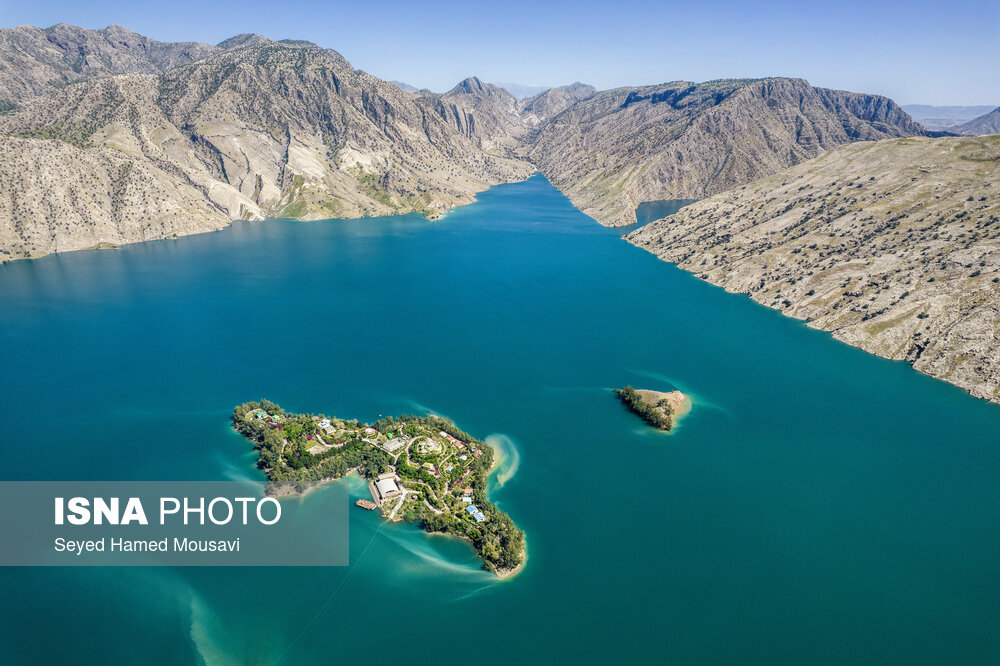
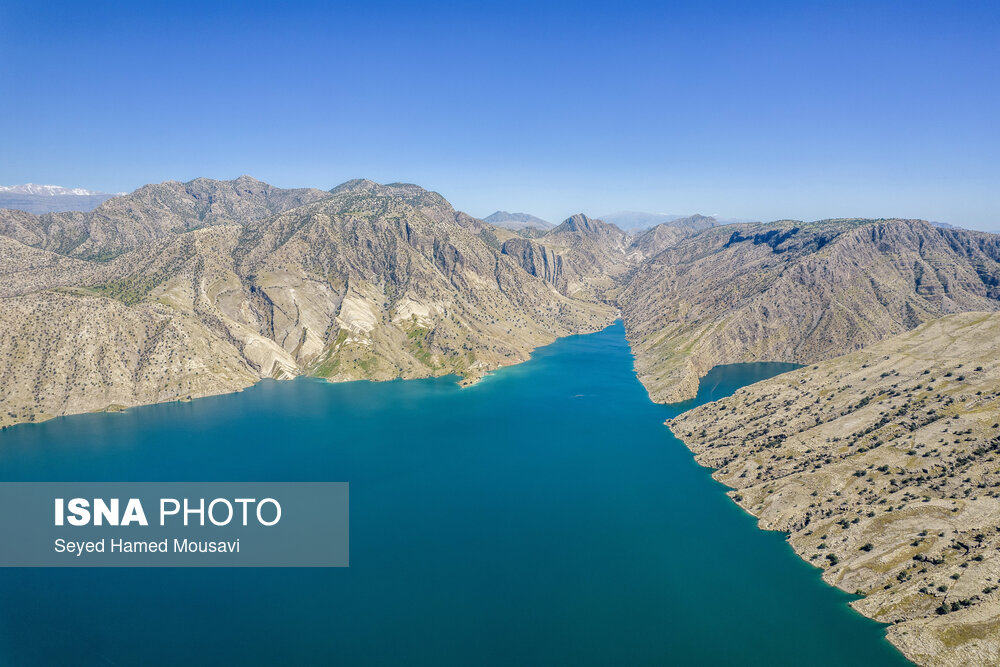
The lake behind the dam is so vast that it has created fantastic views and become a popular tourist spot.

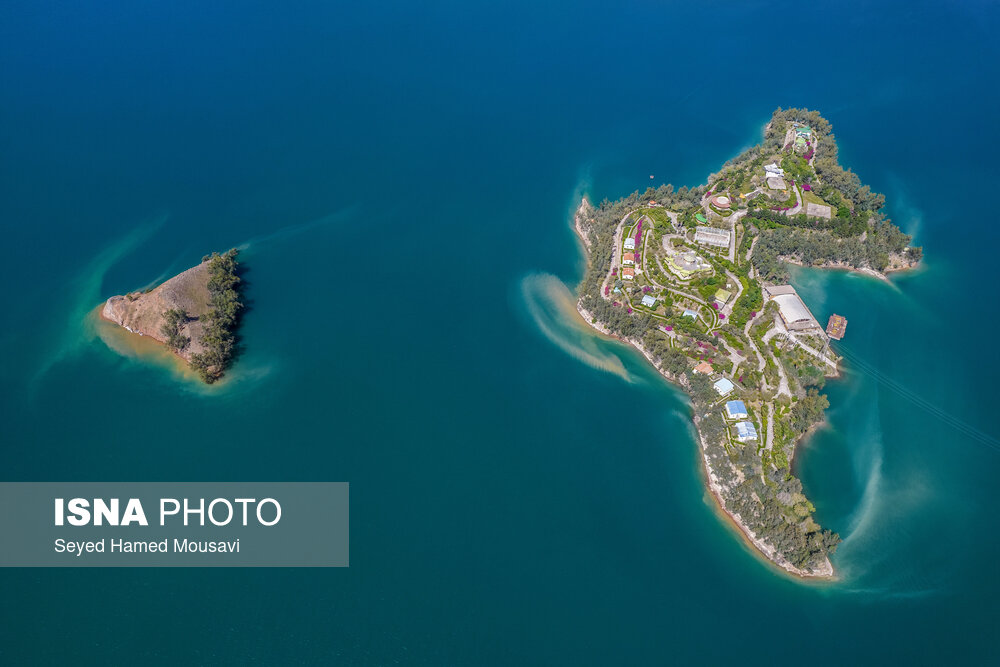
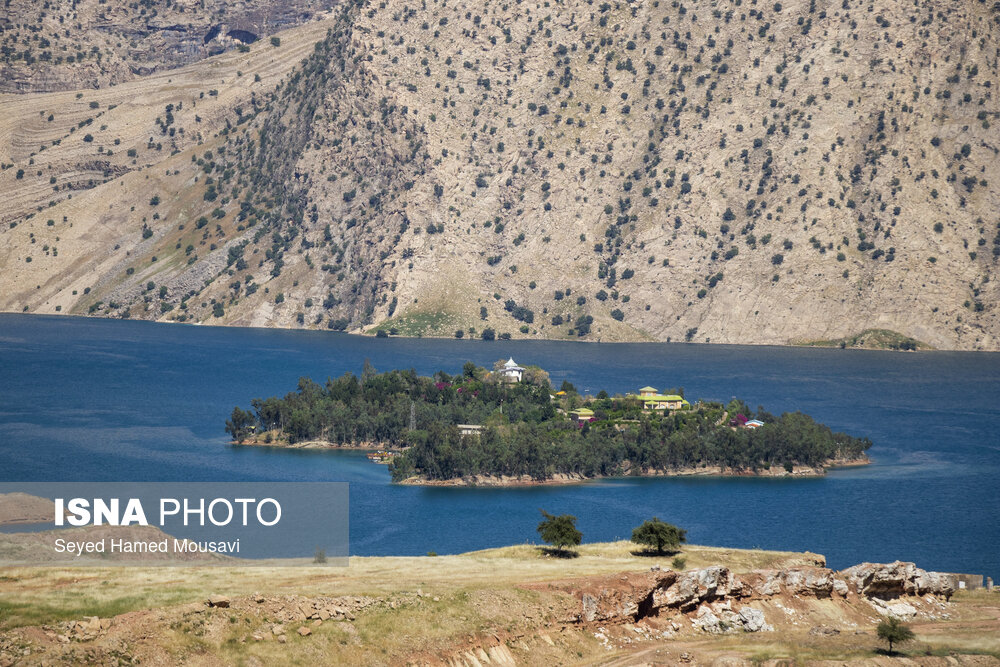
The Koushk tourist spot, a county of Andika Town, is a small island located in the lake of Shahid Abbaspour Dam.

The island’s green scenery, and the wonderful view of the lake attract large numbers of tourists every year.

To accommodate the tourists, resting places and motels have been built in the area.

See related pictures:

Iran FM hails ‘good progress’ in cooperation with IAEA

Hossein Amirabdollahian

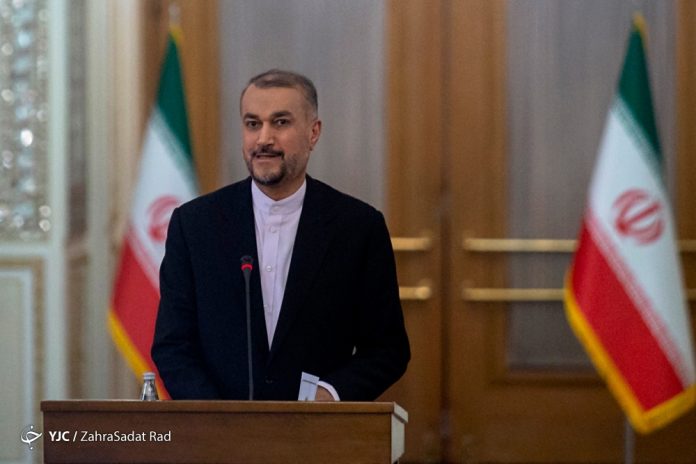
Speaking to IRNA, Amirabdollahian said Iran had clarified to the International Atomic Energy Agency (IAEA) that the country was serious for cooperation with the watchdog with the aim of resolving their differences, which have been an obstacle to the revival of the 2015 Iran nuclear deal.

“We expect that the agency will abandon its political approach” in dealing with Iran’s nuclear case.

“The more the agency moves away from the political approach and towards technical cooperation, the more the path opens up for [the implementation] of our agreements.”

He also said Iran and the US remain in contact “through intermediaries” within the framework of the diplomatic process aimed at removing the sanctions against Iran and revitalizing the 2015 nuclear deal.

In March, IAEA Director General Rafael Mariano Grossi visited Iran and met with President Ebrahim Raisi and other senior officials. Iran and the agency issued a joint statement and said they agreed to take steps aimed at facilitating enhanced cooperation and expediting the resolution of outstanding safeguards issues.

Iran and the IAEA are currently in a dispute triggered by the agency’s accusations against Tehran’s nuclear activities. The IAEA insists to probe into what the agency claims are “uranium traces” found at “undeclared nuclear sites” in Iran.

The issue has emerged as a key outstanding issue in talks aimed at salvaging the nuclear deal. Iran has dismissed the probe as “politically motivated.”

4 Russian military aircraft downed near Ukraine border: Report

Russia Fighter Jet

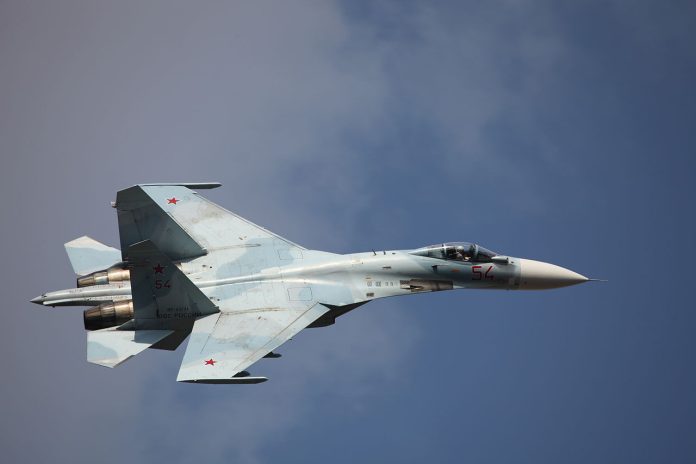
Kommersant, a respected, independent business-focused daily, said on its website on Saturday that a Russian Sukhoi Su-34 fighter-bomber, Su-35 fighter, and two Mi-8 helicopters that had made up a military raiding party were “shot down almost simultaneously” in an ambush in the Bryansk region, adjoining northeast Ukraine.

“According to preliminary data … the fighters were supposed to deliver a missile and bomb attack on targets in the Chernihiv region of Ukraine, and the helicopters were there to back them up — among other things to pick up the ‘Su’ crews if they were shot down,” the media outlet reported.

Kommersant provided no evidence for its report that the four aircraft had been downed by Ukrainian forces, but the same assertion was also made by several heavily followed prowar military bloggers.

Russia’s Defence Ministry did not immediately respond to a request for comment. There was no official response from Ukraine, which usually declines to comment on reports of attacks within Russian territory, though pro-Ukrainian social media was awash with speculation that the downing of the four aircraft was not accidental.

Mykhailo Podolyak, a senior adviser to Ukrainian President Volodymyr Zelenskyy, wrote in a tweet that the Russian aircraft had intended to launch a “missile-bomb attack” on Ukraine’s Chernihiv region but were “destroyed by ‘unidentified persons’”, which he described as “instant karma”.

“’Killers on wings’ were destroyed BEFORE the next crime would be committed,” he added.

The Russian state news agency TASS reported on Saturday that a Russian Su-34 warplane had crashed in that region but did not specify a cause.

TASS also reported an emergency services official saying an engine fire in a Russian helicopter had caused it to crash near the city of Klintsy in Bryansk, about 40 km (25 miles) from the border with Ukraine. The report made no mention of the Su-35 or of a second Russian helicopter crashing or being shot down.

A video posted on the Russian prowar Telegram channel Voyenniy Osvedomitel, which has about half a million followers, showed a helicopter high in the sky suffering an explosion, being thrown off course, and then plunging towards the ground in flames and later a huge plume of thick black smoke emerging from the apparent crash site.

Comments accompanying the video said it showed a Mi-8 being shot down by a missile. Other images posted by the channel and other military blogging sites showed images of falling aircraft and wreckage in fields.

Voyenniy Osvedomitel said it appeared that “most likely, the enemy staged an ambush with air defences previously transferred to a border zone close enough to hit our group”.

It added the downed helicopters appeared to be Mi-8MTPR-1 electronic warfare craft able to jam enemy radio and target signals.

The Kommersant news site claimed all four crews had been killed.

Ukraine’s The Kyiv Independent reported that Russian authorities are now searching for “saboteurs” in connection with the destruction of the military aircraft.

The Institute for the Study of War said that geolocated footage from the crash sites placed the incident some 50km (31 miles) from the Ukrainian border.

“Russian [military bloggers] speculated that all four aircraft crashed as the result of a coordinated Ukrainian strike using air defence systems pulled to the border area of Chernihiv Oblast,” the Washington, DC-based think tank reported.

“Several Russian milbloggers seized on the incident to criticize aspects of how the Russian aerospace forces conduct air operations and to accuse the leadership responsible for these aircraft of gross negligence and incompetence,” the ISW reported.

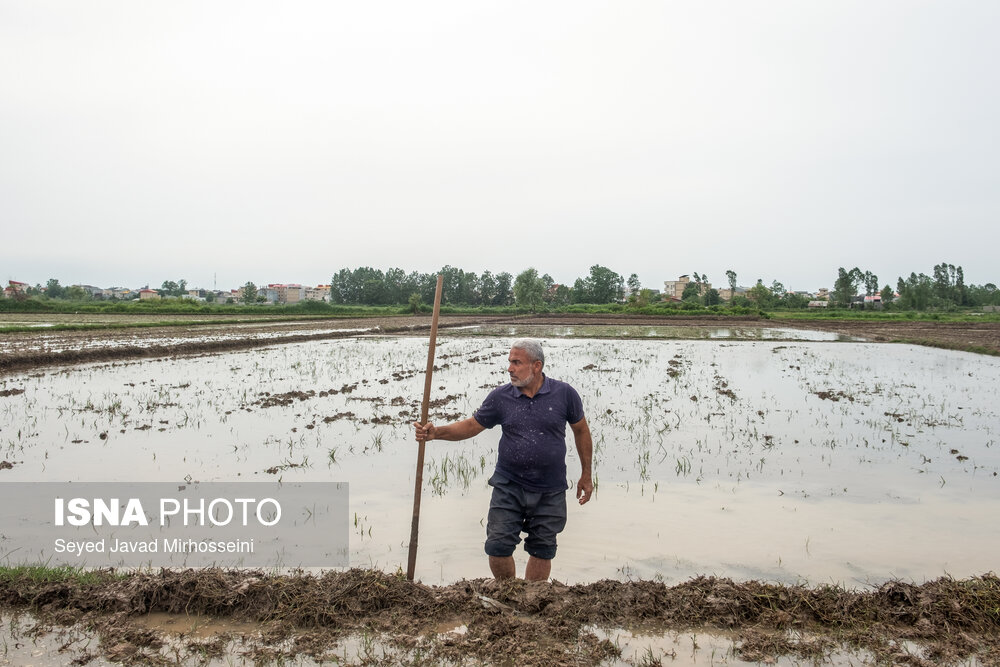
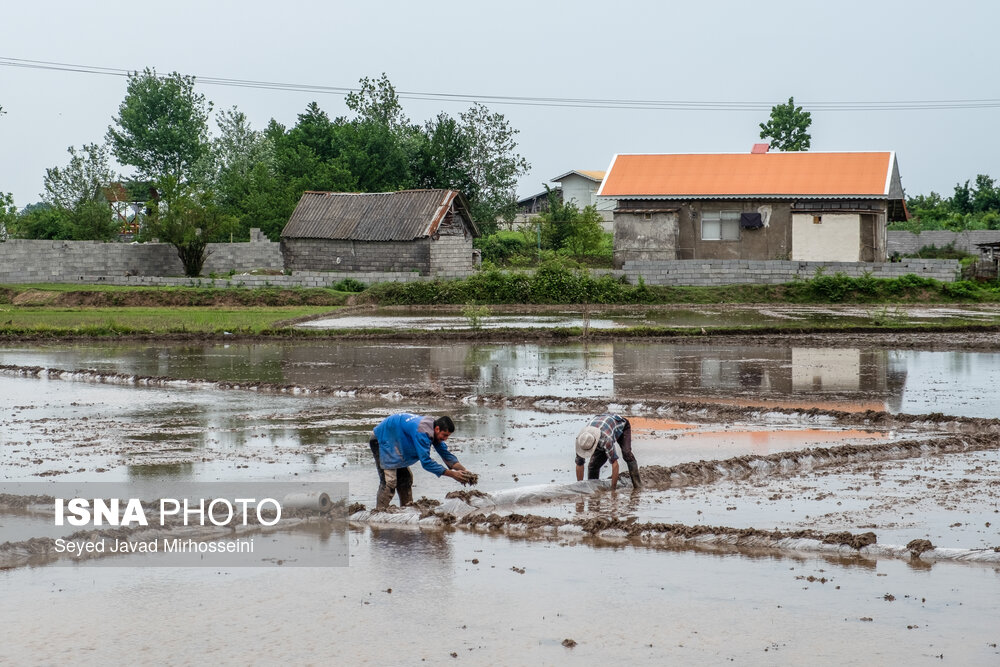
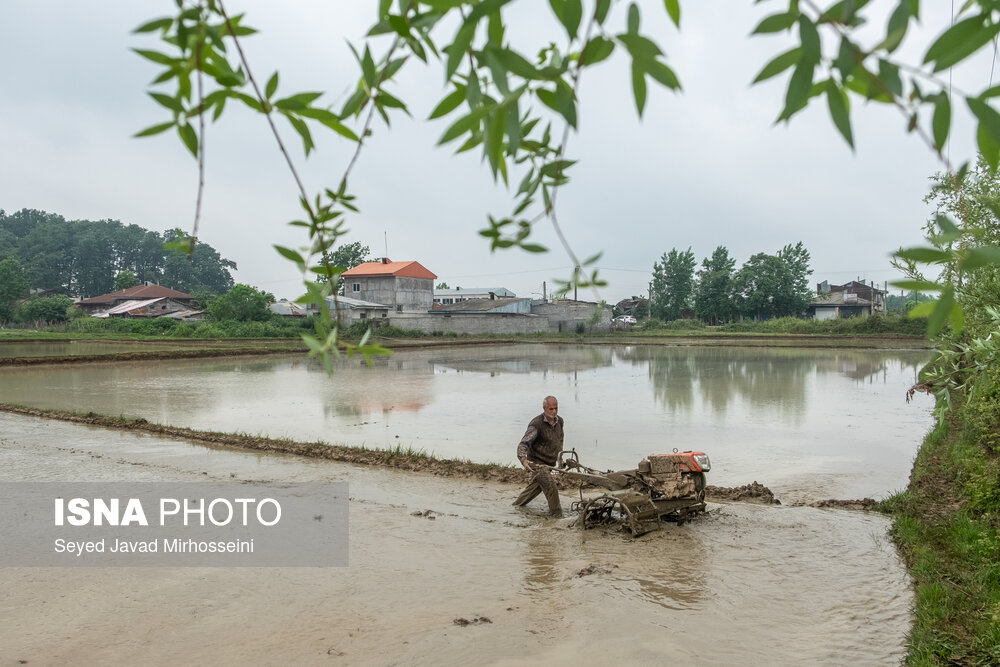
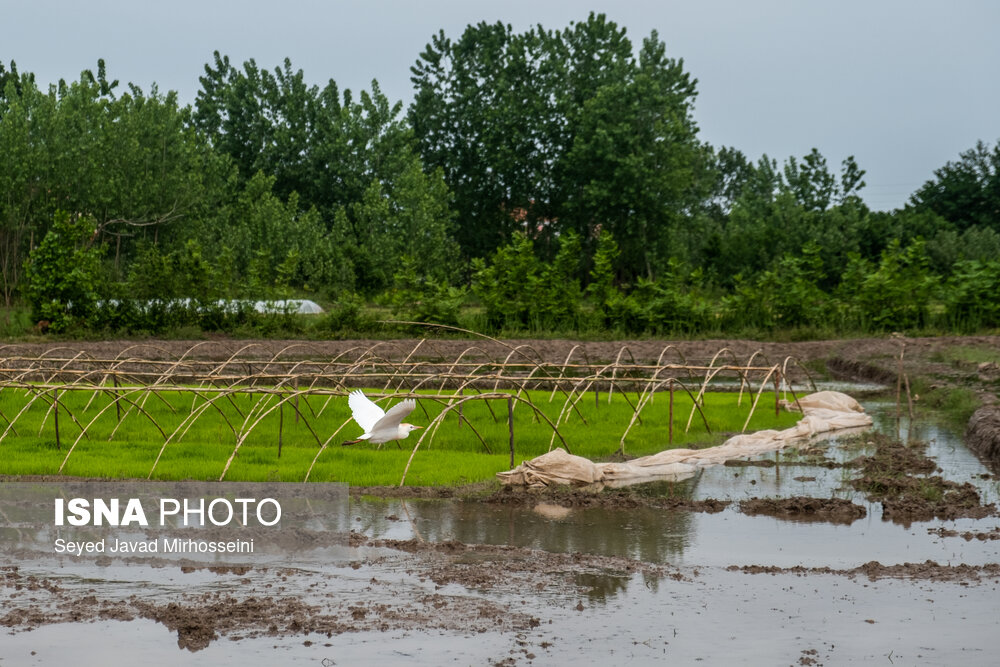
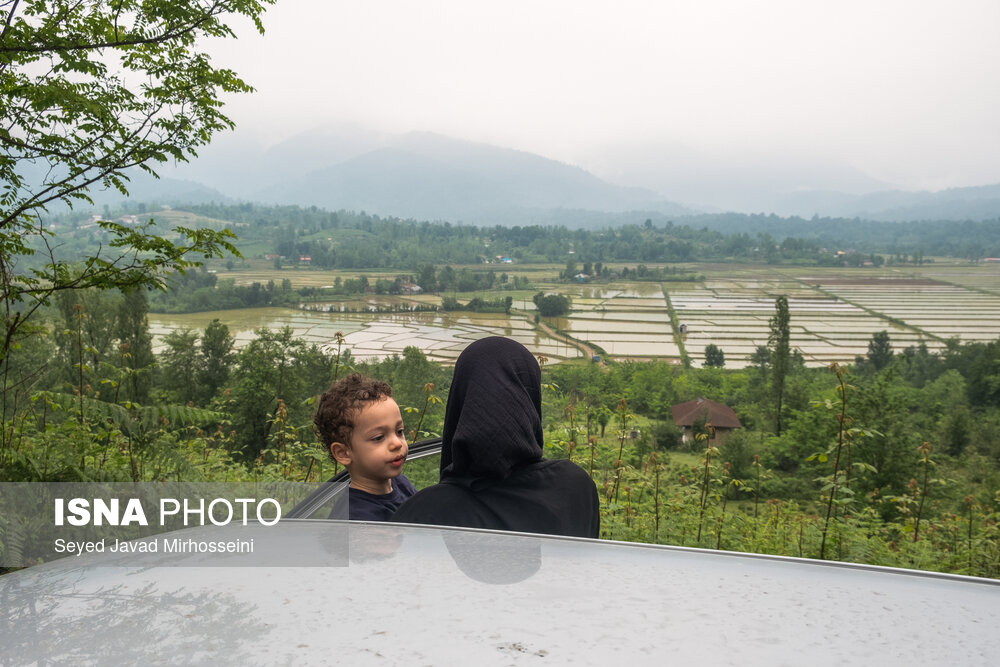
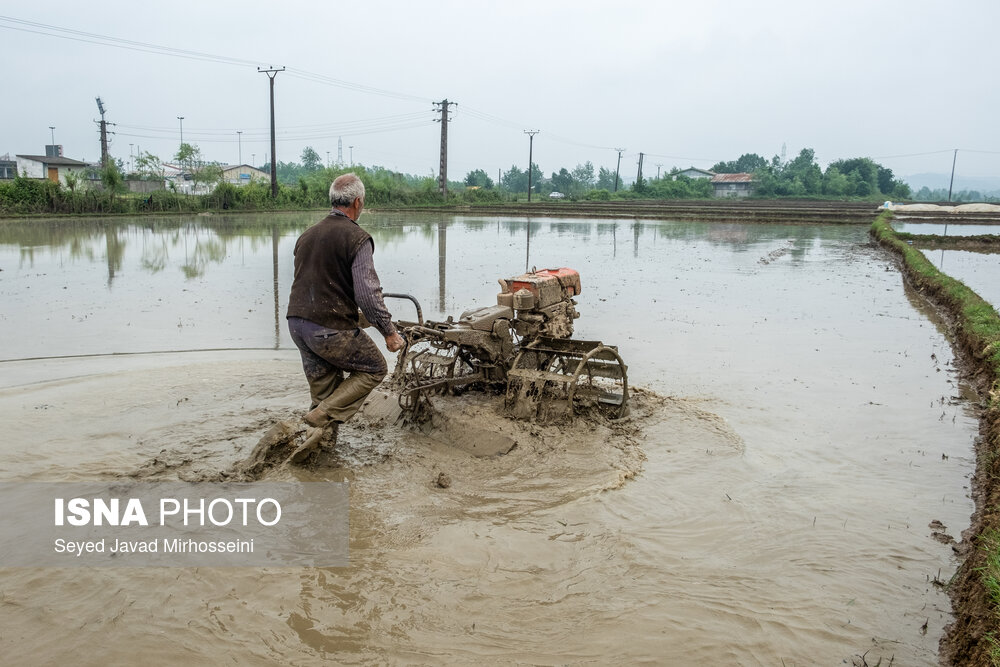
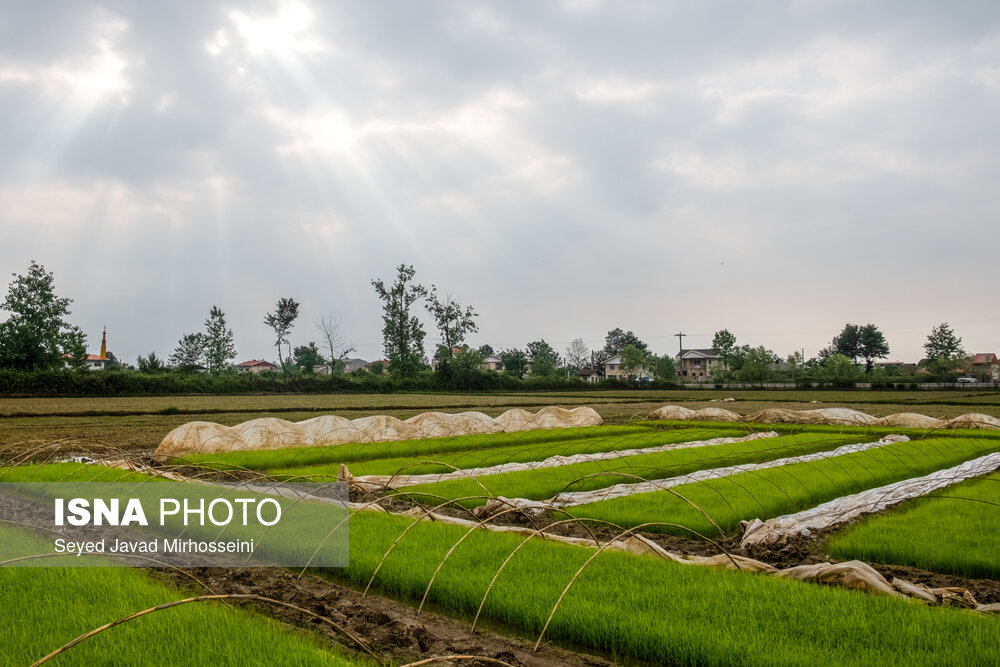
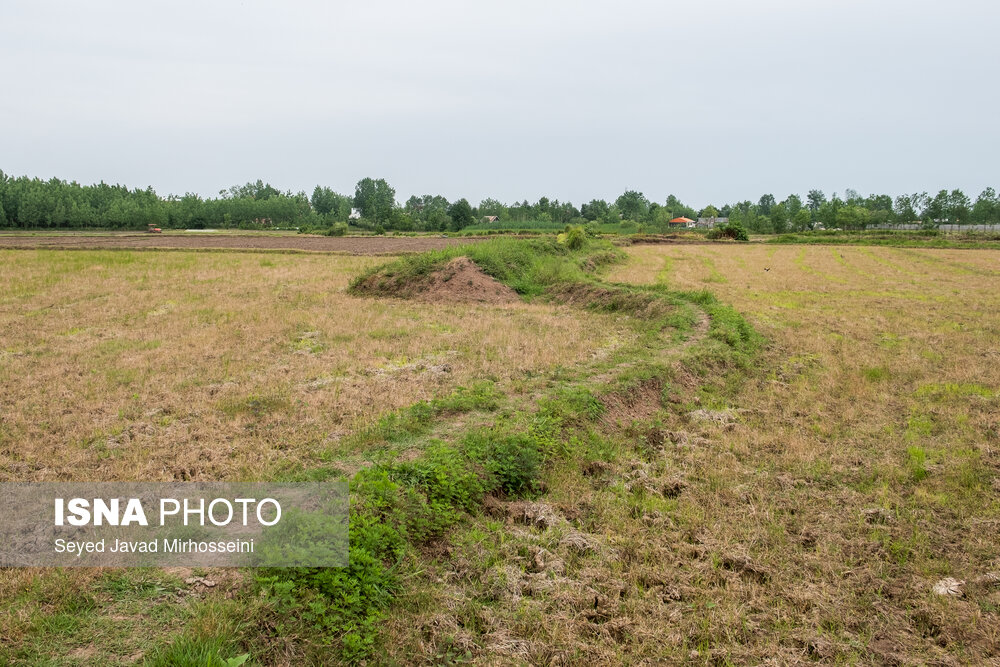
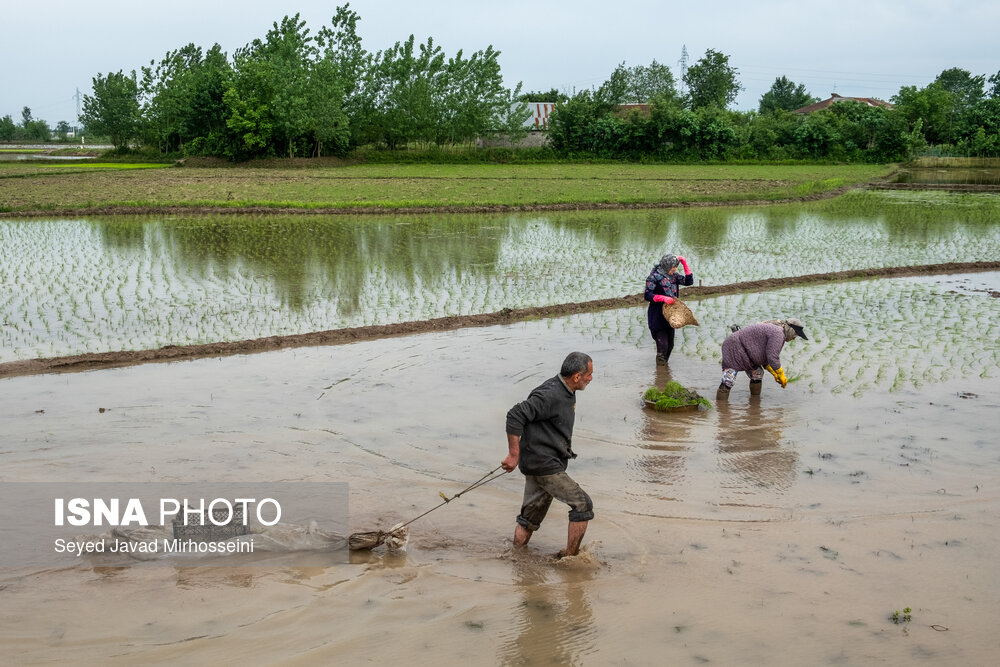
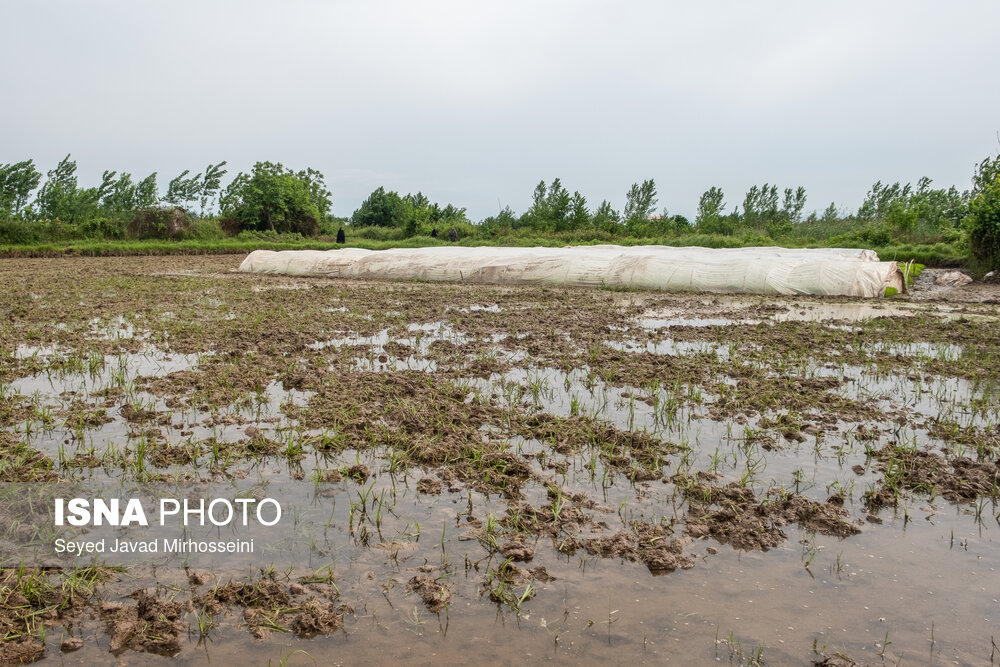
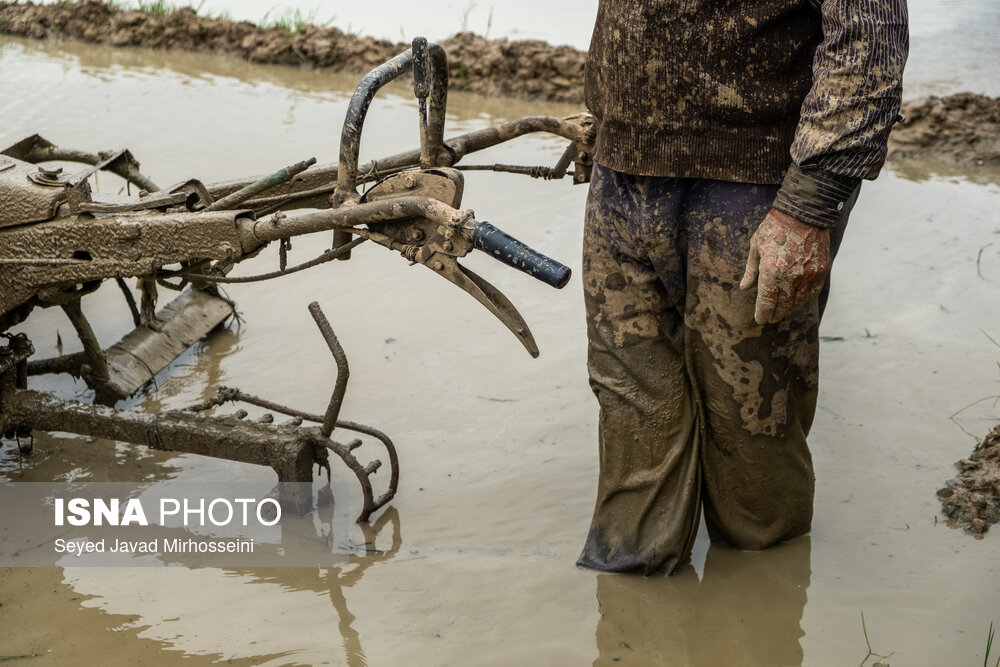
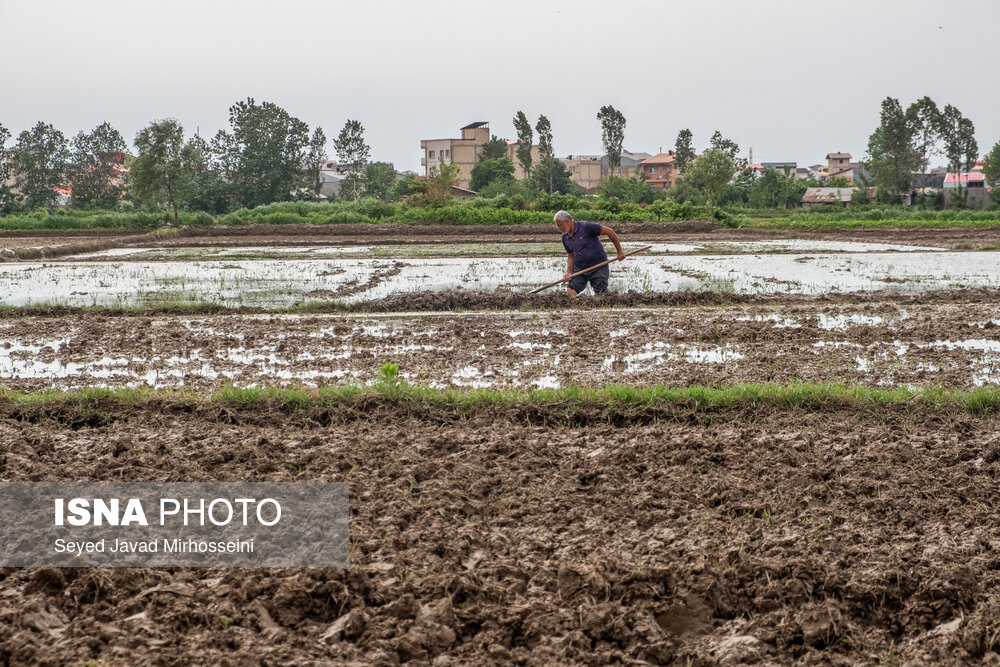
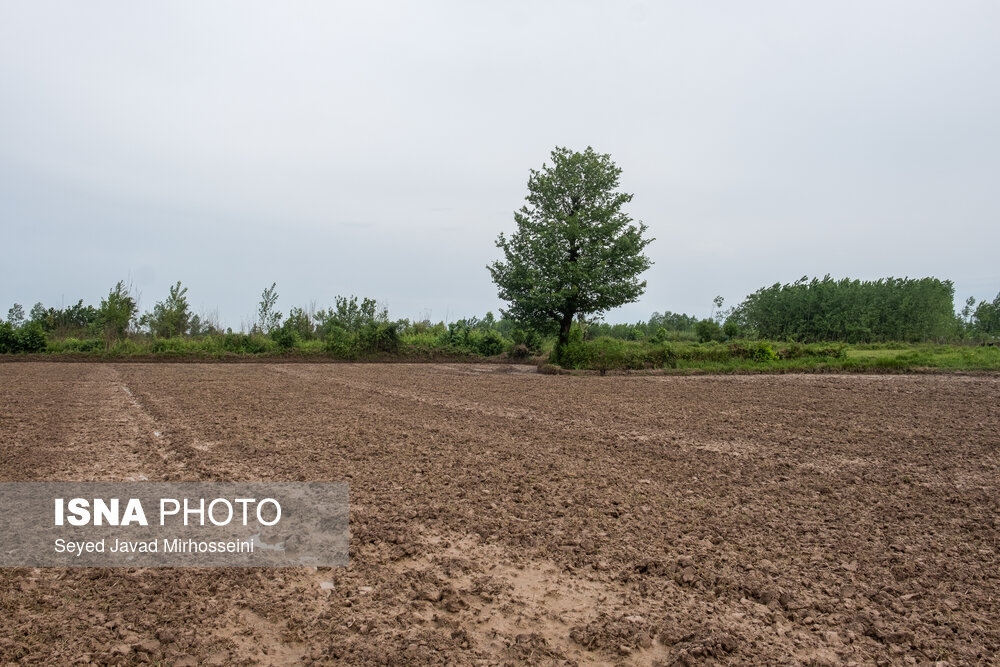
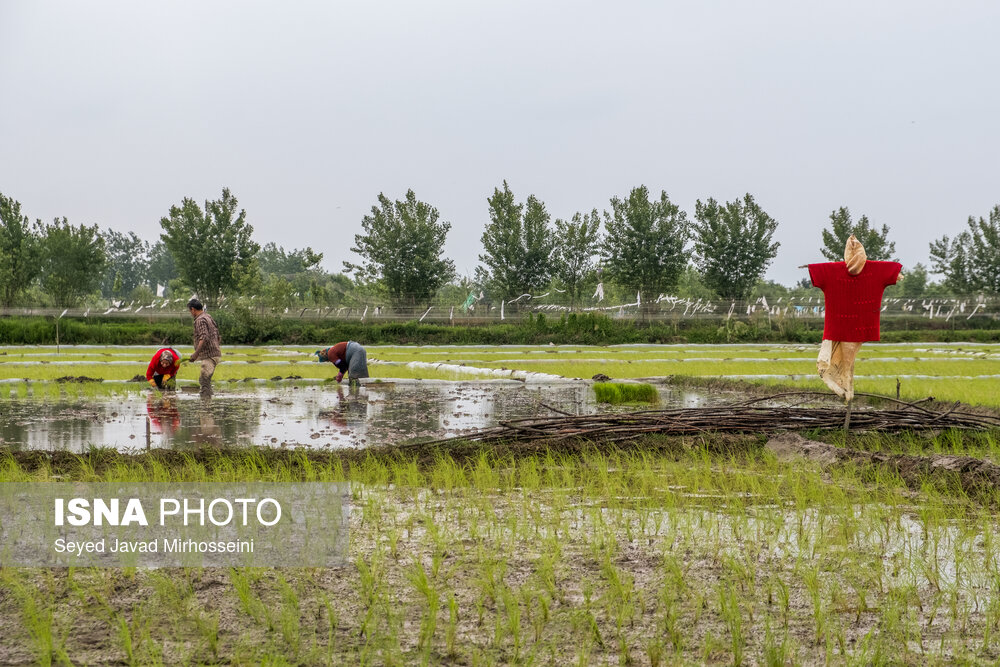
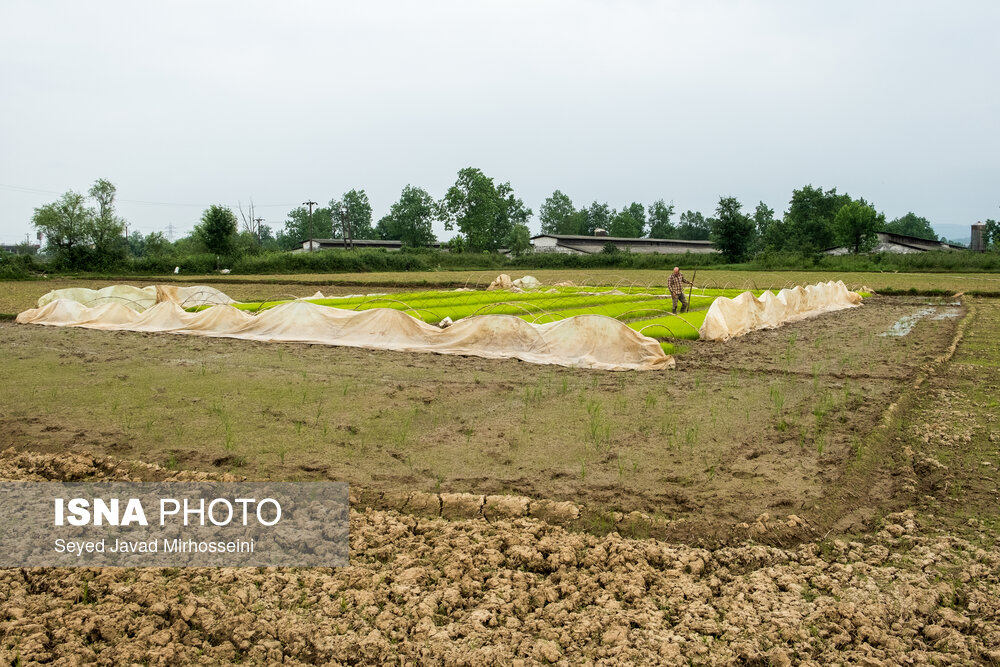
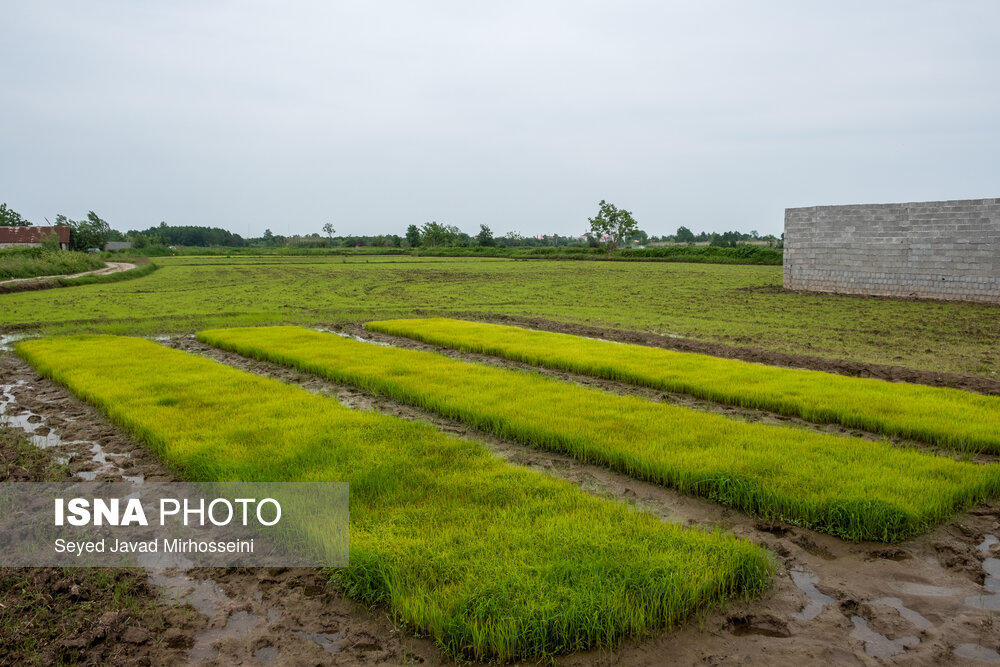
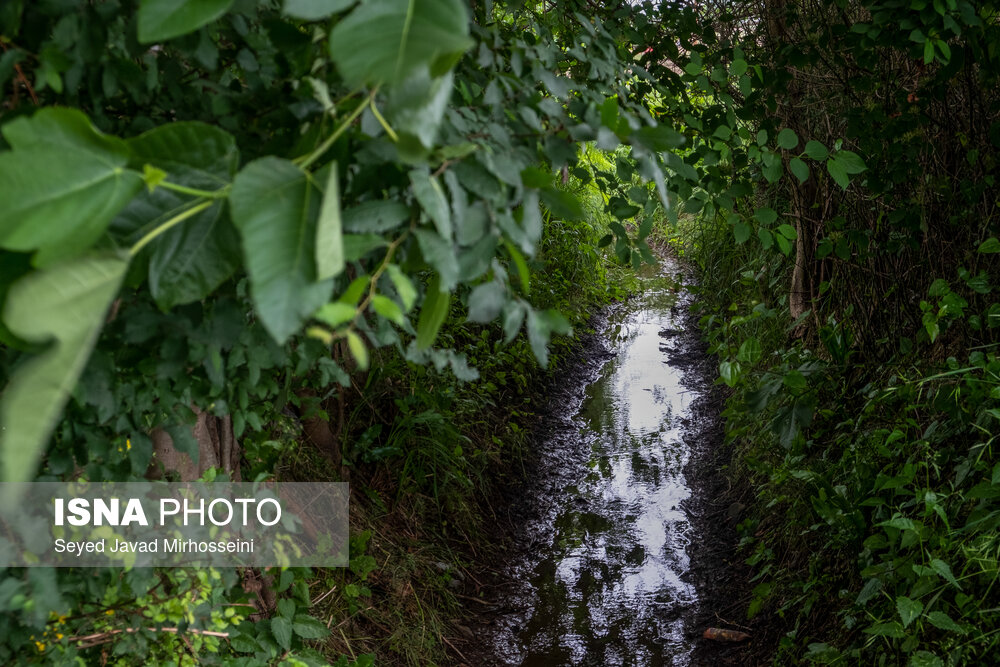
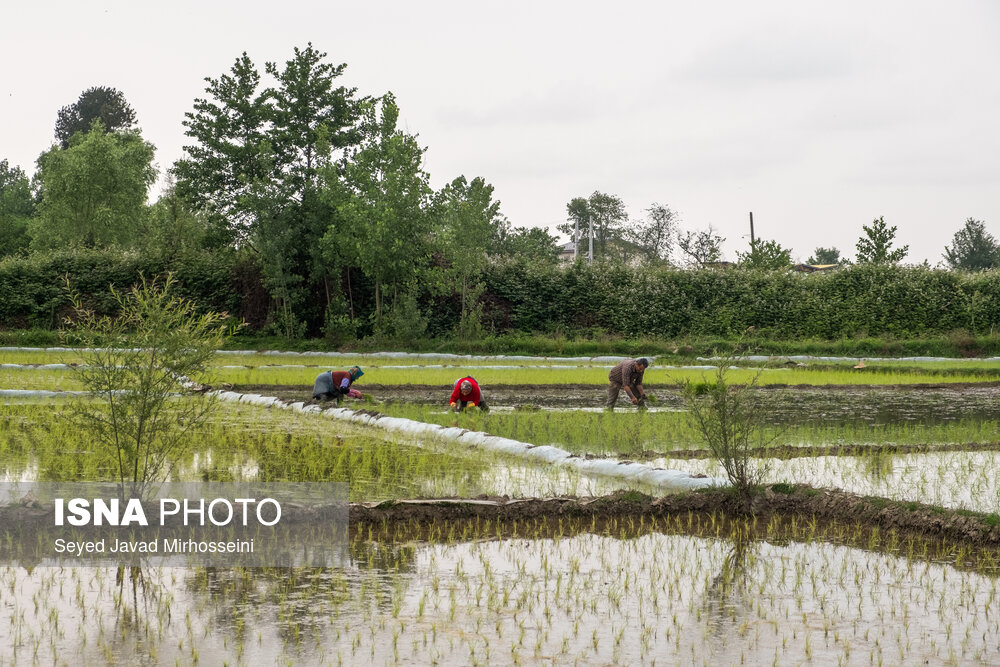
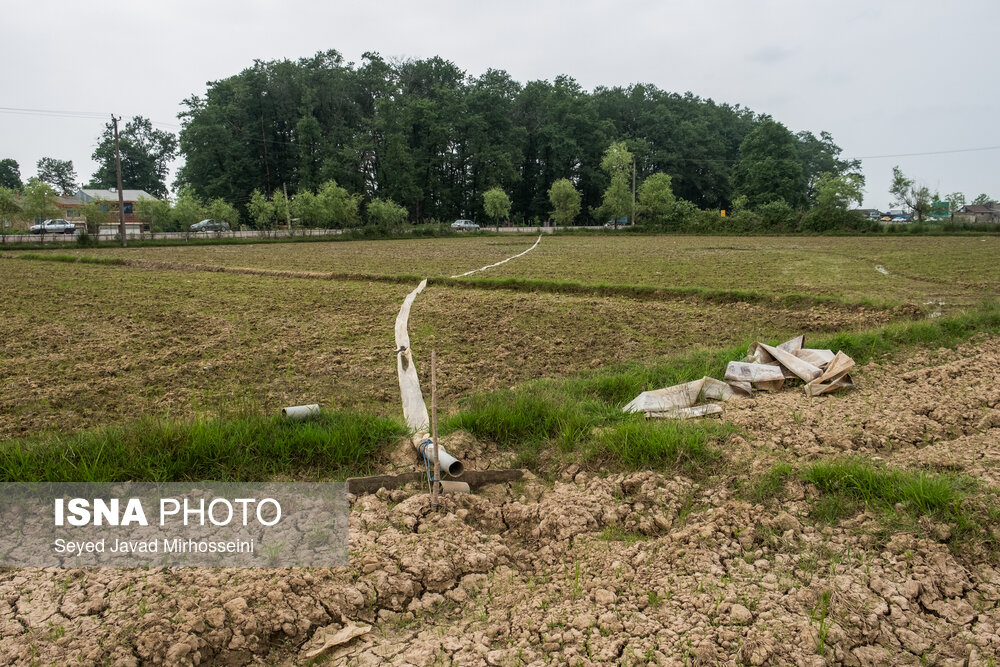
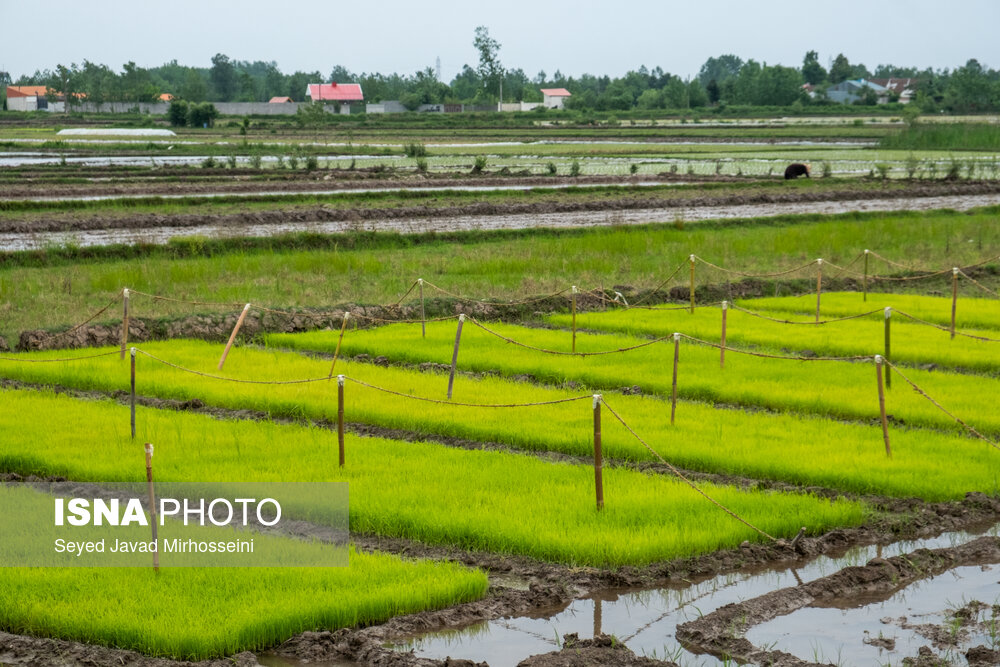
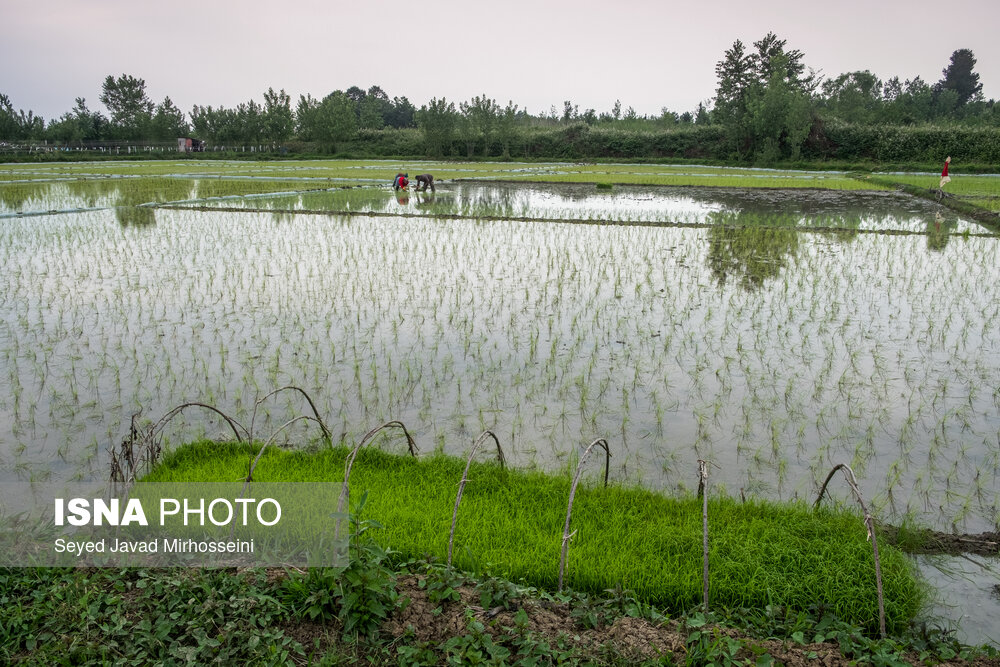
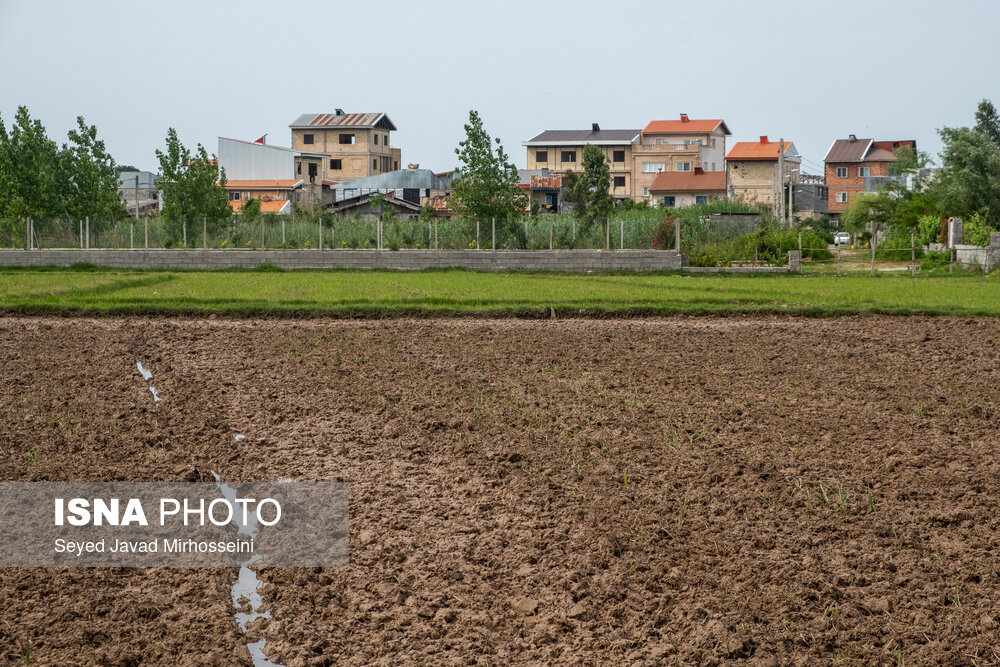
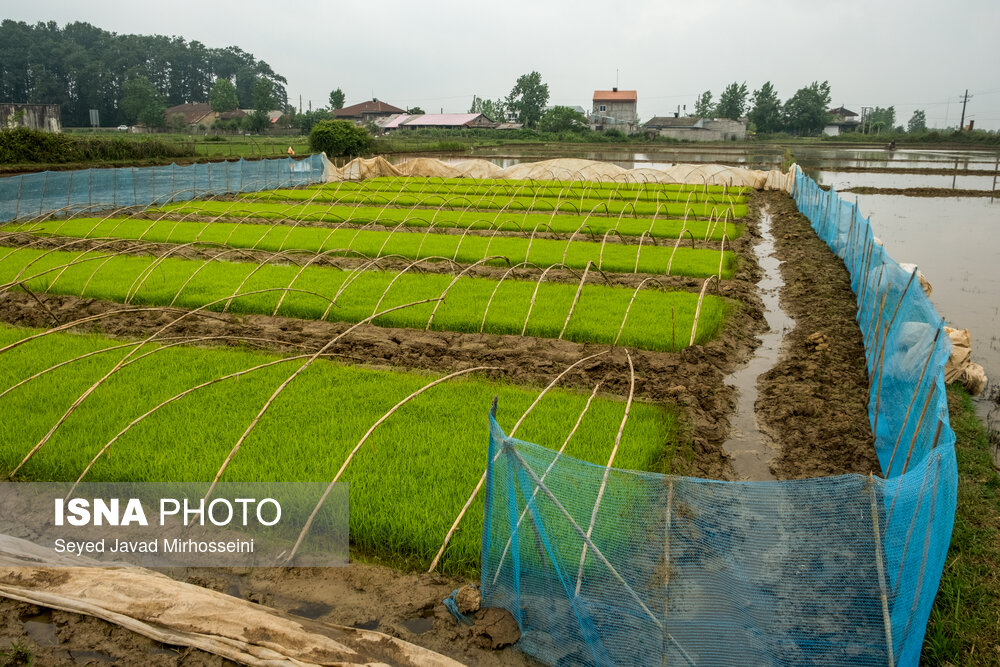
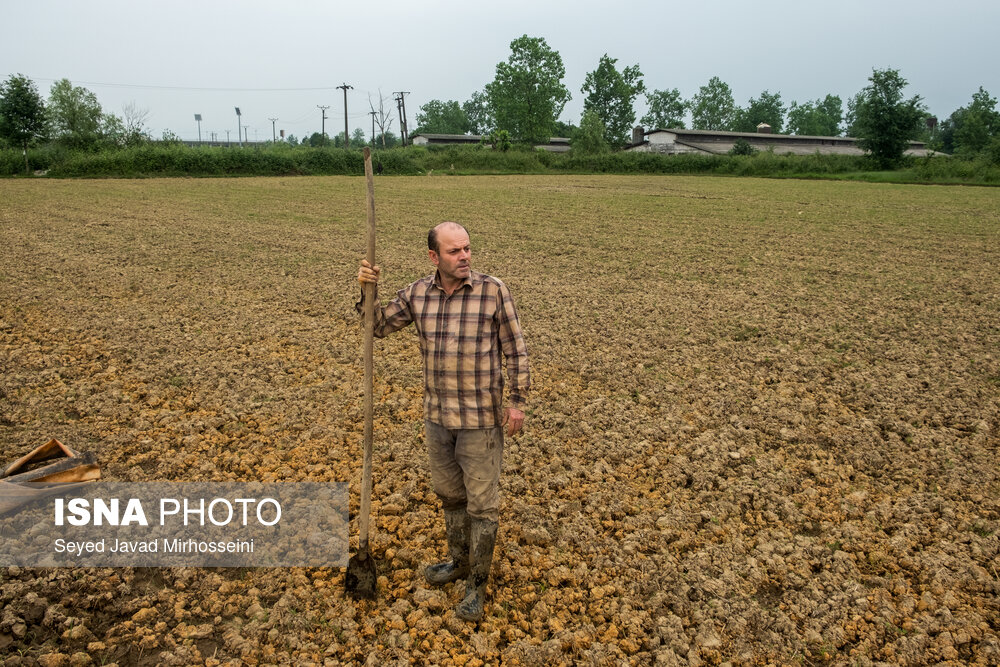
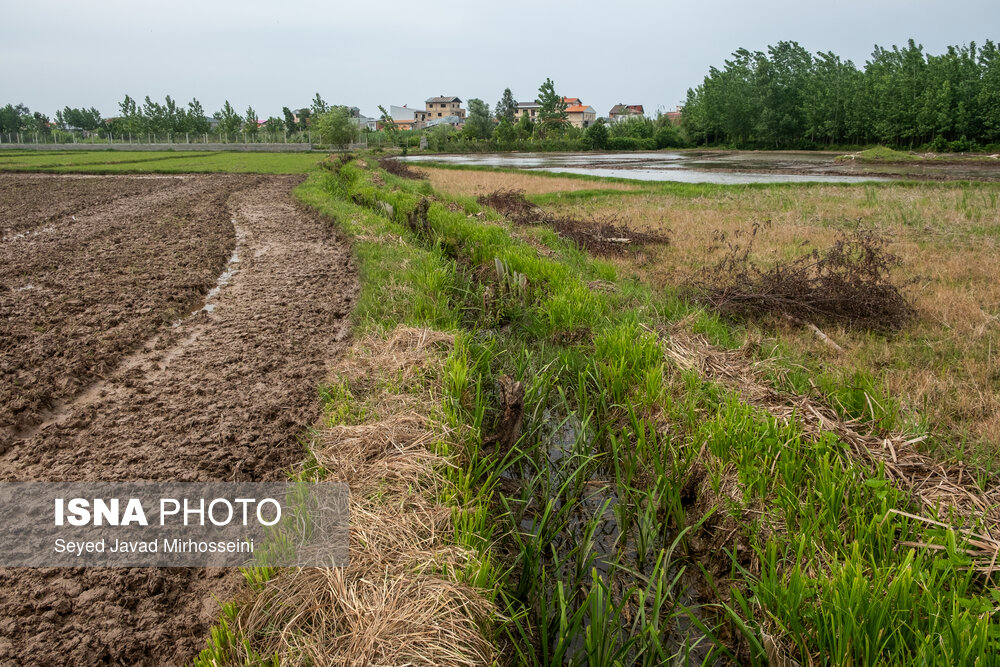
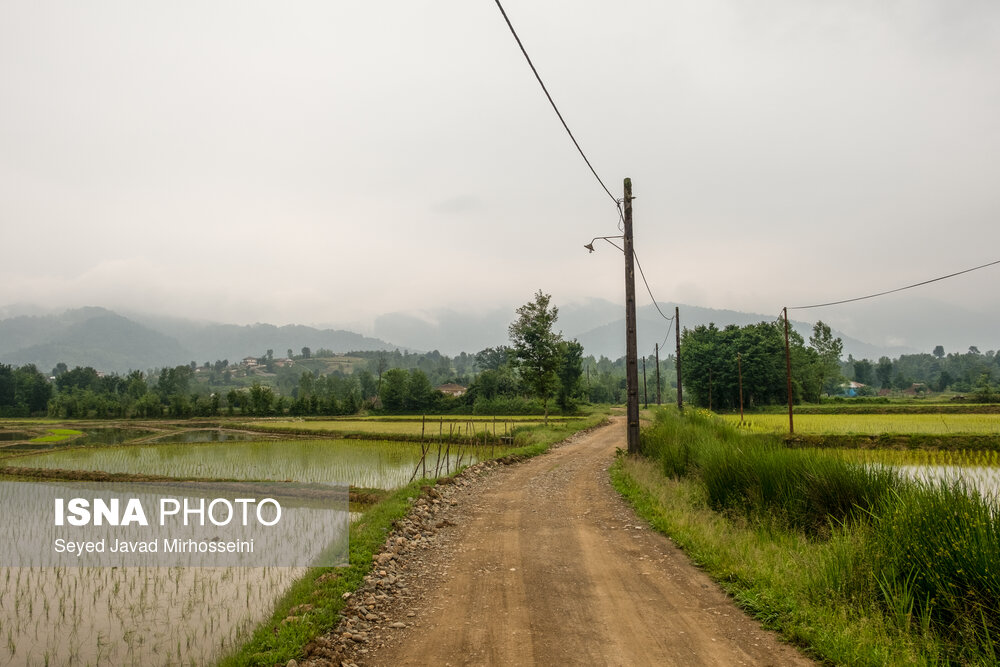
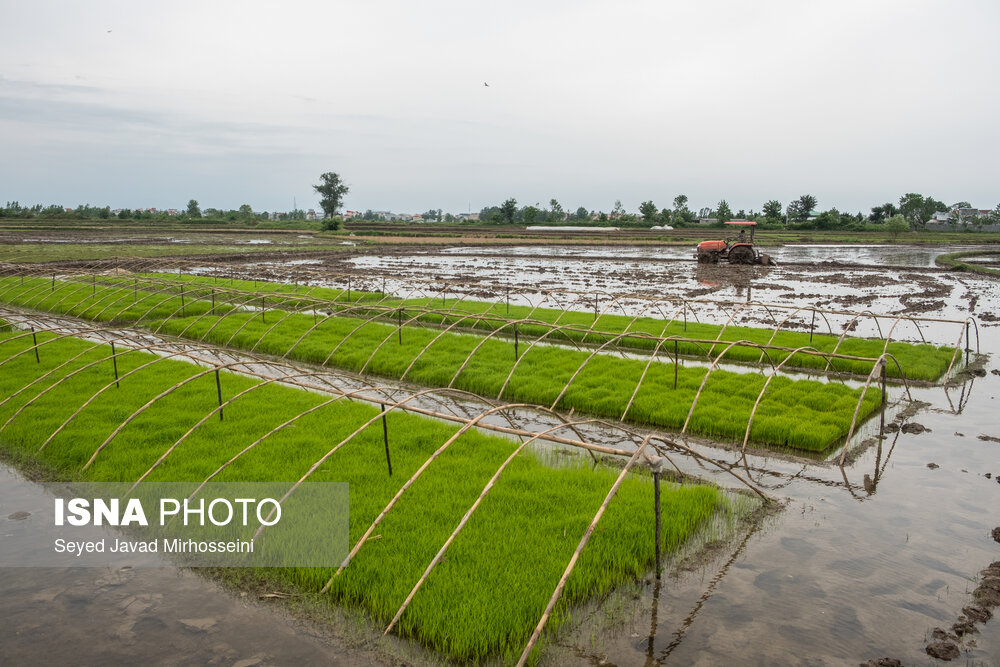
Rice paddies thirsty for water

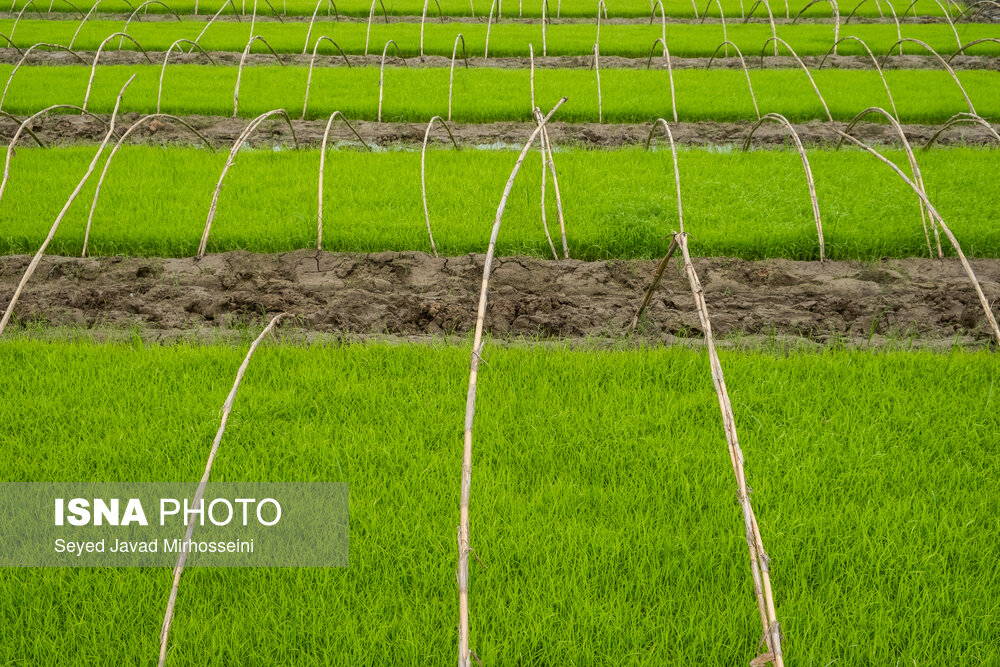
Rice paddies thirsty for water

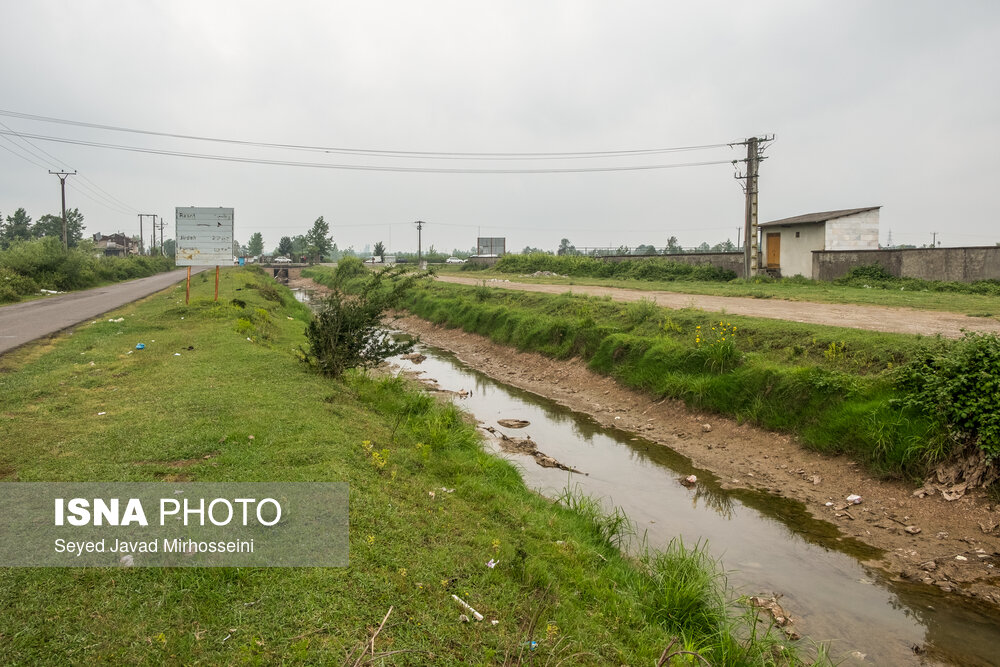
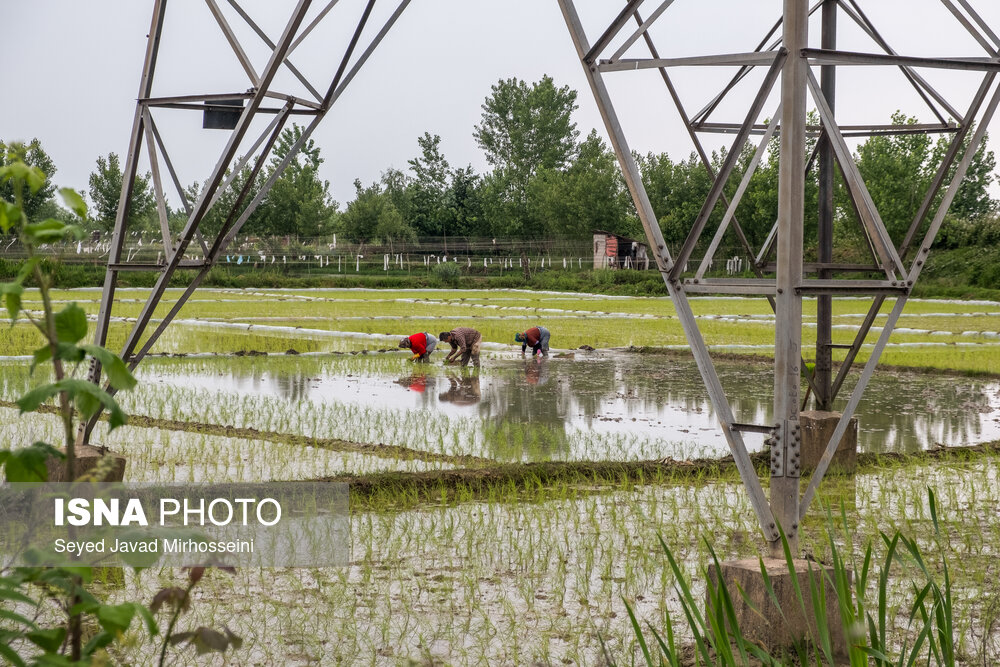
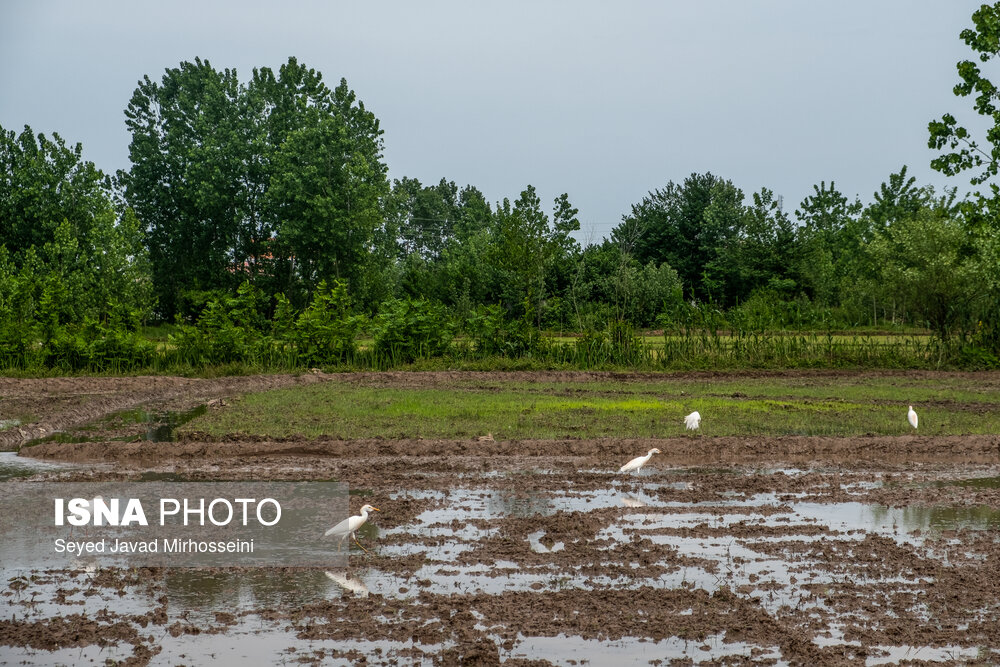
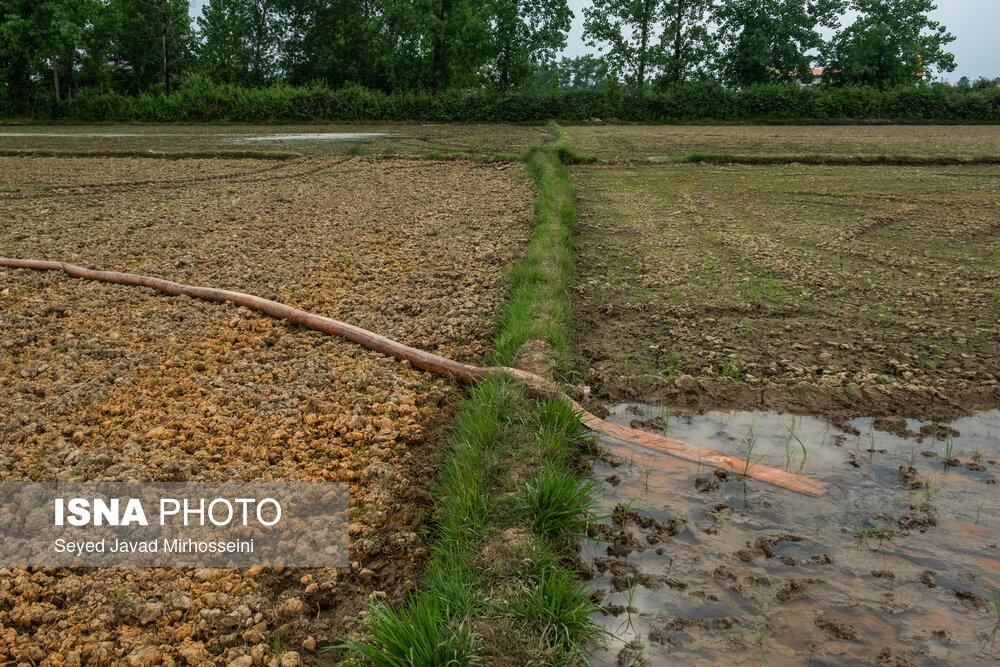
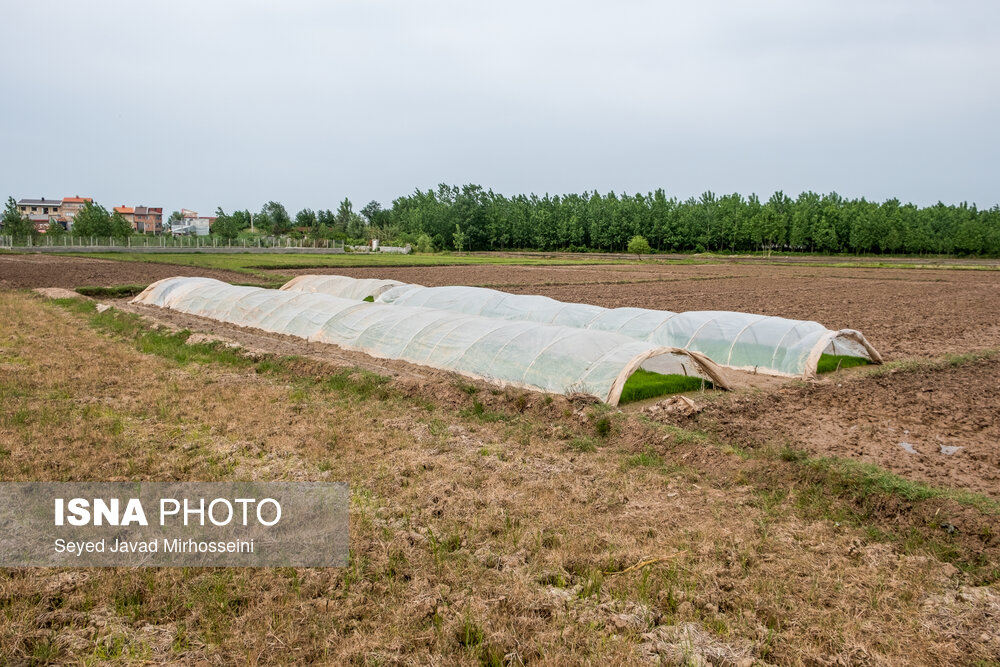
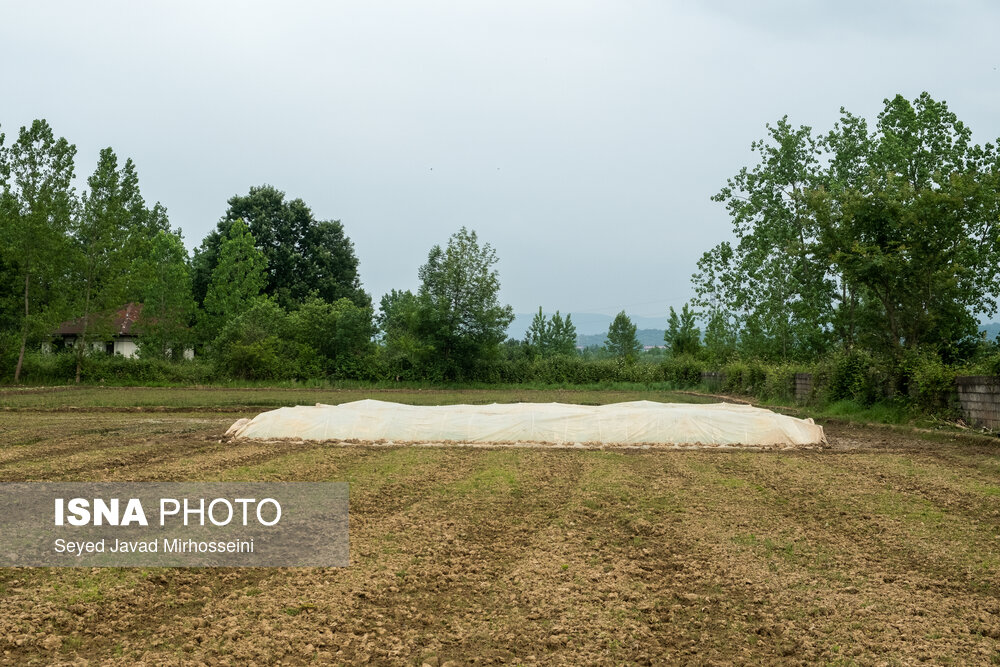
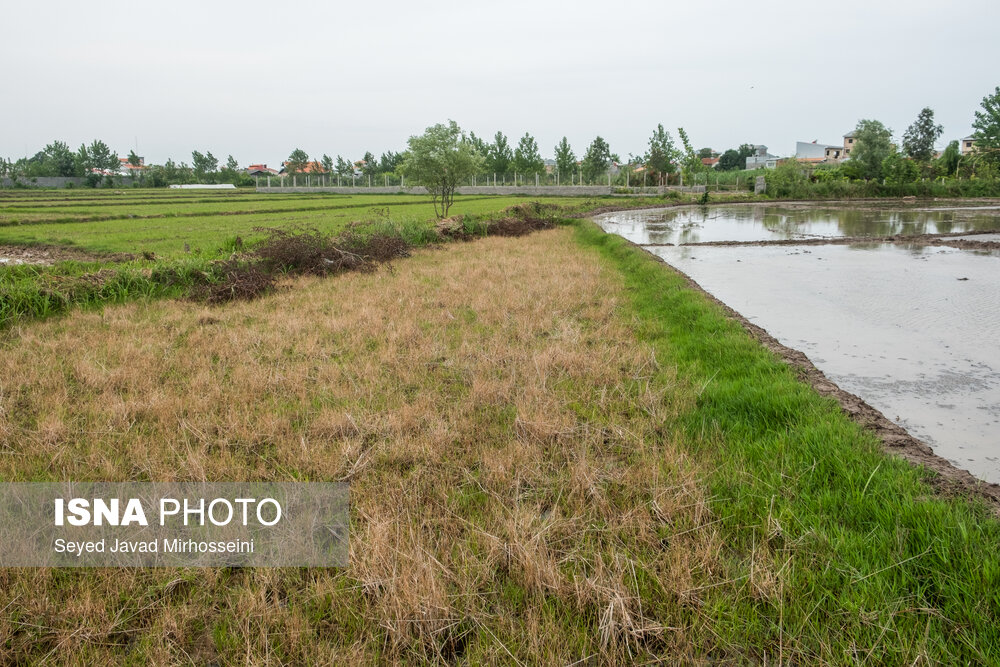
That has created a pickle for many farmers who have cultivated rice in their paddies, especially since Farvardin and Ordibehesht, the first two months on the Iranian calendar year, are the time for rice plantation, and since paddies consume large amounts of water.

Some are using pumps to channel water from wells to irrigate their rice paddies, but well water isn’t nearly enough.

Meanwhile, the gates of the Sefidrood Dam, being fed by a river of the same name, have been opened, but water consumption under the current circumstances needs to be managed well.

Gilan Province in northern Iran is one of the poles in rice cultivation.

Iran ranks first worldwide in oil pipeline construction: Report

Iran Oil Gas

In its latest report released on Monday, Global Energy Monitor, which tracks energy projects across the world, said Iran tops the 20 developers of oil pipelines with over 1,900 kilometers of pipelines being constructed across the country.

The report demonstrates that Iran, in spite of being under illegal sanctions by the US, has the largest oil pipeline construction operation in the world, followed by India, Niger, Canada and Benin.

The total oil pipeline under construction in Iran is 12 times higher than that of the United States, which is estimated to be 150 kilometers, the data showed.
The world’s five leading companies developing oil transmission pipelines are state-owned enterprises and private companies, including Iran’s Ministry of Petroleum, the China National Petroleum Corporation, Iraq’s Ministry of Oil, India’s Numaligarh Refinery Limited and France’s TotalEnergies.
Meanwhile, Global Energy Monitor said 9,100 kilometers of oil pipelines are under construction throughout the world, and planning is underway for the construction of 21,900 kilometers more, adding that the total cost of construction of these pipelines stands at $131.9 billion.

According to new data from the tracker, about half of the under-construction oil pipeline, which includes 4,400 kilometers of pipelines, is located in Africa and West Asia.

The two regions are home to 49% of all oil transmission pipelines under construction globally at a cost of US$25.3 billion.

Iran’s Leader visits 34th edition of Tehran Intl. Book Fair

Ayatollah Seyyed Ali Khamenei

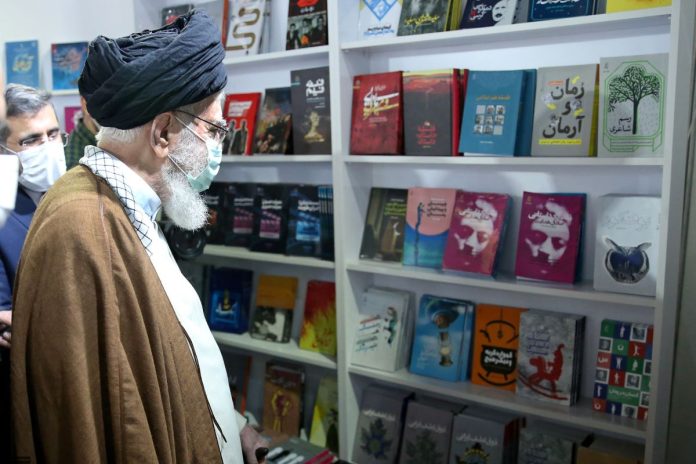
On Sunday morning, the Leader visited the largest cultural event in the Middle East and held talks with book fans and publishers putting on display new titles at the fair.

The annual book fair opened in the Iranian capital on Wednesday and will run until May 20, with the motto of ‘The Future Is Readable.”

Over 3,000 foreign and Iranian publishing houses and more than 200 major bookstores in Iran are participating.

The international section of the fair seeks to introduce the capacities of Iran’s publishing industry, promote cultural exchanges, and set the stage for communication between Iranian and foreign publishers.

The first edition of the fair was held at a time when Ayatollah Khamenei was serving as president about three decades ago He has since taken part in most editions of the annual event.