Thursday, December 25, 2025
Home Blog Page 1437

Iran ranks first worldwide in oil pipeline construction: Report

Iran Oil Gas

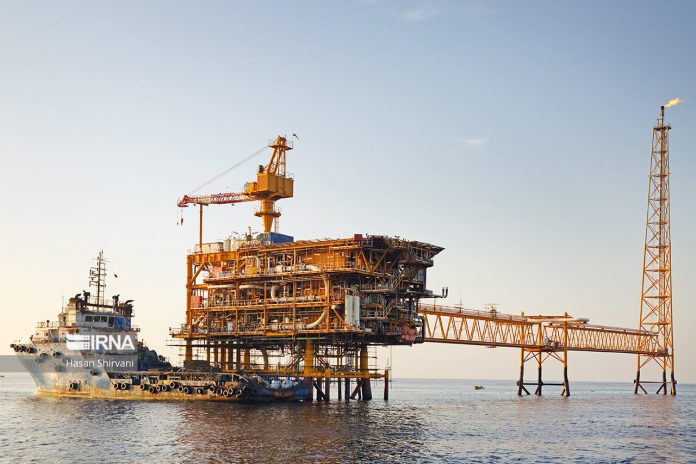
In its latest report released on Monday, Global Energy Monitor, which tracks energy projects across the world, said Iran tops the 20 developers of oil pipelines with over 1,900 kilometers of pipelines being constructed across the country.

The report demonstrates that Iran, in spite of being under illegal sanctions by the US, has the largest oil pipeline construction operation in the world, followed by India, Niger, Canada and Benin.

The total oil pipeline under construction in Iran is 12 times higher than that of the United States, which is estimated to be 150 kilometers, the data showed.

The world’s five leading companies developing oil transmission pipelines are state-owned enterprises and private companies, including Iran’s Ministry of Petroleum, the China National Petroleum Corporation, Iraq’s Ministry of Oil, India’s Numaligarh Refinery Limited and France’s TotalEnergies.

Meanwhile, Global Energy Monitor said 9,100 kilometers of oil pipelines are under construction throughout the world, and planning is underway for the construction of 21,900 kilometers more, adding that the total cost of construction of these pipelines stands at $131.9 billion.

According to new data from the tracker, about half of the under-construction oil pipeline, which includes 4,400 kilometers of pipelines, is located in Africa and West Asia.

The two regions are home to 49% of all oil transmission pipelines under construction globally at a cost of US$25.3 billion.

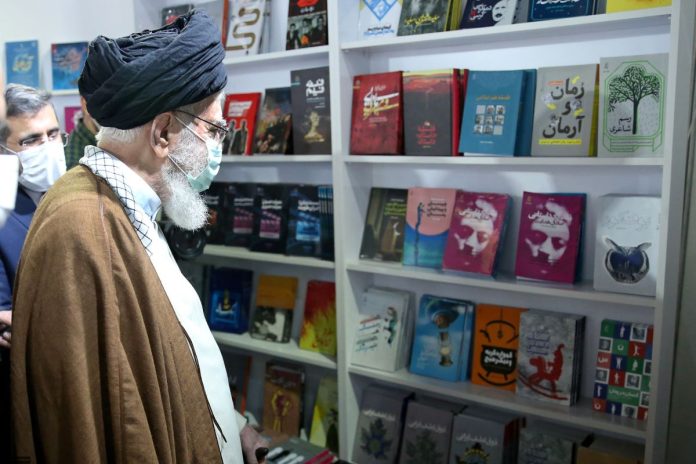
Iran’s Leader visits 34th edition of Tehran Intl. Book Fair

Ayatollah Seyyed Ali Khamenei

On Sunday morning, the Leader visited the largest cultural event in the Middle East and held talks with book fans and publishers putting on display new titles at the fair.

The annual book fair opened in the Iranian capital on Wednesday and will run until May 20, with the motto of ‘The Future Is Readable.”

Over 3,000 foreign and Iranian publishing houses and more than 200 major bookstores in Iran are participating.

The international section of the fair seeks to introduce the capacities of Iran’s publishing industry, promote cultural exchanges, and set the stage for communication between Iranian and foreign publishers.

The first edition of the fair was held at a time when Ayatollah Khamenei was serving as president about three decades ago He has since taken part in most editions of the annual event.

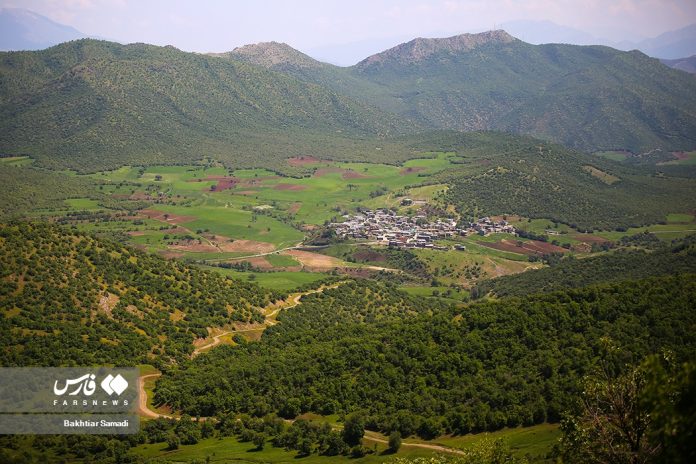
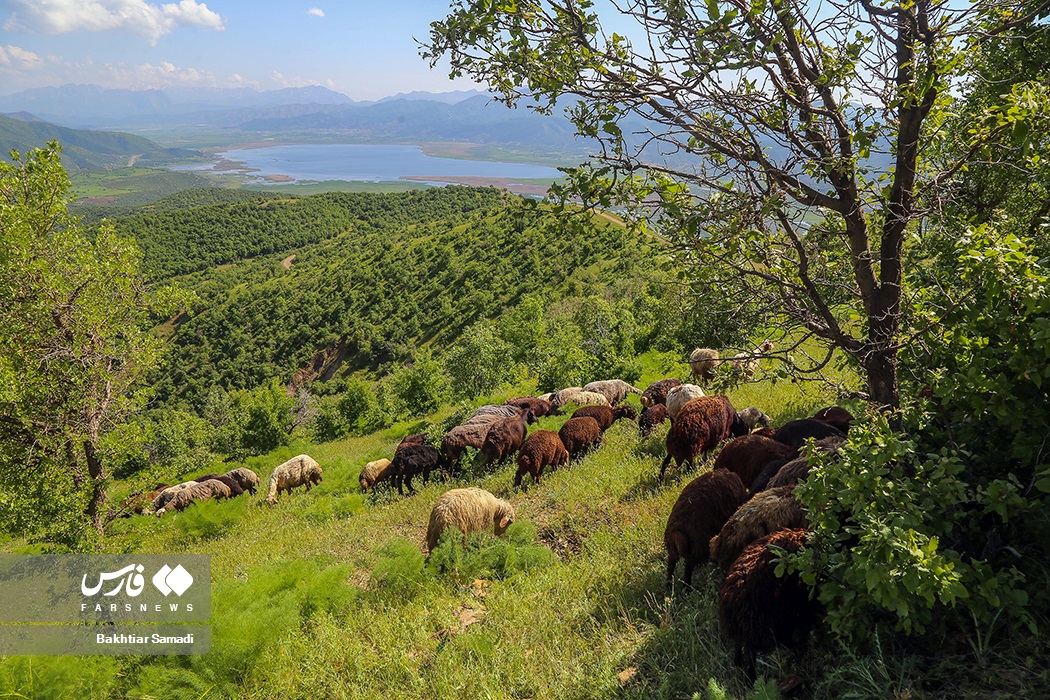
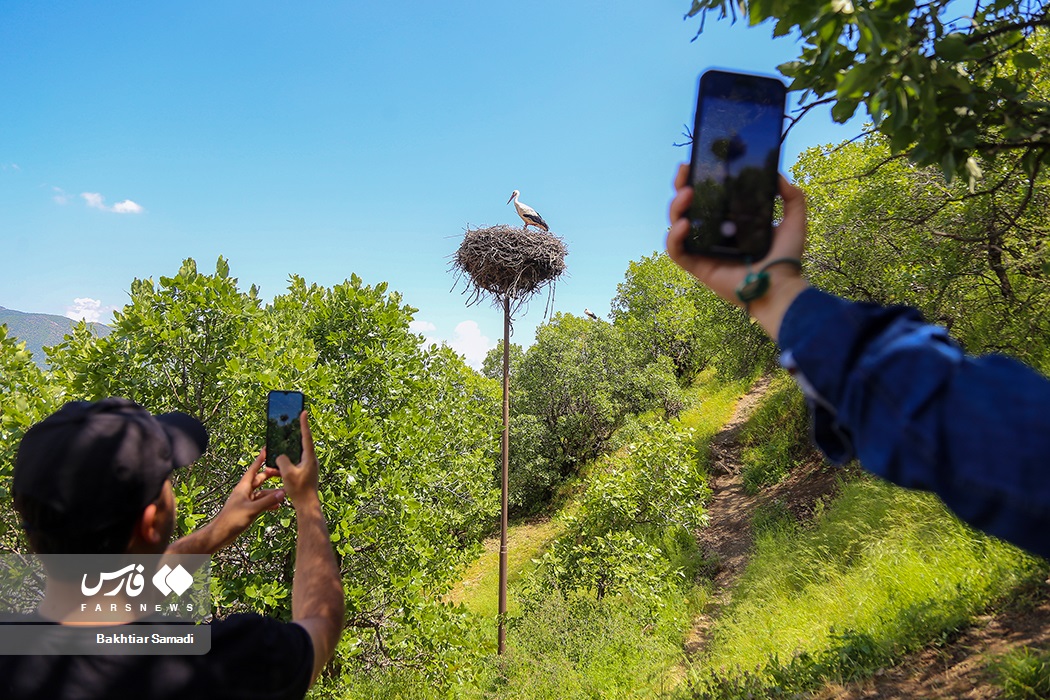
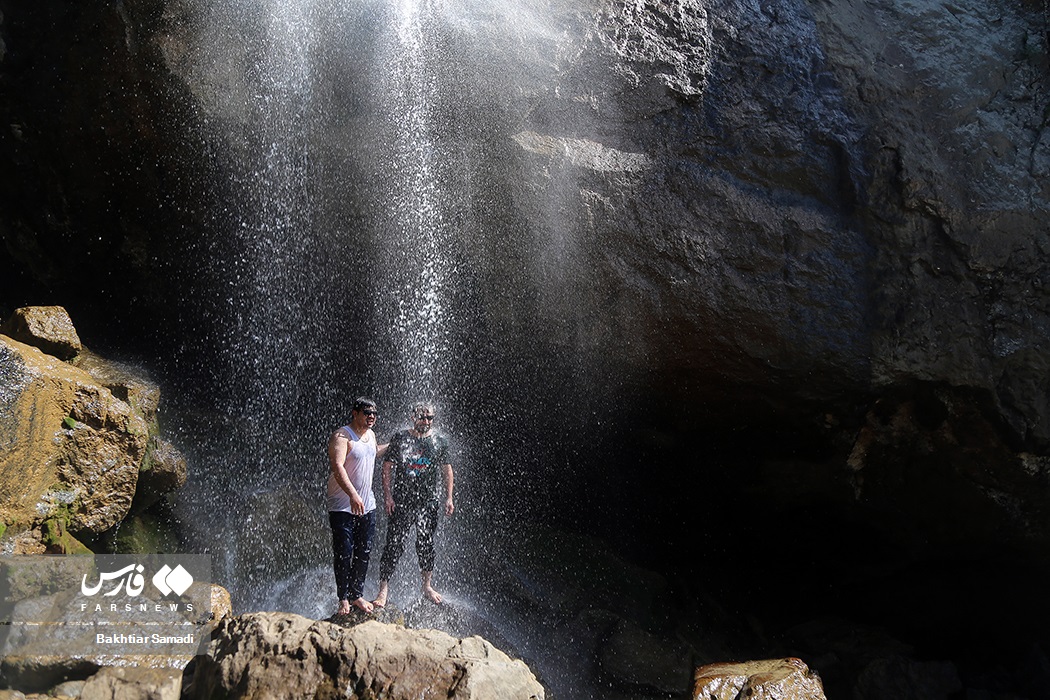
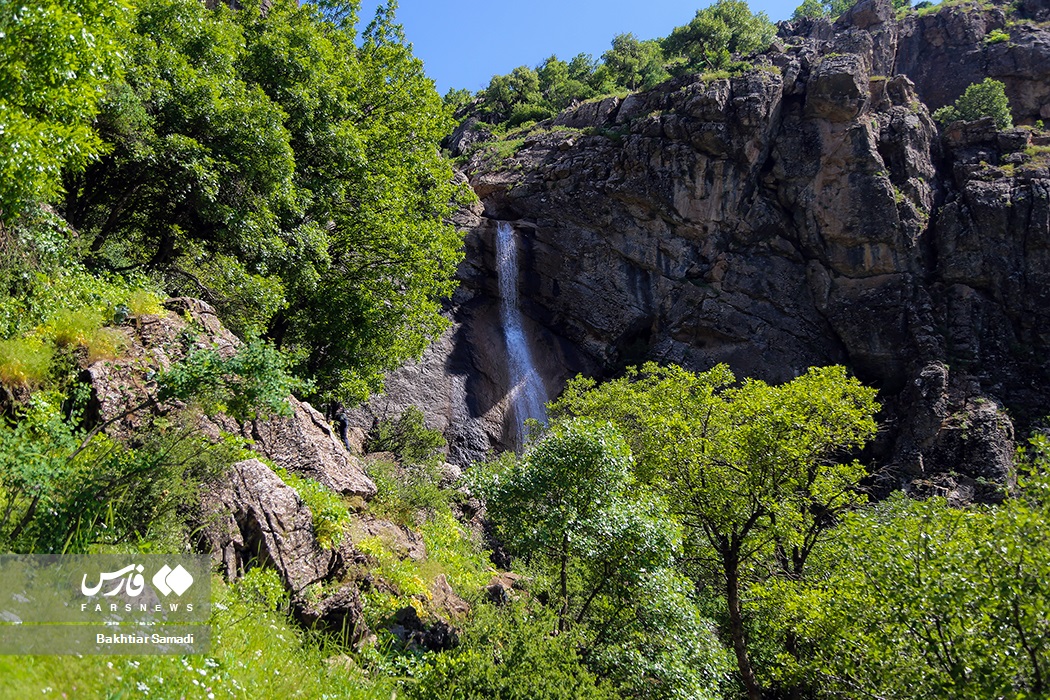
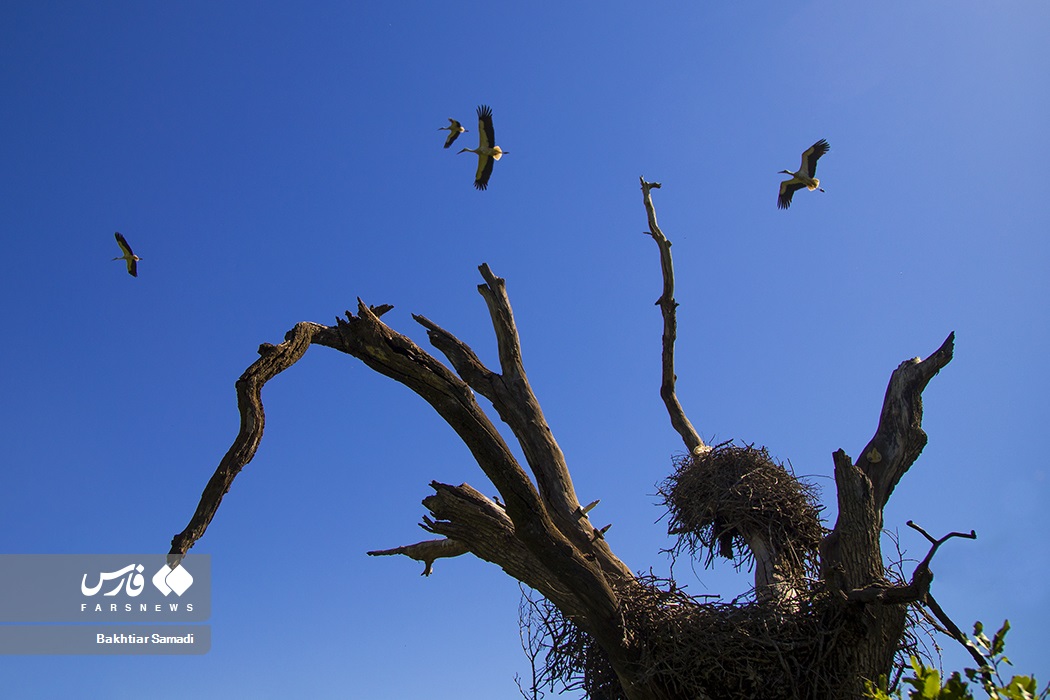
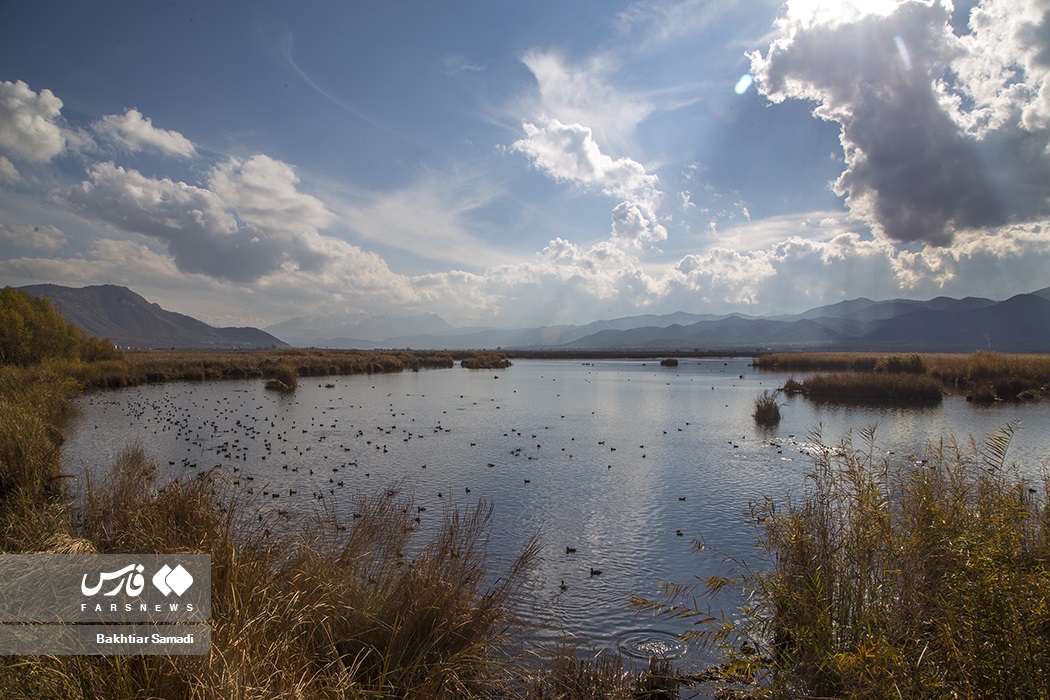
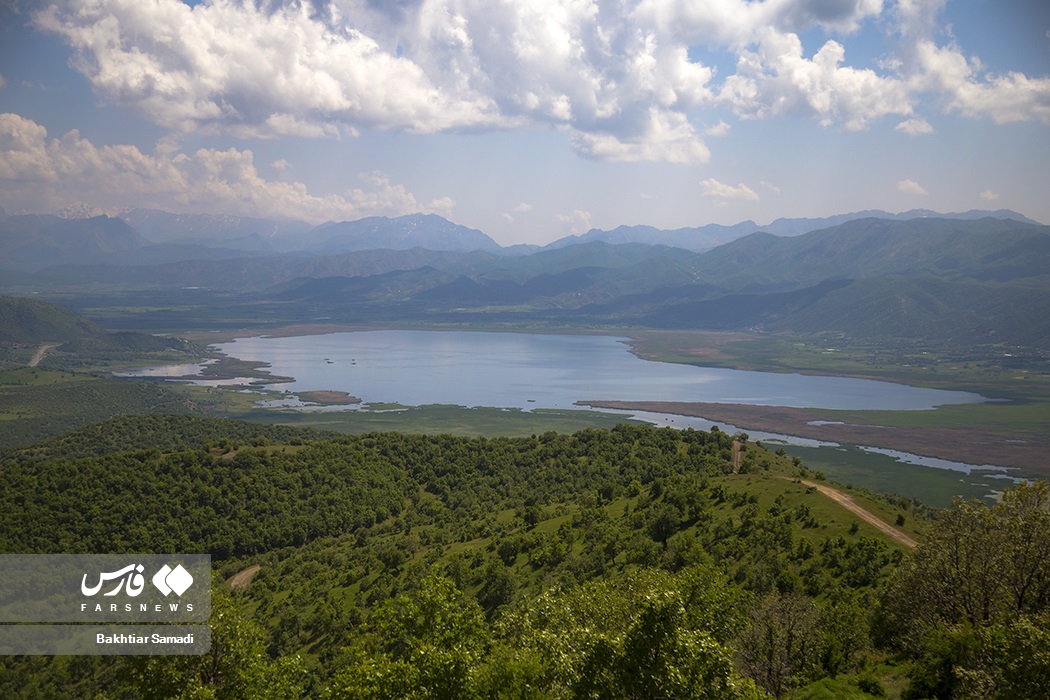
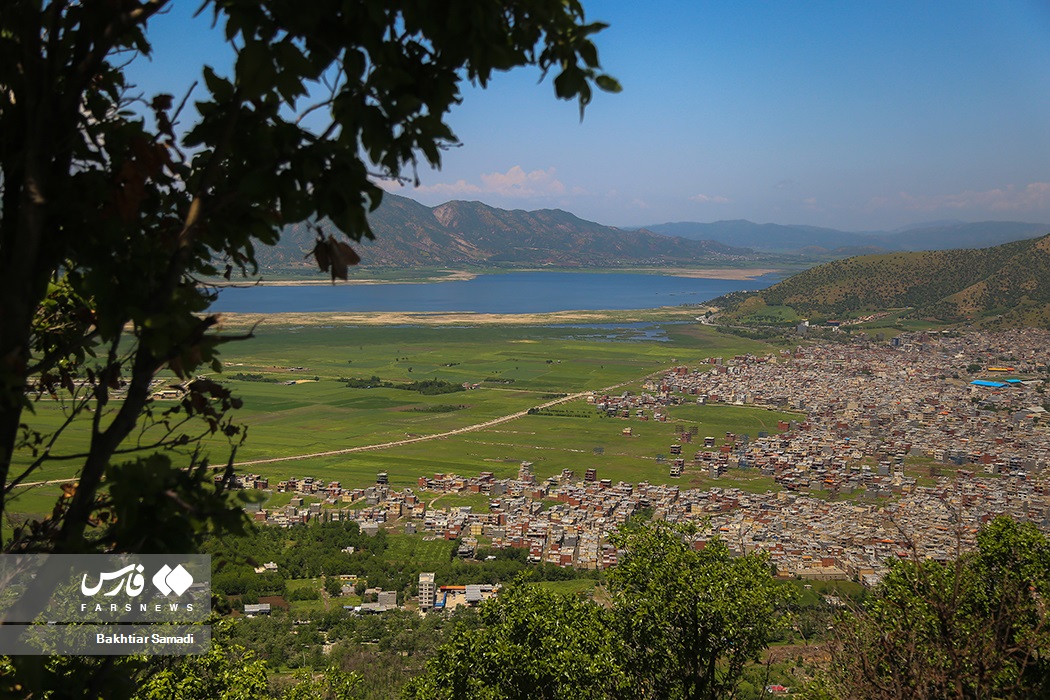
Iran tourism: World’s largest fresh water spring in Marivan

World’s largest fresh water spring in Marivan

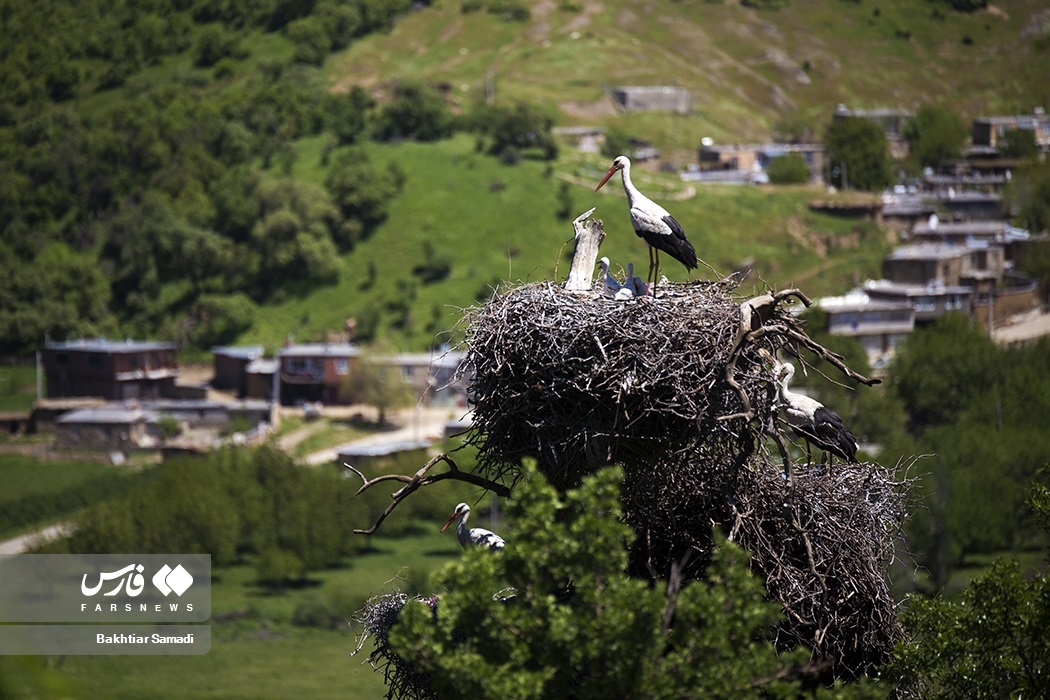
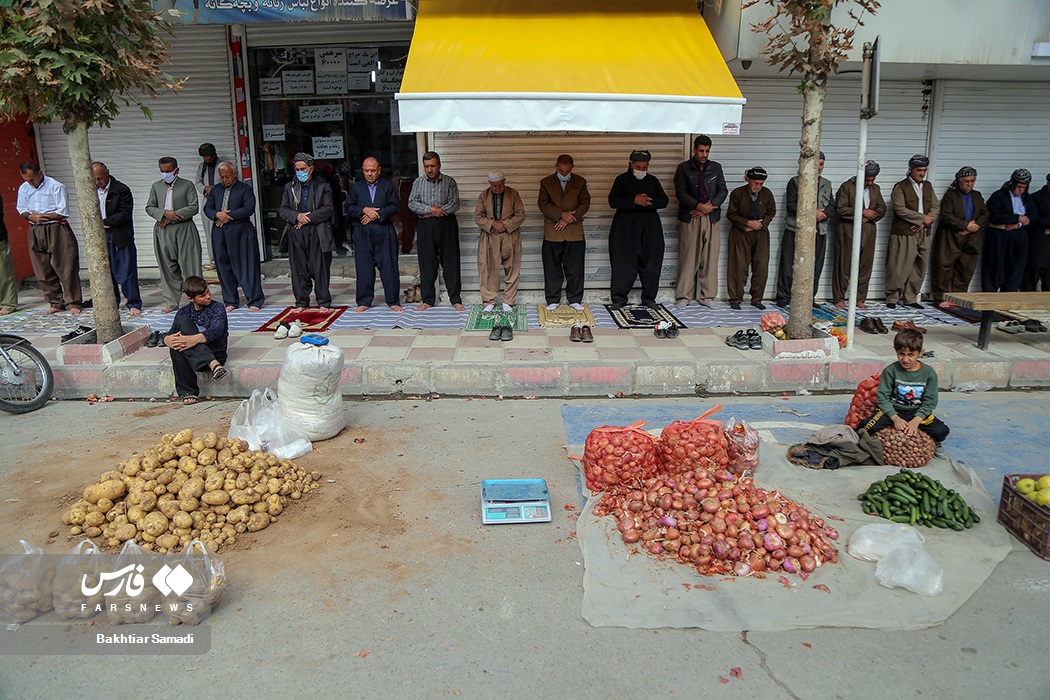
Aside from the spring, the region has many other tourist attractions, including ancient villages, palaces and forests.

Meanwhile, Zagros Mountains give a spectacular view to the city, the rainiest and greenest in the province.

See a collection of pictures:

President Raisi congratulates Iran’s weigh-lifters on Asia championship in South Korea

Ebrahim Raisi

In a congratulatory message, President Raisi said the championship demonstrated the great capabilities of the Iranian land’s “meritable” children in the ancient Asia continent.

Iran’s national team won the championship with 635 points in the team ranking, followed by Uzbekistan and China.

The country’s weight-lifters bagged 2 gold, 3 silver, and 5 bronze medals in the competition.

Israeli protesters rally against PM’s judicial overhaul plan for 19th straight week

Israel Protest

The rallies were held on Saturday in Tel Aviv and other cities throughout the occupied territories.

Through the overhaul plan, Netanyahu seeks to give his extremist cabinet more control over the makeup of the regime’s Supreme Court, which would render it almost incapable of overruling Israeli politicians’ decisions.

Proponents of the plan say the changes would strike a balance between the power that is wielded by the Israeli regime’s cabinet and the court. Detractors, however, denounce the so-called overhaul as a scheme aimed at handing unchecked power to the extremist ministers.

The demonstrations have been going on since January, when the Israeli cabinet announced its decision to push ahead with the plan.

The weekly protests have continued unabated even after Netanyahu announced a “pause” on March 27 to allow for more talks on the plan, which was moving through the regime’s parliament.

The protests have already spread to all social strata across the occupied territories. Thousands of officers in reserve units of the regime’s military have said they will refuse to report for duty, while high-tech business leaders and the security establishment have also come out against the proposed plan.

The Israeli cabinet, a combination struck between Netanyahu’s Likud party and extreme-right and ultra-Orthodox political allies, has, however, vowed to press on with the scheme.

Demonstrations against the overhaul plan come against the backdrop of overall public dissatisfaction with the Israeli cabinet’s performance.

A poll conducted by Israeli television channel, KAN 11, last week, showed that 74 percent of Israeli settlers have expressed disfavor with the cabinet’s political conduct.

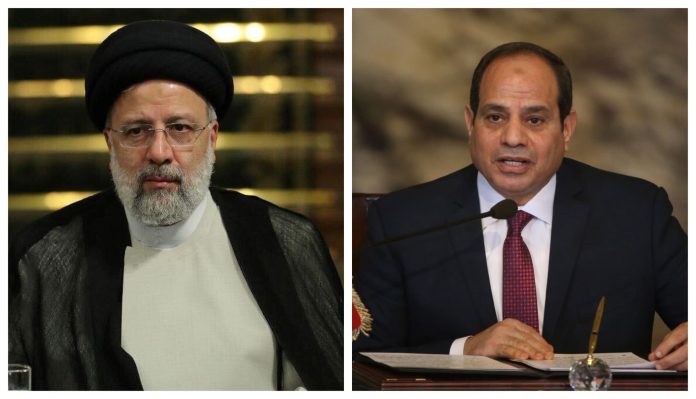
MP: Iran, Egypt will soon re-open embassies, plan Raisi-Sisi meeting

Raisi and Sisi

Fada-Hossein Maleki, who sits on the Iranian Parliament’s National Security and Foreign Policy Committee, said a revival of relations with Egypt is of significance since it is one of the “old and civilization-rich” countries of the region and the entire world.

He said talks are being mediated by Iraq between Iran and Egypt, and their bilateral ties will soon return back on track.

Following a re-opening of embassies, a meeting will be planned between Iranian President Ebrahim Raisi and his Egyptian counterpart, Abdel Fattah el-Sisi, the lawmaker added.

Such a development appears to be an outcome of a normalization agreement reached between Saudi Arabia and Iran in March, following a seven-year suspension in ties between the two Middle East powers.

There are also reports indicating that a similar diplomatic process is underway between Iran and Bahrain.

Bahrain severed diplomatic ties with Iran in January 2016.

Polls open in Turkey’s presidential elections

Turkey Presidential Election

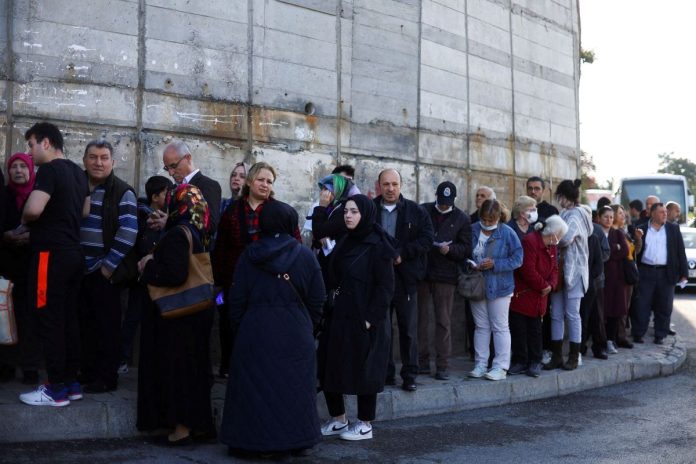
Presidential and parliamentary votes are being held, deciding not only who leads Turkey, a NATO-member country of 85 million, but also how it is governed and where its economy is headed amid a deep cost of living crisis.

The race poses the biggest challenge yet to Turkey’s strongman leader. He faces economic headwinds and criticism that the impact of the devastating February 6 earthquake was made worse by lax building controls and a shambolic rescue effort.

Opinion polls give Erdogan’s main challenger, Kemal Kilicdaroglu, who heads an alliance of six opposition parties, a slight lead, but if either fails to get more than 50% of the vote, there will be a runoff election on May 28.

Kilicdaroglu has promised to fix Turkey’s faltering economy and restore democratic institutions compromised by a slide to authoritarianism during Erdogan’s tenure.

On Thursday, Kilicdaroglu was boosted further by the late withdrawal from the race of a minor candidate, Muharrem Ince. Ince had low polling numbers but some opposition figures feared he would split the anti-Erdogan vote.

Turkey holds elections every five years. Over 64.1 million people are registered to vote. A total of 191,885 ballot boxes have been set across the country.

More than 1.8 million voters living abroad already cast their votes on April 17, according to the country’s deputy foreign minister.

Every voter will be casting two ballots, one for the president and the other for parliamentarians, both of whom will serve five-year terms.

People who came to vote in Turkey’s general election are banned from entering polling booths with mobile phones and cameras, Turkish media has reported.

observers report a high voter turnout across all Turkish cities. Turnout in Turkish elections is generally high. In 2018, nearly 87 percent of eligible voters cast ballots.

Ahmet Yener, head of the Supreme Election Council, said voting continues in Turkey with no issues reported.

“It is clear that this election will witness a higher percentage vote participation than the previous elections,” he continued, adding, “People are waiting at polling station gates to cast their votes, and people are still flocking to the polling stations.”

Supporters swarm presidential candidates Erdogan and Kilicdaroglu, as the two vote in their respective strongholds of Istanbul and Ankara.

What candidates said after casting ballots?

Erdogan:

“The voting continues across Turkey without any issues. The most important thing was that people in the earthquake zones were able to cast their votes and this is happening now. Turning up for voting is important to show the strength of Turkish democracy. God willing, it will be a calm day for the good of Turkish democracy,” Erdogan stated.

Speaking to reporters, Erdogan expresses hope that the outcome of the polls would be beneficial for the country.

“My hope to God is that after the counting concludes this evening, the outcome is good for the future of our country, for Turkish democracy,” he added.
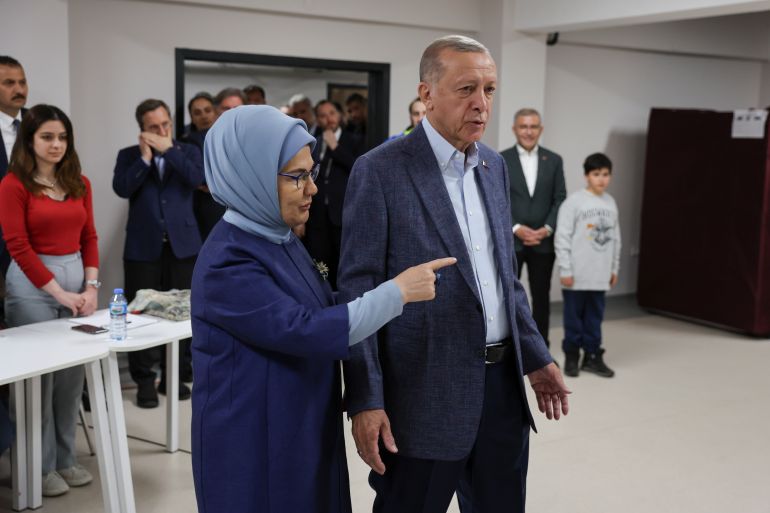
Polls open in Turkey’s presidential elections

Kilicdaroglu:

Leading opposition figure and head of the People’s Republican Party (CHP), Kilicdaroglu, has referred to his famous campaign slogan “I promise spring will come” after casting his ballot.

“All of us missed democracy, we missed being all together. You will see the spring will come to this country after today and springs will always continue,” he stated.
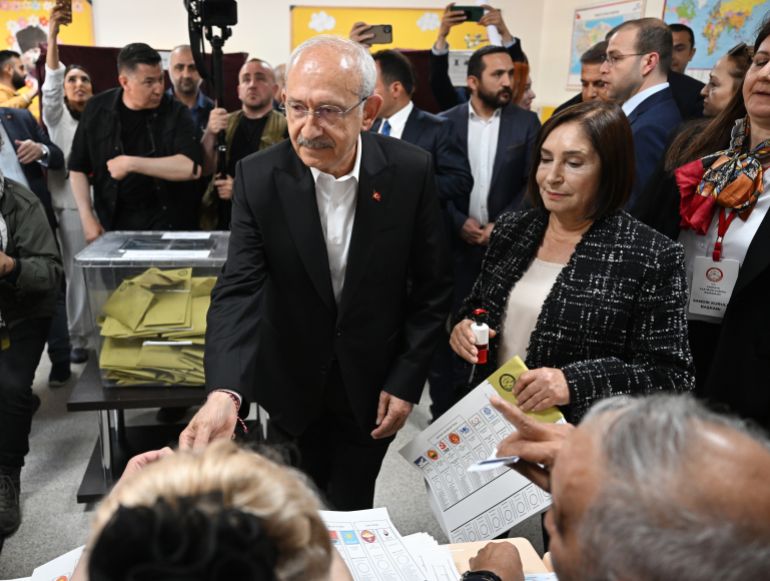
Polls open in Turkey’s presidential elections

Sinan Ogan

“I want to call on all our citizens, please go to polls and cast your votes. Let’s have a calm and peaceful election day all together today,” he said.

 

More specialists migrating from Iran than GPs: Daily

Iran Surgery

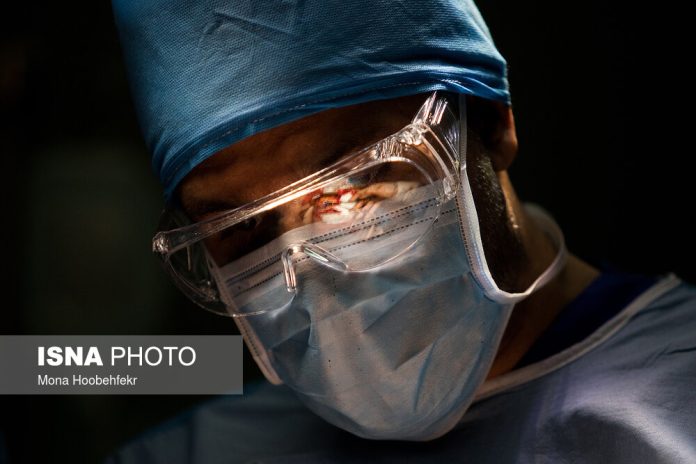
The report, by Iranian daily Donyay-e Eqtesad, said specialists were leaving Iran in pursuit of better opportunities in larger numbers than GPs, whose annual emigration rate after the height of the Coronavirus pandemic had already increased two-fold.

It said between 6,000 to 10,000 specialists were leaving the country every year.

The figures could not be independently verified.

Donyay-e Eqtesad said the variation was due to the fact that authorities were refraining from publishing official records.

It anonymously quoted a specialist as saying that in the Iranian calendar year of 1398, at the end of which the pandemic started, some 3,000 specialists had left the country; in 1400, i.e. two years later, that figure had risen to 5,000.

An Iranian health official said last week that over 800 Iranian midwives had emigrated last year.

The COVID-19 pandemic strained the medical community in all countries. But reports say large numbers of Iranian doctors and nurses decided to emigrate to other countries in the wake of the contagion.

Tehran summons Iraqi envoy over anti-Iran terror activities in Kurdish region

The Iranian Foreign Ministry

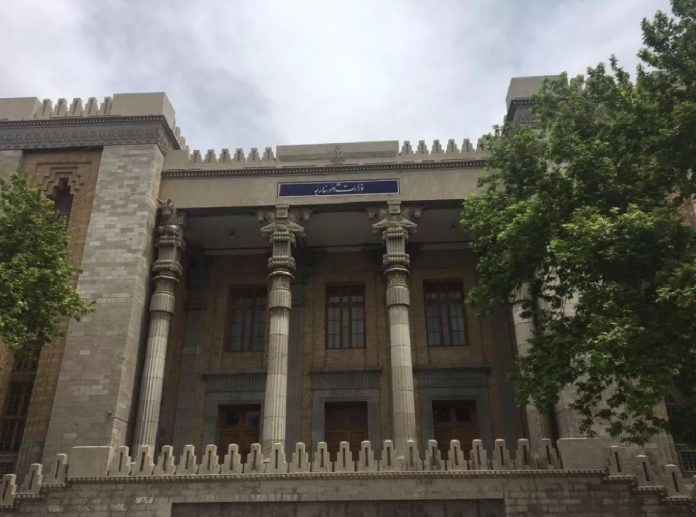
Addressing reports, Iranian Foreign Ministry spokesman Nasser Kanaani said Tehran’s “strong protest” was relayed to the Iraqi diplomat over the presence of separatist terrorists at the official meeting and the continuation of anti-Iran activities in the Kurdistan region.

The ambassador was told that such measures run counter to a security agreement recently reached between the two neighboring countries, Kanaani added.

The separatist terrorists operating in Iraqi Kurdistan have long been sowing insecurity in the country’s western regions.

Iranian military forces have on several occasions conducted raids on the terror bases in Iraqi Kurdistan, as many warnings for the local officials to contain the terrorist outfits fell on deaf ears.

The Iraq-based terrorists were also found by intelligence bodies to have played a significant role in fueling a wave of unrest and deadly riots that broke out in Iran in September 2022 and continued to plague the country for months.

Israel and Palestinian groups in Gaza reach shaky truce

Israel Gaza

Egypt, which brokered the ceasefire, called on all sides to adhere to the agreement, Egypt’s Al-Qahera News television channel reported on Saturday.

“In the light of the agreement of the Palestinian and the Israeli side, Egypt announces a ceasefire between the Palestinian and the Israeli side has been reached,” read a text of the agreement seen by Reuters, and added the truce would begin at 10pm.

“The two sides will abide by the ceasefire which will include an end to targeting civilians, house demolition, an end to targeting individuals immediately when the ceasefire goes into effect,” it said.

According to Palestinian media, six children and three women were among victims of the latest Israeli aggression against Gaza, which left 150 others injured, most of them also women and children. The Palestinian fatalities included several Islamic Jihad commanders.

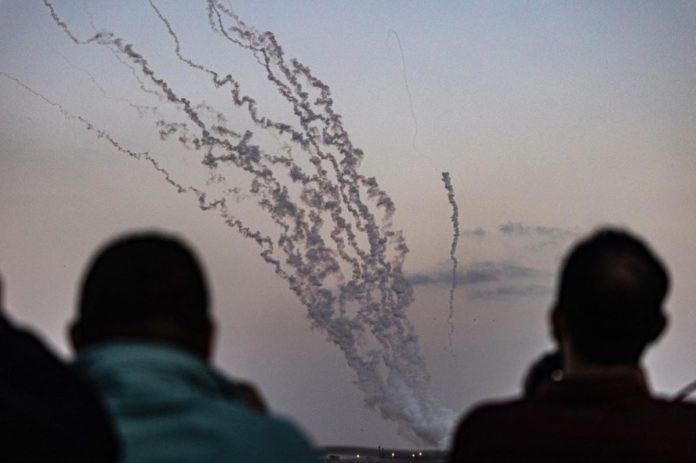
In response, Islamic Jihad fired over 1,000 rockets, sending Israelis fleeing into bomb shelters.

The Joint Operations Room of Palestinian Resistance Factions announced the end of fighting in a statement, warning the Zionist regime against returning to the policy of assassination of resistance commanders.

“Our sword is not sheathed and our hands are on the trigger. If you return, we will return,” it noted.

The statement added that the Palestinian resistance has the upper hand when it comes to use of force and deterrence, as it showered the enemy with hundreds of rockets and artillery shells, destroying the enemy’s structures.

“The resolve to fight [Israel] will not weaken. The enemy miscalculated when it thought the time was in its favor and the opportunity was ripe to assassinate a group of resistance leaders and then end the conflict as soon as possible and according to its own desire,” it said.

The groups stressed that the resistance against Israel will start anew following the conflict and “the banners of resistance have not been and will not be lowered.”

The conflict marked the worst episode of fighting between Gaza’s resistance factions and the Israeli regime since a 10-day war in 2021.