Saturday, December 27, 2025
Home Blog Page 1315

Famous Iranian linguist and translator Kourosh Safavi dies

Famous Iranian linguist and translator Kourosh Safavi dies

He was the vice-president of Linguistics society of Iran and a leading professor at Allame Tabatabaei University in Tehran.

Some of his works include the books “An Introduction to Linguistics”, “A Dictionary of Linguistics”, “A Look at the Background of Persian Language”, “Seven Commentaries about Translation”, “From linguistics to Literature”, “Some Commentaries on Linguistics”, “An Introduction to Semantics”, “Logic in Linguistics”, “From Linguistics to Literature, “Applied Semantics”, “Descriptive Culture of Semantics”, “Literature from a Linguistic Perspective”, “Languages of the World: 4 Essays on Linguistics”.

Safavi got his bachelor’s degree of German language in 1971 and master’s degree of Linguistics in 1979 and his Linguistics doctorate in 1993 from Tehran university.
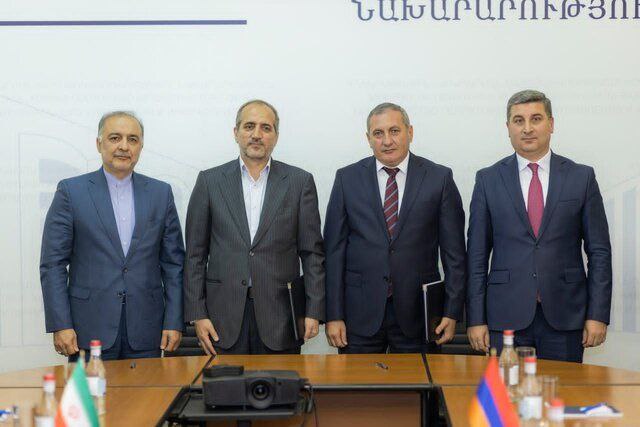
Iran and Armenia sign gas-electricity swap deal

The Iranian embassy in Yerevan said the initial agreement was reached during Armenian Prime Minister Nikol Pashinyan’s visit to Tehran in November of 2022 and the final document was signed on Thursday.

Iran’s gas exports to Armenia will be within the framework of an energy swap deal and the talks between the delegations of the two countries focused on the amount of gas exports and the exchange rate of electricity and gas. Iran’s pipeline to Armenia is capable of transferring more than one billion cubic meters of natural gas to Armenia per annum while only about one-third of this capacity has been used since it was launched.

Armenia exports electricity to Iran in return for importing gas. Following the completion of the third electricity transmission line from Armenia to Iran, the line’s capacity will also increase by three times to hit 1300 megawatts.

President Raisi gets low approval in opinion polls

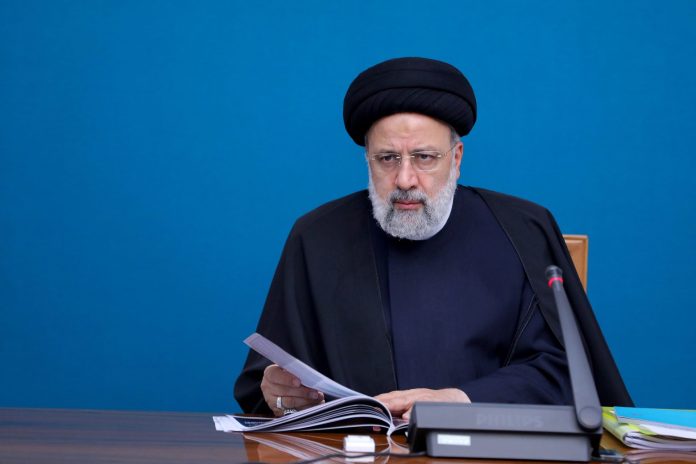
Ebrahim Raisi

Asriran news website asked the voters “on the second anniversary of Mr. Raisi’s presidency, how do you rate his government’s performance?”


Out of 47,877 people who took part in the poll, 83.52 percent said the president’s performance was very low, and 7.95 percent rated him as low.

4.1 percent of the respondents viewed the president’s performance as acceptable and only 4.42 percent put Raisi’s performance in a positive light.

Khabarfori, a right-leaning principlist news website, also put the president’s performance to a vote, which almost had similar results.

87 percents of the 10 thousand voters said they were “not satisfied with the president’s performance” and only 13 percent said they are happy with the situation on the ground.

The opinion polls did not break down different areas of President Raisi’s performance, but economic hardships have taken a huge toll on the Iranians’ purchasing power since he took office on August 5, 2021.

Handling the unrest and deadly riots triggered after the death of young Iranian woman Mahsa Amini last September, were also a major issue during President Raisi’s tenure that lead to polarization of the society.

Iranian VP says US prisoners will remain in Iran until full transfer of frozen funds 

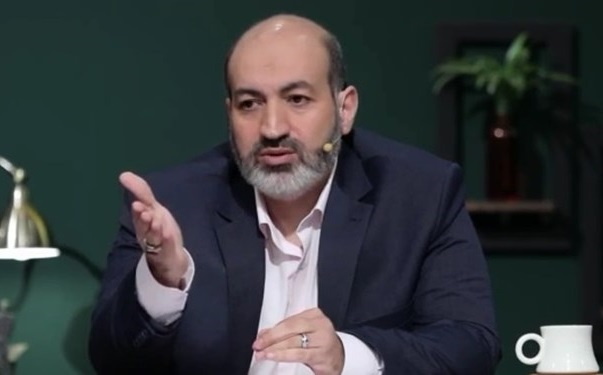
Mohammad Jamshidi added that following the unlocking of the Iranian assets in Iraq, the process of unfreezing the Islamic Republic’s funds in South Korea has also started.

The US and Iran earlier reached a deal to exchange their prisoners and under the agreement the US is also committed to unlock the Iranian assets frozen in Iraq and South Korea.

Some reports say Iran can use the funds only for humanitarian purposes, but Iran’s Foreign Ministry says the decision on how to utilize the assets lies with Tehran.

Western observers claim Iran will not have direct access to the funds and they will be deposited in a bank account in Qatar and will be used to pay for buying unbanned goods and services for Iran.

A senior advisor to the Iranian negotiating team during the JCPOA revival talks however denies this. Moahmmad Marandi said in a tweet earlier that Tehran will have direct access to its assets that were frozen by the US for several years.

Iran confirms South Korea unfreezing assets, release of prisoners from US

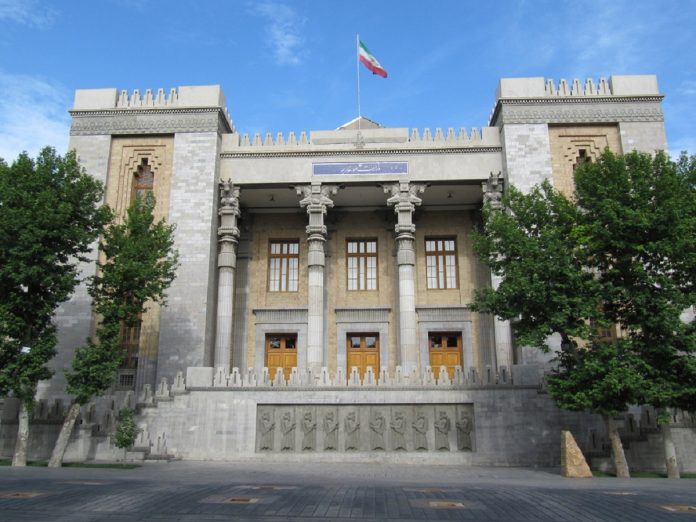
Ministry of Foreign Affairs of the Islamic Republic of Iran

The ministry issued a statement on Thursday night, saying, “Iran has received the necessary assurances regarding America’s commitment to its obligations in this matter.”

The statement reads, “The Ministry of Foreign Affairs has long prioritized the lifting of restrictions on the financial resources of the Islamic Republic of Iran that have been unlawfully blocked or made difficult to access by foreign banks due to concerns over the cruel sanctions imposed by the United States.”

It went on to reiterate that, “The decision on how to utilize these unfrozen resources and financial assets lies with the Islamic Republic of Iran. The competent authorities will allocate these resources to address the various needs of the country.”

The Iranian Foreign Ministry also said “the release of several innocent Iranian prisoners who have been unlawfully detained in the United States for years under false accusations of circumventing American sanctions, will be realized in the near future.”

The New York Times had earlier reported that Iran and the US have reached a deal that would see Tehran gaining access to $6 billion in its frozen assets in South Korea and the US freeing several jailed Iranians in exchange for the release of several US nationals from Iranian prisons.

The Iranian Foreign Ministry statement says “that prisoners sought by the United States still remain in Iran.”

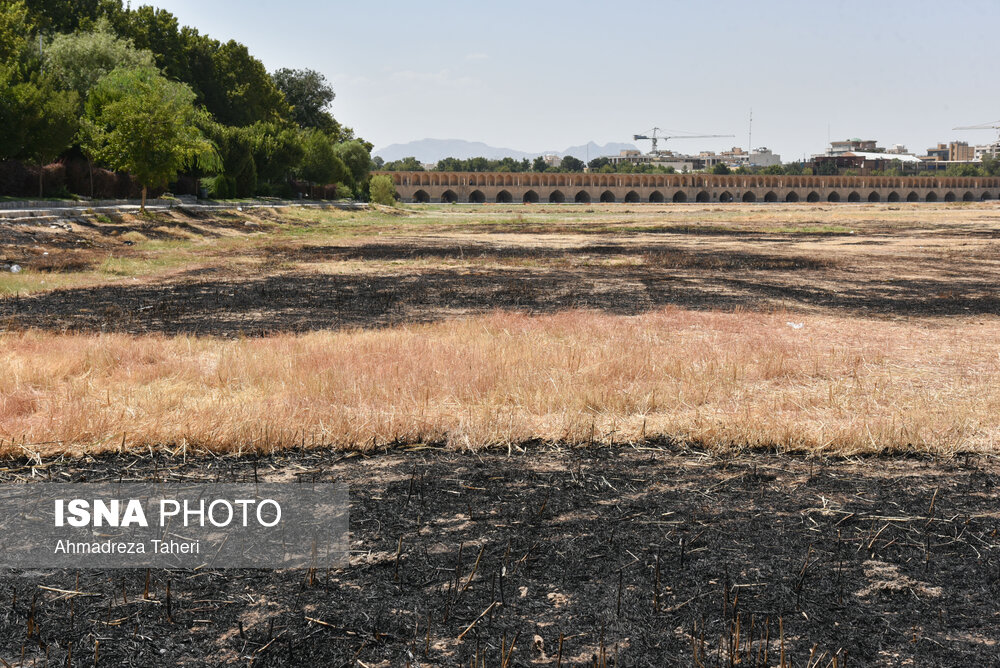
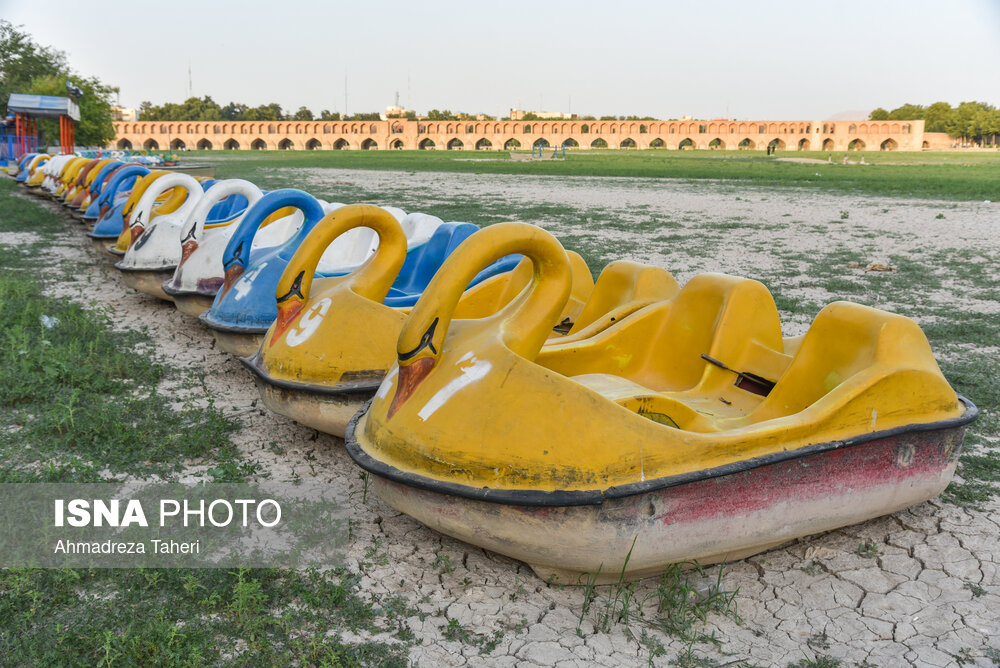
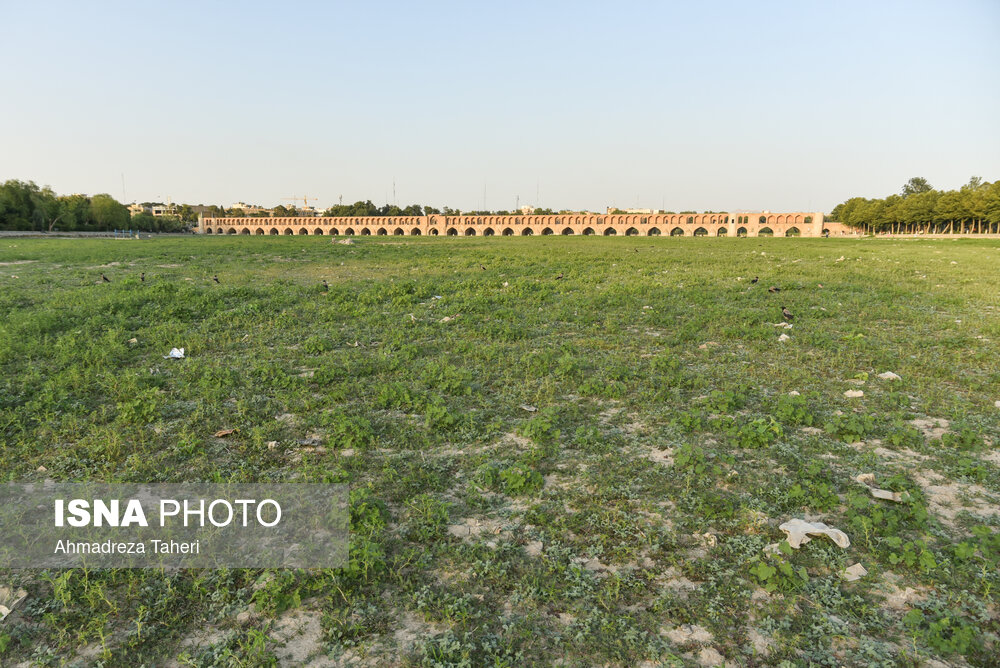
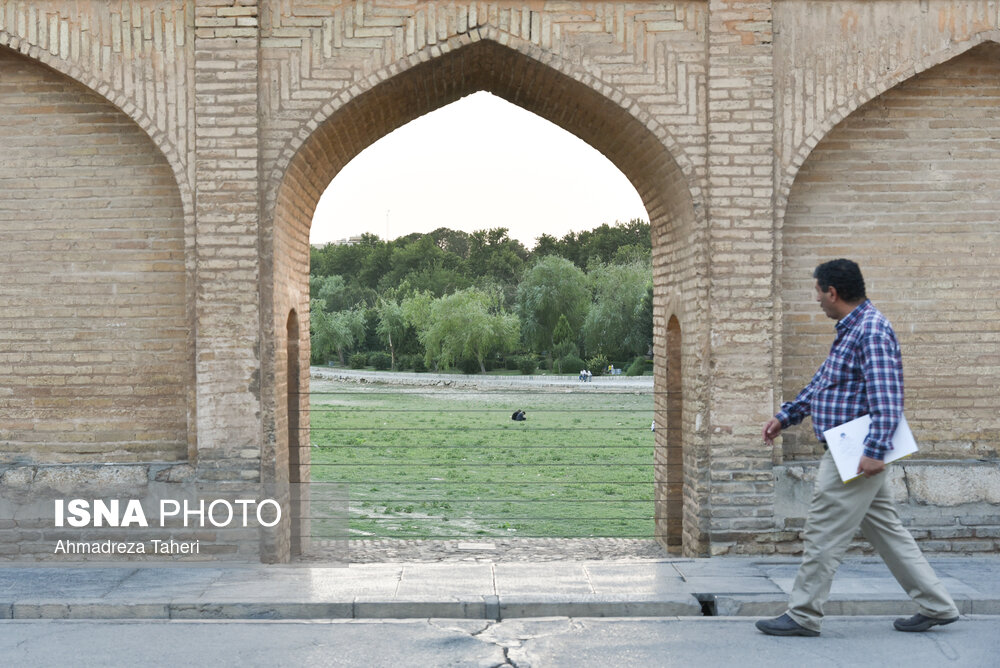
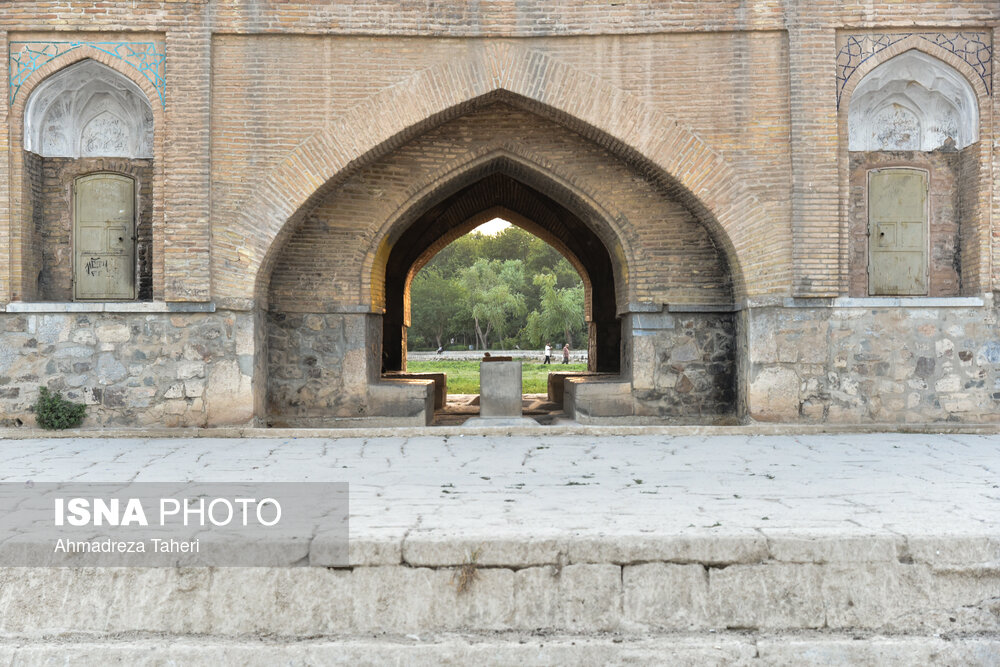
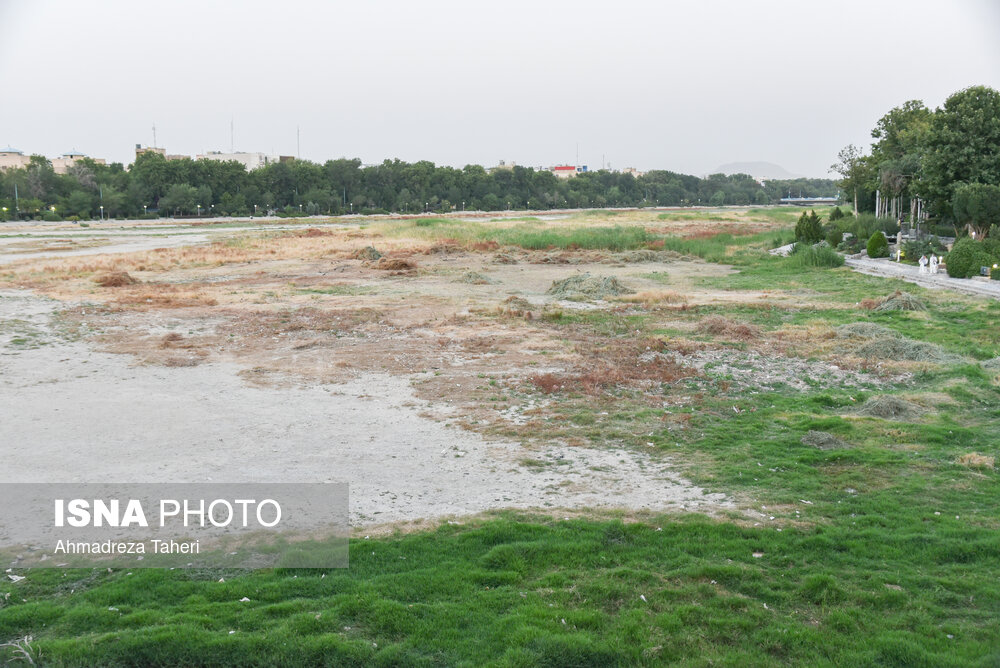
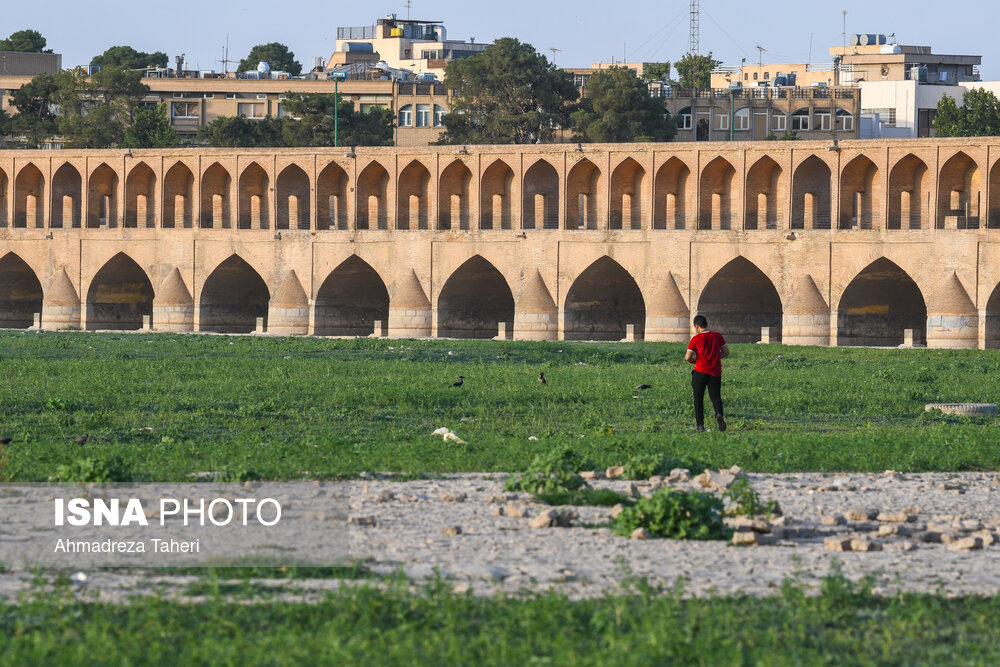
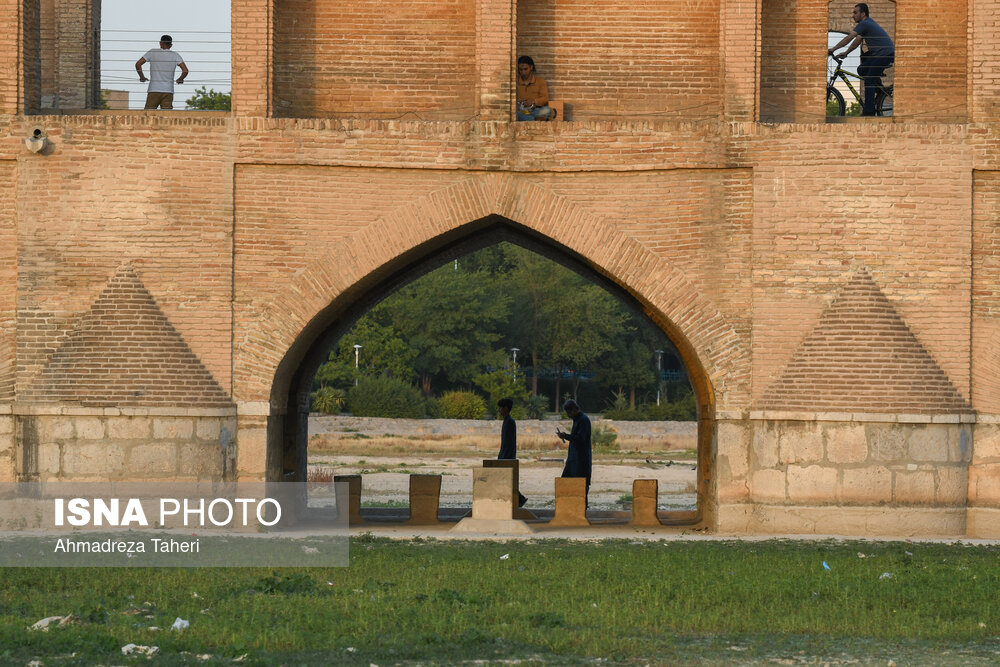
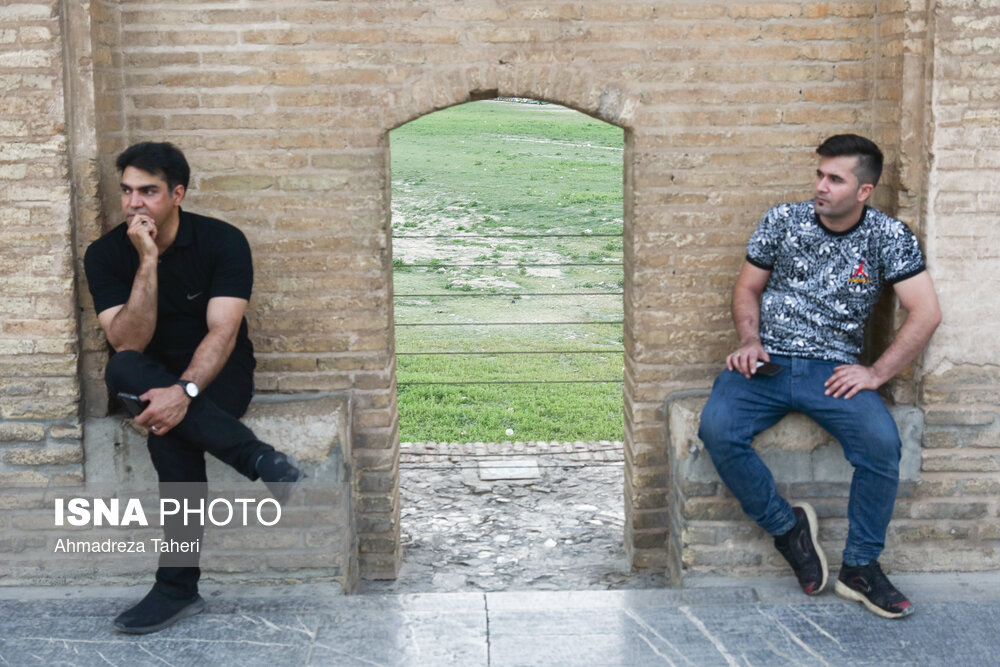
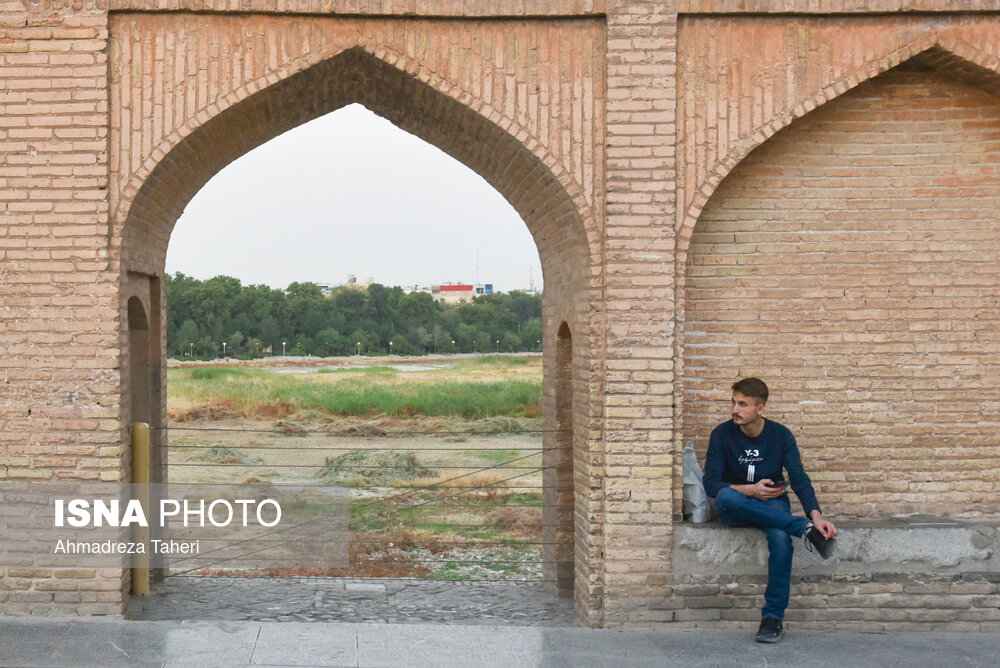
The Tragedy of Zayandeh Rud, in Isfahan

The river originates from the central Zagros Mountains, particularly Zardkouh in Chaharmahal and Bakhtiari Province. It flows eastward in the central plain of Iran and pours into the Gavakhouni Wetland.

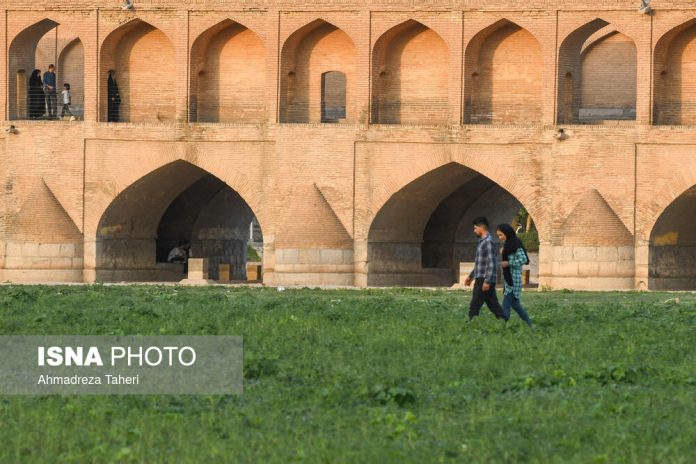
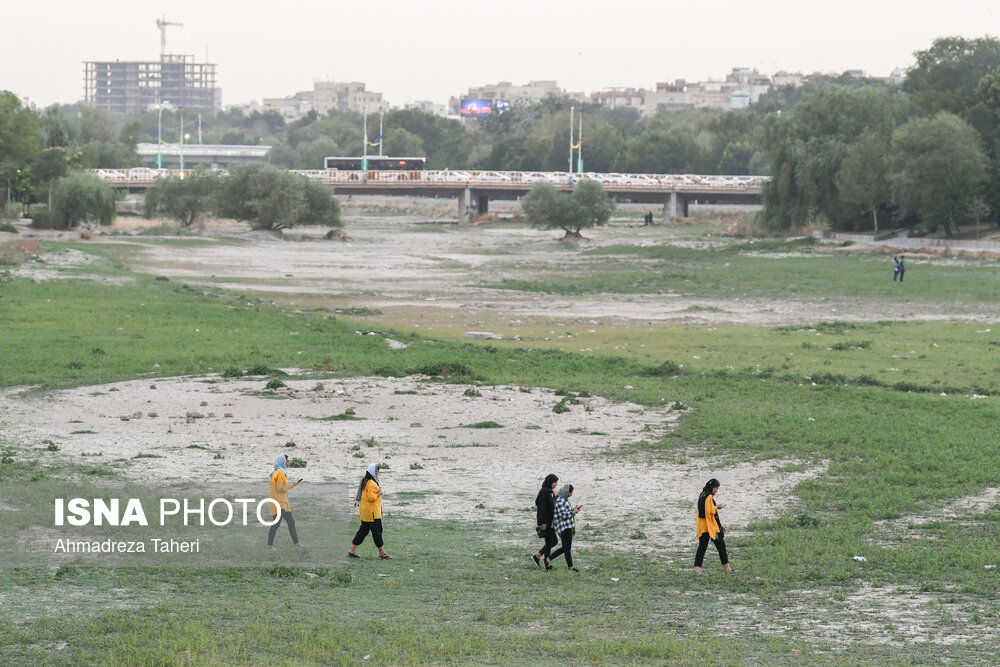
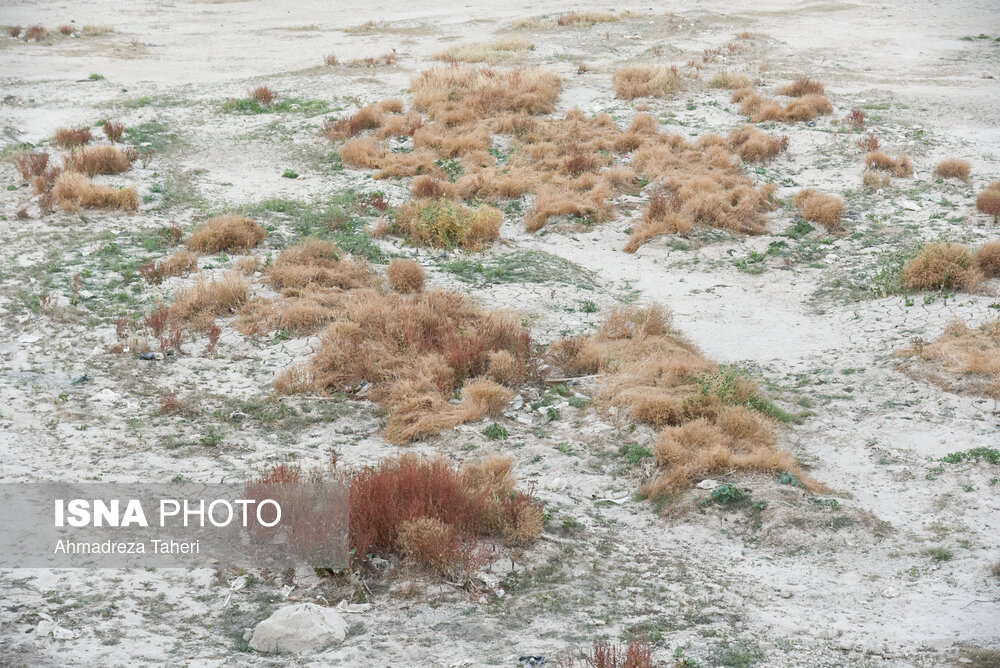
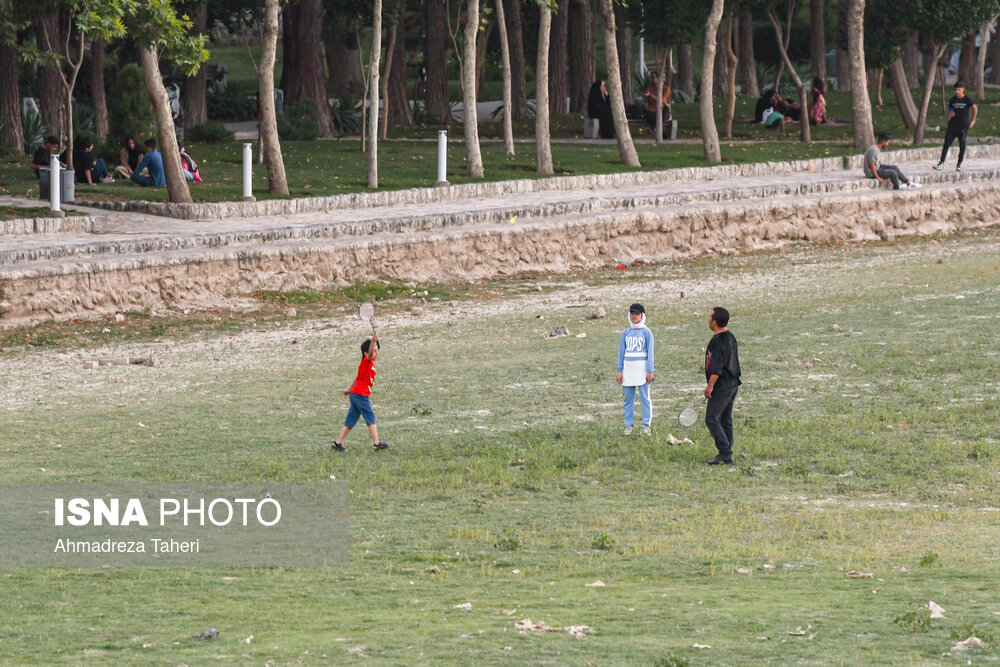
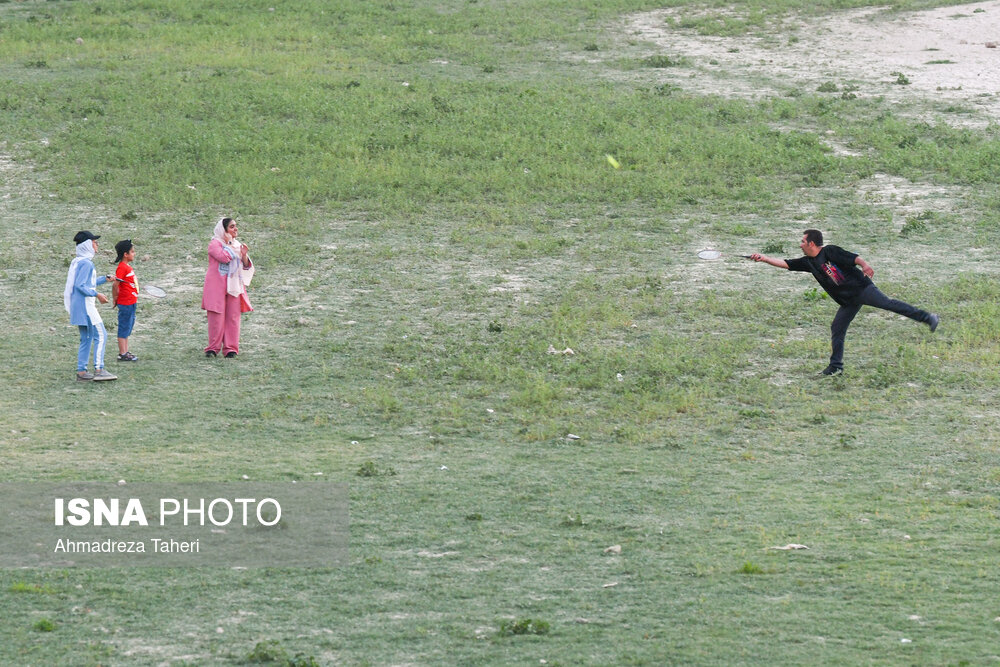
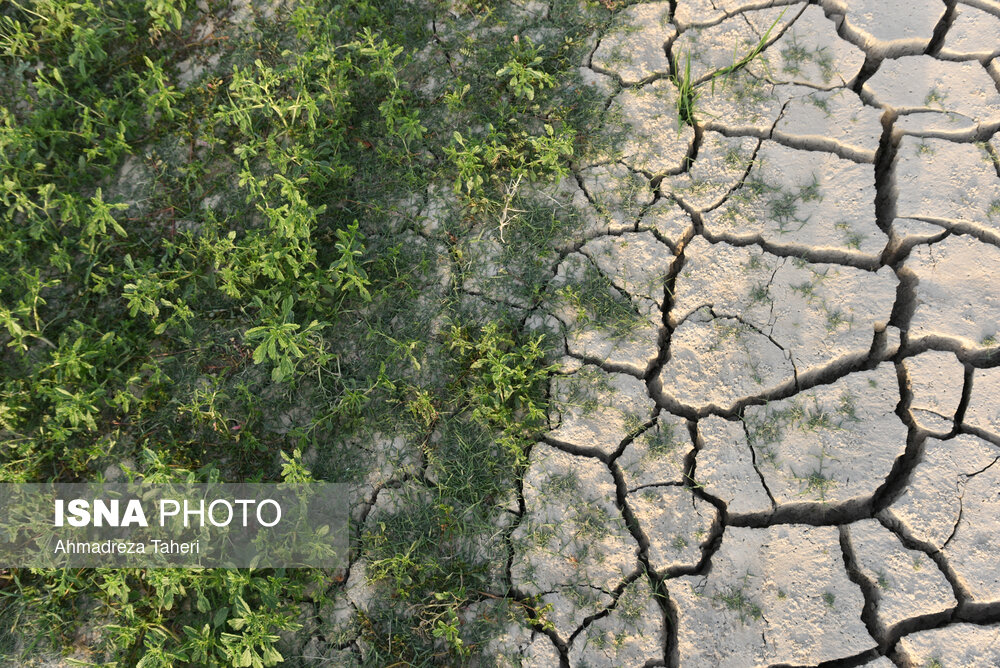
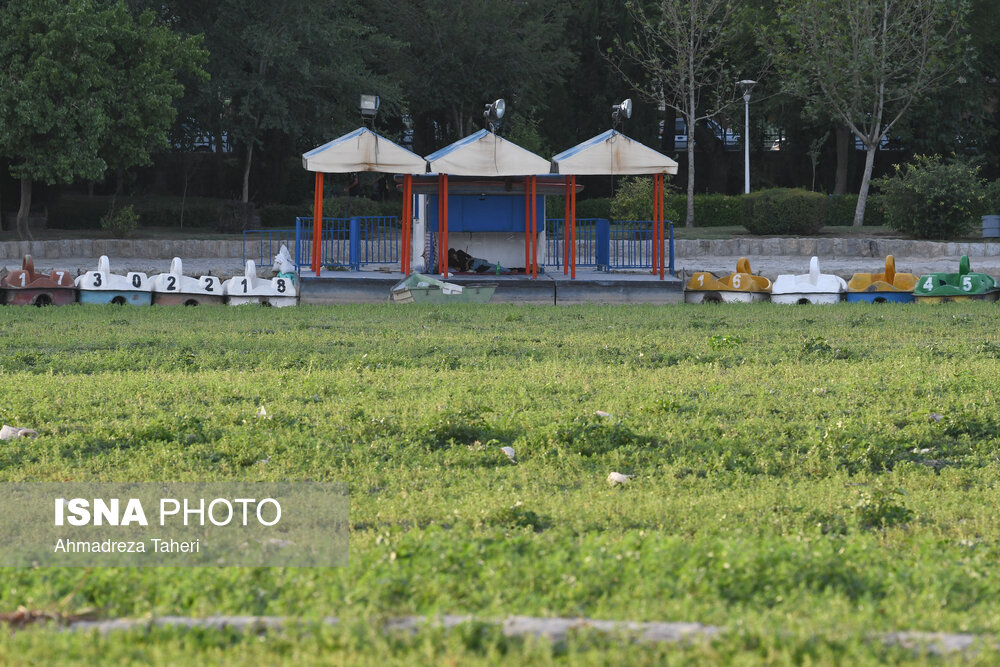
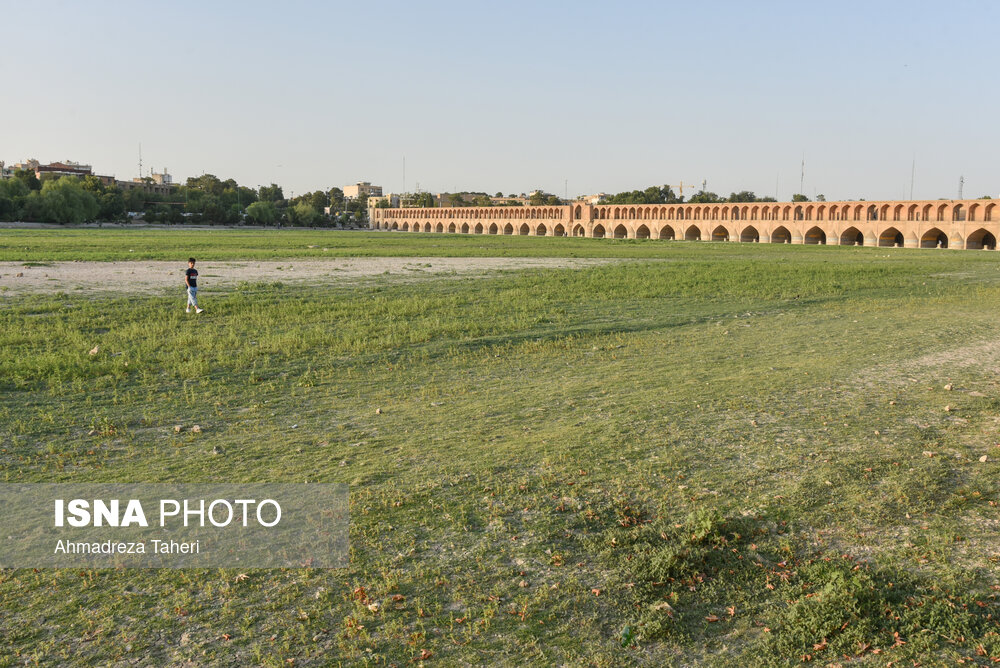
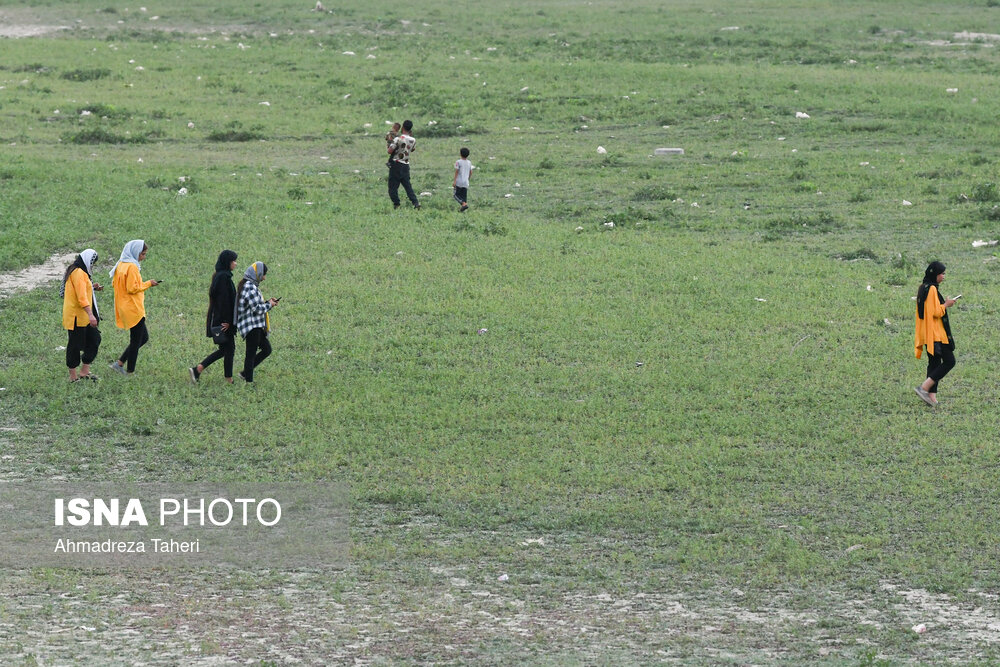
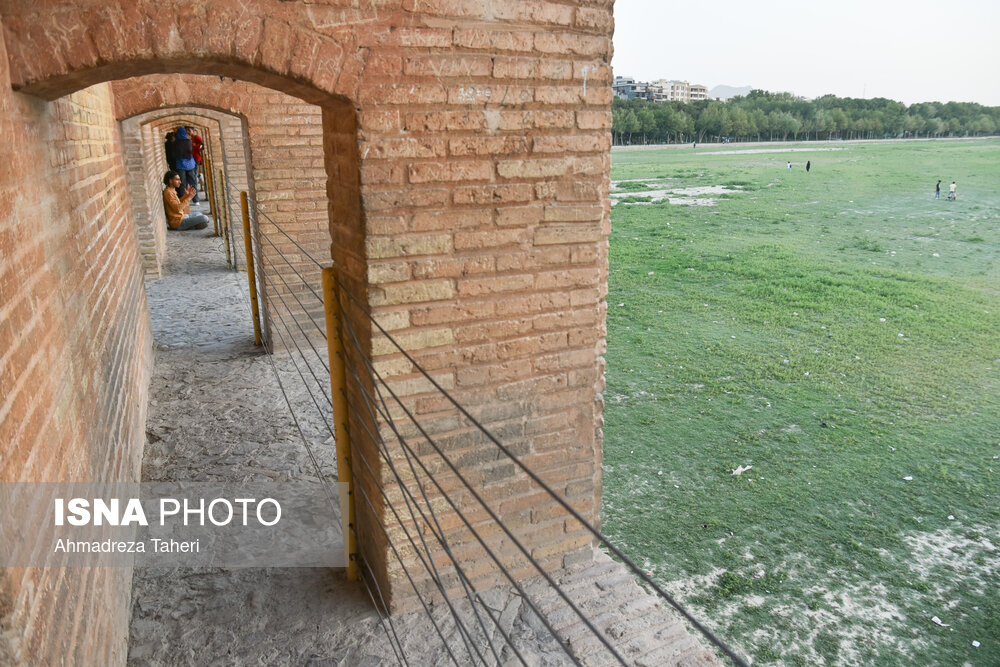
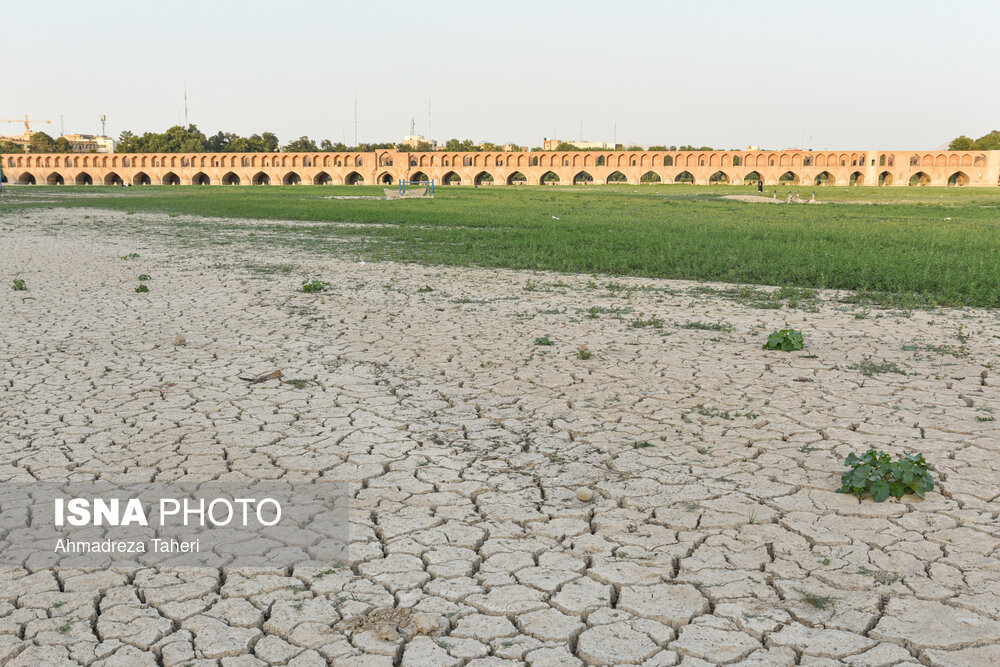
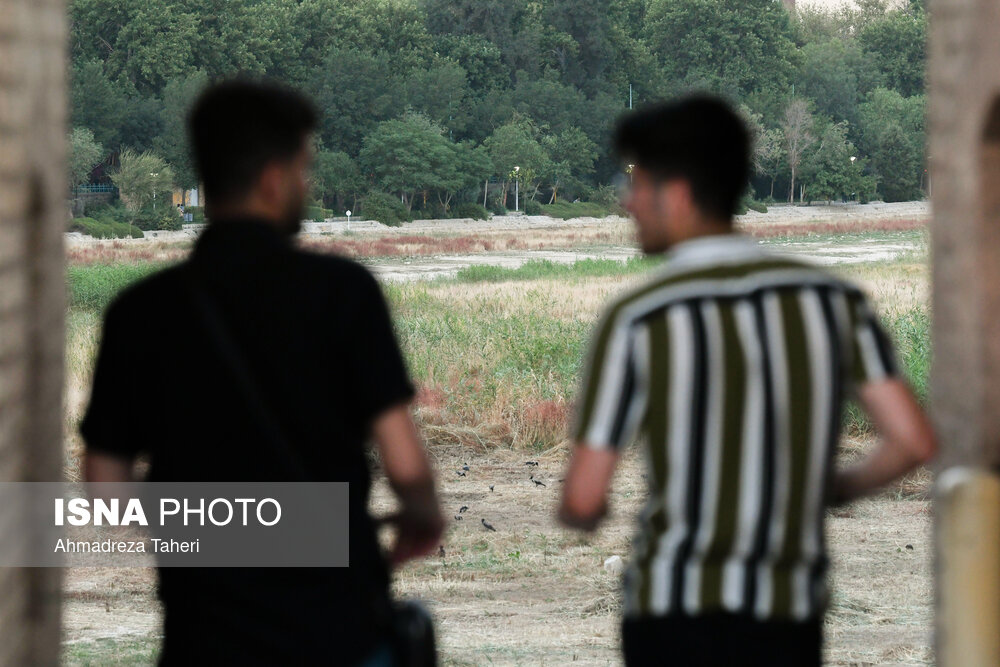
However, Zayandeh Rud’s permanent flow has stopped for years. Since 2007, the river lost its permanent flow throughout its direction and its dryness has adversely affected the city of Esfahan tourism-wise as well as economically and environmentally.

But Zayandeh Rud’s flow has continued to date up to the city of Zarin Shahr and the town of Lenjan in Esfahan Province.

Zayandeh Rud is among 118 natural reserves of Iran and was put on Iran’s natural heritage list by the Cultural Heritage Organization of the country on February 9, 2011.

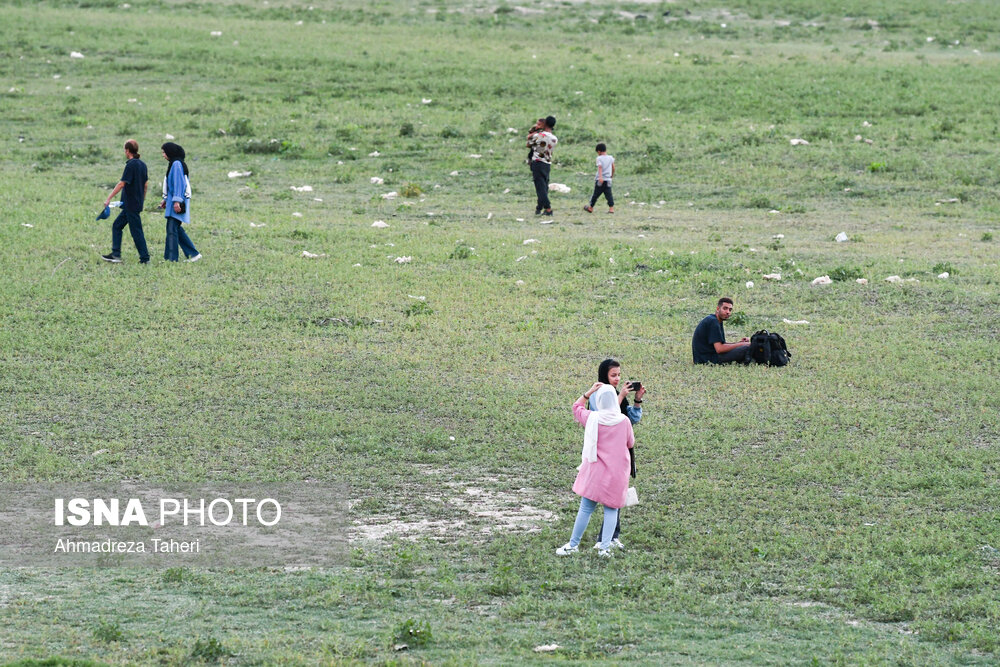
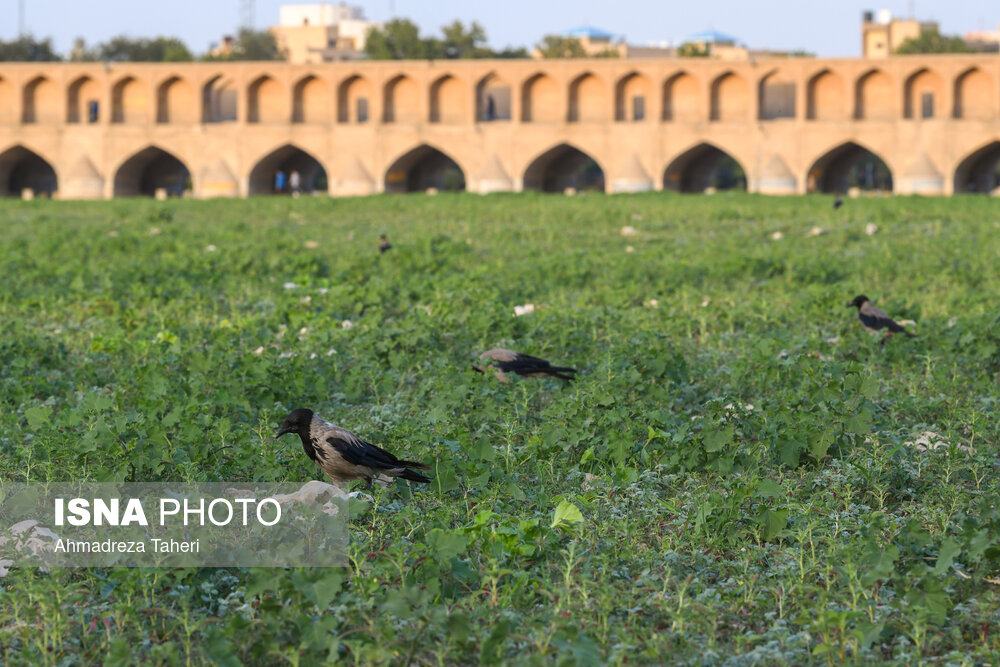
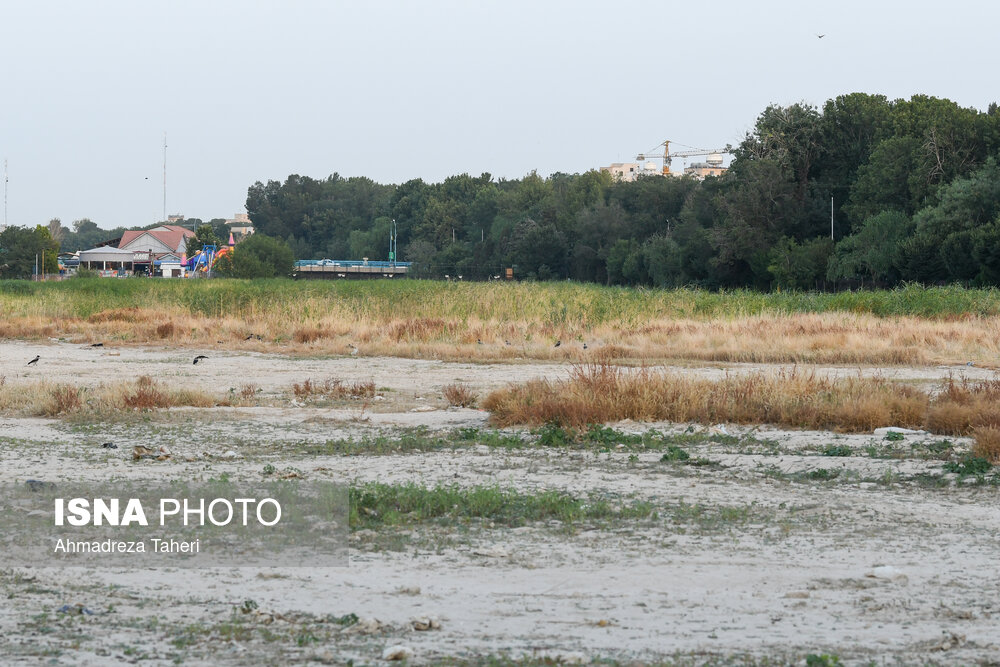
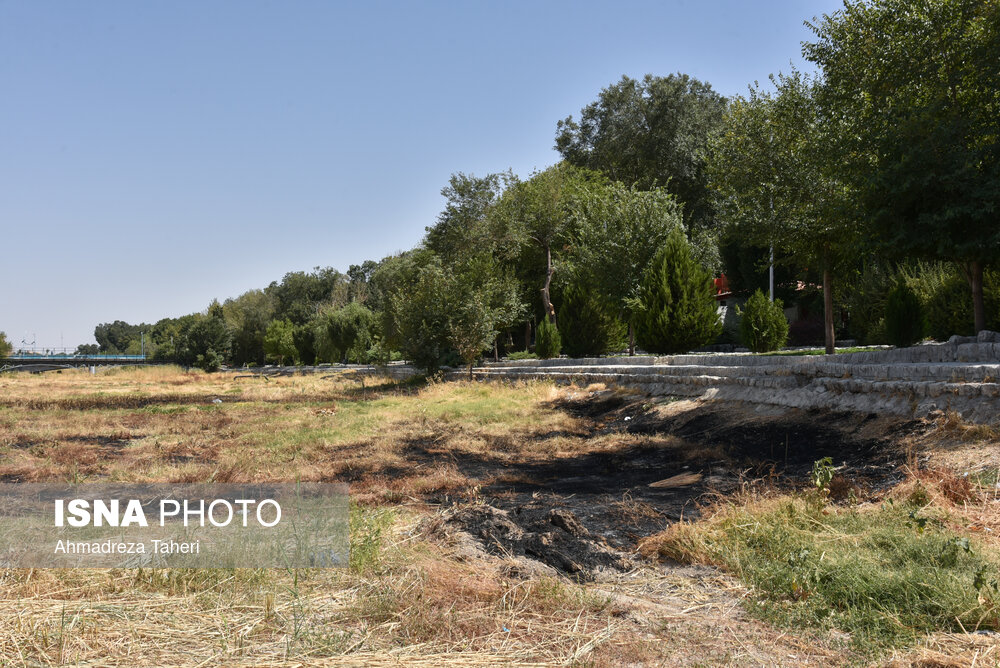
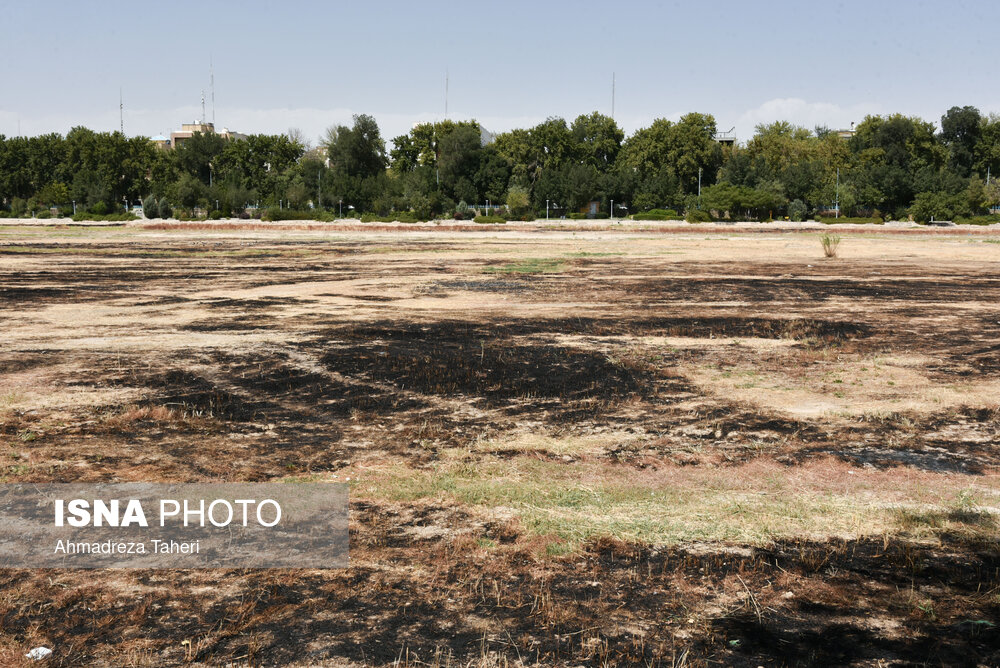
In recent years, every time when Zayandeh Rud is opened for cultivation by farmers in the east or west of Esfahan, the river bed becomes a place for the growth of different vegetation, which can potentially pose different environmental and social risks.

Those who damage the environment now and then put the vegetation on fire for fun but sometimes this poses a huge threat and in the event of the ill-timed deployment of firefighters, the bushfires could cause irreparable damage.

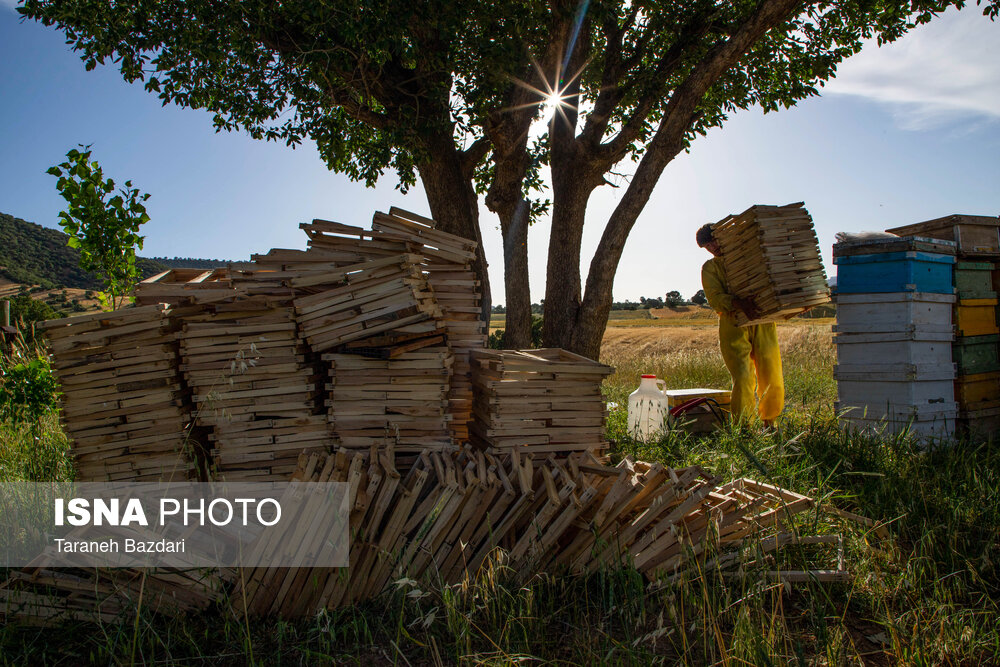
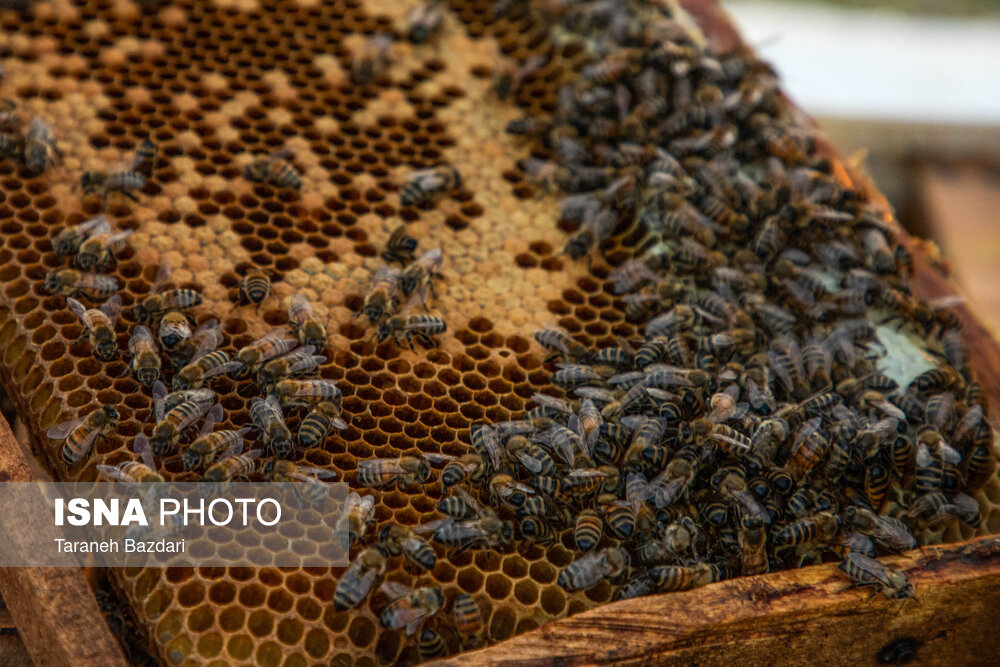
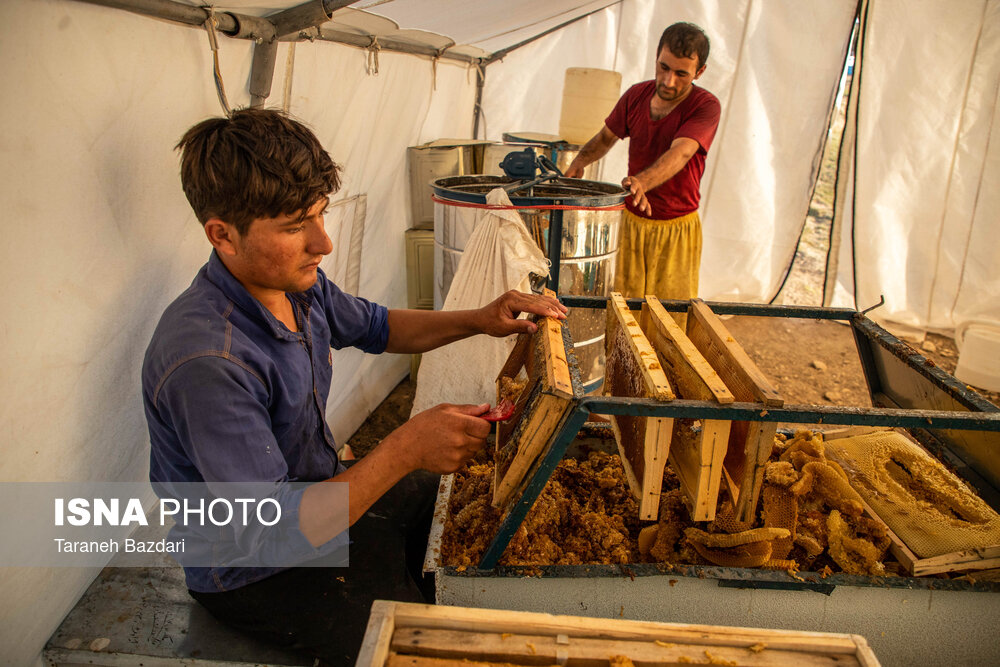
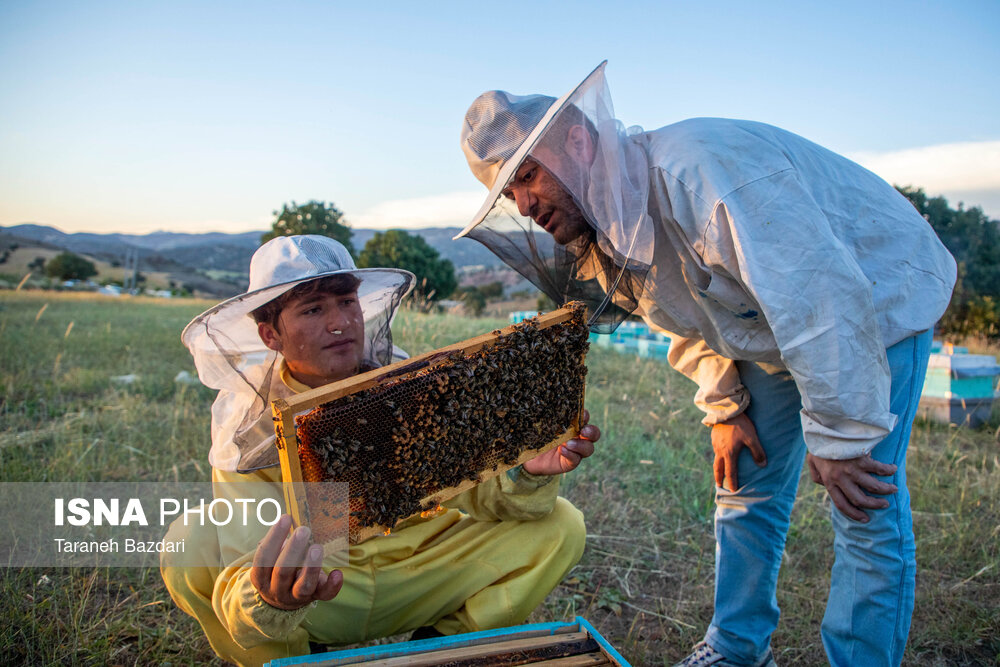
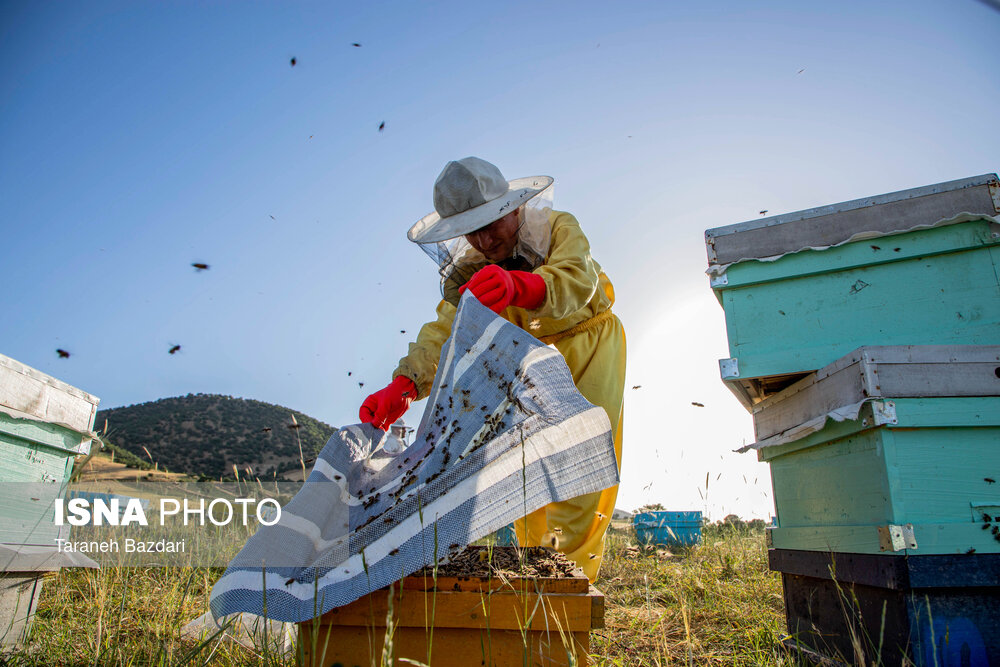
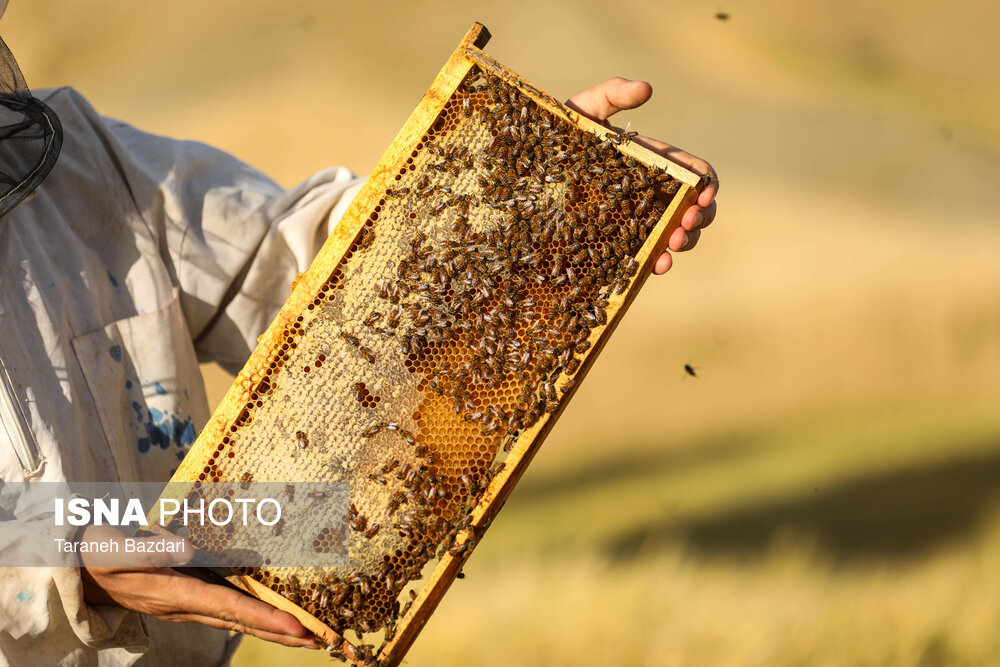
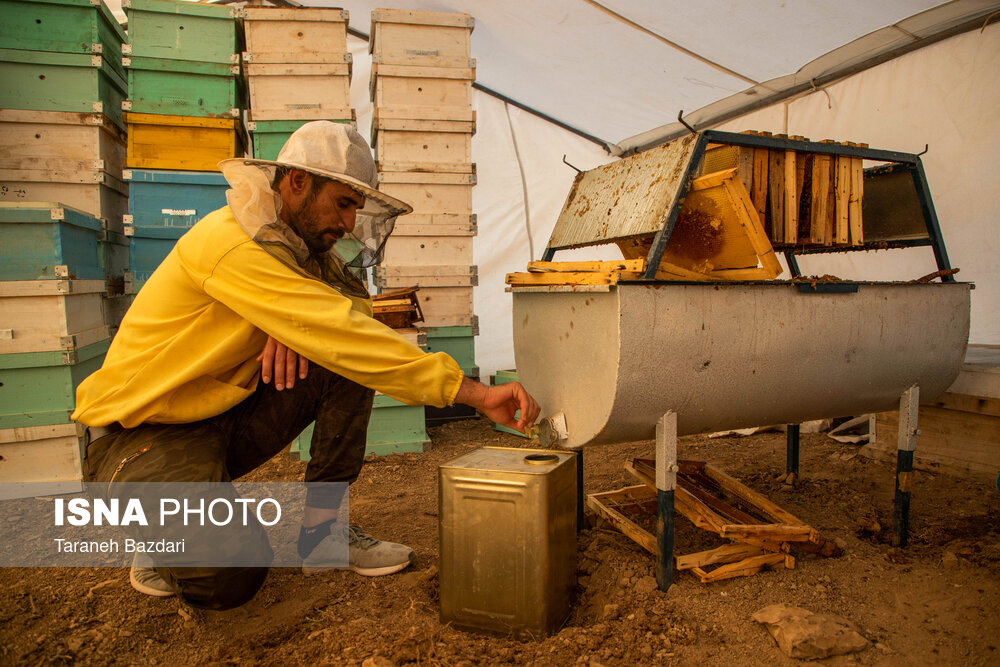
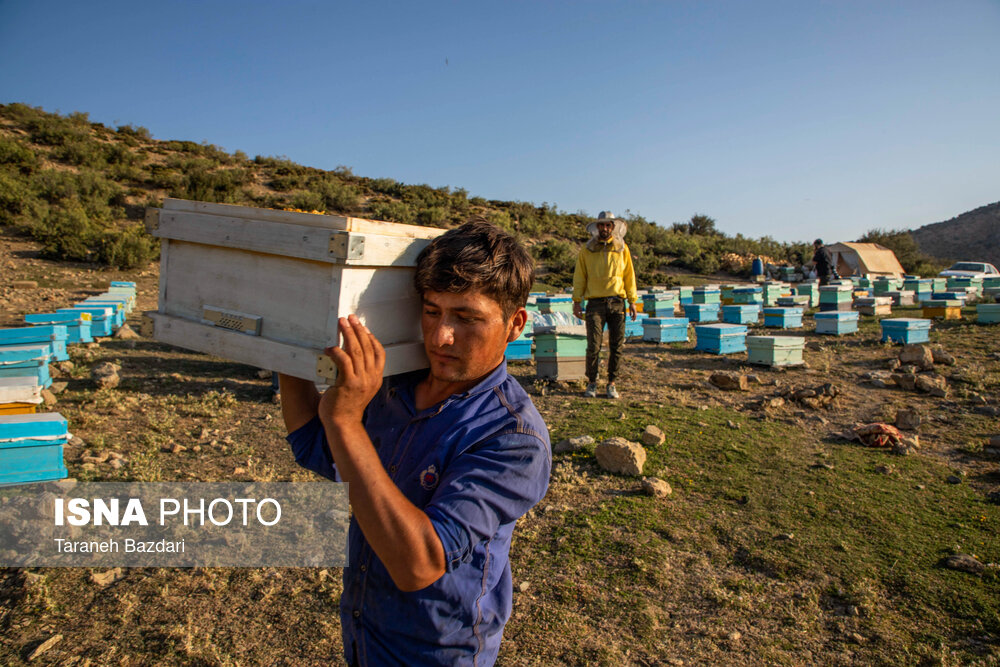
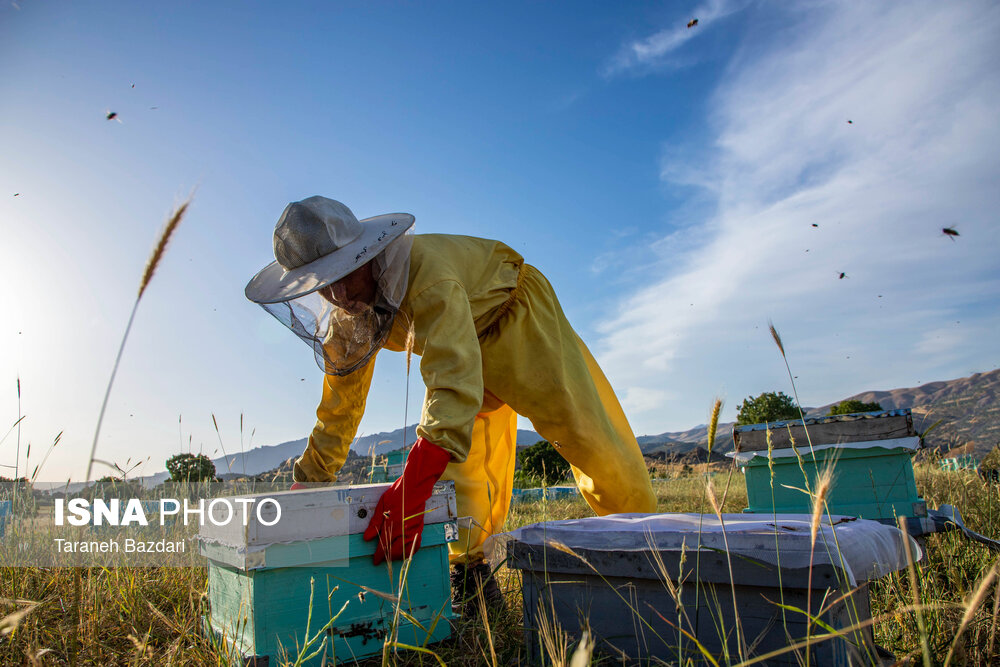
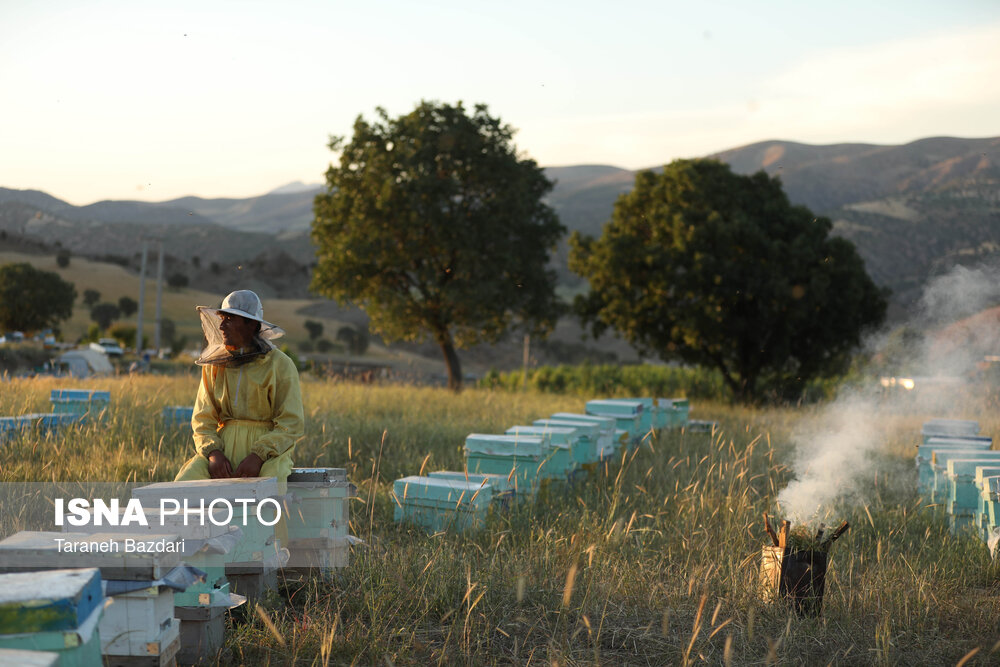
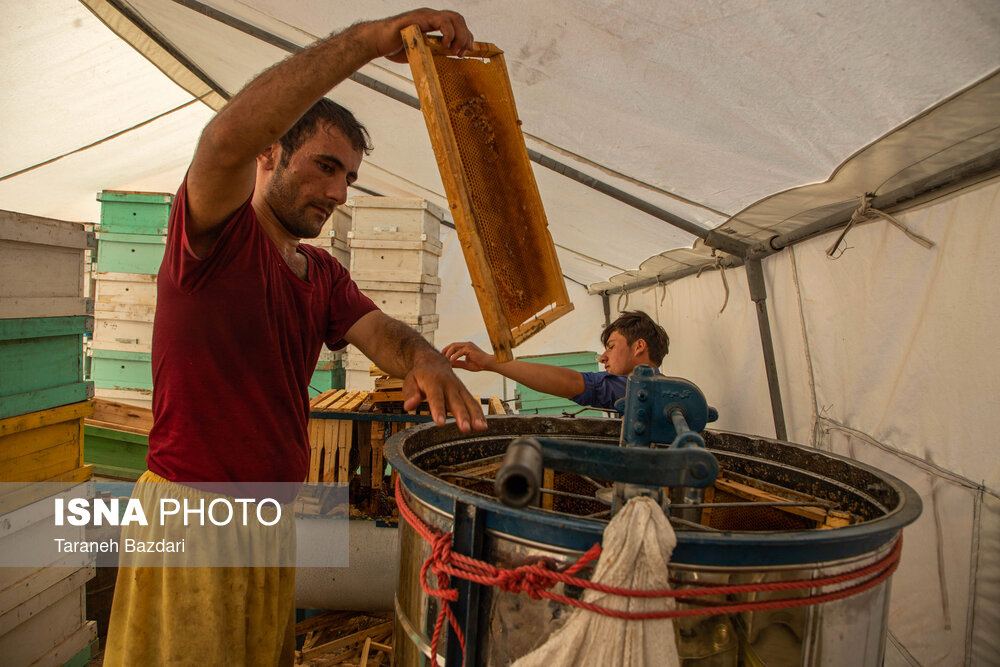
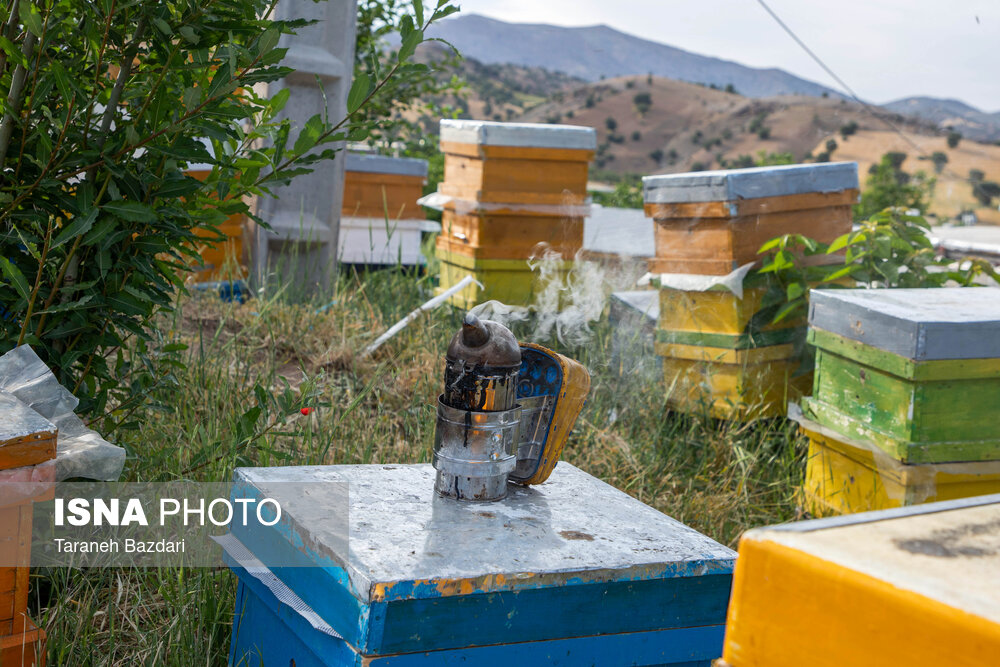
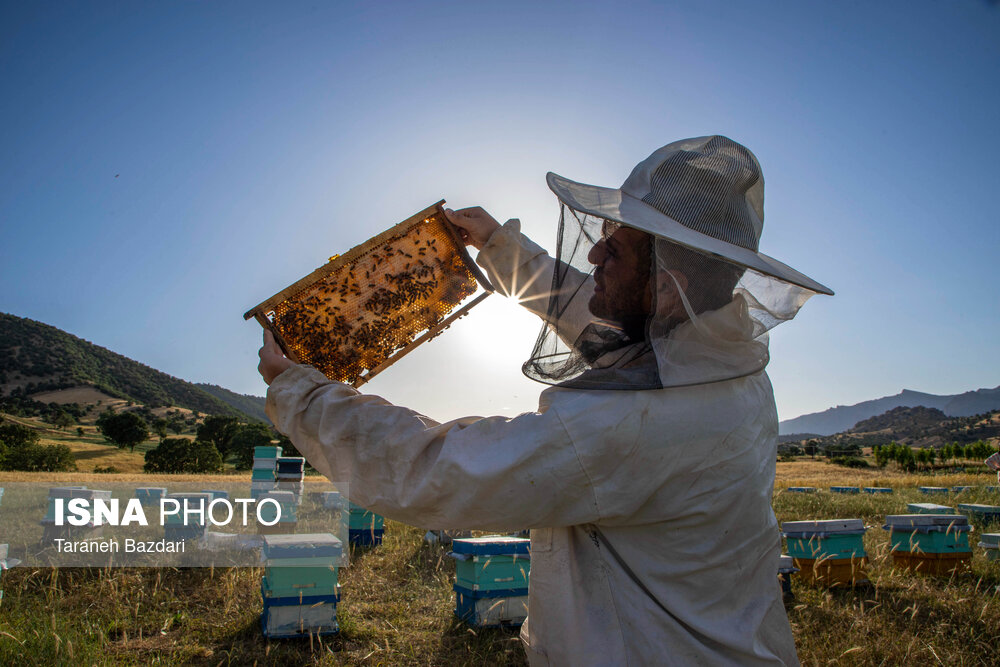
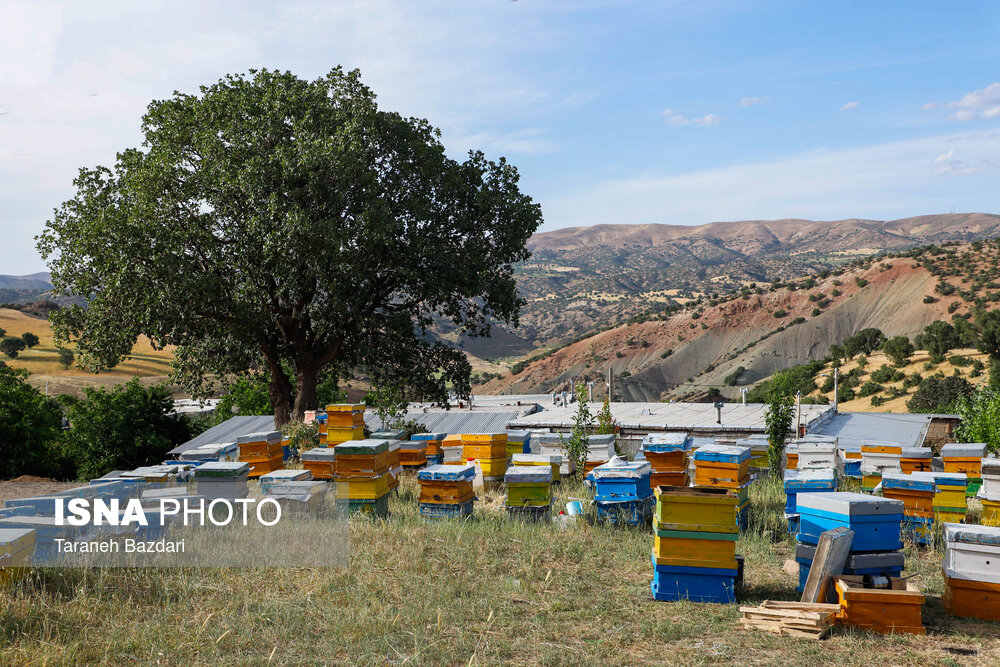
Bee Breeding in Lorestan, western Iran

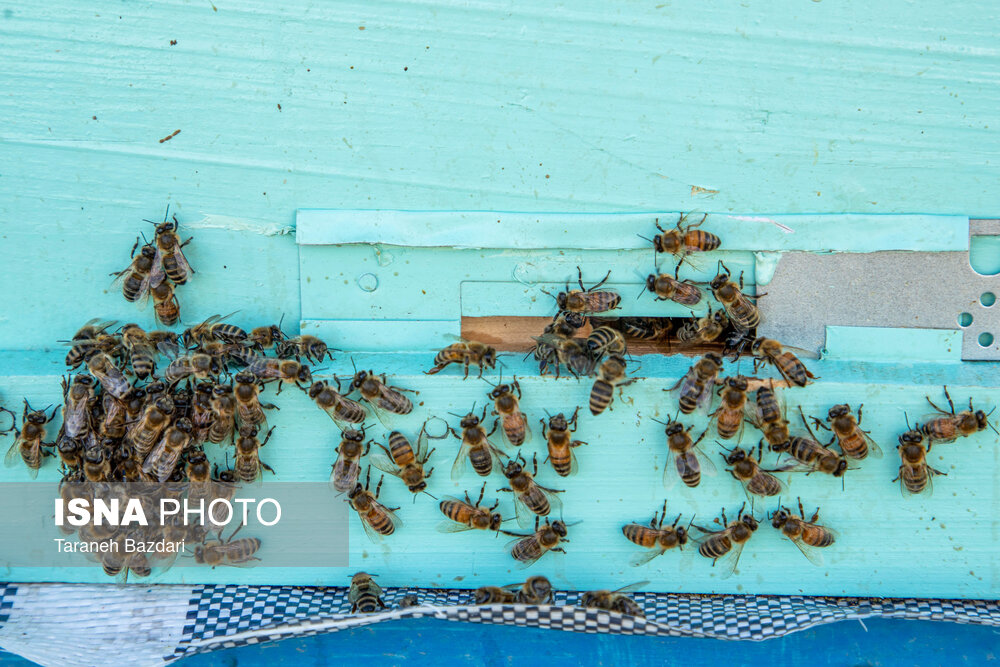
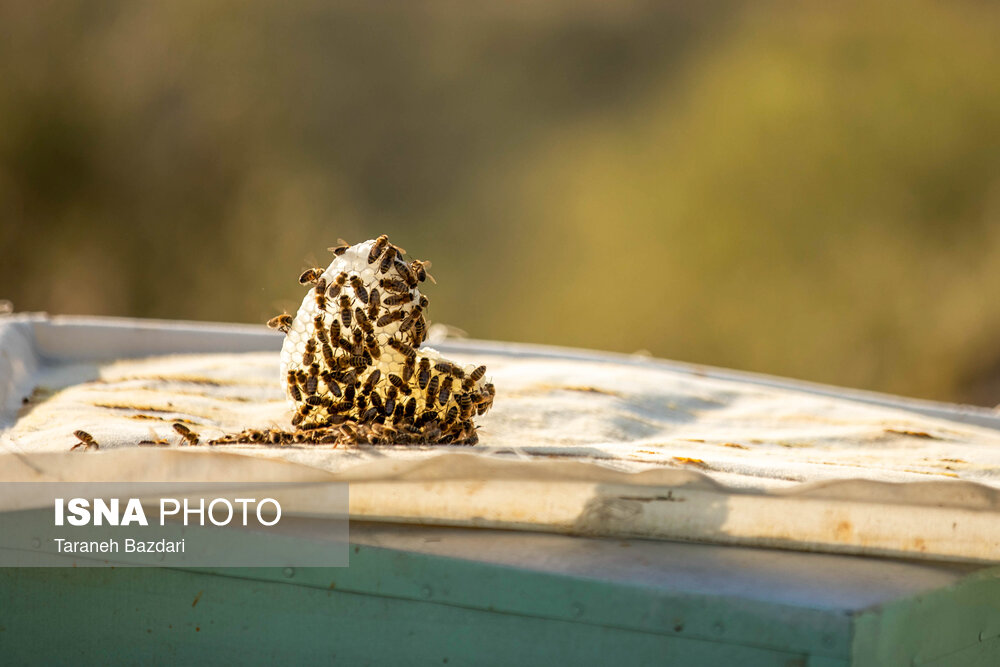
Bee Breeding in Iran

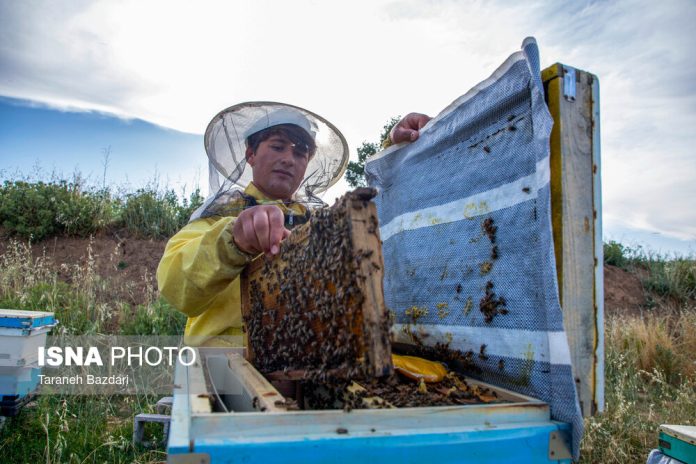
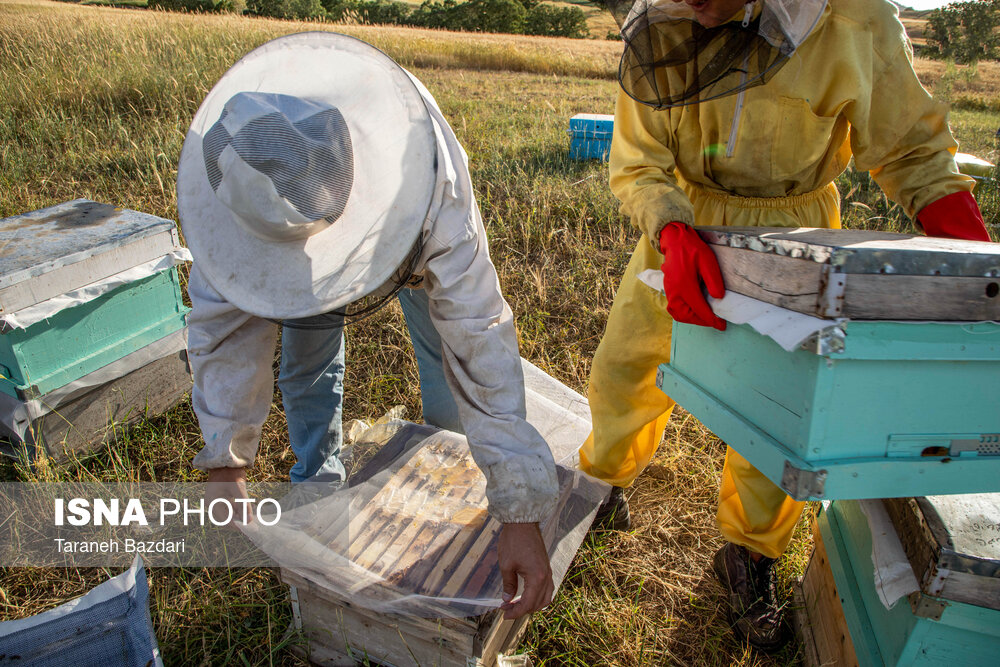
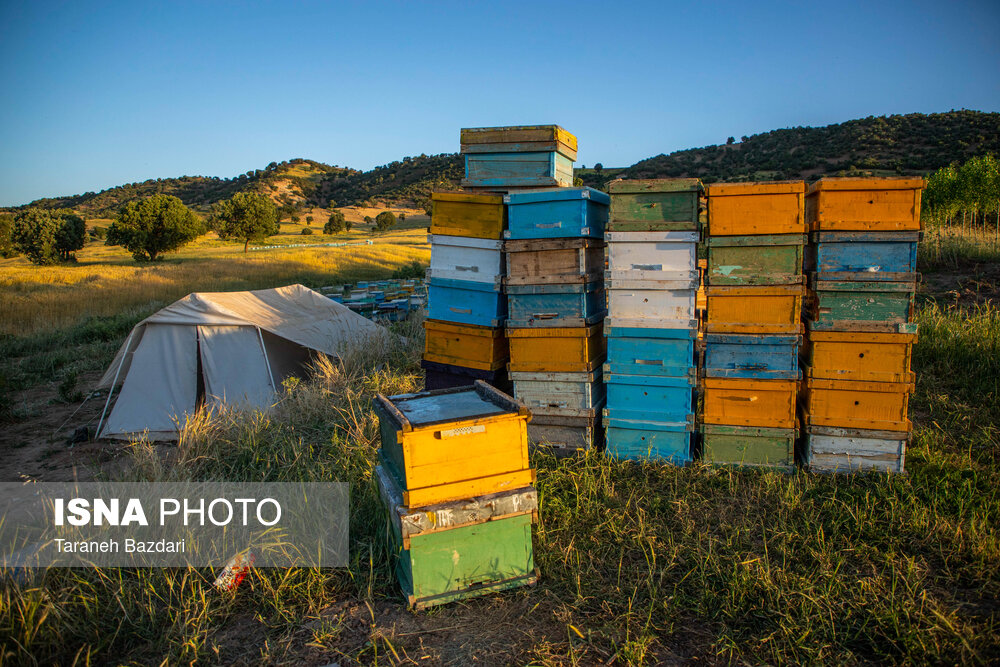
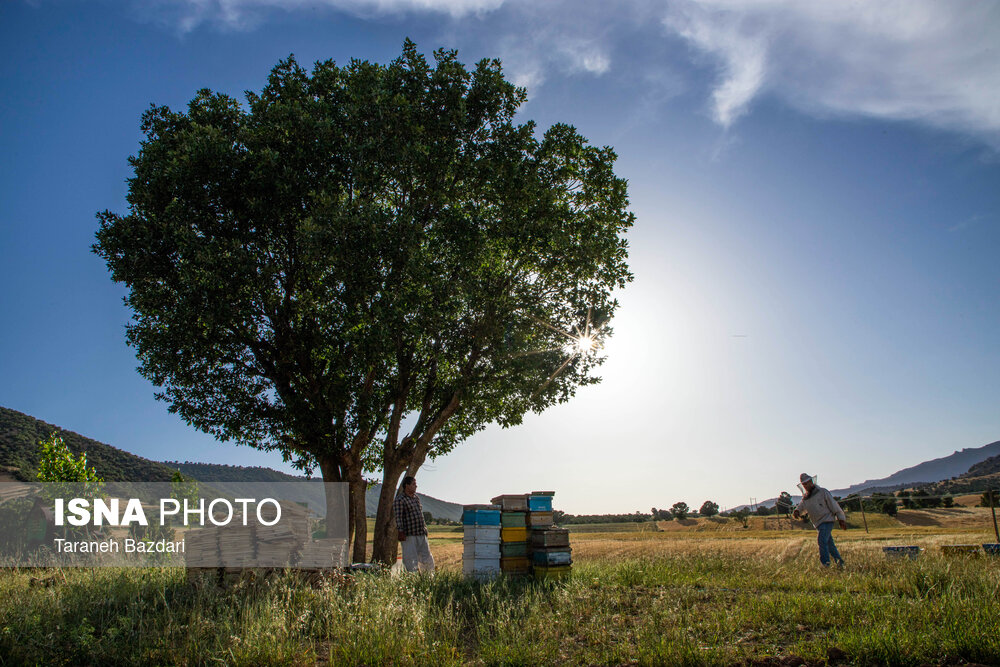
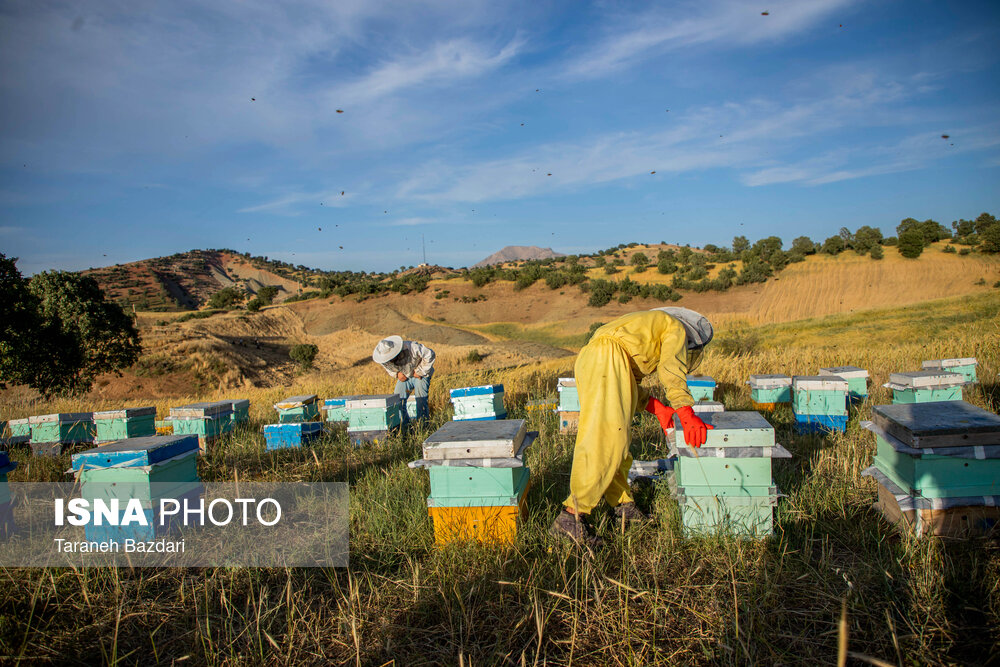
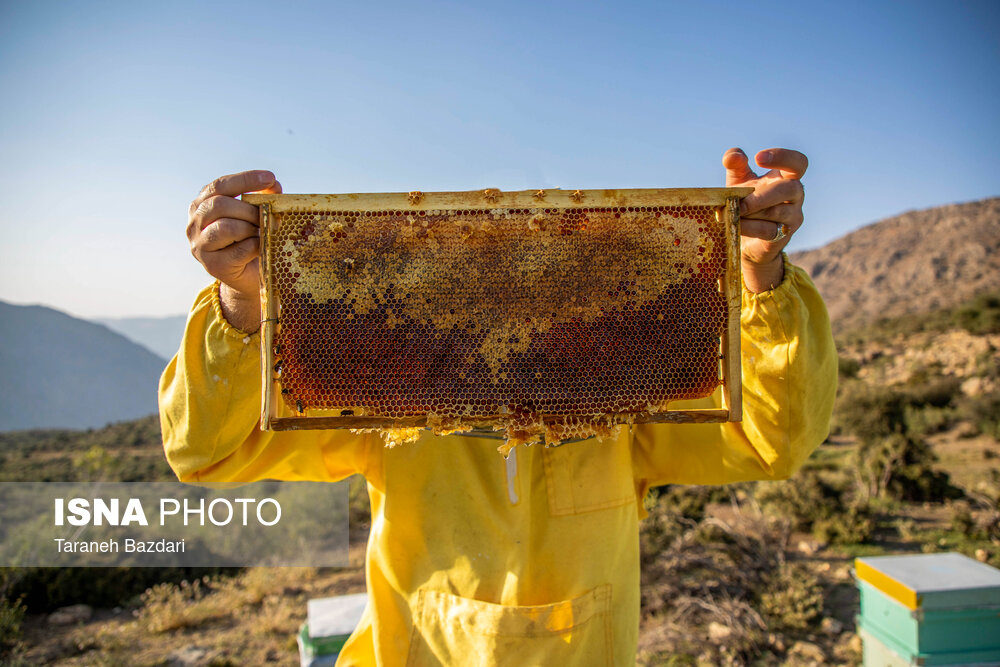
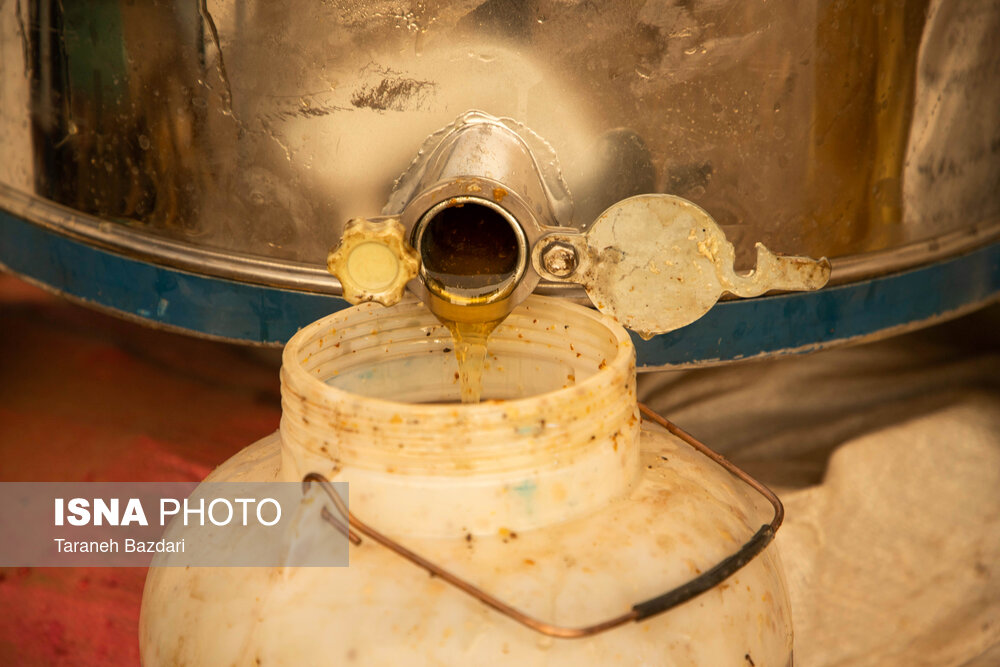
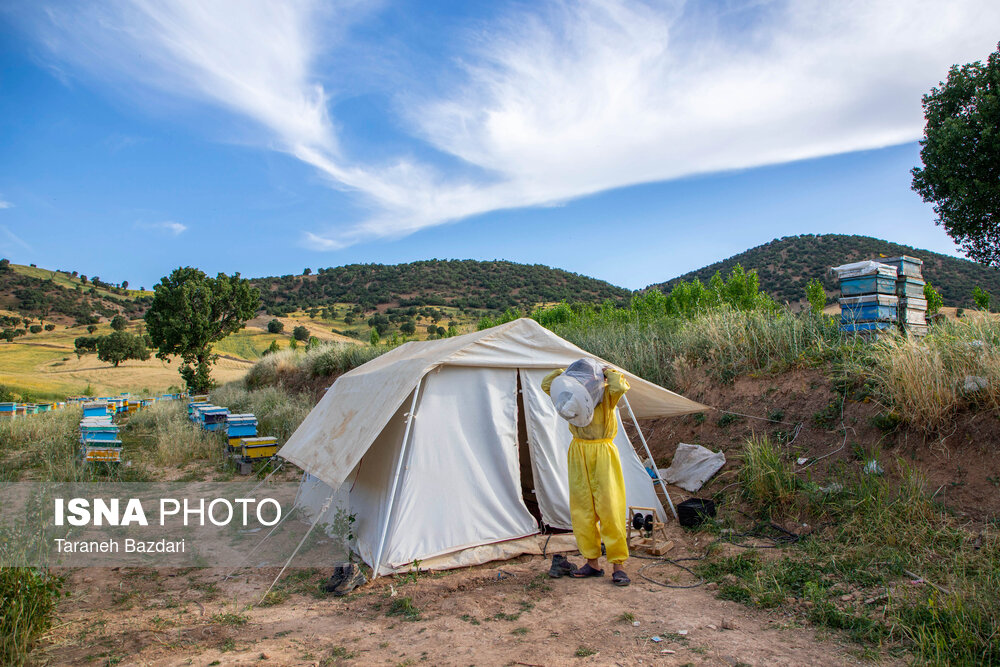
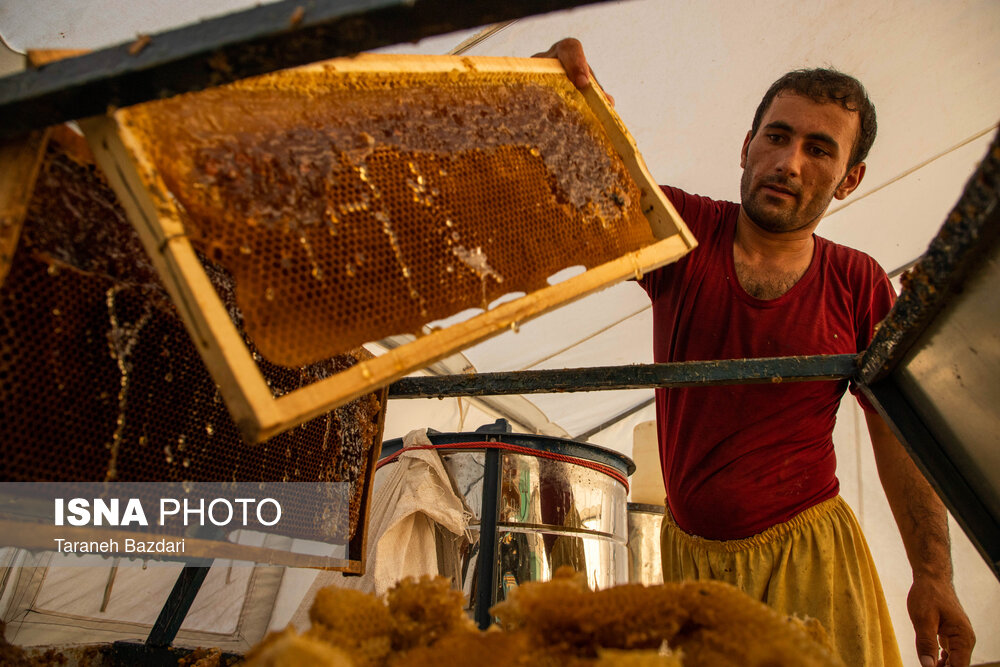
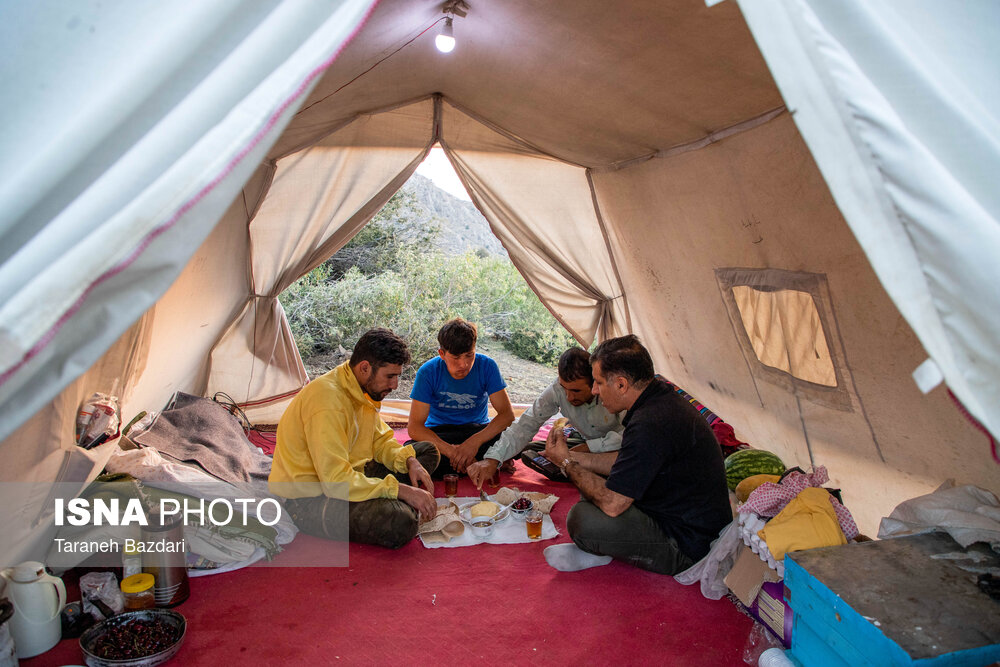
Iran’s Lorestan Province has become one of the leading parts of the country where honey is produced thanks to its rich climate and diversity of vegetation.

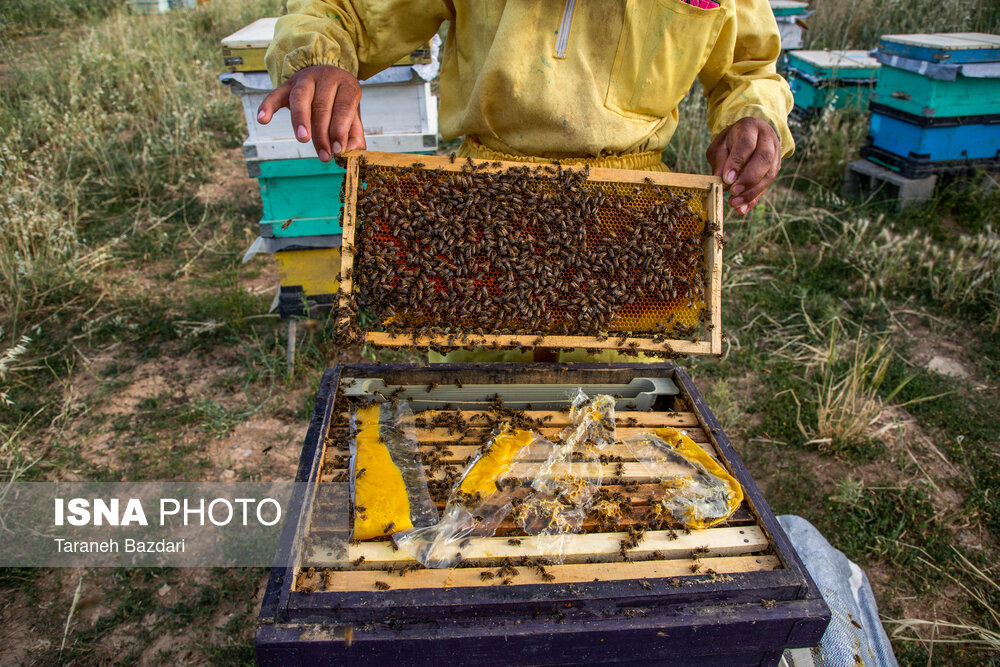
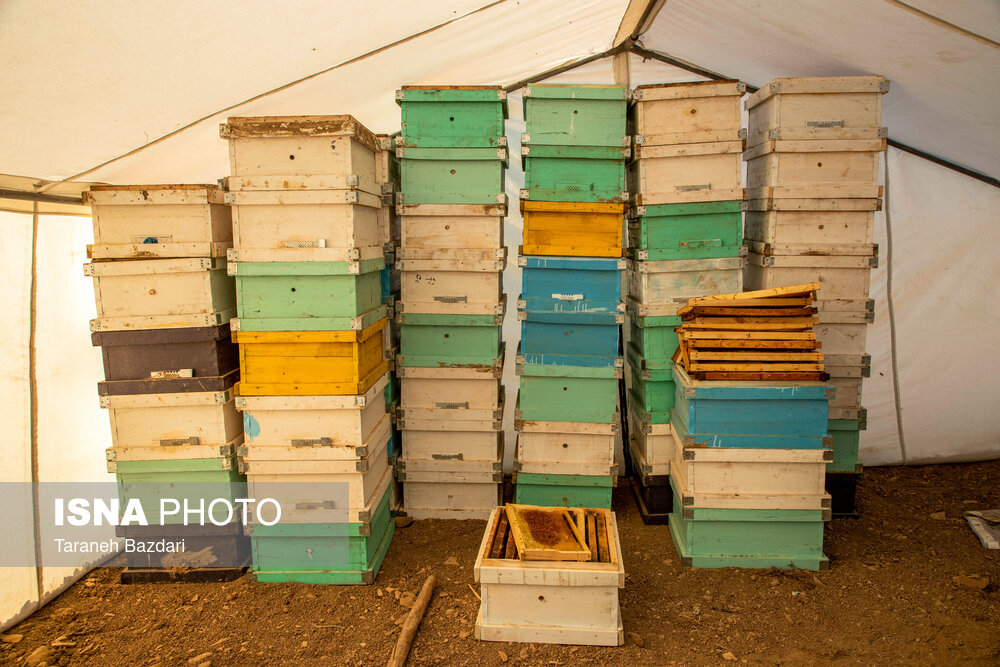
Currently, 3,100 people with 314,000 hives are working in the bee industry in Lorestan Province.

Thus, 314,000 hives produce 2,800 tons of honey in Lorestan every year. The figure accounts for three percent of the honey produced in Iran.

One of the most important programs of Lorestan’s Agriculture Department in the beekeeping industry is branding, packaging and marketing because the honey produced there is of high quality.
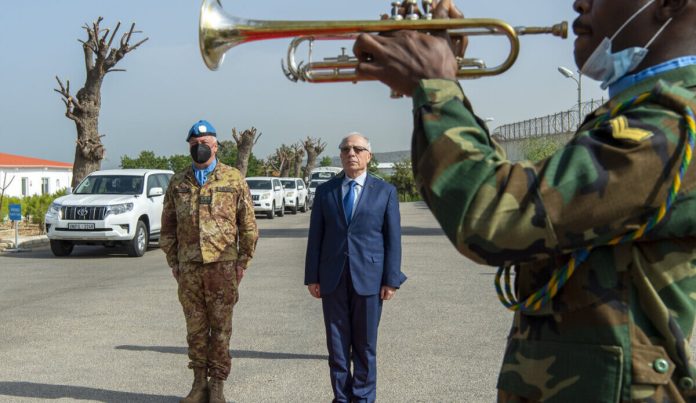
Lebanese defense minister survives assassination attempt in Beirut

Maurice Sleem

Sleem survived an assassination attempt after his car came under gunfire in the Jisr al-Basha neighbourhood, east of the capital Beirut, local media reported.

The minister emerged unscathed from the attack, and an investigation is underway, the reports added.

According to state TV, the minister’s car was hit with several bullets.

“I am fine, but my car’s rear window was hit by bullets,” Sleem was quoted as saying after the incident.

Sleem has been the Minister of National Defense since September 2021. He is a Brigadier General (retired) in the Lebanese army.
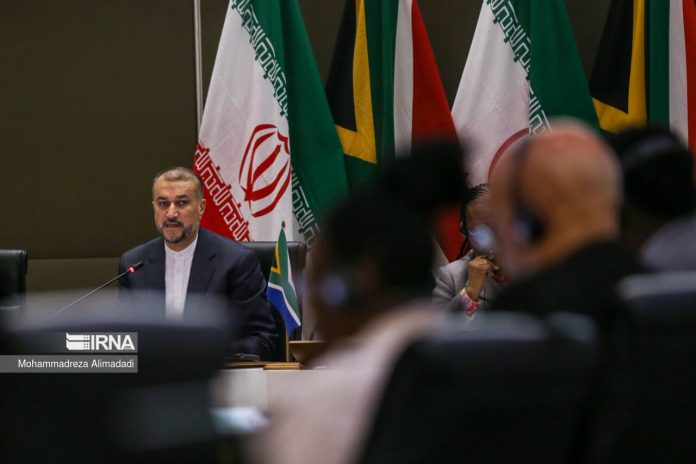
Iran FM: Tehran most committed JCPOA signatory

Amirabdollahian, who is on an official visit to South Africa, also said despite the cruel and illegal US sanctions against Iran, Tehran believes that within the framework of international law, there are always various opportunities for the Islamic Republic and Pretoria to restore the previous relations and expand the existing ties.
The top Iranian diplomat added that Tehran’s vision for BRICS membership is to strengthen multilateralism.

The group is comprised of the world economies of Brazil, Russia, India, China and South Africa.

He also noted that the Iranian President will pay a visit to South Africa in the coming days at the invitation of his counterpart.

Amirabdollahin said Ebrahim Raisi will elaborate on Iran’s positions vis-a-vis BRICS.

Touching on the Ukraine conflict, Amirabdollahian stressed that Iran has not ever taken sides with any parties to the war.

The Iranian Foreign Minister noted: “The accusation of using Iranian drones in the war against Ukraine is completely baseless.”

Amirabdollahian went on to say that Russian officials have assured Iran that within the framework of the existing and previous defense cooperation between Tehran and Moscow, the Russian army has never used and will never use Iranian equipment against Ukraine.

During his visit to South Africa, the Iranian foreign minister and his South African counterpart also signed the statement of the 15th meeting of the Iran-South Africa Joint Commission of Cooperation.

Iran’s reformist camp: Mass emigration contributor to foreign subversive activities

“If this large-scale emigration is not a threat, what else should it be called, then?” asked Ms. Azar Mansouri rhetorically.

“Emigration and considering life in Iran as unfavorable are the fallouts from the type of the Establishment’s handling of social demands,” she said critically.

“The individuals who emigrate from Iran are a great social asset, each,” she added.

“When they emigrate, whether experts or individuals with material assets, other countries will benefit from their expertise or assets,” she explained.

“One should note that subversion has two edges: a domestic one and a foreign one. On the domestic front, the more coercive measures are adopted [affecting areas] from lifestyle to elections, the more it will play into the hands of foreign subverters,” she said.

A survey conducted by the Iran Migration Observatory shows around 20% percent of the Iranian population have already migrated to other countries, over 60% are willing to leave, just 16% intend to stay in the country.

Moreover, as the study suggests, just 4% of those who have emigrated say they intend to return to the country.

Iranian government officials have vehemently rejected the report, saying it aims to demonize the country.