Wednesday, December 24, 2025
Home Blog Page 1241

Syria urges US, Europe to end ‘economic terrorism’

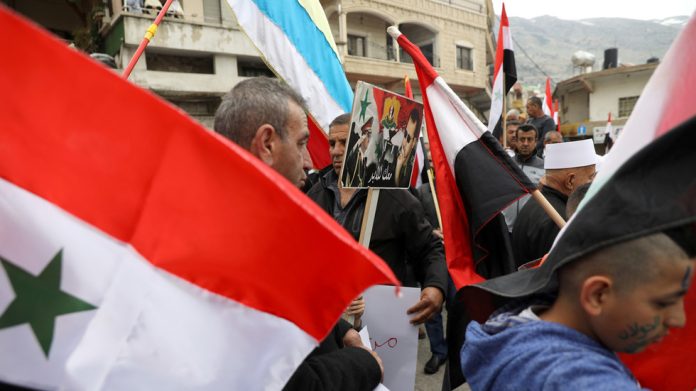
Syrian People in Damascus

Syria’s UN Ambassador Bassam Sabbagh made the remarks while addressing the 78th United Nations General Assembly session on Tuesday.

He said Western sanctions were illegal, immoral, and inhumane. Sabbagh added that Washington’s policy in West Asia has destabilized the region and led to the emergence of terrorism.

He stated the US undermined the Charter of the UN and other international agreements.

The diplomat called on the UN member states to join forces in establishing a new multipolar world order.

On Friday, China called on countries to lift their “illegal unilateral sanctions” imposed on Syria amid efforts by Beijing to increase its economic engagements with Damascus.

A joint Chinese-Syrian statement published by the foreign ministry in Beijing said that China will try its best to help Syria’s reconstruction efforts more than a decade after the Arab country became involved in a devastating war with foreign-backed militants.

“China opposes interference by external forces in Syria’s internal affairs… and urges all relevant countries to lift illegal unilateral sanctions against Syria,” read the statement.

The statement came during a six-day visit by Syrian President Bashar al-Assad to China, a first since the start of the Syrian war in 2011.

Syria has been a target of US sanctions since 1979. Washington and its Western allies have dramatically tightened their economic sanctions and restrictions on Damascus after 2011 when the Arab country found itself in the grip of rampant foreign-backed militancy and terrorism.

The US coercive measures intensified even further with the passing of the Caesar Act in 2019, which targeted any individual and business that participated either directly or indirectly in Syria’s reconstruction efforts.

Sabbagh also censured Israel’s violation of the UN Charter and international law through the occupation of Syria’s Golan Heights.

He reaffirmed his country’s inviolable right to restore its sovereignty over the entire occupied Golan.

The ambassador went on to say that the repeated Israeli attacks on Syrian cities, ports, and civilian airports are pushing the region to unprecedented levels of tension.

Elsewhere in his remarks, Sabbagh stated Syria has not and will not spare any effort to stand by the Palestinian people in their struggle to restore their rights, especially their right to establish their independent state with al-Quds Jerusalem as its capital.

Iran, Russia urge direct talks for south Caucasus stability amid lingering tensions

Iran & Russian Presidents Ebrahim Raisi & Vladimir Putin

They advocated for dialogues in the “3+3” format Involving Armenia, and Azerbaijan, Georgia, Turkey, Russia, and Iran, underscoring the importance of keeping foreign interference at bay in matters concerning the region.
This comes as tensions between Armenia and Azerbaijan remain relatively high nearly two years after the arch-foes fought a war over the disputed Nagorno-Karabakh region.

Both leaders also expressed their satisfaction with the progress in bilateral relations and reaffirmed their commitment to enhancing cooperation between the two nations.

The discussion centered on the advancement of joint agreements and projects, particularly in transit, transportation, and exchange sectors, emphasizing the need to expedite their implementation.

Notably, they highlighted the importance of completing the North-South Corridor to boost connectivity and trade.

Raisi hailed Russia’s support for Iran’s membership in BRICS, underscoring the significance of this group as an emerging economy shaping a multipolar world.

He emphasized the potential for expanding bilateral, regional, and international interactions among Iran, Russia, and other member countries within the BRICS framework.

Putin, for his part, acknowledged the remarkable increase in trade volume between the two countries in the previous year.

He expressed optimism regarding the swift implementation of the Rasht-Astara railway, a project set to connect the railway lines of Iran, Azerbaijan, and Russia.

Putin also emphasized Iran’s strategic partnership with Russia.

Iran denies reports of imminent direct talks with the U.S. in Oman

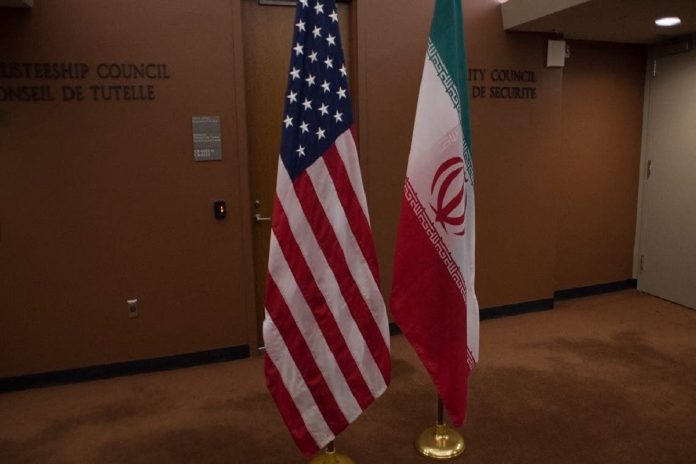
Iran US Flags

The Foreign Ministry also dismissed the claims regarding sanctions lifting negotiations as baseless attempts to manipulate the political atmosphere.

The development comes after a media outlet reported Iran’s alleged plans for direct talks with the United States in Oman, with claims of necessary permits already being issued by high-ranking Iranian officials in preparation for the anticipated discussions.

Hossein Amirabdollahian, the Iranian Minister of Foreign Affairs, had already reiterated said Tehran is serious in joining the nuclear deal, emphasizing the need for readiness on part of the Western parties to the agreement too. Amirabdollahian affirmed the ongoing indirect communication and message exchange with the U.S., with the initiative put forth by the Sultan of Oman still being considered as a potential avenue for resuming dialogue.

The Ministry of Foreign Affairs stressed the invalidity of such news production and media speculation, aimed at influencing the political landscape surrounding the negotiations for sanctions lifting.

“Iran asserts its commitment to the Joint Comprehensive Plan of Action (JCPOA) and is open to earnest engagement, provided all parties adhere to their commitments within the framework of the Oman initiative,” said the ministry.

Kremlin says Putin, Raisi discuss steps to ensure Iran joining full-fledged BRICS activities, Nagorno-Karabakh

Kremlin

“Ebrahim Raisi thanked for the support of the Iranian application to join the BRICS. Steps were discussed to ensure that Iran smoothly joins the full-fledged activities of this association, taking into account the chairmanship of Russia in it in 2024,” the Kremlin said.

The presidents also confirmed intention to strengthen trade and economic ties, as well as to promote joint energy and transport projects, it added.

Putin and Raisi also expressed interest in intensifying the work of the 3+3 regional consultative platform.

“Mutual interest was expressed in intensifying the work of the 3+3 regional consultative platform [Azerbaijan, Armenia, Georgia plus Russia, Iran, Turkey].”

The Kremlin also announced that Putin and Raisi had a detailed exchange of views on the situation around Nagorno-Karabakh and the normalization of Yerevan-Baku relations.

“A detailed exchange of views was held on the situation around Nagorno-Karabakh and the issue of normalizing relations between Azerbaijan and Armenia.”

Putin also briefed Raisi about the work of Russian peacekeepers in Nagorno-Karabakh, including the provision of humanitarian assistance to civilians, the protection of the rights and security of the Armenian population of Nagorno-Karabakh.

The presidents also stressed the importance of resolving all issues on Nagoro-Karabakh only by peaceful, political, and diplomatic means.

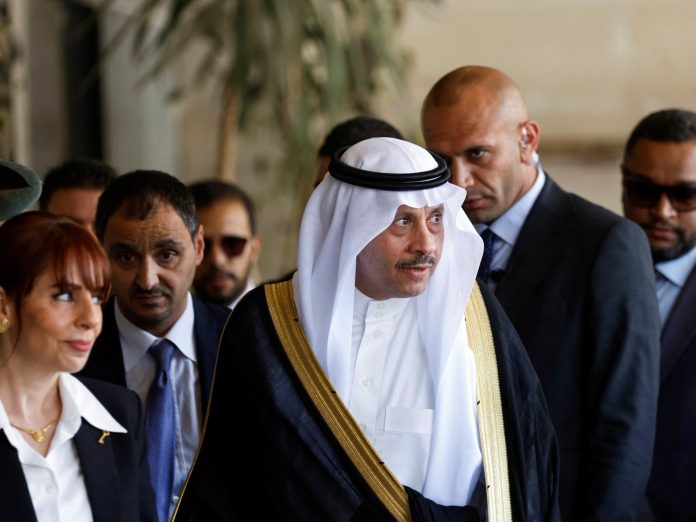
Saudi delegation visits West Bank for first time in three decades

Saudi Ambassador Palestine

It was led by the Saudi non-resident ambassador to the Palestinian territories, Nayef bin Bandar Al Sudairi, who met Palestinian President Mahmoud Abbas and top Palestinian diplomat Riyad Al Maliki.

Some 16 years after Arab leaders convened in Riyadh, Saudi Arabia, to reaffirm the Arab Peace Initiative, pledging no peace or diplomatic recognition of Israel without a just settlement to the Israeli-Palestinian conflict, Palestinians still live under an open-ended military occupation in the West Bank and under an Israeli-Egyptian blockade in Gaza.

Al Sudairi told senior Palestinian officials Tuesday that Saudi Arabia supported the creation of a Palestinian state with East Jerusalem as its capital, according to a statement from Palestinian officials.

He praised efforts to bring about peace in the region in accordance with the Arab Peace Initiative.

Palestinian Foreign Affairs Minister Riyad Al Maliki called the meeting a “historical milestone to enhance and develop bilateral relations between the two sister countries and open up further prospects for cooperation in all fields.”

But it remained unclear what kind of Israeli concessions would be discussed in the Saudi-Palestinian talks. The deal depends on the willingness of Israel’s current government — whose Cabinet ministers have imposed sanctions on the Palestinian Authority and called openly for the annexation of the West Bank — to offer the concessions.

The Palestinian Authority also has not specified what it is willing to accept from the Israeli government.

Al Sudairi, the kingdom’s envoy to Jordan, was last month also named for the Palestinian territories post and appointed consul general for Jerusalem.

The delegation, which crossed overland from Jordan, was the first from Saudi Arabia to visit the West Bank since the 1993 Oslo Accords, which had aimed to pave the way for an end to the Israel-Palestinian conflict.

The Saudi visit comes as Washington has been leading talks between Israel and Saudi Arabia on a normalisation that would mark a game changer for the Middle East.

Israel in 2020 established ties with the United Arab Emirates, Bahrain and Morocco, but Saudi Arabia has so far refrained from following suit until Israel’s conflict with the Palestinians is resolved.

However, the Saudi Crown Prince Mohammad bin Salman, last week said the two sides were “getting closer”.

In recent months Israel has sent delegations to Saudi Arabia to participate in sports and other events including a Unesco meeting.

Israeli Prime Minister Benjamin Netanyahu told the United Nations on Friday that he believes “we are at the cusp” of “a historic peace between Israel and Saudi Arabia”.

Abbas, 87, had earlier voiced the Palestinians’ strong reservations.

“Those who think that peace can prevail in the Middle East without the Palestinian people enjoying their full, legitimate national rights would be mistaken,” he told the UN General Assembly.

The 1993 Oslo Accords were meant to lead to an independent Palestinian state, but years of stalled negotiations and deadly violence have left any peaceful resolution of the conflict a distant dream.

A recent escalation in violence has seen at least 242 Palestinians and 32 Israelis killed in the conflict so far this year, according to official sources on both sides.

The United States, which has brokered talks between Israel and the Palestinians in the past, has made no major push toward a two-state solution since a failed effort nearly a decade ago.

Netanyahu’s hard-right government has meanwhile been expanding Israeli settlements in the West Bank which are deemed illegal under international law.

MbS, speaking with US network Fox last week, stated that the kingdom was getting “closer” to a deal with Israel but insisted that the Palestinian issue remains “very important” for Riyadh.

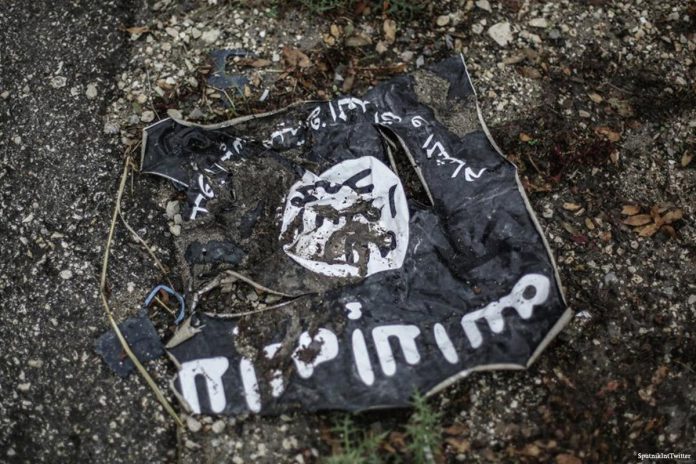
US says it captured Daesh official in Syria after helicopter raid

Daesh Flag

“Abu Halil al-Fad’ani, an ISIS Syria Operational and Facilitation official, was captured during the raid. Al-Fad’ani was assessed to have relationships throughout the ISIS network in the region,” the US Central Command announced in a statement.

Troy Garlock, a spokesperson for the US Central Command, said: “The capture of ISIS officials like al-Fad’ani increases our ability to locate, target, and remove terrorists from the battlefield.”

No civilians were killed or injured during the operation, the statement added.

The US and its allies invaded Syria in 2014 under the pretext of fighting Daesh. The Takfiri group came into being when Washington was running out of excuses to extend its meddling in West Asia or enlarge its scale.

Tehran rejected Washington’s claim to be fighting the Daesh Takfiri terrorist group in Syria, slamming the United States as the “godfather of Daesh”.

Back in August 2016, Donald Trump, then-Republican presidential nominee, stated that Daesh was honoring then-US president Barack Obama as “He’s the founder of ISIS. He’s the founder! He founded ISIS.”

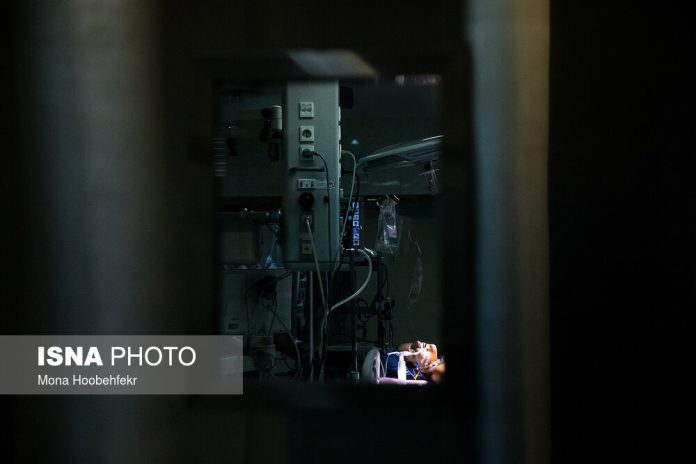
Production line of acute ischemic stroke medicine becomes operational in Iran

Iran Surgery

Alteplase is the only medicine approved by the US Food and Drug Administration (FDA) for the treatment of acute ischemic stroke.

At the opening ceremony of the production line of the medicine by the Iranian knowledge-based company, Arina Hayat Danesh, Iranian Vice President for Science, Technology and Knowledge-Based Economy Ruhollah Dehghani said: “Today, with the help of experts and technologists of a knowledge-based company, this very important and vital medicine, whose production had been monopolized by an American company until now, will be produced inside the country while sanctions cast a shadow.”

Dehghani added, “So far, Alteplase had been supplied through imports with many challenges, but today, with the help of the experts of the knowledge-based company, Iran is known as the second country producing the medicine.”

About 10 million dollars was earmarked for importing Alteplase, but producing the medicine at home will help save foreign reserves, create jobs, and will also reap significant amounts in foreign exchange through exports.

Iran nuclear chief warns of western pressure via IAEA

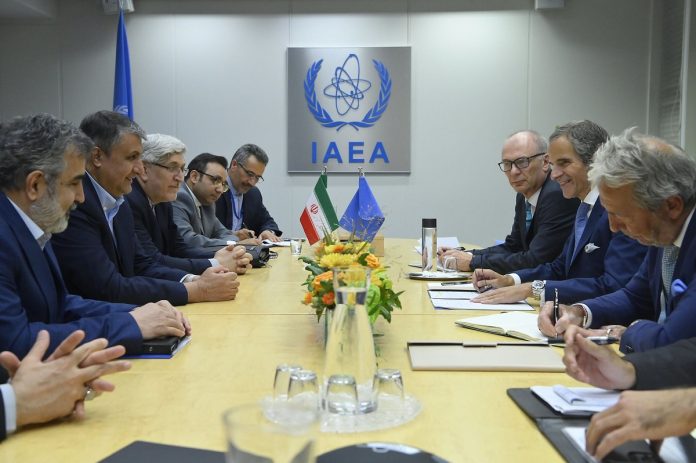
Grossi and Eslami

Criticizing the biased approach taken to Iran by the Western countries, the Iranian official said, “By resorting to sanctions… these countries are trying to use the IAEA’s mechanisms to mount pressure on Iran.”

“Brutal political pressures exerted by Western countries on Iran will not bear fruit and the Islamic Republic will not allow any politically-motivated pressure to go unanswered,” Eslami added.

He also urged Grossi to keep the IAEA on an impartial and professional track and not allow the Western states to use the Agency’s reports as an excuse to put pressure on Iran.

Following the meeting, the IAEA chief said in a post on X social media platform that his meeting with Eslami was “important.”

He added that the IAEA is willing to “engage and make concrete progress” in accordance with an agreement signed in Tehran on March 4 “to provide credible assurances that Iran’s nuclear program is exclusively peaceful.”

Hillary Clinton says Putin hates US, Russia to interfere in 2024 election

Hilary Clinton

“The Russians have proved themselves to be quite adept at interfering and if [Putin] has a chance, he’ll do it again,” Clinton insisted during an interview with MSNBC.

She further alleged that the Russian leader, whom her campaign famously accused of propping up her Republican rival, Donald Trump, in 2016, “hates democracy.”

“He particularly hates the West, and he especially hates us,” she said, arguing that Putin was behind a deliberate strategy to “damage and divide” the US.

The twice-failed candidate called on Americans to resist the purported tyranny of Russia’s “authoritarian dictator,” as well as his “apologists and enablers.”

“We have to reject a kind of creeping fascism of people who are really ready to turn over their thinking, their votes to wannabe dictators,” Clinton added.

Psaki, an MSNBC host since leaving the White House last year, infamously revealed to the public that the administration of President Joe Biden was attempting to control the Covid-19 narrative on social media in 2021, admitting the government was “flagging problematic posts for Facebook.” It subsequently emerged that multiple government agencies had representatives meeting regularly with social media platforms to request content takedowns, user bans, and the promotion of content considered more favorable to Washington.

At the Eastern Economic Forum earlier this month, Putin denounced the Biden administration as hopelessly corrupt and engaged in political persecution of the president’s Republican predecessor, arguing that the lawfare campaign against Trump exposed “the rottenness of the American political system, which cannot pretend to teach others democracy.”

He reminded the audience that the allegations of Russian collusion leveled against Trump by Clinton and others – later revealed to have been based on illegal surveillance warrants, bogus tips, and falsified evidence – were “complete nonsense.”

Justice Department Special Counsel John Durham found the FBI’s investigation into Trump’s purported Russian ties to be massively flawed, concluding in a report published earlier this year that the agency had “failed to uphold their mission of strict fidelity to the law” in entertaining dubiously-sourced information from Clinton operatives and other Trump political opponents.

Undeterred, US intelligence agencies revisited their 2016 election-meddling claims with a report insisting that Moscow had manipulated the 2020 vote in favor of Trump. However, no official investigation of those allegations was ever performed, and that same report ultimately admitted no effort had actually been made to interfere with vote totals.

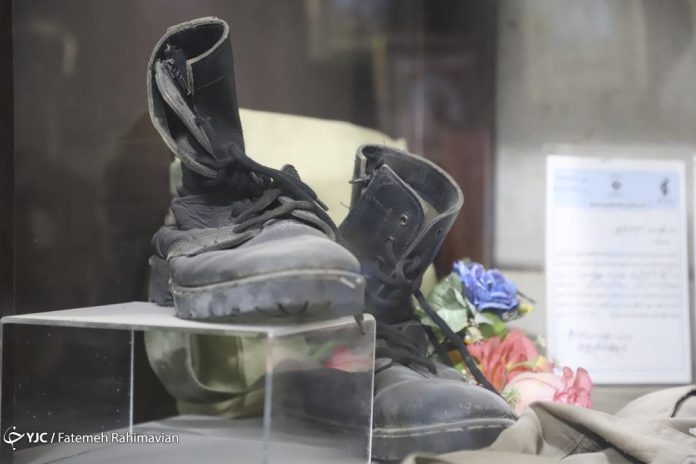
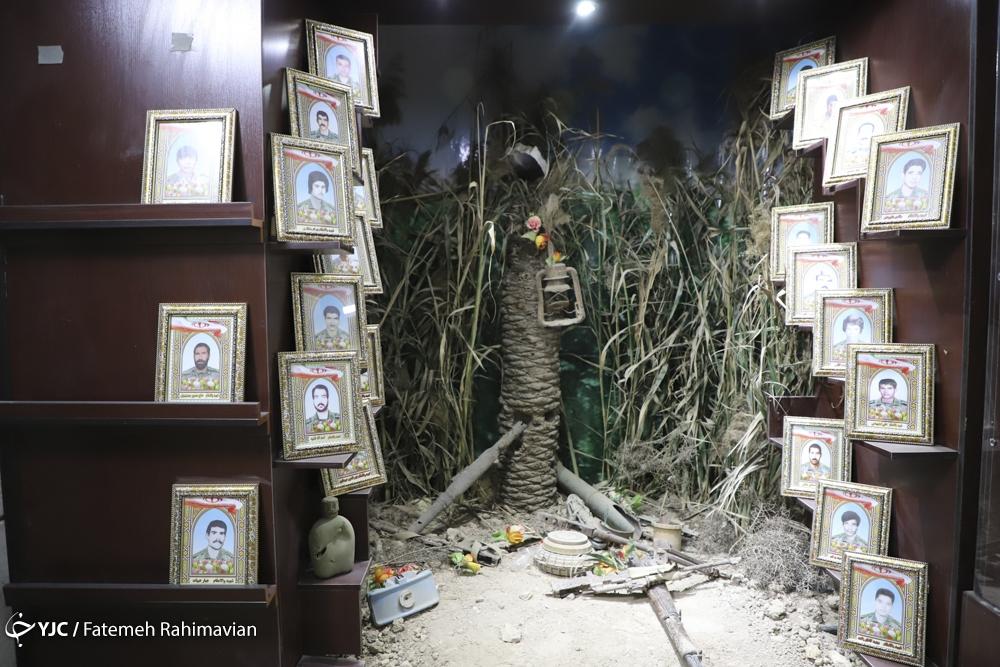
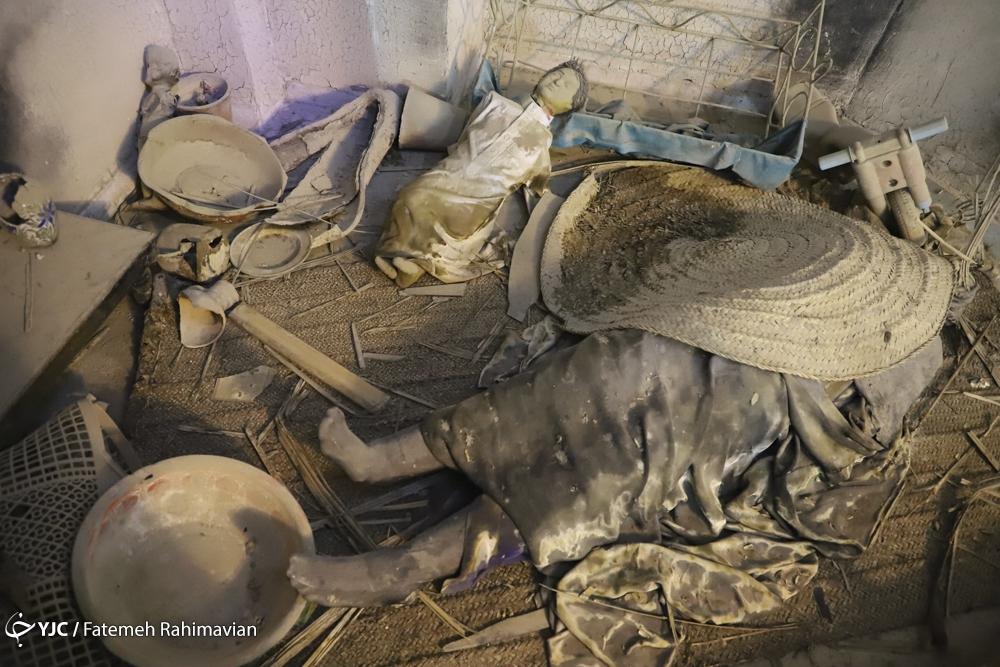
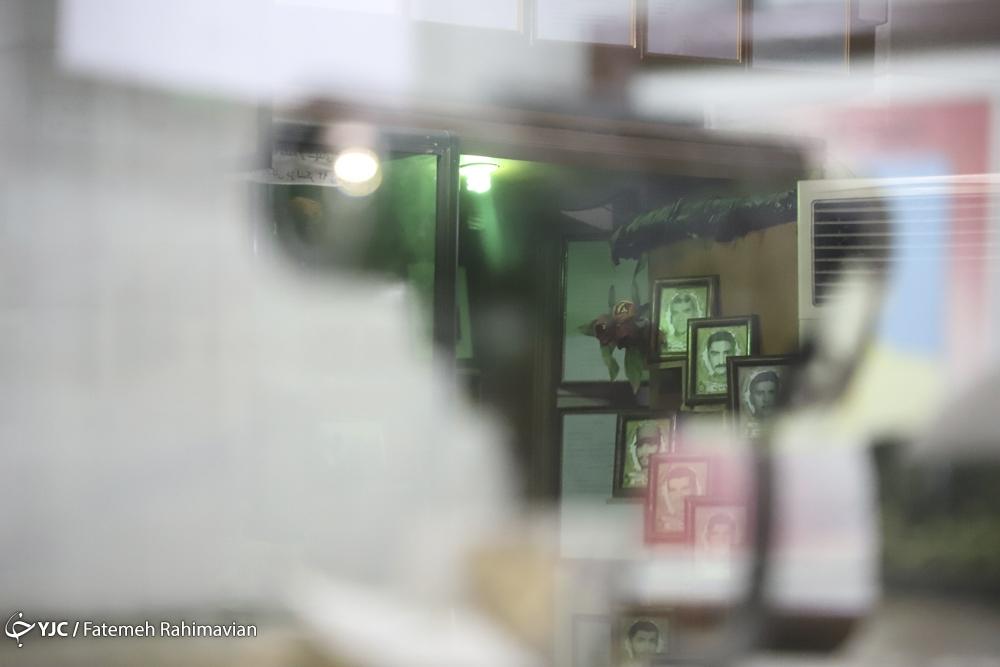
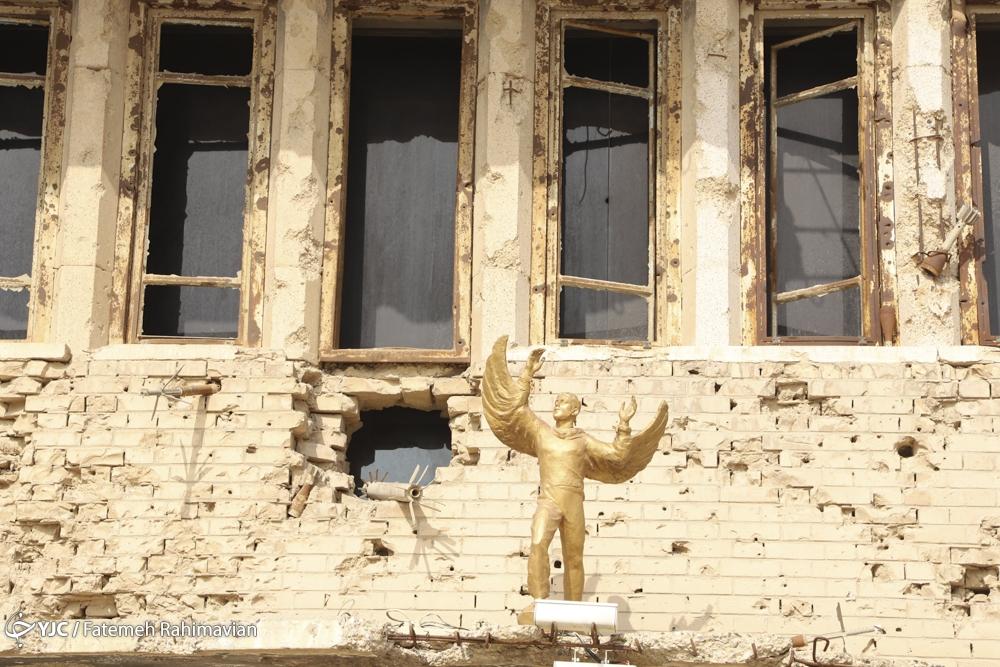
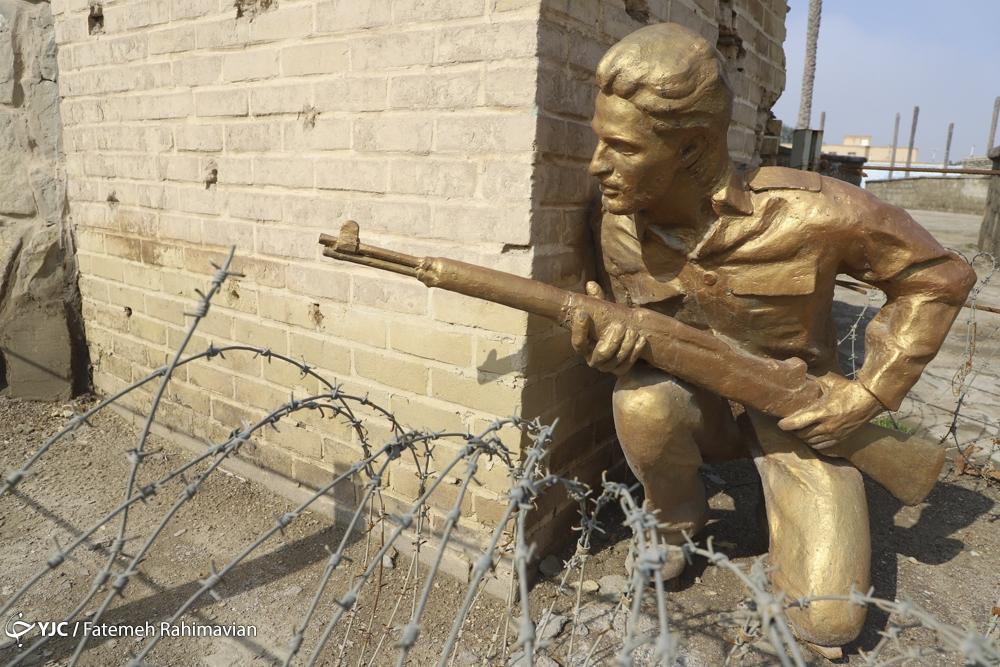
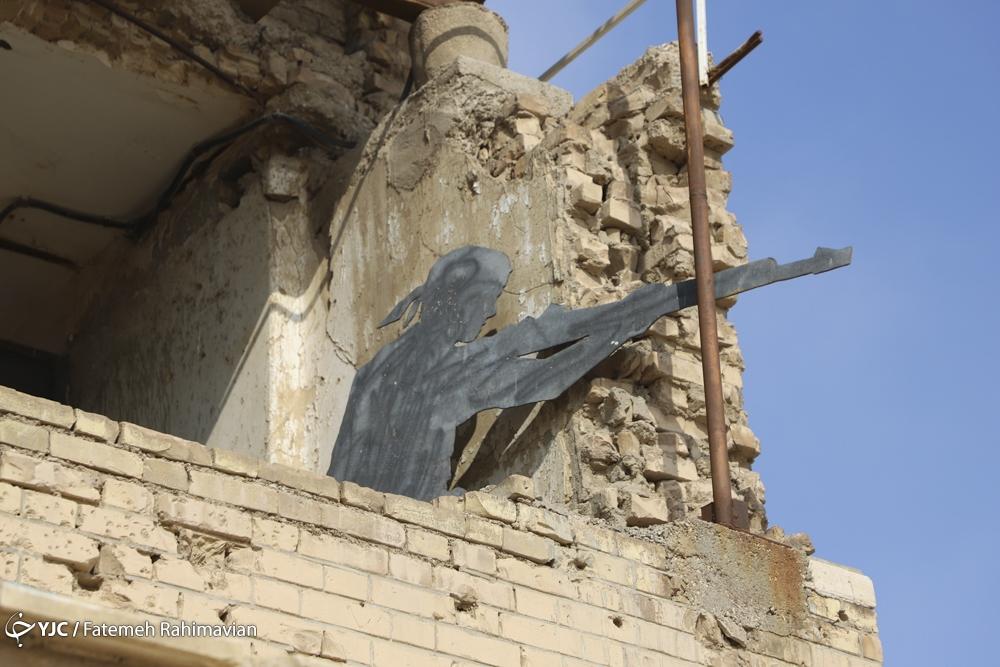
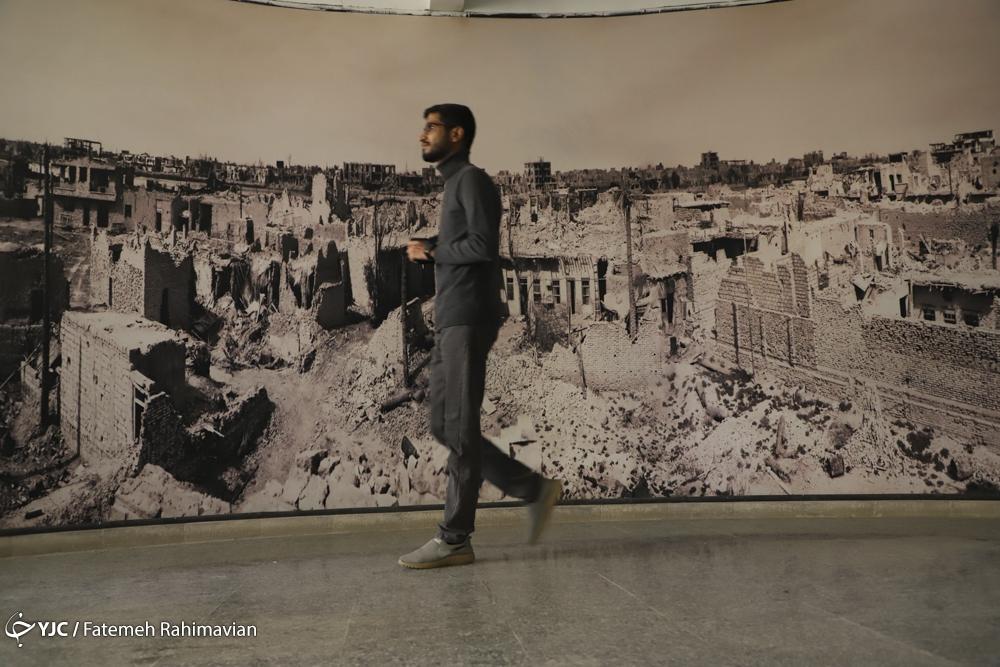
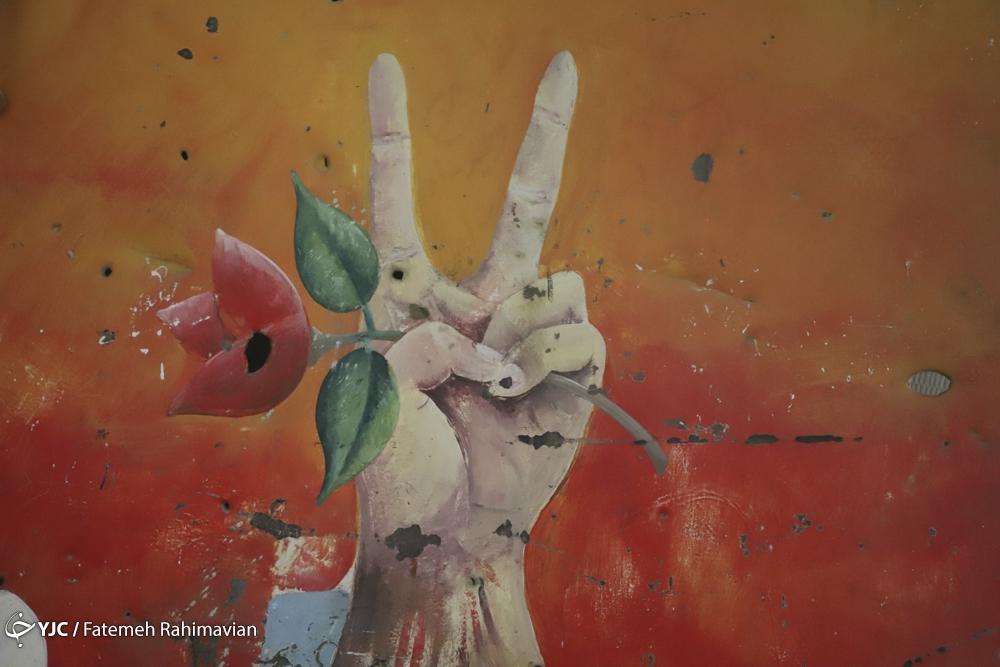
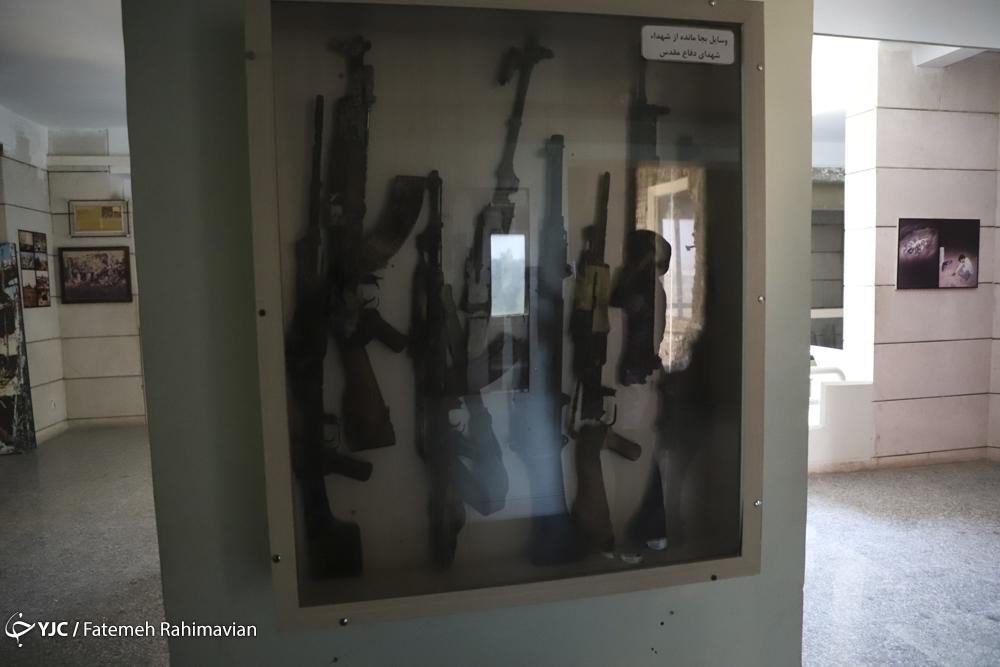
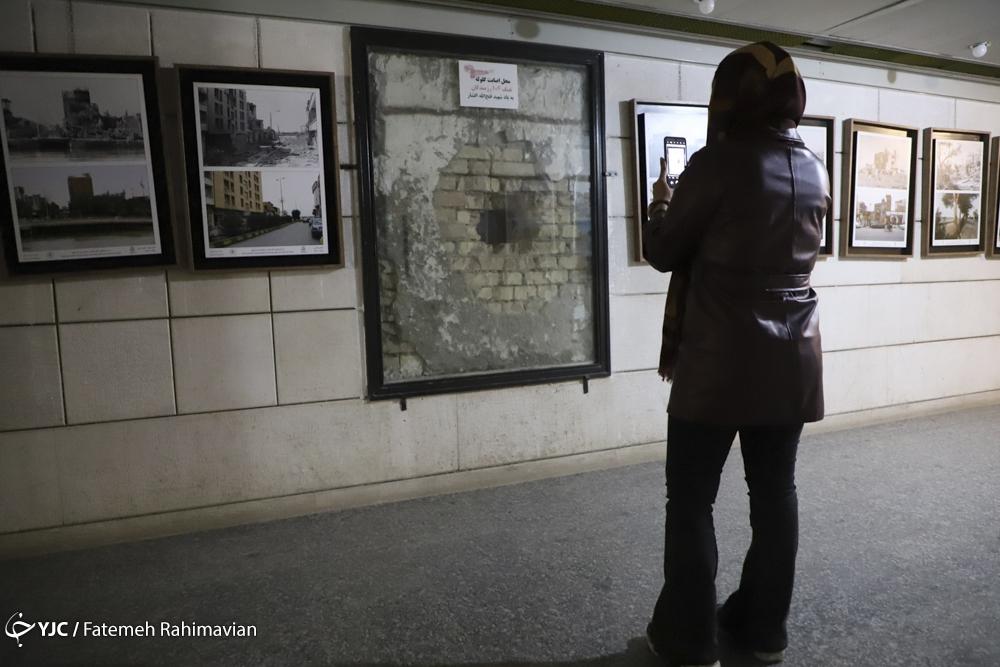
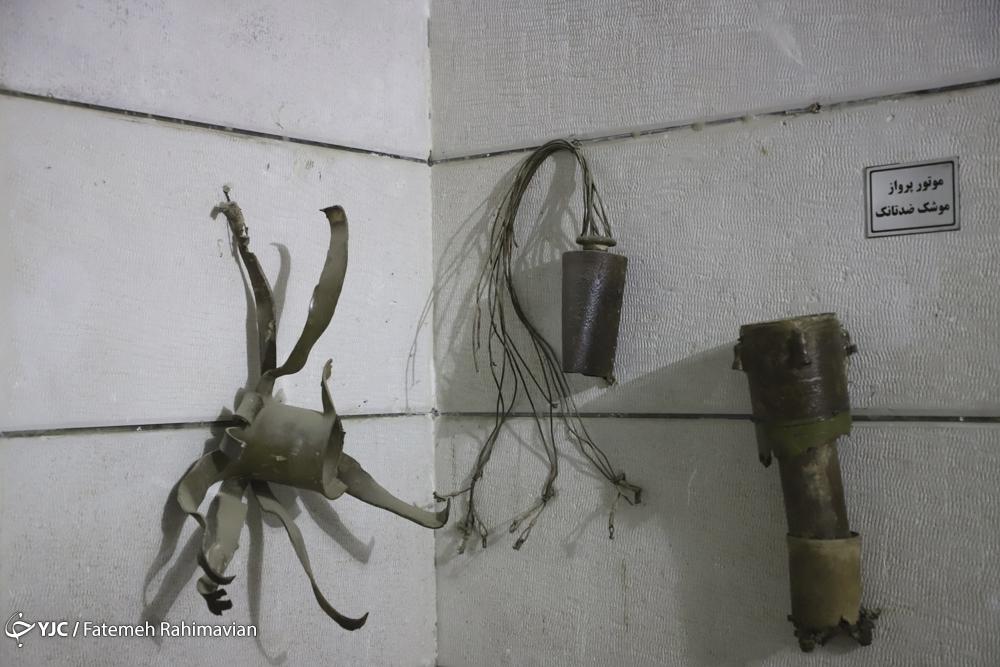
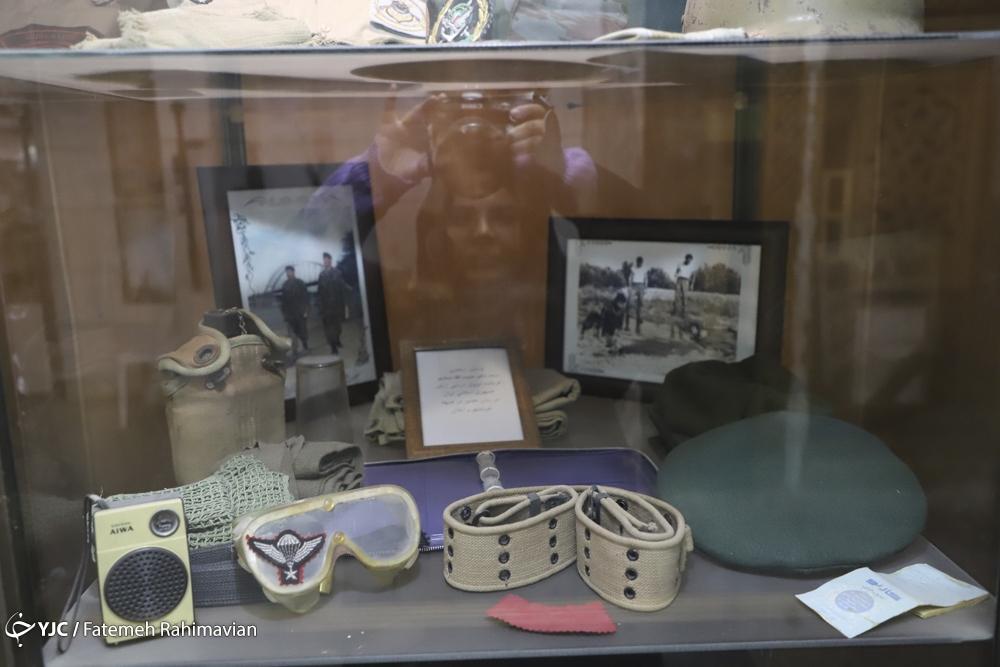
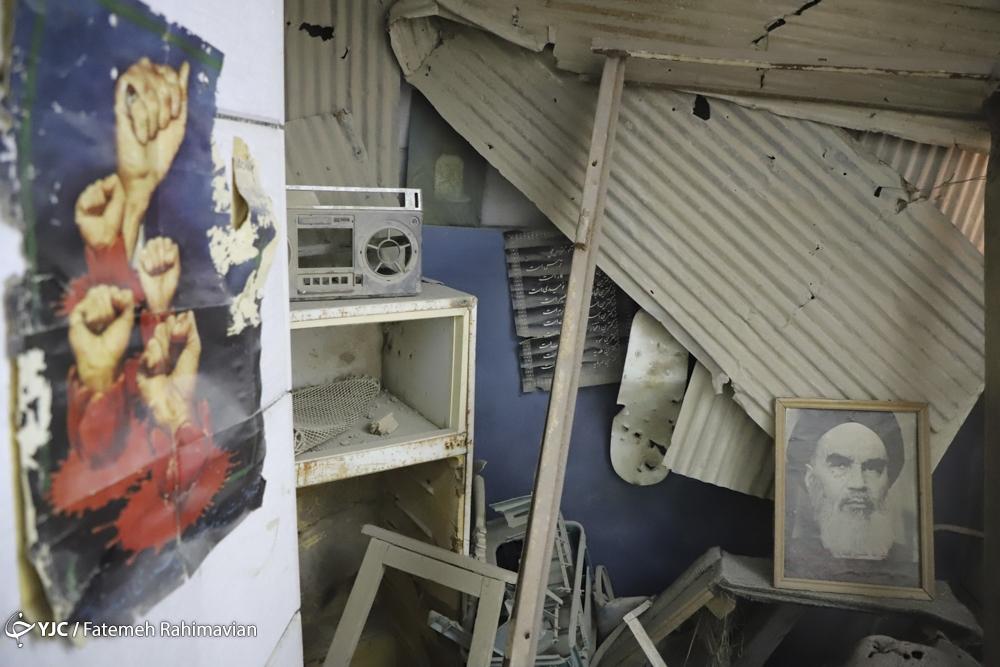
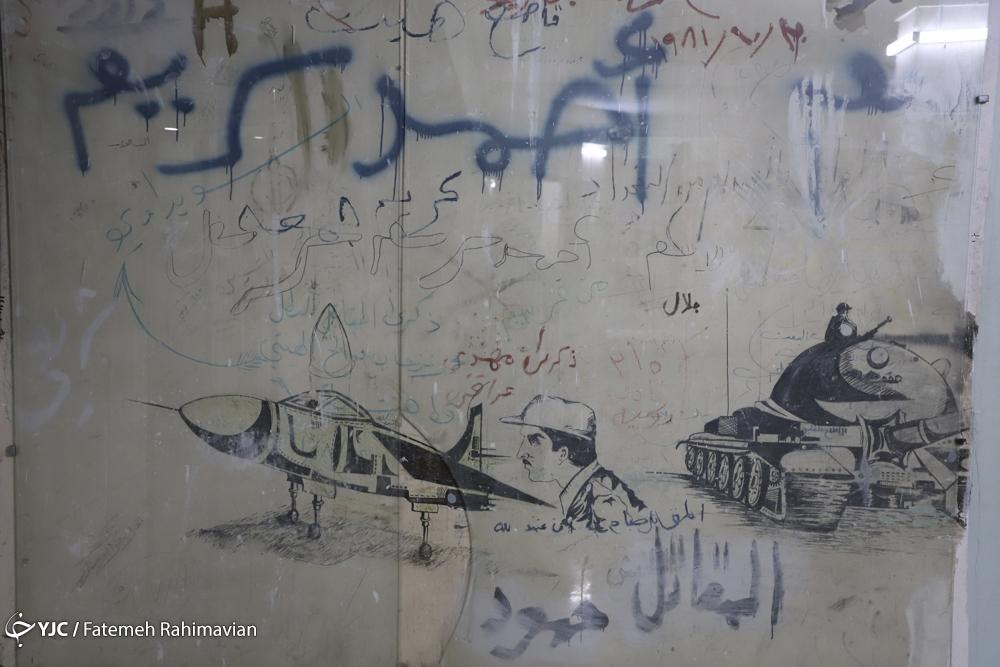
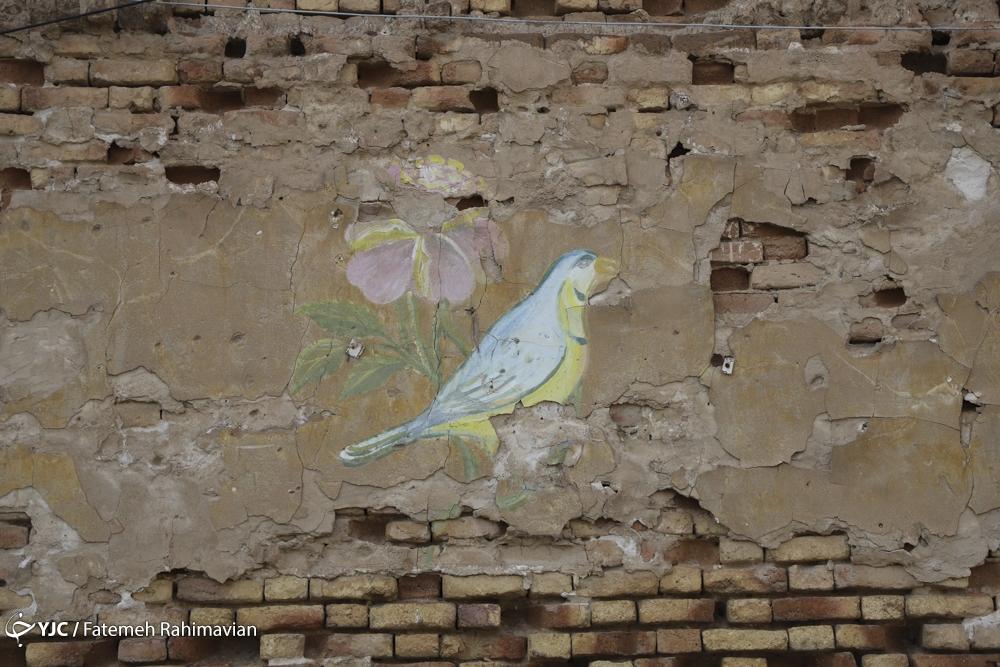
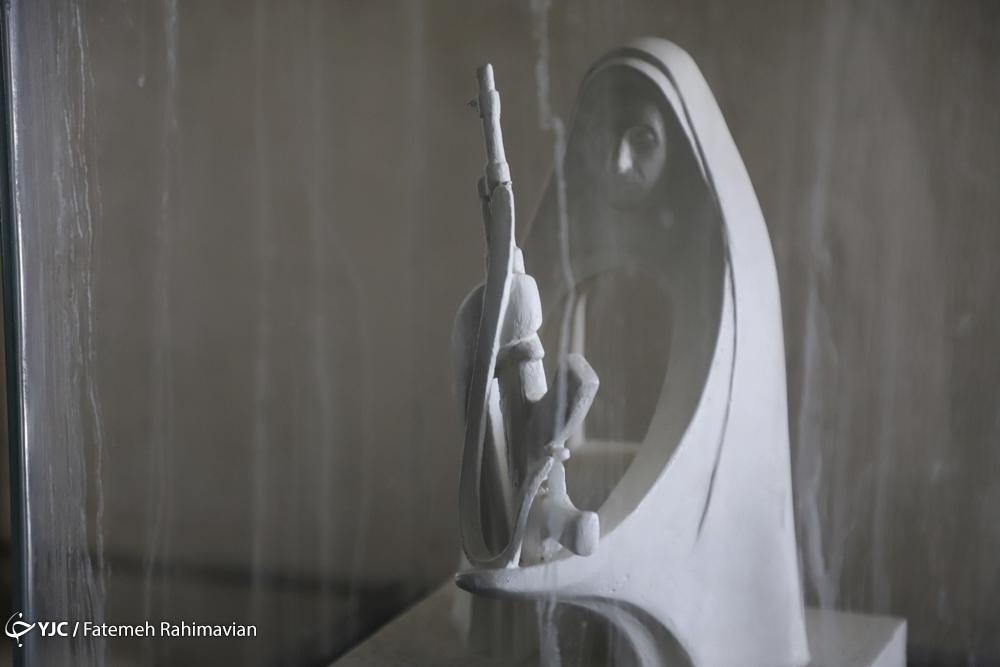
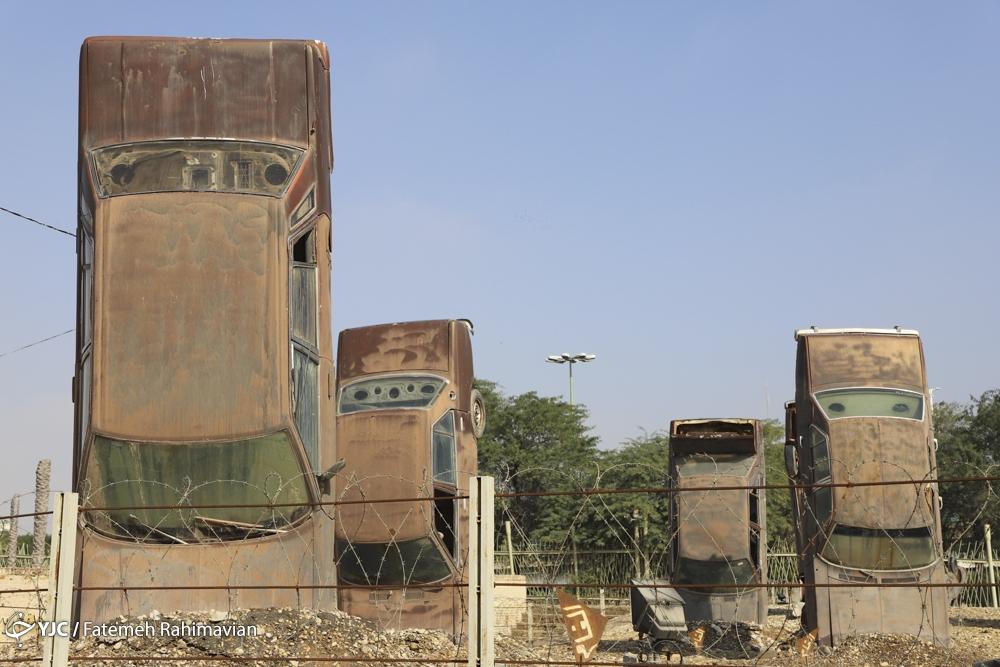
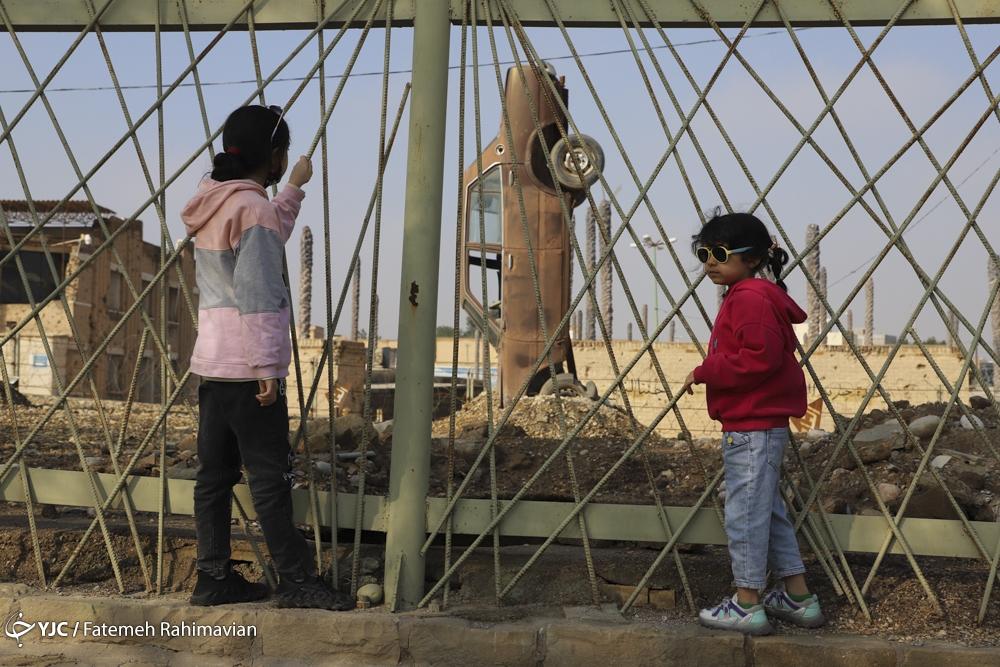
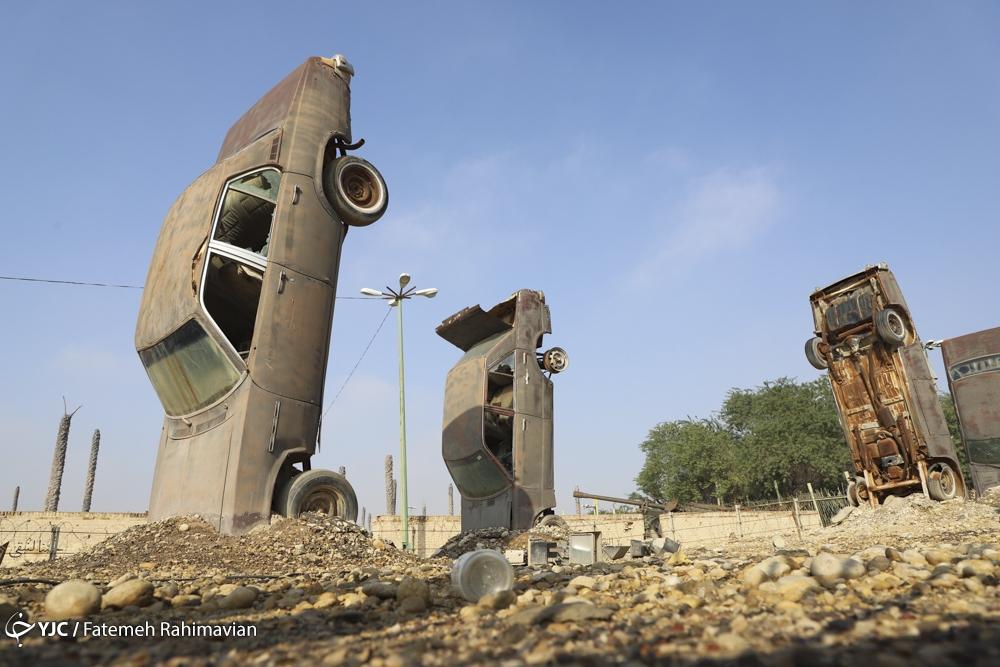
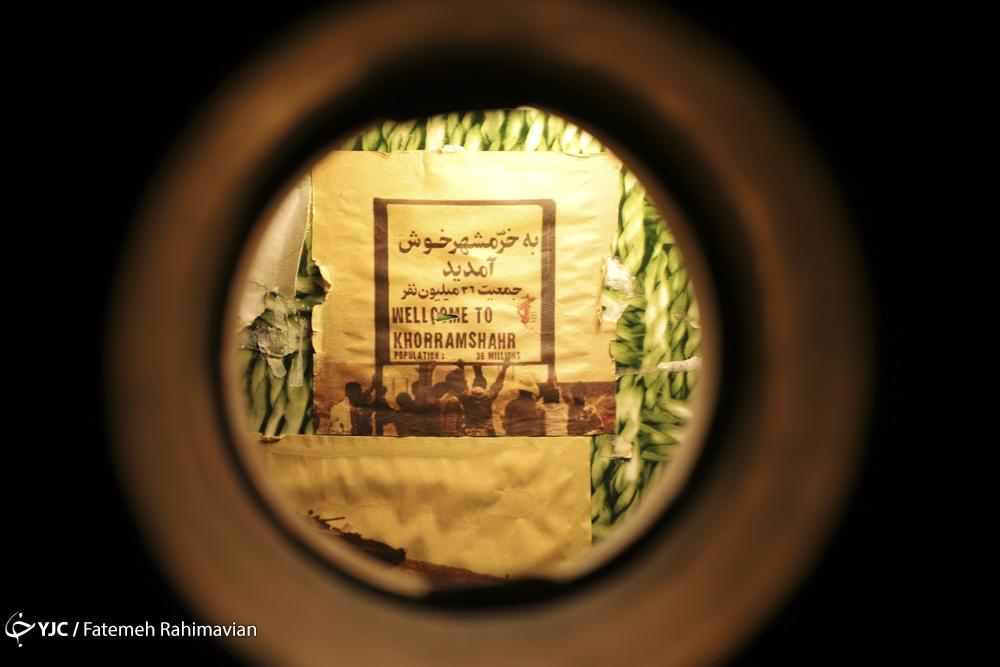
Visitors refresh memories of Iranian bravery in Iraq war at Khorramshahr museum

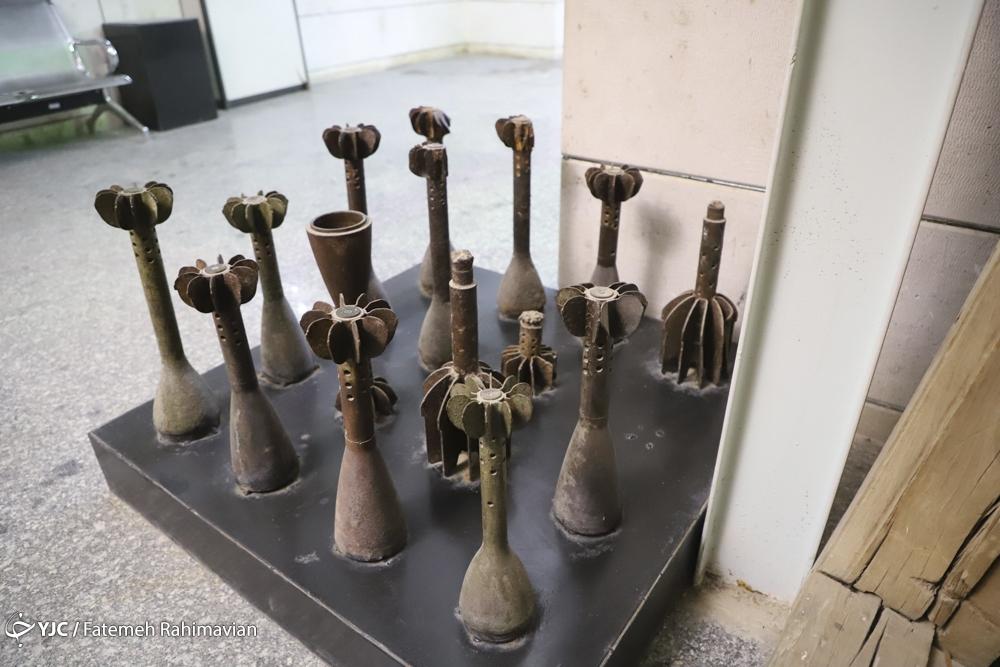
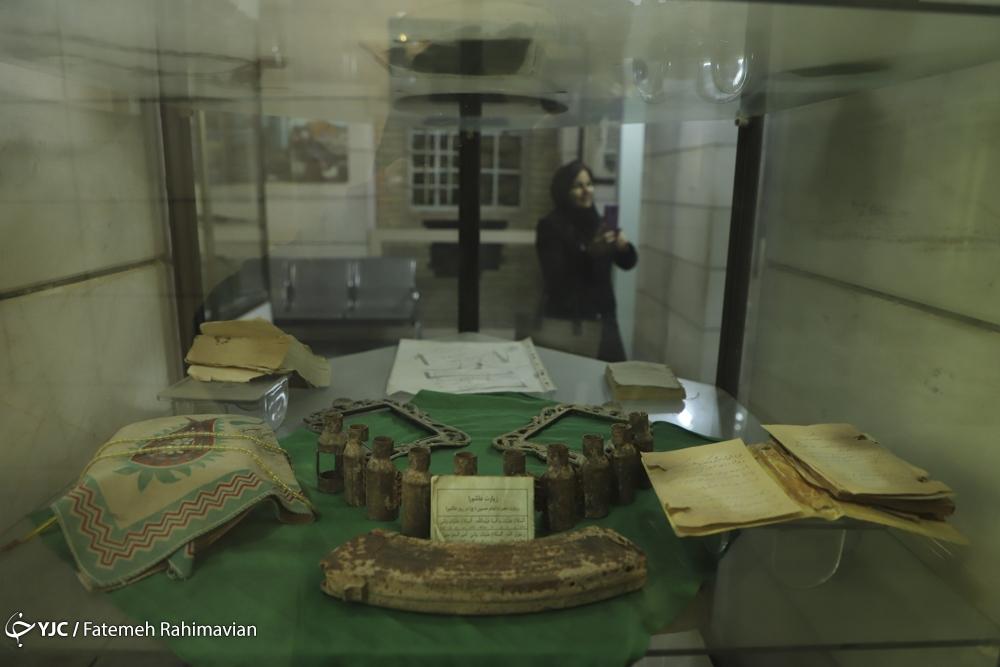
Iran-Iraq War Museum

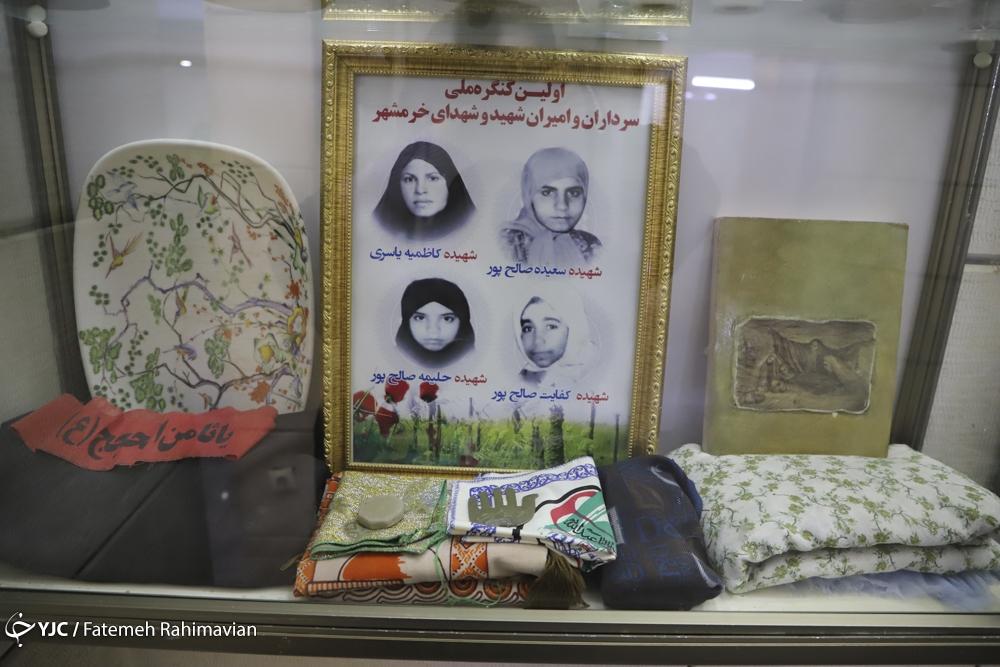
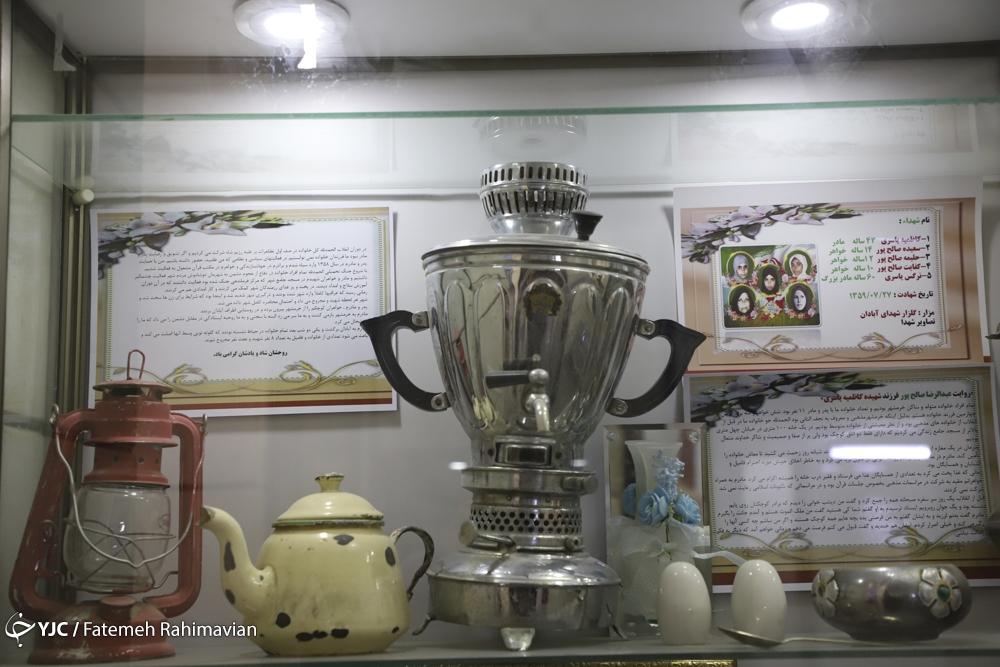
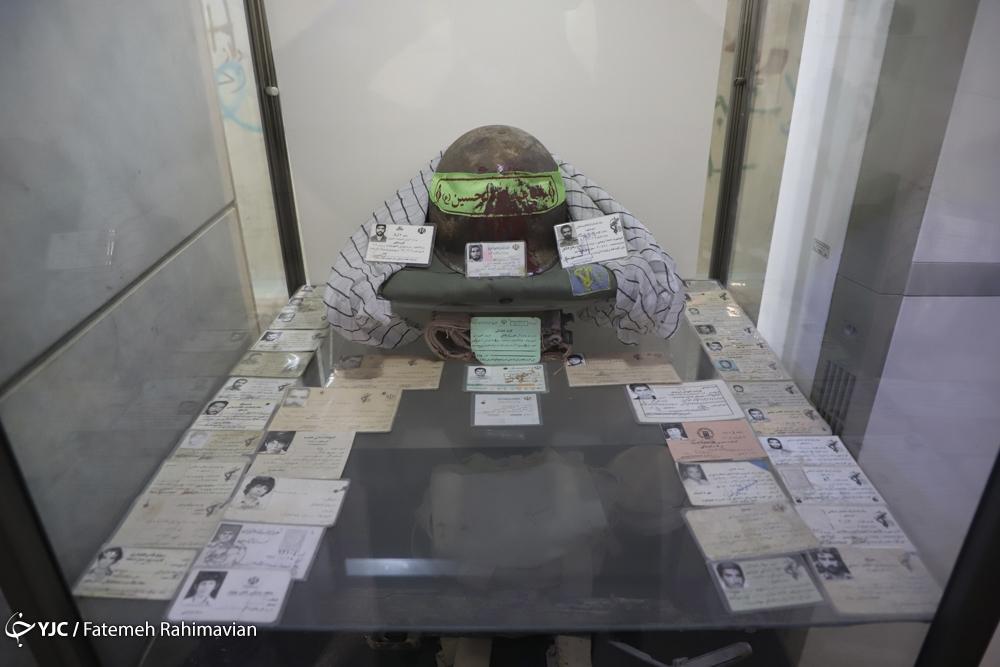
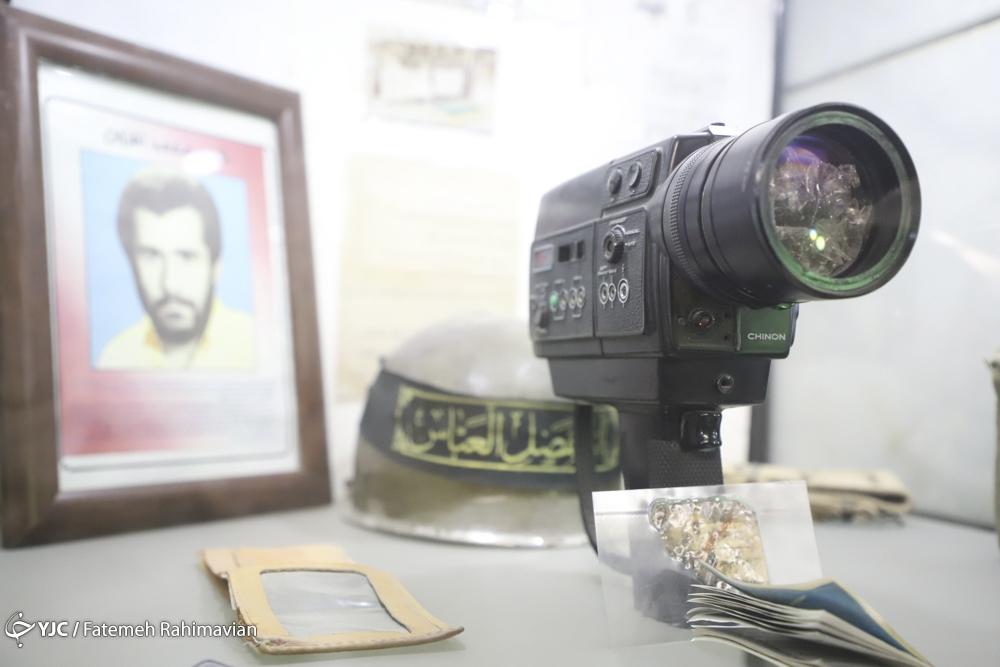
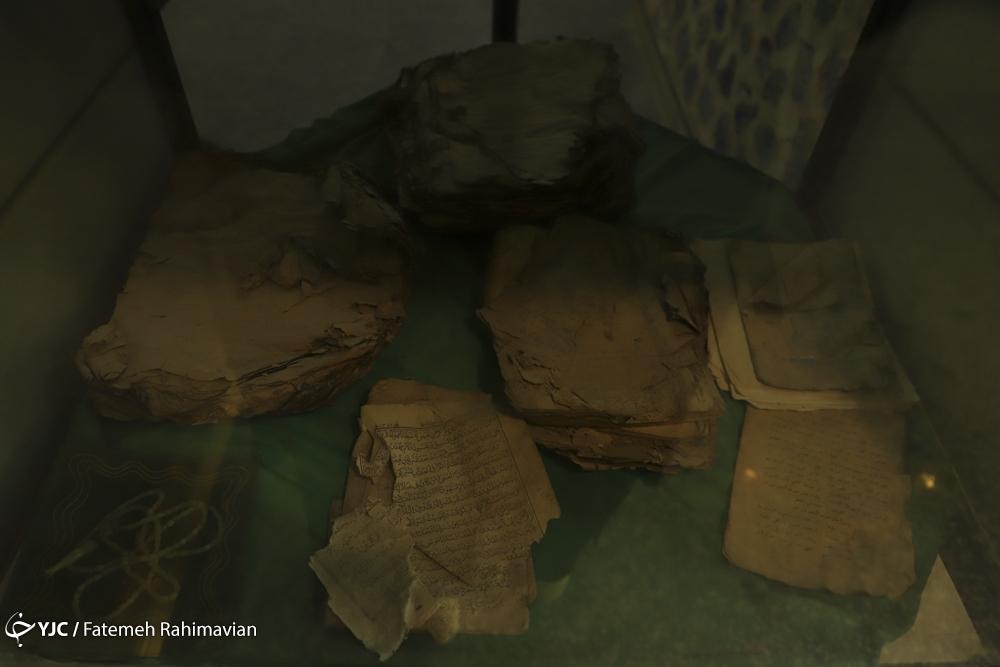
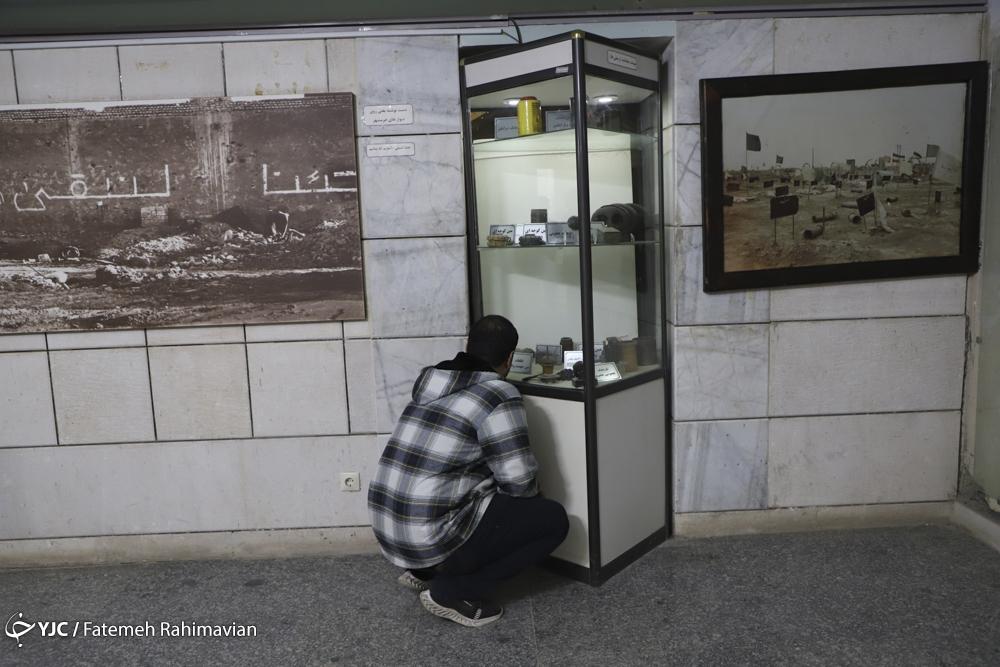
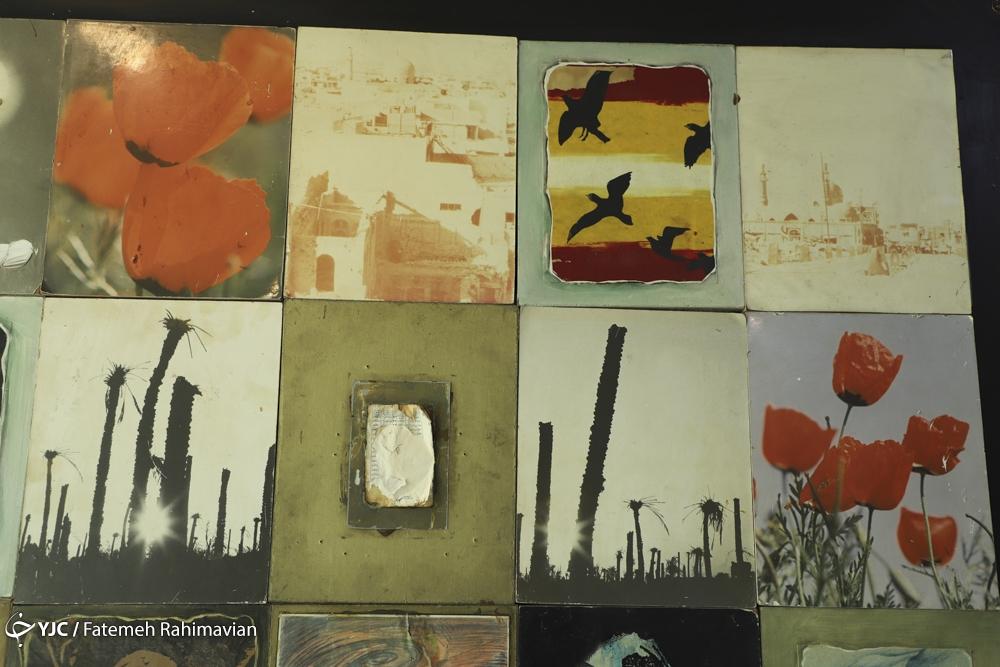
The museum, with its three galleries and the works of art left from the conflict, including an illustrated historical book, is a reminiscent of the bravery of Iranian soldiers.

The museum, originally used as a location to monitor Iraqi forces, draws over one million visitors every year.

Khorramshahr in the southern Iranian province of Khuzestan, was among the cities occupied by the Iraqi forces during the early days of war. Iranian forces liberated Khorramshahr on My 24, 1982 after 578 days of occupation.

Every year, Iranians commemorate the heroic deeds of the martyrs, wounded, and fighters of the war during the Sacred Defense Week, which starts on September 22, when former Iraqi dictator Saddam Hussein launched a prolonged incursion into Iran in 1980.