
The planned program to assess and stabilize the subsystems of all three spacecraft is moving forward on schedule.
Data from the orbital checks indicate that the satellites have now entered the stage of detailed performance assessment for their onboard subsystems, and their overall operational status has been described as satisfactory.
The Paya satellite has successfully completed evaluations of its power supply and distribution systems, thermal control, telemetry and telecommand links, navigation, stabilization, as well as attitude control and pointing mechanisms.
Testing of its imaging communications subsystem is currently in progress.
The Kowsar satellite has also cleared tests related to power generation and distribution, thermal regulation, telemetry and telecommand communications, navigation, and stabilization, and has moved on to trials of its attitude control and pointing systems.
For its part, the Zafar satellite has passed initial checks of its power systems, thermal management, navigation capabilities, and telemetry and telecommand communications, and is now undergoing further, more advanced testing of related subsystems.
In-orbit testing is a carefully structured, step-by-step process that extends over several weeks after launch, during which each subsystem’s performance is gradually examined under real space conditions.
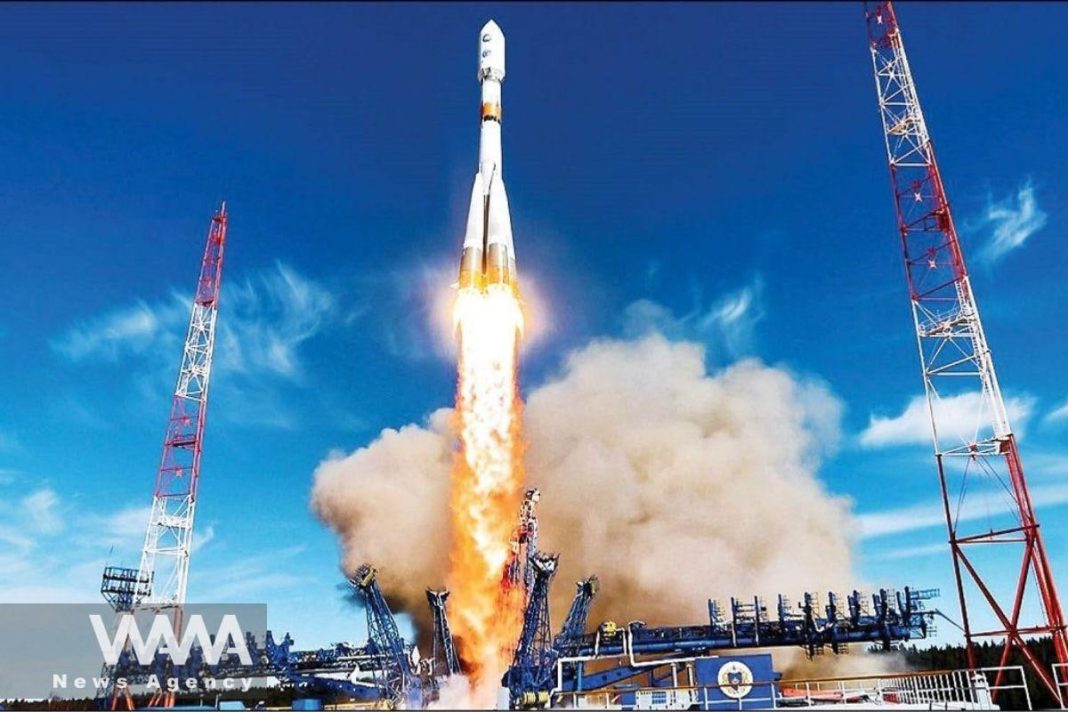
All three satellites were placed into orbit one week ago aboard a Soyuz launch vehicle from Russia’s Vostochny Cosmodrome. They are intended for a range of civilian applications, including agricultural and crop monitoring, water resource management, observation of natural hazards such as floods and droughts, as well as mapping and environmental surveillance.
