
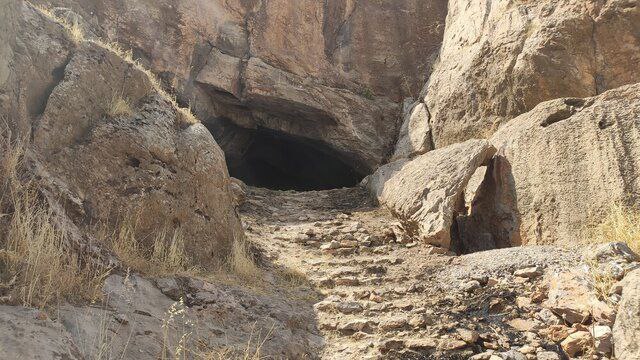
The prehistoric caves near Khorramabad in Lorestan Province, western Iran, date back over 60,000 years and are considered one of the oldest known human habitations.
These sites, including the Yafteh, Kaldar, Qomri, Konji, and Gilvaran caves, are located along a key migratory route of early humans from Africa to Asia and Europe.
According to Iranian officials, the area offers rare and well-documented evidence of human presence from the Paleolithic era through the Iron Age.
Iran’s Minister of Cultural Heritage, Tourism, and Handicrafts, Seyyed Reza Salehi Amiri, described the listing as a cultural response to international misconceptions about Iran.
He noted that carbon-14 dating and advanced archaeological methods have confirmed the exceptional age and significance of the region.
UNESCO experts emphasized the uniqueness of the site, stating that no other location with such ancient, verified human habitation has been recognized globally.
Officials also signaled that efforts are underway to include the nearby Falak-ol-Aflak Fortress in future nominations.
Iran currently ranks among the top ten countries for registered tangible heritage worldwide.
