
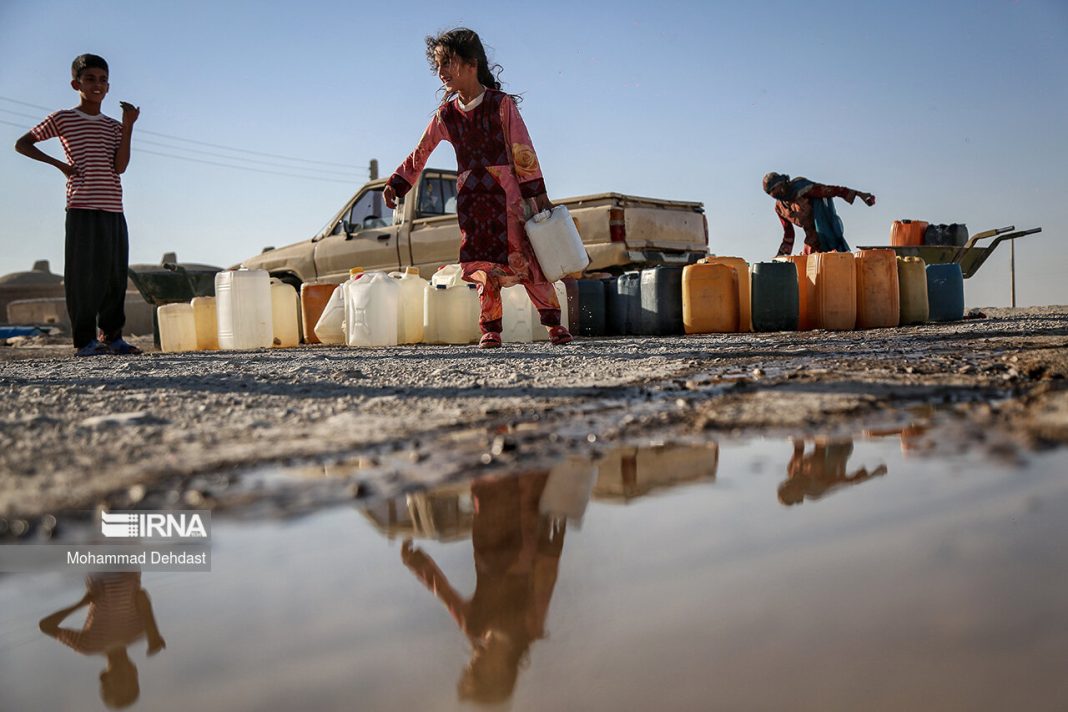
Official data show that during the past water year, Iran received only about 119 million cubic meters, a fraction of its legal entitlement.
Satellite imagery indicates that Afghanistan’s Kajaki Dam reservoir is full and has even overflowed, yet Iran’s historical water rights remain unmet.
The shortfall has deepened agricultural and environmental challenges in eastern Iran, including the drying of the Hamoun wetlands, rising unemployment, migration, and social unrest in Sistan and Baluchestan province.
Issa Bozorgzadeh, spokesman for Iran’s water industry, said negotiations and verbal assurances from Afghanistan have not translated into practical action.
Lawmaker Farhad Shahraki added that the water share is a legal obligation, not a request, stressing that political considerations in Kabul have obstructed implementation.
Iran has signaled readiness to provide technical assistance for restoring the river’s natural flow, while urging Afghanistan to honor the 1973 accord.
Experts argue that Tehran must pursue both active diplomacy and stricter domestic water management to prevent the crisis from worsening.
