Monday, January 12, 2026
Home Blog Page 839

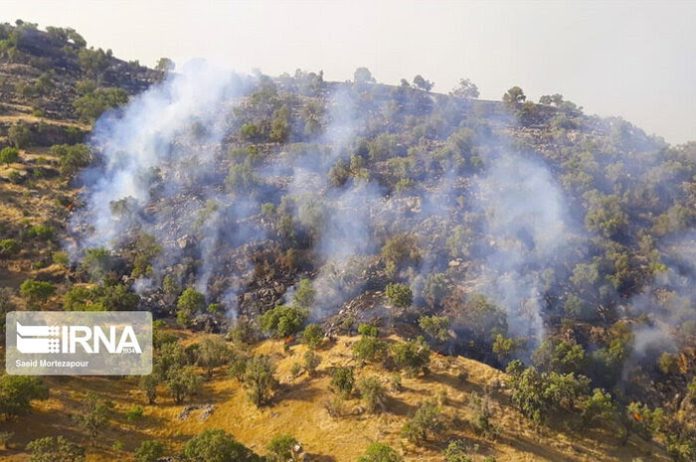
Massive fire in Iran’s southwestern protected area contained

The Director General of Crisis Management of the Governorate said relief and volunteer forces are monitoring the area to prevent another fire.

Alireza Nikrooz said the fire started on Monday from a nearby village and spread to the mountainous protected area.

He added the strong winds and inaccessibility of the tough terrain were the main reasons the fire spread.

Rescue teams were deployed immediately after the incident and the crisis management helicopters sprinkled water in over 10 sorties to stop the spread of the fire.

Eight people were injured during the operation to contain the fire and were rushed to a medical center for treatment.

Nikrooz said the extent of the damage will be announced after an expert review.

Khaeez, one of the seven protected areas in Kohgiluyeh and Boyar Ahmad province, covers an area of 33,235 hectares. However, as the Maroon Dam that supplies water to Khaeez has dried up, the protected area is prone to bushfires during the scorching summer days.

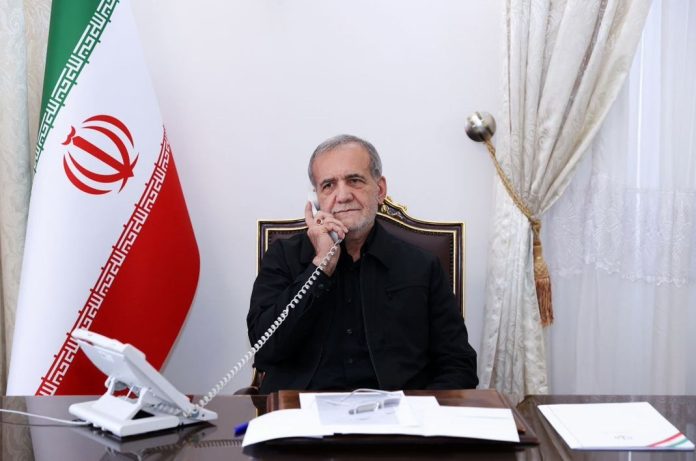
Iranian president-elect holds separate phone calls with Serbian, Kurdiastan region presidents

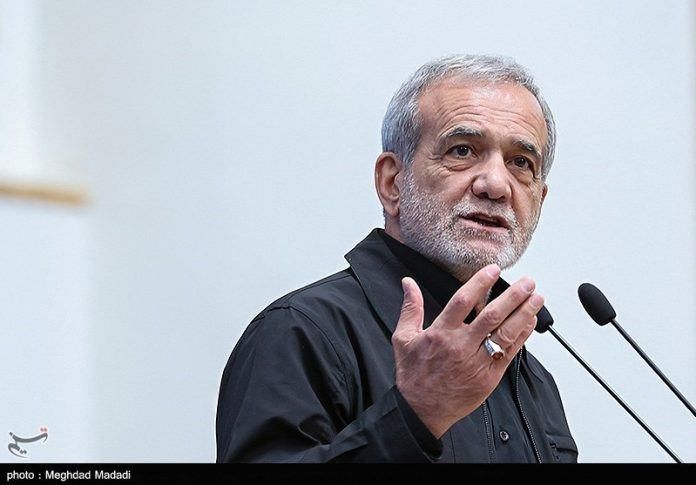
Masoud Pezeshkian

During his call with the Serbian President, Pezeshkian emphasized that Iran places great importance on respecting the sovereignty of all nations and sees no barriers to strengthening ties with Serbia.
He highlighted the potential for enhanced bilateral cooperation and mutual support in various fields.

In his conversation with the President of the Kurdistan Region of Iraq, Pezeshkian underscored the significance of bolstering relations with neighboring countries as a cornerstone of Iran’s foreign policy.
He particularly noted Iraq’s special position in this regional framework.

Nechervan Barzani the President of the Kurdistan Region of Iraq echoed Pezeshkian’s sentiments, emphasizing that the relationship between Iran and the Kurdistan Region is built on deep-rooted cultural, historical, and religious bonds that are impervious to external influences.

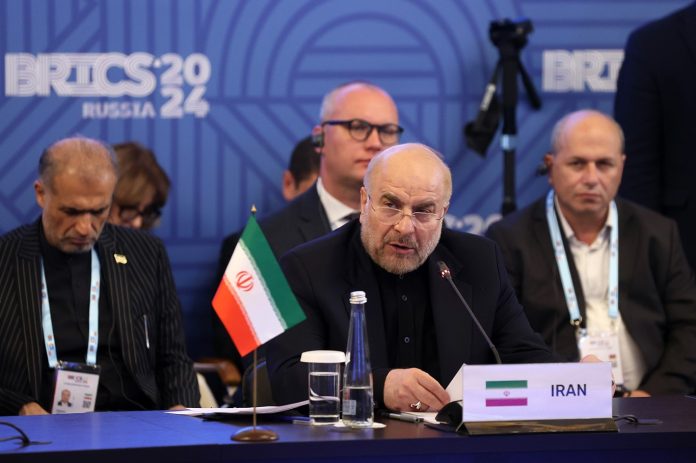
Iranian parl. speaker declares full readiness for BRICS cooperation

Mohammad Bagher Ghalibaf

Speaking at the BRICS Parliaments’ Heads Meeting in the Russian cityvof St. Petersburg, Qalibaf emphasized the complementary nature of BRICS nations and highlighted the recent Iran-Russia financial agreement as a successful example of de-dollarization.

Qalibaf outlined key areas for potential cooperation, including energy, transit, trade, and banking.

He stressed the importance of developing trade corridors, which he sees as critical capacities that member parliaments should pursue and activate.

“The parliaments of the member countries play a vital role in the success of BRICS,” said Qalibaf. “The BRICS Parliamentary Meeting can serve as a foundation for enhancing relations between member governments.”

He proposed that the issue of economic sanctions and countering unilateral coercive actions be placed on the agenda of the BRICS Parliamentary Forum, describing such sanctions as significant threats to the security and welfare of BRICS members’ citizens.

Qalibaf called for collective action in this area, suggesting that unified efforts could yield effective results.

Expressing Iran’s commitment to multilateralism, Qalibaf reaffirmed the parliament’s full readiness to engage actively and purposefully with BRICS counterparts.

He emphasized the strong determination of Iran’s government and parliament to foster beneficial participation and cooperation among BRICS members, aiming for the practical realization of the bloc’s high goals.

“The Iranian Parliament and government are fully prepared to collaborate with their partners across all these areas,” Qalibaf concluded, reiterating the central importance of transit, energy, trade, and banking in BRICS cooperation.

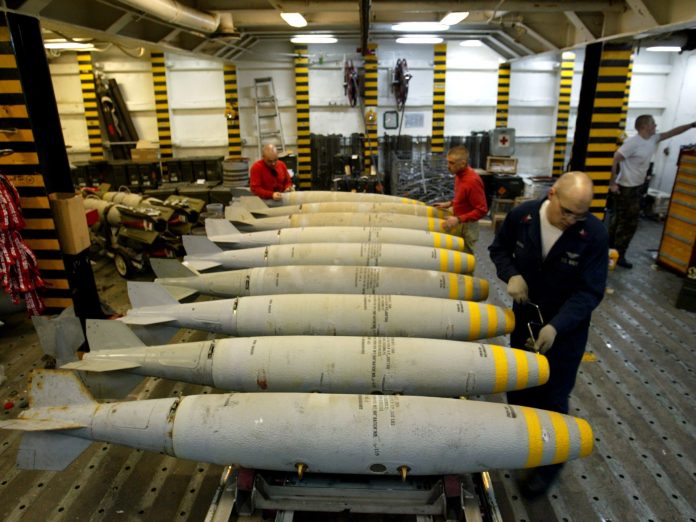
US official says Washington to resume shipping 500-pound bombs to Israel

US 500-pound bombs to Israel

The U.S. in May paused a shipment of 2,000-pound and 500-pound bombs due to concern over the impact they could have in Gaza during the war.

The administration’s particular concern had been use of such large bombs in Rafah, where over one million Palestinians had taken refuge.

“We’ve been clear that our concern has been on the end-use of the 2,000-lb bombs, particularly for Israel’s Rafah campaign which they have announced they are concluding,” a U.S. official said, speaking on the condition of anonymity.

One 2,000-pound bomb can rip through thick concrete and metal, creating a wide blast radius.

The U.S. official stated the 500-pound bombs were put together in the same shipment with the larger ones that were paused and therefore got held up.

“Our main concern had been and remains the potential use of 2,000 lb bombs in Rafah and elsewhere in Gaza … Because our concern was not about the 500 lb bombs, those are moving forward as part of the usual process,” the official added.

The U.S. has notified Israel that it is releasing the 500-pound bombs but keeping the hold on the larger ones, a person familiar with the matter said.

In June, Israeli Prime Minister Benjamin Netanyahu claimed Washington was withholding weapons, and pleaded with U.S. officials to remedy the situation. Biden’s aides expressed disappointment and confusion over the Israeli leader’s remarks.

During his visit to Washington, Israeli Defense Minister Yoav Gallant stated there had been significant progress on the issue of U.S. munitions supply to Israel, adding “obstacles were removed and bottlenecks were addressed”.

Israel, flouting a UN Security Council resolution demanding an immediate cease-fire, has faced international condemnation amid its continued brutal offensive on Gaza since an Oct. 7, 2023 attack by Hamas.

More than 38,300 Palestinians have since been killed, mostly women and children, and over 88,300 others injured, according to local health authorities.

Nine months into the Israeli war, vast tracts of Gaza lie in ruins amid a crippling blockade of food, clean water and medicine.

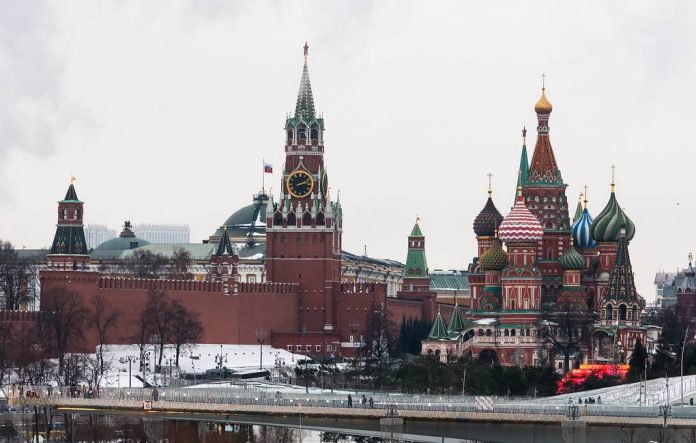
Moscow plans ‘response’ to contain ‘serious threat’ from NATO: Kremlin

Kremlin

Peskov stressed on Thursday that the Western military alliance, which is holding a summit in Washington this week, was now “fully involved in the conflict over Ukraine”.

Documents signed at the recent NATO summit in the United States show that the West is not supporting a dialogue and the alliance itself is an instrument of confrontation, he stated.

“We see that our opponents in Europe and in the United States are not in favor of a dialogue,” Peskov noted.

“Judging by the documents signed at the NATO summit, they are not supporters of peace,” the Kremlin spokesman continued, adding that “the North Atlantic Alliance is an instrument for confrontation and not a tool for security provision”.

NATO members agreed at a summit in Washington to provide 40 billion euros of military aid to Ukraine in 2025, according to a summit declaration.

The declaration stated that NATO affirmed its determination to support Ukraine in building a force that’s allegedly capable of defeating Russia today and deterring it in the future.

“To that end, we intend to provide a minimum baseline funding of 40 billion euros within the next year, and to provide sustainable levels of security assistance for Ukraine to prevail, taking into account Ukraine’s needs, our respective national budget procedures, and the bilateral security agreements, which allies have concluded with Ukraine,” the declaration said.

“Heads of state and government will re-evaluate allied contributions at future NATO summits, starting at the 2025 NATO Summit in The Hague.”

“To support fair burden-sharing, Allies will aim to meet this pledge through proportional contributions, including by taking into account their share of Alliance GDP,” it noted.

Along with military support, the NATO member countries “intend to continue providing political, economic, financial, and humanitarian support to Ukraine,” the declaration emphasized.

President-elect: Iran ready for constructive dialog with regional Arab states

Masoud Pezeshkian

Pezeshkian made the observations in an opinion piece, titled “Together, for a Strong and Prosperous Region,” which was published in the London-based Al-Araby Al-Jadeed newspaper on Wednesday.

“I am willing to address my brothers and sisters and neighbors in the region so we can take steps together down the path of constructive dialog and enhancement of cooperation and solidarity among the regional nations and governments,” he wrote.

Pezeshkian called on all regional countries to work towards “laying the foundation of the structure of a strong region” by relaying on “the power of logic instead of the logic of power” among other things.

He described the sole means of successful transition through existing challenges as in-depth, constructive, and goal-oriented dialog with the aim of contributing to regional integrity and cooperation.

“I extend a hand of friendship and brotherhood towards all the regional neighbors and countries towards realization of this goal,” the president-elect underscored.

Pezeshkian underlined that Iran and its Arab and Muslim neighbors were of the same opinion and shared common interests concerning many regional and international issues.

He named some of the common standpoints as the countries’ opposition to “a few countries’ monopoly over international decision-making [processes]” as well as “division of the world and [its] polarization based on the interests of great powers”.

“Treatment of the old wound [that manifests itself in the form] of occupation of Palestine is an issue that is faced by all of us,” Pezeshkian added.

The Islamic Republic is of the opinion that realization of regional peace and security is conditioned on recognition of the Palestinian nation’s “natural and obvious” rights such as the right to all-out resistance against occupation, independence, and self-determination, he stated.

In the same context, Pezeshkian laid emphasis on the need for putting an end to “the occupation, apartheid, mass killings, and state terrorism that is being exercised by the occupying Zionist region.”

He also considered Tel Aviv’s nuclear arsenal to be a source of threat to the region as well as international peace and security.

“Steps should be taken with the help of the countries of the region and the world towards [realization] of a Middle East region free of weapons of mass destruction.”

The president-elect concluded his remarks by asserting that the Islamic Republic “considers its neighbors’ power to be its own power”, warning that perpetuation of intra-regional crises and disagreements only served to benefit the occupying regime and foreign powers.

Iran acting FM: Talks on easing sanctions progressing in accordance with law

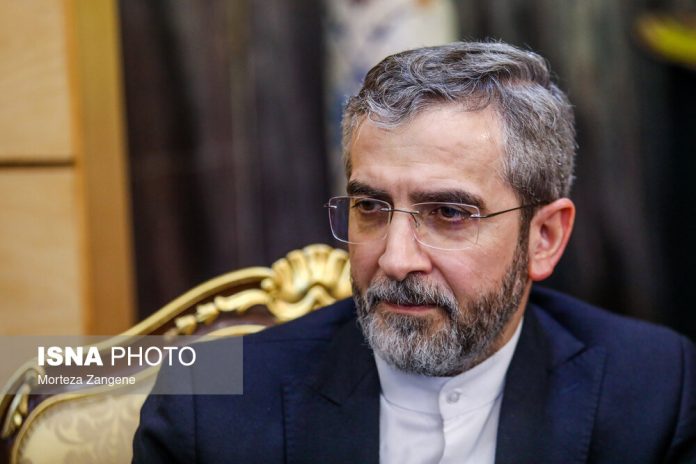
Ali Bagheri Kani

In an interview with Iran’s state television (IRIB) on Wednesday, Bagheri said the talks are based on the Strategic Action Plan adopted in 2020 to promote the country’s peaceful nuclear program and counter sanctions imposed on Iran by the United States and its Western allies.

The law obliges the Iranian administration to accelerate the development of the country’s nuclear program beyond the restraints set under the Joint Comprehensive Plan of Action (JCPOA) nuclear deal and restrict the International Atomic Energy Agency (IAEA)’s inspections.

Bagheri said the breakout of the Ukraine war in February 2022 stole the limelight and disrupted Iran’s nuclear talks with the West.

He further noted that the protests and deadly riots in September 2022 in Iran caused another hiccup in the negotiations, due to the Western ‘miscalculations.’

The top diplomat, however, explained, “Through the indirect talks that are being conducted through Oman, the negotiation process is ongoing and the issue is being followed up,” without revealing details because of the ‘confidential’ nature of the talks.

“But at the same time, what I can emphasize is that the path ahead regarding sanctions-removing negotiations is a progressing path, and we are making efforts to provide appropriate grounds for serious movement in the incoming administration,” he stated.

Iran rejects NATO allegation over Ukraine war, as politically-motivated

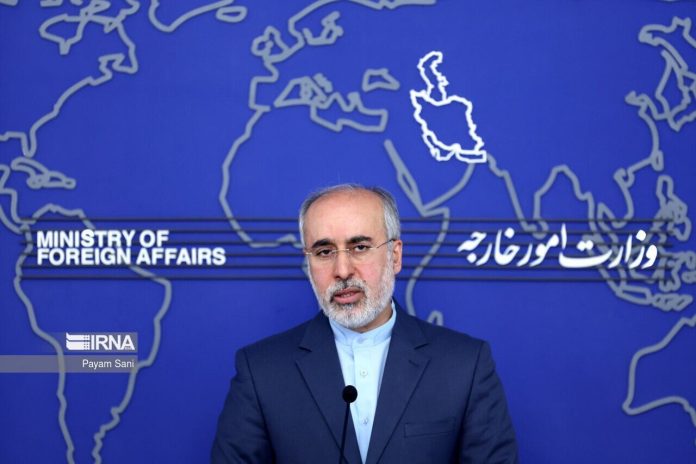
Nasser Kanaani

Kanaani made the comments in reaction to a statement of the NATO summit in Washington.

Kanaani further said, “Unfortunately, what we are witnessing in Ukraine is the outcome of NATO’s provocative policies and moves with the United States at the center, and it is still ongoing.”

Meanwhile, the Iranian spokesperson said, “As we have announced time and again, any attempt to link the war in Ukraine to the bilateral cooperation between the Islamic Republic of Iran and Russia is an act with only biased political motivations, aimed at legitimizing the interference and continuing the Western arms supply to Ukraine.”

Kanaani stressed, “The Islamic Republic of Iran’s strategy has always been to play a constructive and stabilizing role in the path of establishing lasting security in the region and the world.”

He stressed Iran has never provided drones to Russia during the Ukraine war, adding it reiterates that the crisis should be resolved politically so a lasting peace would be established.

Analysts warn Israel-Hezbollah war would plunge Egypt into further darkness

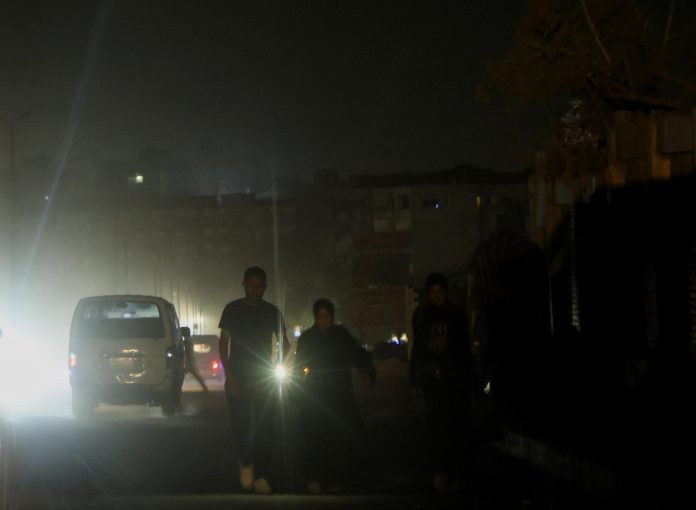
Egypt blackout

Israel would likely suspend production on its key offshore gas fields in the north to protect against potential attacks and would rely upon one operational gas field for domestic consumption only.

“In that case, Israel won’t export at all to Egypt,” said Elai Rettig, assistant professor in energy politics at Bar Ilan University in Israel and senior researcher at the Begin-Sadat Center for Strategic Studies.

“If war starts tomorrow, Cairo is going to be in the dark more than it is currently. Egypt will definitely feel it.”

The looming risk to Egypt shows just how reliant it has become on Israeli gas, only a few short years after a massive offshore discovery gave rise to plans of transforming Egypt into an energy powerhouse.

In the intervening years, increased consumption, poor planning and an economic crisis, along with falling output from Zohr, the field that was discovered, have left Egypt scrambling for gas.

Last July, after nearly a decade of consistent electricity supplies, scheduled two-hour daily power cuts began across Egypt to deal with the energy crisis.

Last month, Prime Minister Mostafa Madbouly announced that this summer’s blackouts would be extended by another hour and that $1.8bn worth of fuel and gas would be imported to stop the power cuts by the end of July.

He pointed blame at a 12-hour outage of a gas field in “a neighbouring country” without elaborating.

But analysts say the problem was not a brief outage in Israel in June, but rather a structural one, years in the making, that has left Israel with significant leverage over Egypt.

Khaled Fouad, an independent energy analyst and researcher, stated that relying on Israeli gas is inevitable for Egypt in the foreseeable future.

“Egypt currently heavily relies on a single source to secure gas supplies, and this source is Israel, a state with a highly complex relationship with us, no matter how much relations improve,” he added.

Rettig said it was “absurd” of Madbouly to blame Israel.

“If it wasn’t for Israel, they’d have much worse blackouts,” he continued, adding, “It’s the only thing keeping lights on in Cairo right now.”

Two decades ago, Egypt was a net gas exporter and it was Egypt that was selling gas to Israel and Jordan, amongst others – often at below market rates.

But by 2015, after years of energy sector mismanagement and political instability, Egypt had become a net importer of gas.

That same year, after the government awarded exploration licences with more attractive terms for investors, Egypt’s fortune turned with the discovery of Zohr, the largest offshore gas field in the Eastern Mediterranean.

“They got lucky in finding Zohr and thought it had solved all of their problems,” said Robin Mills, CEO of Qamar Energy, a UAE-based energy consultancy, and non-resident fellow at Columbia University’s Center on Global Energy Policy.

The field came on-stream quickly and supplied enough gas to allow Egypt to stop importing gas in 2018.

So when Egypt agreed to buy $15bn worth of Israeli gas in the same year, the deal seemed questionable to some.

But discussing the deal publicly, Sisi stressed Egypt had “scored a goal”. This was Egypt’s opportunity to be a regional energy hub.

Using two LNG liquefaction plants and terminals at Idku and Damietta, Egypt could export its own gas and re-export gas from neighbouring countries to Europe and beyond.

In 2022, after Russia invaded Ukraine and European countries were looking for alternatives to Russian gas, Egypt cashed in, exporting $8.4bn in LNG overall, a 140 percent jump from the year before.

But analysts say a combination of factors have put a dampener on Egypt’s energy hub dreams.

For one, Zohr has underperformed, largely as a result of water seepage into the field which had been producing nearly 40 percent of Egypt’s gas output.

Mills said problems with Zohr were “unlucky”. But when it became obvious two years ago that there was a problem, he said the government should have put contingencies in place, including getting prepared much sooner to import gas and pursuing renewable energy projects more aggressively.

There have also been no major gas discoveries since Zohr. Meanwhile, consumption has continued to increase rapidly.

Rettig said energy companies can find it difficult to work in Egypt, one factor which has likely slowed further discoveries.

He added the government has been slow at times to pay off debts owed to firms and also demands low prices for gas produced from its fields.

“I can’t blame them completely because they have 110 million people so they need the gas price to be as cheap as possible.”

“But it’s not always the best market for an energy company to work with. You need to give a lot of promises in advance for them to come to Egypt and make the effort.”

If more operators were “paid more and paid on time”, Mills said more gas would probably be produced.

Israeli gas now accounts for at least 10 percent of Egypt’s annual gas consumption, which includes an increase in the amount of gas exported, agreed last August, Rettig said.

It’s a significant amount considering the context, said Francesco Sassi, research fellow at Ricerche Industriali Energetiche in Bologna.

“The population of Egypt is already suffering from blackouts and the curtailment of electricity,” Sassi continued, adding, “So from this point of view, and even if the total amount of gas imported from Israel pales compared to the volumes produced domestically, Egypt is considerably dependent on Israel’s gas.”

That dependency was evident when Israel suspended production at Tamar, one of the fields producing gas exported to Egypt, after the Hamas-led 7 October attacks.

With Israeli imports cut off, Egypt was forced to import LNG in November to fill the gap in its gas supply.

If Israel and Hezbollah go to war, Rettig said Israel would suspend production at Leviathan for at least a month and would rely on Tamar for its domestic needs, again cutting off exports to Egypt.

That dependency, he stated, will have motivated Egypt – and Jordan which also relies on Israeli gas as well as water – to moderate its criticism of Israel.

“It creates an incentive to cooperative or to at least seek an end to hostilities as quickly as possible,” Rettig added.

In a May report for the Begin-Sadat Center for Strategic Studies in Israel, Rettig and former Israeli ambassador Michael Harari wrote that it was possible that Jordan had been motivated by its need for water and gas when it intercepted Iranian missiles and drones headed for Israel in April.

For Fouad, Egypt’s dependency on a single source for gas supplies brings troubling ramifications for its energy and national security.

“Can Israel cut off gas to Egypt? Yes, and we witnessed this first-hand at the beginning of the war last October when Israel shut down the Tamar field production platform,” he said.

Fouad estimated that losing Israeli gas now would result in power outages lasting up to five hours daily on top of the current three-hour outages.

“This means that, for a third of the day, Egypt, a country with regional significance, would be without electricity, disrupted by Israel without using heavy weapons,” he added.

Over half a million students compete to enter universities in Iran

Konkour in Iran

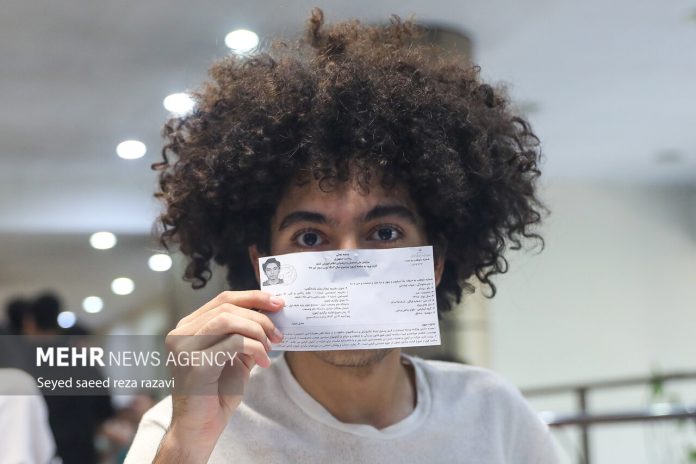
512,610 applicants sat for tests in four categories of humanities, mathematics, art, and foreign languages on the first day of the exam.

The exam for science and experimental studies will be held on Friday.

The national university entrance exam, better known as Konkour in Iran, is a highly competitive test that applicants need to pass in order to gain admission to higher education institutions in Iran.

A total of 1,152,518 Iranian applicants have registered to take the exam that could see them enrolled at universities for the upcoming academic year.

Iranian students apply for the test after they finish high school at the end of their 12-year education. So, applicants are about 18 when they normally finish secondary education.

In this year’s exam, an 81-year-old man and a 71-year-old woman were the oldest applicants. The youngest one was a 13-year-old girl.