Friday, January 2, 2026
Home Blog Page 828

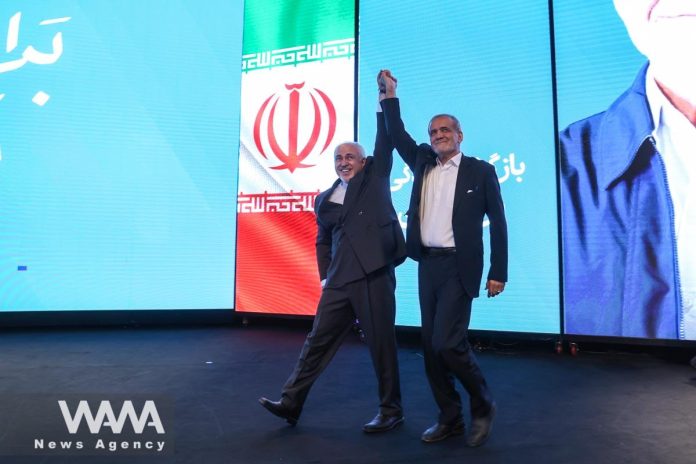
Iran president-elect appoints former FM Zarif as head of transitional council

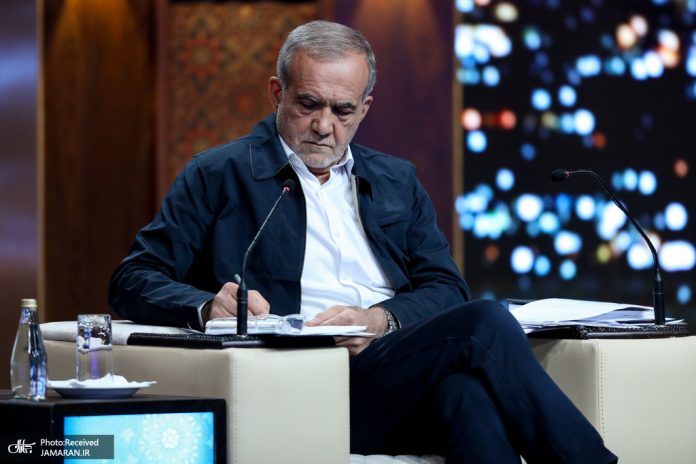
Pezeshkian and Zarif

In his capacity as the head of the council, Zarif posted a message on X social media on Friday, dismissing reports that the new president has picked the final candidate for the vice presidential and some ministerial posts.

The former top diplomat also ‘categorically rejected’ claims that former reformist president Mohammad Khatami is putting pressure on Pezeshkian on certain members of the cabinet.

“So far, no candidate for any position, including first vice president, has even been considered. The review process will start after receiving the proposals of the NGOs, scientific associations, trade associations, and the private sector,” Zarif clarified.

The president-elect’s office issued a call on Thursday on a wide range of social groups and political parties in Iran to have their say on members of the incoming cabinet.

Several committees have also been formed to study the nominees for the top posts in meetings with the former foreign minister on Saturday and the new executive head next week, according to Zarif.

The council is assigned with cushioning the bumpy effects of the transition period through a careful study of the candidates for the posts based on a checklist of qualifications highlighted by the president-elect.
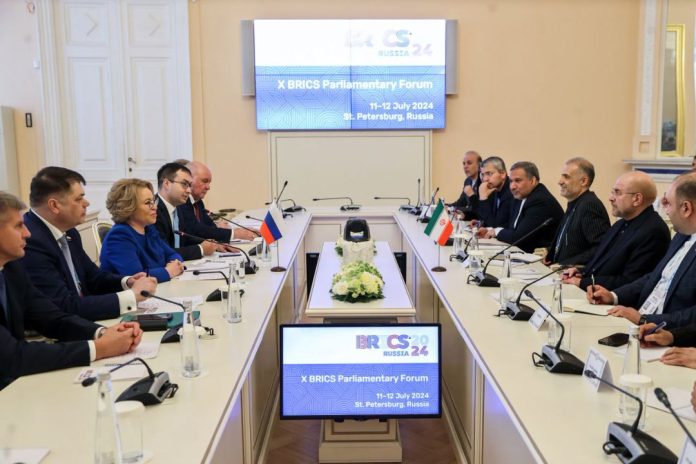
Iran, Russia preparing several documents to boost cooperation between provinces

Valentina Matviyenko made the remarks in a meeting with Iran’s visiting Parliament Speaker Mohammad Baqer Qalibaf and his accompanying delegation on the sidelines of the 10th BRICS Parliamentary Forum in St. Petersburg.

Qalibaf said, “Without a doubt, BRICS has regional and international effects on both countries, along with the bilateral relations between Iran and Russia.”

Underlining the ‘great capacities’ between Iran and Russia, he added Russia’s chairmanship of BRICS is a good opportunity to enhance ties, especially in economic, security, social, and cultural areas as well as transit, energy, and trade opportunities.

For her part, Matviyenko announced that about 15 cooperation documents between the Iranian and Russian provinces are in the coordination stage and asked officials in both countries to facilitate the plan.

She also expressed Russia’s satisfaction and support for Iran’s accession to the BRICS geopolitical bloc, which was formed as a counterweight for Western alliances.

Qalibaf had earlier met with ranking Russian officials, including President Vladimir Putin and President of the Russian State Duma Viacheslav Valodin.

Iran president-elect issues general plea for consultation on cabinet members 

Massoud Pezeshkian

The statement issued on Thursday reads, “Dr. Massoud Pezeshkian believes in and needs the opinion and participation of scientific and specialized associations and institutions, NGOs and political parties to pick the most qualified members in the 14th administration, including ministers, vice presidents and heads of large government organizations.”

Abiding by the Constitution, having a good track record and reputation, honesty, and courage, having a nationalistic view, avoiding extremist, factional, and ethnic tendencies, being the voice of the voiceless, fulfilling the demands of women, youth and ethnic groups are some of the characteristics the statement has highlighted for the prospective candidates.

Meanwhile, a former member of Iran’s Expediency Council and a reformist political activist revealed that the president-elect, in an unprecedented move, has formed five working groups and has asked each group to make a shortlist of three candidates for each ministry.

Mohammad Hashemi explained that Pezeshkian is weighing in on the issues and has put the sanctions-hit economy and people’s livelihood high on the agenda of his priorities.

Pezeshkian, a cardiac surgeon by profession and a reformist politician, won the snap presidential election in Iran in a runoff on July 5.

The spokesperson for the Iranian Parliament’s Presiding Board has earlier stated that the inauguration ceremony of Iran’s President-Elect will be held in the Parliament on July 30.

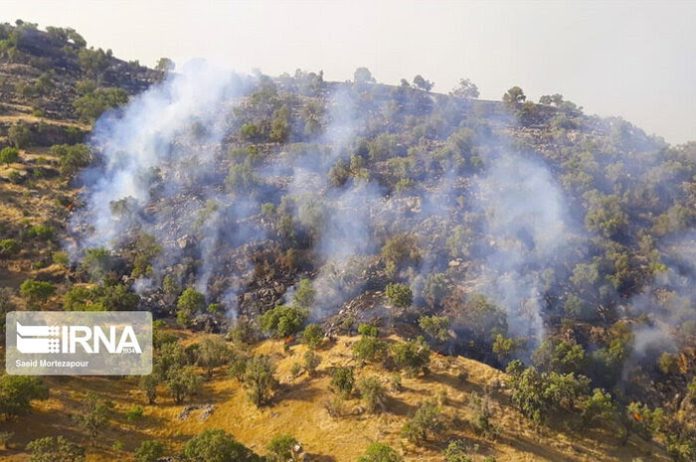
Massive fire in Iran’s southwestern protected area contained

The Director General of Crisis Management of the Governorate said relief and volunteer forces are monitoring the area to prevent another fire.

Alireza Nikrooz said the fire started on Monday from a nearby village and spread to the mountainous protected area.

He added the strong winds and inaccessibility of the tough terrain were the main reasons the fire spread.

Rescue teams were deployed immediately after the incident and the crisis management helicopters sprinkled water in over 10 sorties to stop the spread of the fire.

Eight people were injured during the operation to contain the fire and were rushed to a medical center for treatment.

Nikrooz said the extent of the damage will be announced after an expert review.

Khaeez, one of the seven protected areas in Kohgiluyeh and Boyar Ahmad province, covers an area of 33,235 hectares. However, as the Maroon Dam that supplies water to Khaeez has dried up, the protected area is prone to bushfires during the scorching summer days.

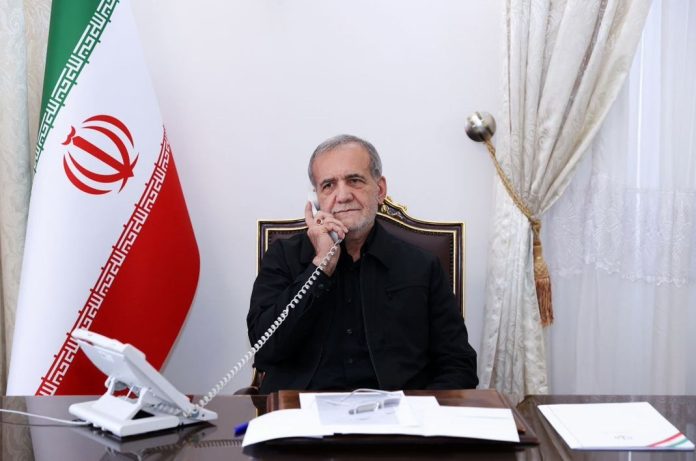
Iranian president-elect holds separate phone calls with Serbian, Kurdiastan region presidents

Masoud Pezeshkian

During his call with the Serbian President, Pezeshkian emphasized that Iran places great importance on respecting the sovereignty of all nations and sees no barriers to strengthening ties with Serbia.
He highlighted the potential for enhanced bilateral cooperation and mutual support in various fields.

In his conversation with the President of the Kurdistan Region of Iraq, Pezeshkian underscored the significance of bolstering relations with neighboring countries as a cornerstone of Iran’s foreign policy.
He particularly noted Iraq’s special position in this regional framework.

Nechervan Barzani the President of the Kurdistan Region of Iraq echoed Pezeshkian’s sentiments, emphasizing that the relationship between Iran and the Kurdistan Region is built on deep-rooted cultural, historical, and religious bonds that are impervious to external influences.

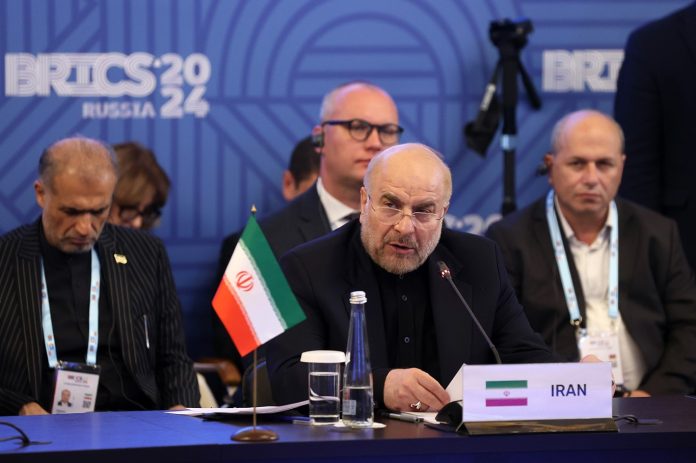
Iranian parl. speaker declares full readiness for BRICS cooperation

Mohammad Bagher Ghalibaf

Speaking at the BRICS Parliaments’ Heads Meeting in the Russian cityvof St. Petersburg, Qalibaf emphasized the complementary nature of BRICS nations and highlighted the recent Iran-Russia financial agreement as a successful example of de-dollarization.

Qalibaf outlined key areas for potential cooperation, including energy, transit, trade, and banking.

He stressed the importance of developing trade corridors, which he sees as critical capacities that member parliaments should pursue and activate.

“The parliaments of the member countries play a vital role in the success of BRICS,” said Qalibaf. “The BRICS Parliamentary Meeting can serve as a foundation for enhancing relations between member governments.”

He proposed that the issue of economic sanctions and countering unilateral coercive actions be placed on the agenda of the BRICS Parliamentary Forum, describing such sanctions as significant threats to the security and welfare of BRICS members’ citizens.

Qalibaf called for collective action in this area, suggesting that unified efforts could yield effective results.

Expressing Iran’s commitment to multilateralism, Qalibaf reaffirmed the parliament’s full readiness to engage actively and purposefully with BRICS counterparts.

He emphasized the strong determination of Iran’s government and parliament to foster beneficial participation and cooperation among BRICS members, aiming for the practical realization of the bloc’s high goals.

“The Iranian Parliament and government are fully prepared to collaborate with their partners across all these areas,” Qalibaf concluded, reiterating the central importance of transit, energy, trade, and banking in BRICS cooperation.

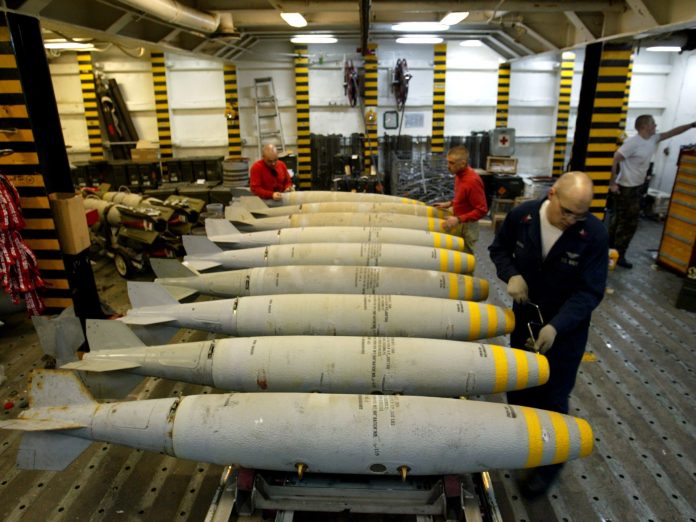
US official says Washington to resume shipping 500-pound bombs to Israel

US 500-pound bombs to Israel

The U.S. in May paused a shipment of 2,000-pound and 500-pound bombs due to concern over the impact they could have in Gaza during the war.

The administration’s particular concern had been use of such large bombs in Rafah, where over one million Palestinians had taken refuge.

“We’ve been clear that our concern has been on the end-use of the 2,000-lb bombs, particularly for Israel’s Rafah campaign which they have announced they are concluding,” a U.S. official said, speaking on the condition of anonymity.

One 2,000-pound bomb can rip through thick concrete and metal, creating a wide blast radius.

The U.S. official stated the 500-pound bombs were put together in the same shipment with the larger ones that were paused and therefore got held up.

“Our main concern had been and remains the potential use of 2,000 lb bombs in Rafah and elsewhere in Gaza … Because our concern was not about the 500 lb bombs, those are moving forward as part of the usual process,” the official added.

The U.S. has notified Israel that it is releasing the 500-pound bombs but keeping the hold on the larger ones, a person familiar with the matter said.

In June, Israeli Prime Minister Benjamin Netanyahu claimed Washington was withholding weapons, and pleaded with U.S. officials to remedy the situation. Biden’s aides expressed disappointment and confusion over the Israeli leader’s remarks.

During his visit to Washington, Israeli Defense Minister Yoav Gallant stated there had been significant progress on the issue of U.S. munitions supply to Israel, adding “obstacles were removed and bottlenecks were addressed”.

Israel, flouting a UN Security Council resolution demanding an immediate cease-fire, has faced international condemnation amid its continued brutal offensive on Gaza since an Oct. 7, 2023 attack by Hamas.

More than 38,300 Palestinians have since been killed, mostly women and children, and over 88,300 others injured, according to local health authorities.

Nine months into the Israeli war, vast tracts of Gaza lie in ruins amid a crippling blockade of food, clean water and medicine.

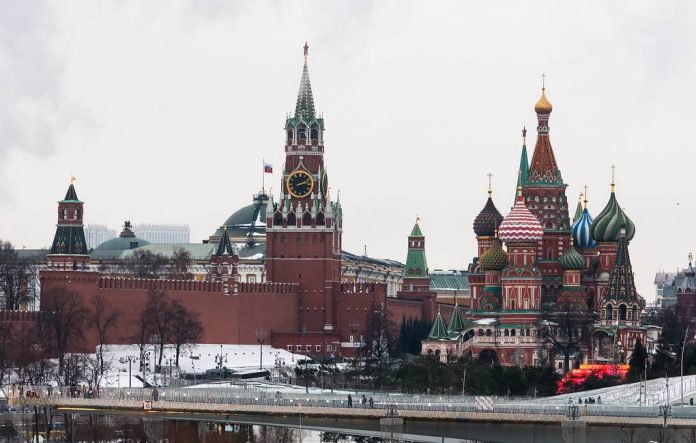
Moscow plans ‘response’ to contain ‘serious threat’ from NATO: Kremlin

Kremlin

Peskov stressed on Thursday that the Western military alliance, which is holding a summit in Washington this week, was now “fully involved in the conflict over Ukraine”.

Documents signed at the recent NATO summit in the United States show that the West is not supporting a dialogue and the alliance itself is an instrument of confrontation, he stated.

“We see that our opponents in Europe and in the United States are not in favor of a dialogue,” Peskov noted.

“Judging by the documents signed at the NATO summit, they are not supporters of peace,” the Kremlin spokesman continued, adding that “the North Atlantic Alliance is an instrument for confrontation and not a tool for security provision”.

NATO members agreed at a summit in Washington to provide 40 billion euros of military aid to Ukraine in 2025, according to a summit declaration.

The declaration stated that NATO affirmed its determination to support Ukraine in building a force that’s allegedly capable of defeating Russia today and deterring it in the future.

“To that end, we intend to provide a minimum baseline funding of 40 billion euros within the next year, and to provide sustainable levels of security assistance for Ukraine to prevail, taking into account Ukraine’s needs, our respective national budget procedures, and the bilateral security agreements, which allies have concluded with Ukraine,” the declaration said.

“Heads of state and government will re-evaluate allied contributions at future NATO summits, starting at the 2025 NATO Summit in The Hague.”

“To support fair burden-sharing, Allies will aim to meet this pledge through proportional contributions, including by taking into account their share of Alliance GDP,” it noted.

Along with military support, the NATO member countries “intend to continue providing political, economic, financial, and humanitarian support to Ukraine,” the declaration emphasized.

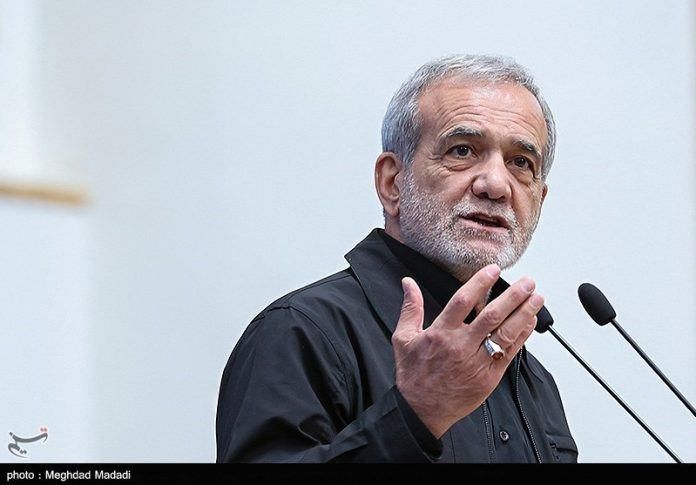
President-elect: Iran ready for constructive dialog with regional Arab states

Masoud Pezeshkian

Pezeshkian made the observations in an opinion piece, titled “Together, for a Strong and Prosperous Region,” which was published in the London-based Al-Araby Al-Jadeed newspaper on Wednesday.

“I am willing to address my brothers and sisters and neighbors in the region so we can take steps together down the path of constructive dialog and enhancement of cooperation and solidarity among the regional nations and governments,” he wrote.

Pezeshkian called on all regional countries to work towards “laying the foundation of the structure of a strong region” by relaying on “the power of logic instead of the logic of power” among other things.

He described the sole means of successful transition through existing challenges as in-depth, constructive, and goal-oriented dialog with the aim of contributing to regional integrity and cooperation.

“I extend a hand of friendship and brotherhood towards all the regional neighbors and countries towards realization of this goal,” the president-elect underscored.

Pezeshkian underlined that Iran and its Arab and Muslim neighbors were of the same opinion and shared common interests concerning many regional and international issues.

He named some of the common standpoints as the countries’ opposition to “a few countries’ monopoly over international decision-making [processes]” as well as “division of the world and [its] polarization based on the interests of great powers”.

“Treatment of the old wound [that manifests itself in the form] of occupation of Palestine is an issue that is faced by all of us,” Pezeshkian added.

The Islamic Republic is of the opinion that realization of regional peace and security is conditioned on recognition of the Palestinian nation’s “natural and obvious” rights such as the right to all-out resistance against occupation, independence, and self-determination, he stated.

In the same context, Pezeshkian laid emphasis on the need for putting an end to “the occupation, apartheid, mass killings, and state terrorism that is being exercised by the occupying Zionist region.”

He also considered Tel Aviv’s nuclear arsenal to be a source of threat to the region as well as international peace and security.

“Steps should be taken with the help of the countries of the region and the world towards [realization] of a Middle East region free of weapons of mass destruction.”

The president-elect concluded his remarks by asserting that the Islamic Republic “considers its neighbors’ power to be its own power”, warning that perpetuation of intra-regional crises and disagreements only served to benefit the occupying regime and foreign powers.

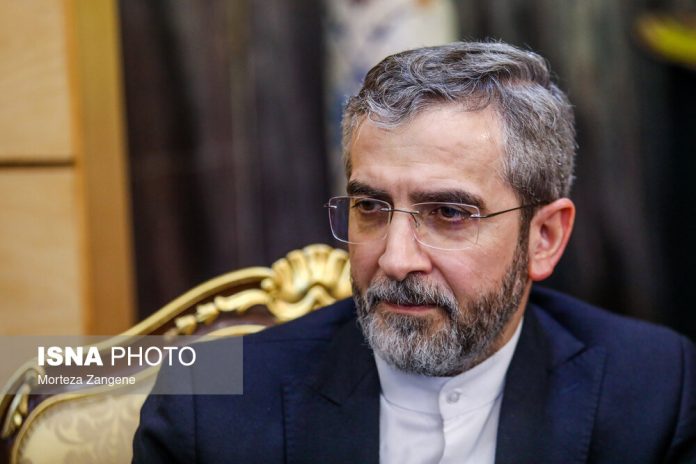
Iran acting FM: Talks on easing sanctions progressing in accordance with law

Ali Bagheri Kani

In an interview with Iran’s state television (IRIB) on Wednesday, Bagheri said the talks are based on the Strategic Action Plan adopted in 2020 to promote the country’s peaceful nuclear program and counter sanctions imposed on Iran by the United States and its Western allies.

The law obliges the Iranian administration to accelerate the development of the country’s nuclear program beyond the restraints set under the Joint Comprehensive Plan of Action (JCPOA) nuclear deal and restrict the International Atomic Energy Agency (IAEA)’s inspections.

Bagheri said the breakout of the Ukraine war in February 2022 stole the limelight and disrupted Iran’s nuclear talks with the West.

He further noted that the protests and deadly riots in September 2022 in Iran caused another hiccup in the negotiations, due to the Western ‘miscalculations.’

The top diplomat, however, explained, “Through the indirect talks that are being conducted through Oman, the negotiation process is ongoing and the issue is being followed up,” without revealing details because of the ‘confidential’ nature of the talks.

“But at the same time, what I can emphasize is that the path ahead regarding sanctions-removing negotiations is a progressing path, and we are making efforts to provide appropriate grounds for serious movement in the incoming administration,” he stated.