Wednesday, December 31, 2025
Home Blog Page 825

News organisations call on Israel to allow open access to Gaza

Gaza War

“We…request that Israeli authorities end immediately the restrictions on foreign media entering Gaza and grant independent access to international news organizations seeking to access the territory,” the letter said.

The companies and organisations said that Israel’s tight control of who enters Gaza has restricted reporting to those who achieve “rare and escorted trips arranged by the Israeli military”, adding that “this effective ban on foreign reporting has placed an impossible and unreasonable burden on local reporters to document a war through which they are living”.

Middle East Eye, whose reporters are on the ground in Gaza, is a signatory to the letter. Other prominent media companies like ABC; Bloomberg; NBC; NPR; CBS; The Financial Times; The New York Times; and The Washington Post also signed the letter.

The petition comes days after Israel allowed a select number of journalists to enter and film in Rafah, the southern Gaza border city that Israel has hammered with strikes and air raids for months.

The visit was tightly conducted under the scrutiny of Israel’s military, with journalists travelling in Israeli open-air vehicles. One report produced by The Wall Street Journal from the tour includes comments from Israeli military officials, but no Palestinian civilians from Rafah. The Wall Street Journal has not signed the letter.

“We ask that Israel uphold its commitments to press freedom by providing foreign media with immediate, independent access to Gaza, and that Israel abides by its international obligations to protect journalists as civilians,” the signatories added.

Last week, the Gaza government’s media office announced that five Palestinian journalists were killed in one day alone, bringing the total number of killed to 158 since 7 October when the war broke out.

Media analysts and rights groups have slammed the one-sided coverage of the war in the blockaded territory. In April, a leaked New York Times memo was revealed, instructing reporters to avoid using words like “slaughter” and “massacre” when describing Israeli-perpetrated violence against Palestinians.
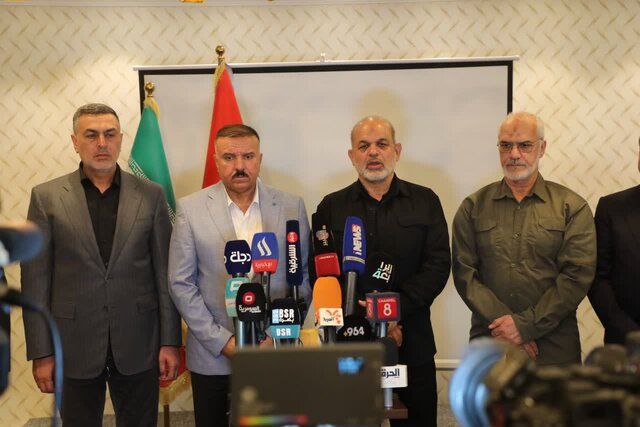
Iran and Iraq to launch the Khorramshahr-Basra sea line 

He made the announcement during a visit to Iraq’s al-Seeba port in Basra Governorate for the necessary arrangements in order to holding the Arbaeen march.

Vahidi noted that the details will be discussed in the next executive meetings with the Iraqi officials.

On the Iraqi side of the border, Vahidi met with his Iraqi counterpart Abdul Amir Al-Shammariand and held talks with him about  strengthening public transportation from Iran’s Shalamcheh to the Iraqi cities of Najaf and Karbala.

The Iraqi side agreed to the propossl, saying if there are suitable buses, it will help facilitate transportation.

Millions of people will take part in the Arbaeen march, marking the 40th day after the martyrdom anniversary of Imam Hussein, the third Shia Imam.

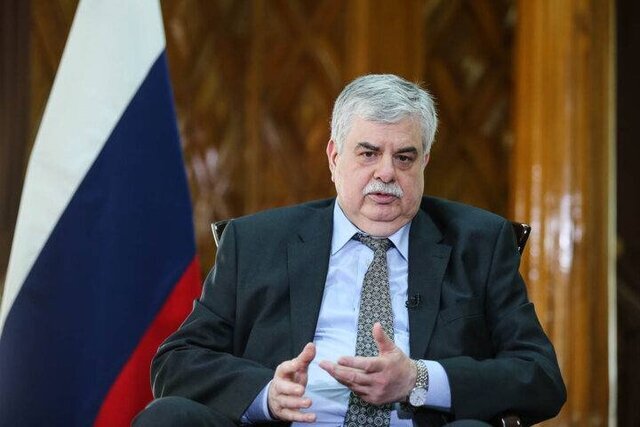
Russian ambassador to Tehran: Work on Strategic Partnership Treaty with Iran almost complete 

Dedov further spoke about the Ukraine war, saying if Iran announces its readiness to mediate to end the conflict, Russia is ready to consider such a proposal.

Earlier, Russian Deputy Foreign Minister Andrei Rudenko also said that Moscow accepts Tehran as a mediator in the peace talks to end the Ukrainian war, and if such a proposal is made, Moscow will consider it.

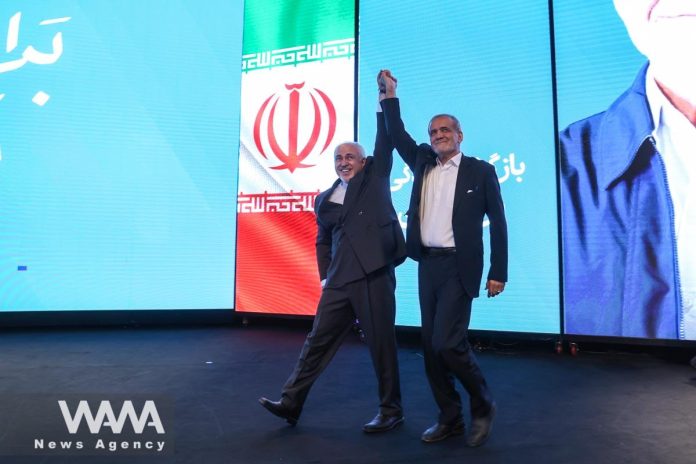
Iran president-elect appoints former FM Zarif as head of transitional council

Pezeshkian and Zarif

In his capacity as the head of the council, Zarif posted a message on X social media on Friday, dismissing reports that the new president has picked the final candidate for the vice presidential and some ministerial posts.

The former top diplomat also ‘categorically rejected’ claims that former reformist president Mohammad Khatami is putting pressure on Pezeshkian on certain members of the cabinet.

“So far, no candidate for any position, including first vice president, has even been considered. The review process will start after receiving the proposals of the NGOs, scientific associations, trade associations, and the private sector,” Zarif clarified.

The president-elect’s office issued a call on Thursday on a wide range of social groups and political parties in Iran to have their say on members of the incoming cabinet.

Several committees have also been formed to study the nominees for the top posts in meetings with the former foreign minister on Saturday and the new executive head next week, according to Zarif.

The council is assigned with cushioning the bumpy effects of the transition period through a careful study of the candidates for the posts based on a checklist of qualifications highlighted by the president-elect.

Iran, Russia preparing several documents to boost cooperation between provinces

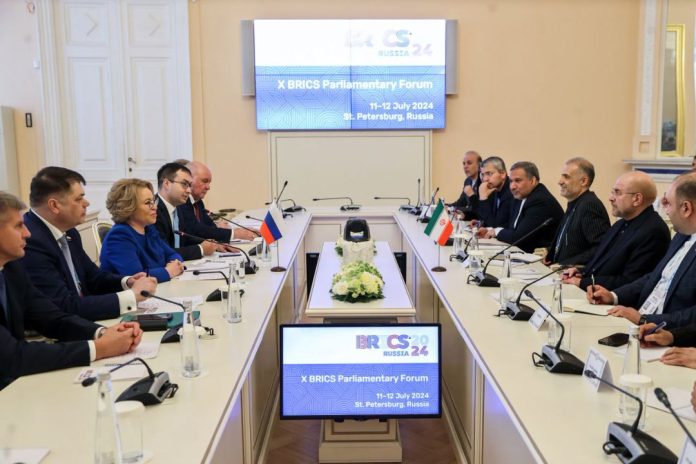
Valentina Matviyenko made the remarks in a meeting with Iran’s visiting Parliament Speaker Mohammad Baqer Qalibaf and his accompanying delegation on the sidelines of the 10th BRICS Parliamentary Forum in St. Petersburg.

Qalibaf said, “Without a doubt, BRICS has regional and international effects on both countries, along with the bilateral relations between Iran and Russia.”

Underlining the ‘great capacities’ between Iran and Russia, he added Russia’s chairmanship of BRICS is a good opportunity to enhance ties, especially in economic, security, social, and cultural areas as well as transit, energy, and trade opportunities.

For her part, Matviyenko announced that about 15 cooperation documents between the Iranian and Russian provinces are in the coordination stage and asked officials in both countries to facilitate the plan.

She also expressed Russia’s satisfaction and support for Iran’s accession to the BRICS geopolitical bloc, which was formed as a counterweight for Western alliances.

Qalibaf had earlier met with ranking Russian officials, including President Vladimir Putin and President of the Russian State Duma Viacheslav Valodin.

Iran president-elect issues general plea for consultation on cabinet members 

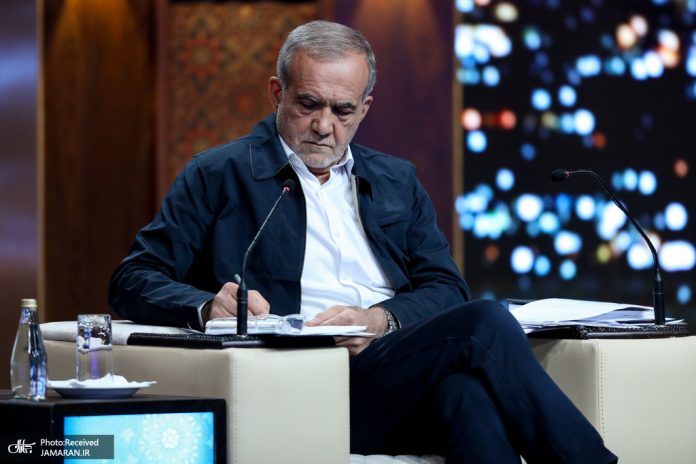
Massoud Pezeshkian

The statement issued on Thursday reads, “Dr. Massoud Pezeshkian believes in and needs the opinion and participation of scientific and specialized associations and institutions, NGOs and political parties to pick the most qualified members in the 14th administration, including ministers, vice presidents and heads of large government organizations.”

Abiding by the Constitution, having a good track record and reputation, honesty, and courage, having a nationalistic view, avoiding extremist, factional, and ethnic tendencies, being the voice of the voiceless, fulfilling the demands of women, youth and ethnic groups are some of the characteristics the statement has highlighted for the prospective candidates.

Meanwhile, a former member of Iran’s Expediency Council and a reformist political activist revealed that the president-elect, in an unprecedented move, has formed five working groups and has asked each group to make a shortlist of three candidates for each ministry.

Mohammad Hashemi explained that Pezeshkian is weighing in on the issues and has put the sanctions-hit economy and people’s livelihood high on the agenda of his priorities.

Pezeshkian, a cardiac surgeon by profession and a reformist politician, won the snap presidential election in Iran in a runoff on July 5.

The spokesperson for the Iranian Parliament’s Presiding Board has earlier stated that the inauguration ceremony of Iran’s President-Elect will be held in the Parliament on July 30.

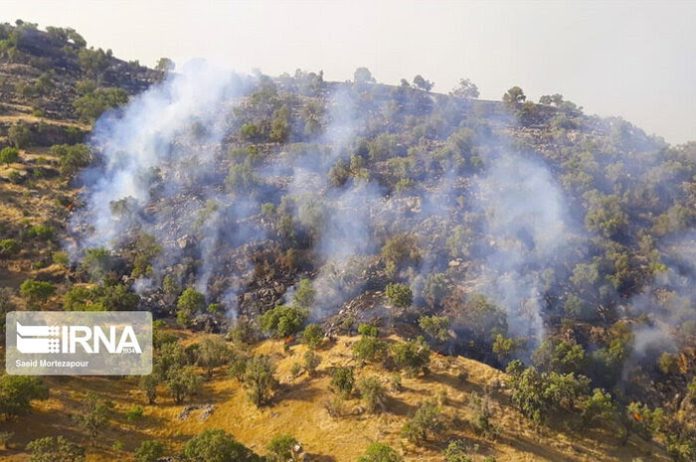
Massive fire in Iran’s southwestern protected area contained

The Director General of Crisis Management of the Governorate said relief and volunteer forces are monitoring the area to prevent another fire.

Alireza Nikrooz said the fire started on Monday from a nearby village and spread to the mountainous protected area.

He added the strong winds and inaccessibility of the tough terrain were the main reasons the fire spread.

Rescue teams were deployed immediately after the incident and the crisis management helicopters sprinkled water in over 10 sorties to stop the spread of the fire.

Eight people were injured during the operation to contain the fire and were rushed to a medical center for treatment.

Nikrooz said the extent of the damage will be announced after an expert review.

Khaeez, one of the seven protected areas in Kohgiluyeh and Boyar Ahmad province, covers an area of 33,235 hectares. However, as the Maroon Dam that supplies water to Khaeez has dried up, the protected area is prone to bushfires during the scorching summer days.

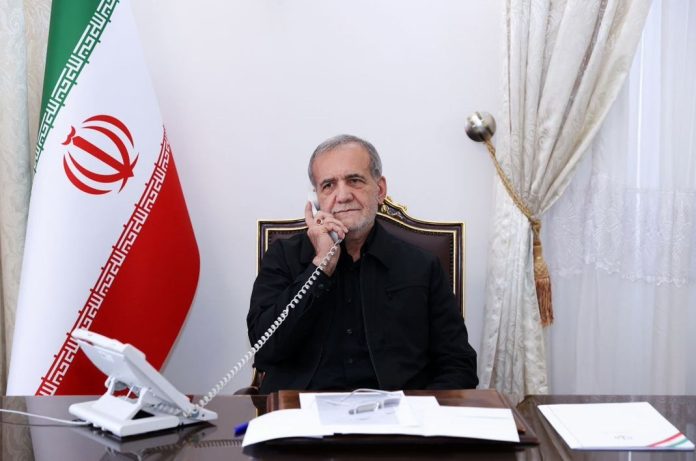
Iranian president-elect holds separate phone calls with Serbian, Kurdiastan region presidents

Masoud Pezeshkian

During his call with the Serbian President, Pezeshkian emphasized that Iran places great importance on respecting the sovereignty of all nations and sees no barriers to strengthening ties with Serbia.
He highlighted the potential for enhanced bilateral cooperation and mutual support in various fields.

In his conversation with the President of the Kurdistan Region of Iraq, Pezeshkian underscored the significance of bolstering relations with neighboring countries as a cornerstone of Iran’s foreign policy.
He particularly noted Iraq’s special position in this regional framework.

Nechervan Barzani the President of the Kurdistan Region of Iraq echoed Pezeshkian’s sentiments, emphasizing that the relationship between Iran and the Kurdistan Region is built on deep-rooted cultural, historical, and religious bonds that are impervious to external influences.

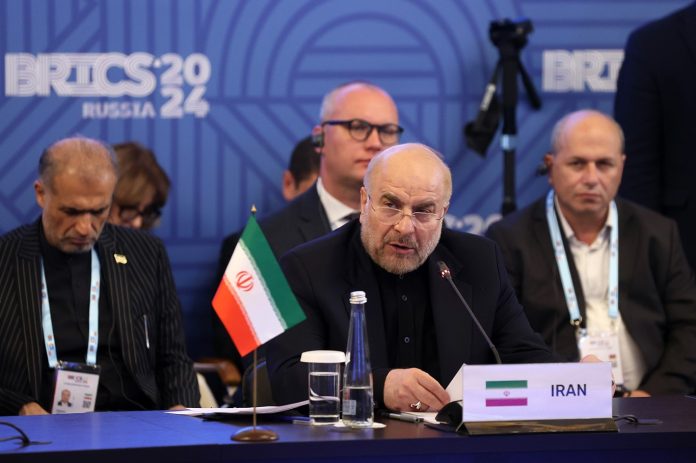
Iranian parl. speaker declares full readiness for BRICS cooperation

Mohammad Bagher Ghalibaf

Speaking at the BRICS Parliaments’ Heads Meeting in the Russian cityvof St. Petersburg, Qalibaf emphasized the complementary nature of BRICS nations and highlighted the recent Iran-Russia financial agreement as a successful example of de-dollarization.

Qalibaf outlined key areas for potential cooperation, including energy, transit, trade, and banking.

He stressed the importance of developing trade corridors, which he sees as critical capacities that member parliaments should pursue and activate.

“The parliaments of the member countries play a vital role in the success of BRICS,” said Qalibaf. “The BRICS Parliamentary Meeting can serve as a foundation for enhancing relations between member governments.”

He proposed that the issue of economic sanctions and countering unilateral coercive actions be placed on the agenda of the BRICS Parliamentary Forum, describing such sanctions as significant threats to the security and welfare of BRICS members’ citizens.

Qalibaf called for collective action in this area, suggesting that unified efforts could yield effective results.

Expressing Iran’s commitment to multilateralism, Qalibaf reaffirmed the parliament’s full readiness to engage actively and purposefully with BRICS counterparts.

He emphasized the strong determination of Iran’s government and parliament to foster beneficial participation and cooperation among BRICS members, aiming for the practical realization of the bloc’s high goals.

“The Iranian Parliament and government are fully prepared to collaborate with their partners across all these areas,” Qalibaf concluded, reiterating the central importance of transit, energy, trade, and banking in BRICS cooperation.

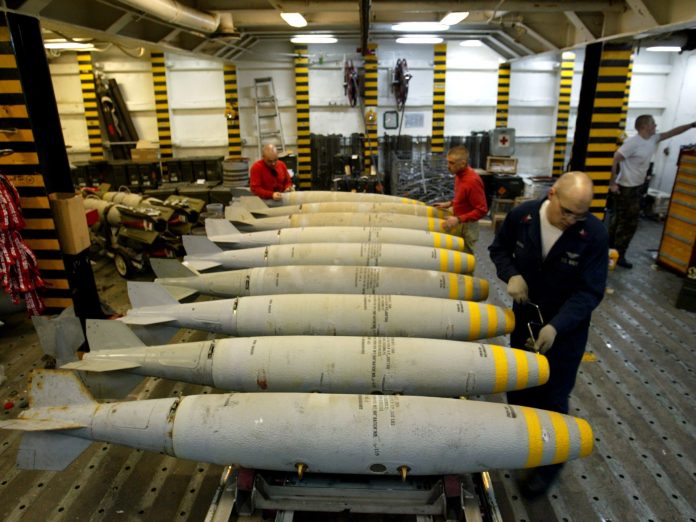
US official says Washington to resume shipping 500-pound bombs to Israel

US 500-pound bombs to Israel

The U.S. in May paused a shipment of 2,000-pound and 500-pound bombs due to concern over the impact they could have in Gaza during the war.

The administration’s particular concern had been use of such large bombs in Rafah, where over one million Palestinians had taken refuge.

“We’ve been clear that our concern has been on the end-use of the 2,000-lb bombs, particularly for Israel’s Rafah campaign which they have announced they are concluding,” a U.S. official said, speaking on the condition of anonymity.

One 2,000-pound bomb can rip through thick concrete and metal, creating a wide blast radius.

The U.S. official stated the 500-pound bombs were put together in the same shipment with the larger ones that were paused and therefore got held up.

“Our main concern had been and remains the potential use of 2,000 lb bombs in Rafah and elsewhere in Gaza … Because our concern was not about the 500 lb bombs, those are moving forward as part of the usual process,” the official added.

The U.S. has notified Israel that it is releasing the 500-pound bombs but keeping the hold on the larger ones, a person familiar with the matter said.

In June, Israeli Prime Minister Benjamin Netanyahu claimed Washington was withholding weapons, and pleaded with U.S. officials to remedy the situation. Biden’s aides expressed disappointment and confusion over the Israeli leader’s remarks.

During his visit to Washington, Israeli Defense Minister Yoav Gallant stated there had been significant progress on the issue of U.S. munitions supply to Israel, adding “obstacles were removed and bottlenecks were addressed”.

Israel, flouting a UN Security Council resolution demanding an immediate cease-fire, has faced international condemnation amid its continued brutal offensive on Gaza since an Oct. 7, 2023 attack by Hamas.

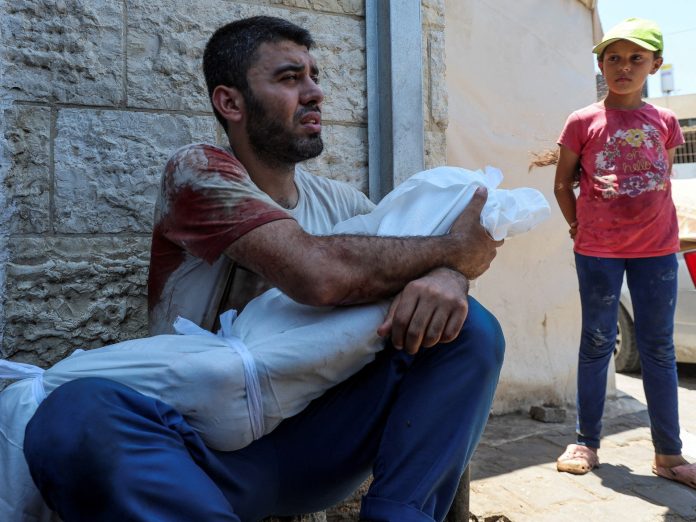
More than 38,300 Palestinians have since been killed, mostly women and children, and over 88,300 others injured, according to local health authorities.

Nine months into the Israeli war, vast tracts of Gaza lie in ruins amid a crippling blockade of food, clean water and medicine.