Saturday, December 27, 2025
Home Blog Page 737

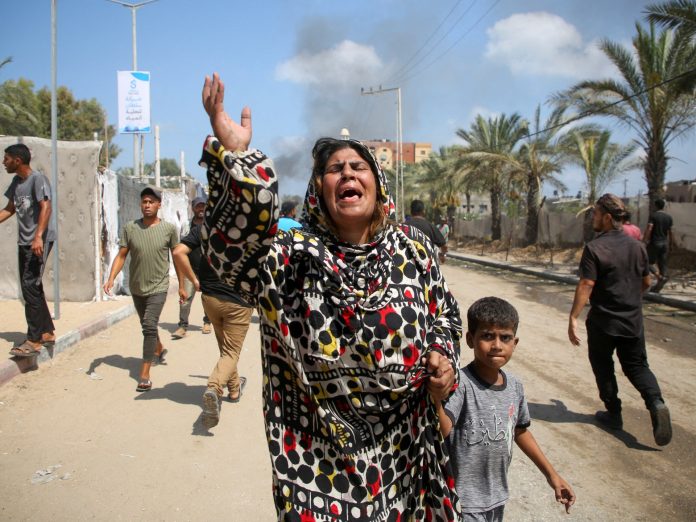
Iran: Gaza tents main targets of Israel’s bombardments

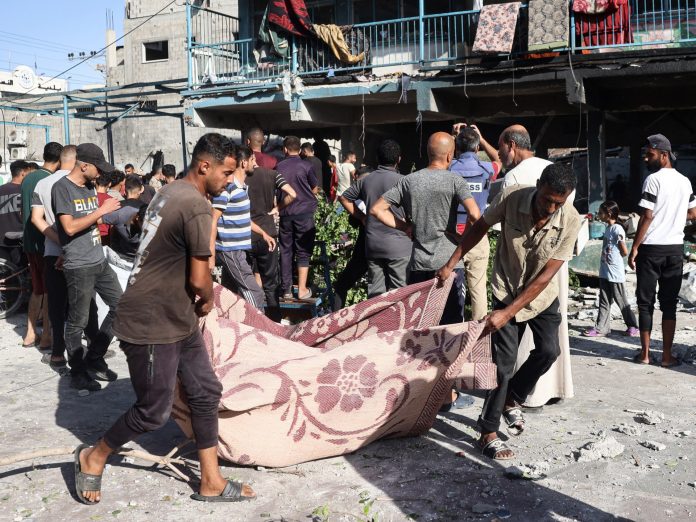
In a post on his X account on Thursday, Foreign Ministry Spokesperson Nasser Kanaani bemoaned the fact that the schools and tents of displaced Palestinians in the Gaza Strip are in the databank of the main targets on which the Zionist regime drops bombs and missiles on a daily basis.

Condemning the new Israeli fatal strike on the UNRWA school in Gaza which accommodates thousands of displaced Palestinians, he brought the brutal strike to the notice of the US, the UK, France, Germany, Canada, Australia and the other governments that export bombs and missiles to the Zionist regime.

Israel has bombed the UN-operated al-Jaouni school in central Gaza for the fifth time since October, killing at least 18 people.

Six of the victims were UNRWA staff, including the manager of the shelter. The agency announced it was the highest death toll for its staff in a single incident in the 11-month war.

At least 41,100 Palestinians people have been killed and more than 95,000 wounded in Israel’s war on Gaza since October 2023.

Chinese FM urges strategic alliance with Iran, Russia to counter challenges

China's Foreign Minister Wang Yi

In a meeting with Aliakbar Ahmadian, Secretary of Iran’s Supreme National Security Council, the shared challenges and threats faced by China and Iran, particularly in light of US efforts against both countries, as well as Russia, were highlighted.

Yi called for enhanced cooperation between the three nations to counter these challenges and protect their shared interests.

The meeting took place on the sidelines of the meeting of security chiefs of the world’s emerging economies, BRICS, in St. Petersburg, Russia where the two officials addressed a wide range of bilateral and regional issues.

The Chinese foreign minister emphasized Iran’s pivotal role in the region, calling it a “major regional power” and reaffirming that the relationship between Tehran and Beijing remains independent of external influences.

“Our relations with Iran will not be affected by the interference or influence of other nations,” the foreign minister stated.

He also reiterated Beijing’s commitment to the strategic partnership agreement between the two nations and expressed interest in expanding cooperation into new areas.

In particular, both sides discussed strengthening ties in the development of transportation corridors, aiming to boost connectivity and trade.

Turkey says will seek international arrest warrants over Israeli shooting of activist

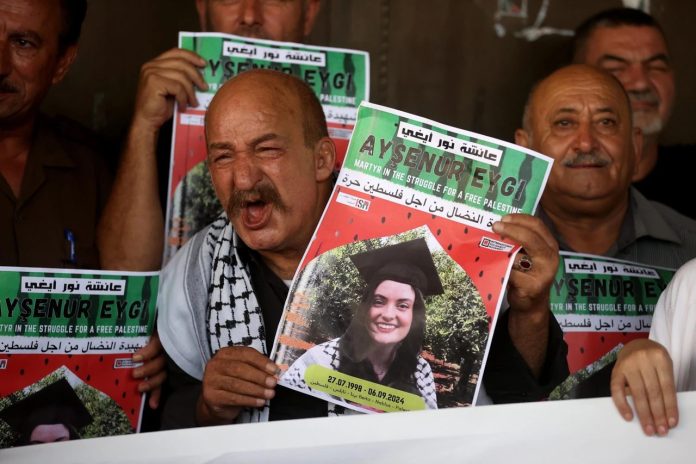
Aysenur Ezgi Eygi

Ayşenur Ezgi Eygi, a 26-year-old volunteer with the anti-occupation International Solidarity Movement, died in hospital on Friday after being shot in the head during a protest in Beita, near Nablus.

Witnesses said she was shot at by Israeli soldiers positioned in a nearby field.

Reuters reports her body will arrive for burial in Turkey on Friday.

It reports Turkey’s foreign ministry announced she “was deliberately targeted and killed by Israeli soldiers during a peaceful demonstration in solidarity with Palestinians.

“We will make every effort to ensure that this crime does not go unpunished,” it noted.

Israel has said it was highly likely its troops had fired the shot that killed her but claimed her death was unintentional.

Turkey’s justice minister Yılmaz Tunç said the Ankara chief prosecutor’s office is investigating “those responsible for the martyrdom and murder of our sister”, and told reporters that Turkey had evidence regarding the killing and would make international arrest requests.

At least 50 people killed in Israeli military onslaught in West Bank since late August

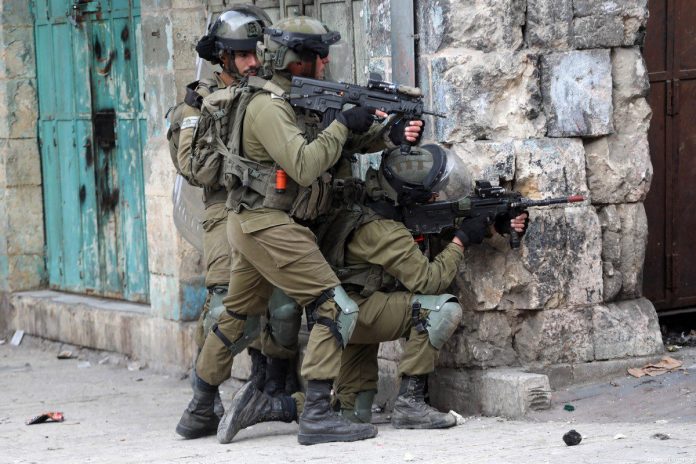
Israeli Forces in West Bank

According to the news outlet, 21 people were killed in Jenin, 12 – in Tulkarem, 13 in Tubas, one in Nablus and three people were killed in Hebron.

According to Al Jazeera, Israel’s ongoing offensive in the West Bank is its largest there since the early 2000s. The military campaign has mainly focused on the West Bank’s north.

The Palestinian health ministry has announced that the number of the Palestinians, who have been killed by the Israeli military or the regime’s illegal settlers across the occupied West Bank since October last year, has climbed to 702.

The ministry provided the death toll in a statement on Wednesday, saying more than 5,700 others had also been wounded as a result of the aggression throughout the occupied territory during the period.

Close to 10,500 Palestinians have also been rounded up by the regime in the West Bank over the past 11 months, the ministry concluded.

The regime stepped up its aggression throughout the West Bank, which has been under its occupation since 1967, after October 7, markedly intensifying its campaign of bloodshed and destruction against the territory at the end of August.

The same day saw Tel Aviv launching a genocidal war on the Gaza Strip in response to a retaliatory operation that had been staged by the coastal sliver’s resistance movements.

At least 41,100 Palestinians, most of them women, children, and adolescents, have been killed and more than 95,000 others injured as a result of the brutal military onslaught.

Iran takes bold step to facilitate investment in its power plants

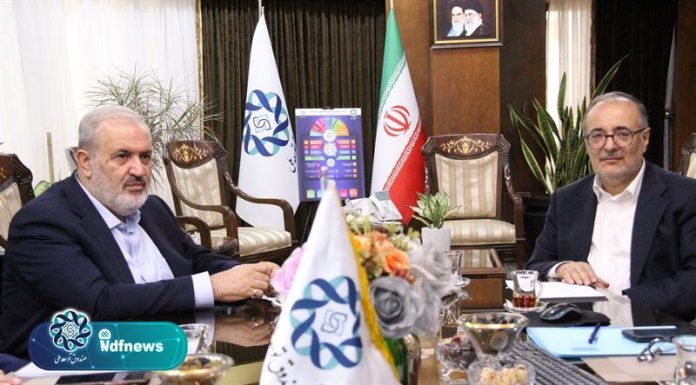
Important decisions were made during the meeting, including the establishment of a special working group to finance power plants and remove obstacles facing the investors, the NDFI’s information center reported.

Another major agreement in the meeting was granting licenses to power plants financed by the development fund.

According to the deal, the Iranian Ministry of Energy will allow the power plants to sell their generated electricity at the market price, a move which is aimed at creating economic incentives for the investors and increasing revenues through power plants.

“The license allows the power plants to supply the generated electricity to the customers in competitive conditions and at the prices they set,” the information center reported.

The National Development Fund of Iran is a sovereign wealth fund independent of the country’s budget.

It was founded in 2011 with the goal of transforming oil and gas revenues to productive investment for the future generations.

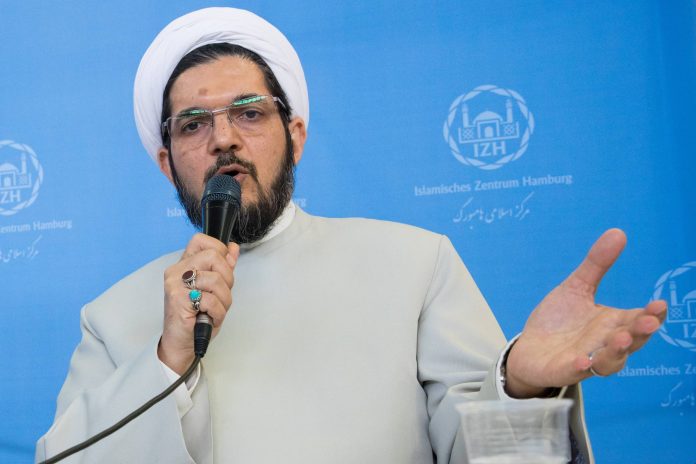
Report: Head of Iran’s Islamic Center Hamburg leaves Germany

Mohammed Hadi Mofatteh

Officials in Hamburg ordered Mohammed Hadi Mofatteh at the end of August to leave the country within two weeks and banned him from returning after the Shia Islamic center was classified as an extremist group.

German Interior Minister Nancy Faeser has branded the center in northern Germany as “Iran’s most important propaganda center in Europe.”

Iran rejects the allegations and has summoned the German ambassador to Tehran earlier to condemn the move.

In August, Iran’s former caretaker foreign minister Ali Bagher in a phone call with the top German diplomat, also said, “The closure of Islamic centers in Germany is a completely political move in line with Islamophobia and securing the interests of the Zionist regime.”

Mofatteh, the son of a prominent Iranian philosopher and theologian, had been the head of the center since 2018.

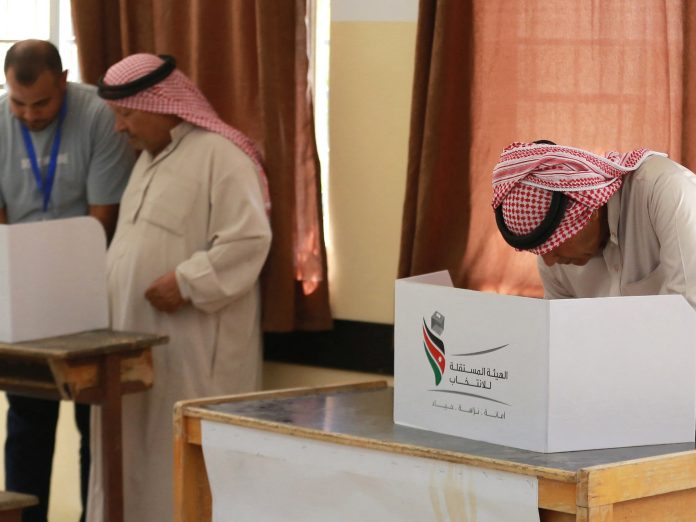
Islamists win more than 30 seats in Jordan’s 138-seat parliament

Jordan’s parliament

The Islamic Action Front (IAF), the political arm of the Muslim Brotherhood in Jordan, won 31 out of 138 seats in the Parliament of Jordan, tripling its representation in the House of Representatives, the country’s election commission announced on Wednesday.

Under Jordan’s constitution, most powers rest with the king, who appoints governments and can dissolve Parliament. The assembly can force a cabinet to resign by a vote of no confidence.

“The Jordanian people have given us their trust by voting for us. This new phase will increase the burden of responsibility for the party towards the nation and our citizens,” Wael al Saqqa of the IAF told Reuters.

The result is historic for the Islamists and their largest representation since they gained 22 out of the 80 seats in Parliament in 1989.

The IAF had 10 seats in the previous Parliament elected in 2020 and 16 seats in the 2016 legislature.

“The elections reflect the desire for change and those who voted were not necessarily all Islamists but wanting change and had become fed up with the old ways,” said Murad al-Adailah, the head of the Muslim Brotherhood.

A total 1,638,351 people were registered to vote in the elections, an independent election commission chairman said, according to local media reports.

The Islamists, the only effective grassroots opposition, praised the authorities for not meddling in polls.

Al-Adailah told Reuters their win was a “popular referendum” that backs their platform of support for the Palestinian group Hamas, their ideological allies, and their demand to scrap the country’s peace treaty with Israel.

Amman has attempted to walk a political tightrope during Israel’s assault on the Gaza Strip by maintaining diplomatic relations with Tel Aviv and even intervening in Iran’s retaliatory attack on the occupied territories in April when Jordan shot down missiles as they flew over its territory.

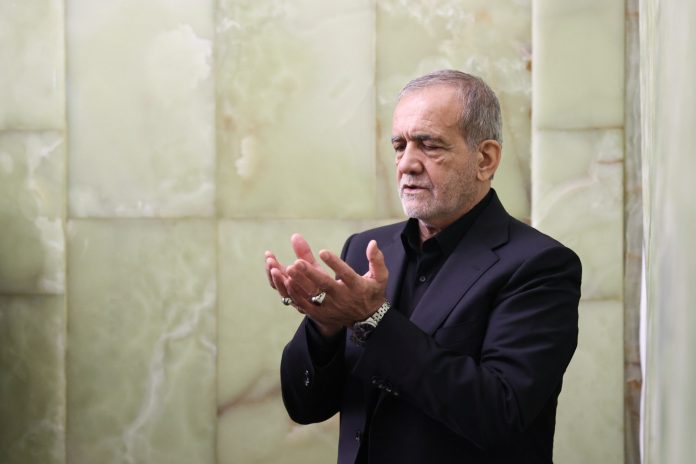
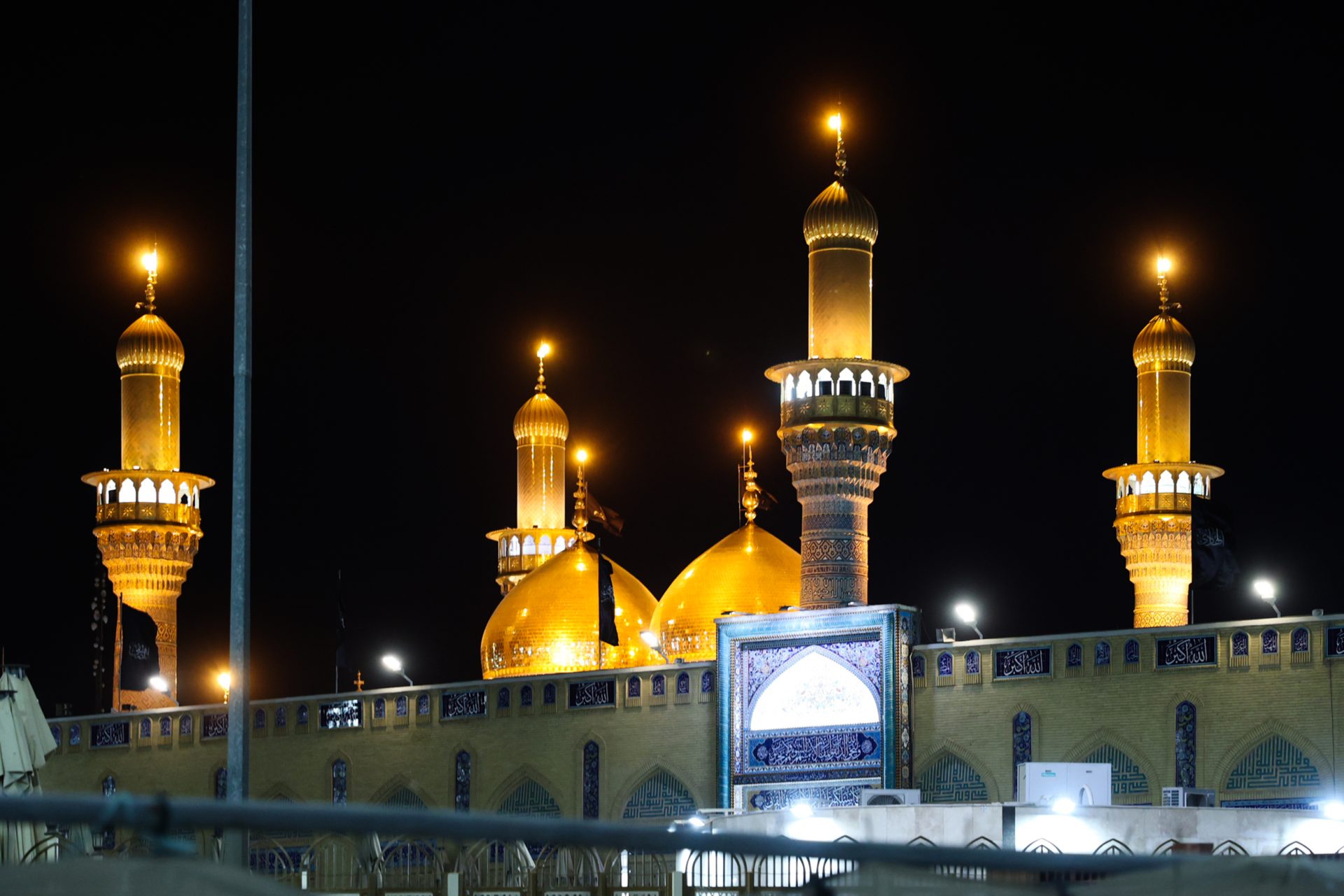
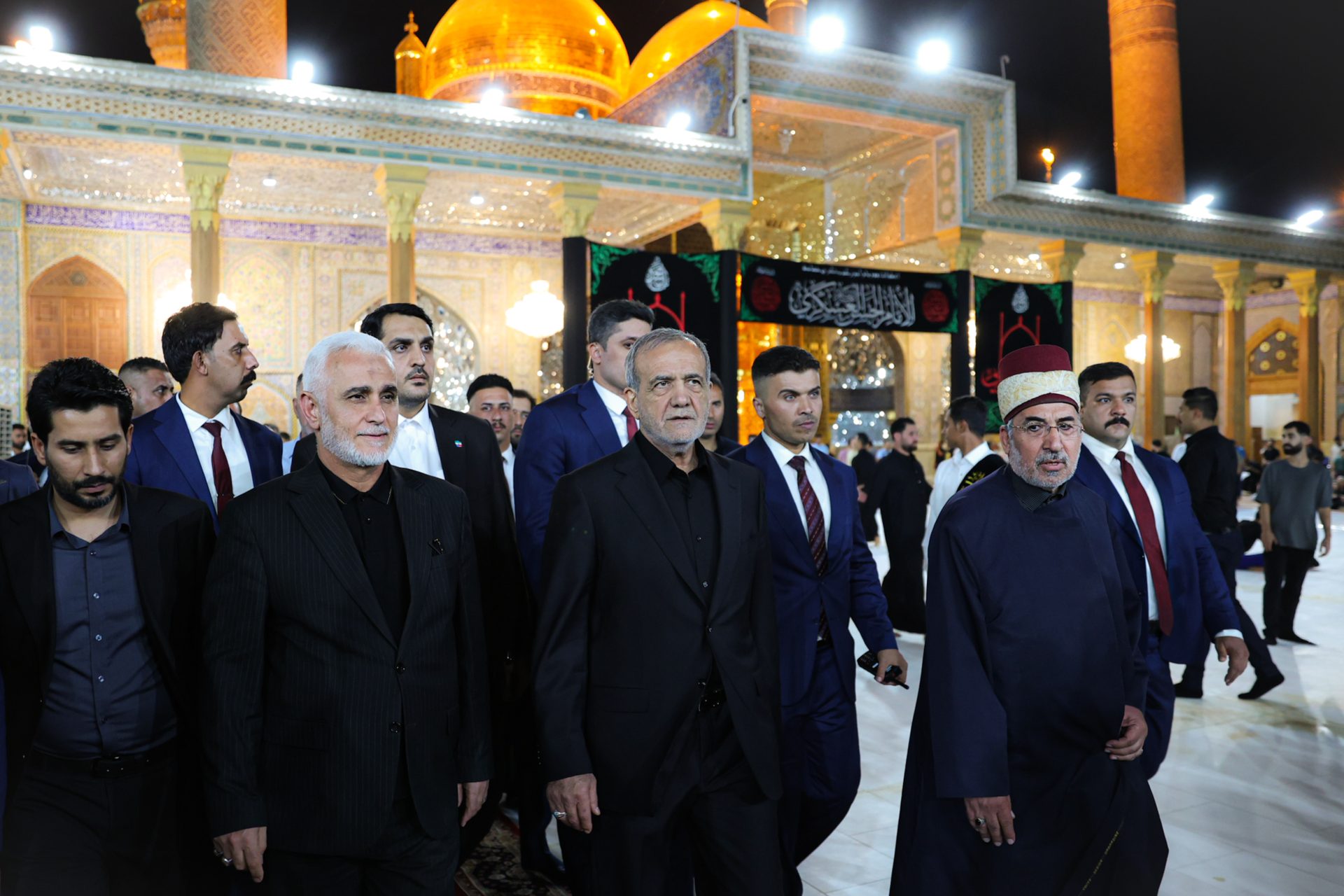
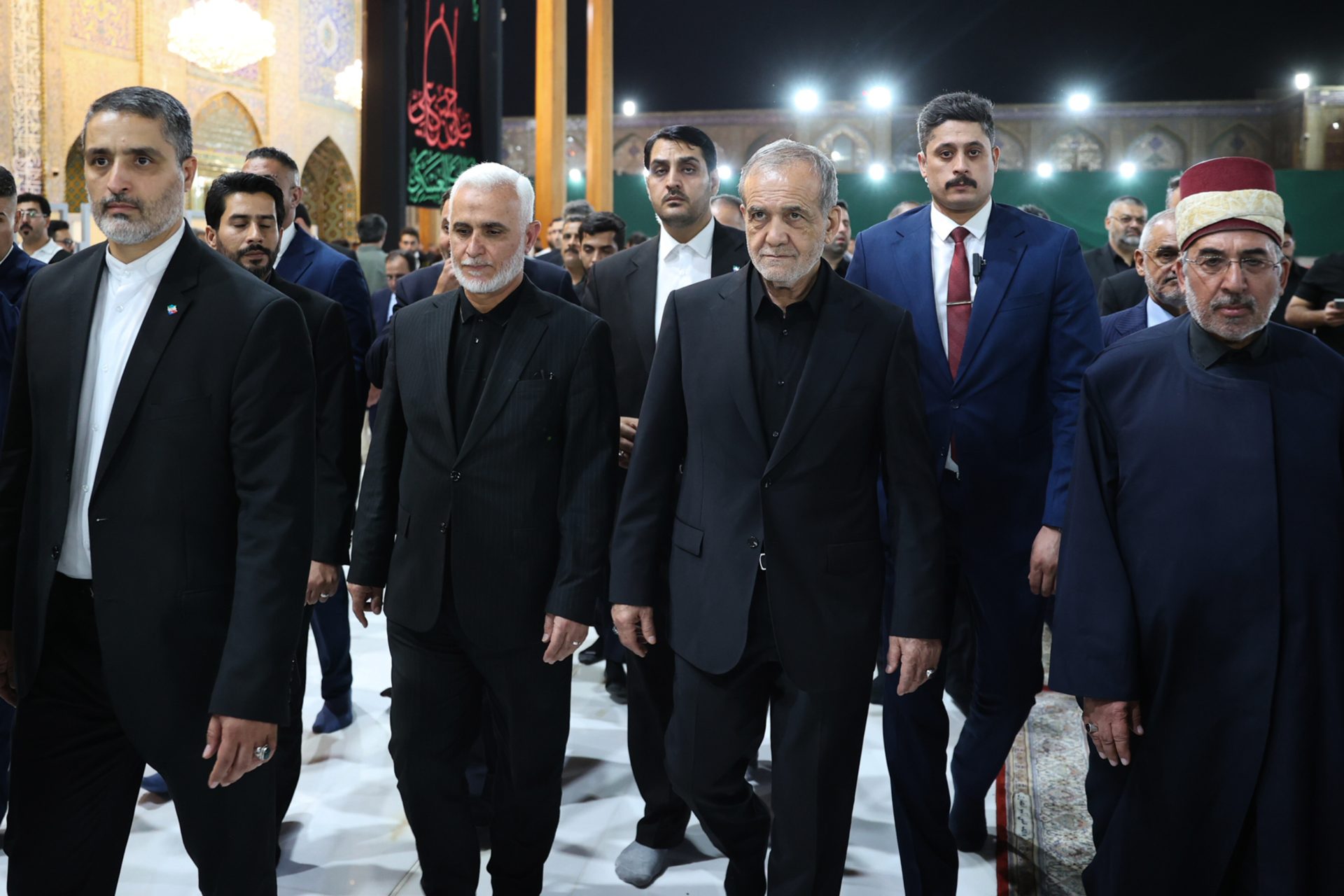
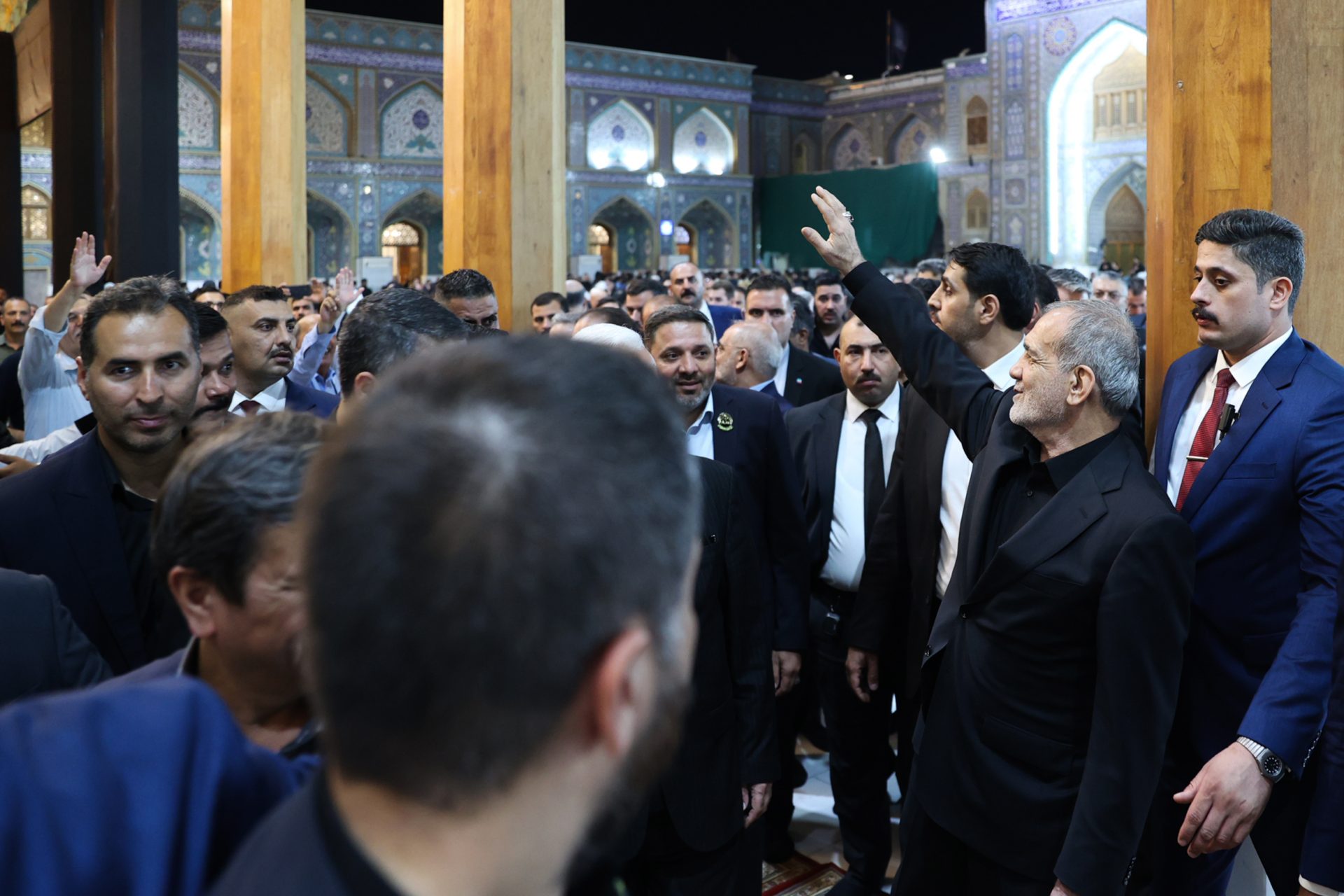
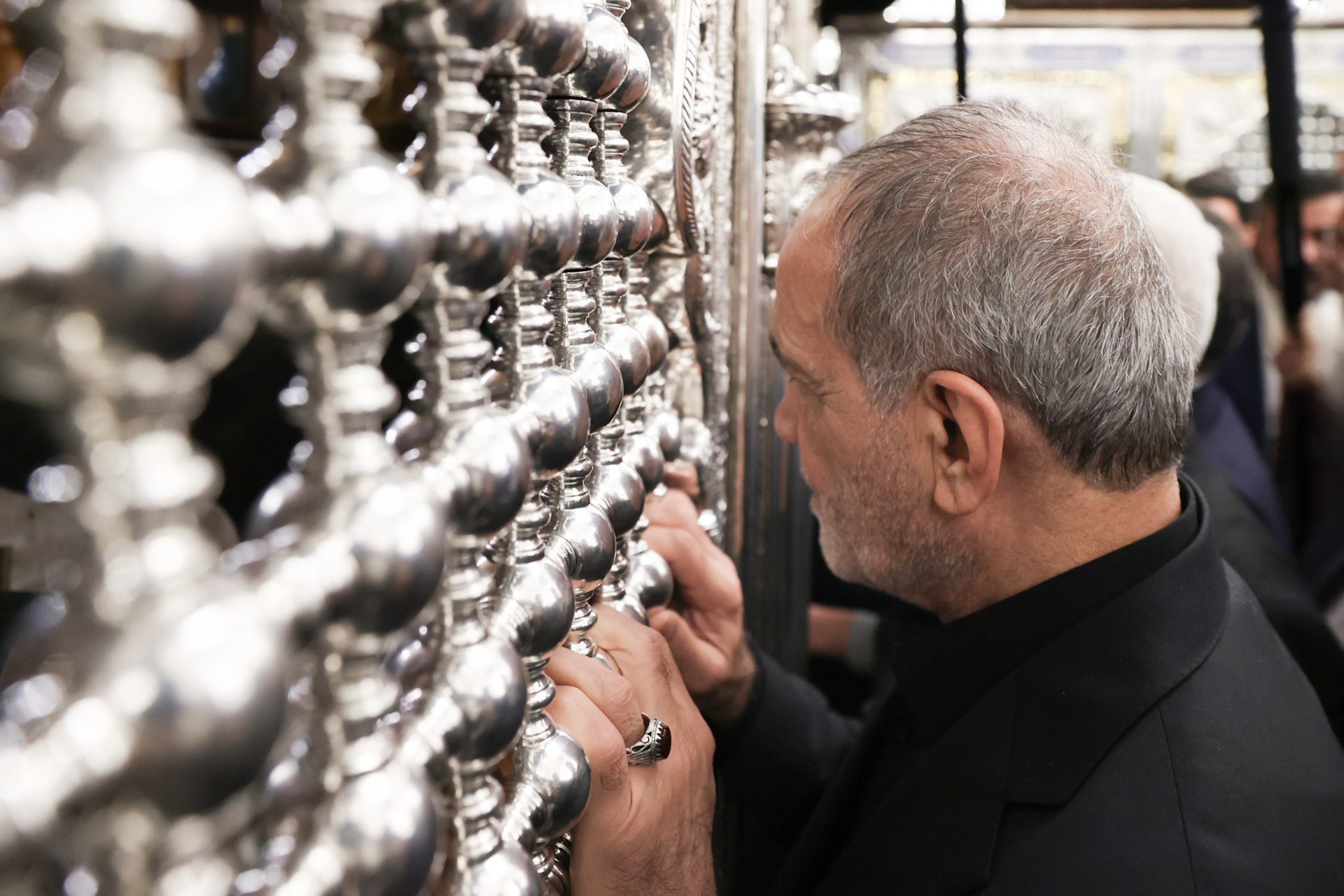
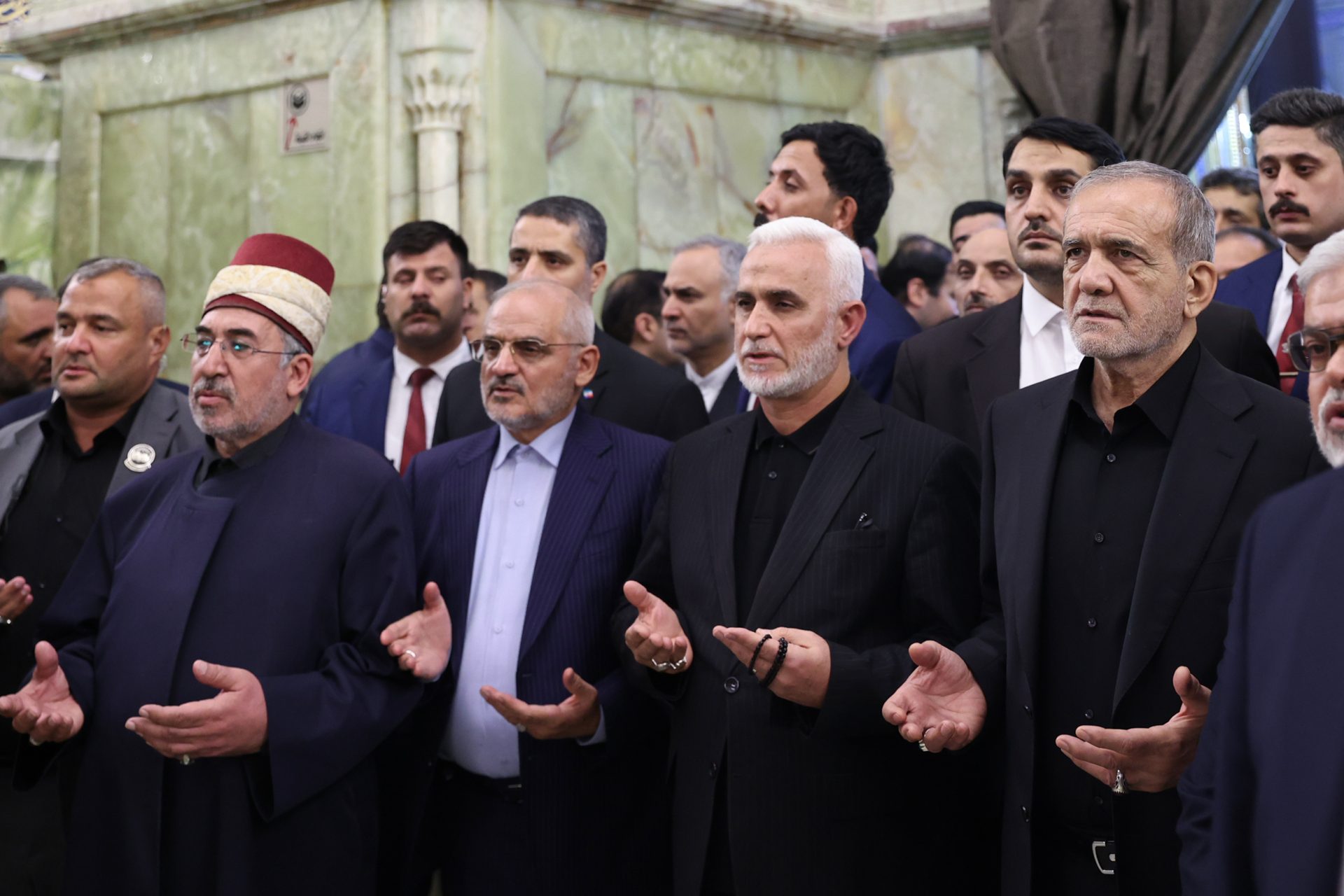
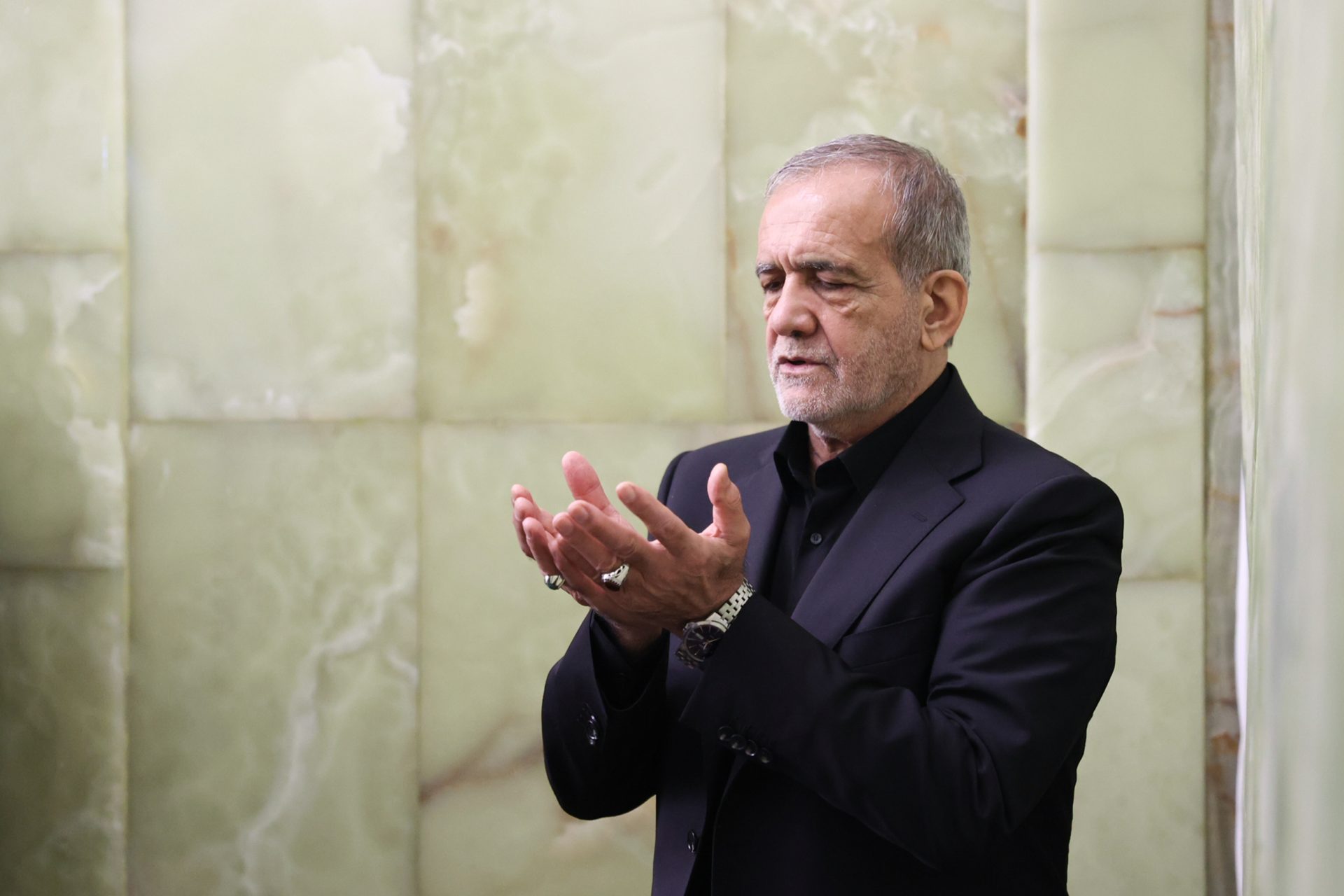
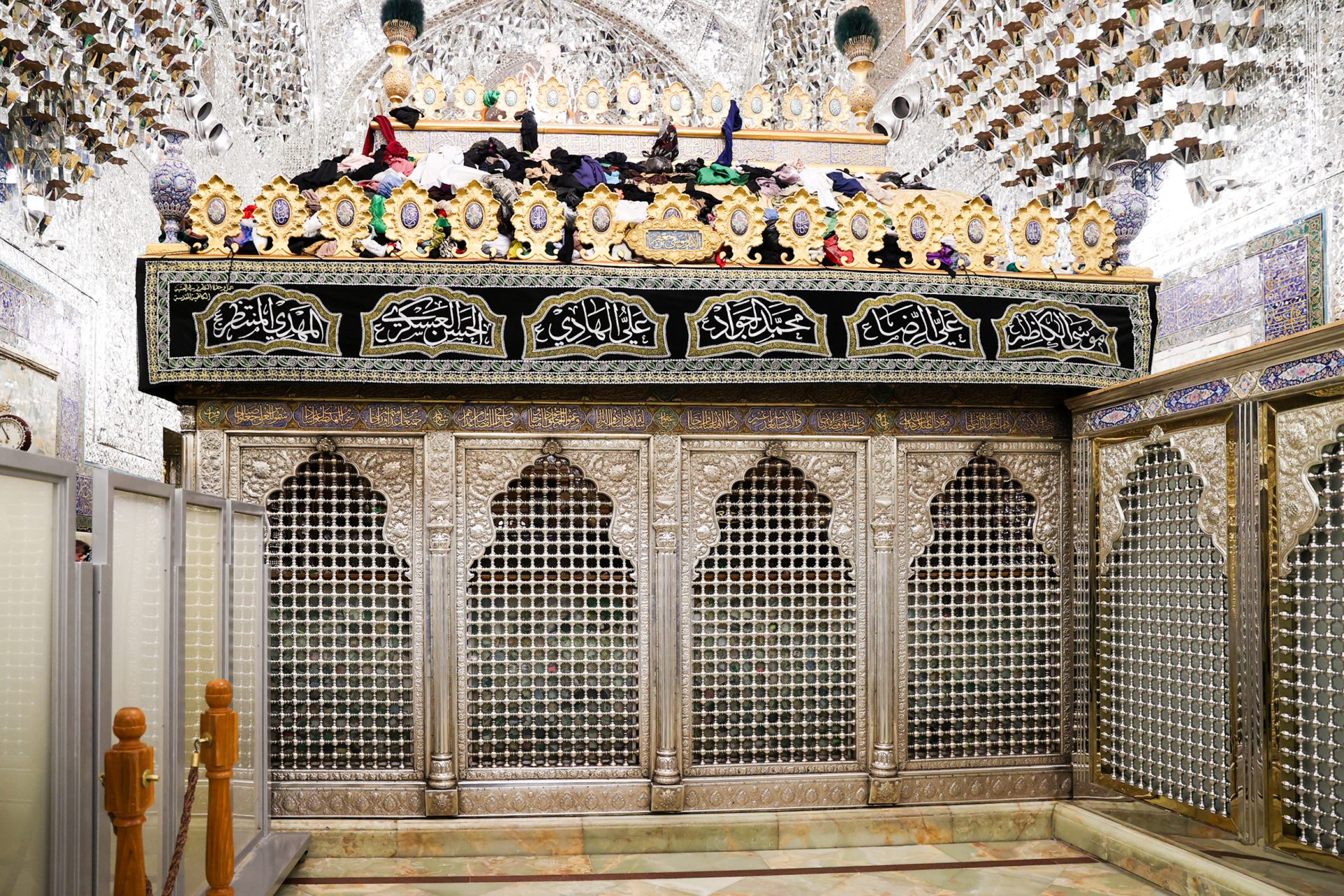
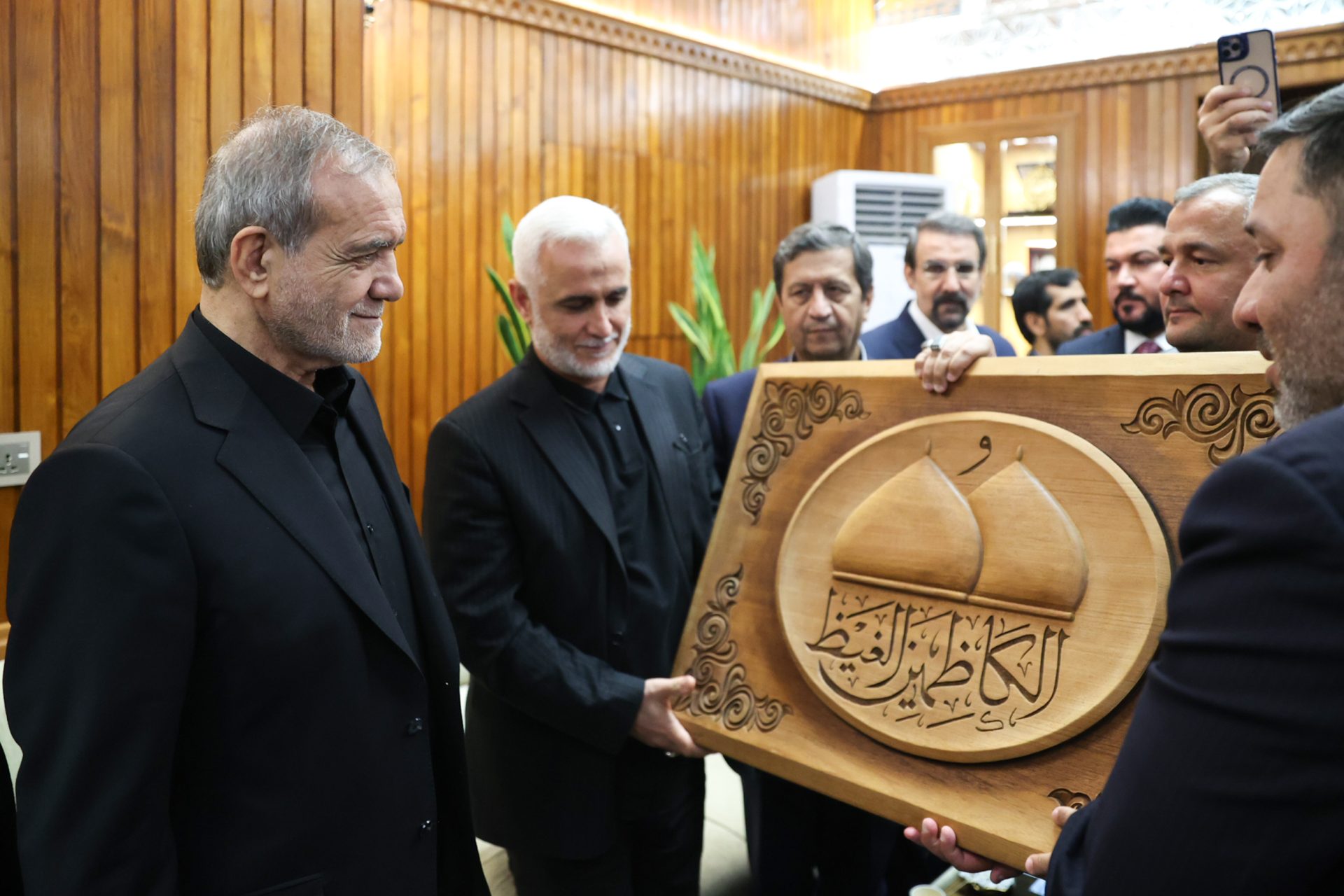
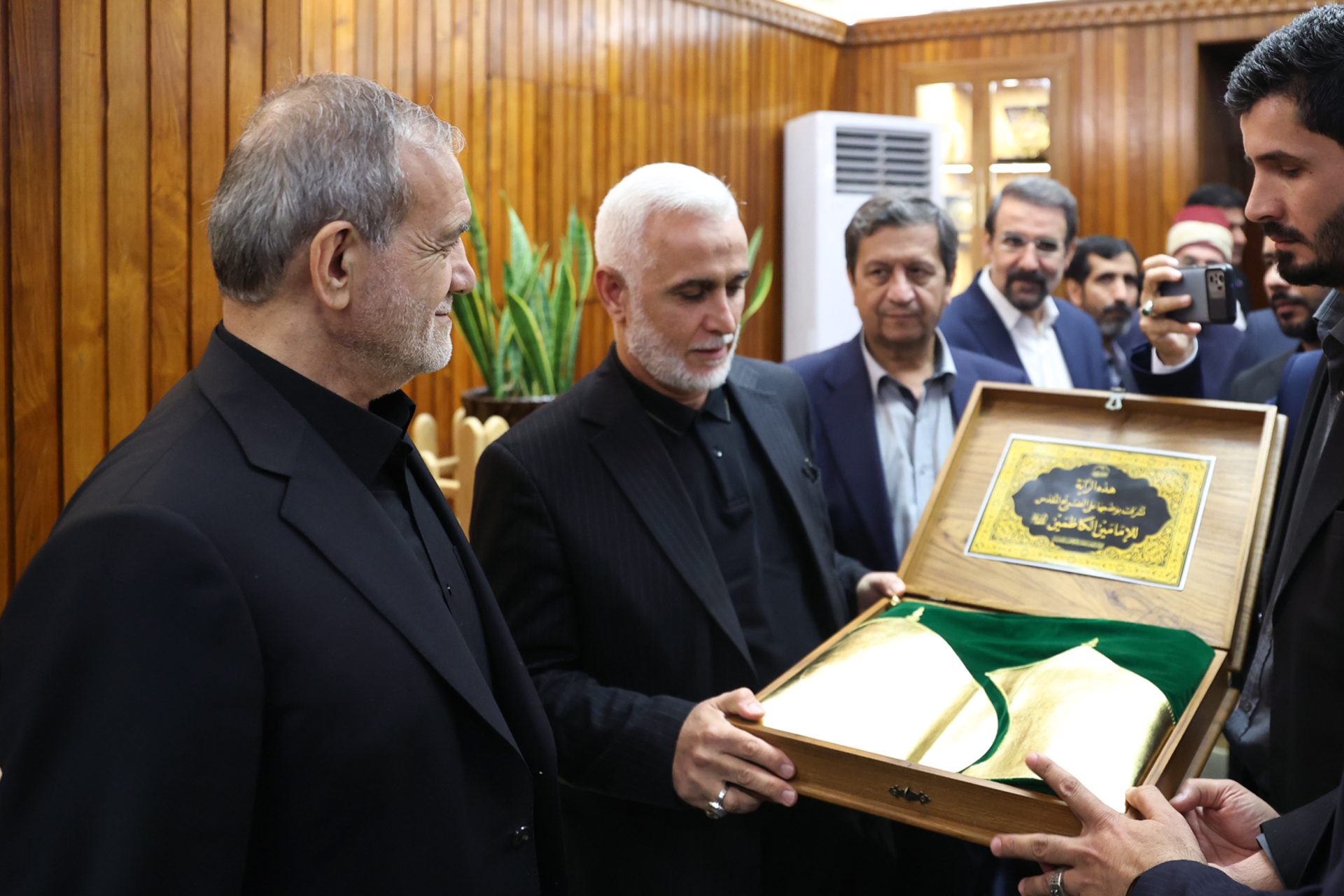
Iranian president visits holy shrines during Iraq trip

Iranian president visits holy shrines during Iraq trip

Hamas says ready for immediate Gaza ceasefire based on US proposal

Gaza War

It reiterated its rejection of any “new conditions” added to the agreement in a statement that followed a meeting between its negotiating team, led by Khalil al-Hayya, Qatari Prime Minister Mohammed bin Abdulrahman Al Thani, as well as Egyptian Intelligence Chief Abbas Kamel in the Qatari capital of Doha.

In May, Biden said Israel presented a three-phase deal that would end hostilities in Gaza and secure the release of hostages held in the coastal enclave. The plan includes a cease-fire, a hostage-prisoner exchange and the reconstruction of Gaza.

Israeli Prime Minister Benjamin Netanyahu insists on maintaining a military presence along the Philadelphi Corridor, claiming it is a “lifeline” for Hamas to rearm.

The Corridor, a demilitarized area along Egypt’s border with Gaza, has been a sticking point in negotiations between Israel and Hamas.

For months, the US, Qatar and Egypt have been trying to reach an agreement between Israel and Hamas to ensure a prisoner exchange and a cease-fire and allow humanitarian aid to enter Gaza.

But mediation efforts have been stalled due to Netanyahu’s refusal to meet Hamas’ demands to stop the war.

Israel has continued a brutal offensive on Gaza since an attack in early last October despite a UN Security Council resolution demanding an immediate cease-fire.

Nearly 41,100 people, mostly women and children, have since been killed and more than 95,000 injured, according to local health authorities.

The Israeli onslaught has displaced almost the territory’s entire population amid an ongoing blockade that has led to severe shortages of food, clean water and medicine.

Israel faces accusations of genocide for its actions in Gaza at the International Court of Justice.

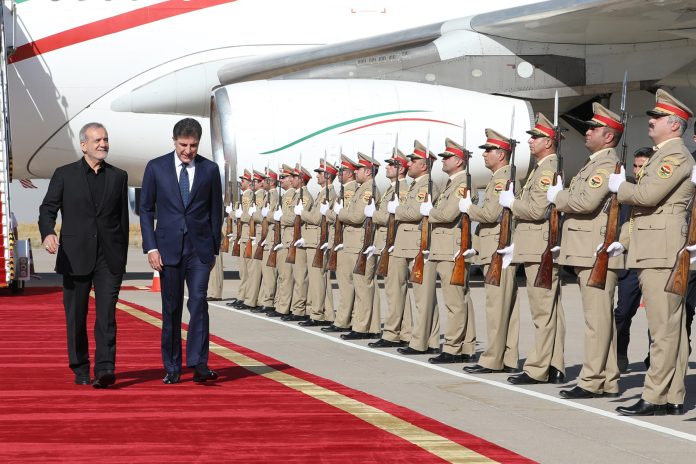
Iran President Pezeshkian, Iraqi Kurdish leader Barzani meet in Erbil

Iran President Iraq Kurdistan

Heading a high-ranking delegation, Pezeshkian arrived in the Kurdistan’s capital on Thursday on the second day of his three-day visit to Iraq and was welcomed by Barzani upon his arrival.

During his meeting with Barzani, Pezeshkian expressed Iran’s keenness to boost economic and trade cooperation with the Kurdistan Region.

He stressed the need for steps to be taken to reach further agreements aimed at consolidating relations and achieving progress and development.

“It is essential to improve cooperation (in order to) prepare the necessary security ground for enhanced economic and commercial relations and interactions, especially in the border areas,” the Iranian president emphasized.

Barzani, for his part, said Kurdistan imported more than 50 percent of its required commodities from Iran, expressing hope that the two sides will accelerate the expansion of their interaction.

He hailed the “historical and important” visit by the Iranian president to the Kurdistan Region and said Erbil is keen to expand relations with Tehran.

He emphasized that the Kurdistan Region is committed to a security pact between Iran and Iraq and will never allow any sides to use it as a threat against the Islamic Republic.

Iran’s president also held a meeting with Masoud Barzani, the leader of the Kurdistan Democratic Party (KDP) and the former KRG president.

This is the first official visit to Iraq’s semi-autonomous Kurdistan region by an Iranian president since the victory of the Islamic Revolution in 1979.

Pezeshkian has earlier hailed good relations between Tehran and the Kurdistan Region and vowed to make efforts to further improve mutual ties.

After Erbil, the Iranian president plans to travel to the city of Sulaymaniyah in northern Iraq to meet with the leaders of the Patriotic Union of Kurdistan. Pezeshkian is also scheduled to visit the city of Basra, the economic capital of Iraq, as well as the holy cities of Najaf and Karbala.

On the first day of his visit, the Iranian president held talks with his Iraqi counterpart Abdul Latif, Prime Minister Mohammed Shia’ Al Sudani and President of the Supreme Judicial Council Faiq Zidan in Baghdad. He also met Iranian nationals and Iraqi tradesmen.

In the presence of the Iranian president and Iraqi prime minister, Tehran and Baghdad signed 14 documents to expand cooperation in various economic, commercial, cultural and social sectors.