
It reiterated its rejection of any “new conditions” added to the agreement in a statement that followed a meeting between its negotiating team, led by Khalil al-Hayya, Qatari Prime Minister Mohammed bin Abdulrahman Al Thani, as well as Egyptian Intelligence Chief Abbas Kamel in the Qatari capital of Doha.
In May, Biden said Israel presented a three-phase deal that would end hostilities in Gaza and secure the release of hostages held in the coastal enclave. The plan includes a cease-fire, a hostage-prisoner exchange and the reconstruction of Gaza.
Israeli Prime Minister Benjamin Netanyahu insists on maintaining a military presence along the Philadelphi Corridor, claiming it is a “lifeline” for Hamas to rearm.
The Corridor, a demilitarized area along Egypt’s border with Gaza, has been a sticking point in negotiations between Israel and Hamas.
For months, the US, Qatar and Egypt have been trying to reach an agreement between Israel and Hamas to ensure a prisoner exchange and a cease-fire and allow humanitarian aid to enter Gaza.
But mediation efforts have been stalled due to Netanyahu’s refusal to meet Hamas’ demands to stop the war.
Israel has continued a brutal offensive on Gaza since an attack in early last October despite a UN Security Council resolution demanding an immediate cease-fire.
Nearly 41,100 people, mostly women and children, have since been killed and more than 95,000 injured, according to local health authorities.
The Israeli onslaught has displaced almost the territory’s entire population amid an ongoing blockade that has led to severe shortages of food, clean water and medicine.
Israel faces accusations of genocide for its actions in Gaza at the International Court of Justice.
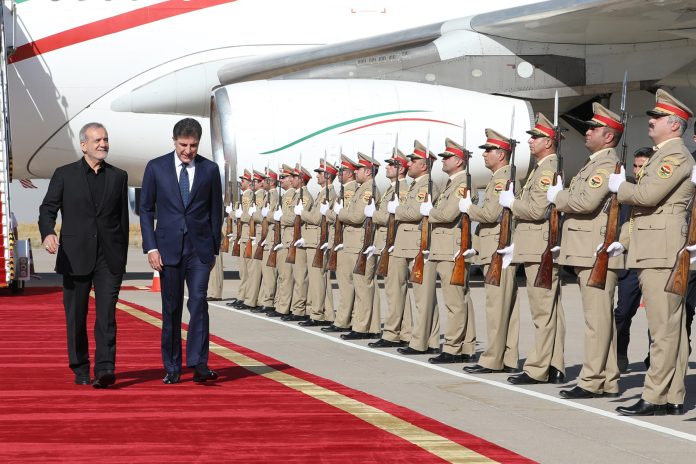
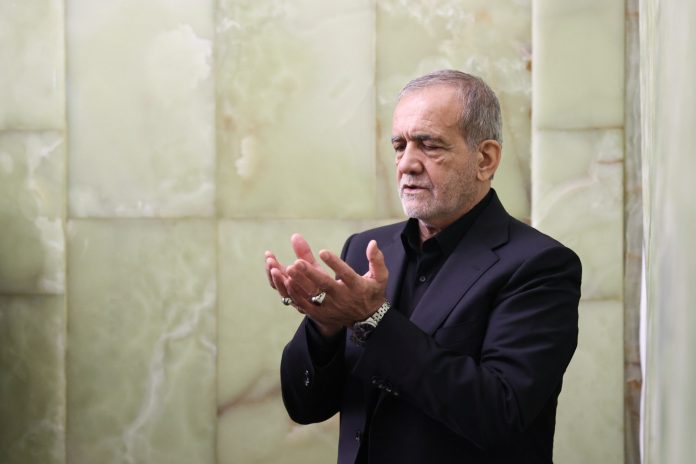
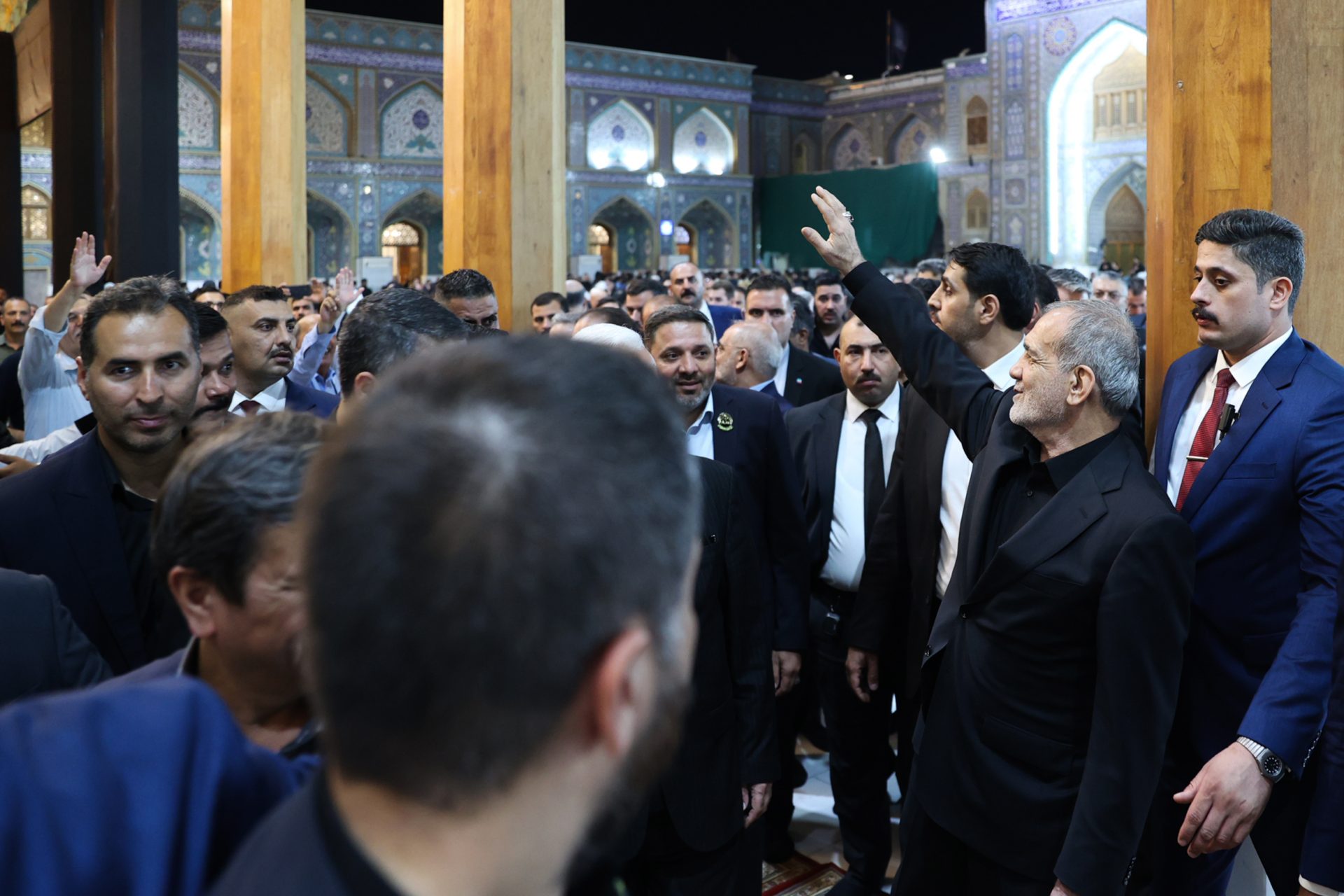
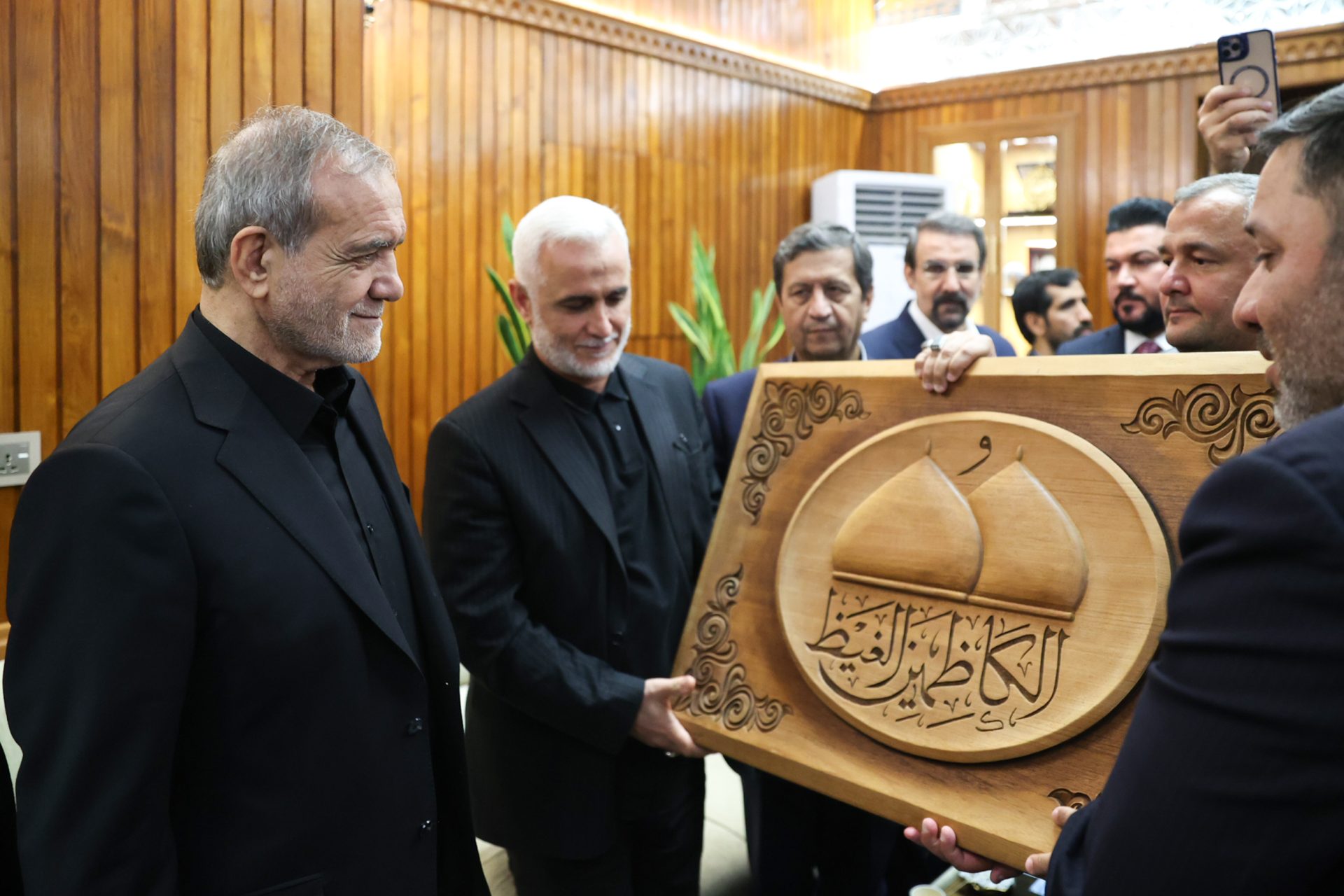
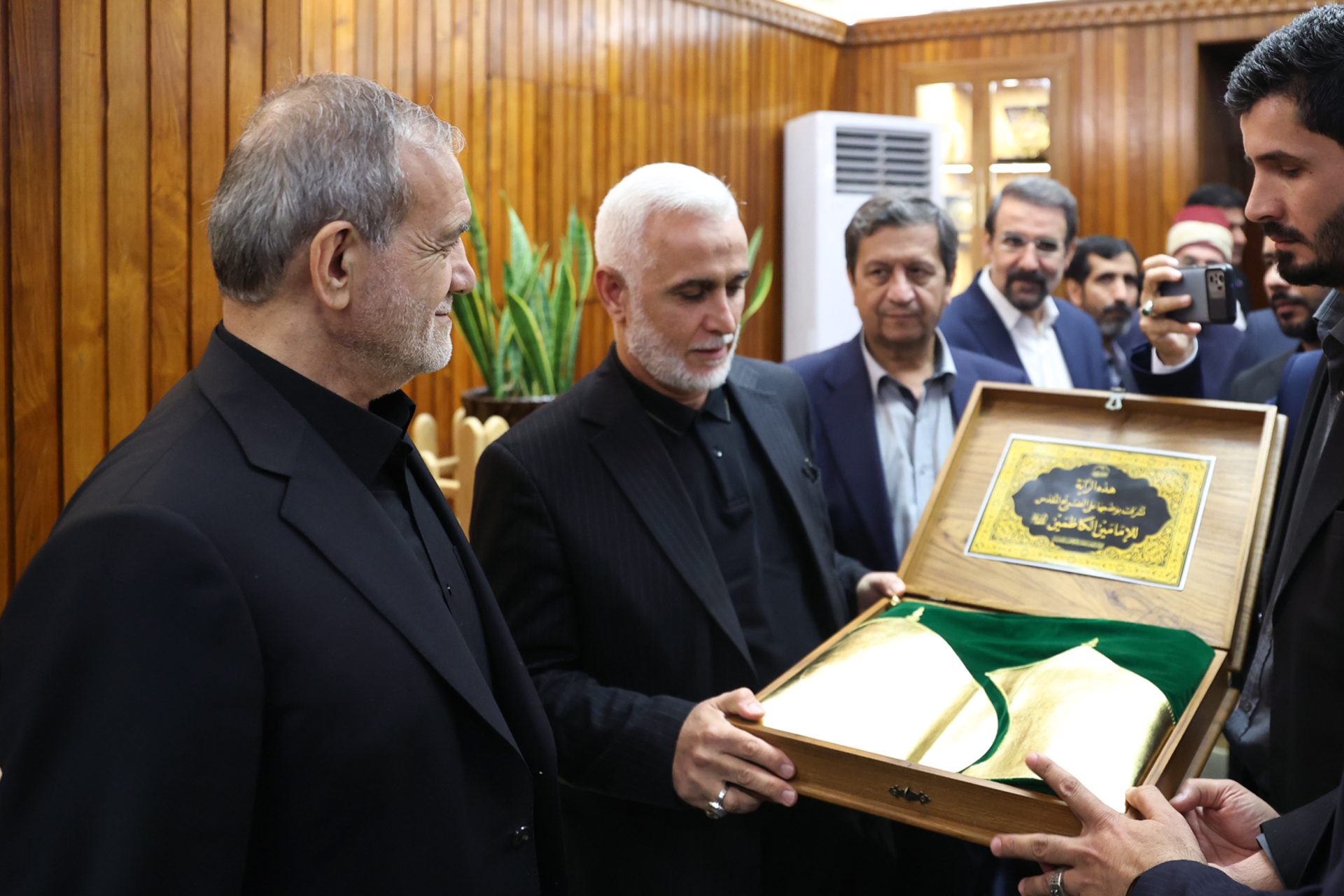
Heading a high-ranking delegation, Pezeshkian arrived in the Kurdistan’s capital on Thursday on the second day of his three-day visit to Iraq and was welcomed by Barzani upon his arrival.
During his meeting with Barzani, Pezeshkian expressed Iran’s keenness to boost economic and trade cooperation with the Kurdistan Region.
He stressed the need for steps to be taken to reach further agreements aimed at consolidating relations and achieving progress and development.
“It is essential to improve cooperation (in order to) prepare the necessary security ground for enhanced economic and commercial relations and interactions, especially in the border areas,” the Iranian president emphasized.
Barzani, for his part, said Kurdistan imported more than 50 percent of its required commodities from Iran, expressing hope that the two sides will accelerate the expansion of their interaction.
He hailed the “historical and important” visit by the Iranian president to the Kurdistan Region and said Erbil is keen to expand relations with Tehran.
He emphasized that the Kurdistan Region is committed to a security pact between Iran and Iraq and will never allow any sides to use it as a threat against the Islamic Republic.
Iran’s president also held a meeting with Masoud Barzani, the leader of the Kurdistan Democratic Party (KDP) and the former KRG president.
This is the first official visit to Iraq’s semi-autonomous Kurdistan region by an Iranian president since the victory of the Islamic Revolution in 1979.
Pezeshkian has earlier hailed good relations between Tehran and the Kurdistan Region and vowed to make efforts to further improve mutual ties.
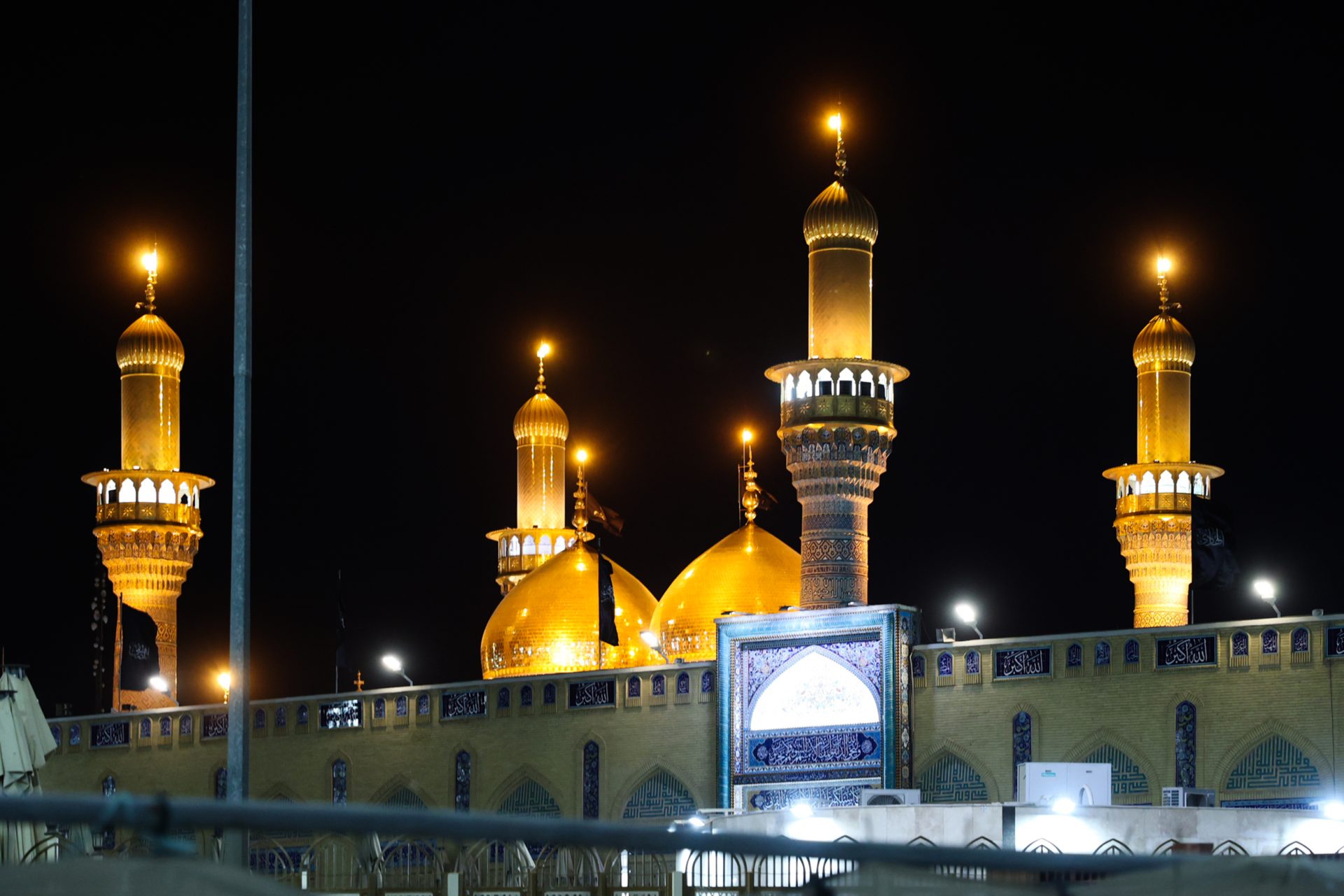
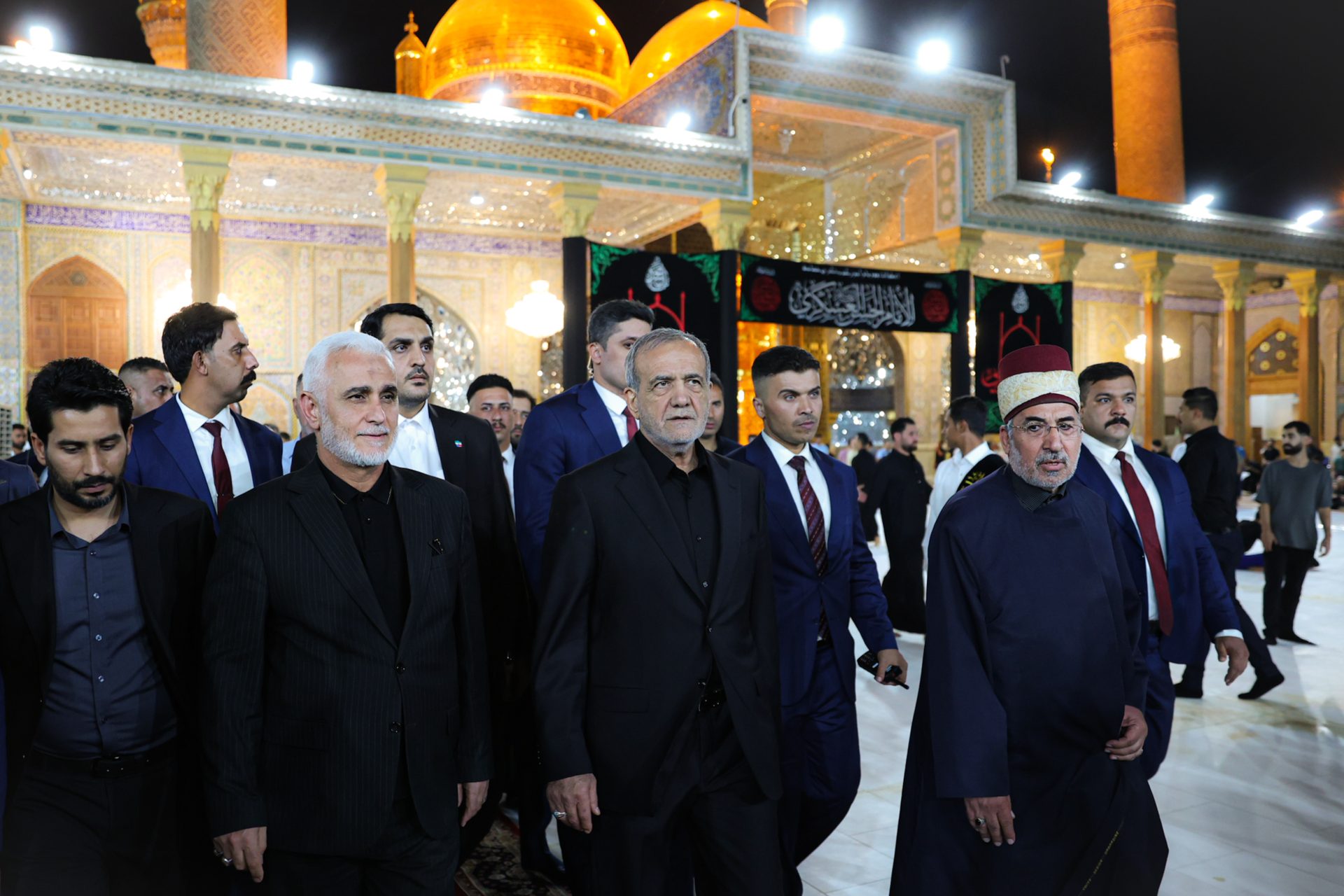
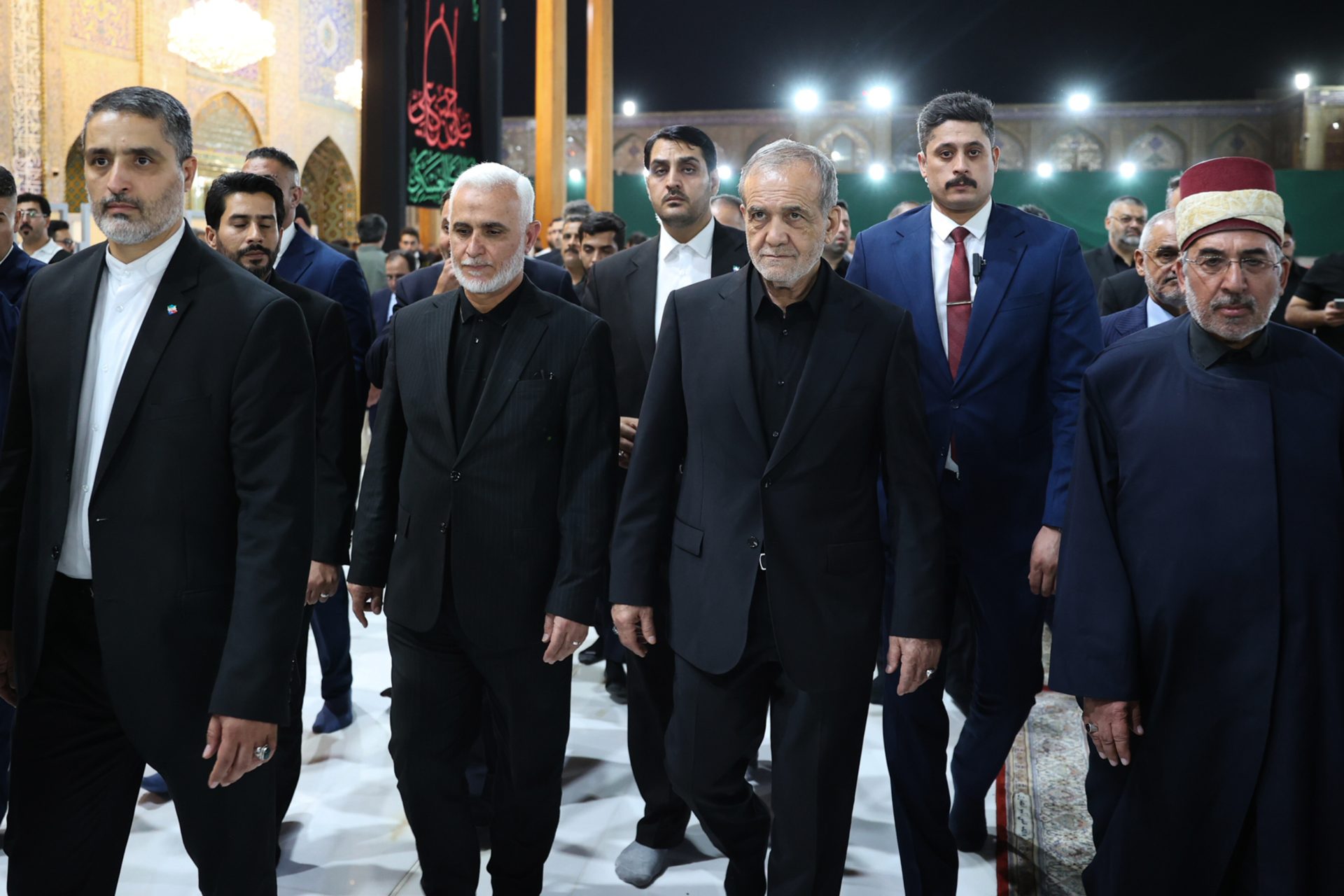
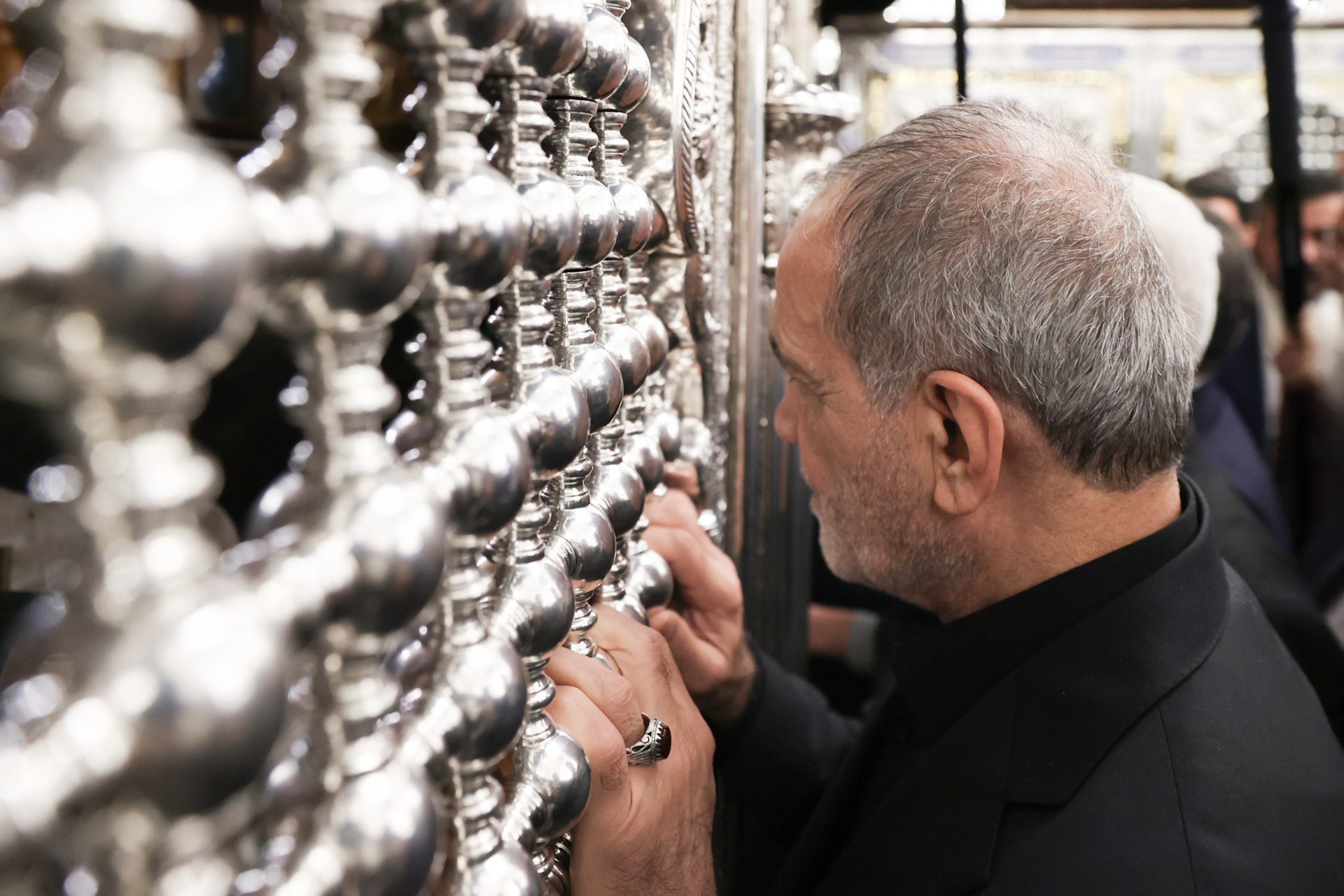
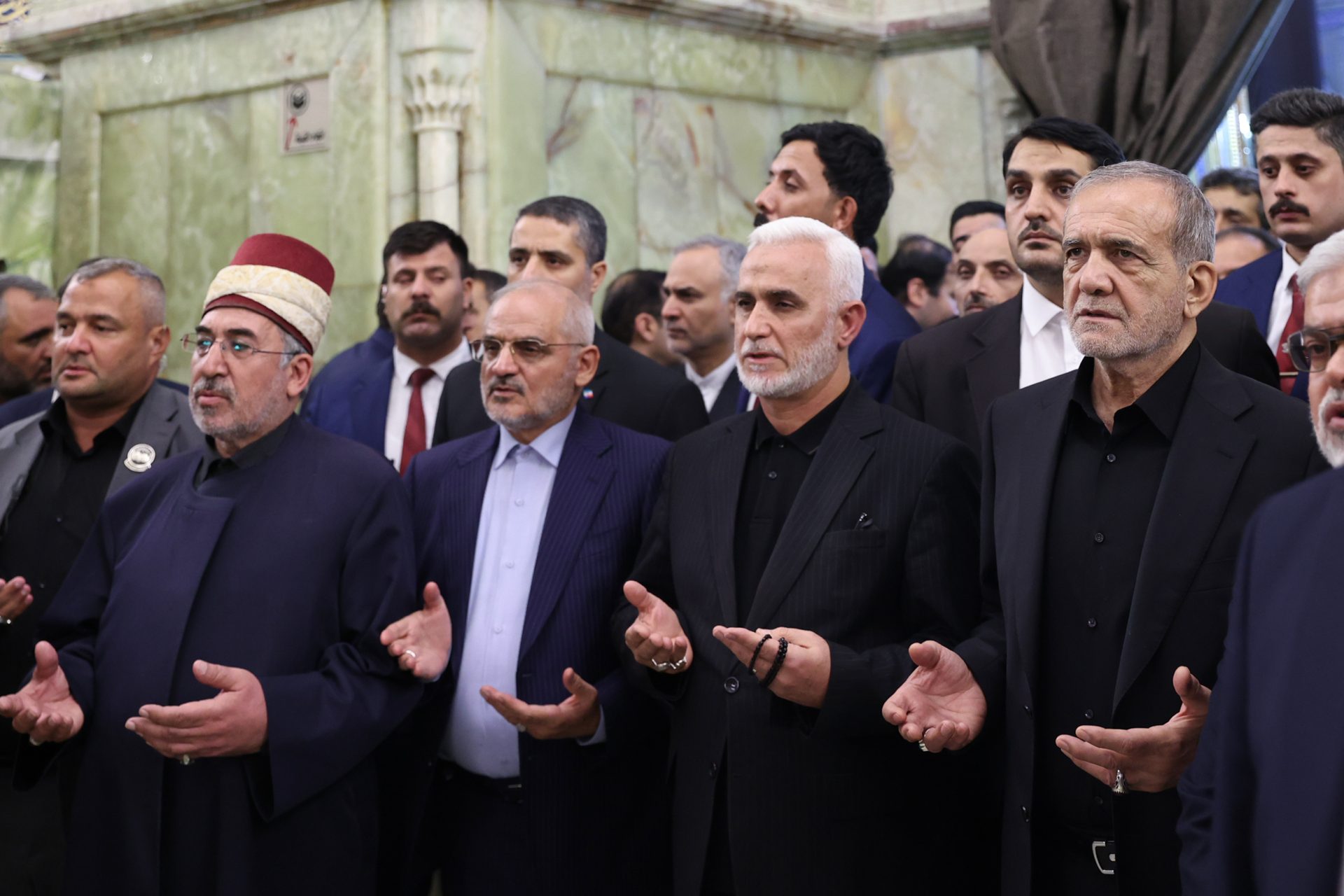
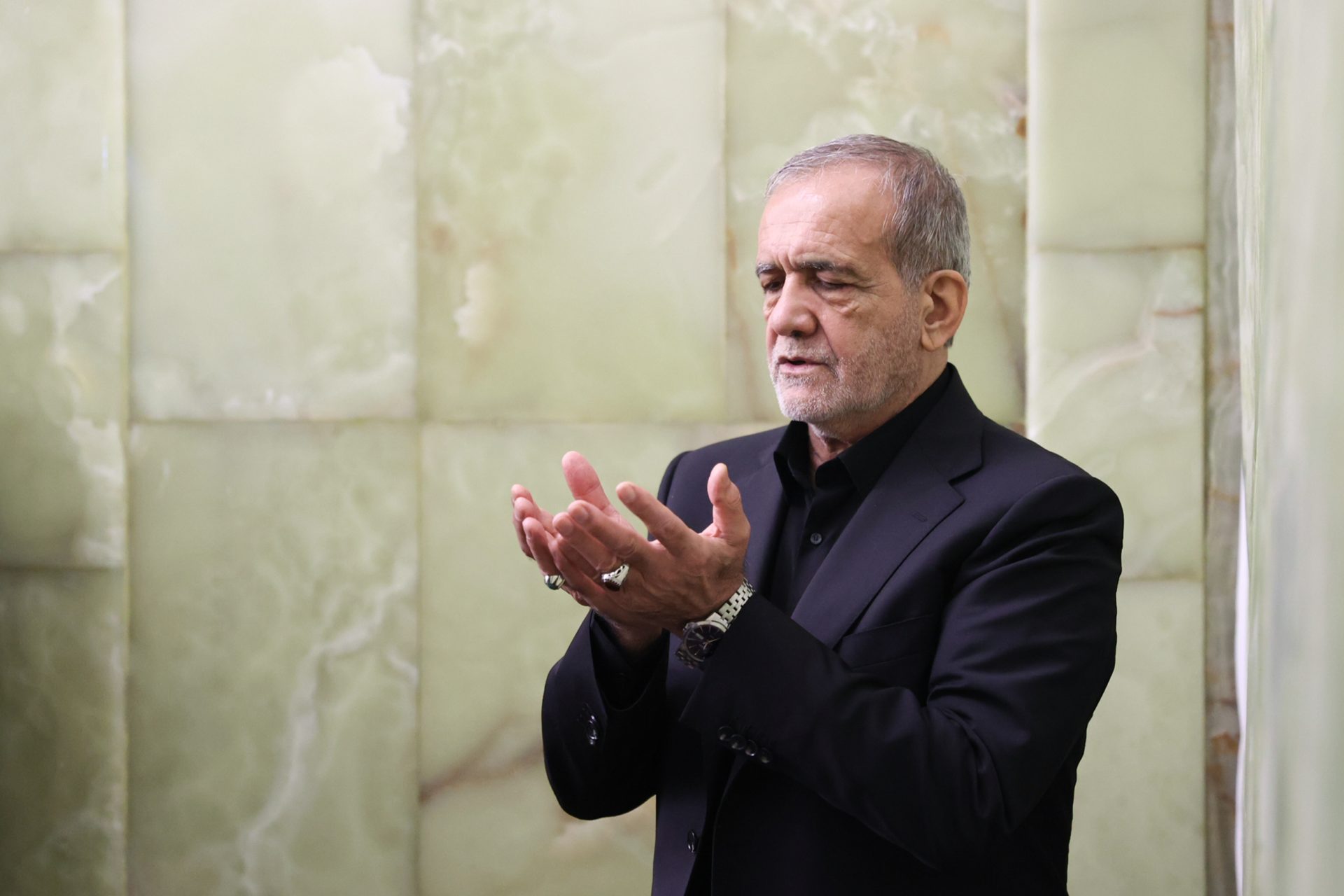
After Erbil, the Iranian president plans to travel to the city of Sulaymaniyah in northern Iraq to meet with the leaders of the Patriotic Union of Kurdistan. Pezeshkian is also scheduled to visit the city of Basra, the economic capital of Iraq, as well as the holy cities of Najaf and Karbala.
On the first day of his visit, the Iranian president held talks with his Iraqi counterpart Abdul Latif, Prime Minister Mohammed Shia’ Al Sudani and President of the Supreme Judicial Council Faiq Zidan in Baghdad. He also met Iranian nationals and Iraqi tradesmen.
In the presence of the Iranian president and Iraqi prime minister, Tehran and Baghdad signed 14 documents to expand cooperation in various economic, commercial, cultural and social sectors.

“We hear about a lot of allegations regarding some kind of supplies of some kind of weapons to Russia, but they are groundless,” Peskov told journalists commenting on US Secretary of State Anthony Blinken’s recent statement that Iran had been allegedly supplying Russia with missiles.
“We are developing our relations with a number of countries, we are cooperating in various spheres, and we will continue this cooperation in the interests of all involved countries,” he added.
On Tuesday, the US announced the measures against Iran Air and a number of Iranian and Russian shipping companies after Secretary of State Antony Blinken accused the entities of transporting Fath-360 short-range ballistic missiles to Russia. The UK, France, and Germany followed suit by canceling bilateral agreements allowing Iran Air to enter their airspace, and by sanctioning Russian and Iranian companies, vessels, and individuals allegedly involved in the missile trade.
In a post on X on Wednesday, Iranian Foreign Minister Abbas Araghchi said that the US and its allies were acting “on false intelligence and false logic.”
“Iran has NOT delivered ballistic missiles to Russia. Period,” he wrote. “Sanction addicts should ask themselves: how is Iran able to make and supposedly sell sophisticated arms?”
“Sanctions are not the solution but part of the problem,” he concluded.
Aragachi is not the first Iranian official to deny supplying the missiles to Russia.
“No missile was sent to Russia and this claim is a kind of psychological warfare,” senior military commander Fazlollah Nozari told Iranian media on Monday.
“We strongly reject the claims of Iran’s role in exporting arms to one side of the war,” Iranian Foreign Ministry spokesman Nasser Kanaani told reporters later that day, referring to the Ukraine conflict.
“Iran’s accusers are the ones who are among the biggest arms exporters to one side of the war,” he added.
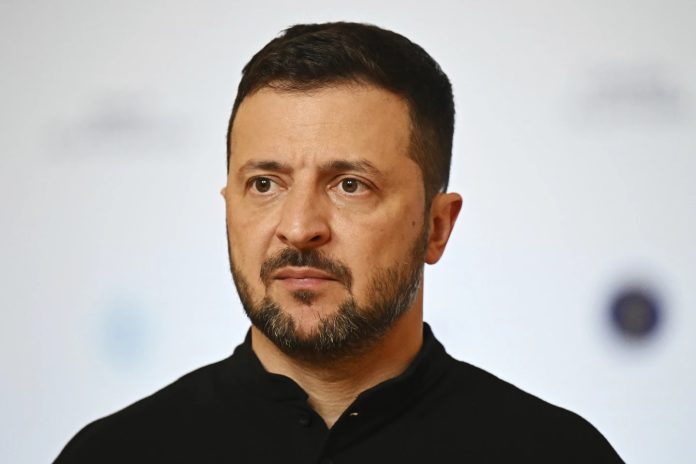
The United States has claimed that Iran has provided Russia with shipments of Fath-360 close-range ballistic missiles as a boost to Moscow’s war against Ukraine.
“We’ve warned Tehran publicly, we’ve warned Tehran privately, that taking this step would be a dangerous escalation,” US Secretary of State Antony Blinken said, adding, “Russia has now received shipments of these missiles.”
Zelensky said on Thursday he had received information from Western intelligence about the Iranian ballistic missile deliveries to Moscow.
“But I cannot confirm the use of the missiles for now. I can only confirm when we have evidence. As it was with North Korea,” the president added.
On Wednesday, Iranian Foreign Minister Abbas Araghchi stressed that Tehran did not supply Moscow with ballistic missiles, despite what the “sanctions addicts” in the West claim.
The US has already announced the measures against Iran Air and a number of Iranian and Russian shipping companies. The UK, France, and Germany followed suit by canceling bilateral agreements allowing Iran Air to enter their airspace, and by sanctioning Russian and Iranian companies, vessels, and individuals allegedly involved in the missile trade.
In a post on X on Wednesday, Araghchi said that the US and its allies were acting “on false intelligence and false logic.”
“Iran has NOT delivered ballistic missiles to Russia. Period,” he wrote. “Sanction addicts should ask themselves: how is Iran able to make and supposedly sell sophisticated arms?”
“Sanctions are not the solution but part of the problem,” he concluded.
Ukraine’s Foreign Ministry announced last week that if Iran provides ballistic missiles to Russia, “It will have devastating consequences for Ukrainian-Iranian bilateral relations.”
Heorhii Tykhyi, the ministry’s spokesperson, stated that Kyiv does not rule out severing of diplomatic ties with Tehran.
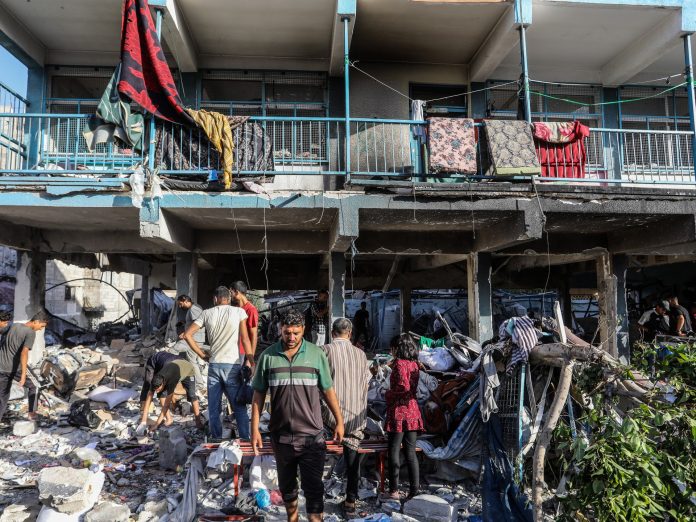
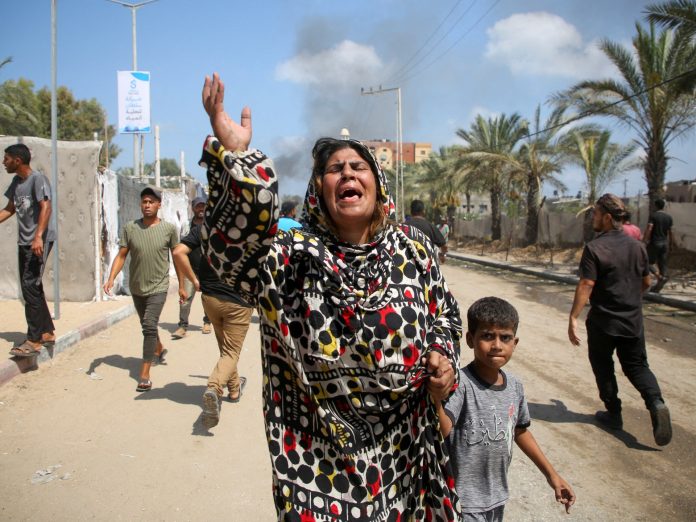
Witnesses said Wednesday’s attack on al-Jaouni school in the Nuseirat refugee camp tore women and children to pieces, while UNRWA said the casualties among its staff amounted to the “highest death toll” in a single incident in the 11-month war.
Some 12,000 displaced Palestinians, most of them women and children, were sheltering at al-Jaouni, according to UNRWA, when Israeli forces carried out two air attacks on the building.
The shelter is operated by the UN and those killed included its manager.
UNRWA announced Wednesday’s attacks marked the fifth time the school has been hit since Israel’s war on Gaza began last October.
“No one is safe in Gaza. No one is spared,” it said in a post on X.
One Palestinian woman who survived the attack said she had lost all of her six children.
“Are these children terrorists? May God punish them. The Israelis destroyed our home; killed and starved our people; women are widowed and children orphaned,” the unidentified woman told Al Jazeera in a video testimony.
“Six children … What crime, what wrong did those innocent children do?”
Another survivor said the section of the school that was hit had been “dedicated only to women”.
“All of a sudden there was a huge explosion … Women and children were blown to pieces. We rushed to see our children but found them torn to pieces,” he told Al Jazeera in a video testimony.
“This is the fifth time – the fifth time! – the school building has been pounded by Israeli warplanes. It is supposed to be a safe sheltering area,” he added.
Al-Jaouni is at least the sixth school to be targeted by Israeli shelling or air raids since August 1. Tens of thousands of Palestinians driven from their homes by Israeli offensives and evacuation orders are sheltering in Gaza’s schools.
On August 1, at least 15 people were killed in an Israeli attack on the Dalal al-Mughrabi school in Gaza City, while on August 3, another 16 were killed in the bombing of the Hamama school, also in Gaza City.
On August 4, at least 30 people were killed in Israeli air raids on the Nassr and Hassan Salama schools, west of Gaza City, while on August 8, at least 17 were killed in attacks on Abdul Fattah Hamouda and az-Zahra schools, which are also located in Gaza City.
And on August 10, more than 100 people were killed and 150 others wounded after Israeli forces bombed al-Tabin school, east of Gaza City.
William Deere, director of UNRWA’s Washington Office, told Al Jazeera that Israeli forces have targeted a total of 190 UN-run facilities in the course of the war, “many of them more than once”. That’s despite the agency sharing their GPS coordinates with the Israeli military.
He mourned the death of his colleagues, saying Israel’s war on Gaza appears to have “absolutely no bottom to it”.
“Six colleagues lost today, that brings the death toll among UNRWA staff in this conflict to 220, which is the highest ever in United Nations history,” Deere told Al Jazeera. But, “our staff are on the front lines, and they’re not going to back down, they’re not going to stop doing their job”, he added.
UN Secretary-General Antonio Guterres meanwhile denounced the lack of accountability for the killings of humanitarian workers in Gaza, and called for effective investigations into their deaths.
“We have courts, but we see that the decisions of courts are not respected, and it is this kind of limbo of accountability that is totally unacceptable and that requires also a serious a serious reflection,” Guterres told the Reuters news agency.
The Palestinian Ministry of Health confirmed that Israel’s 11-month-old assault on Gaza has now killed at least 41,084 people and wounded another 95,029.
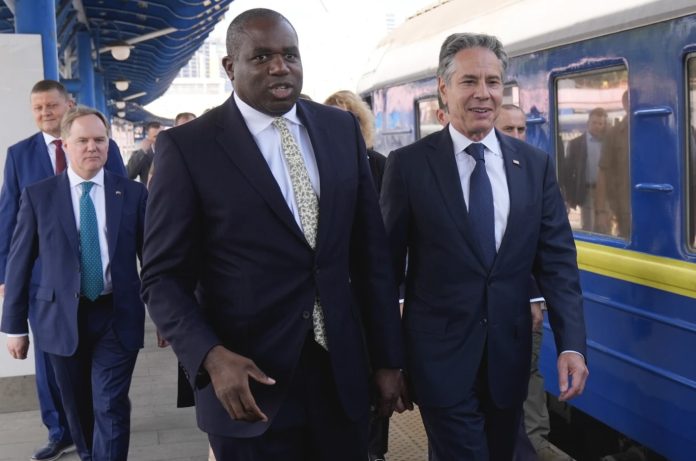
Speaking in Kyiv alongside the UK foreign secretary, David Lammy, Blinken said the US had “from day one” been willing to adapt its policy as the situation on the battlefield in Ukraine changed.
“We will continue to do this,” he emphasised.
Blinken added he and Lammy would report back to their “bosses” – Joe Biden and Keir Starmer – after their talks on Wednesday with the Ukrainian president, Volodymyr Zelensky.
The foreign secretary suggested Iran’s dispatch of ballistic missiles to Moscow had changed strategic thinking in London and Washington.
It was a “significant and dangerous escalation”, he said.
Iranian officials say no missile was sent to Russia and the claim is a kind of psychological warfare.
Blinken added: “The escalator here is Vladimir Putin. Putin has escalated with the shipment of missiles from Iran. We see a new axis of Russia, Iran and North Korea.”
Lammy urged China “not to throw in its lot” with what he called “a group of renegades”.
British government sources indicated that a decision had already been made to allow Ukraine to use Storm Shadow cruise missiles on targets inside Russia, although it is not expected to be publicly announced on Friday when Starmer meets Biden in Washington DC.
The two leaders are planning to discuss the war in Ukraine, and how it could be ended, as part of a wide-ranging foreign policy discussion, though they will avoid an intense focus on any individual weapons system, as the aim of the conversation is strategic.
No press conference is scheduled during what is expected to be a short visit, Starmer’s second to the US as prime minister, after which there may be further conversations over the weekend to update key European allies on the discussions.
Wednesday’s joint visit to Kyiv by Blinken and Lammy to meet Zelensky would not be taking place had there been no positive decision regarding Storm Shadow, the sources added.
But it would be considered unnecessarily provocative to make a public announcement about long-range missiles in Kyiv. It is also likely there will still be restrictions around Ukraine’s use of the missiles, which have a range of at least 190 miles, to avoid reckless or unnecessary attacks.
Speaking in Kyiv, Lammy said he would not reveal details of private discussions that might hand Putin an advantage. He denounced the Russian leader’s “sinister” invasion of Ukraine and accused him personally of “arrogance and greed”.
“This is imperialism. This is fascism,” he added.
Ukraine has been lobbying for months for permission to hit airfields, missile launchers and command and control centres deep inside Russian territory. Speaking to the Guardian in May, Zelensky said Biden’s equivocation and incremental approach had cost lives. It allowed the Kremlin to “hunt” Ukrainians, he complained.
Zelensky urged the president to overcome his perennial worries about nuclear escalation. The US should “believe in us more”, he stressed, saying of Russia: “We have to respond. They don’t understand anything but force.”
Blinken and Lammy arrived in Kyiv on an overnight train from Poland. They had come to reiterate “ironclad support for Ukraine”, Lammy posted on X.
“We must stand up to Vladimir Putin’s imperialism. Our collective security depends on it.”
Russia’s attacks on civilians were “horrific, barbaric, unbelievable”, he commented.
The trip came 24 hours after Blinken confirmed in London that Tehran had shipped new deadly ballistic missiles to Russia. In Kyiv, Blinken stated he was delivering a strong message that Britain and the US were committed to Ukraine’s “success” and “victory”.
Speaking at a joint press conference, Lammy described the UK’s backing for Ukraine as an enduring “hundred-year partnership”. He added the government was providing a new package of military assistance including Brimstone missiles and AS-90 self-propelled guns.
“We recognise what is at stake: not just the liberty of Ukraine but the security of Europe and the west,” Lammy declared.
There was growing anticipation in Kyiv that the US and UK would finally lift their objections to long-range strikes.
Ukrainian officials had previously expressed frustration that the new Labour government in the UK had not been more robust on the issue, and had waited for the White House to amend its red lines. The US state department has reportedly been open to Kyiv’s request, with the Pentagon and some in the US intelligence community sceptical.
In May the US allowed weapons such as Himars artillery to be used within Russia’s border regions for the first time. This followed a Kremlin offensive into the Kharkiv region and the Ukrainian city of Vovchansk.
This week senior Democrats and Republicans in Washington urged the White House to go further. In a letter, a group of senators called on Biden “to immediately end” his administration’s “limitations” on the use of long-range missiles provided by the US and its NATO allies.
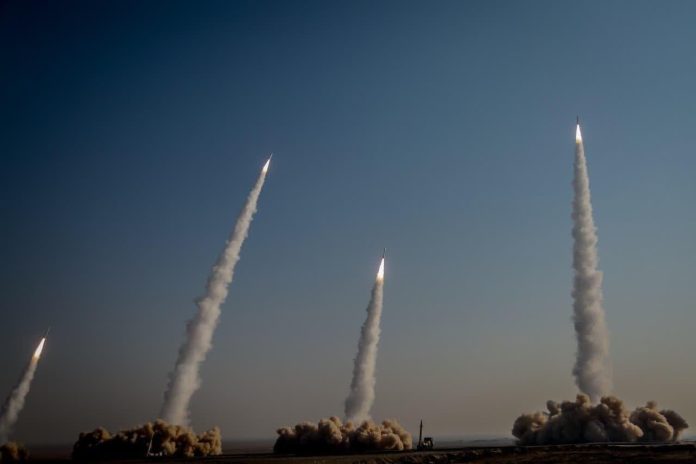
The Dutch Foreign Ministry summoned Iran’s ambassador to Amsterdam and the country’s top diplomat called for new and robust sanctions against Tehran.
The British Foreign Office also summoned the head of the Iranian Embassy, Ali Matinfar, and conveyed London’s protest at the alleged missile supplies.
Britain, Germany, and France, alongside the US, have announced fresh sanctions on Iran over the issue.
Both Russia and Iran have denied the accusation as baseless.
Iranian Foreign Minister Abbas Araghchi condemned the Western sanctions against Iran over the matter, saying on X that the US and Europe once again acted on “false information” and “flawed logic” vis-à-vis Iran.
Araghchi reiterated that Iran has NOT given ballistic missiles to Russia.
Kremlin Spokesman Dmitry Peskov also said Russia has heard many allegations regarding arms supplies to Russia, which are all unfounded.
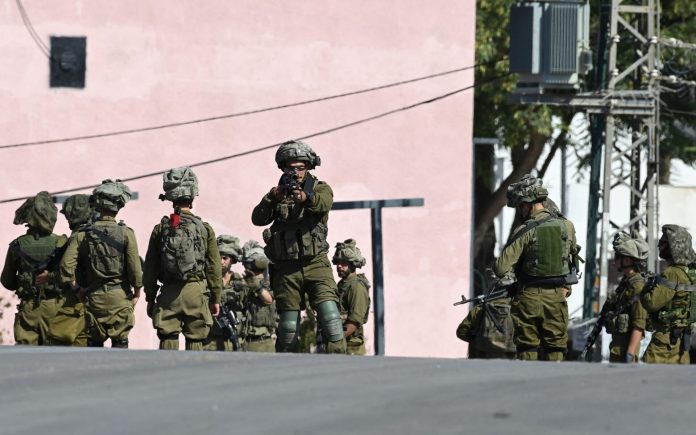
In a statement, the Palestinian Red Crescent Society said that after the airstrike, its medical teams transferred five bodies from the Tawheed Mosque in Tubas to the hospital.
Witnesses told Anadolu that a large number of Israeli forces stormed Tubas and nearby Tammun town, and imposed a curfew.
Explosions and gunfire were heard across the city, the witnesses added.
On Tuesday, the Israeli army also started a military operation in Tulkarem city and its refugee camp, killing two Palestinians.
The military raids came amid rising tensions in the occupied territory as Israel pressed ahead with its brutal onslaught on the Gaza Strip, which has killed more than 41,000 Palestinians, mostly women and children, since Oct. 7 last year.
Nearly 700 people have since been killed and more than 5,700 injured by Israeli fire in the West Bank, according to the Health Ministry.
The escalation followed a landmark opinion by the International Court of Justice on July 19 that declared Israel’s decades-long occupation of Palestinian land unlawful and demanded the evacuation of all settlements in the West Bank and East Jerusalem.
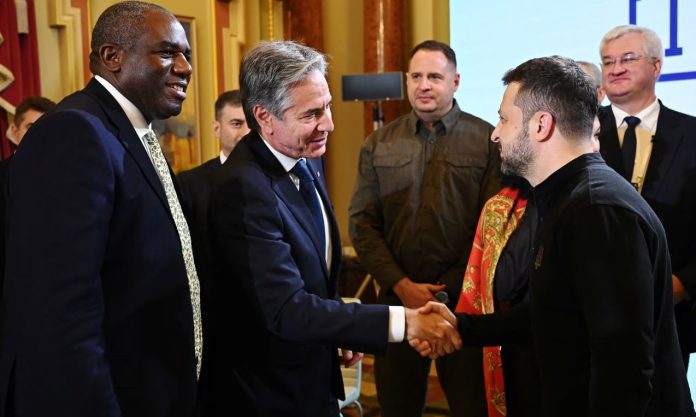
Ukraine has been pressing its allies to allow the use of Western-supplied long-range missiles on targets in Russia, particularly after Blinken accused Iran of providing Moscow with Fath-369 short-range ballistic missiles at a news conference in London.
“We hope that long-range equipment for strikes on the territory of our enemy will be reached and we will have it,” Ukrainian PM Denys Shmyhal told Lammy.
“We hope for your help and support in this issue.”
“If we are allowed to destroy (Russia’s) military targets or weapons ready for attacks on Ukraine, it would certainly bring more safety for our civilians, our people, and our children,” Shmyhal added in a news conference on Tuesday.
The Kremlin announced Russia would respond “appropriately” if the US agreed to lift its restrictions on Ukraine using US-supplied missiles to strike targets inside Russia.
“Each decision made by the collective West and then imputed to Ukraine is an additional confirmation that conducting (the war) is justified, necessary and has no alternative,” President Vladimir Putin’s spokesman Dmitry Peskov said.
On Wednesday, the Ukrainian president, Volodymyr Zelenskiy, called for “strong decisions” to be made as he reiterated his call for permission to use long-distance missiles in Russia.
“I will have a little bit later a talk with him (Blinken) and minister of foreign affairs for the UK. I don’t know all the details of our conversation. I will be ready to be open and honest after these consultations.”
“If I am optimistic about their decision to give us permission to use long distance, it is a pity it doesn’t depend on my optimism. It depends on their optimism. Let’s count on some strong decisions on this,” he continued.
“For us it is very important for today. Anyway, I will tell you after the meeting and anyway I am counting on my dialogue with President (Joe) Biden this month,” Zelensky stated.
He also said a “victory plan” he wants to present to Joe Biden this month would strengthen Kyiv.
“If partners support it (the plan), it will make it easier for Ukraine to force Russia to end the war,” the Ukrainian president added.
“What is this plan for? It is a serious strengthening of Ukraine and, in my opinion, it will have both psychological and political… influence on Russia’s decision to end this war.”
Lammy has said the west is “listening carefully” to Ukraine’s needs, adding he and Blinken were to “listen to Ukraine, to speak to President Zelensky, to hear and understand the strategy”.
When asked if the UK would allow Ukraine to use long-range missiles against targets in Russia, Lammy stated, “We’re here to listen, to understand the plan, to understand the strategy and understand the needs across a whole range of fronts.”
“We are listening carefully and, of course, we are having discussions on a range of issues including the military equipment that Ukraine needs to win.”
Also on Wednesday, Lammy announced more than 600 million pounds of support for Ukraine, Reuters reported.
The UK is set to provide 242 million pounds of funding and 484 million pounds in loan guarantees.
The UK government is set to provide hundreds of additional air defence missiles, tens of thousands of additional artillery ammunition rounds and more armoured vehicles, to be delivered to Ukraine by the end of the year.
Blinken also announced more than $700 million in aid for Ukraine, aiming to bolster the energy grid that Russia has repeatedly pounded ahead of an expected difficult winter.
The $325m in energy support in the package will help repair and restore Ukraine’s power generation facilities, provide emergency backup power and strengthen the physical security of energy infrastructure.
Some $290m will fund food, water, shelter, health care and education programs for Ukrainians in need in the country and refugees outside the country. The remaining $102m will be used for mine-removal activities.
© All Content by IFP News ( Iran Front Page ) is licensed under a Creative Commons Attribution 4.0 International License.
